Assignment Images & Reflective Commentary
For this assignment I have been progressing and developing my ideas. I am still following the pilgrimage as a method of looking into the gender inequality in landscape photography and comparing it with the greater scope of inequality in world religion.
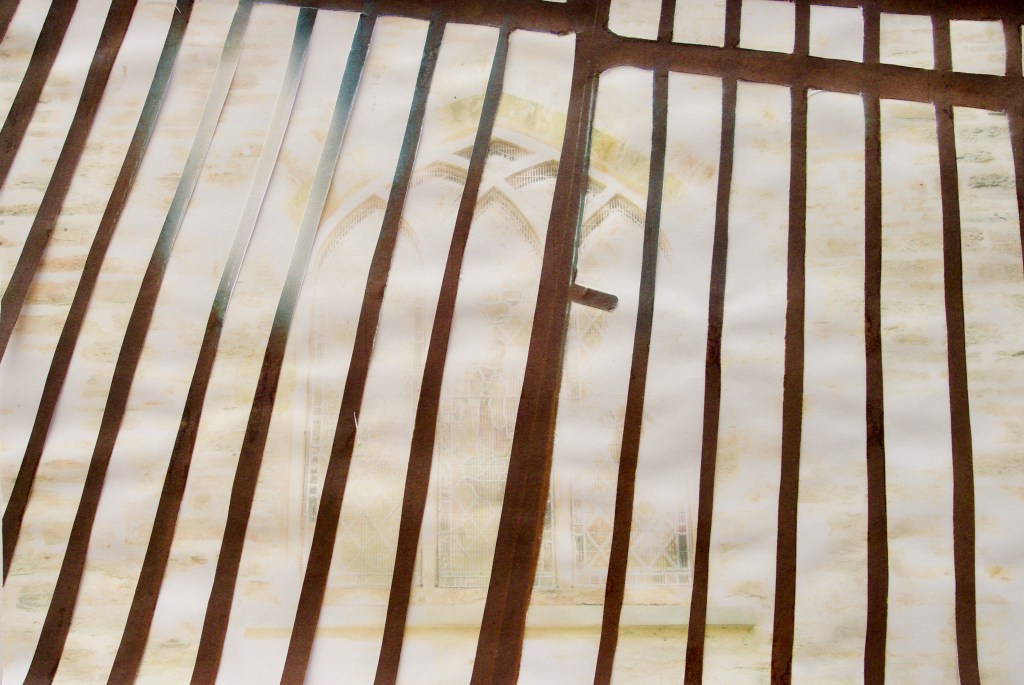
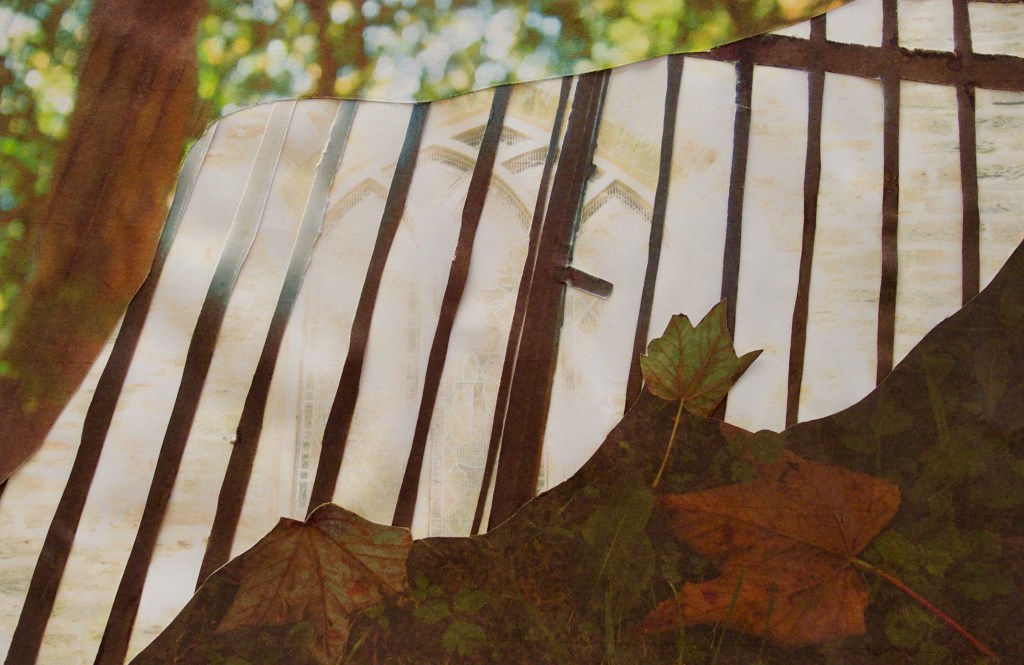
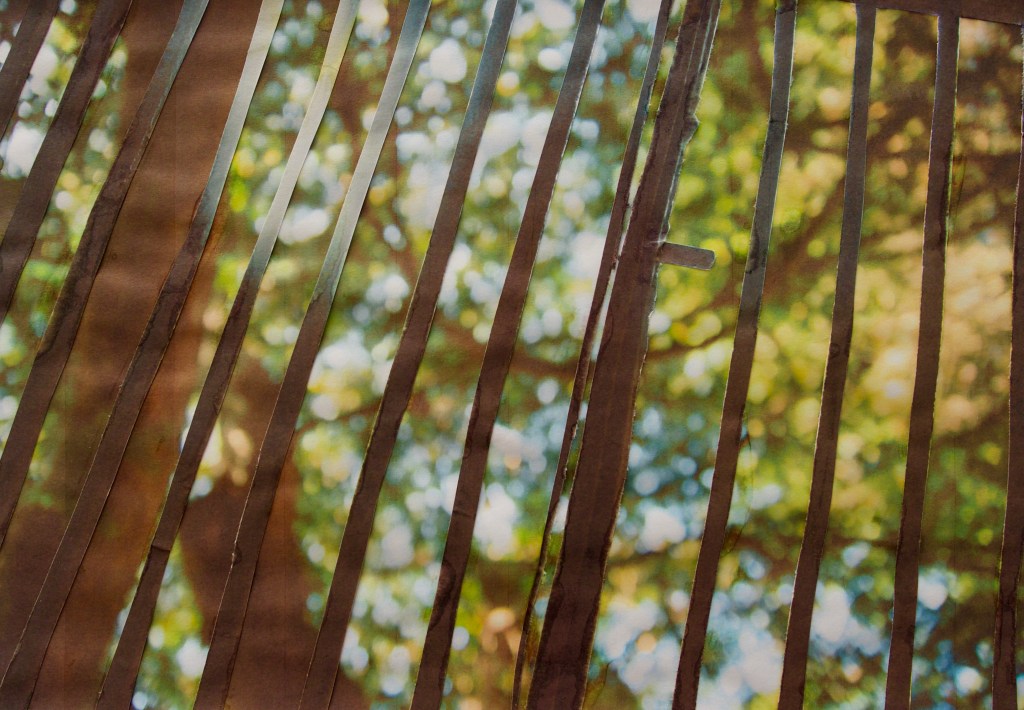
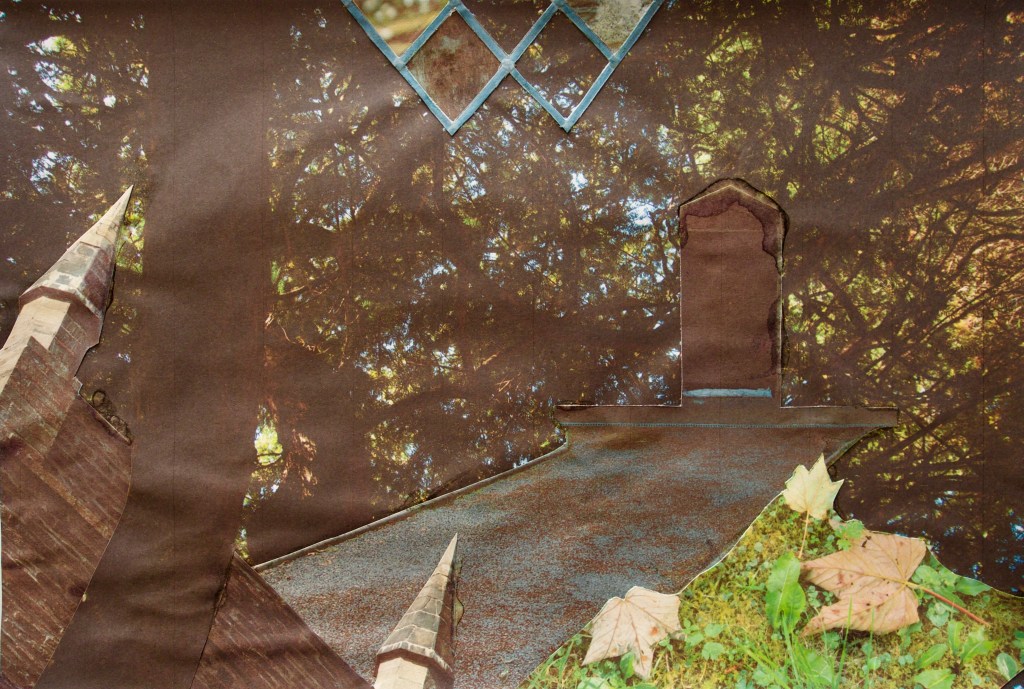
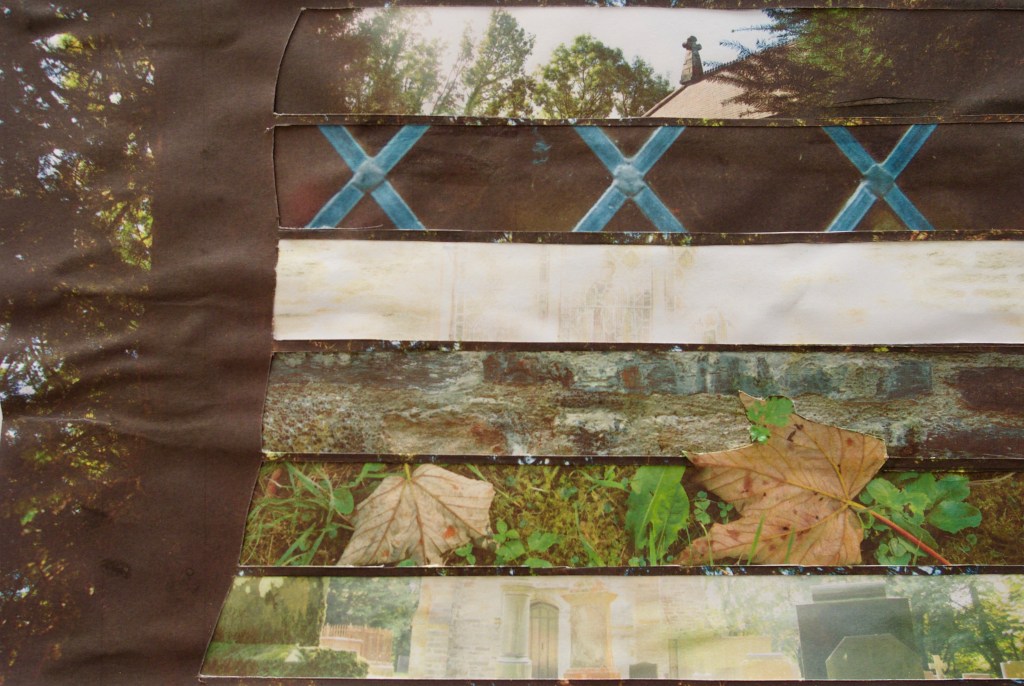
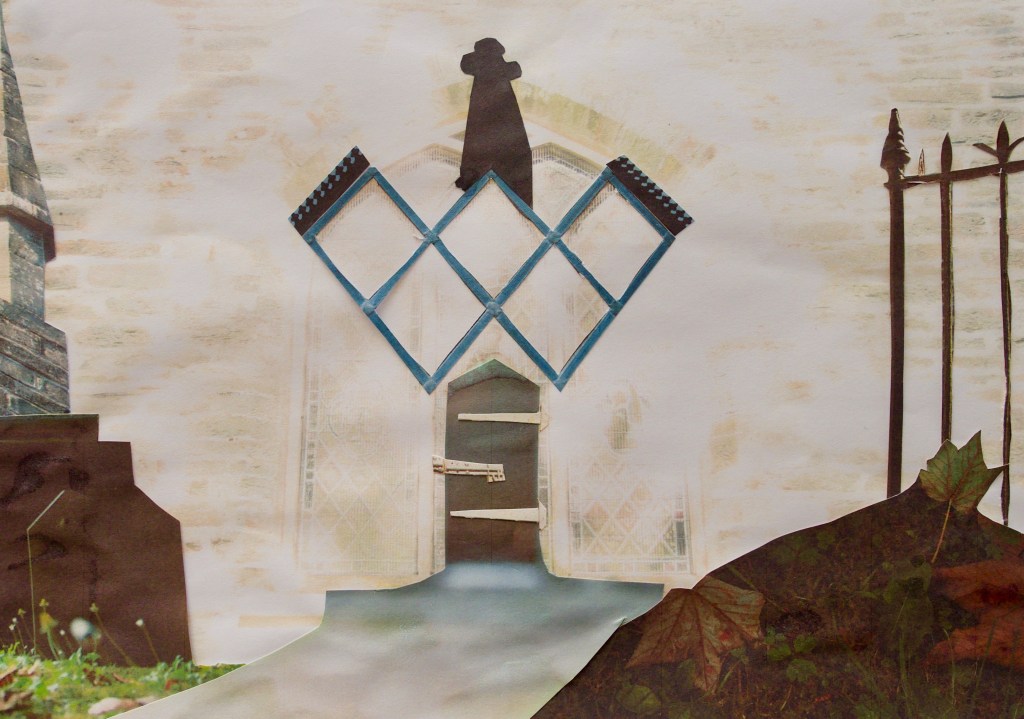
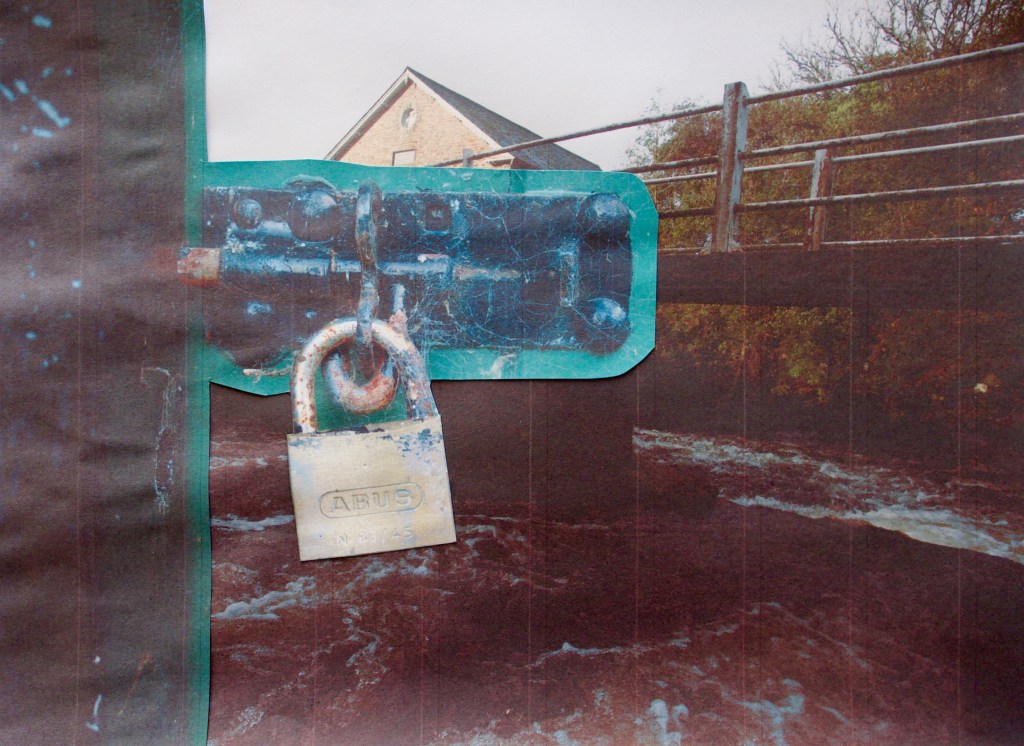
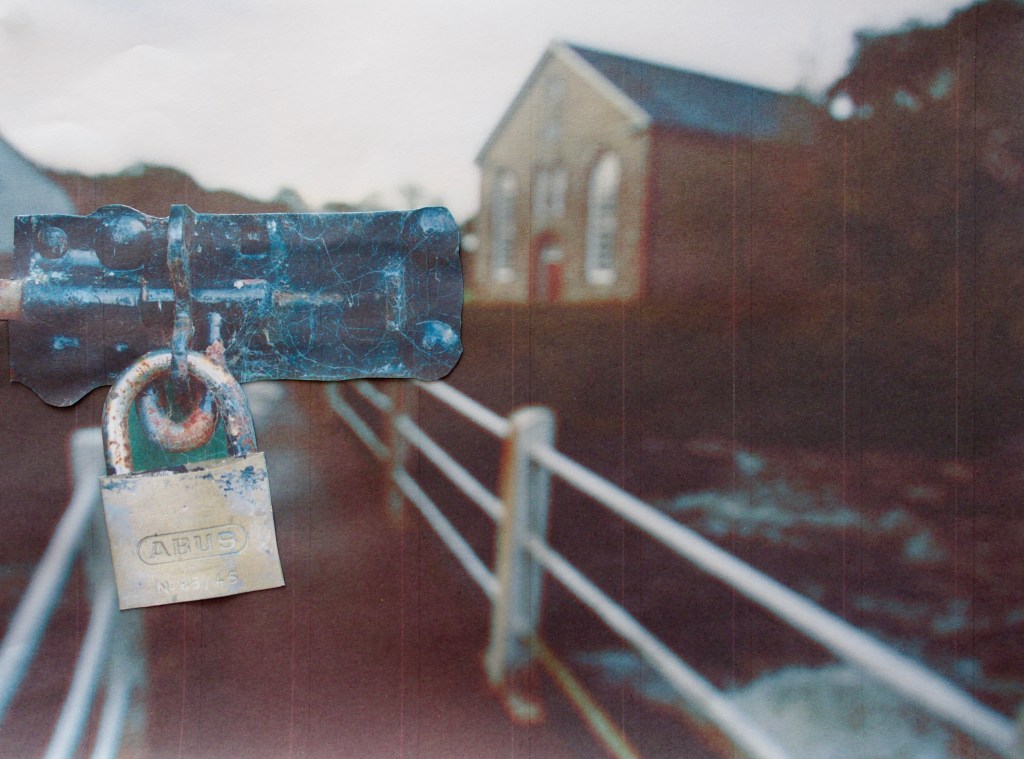
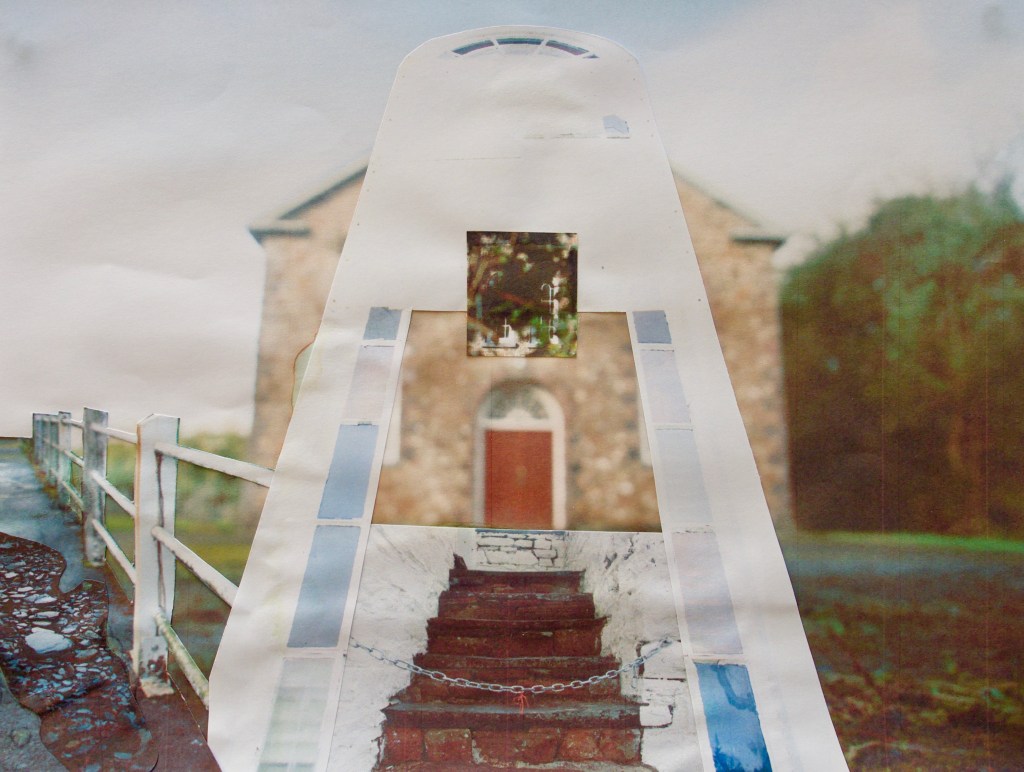
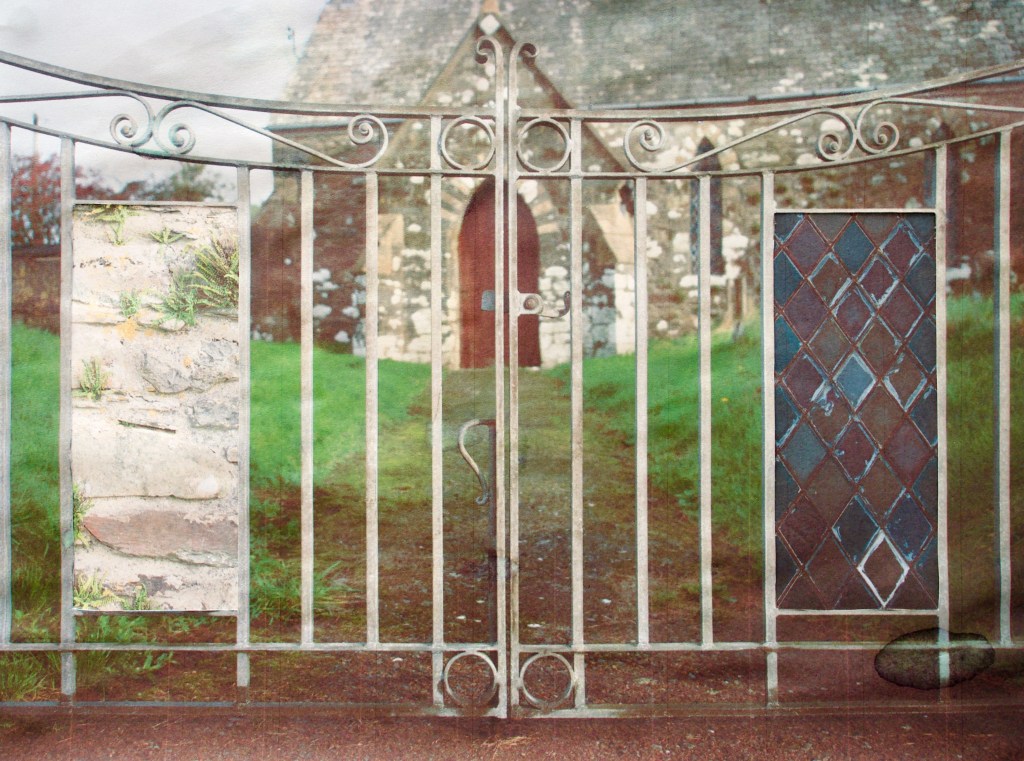
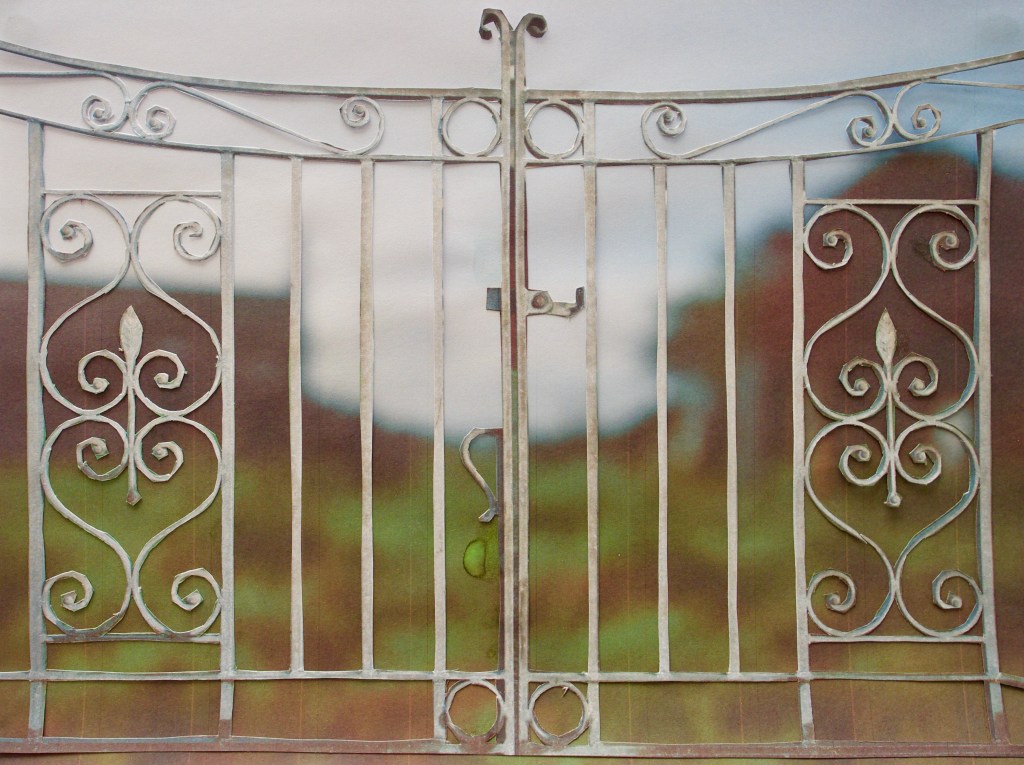
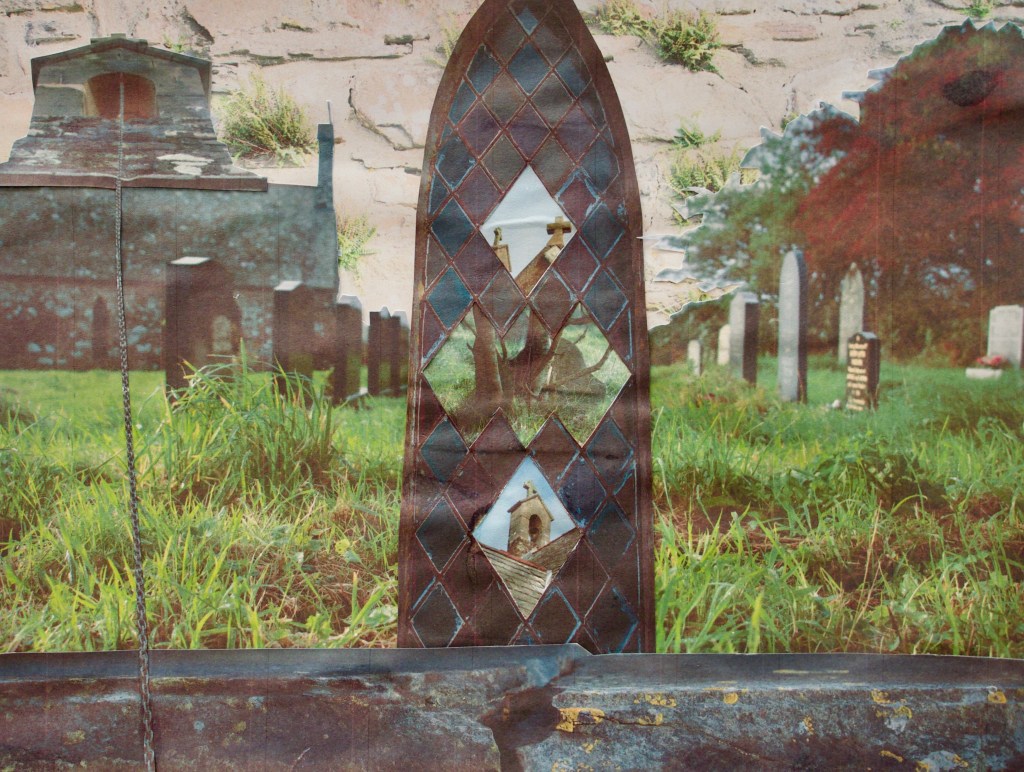
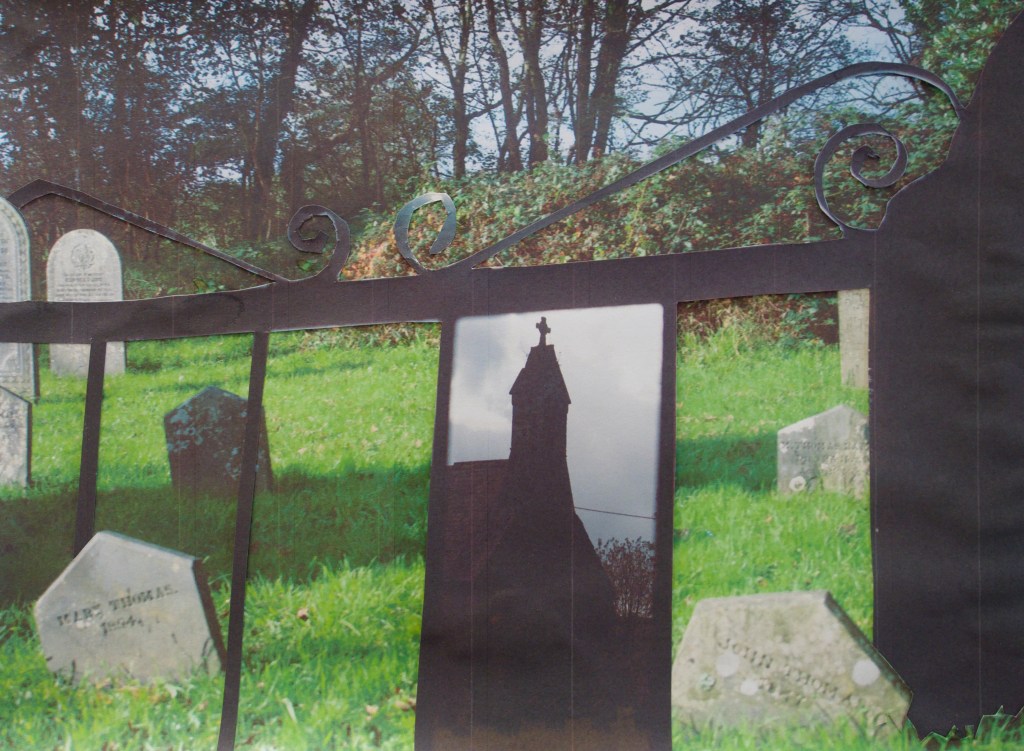
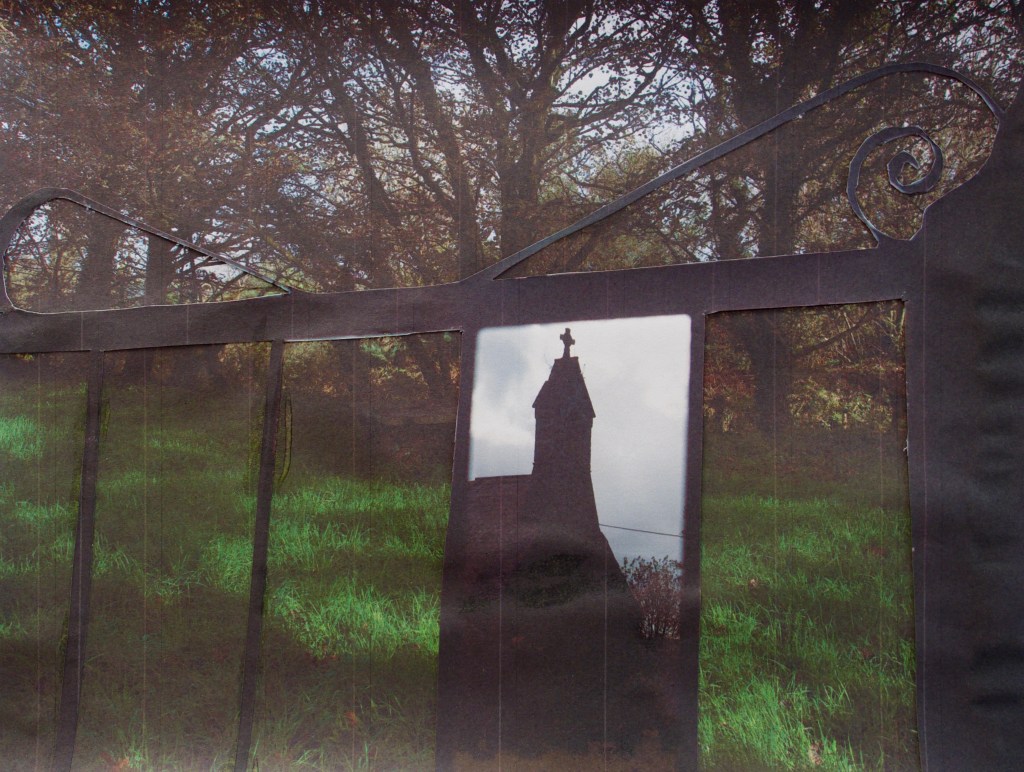
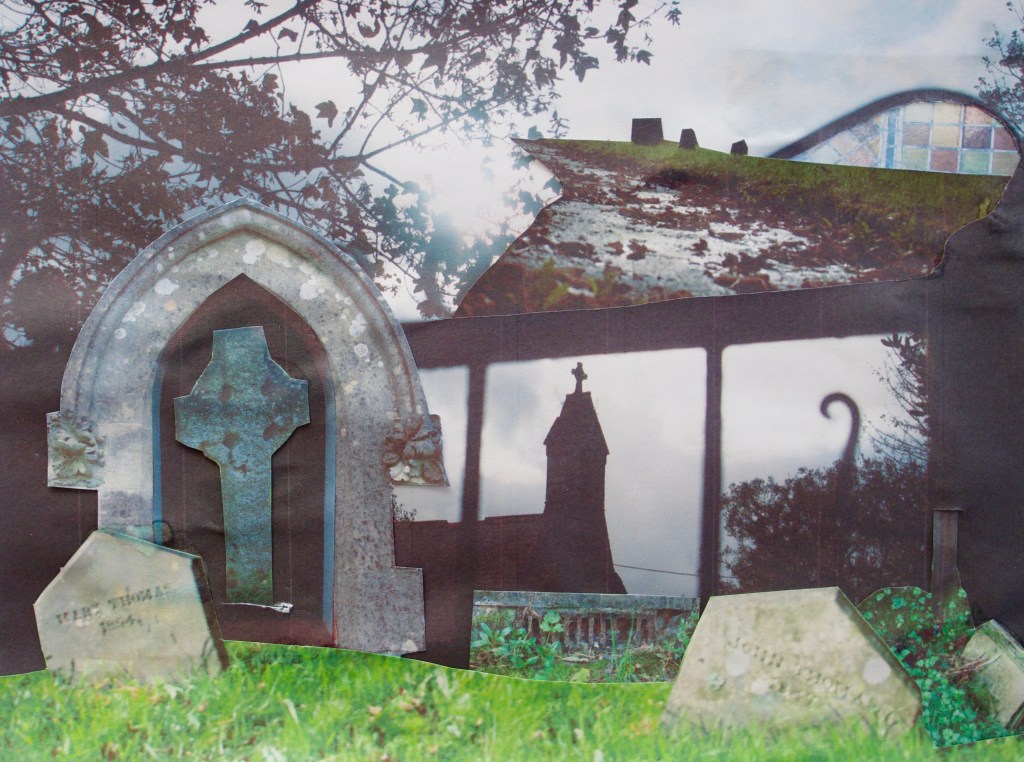
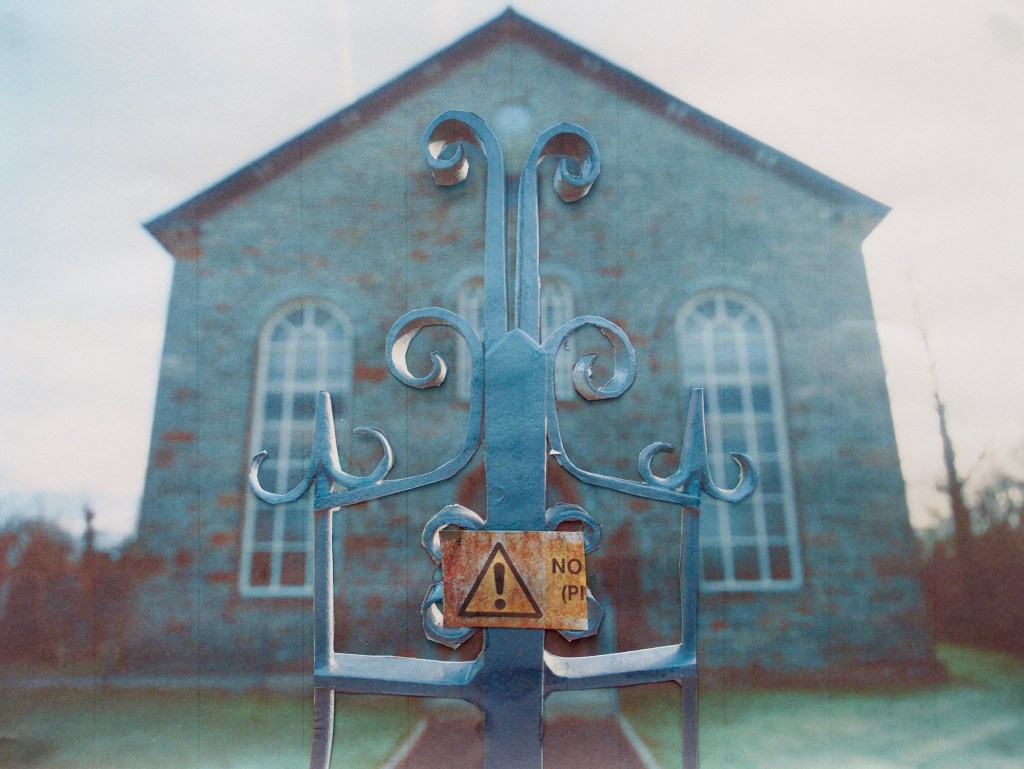
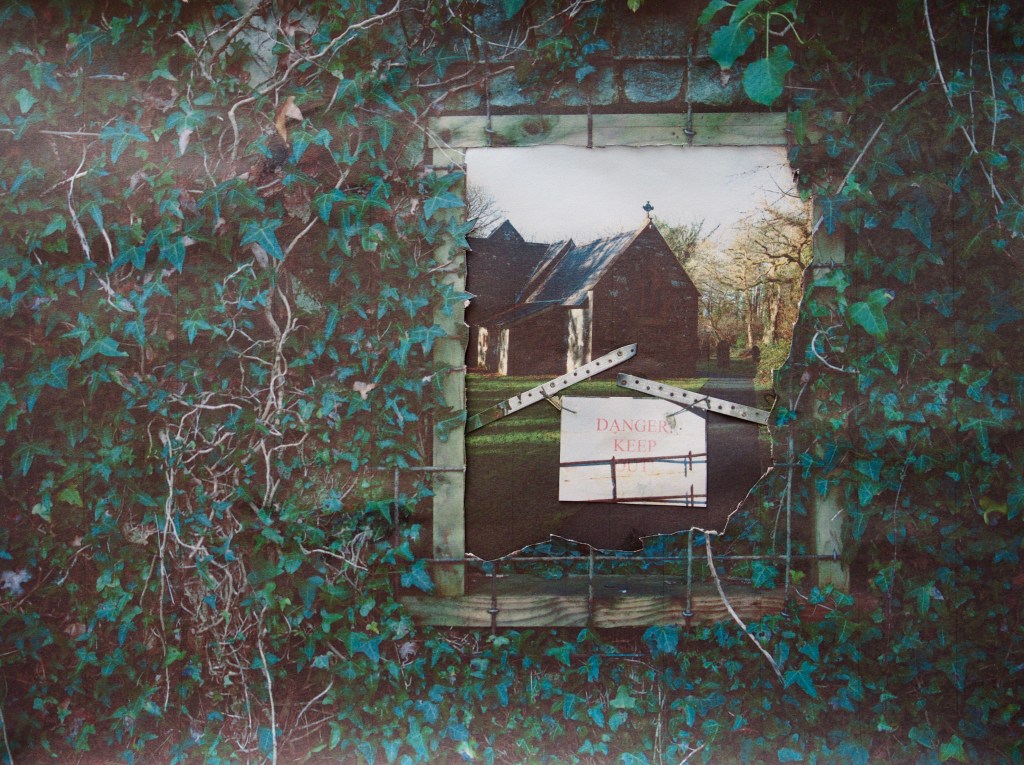
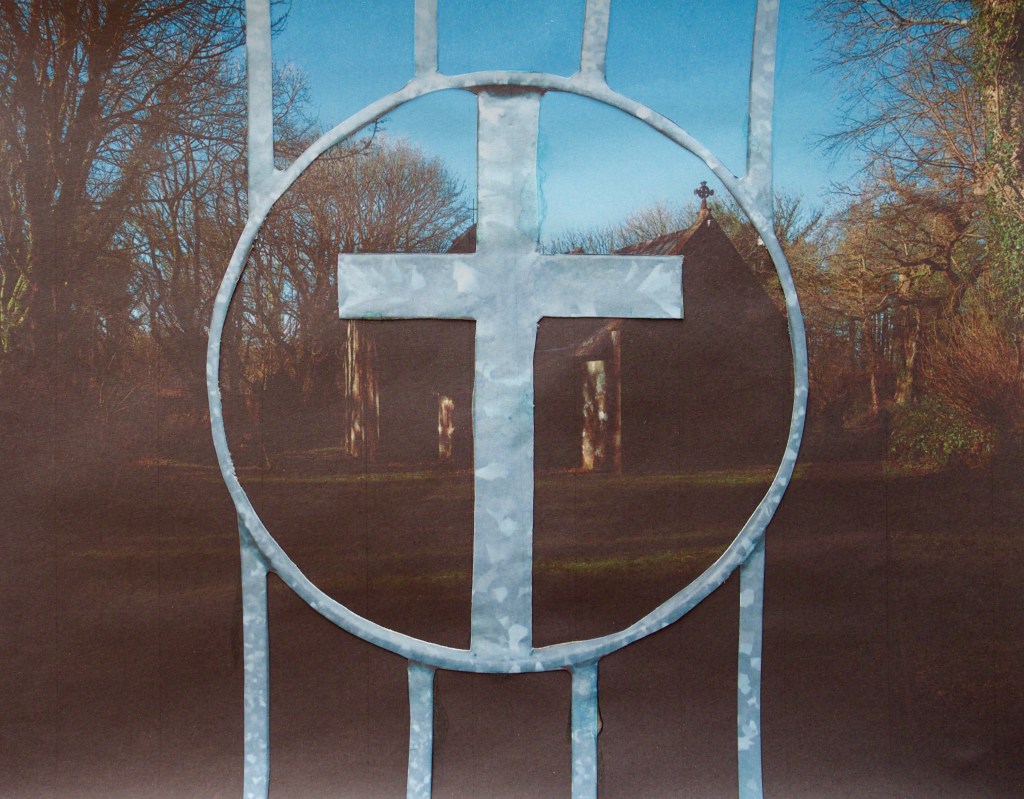
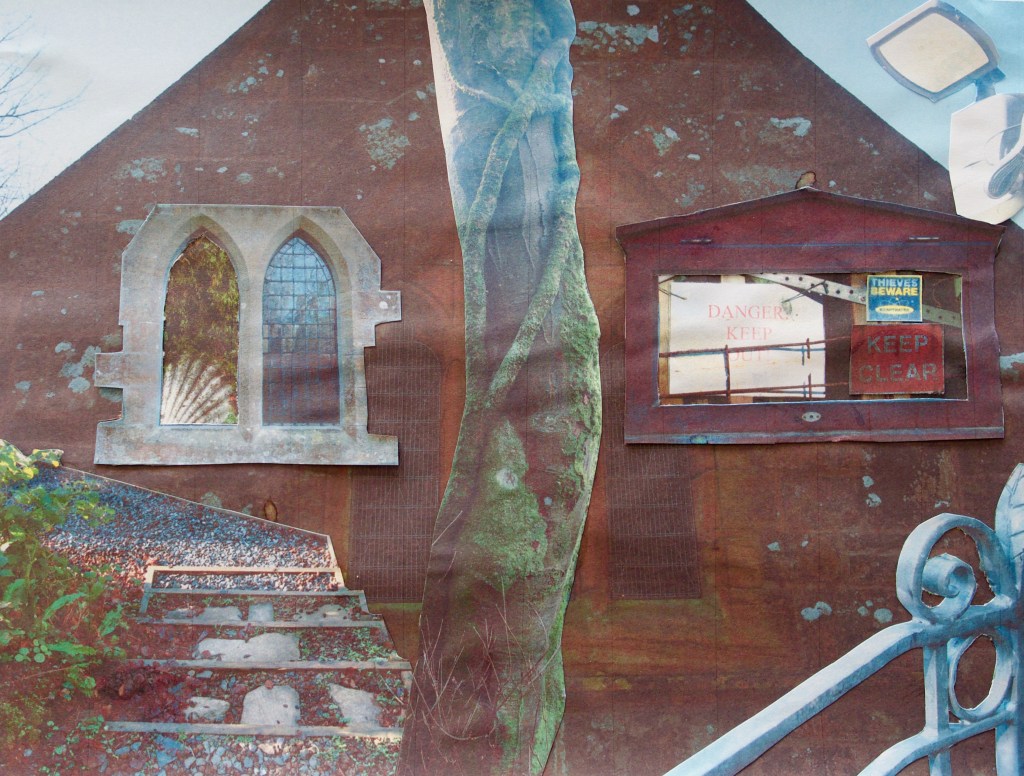
After experimenting collages for one location, I have decided to keep this aspect. I like the effect that collages produce, it adds another dimension to the image. By cutting up and combining the images, it allows a new image to form with a new meaning. This image will combine different aspects of the same location but in all will emphases the inequality using aspects of the location. By using small images at a time, it allows a bigger picture to be built, in contrast to seeing the bigger picture in our world regarding inequality. I like the use of collages as it is an art form that has been disregarded as art, probably due to it’s associations with being a art done by women. This brings another dimension to my work. I, as a woman, am following a pilgrimage designated for men, and presenting it a way which is associated with women, whilst drawing attention to gender inequality.
I have created collages from the three sites that i have already visited. I have also visited a few more sites, and have also created collages out of them.
Here is the link to the contact sheets for all the locations.
Location One Location Two Location Three Location Four
Location Five Location Six Location Seven Location Eight
Here is a link to how I experimented with collages.
I have created two sets of collages from each location. One simpler and one slightly more complicated. My reasoning being, is that I still have the option from here of how I develop my series. Depending on this, will depend on the direction and thus which image will be suited for that particular direction. I have thought how to develop this further. I have thought about including the sites locations somehow, maybe in map form, or the co-ordinates, and somehow incorporating this into the image. I have also thought about bringing another aspect of femininity into it. I got this idea from my tutor who recommend looking at anthotype. This process involves using emulsion made from plants, then the paper is soaks in it, then items or positives can be placed on it to ‘print’. This paper is then exposed in the sun, the result will vary depending on the sun, materials, and plant matter used (Fabbri). The results can be unpredictable and is heavily reliant in the sun exposure, in a very similar way as Chlorophyll printing is. Chlorophyll printing is where an image is ‘printed’ onto leaves. This may be good for my work as i could use leaves from the locations. But my main concern would be the exposing of the leaves. This process uses photosynthesis. You also need a positive print and a suitable leaf. You need to press the positive and the leaf tightly together in a frame made of glass. This frame should be placed in direct sunlight, the time for exposing will vary (Pereira). This is the part the does concern me and I am unsure if it will work. I live somewhere high, our weather is very unpredictable. It is either misty/fog, raining, overcast or cloudy, we simply do not get a lot of sun here, so I am doubtful where these methods would be of any use to me. I can try them when the days get longer, but an not holding out much hope. I wondered whether to take a similar approach to Stephen Gill, in his series Hackney Flowers. This could I evolve including flowers or foliage form the actual sites in the images, not as a distraction but to compliment and to strengthen the link to the sites location. I was thinking about using a technique such as pressing or even preserving the foliage. I believe this will add another element, and in general look better instead of including images of the foliage in the collage. Again this is another form of craft that is associated with women. I was also thinking of a way of including the locations, maybe incorporating a map or co-ordinate somehow.
I have looked at several artists including those who use collages.
Her image stood out to me the most as it is very similar to my work and my methodology. Edelson is addressing global patriarchal religion and contrasting it to the inequality in the arts. She uses the image of the last supper and utilises collage techniques to complete her goal. Her work is very influential in mine as it holds practically the same methodology and meaning.
Her images are often very colourful and visually interesting. I like the way she combines her history and culture in her work, this seems to be a recurring theme, so also uses text in her work, usually in Spanish, which gives another elements to her art. She looks at gender, which is helpful for me to see how various artists look at this topic.
Rosler’s images are quite striking. In certain series, she takes images of naked women and places them on kitchen appliances to look at the expectations and representation of women. She is using feminist art to address issues surround gender, commodity and representation.
Walker uses silhouette figures to make her art. Her images are interesting and use collage techniques whilst addressing issues surrounding race and gender.
Barbara Kruger is a well-known artist, who uses her art to address issues including gender, power and politics. Her images are very noticeable but simple. They are thought-provoking and do make the viewer think. Her use of text is interesting as it done in a bold way but the wording is strong and uncomplicated. But the wording doesn’t explain the image, it makes the viewer think.
Fulton is a walking artist. His art is made from the journeys he undertakes. His work has been influential to me as I am also undertaking a journey, so it is useful for me to see other artists who do this.
Harrison is a radical artist, who tackles issues surrounding feminism. Her images usually contain a bit of humour. She looks at how women are represented and creates her art with a twist on this.
Linder Sterling uses collage to look at feminist issues. She uses images from porn and lifestyle magazines to create a new image. It is interesting to see how artists are using collages to make statements surrounding gender.
His images are often political in nature. He disassemble and reassembles images to create a new image, which are quite thought-provoking. He has collaborated with Cat Phillipps on more than one occasion, together they has created some politically note worthy images; including one of Tony Blair taking a selfie in front of an explosion.
Bibliography
Fabbri, M. Anthotypes – step by step instructions to making a print using plants. At: http://www.alternativephotography.com/anthotypes-making-print-using-plants/ (Accessed on 6th of January 2020).
Pereira, T. The Chlorophyll Process. At: http://www.alternativephotography.com/the-chlorophyll-process/ (Accessed on 6th of January 2020).
Assignment Images
The images will be in order of location and will be marked whether they are the simple version or more complex version.
Please Note: These are not the final images that will be submitted. They are a guide and an experiment which will allow me to print, cut, and glue the final images with more care. These are to get a rough idea of where the image is taking shape. I had some issues with my printer on some of the images, which I have now sorted. The glue has made a bit of a mess on some, which I will be a lot more careful with on the final images. I photographed the collages and then cropped to get the images in one frame. They are not perfect but I see them as a working drafts, which will help me when I make up the final images.
Location One
Location Two
Location Three
Location Four
Location Five
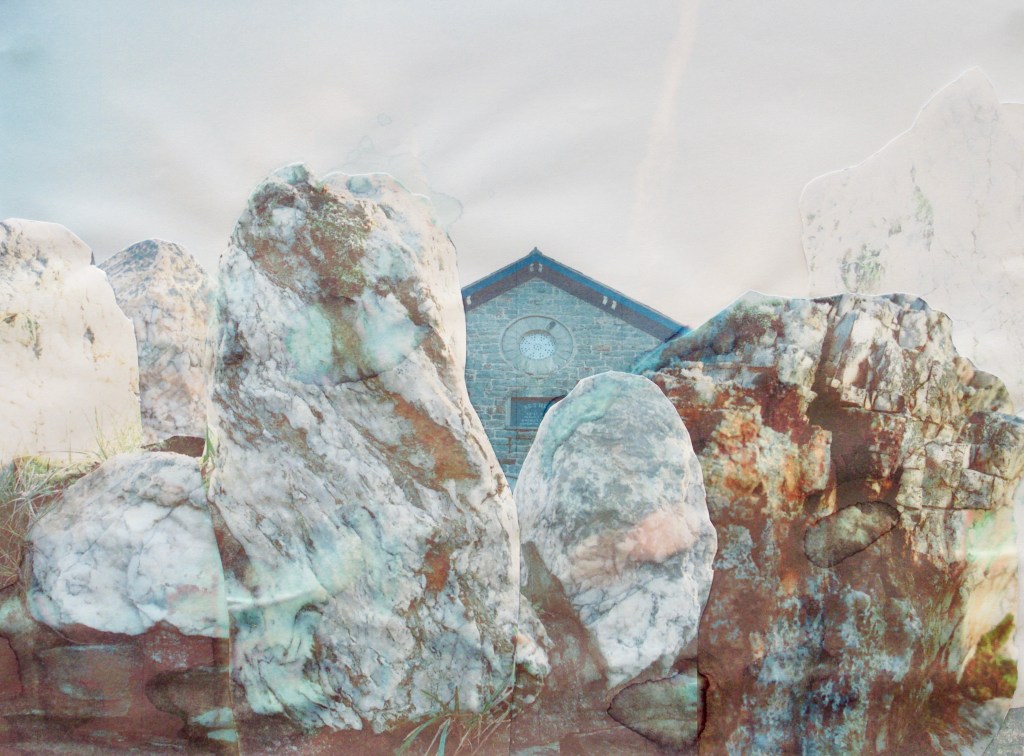
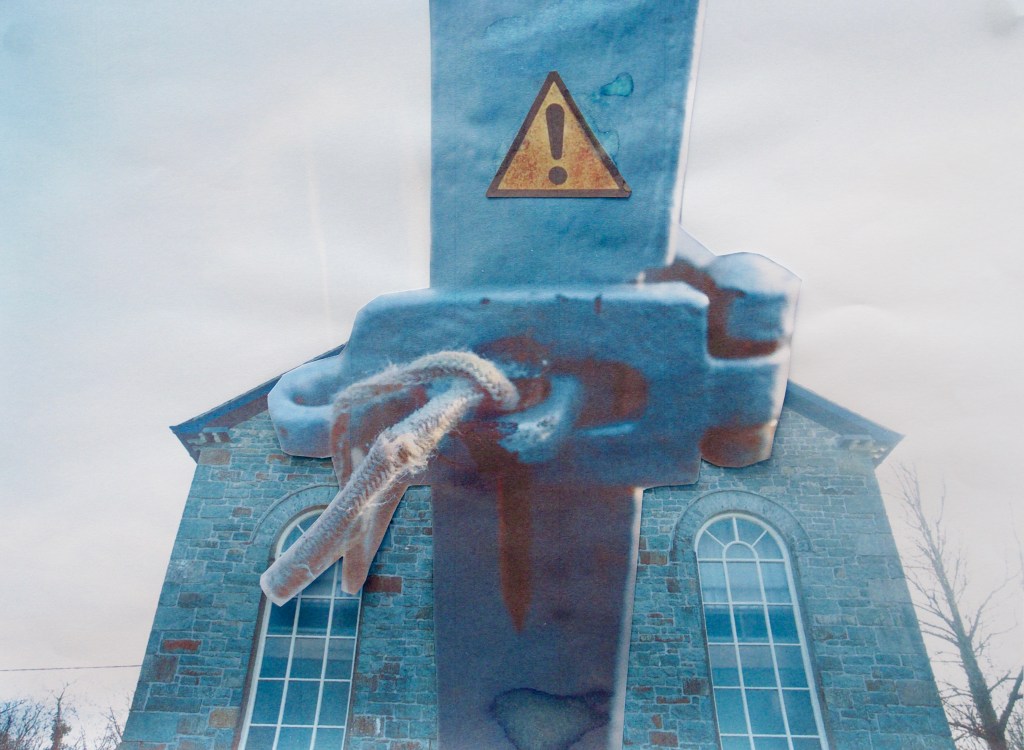
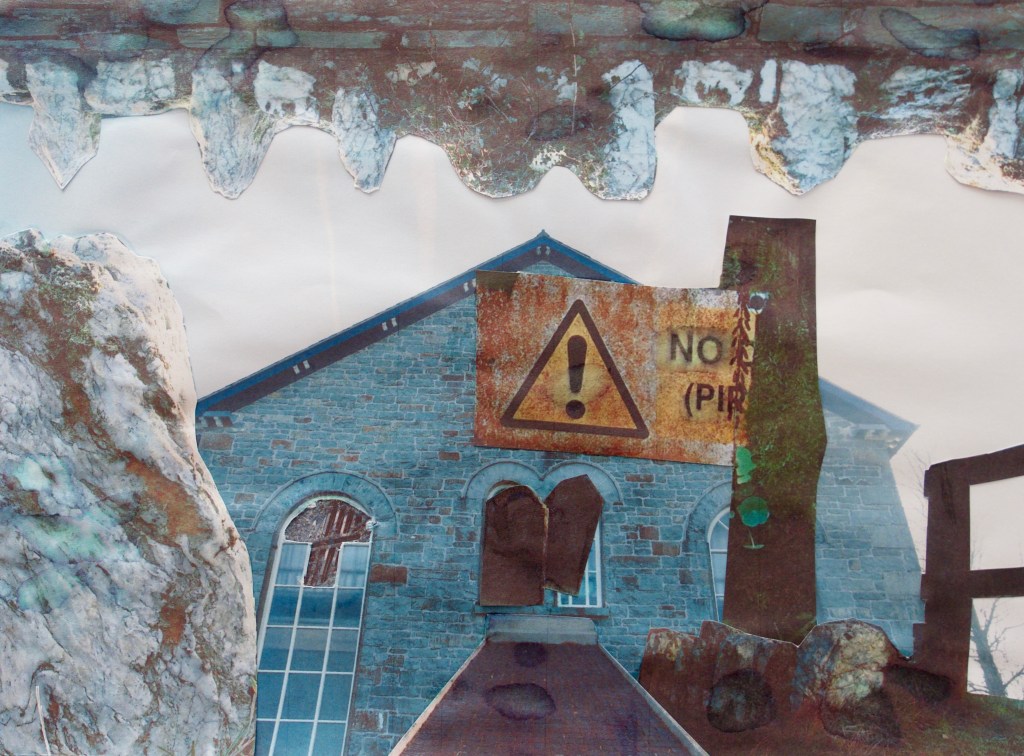
Location Six
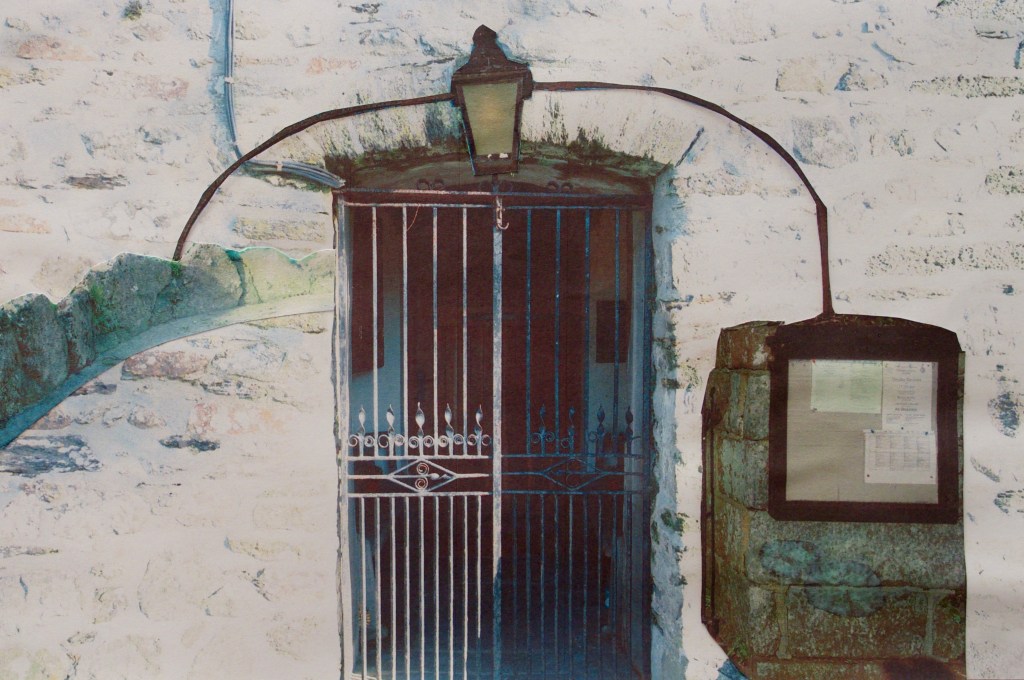
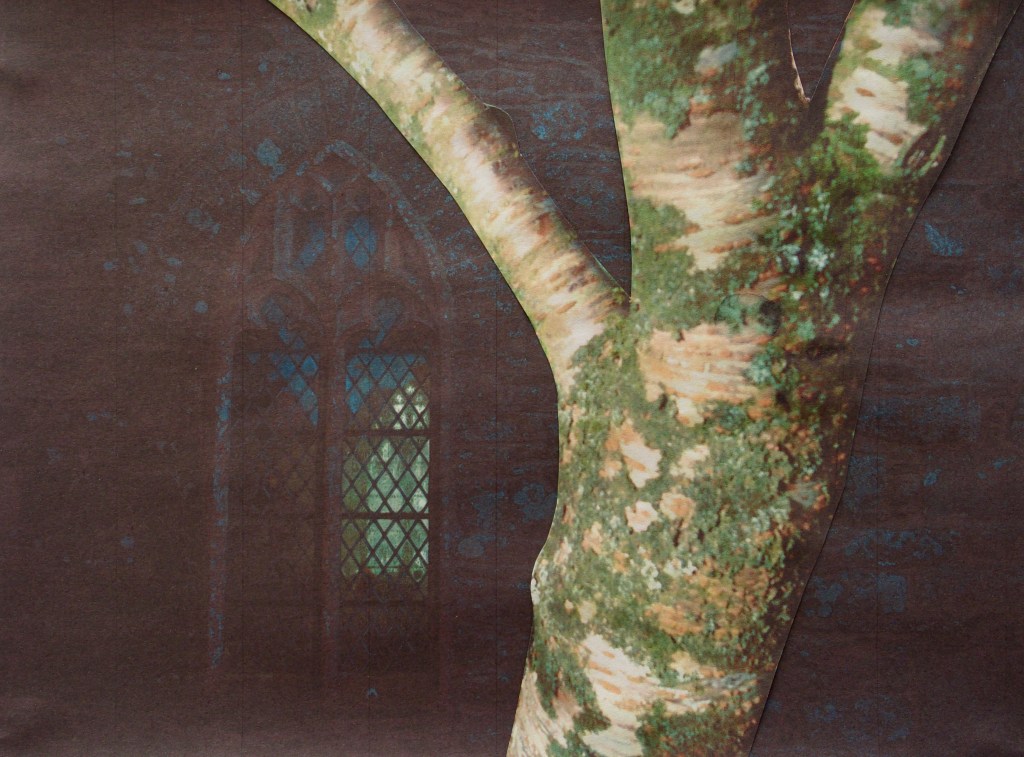
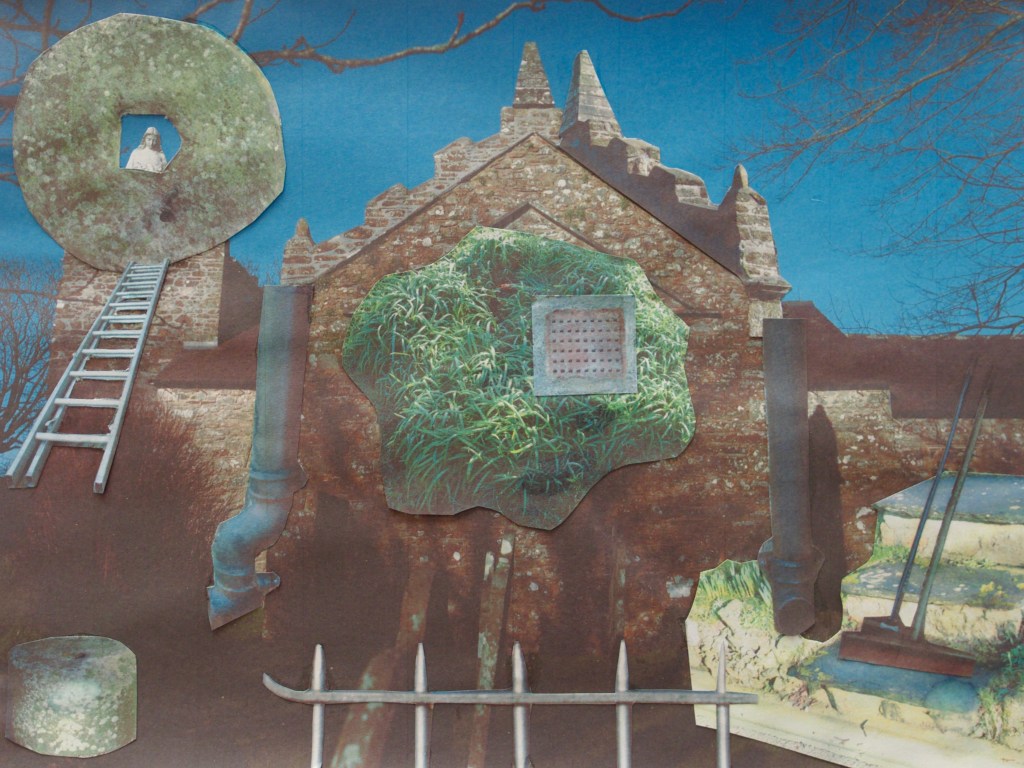
Location Seven
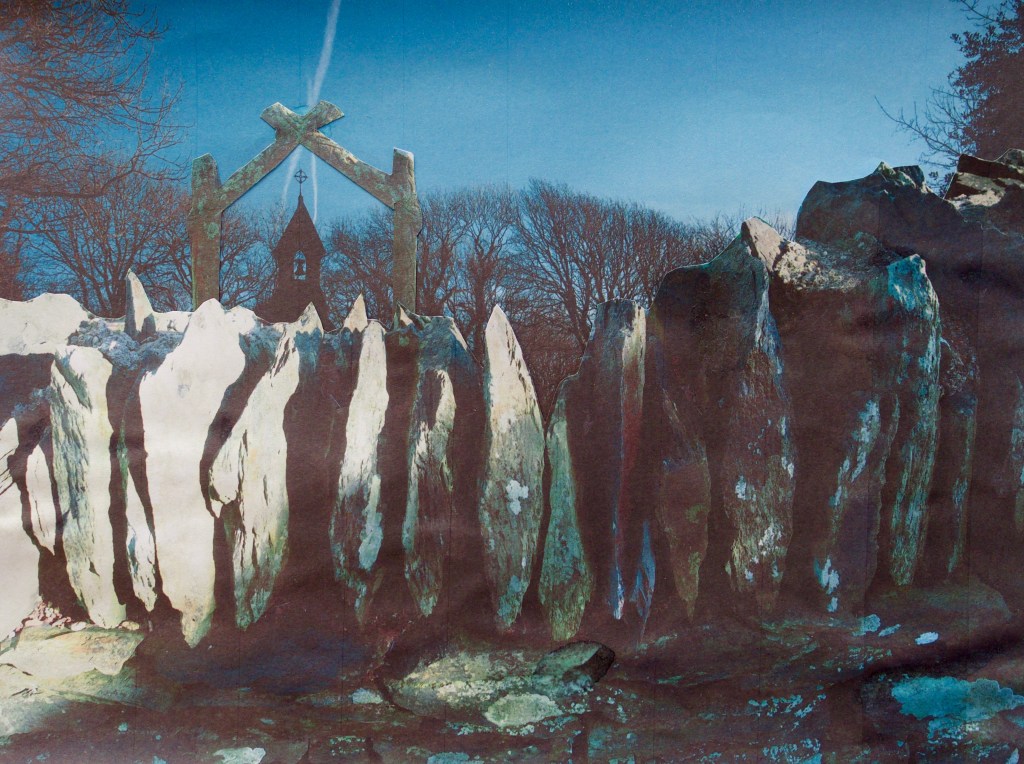
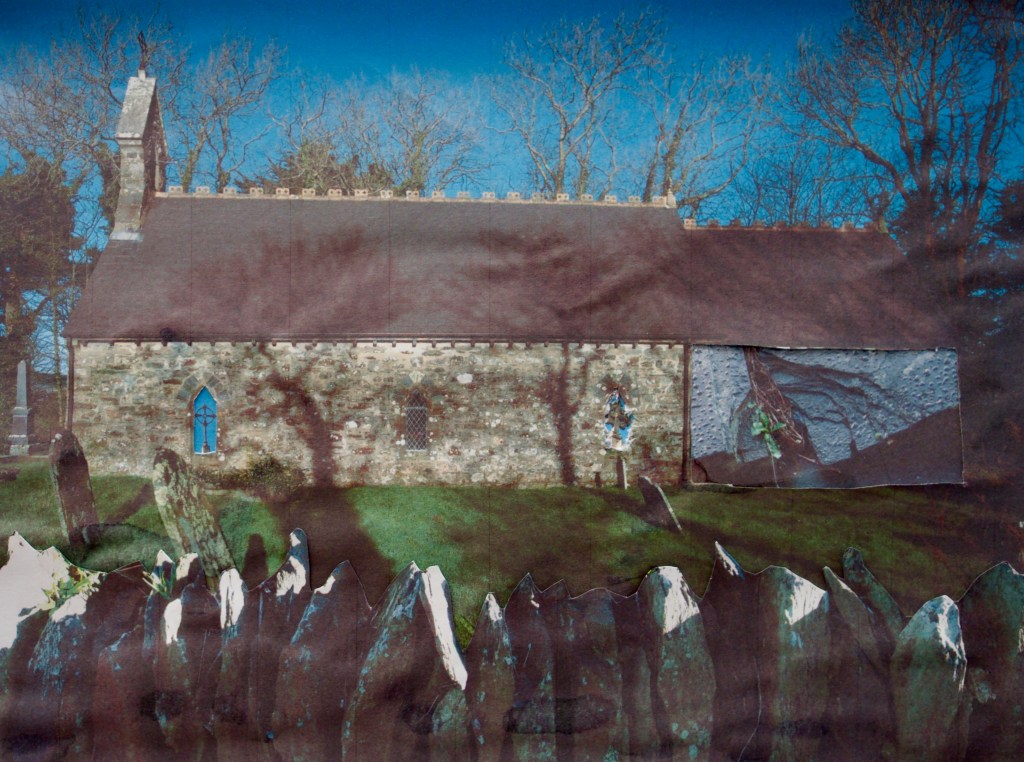
Location Eight
Coronavirus – Update – 1st of April 2020:

 Georgina's Body of Work
2 thoughts on “Assignment Images & Reflective Commentary”