Final Assessment

Note to Assessors

Welcome to my learning log for this course. 

Navigation

I have kept separate tabs for each section of the course. 

I have a Final Assessment tab, which contains items for my final assessment, including the final submissions of assignments, my evaluation and notes. Here are the link to these:

Assessment Submission – This post details my submission on G-Drive.

Assessment Evaluation – This is a link to my evaluation that accompanies my assessment.

Here is a link to my Introduction.

Learning Log Learning Outcomes – Here is the link to my learning log posts I have chosen to met the learning outcomes required for assessment.

I did write a longer Evaluation for this course, which can be found here: Evaluation

Learning Outcomes – This is a post I wrote about the outcomes overall of this course for me.

Critique – Here is my Critique of my work on this course.

Here is also a link to my Final Images for Assessment Submission. I decided to uploaded my images combined (as they would be) and separate in their files, so it would be easier to see the images separately. I have also uploaded my images as a newsletter for presentation and a video showing them on G-Drive.


My assignment tab contains each assignment and the work I did in preparation. 


My research tab contains the research I have done throughout this course including on artists, resources, ideas and techniques. 


My tutor feedback tab contains all my feedback forms from my tutor and my thoughts and response. 


My coursework can be found under my coursework tab.  


Links

Below are a few links for easy access to vital areas of my learning log.  

Assignments

Assignment One

Assignment Two

Assignment Three

Assignment Four

Assignment Five 

Final Submission for assessment

Contact Sheets

Here is a link to my complete list of contact sheets for the images I have taken over the course of this course. 

Contact Sheets

Tutor Feedback

Here are the links to the feedback I received from my tutor and my write-ups.

Assignment One

Assignment Two

Assignment Three

Assignment Four

Assignment Five

Research

Here are the links to my research categories.

Artists

Resources  

Pilgrimage

Techniques

Coursework

My coursework can be found under the menu and also in the links below.

Part One – Genre

Part Two – Chance

Part Three – Showing Not Telling

Part Four – Presentation and Outcome

Hiraeth

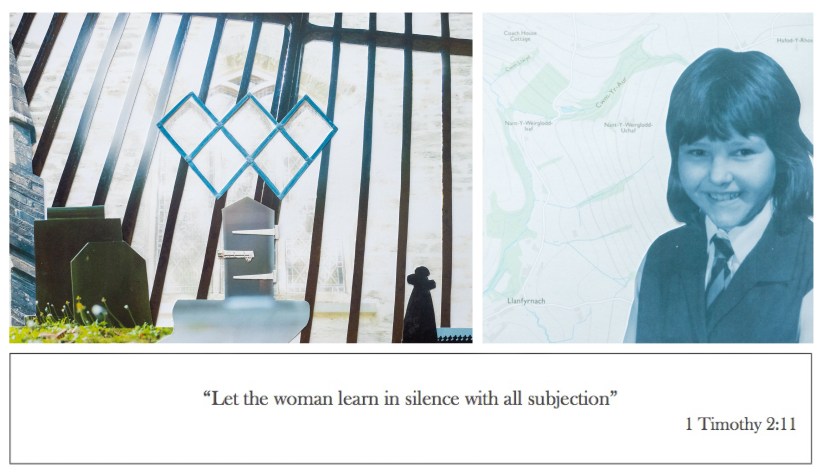
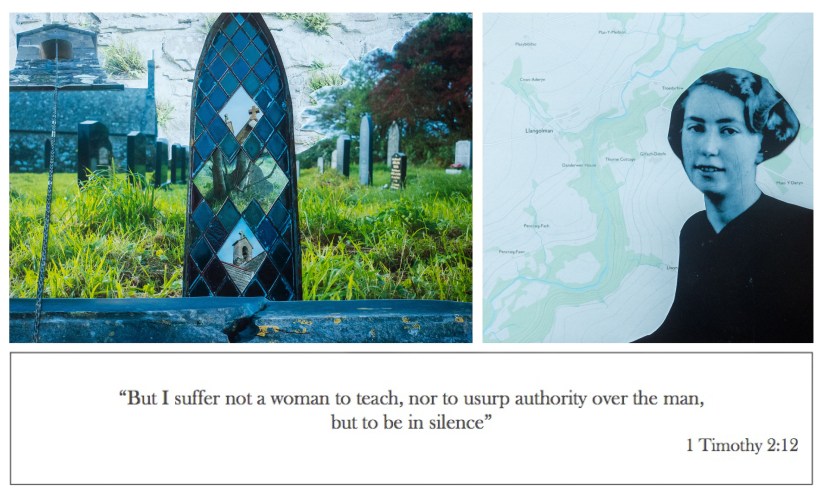
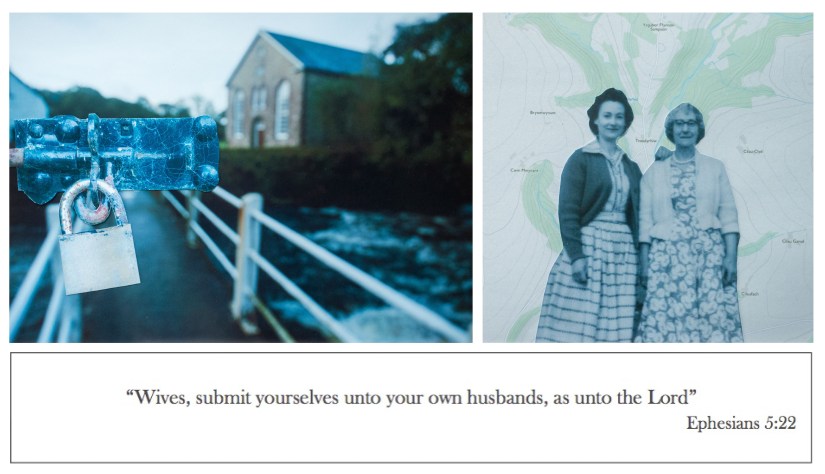
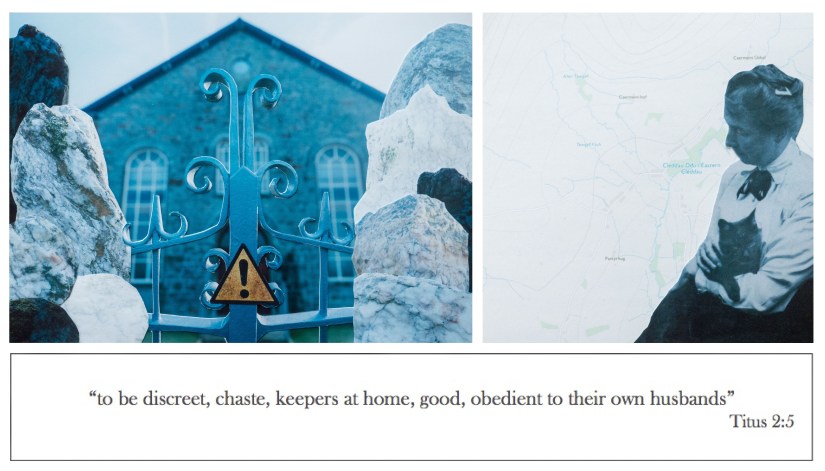
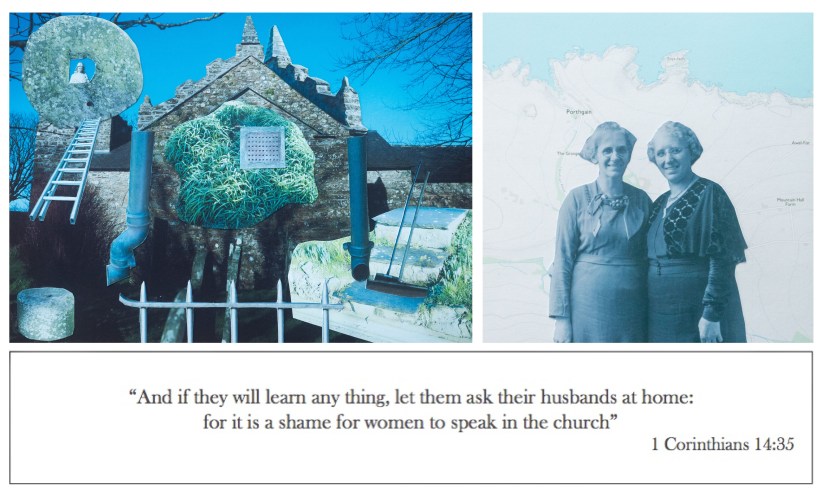
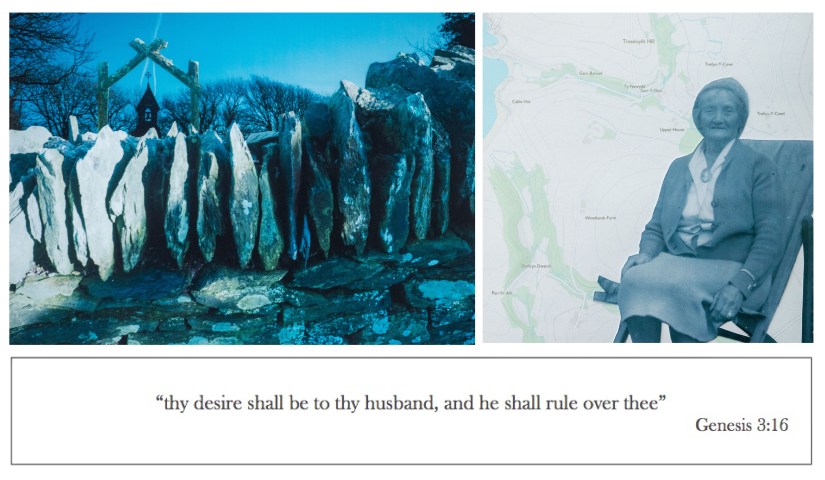
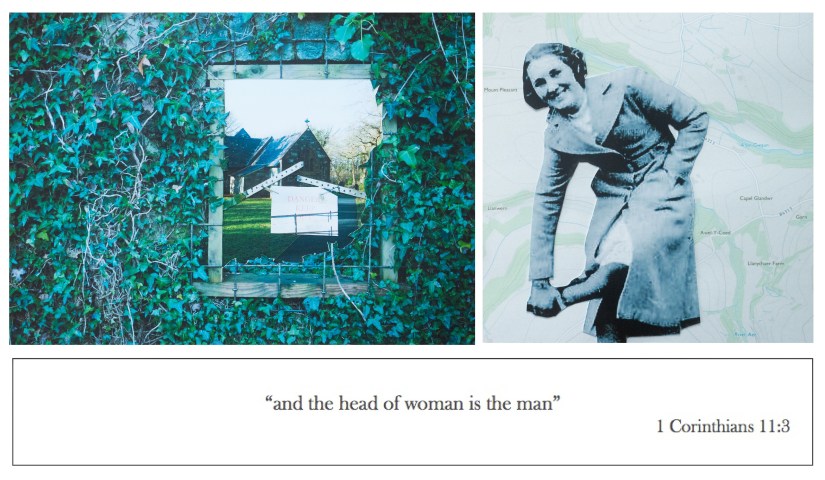
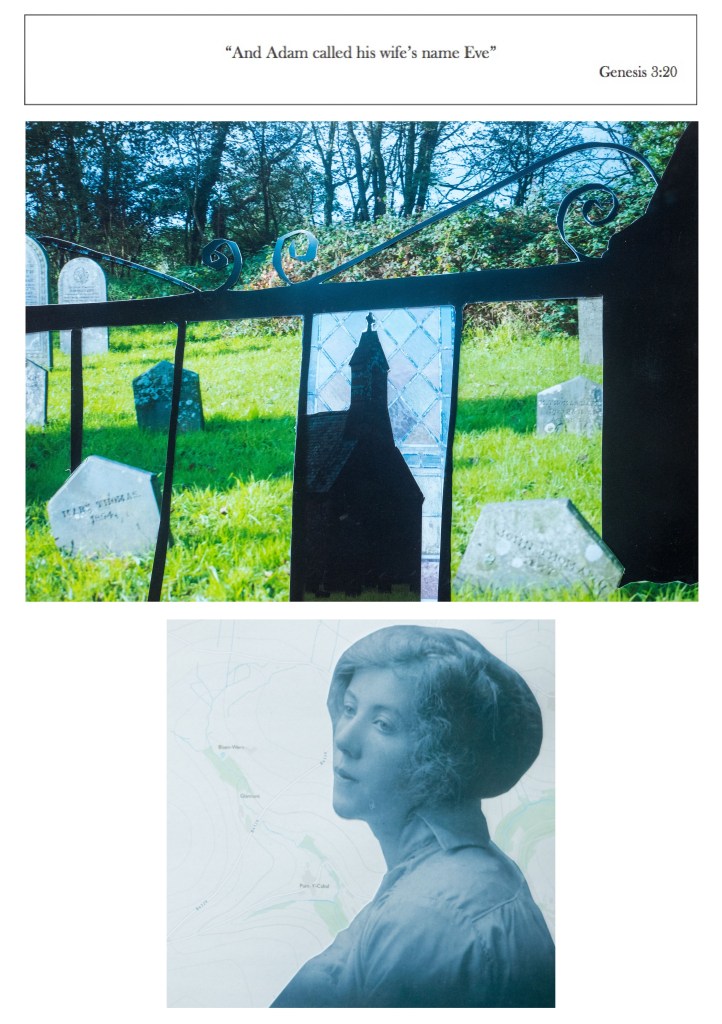
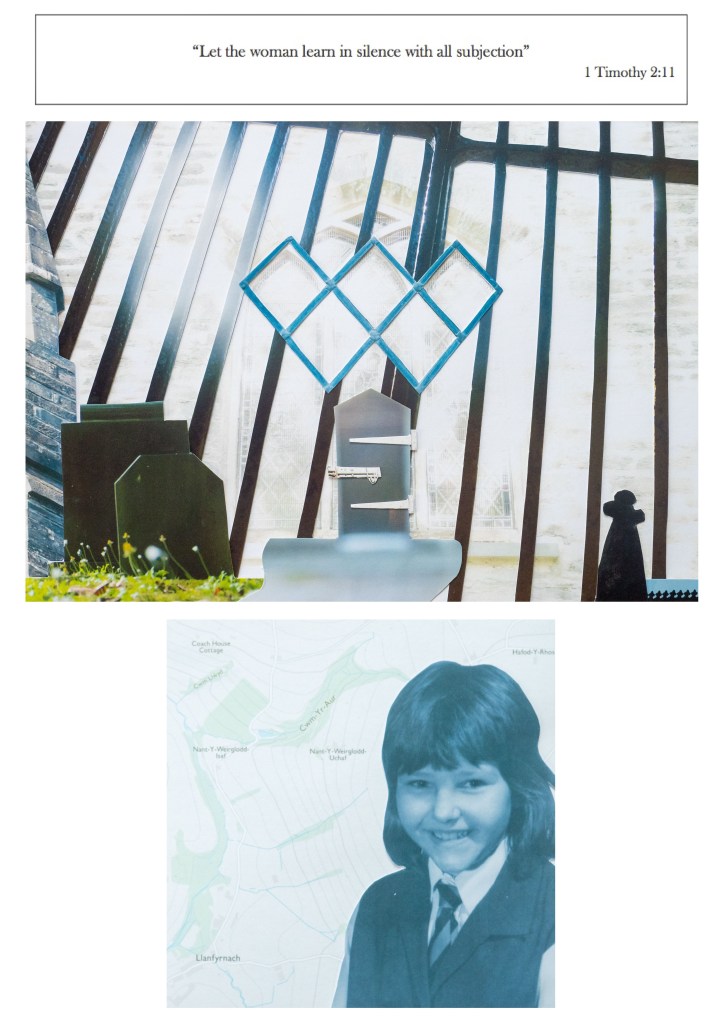
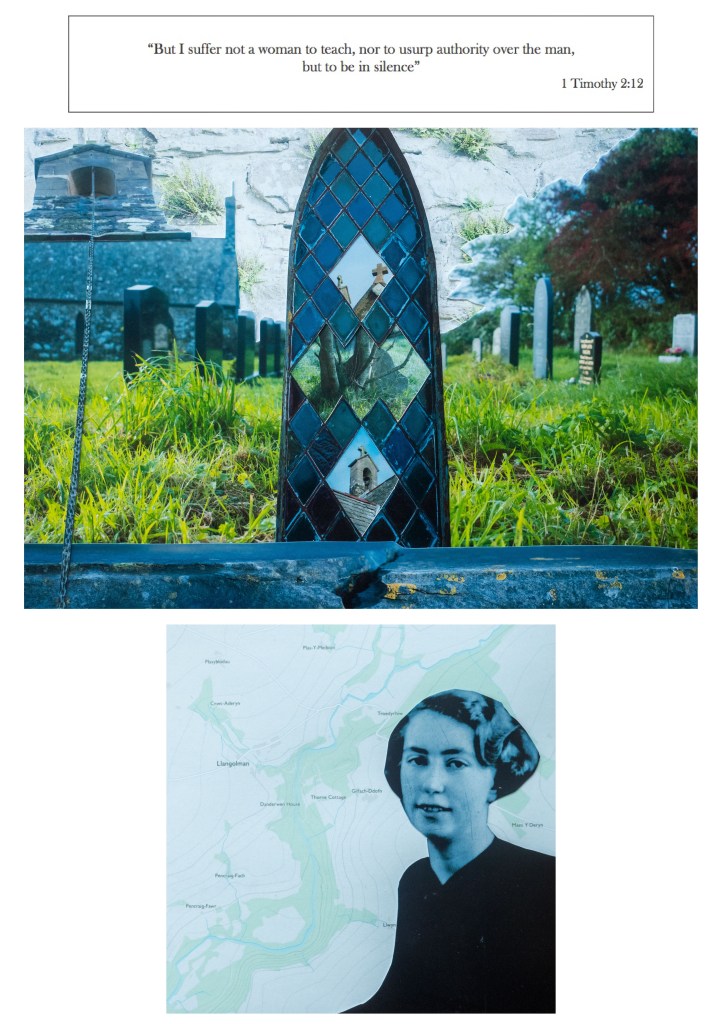
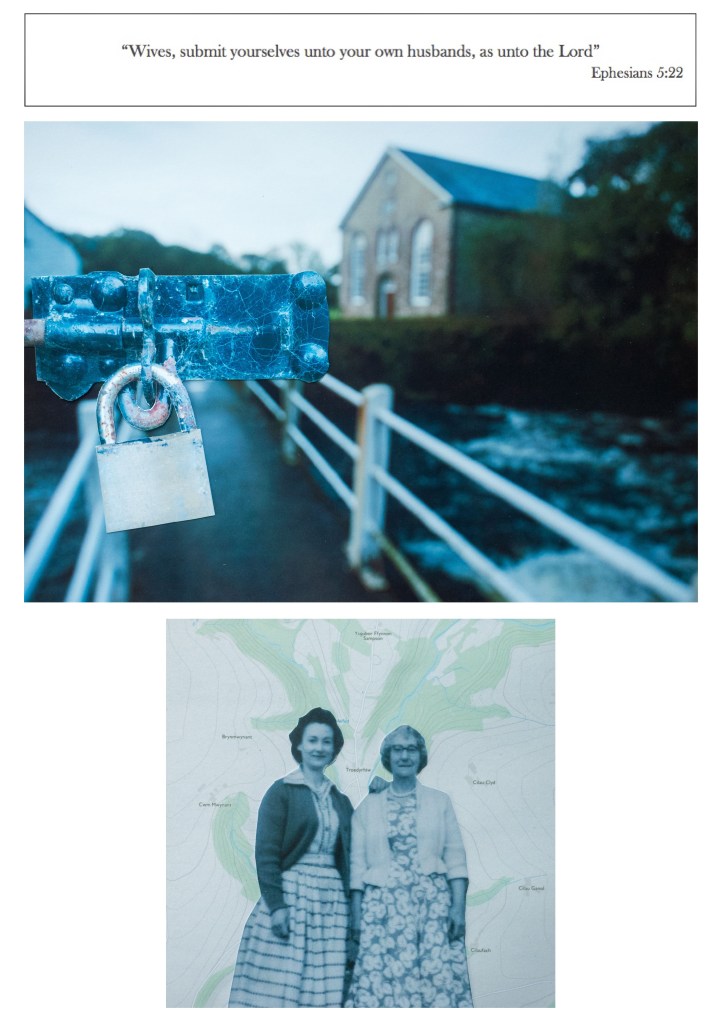
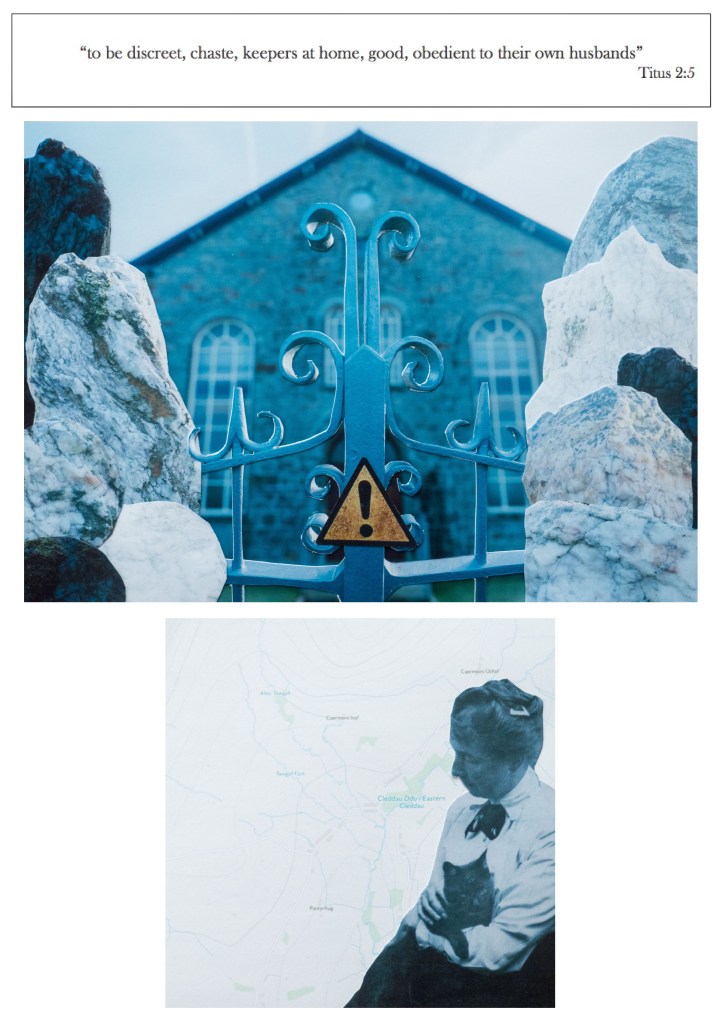
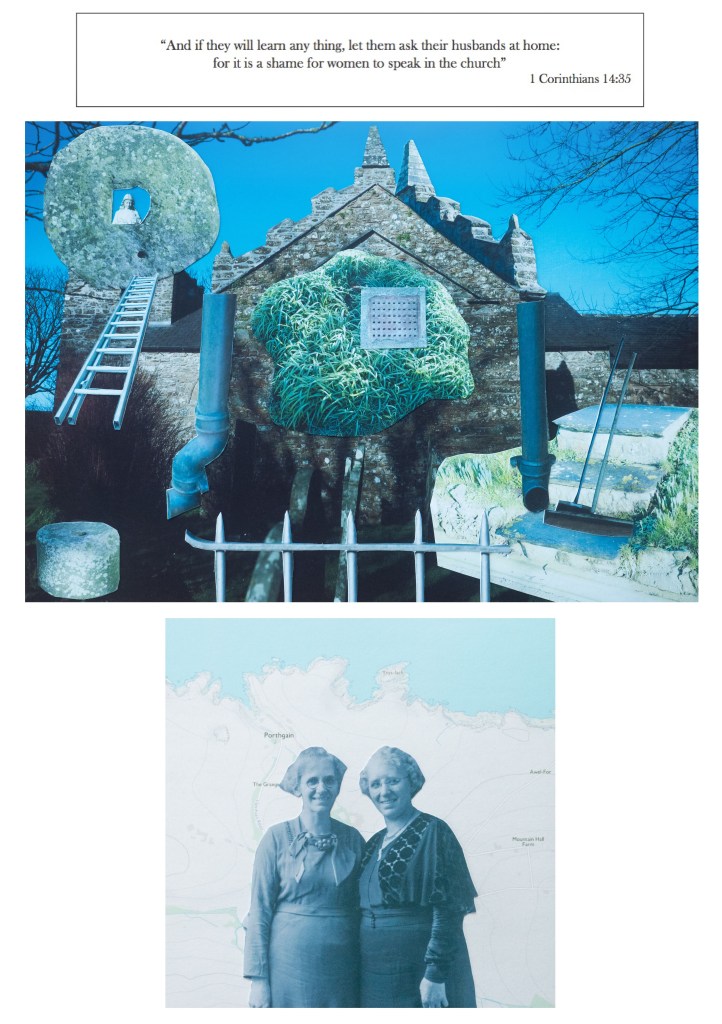
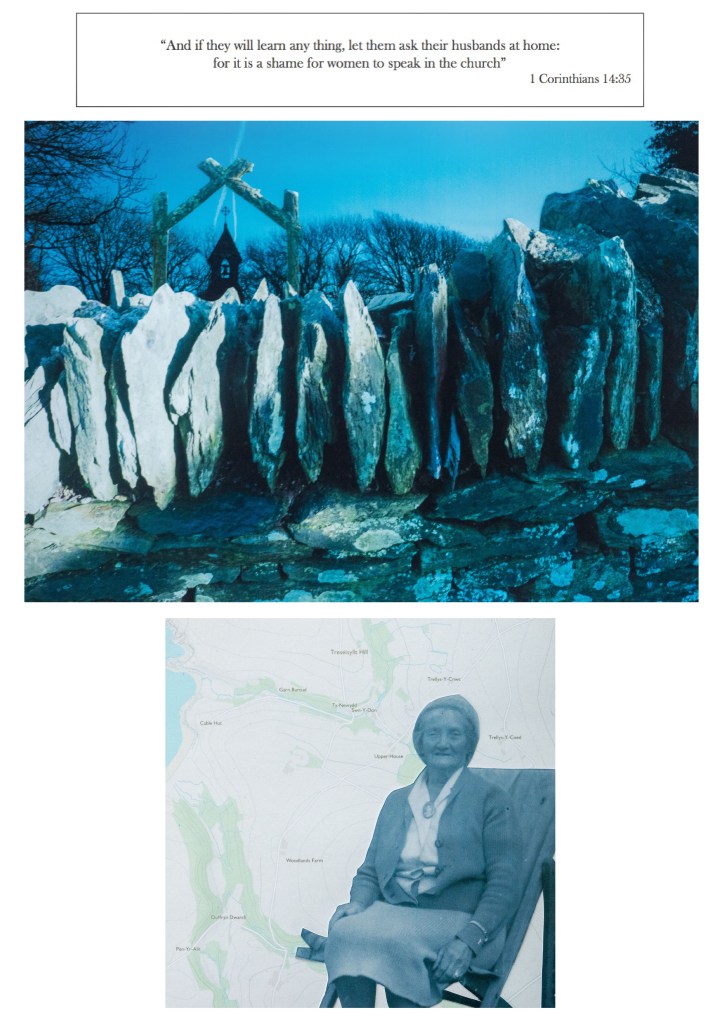
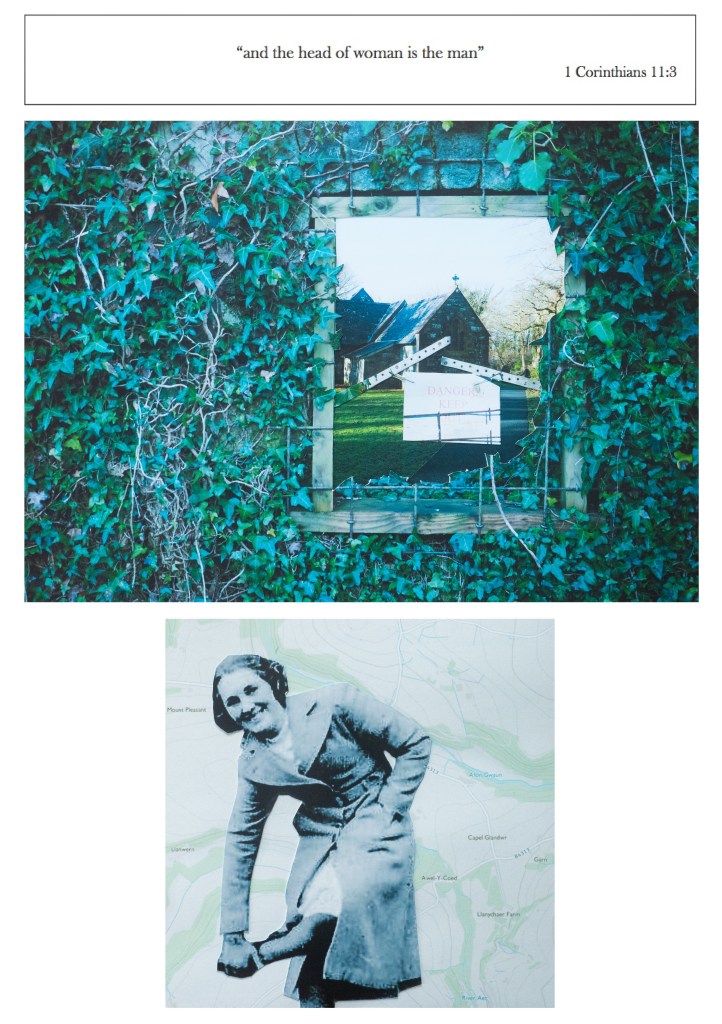
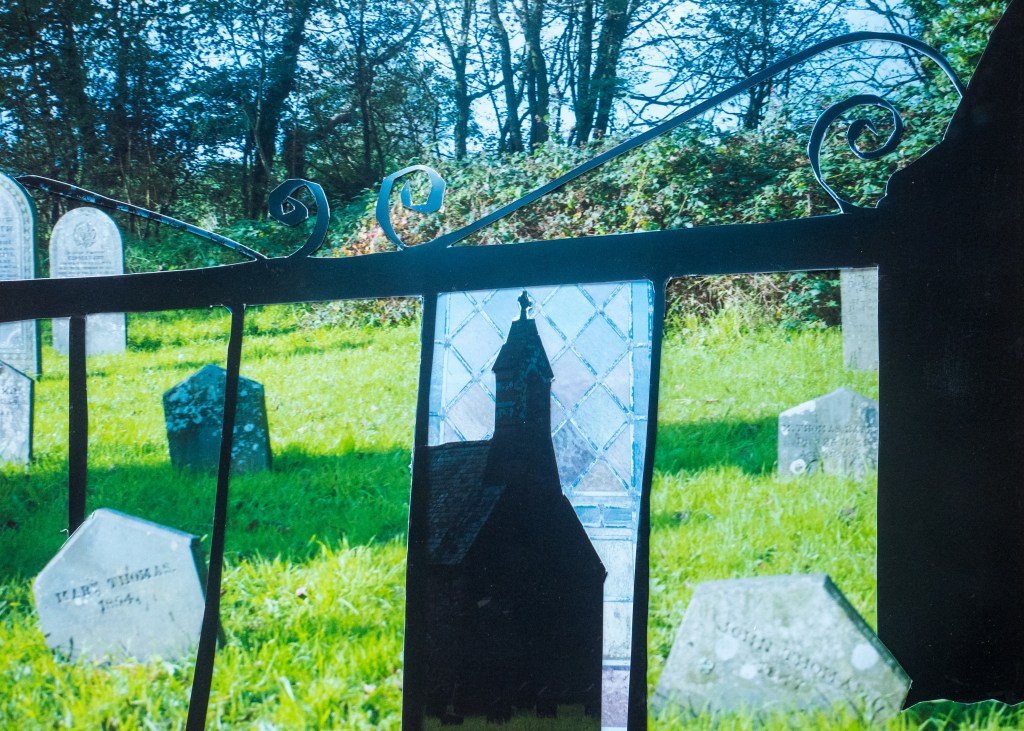
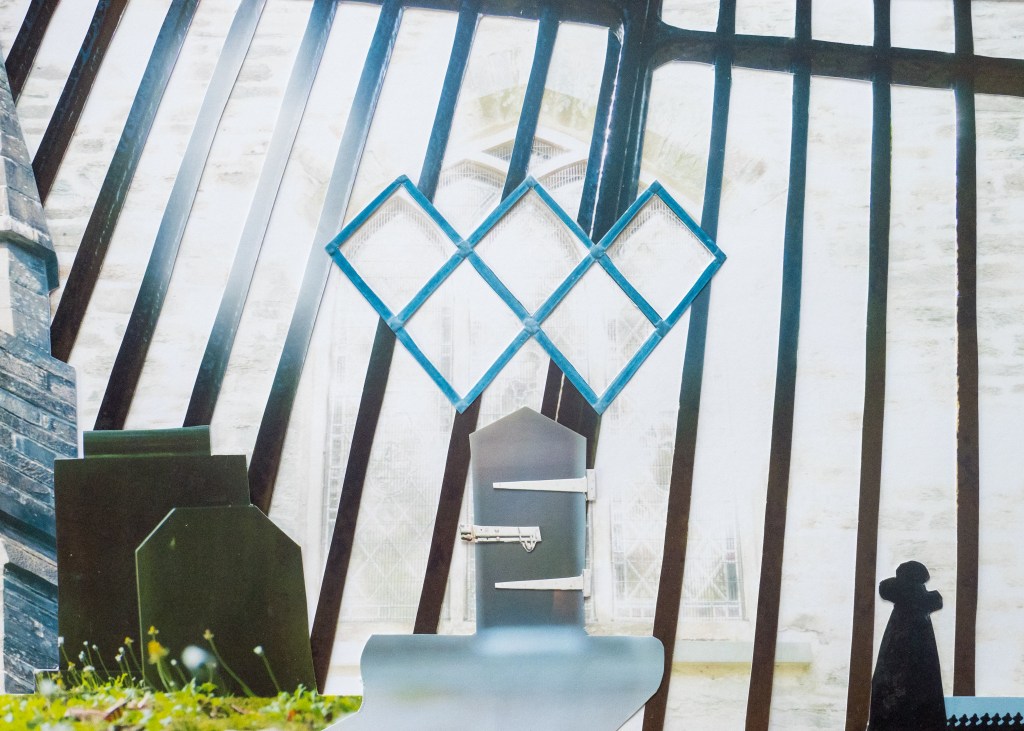
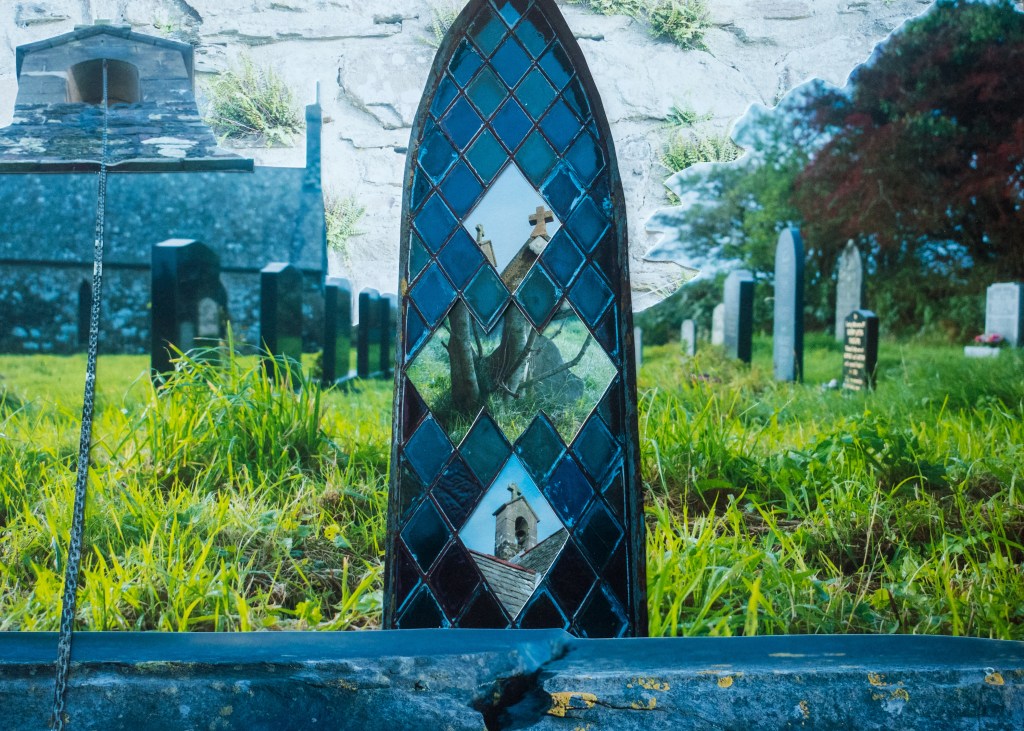
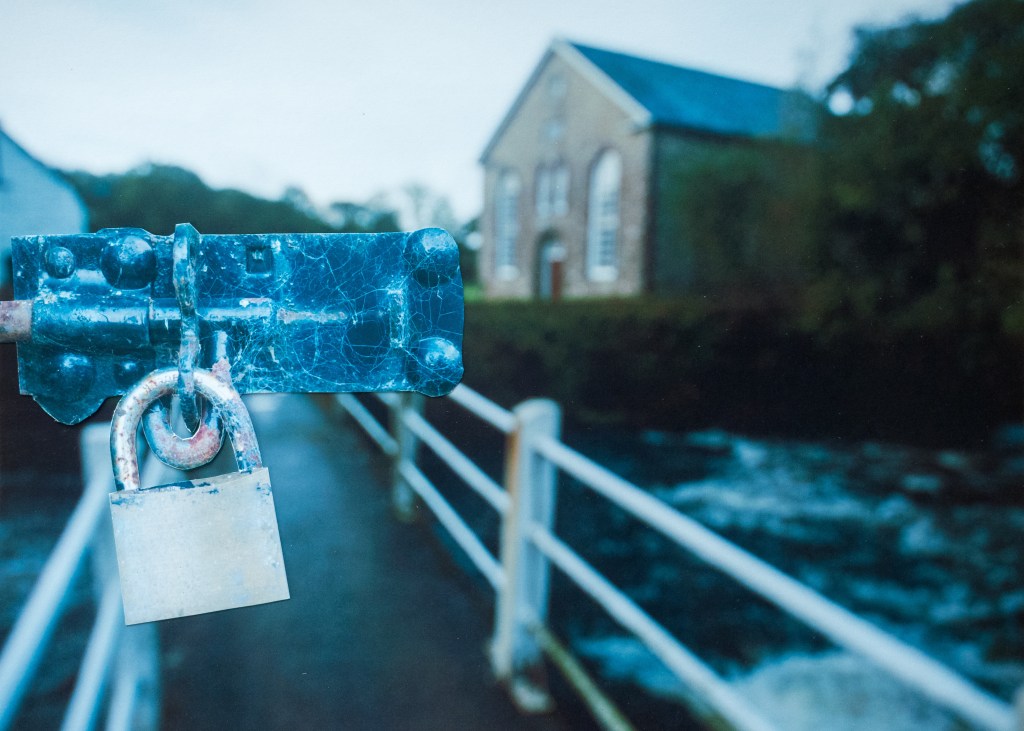
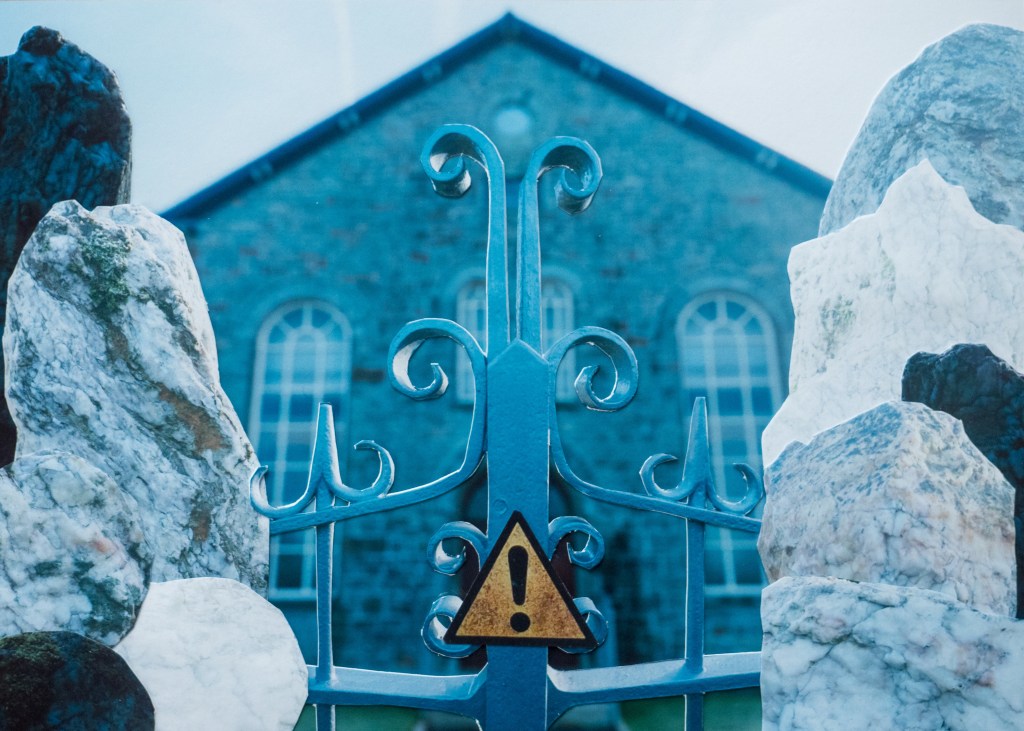
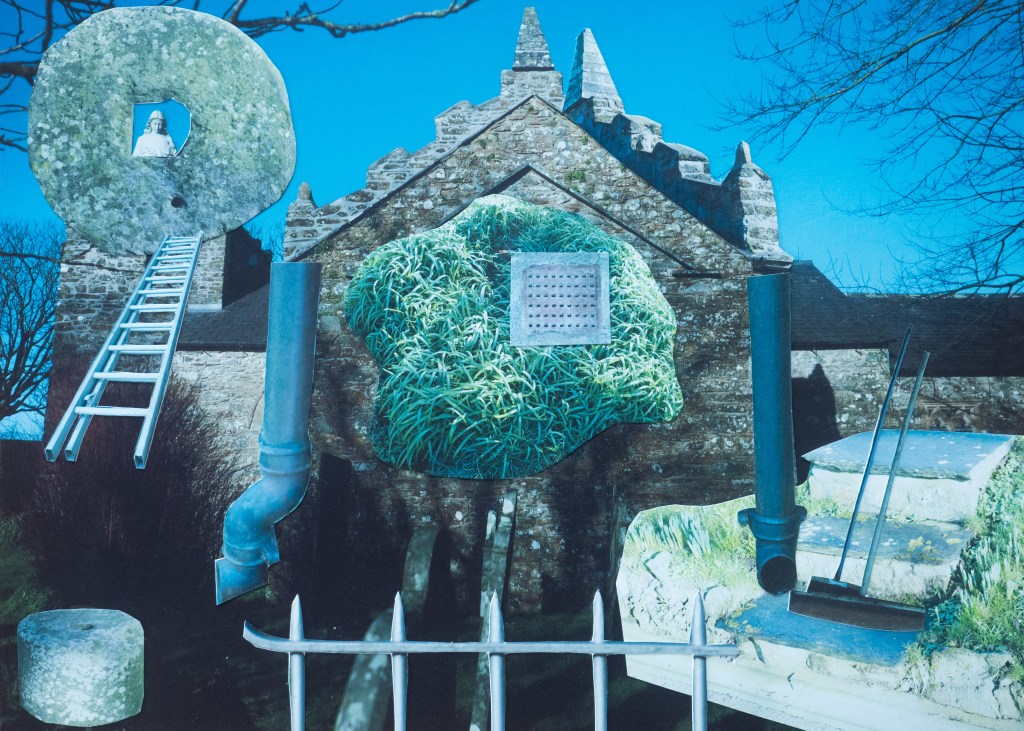
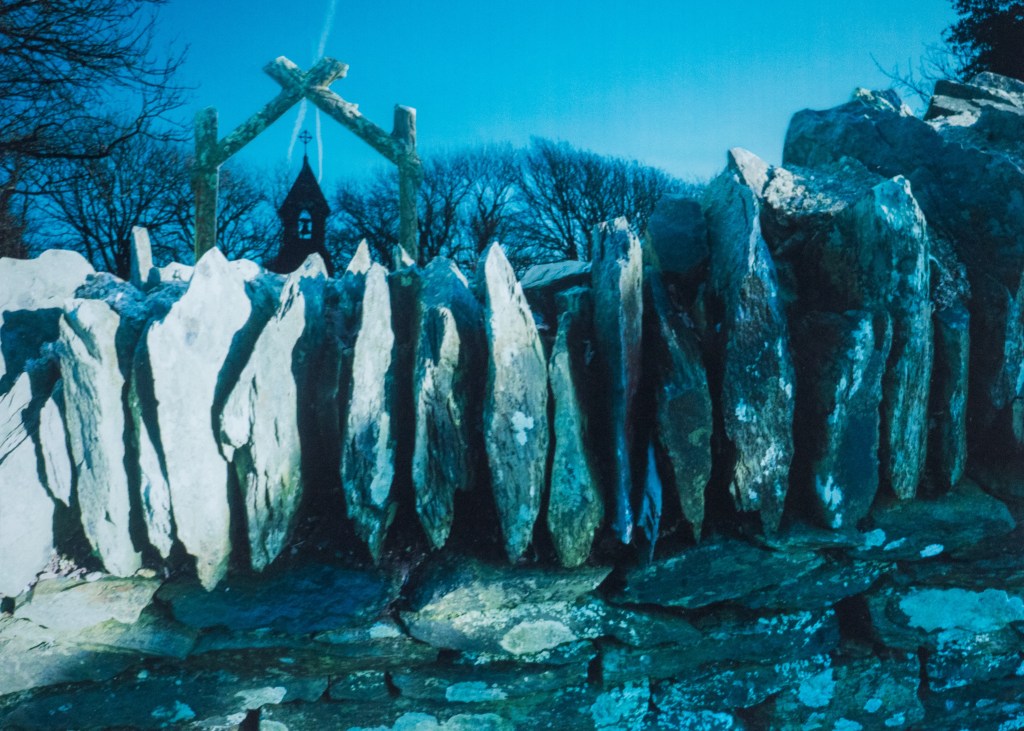
My images are simple yet complex. There is a chaotic feel to them and an almost surreal cast to them. My images have a blue tinge to them, which ‘pops’. I wanted contrast in my images, I wanted them to stand out and the blue helped do this. It gives them a chaotic and surreal feel. This blue tinge looks give the impress of a time gone by. It is reminiscent of a by-gone age. I live in Wales and this pilgrimage took part in Wales and there is a famous word here which sums this up perfectly for me. Hiraeth.

Hiraeth refers to a nostalgic feeling, a feeling of loss and longing. I feel this relates well to my work. 

There is no real direct translation for Hiraeth. It is a very thought evoking word which is perfect for my work.

Final Introduction

your young men shall see visions…

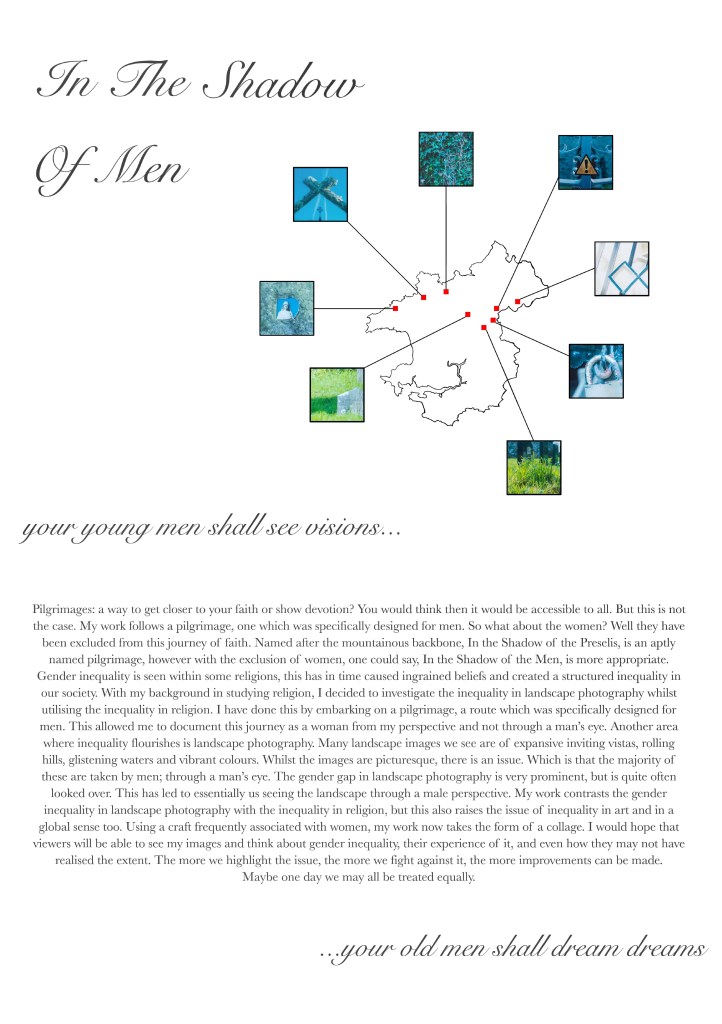
Pilgrimages: a way to get closer to your faith or show devotion? You would think then it would be accessible to all. But this is not the case. My work follows a pilgrimage, one which was specifically designed for men. So what about the women? Well they have been excluded from this journey of faith. Named after the mountainous backbone, In the Shadow of the Preselis, is an aptly named pilgrimage, however with the exclusion of women, one could say, In the Shadow of the Men, is more appropriate. Gender inequality is seen within some religions, this has in time caused ingrained beliefs and created a structured inequality in our society. With my background in studying religion, I decided to investigate the inequality in landscape photography whilst utilising the inequality in religion. I have done this by embarking on a pilgrimage, a route which was specifically designed for men. This allowed me to document this journey as a woman from my perspective and not through a man’s eye. Another area where inequality flourishes is landscape photography. Many landscape images we see are of expansive inviting vistas, rolling hills, glistening waters and vibrant colours. Whilst the images are picturesque, there is an issue. Which is that the majority of these are taken by men; through a man’s eye. The gender gap in landscape photography is very prominent, but is quite often looked over. This has led to essentially us seeing the landscape through a male perspective. My work contrasts the gender inequality in landscape photography with the inequality in religion, but this also raises the issue of inequality in art and in a global sense too. Using a craft frequently associated with women, my work now takes the form of a collage. I would hope that viewers will be able to see my images and think about gender inequality, their experience of it, and even how they may not have realised the extent. The more we highlight the issue, the more we fight against it, the more improvements can be made. Maybe one day we may all be treated equally.  

…your old men shall dream dreams

Critique

Critique

This course has been interesting and engaging. It has pushed me out of my comfort zone and has really challenged my creativity.  

I have faced several challenged along the way. When I started this course I had a vague idea and what I wanted to do. It was a very vague idea. I realise now that I should have narrowed this down earlier on as this would have allowed me more freedom and more time to develop my work. I didn’t push my self enough. I played it safe for the first few assignments. After this, I stepped out of my comfort zone as I realised I needed to work on improving and developing. Once I did this, I found my work improved significantly and I was really enjoying experimenting. 

I had a few issues with my print quality and my collage techniques. In hindsight I should have fixed my printer before submitting for the assignment, however I didn’t. I went on to fix the issue and the further images were of much better quality. My collage techniques did need work. I believe a lot of this was due to practice. I hadn’t done any significant collage work before. Once I realised my mistakes, for example bad cutting techniques making the lines too harsh and not outlining properly, I was able to work on these and I did improve over time.  

My work is very different from what I envisaged on day one, but that is to be expected. I have developed and so has my work. My work has had its ups and its downs. But I feel this has all contributed to my resulting work. 

I had some health issues myself and also with a close family member being diagnosed with Motor Neuron and subsequently dying during this course. These events did push me back and have effected me; I have carried on throughout this course. I have had set backs but I have always pushed forward and now at the end I feel that I have created a cohesive series of images. 

Assessment Evaluation

Word Count: 744

Evaluation

When I began my work, I had an idea: Gender Inequality in Landscape Photography. I chose this topic as my earliest memories of photography were going out with my family photographing the surrounding landscape. I loved it, but it was only recently I found that there is a massive gender inequality, but I couldn’t find the reason why. It felt like women were being excluded. This thought of exclusion reminded me of my previous studies in religion, where male dominance is rife. I then thought how could I combine the two. I did some research and found a local ancient pilgrimage, which was solely created by and made for men. I had the idea of using this pilgrimage as a backdrop to explore gender inequality and exclusion of women in religion and in the arts. I am contrasting the inequality in religion with the inequality in the arts and in turn society as well. I followed the pilgrimage and experienced it as a woman. I have photographed my journey and brought this together in a collage, symbolizing the strong force of exclusion women.  

My images are simple yet complex. They are reminiscent of a by-gone age. This pilgrimage took part in Wales and there is a famous word here which sums this up perfectly for me. Hiraeth. Hiraeth refers to a nostalgic feeling. I feel this relates well to my work.

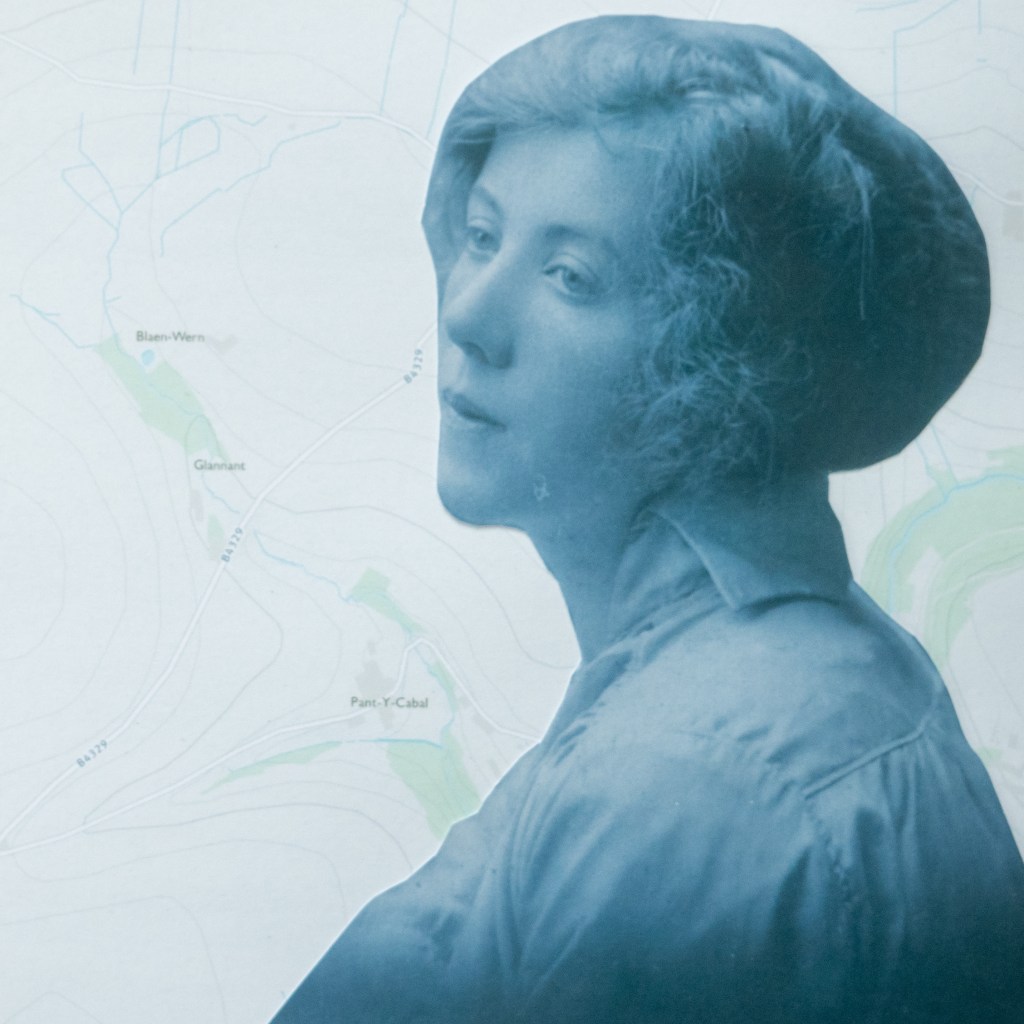
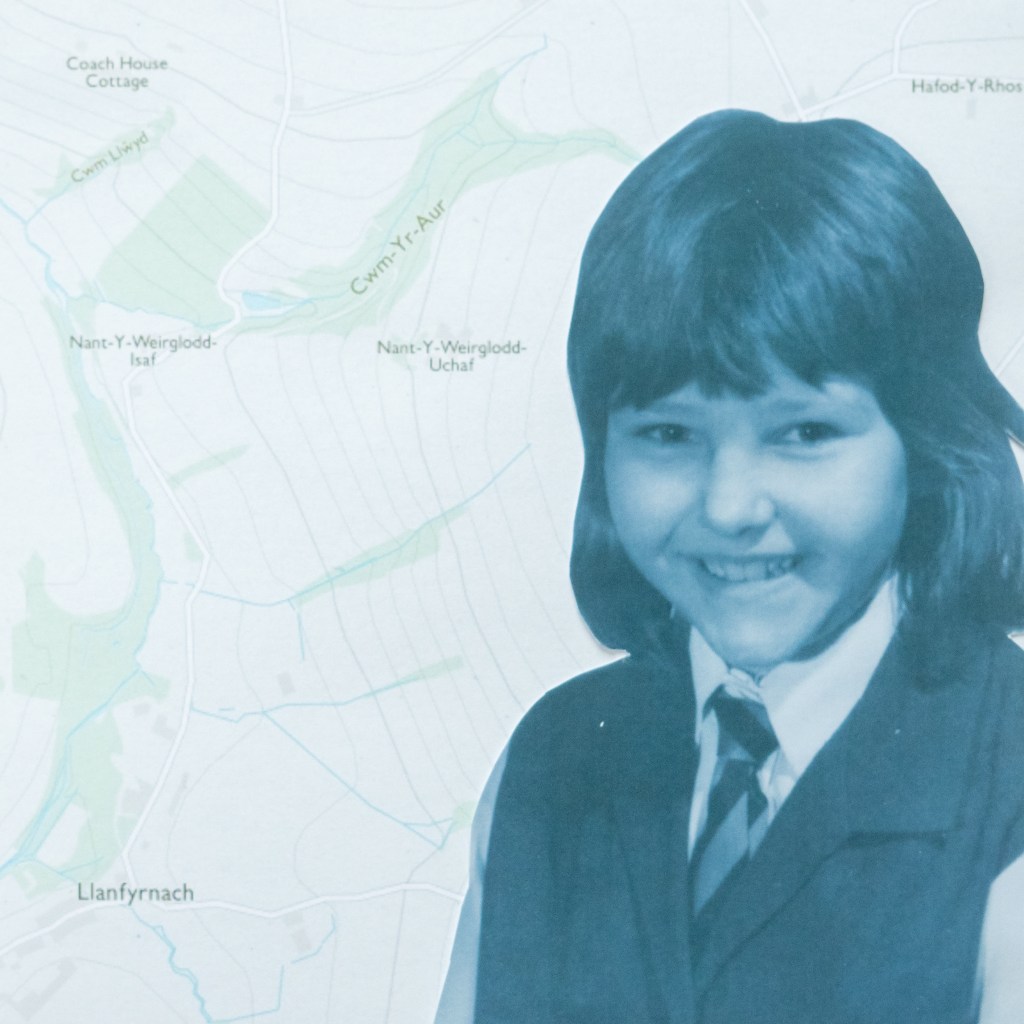
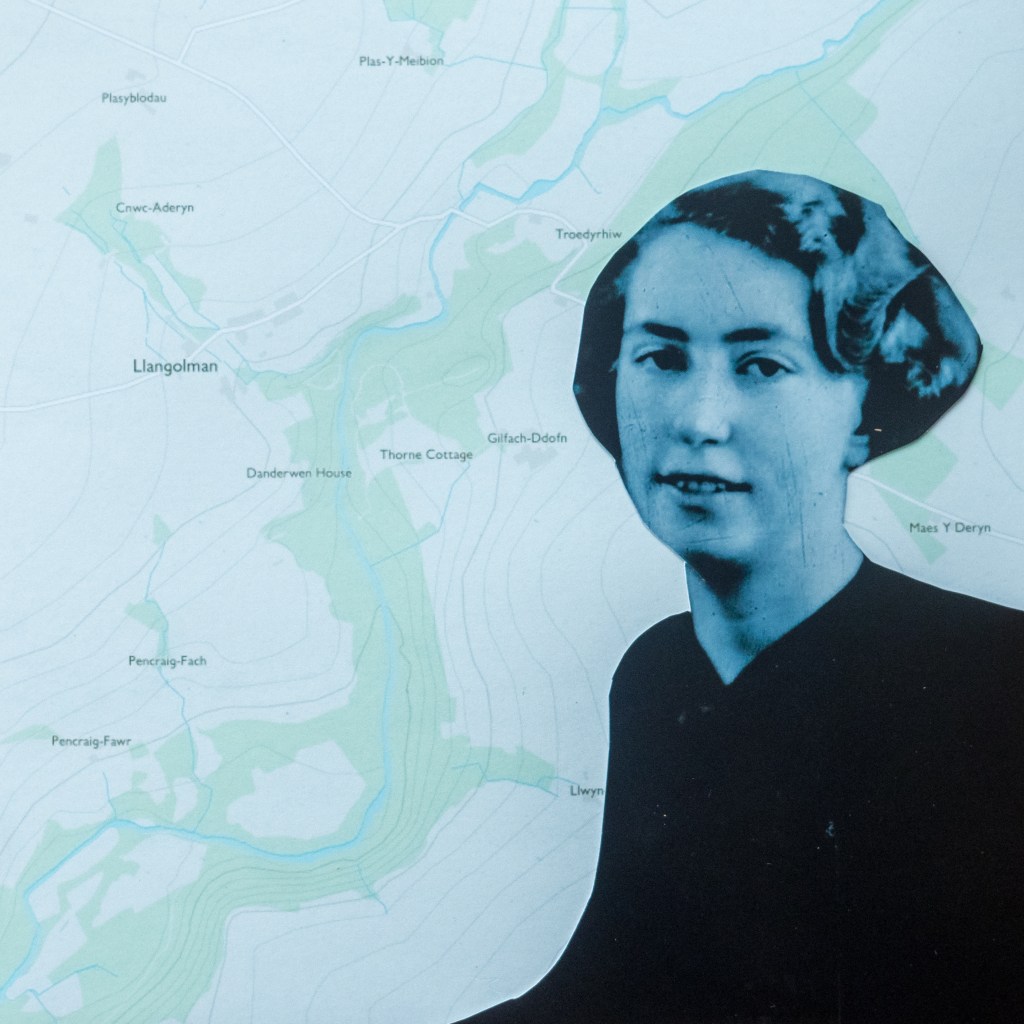
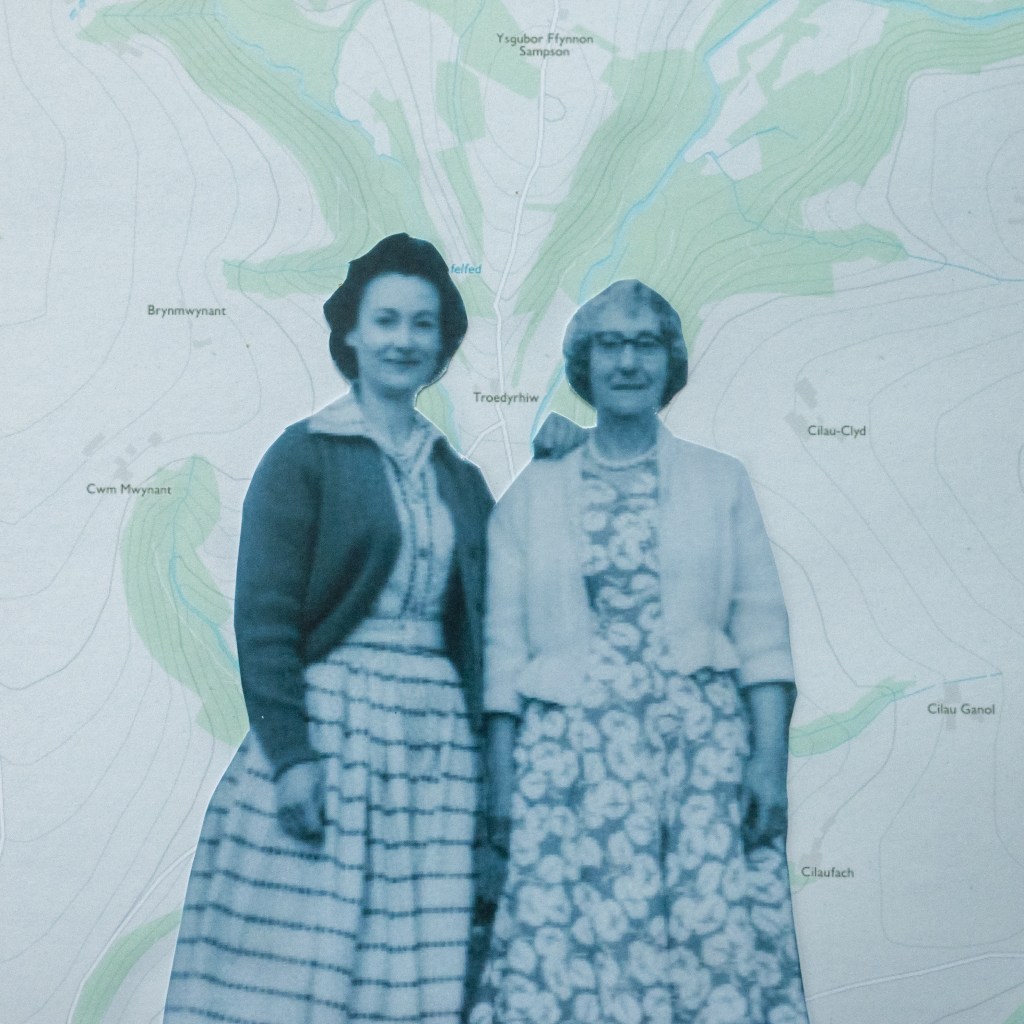
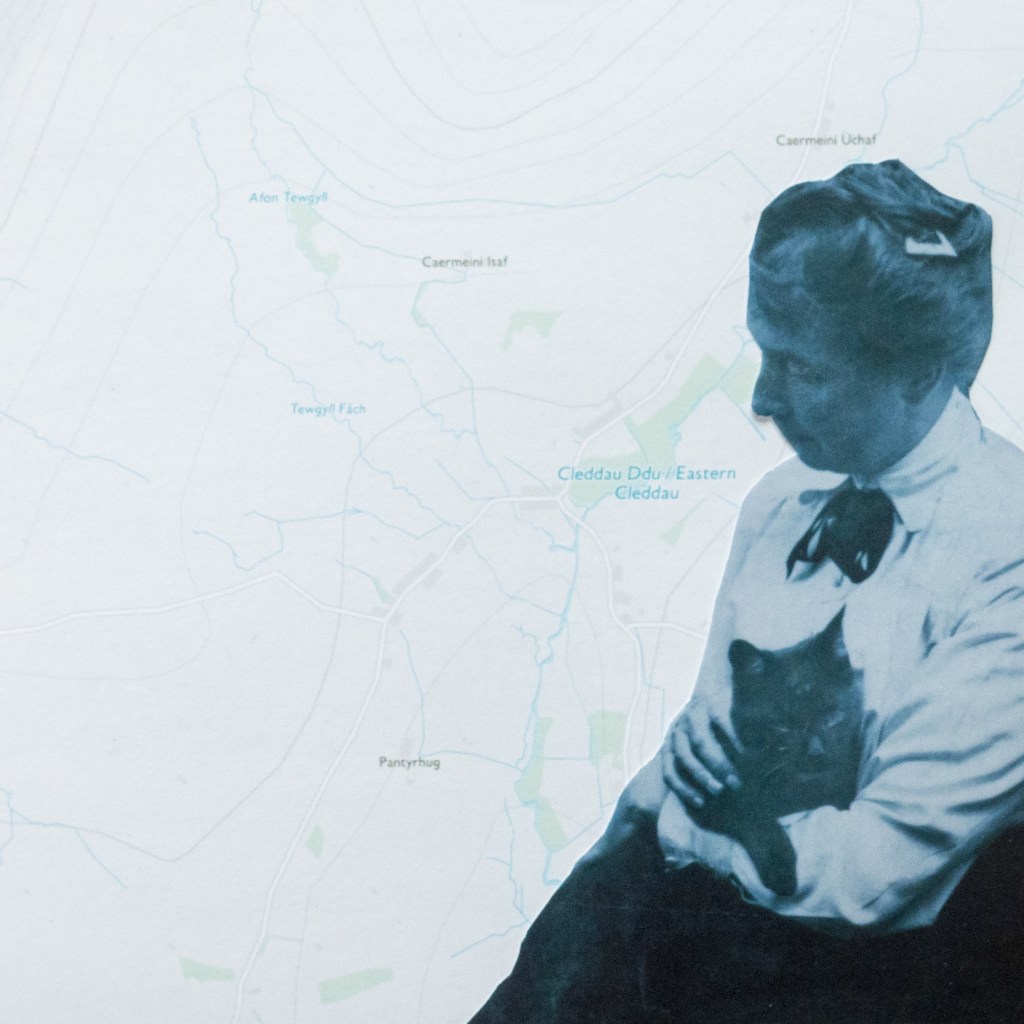
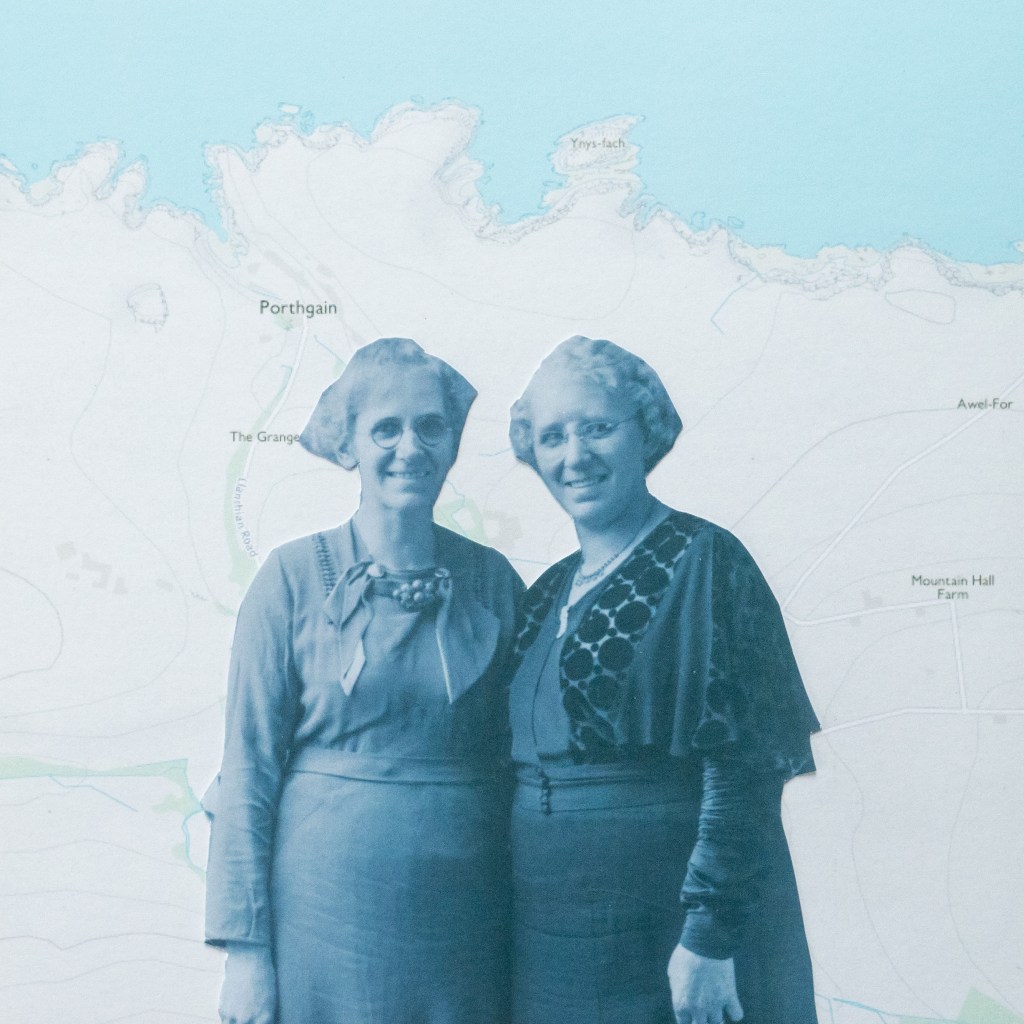
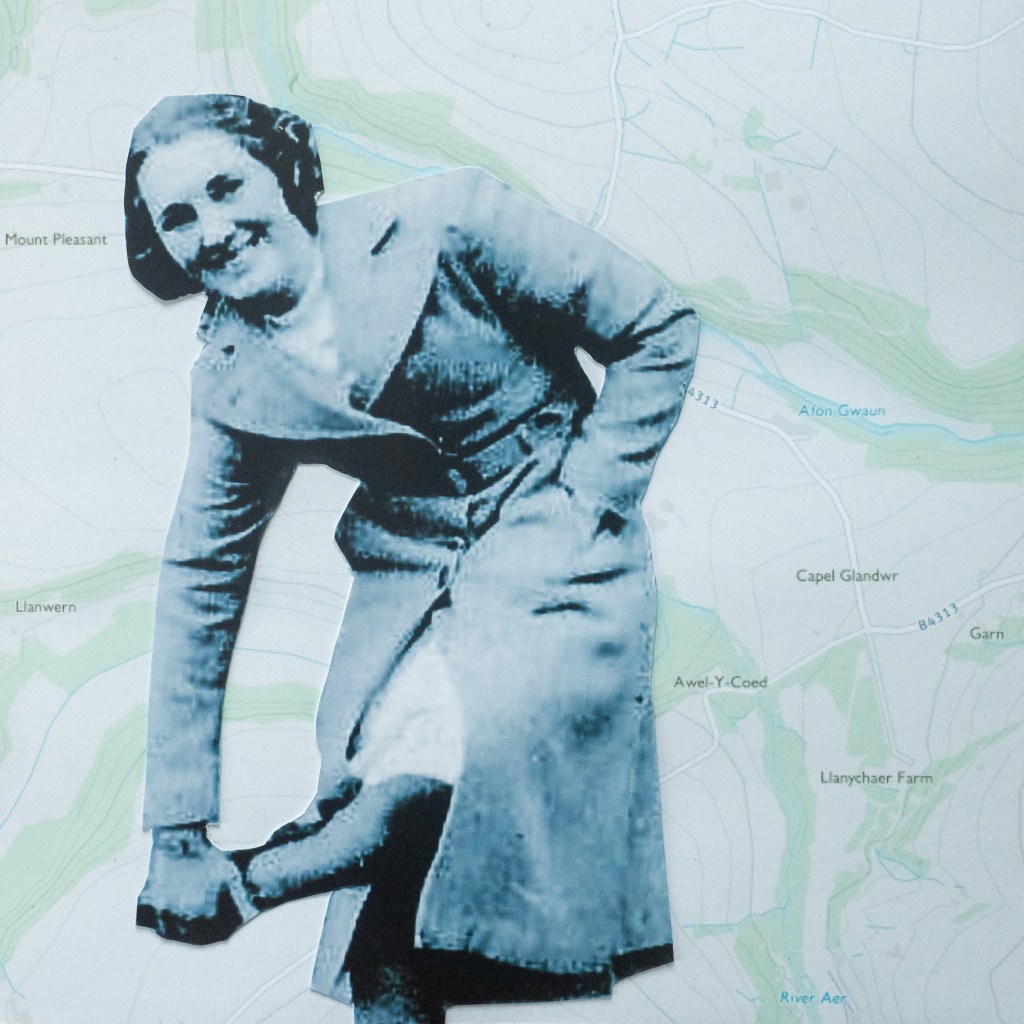
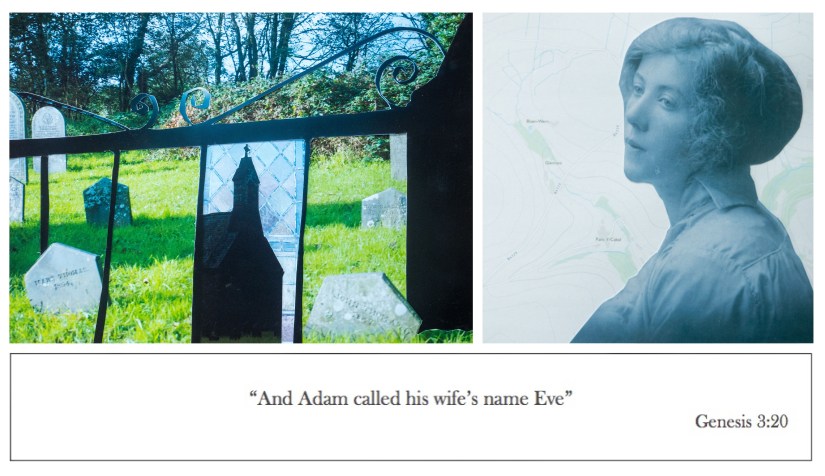
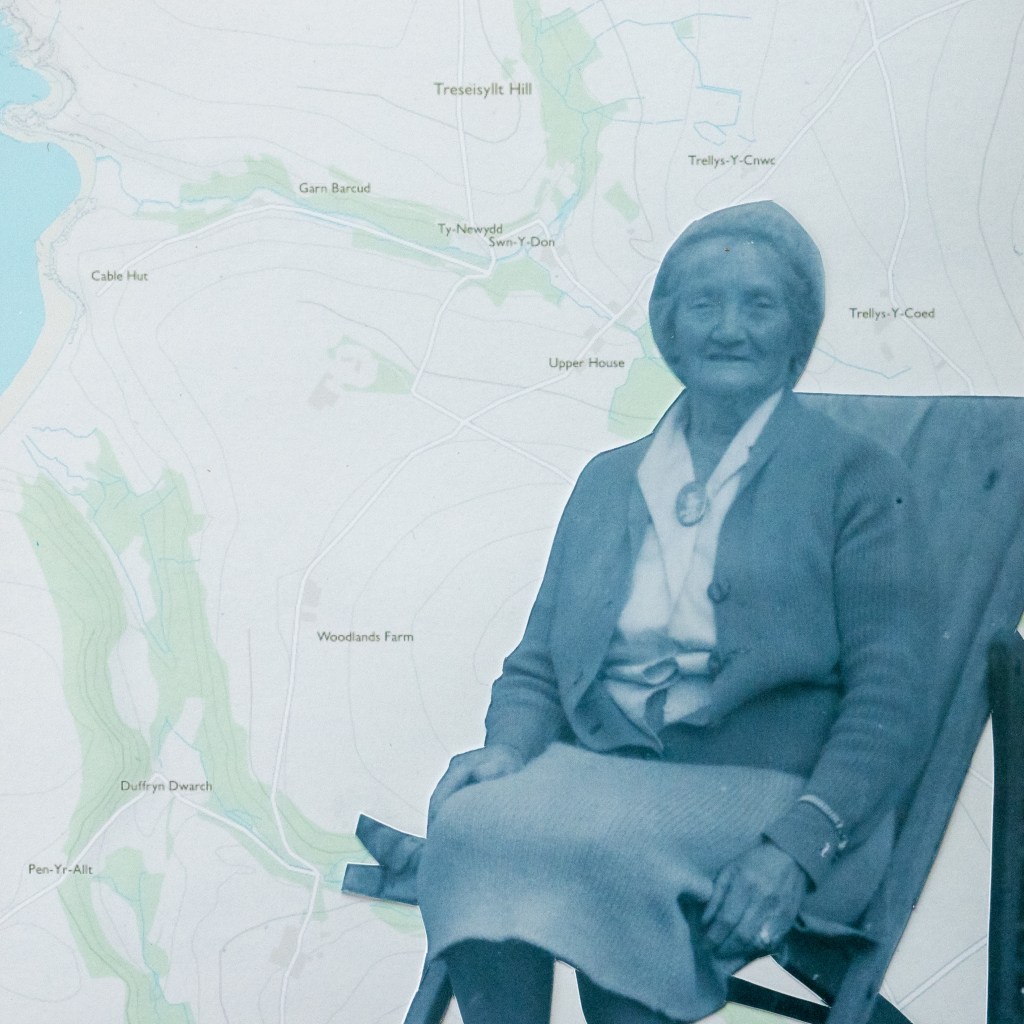
My work covers psychogeography, so I decided to include a map to give context to my images. This was always a plan of mine, but the execution of it came later. On these mapping images, I have included images of women in my family. This is me bringing in my version of strong women, they are on the journey with me, but do not feature in the main images, symbolizing their exclusion. I did this brings to note how the patriarchy is accepted and how women have been excluded for a very long time. The women in my work are on the outskirts. This also highlights the overarching male dominance in religion, arts and society. The final element to my images is the text. I have used verses from the bible to connect my images. I feel these elements work well side by side and have created a cohesive series of images.  

There was a discussion about presentation with my tutor. I put forward my thoughts on what would be appropriate and we discussed and negotiated from there. I decided a newsletter format would be fitting.

I feel during this course I have learnt to utilize my research. I have done in-depth research into various artists and techniques that relates to my work, but I have also widened my research to get a clearer picture. The artists who have influenced me have varied along my journey, as my work has evolved. Each has contributed something to my work, but has done so at different stages. My research has helped me build my final work, from the visual ideas to the techniques and presentation; they all have had an impact on my process.

I have had a few issues and this course has definitely been a learning curve. At the beginning I now feel that I didn’t push myself enough, I took the safe route. My first assignment was fine, as I was able to start getting my idea out there. However, for assignment two, I played it safe. Following my tutor’s feedback, I widen my approach and narrowed down my aim for the next assignment. I began experimenting and getting out of my comfort zone. I felt I overcame my caution and pushed myself. On my later assignments I was having problems with print quality. My printer would not print the images correctly, there were lines, uneven colours etc. This massively affected the finished outcome. I have remedied this now and the images print correctly. I also had some personal bereavement during this course that impacted my journey.

I have taken on board the feedback I have received and have re-worked and improved my work along the way. I am happy with how it has turned out. I learnt so much over the course of this course, not only skills and techniques but on a personal level. I feel my creativeness has come through and my personal voice has developed significantly. But also, my eyes have been opened to the level of inequality that artists face and how some still deny its existence. 


Reflection

My images are simple yet complex. There is a chaotic feel to them and an almost surreal cast to them. My images have a blue tinge to them, which ‘pops’. I wanted contrast in my images, I wanted them to stand out and the blue helped do this. It gives them a chaotic and surreal feel. This blue tinge looks give the impress of a time gone by. It is reminiscent of a by-gone age. I live in Wales and this pilgrimage took part in Wales and there is a famous word here which sums this up perfectly for me. Hiraeth. Hiraeth refers to a nostalgic feeling, a feeling of loss and longing. I feel this relates well to my work.

Assignments

I have reflected on each assignment and how this has aided me in my journey.

Assignment one was daunting as it was the start and I really wasn’t what to expect. I knew roughly what I wanted to achieve. I wanted to show images that weren’t perfect, to symbolise the inequality, to make the viewer think. I looked into various artists and found some that really helped me. Here is my feedback and how I responded to it. 

https://georginasbodyofwork.photo.blog/2019/08/30/assignment-one-2/

I realise for Assignment two that I didn’t push myself properly. I stayed within my comfort zone and this did hinder me. Here is my feedback and how I responded to it. 

https://georginasbodyofwork.photo.blog/2019/08/30/assignment-two-2/

I felt things starting to come together in Assignment three. I took my tutor’s feedback onboard and pushed myself. I began experimenting and got out of my comfort zone. I created my collages. I did make several for choice to see which worked better. 

https://georginasbodyofwork.photo.blog/2019/08/30/assignment-three-2/

I created my mapping images for this assignment and started to think properly about the text. Whilst I did have problems with my printing, I felt the images coming to life. I experimented with various texts, including different fonts. Here is my feedback link: 

https://georginasbodyofwork.photo.blog/2019/08/30/assignment-four-2/

Assignment five brought everything together. I took my tutor’s advice and changed the black font to a greyer colour. This does improve the finish significantly. My images feel complete. I feel my images work well together and it has resulted in a complete series of images. Here is my final feedback:

https://georginasbodyofwork.photo.blog/2019/08/30/assignment-five-2/

Research

Catherine Opie’s work was very influential in my work. I liked how her images were blurry and out-of-focus. I felt the result was very thought provoking and I decided to try this for my work. 

https://georginasbodyofwork.photo.blog/2019/11/01/assignment-images-reflective-commentary-2/

https://georginasbodyofwork.photo.blog/2019/08/08/catherine-opie/

As I was looking at pilgrimages, I researched pilgrimages. 

https://georginasbodyofwork.photo.blog/2019/08/06/pilgrimage/

I also researched artists who undertook similar journeys. I looked at: 

https://georginasbodyofwork.photo.blog/2019/08/08/muhammad-sadiq-bey/

https://georginasbodyofwork.photo.blog/2019/12/12/hamish-fulton/

https://georginasbodyofwork.photo.blog/2019/08/08/tim-hall/

https://georginasbodyofwork.photo.blog/2019/08/08/annie-leibovitz/

It was very helpful to see how other artists undertook this challenge. I looked at their methodology, and how they went about it. Annie Leibovitz didn’t follow a traditional pilgrimage; rather she undertook a personal pilgrimage. This is partly what I am doing, so her work did help get a different perspective. As I was photographing churches and churchyards, I looked into artists how had done the same:

https://georginasbodyofwork.photo.blog/2019/10/25/nina-berman/

https://georginasbodyofwork.photo.blog/2019/10/25/kaupo-kikkas/

https://georginasbodyofwork.photo.blog/2019/10/25/jess-kohl/

These artists were helpful in seeing how they addressed the landscape. Jess Kohl’s images are very thought provoking. They do feature people, whereas mine do not, but her images of the location are very helpful for my work.  

My attention then turned to different techniques. I decided to create a collage for my work. I looked into several artists and how they went about this:  

https://georginasbodyofwork.photo.blog/2019/12/05/mary-beth-edelson/

https://georginasbodyofwork.photo.blog/2019/12/12/barbara-kruger/

https://georginasbodyofwork.photo.blog/2019/12/12/margaret-harrison/

https://georginasbodyofwork.photo.blog/2019/12/12/linder-sterling/

https://georginasbodyofwork.photo.blog/2019/12/12/peter-kennard/

Mary Beth Edelson’s image Some Living American Women Artists proved very valuable in my work. We were investigating and portraying very similar Things. We both have a religious theme and are looking at the gender inequality in the arts.  

Collage

I took my research on board when I began experimenting with collages. 

https://georginasbodyofwork.photo.blog/2019/12/05/collage/

Maps

I decided to include a side image, which showed the locations map. This would give context to the image, but also so it has it’s own agenda. I wanted something personal to me in the images, as this was also my journey. I decided to include archive images of my family. These women would not feature on the main images, to give the impression of them being excluded. Here is my process of my mapping images:  

https://georginasbodyofwork.photo.blog/2020/05/15/sub-series/

https://georginasbodyofwork.photo.blog/2020/05/15/mapping/

https://georginasbodyofwork.photo.blog/2020/05/15/archive-images/

Text

I brought my images to a close with text. I wanted to keep to the religious theme and have bible quotes. I had a play around with the text, and following my tutor’s feedback, I settled with a plain text, which resembles a Bible’s font. I have changed the text to a more grey. The change is subtle. I notice it better when it is printed out rather than on a computer screen.

https://georginasbodyofwork.photo.blog/2020/05/15/text/

Introduction

I first wrote a draft of my introduction but have reworked it following my tutor’s feedback: 

https://georginasbodyofwork.photo.blog/2021/01/31/final-introduction/

Title

I thought long and hard about a title for my work. As the pilgrimage I followed uses the name “In the Shadow of the Preselis”. I decided to play on the words and call my work. “In the Shadow of Men”. I feel this links to the fact women are excluded and gives the viewer a hint as to what is going.  

https://georginasbodyofwork.photo.blog/2020/07/27/title/

Presentation

I thought about various ways to present my work but I decided on a newsletter format for printing. I feel this works well as it reminds me of the newsletter you get from churches, so again keeping in the religious theme. 

https://georginasbodyofwork.photo.blog/2020/07/27/presentation-2/

I decided to present them in a black folder; similar to the ones you get documents in. As this is a digital assessment it is not possible to show the finished product in person to my assessors. I hope the images do it justice. 

Evaluation  

Here is a link to a longer evaluation I wrote for this course:

https://georginasbodyofwork.photo.blog/2020/11/25/evaluation-2/

Assessment Outcomes

I have talked about the assessment outcomes for each assignment here:

https://georginasbodyofwork.photo.blog/2020/11/25/assessment-criteria/

https://georginasbodyofwork.photo.blog/2020/11/25/assessment-criteria-2/

https://georginasbodyofwork.photo.blog/2020/11/25/assessment-criteria-3/

https://georginasbodyofwork.photo.blog/2020/11/25/assessment-criteria-4/

https://georginasbodyofwork.photo.blog/2020/11/25/assessment-criteria-5/

Critique

I have critiqued my overall time on this course: 

https://georginasbodyofwork.photo.blog/2021/01/30/critique/

Learning Outcome

I have also discussed the learning outcomes here:

https://georginasbodyofwork.photo.blog/2020/11/25/learning-outcomes/

https://georginasbodyofwork.photo.blog/2021/01/27/learning-log-learning-outcomes/
Final Submission for Assessment

I have reached the end of my course and have compiled my final submission for assessment. 

I have edited my project extensively along the way in light of feedback form my tutor, and this is my final submission: 

In the Shadow of Men

Newsletter Format – Presentation

The presentation of my work takes the form of a newsletter format. I have created and printed these out and made a video to show them but am unable to upload the video on here but I will upload it to G-Drive for assessment:


Introduction

your young men shall see visions…

Pilgrimages: a way to get closer to your faith or show devotion? You would think then it would be accessible to all. But this is not the case. My work follows a pilgrimage, one which was specifically designed for men. So what about the women? Well they have been excluded from this journey of faith. Named after the mountainous backbone, In the Shadow of the Preselis, is an aptly named pilgrimage, however with the exclusion of women, one could say, In the Shadow of the Men, is more appropriate. Gender inequality is seen within some religions, this has in time caused ingrained beliefs and created a structured inequality in our society. With my background in studying religion, I decided to investigate the inequality in landscape photography whilst utilising the inequality in religion. I have done this by embarking on a pilgrimage, a route which was specifically designed for men. This allowed me to document this journey as a woman from my perspective and not through a man’s eye. Another area where inequality flourishes is landscape photography. Many landscape images we see are of expansive inviting vistas, rolling hills, glistening waters and vibrant colours. Whilst the images are picturesque, there is an issue. Which is that the majority of these are taken by men; through a man’s eye. The gender gap in landscape photography is very prominent, but is quite often looked over. This has led to essentially us seeing the landscape through a male perspective. My work contrasts the gender inequality in landscape photography with the inequality in religion, but this also raises the issue of inequality in art and in a global sense too. Using a craft frequently associated with women, my work now takes the form of a collage. I would hope that viewers will be able to see my images and think about gender inequality, their experience of it, and even how they may not have realised the extent. The more we highlight the issue, the more we fight against it, the more improvements can be made. Maybe one day we may all be treated equally.  

…your old men shall dream dreams


Separate Images

Here the images are separately for detail:

1

2

3

4

5

6

7

8

Learning Log Learning Outcomes

This has been the most difficult part of preparing for assessment for me. I looked over the learning outcomes several times, as was non the wiser. They just did not make much sense to me. I did email student services but have not had a reply, probably due to the ongoing pandemic. I decided to take it step by step and figure out what each learning outcomes was asking for. I then looked through my learning log and tried to match them up. I believe I have do so but I hope I have provided suitable links to the appropriate learning outcomes. 

Here is my document as a word document:


Here is my learning log links matching with the learning outcomes:

I have used the OCA Course guide for assessment of Photography units (March 2021 version) to help me prepare this document.  

Learning Outcome 1

produce convincing visual products that communicate your intentions, using accomplished techniques in complex and unfamiliar environments, with minimal supervision from your tutor.

I believe I have communicated my intentions. I have explored my ideas and have utilized various techniques. 

I believe these learning log posts demonstrate this.

https://georginasbodyofwork.photo.blog/2019/08/14/assignment-images-reflective-commentary/

https://georginasbodyofwork.photo.blog/2020/02/04/assignment-images-reflective-commentary-3/


Learning Outcome 2

demonstrate comprehensive knowledge of your area of specialism and be able to situate your own work within a larger context of practice in your field.  

I did extensive research into my topic and the wider area; here are links that demonstrate my research.  

https://georginasbodyofwork.photo.blog/2019/08/08/research/

https://georginasbodyofwork.photo.blog/2019/08/08/pembrokeshire-pilgrimages/
https://georginasbodyofwork.photo.blog/2019/08/08/catherine-opie/


Learning Outcome 3

transform abstract concepts and ideas into rich narrative and integrate them in your images.

I have trialed various approaches and techniques. I have explained my reasoning for using them and have experimented with them in order to find which best worked for me. 

https://georginasbodyofwork.photo.blog/2019/12/05/collage/

https://georginasbodyofwork.photo.blog/2020/05/15/mapping/

https://georginasbodyofwork.photo.blog/2020/05/15/archive-images/


Learning Outcome 4

critically review your own work and evaluate it against desired outcomes.  

Alongside tutor feedback, I have critiqued my work in order to develop.

https://georginasbodyofwork.photo.blog/2019/11/01/cutting-down/
https://georginasbodyofwork.photo.blog/2020/05/22/cutting-down-2/

https://georginasbodyofwork.photo.blog/2021/01/30/critique/


Learning Outcome 5  

demonstrate management, leadership and communication skills and have displayed them during the negotiation and production of the final body of work with your tutor and third parties.

In discussions with my tutor, I have put forward my intentions and have negotiated my stance.

https://georginasbodyofwork.photo.blog/2020/02/04/assignment-images-reflective-commentary-3/

https://georginasbodyofwork.photo.blog/2019/08/30/assignment-five-2/

https://georginasbodyofwork.photo.blog/2019/08/30/assignment-one-2/

Assessment Submission

I have used the OCA Course Guide for assessment of Photography Units (March 2021 version) for aid in preparing my assessment.


For my assessment, my submission on G-Drive is arranged in four files. 

The first contains a selection of learning log entries. For this I has to choose a selection of my learning logs and match them to the learning outcomes. I have created a page containing these links that can be found here:

Learning Log Learning Outcomes


The second folder contains my creative work. This includes my final submission of images. I have organised them into files. The first files shows how they are presented (in a newsletter format). The second files shows the images combined (with all elements). The next files shows the main images. The fourth file contains the map (side) images. The last File contains the text images. I have also uploaded a video showing the newsletters.


The third folder contains my written evaluation. Here is a link to the evaluation I have submitted with my assignment:

Assessment Evaluation

I also have a longer evaluation which can be found here:

Evaluation


The fourth folder contains all five of my tutor reports.