Introduction

This first draft of my introduction:


your young men shall see visions…

Many landscape images we see are of expansive inviting vistas, rolling hills, glistening waters and vibrant colours. Whilst the images are pretty, there is an issue. Which is that the majority of these are taken by men; through a man’s eye. The gender gap in landscape photography is very prominent, but is quite often looked over. This has led to essentially us seeing the landscape through a male perspective. There are many reasons for this; one specific reason originates with religion. Gender inequality is seen within some religions, this has in time caused ingrained beliefs and created a structured inequality in our society. With my background in studying religion, I decided to investigate the inequality in landscape photography whilst utilising the inequality in religion. I have done this by embarking on a pilgrimage, a route which was specifically designed for men. This allowed me to document this journey as a woman from my perspective and not through a man’s eye. I have contrasted the gender inequality in landscape photography with the inequality in religion, but this also raises the issue of inequality in art and in a global sense too. Using a craft associated with women, my work now takes the form of a collage. I would hope that viewers will be able to see my images and think about gender inequality, their experience of it, and even how they may not have realised the extent. The more we highlight the issue, the more we fight against it, the more improvements can be made. Maybe one day we may all be treated equally.  

…your old men shall dream dreams

10th of August 2020

Here is my second draft of my introduction, following my tutor’s feedback:

your young men shall see visions…

Pilgrimages: a way to get closer to your faith or show devotion? You would think then it would be accessible to all. But this is not the case. My work follows a pilgrimage, one which was specifically designed for men. So what about the women? Well they have been excluded from this journey of faith. Named after the mountainous backbone, In the Shadow of the Preselis, is an aptly named pilgrimage, however with the exclusion of women, one could say, In the Shadow of the Men, is more appropriate. Gender inequality is seen within some religions, this has in time caused ingrained beliefs and created a structured inequality in our society. With my background in studying religion, I decided to investigate the inequality in landscape photography whilst utilising the inequality in religion. I have done this by embarking on a pilgrimage, a route which was specifically designed for men. This allowed me to document this journey as a woman from my perspective and not through a man’s eye. Another area where inequality flourishes is landscape photography. Many landscape images we see are of expansive inviting vistas, rolling hills, glistening waters and vibrant colours. Whilst the images are picturesque, there is an issue. Which is that the majority of these are taken by men; through a man’s eye. The gender gap in landscape photography is very prominent, but is quite often looked over. This has led to essentially us seeing the landscape through a male perspective. My work contrasts the gender inequality in landscape photography with the inequality in religion, but this also raises the issue of inequality in art and in a global sense too. Using a craft frequently associated with women, my work now takes the form of a collage. I would hope that viewers will be able to see my images and think about gender inequality, their experience of it, and even how they may not have realised the extent. The more we highlight the issue, the more we fight against it, the more improvements can be made. Maybe one day we may all be treated equally.  

…your old men shall dream dreams
Feedback

I decided to get feedback from friends, family and fellow students through the email chat. I sent the images with the briefest information, as I wanted their first impressions. A few were kind enough to give their feedback. A couple asked for the context and reasoning behind the images in order to make their mind up, which is far enough as sometimes your do need the background information. One said that you could see the locations vary so would have guessed it wa following a particular denomination, which is not a million miles away but it is following a pilgrimage. With the background information, they could see what I was trying to show. They all got the religious theme and some even the gender inequality. A couple were not sure about using collage but they did say it was their own personal opinions on collages, but others said it looked great. One person advised that one image didn’t look completely right, so I did revisit this image to see and I tried something slightly different, which I found did improve it. Someone else liked the fact that the images of the women were not in the main image, rather on the map images. Which I believe also shows the inequality, the women are on the journey (feature on the maps) but are not in the main picture. They are sort of excluded from it. With the inclusion of the text, people believe this aides in seeing that my work is about gender inequality. The text supports the aim of my work. I do agree with people as I feel the text just adds that element of context to the images. The layout of the images has positive feedback, many liked the overlapping look, as it’s not all “neat” and “held-together”. With family, the feedback was similar, the only difference being that they have known my intention and the background since the start so the have been able to see my work evolve. They have helped along the way and can see my reasoning. 

Writing an evaluation for Body of Work

Part Four – Presentation and Outcome 

Writing an evaluation for Body of Work  

I have filled these questions in, I will amend it and finalise it for my final submission.

Good questions to ask yourself when writing the introduction could be (from previous section): 

  • What was the starting point for This Work And where has it ended of?
    • I started my work by intending to follow a pilgrimage and using this as a back from of exploring inequality in landscape photography. I wanted images that were seen as wrong, to symbolise the discontent. So my work included blurry, over-exposed and under-exposed. My work has evolved to make a collage from each location. I have kept the basis which is exploring inequality in landscape photography, but also with references to the inequality in religion and in a global sense. 
  • What are the main areas of research?
    • I have conducted research into gender inequality and the inequality in landscape photography and how artists tackle this issue. I have also looked into Pilgrimages. I have tried to find artists who have followed a journey or pilgrimage, but also those who are looking into psychogeography. To aid in my decision about my techniques, I looked into artists who use collage. I looked into how artist use text and how they sequencing their images.  
  • What does it explore?
    • It explores gender inequality. Not just in the landscape photography sense, but in a global and religious sense. I followed this pilgrimage which was designated and followed by men, in order to complete my own journey as a woman following in their footsteps. Something which would have been frowned upon in their time.  
  • What does it ask the viewer to bring? (Don’t tell them, just ask them)
    • I hope the viewer can bring their own experience or thoughts of gender inequality and religion. I would like my images to get the viewers to think about the gender inequality, not only in this specific journey but also in a global sense. 
  • Who is my audience? 
    • I believe my images are suitable for everyone, as this is an issue that effects everybody. 
  • How is my specific practice situated within wider philosophical concerns?
    • My project looks at gender inequality in three areas, landscape photography, religion and across the world. It raises questions regarding patriarchy and inequality. I am following a man’s journey, but this is my journey. 
  • Was the technique of particular importance to the outcome?  
    • I want to use images that weren’t perfect. So as to distance my work from the ‘perfect’ landscape images you see, as I hope this shows that there is something wrong, something is not perfect. You can still make the images out but they do not possess the clarity. Hinting at the state of the world with gender equality, everything may seem ok on the surface but it truly isn’t. My technique of following a pilgrimage designed for men is an important aspect as I am following it as a women, something that wouldn’t have been accepted back in the original pilgrims time. I am following in their footsteps, seeing the same landmarks, but experiencing it completely differently. When assembling my images, I decided to make a collage. This technique is associated with women, so I believe it is very apt for my work. I have been able to make a new image from the others I took. The different aspects come together to make a new meaningful image. This could be in contrast to how people change their reality to make out gender inequality doesn’t exist, mainly because it doesn’t effect them. I have created a new image, symbolising the inequality not only in landscape photography nor in religion, but in a global sense. 
Writing an evaluation for Body of Work

  • Where have you come from?  
    • My initial working idea was to explore gender inequality in landscape photography. I really didn’t know how I was going to do it. But I did want to explore this topic, as I found it is something people either don’t realise or don’t talk about.  
  • What have you learned?  
    • I have learnt that various techniques of art throughout history have been associated with women, these have been valuable to my methodology. 
  • What mistakes did you make?  
    • I think my mistake I made early on was not to progress my ideas fully. I was stuck at just compiling the images, and not pushing my ideas. 
  • What were the low points? High points? 
    • My low points were when I had issues arise in my personal life, it just halted my progress And changed my state of mind; I just didn’t know what to do, but I was determined to carry on. My high point was actually making the collages. It was fun and engaging. I loved the fact that I was actually creating something with my own hands. I really grew to love this technique. 
  • Who influenced you?  
    • The amount of artists who influenced me are numerous as I was researching several different topics and techniques. Catherine Opie influenced how I photographed my locations. Several male landscape photographers have helped me see how they see the world. Mary Beth Edelson used religion to address gender inequality in the arts, her work has been influential. These are to name a few. 
  • How are you critically positioned within photography as a result of your work on this course? 
  • How might what you’ve produced impact on your future projects?
    • I think this work has influenced me, and I think it has made me think of other challenges, other areas people don’t talk about but are obviously there. In essence, I liked the challenge of challenging issues. This is something I would like to try in the future.
  • Have you found a personal voice that you’d like to develop?  
    • I like the fact the I am looking at issues and bringing them to light and addressing them. I also like the collage technique. I like the effect it produces and I like using this technique. I would definitely use this technique in the future. I like addressing issues and exploring using this technique.  
  • If not, what have you learned about your personal voice And how will you go about discovering it from here on?  
  • How did your technical decisions impact on or impair the final outcome?  
    • I think my technique has enhanced the final outcome. By using collage, I have been able to create a new image. I also took images that were not perfect. They were out of focus, over-exposed and under-exposed. I did this as I wanted to show the uneven ground in landscape photography and symbolise the different views and discontent. I like this effect as it can get the viewer to think. They can question why these images are not perfect, hopefully they can see something is wrong, it is not a perfect world view.  
  • Were you true to your artistic intentions?
    • I would say yes. 
  • What did you learn from the editing process?
    • I ended up taking hundreds of images at each location. I obviously had to be brutal in the editing process. I went through the images quickly initially and took out the ones that I didn’t think would fit. At this point I still had quite a few pictures. I tried to get a feel for the location, and think of an idea for how I would arrange the collage. I then cut out the other images. It was a long process but I felt more connected to the final images I have chosen. 
  • What are the main lessons you Will take away as a result of this course?
    • I will take away the fact that there are issues in the world and art can be a useful tool to bring them to the light and to address them. I have also learn to experiment more, as I found this has gotten me closer to the my work.  
  • How would you like your audience to experience your body of work? 
    • I would like people to see my image and really think. Think why have I followed a pilgrimage that was designed for men. Why as a women, photographing in the landscape genre is this a rarity. Why aren’t the images perfect? What new image does the collage make? Why does these images show oppressive and restricted tendencies? Most importantly, how does the images make the viewer feel? Are they aware of gender inequality and how deeply it is rooted? Do they care?  
  • Do you have any ideas for venues or production formats?  
    • I have been thinking about venues for my work. In keeping with the religious theme, an exhibition at a local church might be apt. The only issue is as I am addressing inequality in religion, they may not be happy with it in their church. The same could be said for the last stop on the pilgrimage, St. David’s Cathedral. Maybe a local gallery would be suitable or possibly publishing it in a book.  
  • What do you need to do for this to happen?  
    • For an exhibition, I will need to contact possible venues to see if it would be possible to exhibit with them. For a book publication, I will need to decide on a format and what I will include. I will look into different publishers and self-publishing. I think self-publishing may be the best route. 
  • Do you need to make changes to your portfolio?
    • The total word count for your Evaluation should be 1,5000-2,000 words  

Writing Introductions

Part Four – Presentation and Outcome 

Writing Introductions

In this interview on WeAreOCA, Miranda Gavin discusses writing artist’s statements:

http://www.weareoca.com/photography/introducing-miranda/

In this video, Miranda Gavin briefly talks about artists statements. She believes that a statement may be complex but can be written clearly. She believes some are full of nonsense and don’t make sense. She believes it is important to look at your audience in order to gauge the tone. You should also avoid using theoretical names unless there is a direct link to your work, you need to understand the link. The artwork and the artists statement should link and work together. 

Gavin explains how the artist statements help her. When looking at someones work, she looks at the images first, she gets a feeling for them and thinks about them. Then she looks at the artist statement. This allows any gaps to be explained, for example the artist statement might reveal something conceptually important to the work in order to grasp their process and meaning, you might not get this from the work without the explanation. This makes sense, as you can look at a set of images and not understand their meaning. You do need to know the thought process and the aim of the artist. What one person sees, another might not. Viewer interpretation, is just that, it is an interpretation, and everyones perceptions will be different. In essence, context is key.  

Bibliography

Gavin, M (2011) Introducing Miranda. At: https://www.oca.ac.uk/weareoca/photography/introducing-miranda/?cn-reloaded=/ (Accessed on 2nd of March 2020). 


Daniel Blight, a writer and curator who works in the educational department at The Photographers’ Gallery, has written this piece about ‘artspeak’ in the Guardian:  

www.theguardian.com/culture-professionals-network/culture-professionals-blog/2013/apr/15/writing-artist-statement-tips-languag

I have read through Daniel Blight’s article about artist statements, and I do agree with what he is saying. When I read an artists statement, I always find they are unnecessarily complicated, and a lot of the time they don’t make sense and don’t shed any light on their work. Blight sees a lot of them as “preposterously complex, jargon-laden statements” (Blight, 2013). This does seem the case the majority of the time. Blight also suggests this is the language of those who are privileged, in particular those educated in elite establishments. Many don’t understand it but it seems to go against the grain to say so, “this kind of rhetoric relies on everyone participating without question…to speak up would mean dissolving the space between inside and outside: quite literally, the growing boundary between the art world and the rest of society” (Blight, 2013). Some artists statements just seem overly complicated and unnecessary ‘wordy’. I get the impression that some do it to make out they are above everyone else, as their work is so special and unique, and if you cannot understand what they are saying, then there is something wrong with you. 
Blight then goes on to talk about where does this artspeak come from. It derives from French Philosophy, specifically when it was translated into English in the 1970s. It was then, that universities started using this dialect in their work. Blight also gives some tips when writing your own artists statement. The first being to think about who your audience is. Different audiences require different attitudes. You also need to look at what words you are using. The statement should flow and sentences should be short. 

Blight doesn’t like the effect that this dialect has; it stops the artwork reaching a wider audience. “Writing about your work should be an open and compelling activity, not a labyrinthine chore” (Blight, 2013).  

Bibliography

Blight, D (2013) Writing an artist statement? First ask yourself these four questions. At: https://www.theguardian.com/culture-professionals-network/culture-professionals-blog/2013/apr/15/writing-artist-statement-tips-language (Accessed on 2nd of March 2020).  

Presentation

Part Four – Presentation and Outcome

Presentation

Make some notes on possible venues for your work to be displayed. How could these enhance or heighten the viewed experience?

I have been thinking of places where I could display my work. As my work is following a local pilgrimage, a local venue would be perfect. I did think perhaps of exhibiting at one of the churches, as they often hold art or local events. I also thought about exhibiting where the pilgrimage ultimately ends, which is at St. David’s cathedral. The issue I can see is that as these are religious building, they may not like the gender inequality angle my images are looking at. So these locations may be off limits. But I think a local tally or hall would be great, especially in St. David’s itself. 

As far as presentation goes in a gallery, I was thinking of large prints displayed on clear walls. The other idea that came to me was using the original collages, so the viewer can really get the feeling and see the details in the process. Hopefully it would feel more ‘real’ and authentic instead of seeing a print of the collages. 

I believe exhibiting my work locally will heighten the viewers experience, as it will create a connection to our community. The images will show places that they know and possibly have visited before and it can get them thinking. Displaying in a small gallery will create a more intimate close feeling. So hopefully the viewers will not be overwhelmed. I think using the original collages will be better as it can show the work and authenticity. 

Final Decisions

Part Four – Presentation and Outcome 

Final Decisions 

It may be a helpful exercise to attend a major exhibition and a smaller one to note the presentation styles. Write a reflective commentary on your experiences of these exhibitions. How do they differ? How does the presentation suit the work? Does it enhance or detract from it? 

I have visited several galleries. The larger galleries tend to display large images. They also tend to be spaced out with lots of room to move around and appreciate the work. I get the feeling that the larger exhibitions are very commercialised and to me, you can see it and feel it when walking around. The smaller exhibition I went to, had a more homely feel. The images were smaller, but you could get closer and really appreciate the work. I did find that the artists in smaller ones were around and would talk to you, which was a great experience. Smaller exhibitions seem to me, to be more personal. I prefer the smaller exhibitions personally.

Assignment Images & Reflective Commentary

Assignment Images & Reflective Commentary

Here is a link to my images and how I have cut them down:

Images

I had multiple images from each location so this gave me choice. I have narrowed them down and have made slight changes on a few of the images of how I think they can be improved. I have eight final main images for my series. I would have probably had more, but unfortunately due to the Coronavirus outbreak I have not been able to go out and photograph. 


Here is a link to my sub-series map images: 

Maps

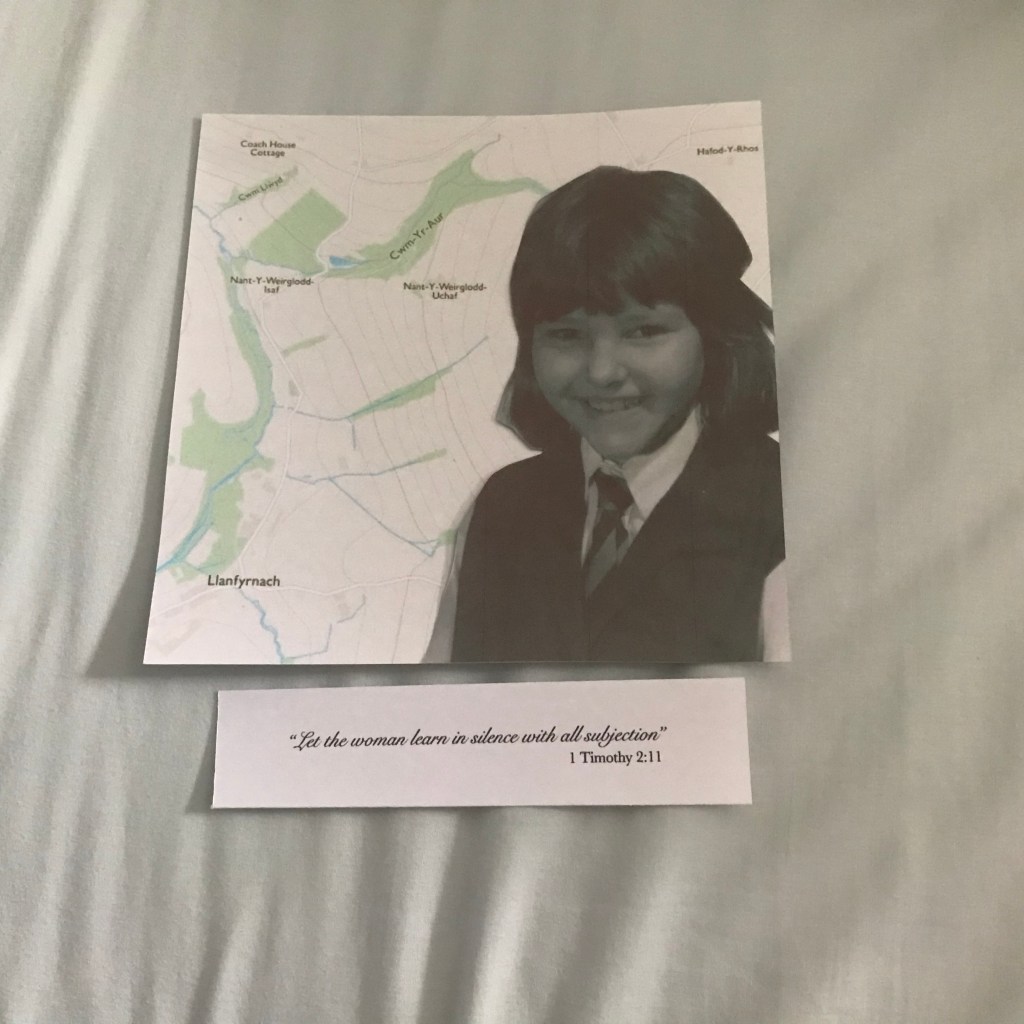
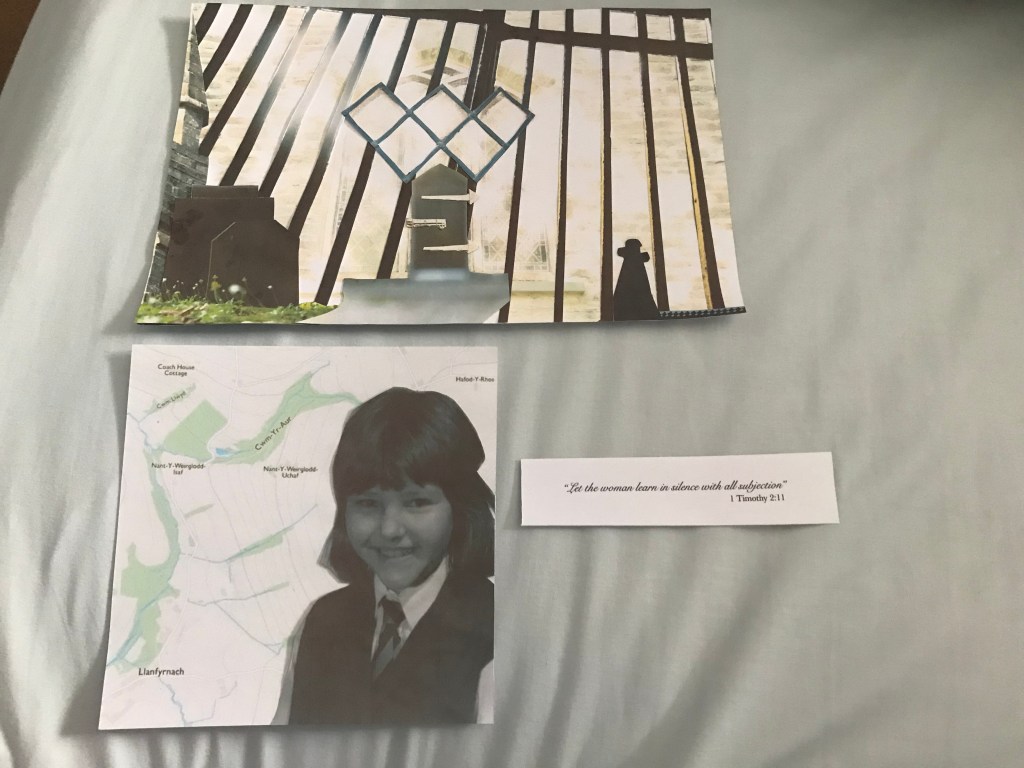
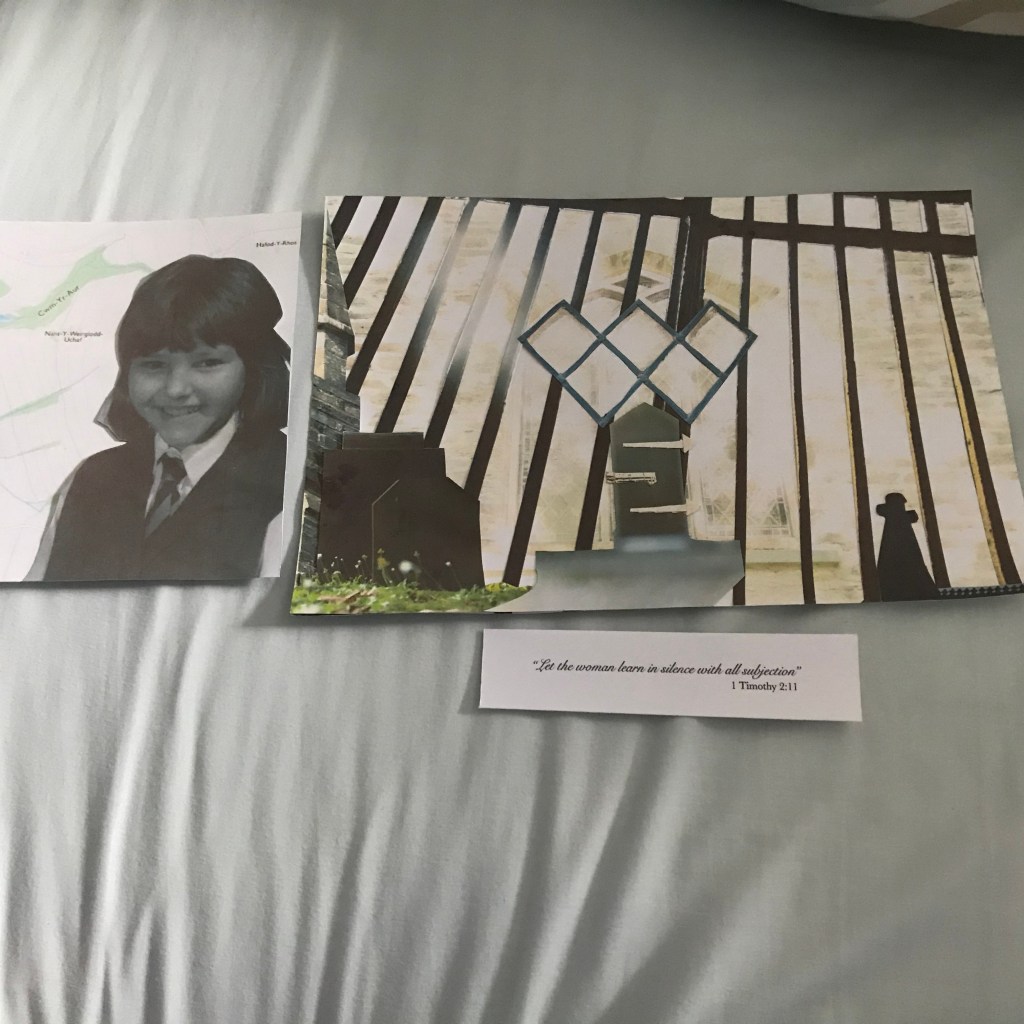
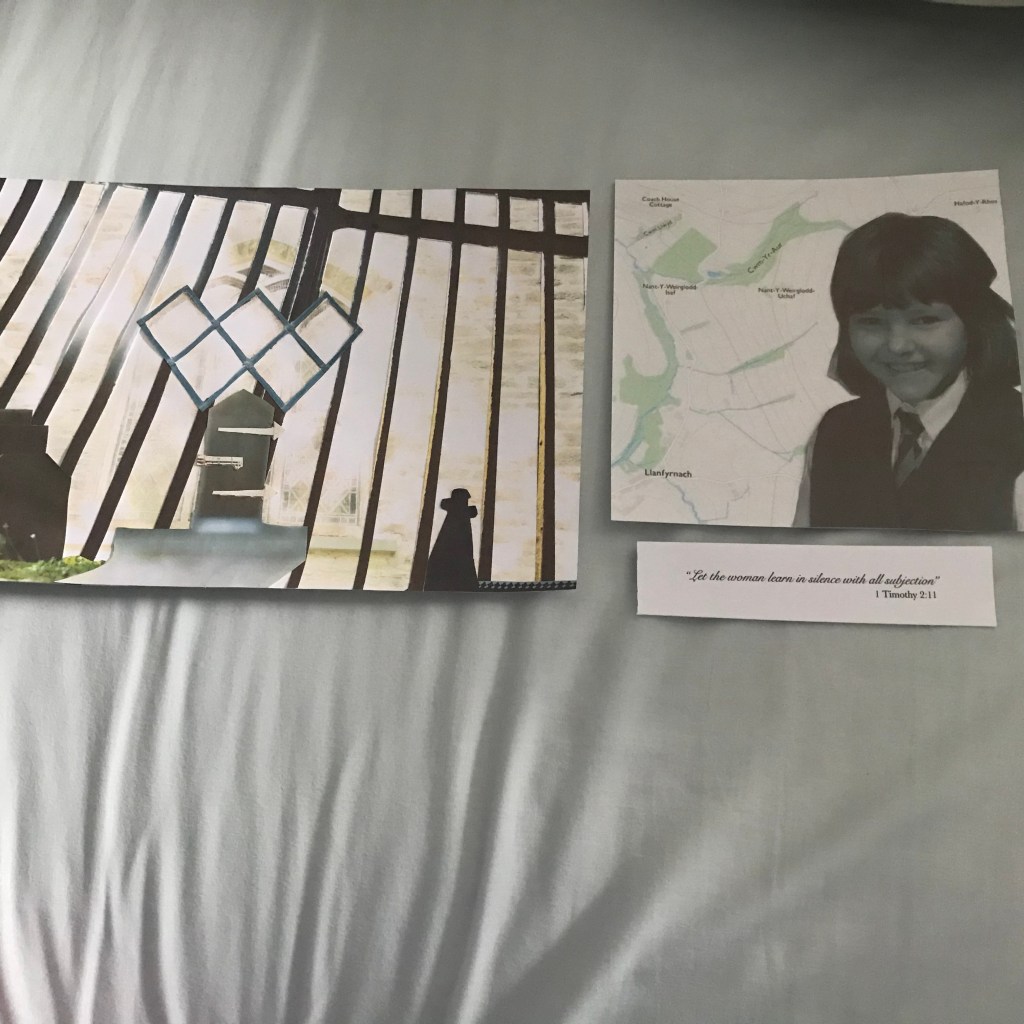
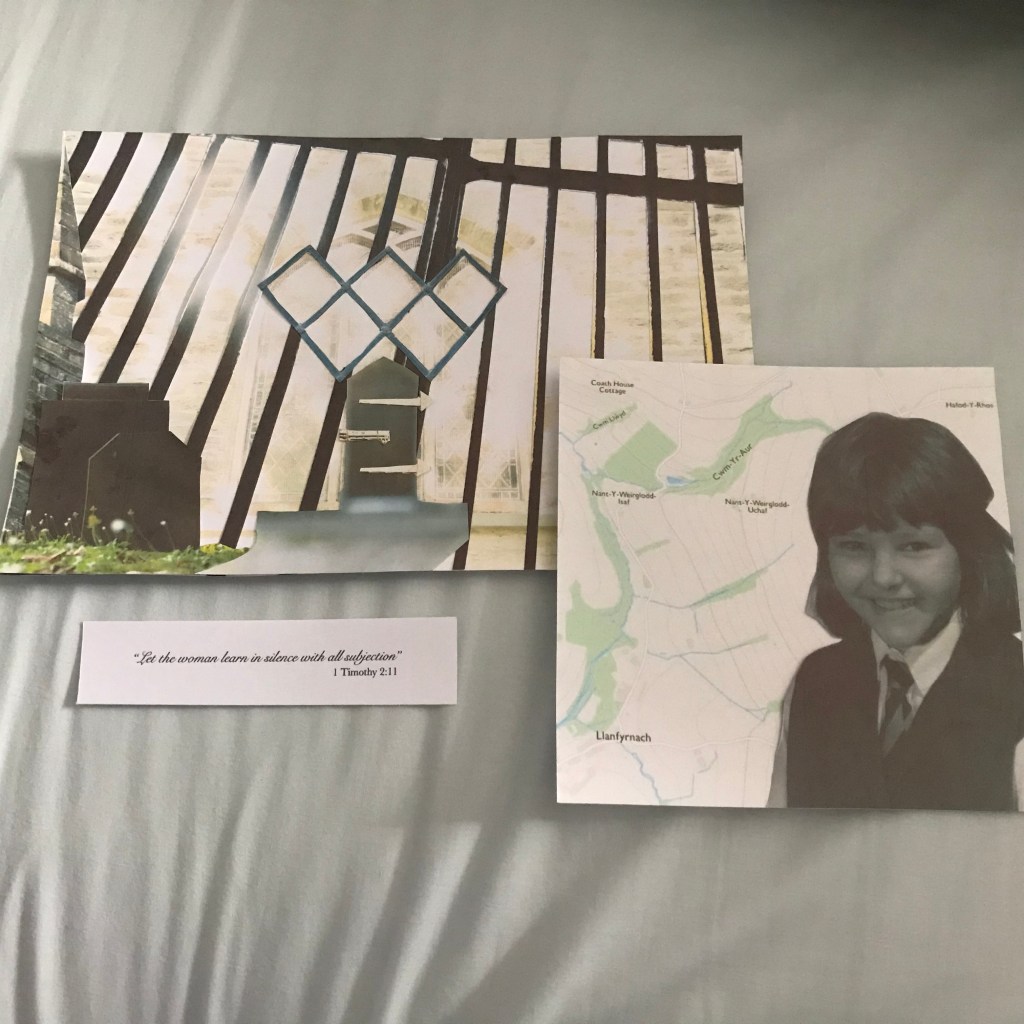
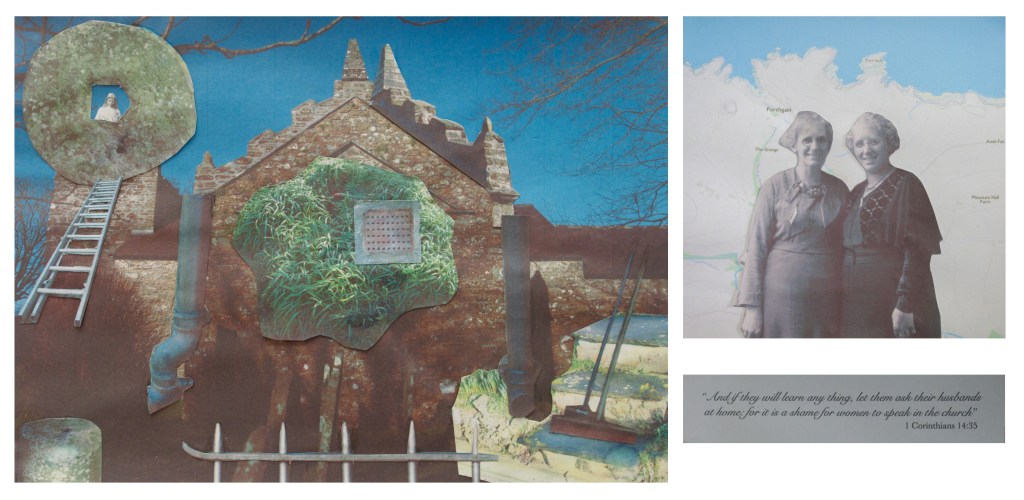
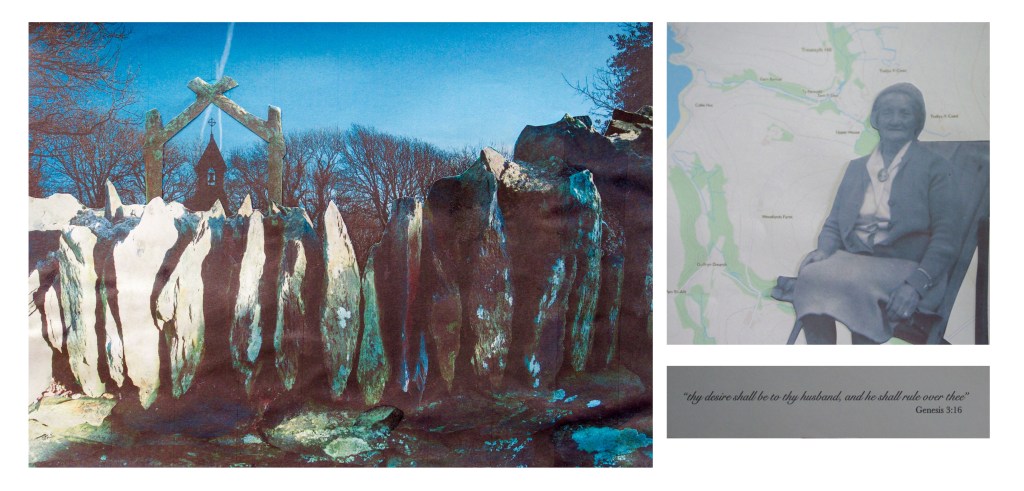
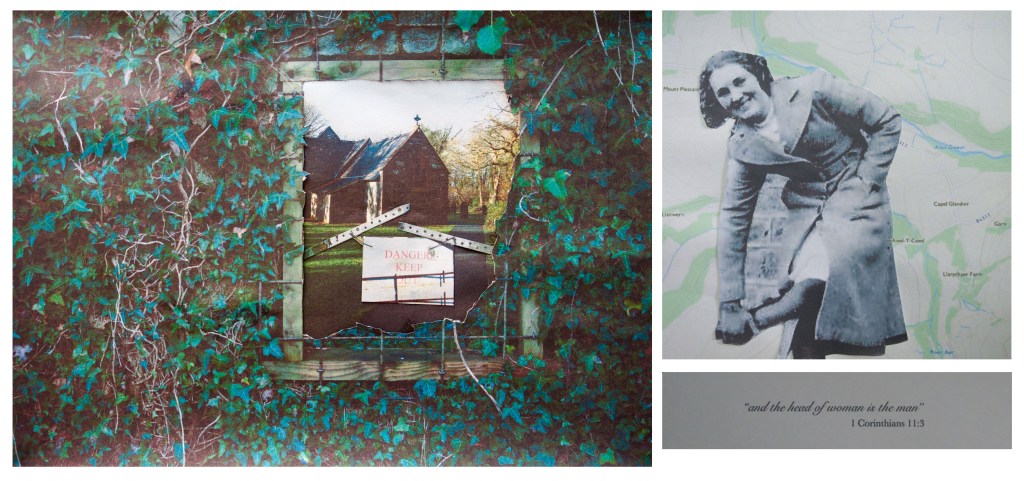
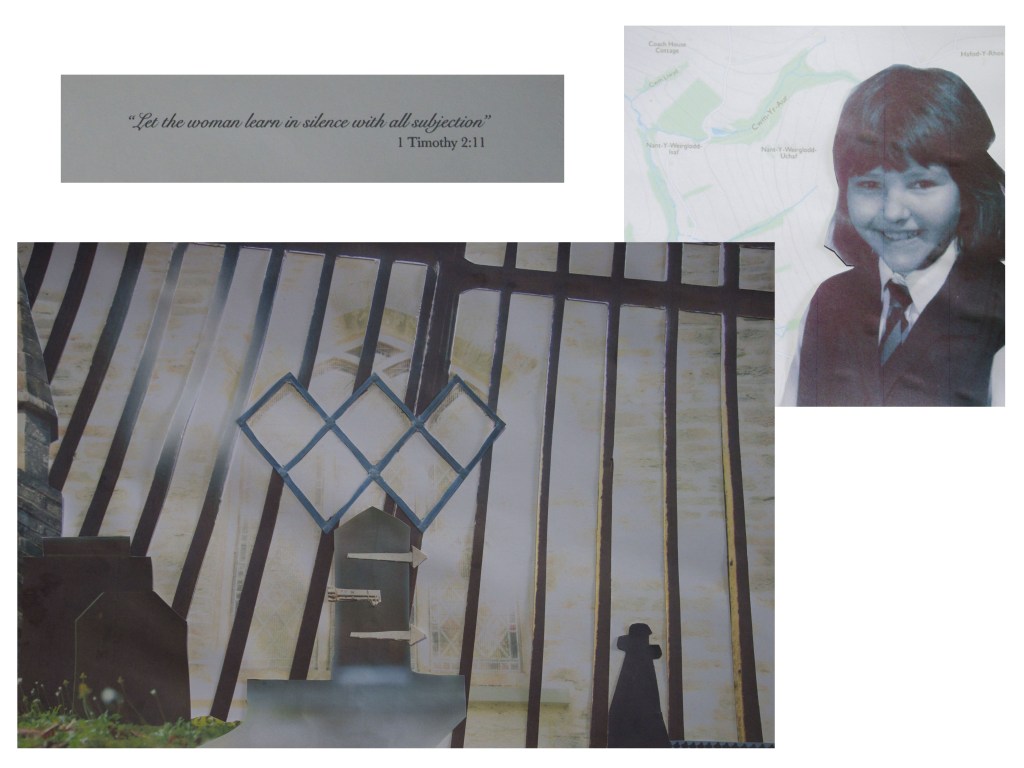
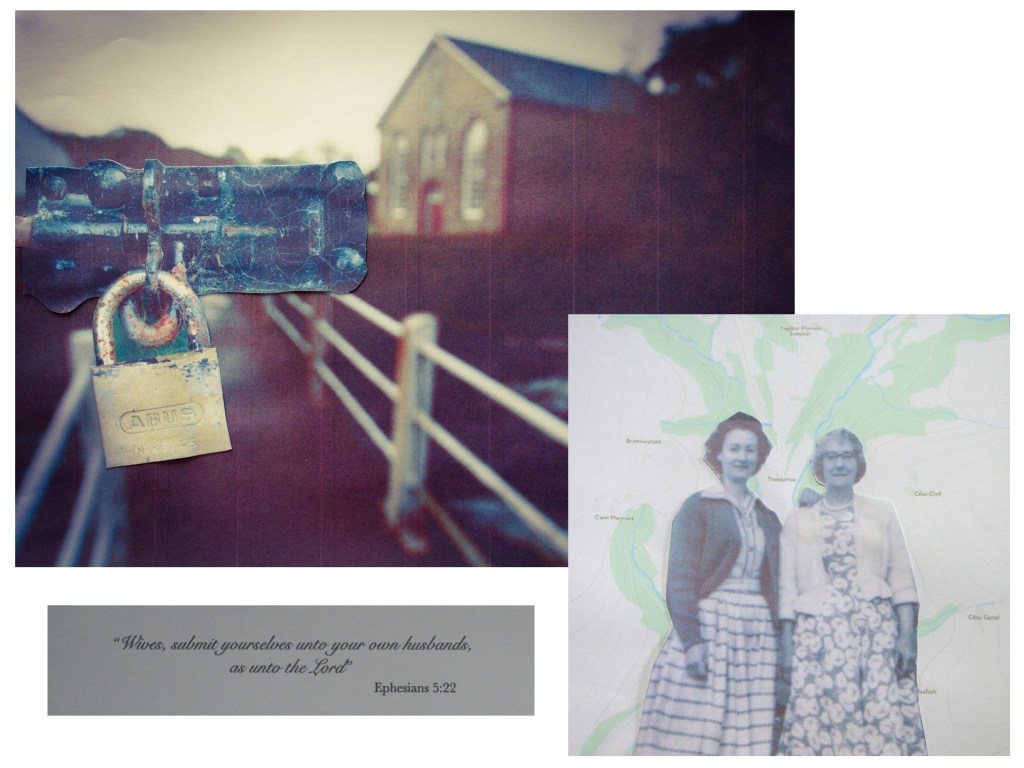
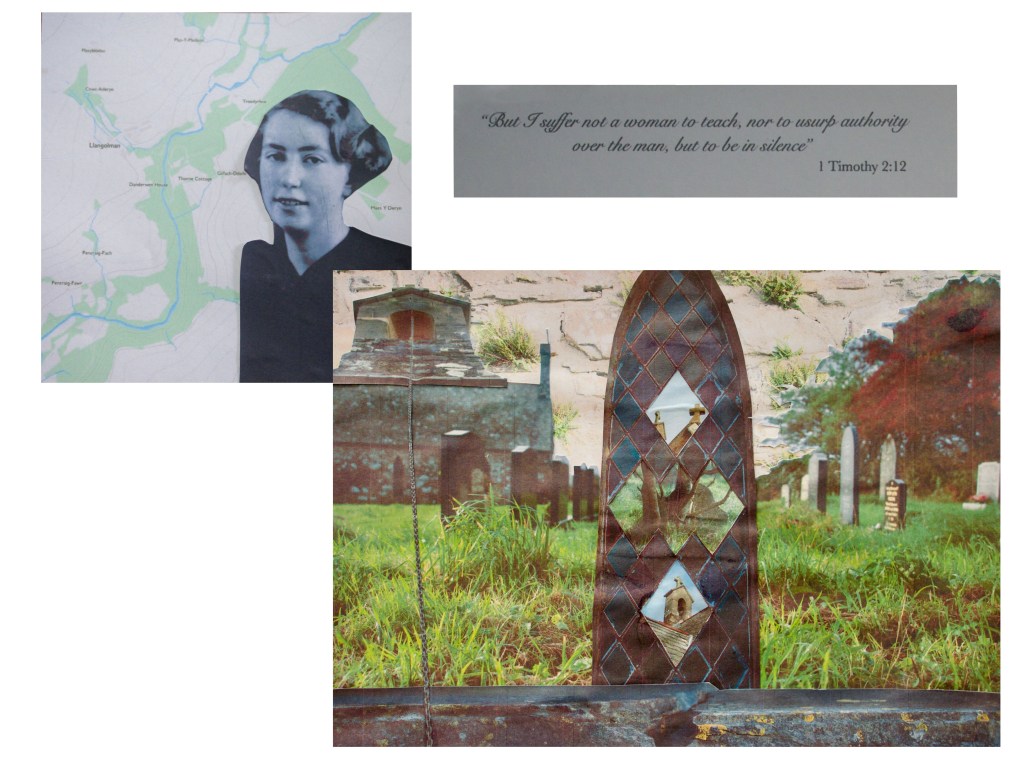
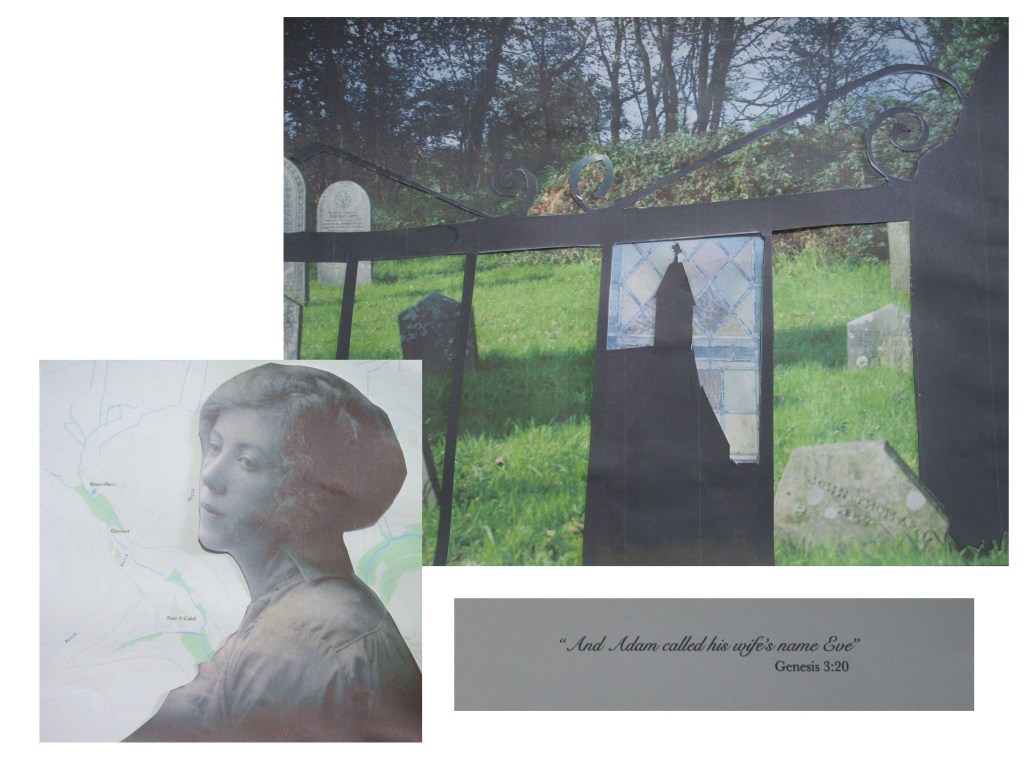
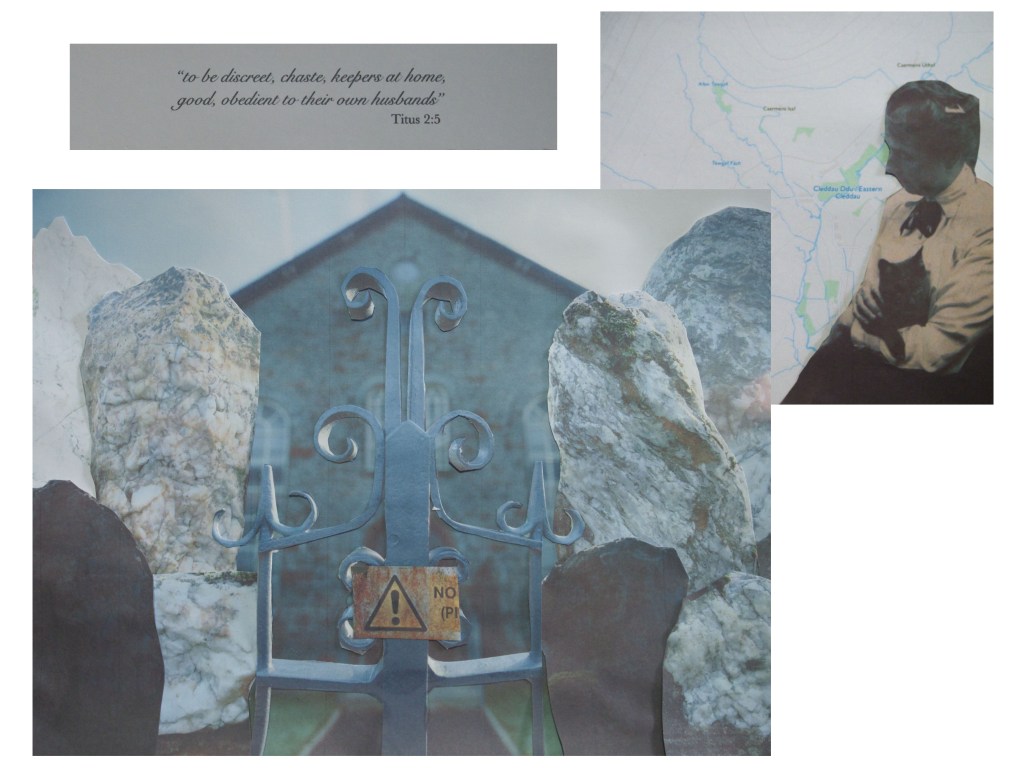
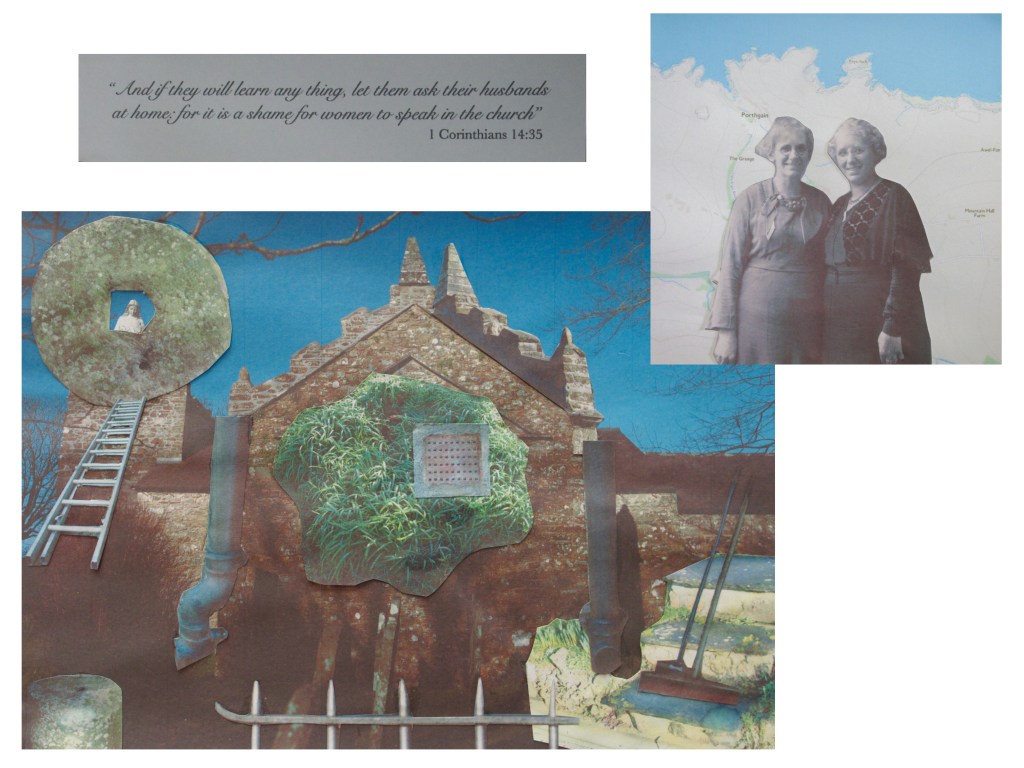
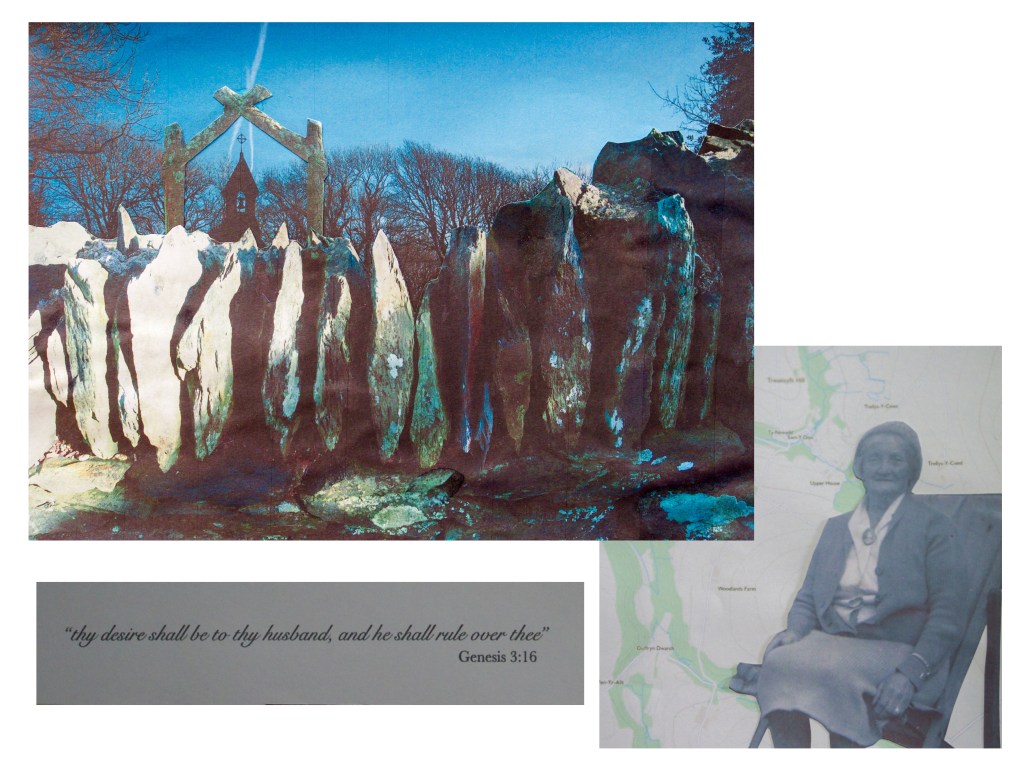
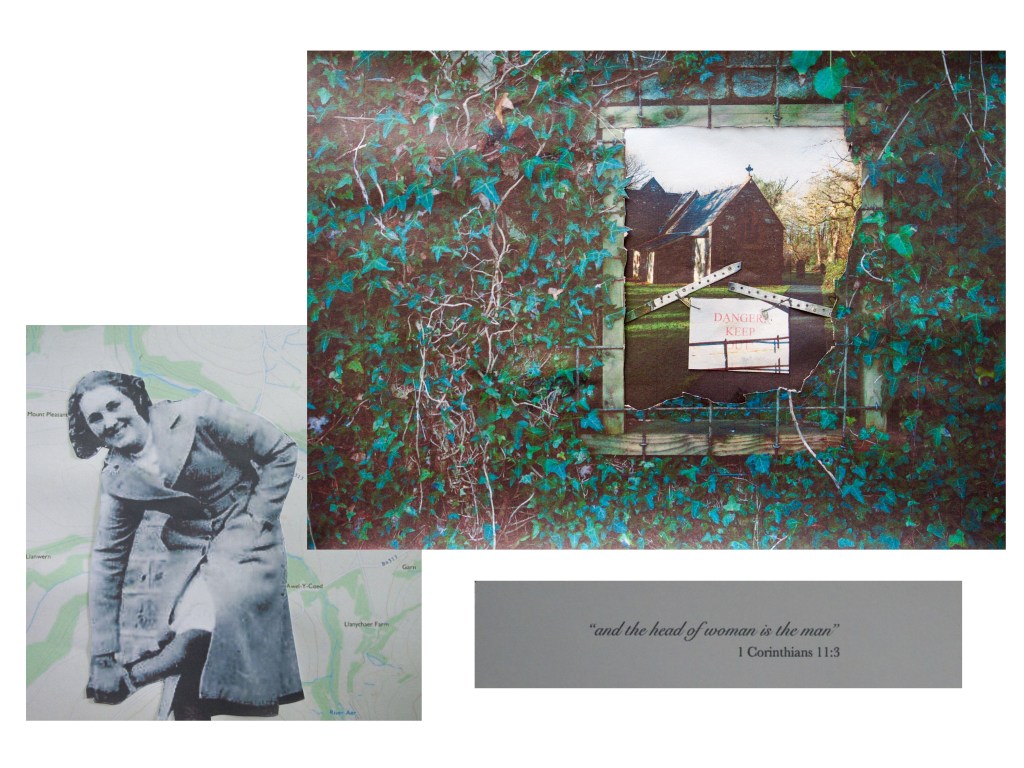
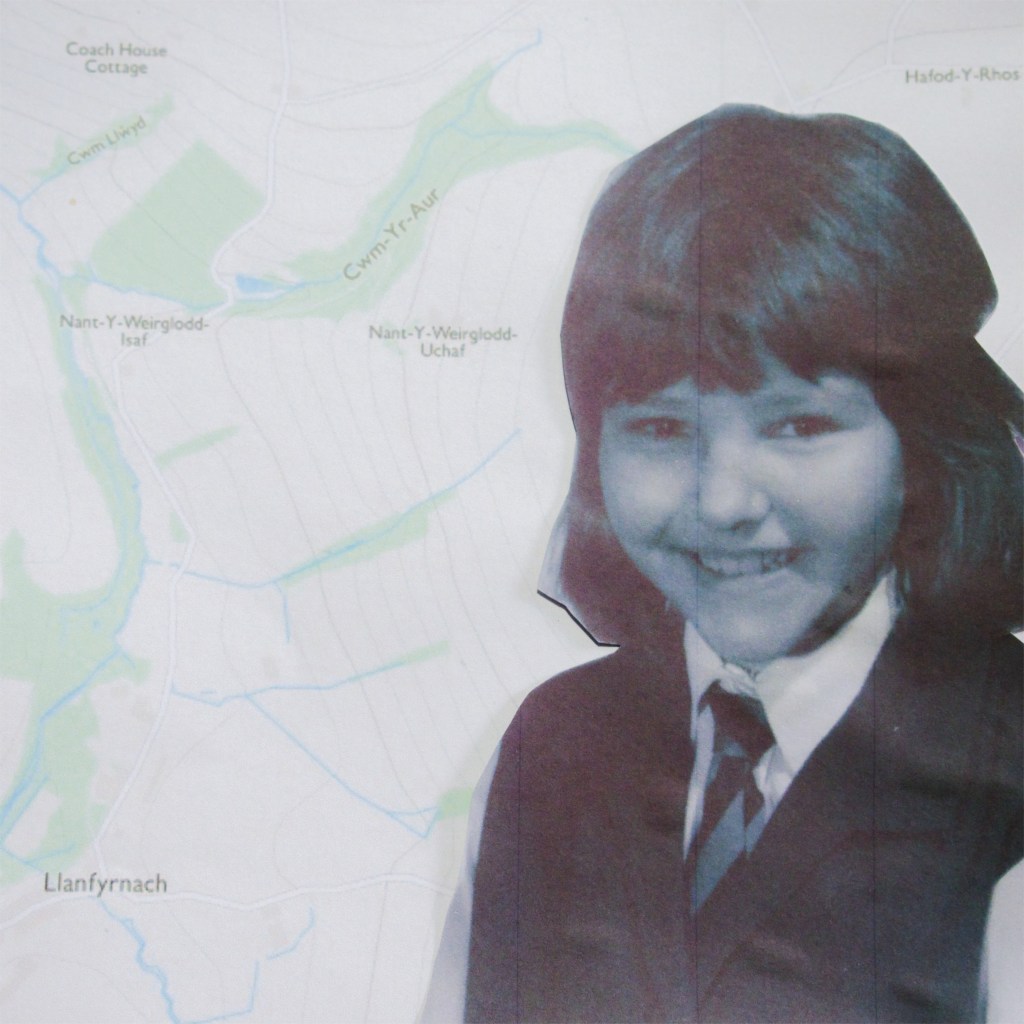
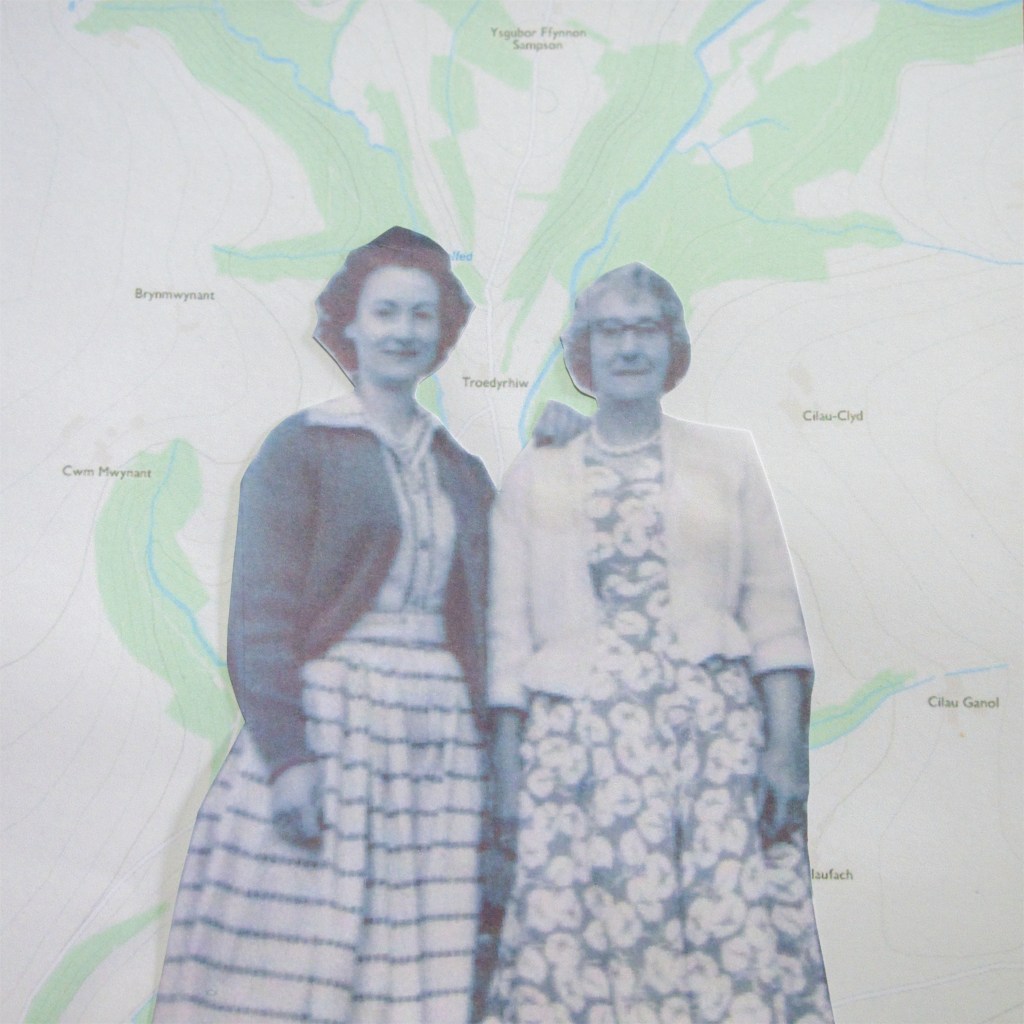
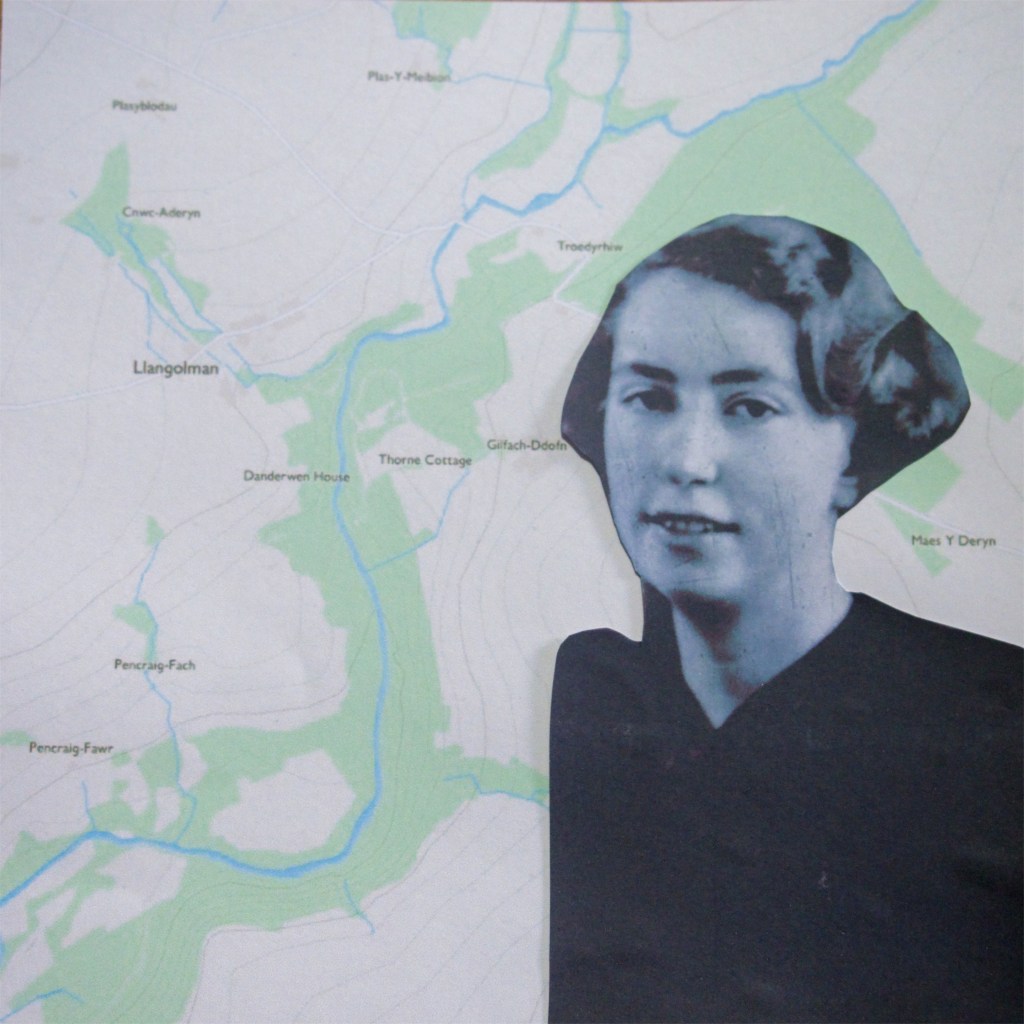
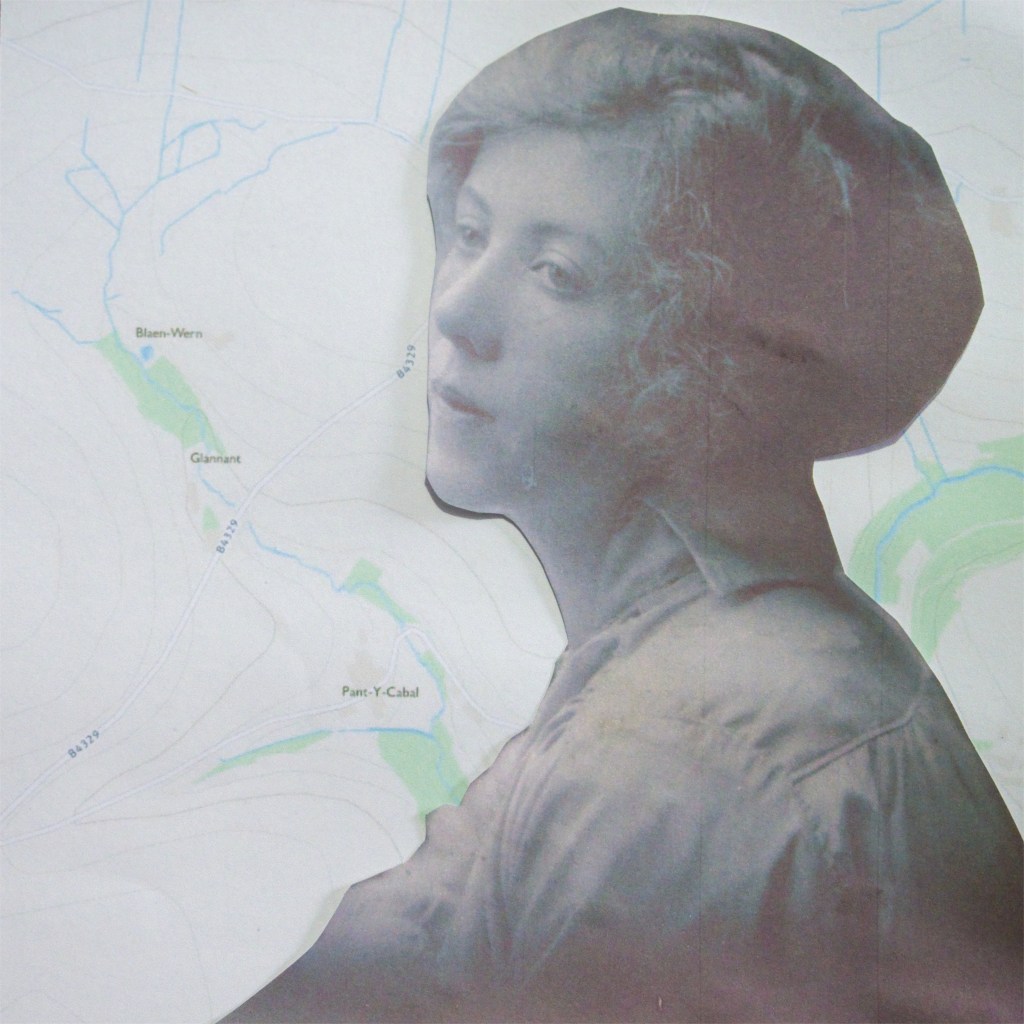
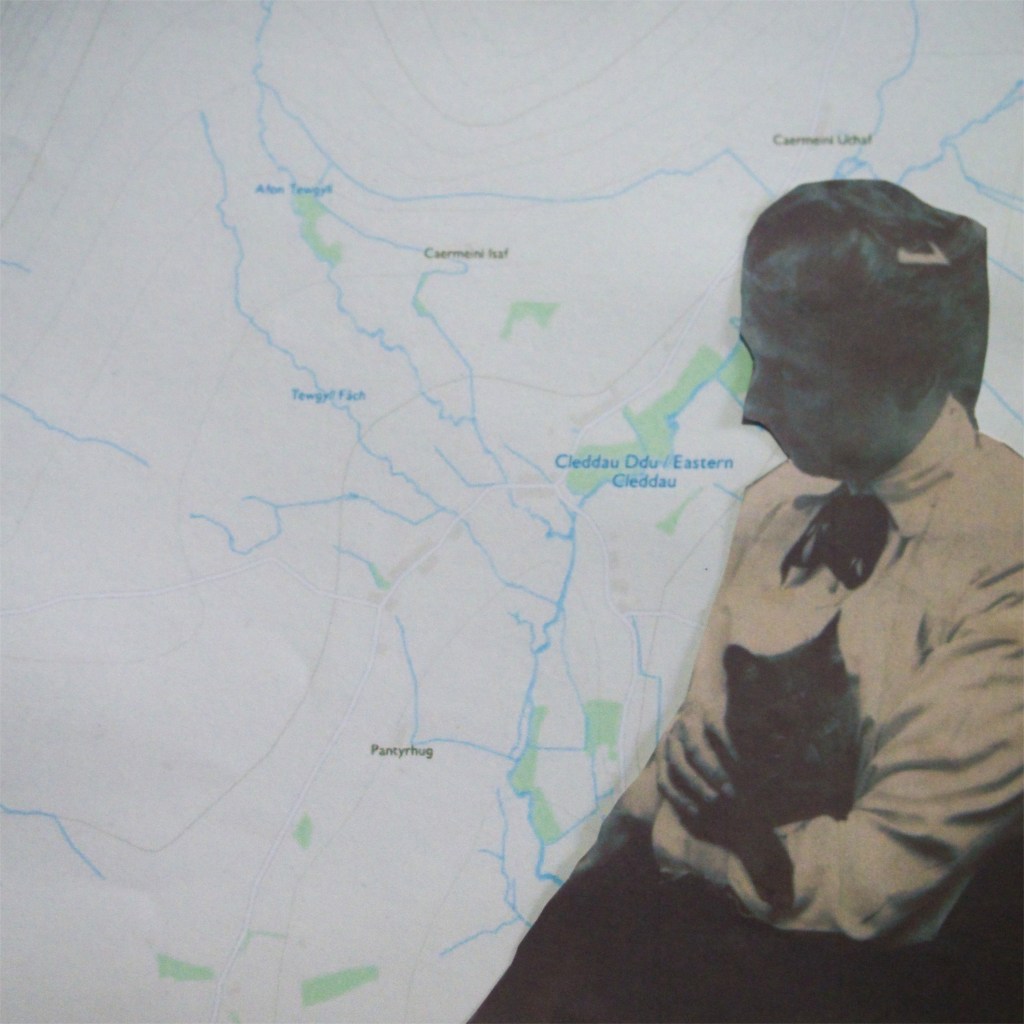
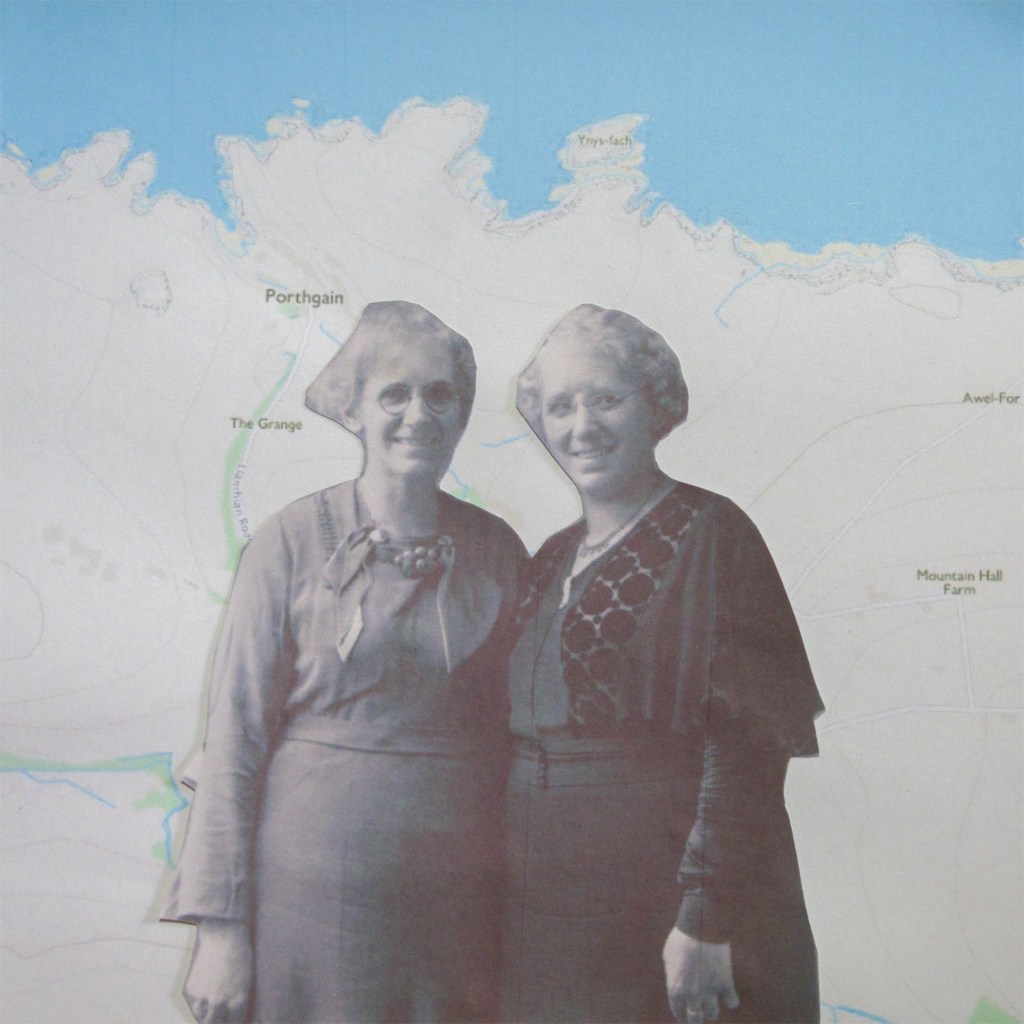
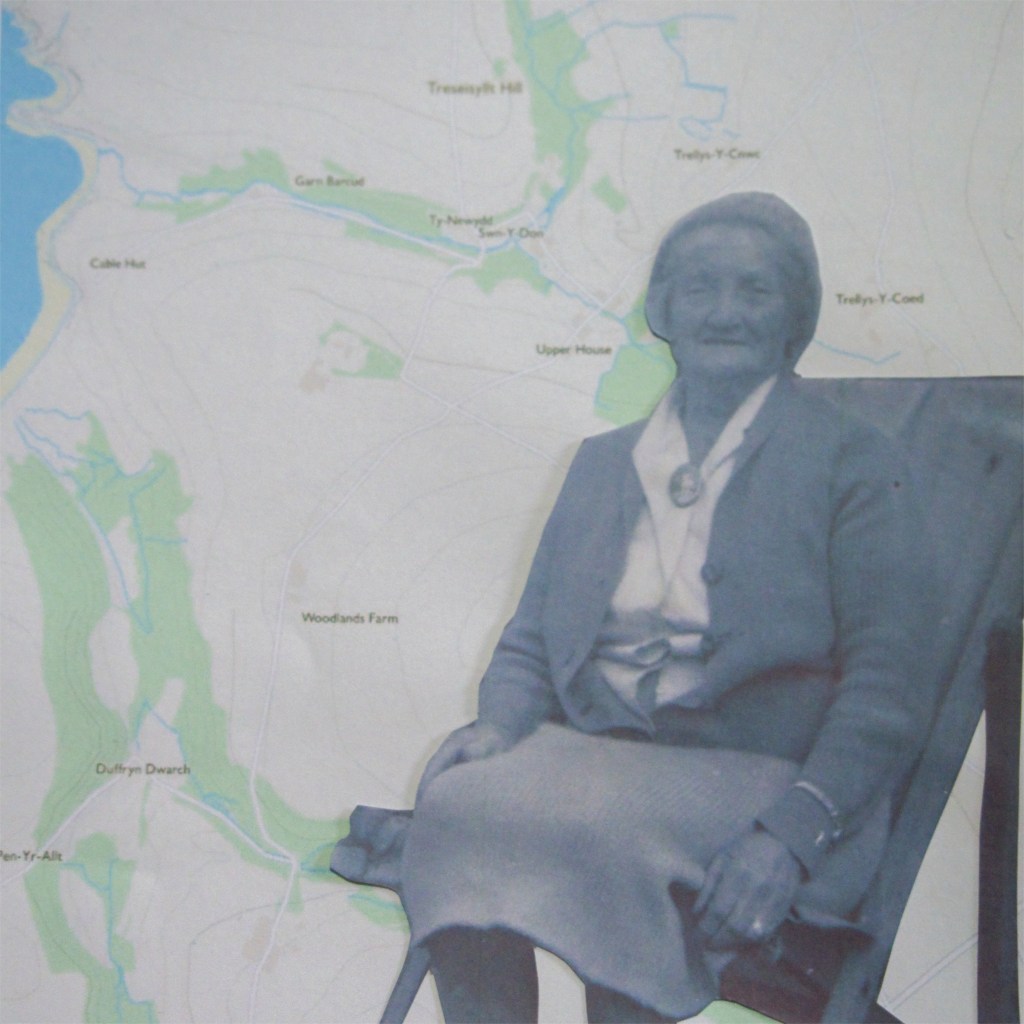
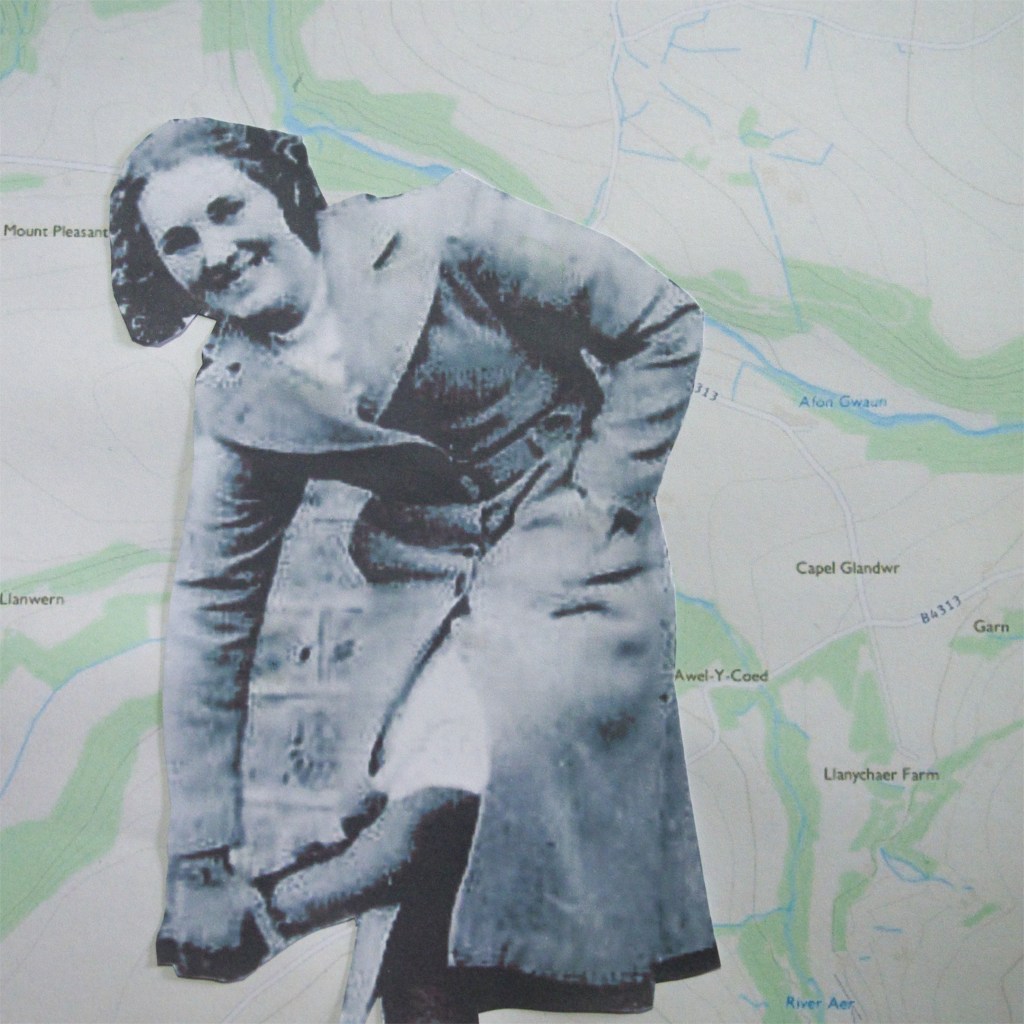
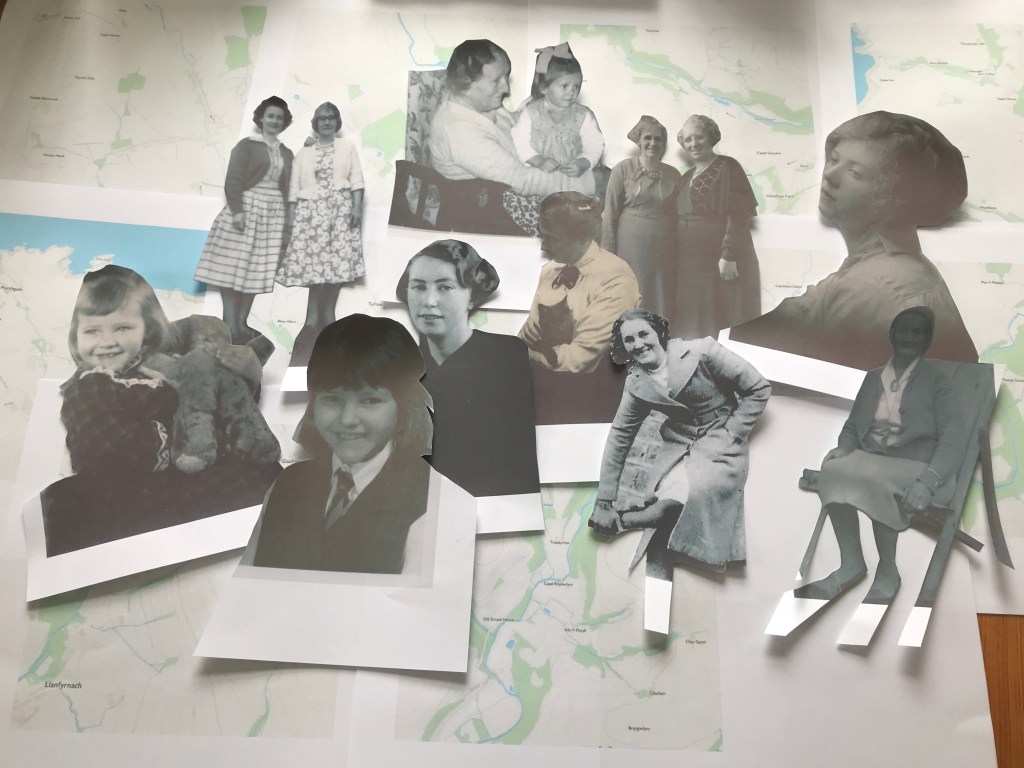
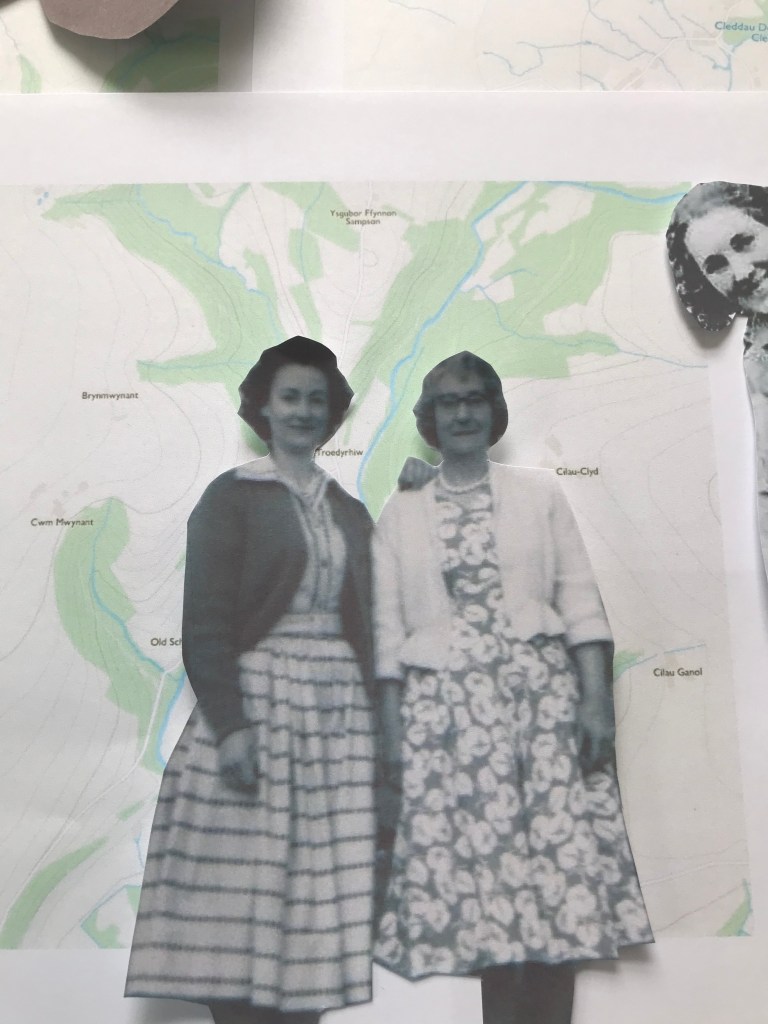
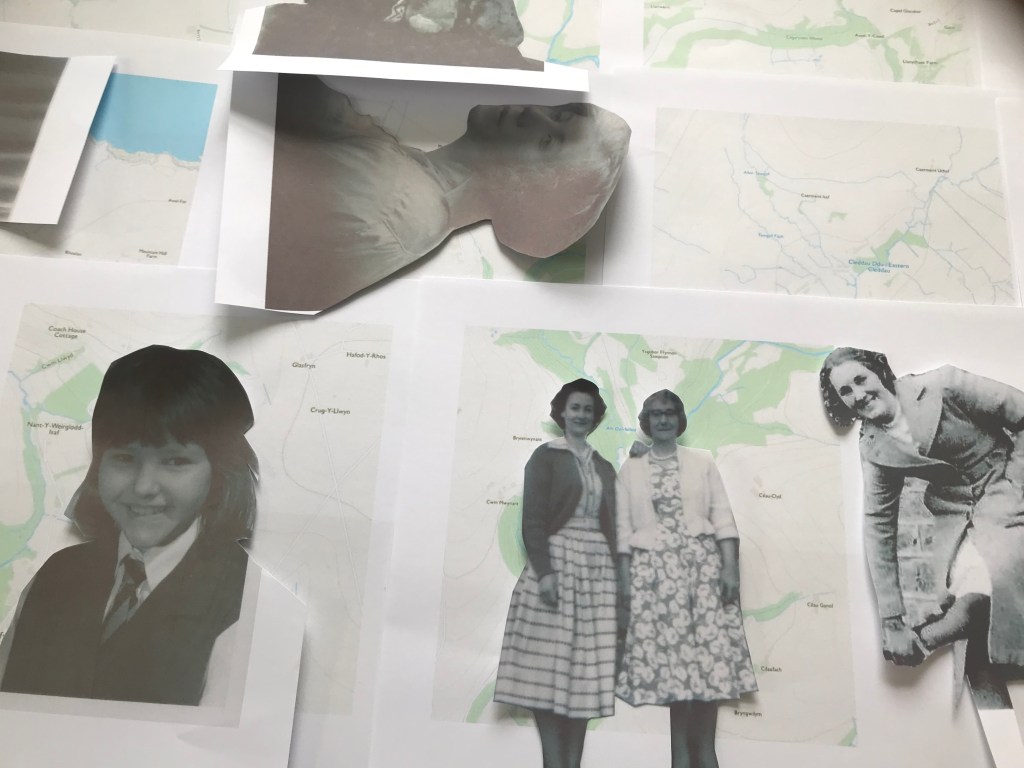
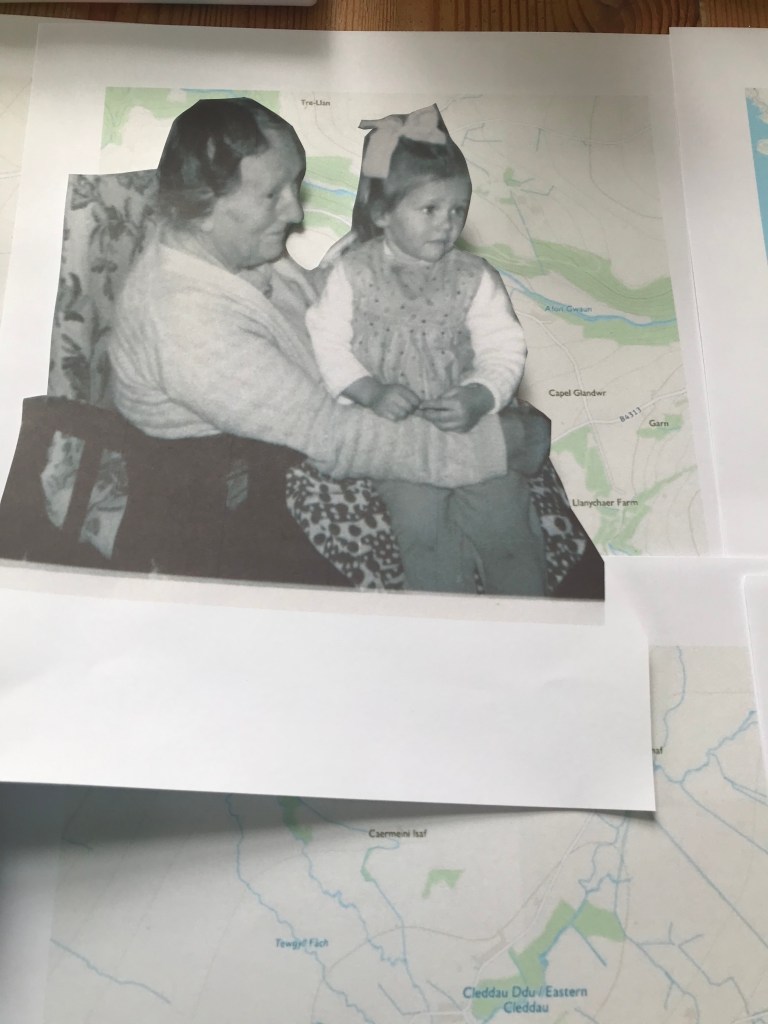
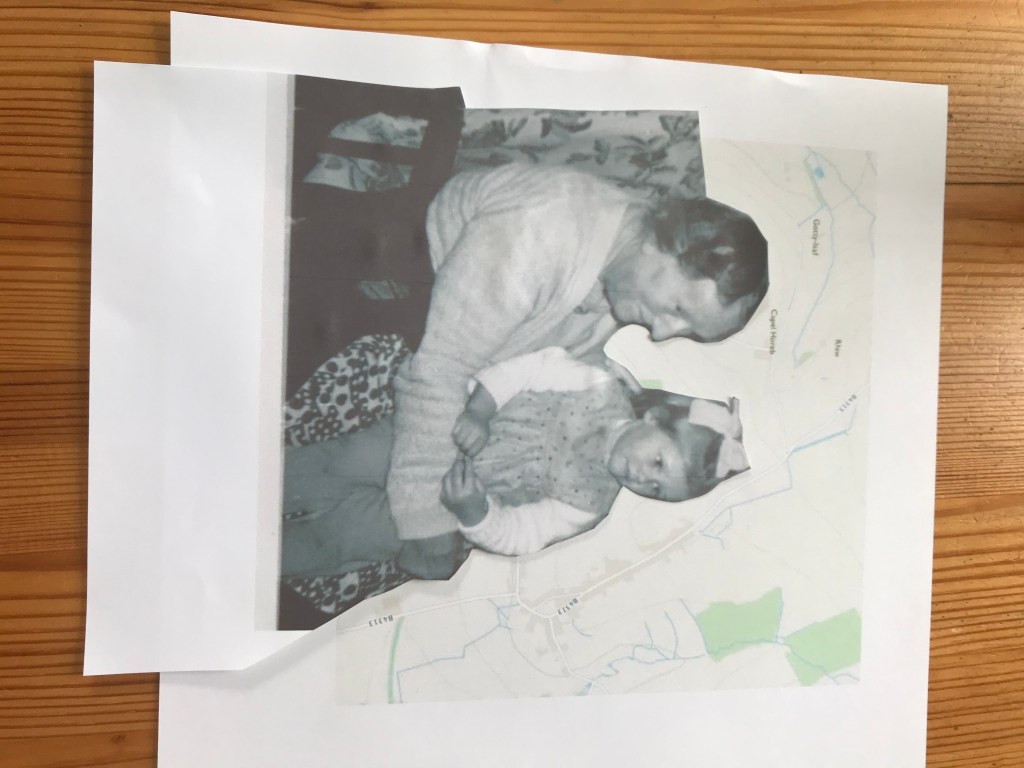
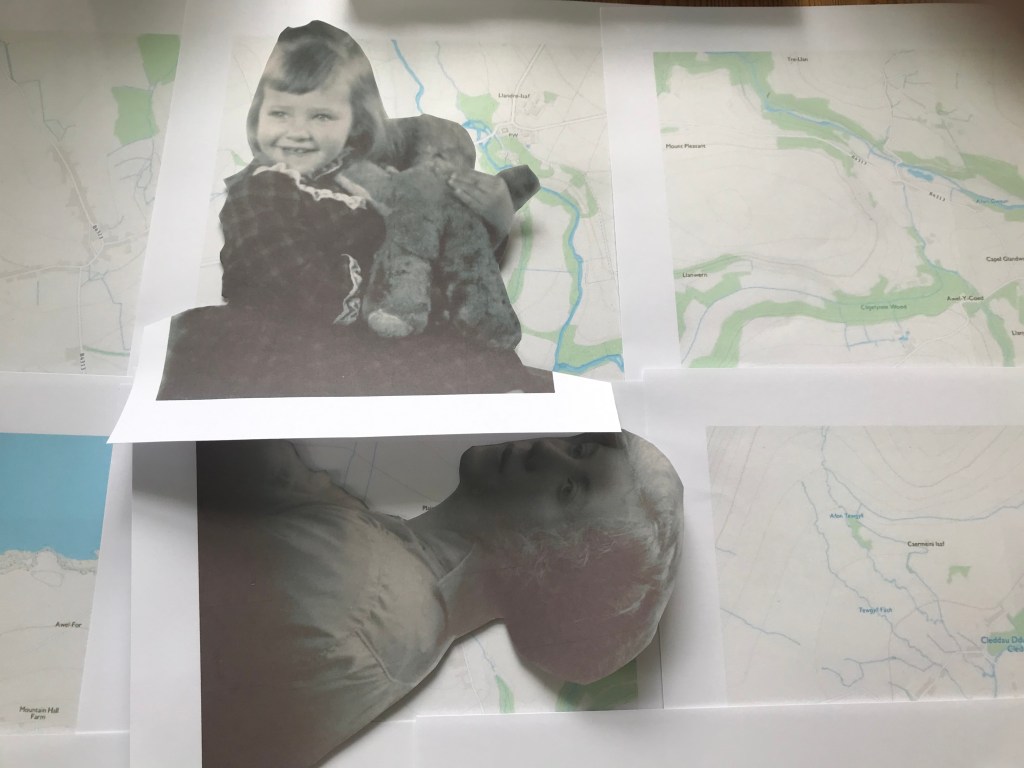
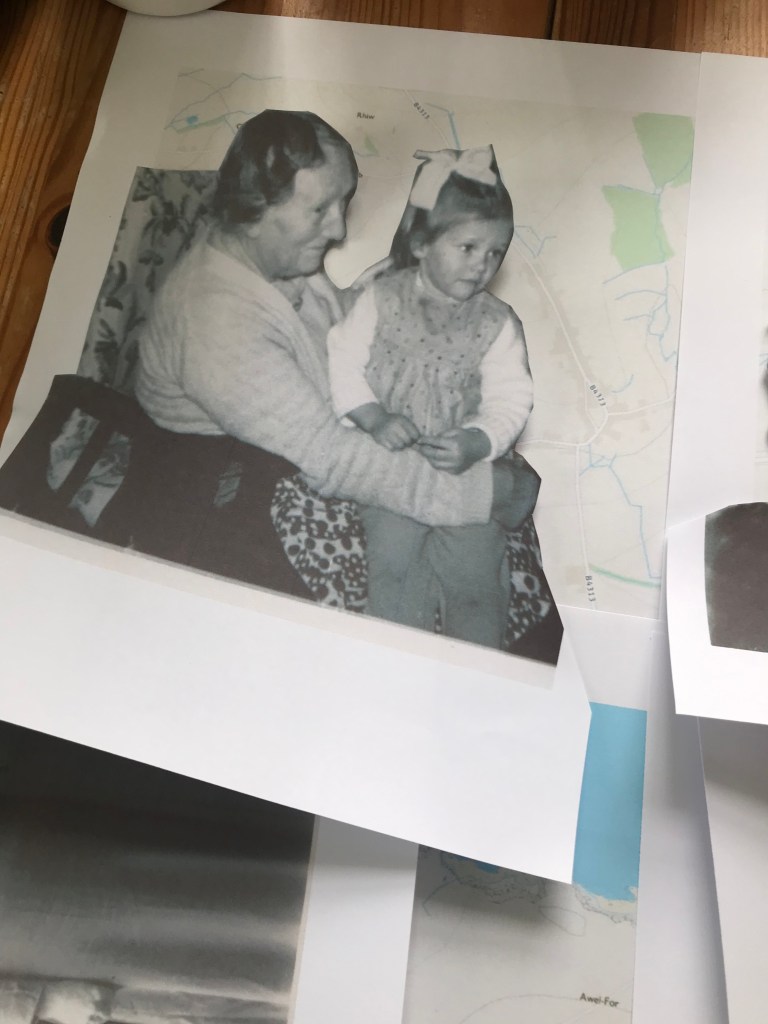
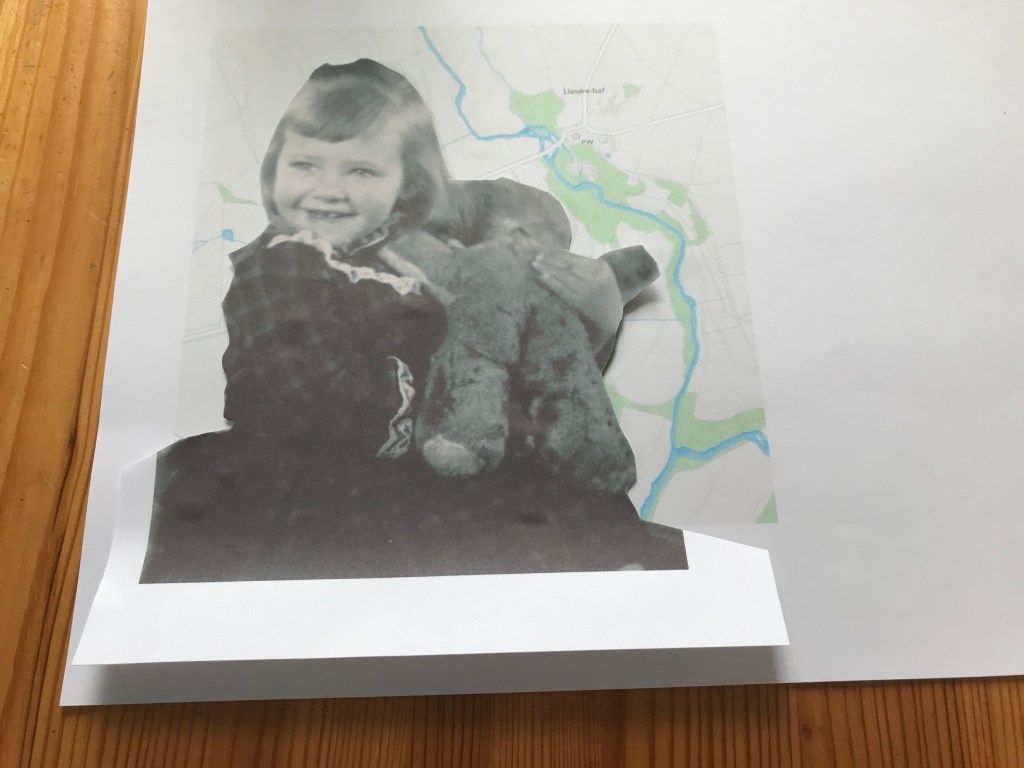
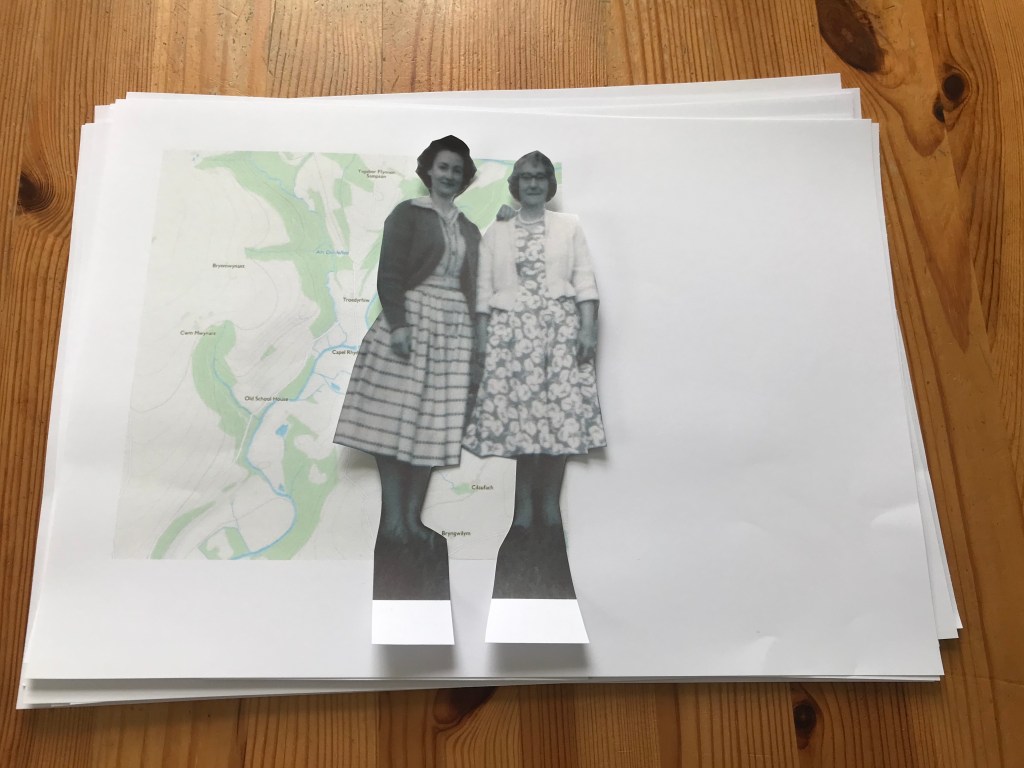
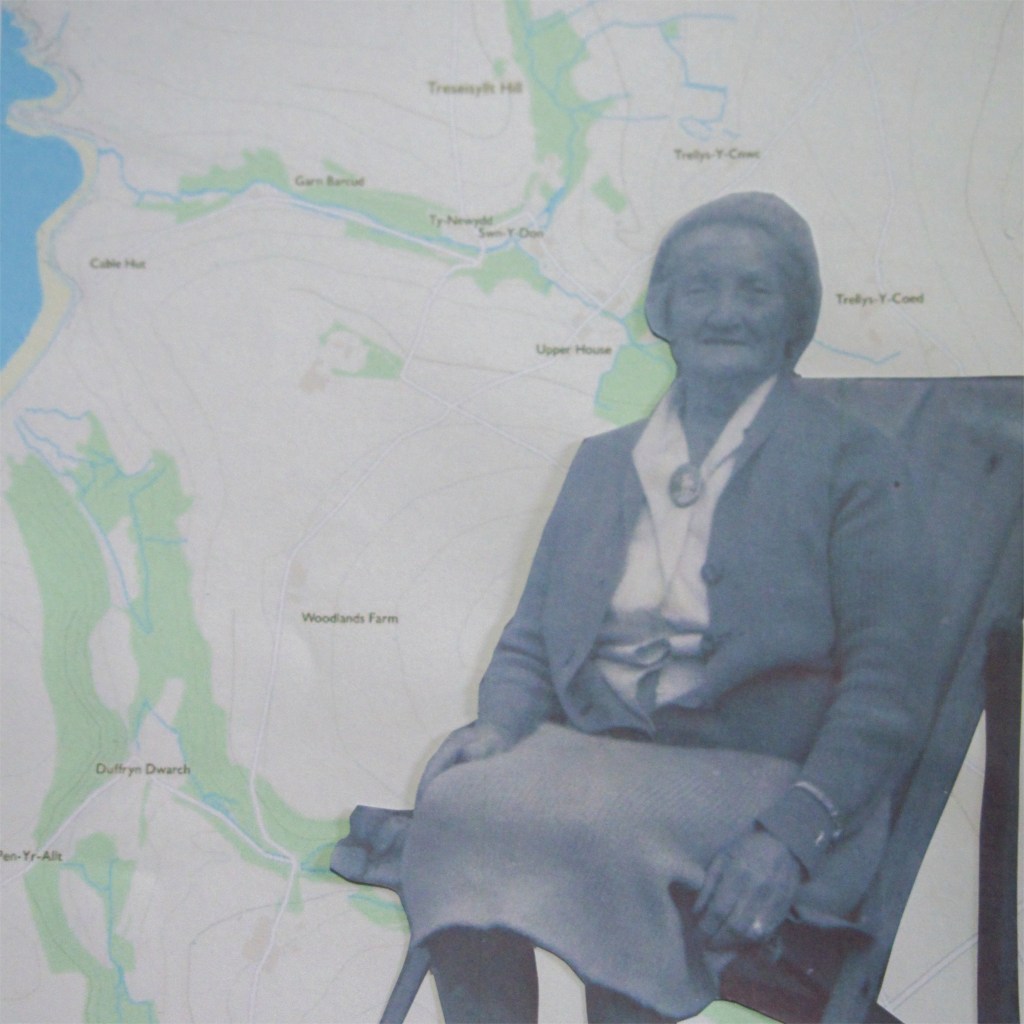
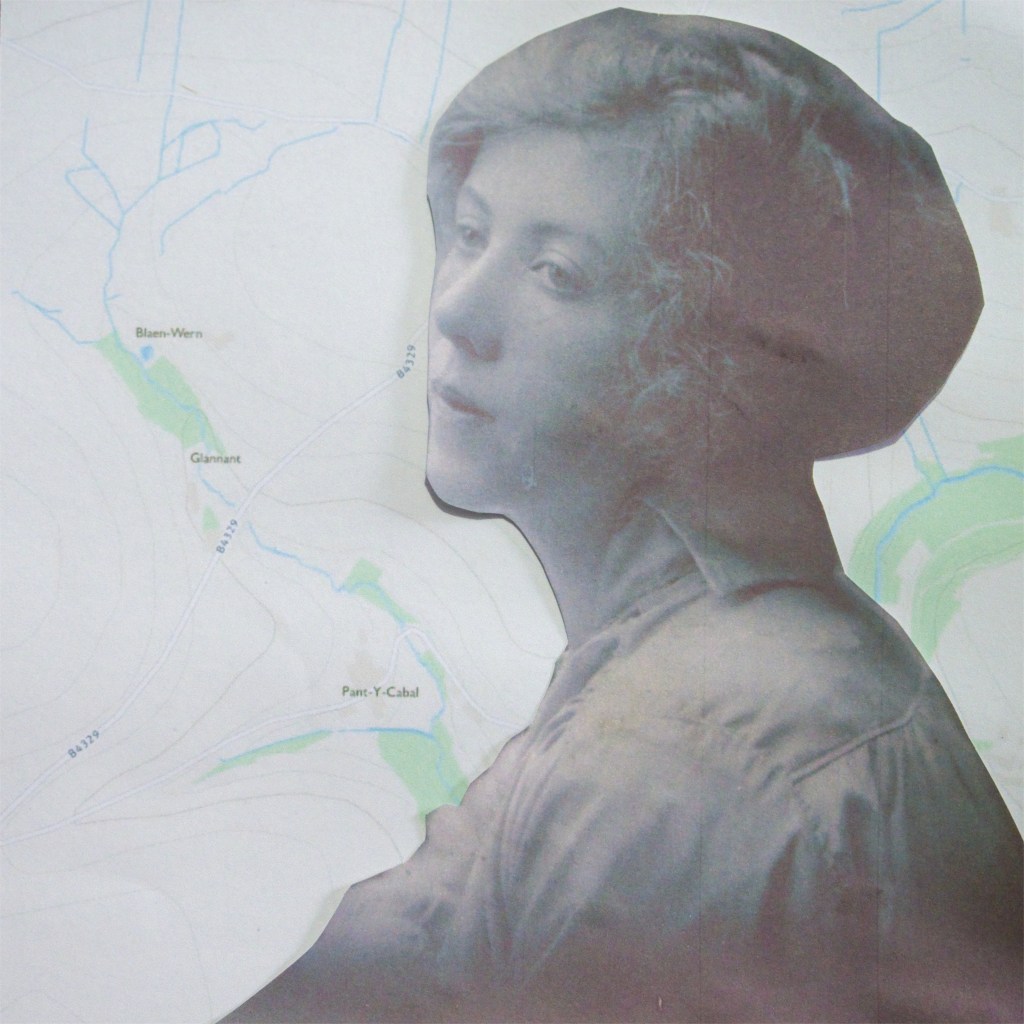
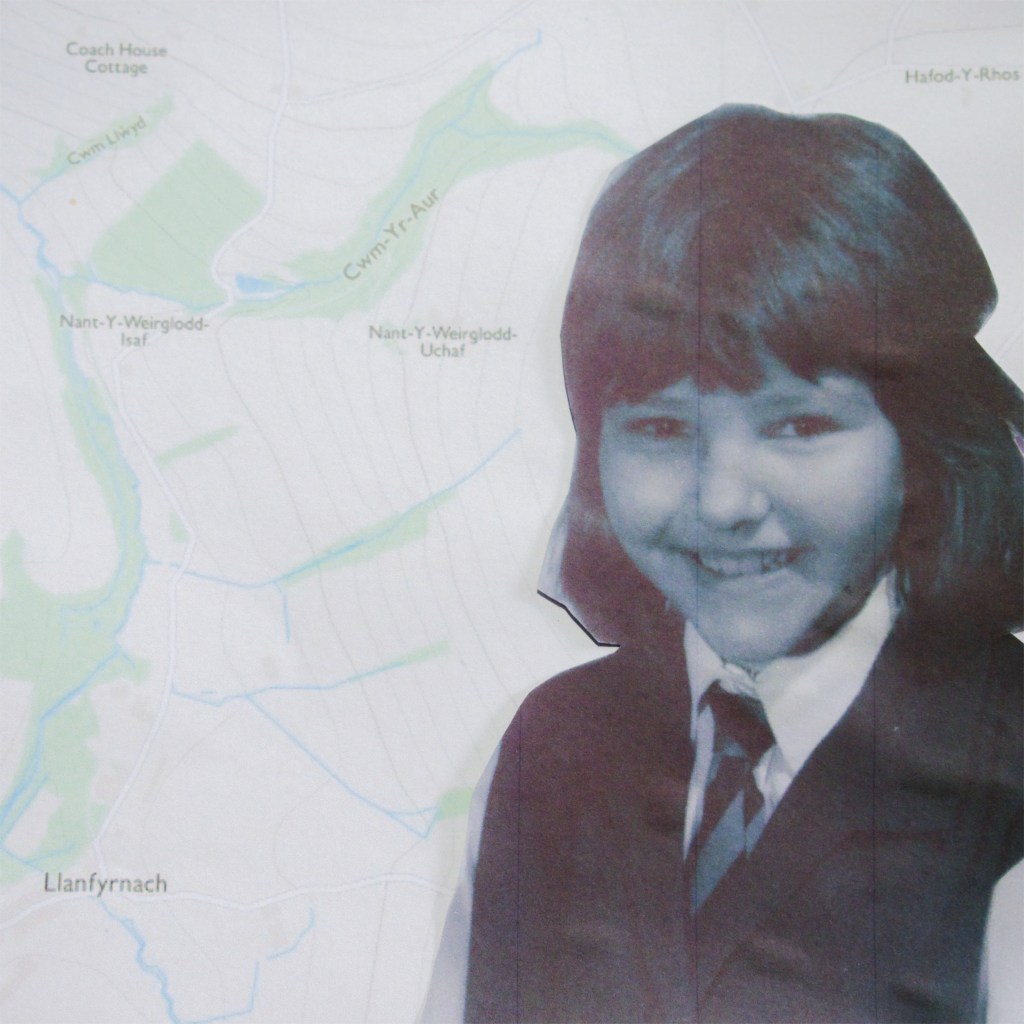
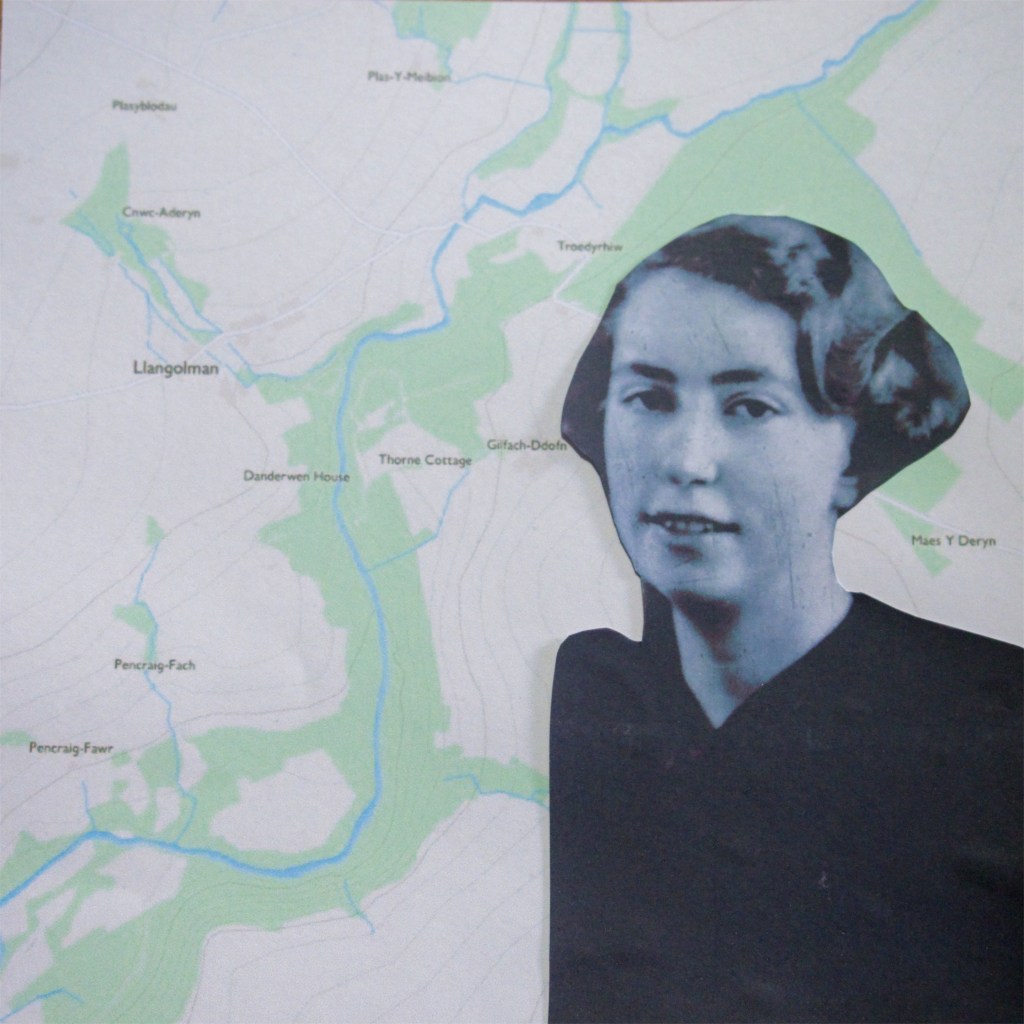
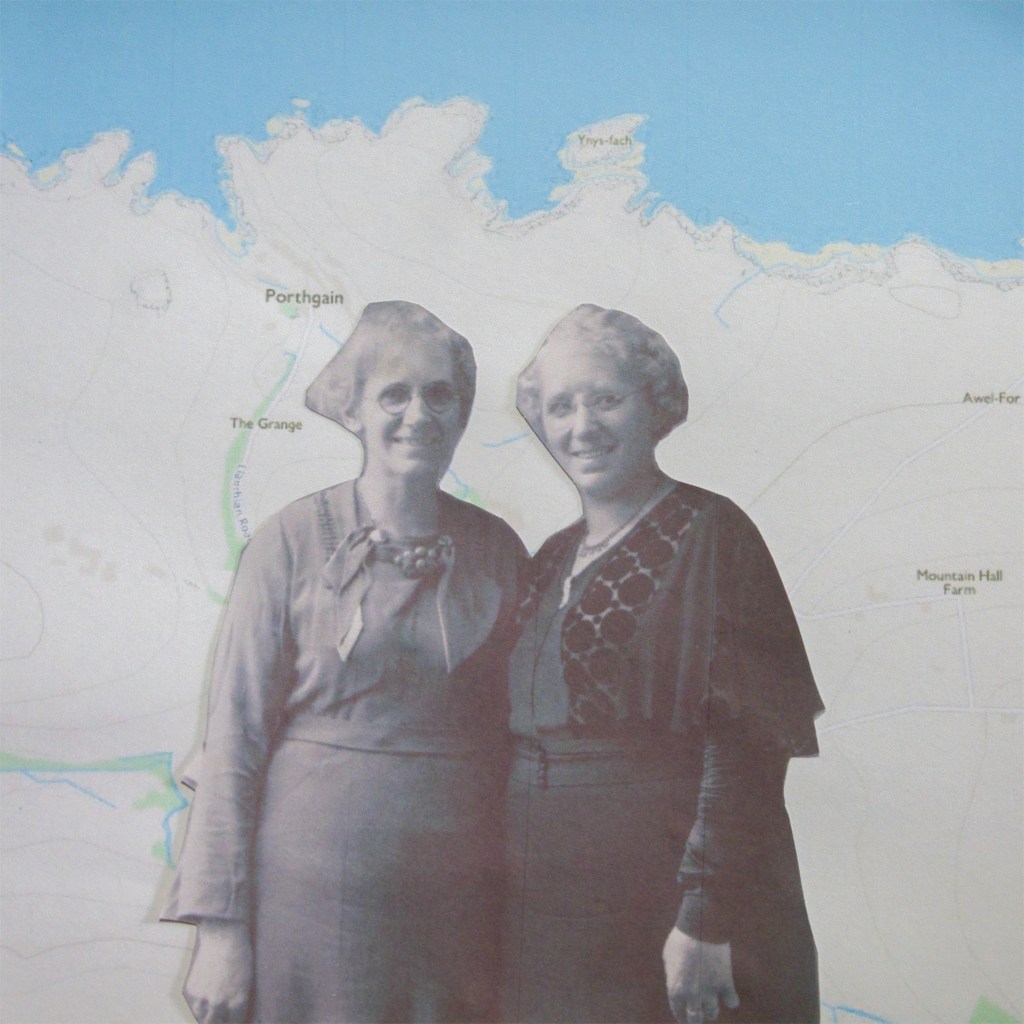
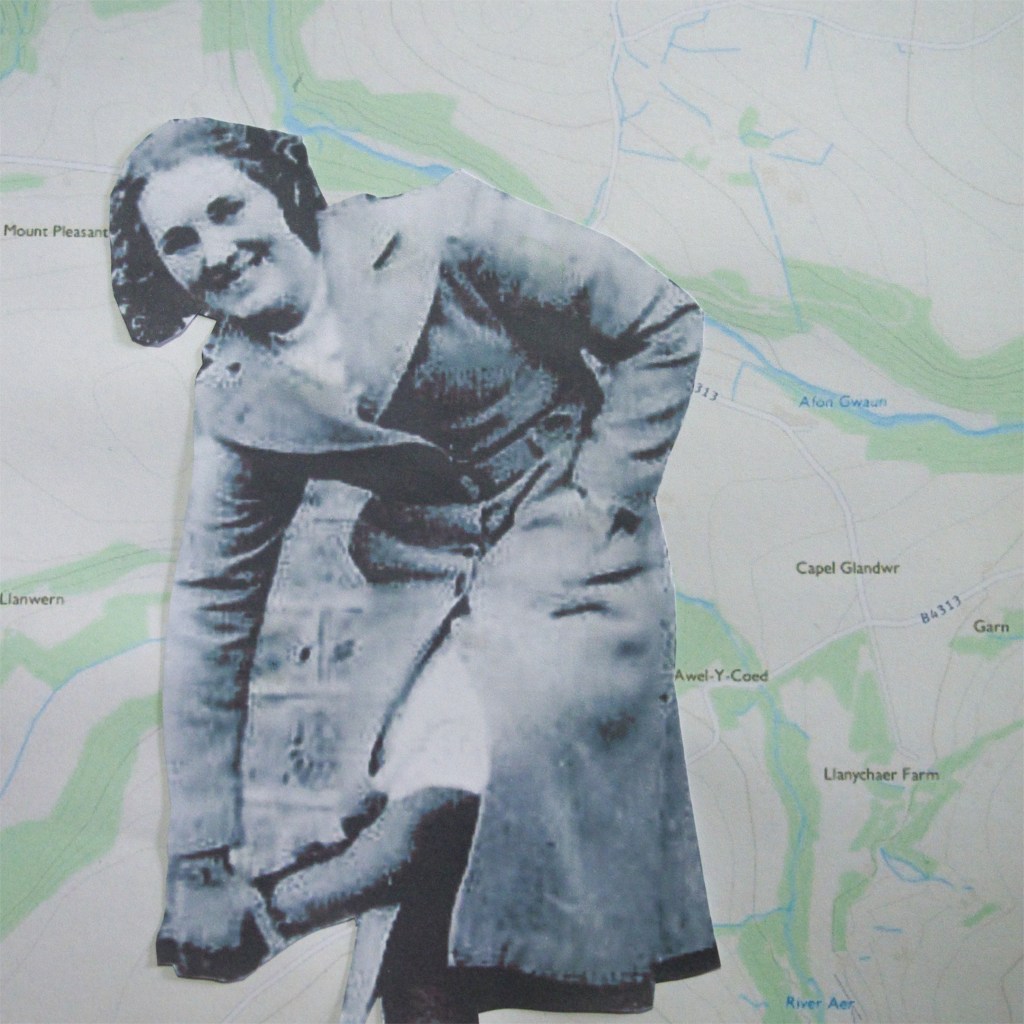
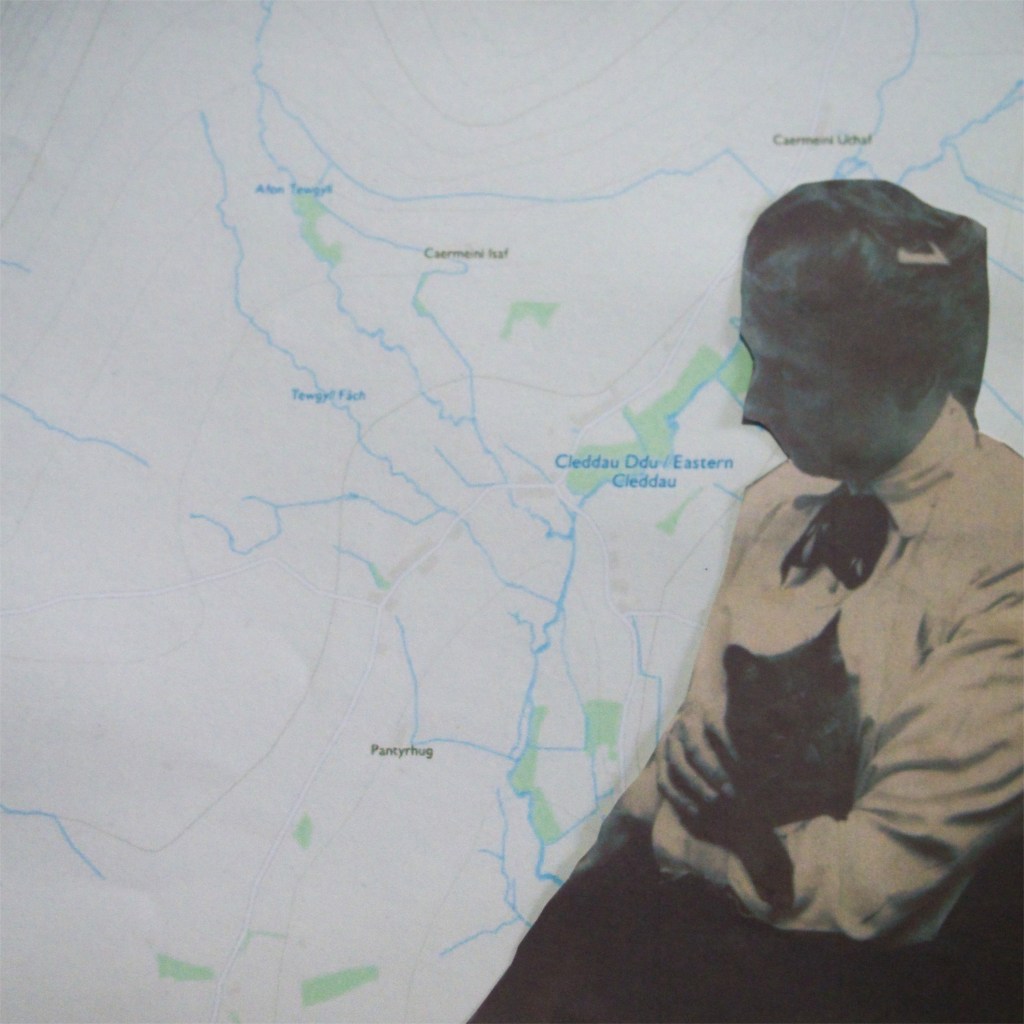
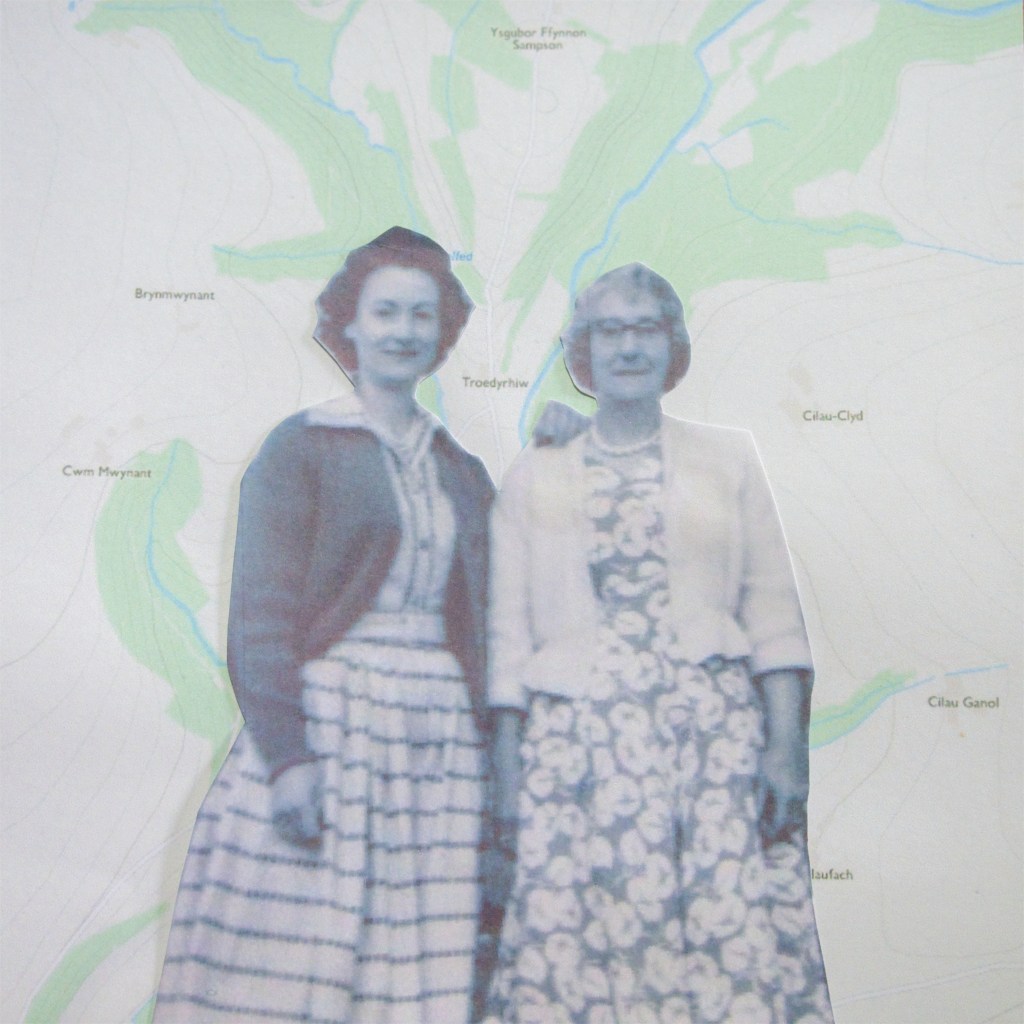
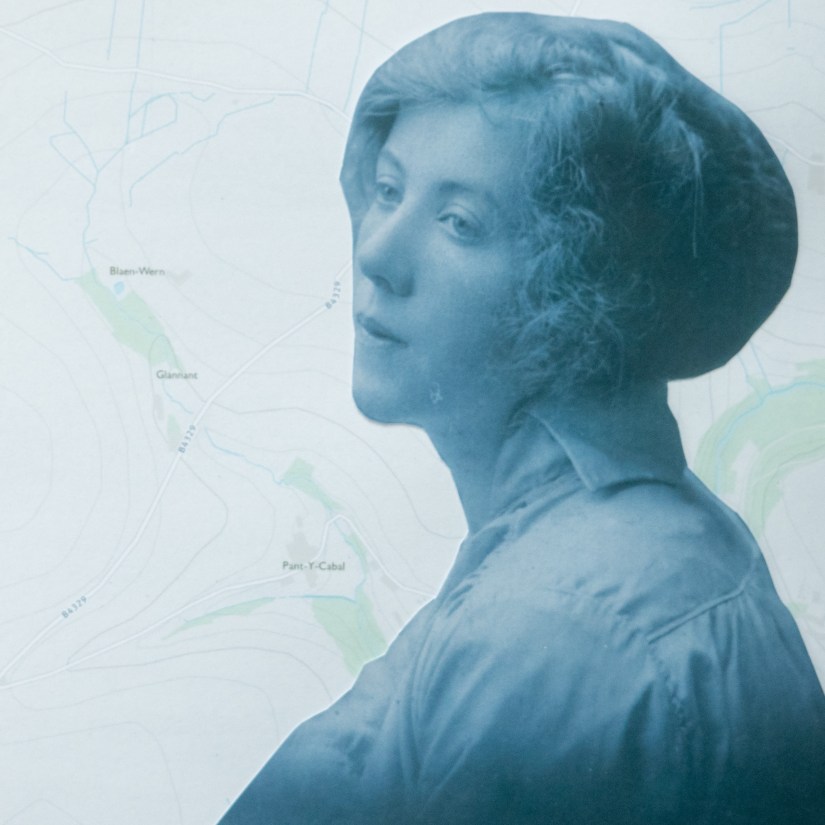
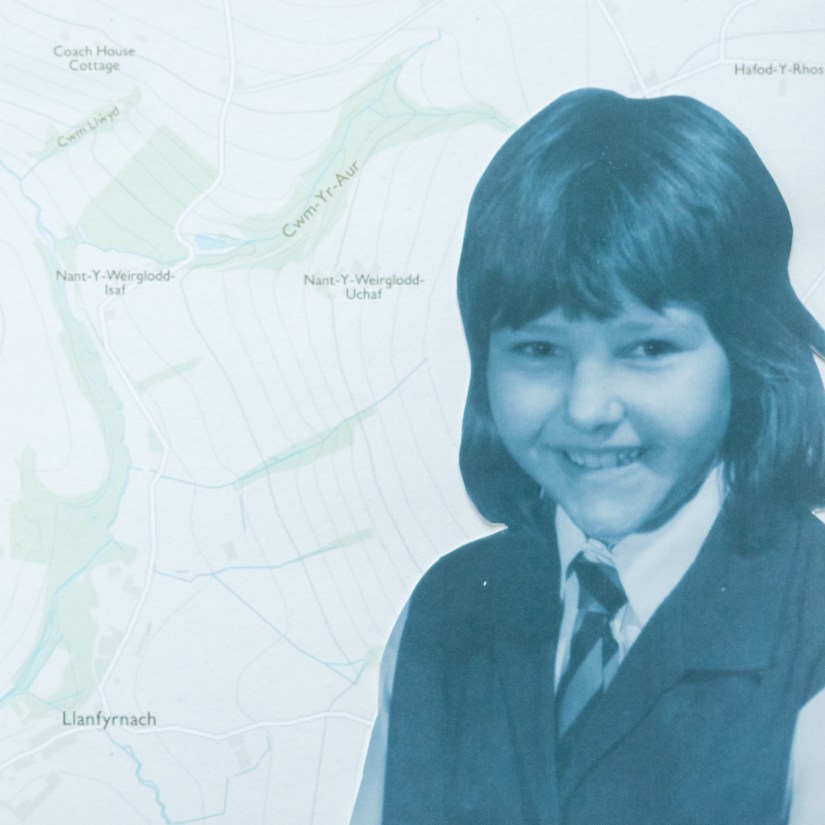
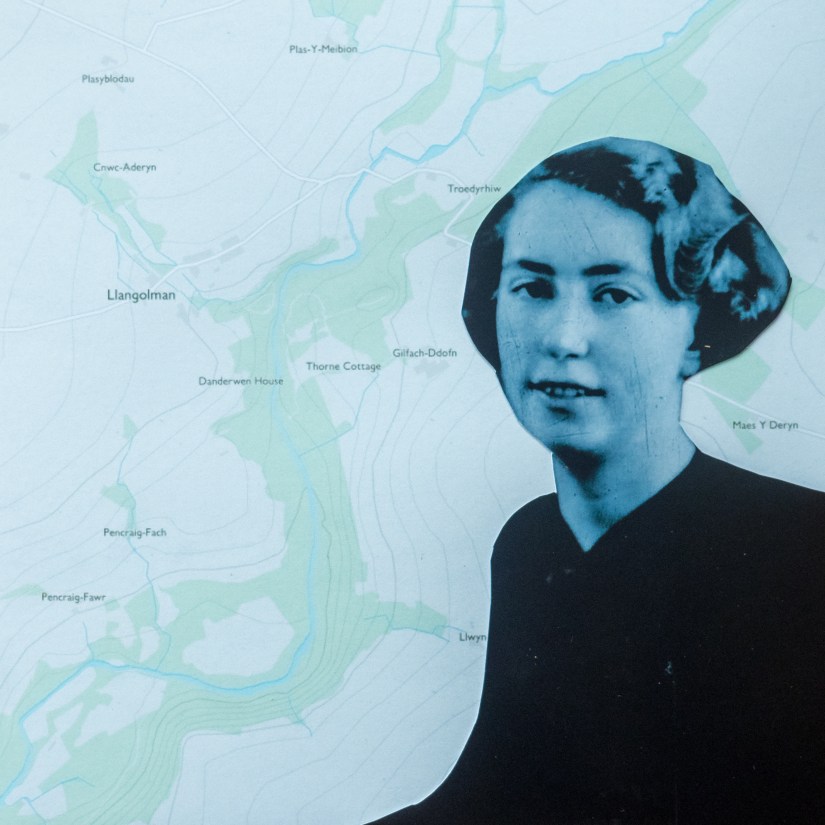
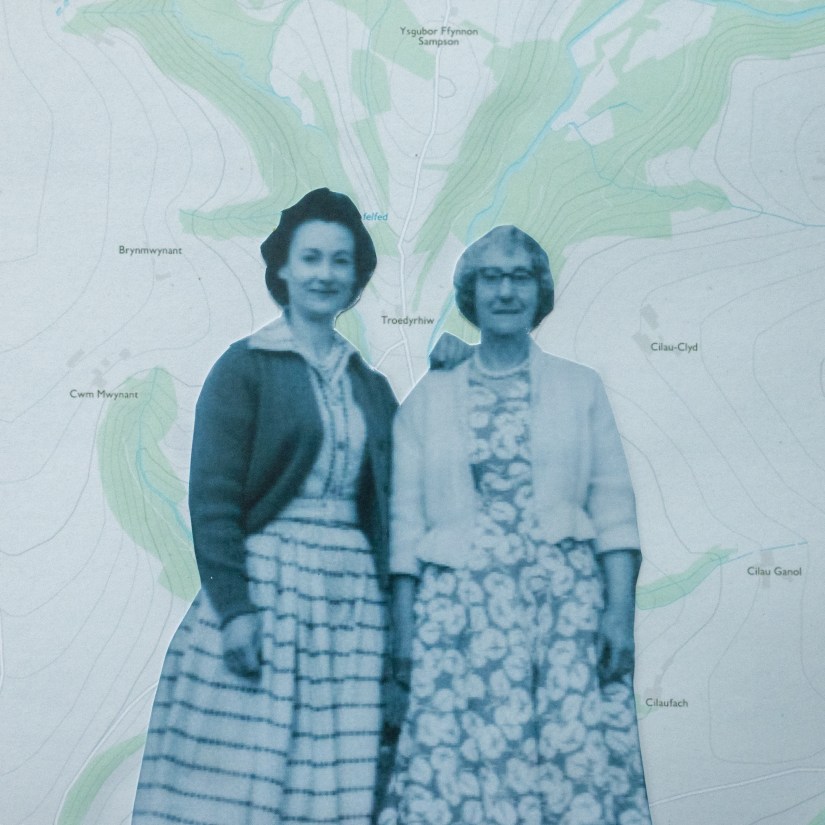
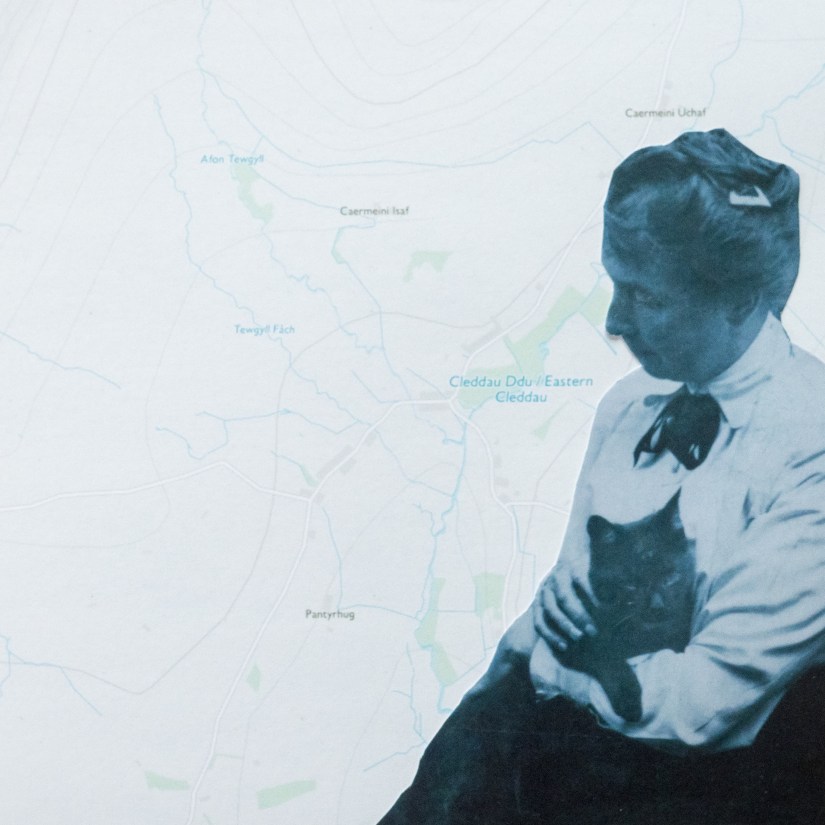
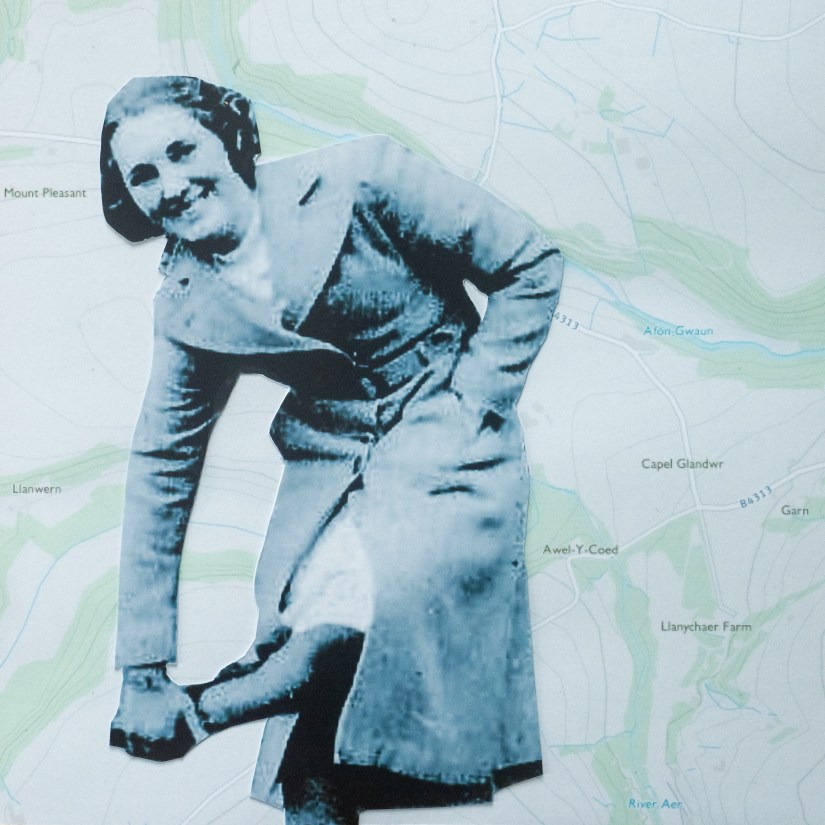
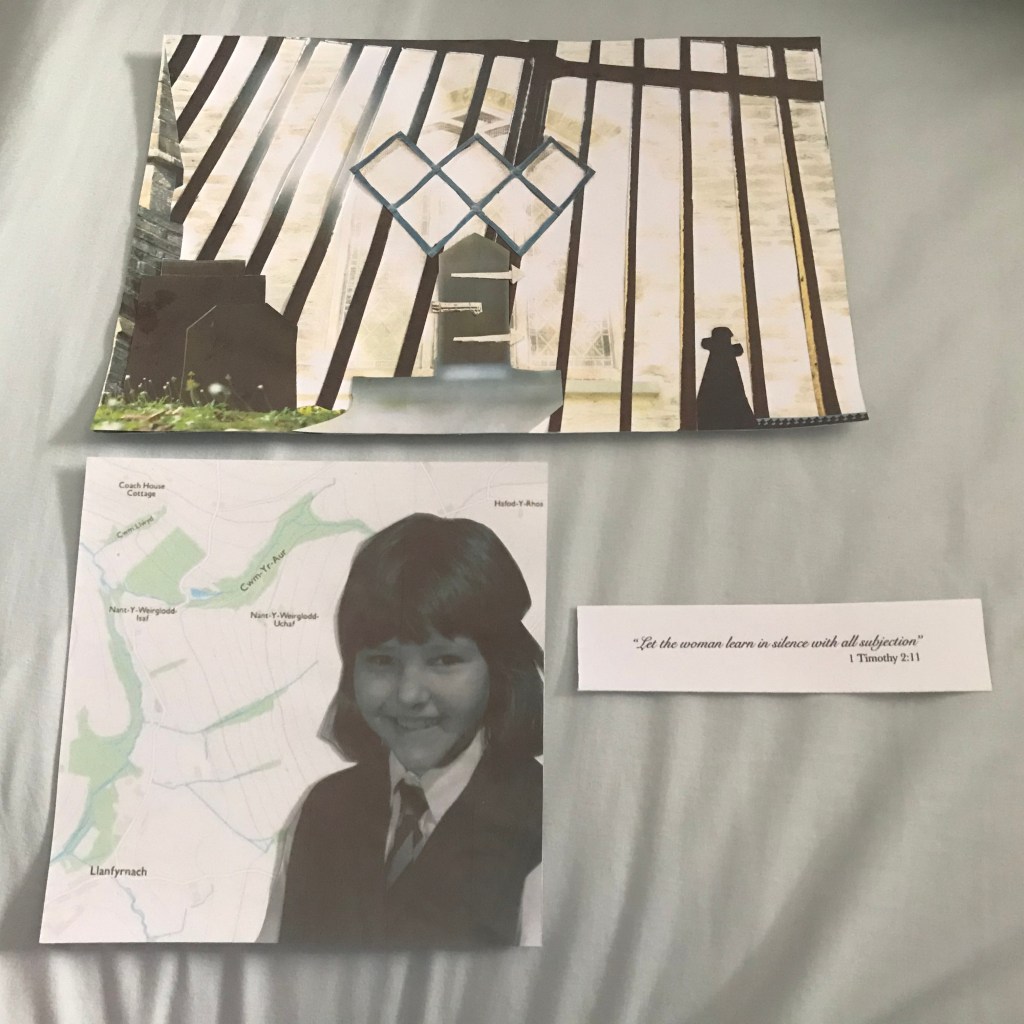
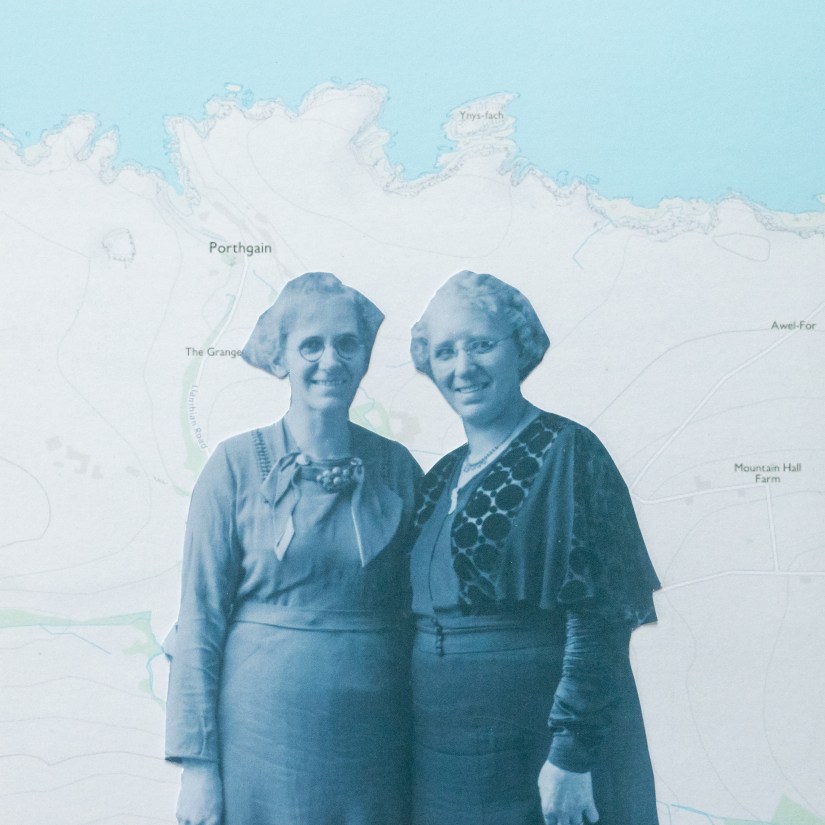
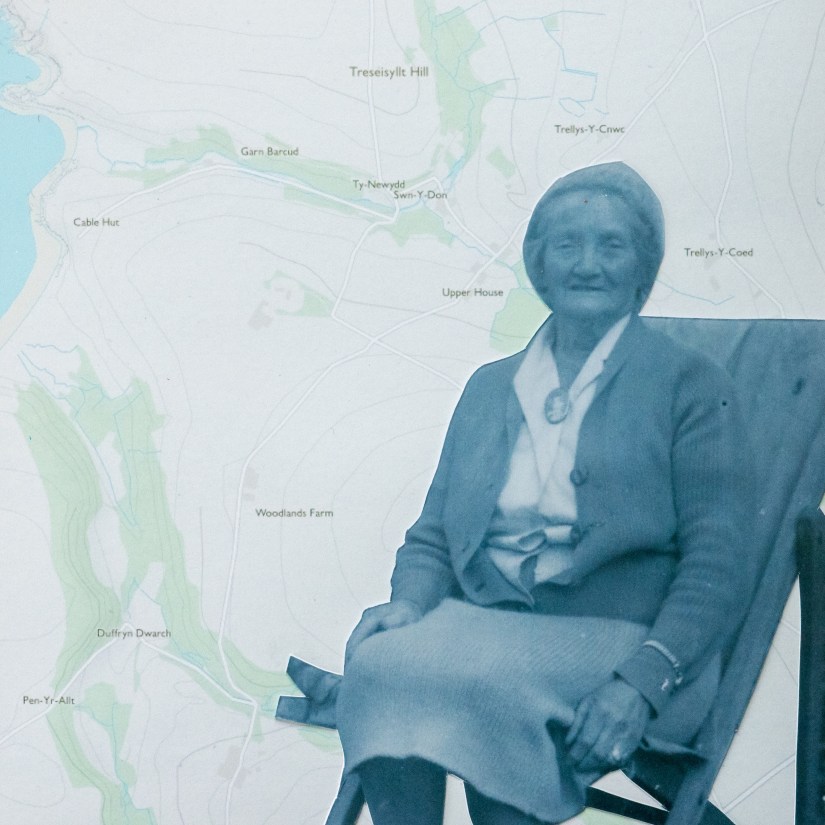
I decided I wanted to add another element to this assignment. I wanted to bring in the constant between the inequality and male dominance eluded to in my main images, and some how show my version of a strong women. I though about this for a long time and decided that I would use images of women from my family. These would come from my own family archive. This would allow the images to be more personal to me and keep to the fact that I am also on my own personal journey. They are my family, the women who have influenced me and made me me, they have ‘followed’ me on this journey, hence why I combined their images with the mapping images. Including the maps was always a part of my original plan, I feel this combination works well together. It shows the woman are following me on my journey as a woman through a male-dominated path. 


Here is a link to the accompanying text: 

Text 

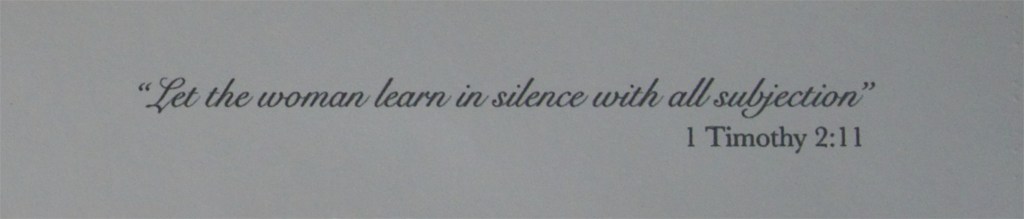
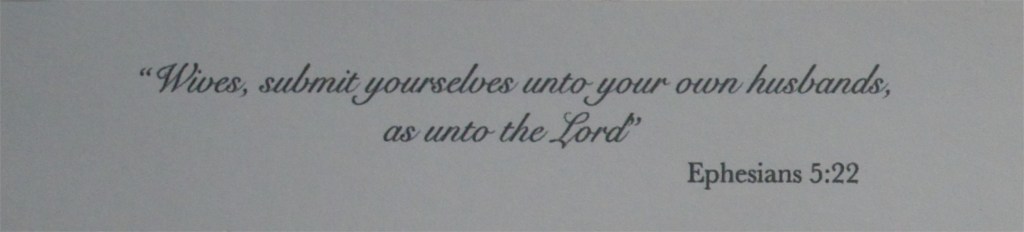
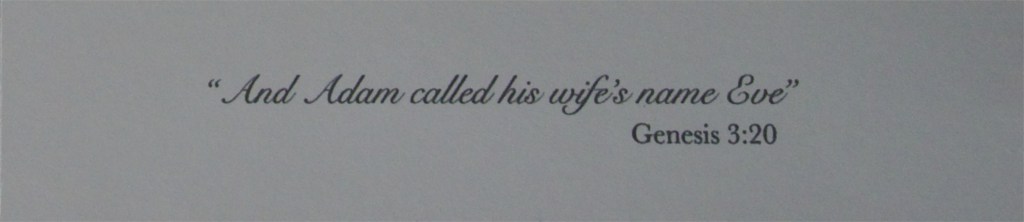
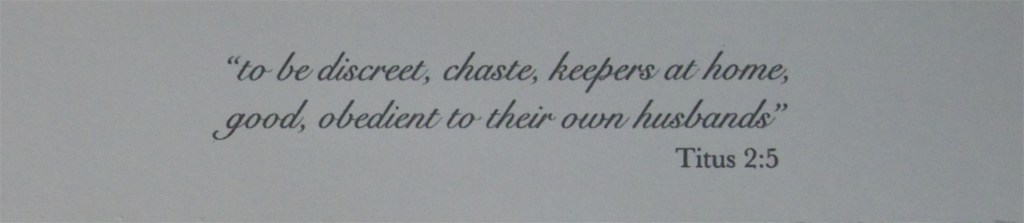
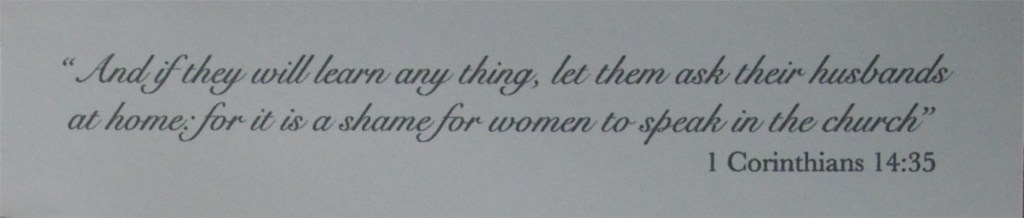
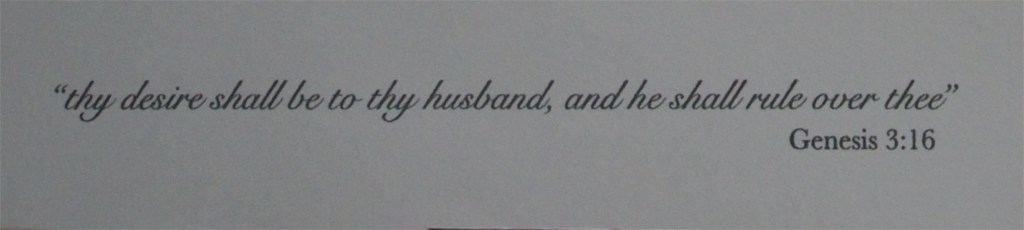
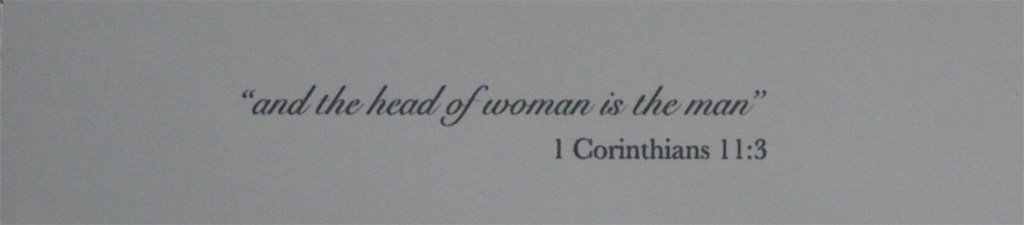
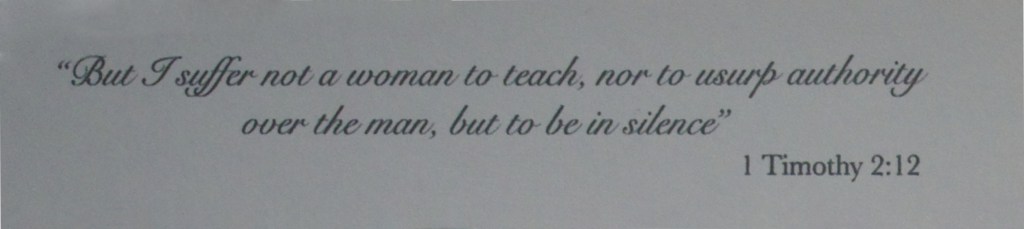
Again text was part of my original plan. I just wasn’t sure what it would say. I thought about maybe a poem, or a speech, but then I decided to keep to the religious theme and use quotes from the bible highlighting the inequality. 


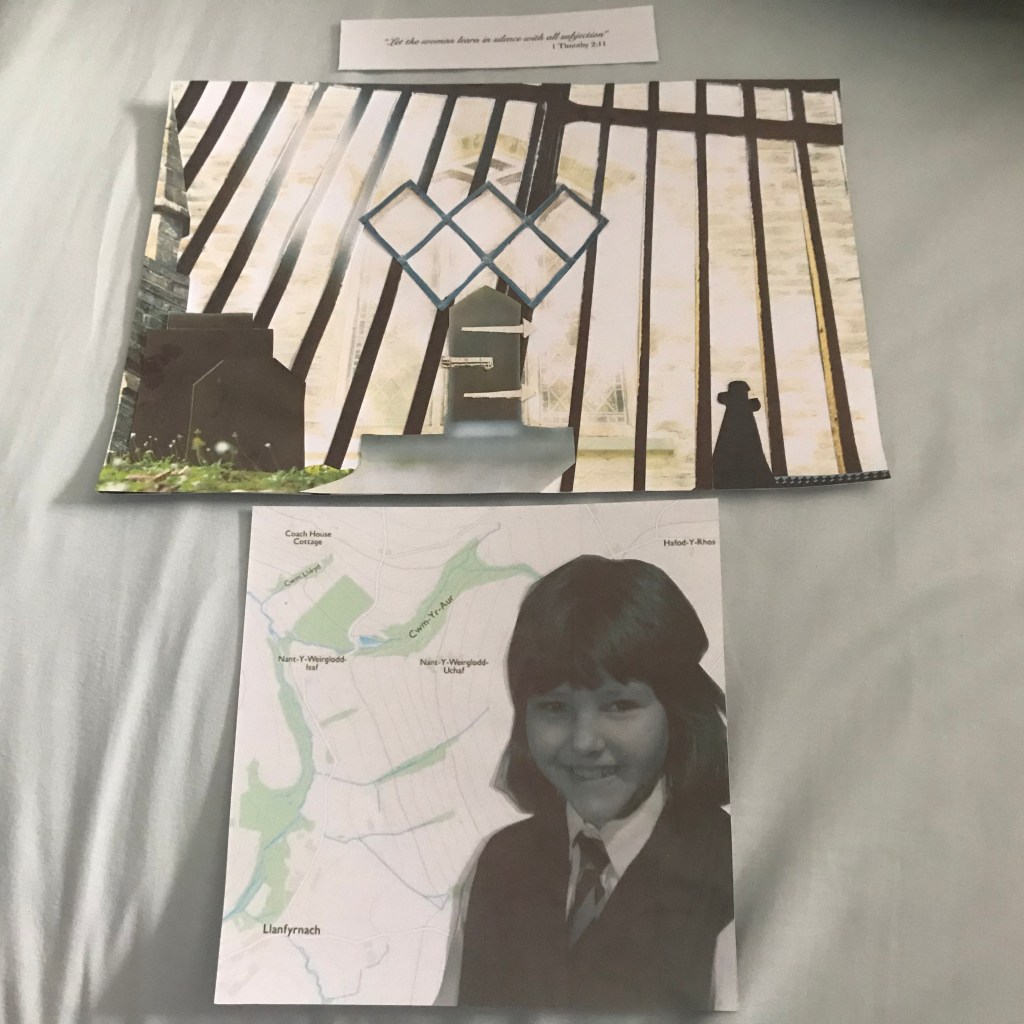
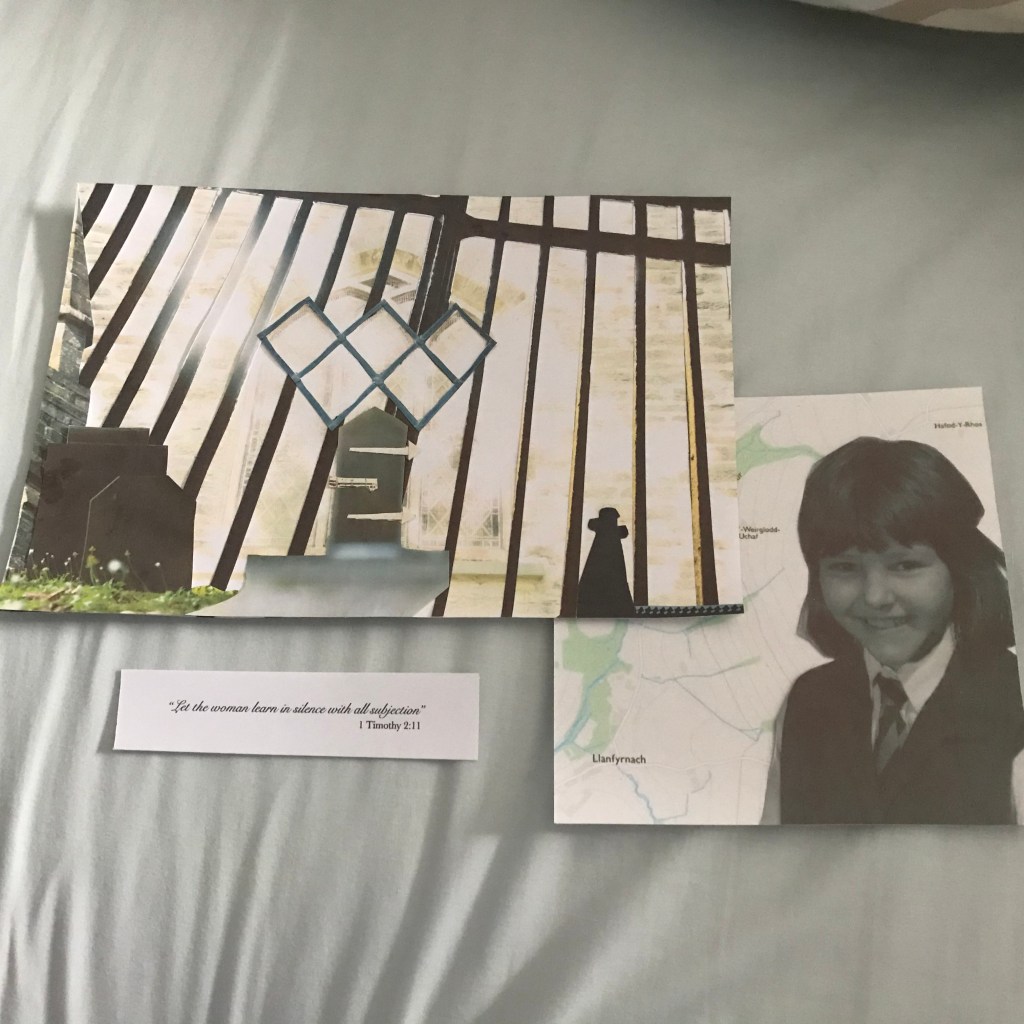
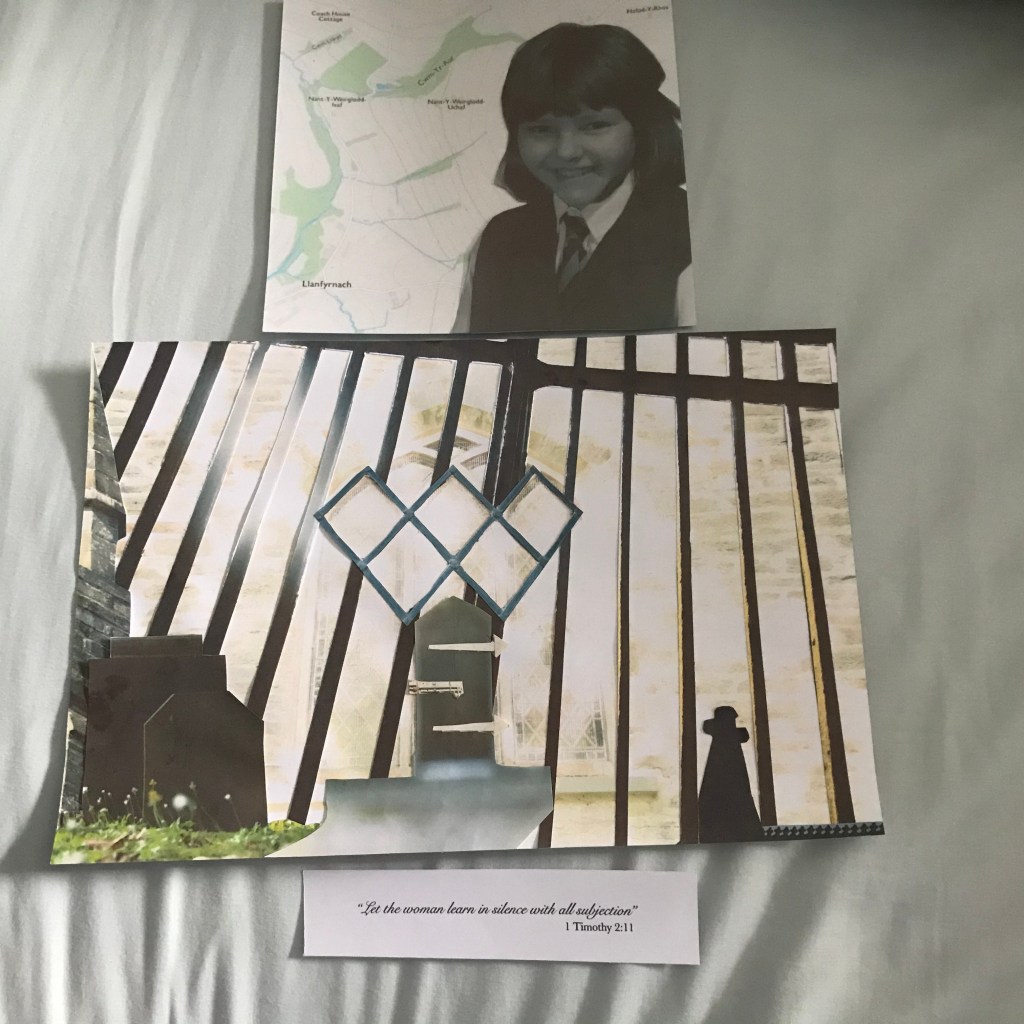
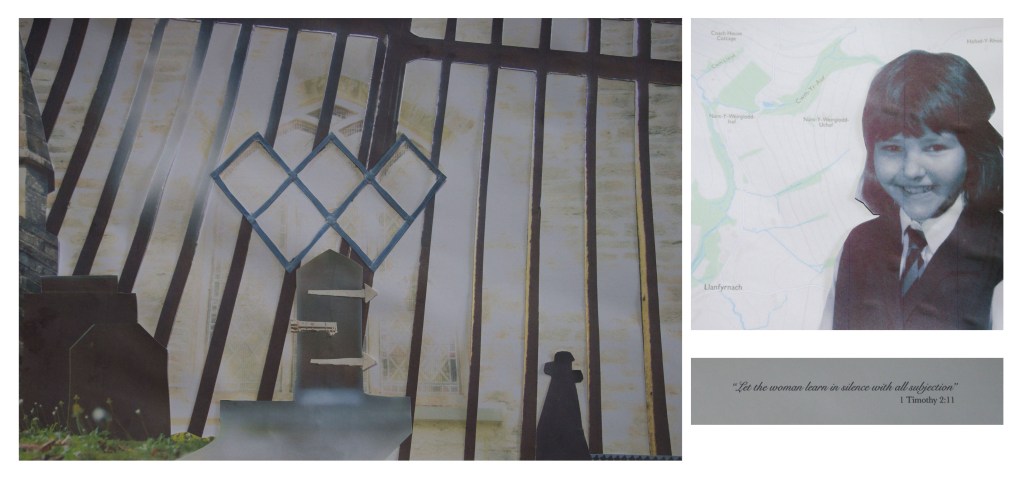
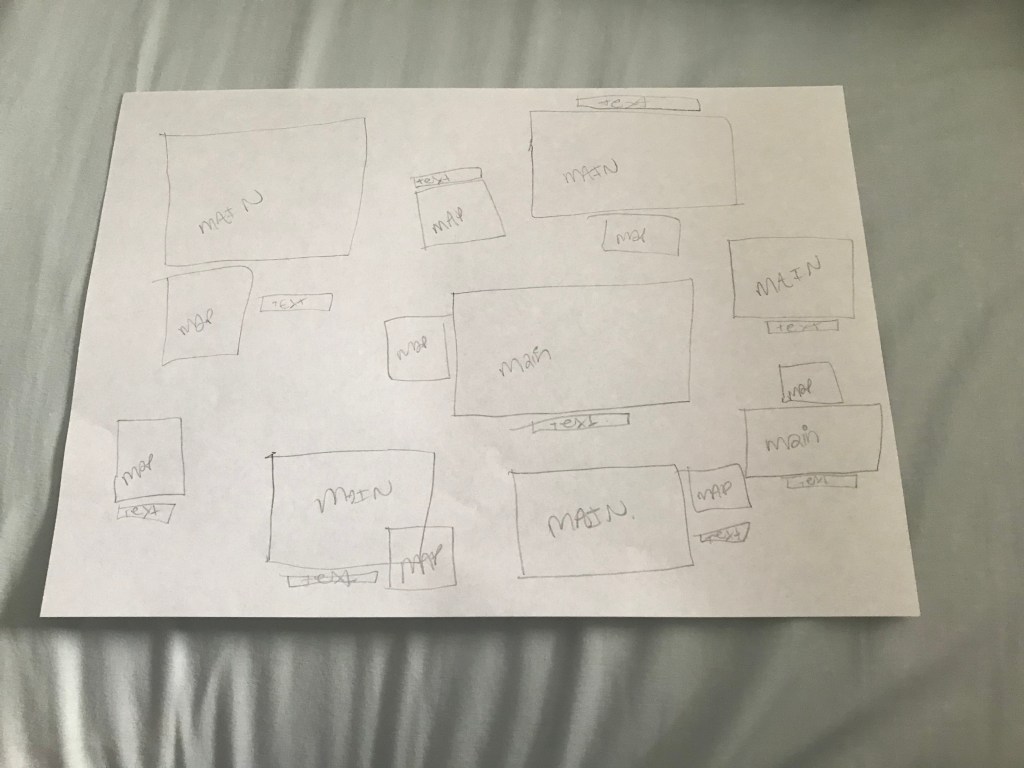
Now I have all of my images, I needed to think about how to set them out in a complete series. There are three parts to each image now, similar to a triptych format. Triptych usually has religious connotations, so is apt for my series. For this assignment, I have just set them out, but for my final submission I will sort-out a background for the images to settle on. 

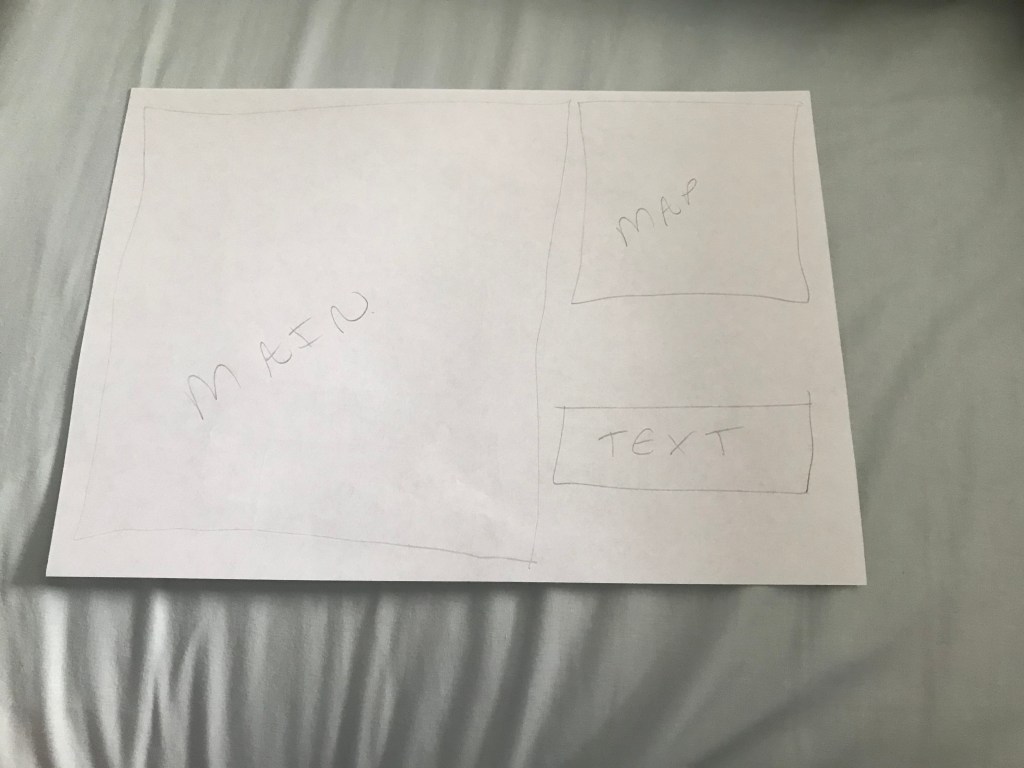
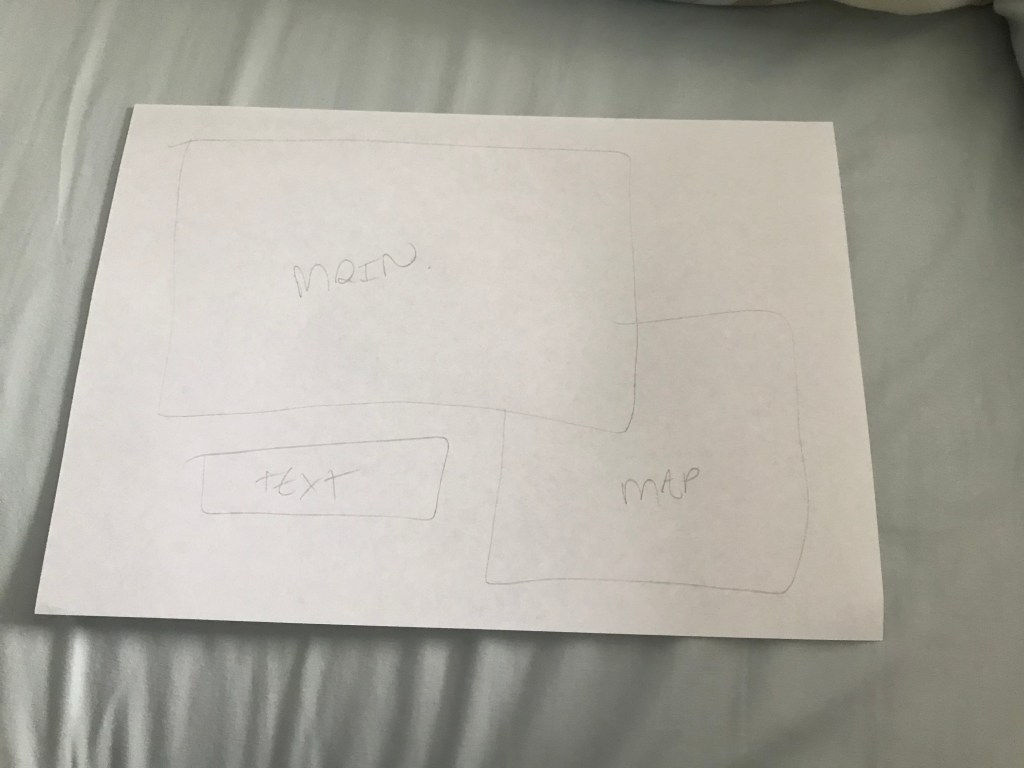
I have made some sketches and set the images to see how they look: 

I have narrowed it down to two set-ups which I think will look suitable. Here’s the first:

Here’s the second:


Assignment Images

Here are my images as a complete series following the first format: 

Location One

Location Two

Location Three

Location Four

Location Five

Location Six

Location Seven

Location Eight


Here are my images as a complete series following the second format: 

Location One

Location Two

Location Three

Location Four

Location Five

Location Six

Location Seven

Location Eight


Here are the images by location (not in any format):

Location One

Location Two

Location Three

Location Four

Location Five

Location Six

Location Seven

Location Eight

Cutting Down

Cutting Down

My next step is to cut down my image to get my final selection. This is going to be a difficult process as I needed to look at each image individually but also as a whole and how they work in the series. I made several different collages of each location for choice, however I think cutting them down is going to be difficult, as I will have to be brutal in my selection. I will be looking at which images work and portray what I want the audience to see but they also need to work together, which is going to be a challenge. I have 27 images in total and 8 locations. This is probably on the the biggest choices I will have to make in my body of work. I will tackle this by looking at one location at a time and then looking at them collectively. 

Location One

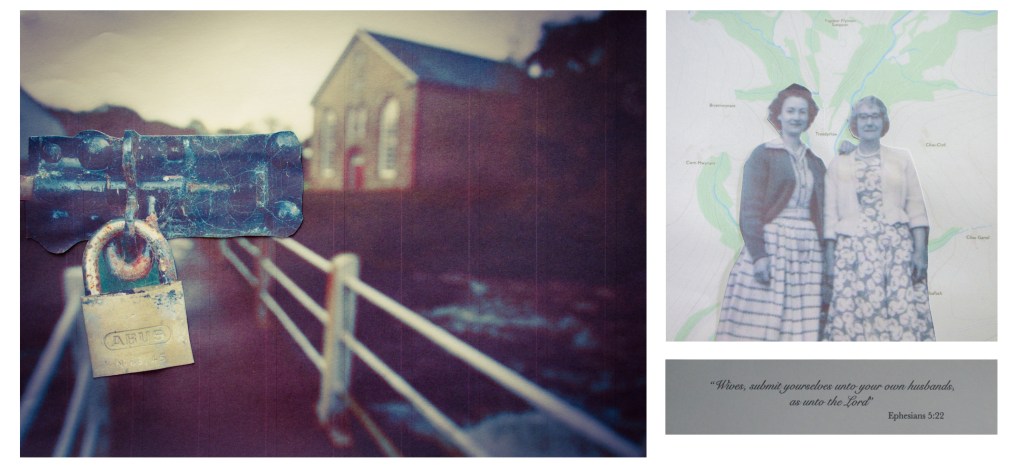
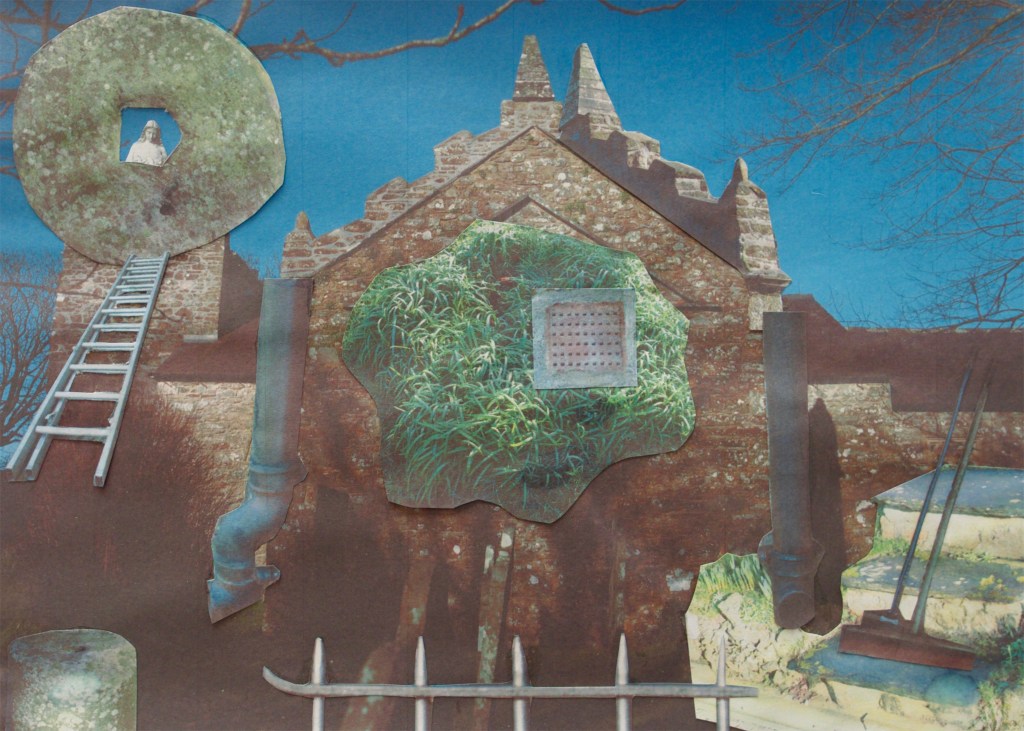
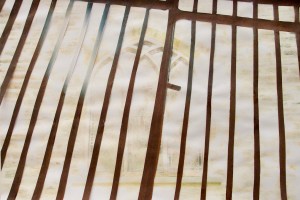
These were the first collages I made. I was happy with them and am unsure which to pick. I like this image a lot, even though it is quite simple. I feel the bars create the illusion of being excluded, symbolising that women can’t get in.

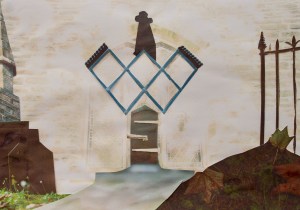
But I like this image too, it has the same basic image as the first but has other elements added in. The murky path, leading up to the door within the glass windows, featuring male figures. The door shut, not allowing entry. The metal fencing to the side, showing restriction. The immovable structures of the church, possibly symbolising the difficulty experienced in inequality. There are no names visible on the gravestones, showing parallels of being lost in history and time. 

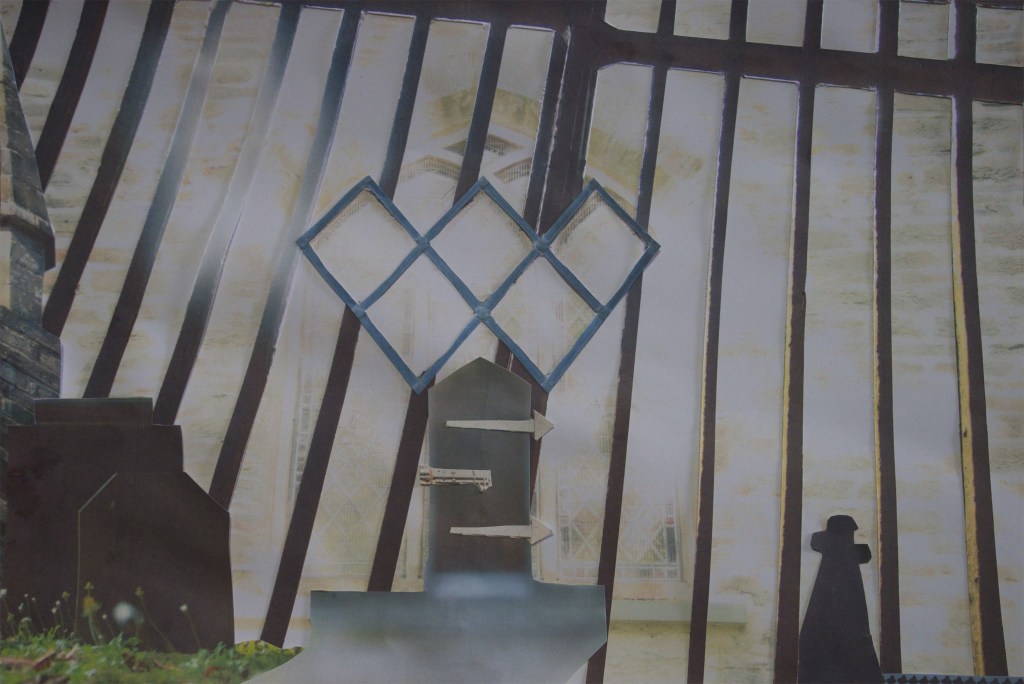
I have choose the second image, but have made some changes. I have included the bars across the whole image as I did like the base image with the bars. I cut out the bars in-between the window bars, so they didn’t obscure the view of the male figures on the stained glass window. Here is my final image:

Location Two

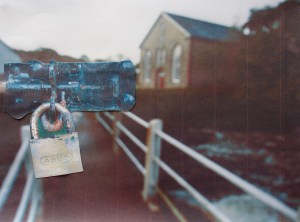
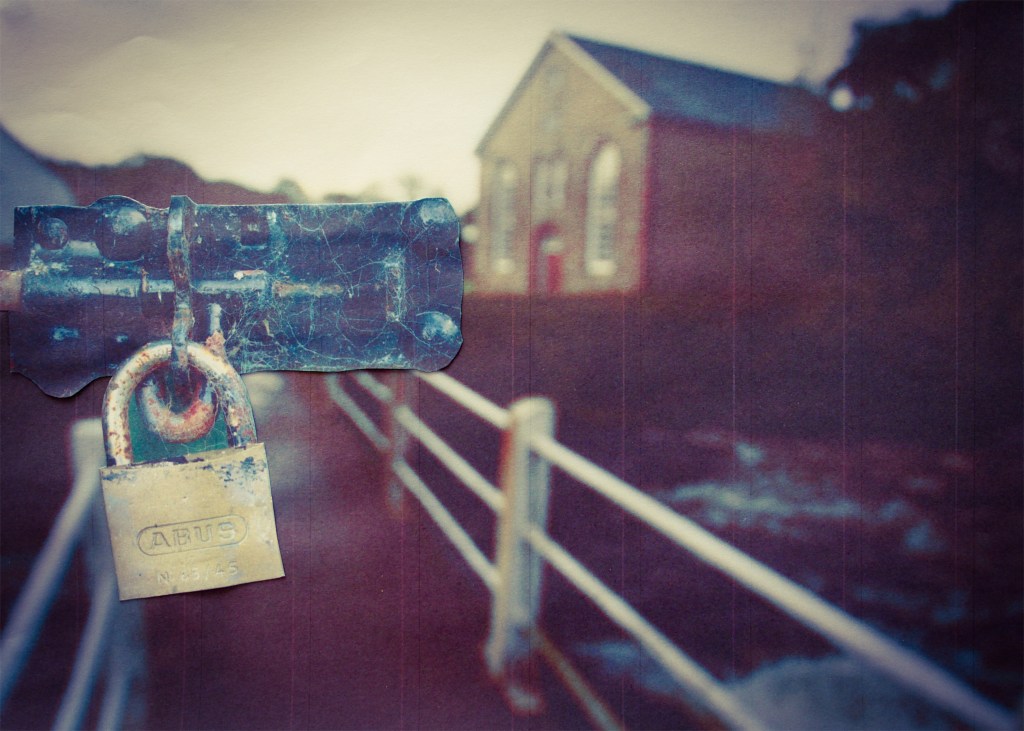
I really like this image as the way I have positioned the paddock appears to stop entry from the bridge to the church, it’s off-limits. It shows you cannot carry on your journey on the path. I like the effect of the main image being out-of-focus, you can still see what the objects are but it signifies the lack of clarity, the uneven visions, and possibly a murky area where some people believe gender inequality doesn’t exist and disputes it’s existence. 

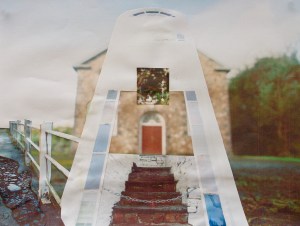
This next image is slightly different and looks at the site in a different way. We can see the path goes off to the side rather than to the destination, and along it is a pebbled rocky surface representing the rocky road of gender inequality. The steps are positioned amongst the stained glass window which opens to show the front door of the church, which is shut to us. The higher window is barely visible through the thick hedge row, showing that gender inequality can be overlooked by some as it isn’t always visible to everyone.

I have chosen the former image:

Location Three

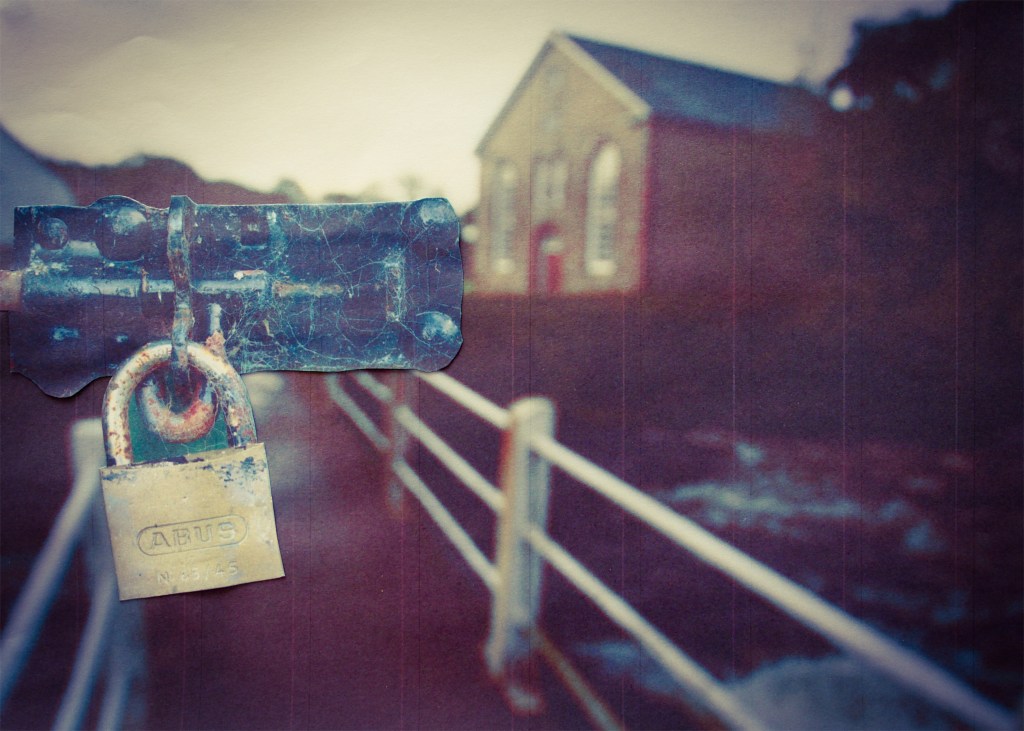
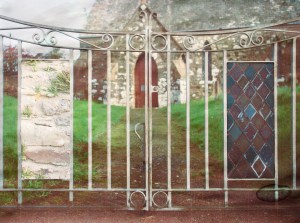
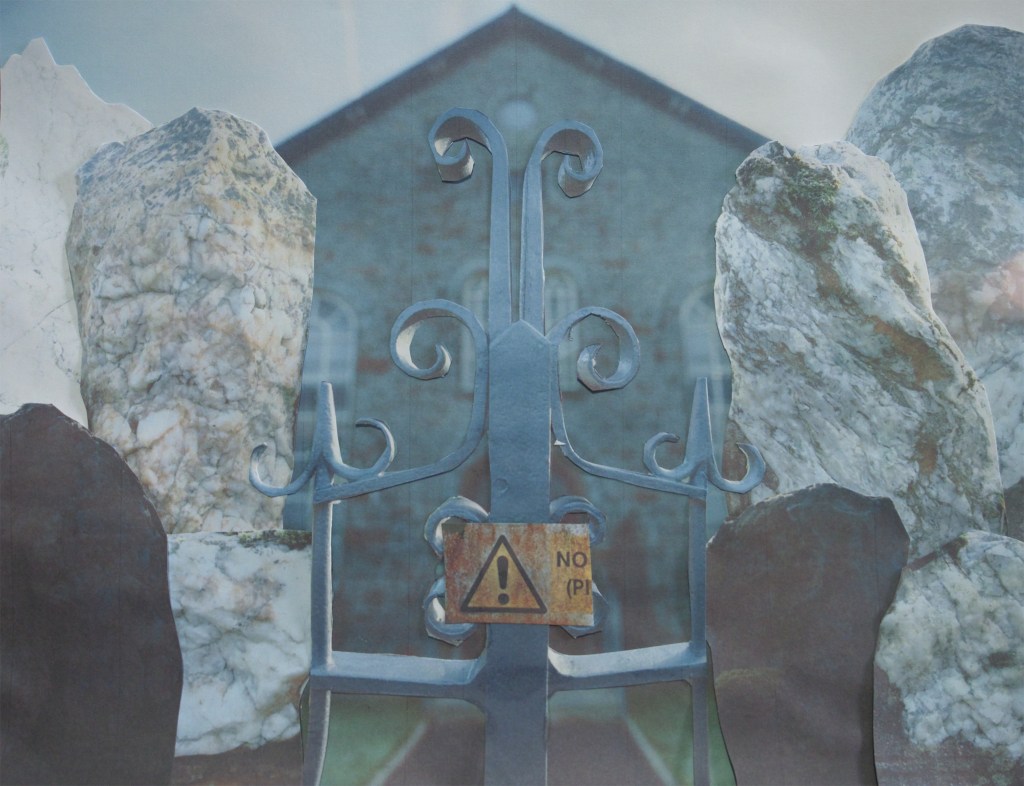
This first images shows a barrier between the viewer and the destination. But added to this is two sections of solid impenetrable objects, giving the illusion that you can’t see in. The gate won’t let you in and the sections symbolise that fact you can’t see in. It gives me the feeling of exclusion when looking at this image.

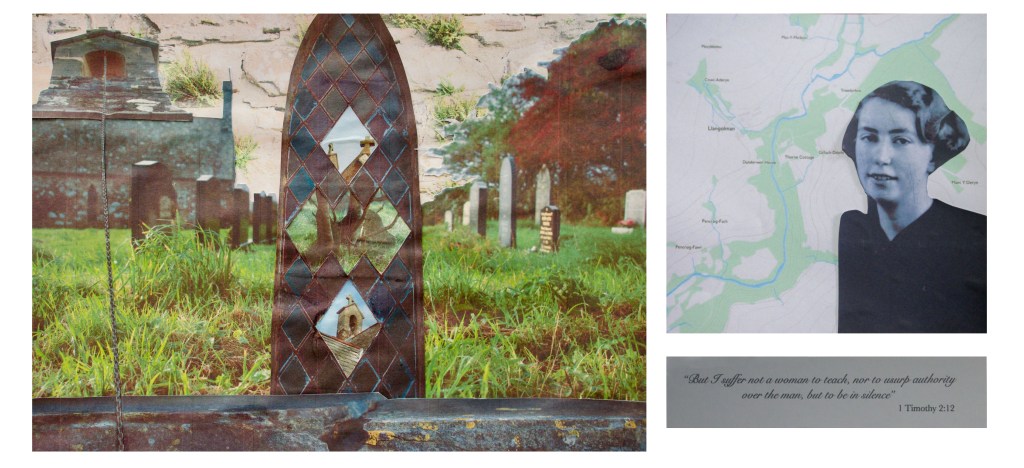
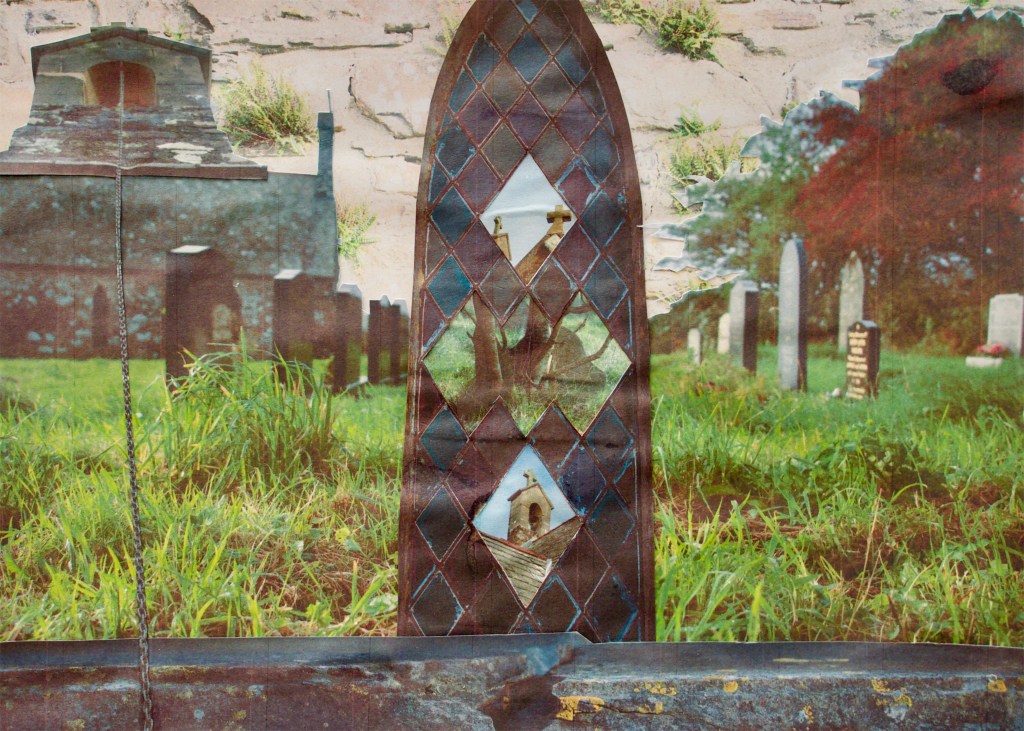
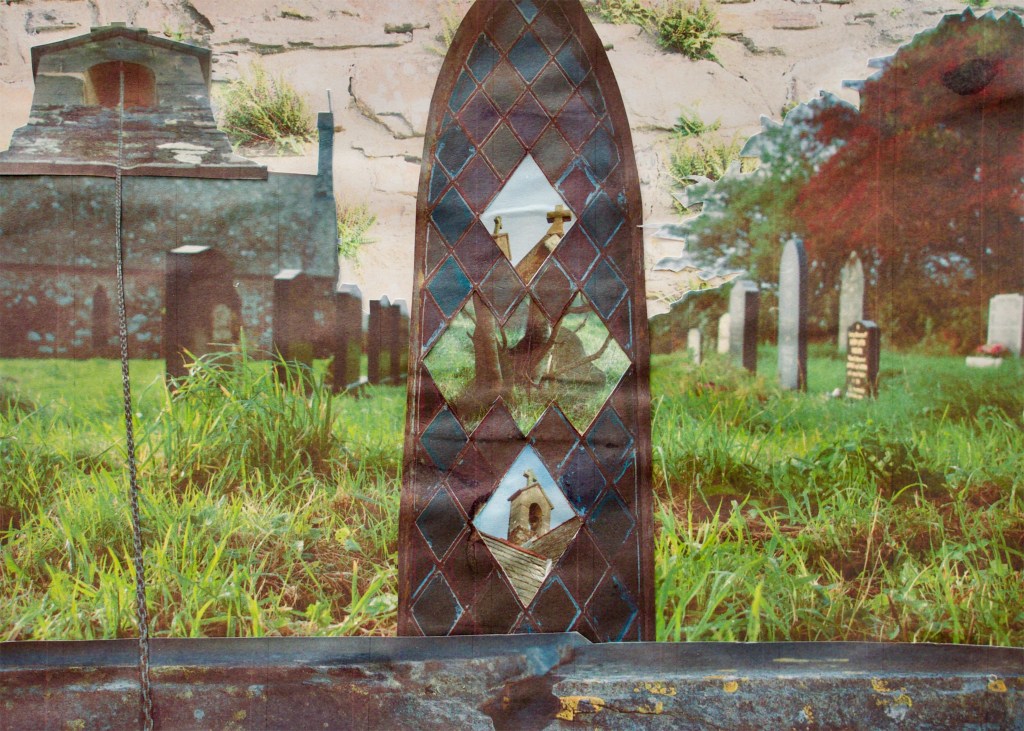
The next image also gives the impression of being denied access. The path of the images is blocked by a stained glass window, an immovable object, symbolising the difficulty of removing gender inequality. You cannot see through the stained glass window, but the bits you can, simply show objects outside. The images looking up give the impression of uneven footing, the gravestone behind the trees, makes me think of something forgotten, lost almost. The chain for the bell hangs down, but the church remains out of reach. At the bottom, lays a stone which is cracked, showing the uneven grounding woman are on, the crack highlight a problem in ours lives. This is the image I have chosen. 

Location Four

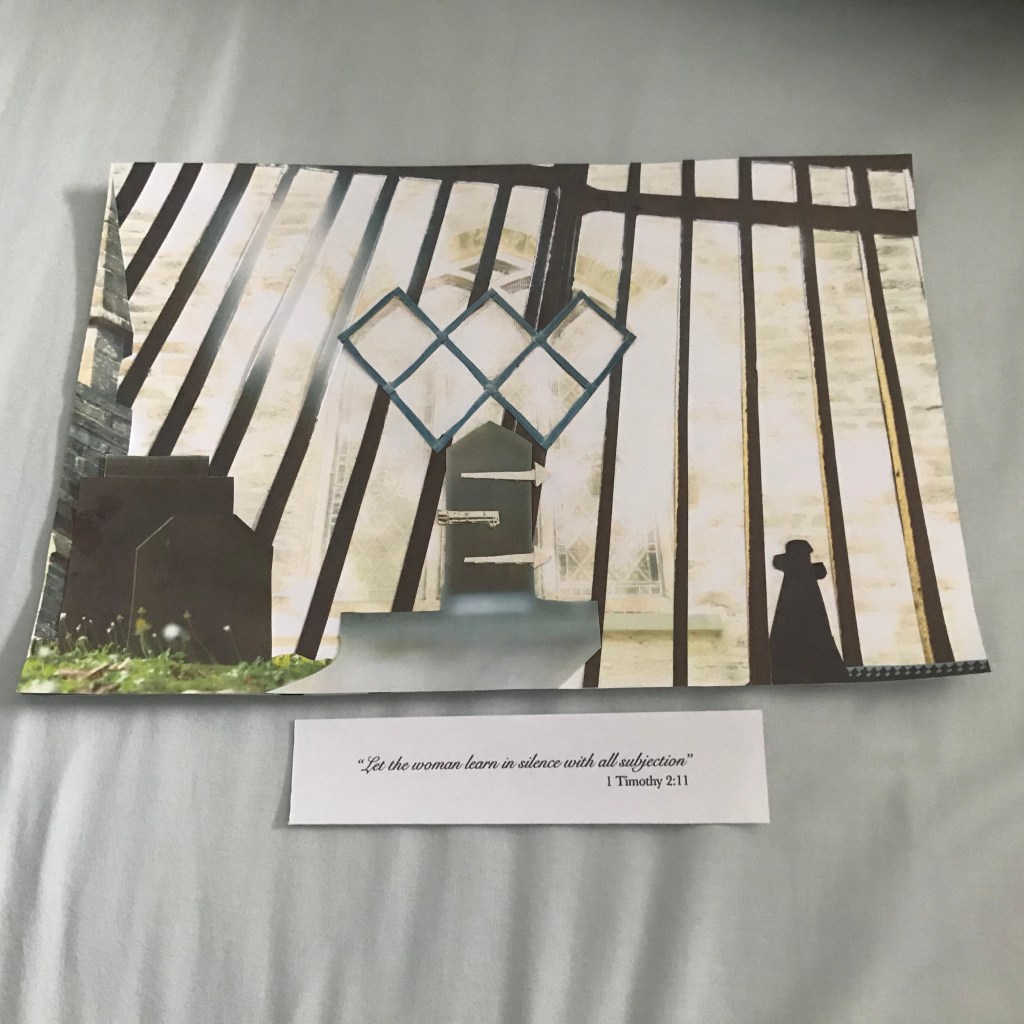
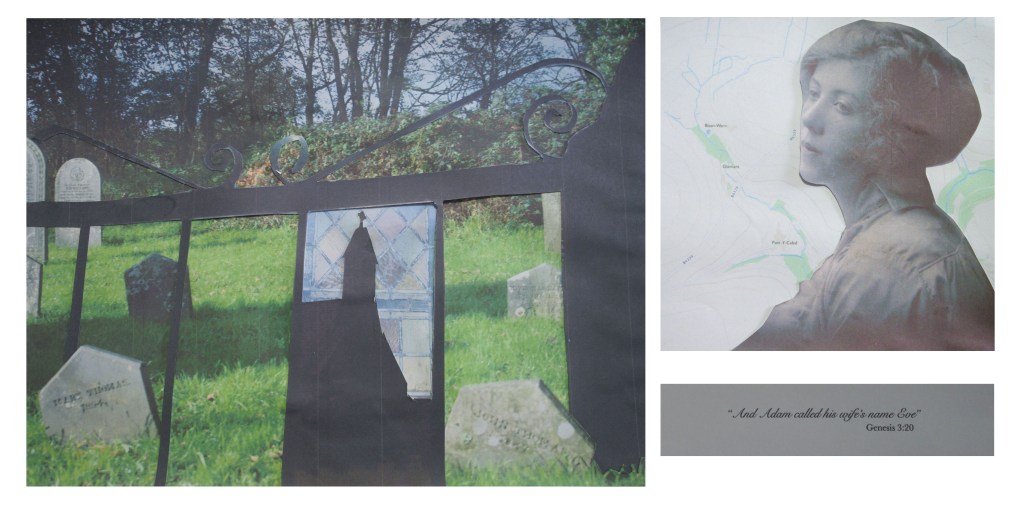
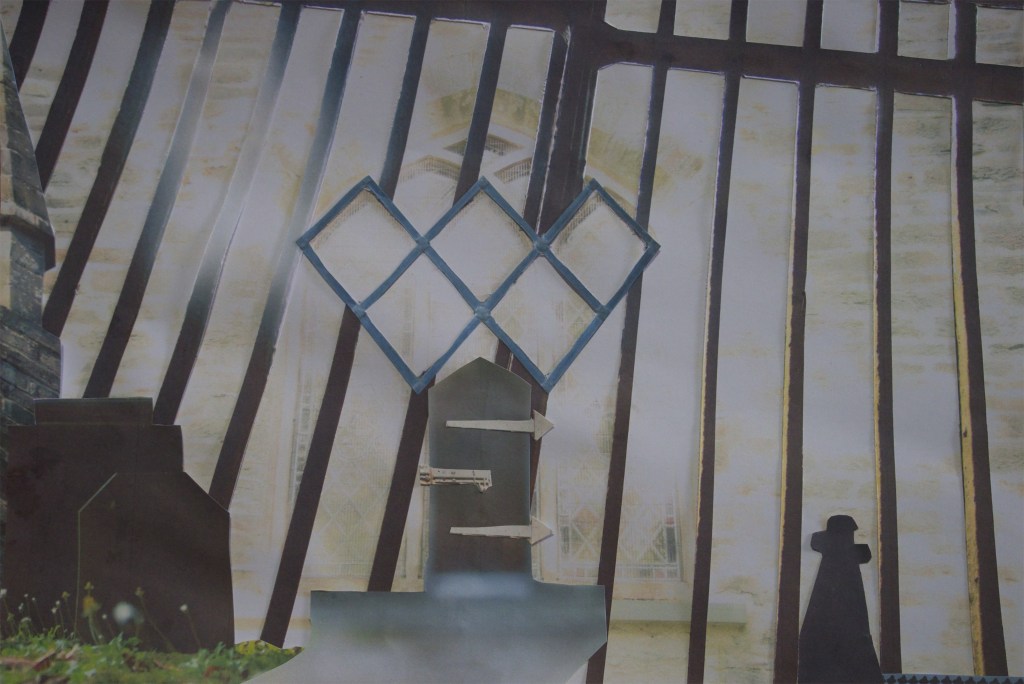
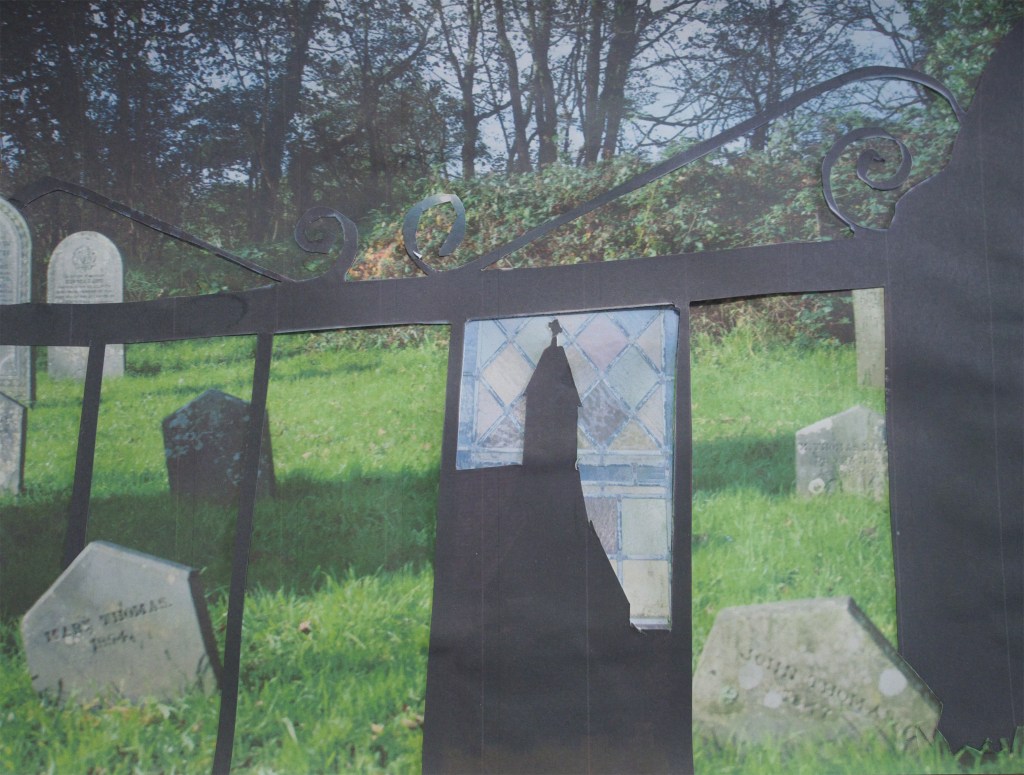
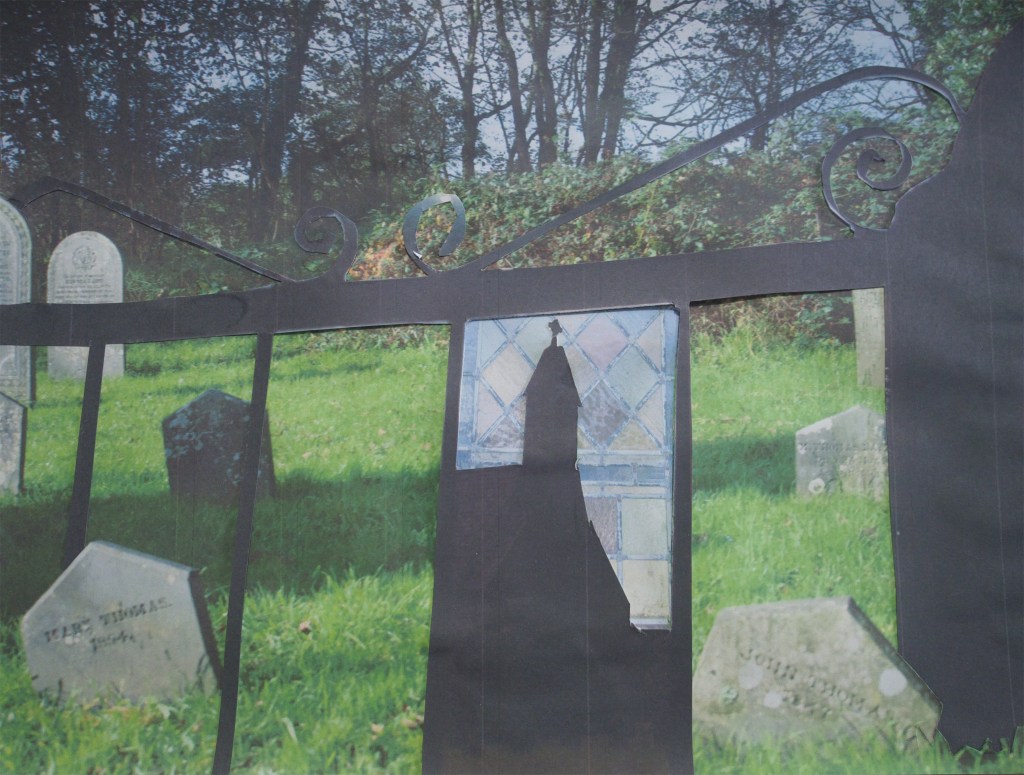
I was never completely sure about this location. I struggled to get a college I was completely happy with. I have had a look through my archive of images from this site and honestly I don’t think I could create another collage that would be better than the ones I have created. Having said that, I think this image does work. It doesn’t feature the actual church, but rather the graveyard with the restrictive feature of the gate. The graves could symbolise the lost souls in gender inequality, those who have been overlooked and forgotten about maybe. The untended graves, perhaps they have been forgotten. This example and feeling of loss and being forgotten could be a synonym for women affected by gender inequality. 

I have decided to use this image, but with a slight change. I have cut around the church and placed it on a background of a stained glass window. You cannot see through this window at all, so it heightens the barrier between those who are included and allowed in and those who are excluded and not allowed in. Here it is:

Location Five

Simple 1 + Simple 2

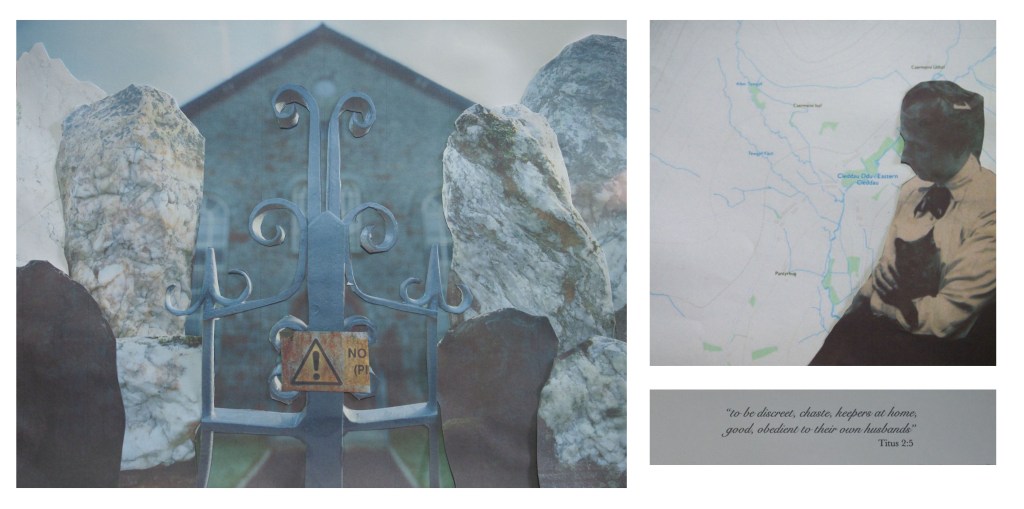
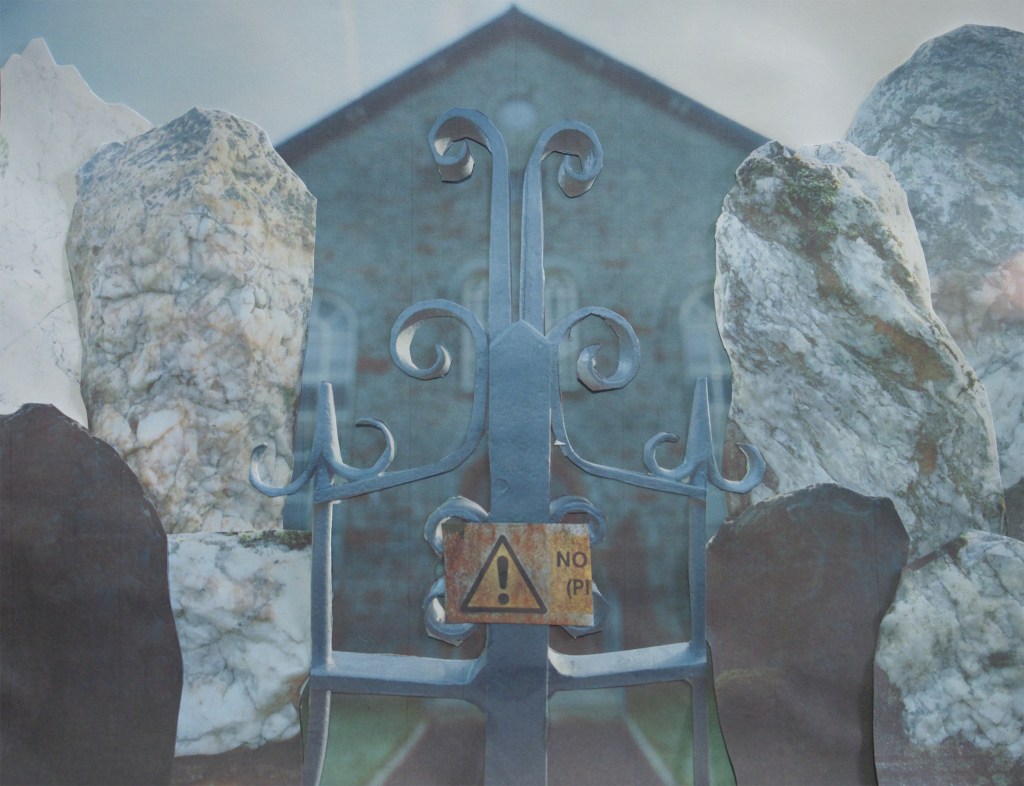
This images features the church in the background with a path blocked by a gate. This actually represents my actual time at this location, as it was extremely icy, I couldn’t actually reach the path, I kept sliding down it. This felt so relatable to what I am trying to show. I was so near yet couldn’t get there, I couldn’t physically complete this journey. Just like gender inequality, it is a struggle to reach equality, we just haven’t been able to make that journey yet.

Similar with this next image, the church and destination is just visible yet we cannot get past this massive barrier, the rocks. This can symbolise the barriers women face in life. The are rough, immovable, and very difficult to overcome. 

I have chosen the former image, but I wanted to add something extra to my original image, so I added the rocks to each side, so you cannot physically get to the church, it has create a immovable barrier. Here is the amended image:

Location Six

This image is very simple, with just two parts. It it quite dark but I feel it might have a place in the series. Looking at the dark time of inequality. Being unable to see into the church, gives the impression of exclusion. But comparing it with this other image at the same location, it is very different.

This one is almost surreal, it stands out. The complex elements have a chaotic feel, which eludes to the complexity of the issue at hand, rather than its simplicity. It has multiple layers with multiple connotations. I really like this image, hence why I have chosen it for my final selection.  

Location Seven

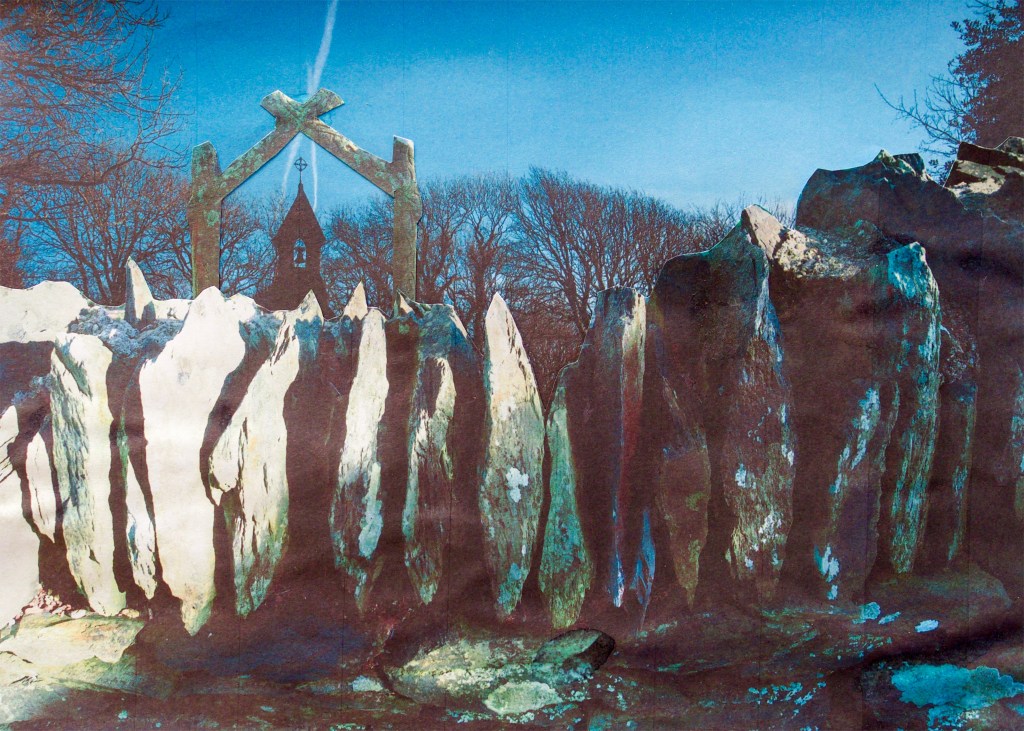
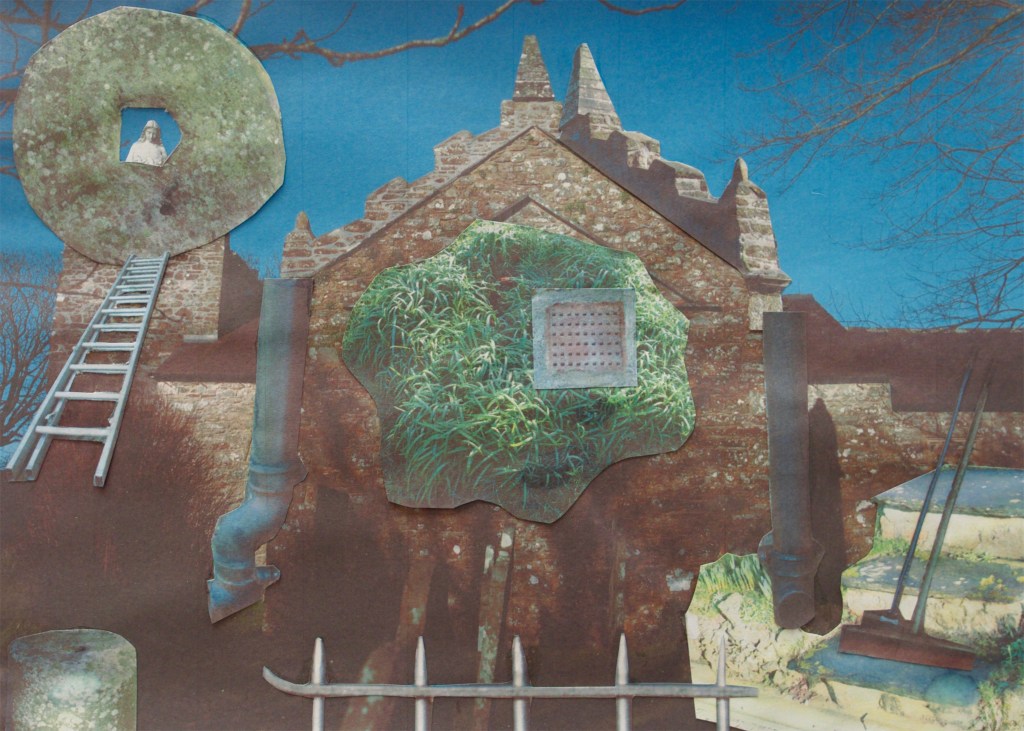
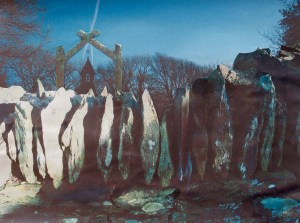
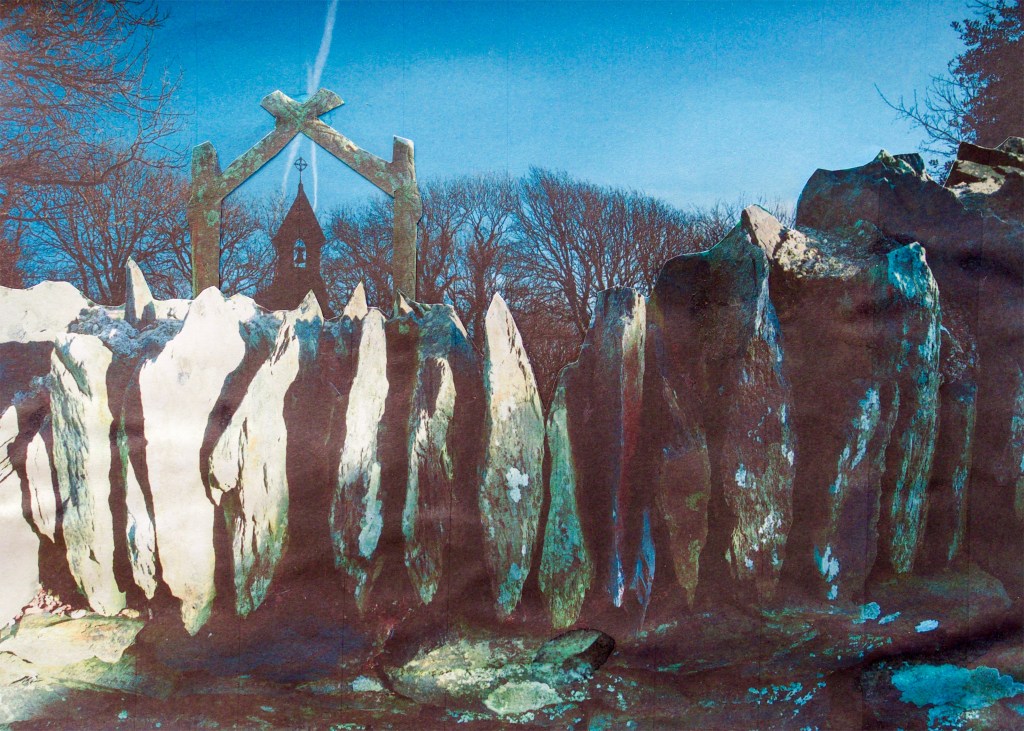
I like how the majority of this image is taken up by the ragged rocks, symbolising the uneven dangerous inequality. This image is also quite surreal with the colours. The church is surrounded by a wooden arch, almost protecting the building from access or creating a boundary surrounding it.

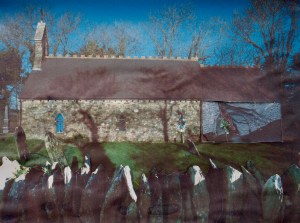
This next image is quite eye-catching. The shadows of the trees casting on the church is quite chaotic and adds another dimension. The windows have been replaced with alternative images of the church, symbolising that there is no way to get in, we are being prohibited from entry or even seeing in. Alluding to the ‘boy’s club’ of life, society and religion. 

I have chosen this image. 

Location Eight

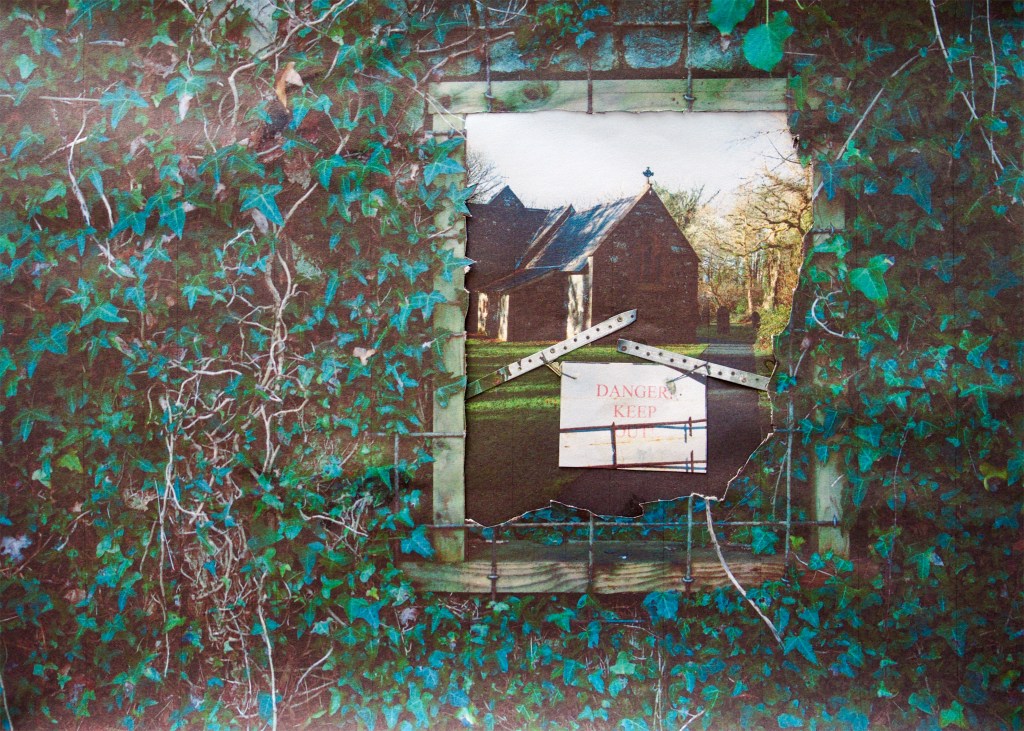
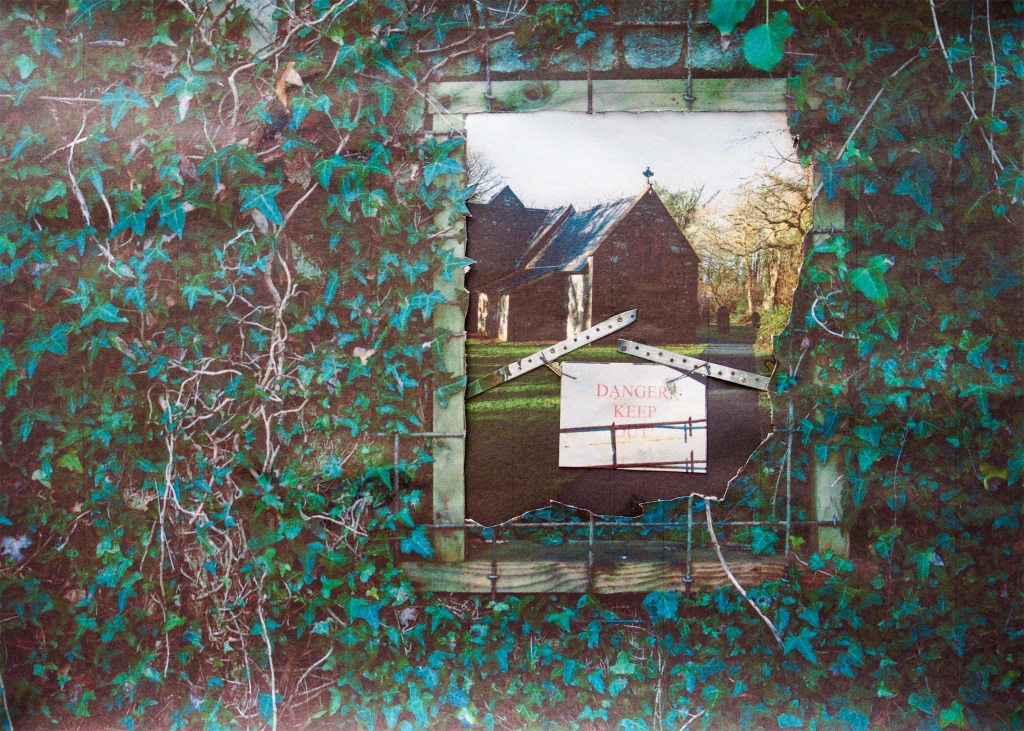
Location eight was an easy decision for me. I feel this image works, it is simple yet effective. You see this immovable wall with the church viewable through the window, yet this is covered with a keep out sign. Showing that you are prohibited from this place. It alludes to the restrictions women face in the world. The image of the church is also restricted by the wall, this has narrowed our perception of the location, simpler to peoples perceptions in life. 

Sub-Series

Sub-Series

I felt that I still had more that I could add to my project. This actually coincided with the Coronavirus outbreak. I am having to shield so am unable to go outside and photograph more at the moment. I have always thought about bringing maps into my work, to reinforce the journey part and the give some context but without being too specific. I also thought about how I could contrast the inequality with ‘strong women’. I then had the idea to use images from my own personal archive of female family members and bring these in somehow. 

My idea is to combine the map images and the female images together, to symbolise that my family, the strong women are with me on this journey. 

Here is my post on my archive images.

I have used Ordinate Survey mapping and have printed them in colour and in black and white, to try and see which suits the format better.

Here is my post on my mapping and combining the images.

I will also be using text alongside my main image and side image, here is a link to my post on texts.

OS Mapping. At: https://osmaps.ordnancesurvey.co.uk


Mapping

Mapping

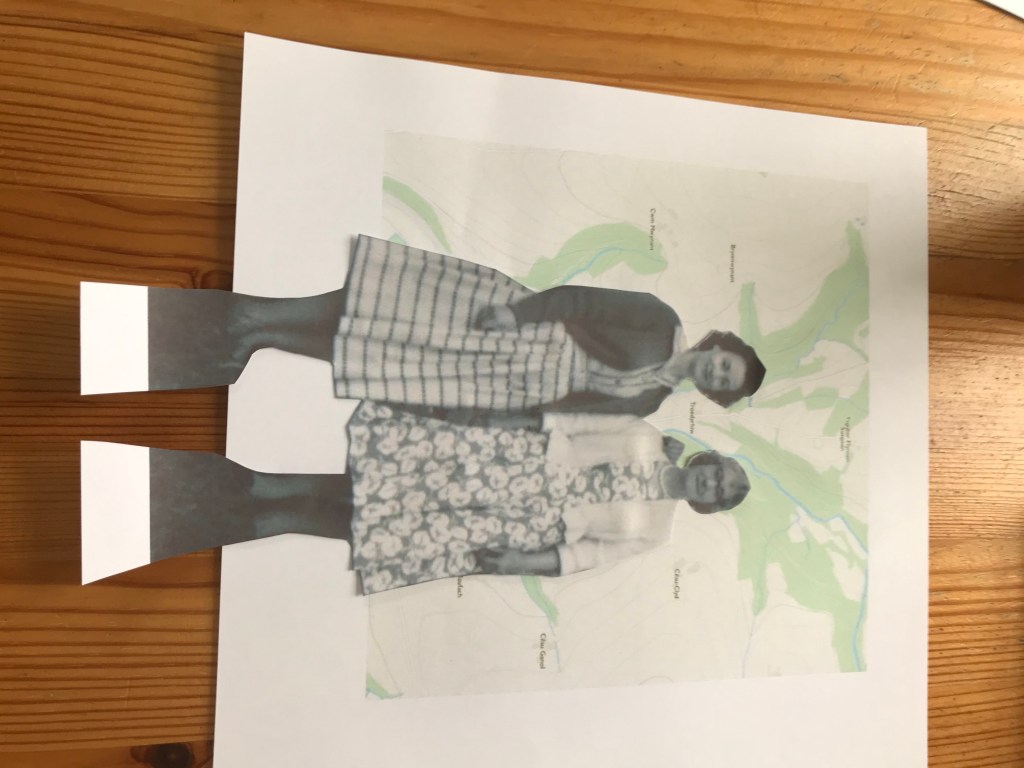
After I decided on using mapping, I began experimenting with combining the maps and the archive images. I wanted to give the impression that the women are on the journey with me. However they are not in the main images, inferring they are excluded, which keeps to the theme of gender inequality.

I have printed and cut out the images of women: 

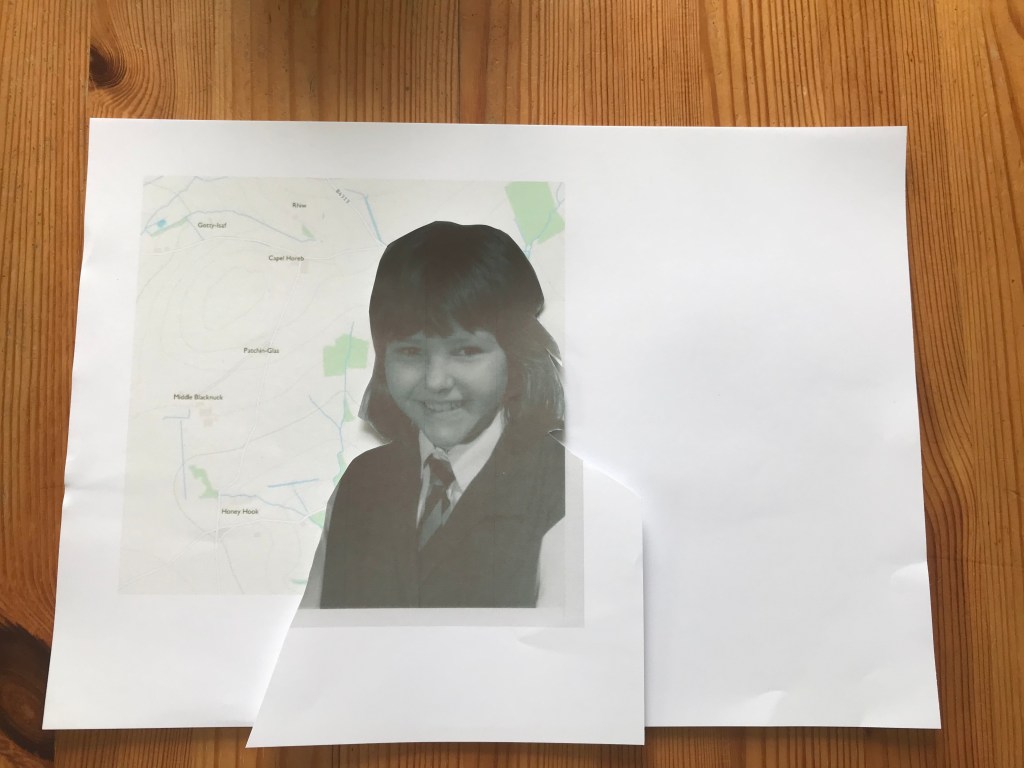
Here is one with a colour map:

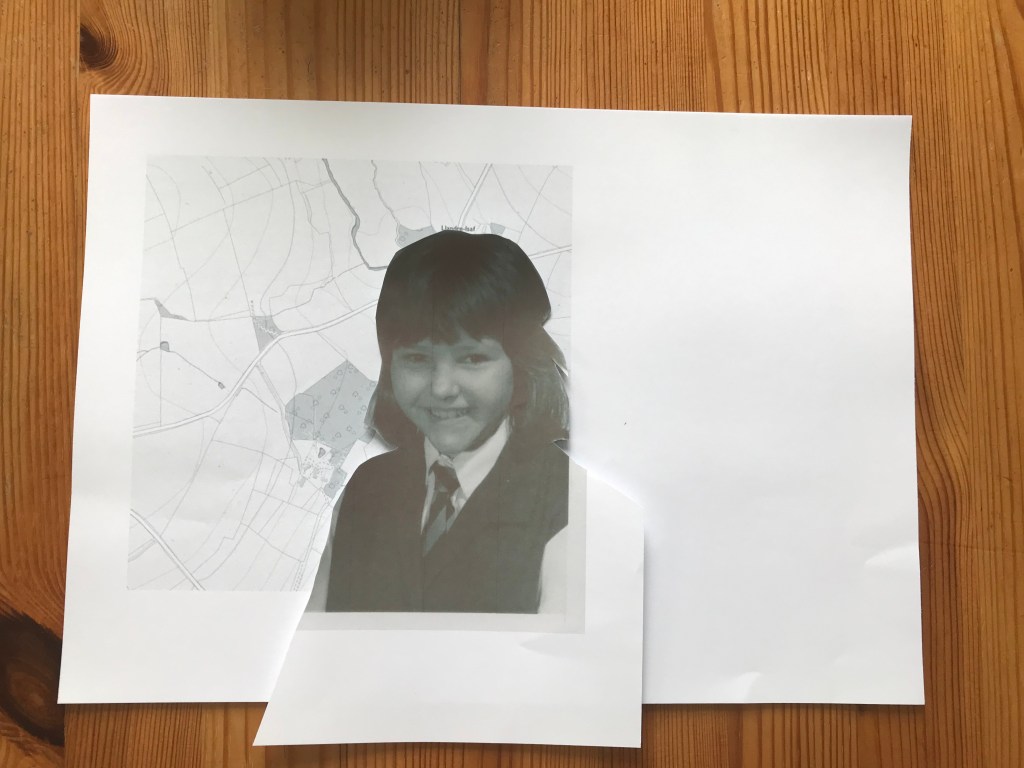
Here is one with the black and white map:

Whilst the black and white images looks good, I think the colour map looks better. It shows better contrast between the two elements. The little bit of colour from the map, really makes the image stand out.

I then tried moving them around and rearranging to see which went best:

I then stuck the images together, cut them out and re-photographed them. Here are the eight finished images that I have chosen to use in my assignment:


Update:

These above are the original one I made for a previous assignment, I have now reprinted and redone them for the final assignment, here they are:

The finish on these images is better. The print quality of the image as a whole is better and so is my cutting out technique.