I have looked at different ways to include text in my work. There are many artists who have done the same.
I have thought about including the words to a poem, or something centred on inequality. But then I got thinking about the recurring themes in my work and decided to include quotes from the Bible. This means I can keep to a central theme with the quotes revolving around women, religion and inequality.
Here are some quotes I have found.
“Unto the woman he said, I will greatly multiply thy sorrow and thy conception; in sorrow thou shalt bring forth children; and thy desire shall be to thy husband, and he shall rule over thee” – Genesis 3:16
“And Adam called his wife’s name Eve” – Genesis 3:20
“Let the woman learn in silence with all subjection” – 1 Timothy 2:11
“But I suffer not a woman to teach, nor to usurp authority over the man, but to be in silence” – 1 Timothy 2:12
“And Adam was not deceived, but the woman being deceived was in the transgression” – 1 Timothy 2:14
“Let your women keep silence in the churches: for it is not permitted unto them to speak; but they are commanded to be under obedience as also saith the law” – 1 Corinthians 14:34
“And if they will learn any thing, let them ask their husbands at home: for it is a shame for women to speak in the church” – 1 Corinthians 14:35
“Wives, submit yourselves unto your own husbands, as unto the Lord” – Ephesians 5:22
“For the husband is the head of the wife” – Ephesians 5:23
“let the wives be to their own husbands in every thing” – Ephesians 5:24
“to be discreet, chaste, keepers at home, good, obedient to their own husbands” – Titus 2:5
“being in subjection unto their own husbands” – 1 Peter 3:5
“For the man is not of the woman: but the woman of the man” – 1 Corinthians 11:8
“Neither was the man created for the woman; but the woman for the man” – 1 Corinthians 11:9
“But I would have you know, that the head of every man is Christ; and the head of the woman is the man; and the head of Christ is God” – 1 Corinthians 11:3
“And the Lord God said, It is not good that the man should be alone; I will make him an help meet for him” – Genesis 2:18
“And the rib, which the Lord God had taken from man, made he a woman, and brought her unto the man” – Genesis 2:22
“she shall be called Woman, because she was taken out of Man” – Genesis 2:23
“And the man said, The woman whom thou gavest to be with me, she gave me of the tree, and I did eat” – Genesis 3:12
“And unto Adam he said, Because thou hast hearkened unto the voice of thy wife” – Genesis 3:17
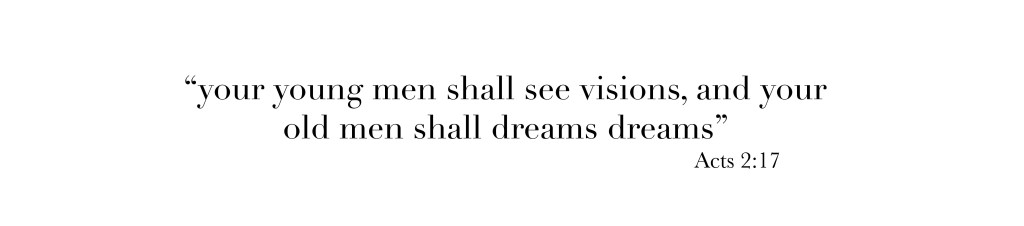
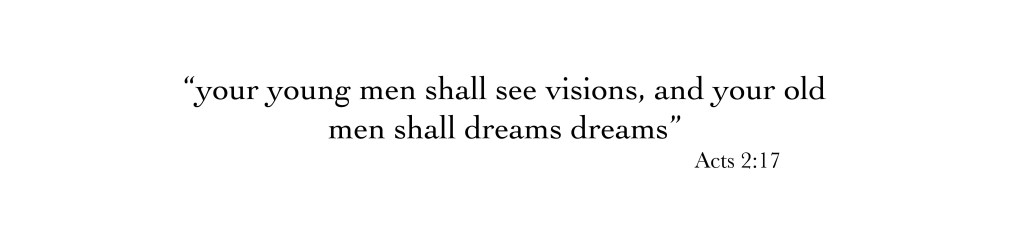
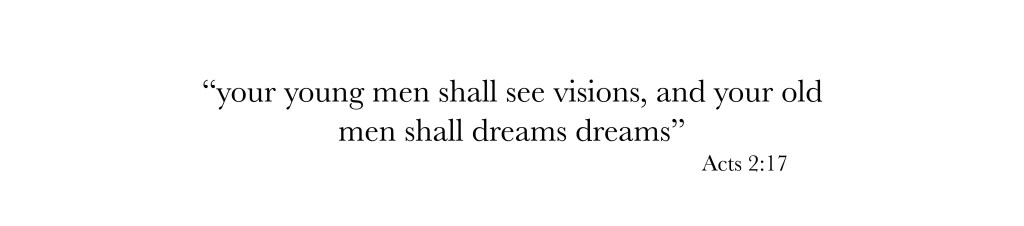
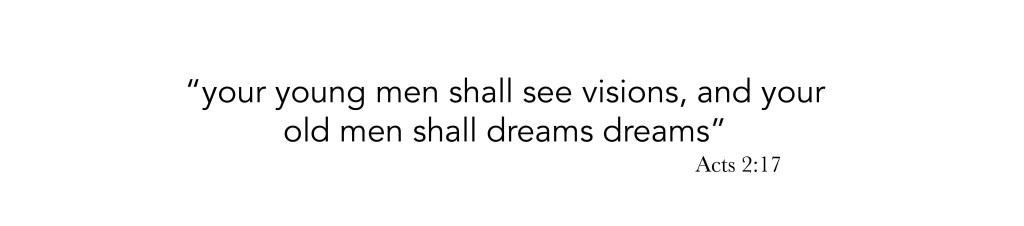
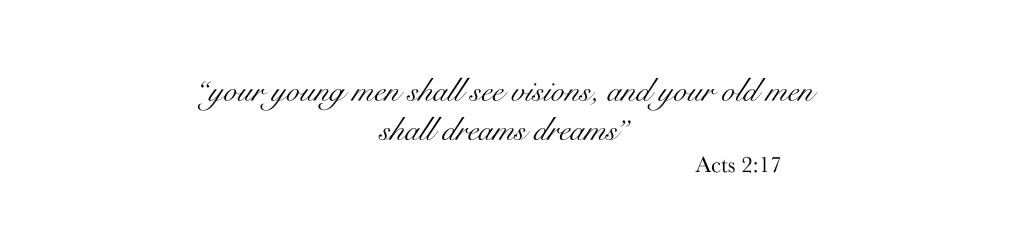
“and your sons and your daughters shall prophesy, and your young men shall see visions, and your old men shall dream dreams” – Acts 2:17
I am thinking of having the verses complete with where they can be found, or just the verse, or just the chapter and verse. I think these verses are a god contrast between the images and what the text says and the deeper meaning behind it.
I have tried different fonts to see which works best. Here is a sample of the ones I have tried:
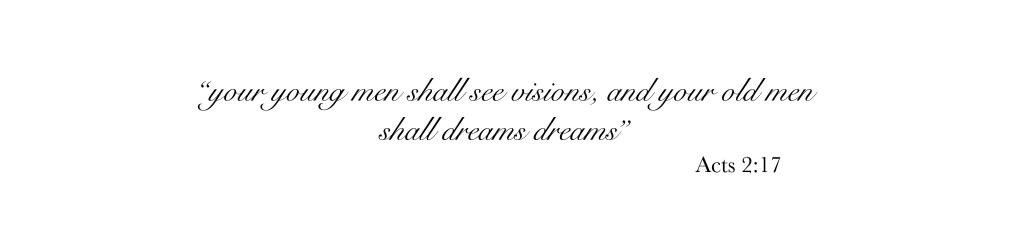
I think I like this one the best:
I have put it next to my main image and the sub-series image and I feel it works. It has a classical feel to it without being too fancy. You can understand it and it looks good. I did try and handwrite the quote but it just didn’t look right, overall I prefer the computer generated font. It just looks better in my opinion.
I need eight quote for my eight main images. I narrowed them down by comparing the quotes with the mapping images that I have created. I wanted them to fit together, so tried to match the quotes with the complete mapping images. Here is a link to the mapping images that I created:
Following the feedback from my tutor, I have changed the text. I tried to find a text close to that of the Bibles. I found the following. I think it suits the text better than the one I had. I have also resized them in portion to my images.
Update for Final Assessment
I have taken onboard my tutor’s feedback and changes the font to a more greyer tone. This does improve the look significantly. Here is the finished text:
Bibliography
1 Corinthians 11:3. Holy Bible: King James Version.
1 Corinthians 14:35. Holy Bible: King James Version.
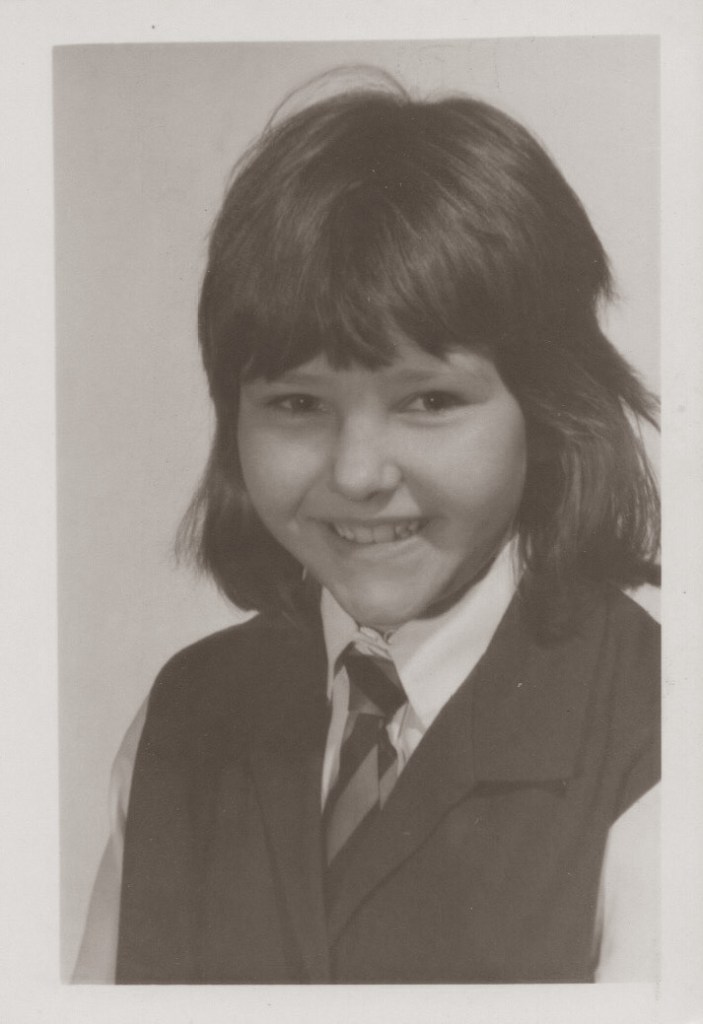
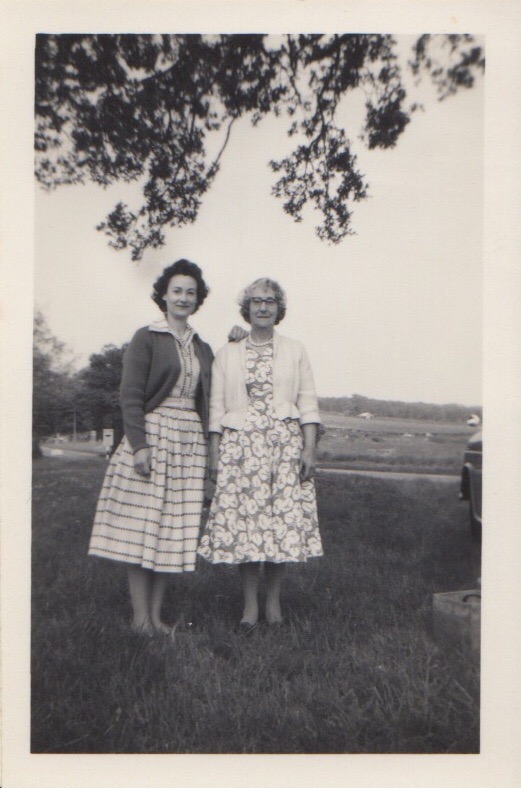
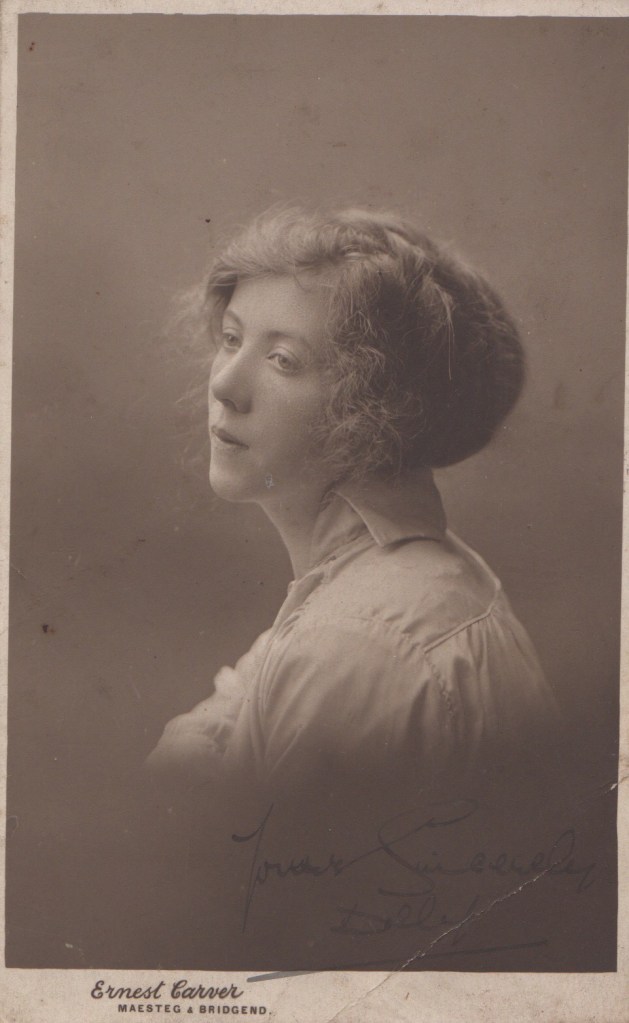
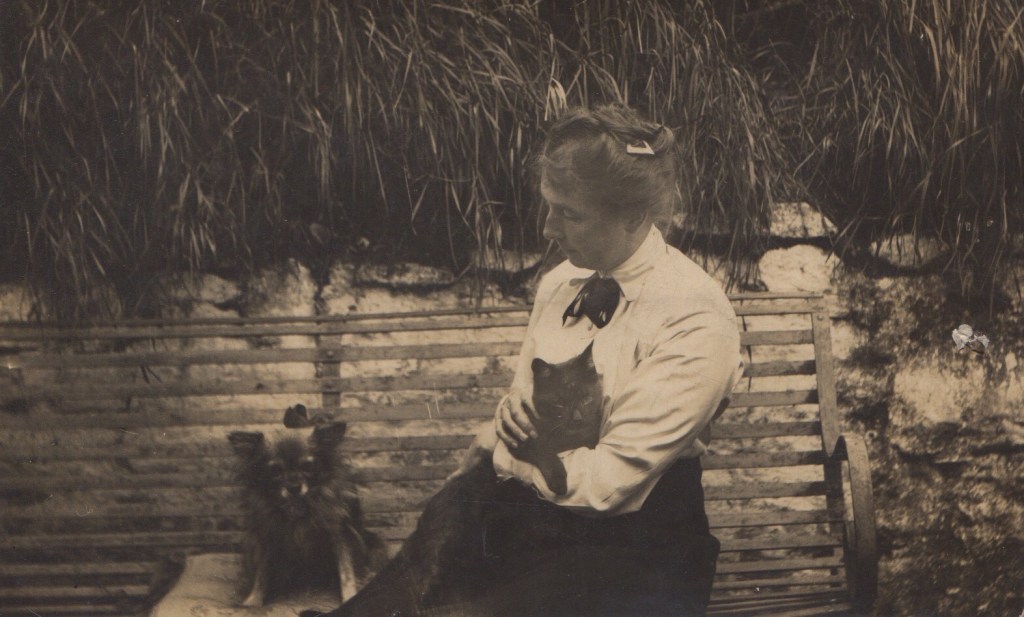
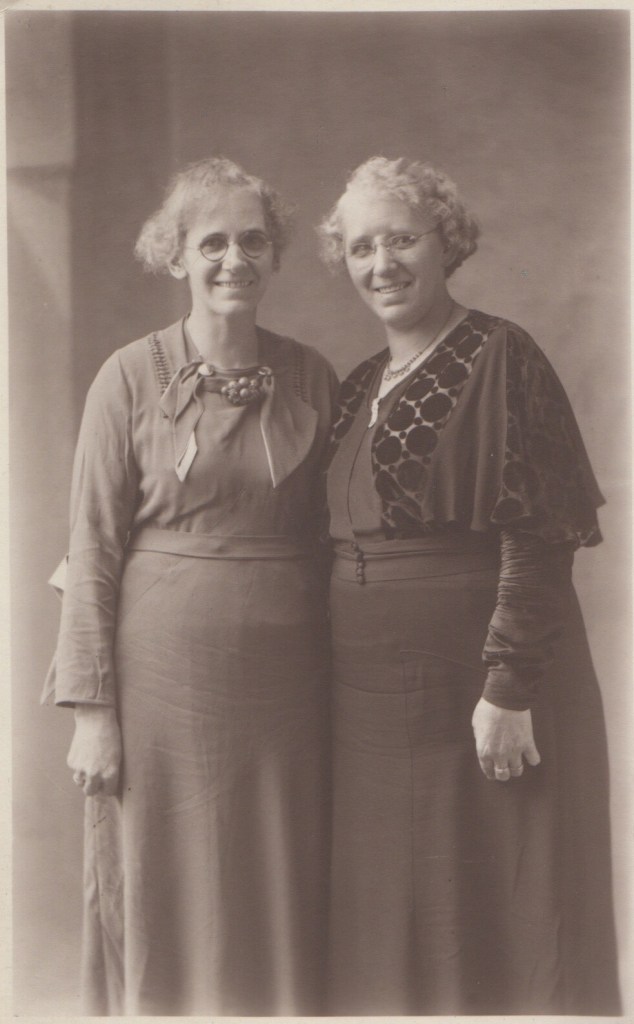
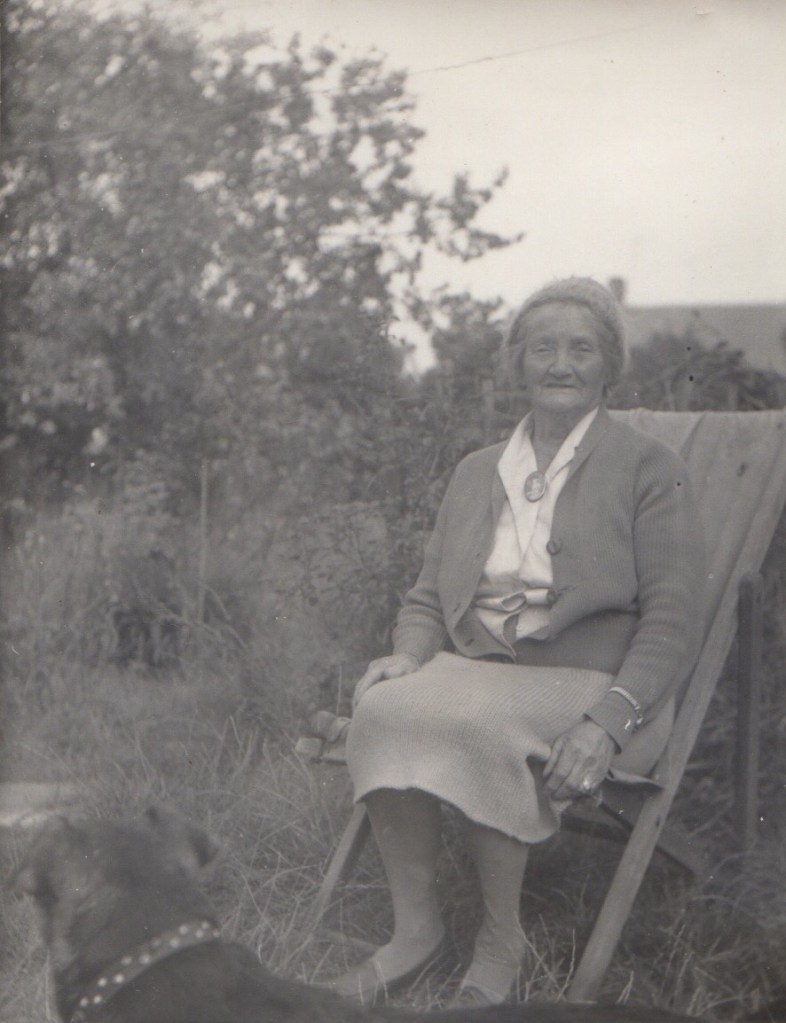
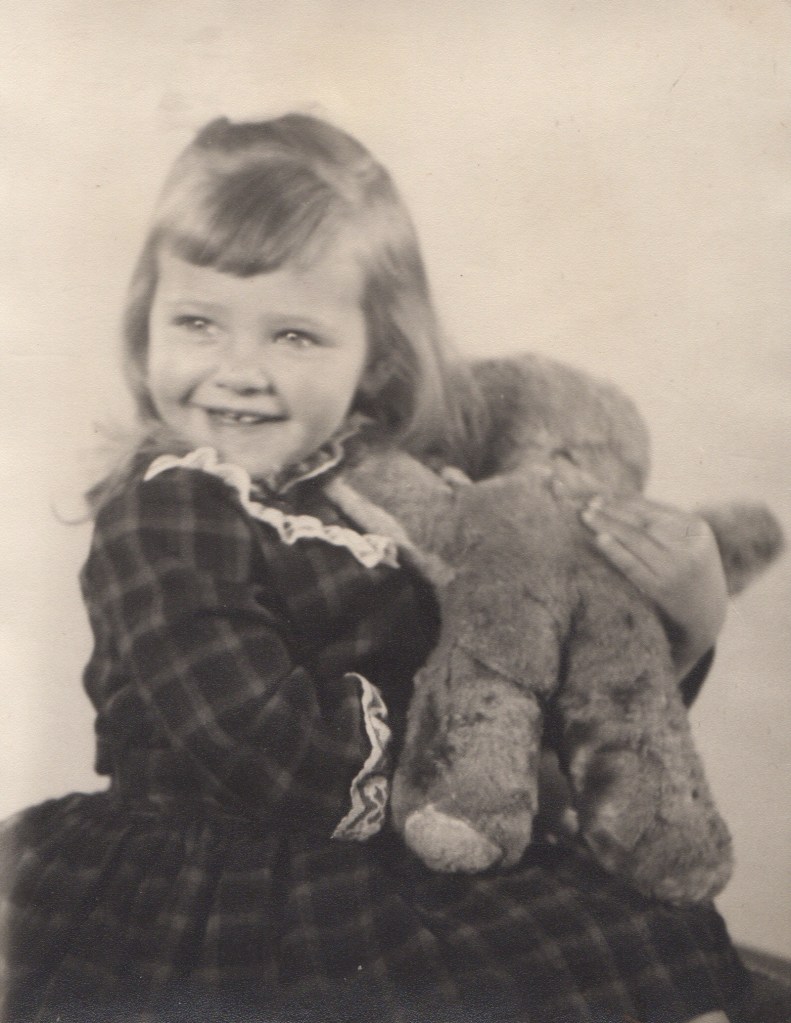
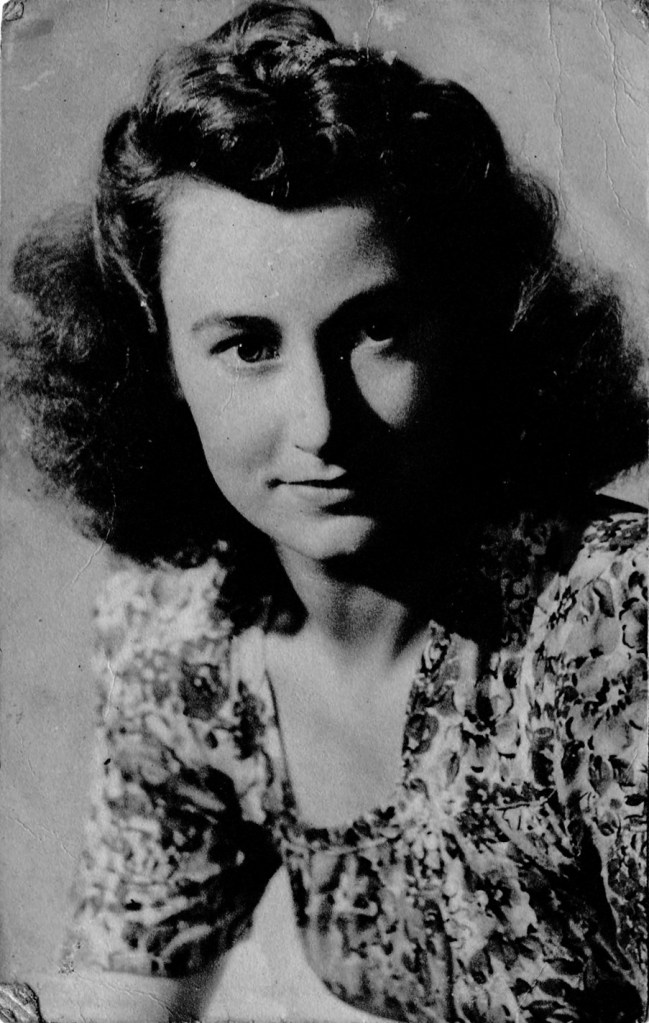
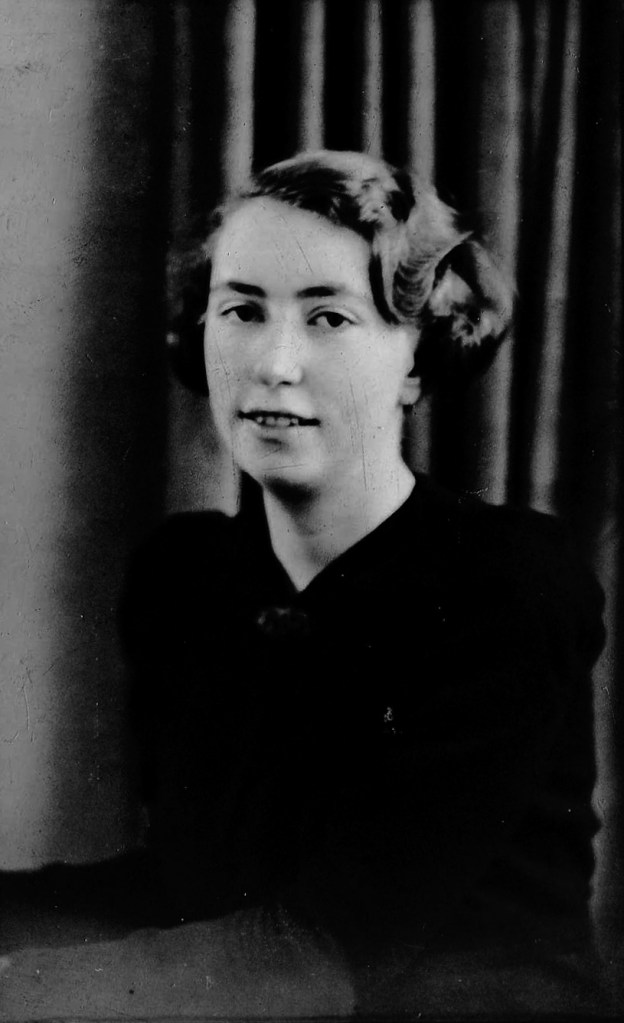
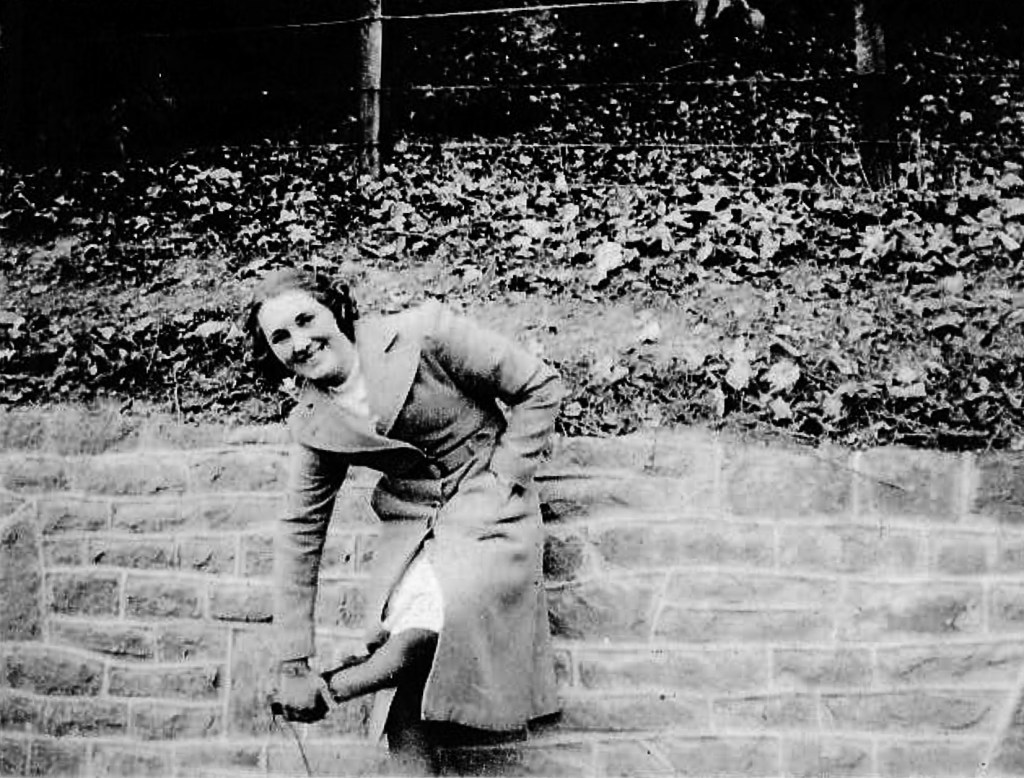
I have been looking through my archive images of my family for my sub-series experimentation. I have quite a few, so I have re-photographed them for use digitally.
I photographed them, then edited them to crop and straighten and enhance if necessary. Here are the images:
I will now experiment with how to include these in my work. I do like the idea of having images of the women in my family, as it always a connection between my images and myself and my history.
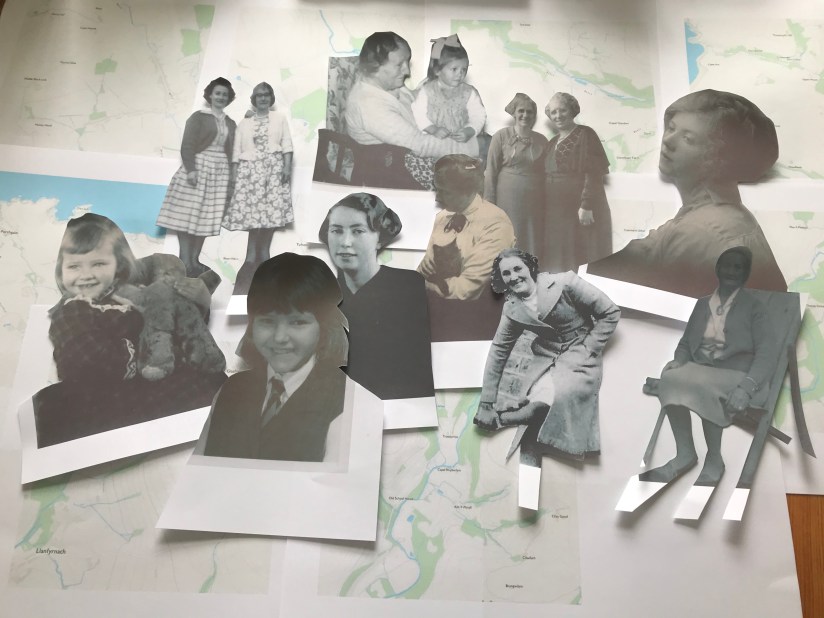
I am thinking of combing the mapping images with these family archive images. I want it to show that these women are on the journey with me, they are my family and are with me. But they will not feature in the main images, in keeping with the exclusion of women theme of my work.
Here are my images cut out:
Here is a link to my mapping images but also of combining the two:
At the moment reshoots are not possible due to the Coronavirus outbreak and subsequent countrywide lockdown. I was also thinking about using pressed or preserved plants or flowers from the actual site but again this may not be possible anymore. Even if they ease the lockdown, whilst the virus is still circulating, I cannot risk going out. I am classed as high risk and am under the 12 week shielding, I live with someone else who is classed as high risk, and also my grandfather, who I care for has motor neurone disease and is classed as very high risk. So for me, it is defiantly not possible or worth the risk. No one knew this virus was coming, how fast it would spread or how bad it can be for some people. This has changed many things I had hoped to experiment with and ideas I would have liked to try out. But there is simply nothing that can be done at the moment, we just have to get on with it as best we can. I can however rethink how I am going to proceed and still experiment at home.
I have been thinking of other elements that I can incorporate in my work, and how I can progress within the limitations. As really this has completely changed my original aim. I thought about using maps in my work earlier, this is something I can still do, so I am thinking of how to incorporate them into my work. Text maybe an option, I did originally think of keeping with the religious theme and using quotes from the bible, again this is something I can do from home.
An idea that came to be at about 3am was, could I incorporate my version of a ‘strong’ women to contrast with the dominance of men in my main image. I was thinking about strong women, and who is an inspiration and a strong women to me. What does it mean to me? I could list several female figures that I feel are strong, but it doesn’t really relate to anything and am struggling to think how I could incorporate them. But if I think about it, the women in my family are what I would call strong. My family, my past and my ancestors; it’s their blood that runs in my veins, they have contributed to me. This go the thinking could I contrast my main images of the male pilgrimages which I am seeing as a women from the outside, and not allowed in, with my thought of strong women. The women in my families are in my blood, and have followed me this journey, this spiritual journey. They have made me who I am and to me they are the essence of strong. They may not have been famous, they may not have had much money, they may not be ‘heroes’ but they are everything to me. Without them, I wouldn’t be here or be me. So whilst I follow this historical route designed and undertaken by men, I can too look into my history at the women who have led to me: my journey. I would be using my own archive of images and can experiment with how I can incorporate them and see what I can come up with.
For this assignment I have been progressing and developing my ideas. I am still following the pilgrimage as a method of looking into the gender inequality in landscape photography and comparing it with the greater scope of inequality in world religion.
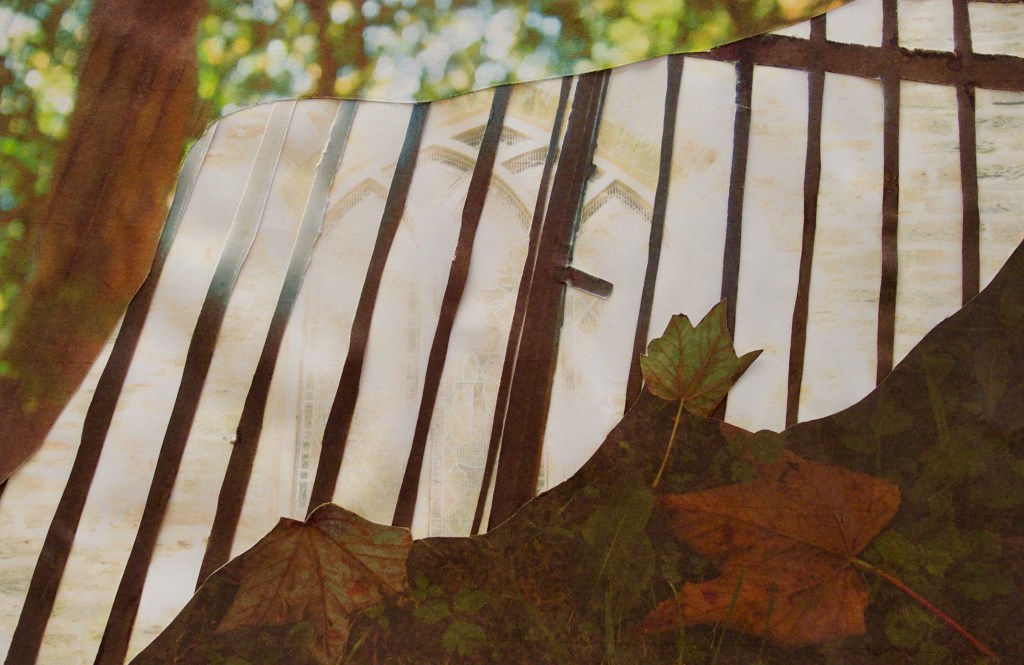
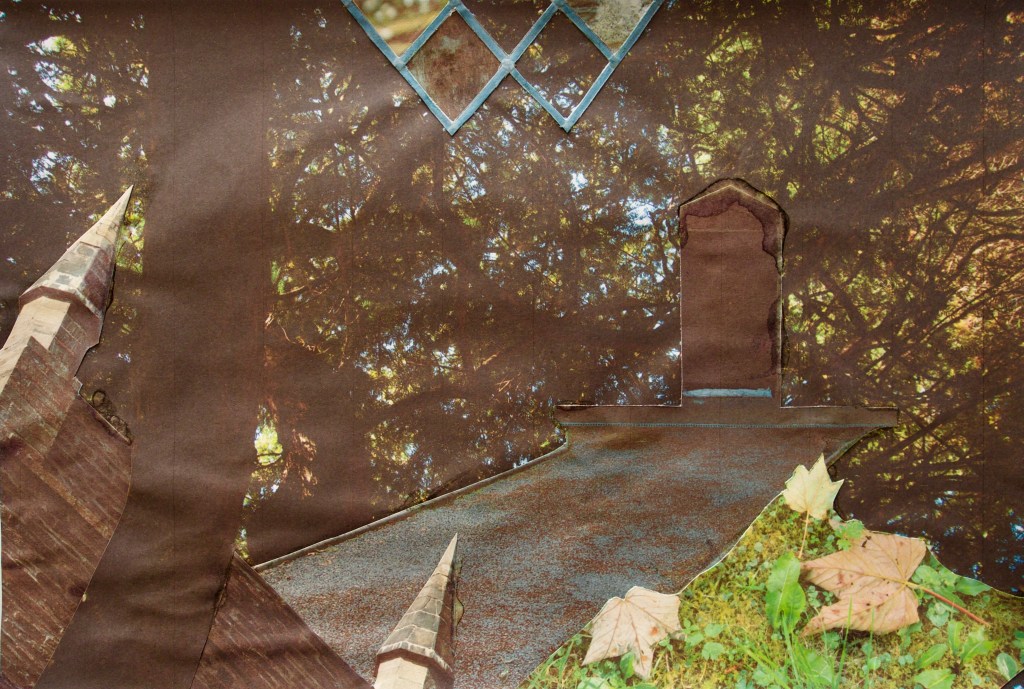
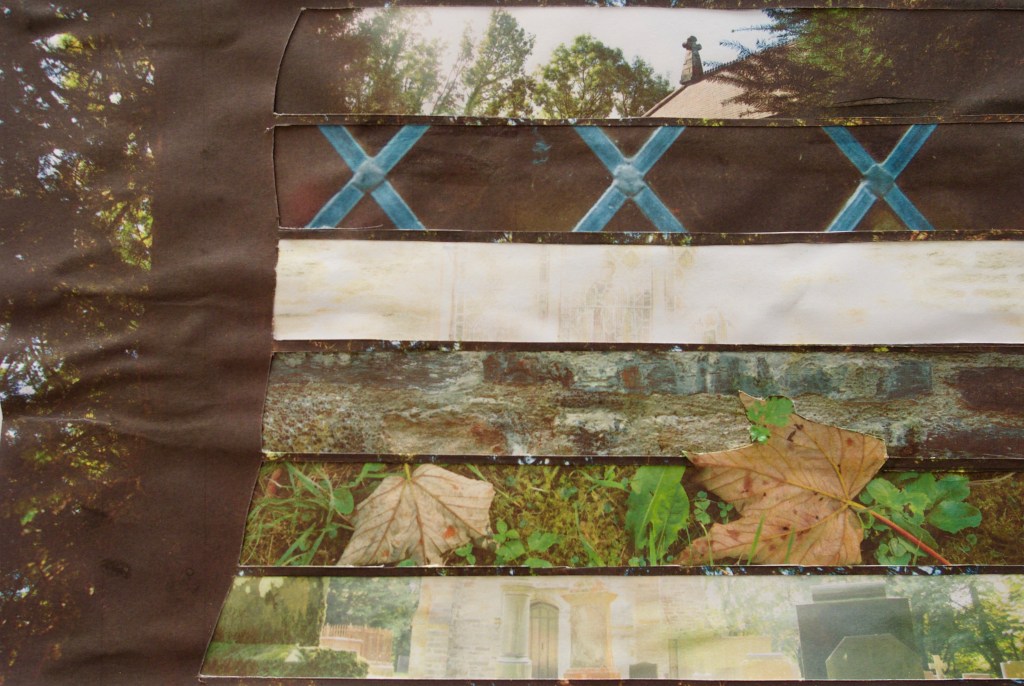
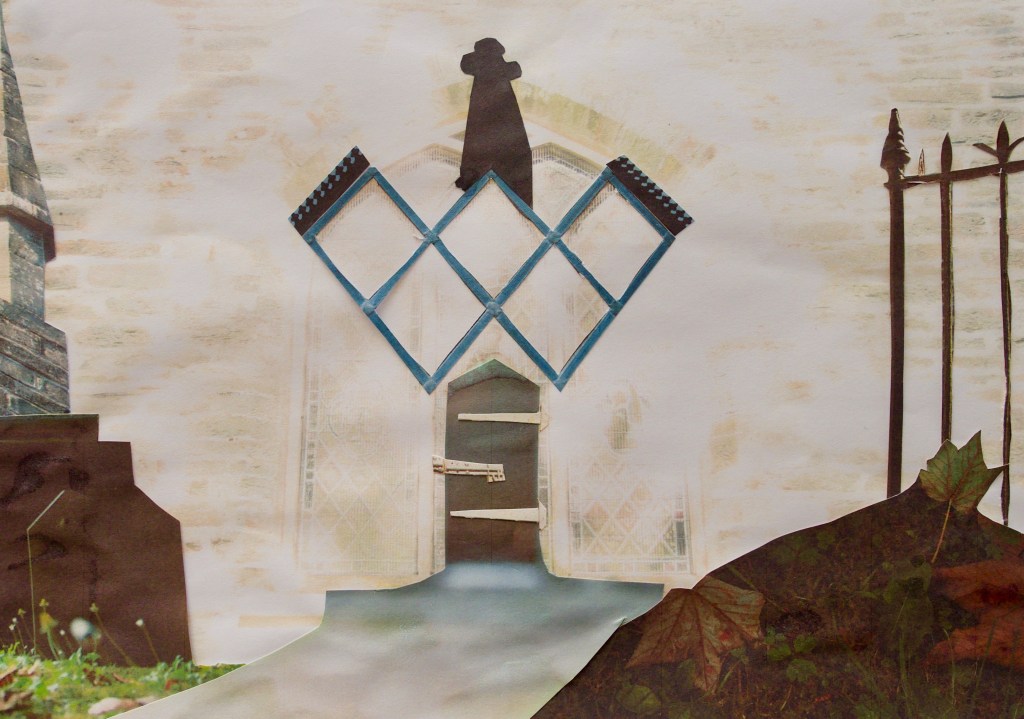
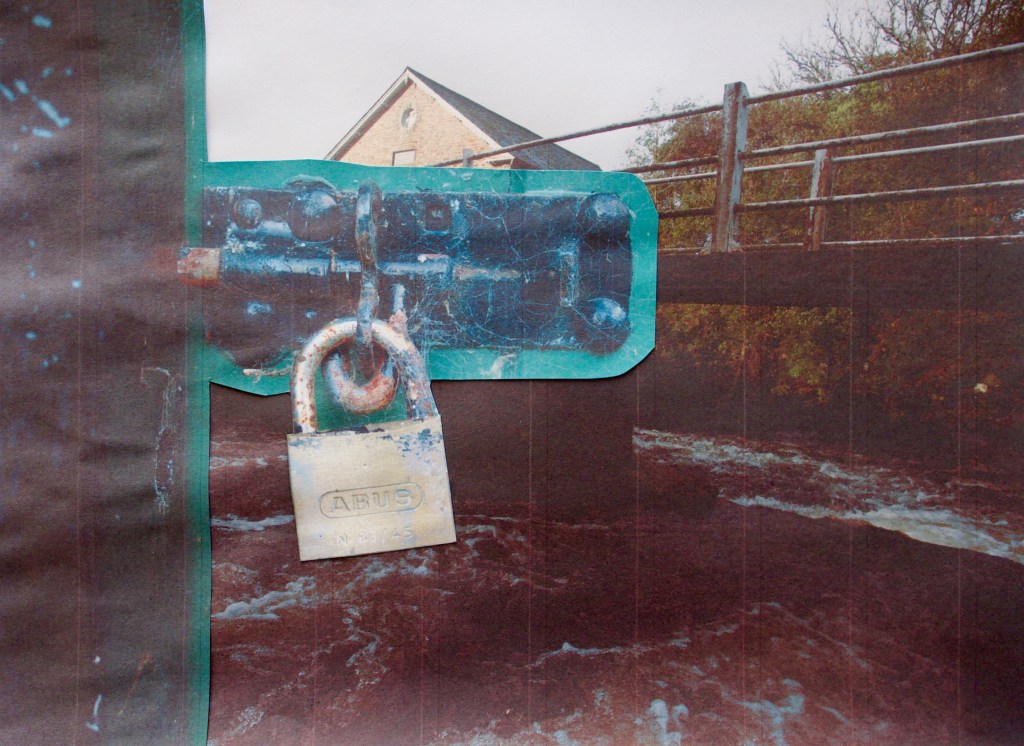
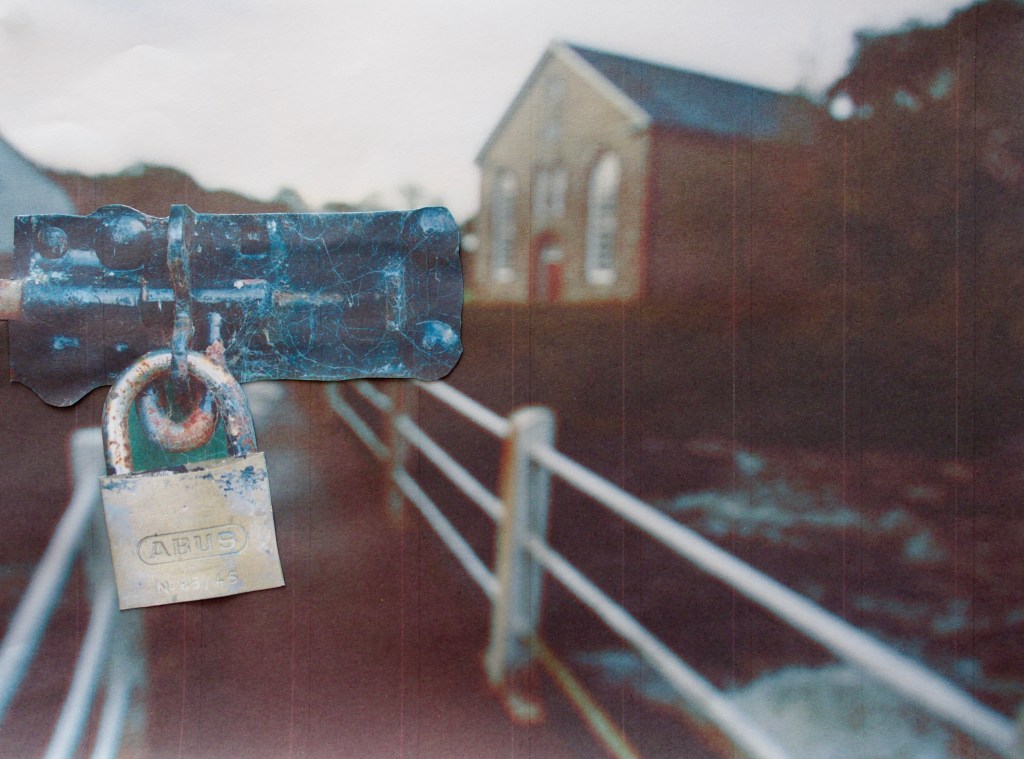
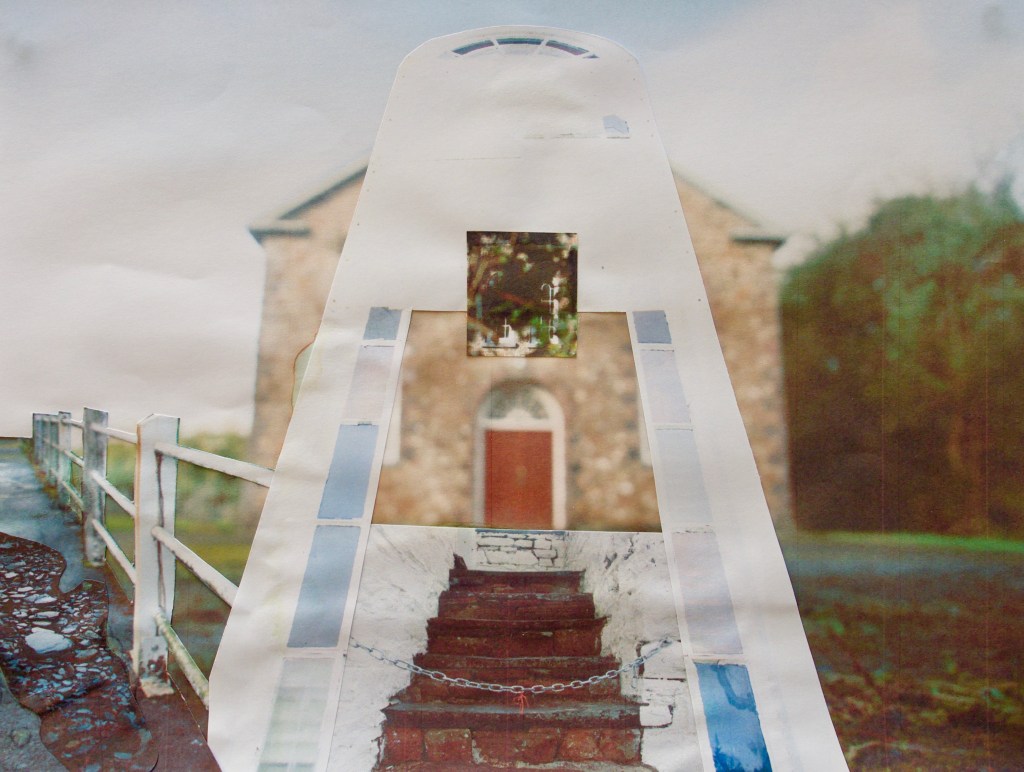
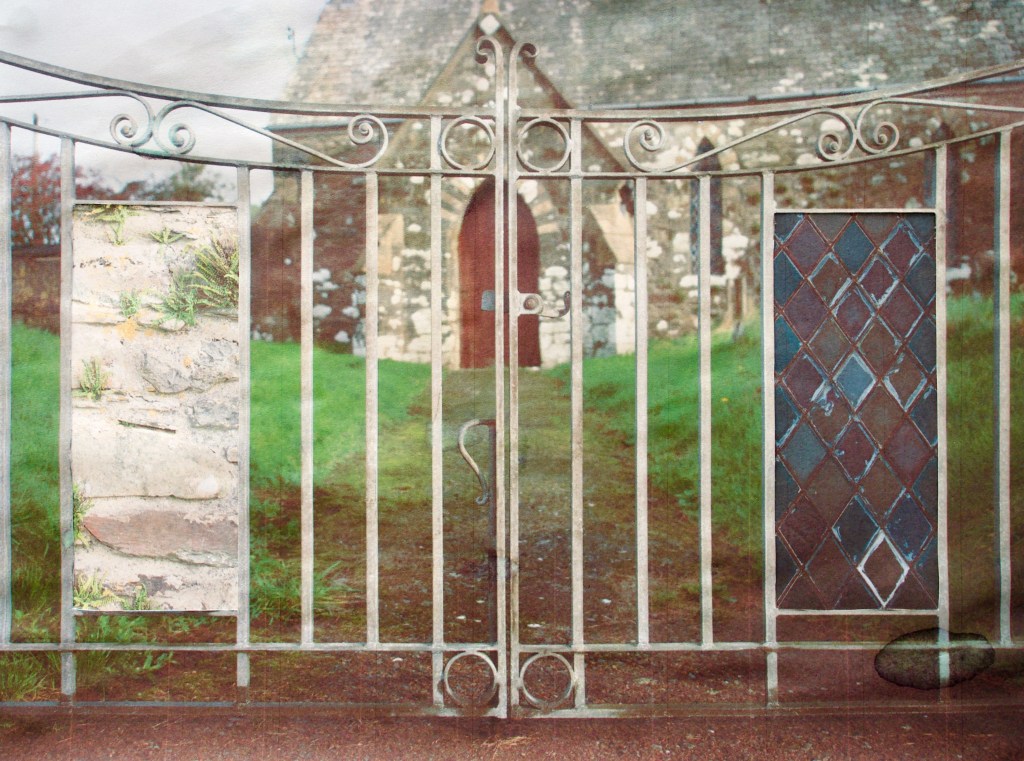
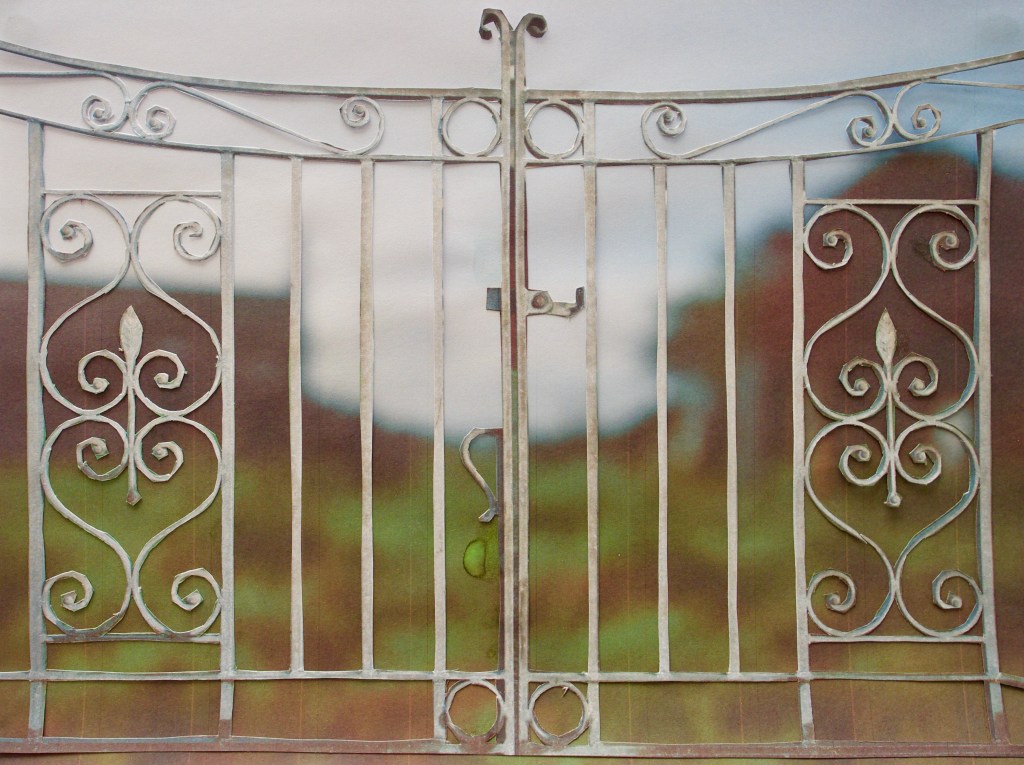
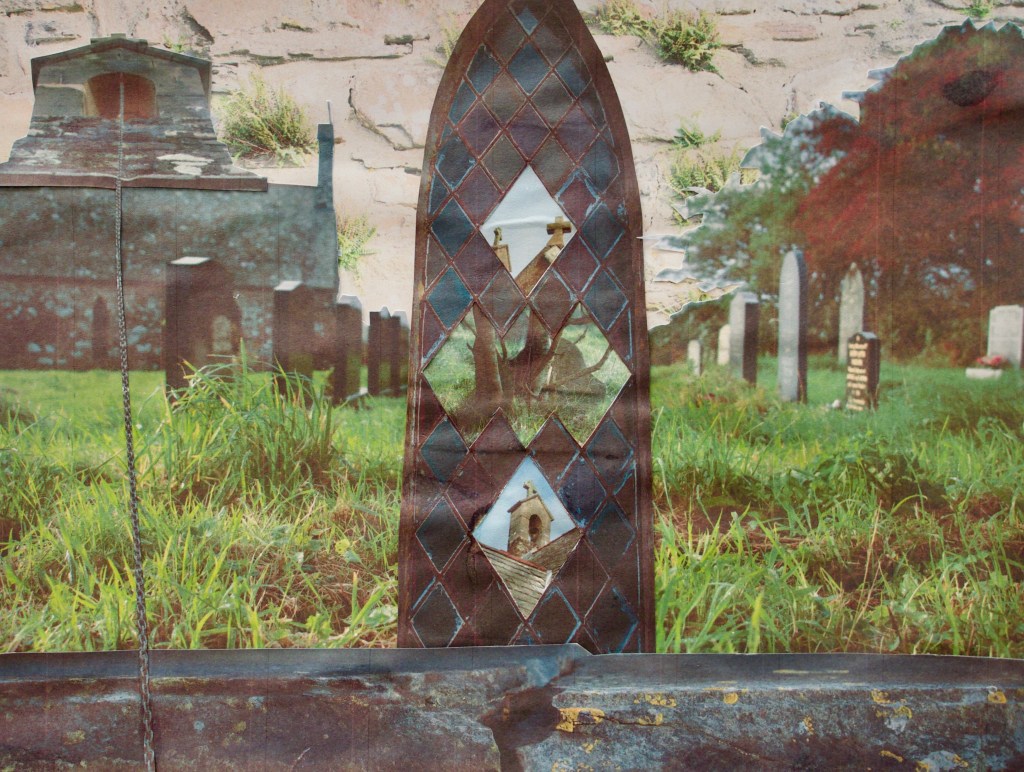
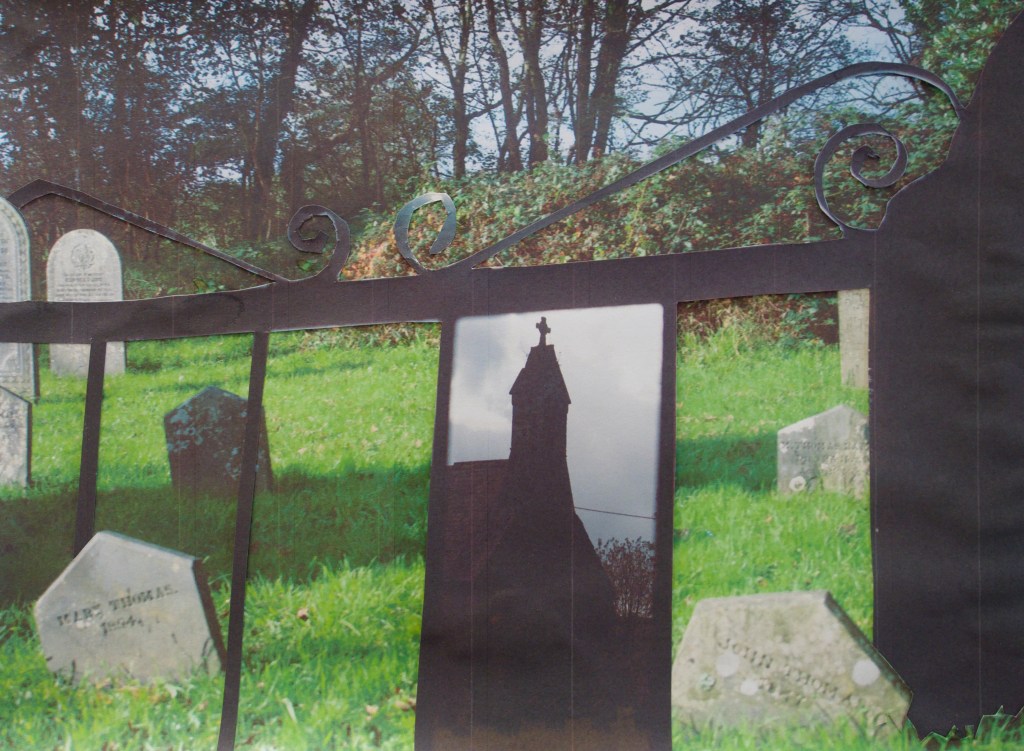
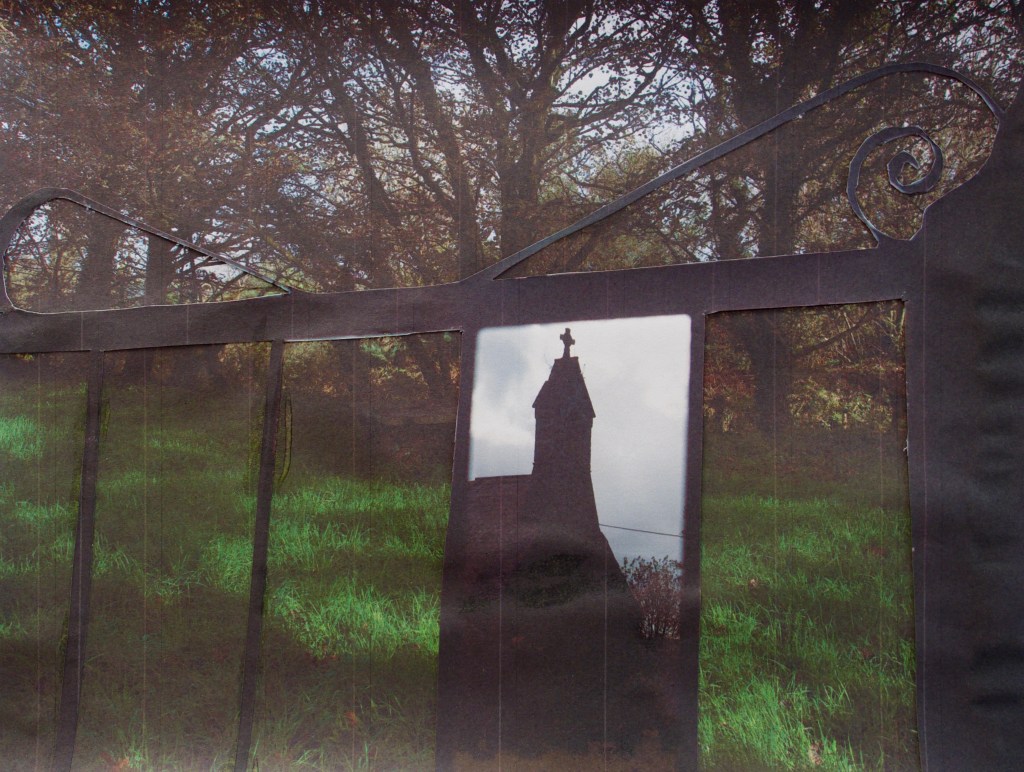
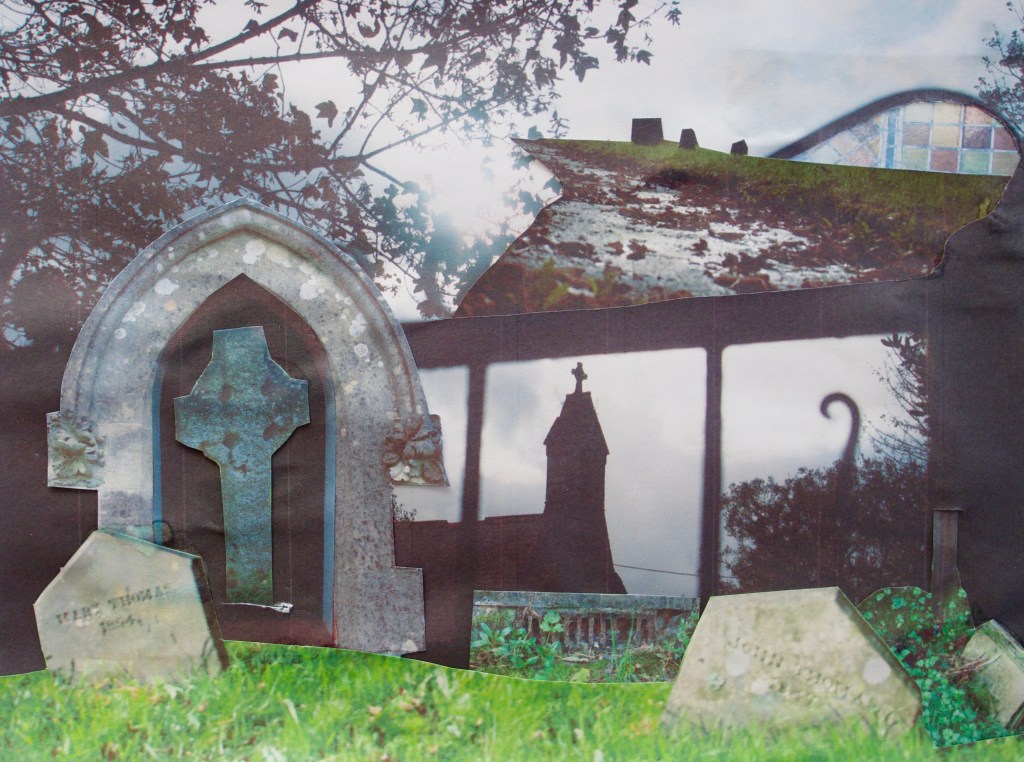
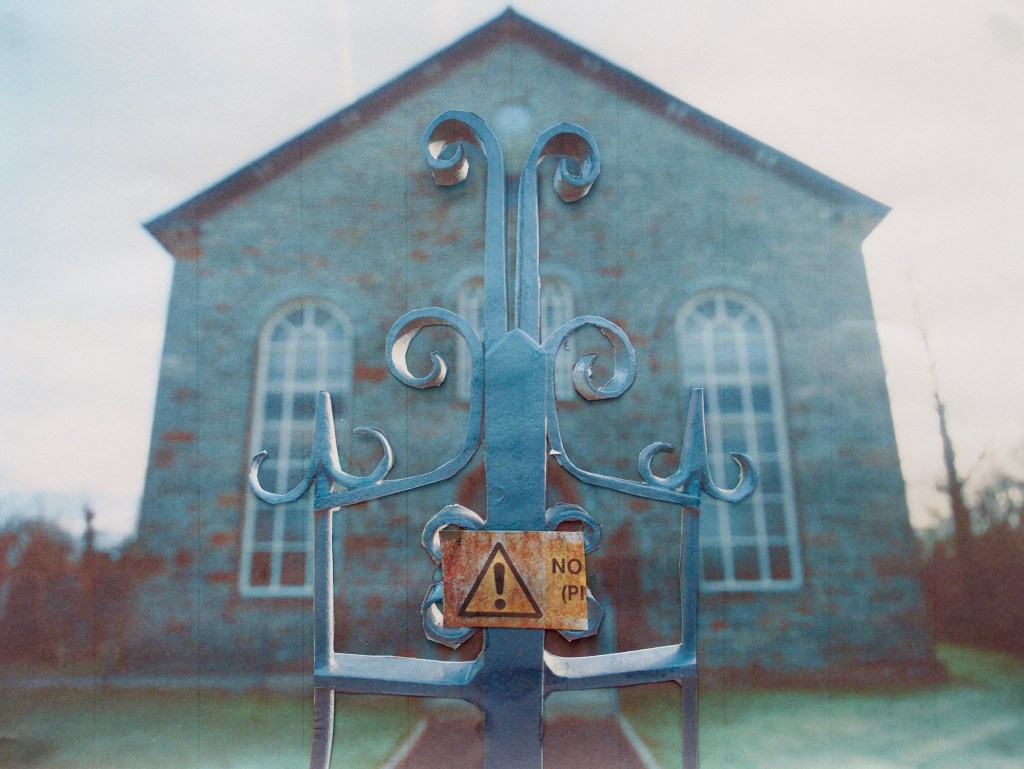
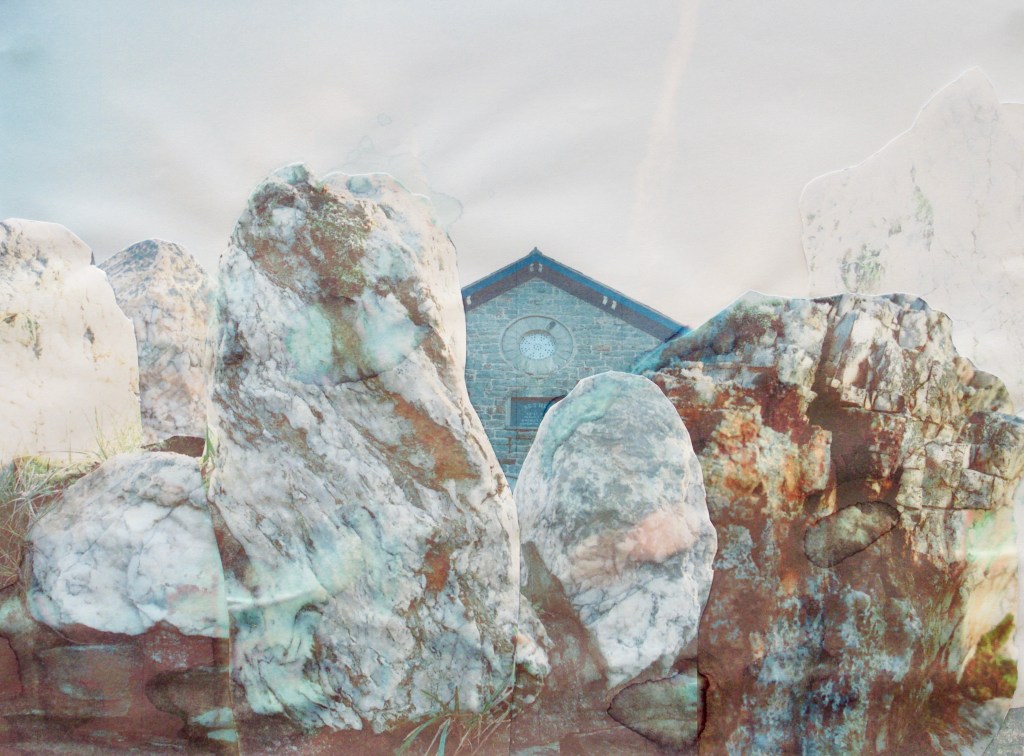
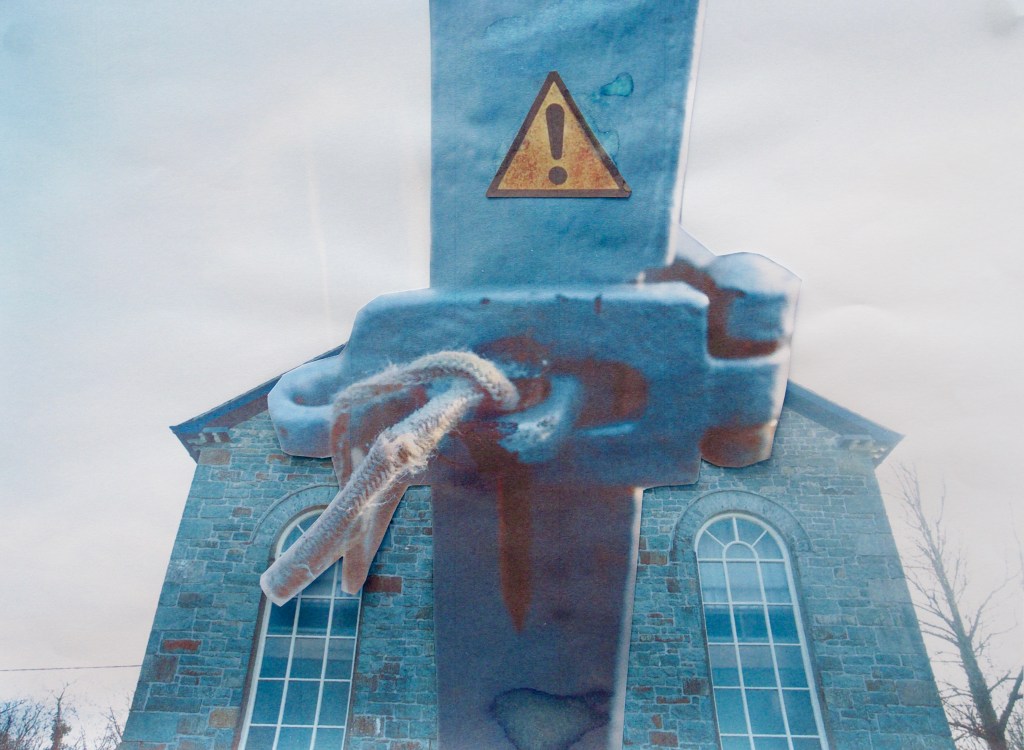
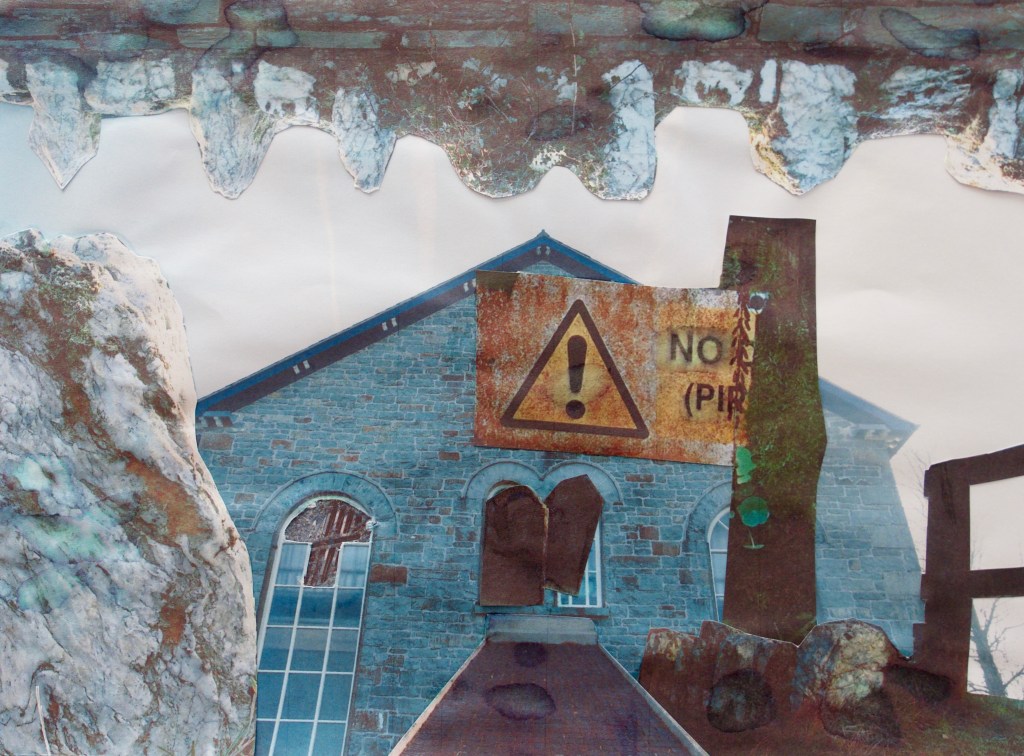
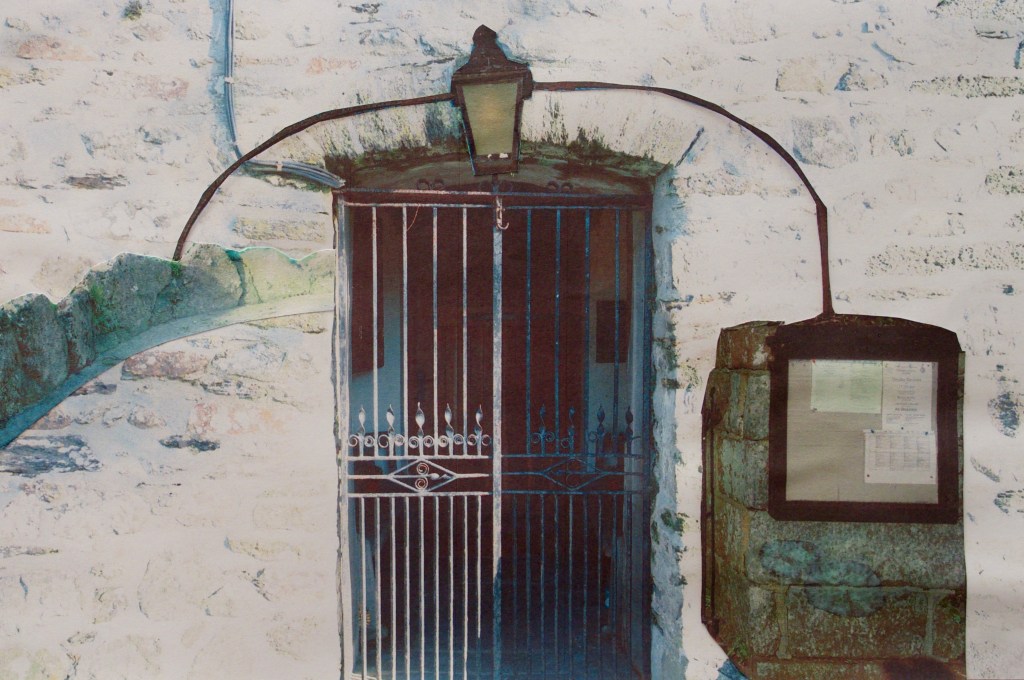
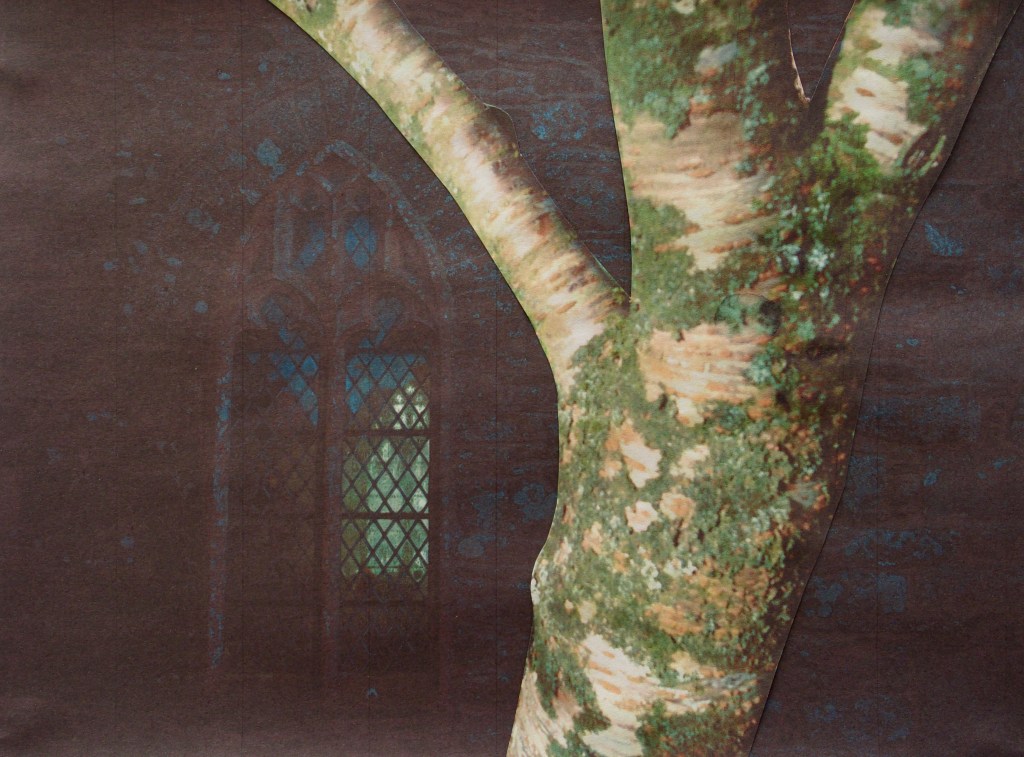
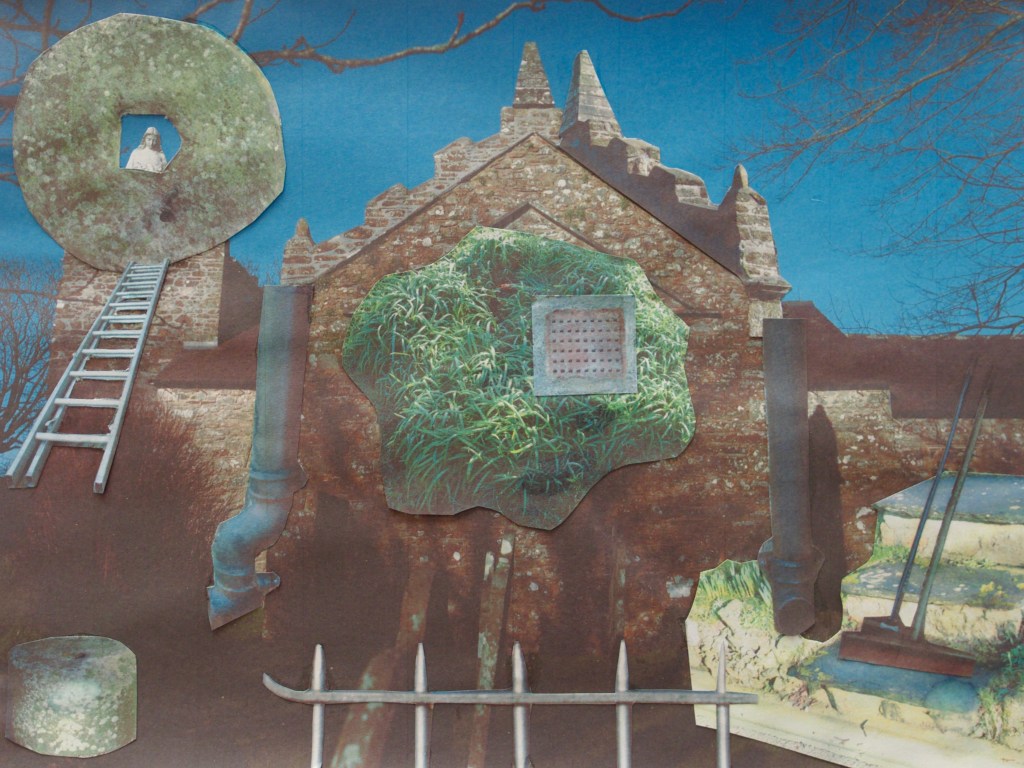
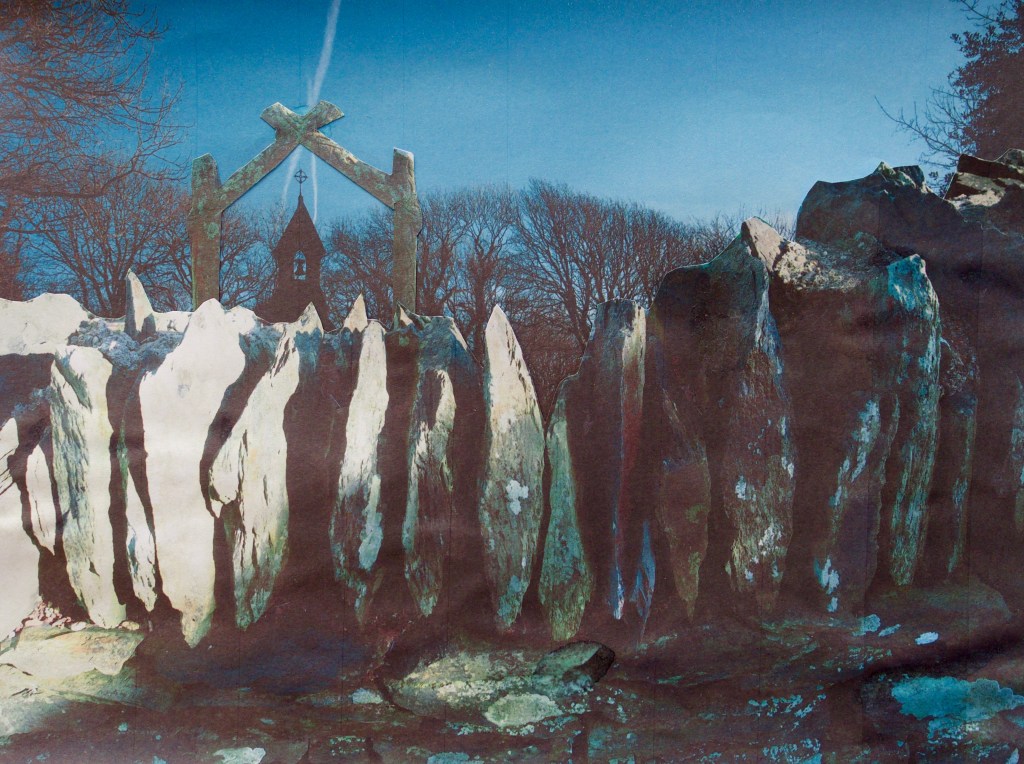
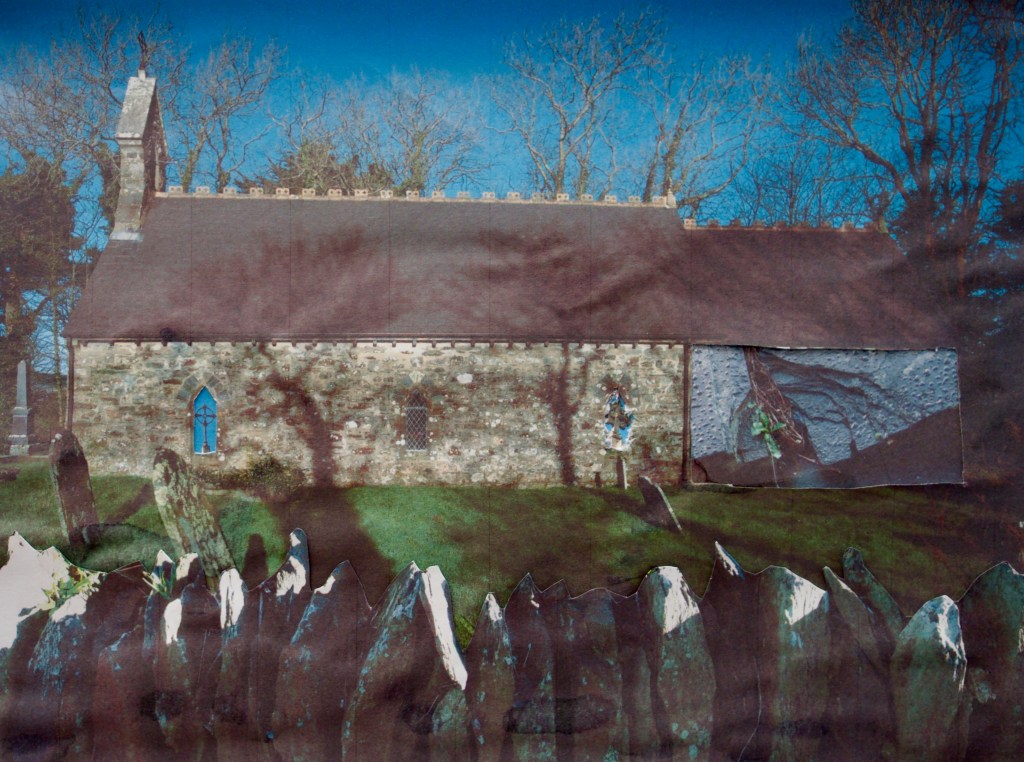
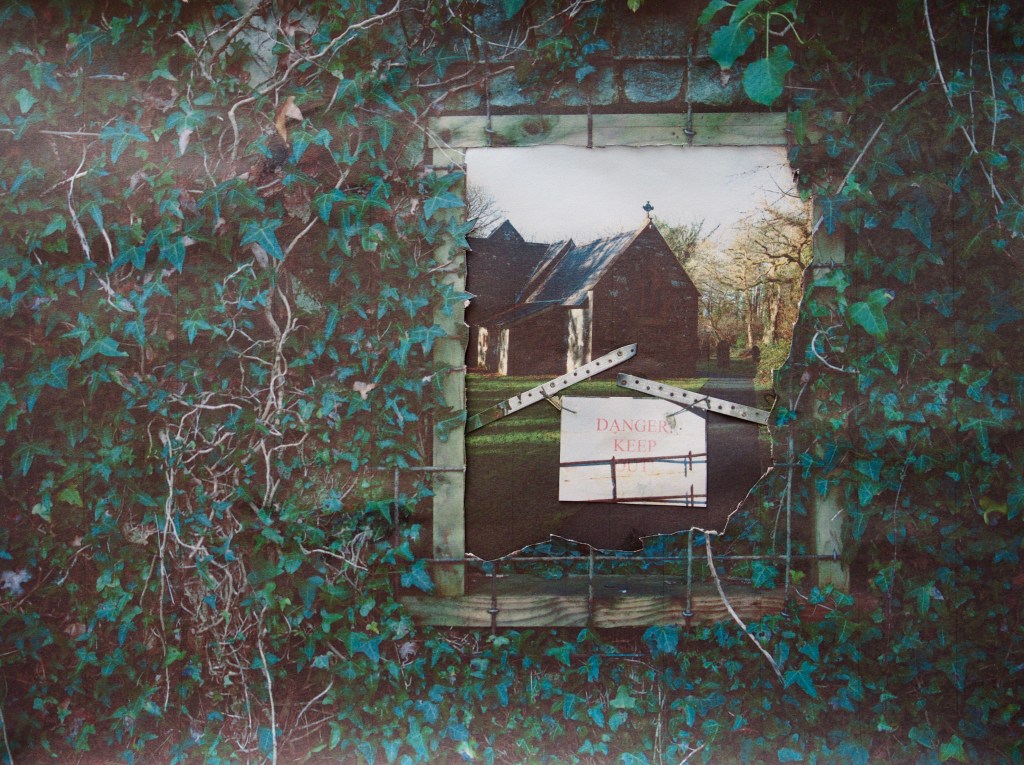
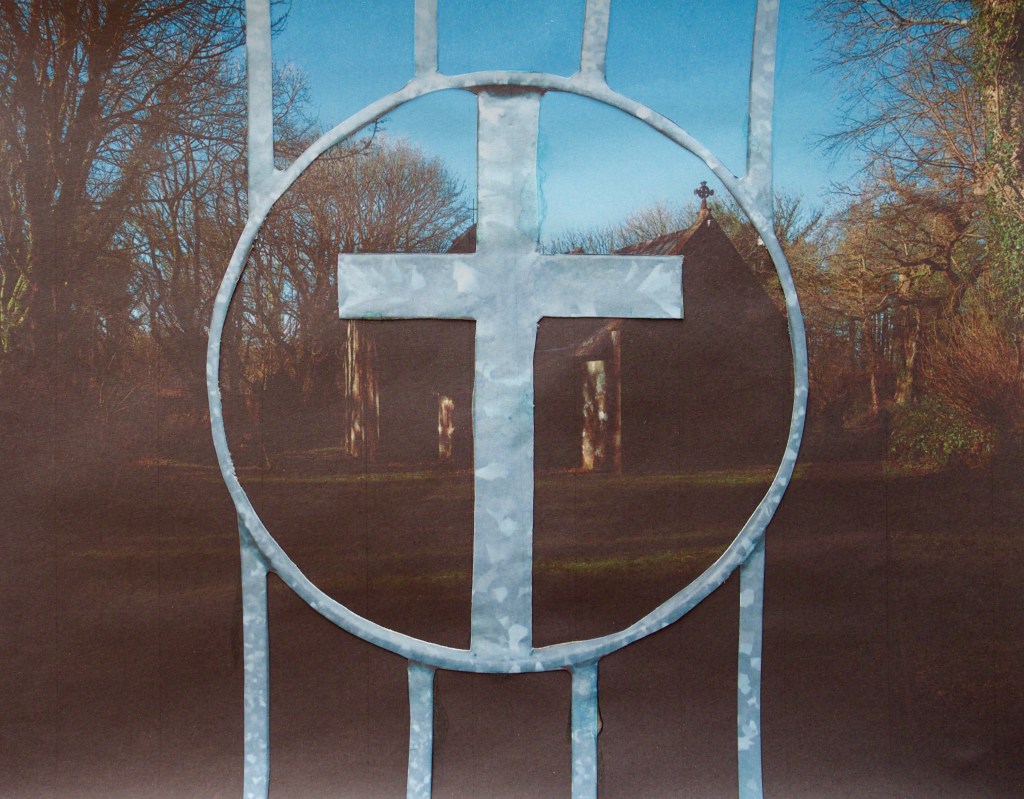
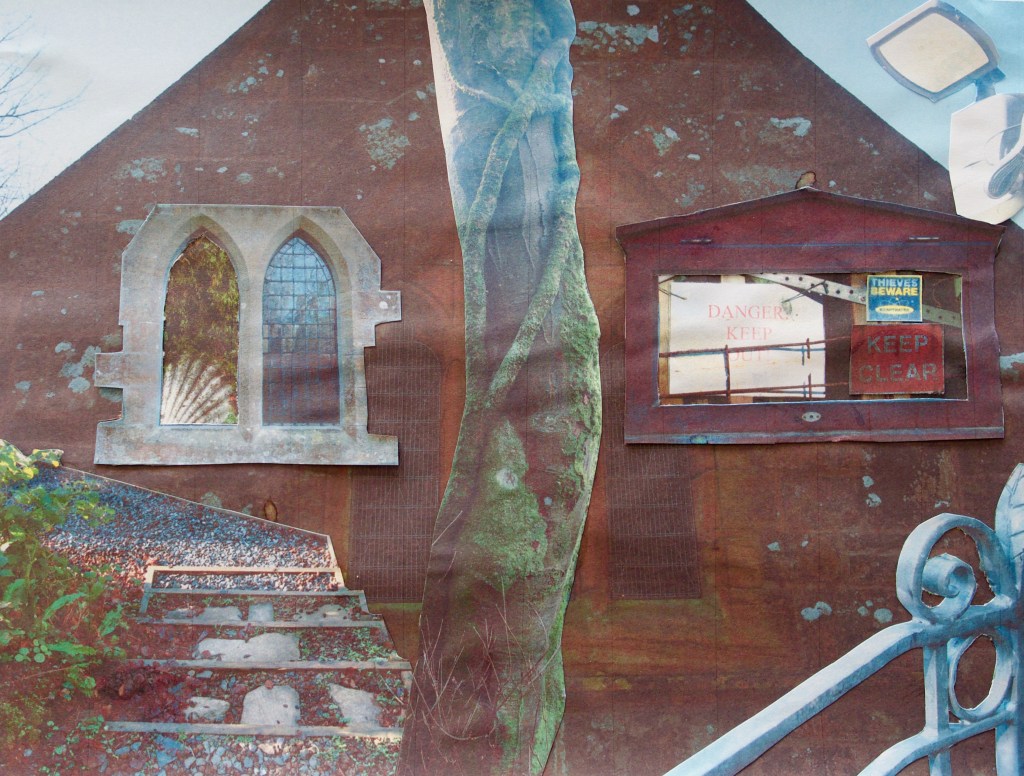
After experimenting collages for one location, I have decided to keep this aspect. I like the effect that collages produce, it adds another dimension to the image. By cutting up and combining the images, it allows a new image to form with a new meaning. This image will combine different aspects of the same location but in all will emphases the inequality using aspects of the location. By using small images at a time, it allows a bigger picture to be built, in contrast to seeing the bigger picture in our world regarding inequality. I like the use of collages as it is an art form that has been disregarded as art, probably due to it’s associations with being a art done by women. This brings another dimension to my work. I, as a woman, am following a pilgrimage designated for men, and presenting it a way which is associated with women, whilst drawing attention to gender inequality.
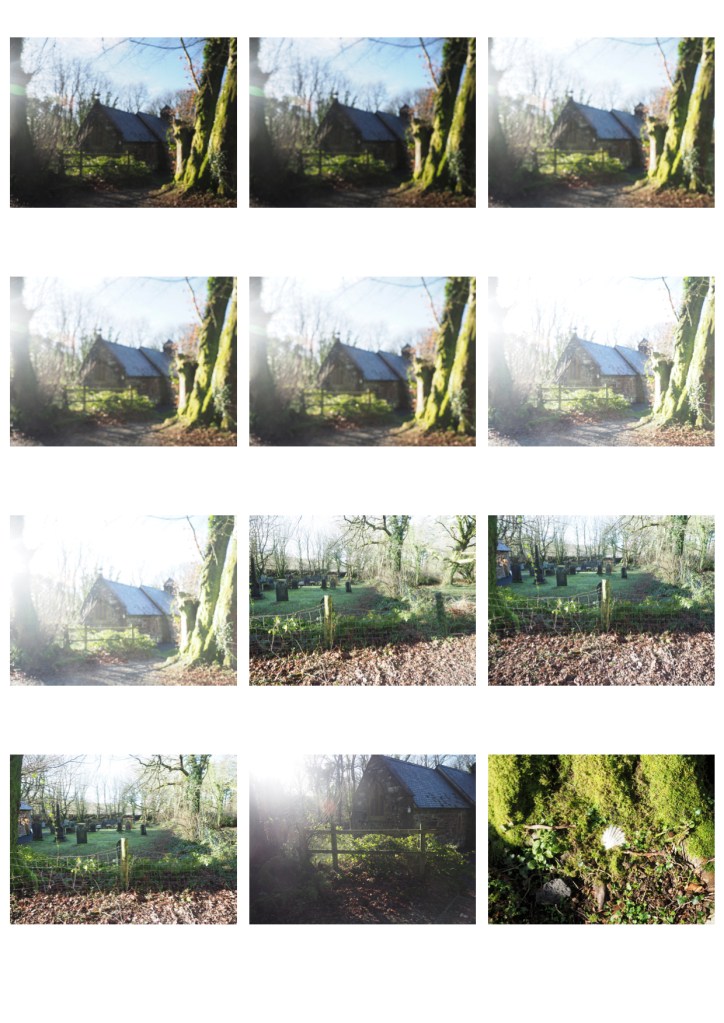
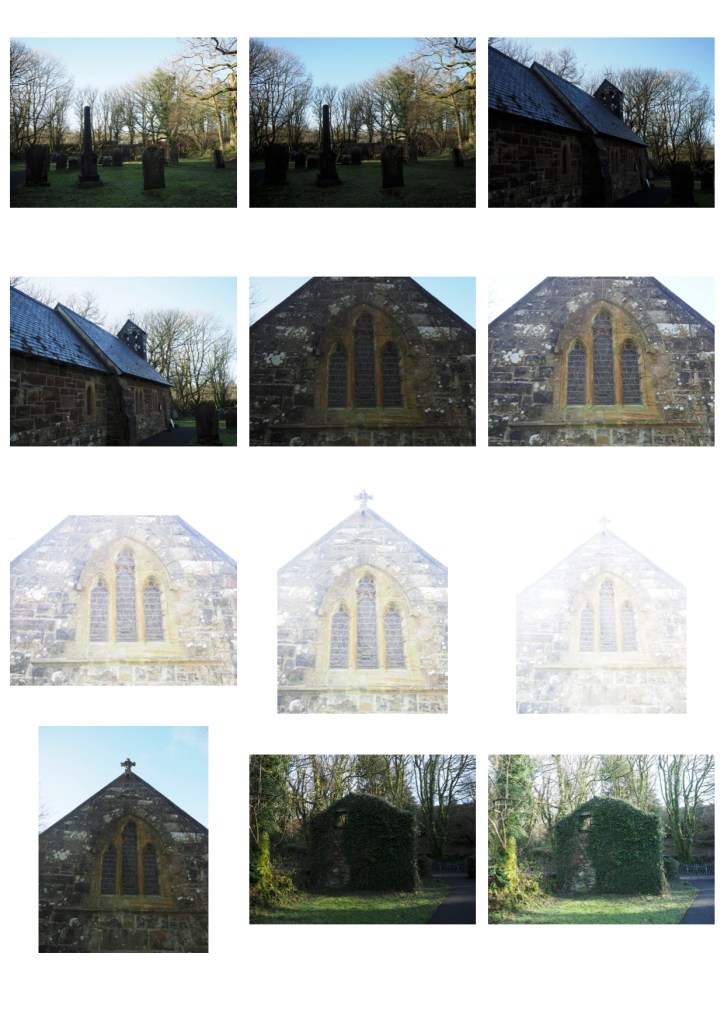
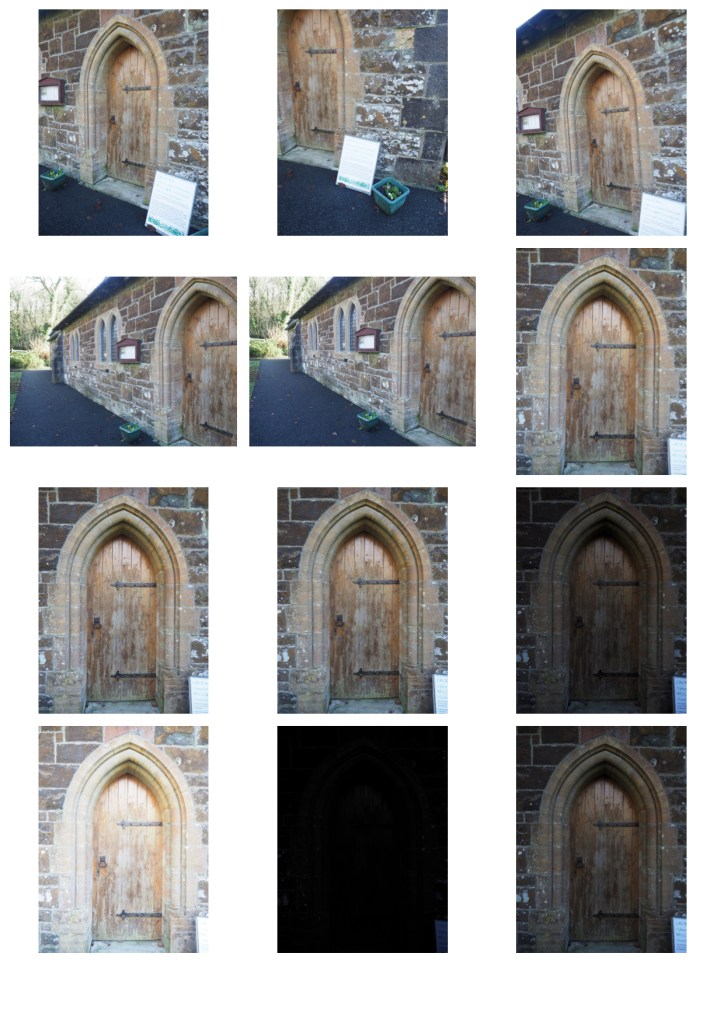
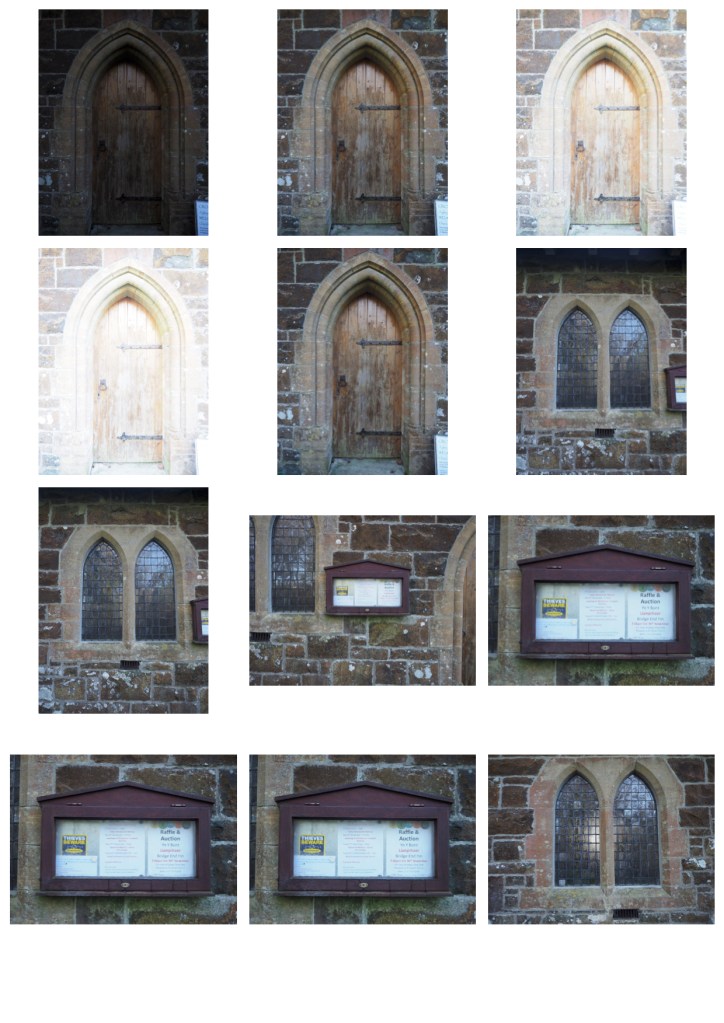
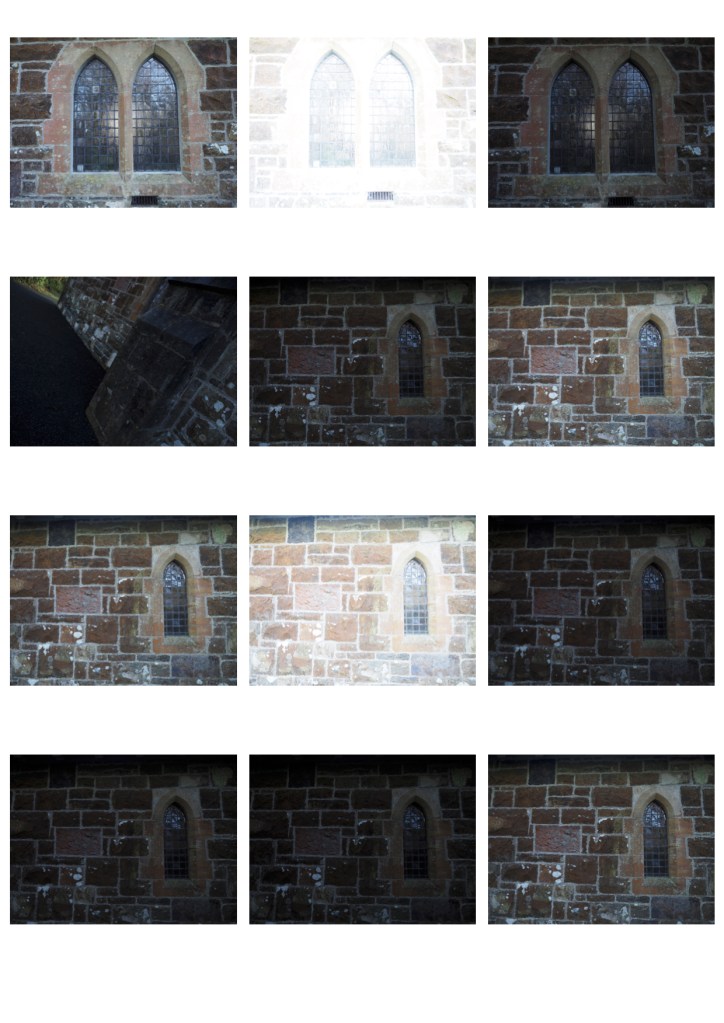
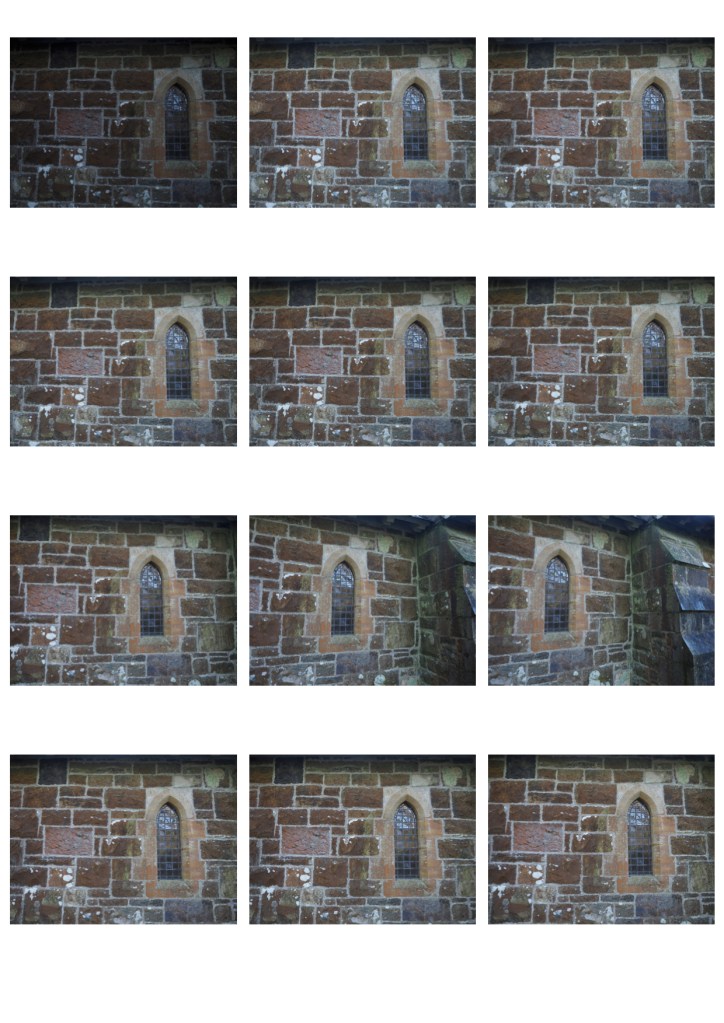
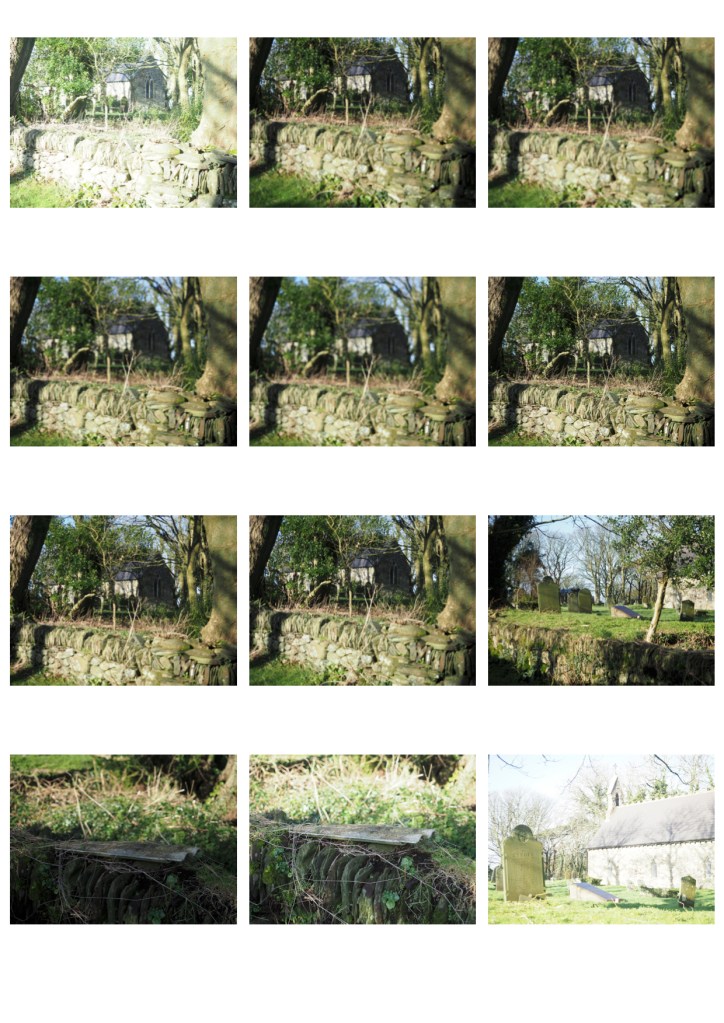
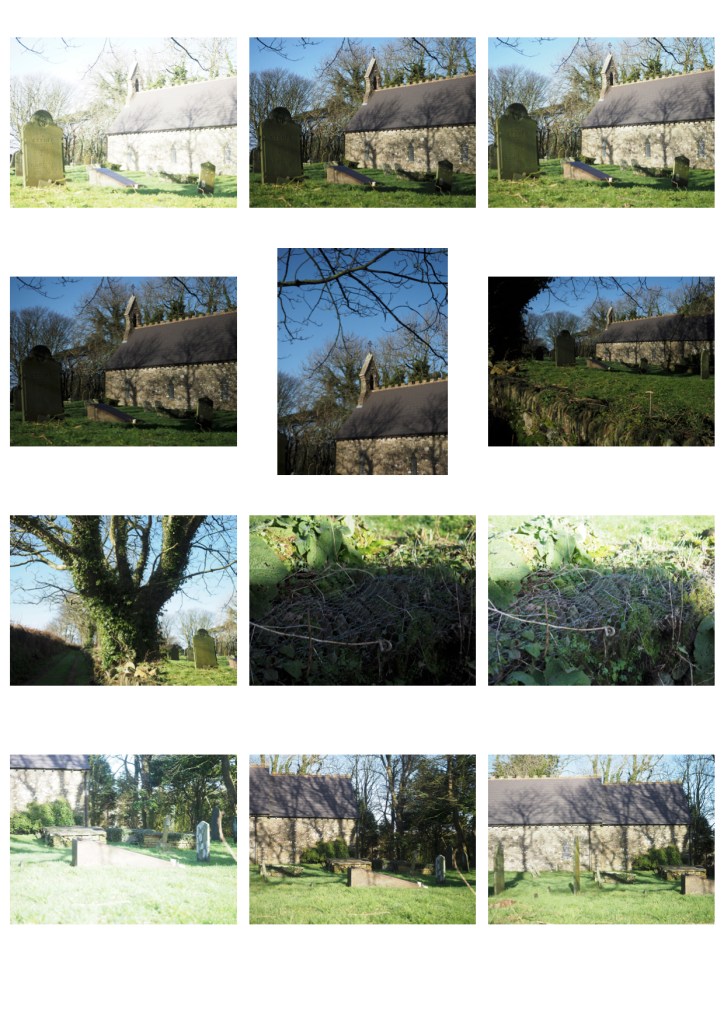
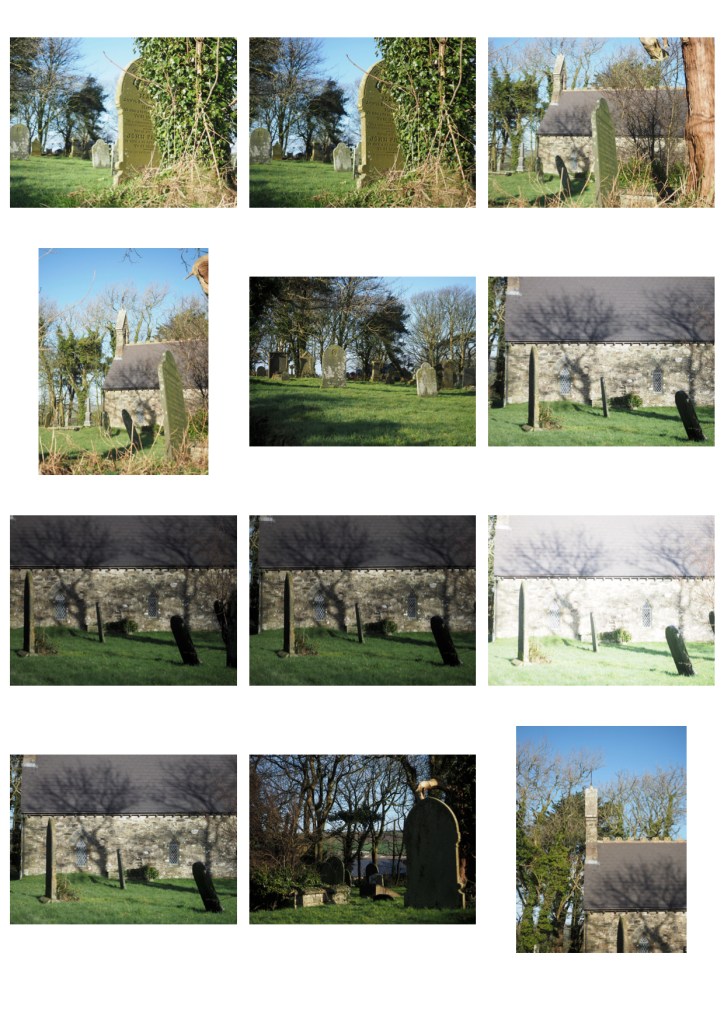
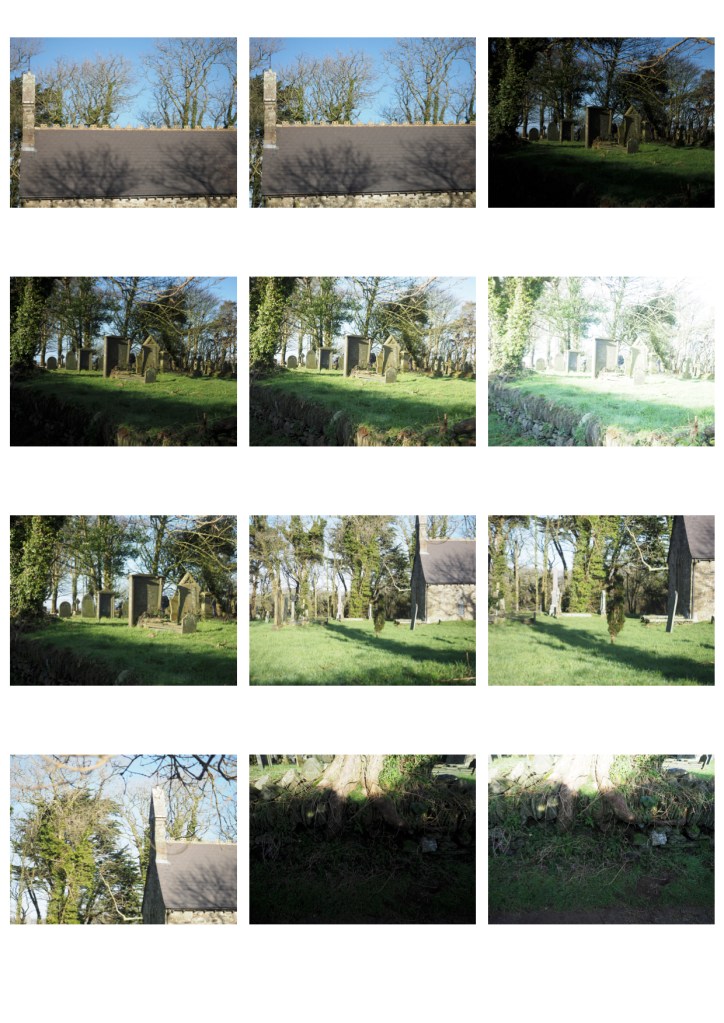
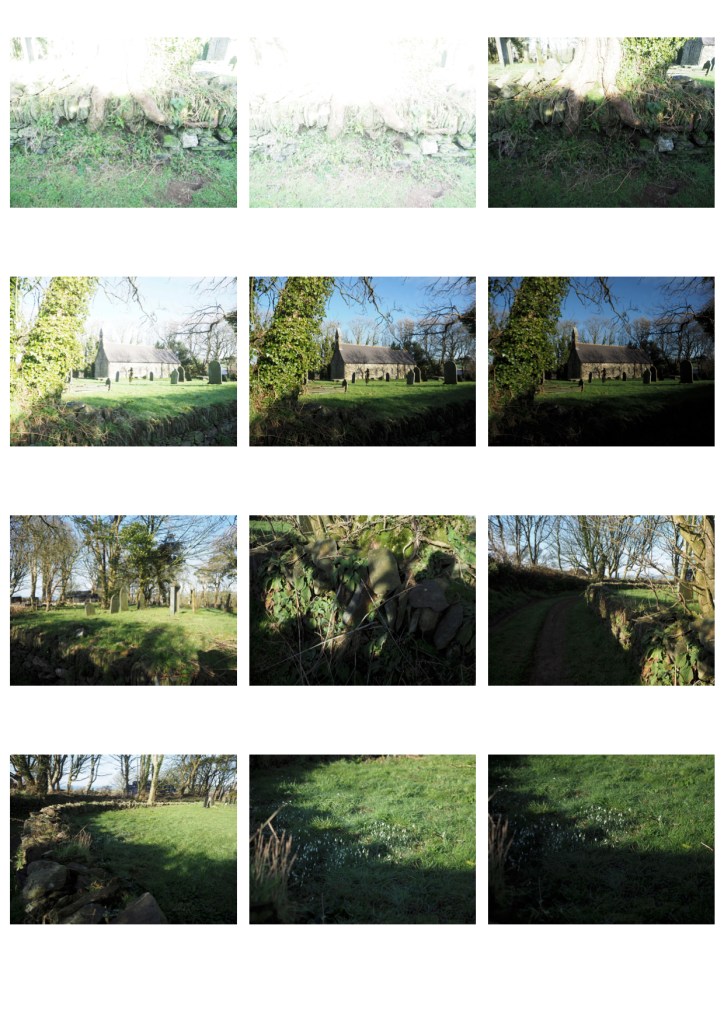
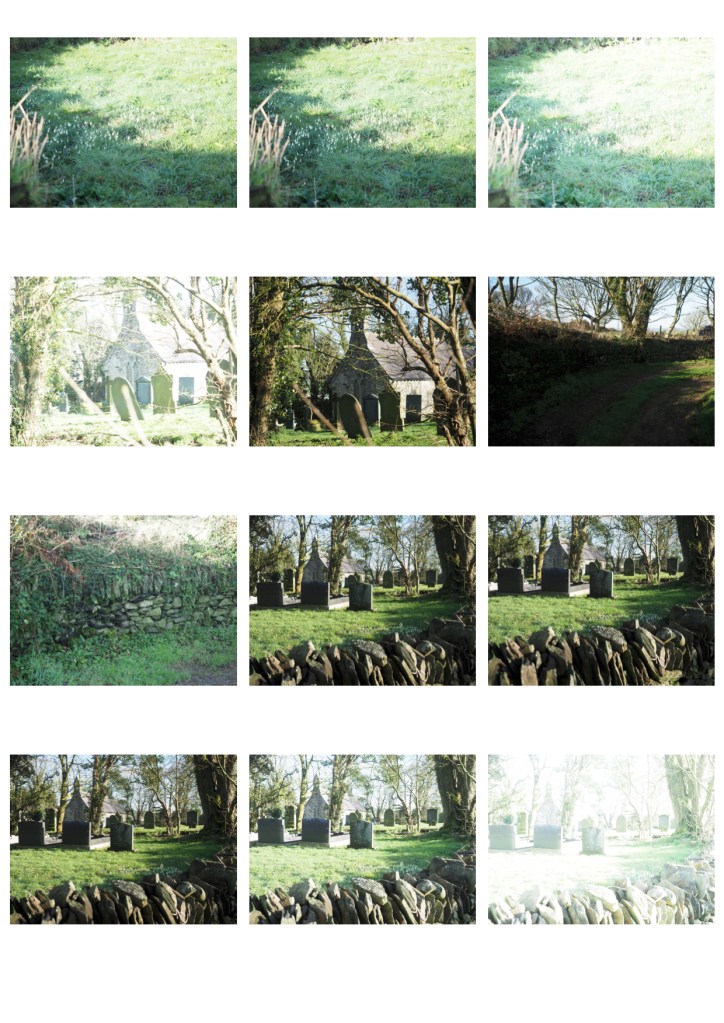
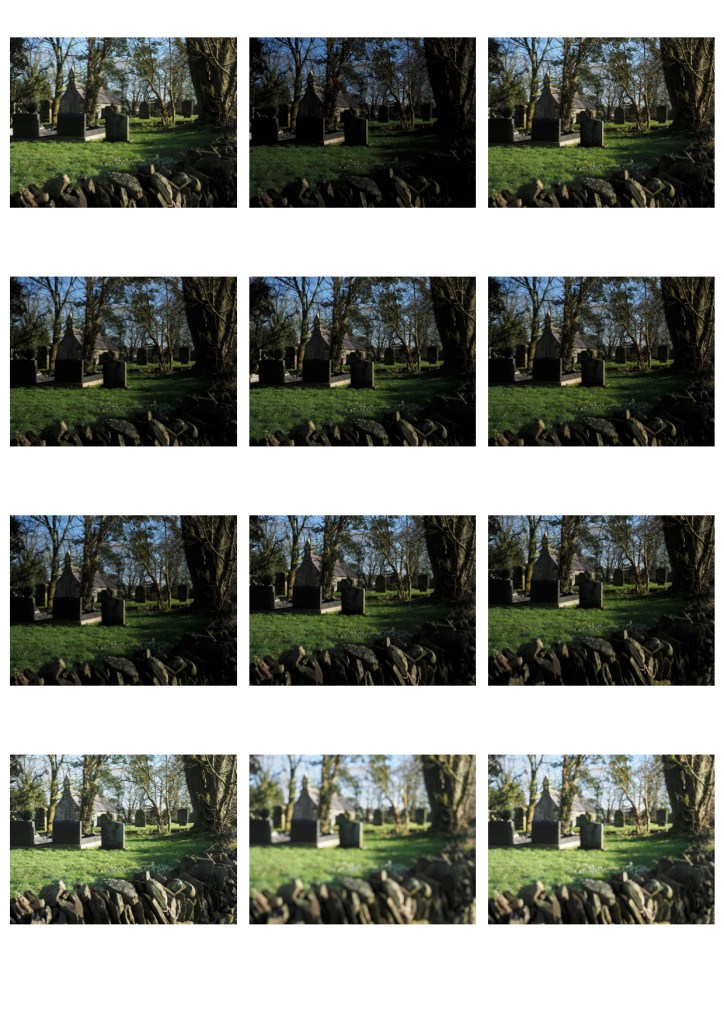
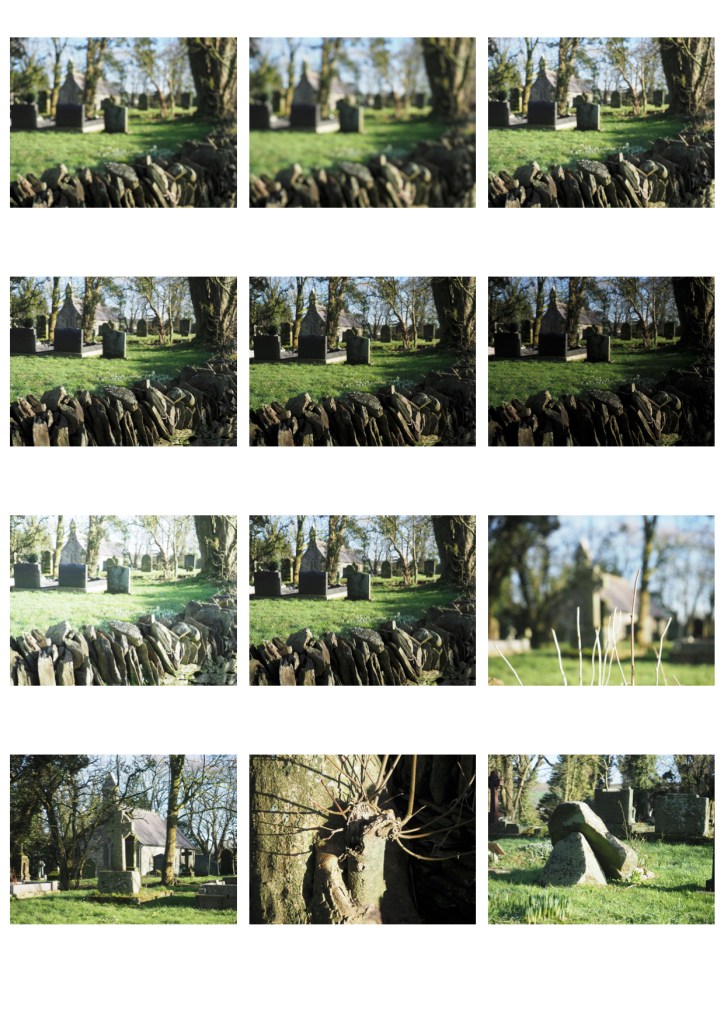
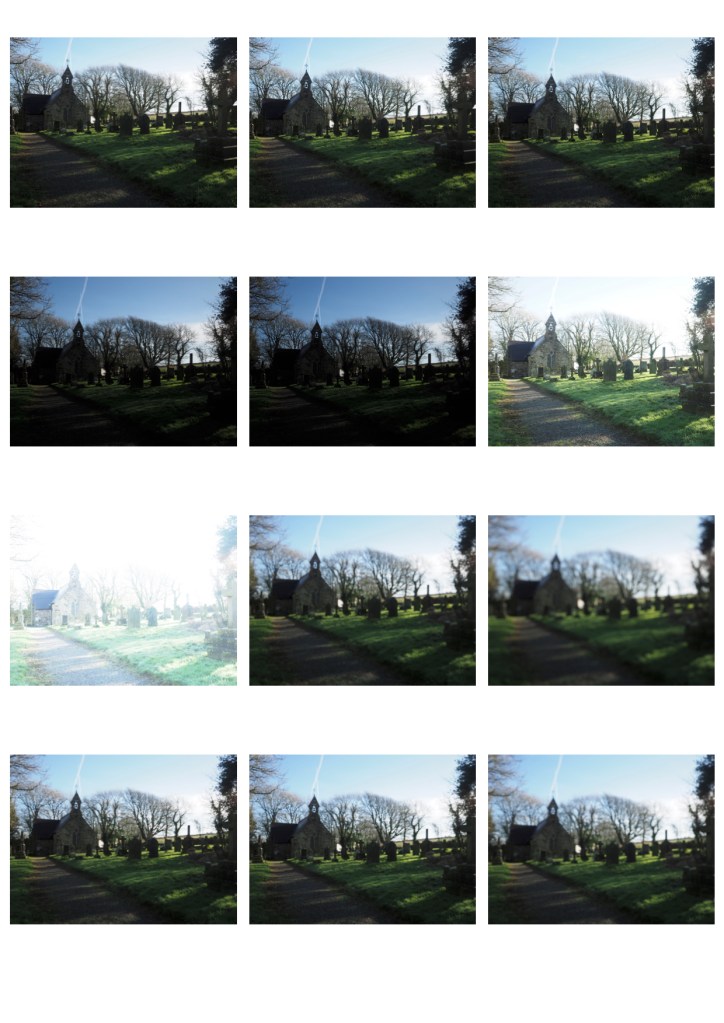
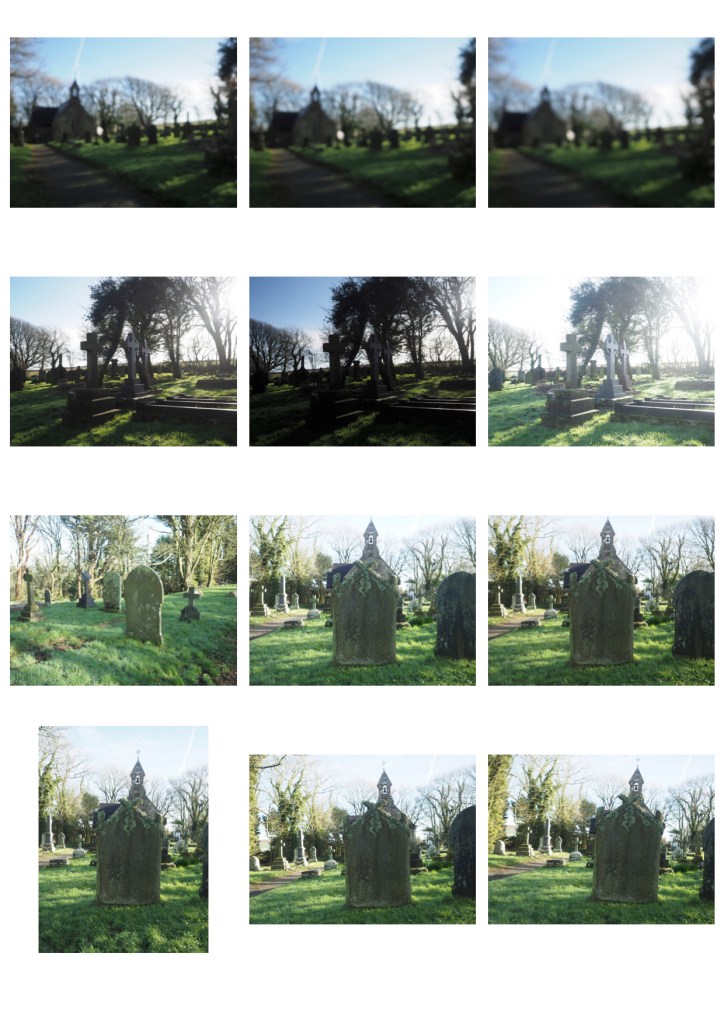
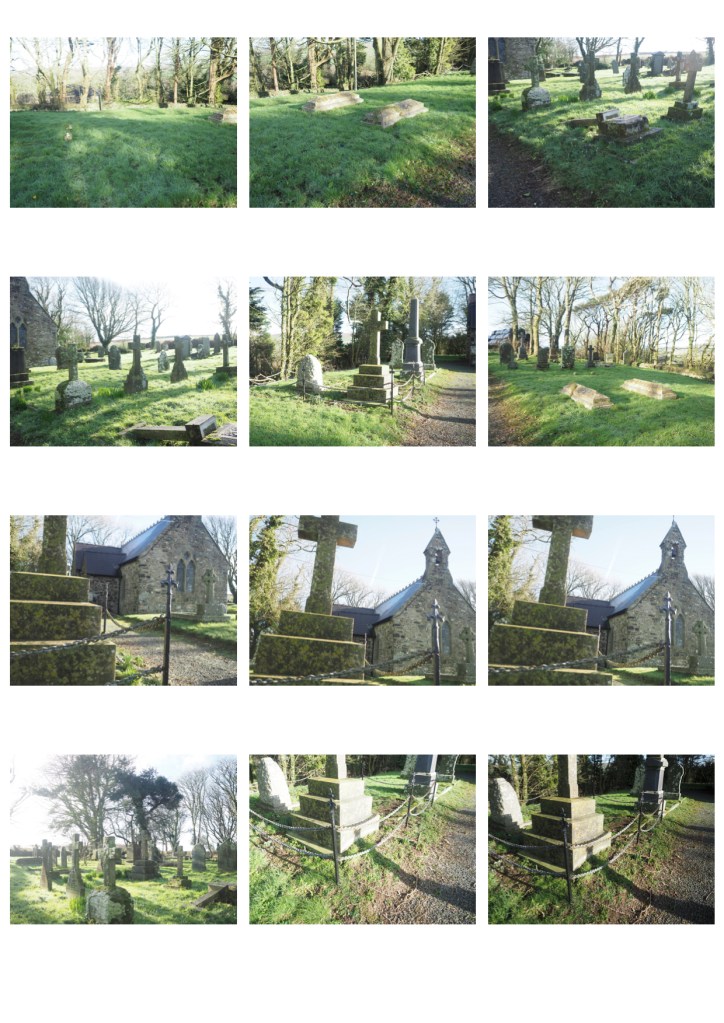
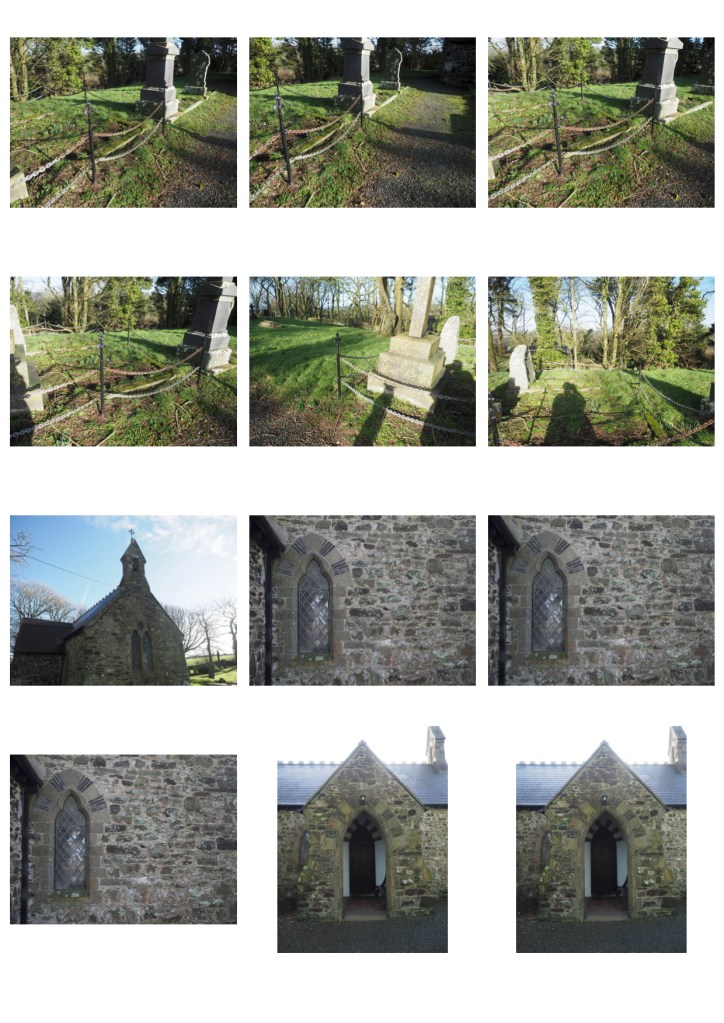
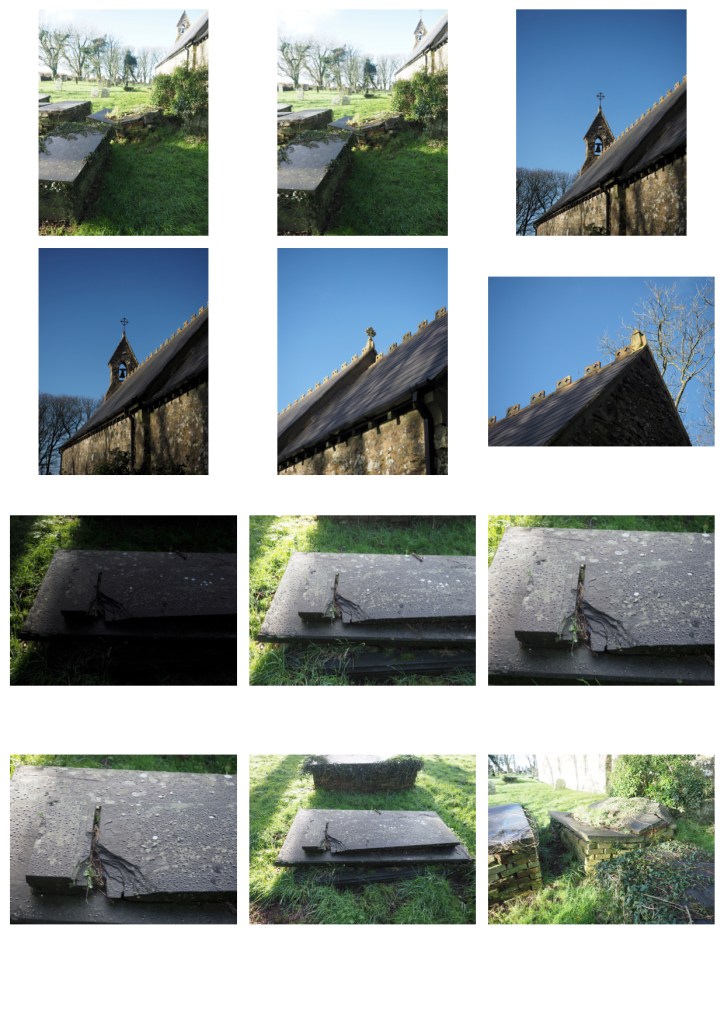
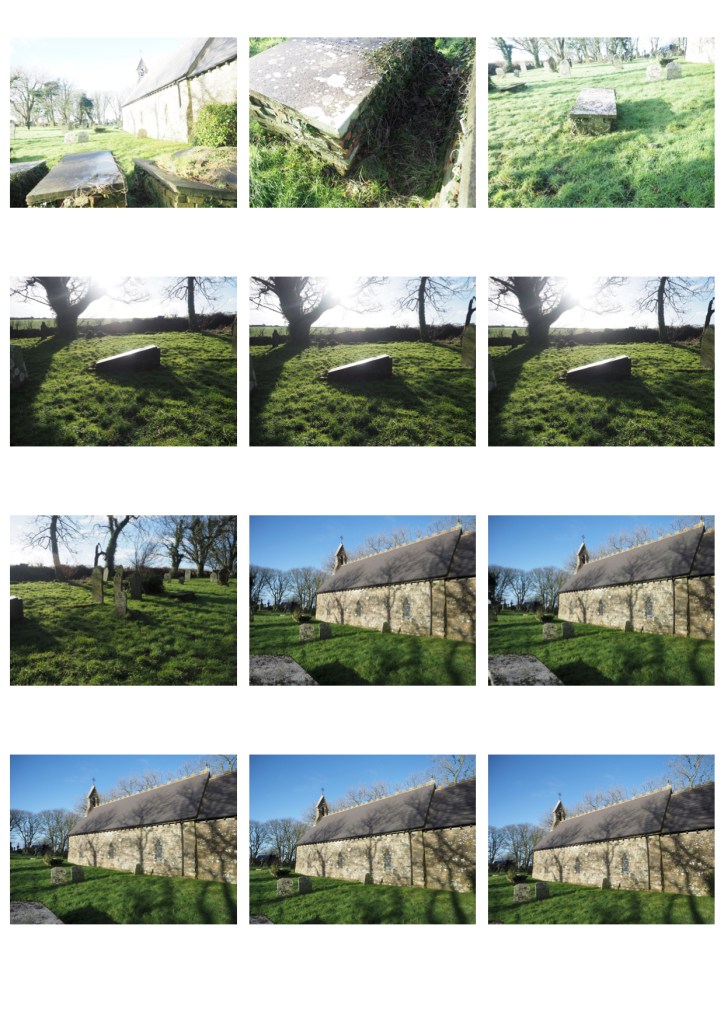
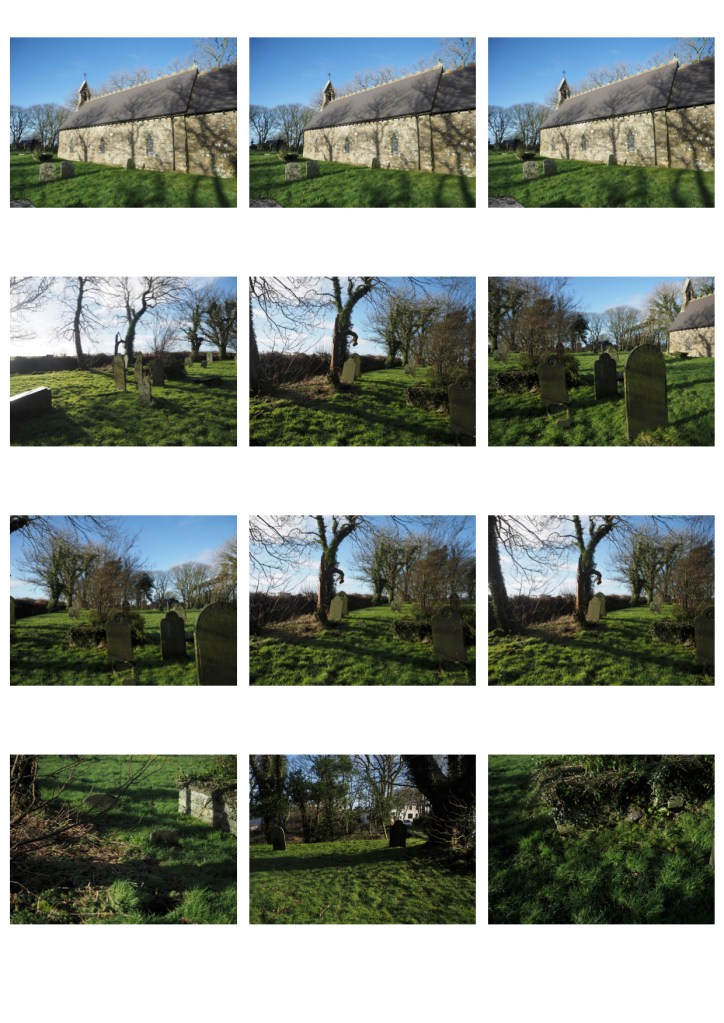
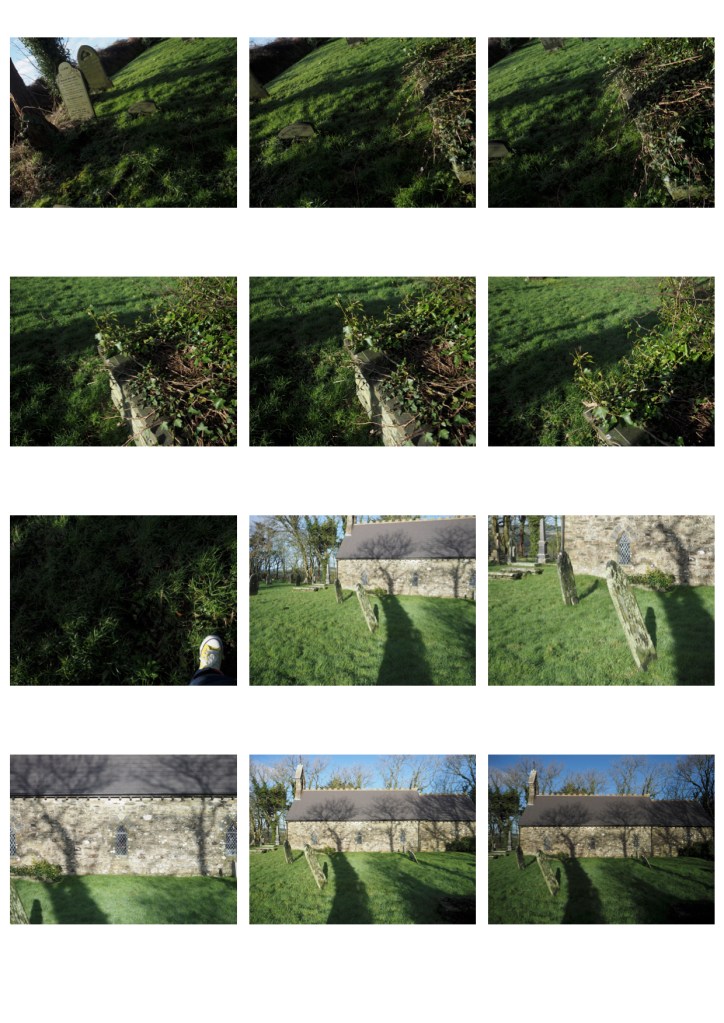
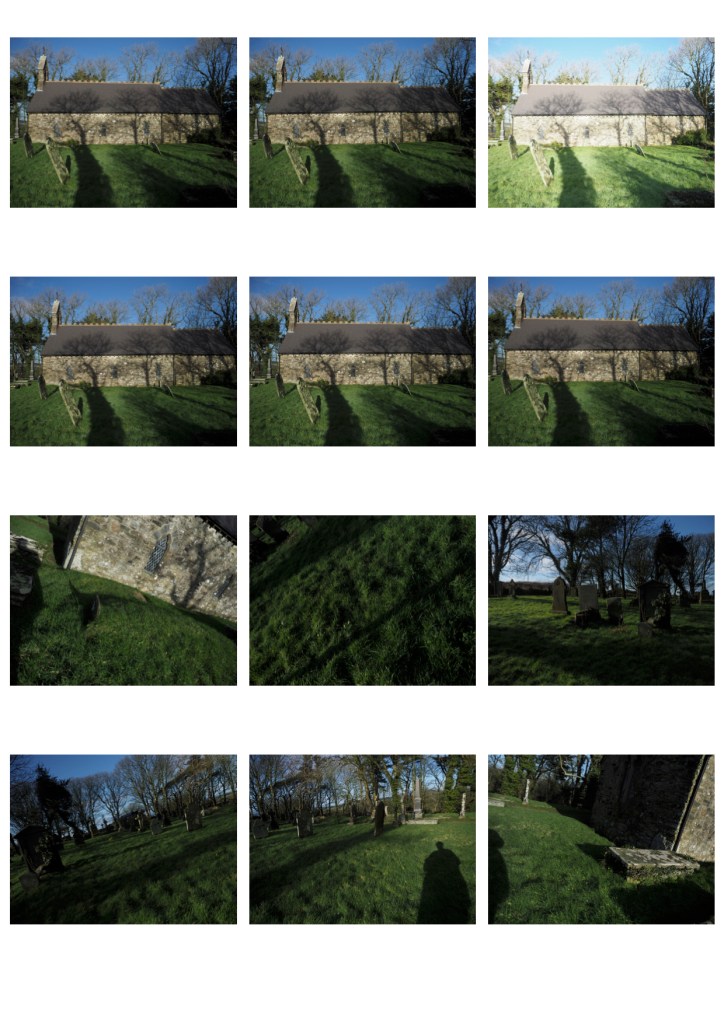
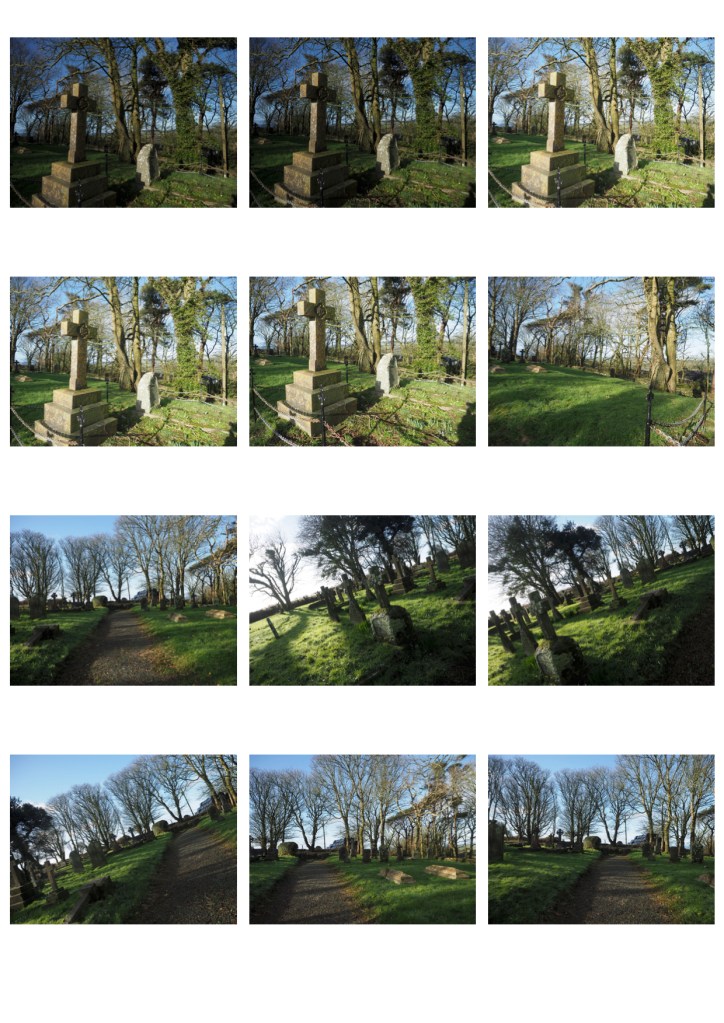
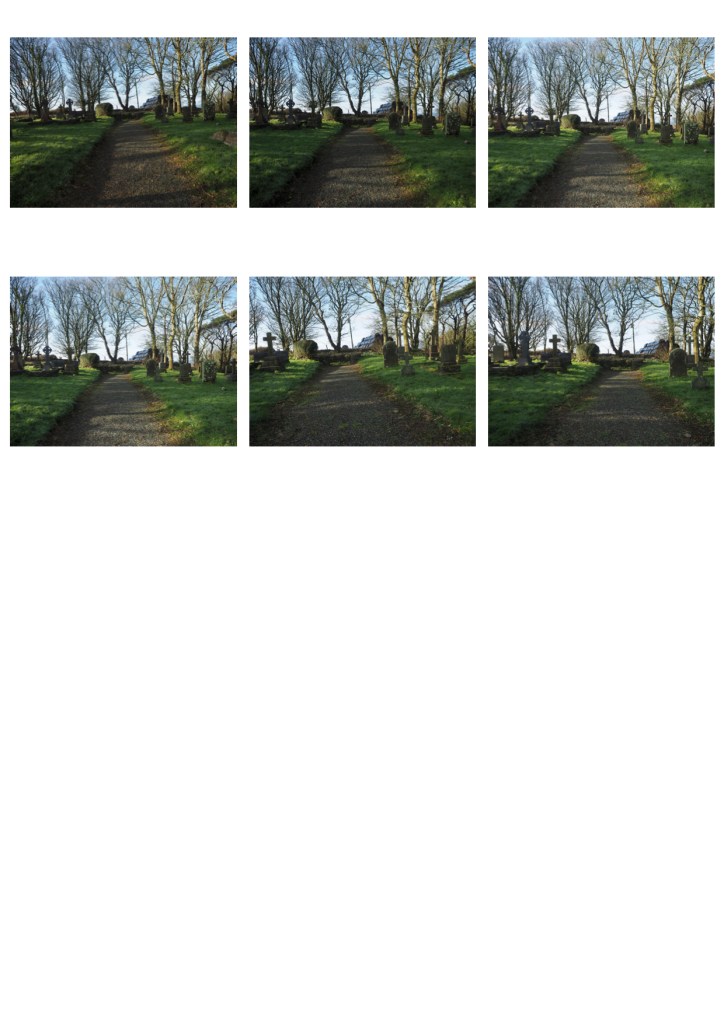
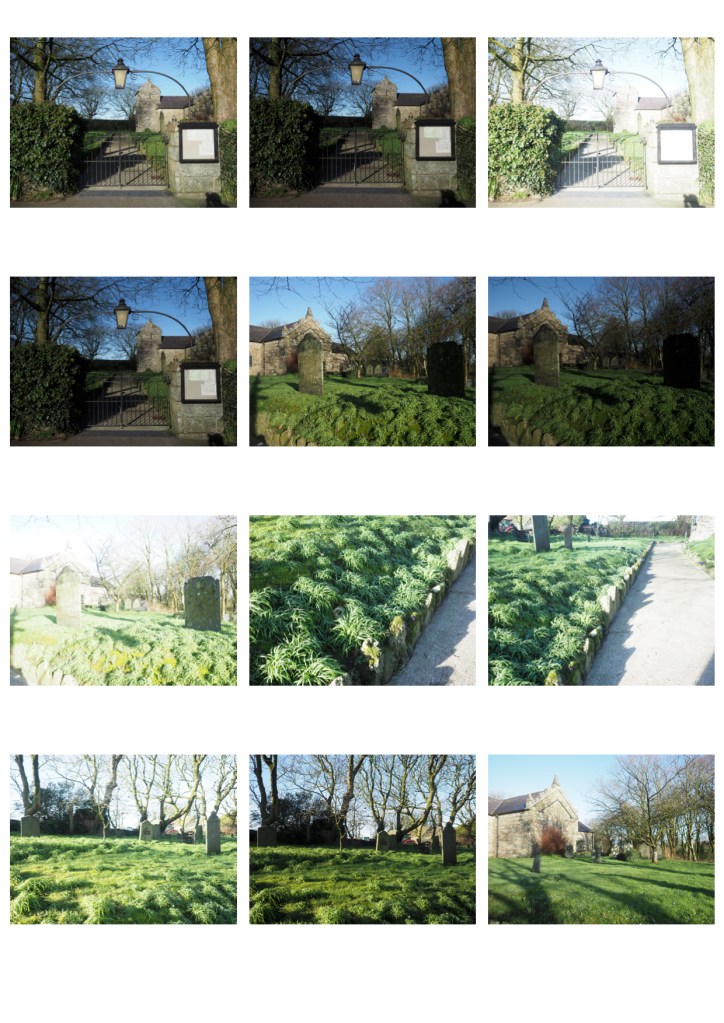
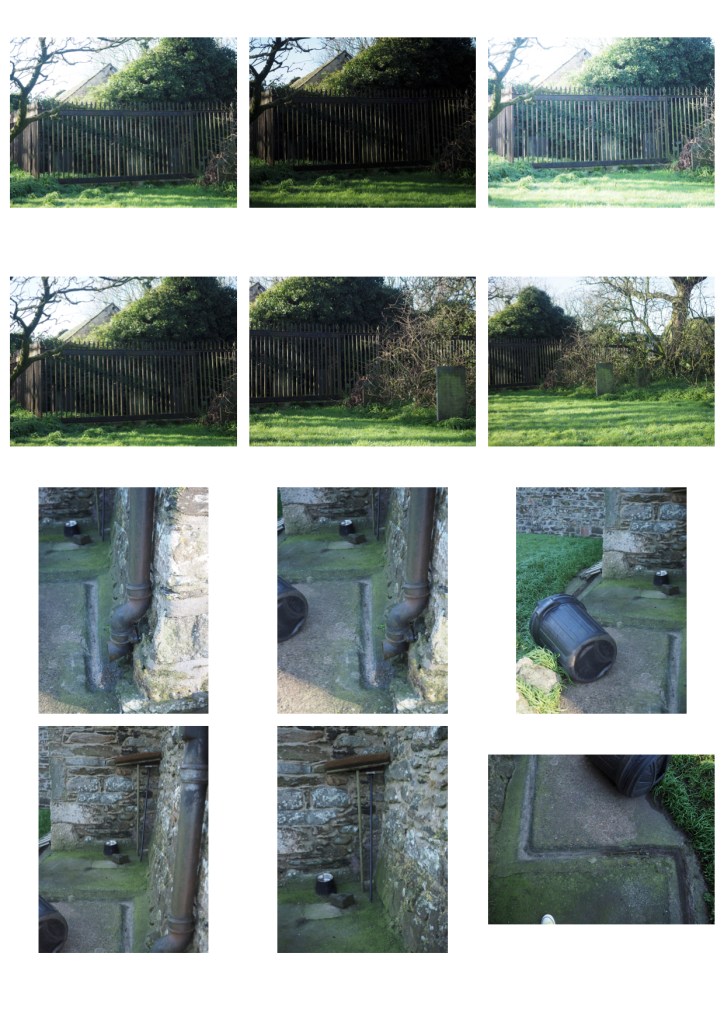
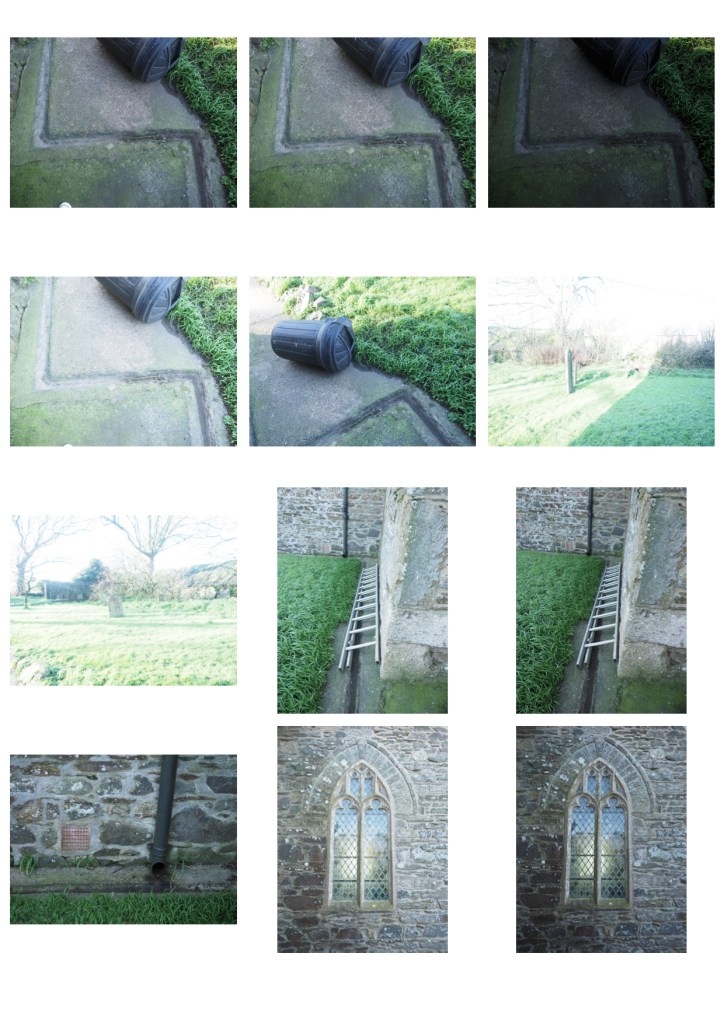
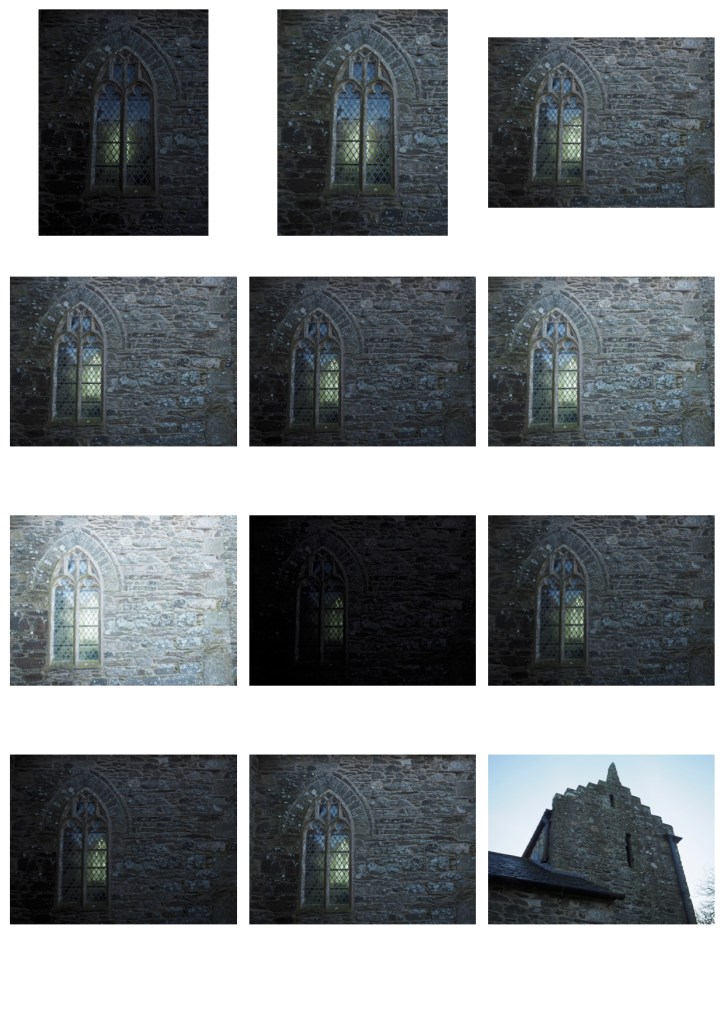
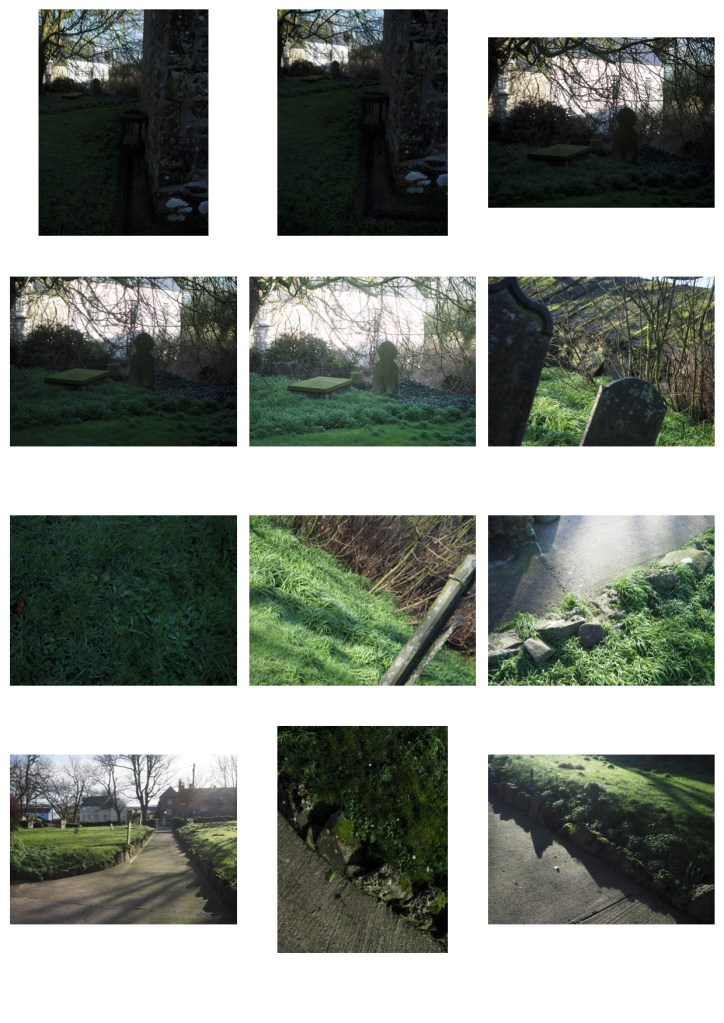
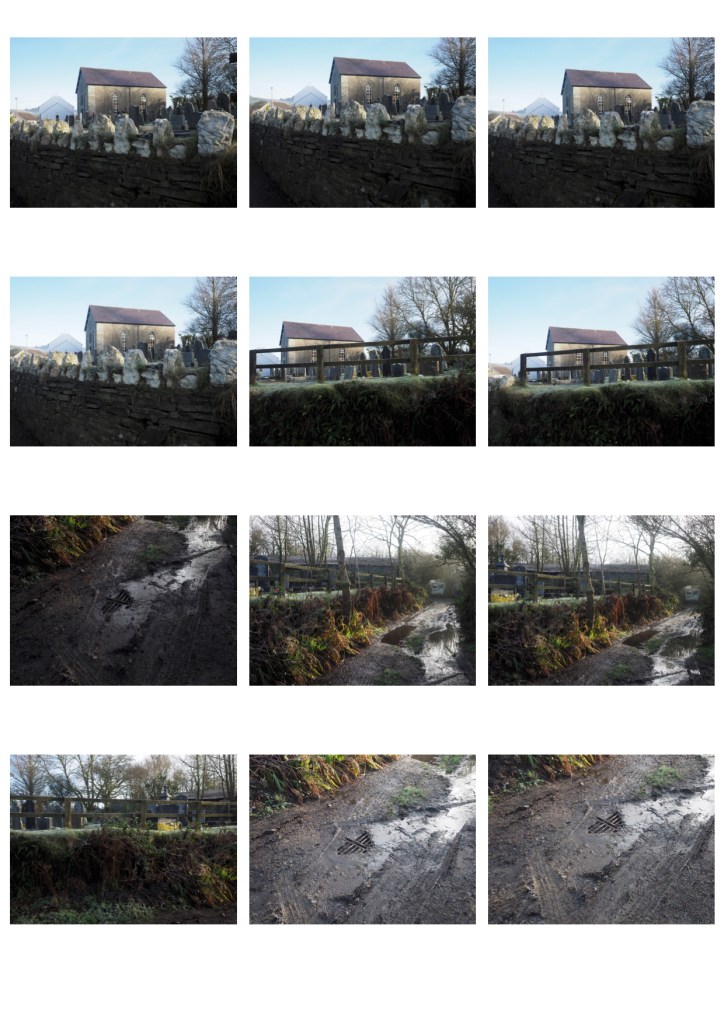
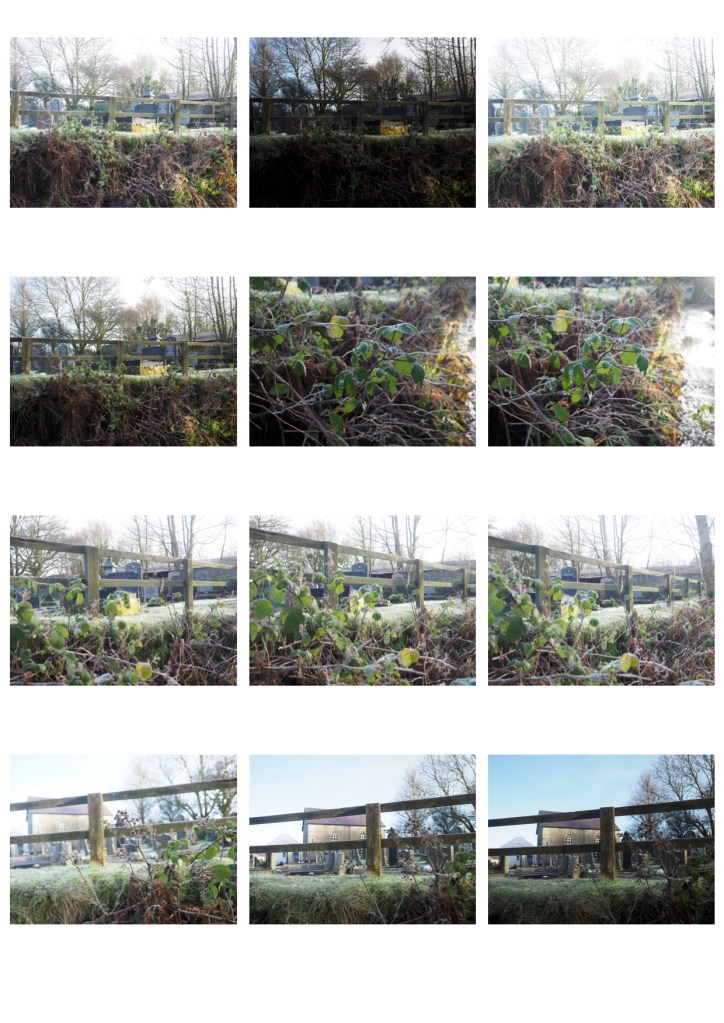
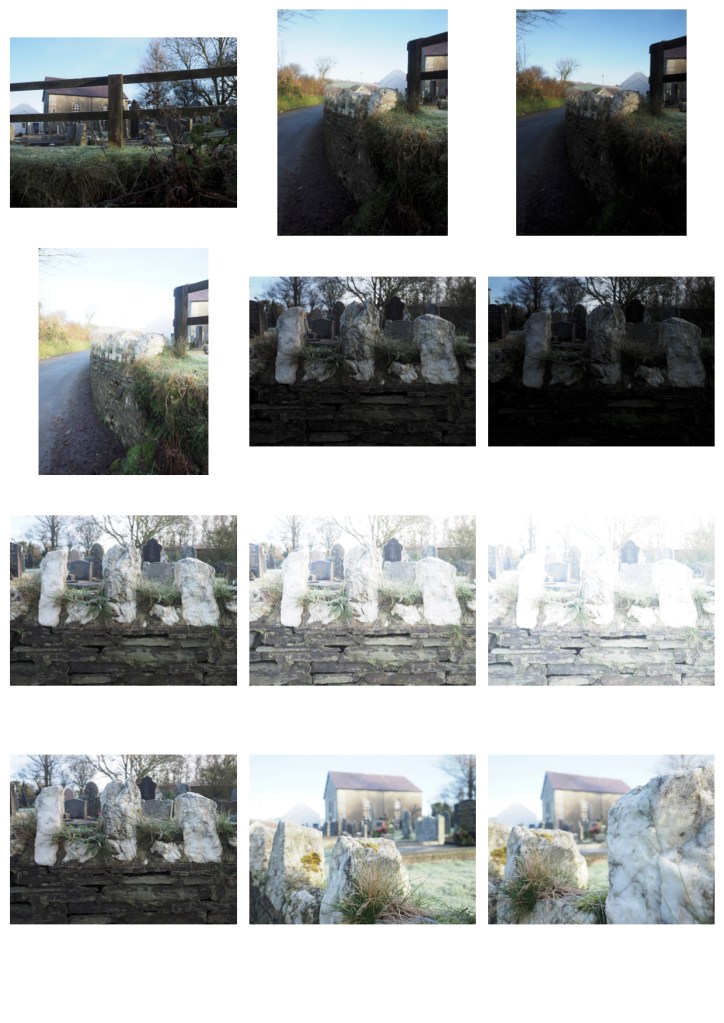
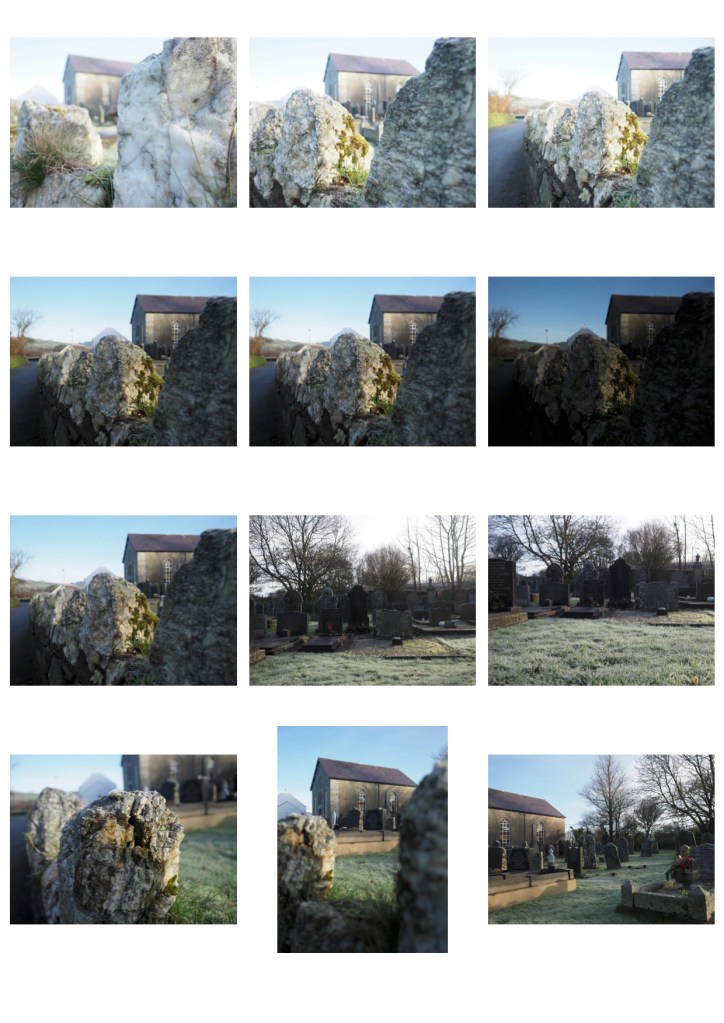
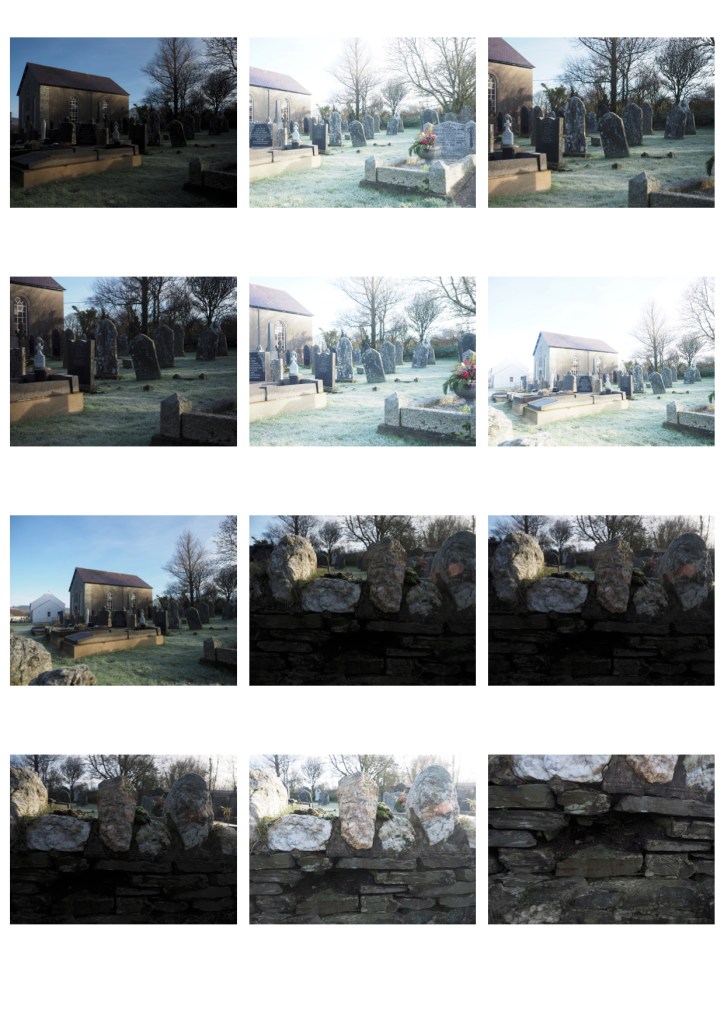
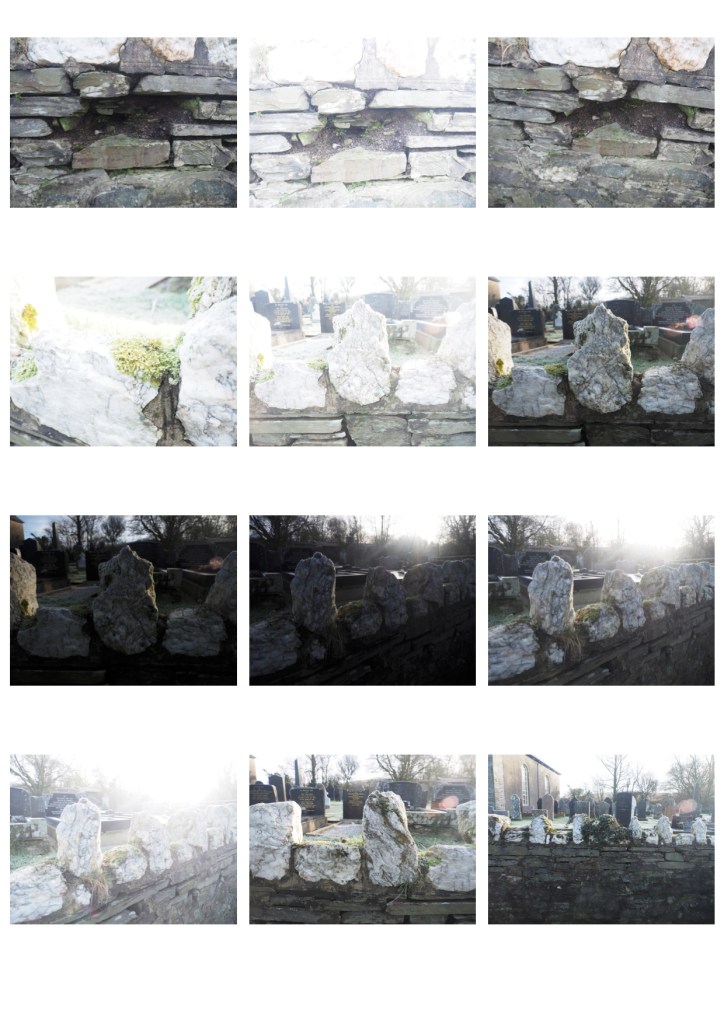
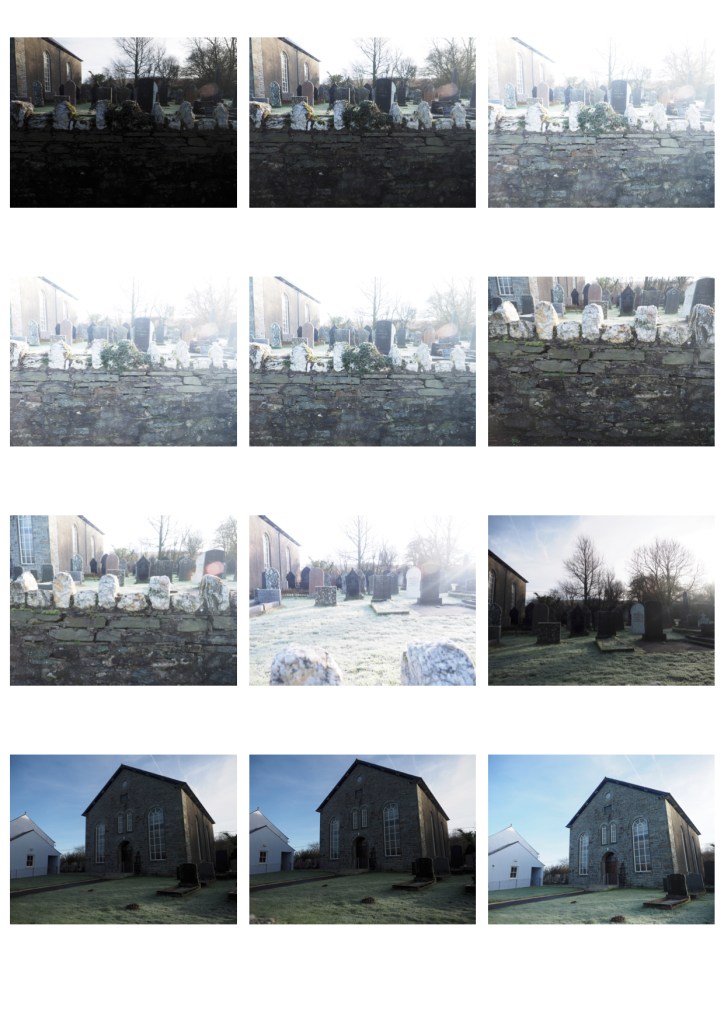
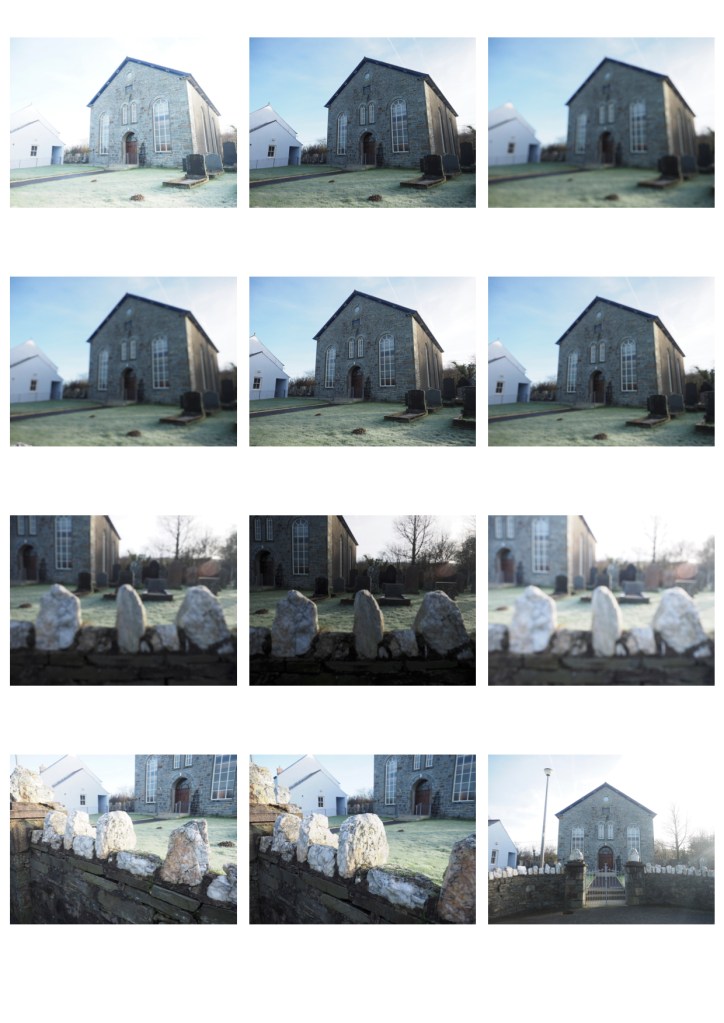
I have created collages from the three sites that i have already visited. I have also visited a few more sites, and have also created collages out of them.
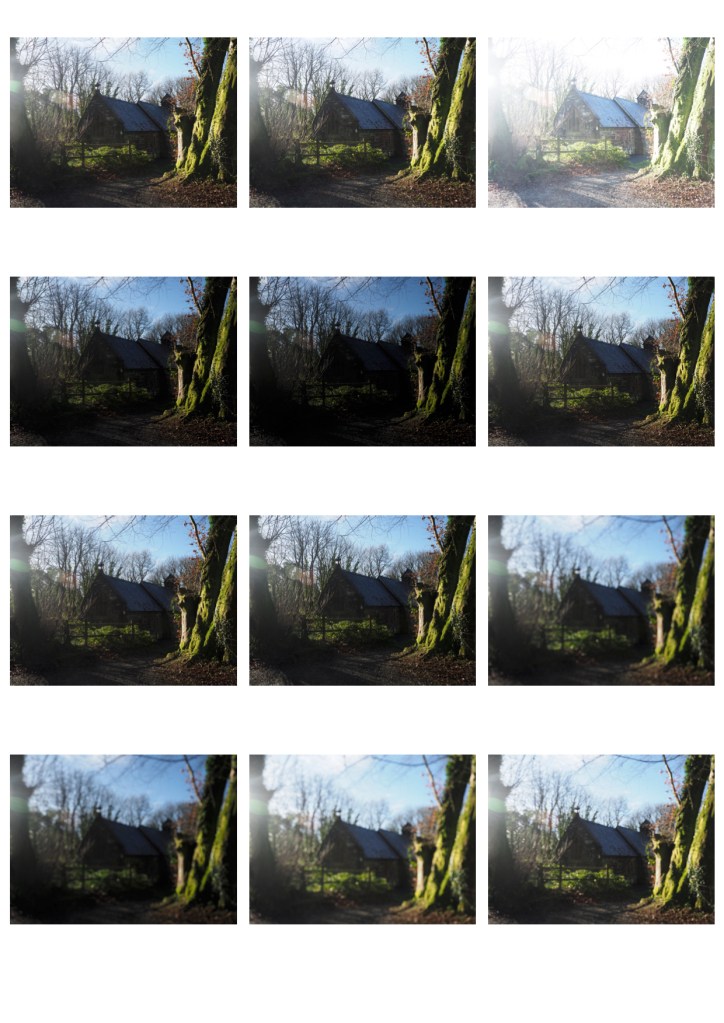
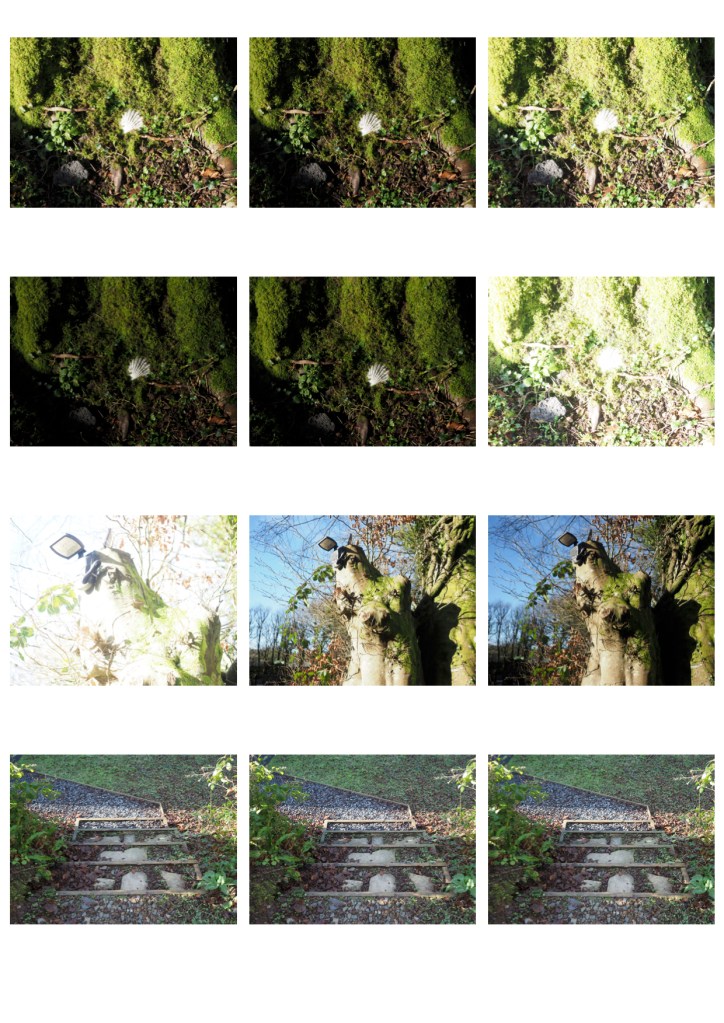
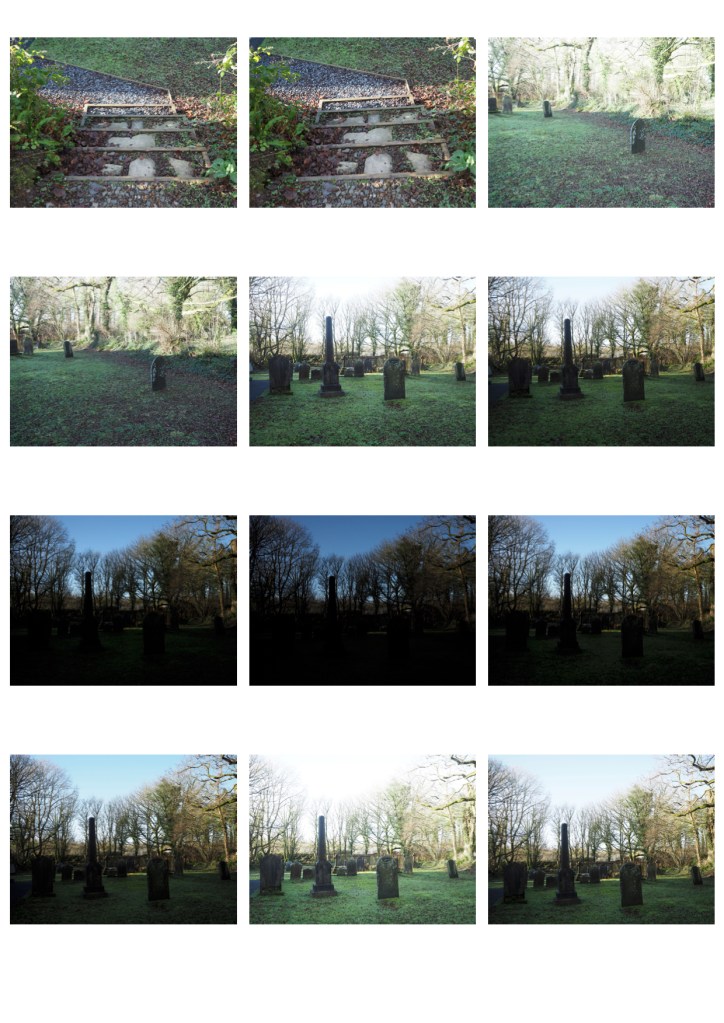
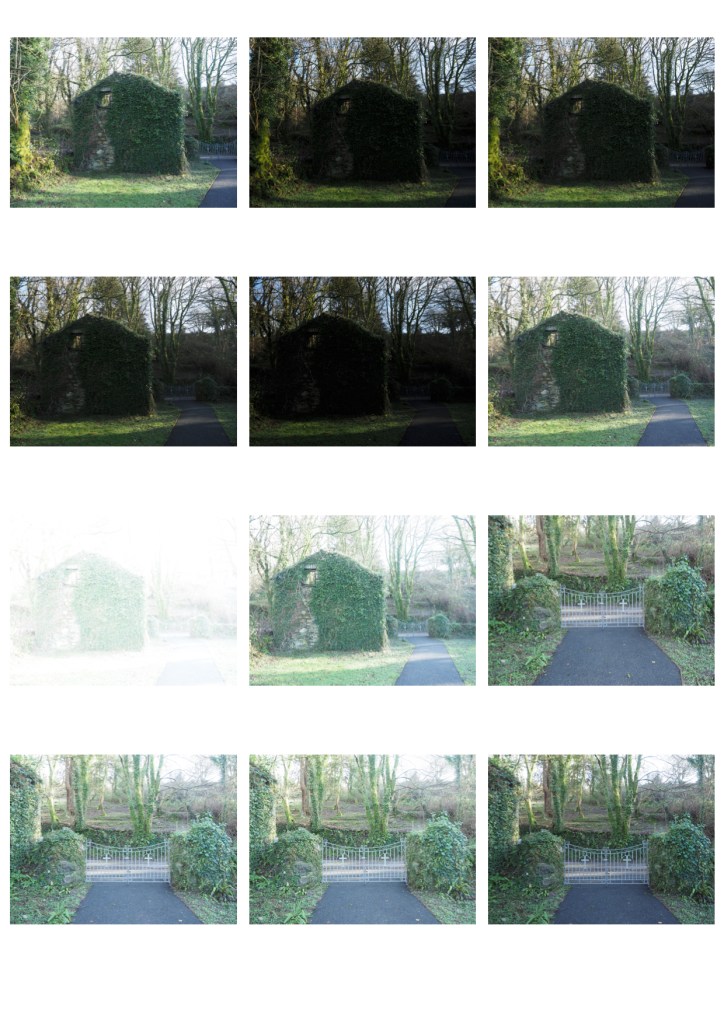
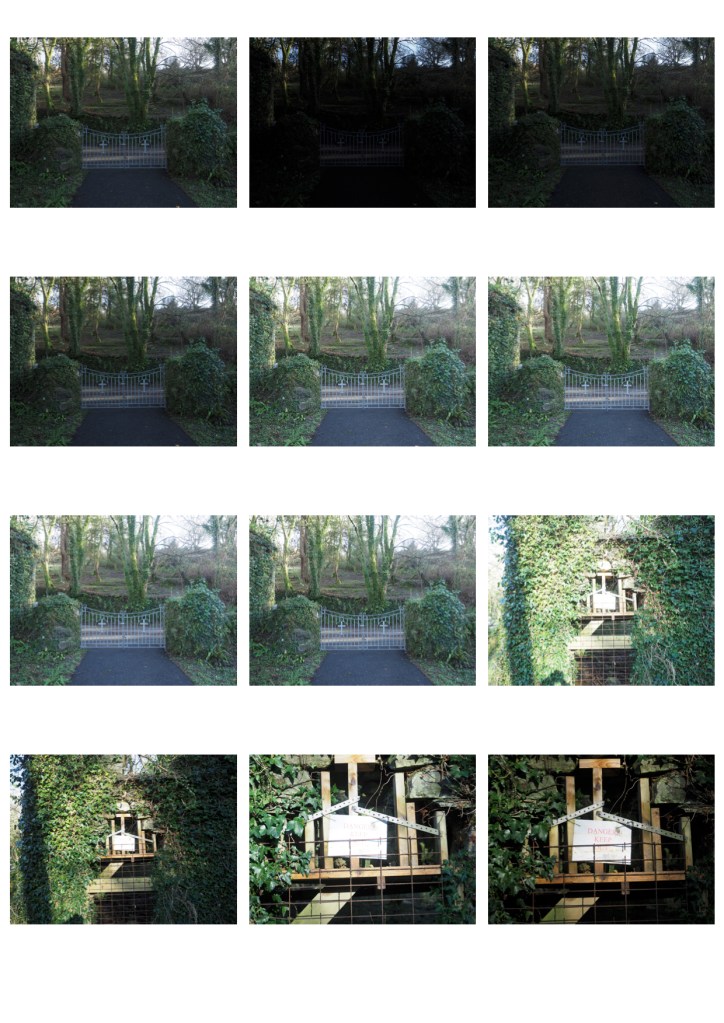
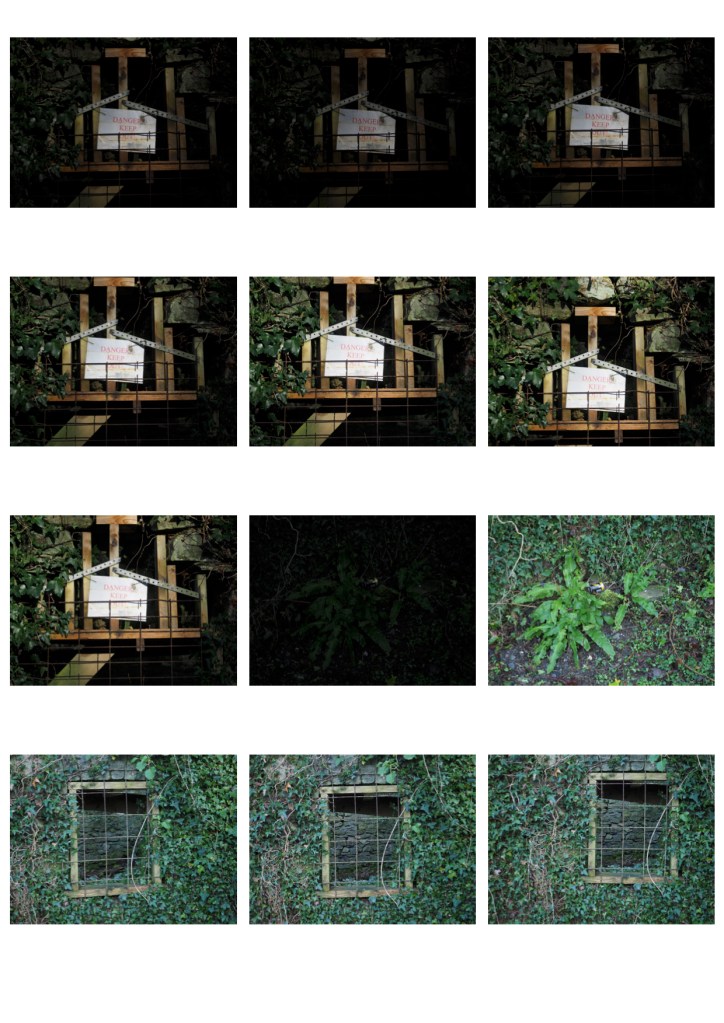
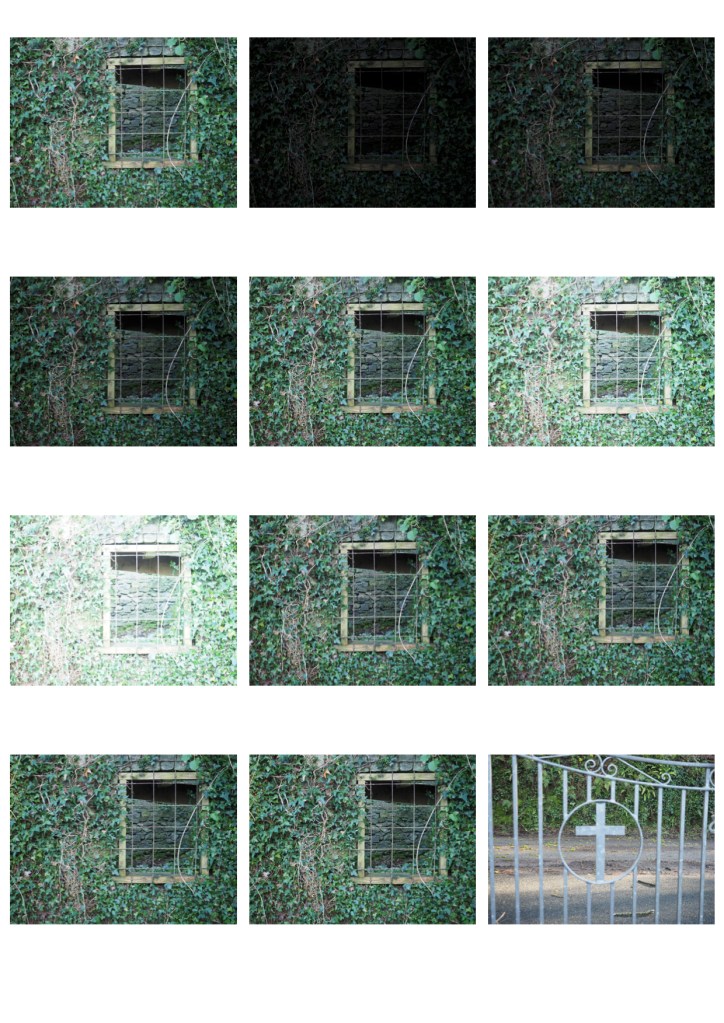
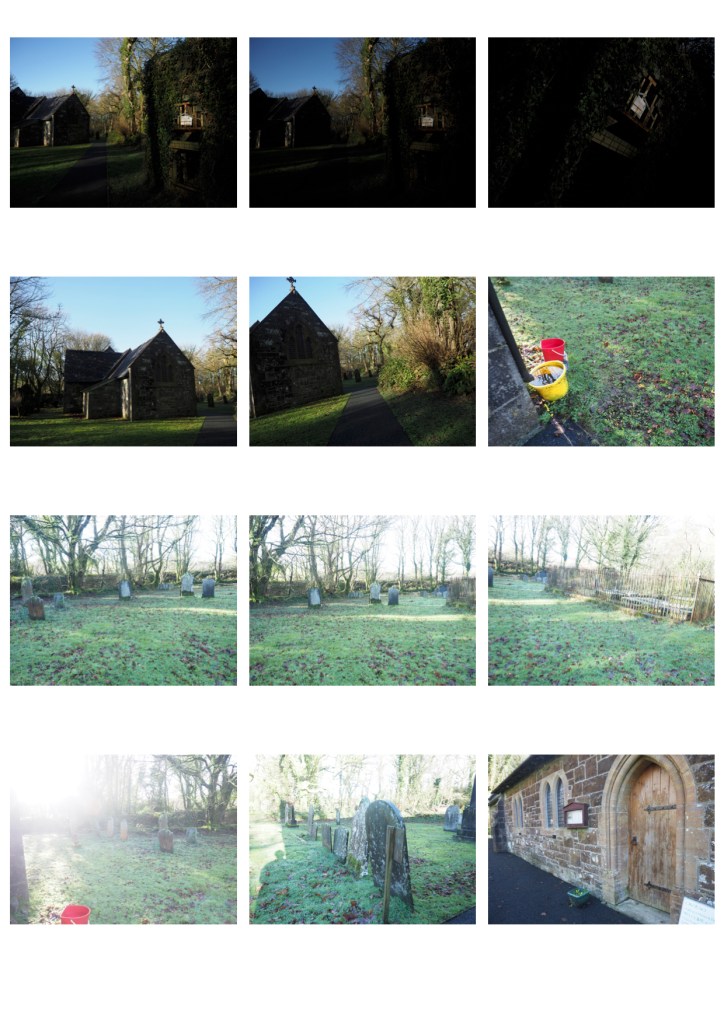
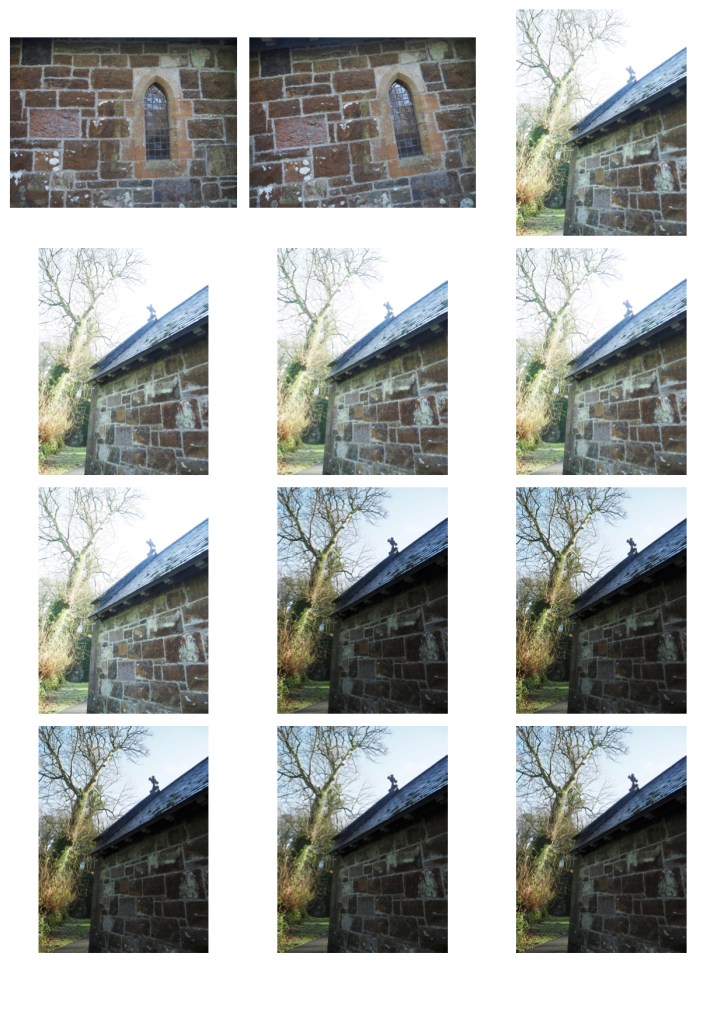
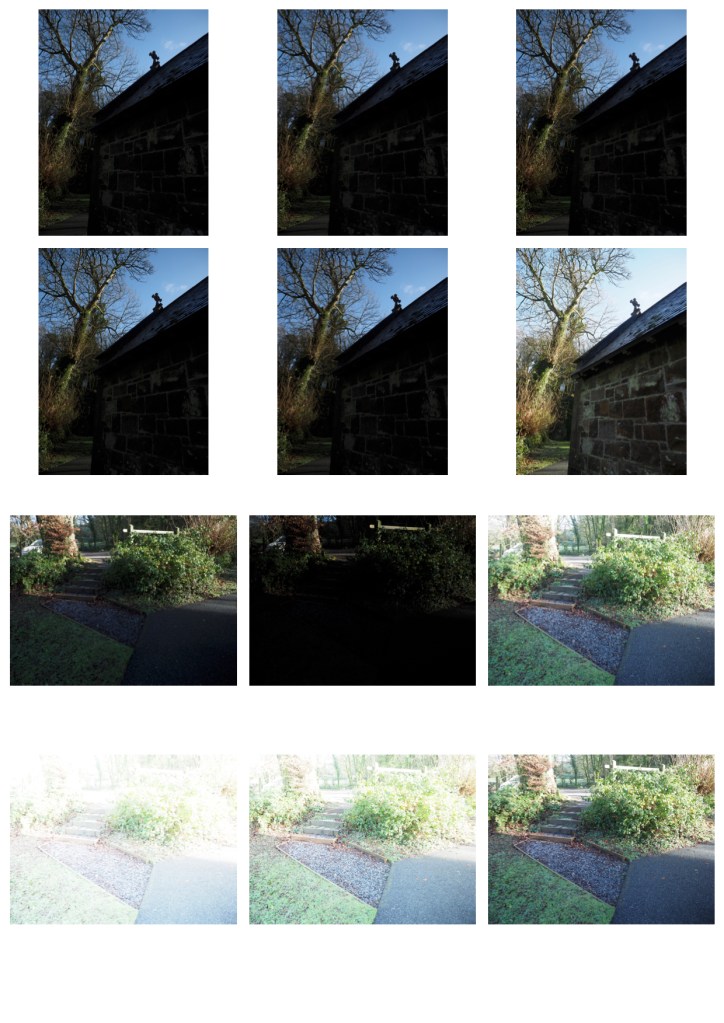
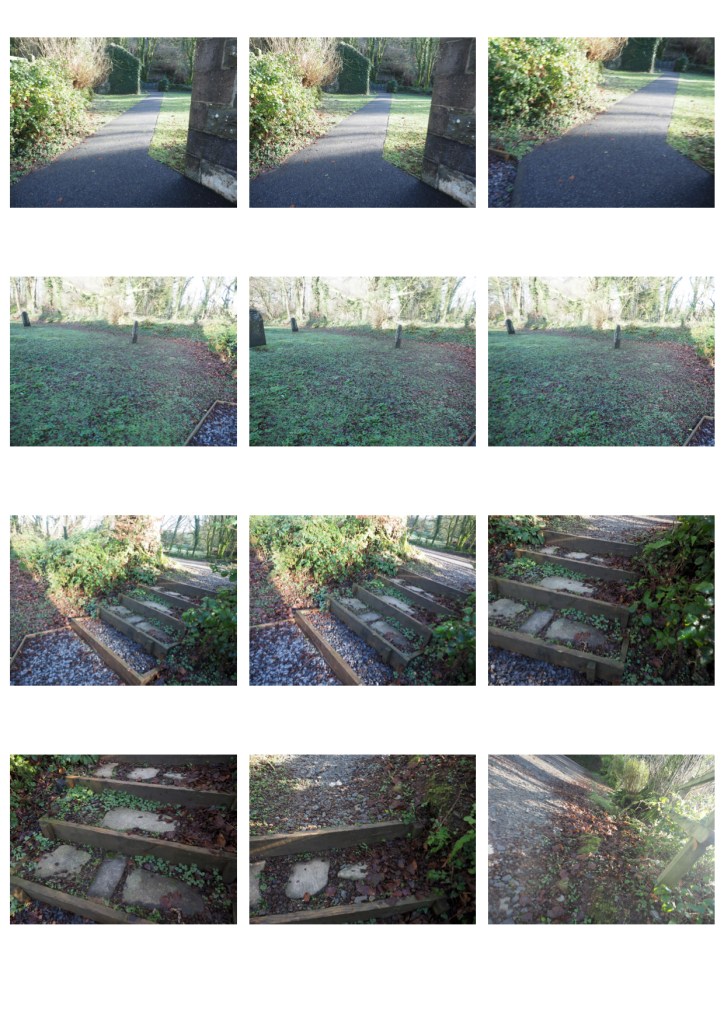
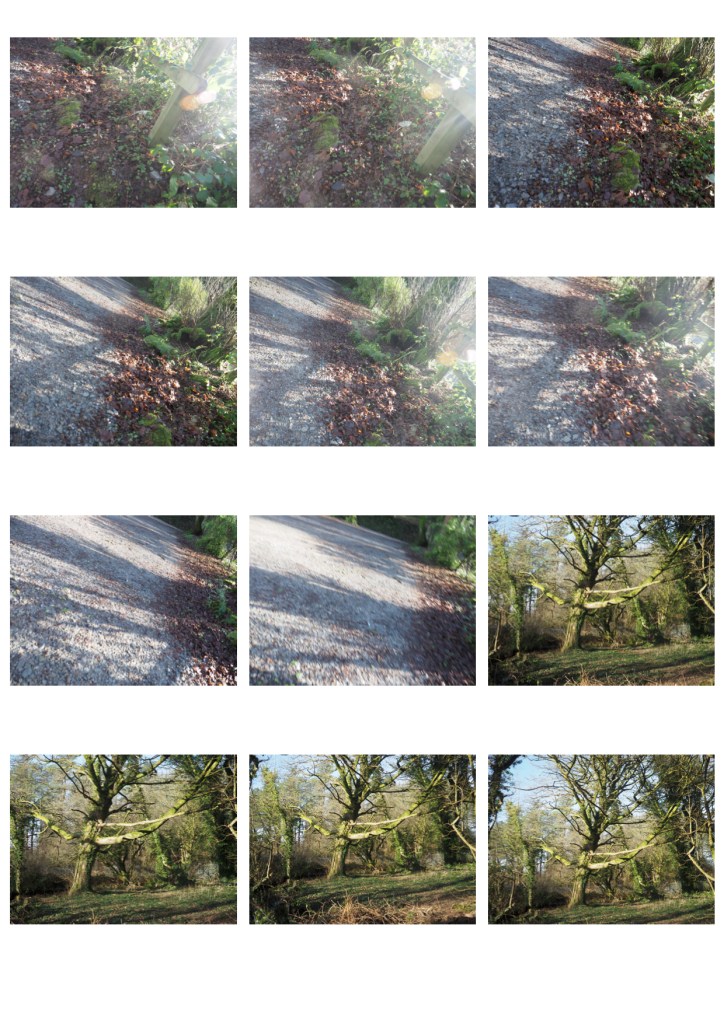
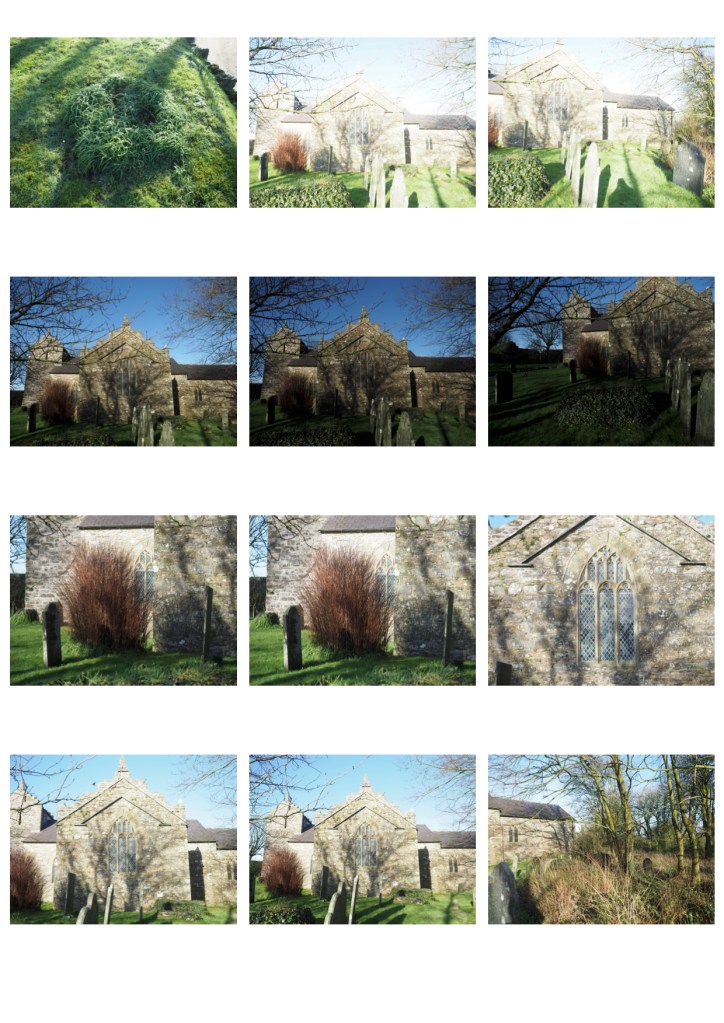
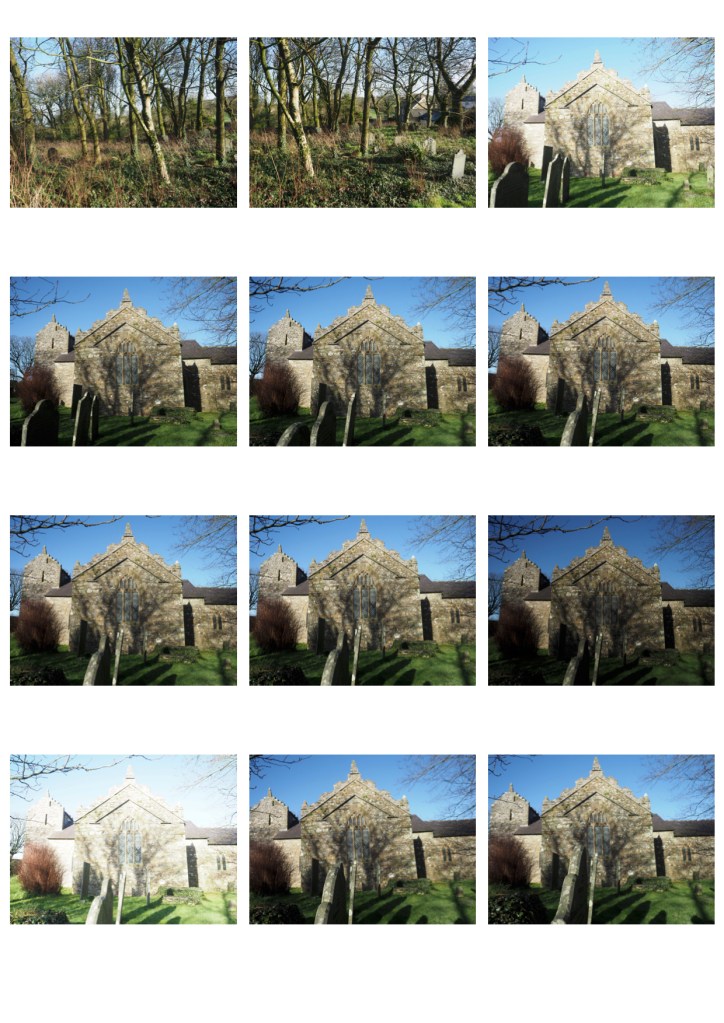
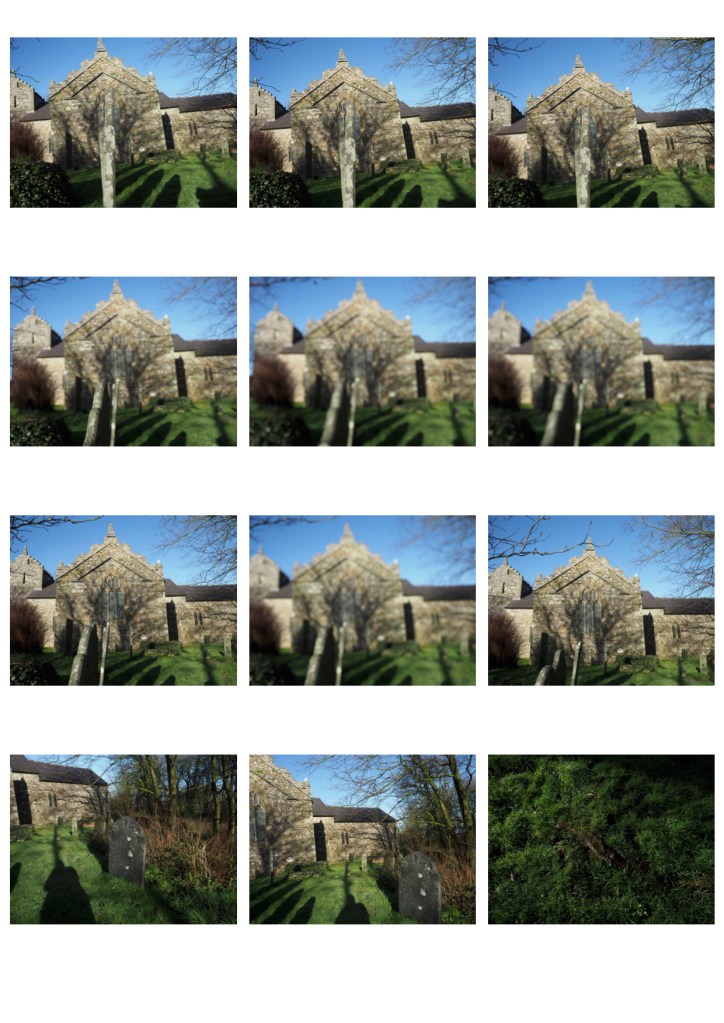
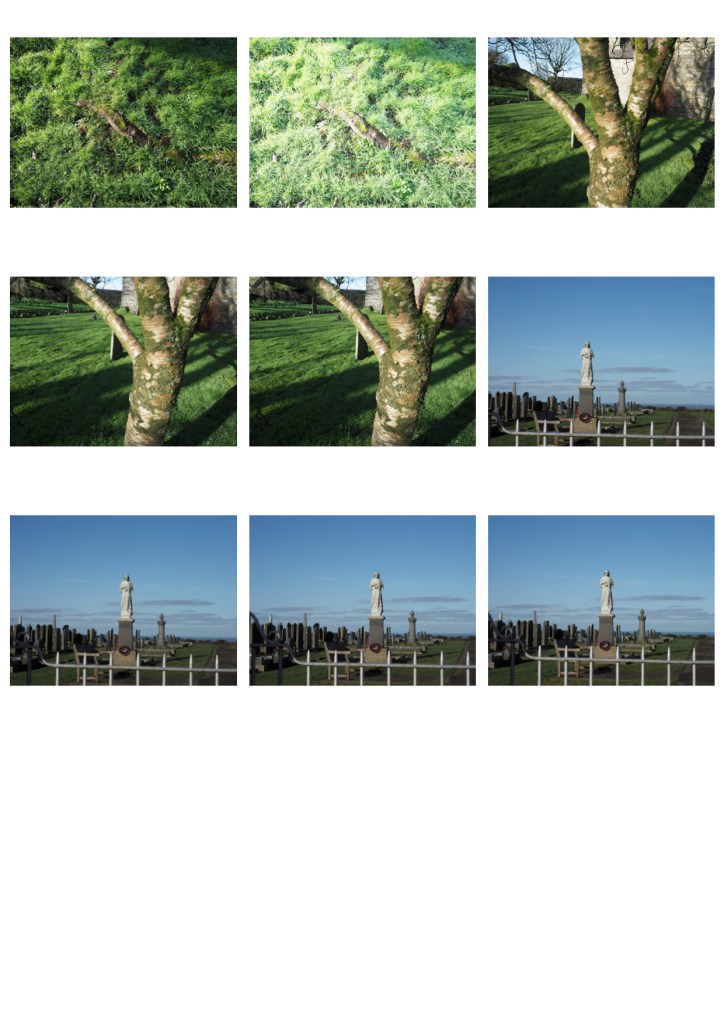
Here is the link to the contact sheets for all the locations.
Here is a link to how I experimented with collages.
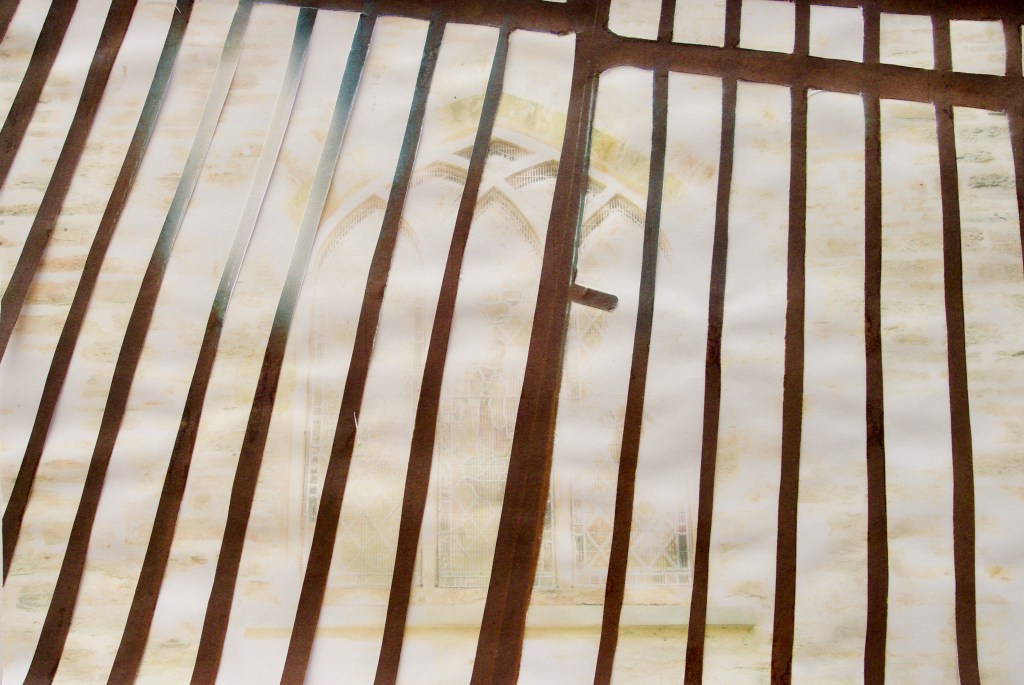
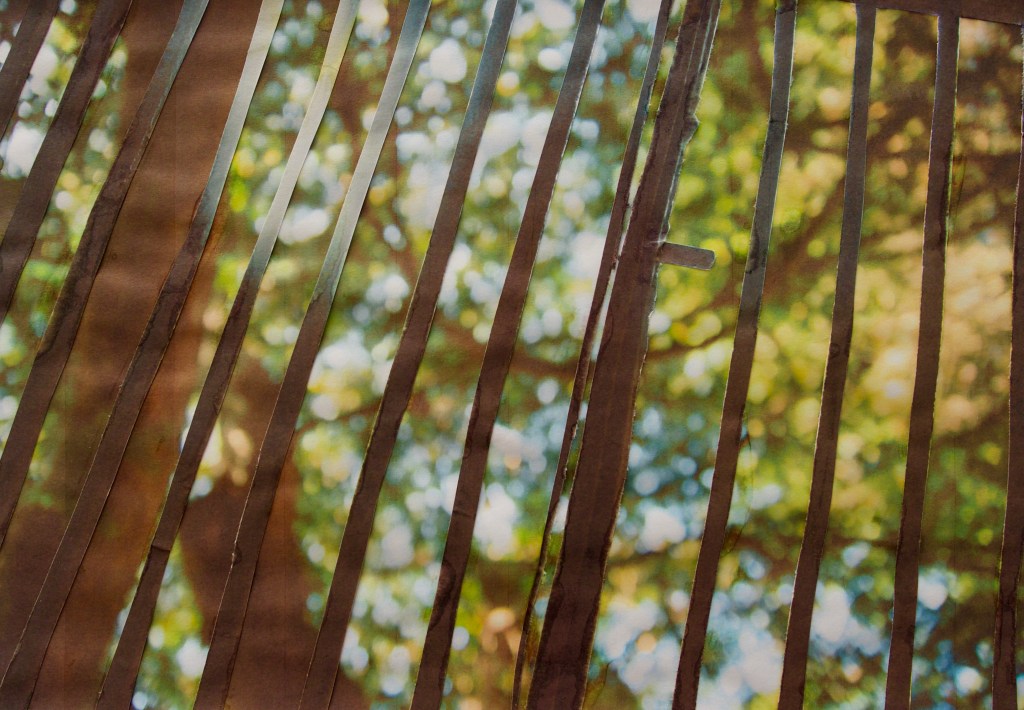
I have created two sets of collages from each location. One simpler and one slightly more complicated. My reasoning being, is that I still have the option from here of how I develop my series. Depending on this, will depend on the direction and thus which image will be suited for that particular direction. I have thought how to develop this further. I have thought about including the sites locations somehow, maybe in map form, or the co-ordinates, and somehow incorporating this into the image. I have also thought about bringing another aspect of femininity into it. I got this idea from my tutor who recommend looking at anthotype. This process involves using emulsion made from plants, then the paper is soaks in it, then items or positives can be placed on it to ‘print’. This paper is then exposed in the sun, the result will vary depending on the sun, materials, and plant matter used (Fabbri). The results can be unpredictable and is heavily reliant in the sun exposure, in a very similar way as Chlorophyll printing is. Chlorophyll printing is where an image is ‘printed’ onto leaves. This may be good for my work as i could use leaves from the locations. But my main concern would be the exposing of the leaves. This process uses photosynthesis. You also need a positive print and a suitable leaf. You need to press the positive and the leaf tightly together in a frame made of glass. This frame should be placed in direct sunlight, the time for exposing will vary (Pereira). This is the part the does concern me and I am unsure if it will work. I live somewhere high, our weather is very unpredictable. It is either misty/fog, raining, overcast or cloudy, we simply do not get a lot of sun here, so I am doubtful where these methods would be of any use to me. I can try them when the days get longer, but an not holding out much hope. I wondered whether to take a similar approach to Stephen Gill, in his series Hackney Flowers. This could I evolve including flowers or foliage form the actual sites in the images, not as a distraction but to compliment and to strengthen the link to the sites location. I was thinking about using a technique such as pressing or even preserving the foliage. I believe this will add another element, and in general look better instead of including images of the foliage in the collage. Again this is another form of craft that is associated with women. I was also thinking of a way of including the locations, maybe incorporating a map or co-ordinate somehow.
I have looked at several artists including those who use collages.
Her image stood out to me the most as it is very similar to my work and my methodology. Edelson is addressing global patriarchal religion and contrasting it to the inequality in the arts. She uses the image of the last supper and utilises collage techniques to complete her goal. Her work is very influential in mine as it holds practically the same methodology and meaning.
Her images are often very colourful and visually interesting. I like the way she combines her history and culture in her work, this seems to be a recurring theme, so also uses text in her work, usually in Spanish, which gives another elements to her art. She looks at gender, which is helpful for me to see how various artists look at this topic.
Rosler’s images are quite striking. In certain series, she takes images of naked women and places them on kitchen appliances to look at the expectations and representation of women. She is using feminist art to address issues surround gender, commodity and representation.
Walker uses silhouette figures to make her art. Her images are interesting and use collage techniques whilst addressing issues surrounding race and gender.
Barbara Kruger is a well-known artist, who uses her art to address issues including gender, power and politics. Her images are very noticeable but simple. They are thought-provoking and do make the viewer think. Her use of text is interesting as it done in a bold way but the wording is strong and uncomplicated. But the wording doesn’t explain the image, it makes the viewer think.
Fulton is a walking artist. His art is made from the journeys he undertakes. His work has been influential to me as I am also undertaking a journey, so it is useful for me to see other artists who do this.
Harrison is a radical artist, who tackles issues surrounding feminism. Her images usually contain a bit of humour. She looks at how women are represented and creates her art with a twist on this.
Linder Sterling uses collage to look at feminist issues. She uses images from porn and lifestyle magazines to create a new image. It is interesting to see how artists are using collages to make statements surrounding gender.
His images are often political in nature. He disassemble and reassembles images to create a new image, which are quite thought-provoking. He has collaborated with Cat Phillipps on more than one occasion, together they has created some politically note worthy images; including one of Tony Blair taking a selfie in front of an explosion.
The images will be in order of location and will be marked whether they are the simple version or more complex version.
Please Note: These are not the final images that will be submitted. They are a guide and an experiment which will allow me to print, cut, and glue the final images with more care. These are to get a rough idea of where the image is taking shape. I had some issues with my printer on some of the images, which I have now sorted. The glue has made a bit of a mess on some, which I will be a lot more careful with on the final images. I photographed the collages and then cropped to get the images in one frame. They are not perfect but I see them as a working drafts, which will help me when I make up the final images.
Check the meaning of any of the terms below that you’re unsure about:
Metonym
Rhetoric
Symbol
Connotation
Innuendo
Euphemism
Before you read on, give some thought to how you might apply these terms to your photographic practice or how you’ve seen them used in another photographer’s practice.
I have come across a few of these terms before, and have done some research into the others that I have not heard of.
Euphemism
Euphemism in art refers to using an image as a representation of something that is seen as objectionable.
Innuendo
Innuendo is where something is used as an insinuation, which then is interpreted as something sarcastic or derogatory.
Connotation
Connotation in an image refers to what is symbolised. It is a theory of what is seen and interpreted.
Symbol
Symbol is often self-explanatory. It can take the place of something that is difficult to present in an image. Symbols can be specific objects that relate to something else, something recognisable. They can also represent a narrative.
Metonym
The term originates from the Greek, meaning ‘change of name’. Metonymy is where an object or word has been replaced with another word where both have similar meanings. One famous example can be found in Shakespeare’s Julius Caesar; where Mark Antony states “Lend me your ears”. Another example is where you have an image of a graveyard, this could be another visual of death. We can see this in our everyday lives, in America for example, it is quite common to refers to the Oval office as a metonym for the US government. Or Hollywood as a metonym for a film industry.
Rhetoric
There can be two ways to look at rhetoric. I first heard of it when looking at Aristotle. To Aristotle, rhetoric is “the ability, in each particular case, to see the available means of persuasion” (Aristotle quoted in Mesa). There are three approaches. The first is Ethos, which is ‘based on the character of the speaker’. The second is Logos, which is ‘based on the logic or reason’. Lastly is Pathos, which is ‘based on emotion’.
The other was to look at rhetoric comes from Roland Barthes. In The Rhetoric of the Image, Barthes classified three messages that can be found within an image.
Linguistic Message
The first is the linguistic message, which refers to any text. This can take the form of a denoted message such as a caption, or a connoted message, where a word can allude to a symbolic meaning. Then also in the linguistic message, there is anchorage and relay. Anchorage is anchors the meaning to the correct or most appropriate of all the possible meanings. Relay adds context to the image, so both work together.
Symbolic Message
The next is the symbolic message, which is also known as the connoted image. This refers to the parts of an image which signal the symbolic meaning. Images may have several meanings, which have several different symbols. There will be several connotations in an images, which can be used as signifiers, these connotations make up the rhetoric. Essentially everything that can be used as a signifier, makes up the rhetoric of the image.
Literal Message
The literal message is also known as the denoted image. The non-coded version shows exactly what it is. The denoted image contributes to the structure of the image. It supports the connotations. According to Barthes, a pure image would arise when you remove all of the connotations.
I believe my work may relate to rhetoric, symbol, connotation and to an extent metonym. My images have a deeper and hidden meaning which is alluded to and viewers can come to their own conclusions. My work shows signs of metonymy. For example, I am showing pilgrimage which is a metonym for a journey, and I am depicting churches which alluded to a christianity. My work also shows signs of symbolism. My images contain several things that signify and symbolise the gender inequality and religion. These connotations also show my work lies within the rhetoric and connotation umbrella.
Look through some of your favourite books and consider how the sequencing guides you through the narrative, what decisions do you think have been made and why?
What are the results of those decisions for the reader?
I looked through a few books, including one I am reading at the moment, and they all have similar sequencing themes. The books starts by introducing the characters, or an event which either is the focus point or is going to lead up to the main story. The characters/event develops and interacts with each other. A plot is clearly identified, the reader here can have some ideas of how the story will unfold. The endgame is not given away fully yet, it leaves enough for the reader to guess at. All the plot lines eventually weave and led to the main climax. At this point the reader can see how the story has unfold and how the conclusion has been reached. Usually the ending, either ties a few things up with the characters and sometimes even leaves an open ending for a sequel. These sequencing choices guide the reader through the story, but it also allows room for imagination and lets the reader come to their own conclusions; at the end, they get to see if they were right.
Dewald Botha is a Level 3 OCA Student. Have a look at his project Fame and note some of the effective uses of sequencing and the impact it has on the unfolding narrative. Also consider how it makes you respond to the images.
Think about things like heightened suspense, a change in the direction of the narrative and how the sequencing guides the viewer’s response.
I watched the video on Dewald Botha’s work. The video starts with a picture, to be honest I was wondering where this could go. The next frame included the words “Zeng Kaiqui did it”, I was left wondering who this is and what he has done. The next frame gave a date and a location, “January 6, 2012” in “Nanjing, China”, this gives context to the story line. The next frame states “shot and robbed a man outside a bank”, we now know what this man has done, I am presuming that this man is the one from the poster on the first frame. “So someone stuck his picture…everywhere”, we know can draw the conclusion that the man in the posters is the man who committed these crimes. Next follows a question, “so that we can feel…a little safer?”, it feels like Botha is trying to reason why these posters were put up. But he raises just one reason, it is left to the viewer to figure out why. I don’t think there was a change in the direction of the narrative as such, it just developed. The sequencing was good, as it got the viewer thinking. Personally I would have preferred a slightly longer gap between the text frame, in order to build the suspense and to encourage viewer interaction (Botha, 2012).
Knorr uses her sequences of images to put across a particular political point of view. You may not have a political agenda but you probably have some idea or viewpoint that you want to convey to your viewers. In a couple of sentences, write down what that is, then make notes on how you might use some of the techniques discussed in Part Three to help convey your idea(s) to the viewer.
Have you considered how you will use text in your project? Will this be through individual captions or are you planning a more extensive textual element? Make some notes in your learning log or blog.
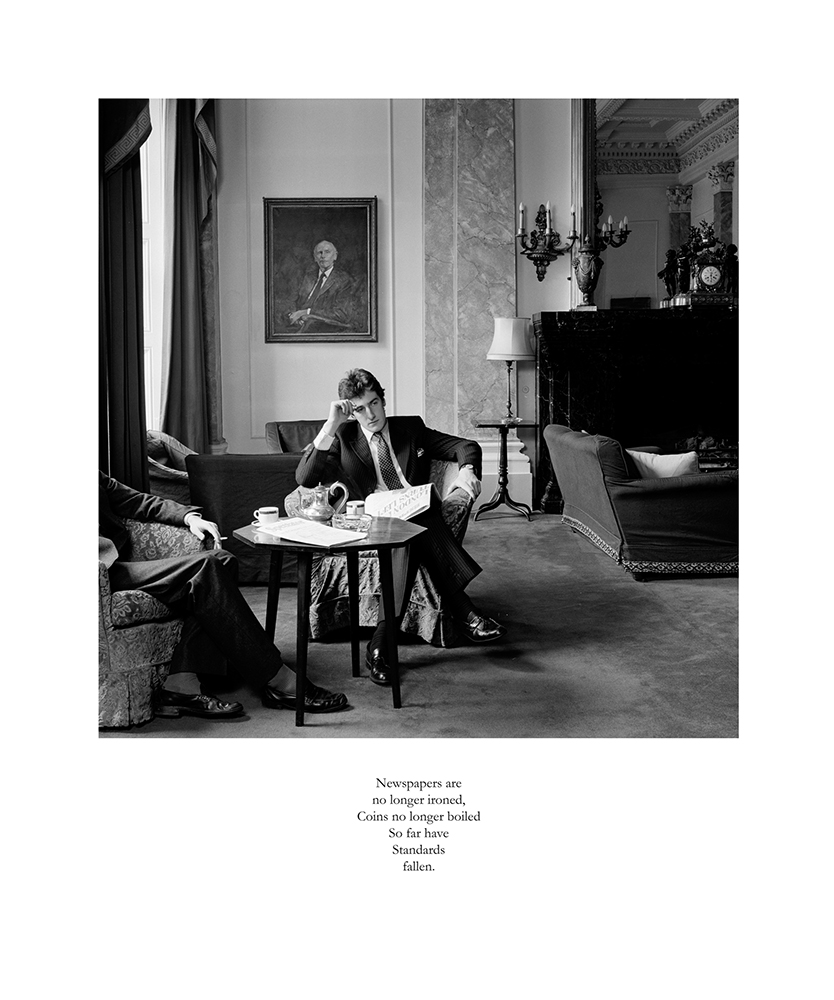
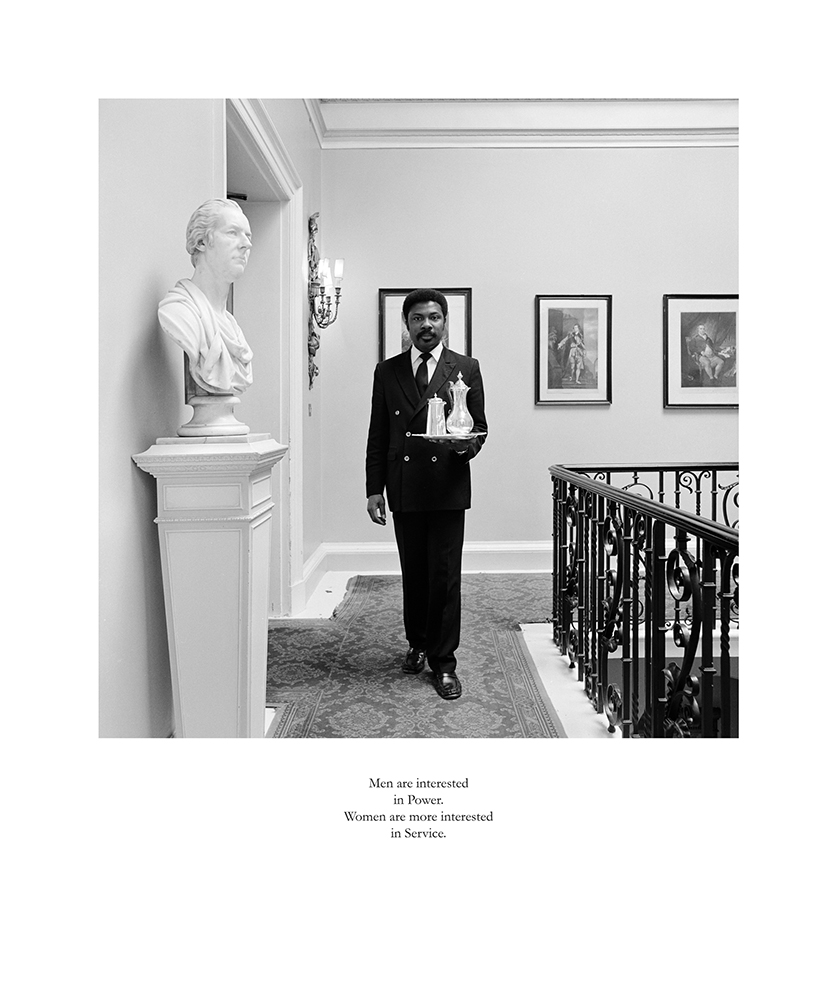
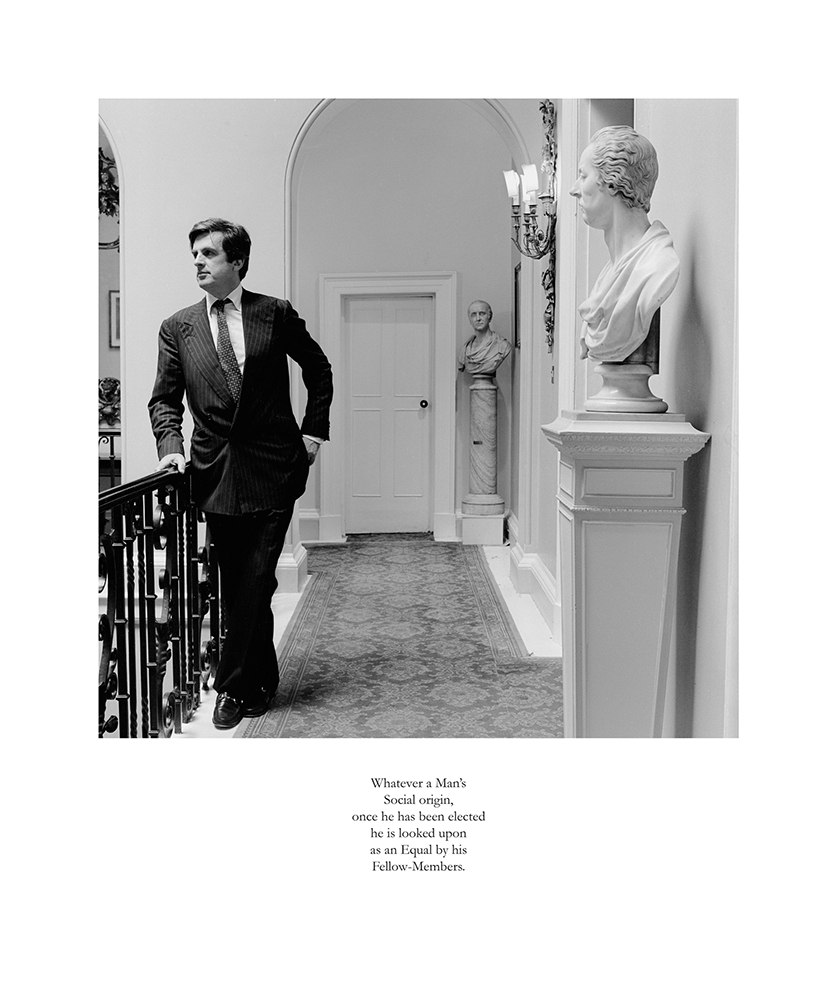
Karen Knorr is an American photographer, who, during the early 1980s, explored the exclusive gentlemen’s clubs of London. The images show rooms and often members in the mist of their activities here. The series is entitled Gentlemen, the images are surround by a white background and has text under the image. The text looks almost like a poem, but it is made up of snippets from parliamentary speeches and even from the news. This series explores issues surrounding wealth, patriarchy, privilege and power. The images represent the privilege of a few select members of society but also the entitlement of the clubs too. The series allows a glimpse at the traditions and values of the upper middle class. I also see these images looking at gender inequality. These clubs are exclusively for men, and at the time when these photographs were taken, women had only just been allowed to own property. It contrasts the experiments of the elite with those of all the women in the country. “Whilst women now gave full property rights, they still remain under-represented in key positions of governance and in financial and academic worlds. It is still a bouts club in which some women are honorary members” (Knorr).
This first image (see fig. 1), includes the caption, “Newspapers are no longer ironed. Coins no longer boiled. So far have standards fallen”. This shows the standards and values of these clubs, and how their standards differ from everyone else. Know uses humour to highlight the entitlement. The image shows a man sitting, he looks deep in though, with an almost sullen look on his face.
(Fig. 1. Newspapers are)
“Men are interested in Power. Women are more interested in Service”. This image (see fig. 2) shows a male servant, which is in contrast to the accompanying text. There are no women here, again this hints to the structure behind these clubs. Possibly even the staff are all male employees?
(Fig. 2. Men are interested)
“Whatever a man’s Social origin, once he has been elected he is looked upon as an Equal by his Fellow-Members” (see fig. 3). This image shows that once a man is in this club, it is for life, he has made it. It is seen as a privilege and an achievement, his past doesn’t matter. Should they care about someones past? Maybe this is privilege in action, pasts can be overlooked as long as they have a Seat at the table.
Judith Butler, in her book, Gender Trouble, takes a postmodern standpoint which opposes the basic beliefs of feminine identity. She believes that the ‘politics of identity’ cause more harm than good in the freeing of women.
She quotes Catharine MacKinnon as saying, “Stopped as an attribute of a person, sex inequality takes the form of gender; moving as a relation between people, it take the form of sexuality. Gender emerges as the congealed form of the sexualization of inequality between men and women” (MacKinnon quoted in Butler, pp. xii). Going on this though, it is the result of a sexual hierarchy that gender is born. According to Butler, the only way gender produces identity is when people express gender (Butler, pp. 34). She sees gender as a compilation of identities, but these have no relation to our sex. Instead gender is performative. This performance aspect is based on repetition, it has to be repeated, by repeating it is reenacting something that is becoming and is already established in society (Butler, pp. 191). The fact that gender is performative, to Butler, suggests that it takes form from the repeated acts, this is its reality. Thus gender has no existential status. It’s reality is influenced by society, personal and public acts and conversations (Butler, pp. 185). This relates to gender inequality, the repetition of certain beliefs and their continued belief has create a view which is embedded deep in society. This also relates to gender roles. The repetition of the belief in gender roles coincides with human behaviour, together they create a set of beliefs which is ingrained in our society. Most of the time this behaviour is done unconsciously, probably due to the intense conditioning human have gone through over the centuries. “The view that gender is performative sought to show that what we take to be an internal essence of gender is manufactured through a sustained set of acts, posited through the gendered stylization of the body” (Butler, pp. xv). Butler believes that there is a gender reality which is born from continuous social performances, this is infect how gender inequality has taken hold (Butler, pp. 192).
Butler looks at the relationship between politics and feminist theory. She believes it is imperative that a dialect which represents women correctly and truthfully be developed. According to Butler, this should help with the problem in our cultural conditioning which is recognised to be both excluding and misrepresenting women (Butler, pp. 2). This relationship between politics and feminist theory relates to representation. The representation of women in many spheres, not only in politics, is a cause for debate. This debate leads onto my work, as the representation and expectations is one issue at the heart of gender inequality. Butlers work looks at feminine identity, whilst not completely concentrating on gender inequality, her work lends itself to this topic, as there are overlaps which make her work useful to my research.

















 Georgina's Body of Work