The landscape of Pembrokeshire is littered with churches, chapels, stones, crosses, and ancient pilgrimage routes. The region holds several religiously significant sites, one of which, where the majority of the pilgrimage routes end up, is St. David’s Cathedral. Pilgrims would travel huge distances to reach this area; they would come by land or by sea. This area was popular with holy men, who travel here to live and worship. These sites mark the beginning of the prevalence of Christianity in west Wales. Caldey Island, off of the south coast is still home to a community of Cistercian monks.
There are several pilgrimage routes that I will look at. These pilgrimages provide a religious and a spiritual journey. I want to follow the pilgrimage as my own journey, possibly my own spiritual journey. It will form the backdrop to my body of work. I have used Google Map to lay the foundations for the journey, this way I can see and explore the route. Google Maps is a handy tool, one which several artists have utilized.
There are three main pilgrimage routes, but they all ultimately join up. Pilgrims from the sea, In the Shadow of the Preselis, and the Bishop’s Road. The Bishop’s Road is the pilgrimage route I used for my second assignment in my Landscape course, so I will not be using this pilgrimage route for my body of work, incase of repetition.
Here are the images from google, showing the Pilgrims from the sea sites.
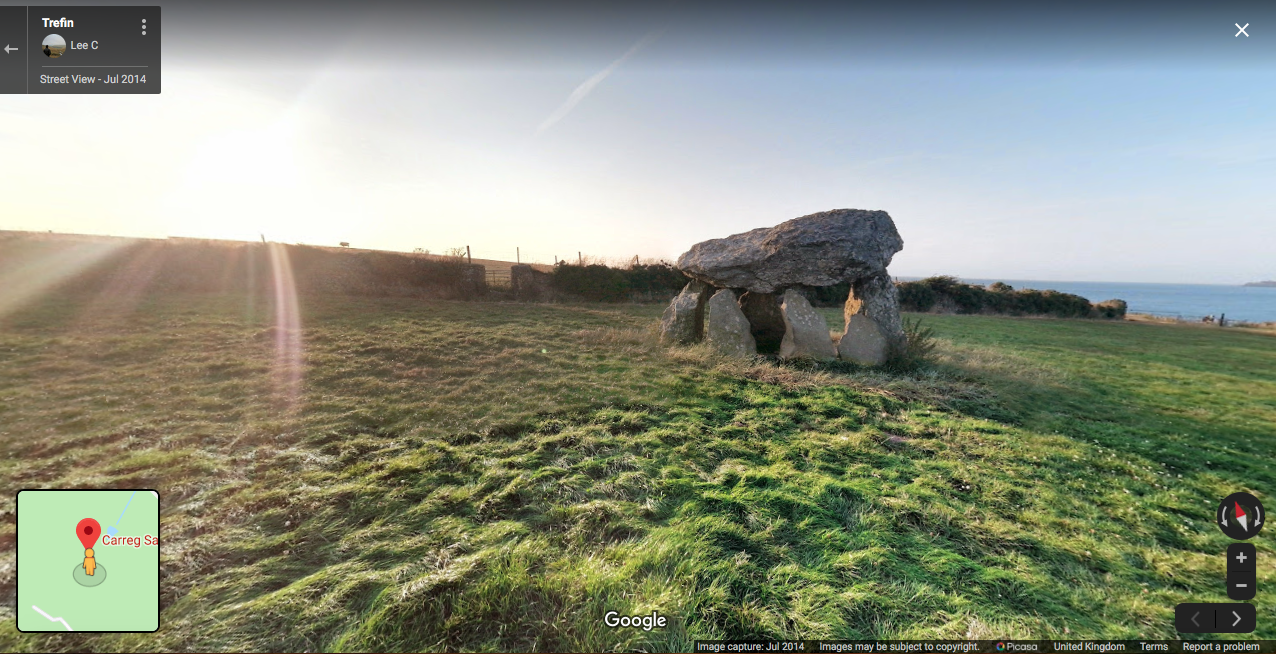
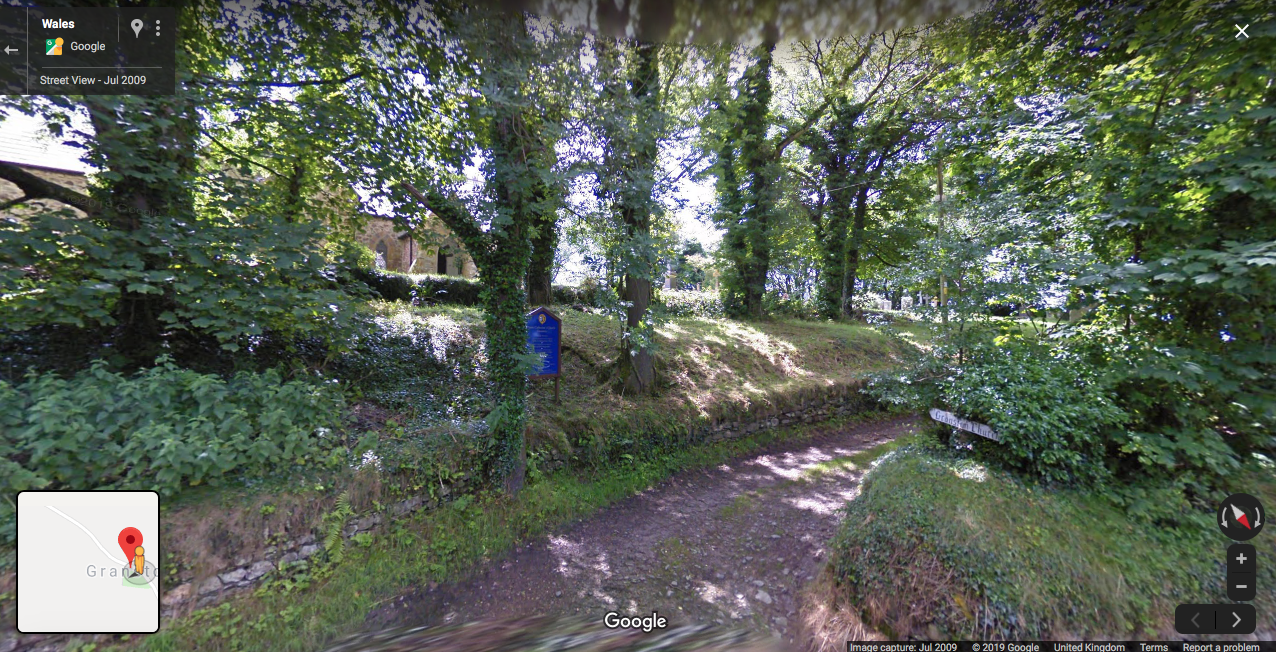
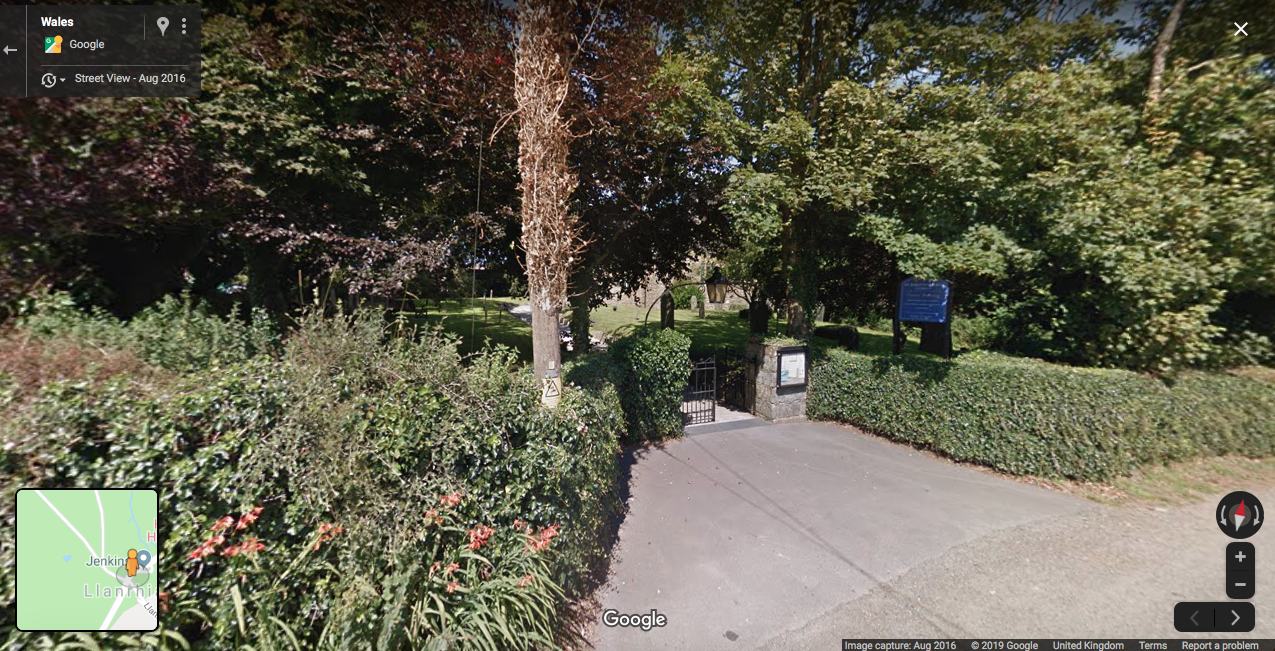
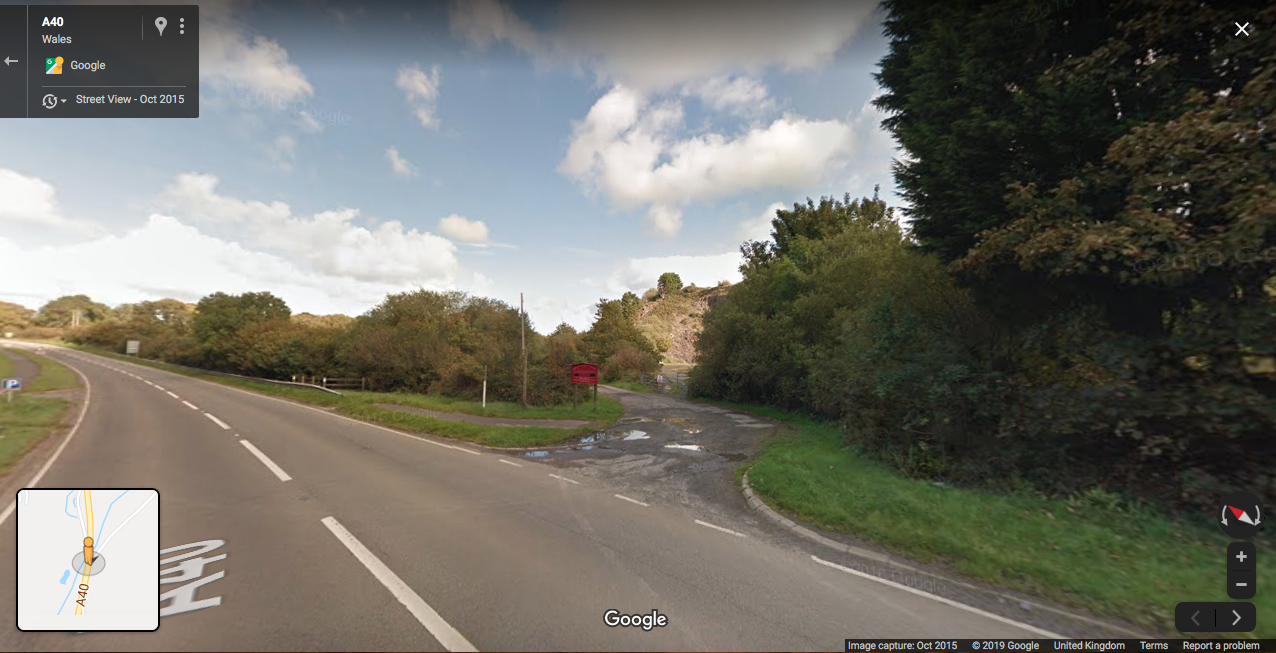
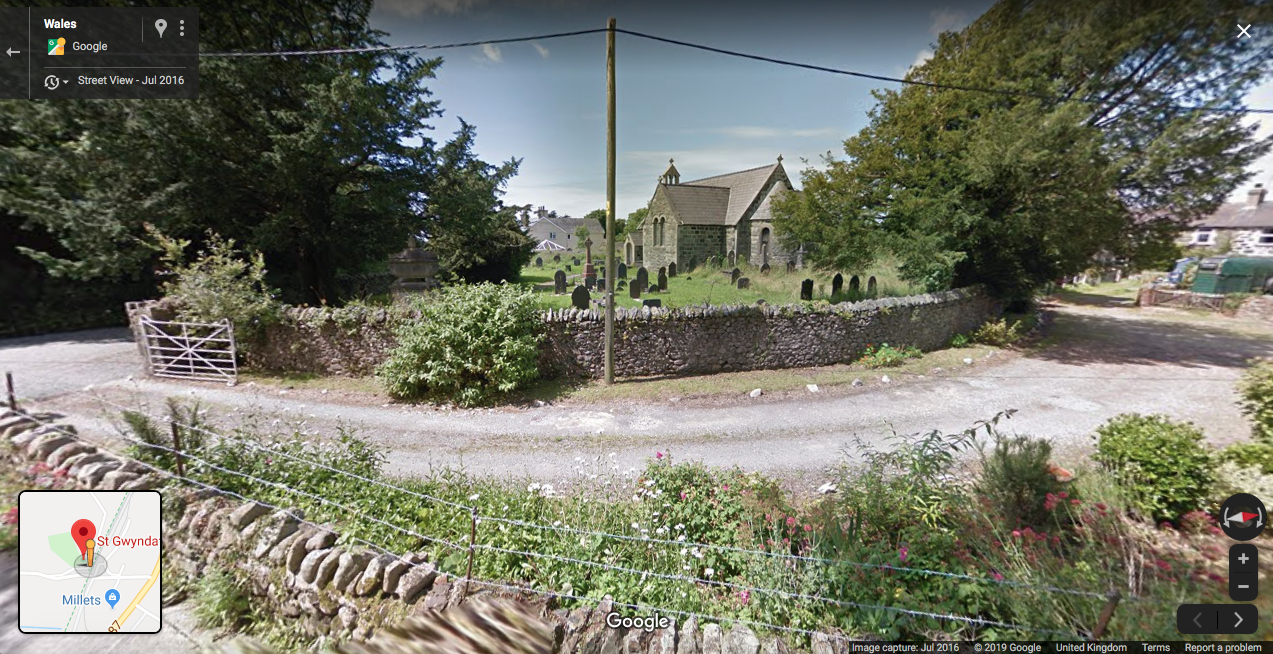
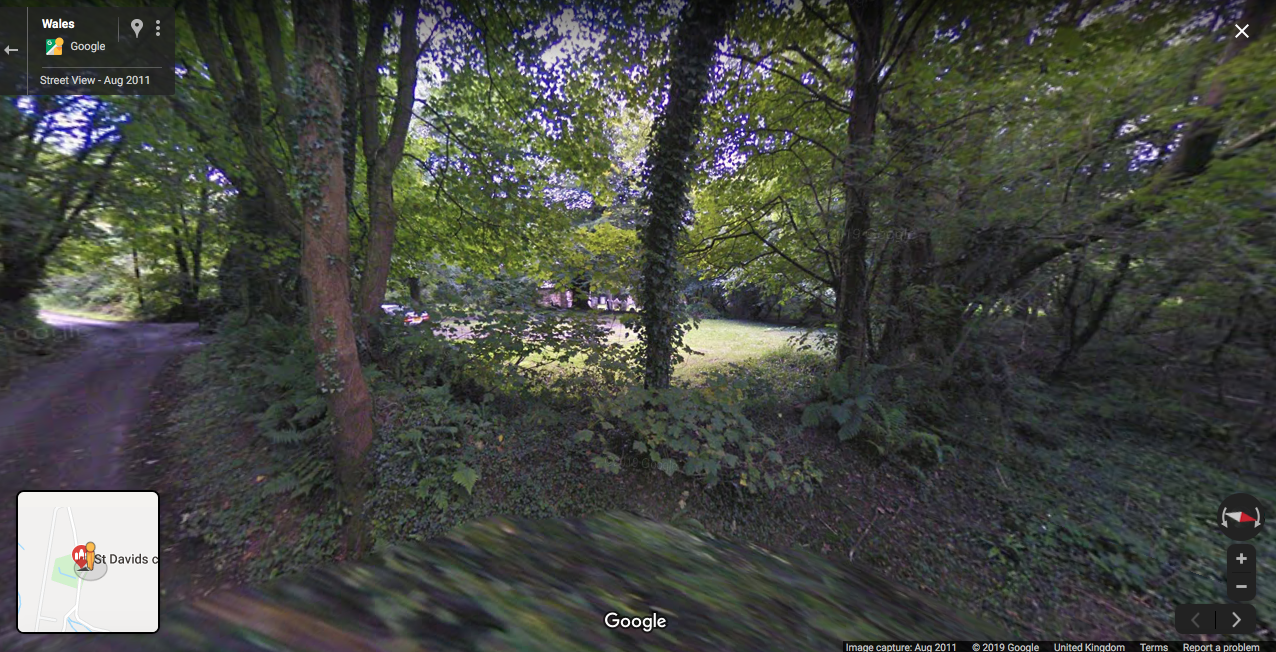
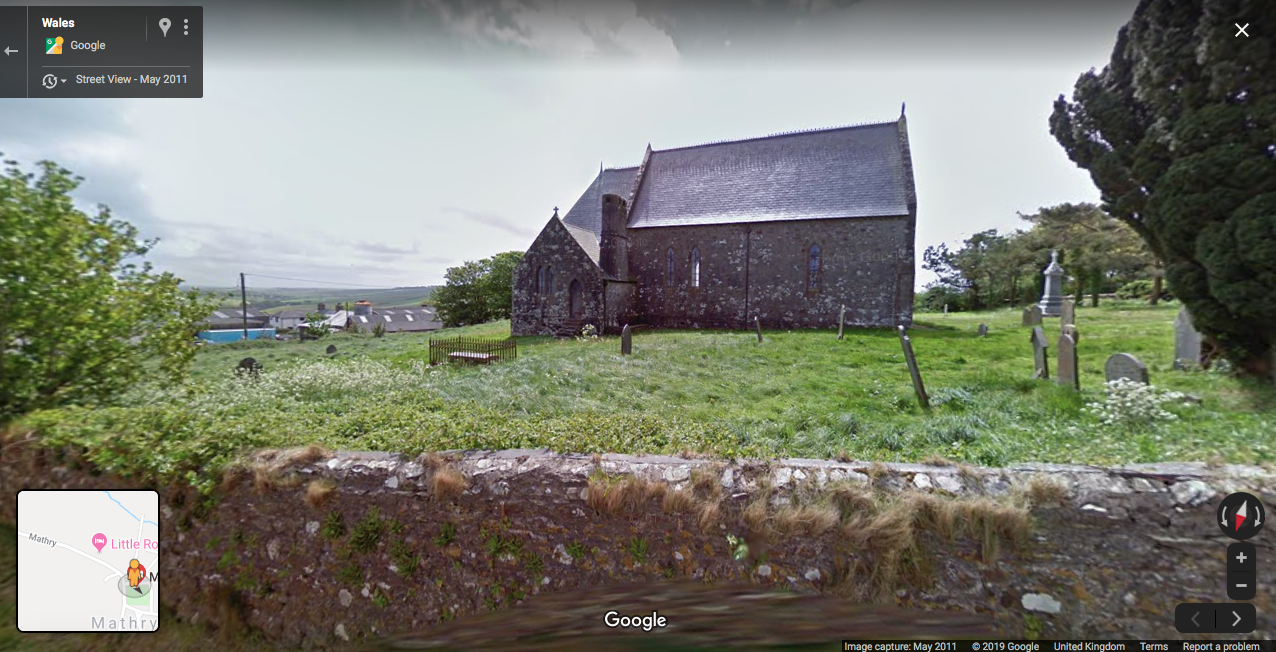
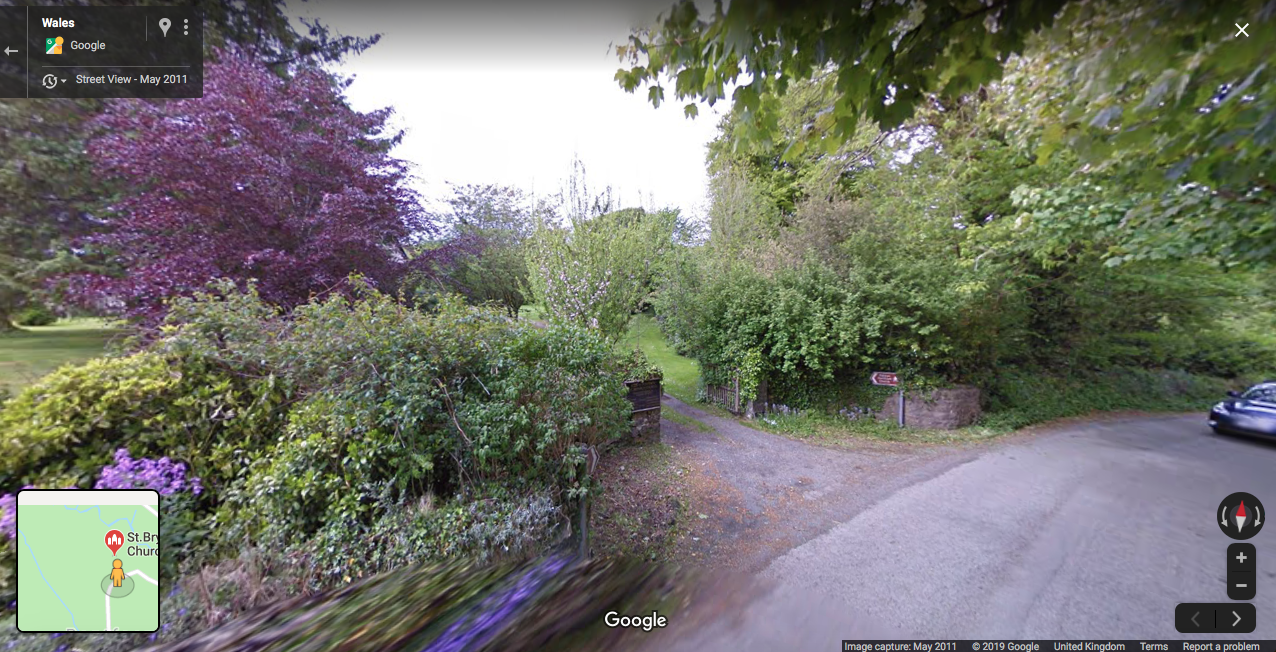
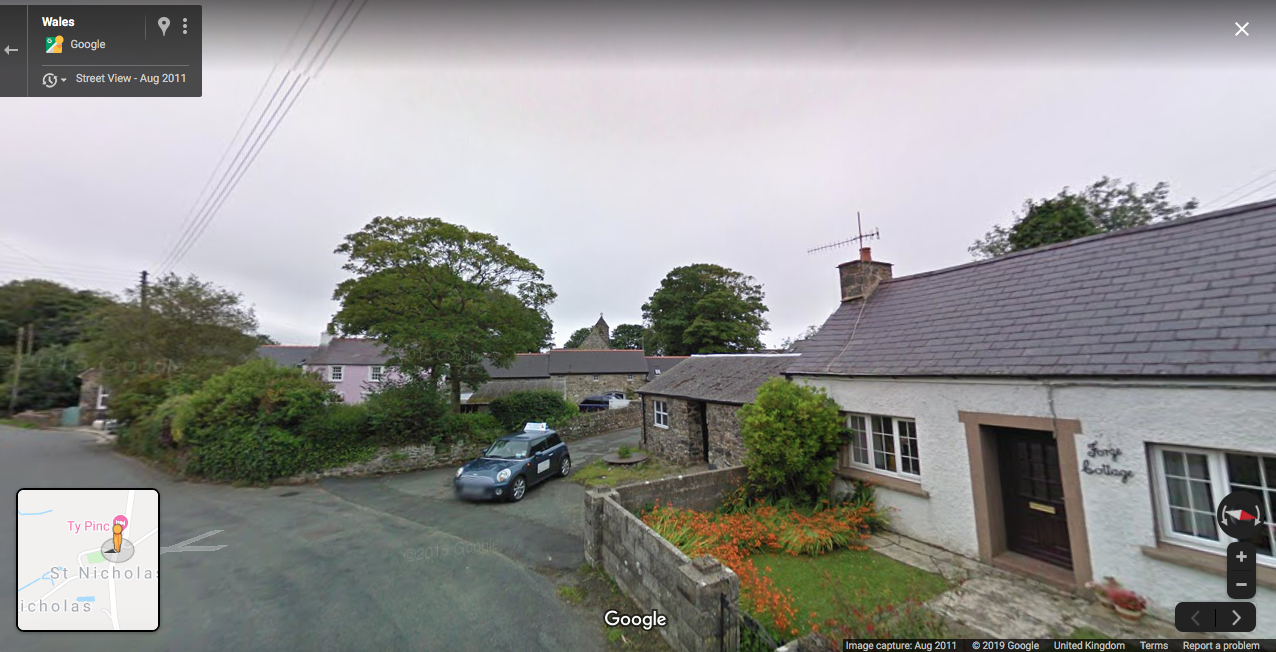
Here are the images showing the In the Shadow of the Preselis sites.
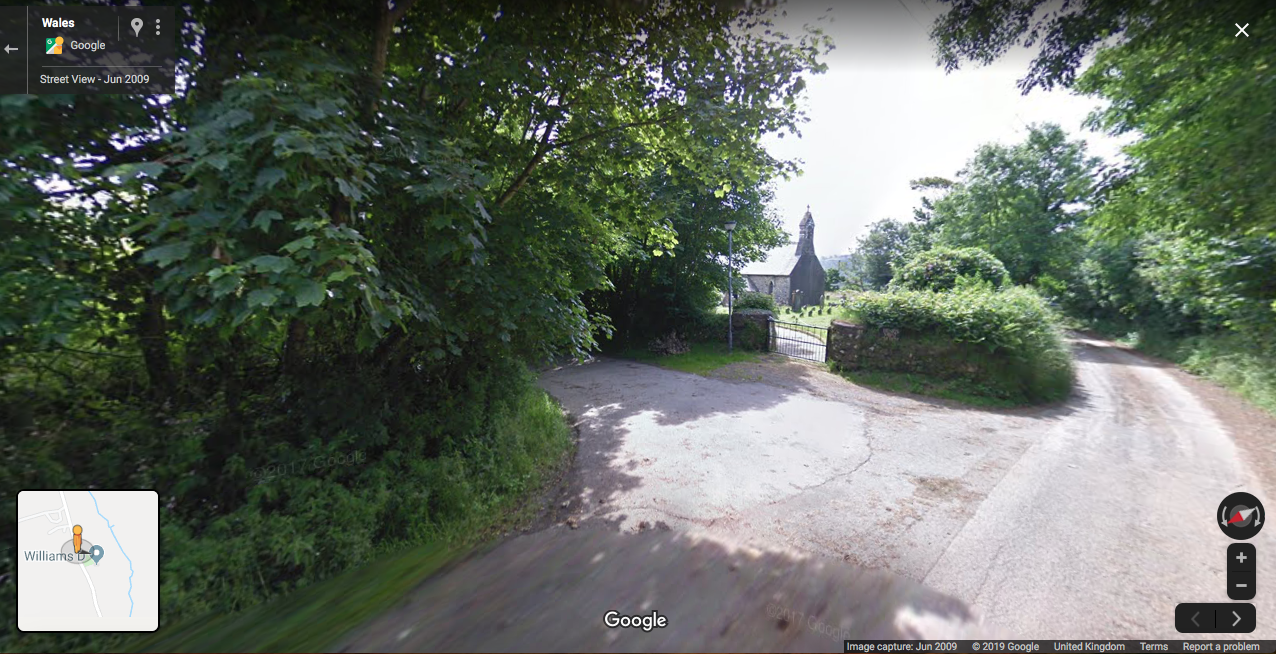
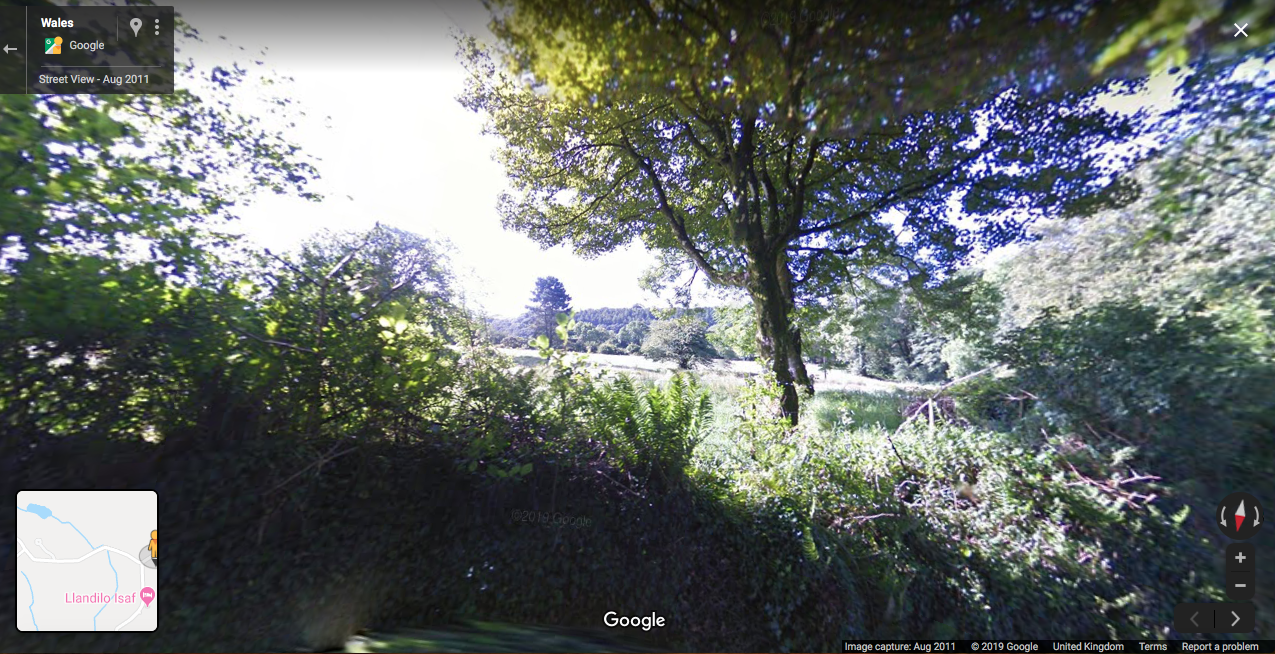
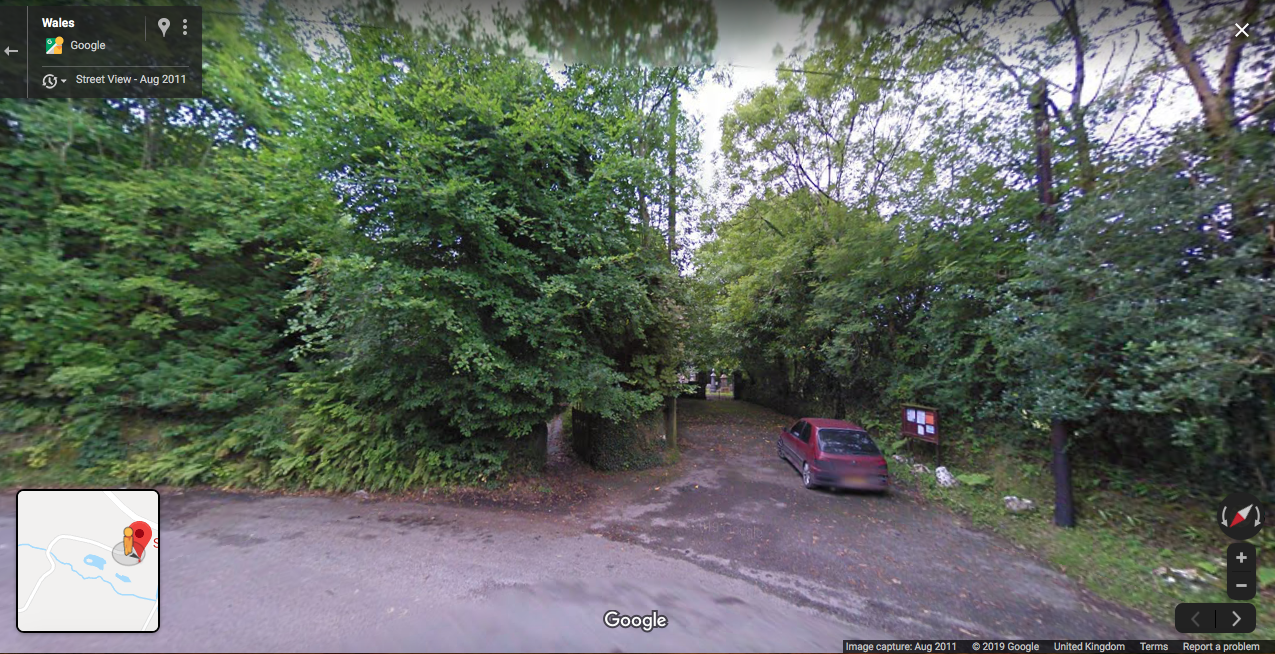
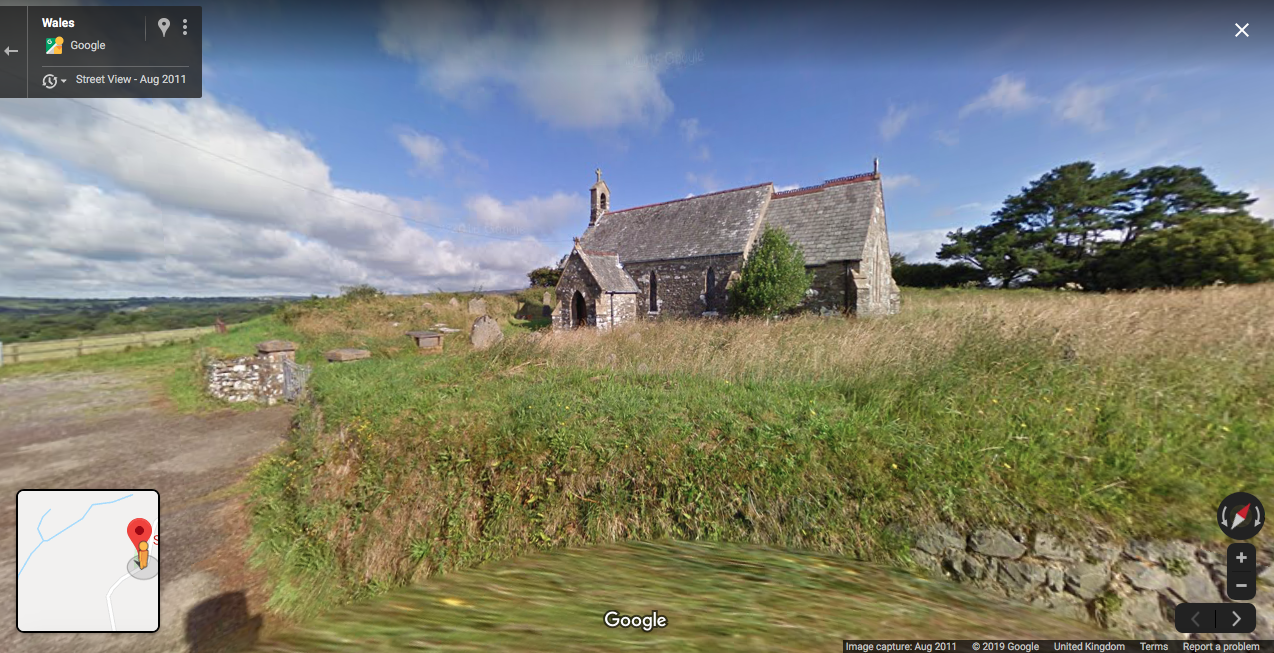
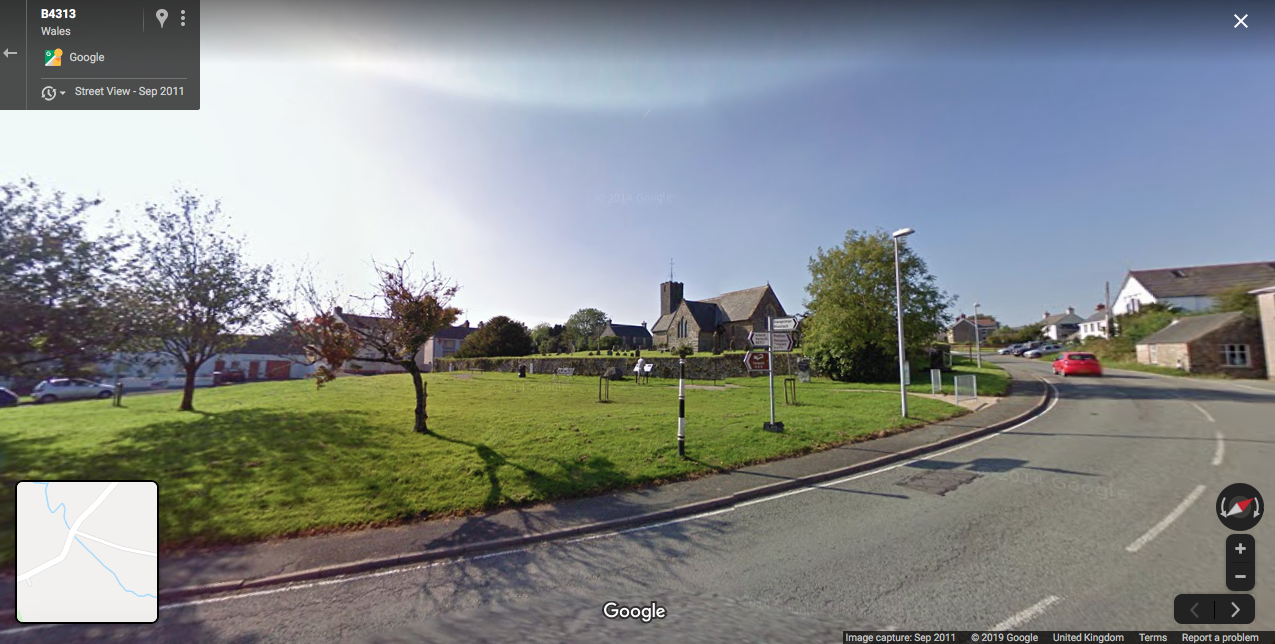
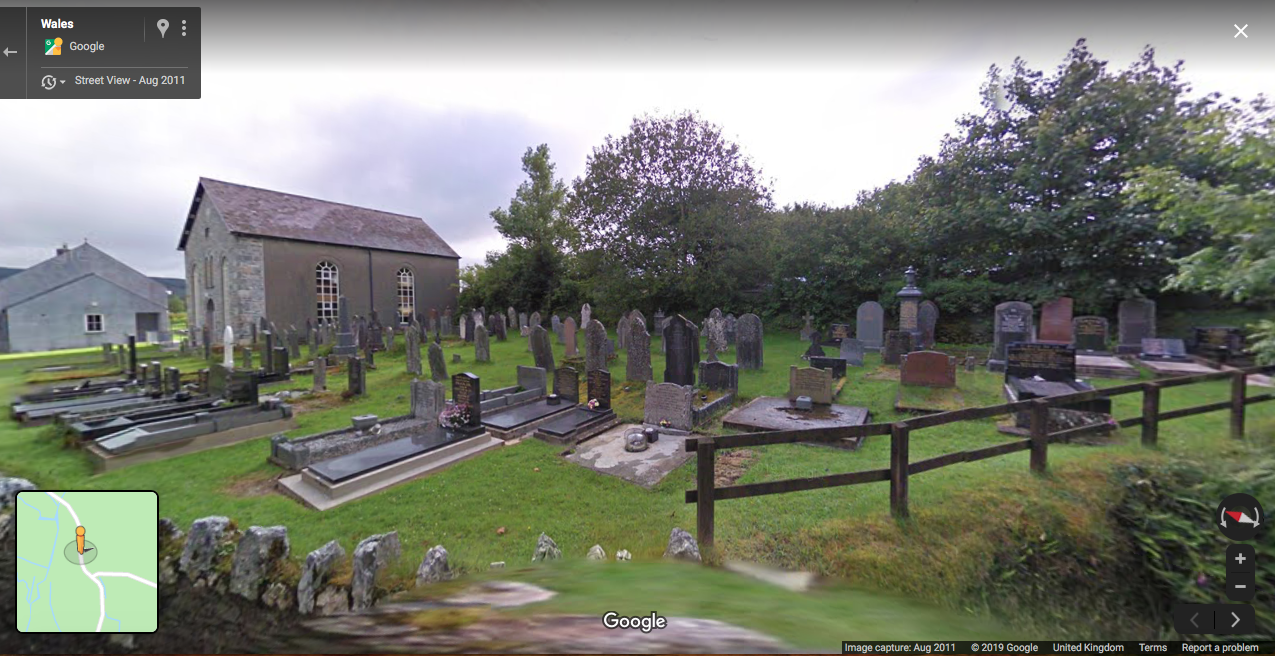
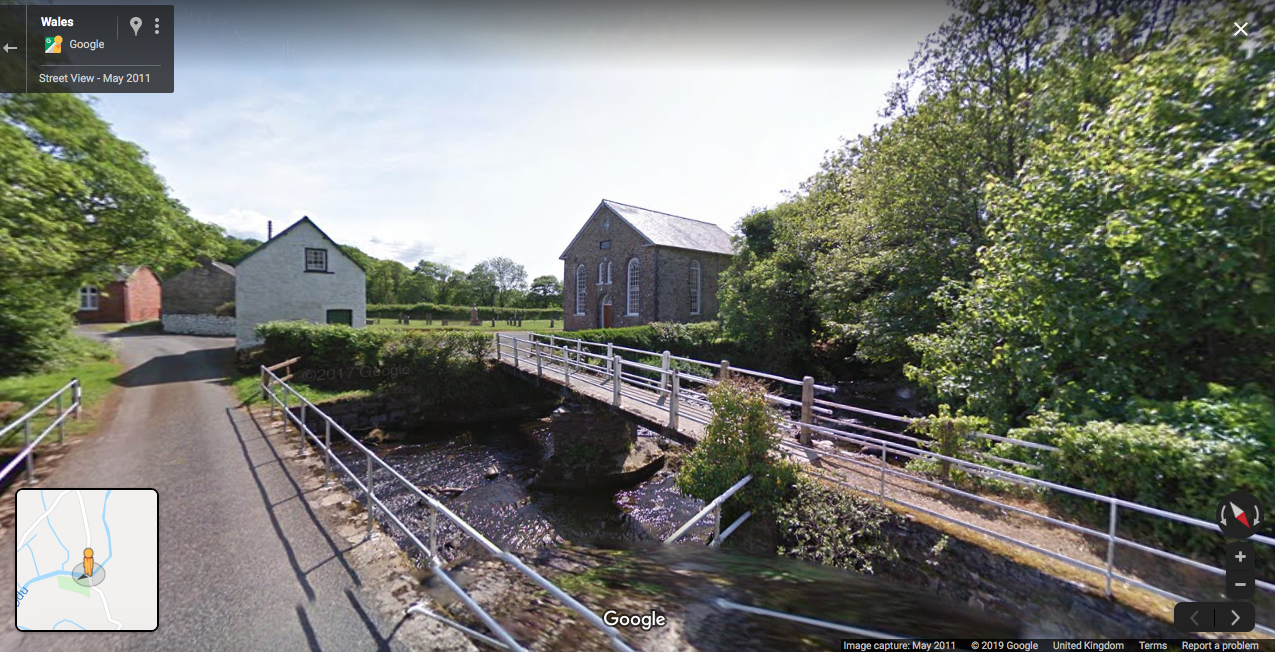
Prehistoric people arrived in Pembrokeshire by sea. The sea routes become important for trade and comerse. The Pilgrims from the sea route can be dated back to the 6th century. Along the Atlantic coasts of Europe, pilgrims sailed up to Cornwall and then onto Pembrokeshire. This was the perfect base for establishing religious settlements. These settlements were a major contribution towards the social and cultural structure we see now. The pilgrims were holy men.
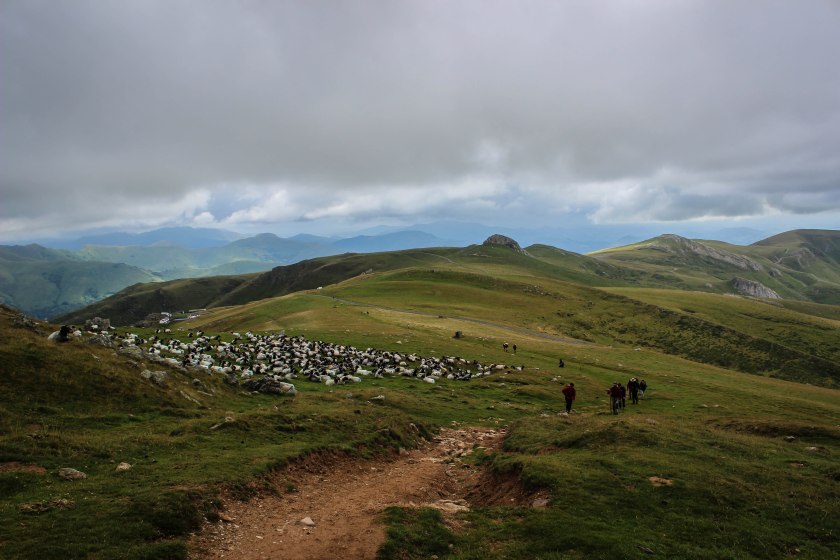
The Preseli mountains dominate the Pembrokeshire landscape. They provide a route by which traders, travellers and pilgrims could navigate. These route have been traced back in use to the Neolithic period, During the Middle Ages, they became a battleground in a fight between the Normas and the Welsh. Today the Preseli Mountains still provide archaeologist with hundreds of finds. It is also where I call home.
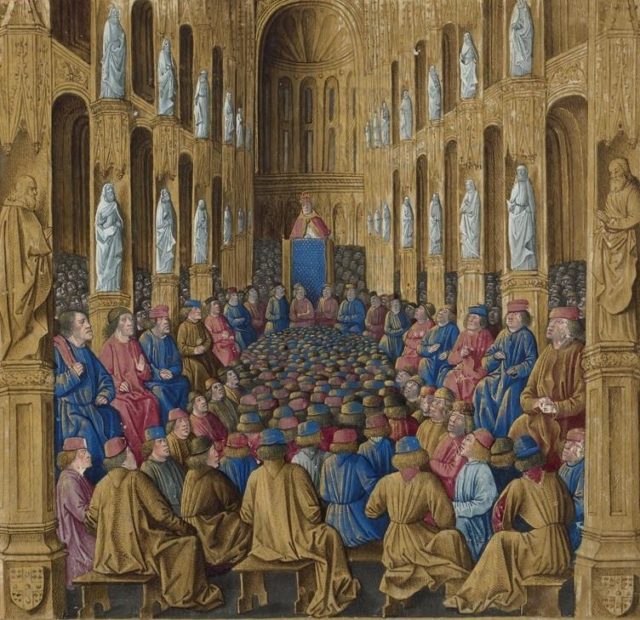
The sites on this pilgrimage hold a deep significance. Pilgrims undertake this to feel closer to their faith, to feel closer to where their faith was established, and to follow the path where saints once walked. This in turn gives the pilgrims spiritual guidance and a chance to enhance their faith. Pope Callixtus legitimised the pilgrimage to St. David’s Cathedral in the 12th century.
The pilgrimage follows ancient routes that links the churches that were the bases for the establishment of Christianity in Wales. The arrival of the first Christian pilgrims can be dated back around 1,500 years ago. These pilgrims arrived by sea from Jerusalem and Rome. They made this journey to achieve spiritual accomplishment. They reached Pembrokeshire, which was a land of Pagans, and they stayed to bring Christianity to this land. We know them as saints today, but men like David, Justinian, Colman, Brynach, Gwyndaf, Telio and Patrick, were all responsible for establishing communities and churches with the goal of establishing and converting the area. These saints are known for their devotion to the dissemination of Christianity. This period of time was known as the age of the saints. These initial journeys marked a route that attracted other holy men and missionaries as pilgrims. They could either arrive by sea or by land and trace the path that established their faith. One of the most recognisable and most influential of the establishers in Wales was Saint David. St. David holds a special place in the history of but also in modern day Wales. He is a symbol of the nation, and holds an identity the people of Wales can relate to. This is important to the history of Wales and to its people.
This pilgrimage was established by the actions of men. They become saints, and places in Pembrokeshire are still dedicated to them. Their actions still resound across the landscape. The early pilgrims were missionaries and holy men. They follow their forbearers to feel closer to their faith and in turn to be closer to their God. Generations of holy men continued to come on this pilgrimage. This pilgrimage was created by men and become one for men, because it became born of an established tradition. This is similar to how gender inequality has been disseminated from an established thought and traditions.
Davies, D. W & A. Eastman (2002) Saints and Stones. Wales. Gomer.
























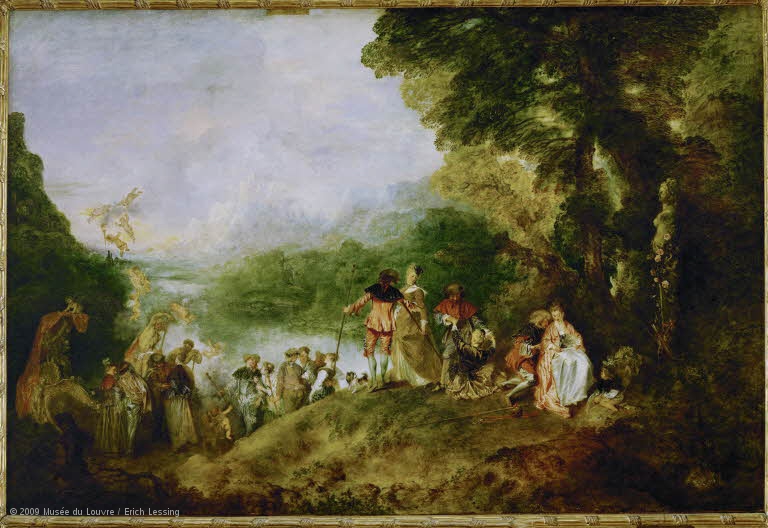
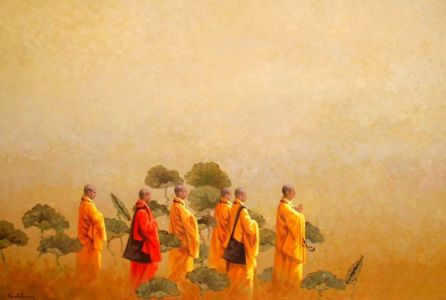

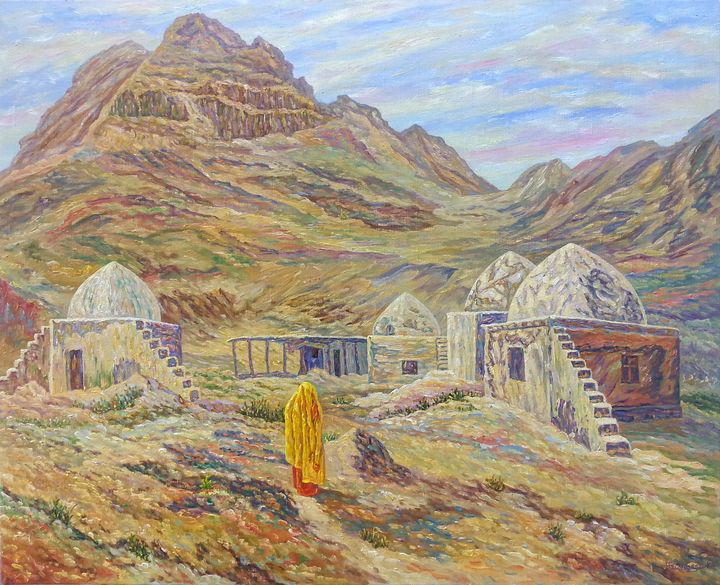













































































































 Georgina's Body of Work