UNESCO (2015) A guide for gender equality in teacher education policy and practices. France: UNESCO, pp. 1-112.
UNESCO released a guide for teachers to promote gender inequality in their institutions. This guide has helped my third chapter of my essay for Contextual Studies when I look at pedagogy.
The guide raises point such as that gender roles Are a learnt behaviour which can be fixed by education and training. The guide looks at the differences in cultures and within different cultures. Cultures and institutions are moulded by the people in charge.
To help the problem, support is needed. For teachers and for pupils, this way it can help the way teachers approach their students and in turn will help the pupils classroom experience. The problem with a curriculum is that it allows leeway for teachers to bring their own views, prejudices and views, this can have a negative effect on the pupils. Pedagogy will help these issues. Teachers should use gender neutral methods and directives.
This guides also looks at a study conducted by Grace and Gravestock in 2009. This study looked at gender biases in classrooms. For example male students were given longer to answer a question and teachers would often interrupt female students.
Gender stereotyping comes into play. Men are seen as active, strong and often rational, this is in contrast to women who are seen as passive, weak and emotional. This studies hopes that teachers will be aware of these issues and try and combat them. They need to stop using judgement in their language and manner. They need to have a fair approach to everyone. “Gender equality needs to become a reality in every learning environment” (UNESCO).
Nochlin, L (1973) ‘Why have there been no great women artists?’ In: Hess, T. B & E. C. Baker (ed.) Art and Sexual Politics. UK: MacMillan, pp. 1-39.
This work by Linda Nochlin has been very useful in my Contextual Studies essay. In my second and third chapter I look at the inequality between male and female artists. It has proved to be a valuable resource.
Nochlin discusses woman’s position as the “acknowledged outsider” in art with John Stuart Mill stating that we tend to accept what is seen as natural, “everything which is usual appears natural, the subjection of women to men being a universal custom, any departure from it quire naturally appears unnatural” (Mill Quoted in Nochlin, 1973). This is a good point which can help explain why inequality has taken such a hold, but it is seen as a natural division. “Those who have privileges inevitably hold on to them, and hold tight, no matter how marginal the advantage involved, until compelled to bow to superior power of one sort or another” (Nochlin, 1973). This statement is key, as it can help understand why men in power deny that there is an inequality, as they want to hold onto their advantage. They will fight to keep their influence and power.
Nochlin believes experience will lead to the production of different art by men and women. There has also been a misunderstanding of what femininity is. She also states that women are worked against from when they are born (Nochlin, 1973). This makes sense, as much of the inequality we see is deeply engrained in society so would affect women from birth.
Mulvey, L (2007) ‘Visual pleasure and narrative cinema’ In: Evans, J and S. Hall (ed.) Visual Culture: A Reader. UK: Sage Publications Ltd, pp. 381-389.
Laura Mulvey looks at the male gaze and how dangerous it can be. The male gaze originates from cinema. Mulvey discus scopophilla which denotes the pleasure in looking. She looks at Freud’ work in this field. It is seen as ownership, where one believes the other belongs to them as an object. It is part of the ego and can develop further. Mulvey believes that the cinema provides a perfect place for the pleasure of looking. Jacques Lacan looks At how children see their own images in a mirror, and believes this is an aspect of the ego (Mulvey. 2007).
There are two types of pleasure found in looking. The pleasure found in using a person as an object through visual means is the first. The second is found in narcissism and the ego, this is where someone identifies with the image they see. Visual pleasure in found between the active male and the passive female. The male gaze is able to embedded their fantasy to the woman. Men have the power here (Mulvey, 2007).
For my contextual studies essay, this is a valuable sources. At some points I found it a struggle to make sense but I persevered with it. Mulvey pinpoints the gaze in cinema. It would be interesting to see how this translates into other areas. This is something I could develop for my Contextual Studies work, as Mulvey’s work is very relevant to my field but I could extend this though into other areas, for example the male gaze in landscape photography (Mulvey, 2007).
I felt that I still had more that I could add to my project. This actually coincided with the Coronavirus outbreak. I am having to shield so am unable to go outside and photograph more at the moment. I have always thought about bringing maps into my work, to reinforce the journey part and the give some context but without being too specific. I also thought about how I could contrast the inequality with ‘strong women’. I then had the idea to use images from my own personal archive of female family members and bring these in somehow.
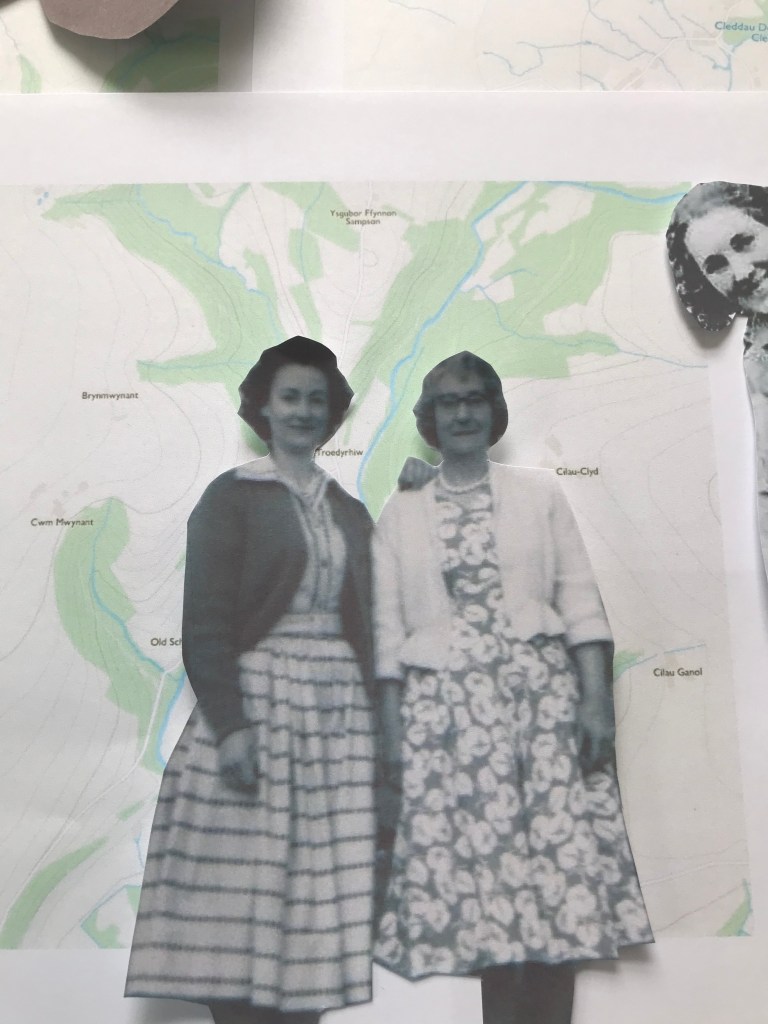
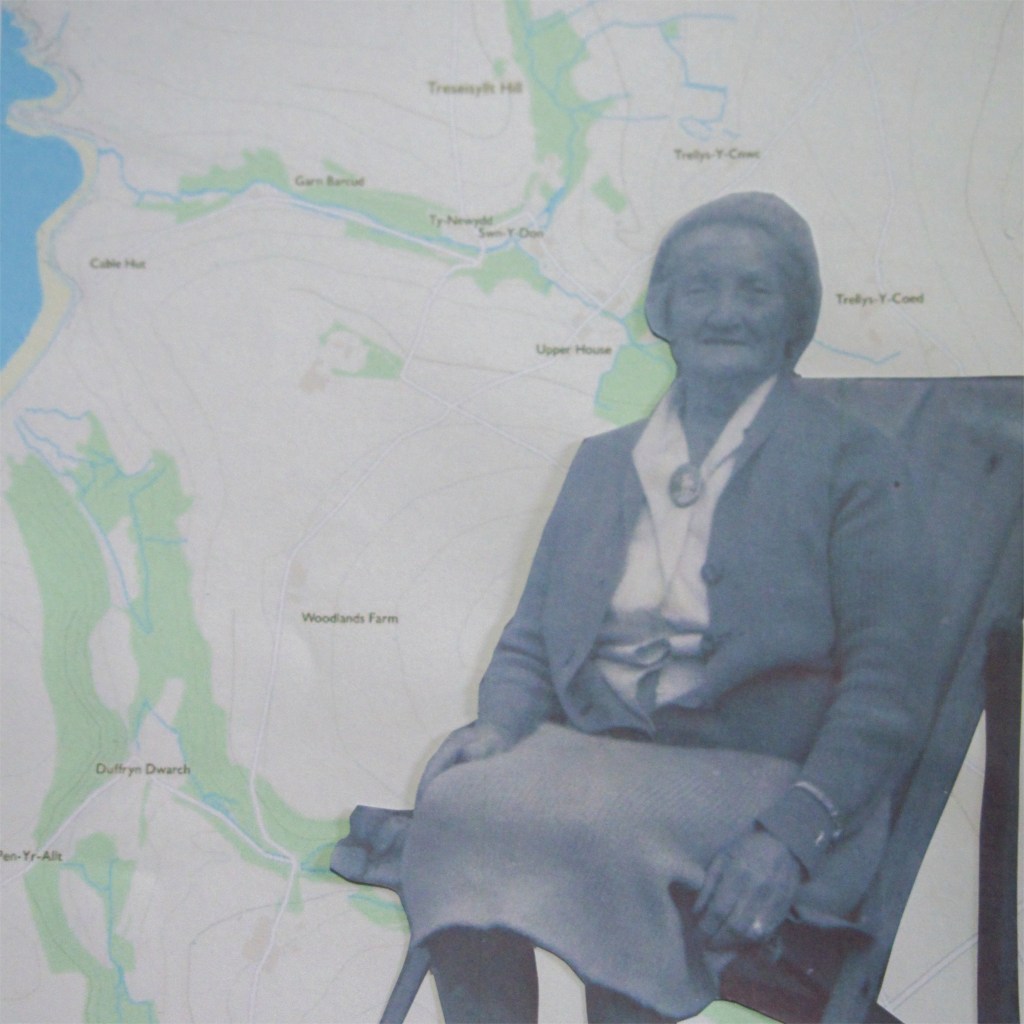
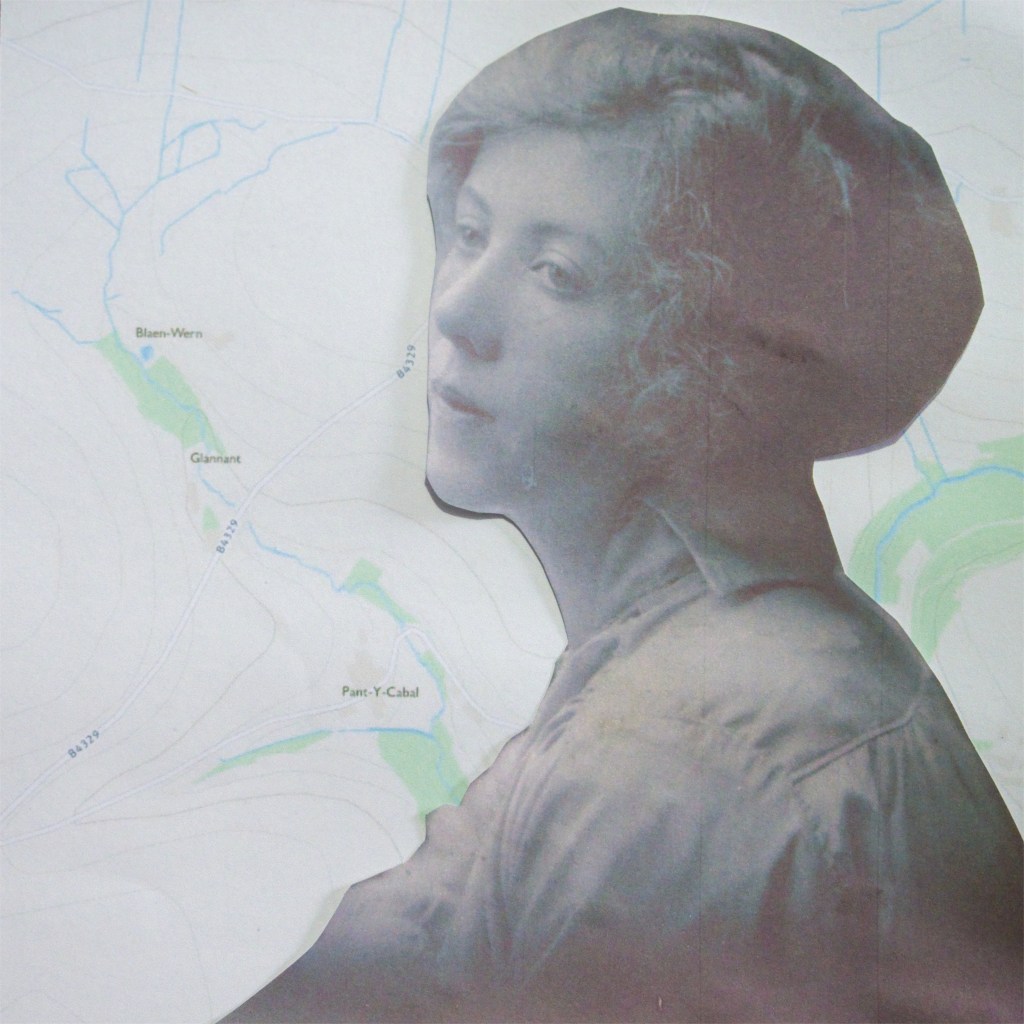
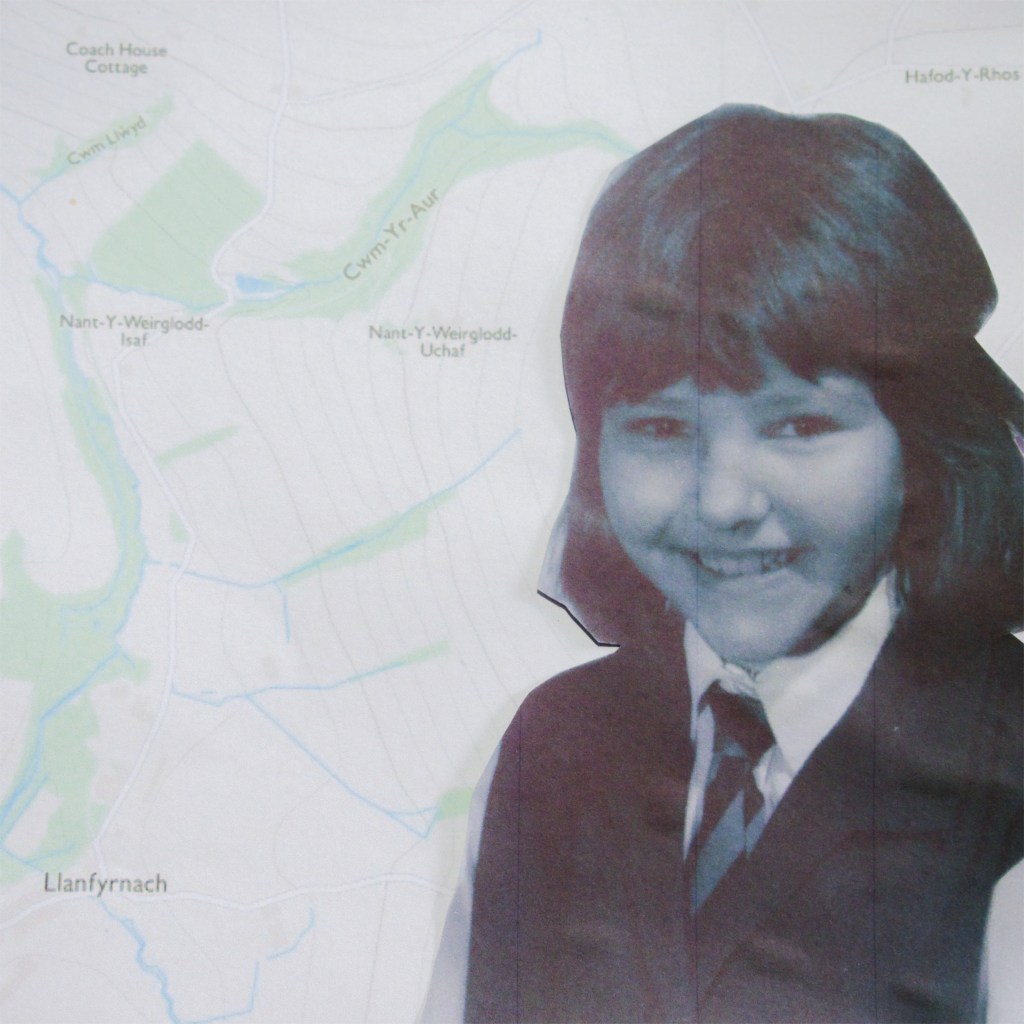
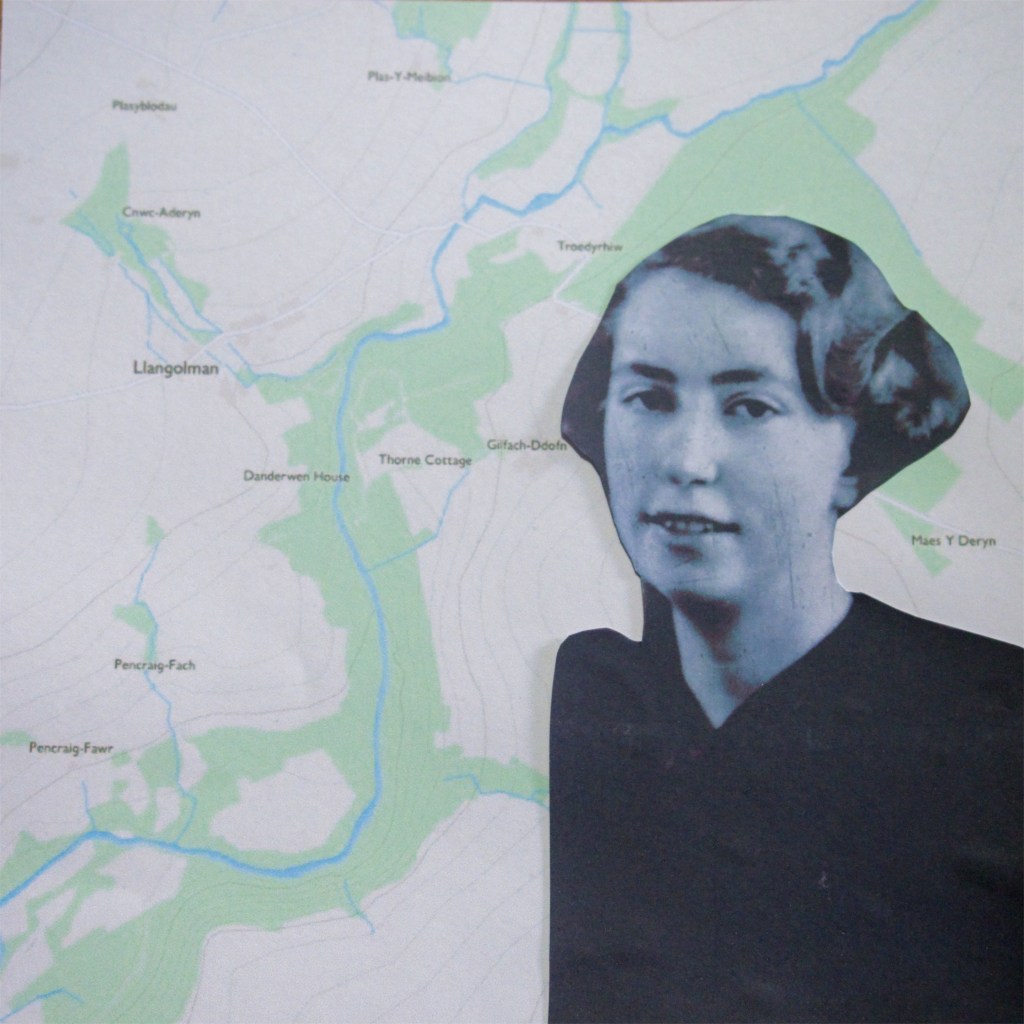
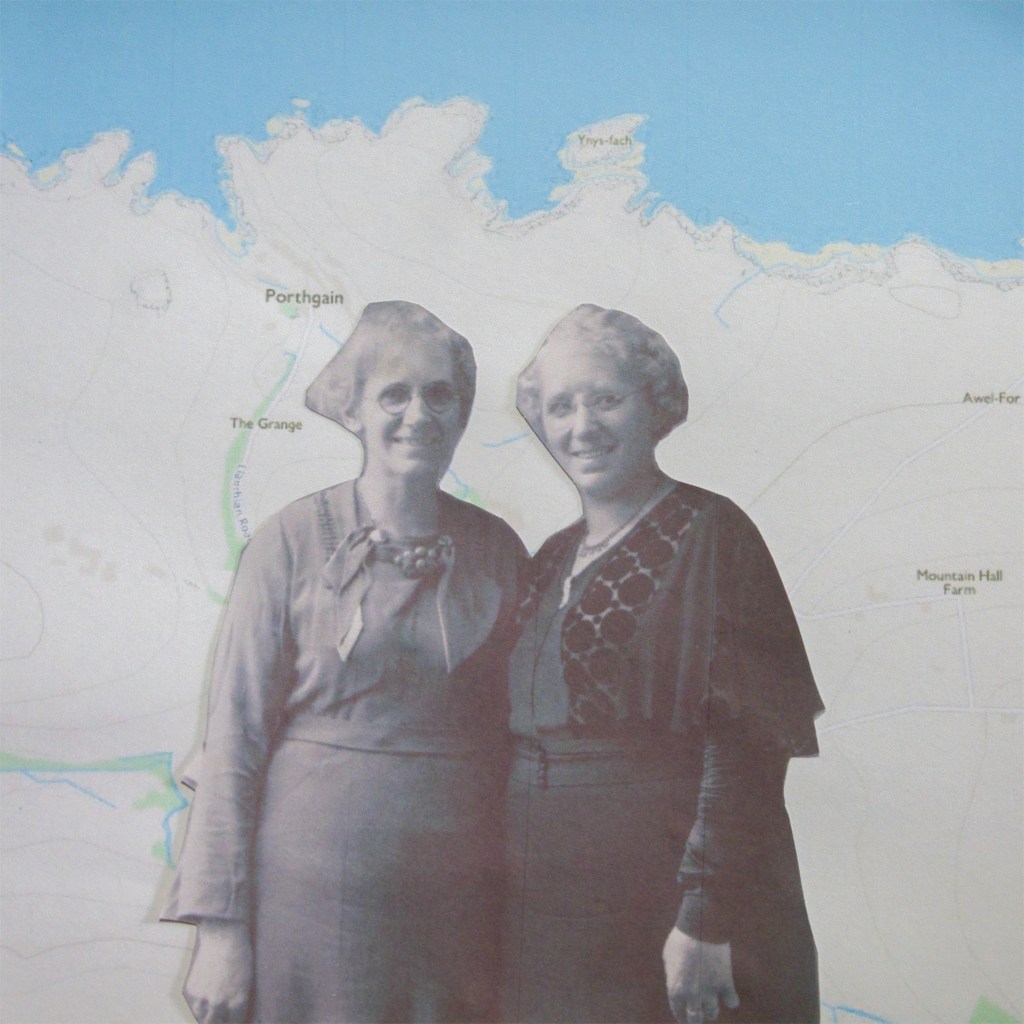
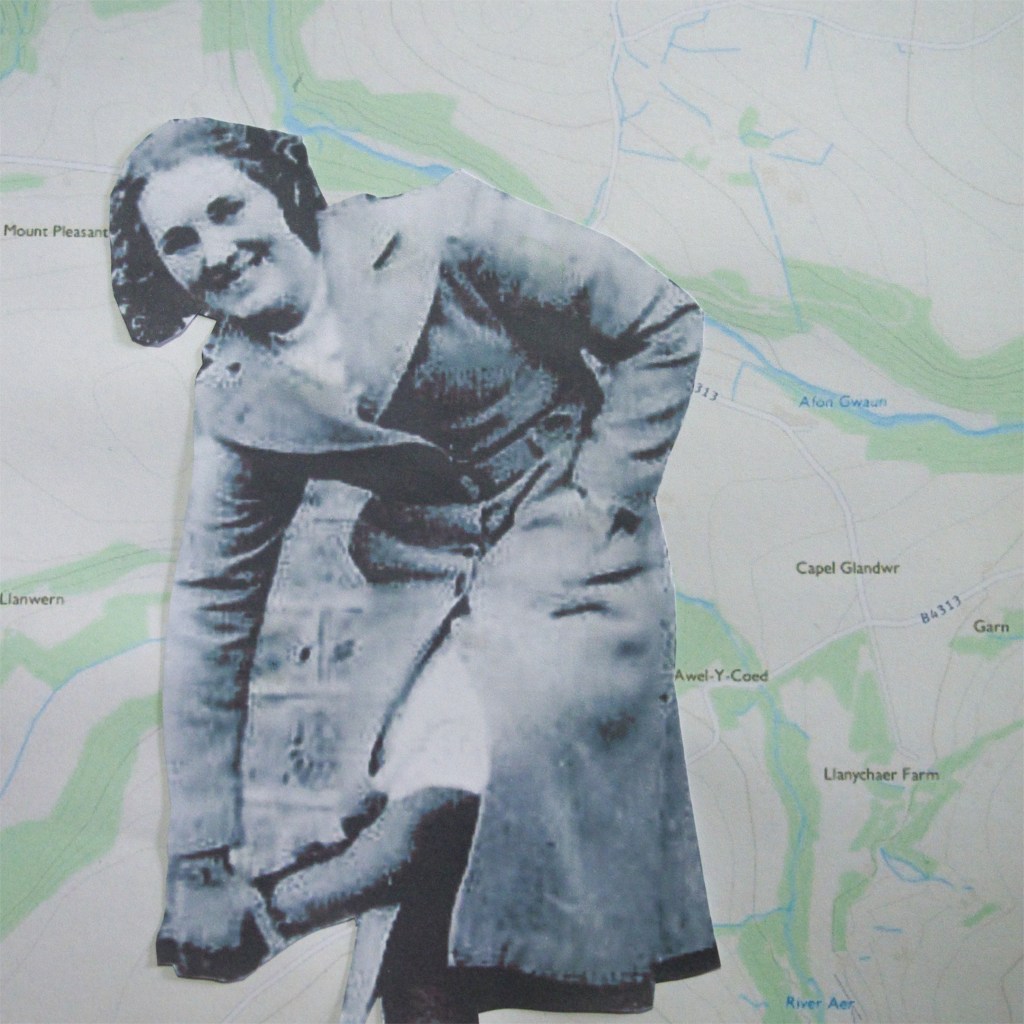
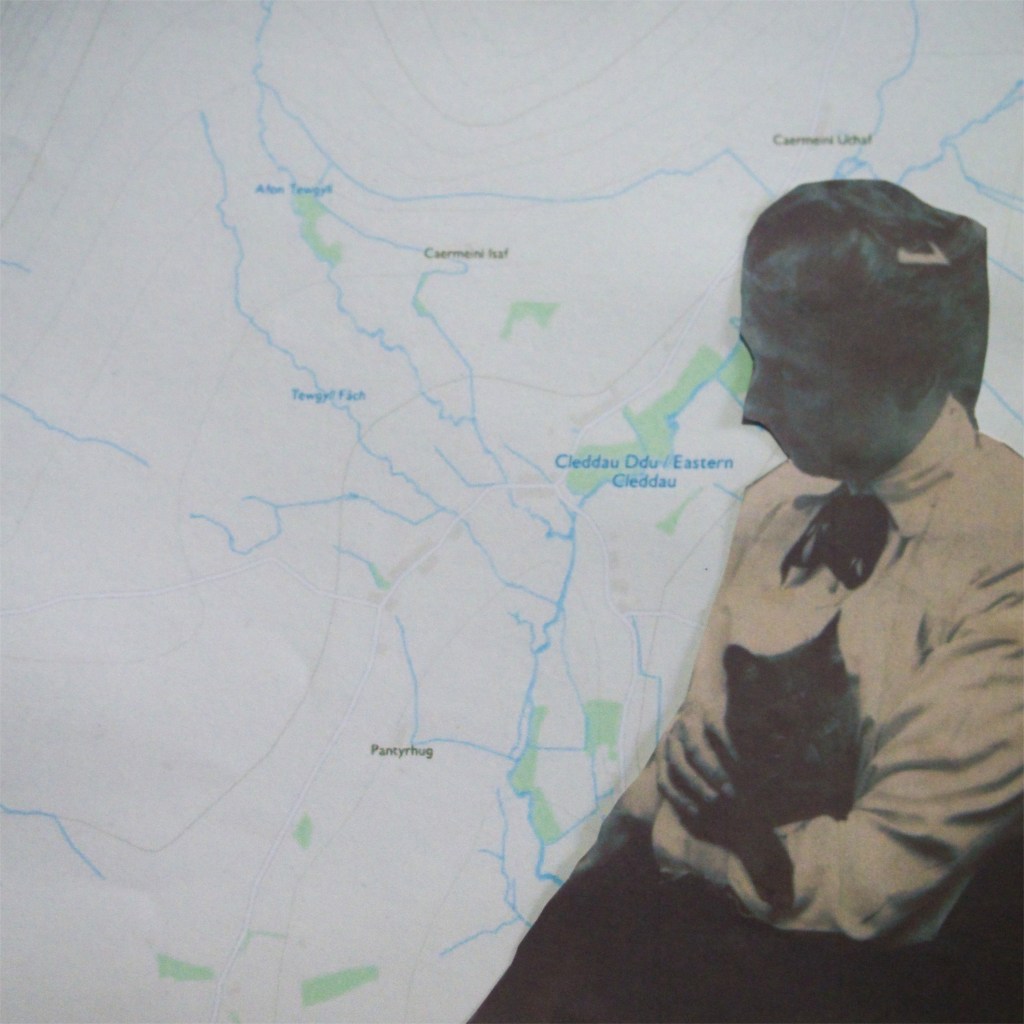
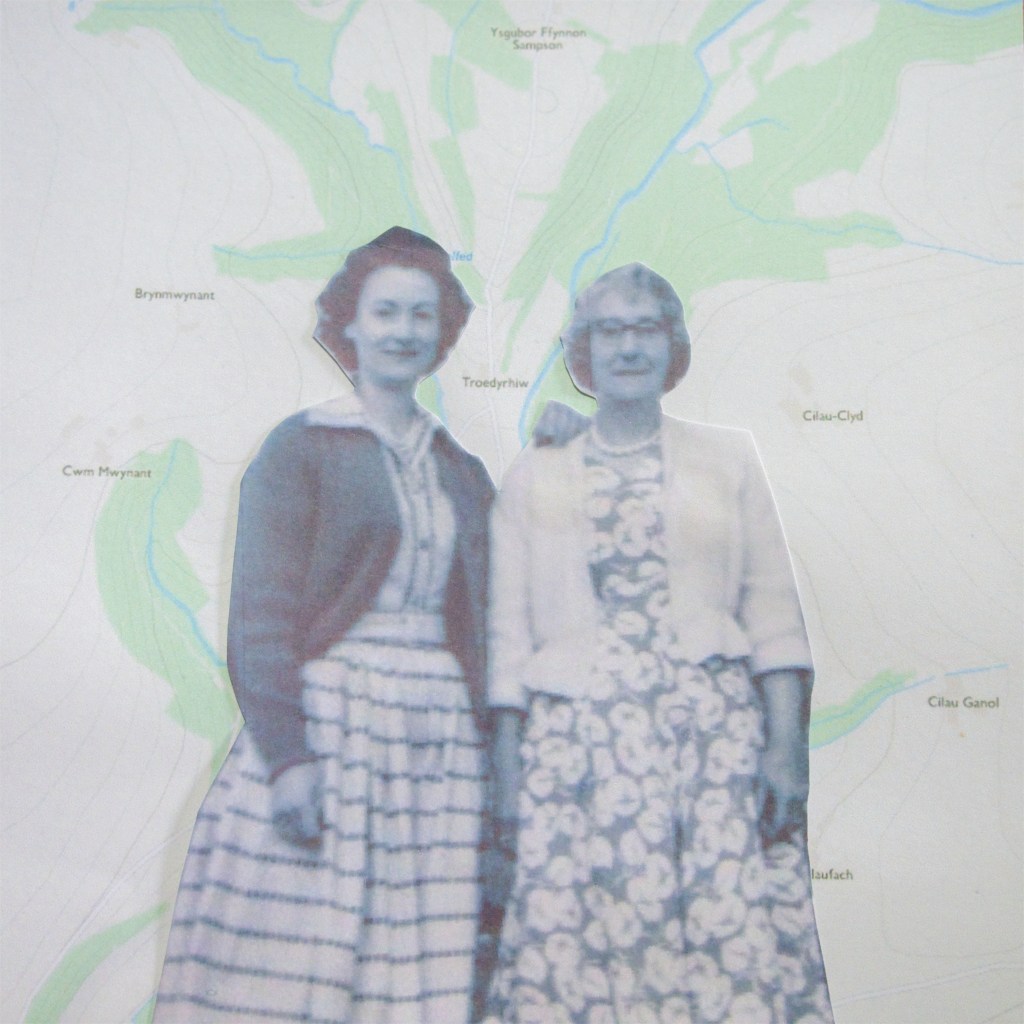
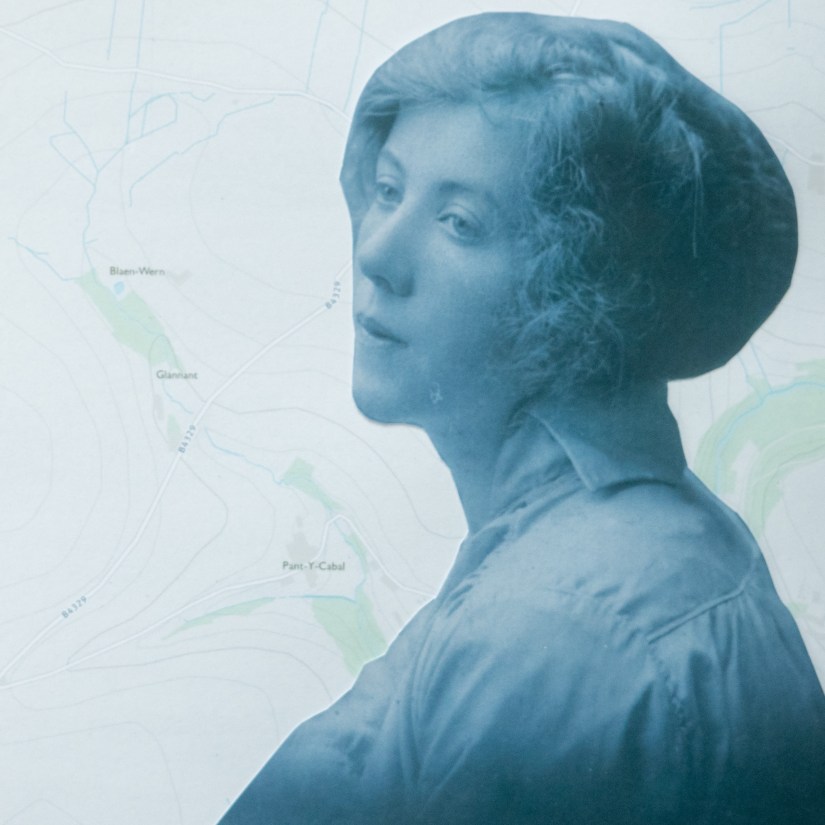
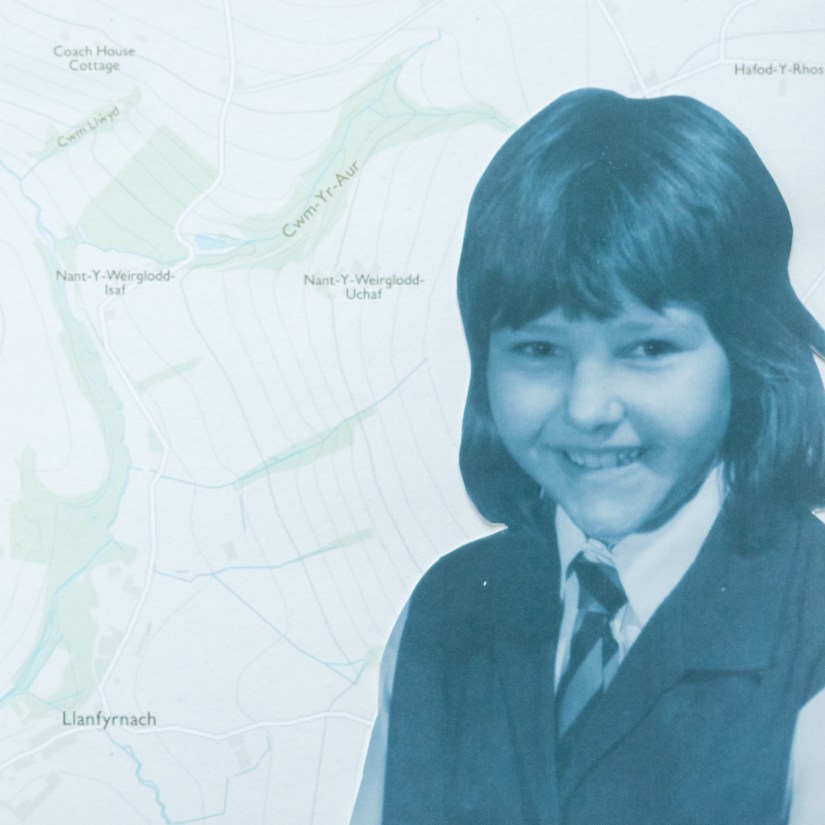
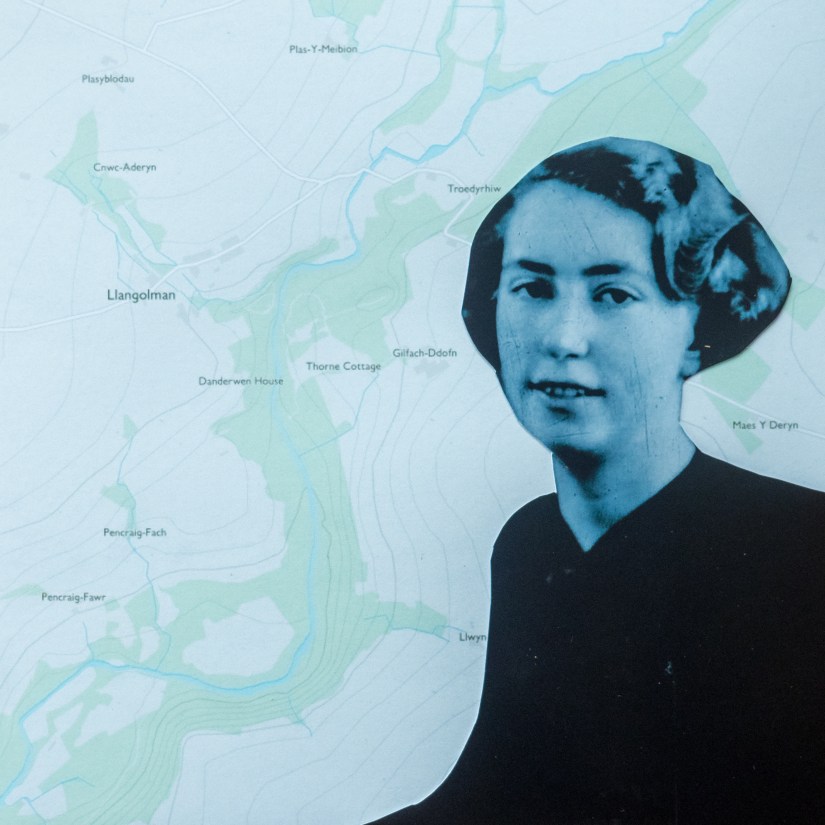
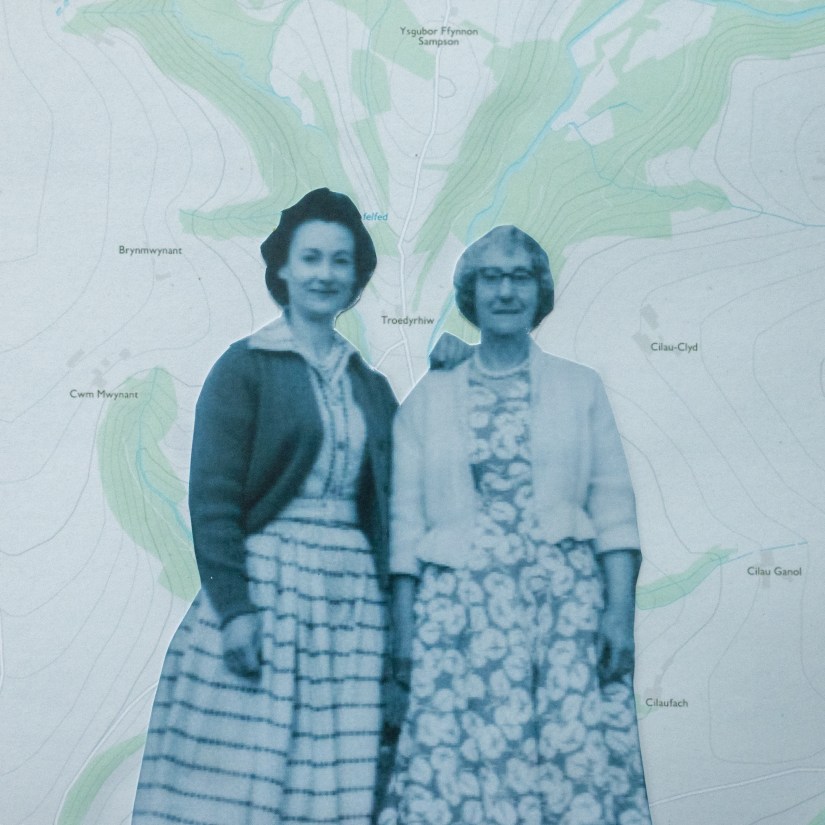
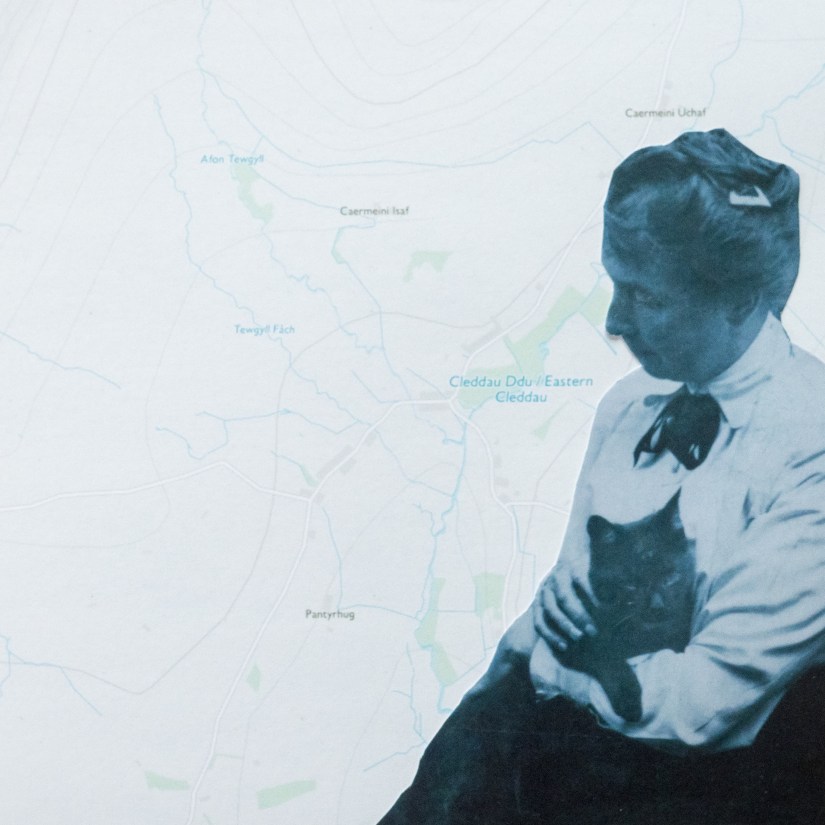
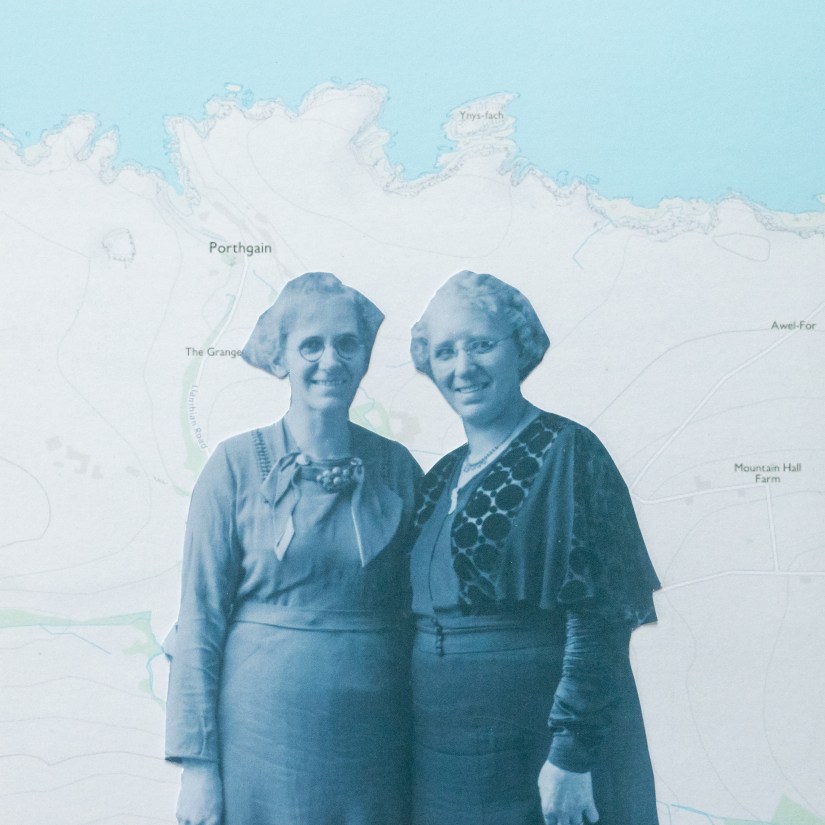
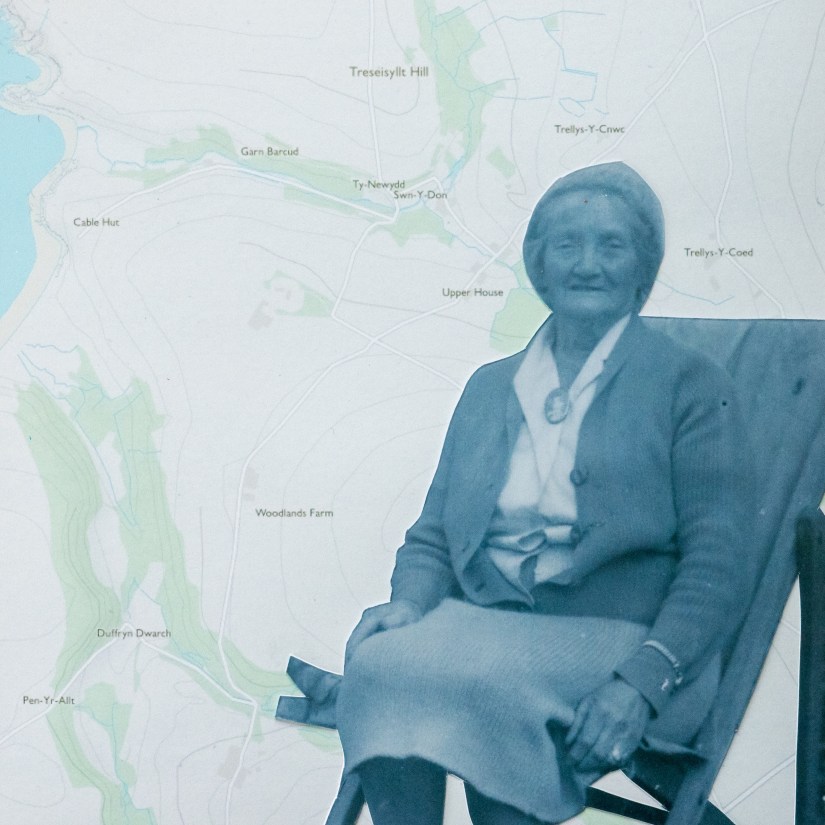
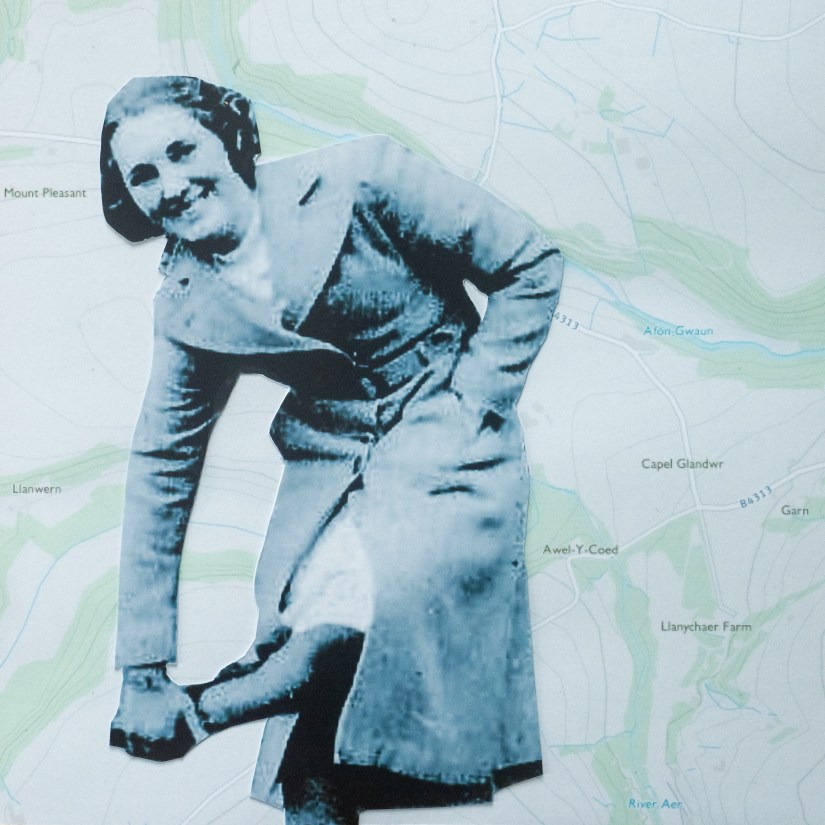
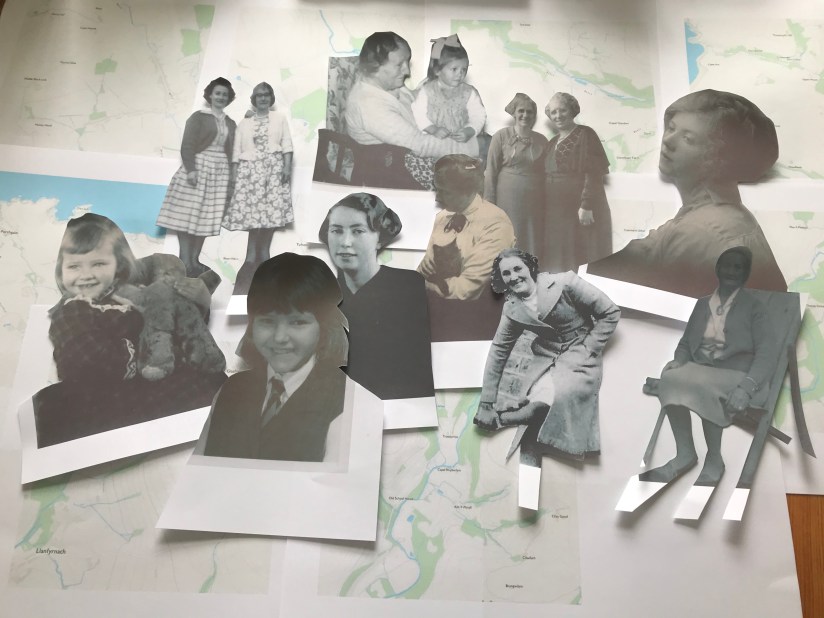
My idea is to combine the map images and the female images together, to symbolise that my family, the strong women are with me on this journey.
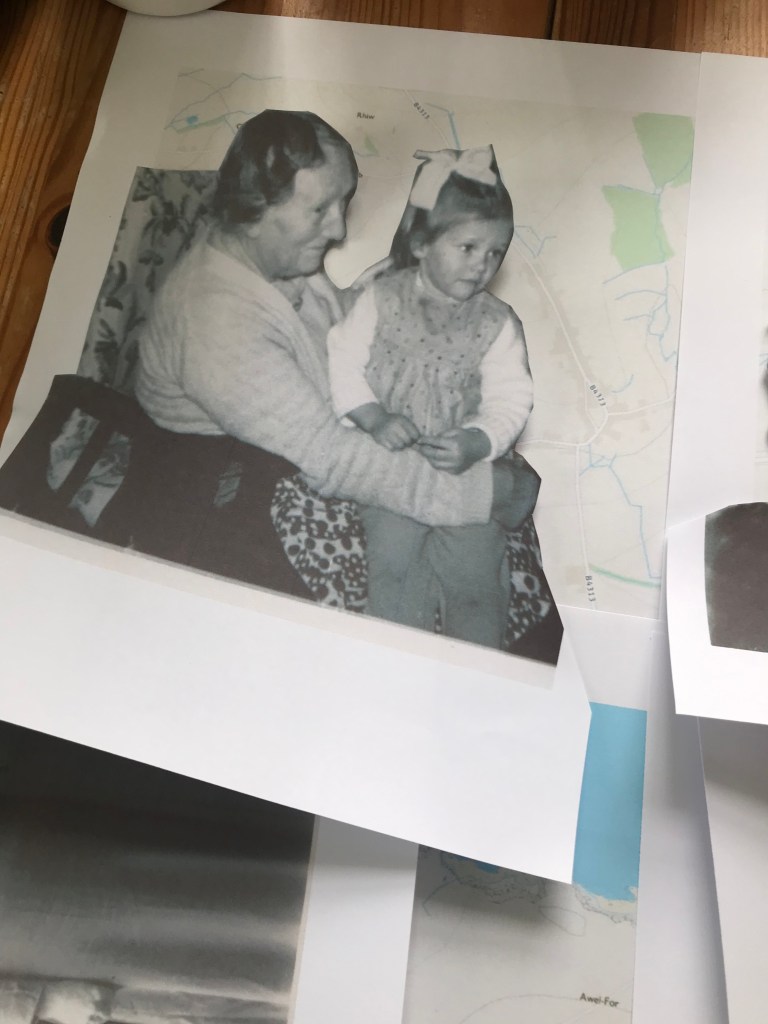
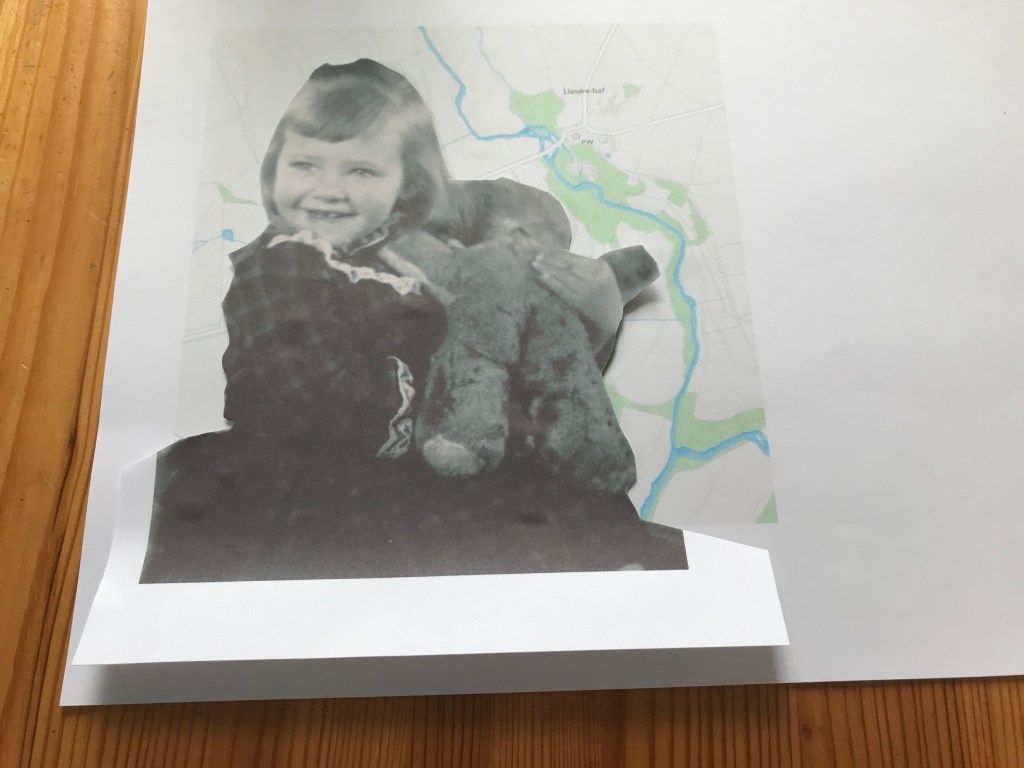
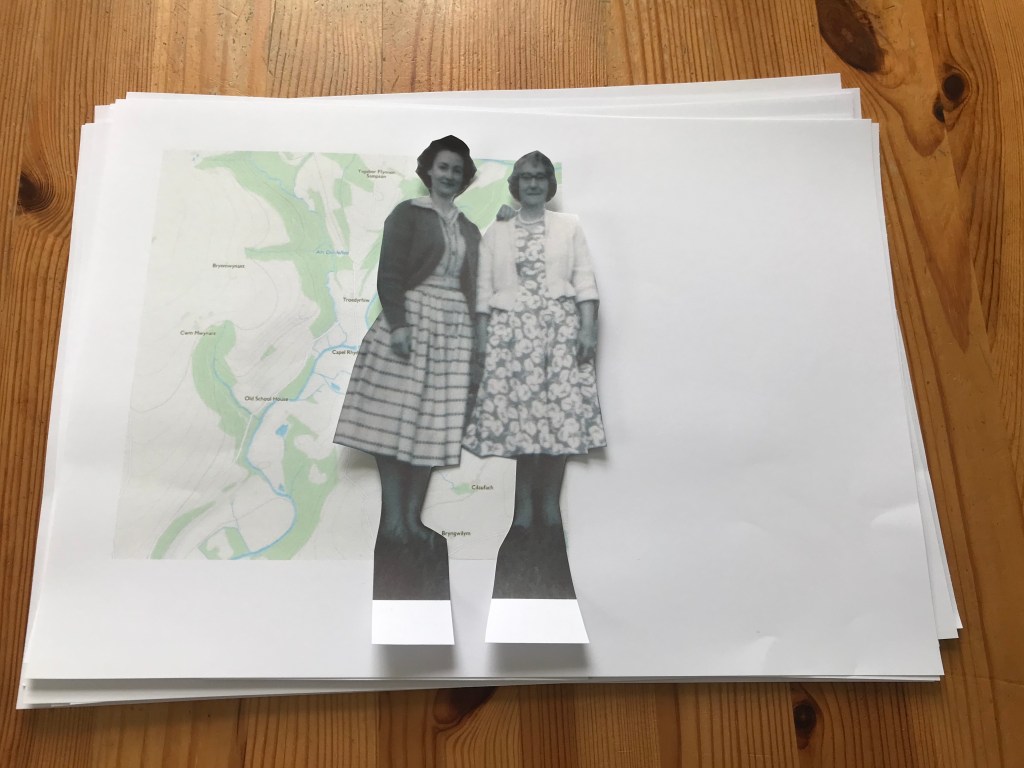
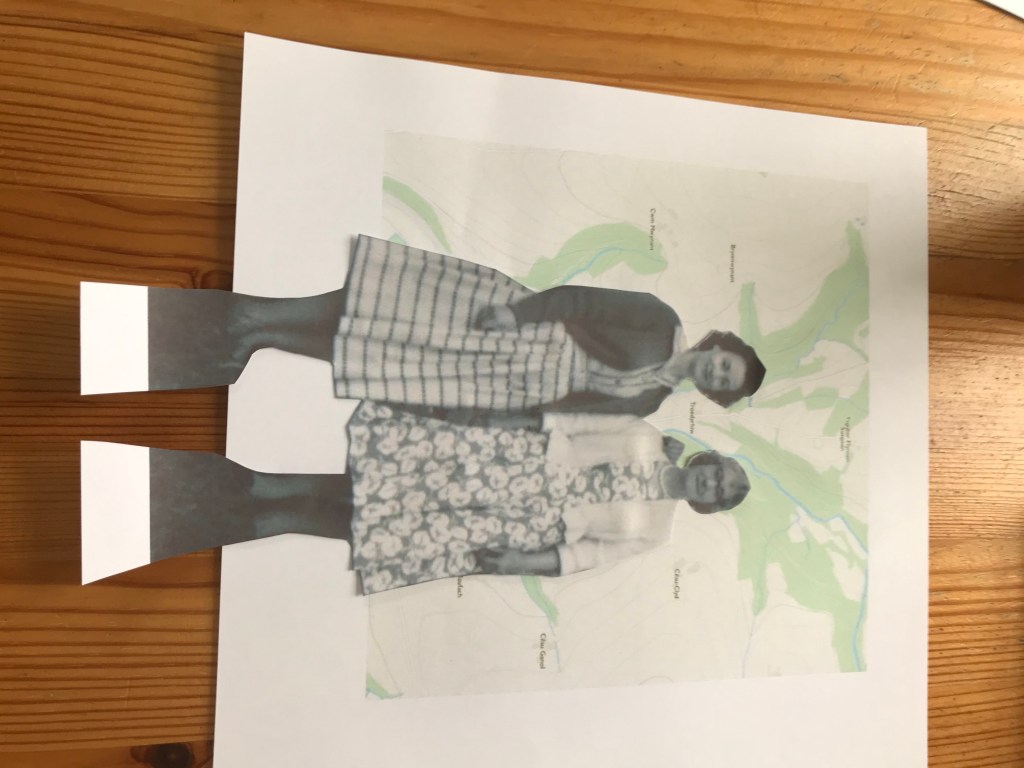
After I decided on using mapping, I began experimenting with combining the maps and the archive images. I wanted to give the impression that the women are on the journey with me. However they are not in the main images, inferring they are excluded, which keeps to the theme of gender inequality.
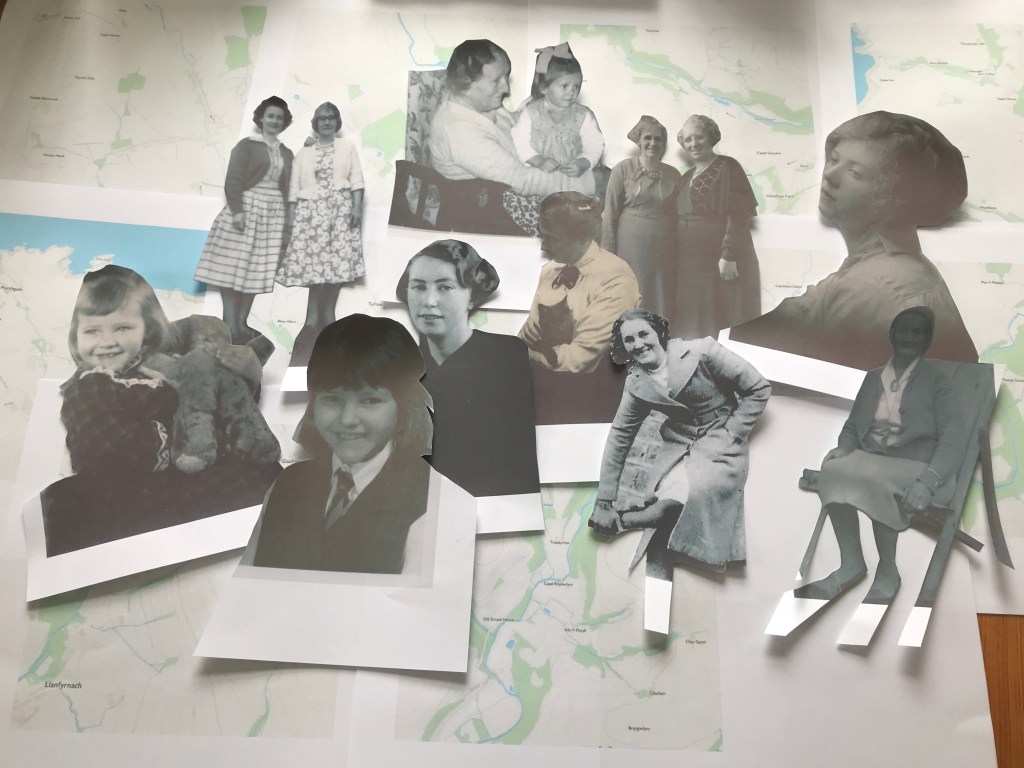
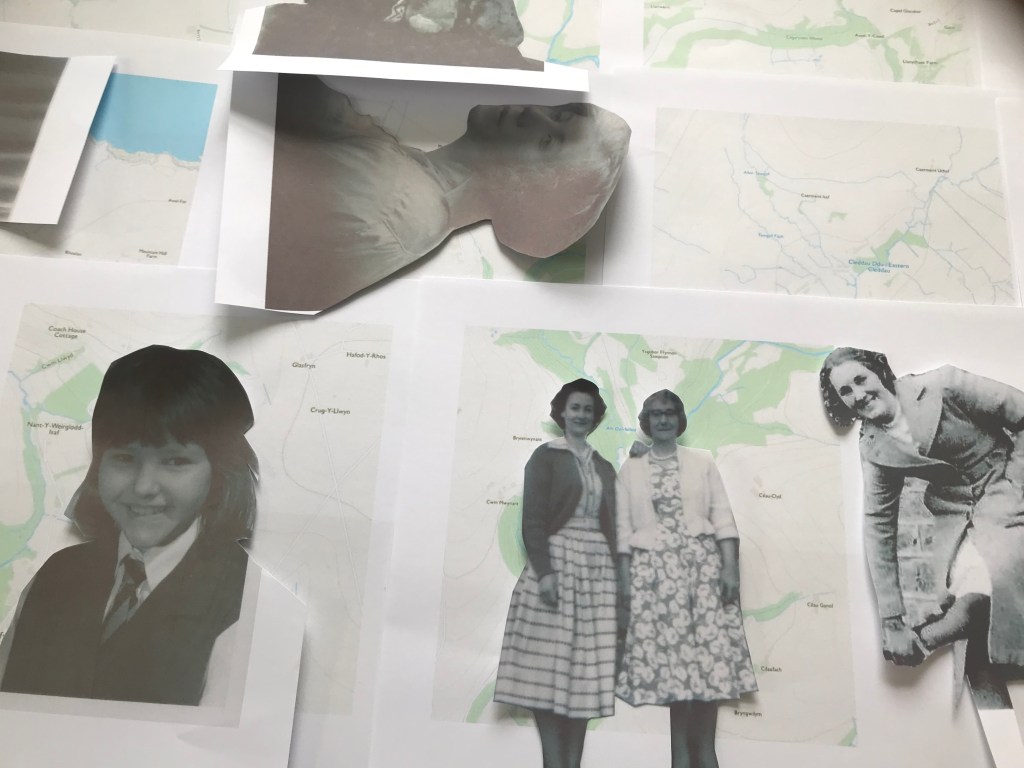
I have printed and cut out the images of women:
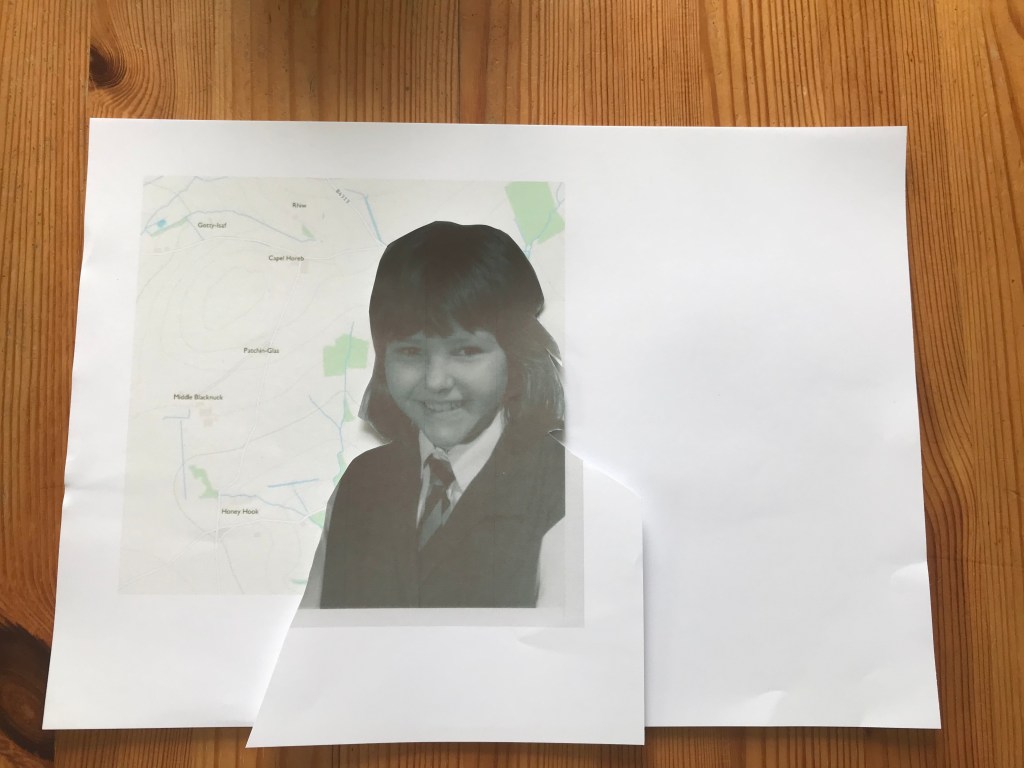
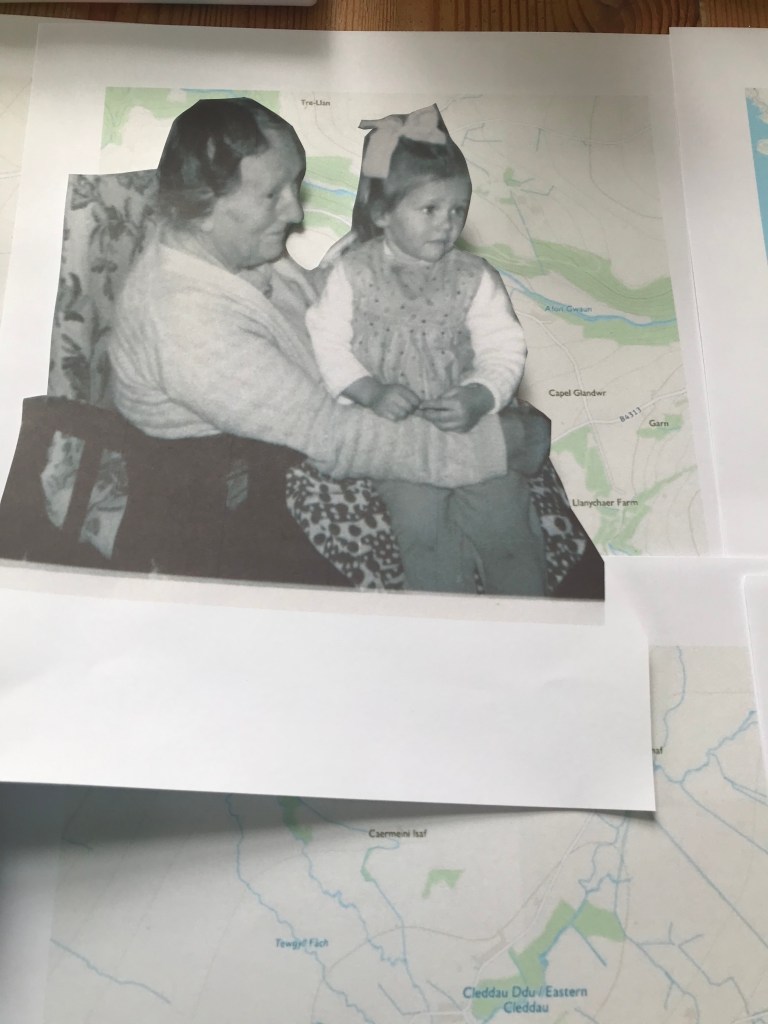
Here is one with a colour map:
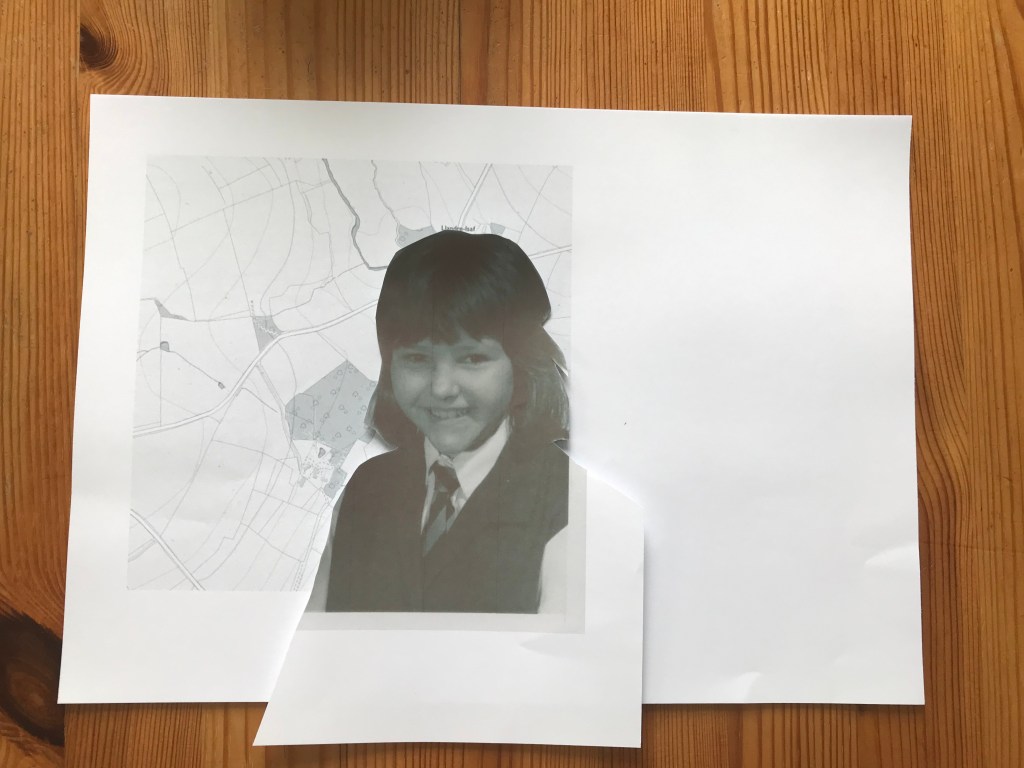
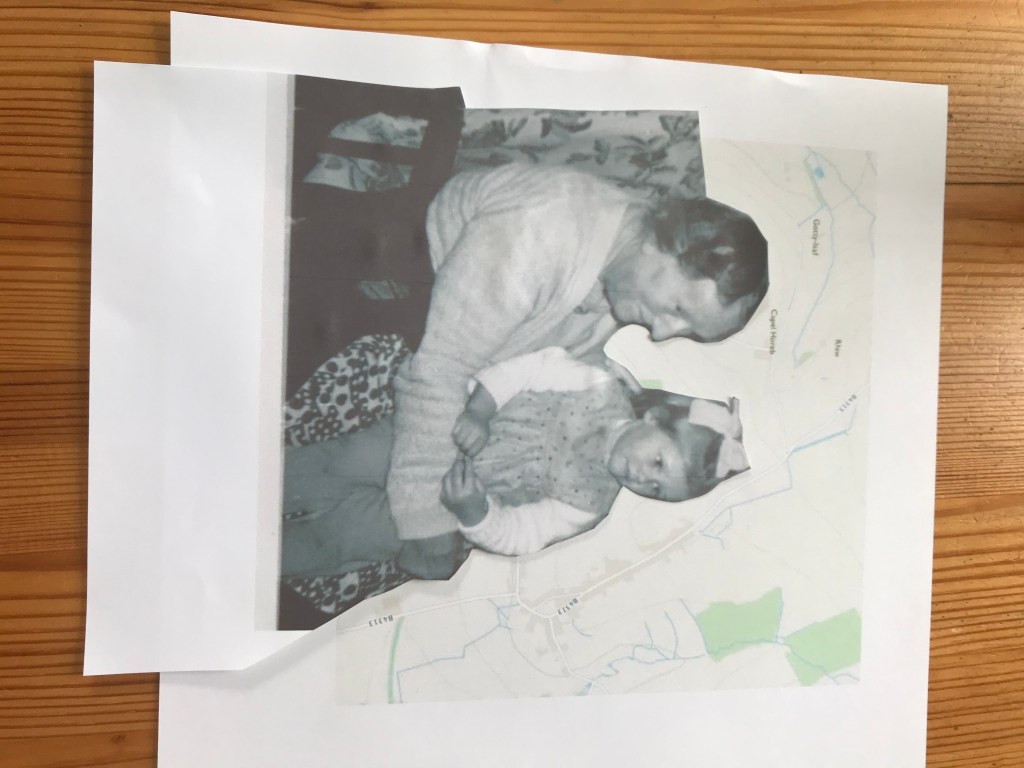
Here is one with the black and white map:
Whilst the black and white images looks good, I think the colour map looks better. It shows better contrast between the two elements. The little bit of colour from the map, really makes the image stand out.
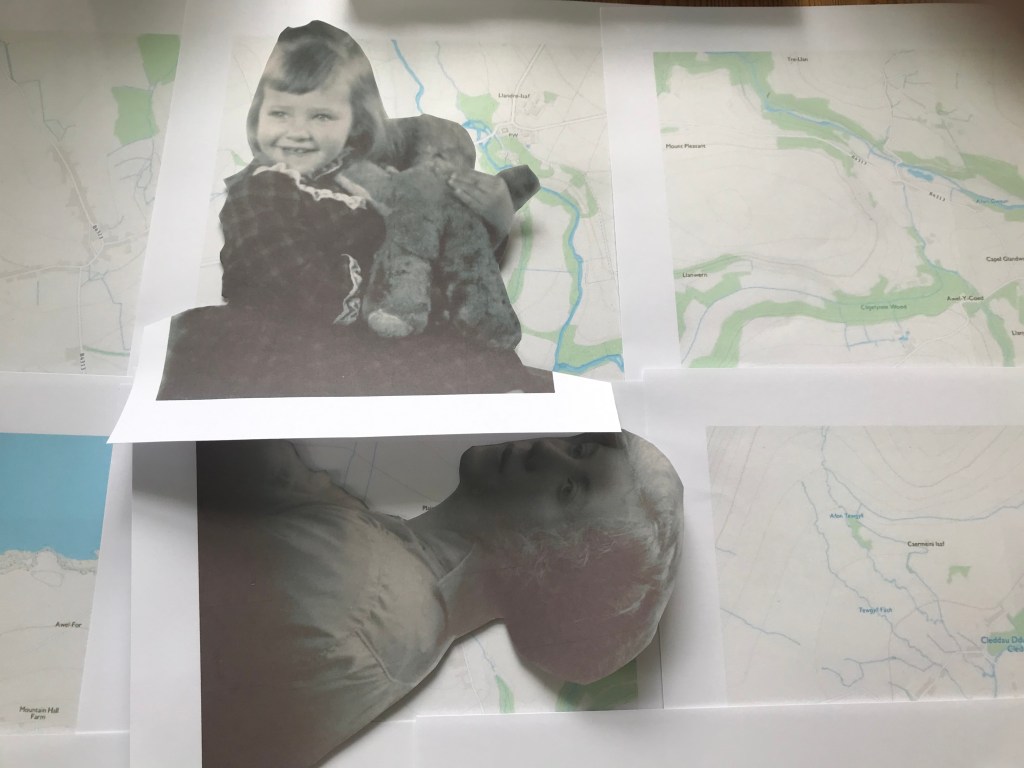
I then tried moving them around and rearranging to see which went best:
I then stuck the images together, cut them out and re-photographed them. Here are the eight finished images that I have chosen to use in my assignment:
Update:
These above are the original one I made for a previous assignment, I have now reprinted and redone them for the final assignment, here they are:
The finish on these images is better. The print quality of the image as a whole is better and so is my cutting out technique.
I have looked at different ways to include text in my work. There are many artists who have done the same.
I have thought about including the words to a poem, or something centred on inequality. But then I got thinking about the recurring themes in my work and decided to include quotes from the Bible. This means I can keep to a central theme with the quotes revolving around women, religion and inequality.
Here are some quotes I have found.
“Unto the woman he said, I will greatly multiply thy sorrow and thy conception; in sorrow thou shalt bring forth children; and thy desire shall be to thy husband, and he shall rule over thee” – Genesis 3:16
“And Adam called his wife’s name Eve” – Genesis 3:20
“Let the woman learn in silence with all subjection” – 1 Timothy 2:11
“But I suffer not a woman to teach, nor to usurp authority over the man, but to be in silence” – 1 Timothy 2:12
“And Adam was not deceived, but the woman being deceived was in the transgression” – 1 Timothy 2:14
“Let your women keep silence in the churches: for it is not permitted unto them to speak; but they are commanded to be under obedience as also saith the law” – 1 Corinthians 14:34
“And if they will learn any thing, let them ask their husbands at home: for it is a shame for women to speak in the church” – 1 Corinthians 14:35
“Wives, submit yourselves unto your own husbands, as unto the Lord” – Ephesians 5:22
“For the husband is the head of the wife” – Ephesians 5:23
“let the wives be to their own husbands in every thing” – Ephesians 5:24
“to be discreet, chaste, keepers at home, good, obedient to their own husbands” – Titus 2:5
“being in subjection unto their own husbands” – 1 Peter 3:5
“For the man is not of the woman: but the woman of the man” – 1 Corinthians 11:8
“Neither was the man created for the woman; but the woman for the man” – 1 Corinthians 11:9
“But I would have you know, that the head of every man is Christ; and the head of the woman is the man; and the head of Christ is God” – 1 Corinthians 11:3
“And the Lord God said, It is not good that the man should be alone; I will make him an help meet for him” – Genesis 2:18
“And the rib, which the Lord God had taken from man, made he a woman, and brought her unto the man” – Genesis 2:22
“she shall be called Woman, because she was taken out of Man” – Genesis 2:23
“And the man said, The woman whom thou gavest to be with me, she gave me of the tree, and I did eat” – Genesis 3:12
“And unto Adam he said, Because thou hast hearkened unto the voice of thy wife” – Genesis 3:17
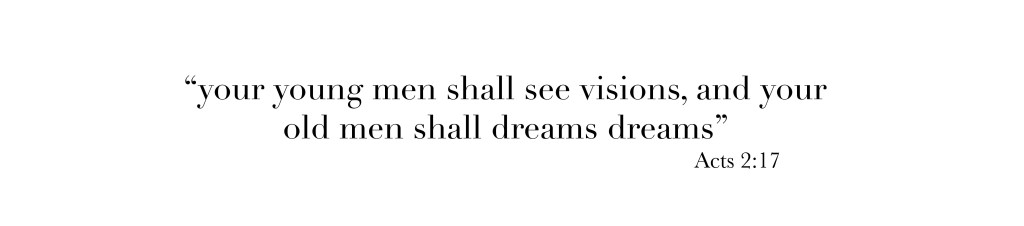
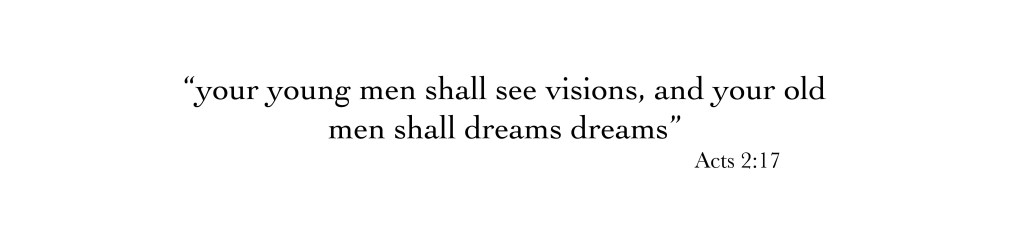
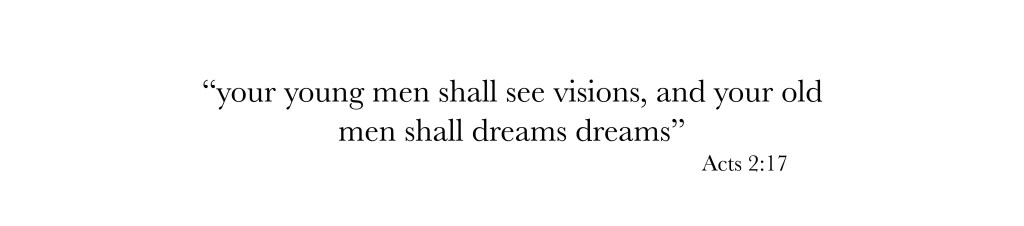
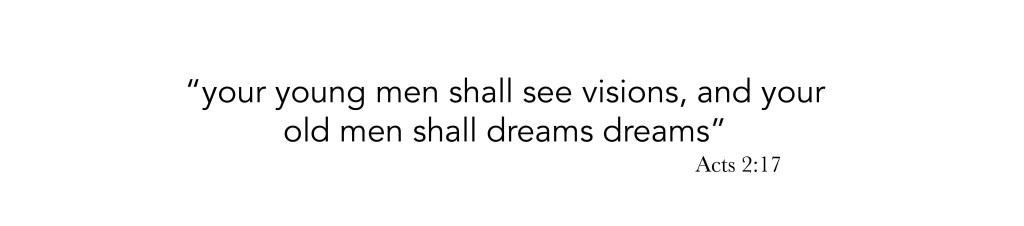
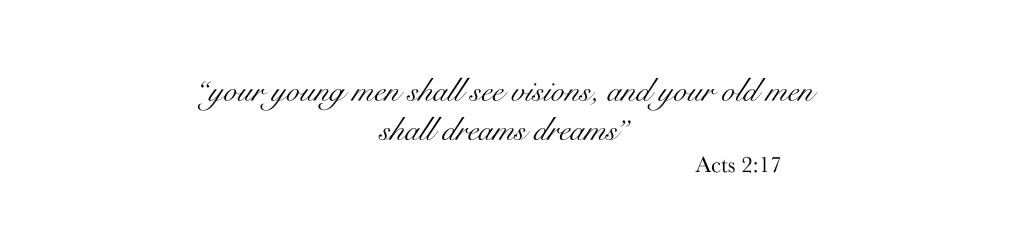
“and your sons and your daughters shall prophesy, and your young men shall see visions, and your old men shall dream dreams” – Acts 2:17
I am thinking of having the verses complete with where they can be found, or just the verse, or just the chapter and verse. I think these verses are a god contrast between the images and what the text says and the deeper meaning behind it.
I have tried different fonts to see which works best. Here is a sample of the ones I have tried:
I think I like this one the best:
I have put it next to my main image and the sub-series image and I feel it works. It has a classical feel to it without being too fancy. You can understand it and it looks good. I did try and handwrite the quote but it just didn’t look right, overall I prefer the computer generated font. It just looks better in my opinion.
I need eight quote for my eight main images. I narrowed them down by comparing the quotes with the mapping images that I have created. I wanted them to fit together, so tried to match the quotes with the complete mapping images. Here is a link to the mapping images that I created:
Following the feedback from my tutor, I have changed the text. I tried to find a text close to that of the Bibles. I found the following. I think it suits the text better than the one I had. I have also resized them in portion to my images.
Update for Final Assessment
I have taken onboard my tutor’s feedback and changes the font to a more greyer tone. This does improve the look significantly. Here is the finished text:
Bibliography
1 Corinthians 11:3. Holy Bible: King James Version.
1 Corinthians 14:35. Holy Bible: King James Version.
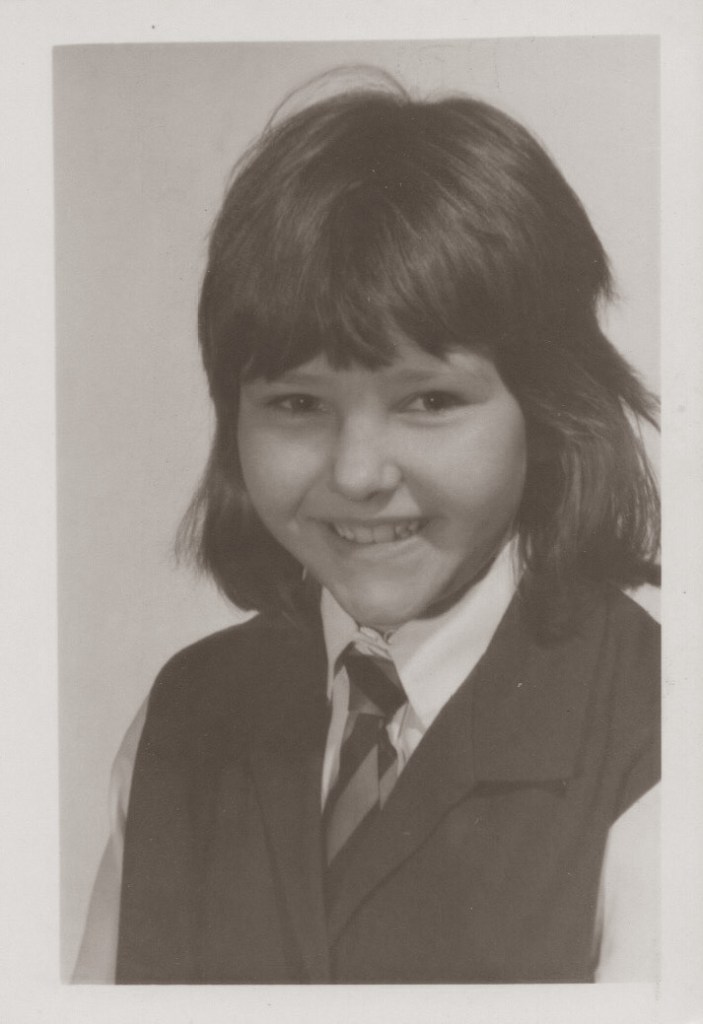
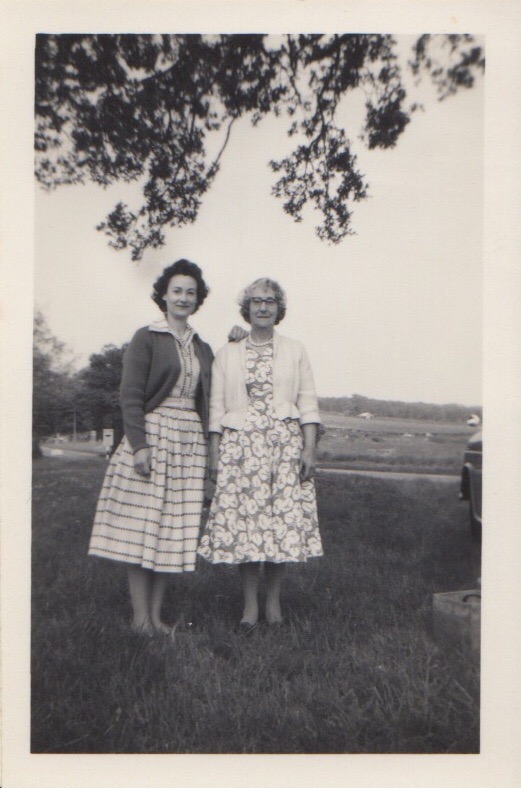
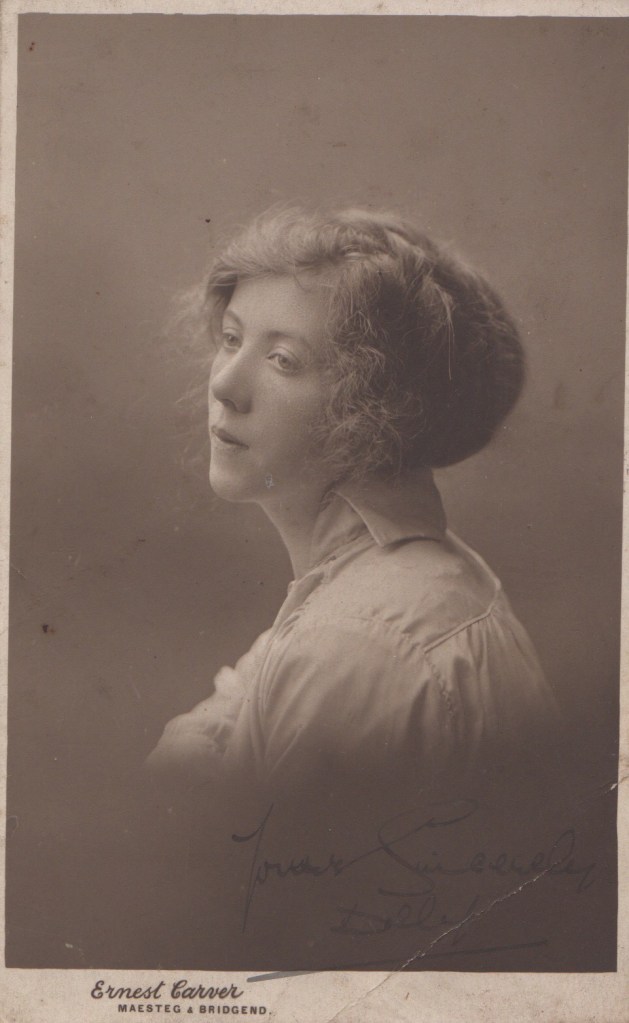
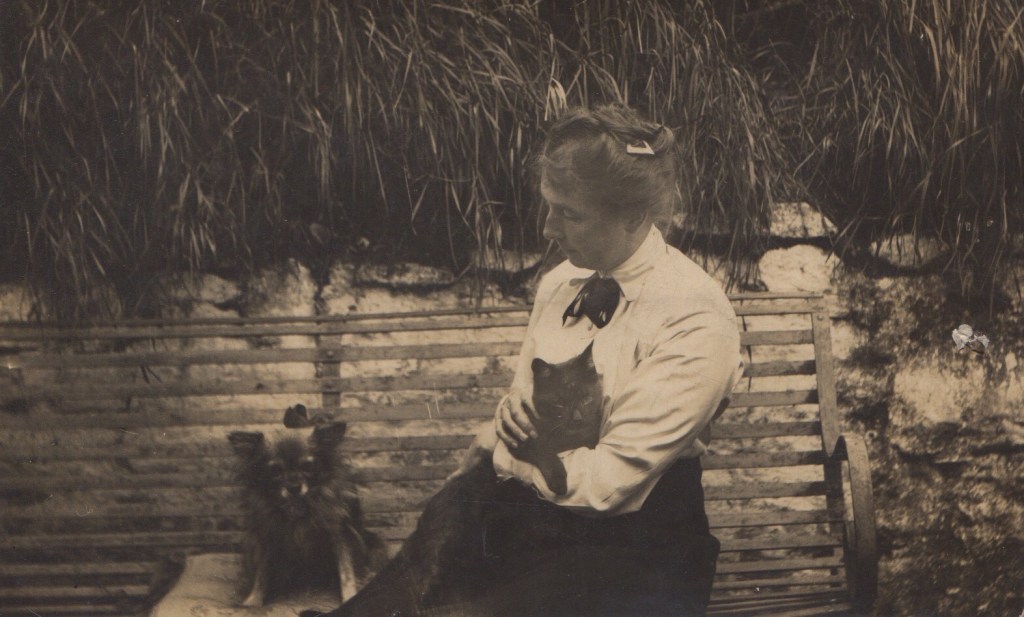
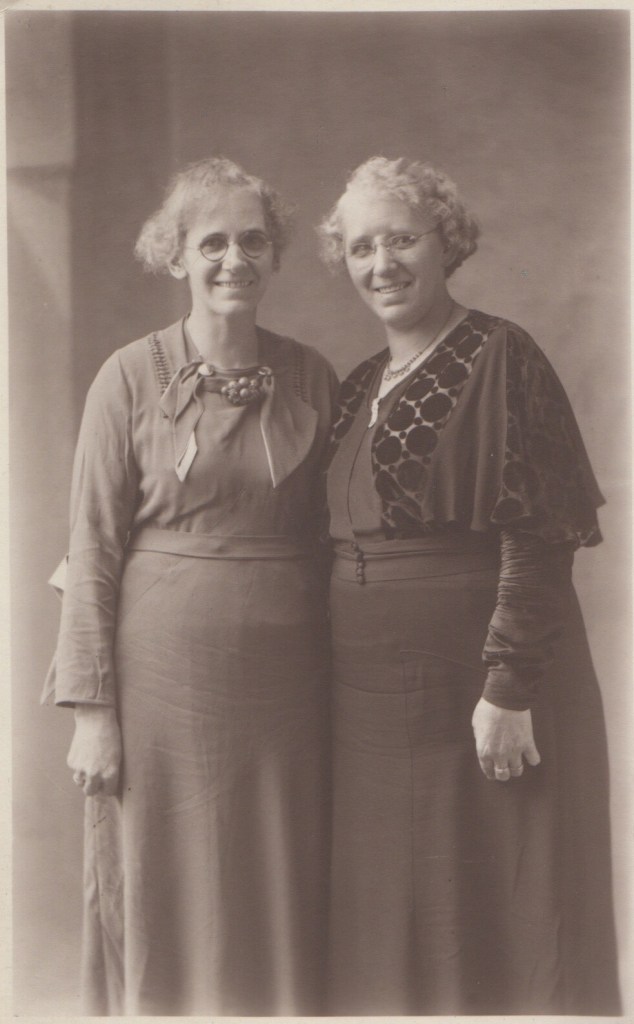
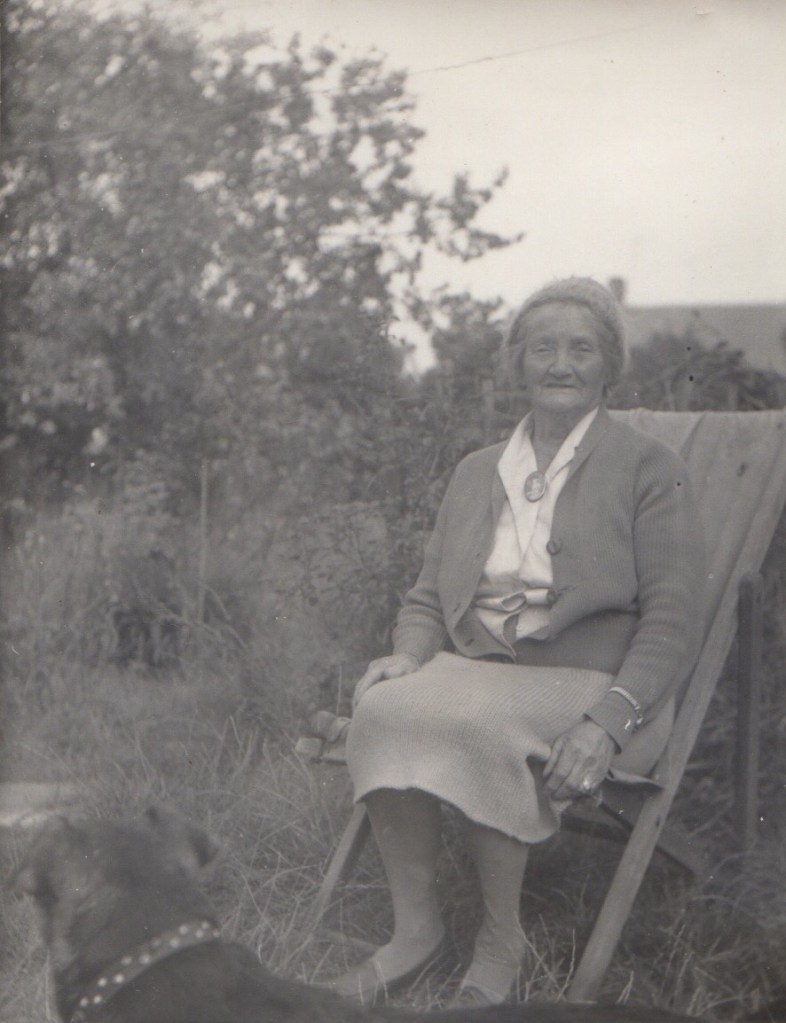
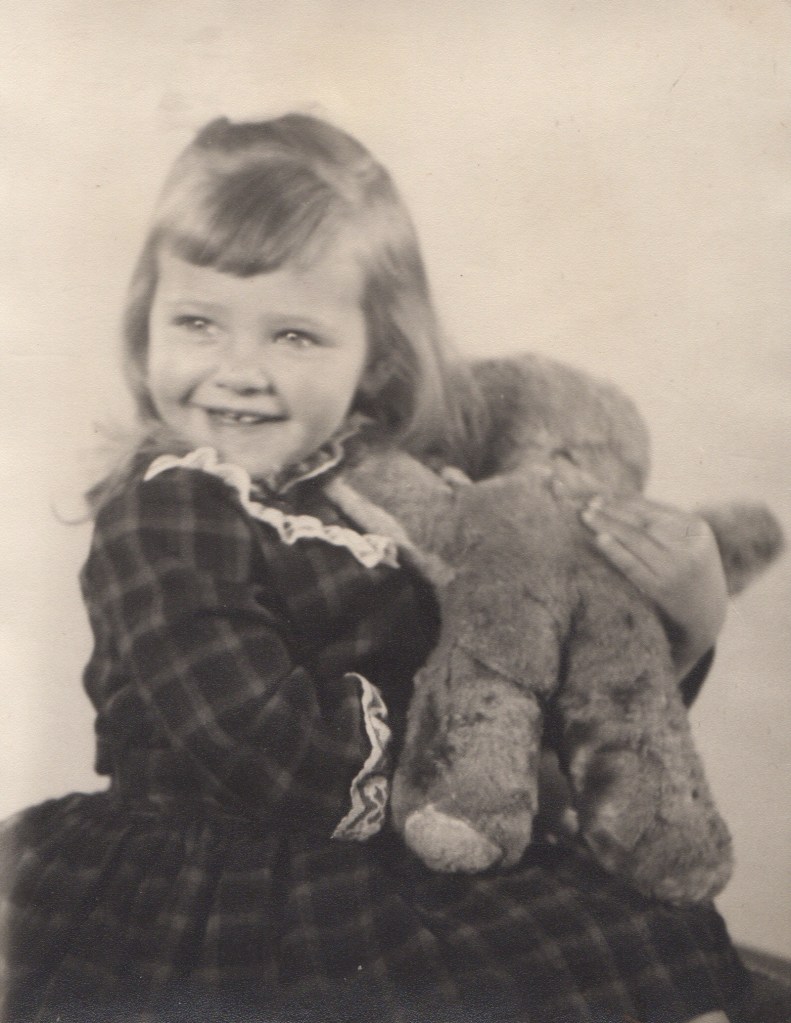
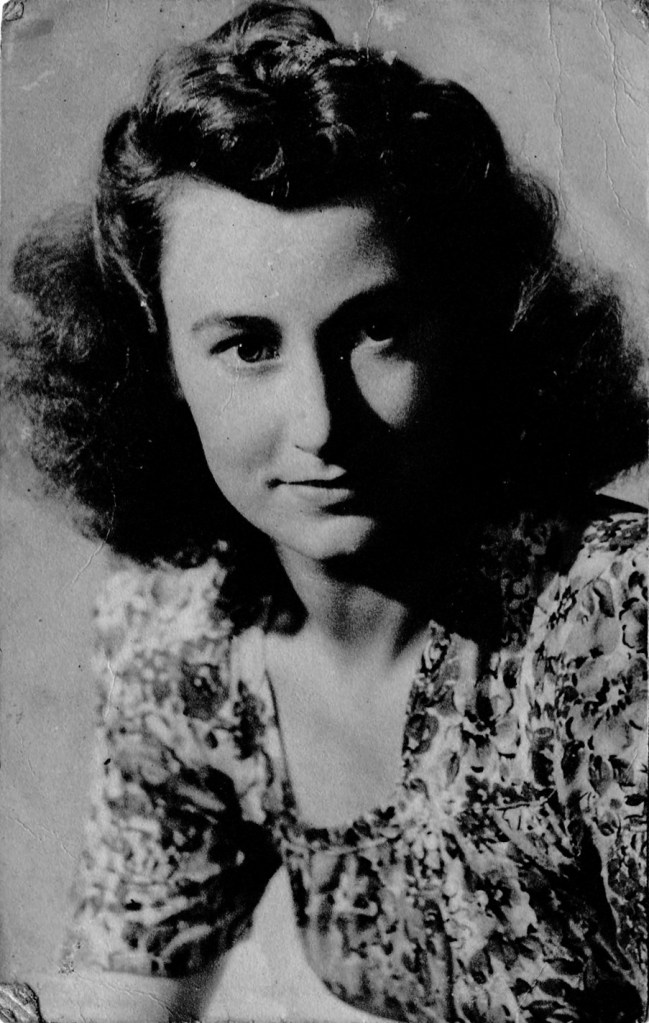
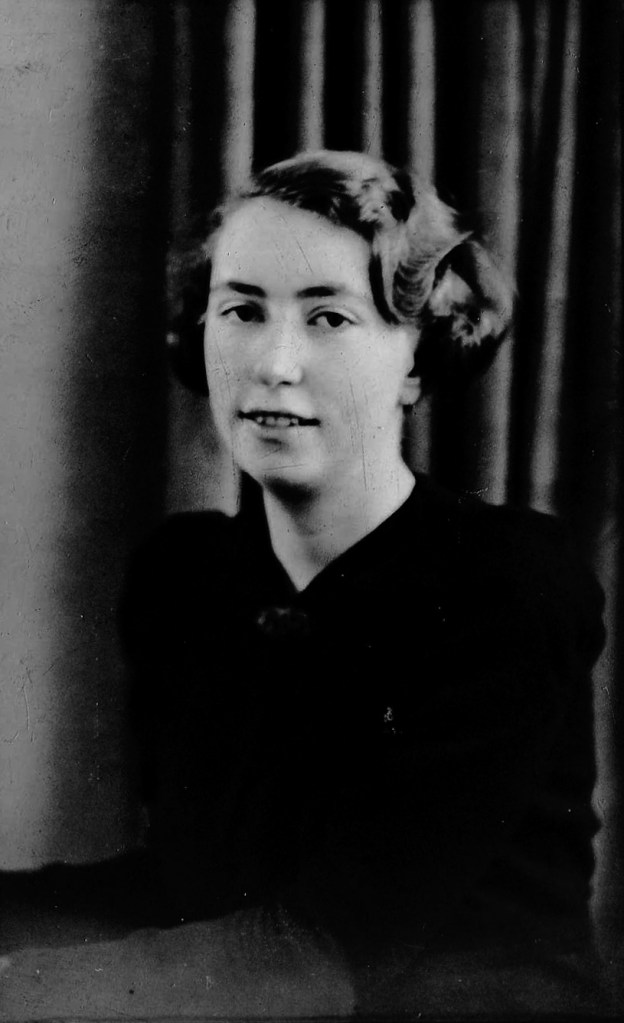
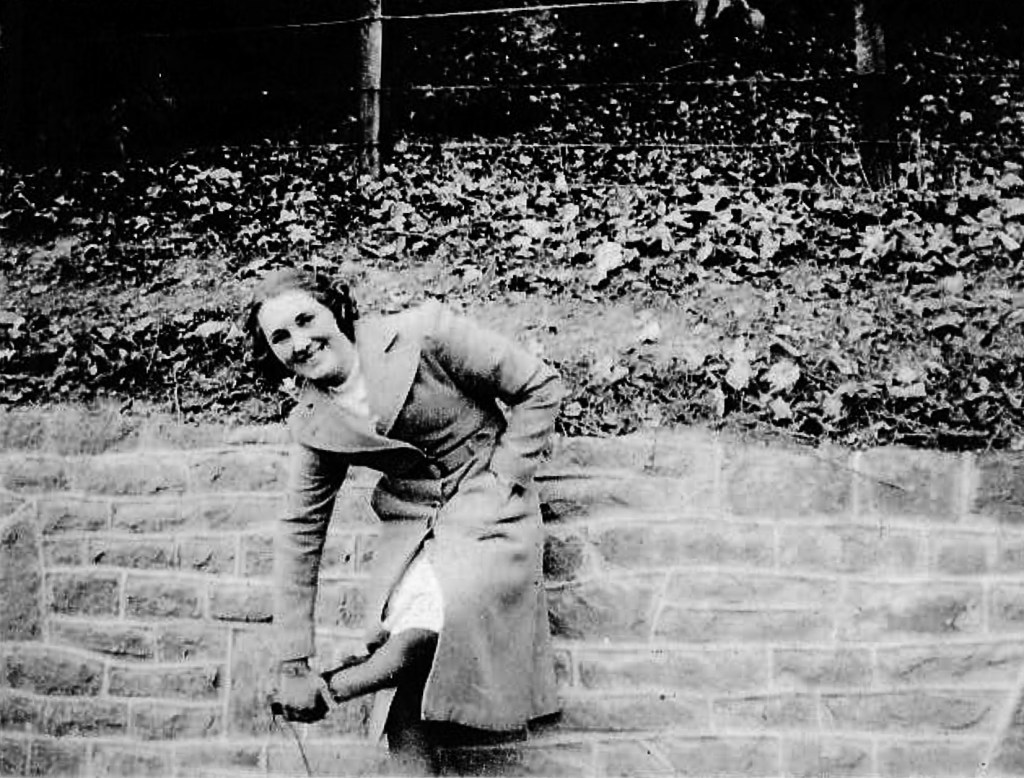
I have been looking through my archive images of my family for my sub-series experimentation. I have quite a few, so I have re-photographed them for use digitally.
I photographed them, then edited them to crop and straighten and enhance if necessary. Here are the images:
I will now experiment with how to include these in my work. I do like the idea of having images of the women in my family, as it always a connection between my images and myself and my history.
I am thinking of combing the mapping images with these family archive images. I want it to show that these women are on the journey with me, they are my family and are with me. But they will not feature in the main images, in keeping with the exclusion of women theme of my work.
Here are my images cut out:
Here is a link to my mapping images but also of combining the two:
Judith Butler, in her book, Gender Trouble, takes a postmodern standpoint which opposes the basic beliefs of feminine identity. She believes that the ‘politics of identity’ cause more harm than good in the freeing of women.
She quotes Catharine MacKinnon as saying, “Stopped as an attribute of a person, sex inequality takes the form of gender; moving as a relation between people, it take the form of sexuality. Gender emerges as the congealed form of the sexualization of inequality between men and women” (MacKinnon quoted in Butler, pp. xii). Going on this though, it is the result of a sexual hierarchy that gender is born. According to Butler, the only way gender produces identity is when people express gender (Butler, pp. 34). She sees gender as a compilation of identities, but these have no relation to our sex. Instead gender is performative. This performance aspect is based on repetition, it has to be repeated, by repeating it is reenacting something that is becoming and is already established in society (Butler, pp. 191). The fact that gender is performative, to Butler, suggests that it takes form from the repeated acts, this is its reality. Thus gender has no existential status. It’s reality is influenced by society, personal and public acts and conversations (Butler, pp. 185). This relates to gender inequality, the repetition of certain beliefs and their continued belief has create a view which is embedded deep in society. This also relates to gender roles. The repetition of the belief in gender roles coincides with human behaviour, together they create a set of beliefs which is ingrained in our society. Most of the time this behaviour is done unconsciously, probably due to the intense conditioning human have gone through over the centuries. “The view that gender is performative sought to show that what we take to be an internal essence of gender is manufactured through a sustained set of acts, posited through the gendered stylization of the body” (Butler, pp. xv). Butler believes that there is a gender reality which is born from continuous social performances, this is infect how gender inequality has taken hold (Butler, pp. 192).
Butler looks at the relationship between politics and feminist theory. She believes it is imperative that a dialect which represents women correctly and truthfully be developed. According to Butler, this should help with the problem in our cultural conditioning which is recognised to be both excluding and misrepresenting women (Butler, pp. 2). This relationship between politics and feminist theory relates to representation. The representation of women in many spheres, not only in politics, is a cause for debate. This debate leads onto my work, as the representation and expectations is one issue at the heart of gender inequality. Butlers work looks at feminine identity, whilst not completely concentrating on gender inequality, her work lends itself to this topic, as there are overlaps which make her work useful to my research.
Peter Kennard is a British artist who is known for his political collages. He turns his attention to anything from war to climate change to economic issues. He approach is to dissect mass media images and text, and then he reassembles the image to create a new image that address and brings to light the issue he has chosen. He decided to use collages as he wanted a method that was appropriate for activism. He believes collage fits this requirement.
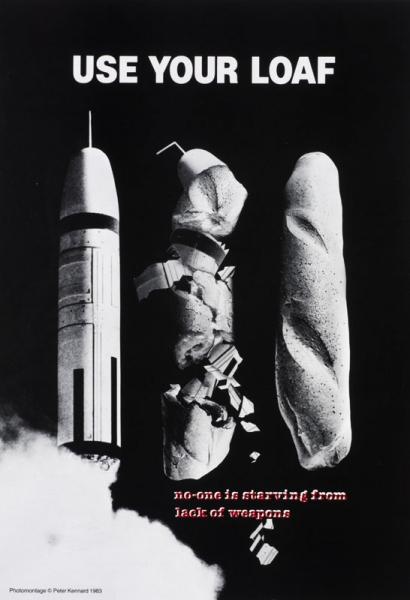
His image entitled Use your loaf (see fig. 1), is quite striking. It is addressing the increase in weapons. Kennard uses a picture of a loaf of bread and next to it, in contrast a missile. They are both the same size and roughly the same size. The text states, “no-one is starving from lack of weapons”, this infers this could be addressing the governments spending on weapons rather than helping their citizens. The title uses loaf, which is a metonymy for brain, which could also infer that the viewer should be thinking about this issue.
(Fig. 1. Use your Loaf (1983))
One of his most famous image was made in collaboration with Cat Phillipps. It draws attention to the invasion of Iraq. The image, called Photo Op (see fig. 2), features Tony Blair taking a selfie in front of an explosion.
(Fig. 2. Photo-Op (2005))
“This act of re-imaging the powerful…through ripping them up, mashing them together, desecrating them and outwitting them through surreal juxtaposition, this self-initiated act of creative destruction is deeply empowering, and is born from a need to publicly express one’s own anger with and dissent from the powers that be…Through putting together an image – either digitally and/or with scissors and paste, with or without text – people get to feel a sense of empowerment, an empowerment that communicates to the viewer, be it via a placard, a street poster, or an image on social media. The act of re-using existing images and re-presenting them through juxtaposition is inherently subversive, and showed up in the countless images of Theresa May that came thick and fast in direct response to the official election campaigning day-to-day” (kennardphillipps quoted in BJP).


















 Georgina's Body of Work