Please refer to Alan Sekula’s ‘Reading an Archive: Photography between Labour and Capital’ In Evans, J. & Hall, S (ed.) (1999) Visual Culture: The Reader, London: Sage which you received with Contextual Studies.
Sekula states that his aims to looking into the relationship between economic life and photographic culture. Archives are important, and their forms are numerous. Archives can be personal or public, their ownership varies too. For photography, the owner of the archive and the actual taker of the picture are not usually the same person or institute. “Archives, then, constitute a territory of images; the unity of an archive is first and foremost that imposed by ownership” (Sekula, p. 182). Meaning and context are important to photographs, an Images meaning is formed due to its text, it’s format, and its presentations. These all contribute to a fuller picture. According to Sekula, “photographic archives suspend meaning and use, the archive meaning exists in a state that is both residual and potential” (Sekula, p. 184). Archives can contradict themselves. This can be through science and art. A dualism exists in photography, which has been around from its birth. These archives preserve the relationship between power and knowledge. “Photography is an art. Photography is a science. Photography is both an art and a science” (Sekula, p. 190).
Taryn Simon created a project called The Innocents, which documented innocents people who were convicted of an alleged crime. Simon photographed them at the locations where the crime were supposed to of taken place. This projects challenges photography’s ability to show reality. Photography can count as evidence. But photography doesn’t always show the truth. The result is a thought-provoking emotion piece of work.
Photographic archives are important and generally vast. For example the New York Public Library has over 1.2 million images, in various formats in their archives. Nowadays the internet is a never-ending archive of information and images. It is easy to access and hence people are more involved now, “and now we have the internet and camera phones and everyone is a curator” (Sharon, cited in OCA).
Artists
Nicky Bird is an artist who investigates the archive. Bird combines archival material with mostly landscapes which have hidden histories. Her aim is to show the personal and social history and connections of these archival items. In her project Wanted-New Custodians, Bird brought hundreds of old family images from eBay. She also took note of the sellers item descriptions and included these in her work. During 2014 and 2015, Bird collaborated with three other female artists who were based in Scotland to created a project together. They were Alicia Bruce, Caroline Douglas and Sylwia Kowalczyk.
Her project, Travelling the Archive, is the one I am most interested in. She was commissioned by Atlas Arts to created a project of the Isle of Skye. She combined her modern day images with Joan Wilcock’s images. Wilcock was a tourist who visited the area between 1959 and 1973, there are over 400 original Kodachrome slides. The resulting images are fascinating. They provide a glimpse into the past whilst remaining in the present. I really like them, they not only give a view in the islands history but also the social atmosphere. You get to see the people who were around, and it is fascinating,
There are many artists who turn to the archive for inspiration, one such is Erik Kessels. Kessels created an installation entitled, 24 hrs in Photos, he printed every image that was published on Flickr in one day. The result was rooms filled with piles and piles of pictures. Kessels has also had several other projects in which he looks to the archives, for example In Almost Every way I turn, in which he collects images where the image is obscured by says finger or is out of focus, and in Album Beauty, he investigates the disappearance of family albums.
Joachim Schmid is an artist I have looked into before, as his work has been an inspiration on several previous assignments. He once collected any discarded images from the streets or in flea markets and created several projects with what he had found. He doesn’t see himself as a photographer but rather a “professional looker” (Schmid, cited in Casper). He now uses the internet, “For the first time in the history of photography we can study the real-time production of snapshot making – globally!” (Schmid, cited in Casper). His projects are very thought provoking, especially the ones where he uses the internet to access the images. It just shows how much we upload all the time.
Sekula, A. (2007). ‘Reading an archive: photography between labour and capital’. In: Evans & Hall (ed.) Visual Culture: A Reader. London: Sage Publications Ltd. pp. 181-192.
Unknown author. (2017). ‘Photobook: The many Lives of Erik Kessels’ In: British Journal of Photography [Online]. At: http://www.bjp-Online.com/20117/05/Kessels-lives/ (Accessed on 12th of June 2019).
Photography can be used to document a journey, even a personal spiritual one. Photography can document points in our lives. Artists have used their own personal experiences and journeys to create their images. For example, Nan Goldin. Goldin is an American photographer born in 1953, she has explored topics ranging from LGBT to the opioid epidemic. The one that stands out is her image, Nan one month after being battered (see fig. 1). She took this image in 1984, it documents the aftermath of an abusive relationship. Her then partner, had beaten her, she almost lost her sight. This image is such a personal thing, it allows us a small glimpse into her past. It is almost as if we are there seeing it. She is letting the public into her private life. It is a very emotional and thought-provoking image.
(Fig. 1. Nan one month after being battered (1984))
Larry Sultan is a photographer who looks towards his own family for inspiration. In Pictures From Home, Sultan has taken pictures of his parents in their daily routine. This project took around a decade to compile. His aim was to explore the ‘familial mythologies’ and how photography contributes to this. He has stated that looking at these photographs, he wanted “to stop time. I want my parents to live forever” (Sultan). Reading at the kitchen table (see fig. 2), provides a glimpse into his parents life, sitting at a kitchen table is something most do but don’t really think about it. Well I suppose, many won’t sit at a kitchen table nowadays, due to television and technology, people don’t seem to sit and have dinner any more. The scene makes the viewer feel a part of the family, as if we were there. It is a mundane scene but an emotional one too, as these real life occurrences are not going to be happening forever and more importantly they are real. For Sultan, it must be like a life-like Memory.
(Fig. 2. Reading at the kitchen table (1988))
Elinor Carucci is an Israeli photographer born in 1971. In her series, Mother, she documents her journey through pregnancy, birth, and early child years. It is her personal journey. It shows real life, and in my opinion quite daring and refreshing as in general people will not talk about certain parts of the process. So it is good to get it out there. It shows that it is natural and people shouldn’t have to hid it.
Richard Billingham series Ray’s a Laugh, looks at his parents and his experience growing up. He grew up with an alcoholic father in a council tower block. His images are allowing us to see an experience some may recognise whilst others won’t. Robert Mapplethorpe experimented with self-portraits. He explored his own identity and his own mortality. After being diagnosed with AIDS, he brought his mortality into his images. Lena Aliper is a Russian photographer born in 1985. She created a series of images documenting her twenty day silence. His images are all the same, she has the same clothes, the same background, and similar expressions throughout. This seems to allude to a loss of identity she felt. It borders on documentary photography but also has a place in performance. Another artists who looks at her own personal journey is Annie Leibovitz in her series Pilgrimage. She travels and captures her images with no particular agenda, it is interesting as she is usually known for her portraits, but this series doesn’t contain any people.
Research Point – Gregory Crewdson is a photographer who operates with strong directorial control in his image-making. His photographs function like film stills to the point where there is arguably not much ‘reality’ left in the scene. Do some research into Crewdson’s work and in your learning log or blog reflect on how his work relates to film and/or art.
For this research point I am required to look up the work of Gregory Crewdson, I have looked at his work very briefly on a previous course.
Crewdson is an American artist born in 1962. He is known for his staged images. He often uses American suburbs and develops a scene from there. The majority of his images do show what could be a real scene, but also a scene from a movie. He plans his images to the very last detail and is methodological about their production. His approach is similar to that a movie team would make; he has a huge production team, which help create the scene, and a lot also goes into the postproduction. It is like photography but on a grander stage. His images often have underlying messages, they show drama, tension, emotion, and the viewer if often left wondering what is real and what is not. One image I will look at is the Untitled (overturned Bus) (see fig. 1).
(Fig. 1. Untitled (overturned Bus) (2001-2002) )
This images shows an overturned school bus on a typical suburban road. There is smoke coming from the bus, and there is debris around the road. There are children, probably from the bus standing and sitting around. But there is no emergency services, which could indicate that this event just happened. It looks like a scene you would see on the news. It looks real. It is quite thought-provoking and emotional. As it is showing what could possible happen, I imagine it would hit a nerve with some, especially if they have children travelling to school on a bus. It could almost be mistaken for a documentary photograph. It only seems to be children in the scene, there are no adults visible, I wonder if this is the hidden message, could it allude to problems children are facing or problems at school? This particular image is from his twilight series, in which he creates a simulation of twilight. This image doesn’t seem to fit the ‘twilight’ category, but it might just be my vision of twilight is different.
Crewdson to me isn’t a photographer in the traditional sense, more a cinematic artist. His skill is evident, and the detail and the production that goes into his images are massive. His images are demonstrating the challenge of photography and reality. He ‘makes’ the image, he doesn’t just take it. I believe his images relate to film and they both use a very similar technique. His images could be mistaken for film stills. But I think it also relates to art as he is creating a vision. These images represent his vision, the artist’s vision. They are extremely detailed with hidden meanings. They are beautiful in their own way, why shouldn’t they be seen as art?
Tableaux is essentially staged photography. The photographer doesn’t just make the technical choices but also makes the choices regarding everything that is visible, from the positioning, to make-up, to clothes. “Rather than capturing the moment, artists make specific choices when staging their images” (Martinique). The actual term was used originally to describe paintings. It was Edouard Manet, who challenged the tableaux. His aim was to create a realistic image, so his decided to challenge the viewer. This developed and int he 1970s and the 1980s photographers started experimenting with tableaux. Henry Peach Robinson is one of the earliest tableaux photographer. His image created in 1858 (see fig. 2), shows a woman’s last living moments. She is surround by her family. Robinson created this image by combining five negatives.
(Fig. 2. Fading Away (1858))
Artists
Jeff Wall is a Canadian photographer who is known for his staged images. At university he decided to study art history, but ultimately decided that photography was his best option for visualising his conceptual art. Similar to Crewdson, Walls work looks like a film still, which is interesting as he himself describes his images as “cinematographic” (Wall, cited in O’Hagan). He gets his ideas from his own experiences, things he has seen or lived through. He revisualise what he saw, this process usually take Wall months to complete. The image titled Insomnia is a good example of tableaux (see fig. 3).
(Fig. 3. Insomnia (1994))
It is a staged seen to represent the mans struggle with insomnia, something many can relate to. The scene is set in a kitchen. It is old and worn. The chairs are matched and are scattered around. It is night time, and the kitchen light is very bright. The cupboard doors have been left open, this shows that the man may have searched through in desperation. The whole scene looks sterile. The actual man is positioned on the floor under the table. His expression is one of worry, he looks frantic and disturbed. He is in a form of feat also position, maybe looking for some kind of comfort. The image is quite busy, this could represent how busy the mans mind is, maybe this I why he can’t sleep. This image has a very psychological feel. It is very effective in portraying how wearing and destructive insomnia can be.
Philip-Lorca diCorcia creates images that combine fact and fiction. His combination of genuine places and real people is interesting especially since he puts them together when you necessarily won’t put them together. He is meticulous is his detail of the scene. Again, as with Crewdson and Wall, diCorcia is a cinematic artist. He does not tell us the narrative of his images, so it is mainly up to viewer interpretation. Andreas Gursky is known for his landscape images, especially for the price they reach at auction. Rhine II got a staggering $4.3 million at auction. Gursky himself has stated that he wants to “test the boundaries of photography” (Gursky, cited in Nayeri). He created an image by digital methods. He digitally created the whole scene.
Luc Delahaye was a documentary war photographer, but has now turned to making his art instead of documenting. He challenges the line between what is real and what is made up. When taking about his work and what tableaux is he stated, “It is something that has to have a certain dimension. Size is important: the physical rapport creates a relationship between you and the history of art. There is a harmony, a mystery, that takes you and resists you at the same time” (Delahaye, cited in Lennon). Hannah Starkey explores feminine agendas in her tableaux images. She explores theme like identity, race, class, politics and gender. She believes that her feminine aims only cam about because she is an ammo. Many of her images involve woman engaging in their daily routines.
Julia Fullerton-Batten is a German photographer who explores social agendas. Her series, Feral Children, 2015, looks at over a dozen cases of children who were feral. Fullerton-Batten re-enacted these cases by using young actors. Her images are names after the places and the dates where the children were found.
(Fig. 4. Marin Chapman, Columbia, 1959 (2015))
Marina Chapman, Columbia, 1959 (see fig. 4), shows an image of a young girl in the Colombian jungle. The geometric lines of the has fallen trees seem to add height and depth to the image. There are monkeys all over the image, this seems to imply that the girl grew up with them. The girl herself has dirty clothes on, her skin is grubby and her hair is long and unkept. She is walking up a fallen tree, exactly like a monkey would, another indication that she grew up with them. This image does look like a film still. It is an interesting take on reality and really makes the viewer think. We know it happened but can’t quite visualise it.
Tom Hunter is a British photographer who uses his local communities for his subjects.
(Fig. 5. Woman Reading Possession Order (1998))
In Woman Reading Possession Order (see fig. 5), shows a women in Hackney reading a possession order. This is from a series of images that shows the squatters. This particular image shows the women as well as her baby. The walls are blank and bare, this indicates that they could be poor, this image evokes a sense of empathy and emotion, especially because she has a baby to think of.
Cindy Sherman is another artist who creates staged images, but hers are mostly self-portraits. Sherman dress up in various costumes and styles from the past. She is able to create striking personalities. Her images are performative. She takes her ideas from popular culture. Her images truly look like old film stills. The image of a woman wearing classic clothing (see fig. 6). She is in a city, and is looking up to the right. This could be seen as a classical film image.
(Fig. 6. Untitled film still #21 (1978))
Tableaux photography is essentially staged photography, which is gaining in popularity, as it is the perfect platform for communicating an artists ideas. The images have been staged for a purpose, sometimes they are not immediately obvious. They have deeper meanings. The majority look like film still. It seems to combine a cinematic approach when photography. But what about magazine images or adverts, surely these would count as tableaux as they are staged with hidden meanings.
I have just had the initial discussion with my tutor, which has proved extremely helpful. We discussed my aims, which my tutor think will be very interesting. We discussed my previous experience and my tutor suggested I create a blog post regarding this, which I will do shortly. I will also look at current images of pilgrimages, and analyse these. I will look at how people have approach this subject and their commonalities. I will also start looking at how to incorporate the gender issues into my images. My tutor mention looking at female role models, what I constitute as a strong women. I will also create a separate blog post for this. I will be conducting a lot of visual research to begin with, as this will really help form the basis for my body of work. My tutor also discussed techniques, for example collages. This is a technique I have used in the past and really enjoyed, my tutor suggested printing some images out and playing around with them to get some ideas. This is something I will definitely try. This initial chat has been extremely helpful.
I signed up for this level after receiving my result from assessment at level two. I was informed that I would have a chat with the programme leader and they could help me move forward onto level three.
I went into the chat with a few ideas, projects that I have done before and would like to develop and create a body of work. One idea that I was tending towards was pilgrimage, as a journey. I did this in my Landscape course for assignment Two, and I really enjoyed it as it allowed my to bring knowledge from my previous studies in religion. This was merely documenting a journey, as the brief require. But I hadn’t really considered how to take it further. In the discussion we discussed this, as the programme leader thought this would be an interesting project. We talked about any research I had done, and it became apparent that the practitioners, artists and researchers were men. This is also true about a lot of pilgrimages, especially around where I live, as they were only for men. This brought forward an idea of using this as the main body but explore the gender inequality. Landscape photography is a male dominated practice, it seems to be tradition now, I believe my idea will challenge this thought. I will look at feminism, the female sublime and gaze, and the gender inequality whilst using a male dominated background.
We also discussed previous issue and how these can improve, One was with reference. There was some confusion in my previous course, the programme leader understood this and provided a new comprehensive guide to referencing, which proved to be much clearer and simpler. The programme leader also helped choose the tutors who would be the most helpful and knowledgable regarding my idea. The two that the programme leader has chosen, I am sure with be supportive and helpful in my work.
I signed up for this level after receiving my result from assessment at level two. I was informed that I would have a chat with the programme leader and they could help me move forward onto level three.
I went into the chat with a few ideas, projects that I have done before and would like to develop and create a body of work. One idea that I was tending towards was pilgrimage, as a journey. I did this in my Landscape course for assignment Two, and I really enjoyed it as it allowed my to bring knowledge from my previous studies in religion. This was merely documenting a journey, as the brief require. But I hadn’t really considered how to take it further. In the discussion we discussed this, as the programme leader thought this would be an interesting project. We talked about any research I had done, and it became apparent that the practitioners, artists and researchers were men. This is also true about a lot of pilgrimages, especially around where I live, as they were only for men. This brought forward an idea of using this as the main body but explore the gender inequality. Landscape photography is a male dominated practice, it seems to be tradition now, I believe my idea will challenge this thought. I will look at feminism, the female sublime and gaze, and the gender inequality whilst using a male dominated background.
We also discussed previous issue and how these can improve, One was with reference. There was some confusion in my previous course, the programme leader understood this and provided a new comprehensive guide to referencing, which proved to be much clearer and simpler. The programme leader also helped choose the tutors who would be the most helpful and knowledgable regarding my idea. The two that the programme leader has chosen, I am sure with be supportive and helpful in my work.
Body of Work
20th of June 2019
I have just had the initial discussion with my tutor, which has proved extremely helpful. We discussed my aims, which my tutor think will be very interesting. We discussed my previous experience and my tutor suggested I create a blog post regarding this, which I will do shortly. I will also look at current images of pilgrimages, and analyse these. I will look at how people have approach this subject and their commonalities. I will also start looking at how to incorporate the gender issues into my images. My tutor mention looking at female role models, what I constitute as a strong women. I will also create a separate blog post for this. I will be conducting a lot of visual research to begin with, as this will really help form the basis for my body of work. My tutor also discussed techniques, for example collages. This is a technique I have used in the past and really enjoyed, my tutor suggested printing some images out and playing around with them to get some ideas. This is something I will definitely try. This initial chat has been extremely helpful.
It may be a helpful exercise to attend a major exhibition and a smaller one to note the presentation styles. Write a reflective commentary on your experiences of these exhibitions. How do they differ? How does the presentation suit the work? Does it enhance or detract from it?
I have visited several galleries. The larger galleries tend to display large images. They also tend to be spaced out with lots of room to move around and appreciate the work. I get the feeling that the larger exhibitions are very commercialised and to me, you can see it and feel it when walking around. The smaller exhibition I went to, had a more homely feel. The images were smaller, but you could get closer and really appreciate the work. I did find that the artists in smaller ones were around and would talk to you, which was a great experience. Smaller exhibitions seem to me, to be more personal. I prefer the smaller exhibitions personally.
Presentation
Make some notes on possible venues for your work to be displayed. How could these enhance or heighten the viewed experience?
I have been thinking of places where I could display my work. As my work is following a local pilgrimage, a local venue would be perfect. I did think perhaps of exhibiting at one of the churches, as they often hold art or local events. I also thought about exhibiting where the pilgrimage ultimately ends, which is at St. David’s cathedral. The issue I can see is that as these are religious building, they may not like the gender inequality angle my images are looking at. So these locations may be off limits. But I think a local tally or hall would be great, especially in St. David’s itself.
As far as presentation goes in a gallery, I was thinking of large prints displayed on clear walls. The other idea that came to me was using the original collages, so the viewer can really get the feeling and see the details in the process. Hopefully it would feel more ‘real’ and authentic instead of seeing a print of the collages.
I believe exhibiting my work locally will heighten the viewers experience, as it will create a connection to our community. The images will show places that they know and possibly have visited before and it can get them thinking. Displaying in a small gallery will create a more intimate close feeling. So hopefully the viewers will not be overwhelmed. I think using the original collages will be better as it can show the work and authenticity.
Writing Introductions
In this interview on WeAreOCA, Miranda Gavin discusses writing artist’s statements:
In this video, Miranda Gavin briefly talks about artists statements. She believes that a statement may be complex but can be written clearly. She believes some are full of nonsense and don’t make sense. She believes it is important to look at your audience in order to gauge the tone. You should also avoid using theoretical names unless there is a direct link to your work, you need to understand the link. The artwork and the artists statement should link and work together.
Gavin explains how the artist statements help her. When looking at someones work, she looks at the images first, she gets a feeling for them and thinks about them. Then she looks at the artist statement. This allows any gaps to be explained, for example the artist statement might reveal something conceptually important to the work in order to grasp their process and meaning, you might not get this from the work without the explanation. This makes sense, as you can look at a set of images and not understand their meaning. You do need to know the thought process and the aim of the artist. What one person sees, another might not. Viewer interpretation, is just that, it is an interpretation, and everyones perceptions will be different. In essence, context is key.
Daniel Blight, a writer and curator who works in the educational department at The Photographers’ Gallery, has written this piece about ‘artspeak’ in the Guardian:
I have read through Daniel Blight’s article about artist statements, and I do agree with what he is saying. When I read an artists statement, I always find they are unnecessarily complicated, and a lot of the time they don’t make sense and don’t shed any light on their work. Blight sees a lot of them as “preposterously complex, jargon-laden statements” (Blight, 2013). This does seem the case the majority of the time. Blight also suggests this is the language of those who are privileged, in particular those educated in elite establishments. Many don’t understand it but it seems to go against the grain to say so, “this kind of rhetoric relies on everyone participating without question…to speak up would mean dissolving the space between inside and outside: quite literally, the growing boundary between the art world and the rest of society” (Blight, 2013). Some artists statements just seem overly complicated and unnecessary ‘wordy’. I get the impression that some do it to make out they are above everyone else, as their work is so special and unique, and if you cannot understand what they are saying, then there is something wrong with you.
Blight then goes on to talk about where does this artspeak come from. It derives from French Philosophy, specifically when it was translated into English in the 1970s. It was then, that universities started using this dialect in their work. Blight also gives some tips when writing your own artists statement. The first being to think about who your audience is. Different audiences require different attitudes. You also need to look at what words you are using. The statement should flow and sentences should be short.
Blight doesn’t like the effect that this dialect has; it stops the artwork reaching a wider audience. “Writing about your work should be an open and compelling activity, not a labyrinthine chore” (Blight, 2013).
I have filled these questions in, I will amend it and finalise it for my final submission.
Good questions to ask yourself when writing the introduction could be (from previous section):
What was the starting point for This Work And where has it ended of?
I started my work by intending to follow a pilgrimage and using this as a back from of exploring inequality in landscape photography. I wanted images that were seen as wrong, to symbolise the discontent. So my work included blurry, over-exposed and under-exposed. My work has evolved to make a collage from each location. I have kept the basis which is exploring inequality in landscape photography, but also with references to the inequality in religion and in a global sense.
What are the main areas of research?
I have conducted research into gender inequality and the inequality in landscape photography and how artists tackle this issue. I have also looked into Pilgrimages. I have tried to find artists who have followed a journey or pilgrimage, but also those who are looking into psychogeography. To aid in my decision about my techniques, I looked into artists who use collage. I looked into how artist use text and how they sequencing their images.
What does it explore?
It explores gender inequality. Not just in the landscape photography sense, but in a global and religious sense. I followed this pilgrimage which was designated and followed by men, in order to complete my own journey as a woman following in their footsteps. Something which would have been frowned upon in their time.
What does it ask the viewer to bring? (Don’t tell them, just ask them)
I hope the viewer can bring their own experience or thoughts of gender inequality and religion. I would like my images to get the viewers to think about the gender inequality, not only in this specific journey but also in a global sense.
Who is my audience?
I believe my images are suitable for everyone, as this is an issue that effects everybody.
How is my specific practice situated within wider philosophical concerns?
My project looks at gender inequality in three areas, landscape photography, religion and across the world. It raises questions regarding patriarchy and inequality. I am following a man’s journey, but this is my journey.
Was the technique of particular importance to the outcome?
I want to use images that weren’t perfect. So as to distance my work from the ‘perfect’ landscape images you see, as I hope this shows that there is something wrong, something is not perfect. You can still make the images out but they do not possess the clarity. Hinting at the state of the world with gender equality, everything may seem ok on the surface but it truly isn’t. My technique of following a pilgrimage designed for men is an important aspect as I am following it as a women, something that wouldn’t have been accepted back in the original pilgrims time. I am following in their footsteps, seeing the same landmarks, but experiencing it completely differently. When assembling my images, I decided to make a collage. This technique is associated with women, so I believe it is very apt for my work. I have been able to make a new image from the others I took. The different aspects come together to make a new meaningful image. This could be in contrast to how people change their reality to make out gender inequality doesn’t exist, mainly because it doesn’t effect them. I have created a new image, symbolising the inequality not only in landscape photography nor in religion, but in a global sense.
Writing an evaluation for Body of Work
Where have you come from?
My initial working idea was to explore gender inequality in landscape photography. I really didn’t know how I was going to do it. But I did want to explore this topic, as I found it is something people either don’t realise or don’t talk about.
What have you learned?
I have learnt that various techniques of art throughout history have been associated with women, these have been valuable to my methodology.
What mistakes did you make?
I think my mistake I made early on was not to progress my ideas fully. I was stuck at just compiling the images, and not pushing my ideas.
What were the low points? High points?
My low points were when I had issues arise in my personal life, it just halted my progress And changed my state of mind; I just didn’t know what to do, but I was determined to carry on. My high point was actually making the collages. It was fun and engaging. I loved the fact that I was actually creating something with my own hands. I really grew to love this technique.
Who influenced you?
The amount of artists who influenced me are numerous as I was researching several different topics and techniques. Catherine Opie influenced how I photographed my locations. Several male landscape photographers have helped me see how they see the world. Mary Beth Edelson used religion to address gender inequality in the arts, her work has been influential. These are to name a few.
How are you critically positioned within photography as a result of your work on this course?
How might what you’ve produced impact on your future projects?
I think this work has influenced me, and I think it has made me think of other challenges, other areas people don’t talk about but are obviously there. In essence, I liked the challenge of challenging issues. This is something I would like to try in the future.
Have you found a personal voice that you’d like to develop?
I like the fact the I am looking at issues and bringing them to light and addressing them. I also like the collage technique. I like the effect it produces and I like using this technique. I would definitely use this technique in the future. I like addressing issues and exploring using this technique.
If not, what have you learned about your personal voice And how will you go about discovering it from here on?
How did your technical decisions impact on or impair the final outcome?
I think my technique has enhanced the final outcome. By using collage, I have been able to create a new image. I also took images that were not perfect. They were out of focus, over-exposed and under-exposed. I did this as I wanted to show the uneven ground in landscape photography and symbolise the different views and discontent. I like this effect as it can get the viewer to think. They can question why these images are not perfect, hopefully they can see something is wrong, it is not a perfect world view.
Were you true to your artistic intentions?
I would say yes.
What did you learn from the editing process?
I ended up taking hundreds of images at each location. I obviously had to be brutal in the editing process. I went through the images quickly initially and took out the ones that I didn’t think would fit. At this point I still had quite a few pictures. I tried to get a feel for the location, and think of an idea for how I would arrange the collage. I then cut out the other images. It was a long process but I felt more connected to the final images I have chosen.
What are the main lessons you Will take away as a result of this course?
I will take away the fact that there are issues in the world and art can be a useful tool to bring them to the light and to address them. I have also learn to experiment more, as I found this has gotten me closer to the my work.
How would you like your audience to experience your body of work?
I would like people to see my image and really think. Think why have I followed a pilgrimage that was designed for men. Why as a women, photographing in the landscape genre is this a rarity. Why aren’t the images perfect? What new image does the collage make? Why does these images show oppressive and restricted tendencies? Most importantly, how does the images make the viewer feel? Are they aware of gender inequality and how deeply it is rooted? Do they care?
Do you have any ideas for venues or production formats?
I have been thinking about venues for my work. In keeping with the religious theme, an exhibition at a local church might be apt. The only issue is as I am addressing inequality in religion, they may not be happy with it in their church. The same could be said for the last stop on the pilgrimage, St. David’s Cathedral. Maybe a local gallery would be suitable or possibly publishing it in a book.
What do you need to do for this to happen?
For an exhibition, I will need to contact possible venues to see if it would be possible to exhibit with them. For a book publication, I will need to decide on a format and what I will include. I will look into different publishers and self-publishing. I think self-publishing may be the best route.
Do you need to make changes to your portfolio?
The total word count for your Evaluation should be 1,5000-2,000 words
Check the meaning of any of the terms below that you’re unsure about:
Metonym
Rhetoric
Symbol
Connotation
Innuendo
Euphemism
Before you read on, give some thought to how you might apply these terms to your photographic practice or how you’ve seen them used in another photographer’s practice.
I have come across a few of these terms before, and have done some research into the others that I have not heard of.
Euphemism
Euphemism in art refers to using an image as a representation of something that is seen as objectionable.
Innuendo
Innuendo is where something is used as an insinuation, which then is interpreted as something sarcastic or derogatory.
Connotation
Connotation in an image refers to what is symbolised. It is a theory of what is seen and interpreted.
Symbol
Symbol is often self-explanatory. It can take the place of something that is difficult to present in an image. Symbols can be specific objects that relate to something else, something recognisable. They can also represent a narrative.
Metonym
The term originates from the Greek, meaning ‘change of name’. Metonymy is where an object or word has been replaced with another word where both have similar meanings. One famous example can be found in Shakespeare’s Julius Caesar; where Mark Antony states “Lend me your ears”. Another example is where you have an image of a graveyard, this could be another visual of death. We can see this in our everyday lives, in America for example, it is quite common to refers to the Oval office as a metonym for the US government. Or Hollywood as a metonym for a film industry.
Rhetoric
There can be two ways to look at rhetoric. I first heard of it when looking at Aristotle. To Aristotle, rhetoric is “the ability, in each particular case, to see the available means of persuasion” (Aristotle quoted in Mesa). There are three approaches. The first is Ethos, which is ‘based on the character of the speaker’. The second is Logos, which is ‘based on the logic or reason’. Lastly is Pathos, which is ‘based on emotion’.
The other was to look at rhetoric comes from Roland Barthes. In The Rhetoric of the Image, Barthes classified three messages that can be found within an image.
Linguistic Message
The first is the linguistic message, which refers to any text. This can take the form of a denoted message such as a caption, or a connoted message, where a word can allude to a symbolic meaning. Then also in the linguistic message, there is anchorage and relay. Anchorage is anchors the meaning to the correct or most appropriate of all the possible meanings. Relay adds context to the image, so both work together.
Symbolic Message
The next is the symbolic message, which is also known as the connoted image. This refers to the parts of an image which signal the symbolic meaning. Images may have several meanings, which have several different symbols. There will be several connotations in an images, which can be used as signifiers, these connotations make up the rhetoric. Essentially everything that can be used as a signifier, makes up the rhetoric of the image.
Literal Message
The literal message is also known as the denoted image. The non-coded version shows exactly what it is. The denoted image contributes to the structure of the image. It supports the connotations. According to Barthes, a pure image would arise when you remove all of the connotations.
I believe my work may relate to rhetoric, symbol, connotation and to an extent metonym. My images have a deeper and hidden meaning which is alluded to and viewers can come to their own conclusions. My work shows signs of metonymy. For example, I am showing pilgrimage which is a metonym for a journey, and I am depicting churches which alluded to a christianity. My work also shows signs of symbolism. My images contain several things that signify and symbolise the gender inequality and religion. These connotations also show my work lies within the rhetoric and connotation umbrella.
Look through some of your favourite books and consider how the sequencing guides you through the narrative, what decisions do you think have been made and why?
What are the results of those decisions for the reader?
I looked through a few books, including one I am reading at the moment, and they all have similar sequencing themes. The books starts by introducing the characters, or an event which either is the focus point or is going to lead up to the main story. The characters/event develops and interacts with each other. A plot is clearly identified, the reader here can have some ideas of how the story will unfold. The endgame is not given away fully yet, it leaves enough for the reader to guess at. All the plot lines eventually weave and led to the main climax. At this point the reader can see how the story has unfold and how the conclusion has been reached. Usually the ending, either ties a few things up with the characters and sometimes even leaves an open ending for a sequel. These sequencing choices guide the reader through the story, but it also allows room for imagination and lets the reader come to their own conclusions; at the end, they get to see if they were right.
Dewald Botha is a Level 3 OCA Student. Have a look at his project Fame and note some of the effective uses of sequencing and the impact it has on the unfolding narrative. Also consider how it makes you respond to the images.
Think about things like heightened suspense, a change in the direction of the narrative and how the sequencing guides the viewer’s response.
I watched the video on Dewald Botha’s work. The video starts with a picture, to be honest I was wondering where this could go. The next frame included the words “Zeng Kaiqui did it”, I was left wondering who this is and what he has done. The next frame gave a date and a location, “January 6, 2012” in “Nanjing, China”, this gives context to the story line. The next frame states “shot and robbed a man outside a bank”, we now know what this man has done, I am presuming that this man is the one from the poster on the first frame. “So someone stuck his picture…everywhere”, we know can draw the conclusion that the man in the posters is the man who committed these crimes. Next follows a question, “so that we can feel…a little safer?”, it feels like Botha is trying to reason why these posters were put up. But he raises just one reason, it is left to the viewer to figure out why. I don’t think there was a change in the direction of the narrative as such, it just developed. The sequencing was good, as it got the viewer thinking. Personally I would have preferred a slightly longer gap between the text frame, in order to build the suspense and to encourage viewer interaction (Botha, 2012).
Knorr uses her sequences of images to put across a particular political point of view. You may not have a political agenda but you probably have some idea or viewpoint that you want to convey to your viewers. In a couple of sentences, write down what that is, then make notes on how you might use some of the techniques discussed in Part Three to help convey your idea(s) to the viewer.
Have you considered how you will use text in your project? Will this be through individual captions or are you planning a more extensive textual element? Make some notes in your learning log or blog.
Karen Knorr is an American photographer, who, during the early 1980s, explored the exclusive gentlemen’s clubs of London. The images show rooms and often members in the mist of their activities here. The series is entitled Gentlemen, the images are surround by a white background and has text under the image. The text looks almost like a poem, but it is made up of snippets from parliamentary speeches and even from the news. This series explores issues surrounding wealth, patriarchy, privilege and power. The images represent the privilege of a few select members of society but also the entitlement of the clubs too. The series allows a glimpse at the traditions and values of the upper middle class. I also see these images looking at gender inequality. These clubs are exclusively for men, and at the time when these photographs were taken, women had only just been allowed to own property. It contrasts the experiments of the elite with those of all the women in the country. “Whilst women now gave full property rights, they still remain under-represented in key positions of governance and in financial and academic worlds. It is still a bouts club in which some women are honorary members” (Knorr).
This first image (see fig. 1), includes the caption, “Newspapers are no longer ironed. Coins no longer boiled. So far have standards fallen”. This shows the standards and values of these clubs, and how their standards differ from everyone else. Know uses humour to highlight the entitlement. The image shows a man sitting, he looks deep in though, with an almost sullen look on his face.
(Fig. 1. Newspapers are)
“Men are interested in Power. Women are more interested in Service”. This image (see fig. 2) shows a male servant, which is in contrast to the accompanying text. There are no women here, again this hints to the structure behind these clubs. Possibly even the staff are all male employees?
(Fig. 2. Men are interested)
“Whatever a man’s Social origin, once he has been elected he is looked upon as an Equal by his Fellow-Members” (see fig. 3). This image shows that once a man is in this club, it is for life, he has made it. It is seen as a privilege and an achievement, his past doesn’t matter. Should they care about someones past? Maybe this is privilege in action, pasts can be overlooked as long as they have a Seat at the table.
For his series Strictly Jason Evans collaborated with a stylist named Simon Foxton. Together they worked to create a series of images that delve into not only identity and multiculturalism in London but also into the political agendas that accompany it. Each image is taken on a London street, and features a black man dressed in rather distinctive clothing. Their expressions are emotionless and are stood in a stoic positions. The images are taken showing the subject full-length, and are usually taken from a lower position than the camera. It gives the men an advantage, they have an impressive presence. Evans has combined a form of documentary photography with fashion photography. When talking about the clothing, Evans stated “The syntax of the clothes was completely upside down. It was a new vision of Britain. We were trying to break down stereotypes” (Evans quoted in Williams). Evans brought in the fashion of the nineteenth century dandies, which contrasts the contemporary aspect of the men.
Eugene Atget started to photograph ‘old Paris’ in the late 1800s. He did this for around twenty years, he wanted to document the areas character. His aim was to document the streets and buildings before Paris was modernised. His images have a timeless feel. The are interesting and are taken using some interesting angles. They show a different Paris to what we se know. It allows the viewer to step into a part of history and imagine what it would have been like. His images provide a comprehensive study into pre-modernise Paris.
Exhibition – Henri Cartier Breeson: A Question of Colour – 2012 – Somerset House
The Henri Cartier Bresson: A Question of Colour was an exhibition held at Somerset House in 2012. Despite being named after Cartier Bresson, the exhibition was dominated by other artists who were experimenting with their own decisive moments. The exhibition does however feature some of Cartier Bressons images which haven’t been exhibited in the UK before. Bresson had an unfavourable view on colour images he saw it as limited, but the images this exhibition are in colour. This image shows a women holding a one dollar bill in her mouth, obviously busy. It is a normal scene that happens to most people. But this scene may be a time of the past as debit and credit cards are becoming the norm.
(Fig. 1. Untitled (10 bill in mouth) (1992))
This next image shows a man vomiting the middle of the street. The sign above the shop behind him states, ‘If you’ve earned it, you deserve the best’, the shop is selling Trophies. This images shows a decisive moment, it is a good comparison between the man and the shops signage.
(Fig. 2. Man Vomiting (2006))
This last image was taken on 9/11. It shows the unfolding disaster in the background, but a courier is still working his rounds whilst it unfolds. It is a good image that shows how the world can carry on and remain obvious when something major is happening at the same time.
Martin Paris images have always stood out. His images are quite recognisable for their bright colours teamed with a form of street photography which seems almost seems unrealistic and excessive. When talking about his images Parr stated, “With photography, I like to create fiction out of reality. I try and do this by taking society’s natural prejudice and giving this a twist” (Parr).
Walker Evans has been involved in numerous projects, the majority address social issues and document various areas. He has documented places in New England, New Orleans, Pennsylvania, Tennessee and Alabama. He has taken images of buildings, coal mines, farming families and the effects of flooding. He then turned his attention to the American industrial landscape.
Is there anything that you feel compelled to do at This point in your work but can’t figure out exactly how it will fit with your overall project? Talk to your tutor about it or write about it in your blog. It may be time for a change of direction.
Would you be comfortable using opportunistic encounters to create your art? In your view, has Calle been deceitful or intrusive in creating the works discussed here? How would you defend or criticise her approach?
I have been trying to develop my work and trying to see how I can include several themes successfully. I would like a female presence in the actual image, I want to present the inequality but I also want to contrast this with a strong female presence. I am just not sure how to do it. I am thinking my work will be a collage, so maybe I could add the image in. Due to the religious origins, I was thinking maybe adopting a triptych layout, with the main pilgrimage image in the centre and two others either side, one could be the female presence I am looking to include. I am just really not sure how to go about it just yet. I will try experimenting though.
Yes I would use opportunistic encounters in my work. Really this could be street photography, and even decisive moments. I would do it but only to an extent. I have looked at Sophie Calle’s work, and her project Take Care of Yourself, doesn’t seem intrusive to me. She is using her own experience and creating a work of art out of it. She has used the reactions and interpretations of other women for her work. I do not think this is wrong. But I do have an issue with her other works, Please Follow Me and The Hotel. These projects seem to be very intrusive. In Please Follow Me, Calle followed strangers in the street and photographed them, how is that not intrusive. Yes we are surrounded by cameras and CCTVs but to be photographed in the street without your consent and knowledge, is a bit intrusive. I am on the fence for me really as it could be just seen as street photography but where she loses my benefit of doubt is where she actively follows the people. This is wrong to me. How far would it go? What if someone complained to the police? The Hotel, for me definitely crossed the line between right and wrong. She actively went through other peoples possessions when she worked in a hotel, she made notes about what they had, where they slept, what they wrote in their diaries. She photographed their stuff to include in her project. I would not be happy if someone went through my possessions when I was staying at a hotel. You place your trust in the staff that your stuff and privacy is safe, she broke that. I cannot see how this is not intrusive and criminal. This definitely crosses the line. Another project of hers is entitled, The Address Book, Calle found a persons address book and proceeded to call up all the contact to inquire about it’s owner. She then published her findings in a newspaper.
There is another matter to consider, and that is her actions may be criminal in the UK. I spoke to a relative of mine who is a serving police officer. You are allowed to photograph people in the street, there is no law that says you can’t, but if they object, you should delete the images. But the time she posed as a chambermaid puts her on unsteady ground. When you stay in a hotel, your room becomes your home in the eyes of the law. As she was employed as a chambermaid, she was let into the rooms under the premise of being a chambermaid. When she does anything other than her chambermaid duties, in the law, it is counted as Trespass. Not only would she be in breach of her employment contract, she could also be prosecuted under the theft act. To be prosecuted under the theft act, she must have had commercial gain in any manner or form. So by exhibiting, selling, or publishing, she has gained from her photographs. If the victim is identifiable from the images or text, then it is definitely a criminal matter. Even if someone recognised their clothing, or their suitcase, they have been identified. The victims could also take her to County Court for invasion of privacy and seek damages.
Another photographer who used chance to achieve their images was Newsha Tavakolian. For his series Listen, Tavakolian created a series of CD covers for fictitious female singers. For one image he got his sister to stand in the Caspian Sea (see fig. 1), he rushed to take the images and didn’t know how they would turn out. When reviewing the images, he found one which worked. His sister is looking directly to camera, and the waves are perfectly in time, probably a one in a hundred shot. But to Tavakolian it all fell into place. He took a chance taking the images as he didn’t known what they outcome would be.
Chris Coekin often looks at his own personal experiences for inspiration. He collaborates with other artists, and often uses archived images, texts and sometimes audio. His series The Hitcher confronts the image of dangerous strangers that is spread by the media. But his experiences shows the opposite where strangers were kind and helped him. His project is spilt into three sections. The first looks at other hitchhikers. His images show the spontaneous nature of their encounter. His images are change encounters. This image shows a man hitchhiking (see fig. 1), the car passing is blurry, showing it is driving past and not stopping. The man holding a sign, looks as it passes. It is real, almost a decisive moment.
(Fig. 1 Untitled)
The second series looks at the people who picked him up. He got them to pose outside their car. He is comparing the ‘stranger danger’ with his own experiences of friendly helpful strangers (see fig. 2).
(Fig. 2. Untitled)
The third part shows things that a hitchhiker might see by the side of their road. Things like banana skins, a dead rabbit, a portable DVD player, an oil slick, and rubbish from McDonald’s make an appearance. The image showing an oil slick (see fig. 3), is a common sight on the road. But drivers might not notice it, but hikers will. They are simple images but explore his own experience with strangers and manages to combat the view that all strangers are to be feared.
Gillian Wearing created a series entitled Signs. Wearing took to South London, and asked people to write how they were feeling down on a piece of paper. She then got them to hold their sign whilst she photographed them. It is a fascinating series that actually documented the social and economic times during the 1990s. The image that shows a man holding a sign that reads “I’m desperate” (see fig 1), is incredibly emotional and telling of the experiences of uncertainty and difficulty that people went through. Wearing stated that the man was ‘shocked’ that he wrote that, he had his picture taken and then angrily left. He could have been angry because it revealed how he truly felt and was angry at himself for letting his mask fall.
I have looked into Joachim Schmids work before on a previous course. Here is a part of my research into his work.
Joachim Schmid is a German artist born in 1955. He is best known for his appropriation of other people’s images to for us in his own work. He use to find his images in flea markets or discarded on the streets but now he uses the internet. He has published over ninety books, and explores the relationship between us and photography.
Sharon Boothroyd conducted an interview with Schmid. Schmid admits he was always curious about snapshots; he sees them as a cultural practice. He saw recurring patterns throughout the images he found. He doesn’t like the word collecting he prefer gathering. He does admit his method can be tedious, but over time he sees inspiration when looking through the images. Schmid has tried two methods of presenting his work, in book form and as a digital slideshow. He stated that slideshows only hold the viewers attention for a very short time, whilst with a book, people take their time. Before the internet, Schmid faced limitations with his work, but now with the internet there is an unlimited supply of images; he finds technology more suitable for his work. When asked by Boothroyd why people take the same photo, he stated because ‘they work’. He believes a problem might occur with the overproduction if photographers, as their are huge limitations on artists and everyone has to fight for their rights.
I watched an interview between Arthur Ou and Joachim Schmid. Despite not actually taking any photograph Schmid sees himself more like a photographer as they go through ‘public spaces’ searching for a photograph. He sees his method as a form of archaeological research. Schmid is very selective in the images he chooses.
In his series Pictures from the Street (1982-2012), Schmid collected discarded images off of the street. By collecting the unwanted images and presenting them in a similar fashion as a museum does, you get a much clearer view on what photography is.
In Photographic Garbage Survey Project (1996-1997) Schmid mapped discarded images in seven cities across the world. He made a statistical analysis, so it wasn’t just a matter of collecting images. He found:
91 objects over 9 days in Paris,
83 objects over 8 days in São Paulo,
43 objects over 6 days in Berlin,
28 objects over 4 days in Rotterdam,
28 objects over 6 days in San Francisco,
23 objects over 5 days, in Vigo, Spain, and
23 objects over 4 days, in Zurich. He also found that:
Rotterdam had 68% of intact photographs,
Vigo had 83% of ripped up photographs,
Zurich had 50% of photobooth of photobooth photography,
San Francisco had 36% of Polaroid’s, and
Paris had 36% of ID photographs.
He decided to exhibit the original images for this series as it gave a more authentic feel as you can see how the images have been destroyed for example many were torn. By exhibiting these discarded images, it does what a museum does but goes against the norm, which a Schmid believes create a nice balance between the two.
Other People’s Photographs (2008-2011) features ninety six images which Schmid organised by topic. He wanted to show how photography has changed. This work demonstrates the patterns in people photography and how similar they are. Schmid used the internet for this project which provide an unlimited supply.
One Day in May (2014) is a series that documented fifty shooting in America on one day in May. Schmid organised these so they featured east to west. This series was produced into a book which featured a map of the US with the shooting marked on it.
In 1990, Schmid created a series entitled Used Photographs, which is where he formed the Institue for the Reprocessing of Used Photographs. He placed adverts in newspapers stating the dangers of old photographs and how he could take them off your hands for free. People believed him, he used these photographs that people sent him for this project.
Schmid sees himself as an artist as he doesn’t believe there is any other way to describe himself. I agree with this as he can’t be called a photographer as he doesn’t take photographs, merely uses them.
What are you thoughts about The Frank Album? Are there any ethical issues here? To what extent is a photograph album like Frank’s private? Make some notes in your learning log/blog.
This project by Alec Soth is interesting. But like Calle, there are some issues. Soth found the images that feature in the album, these images belong to someone, someone who may have lost them and now they are being published in a artists projects. Do the images really belong to Soth? Would this be covered under appropriation or found photography. The project is quite unique, as when you buy a copy, you are given a blank album, with the photographs separate, you also get text in either English or Japanese. This gives you a chance to arrange the album how you want. You get to make up this travellers journey. It is engaging and interactive for the viewer and will be unique and everyone who does it will produce a very different album. But I am not sure about using someone else’s images. It comes under the same problem with appropriated images, is this theft? The artists is using and profiting from someone else’s images, he is intent on keeping them. This is one reason I am dubious with using someone else’s images as they could be copyrighted or the person could go to the police, as people have done to artists in the past.
Have you ever made a ‘mistake’ that has led you in a new direction? Has reading this account of Paul Graham’s work made you less likely to discard ‘mistakes’ or more likely to investigate their potential? If something like this happens to you in the future, here are some questions to consider:
Has something gone wrong that you don’t know how to recover from?
How might you re-frame what happened?
How could it lead to something more exciting?
What might your ‘mistake’ be telling you?
My body of work uses similar techniques to Graham’s work. I am using images that people would discard as mistakes. My images are out-of-focus, underexposed, and overexposed. But they are like this on purpose as I am using this to show the inequality in landscape photography. If I wasn’t, I would usually discard this type of image. But theoretically yes, I could keep them and develop it into a project. It could lead to something completely new. You never know unless you try. Usually I would say my mistakes were telling me that I messed up taking a picture, for example the settings were wrong or the camera moved.
The Day Nobody Died is a project by Adam Broomberg and Oliver Chanarin. In 2008, they travelled with this army to Afghanistan, they took a roll of photographic paper. They were in the middle of a war zone, instead of capturing events with their cameras, they unrolled part of the photographic paper and exposed it for only 20 seconds. To do this the artists lied to the Ministry of Defence in order to get access, they told them that they were photojournalists not artists. In the artists opinion, the MOD were worried about what an artist could create about the war rather than the documentation of a photojournalist. This series is a good example of conceptual photography. Without the background of what the artists did to get their final image, the image doesn’t mean a lot to a viewer, the artists want the viewers interpretations to come to mind. There is nothing to go on, no figures, no landscapes, nothing. It is just paper that have various exposures on it. It is the story behind it, that gives it meaning. I think it is a creative way of showing war photography. As a lot of war images are very similar, they document. This goes that step further, the actual paper has been in the war zone, it has been exposed to it, that’s it’s story. But I do think it is necessary to see the artists aim to really be able to look and get the image. It makes you wonder what was going on at the particular time. It is thought provoking. The artists believed the projects home in a gallery. But when they showed a sample of the project to the editor of the Guardian newspaper, he thought that they were ‘taking the piss’. This comes down to viewer interpretation and expectations. Yes it is very different from the usually war photographs we see, but why does that make Broomberg and Chanarin’s work less valid.
The artists also created a short film to accompany the work. This film follows the box that carried the photographic paper in. It starts off in London, travelling in a car through the streets then n the airport. It shows it being transported by plane, by car, in trucks, in tanks, and in helicopters. It also shows it being carried around by various soldiers in Afghanistan. I believe this video gives context, as it shows the journey they have been on. But your attention is not on the artists, or on the actual paper, it is on the cardboard box. It has it’s function, to carry the paper, but other than that it is a banal object, but centerstage in the film.
Are the projects you’ve been reading about a case of ‘The Emperor’s New Clothes’? Or are the artists using their creativity to make art out of worst-case scenarios? Are they cheating?
Personally I would see this as an artist being creative. If you just took some basic images, yes they may be good but they are going to be very similar to someone elses. These artists have gone beyond the norm and have challenged and explored their topic and have produced some very creative images. I do not think they are cheating, they are being creative, they have successfully produced a unique project. This is creativity in their art.
This project was a collaboration between Alec Soth and his daughter Carmen. Carmen Soth photographed the streets of Brighton. It is interesting to see the world from her prespective. You can see the camera angle is lower, obviously due to her height. But unless you knew that they were taken by a seven year old, I doubt the majority of people would know. I think she did very well. In the exhibition the images are among newspaper headlines, reinforcing the localities of the project.
You can make connections between the headlines and the text. It allows the viewer to interact and come to their own conclusions. There is even a handwritten note form Carmen, written in crayon “To people i Really did take all these pictures…From Carmen Soth”. I find it quite sweet, it contrasts the street photography, which could be seen as being taken by an artists with the fact that she is still a child. The images show a different perspective through the eyes of a child, which is very different from the usual street photography we see.
In her series Traces Weonika Gesicka explores stock images. She recreates classical images from 1950s and 1960s American life. Gesickas images looks at how truthful can they be. She also explores how memories can be altered. “There is no certainty of the past if the present can change it” (Pacciardi (2018). (see fig. 1)
(Fig. 1. Untitled #5)
Bibliography
Pacciardi, G (2018) Traces is a Project by the Polish artist Weronika Gesicka Who questions about the truthfulness of the stock images. At: https://www.collater.al/en/traces-weronika-gesicka/ (Accessed on 4th of September 2019).
Research Point – Gregory Crewdson is a photographer who operates with strong directorial control in his image-making. His photographs function like film stills to the point where there is arguably not much ‘reality’ left in the scene. Do some research into Crewdson’s work and in your learning log or blog reflect on how his work relates to film and/or art.
For this research point I am required to look up the work of Gregory Crewdson, I have looked at his work very briefly on a previous course.
Crewdson is an American artist born in 1962. He is known for his staged images. He often uses American suburbs and develops a scene from there. The majority of his images do show what could be a real scene, but also a scene from a movie. He plans his images to the very last detail and is methodological about their production. His approach is similar to that a movie team would make; he has a huge production team, which help create the scene, and a lot also goes into the postproduction. It is like photography but on a grander stage. His images often have underlying messages, they show drama, tension, emotion, and the viewer if often left wondering what is real and what is not. One image I will look at is the Untitled (overturned Bus) (see fig. 1).
(Fig. 1. Untitled (overturned Bus) (2001-2002) )
This images shows an overturned school bus on a typical suburban road. There is smoke coming from the bus, and there is debris around the road. There are children, probably from the bus standing and sitting around. But there is no emergency services, which could indicate that this event just happened. It looks like a scene you would see on the news. It looks real. It is quite thought-provoking and emotional. As it is showing what could possible happen, I imagine it would hit a nerve with some, especially if they have children travelling to school on a bus. It could almost be mistaken for a documentary photograph. It only seems to be children in the scene, there are no adults visible, I wonder if this is the hidden message, could it allude to problems children are facing or problems at school? This particular image is from his twilight series, in which he creates a simulation of twilight. This image doesn’t seem to fit the ‘twilight’ category, but it might just be my vision of twilight is different.
Crewdson to me isn’t a photographer in the traditional sense, more a cinematic artist. His skill is evident, and the detail and the production that goes into his images are massive. His images are demonstrating the challenge of photography and reality. He ‘makes’ the image, he doesn’t just take it. I believe his images relate to film and they both use a very similar technique. His images could be mistaken for film stills. But I think it also relates to art as he is creating a vision. These images represent his vision, the artist’s vision. They are extremely detailed with hidden meanings. They are beautiful in their own way, why shouldn’t they be seen as art?
Tableaux is essentially staged photography. The photographer doesn’t just make the technical choices but also makes the choices regarding everything that is visible, from the positioning, to make-up, to clothes. “Rather than capturing the moment, artists make specific choices when staging their images” (Martinique). The actual term was used originally to describe paintings. It was Edouard Manet, who challenged the tableaux. His aim was to create a realistic image, so his decided to challenge the viewer. This developed and int he 1970s and the 1980s photographers started experimenting with tableaux. Henry Peach Robinson is one of the earliest tableaux photographer. His image created in 1858 (see fig. 2), shows a woman’s last living moments. She is surround by her family. Robinson created this image by combining five negatives.
(Fig. 2. Fading Away (1858))
Artists
Jeff Wall is a Canadian photographer who is known for his staged images. At university he decided to study art history, but ultimately decided that photography was his best option for visualising his conceptual art. Similar to Crewdson, Walls work looks like a film still, which is interesting as he himself describes his images as “cinematographic” (Wall, cited in O’Hagan). He gets his ideas from his own experiences, things he has seen or lived through. He revisualise what he saw, this process usually take Wall months to complete. The image titled Insomnia is a good example of tableaux (see fig. 3).
(Fig. 3. Insomnia (1994))
It is a staged seen to represent the mans struggle with insomnia, something many can relate to. The scene is set in a kitchen. It is old and worn. The chairs are matched and are scattered around. It is night time, and the kitchen light is very bright. The cupboard doors have been left open, this shows that the man may have searched through in desperation. The whole scene looks sterile. The actual man is positioned on the floor under the table. His expression is one of worry, he looks frantic and disturbed. He is in a form of feat also position, maybe looking for some kind of comfort. The image is quite busy, this could represent how busy the mans mind is, maybe this I why he can’t sleep. This image has a very psychological feel. It is very effective in portraying how wearing and destructive insomnia can be.
Philip-Lorca diCorcia creates images that combine fact and fiction. His combination of genuine places and real people is interesting especially since he puts them together when you necessarily won’t put them together. He is meticulous is his detail of the scene. Again, as with Crewdson and Wall, diCorcia is a cinematic artist. He does not tell us the narrative of his images, so it is mainly up to viewer interpretation. Andreas Gursky is known for his landscape images, especially for the price they reach at auction. Rhine II got a staggering $4.3 million at auction. Gursky himself has stated that he wants to “test the boundaries of photography” (Gursky, cited in Nayeri). He created an image by digital methods. He digitally created the whole scene.
Luc Delahaye was a documentary war photographer, but has now turned to making his art instead of documenting. He challenges the line between what is real and what is made up. When taking about his work and what tableaux is he stated, “It is something that has to have a certain dimension. Size is important: the physical rapport creates a relationship between you and the history of art. There is a harmony, a mystery, that takes you and resists you at the same time” (Delahaye, cited in Lennon). Hannah Starkey explores feminine agendas in her tableaux images. She explores theme like identity, race, class, politics and gender. She believes that her feminine aims only cam about because she is an ammo. Many of her images involve woman engaging in their daily routines.
Julia Fullerton-Batten is a German photographer who explores social agendas. Her series, Feral Children, 2015, looks at over a dozen cases of children who were feral. Fullerton-Batten re-enacted these cases by using young actors. Her images are names after the places and the dates where the children were found.
(Fig. 4. Marin Chapman, Columbia, 1959 (2015))
Marina Chapman, Columbia, 1959 (see fig. 4), shows an image of a young girl in the Colombian jungle. The geometric lines of the has fallen trees seem to add height and depth to the image. There are monkeys all over the image, this seems to imply that the girl grew up with them. The girl herself has dirty clothes on, her skin is grubby and her hair is long and unkept. She is walking up a fallen tree, exactly like a monkey would, another indication that she grew up with them. This image does look like a film still. It is an interesting take on reality and really makes the viewer think. We know it happened but can’t quite visualise it.
Tom Hunter is a British photographer who uses his local communities for his subjects.
(Fig. 5. Woman Reading Possession Order (1998))
In Woman Reading Possession Order (see fig. 5), shows a women in Hackney reading a possession order. This is from a series of images that shows the squatters. This particular image shows the women as well as her baby. The walls are blank and bare, this indicates that they could be poor, this image evokes a sense of empathy and emotion, especially because she has a baby to think of.
Cindy Sherman is another artist who creates staged images, but hers are mostly self-portraits. Sherman dress up in various costumes and styles from the past. She is able to create striking personalities. Her images are performative. She takes her ideas from popular culture. Her images truly look like old film stills. The image of a woman wearing classic clothing (see fig. 6). She is in a city, and is looking up to the right. This could be seen as a classical film image.
(Fig. 6. Untitled film still #21 (1978))
Tableaux photography is essentially staged photography, which is gaining in popularity, as it is the perfect platform for communicating an artists ideas. The images have been staged for a purpose, sometimes they are not immediately obvious. They have deeper meanings. The majority look like film still. It seems to combine a cinematic approach when photography. But what about magazine images or adverts, surely these would count as tableaux as they are staged with hidden meanings.
Photography can be used to document a journey, even a personal spiritual one. Photography can document points in our lives. Artists have used their own personal experiences and journeys to create their images. For example, Nan Goldin. Goldin is an American photographer born in 1953, she has explored topics ranging from LGBT to the opioid epidemic. The one that stands out is her image, Nan one month after being battered (see fig. 1). She took this image in 1984, it documents the aftermath of an abusive relationship. Her then partner, had beaten her, she almost lost her sight. This image is such a personal thing, it allows us a small glimpse into her past. It is almost as if we are there seeing it. She is letting the public into her private life. It is a very emotional and thought-provoking image.
(Fig. 1. Nan one month after being battered (1984))
Larry Sultan is a photographer who looks towards his own family for inspiration. In Pictures From Home, Sultan has taken pictures of his parents in their daily routine. This project took around a decade to compile. His aim was to explore the ‘familial mythologies’ and how photography contributes to this. He has stated that looking at these photographs, he wanted “to stop time. I want my parents to live forever” (Sultan). Reading at the kitchen table (see fig. 2), provides a glimpse into his parents life, sitting at a kitchen table is something most do but don’t really think about it. Well I suppose, many won’t sit at a kitchen table nowadays, due to television and technology, people don’t seem to sit and have dinner any more. The scene makes the viewer feel a part of the family, as if we were there. It is a mundane scene but an emotional one too, as these real life occurrences are not going to be happening forever and more importantly they are real. For Sultan, it must be like a life-like Memory.
(Fig. 2. Reading at the kitchen table (1988))
Elinor Carucci is an Israeli photographer born in 1971. In her series, Mother, she documents her journey through pregnancy, birth, and early child years. It is her personal journey. It shows real life, and in my opinion quite daring and refreshing as in general people will not talk about certain parts of the process. So it is good to get it out there. It shows that it is natural and people shouldn’t have to hid it.
Richard Billingham series Ray’s a Laugh, looks at his parents and his experience growing up. He grew up with an alcoholic father in a council tower block. His images are allowing us to see an experience some may recognise whilst others won’t. Robert Mapplethorpe experimented with self-portraits. He explored his own identity and his own mortality. After being diagnosed with AIDS, he brought his mortality into his images. Lena Aliper is a Russian photographer born in 1985. She created a series of images documenting her twenty day silence. His images are all the same, she has the same clothes, the same background, and similar expressions throughout. This seems to allude to a loss of identity she felt. It borders on documentary photography but also has a place in performance. Another artists who looks at her own personal journey is Annie Leibovitz in her series Pilgrimage. She travels and captures her images with no particular agenda, it is interesting as she is usually known for her portraits, but this series doesn’t contain any people.
Please refer to Alan Sekula’s ‘Reading an Archive: Photography between Labour and Capital’ In Evans, J. & Hall, S (ed.) (1999) Visual Culture: The Reader, London: Sage which you received with Contextual Studies.
Sekula states that his aims to looking into the relationship between economic life and photographic culture. Archives are important, and their forms are numerous. Archives can be personal or public, their ownership varies too. For photography, the owner of the archive and the actual taker of the picture are not usually the same person or institute. “Archives, then, constitute a territory of images; the unity of an archive is first and foremost that imposed by ownership” (Sekula, p. 182). Meaning and context are important to photographs, an Images meaning is formed due to its text, it’s format, and its presentations. These all contribute to a fuller picture. According to Sekula, “photographic archives suspend meaning and use, the archive meaning exists in a state that is both residual and potential” (Sekula, p. 184). Archives can contradict themselves. This can be through science and art. A dualism exists in photography, which has been around from its birth. These archives preserve the relationship between power and knowledge. “Photography is an art. Photography is a science. Photography is both an art and a science” (Sekula, p. 190).
Taryn Simon created a project called The Innocents, which documented innocents people who were convicted of an alleged crime. Simon photographed them at the locations where the crime were supposed to of taken place. This projects challenges photography’s ability to show reality. Photography can count as evidence. But photography doesn’t always show the truth. The result is a thought-provoking emotion piece of work.
Photographic archives are important and generally vast. For example the New York Public Library has over 1.2 million images, in various formats in their archives. Nowadays the internet is a never-ending archive of information and images. It is easy to access and hence people are more involved now, “and now we have the internet and camera phones and everyone is a curator” (Sharon, cited in OCA).
Artists
Nicky Bird is an artist who investigates the archive. Bird combines archival material with mostly landscapes which have hidden histories. Her aim is to show the personal and social history and connections of these archival items. In her project Wanted-New Custodians, Bird brought hundreds of old family images from eBay. She also took note of the sellers item descriptions and included these in her work. During 2014 and 2015, Bird collaborated with three other female artists who were based in Scotland to created a project together. They were Alicia Bruce, Caroline Douglas and Sylwia Kowalczyk.
Her project, Travelling the Archive, is the one I am most interested in. She was commissioned by Atlas Arts to created a project of the Isle of Skye. She combined her modern day images with Joan Wilcock’s images. Wilcock was a tourist who visited the area between 1959 and 1973, there are over 400 original Kodachrome slides. The resulting images are fascinating. They provide a glimpse into the past whilst remaining in the present. I really like them, they not only give a view in the islands history but also the social atmosphere. You get to see the people who were around, and it is fascinating,
There are many artists who turn to the archive for inspiration, one such is Erik Kessels. Kessels created an installation entitled, 24 hrs in Photos, he printed every image that was published on Flickr in one day. The result was rooms filled with piles and piles of pictures. Kessels has also had several other projects in which he looks to the archives, for example In Almost Every way I turn, in which he collects images where the image is obscured by says finger or is out of focus, and in Album Beauty, he investigates the disappearance of family albums.
Joachim Schmid is an artist I have looked into before, as his work has been an inspiration on several previous assignments. He once collected any discarded images from the streets or in flea markets and created several projects with what he had found. He doesn’t see himself as a photographer but rather a “professional looker” (Schmid, cited in Casper). He now uses the internet, “For the first time in the history of photography we can study the real-time production of snapshot making – globally!” (Schmid, cited in Casper). His projects are very thought provoking, especially the ones where he uses the internet to access the images. It just shows how much we upload all the time.
Sekula, A. (2007). ‘Reading an archive: photography between labour and capital’. In: Evans & Hall (ed.) Visual Culture: A Reader. London: Sage Publications Ltd. pp. 181-192.
Unknown author. (2017). ‘Photobook: The many Lives of Erik Kessels’ In: British Journal of Photography [Online]. At: http://www.bjp-Online.com/20117/05/Kessels-lives/ (Accessed on 12th of June 2019).
In terms of psychogeography, do you think it’s possible to produce an objective depiction of a place or will the outcome always be influenced by the artist? Does this even matter?
Feel free to answer this with reference to the artists discussed in this section – or any other’s you’ve come across.
Bluetown is Pedro Guimaraes project which is a “dream of London about itself, a celebration of the beauty of its own alienation and loneliness” (Guimaraes). Guimaraes imposed an image of the Queen on a map of London, and choice certain locations to visit and photograph. He wanted to travel their journey which was inspired and planned by the ‘symbol of englishness’. The images provide a views which are common in London, but are often overlooked. We see it so often that we forgot or miss what is around us. What I find interesting is how he published this series. It takes the form of a newspaper, which can be brought from his website.
Artists
Jodie Taylor was a student at OCA. For her final year project, she explored childhood memories. Taylor visited locations of her childhood and photographed them. She used a 35mm which she printed out as 6×4” and arranged them in a old family album. She didn’t edit any imperfections, I think this was wise as it echoes the time. The viewer can interpret the images and relate to their own childhood. Personally I don’t feel it reflects my childhood as such, so maybe an location or a generational association.
Francis Alys was born in 1959, he created a series which centred around his walks around London. Seven Walks 2004-2005 was created over six years, Alys managed to created a series which documents London’s customs. It provides a historical, and a social document. It gives an almost anthropological outlook.
Stephen Gill explored Hackney, by collecting flowers, shrubs and berries from its streets, he took his own older images of Hackney, and positioned the objects on top. He then rephotographed the images. The way he has positioned the objects, really compliments the images. It created an extra dimension to the image, and creates depth. He stated that, “Hackney is constantly changing, as is photography” (Gill, cited in Contreras). One image I like is the dumper truck (see fig. 1), it shows flower pouring out of the back as it is lifted. It gives a alternative vibrant view. The original photograph is not of brilliant quality, and the focus is drawn to the flowers, so that doesn’t really effect the overall finished image, but the difference between the layer is obvious, whether this is Gills intention or not, I am not sure.
(Fig. 1. Hackney Flowers (2005-2007))
Mark Power is a British photographer, born in 1959. He has travelled to America for several projects. Good Morning, America: AZ/UT/NV, examines places that have been effected by climate change. Page, Arizona, shows a golf course is particularly meaningful (see fig. 2).
(Fig. 2. Page, Arizona (2017))
The lush green course is surround by dry arid dessert. There is a person playing golf, oblivious to the resources that went into creating and maintaining that course. Another image from, called Zion National Park, Utah, shows an untouched mountainous dry wasteland, untouched except for a road running around the mountains cutting straight through the scene (see fig. 3).
(Fig. 3. Zion National Park, Utah (2017))
With psychogeography, I believe yes you can take an objective view. All artists will have a goal or a plan when approaching a project. Their aim is important. It influences their methods and view of the place. I don’t think it does matter as such, as a lot of art is about the artists aim and the viewers interpretation.
Psychogeography will play a big role in my Body of Work project, as it involves at its basis following a pilgrimage.
Source photographic journal made three films asking photographers, artists. Curators and editors for their response to the question ‘What is Conceptual Photography?’ No-one had any clear-cut answers but there are some interesting opinions being discussed, like alternative views to straight photojournalism by Adam Broomberg and Oliver Chanarin. John Hilliard talks about being known as a conceptual artist in the 1960s and 70s. Hilliard is still taking photographs today. Watch the video and then write a paragraph explaining what you understand by the term ‘Conceptual Photography’. Provide some examples of recent work that you believe falls into this category.
Born in 1887, Marcel Duchamp was a French photographer, who shaped and lead the Dada movement. This movement challenges the belief system surrounding art. What is art, how it should be created. Duchamp was a painter but changed his direction as he wanted to experiment with ideas. In 1917, Duchamp put forward a piece of art into the New York Society of Independent Artists, in the form of a urinal, which he signed ‘R. Mutt’. He began using objects themselves as pieces of art. He choose readily available items and declared they were art. In his series of ‘Readymades’, Duchamp aim was for “an ordinary object [could be] elevated to the dignity of a work of art by the mere choice of an artist” (MOMA). This practice does raise some good points, why can’t an object be art, when designated by an artist. Art is about vision, the vision of the artists, so what does it matter is the artists is showing an mundane item. Duchamps work contributed to the beginnings of Conceptual art.
The videos from Source were interesting. They started talking about the actual term, conceptual. According to critic, Lucy Sautter, it should perhaps be called ‘idea art’ as this would be more fitting. The artists using the conceptual genre don’t care about the long established traditions in photography. Context is also key in conceptual photography as it can dramatically change the meaning, as not everyone will understand the underlying messages. Sautter goes on to say that conceptual art is anti; anti subjective, anti personal and anti emotional. Suzanne Mooney created a piece of work entitled Make love to the Camera, in which she combined diagrams from old photographic books. Her aim was to explore a love hate relationship. Critic Sean O’Hagan conceptual art is open to abusive criticism. Oliver Chaharin doesn’t believe in conceptual art, he believes that “all photography is conceptual…All photography is an abstraction of reality” (Chaharin, cited in Source). Chaharin and Adam Broomberg created a project together which involved travelling with the army to Afghanistan with a roll of photographic paper, unrolling it and exposing it for only 20 second. The faced difficulties, as if they said they were artists they wouldn’t have been allowed to do this, so they said they were photojournalist. When they tried to advertise their work, the editor of the Guardian newspaper thought they were joking (Source).
After watching the videos from Source, I think conceptual photography is quite an open genre. In the art world it took a firm hold during the 1960s and the 1970s. In which the artists looked outside of the traditional photography value, they experimented and created. Many are staged images, which represent the artists vision, an idea if you like. But all photography is born from an idea surely? Conceptual photography seems like a free for all, it allows for expression, experimentation, ideas could be completely out there or quite simple. The true definition is hard to pin point. The video doesn’t really clarify anything as far as a true definition is concerned but it was nice to hear from artists and how they view conceptual art.
At the beginning of Part One, we discussed genre as something that creates expectation and, arguably, provides a frame of reference for the viewer. But if the boundaries between genres are blurred, how useful is genre as a concept? Or does it’s usefulness lie in providing something to subvert or react against? Now that you’ve reached the end of this part of the course, spend some time reflecting on the significance of genre in the creation and consumption of photography. You may find it helpful to refer to David Bate’s helpful summary, referred to at the start of Part One.
“A Genre helps to organise and structure particular types of meaning” (Bate, p. 4). Organising by genre is helpful in analysing an image, it helps to understand its path, it’s context and even its narrative. Being able to recognise a genre is useful in many ways. But the problem is that genres are flexible, they mould and evolve over time so become difficult to categorically label. According to Bates, genres each have a function, by noting these we can analyse and understand it, “different genres, have different functions” (Bate, p. 5). To me, genres are important for labelling and analysing the image, not so much when creating it. You don’t really start out to make an image and think ‘what genre should I make this into’, you have an idea and produce, it then fits into a genre or several. Genres are so diverse, and blend into each other, sometimes they are difficult to recognise.
Bibliography
Bate, D. (2016). Photography: The Key Concepts (2nd edn) London: Bloomsbury Academic, pp. 4-7.
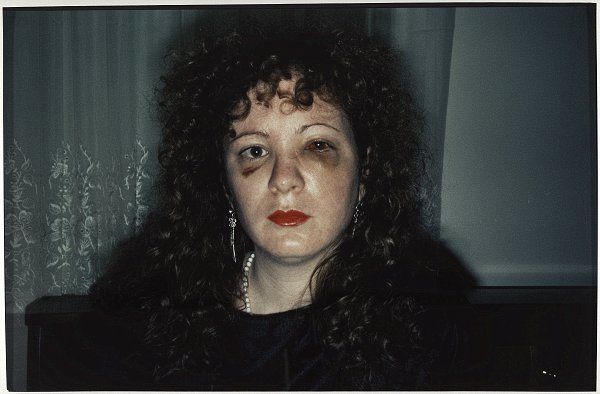
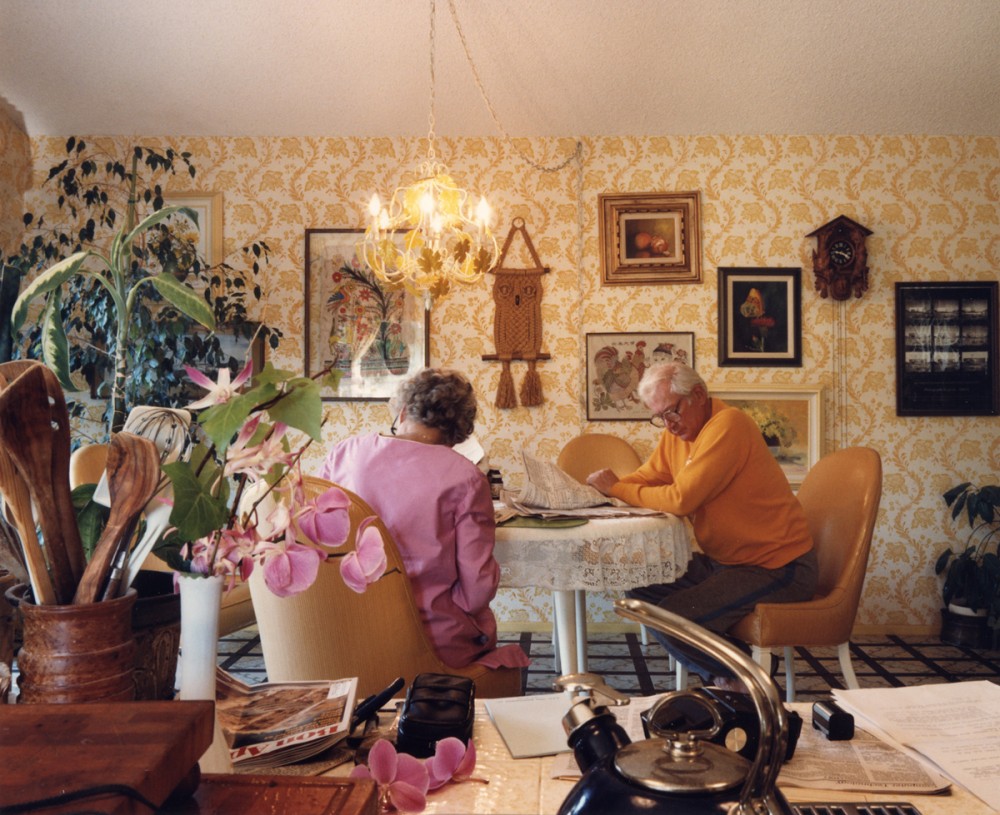
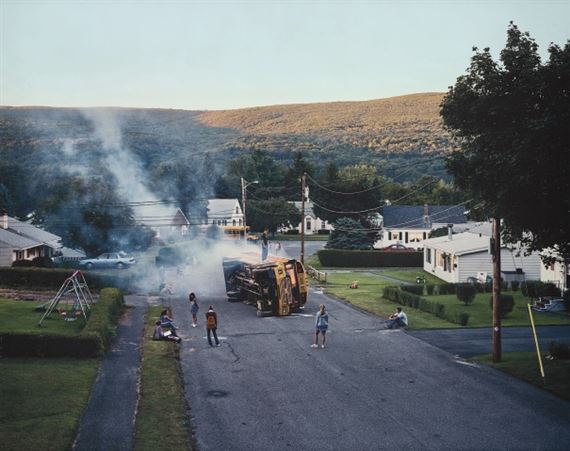
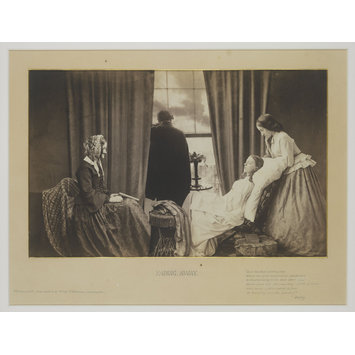
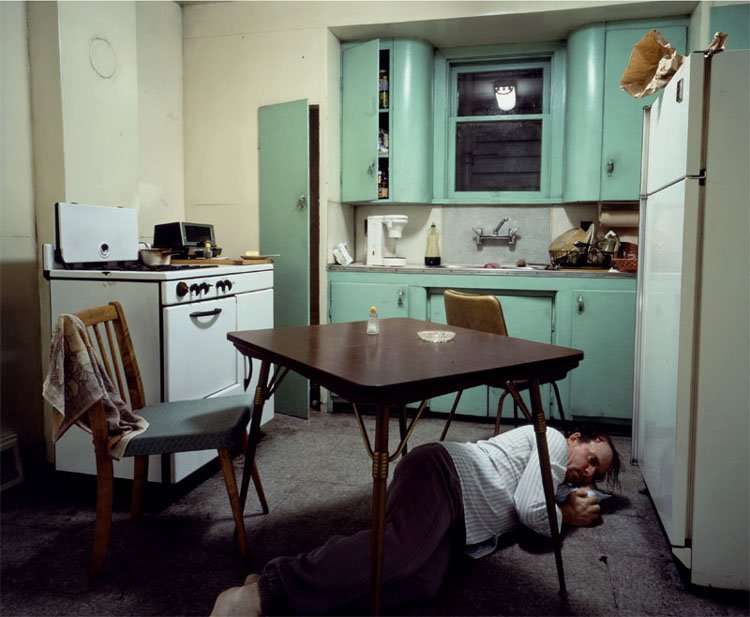
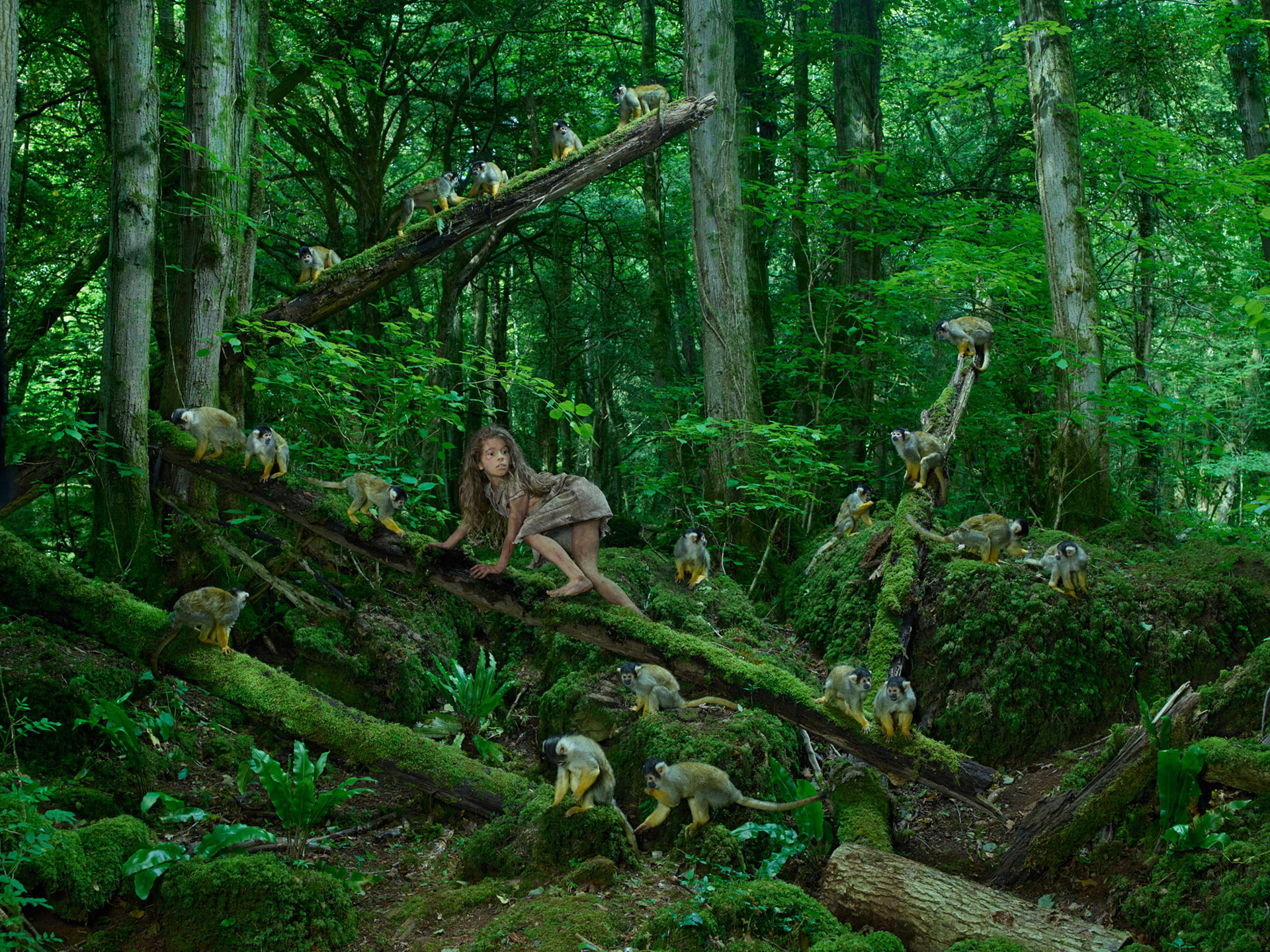
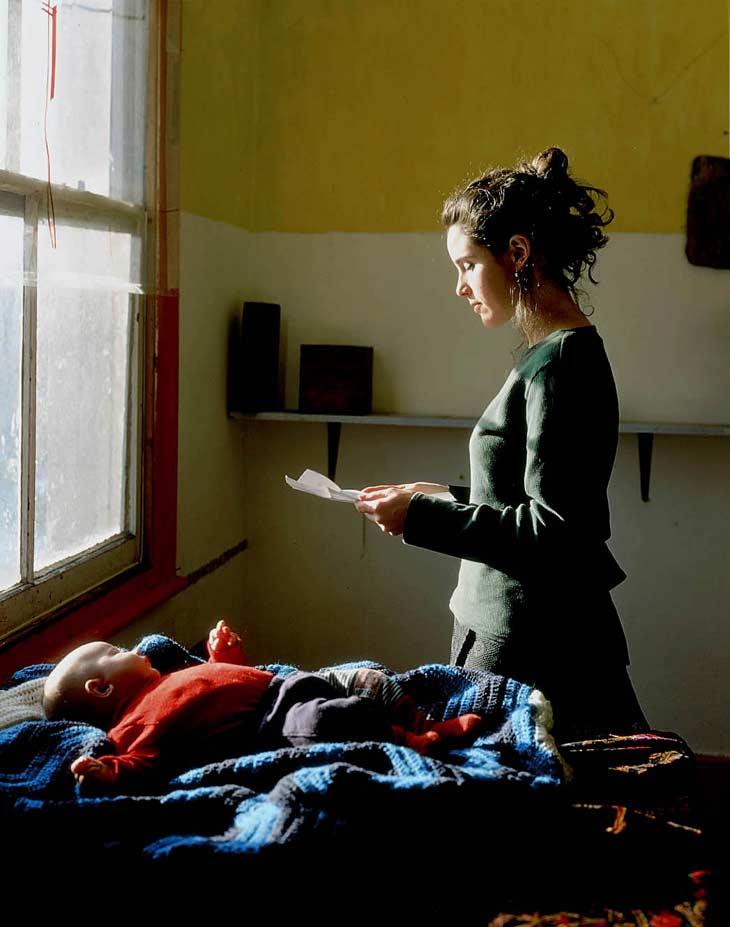
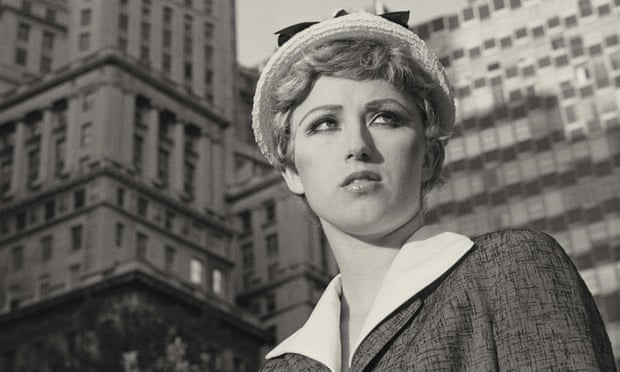
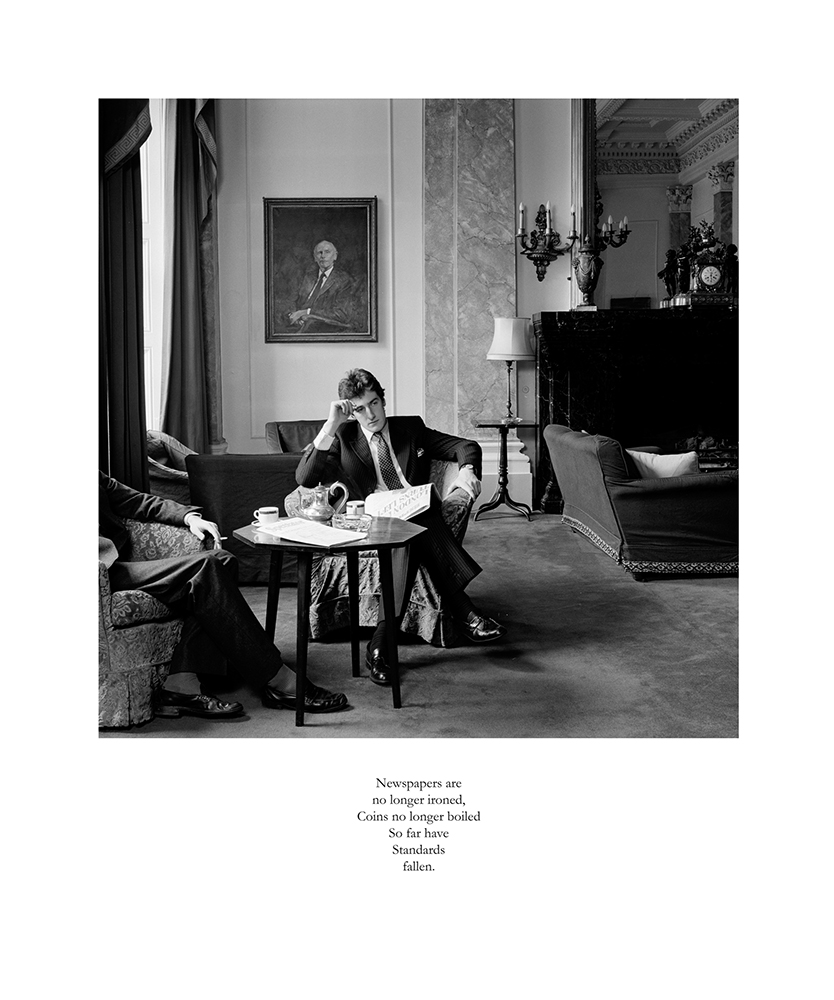
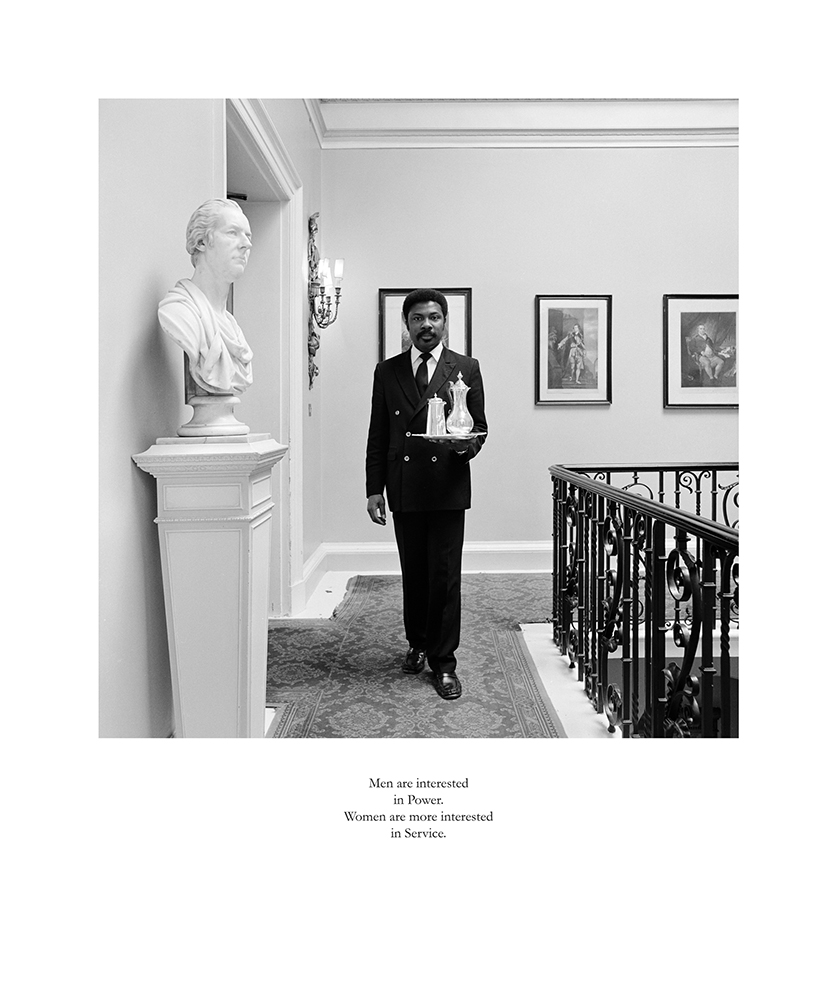
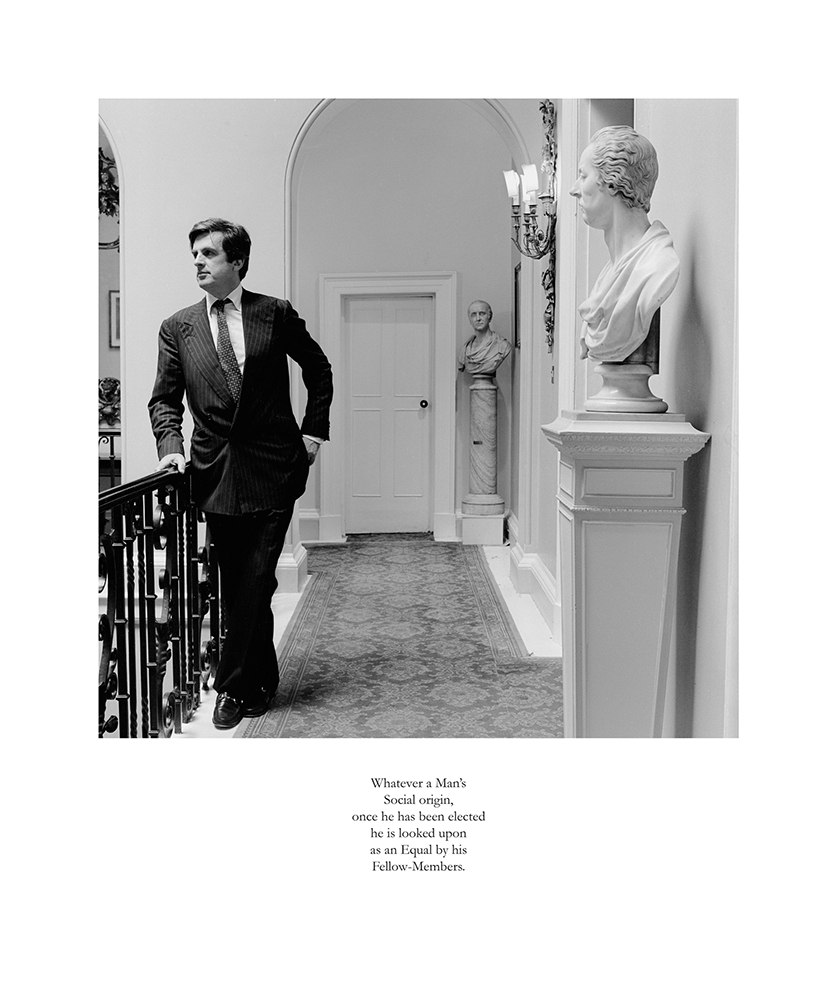
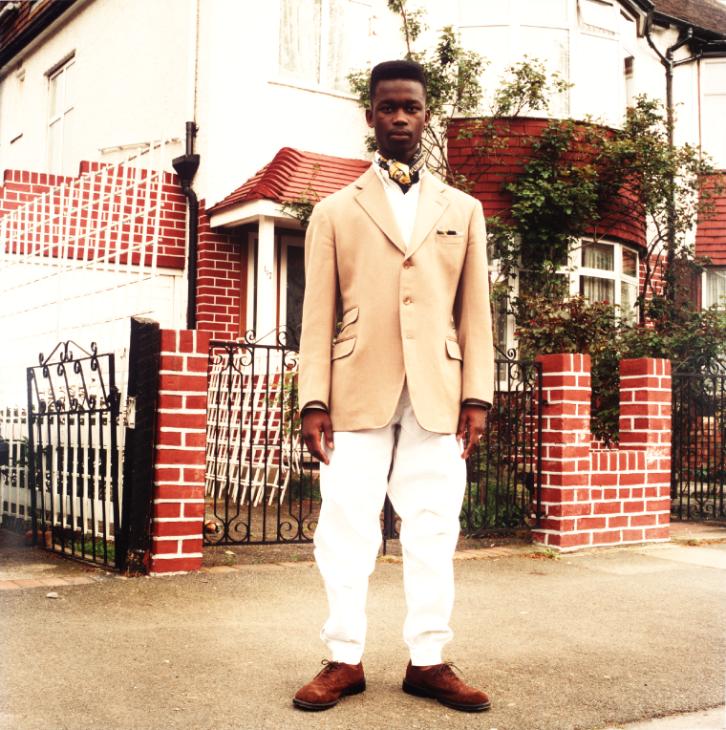
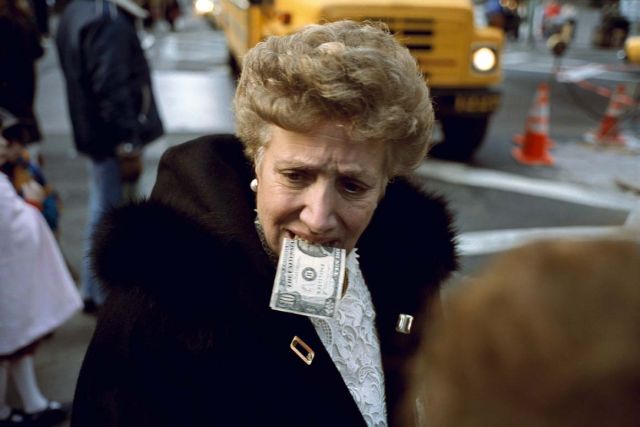
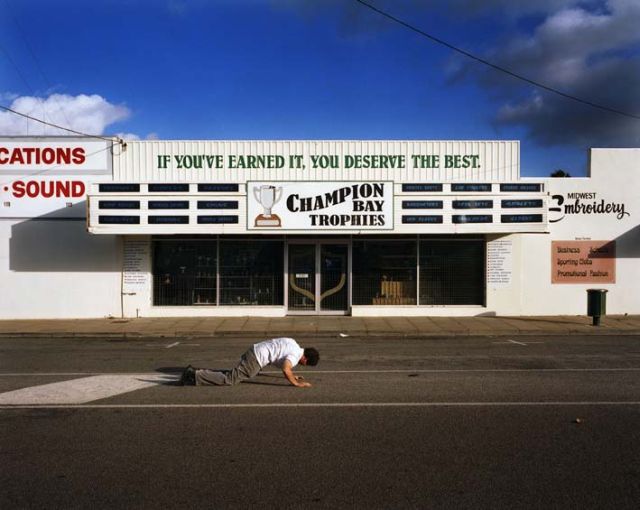
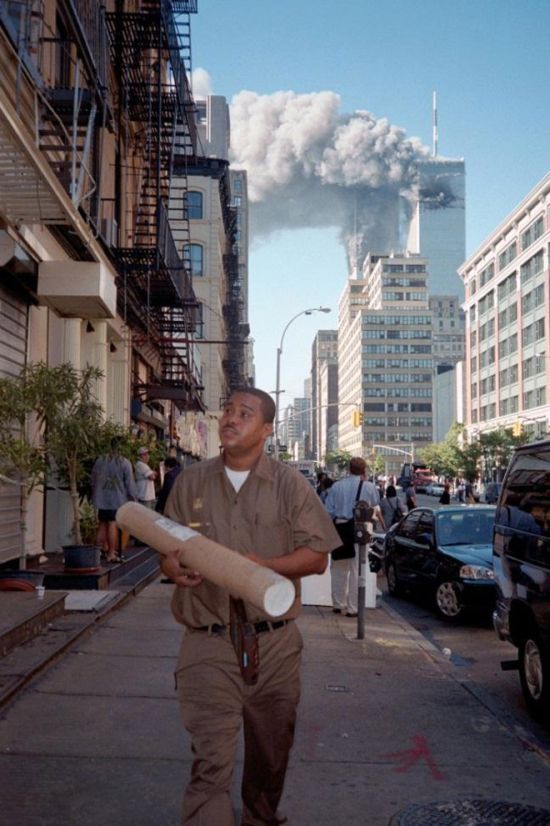
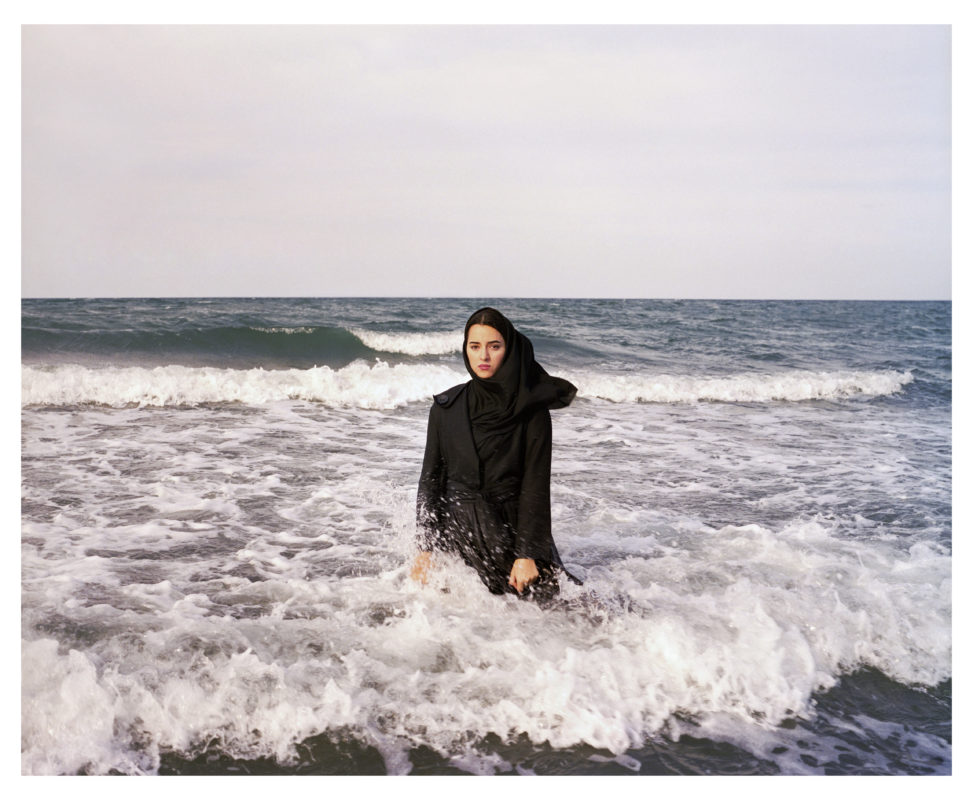
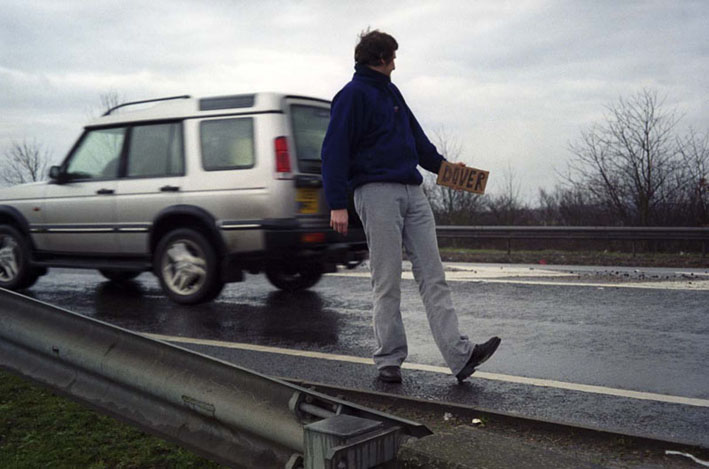
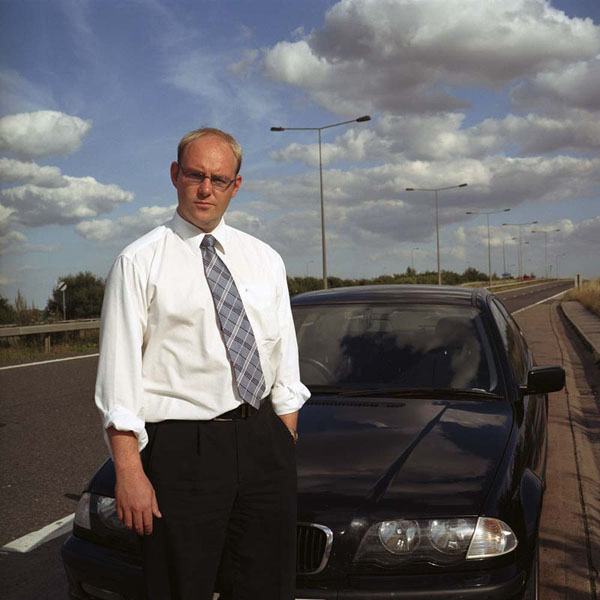
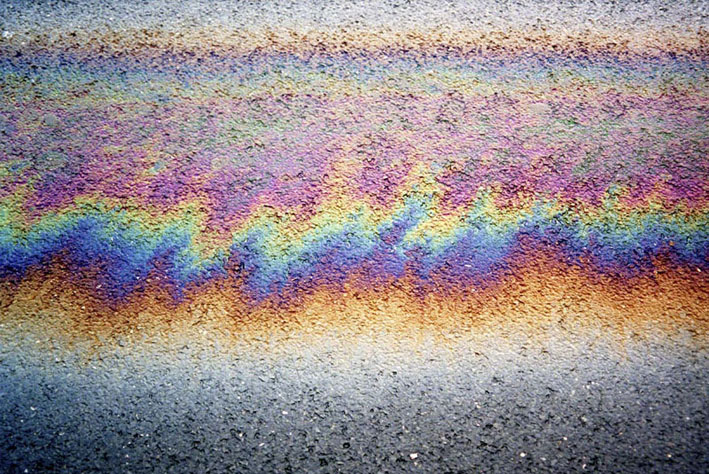
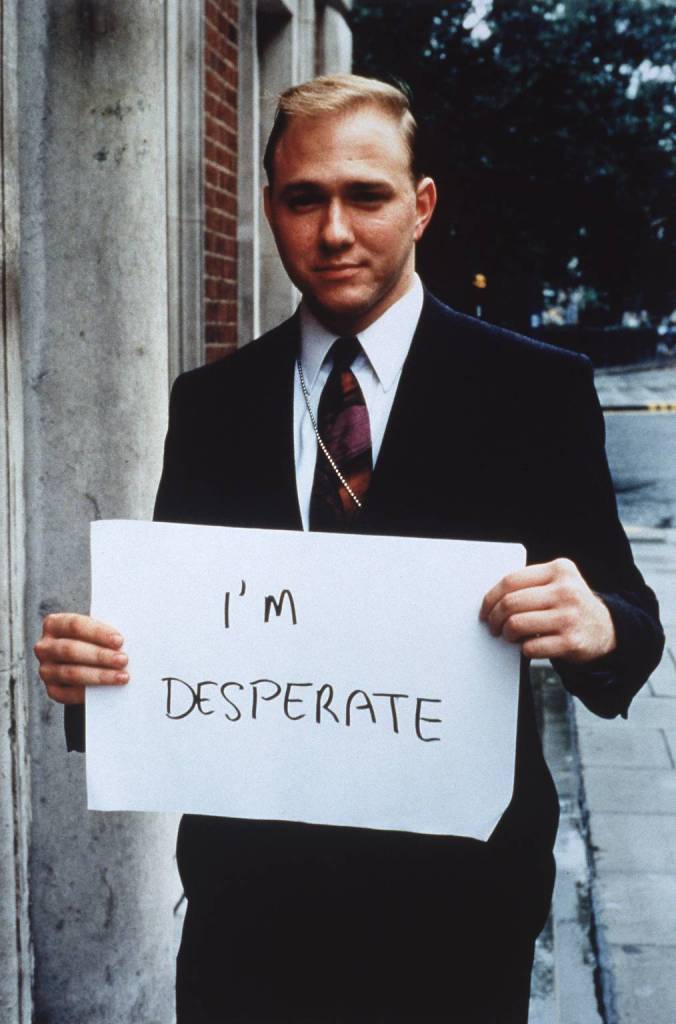
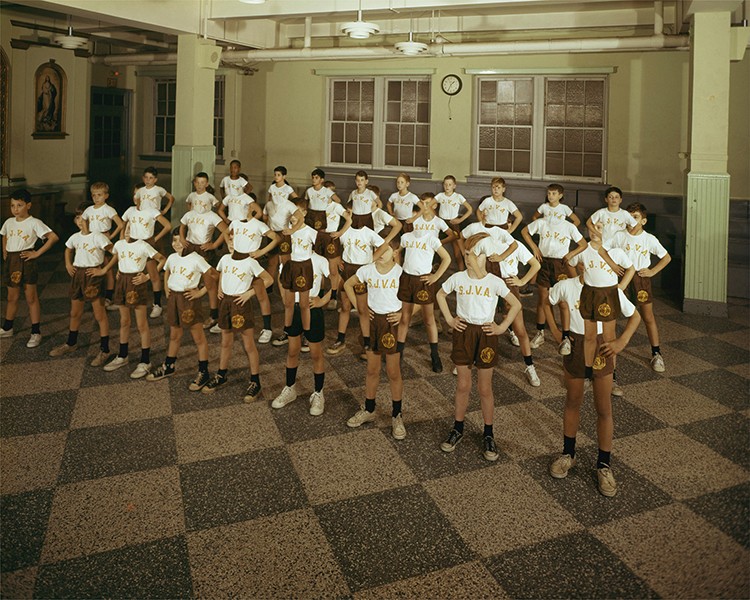
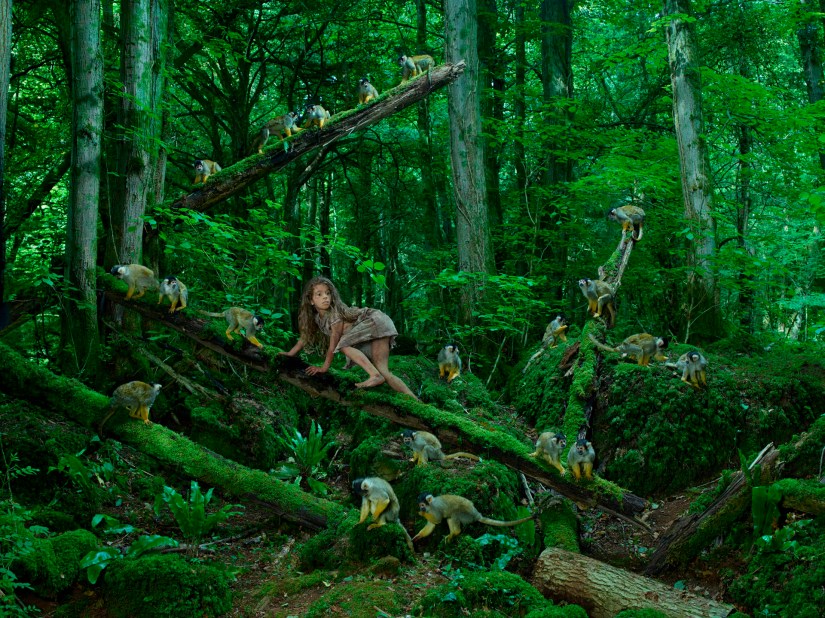
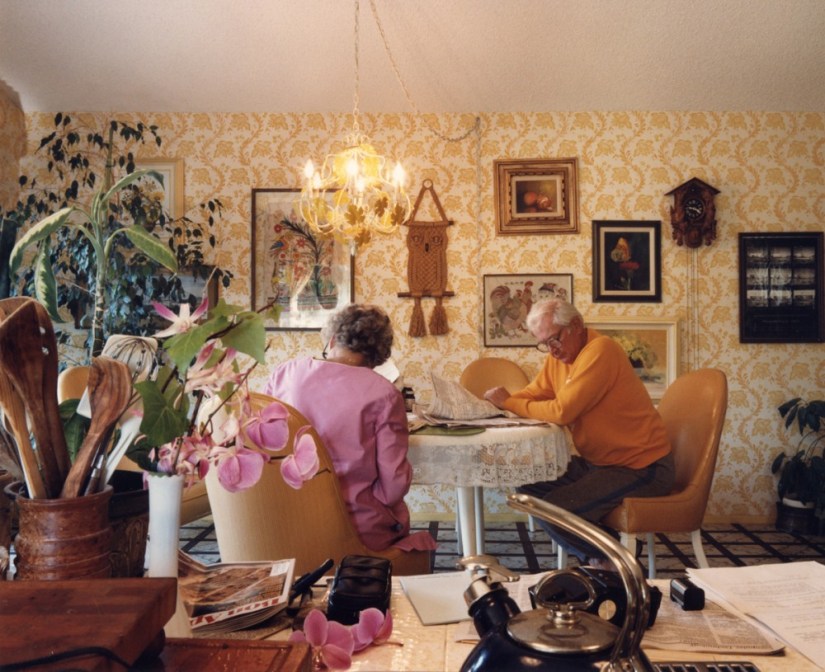
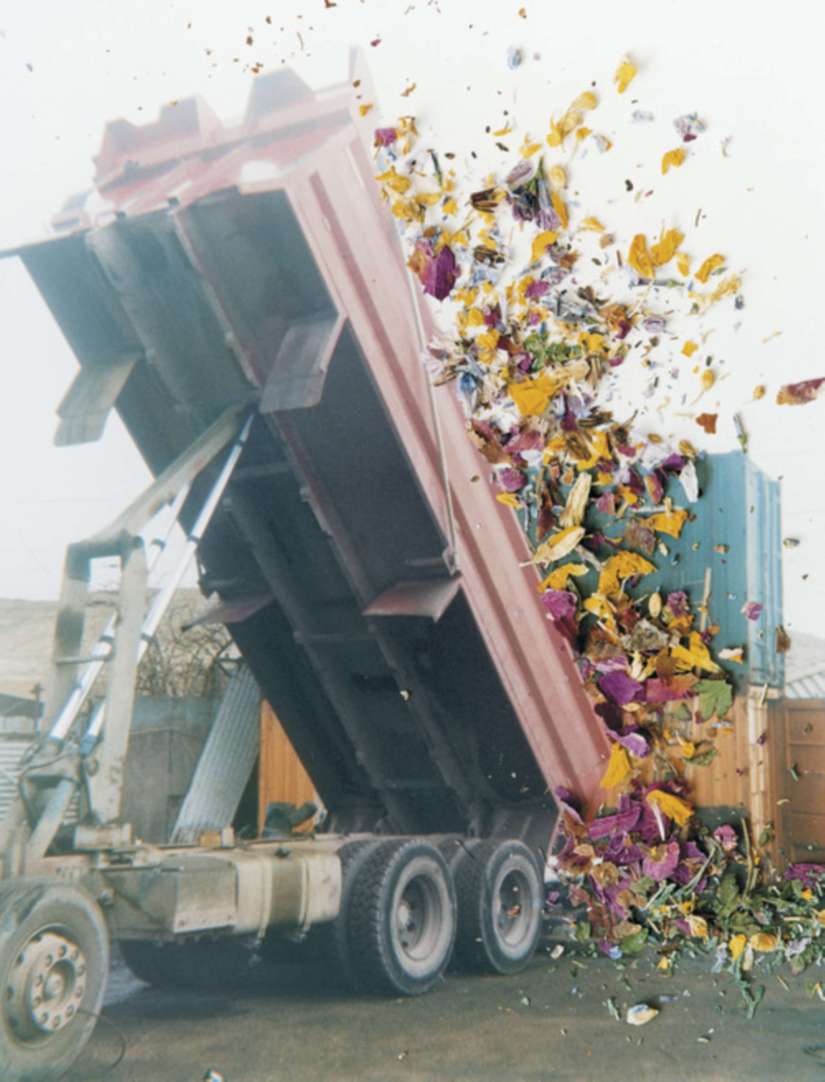
 Georgina's Body of Work