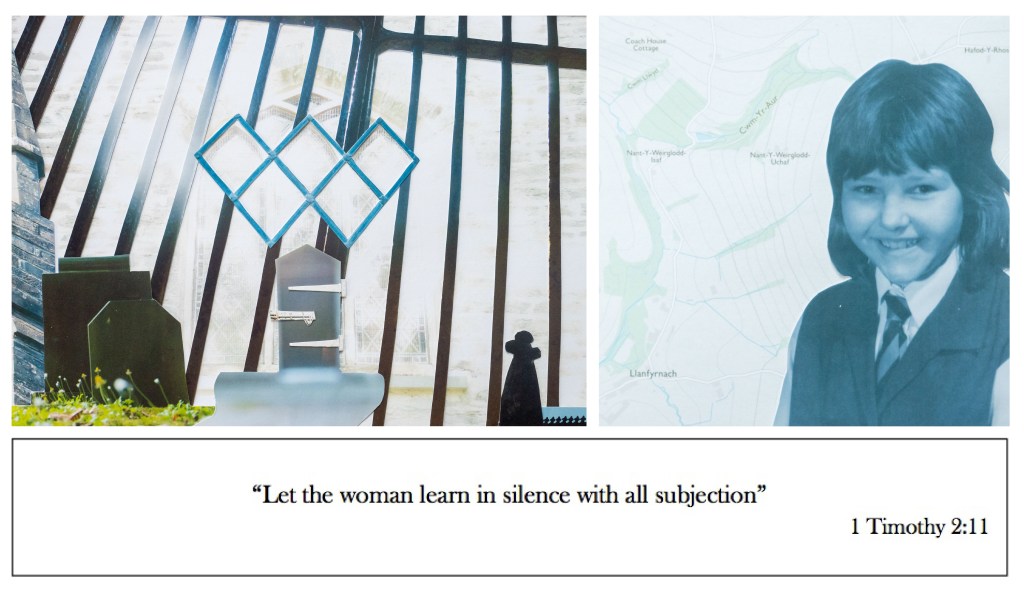
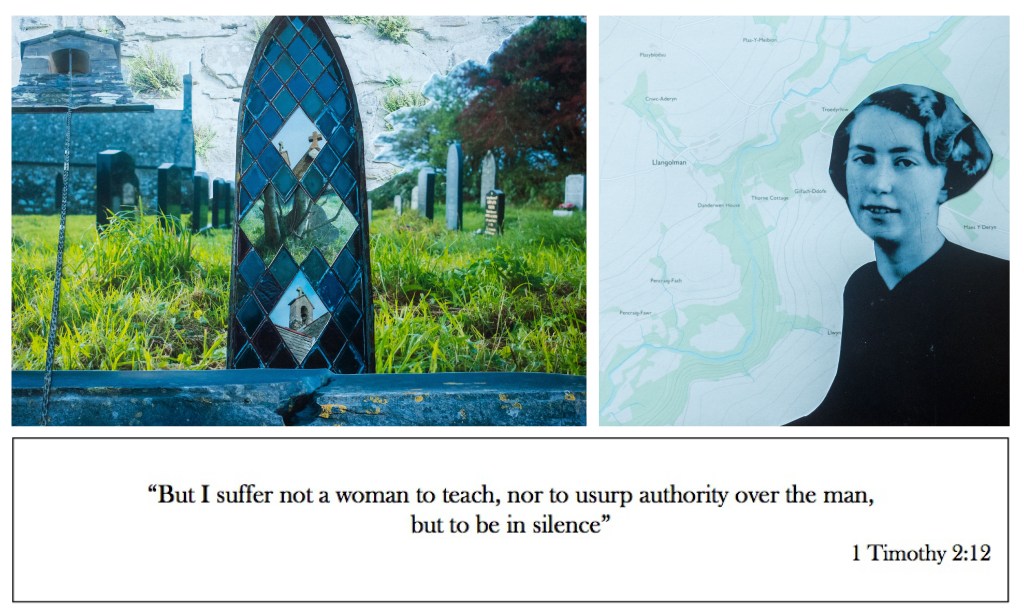
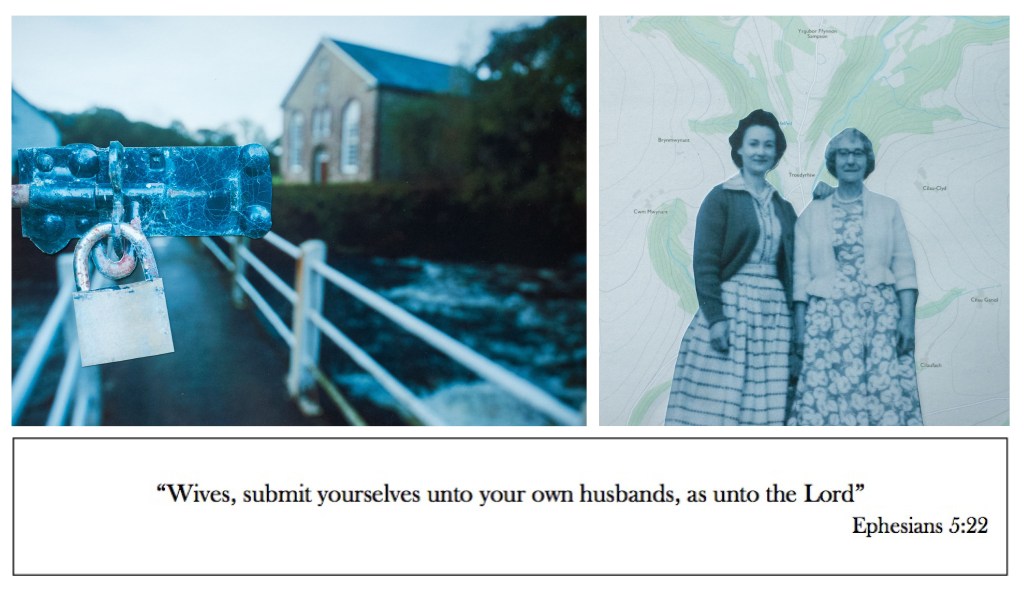
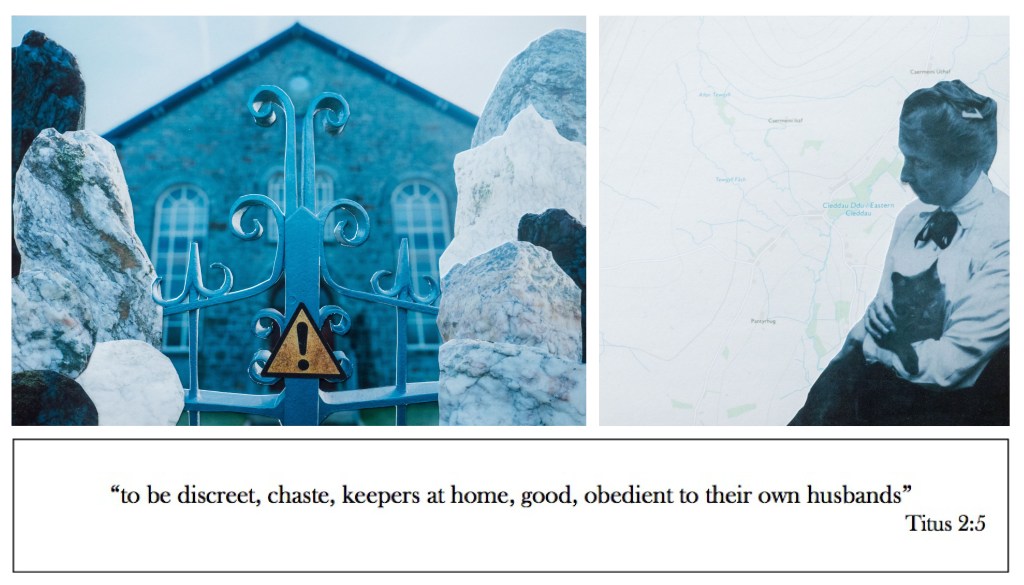
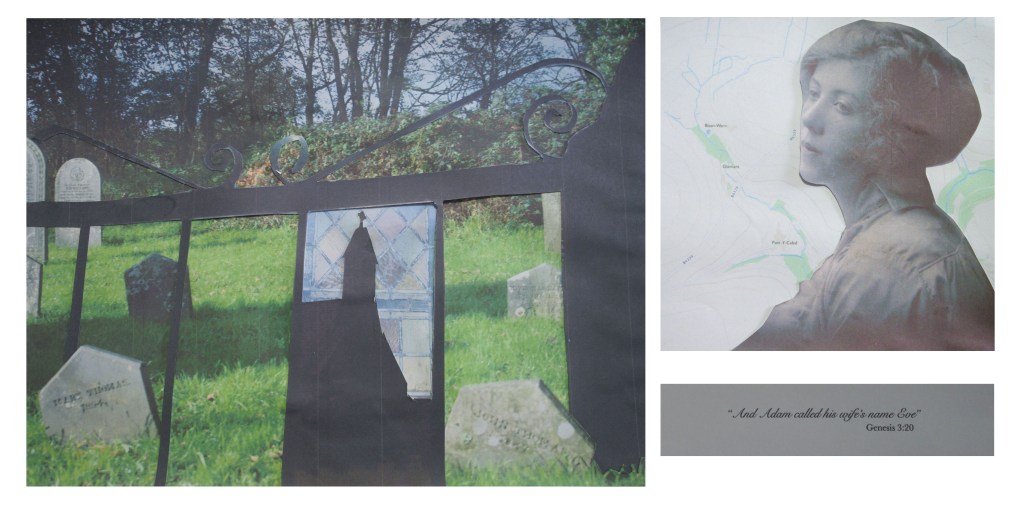
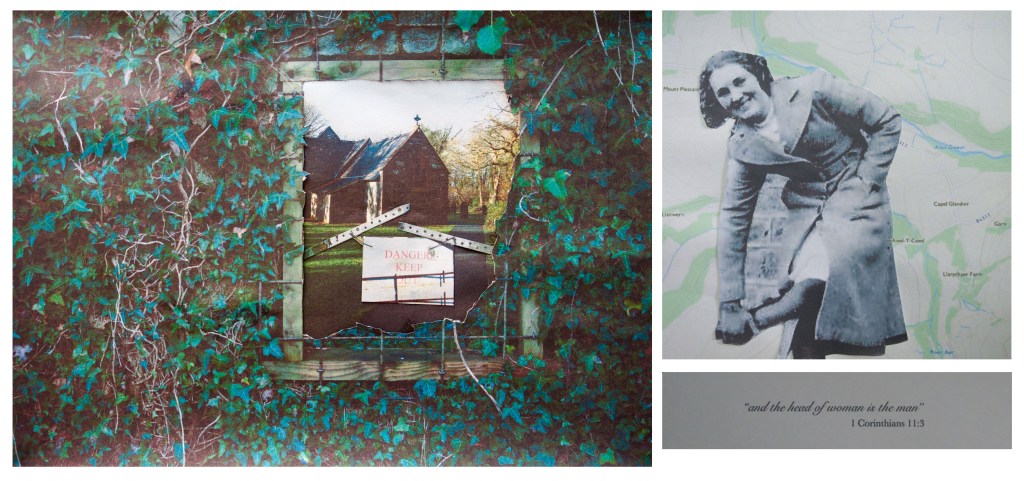
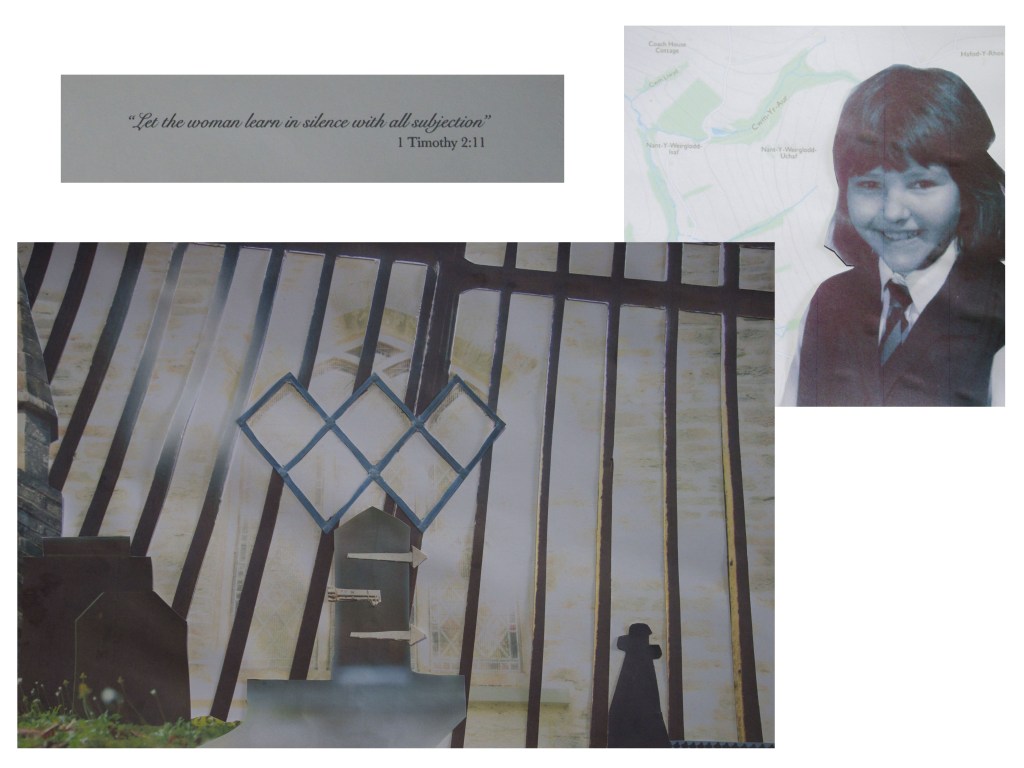
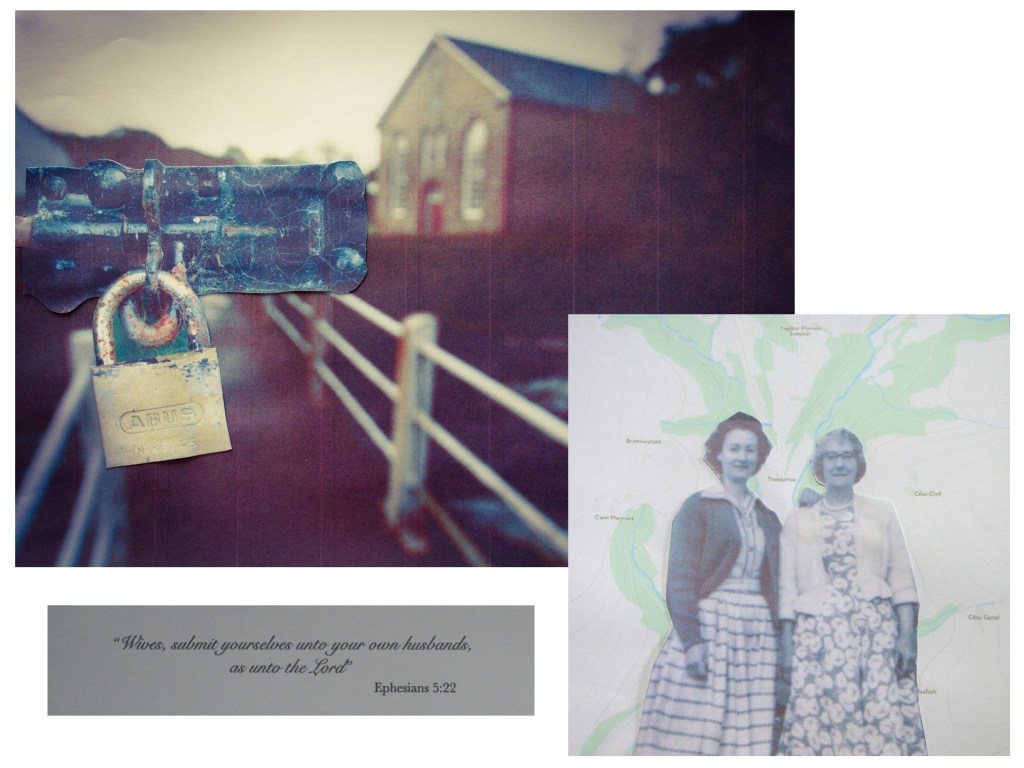
Assignment Five

Brief

Present your final portfolio to your tutor, along with your introduction and your evaluation.
Let your tutor know any preliminary ideas you have for realising your publication and presenting it to a public audience in ‘Sustaining Your Practice’.


Assignment Images

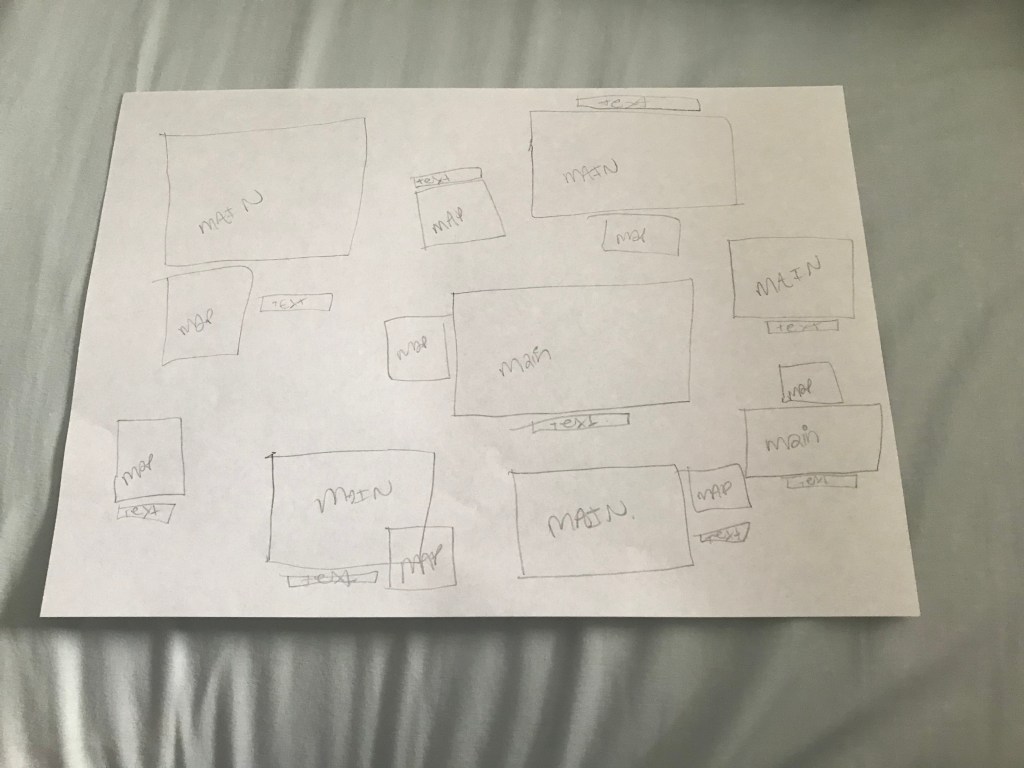
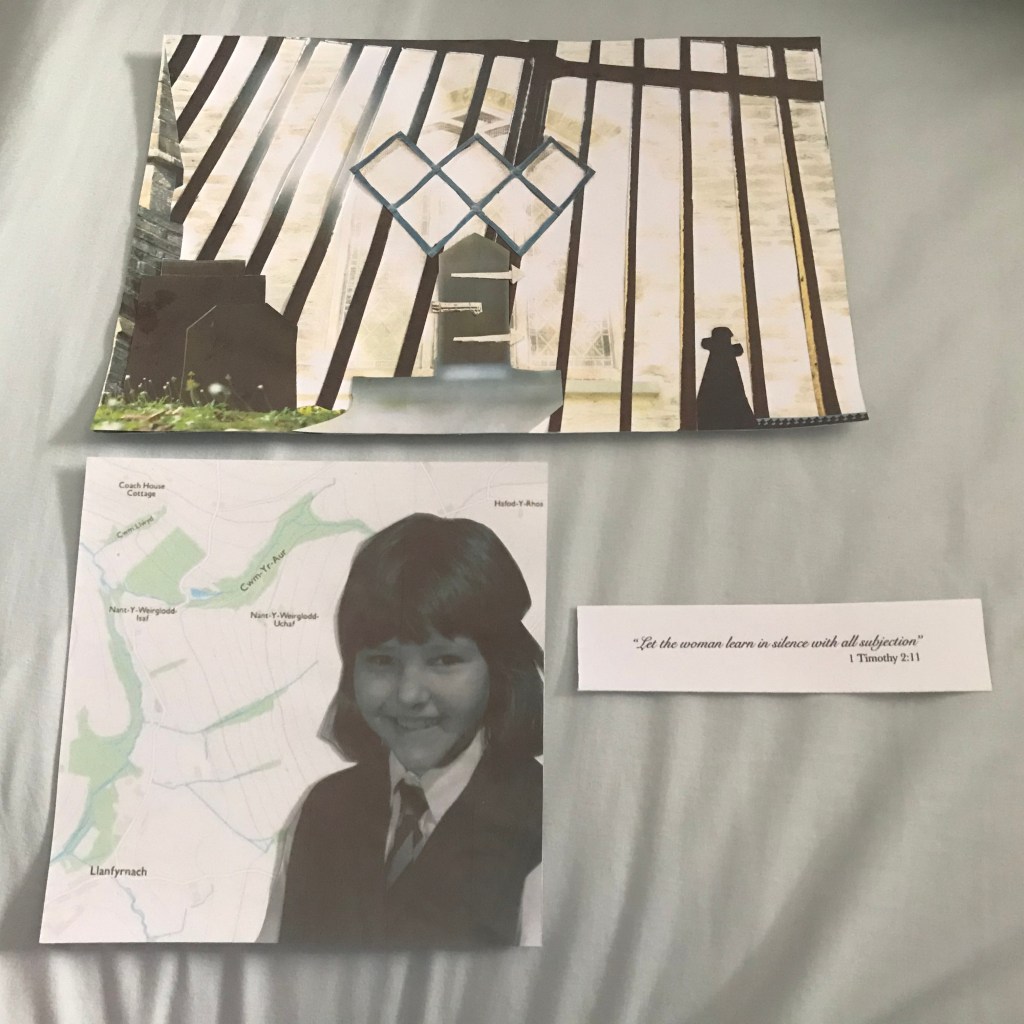
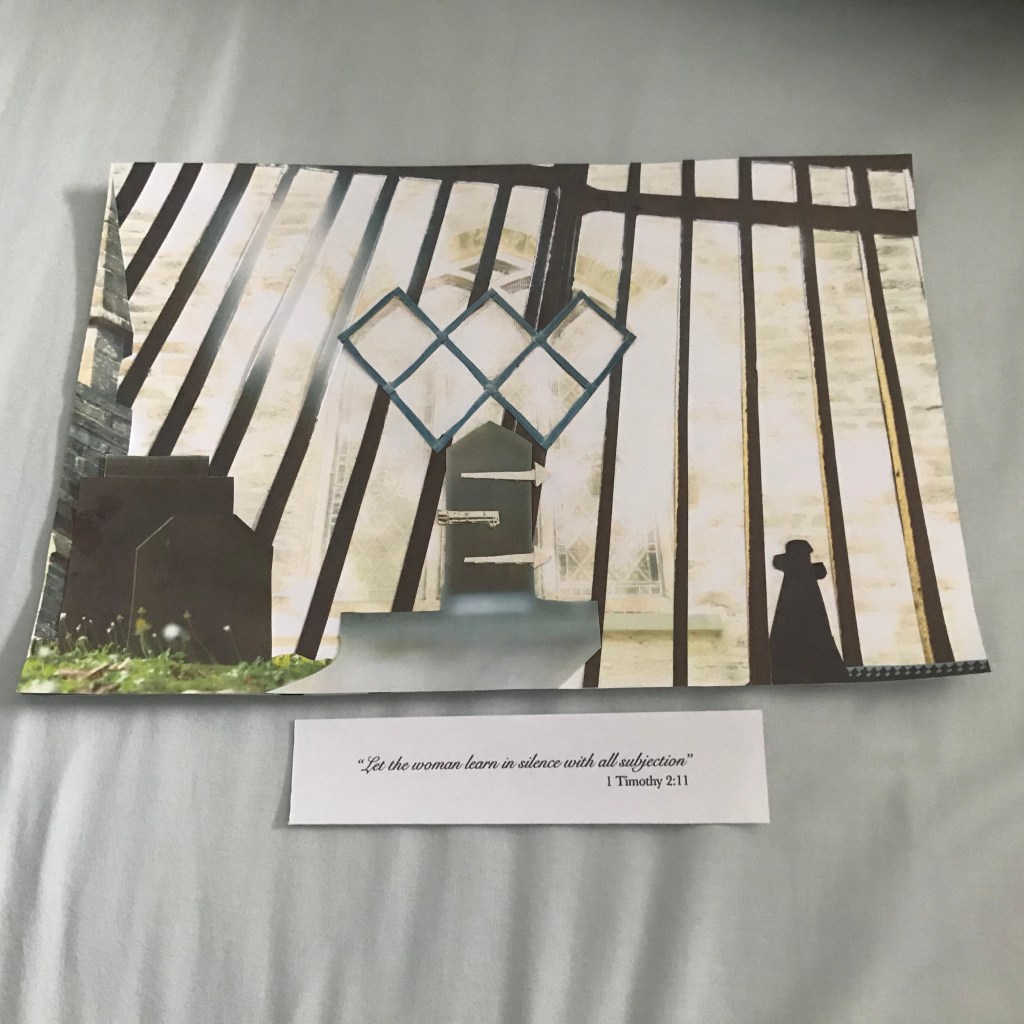
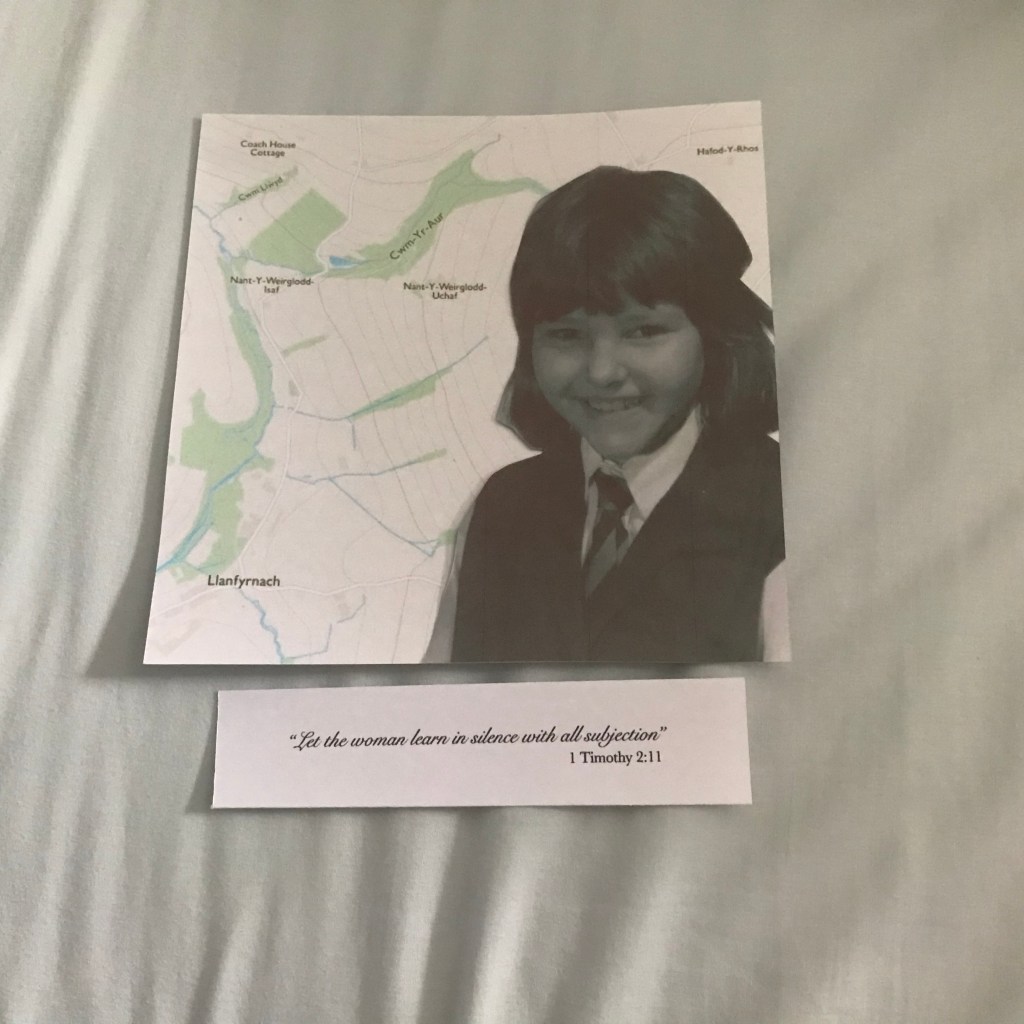
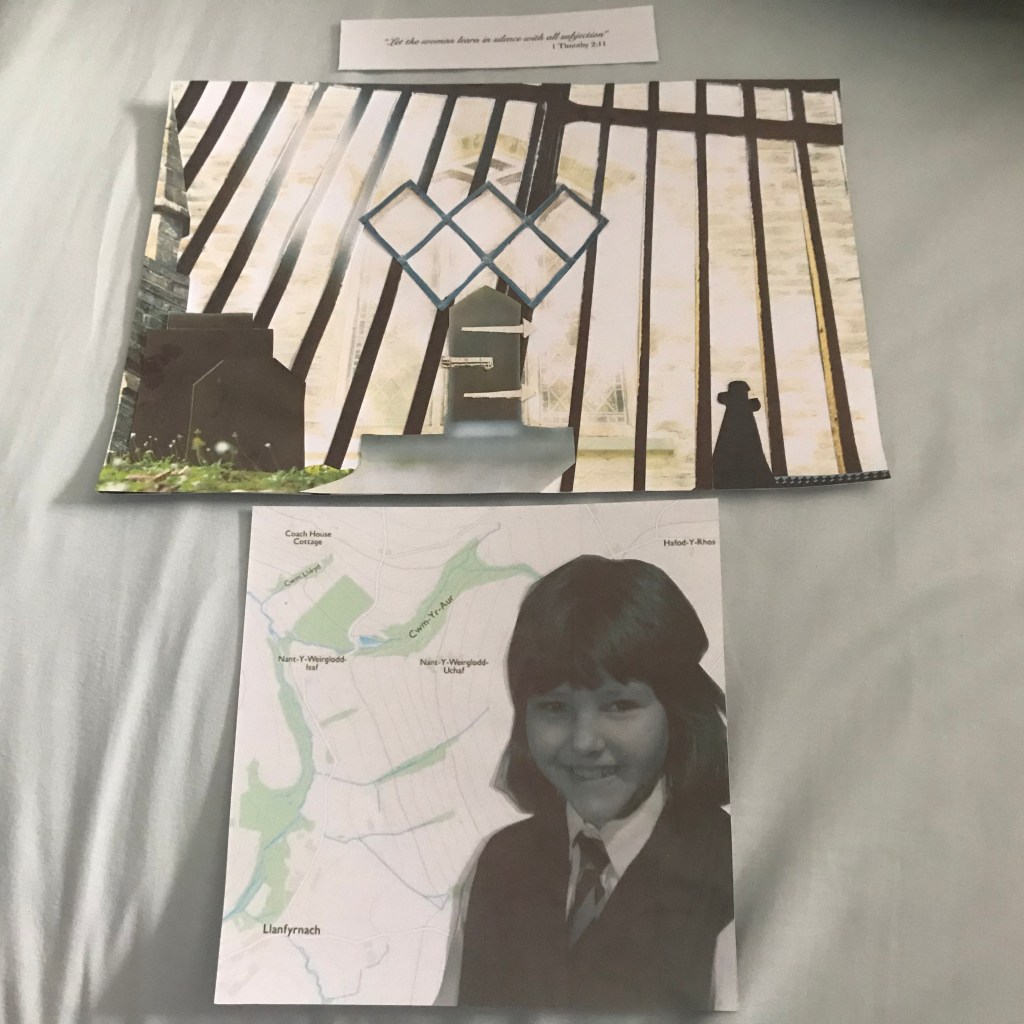
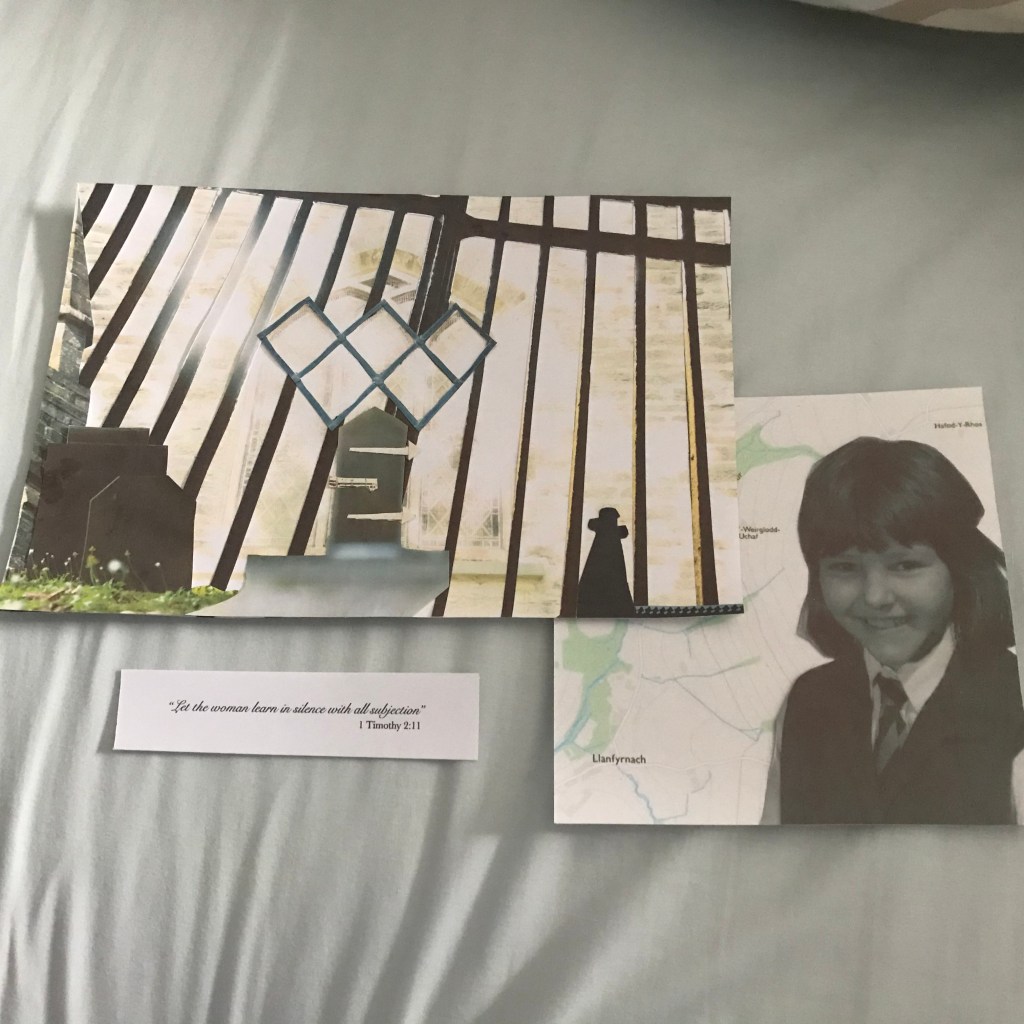
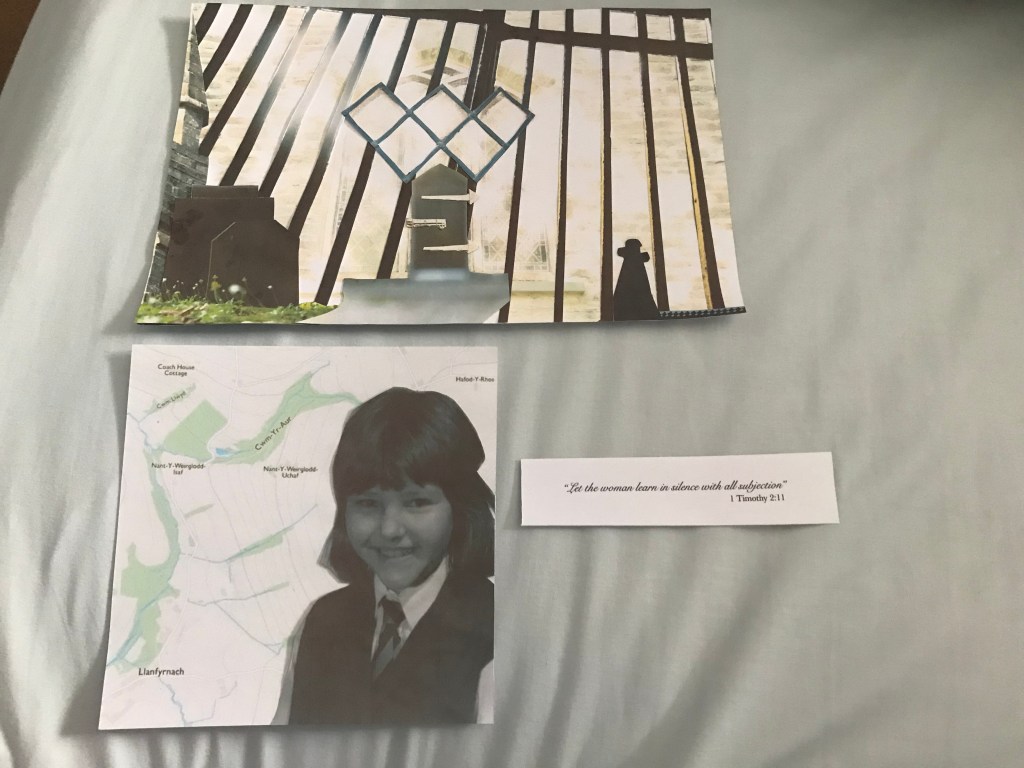
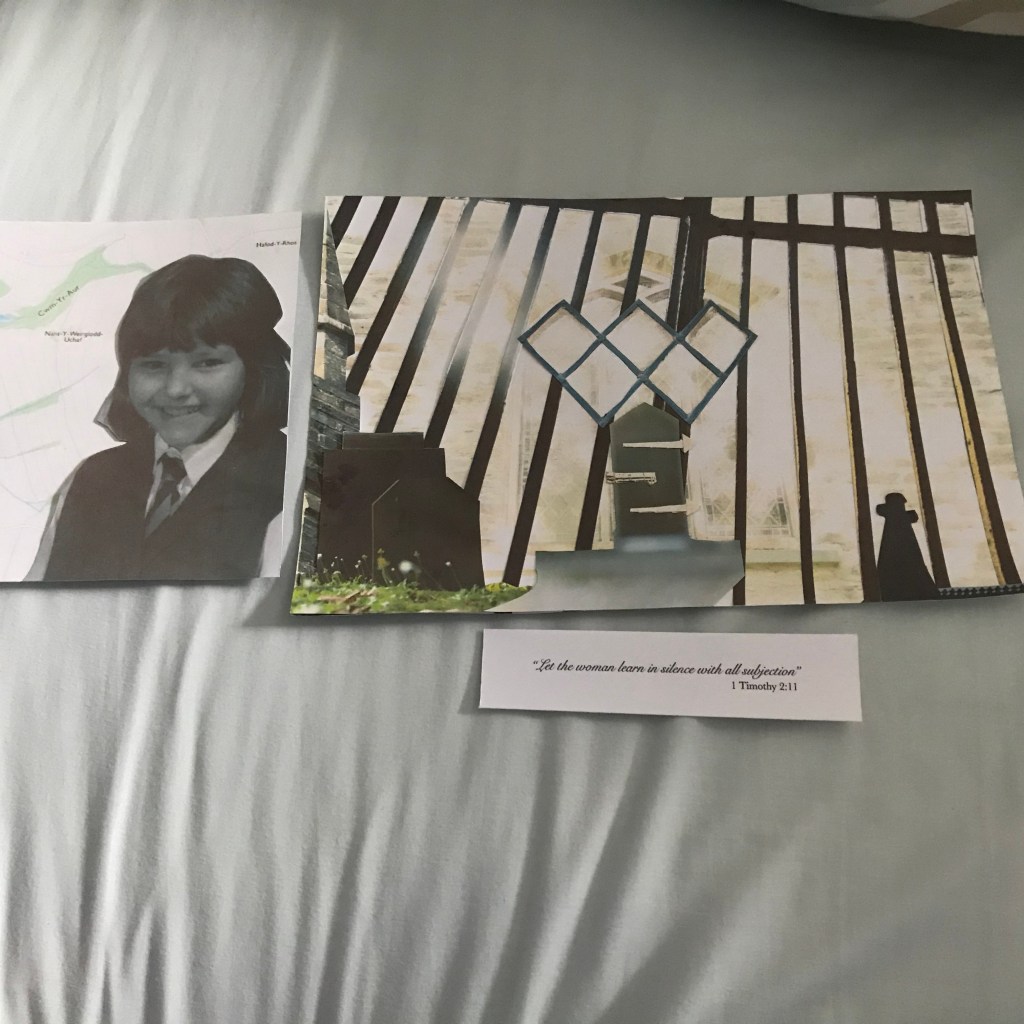
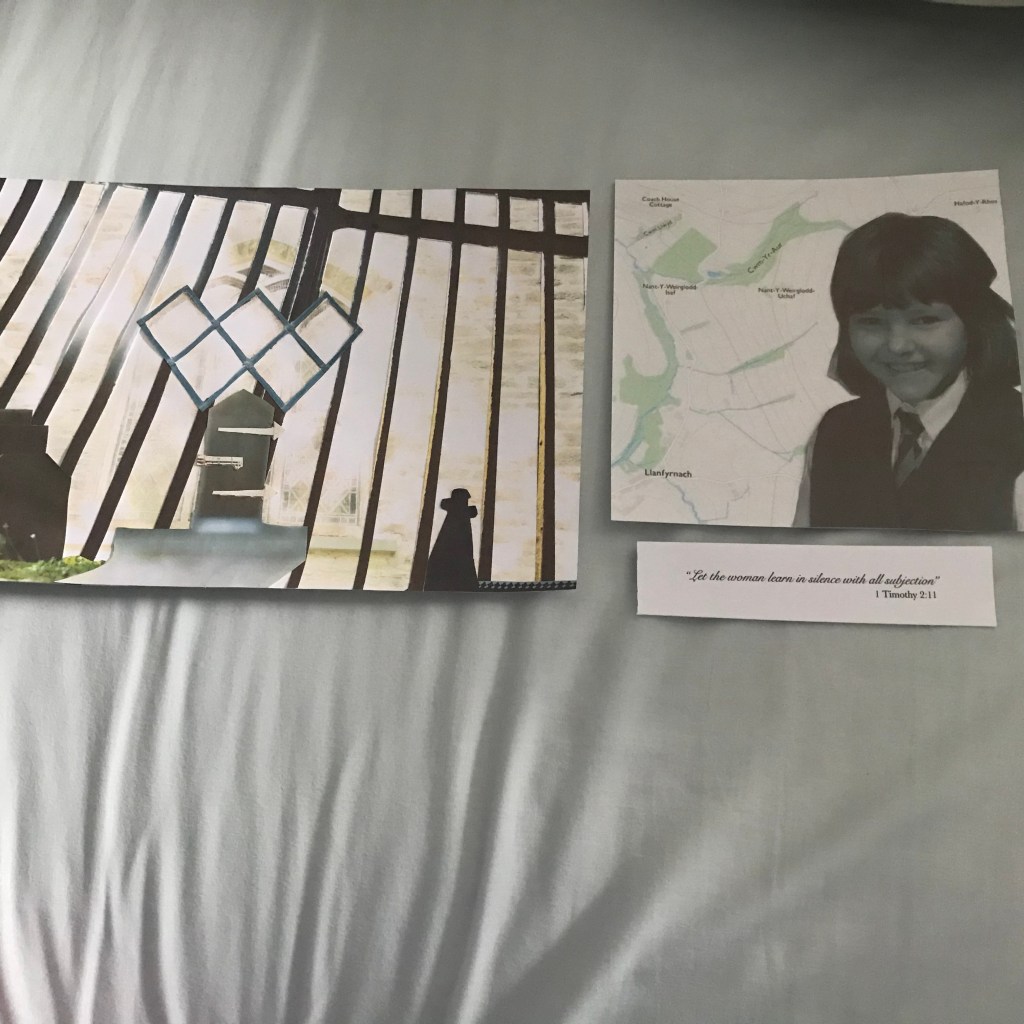
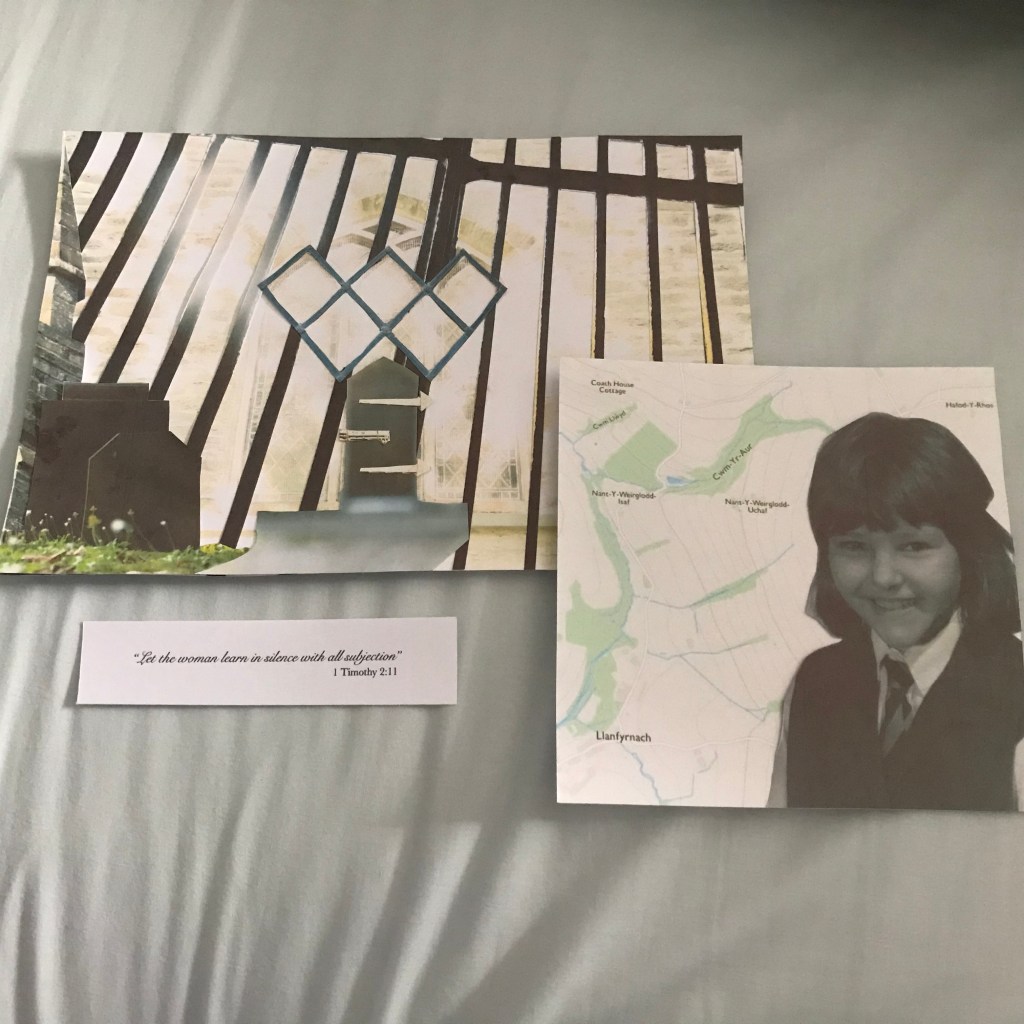
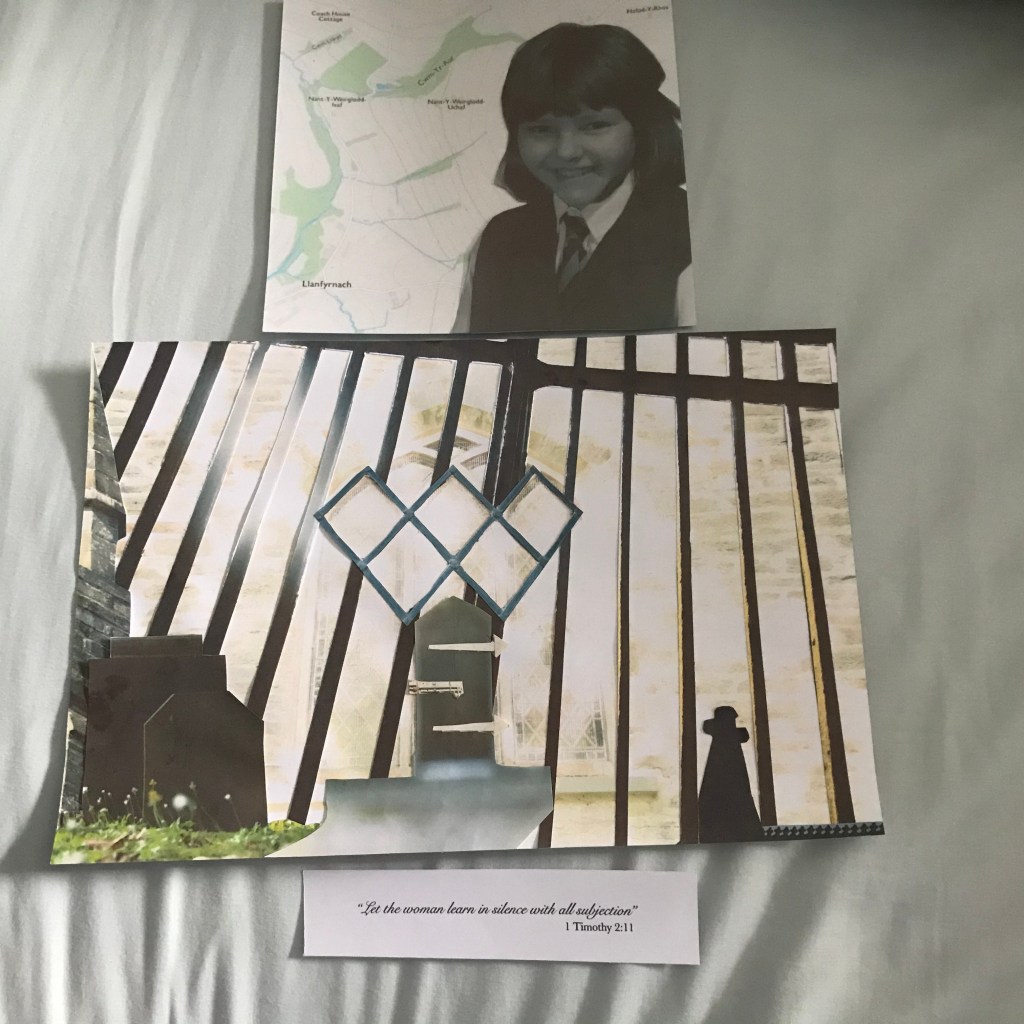
Here are my assignment images:
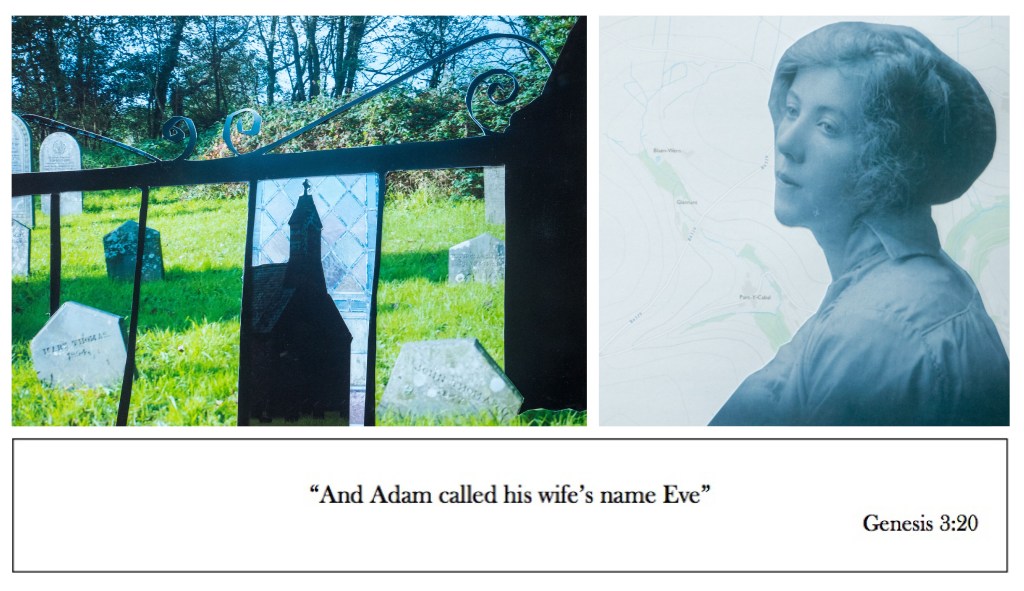
The images are available to see separately here:

Assignment Images


Introduction

your young men shall see visions…

Many landscape images we see are of expansive inviting vistas, rolling hills, glistening waters and vibrant colours. Whilst the images are pretty, there is an issue. Which is that the majority of these are taken by men; through a man’s eye. The gender gap in landscape photography is very prominent, but is quite often looked over. This has led to essentially us seeing the landscape through a male perspective. There are many reasons for this; one specific reason originates with religion. Gender inequality is seen within some religions, this has in time caused ingrained beliefs and created a structured inequality in our society. With my background in studying religion, I decided to investigate the inequality in landscape photography whilst utilising the inequality in religion. I have done this by embarking on a pilgrimage, a route which was specifically designed for men. This allowed me to document this journey as a woman from my perspective and not through a man’s eye. I have contrasted the gender inequality in landscape photography with the inequality in religion, but this also raises the issue of inequality in art and in a global sense too. Using a craft associated with women, my work now takes the form of a collage. I would hope that viewers will be able to see my images and think about gender inequality, their experience of it, and even how they may not have realised the extent. The more we highlight the issue, the more we fight against it, the more improvements can be made. Maybe one day we may all be treated equally.  

…your old men shall dream dreams


10th of August 2020

Here is my second draft of my introduction, following my tutor’s feedback:

Introduction

your young men shall see visions…

Pilgrimages: a way to get closer to your faith or show devotion? You would think then it would be accessible to all. But this is not the case. My work follows a pilgrimage, one which was specifically designed for men. So what about the women? Well they have been excluded from this journey of faith. Named after the mountainous backbone, In the Shadow of the Preselis, is an aptly named pilgrimage, however with the exclusion of women, one could say, In the Shadow of the Men, is more appropriate. Gender inequality is seen within some religions, this has in time caused ingrained beliefs and created a structured inequality in our society. With my background in studying religion, I decided to investigate the inequality in landscape photography whilst utilising the inequality in religion. I have done this by embarking on a pilgrimage, a route which was specifically designed for men. This allowed me to document this journey as a woman from my perspective and not through a man’s eye. Another area where inequality flourishes is landscape photography. Many landscape images we see are of expansive inviting vistas, rolling hills, glistening waters and vibrant colours. Whilst the images are picturesque, there is an issue. Which is that the majority of these are taken by men; through a man’s eye. The gender gap in landscape photography is very prominent, but is quite often looked over. This has led to essentially us seeing the landscape through a male perspective. My work contrasts the gender inequality in landscape photography with the inequality in religion, but this also raises the issue of inequality in art and in a global sense too. Using a craft frequently associated with women, my work now takes the form of a collage. I would hope that viewers will be able to see my images and think about gender inequality, their experience of it, and even how they may not have realised the extent. The more we highlight the issue, the more we fight against it, the more improvements can be made. Maybe one day we may all be treated equally.  

…your old men shall dream dreams


Evaluation

Ever since I was a child I have always enjoyed photographing landscapes. It had never really occurred to me that there was an obvious divide between the genders here. But when I started to do some research it was obvious. The majority of photographers in this genre are men. I began thinking of ways I could represent, highlight and fight this inequality. With my previous studies being in religion, I decided I would follow a pilgrimage which was designed for men. This would be my landscape images. It also occurred to me that this would also be looking at the inequality within religion and also in a global sense. This pilgrimage became my own journey. A journey of realisation and discovery.  

I started my work by intending to follow the pilgrimage and using this as a backbone for my exploration of the gender inequality in landscape photography. I really didn’t know how I was going to do it. But I did want to explore this topic, as I found it is something people either don’t realise or don’t talk about. I started by looking at landscape pictures and the common themes in them. I then decided that I wanted the opposite of the norm, I wanted images that were not perfect, to symbolise the discontent. So my work included blurry, over-exposed and under-exposed. My work has evolved to make a collage from each location. I have kept the basis which is exploring inequality in landscape photography, but also with references to the inequality in religion and in a global sense.  

I started my research by looking into gender inequality and the inequality in landscape photography and how artists tackle this issue. I have also looked into pilgrimages. I have tried to find artists who have followed a journey or pilgrimage, but also those who are looking into psychogeography. To aid in my decision about my techniques, I looked into artists who use collage. I looked into how artist use text and how they sequencing their images. As I was researching various different topics and techniques, I had a lot of research. Catherine Opie was one artist who influenced how I photographed my locations. Several male landscape photographers have helped me see how they see the world. Mary Beth Edelson used religion to address gender inequality in the arts, her work has been influential. These are to name a few. 

As my work has evolved, I feel my work explores gender inequality but not just in landscape photography, but in a global and religious sense. I followed this pilgrimage which was designated and followed by men, in order to complete my own journey as a woman following in their footsteps. Something which would have been frowned upon in their time. I believe it also raises questions regarding patriarchy and inequality. I am following a man’s journey, but my images now reflect my journey, as a woman. 

I do not feel that my images will only resonate with one particular audience. I believe my images are suitable for all, as this is an issue that effects everybody. Despite this inequality being against women and men are favoured, it would require both sexes to raise awareness and to fight it. I hope when the viewer looks at my image, they can bring their own experience or thoughts of gender inequality and religion. I would like my images to get the viewers to think about the gender inequality, not only in this specific journey but also in a global sense. It could perhaps lead to their own journey of discovery surrounding inequality. I would like people to see my images and really think why have I followed a journey that was designed for men. Why as a women, photographing in the landscape genre is this a rarity? Why aren’t the images perfect? What new image does the collage make? Why does these images show oppressive and restricted tendencies? Most importantly, how does the images make the viewer feel? Are they aware of gender inequality and how deeply it is rooted? Do they care? 

I want to use images that weren’t perfect, so as to distance my work from the ‘perfect’ landscape images you see, as I hope this shows that there is something wrong, something is not perfect. You can still make the images out but they do not possess the clarity. Hinting at the state of the world with gender equality, everything may seem ok on the surface but it truly isn’t. My technique of following a pilgrimage designed for men is an important aspect as I am following it as a women, something that wouldn’t have been accepted back in the original pilgrims time. I am following in their footsteps, seeing the same landmarks, but experiencing it completely differently. I have learnt that various techniques of art throughout history have been associated with women, these have been valuable to my methodology. Hence when assembling my images, I decided to make a collage. This technique is associated with women, so I believe it is very apt for my work. I ended up taking hundreds of images at each location. I obviously had to be brutal in the editing process. I went through the images quickly initially and took out the ones that I didn’t think would fit. At this point I still had quite a few pictures. I tried to get a feel for the location, and think of an idea for how I would arrange the collage. I then cut out the other images. It was a long process but I felt more connected to the final images I have chosen. I was able to make a new image from the others I took. The different aspects came together to make a new meaningful image. This could be in contrast to how people change their reality to make out gender inequality doesn’t exist, mainly because it doesn’t effect them. I have created a new image, symbolising the inequality not only in landscape photography nor in religion, but in a global sense. I think my technique has enhanced the final outcome. By using collage, I have been able to create a new image. I also took images that were not perfect. They were out of focus, over-exposed and under-exposed. I did this as I wanted to show the uneven ground in landscape photography and symbolise the different views and discontent. I like this effect as it can get the viewer to think. They can question why these images are not perfect, hopefully they can see something is wrong, it is not a perfect world view.  

I did make some mistakes along the journey. One mistake I made early on was not to progress my ideas fully. I was stuck at just compiling the images, and not pushing my ideas. I also had low points, for example when I had issues arise in my personal life, it just halted my progress and changed my state of mind; I just didn’t know what to do, but I was determined to carry on. My high point was actually making the collages. It was fun and engaging. I loved the fact that I was actually creating something with my own hands. I really grew to love this technique. I think this work has influenced me, and I think it has made me think of other challenges, other areas people don’t talk about but are obviously there. In essence, I liked the challenge of challenging issues. This is something I would like to try in the future. I enjoyed this topic and found that my personal voice started to show through. I like the fact the I am looking at issues and bringing them to light and addressing them. I also like creating a collage of my work. I like the effect it produces and I like using this technique. I would definitely use this in the future. I like addressing issues and exploring using this method. I will take away the fact that there are issues in the world and art can be a useful tool to bring them to the light and to address them. I have also learn to experiment more, as I found this has gotten me closer to the my work.  

I have been thinking about how I will present my work, one idea is presenting as an exhibition at a venue. I have been thinking about where I could present it. In keeping with the religious theme, an exhibition at a local church might be apt. The only issue is as I am addressing inequality in religion, they may not be happy with it in their church. The same could be said for the last stop on the pilgrimage, St. David’s Cathedral. Maybe a local gallery would be suitable or possibly publishing it in a book. For an exhibition, I will need to contact possible venues to see if it would be possible to exhibit with them. Another idea would be for a book publication, I will need to decide on a format and what I will include. I will look into different publishers and self-publishing. I think self-publishing may be the best route. 


After my last tutor feedback, I have changed a few things. I have kept the images roughly the same as I felt it works for what I want to achieve. I like the effect my collages have and I think the text and side image bring the whole work together. I re-printed and re-did the collages for a better finish. This time I used a thicker matte photo paper and fixed the issues with my printer. These helped produce a better image. I cut them out, and was careful with the cutting so the lines are hopefully better. 

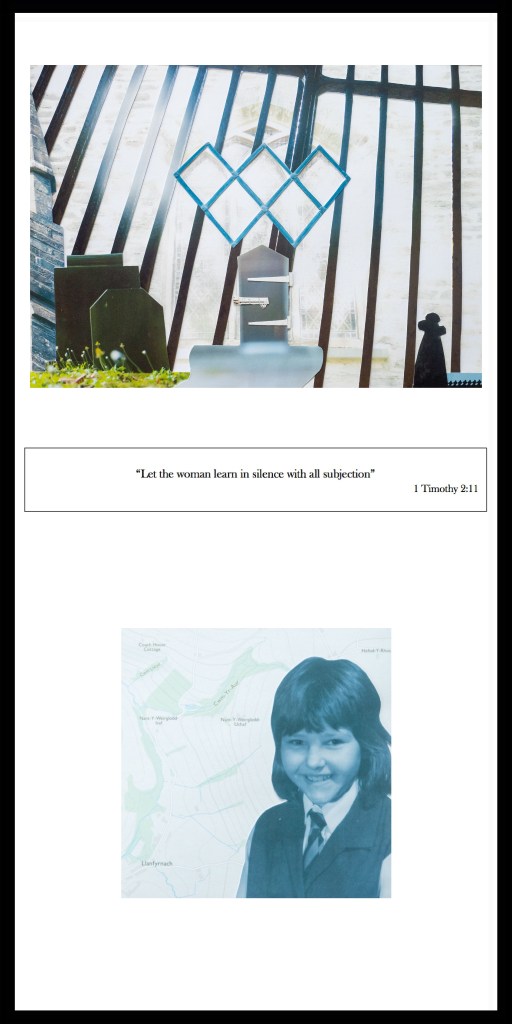
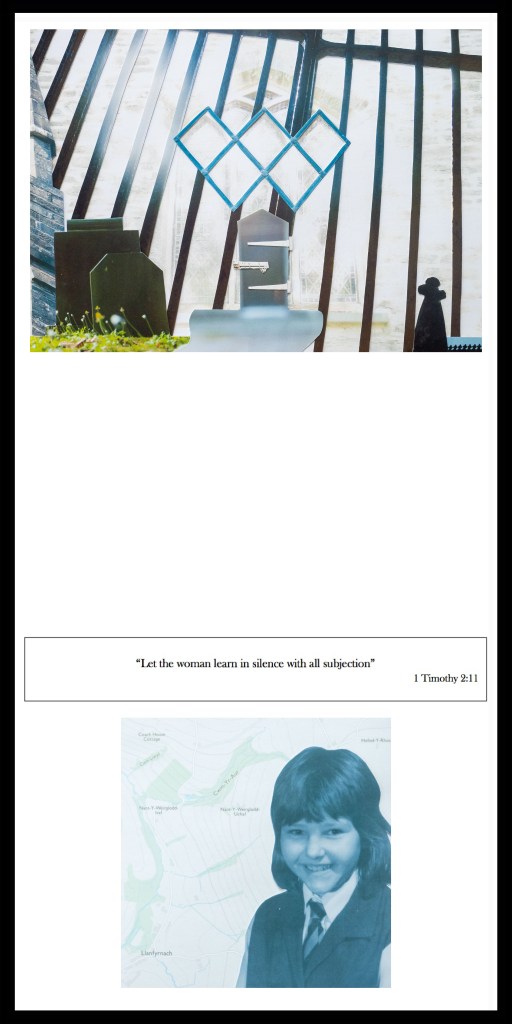
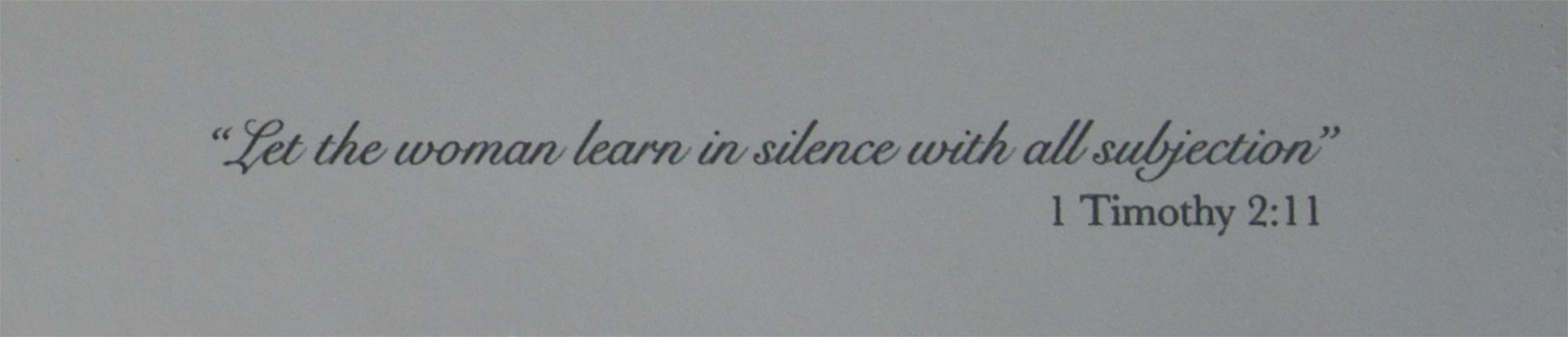
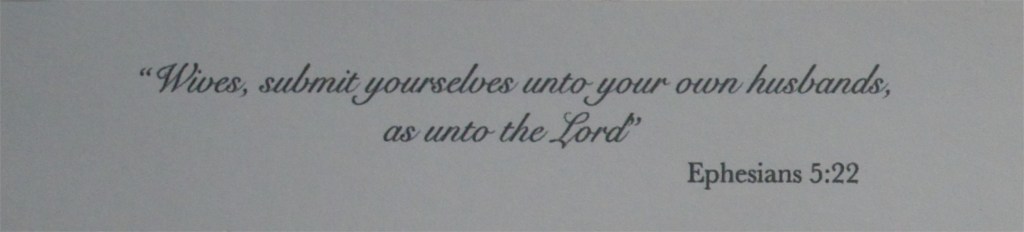
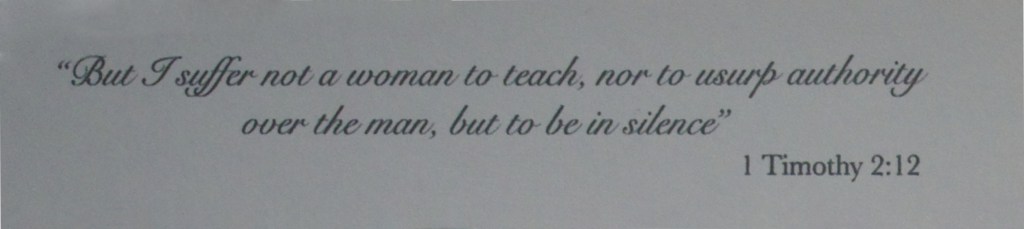
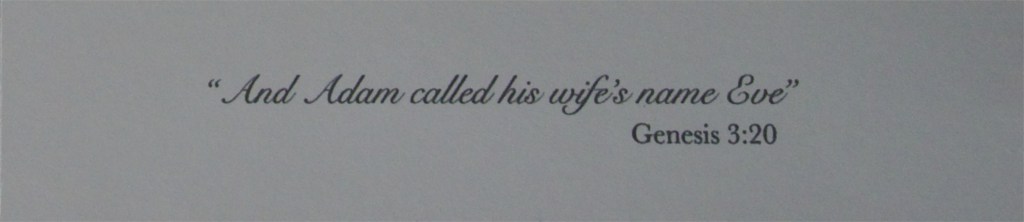
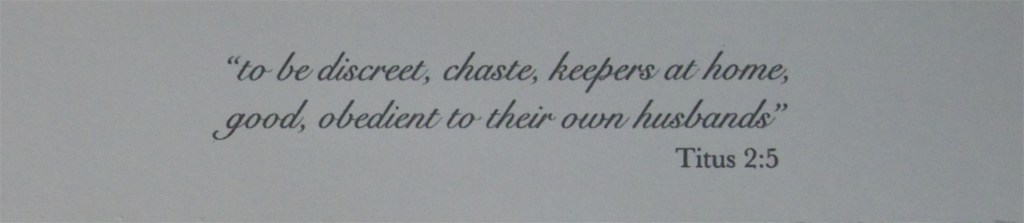
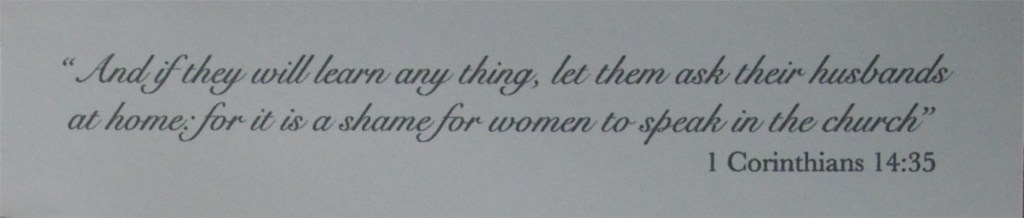
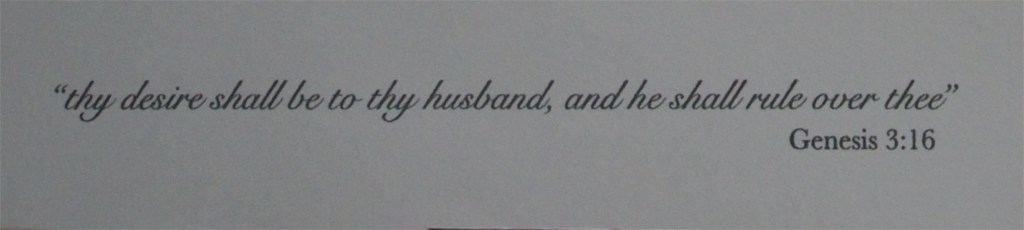
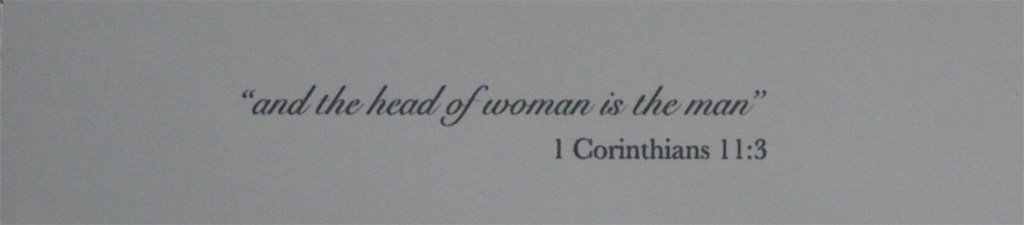
I have kept the actual text the same but have changed the font for a clear one. I want this one to emulate the text from the Bible, so i tried to use a font that was closet to that in the Bible. I also made it bigger so it is easy to read and one of the main point on the image. Here is an example of the text:


Title 

I have been thinking of a title for this project. The pilgrimage itself goes under difference names, but a local name for it is ‘In the Shadow of the Preselis’. I debated whether to call my project this but I wanted something that referred to what I was looking at, so I have decided to call it ‘In the Shadow of Men’. This refers back to the fact that I am looking at gender inequality in landscape photography but it also raises the inequality in religion, and the fact that women are in the shadows of the men in the Bible.  


Map

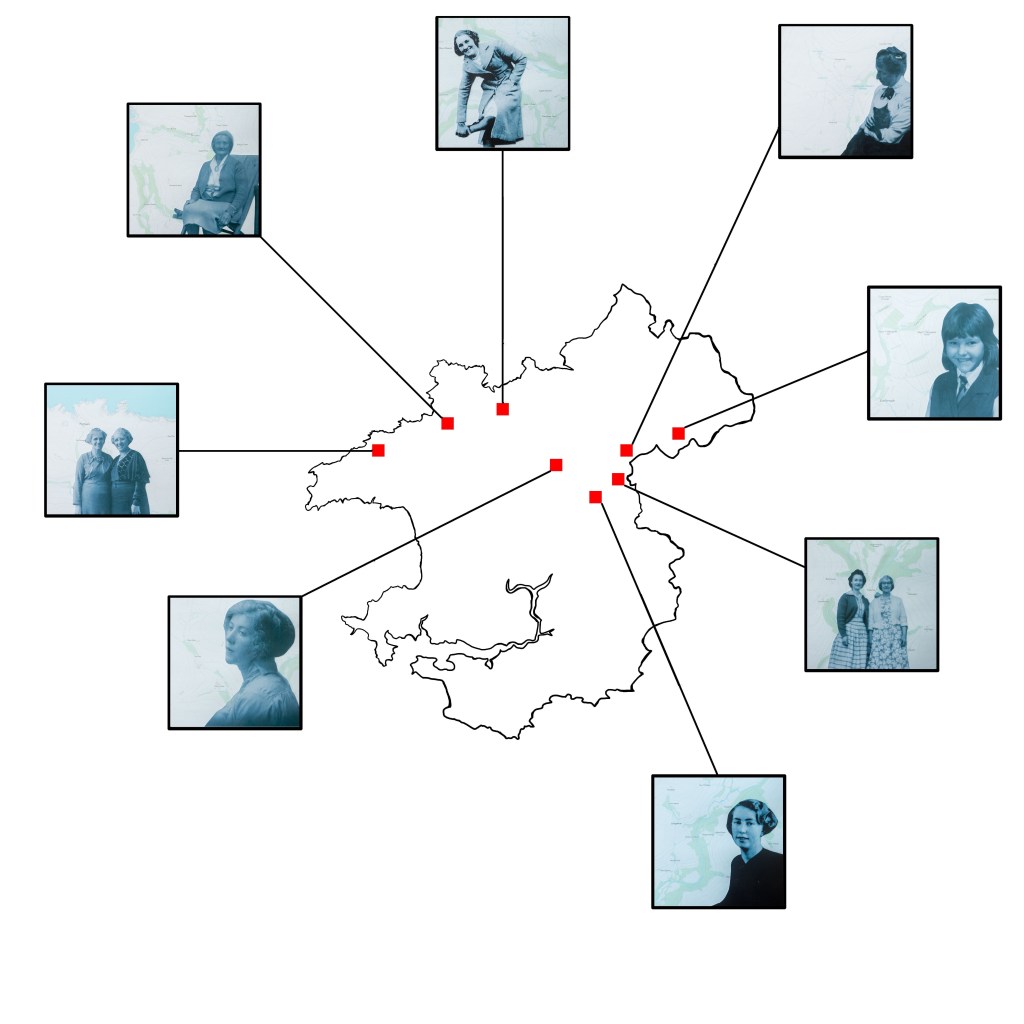
In my last tutorial, my tutor suggested a map to link all the locations to give context. I have experimented and I really like the outcome. 

I started by creating a map of Pembrokeshire, where the pilgrimage is located. I decided on using a black and white image, as I found it was clearer and wouldn’t be overly busy. Here is the map:
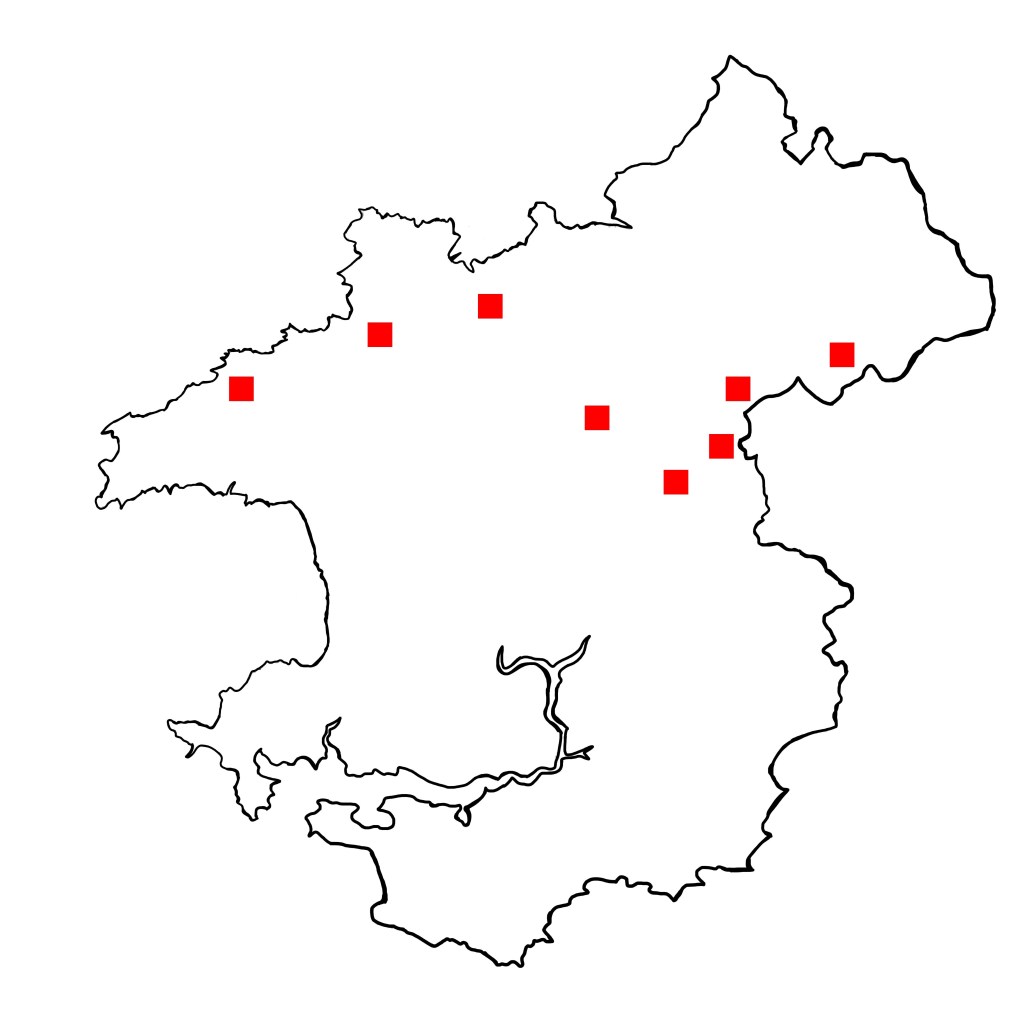
I marked the locations with a red dot.

I can either keep the map how it is, but I decided to experiment with featuring the actual location somehow. I tried linking each location with the mapping images I used for them. Which you can see here:
I then decided to try showing a small snippet of the main images to allude to their location, you can see the result here:
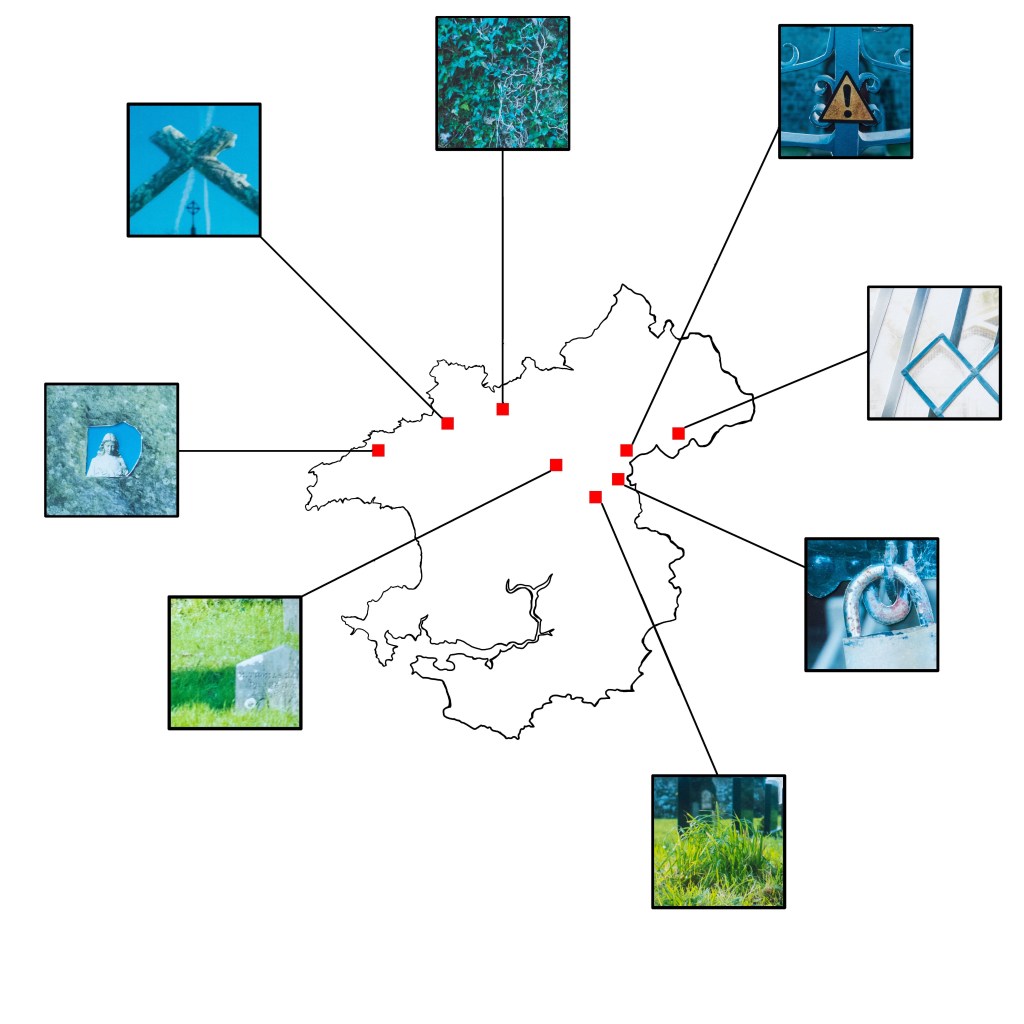
 Like the map on it’s own but I think it could be better. I have looked at the mapping map and the main image map, to see which I think looks better. I like both, but I am drawn to the one that has the main images. I like that it gives a small snippet of the location without giving to much away. 


Presentation

I have looked into ways of presenting for publication. I thought of a book format, a digital exhibition, a physical exhibition and presented as a newspaper, or church newsletter. I think a book or newspaper publication would be better for my work. An exhibition may work but it just doesn’t feel like it would fit my work. I have tired these out. 

Here are my attempts at a book:
Here is my church newsletter/newspaper:
I think I prefer the newspaper/newsletter format at the moment, there will be text among the images, but there is a lot to develop in Sustaining Your Practice. My ideas might change or need re-developing and exploring further.


Tutor Feedback

Here is a link to my tutor’s feedback for this assignment and also my comments and how I am responding to the feedback:

Tutor Feedback

Assessment Criteria

Demonstration of technical and visual skills

I feel I have now brought together my final set of eight images as a series. I have made minor changes from my last tutor meeting and am happy with the outcome. I have re-printed the images and re-done the collages to improve the outcome, I feel it has worked well. I feel my images are complete and do demonstrate the skills I have acquired and have used throughout this course.  

Quality of outcome

I have amended the small details that needing changing and I know feel that I have a cohesive series that works well. I am happy with the re-printing and re-do of the collages. I feel the outcome has improved dramatically. I am happy with the outcome of my work. 

Demonstration of creativity

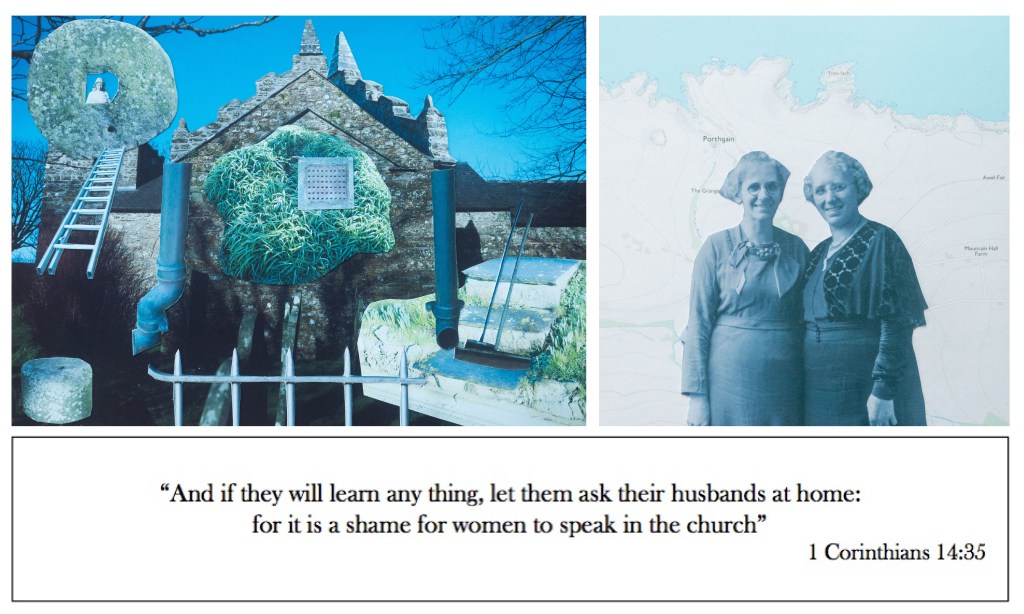
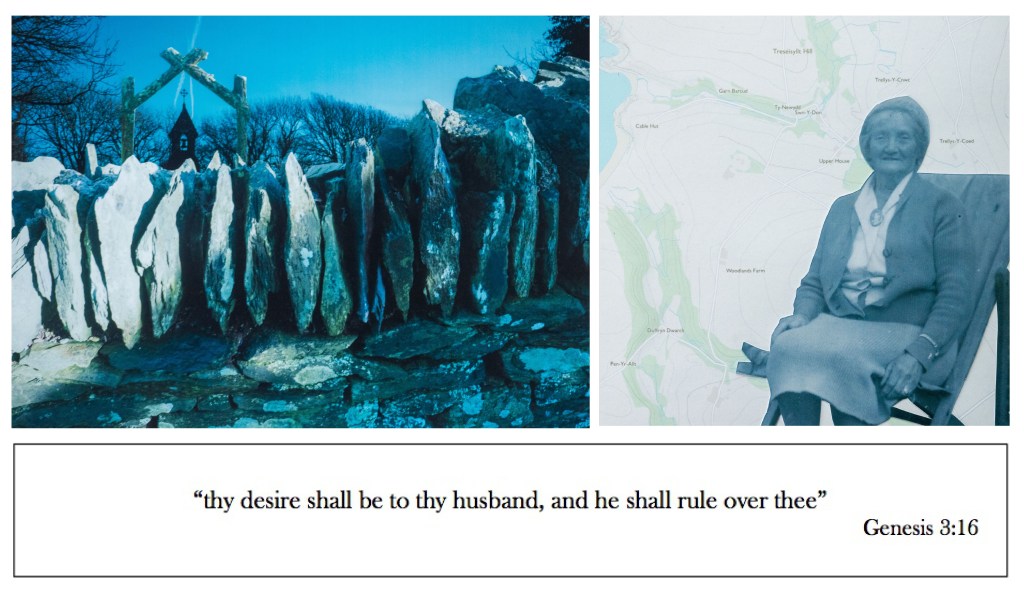
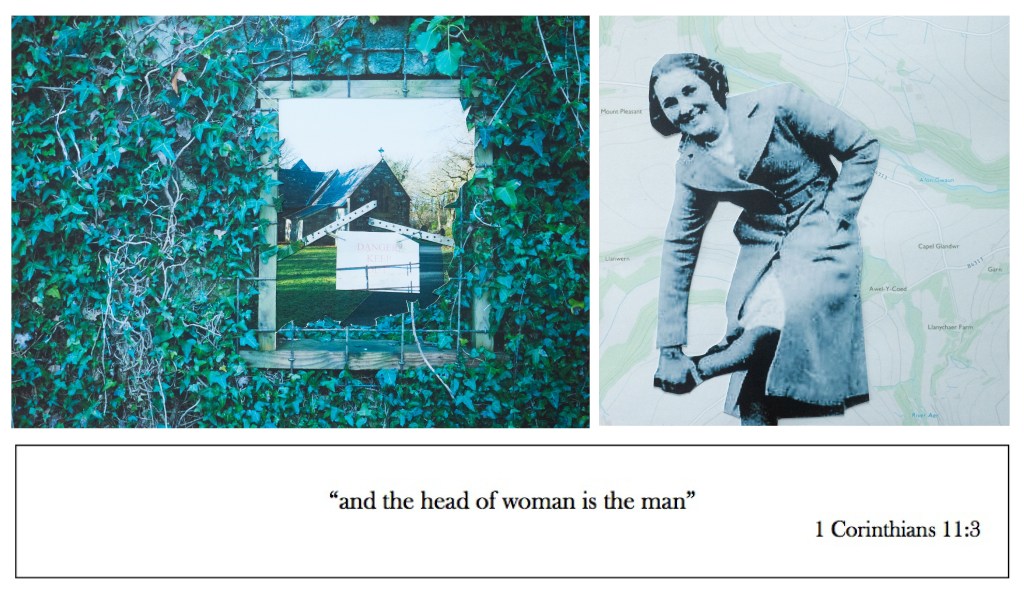
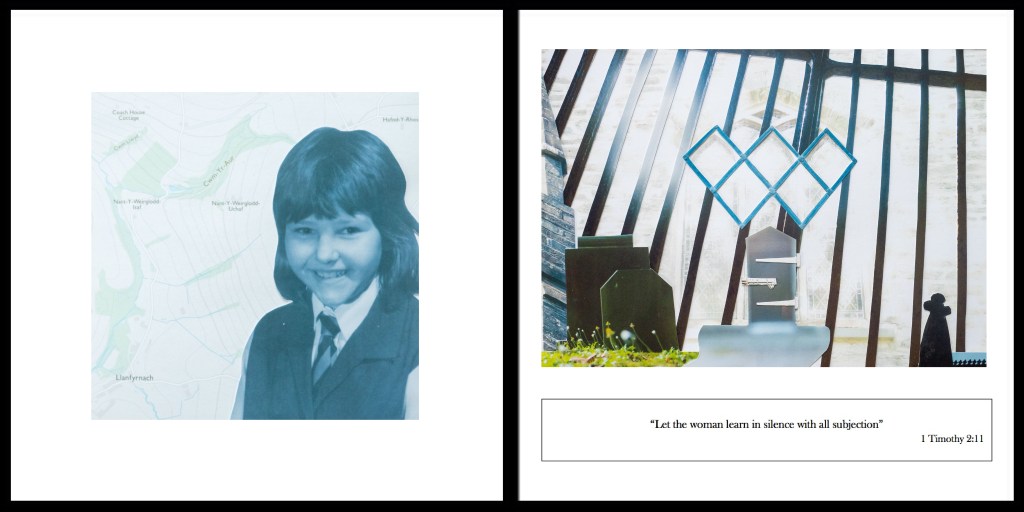
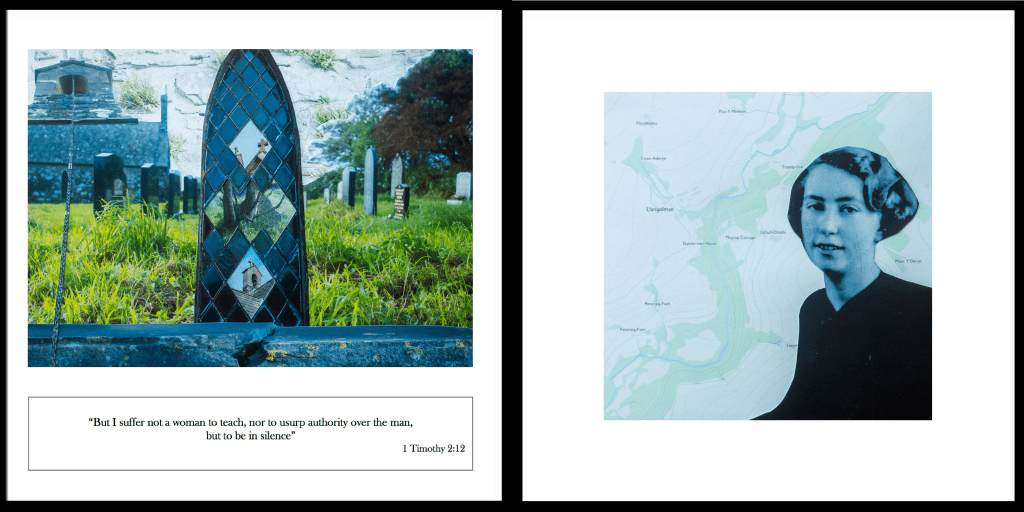
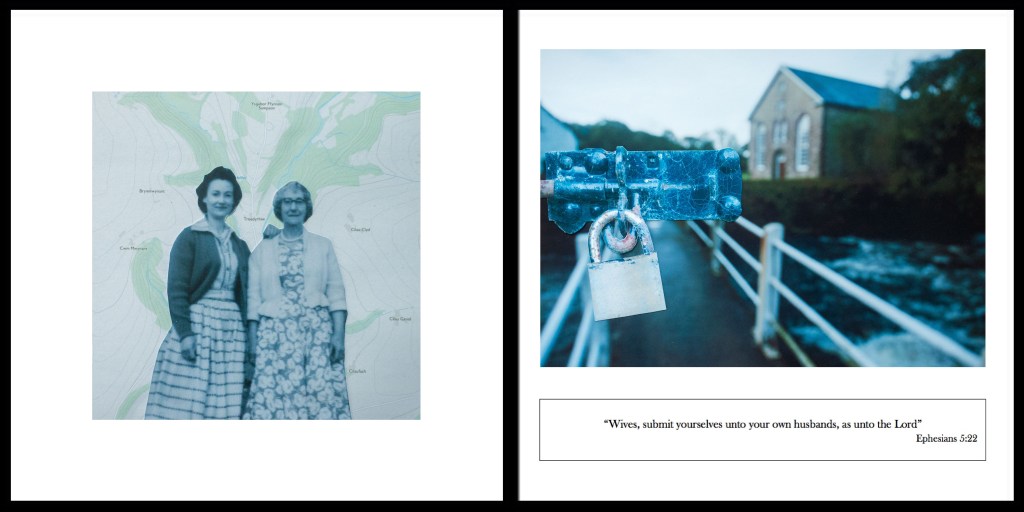
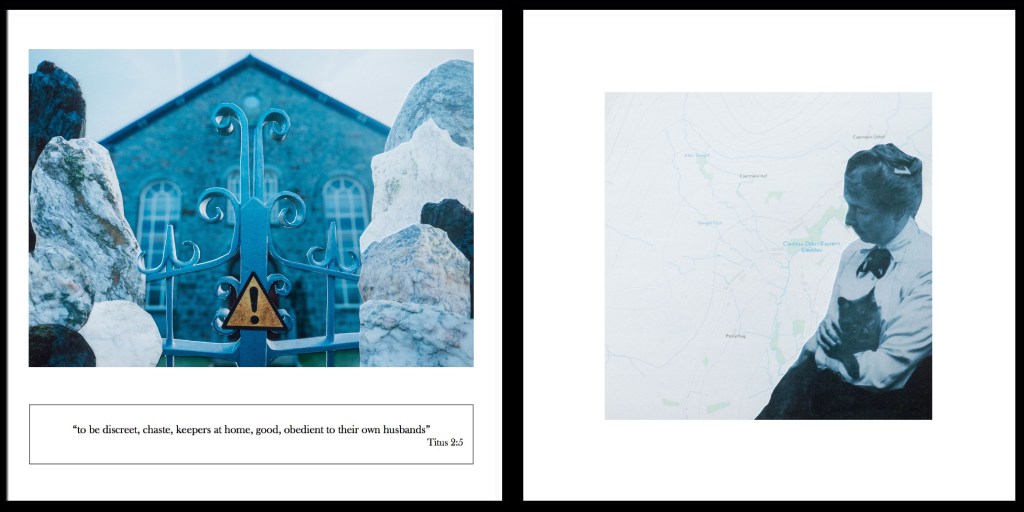
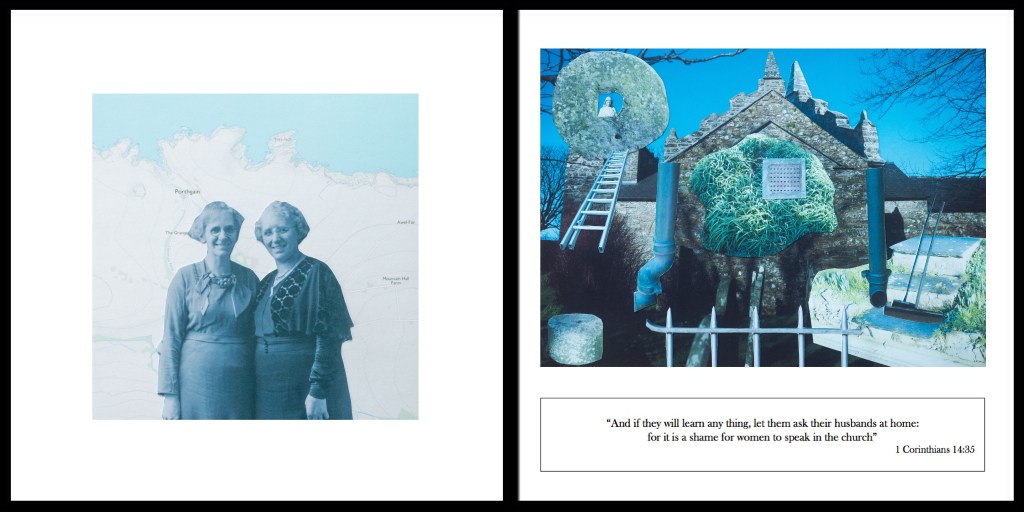
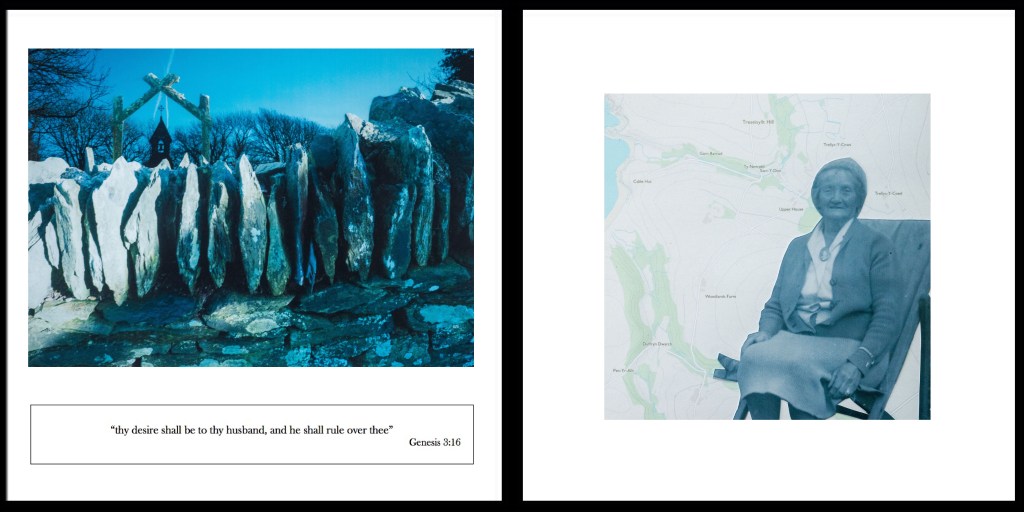
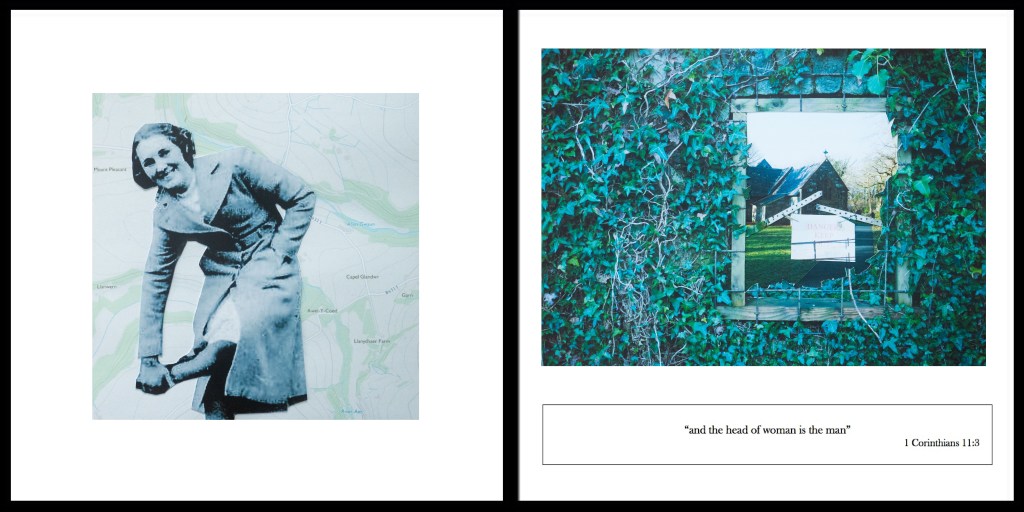
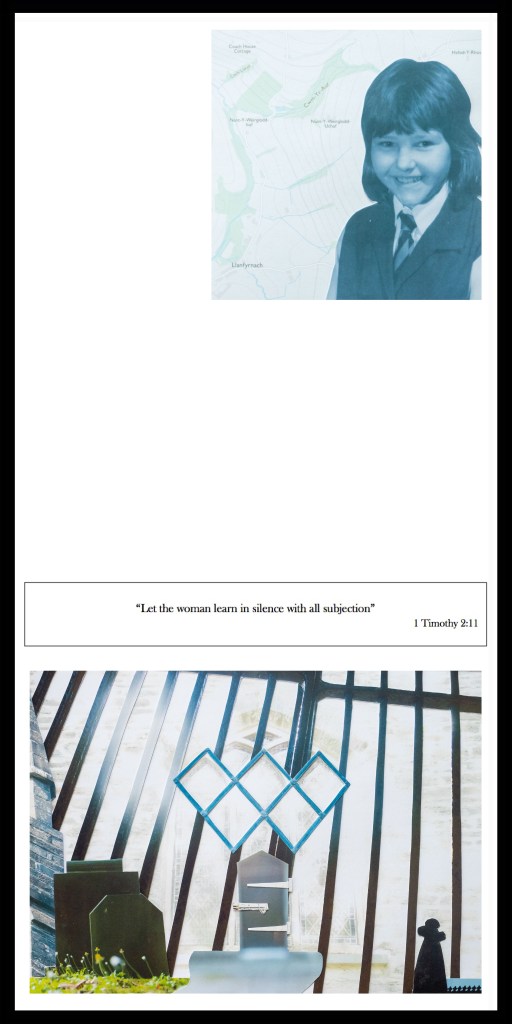
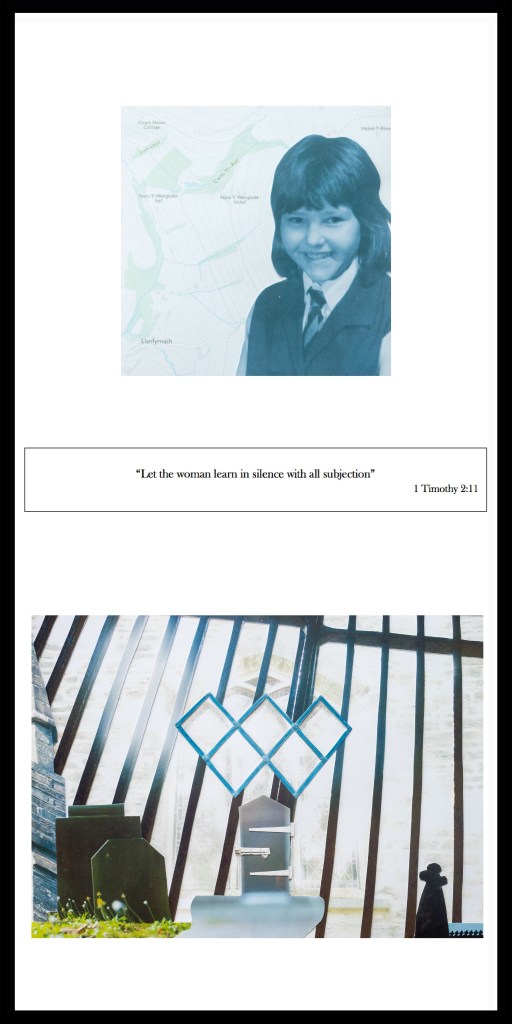
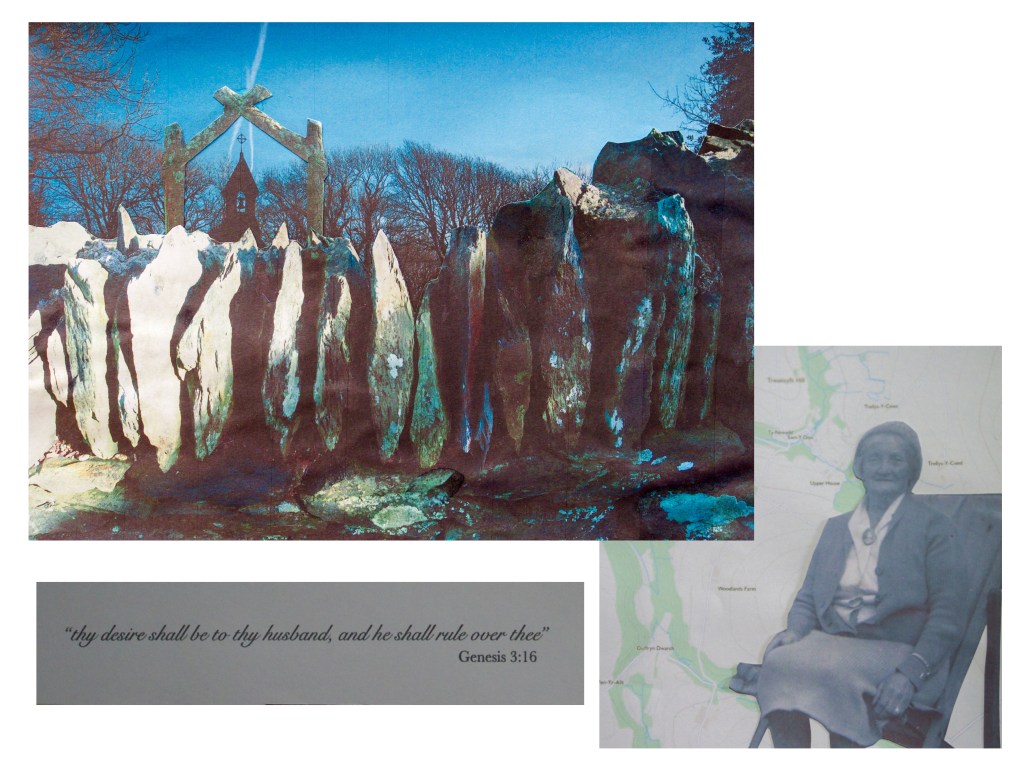
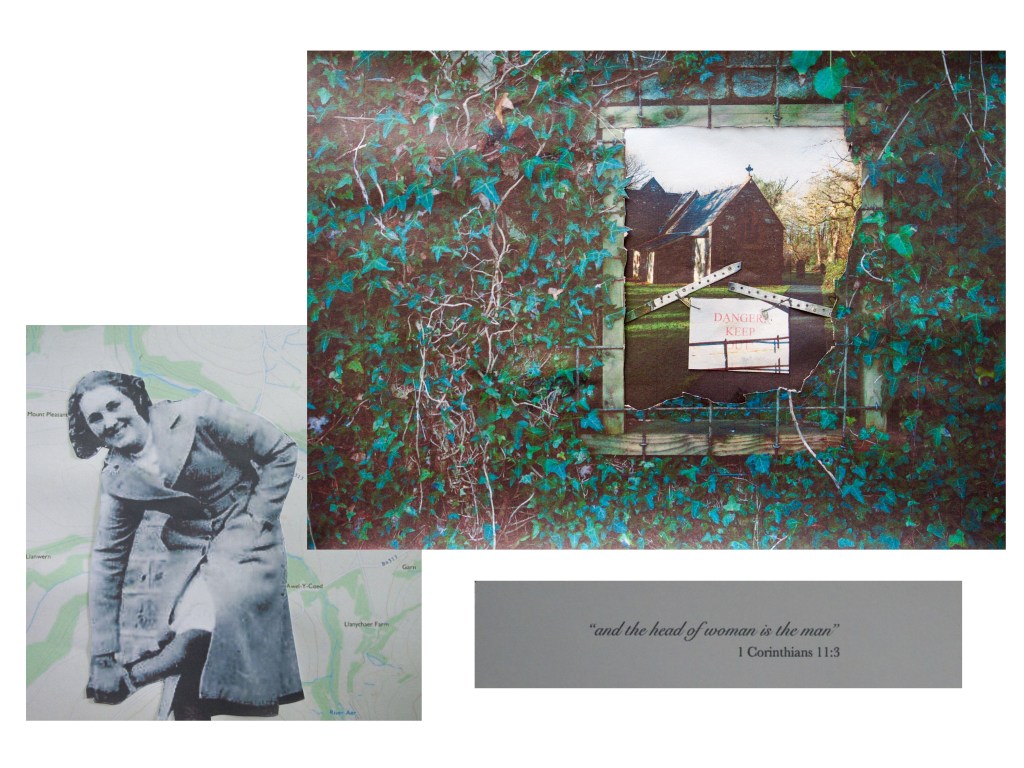
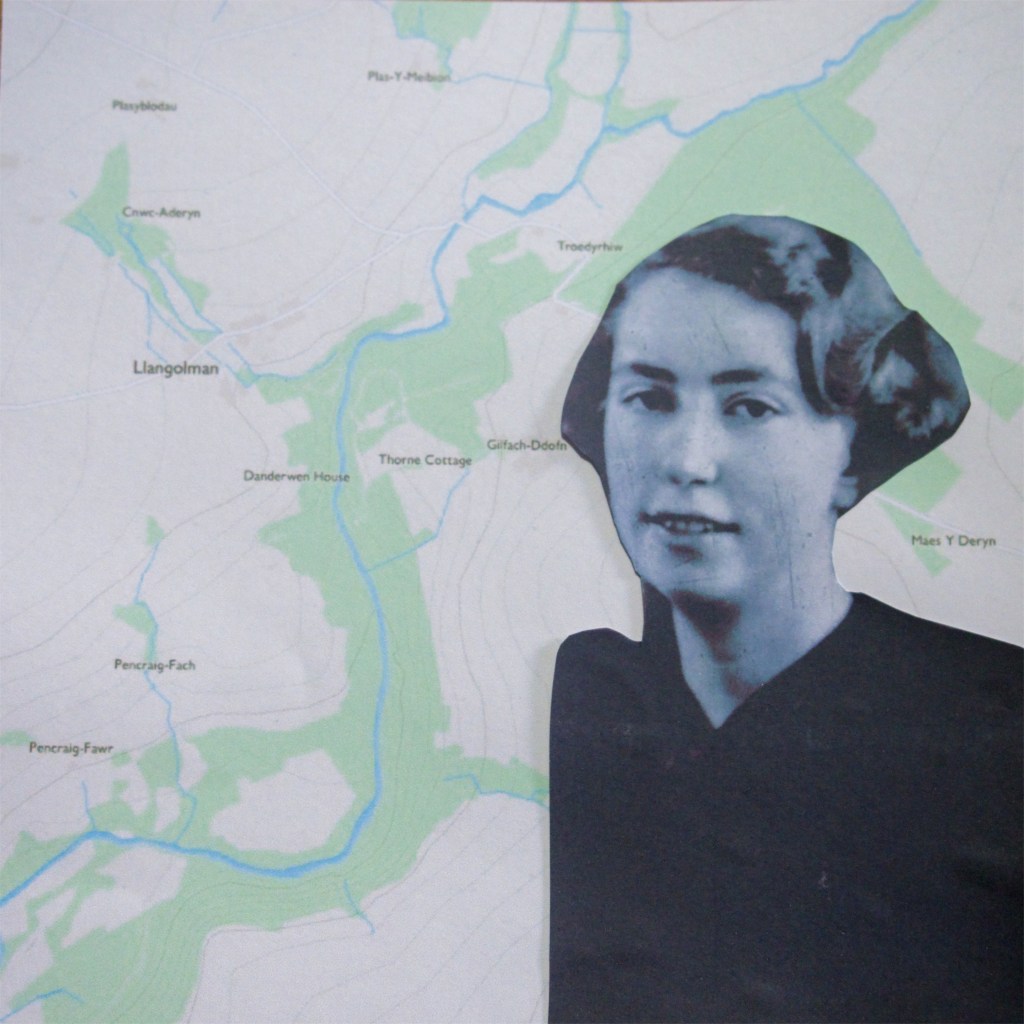
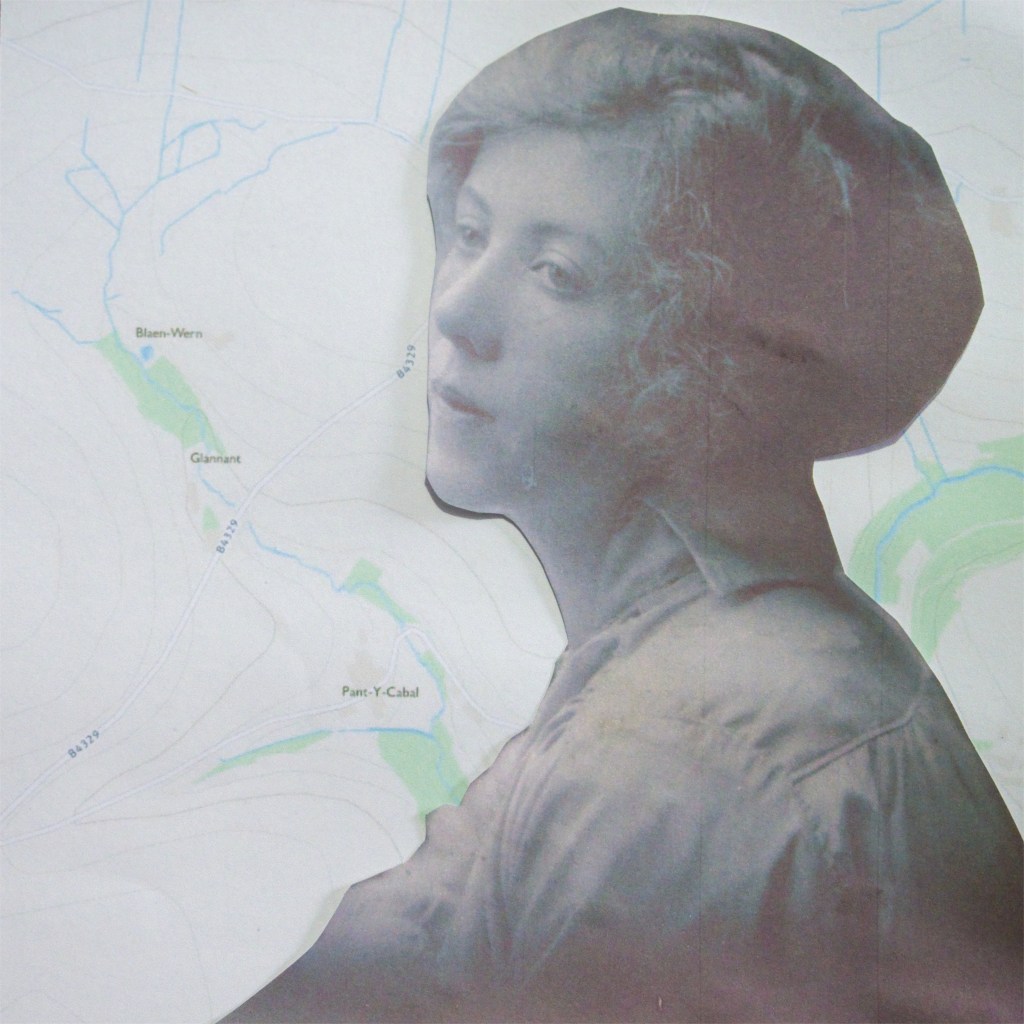
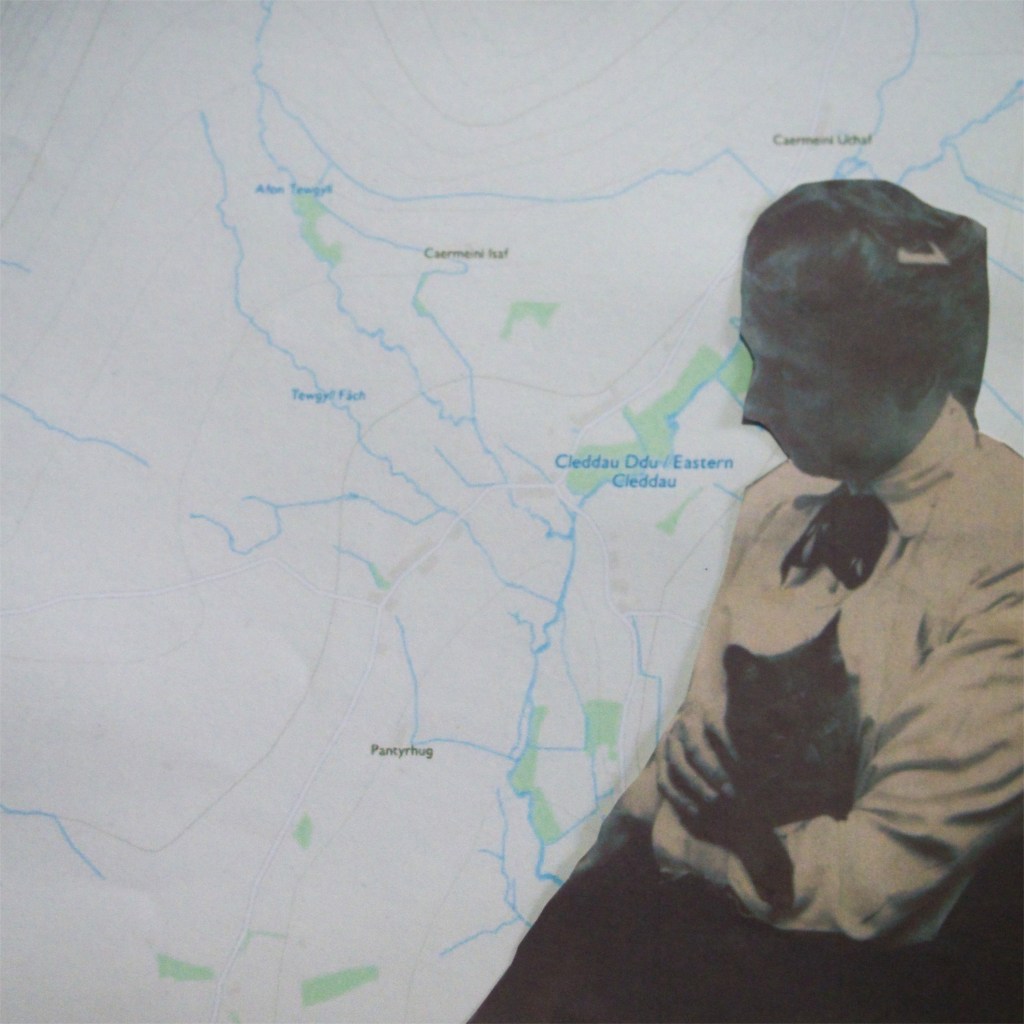
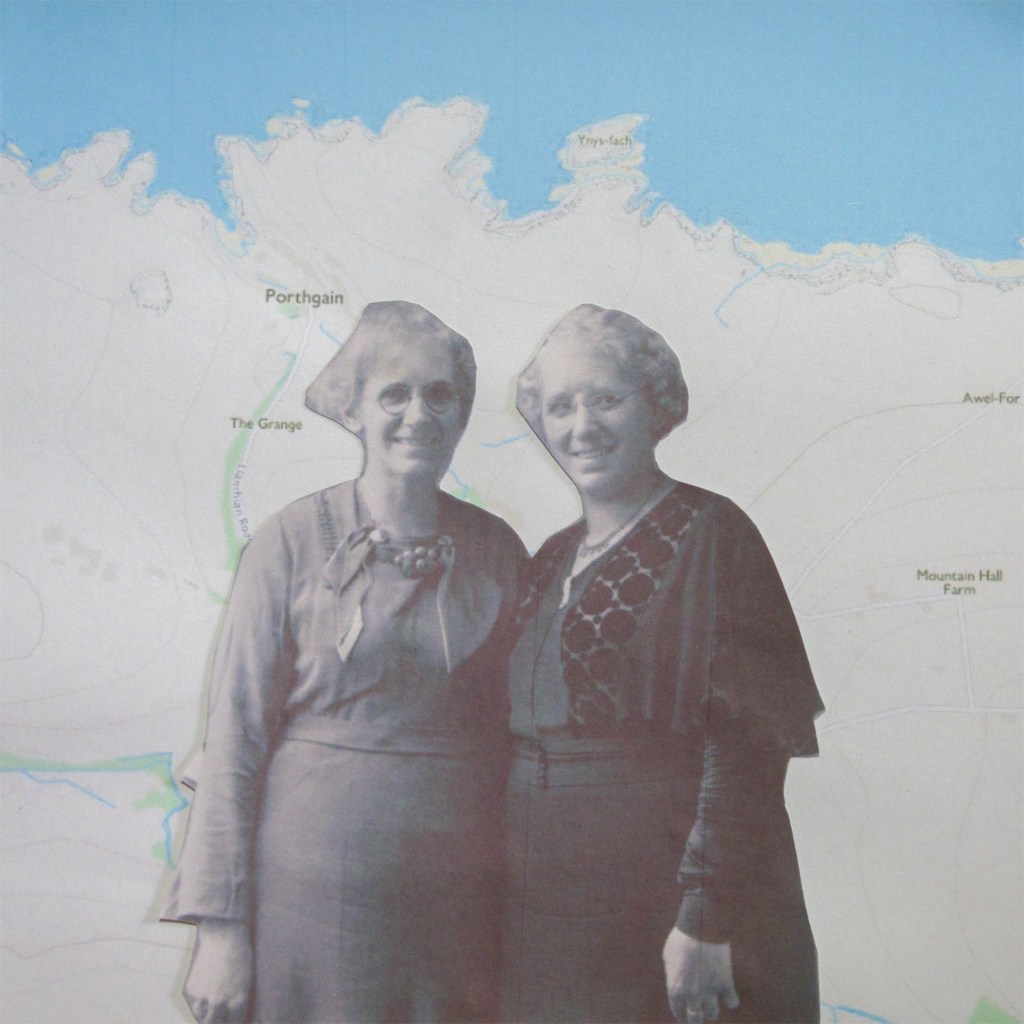
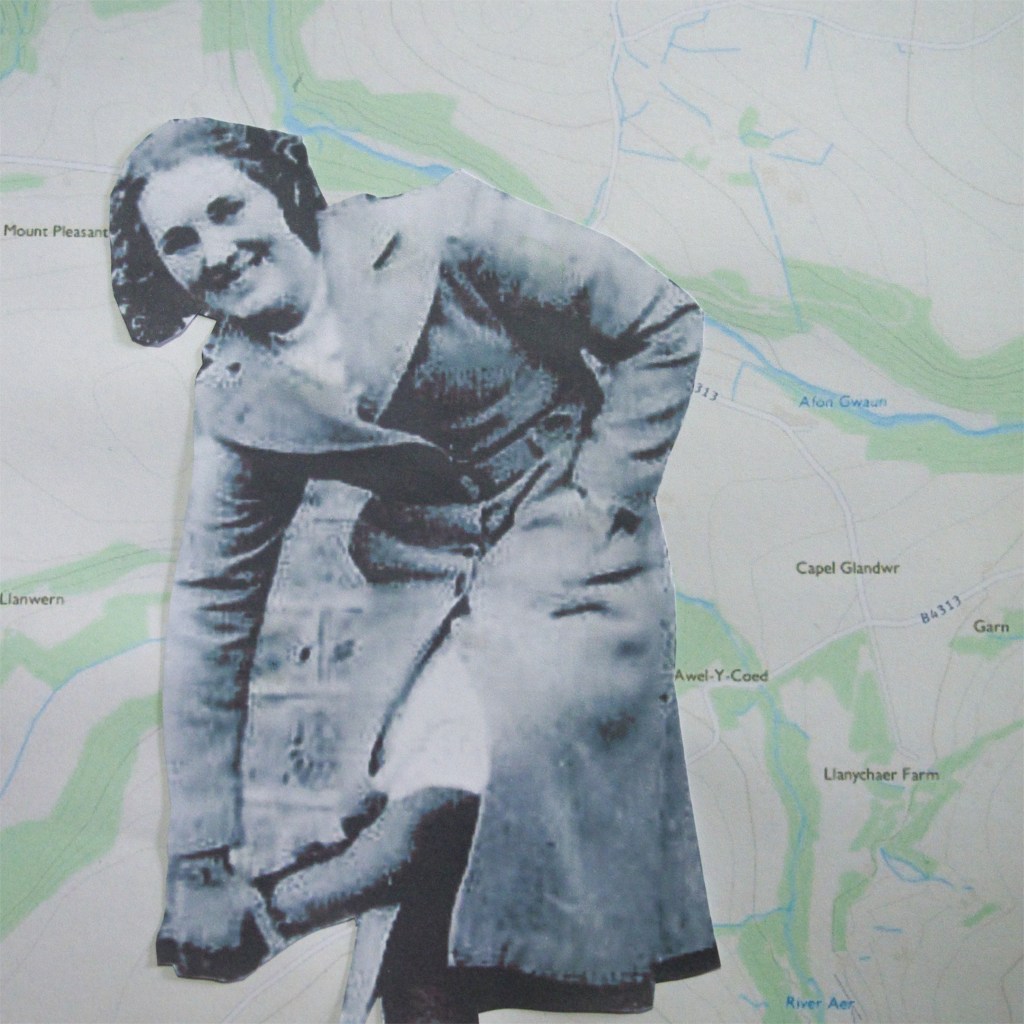
I have used various techniques to demonstrate the oppressiveness of the patriarchy and how women are excluded. I combined my images and created a new one using a collage technique. I have also added another dimension. I have included a female in the image to reinforce my role in the journey and the creation of the image. These women are set on a map of each location to give context to the places. I have used bible quotes in a font similar to that of the bible which reinforces the inequality in religion and in my images. 

Context


I have followed a pilgrimage, as a women, which was designed for men. My work centres around exclusion. Women have been left out and excluded from many aspects of life, religion being one. They are viewed as being submissive, weak and ‘owned’ by their husbands. Gender inequality is rife throughout life, not just in religions, but can also be found in place like landscape photography. My work highlights in inequality in religion, landscape photography, in the arts and in life in general. I believe my work would sit well in postmodern feminism. To contrast the exclusion and inequality of women, I have included my own version of strong women, in the form of my family. They have all contributed to me, they are my ancestors and are apart of me. I used my own archive of images for this. I have given the locations context as I have included a map to a give a sense of being. I believe my images could also fit into psychogeography. I believe my work would fit several different disciplines, but is ultimately a feminist art piece.  
Assignment Four

Brief

Make another submission of work in progress as a tightly edited, sequenced series. You may have continues to shot, you may have changed direction since your last feedback report. However your project has developed, make the development clear in the image selection.
Pay particular attention to how you will use words alongside your images (captions, titles or additional ‘relay’ type text) and re-frame your images accordingly.
As in previous assignments, include a short commentary outlining the development of your ideas during your work on this part of the course.


Sub-Series

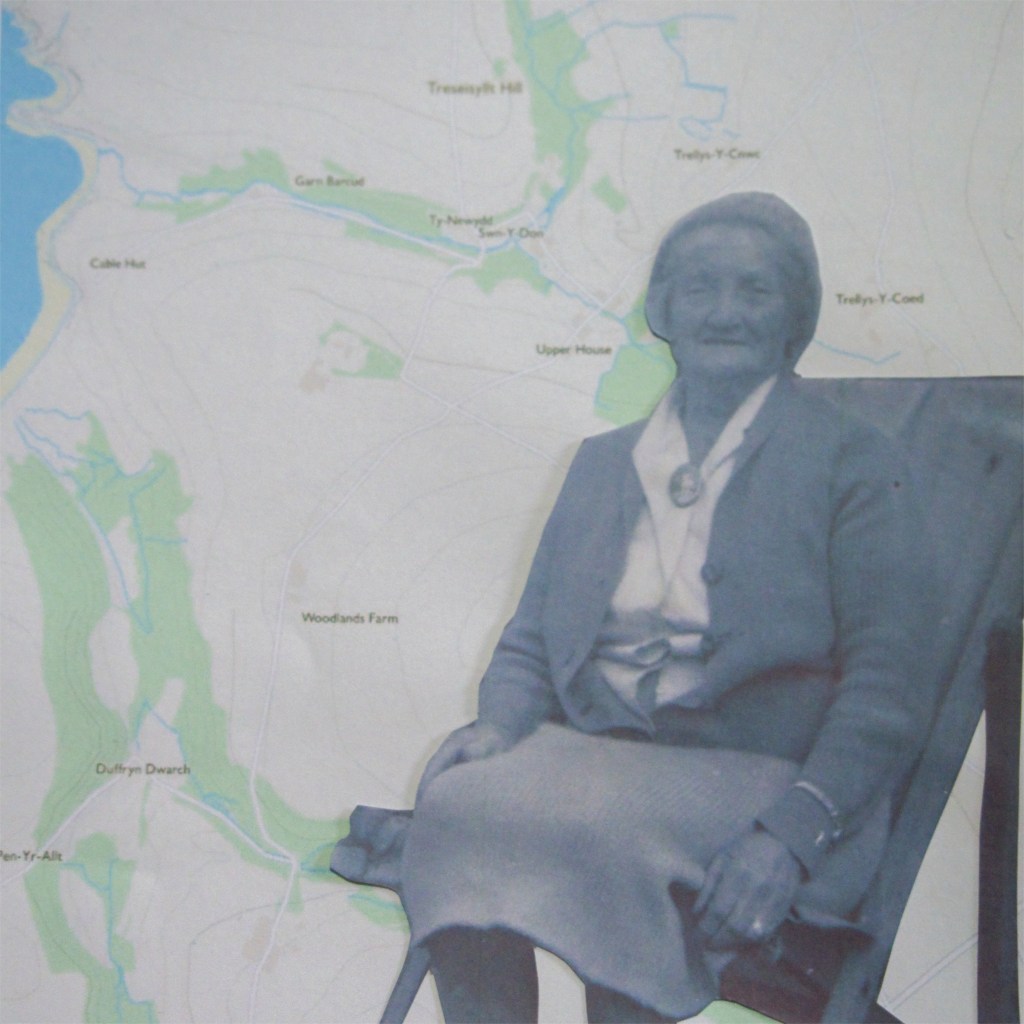
I felt that I still had more that I could add to my project. This actually coincided with the Coronavirus outbreak. I am having to shield so am unable to go outside and photograph more at the moment. I have always thought about bringing maps into my work, to reinforce the journey part and the give some context but without being too specific. I also thought about how I could contrast the inequality with ‘strong women’. I then had the idea to use images from my own personal archive of female family members and bring these in somehow. 

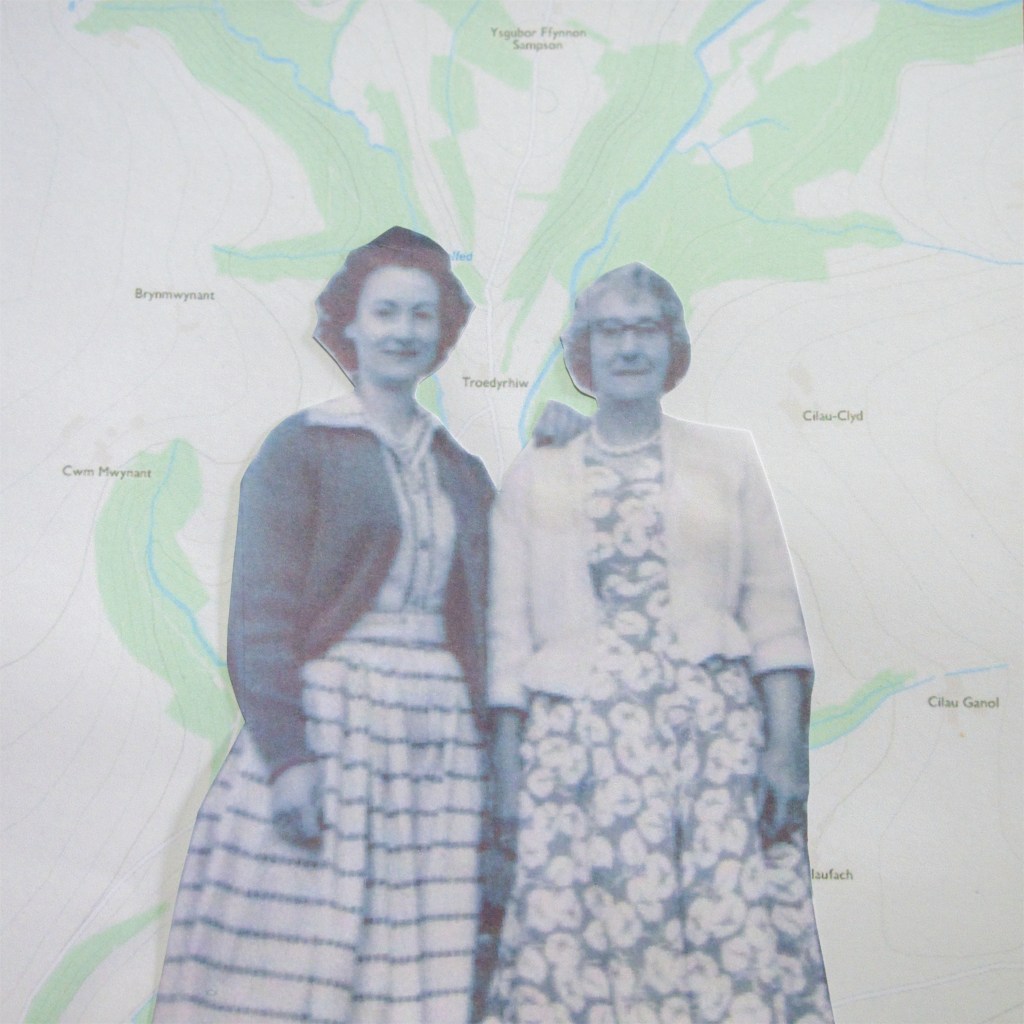
My idea is to combine the map images and the female images together, to symbolise that my family, the strong women are with me on this journey. 

Here is my post on my archive images.

I have used Ordinate Survey mapping and have printed them in colour and in black and white, to try and see which suits the format better.

Here is my post on my mapping and combining the images.

I will also be using text alongside my main image and side image, here is a link to my post on texts.


OS Mapping. At: https://osmaps.ordnancesurvey.co.uk


Cutting Down

My next step is to cut down my image to get my final selection. This is going to be a difficult process as I needed to look at each image individually but also as a whole and how they work in the series. I made several different collages of each location for choice, however I think cutting them down is going to be difficult, as I will have to be brutal in my selection. I will be looking at which images work and portray what I want the audience to see but they also need to work together, which is going to be a challenge. I have 27 images in total and 8 locations. This is probably on the the biggest choices I will have to make in my body of work. I will tackle this by looking at one location at a time and then looking at them collectively. 

Location One

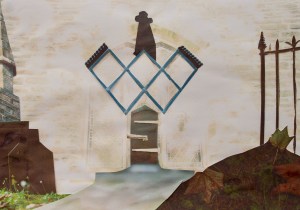
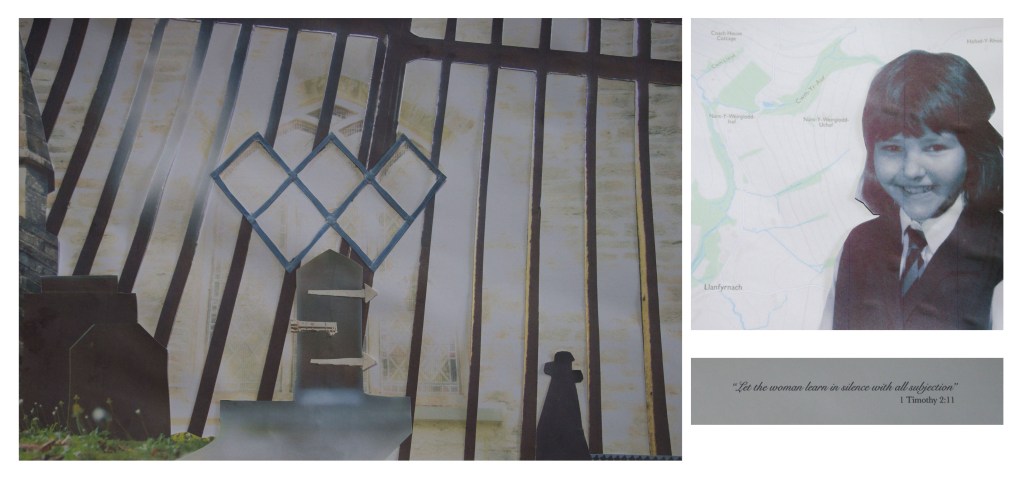
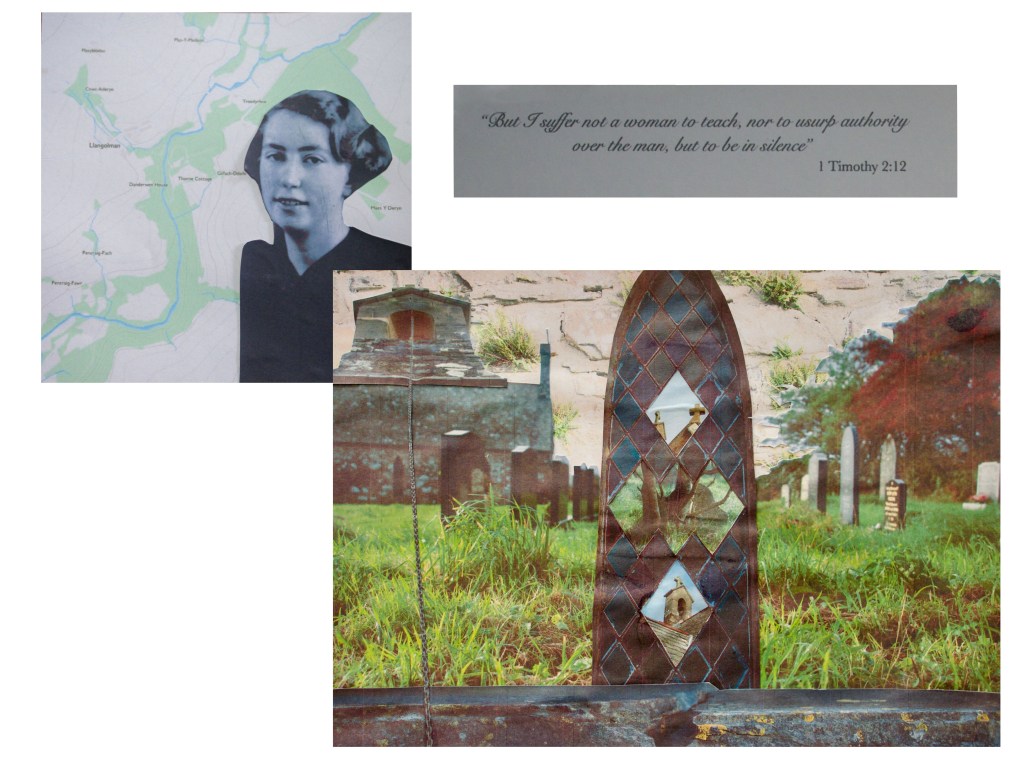
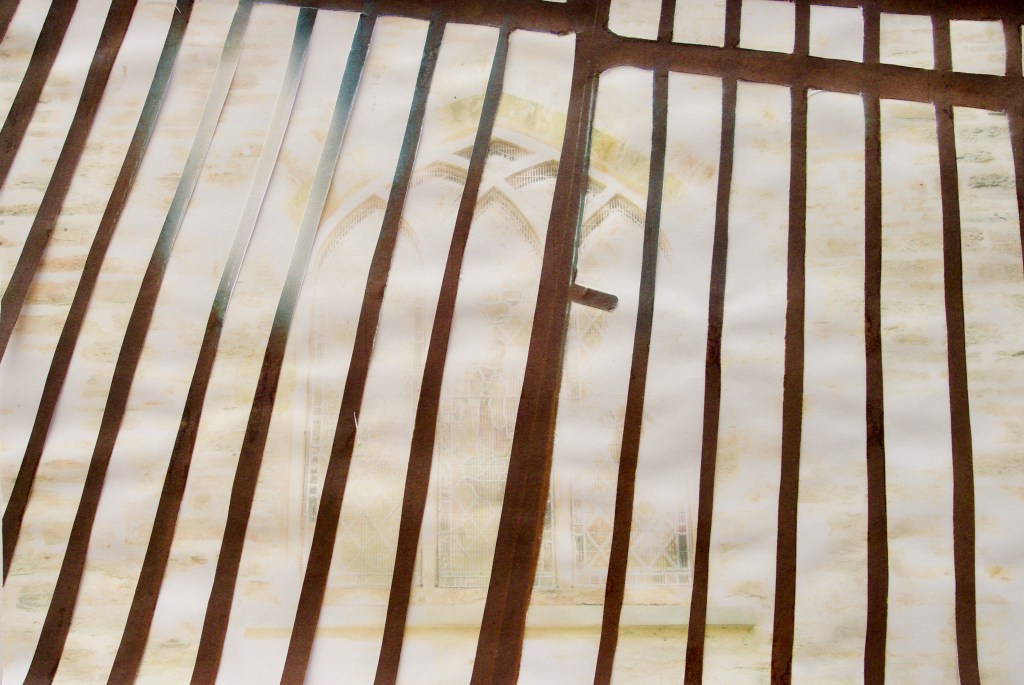
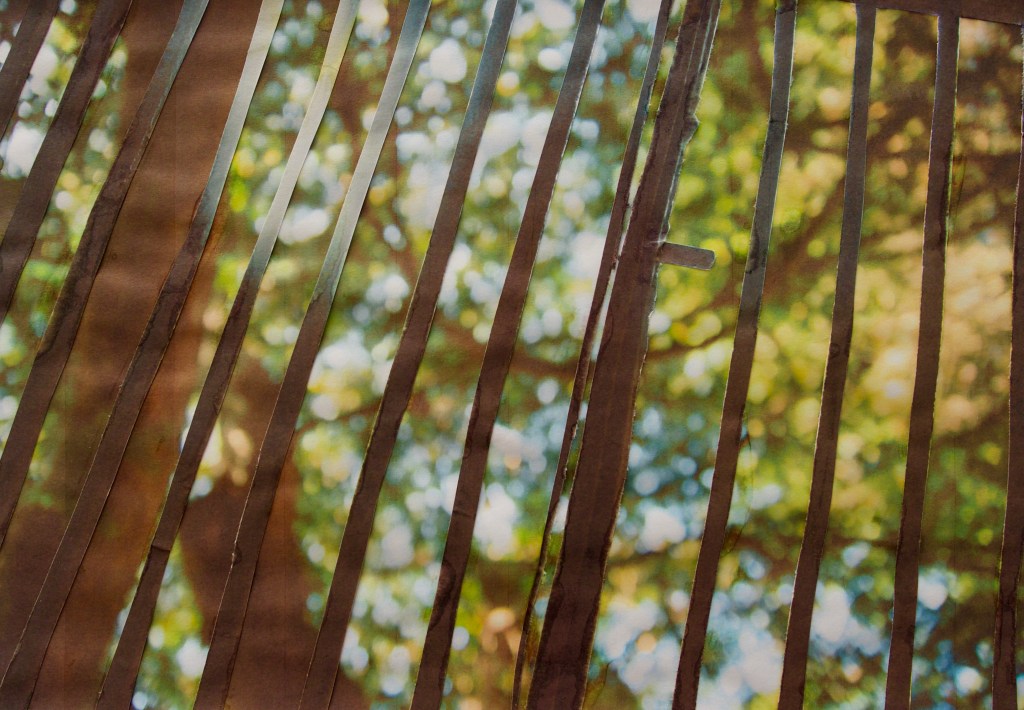
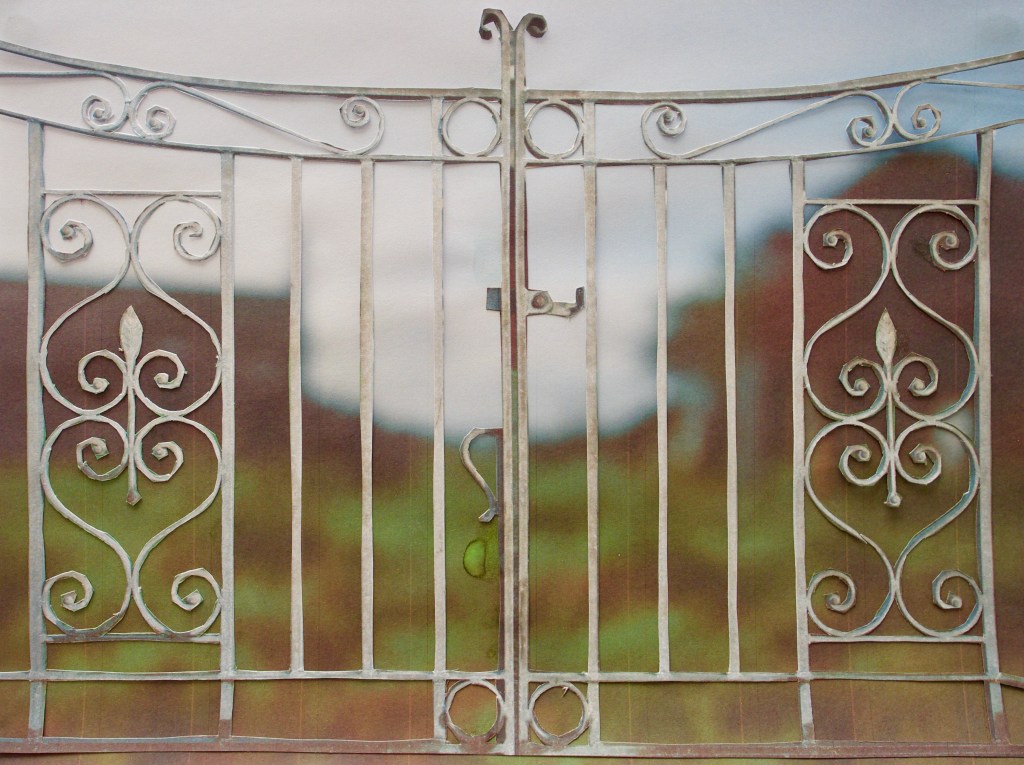
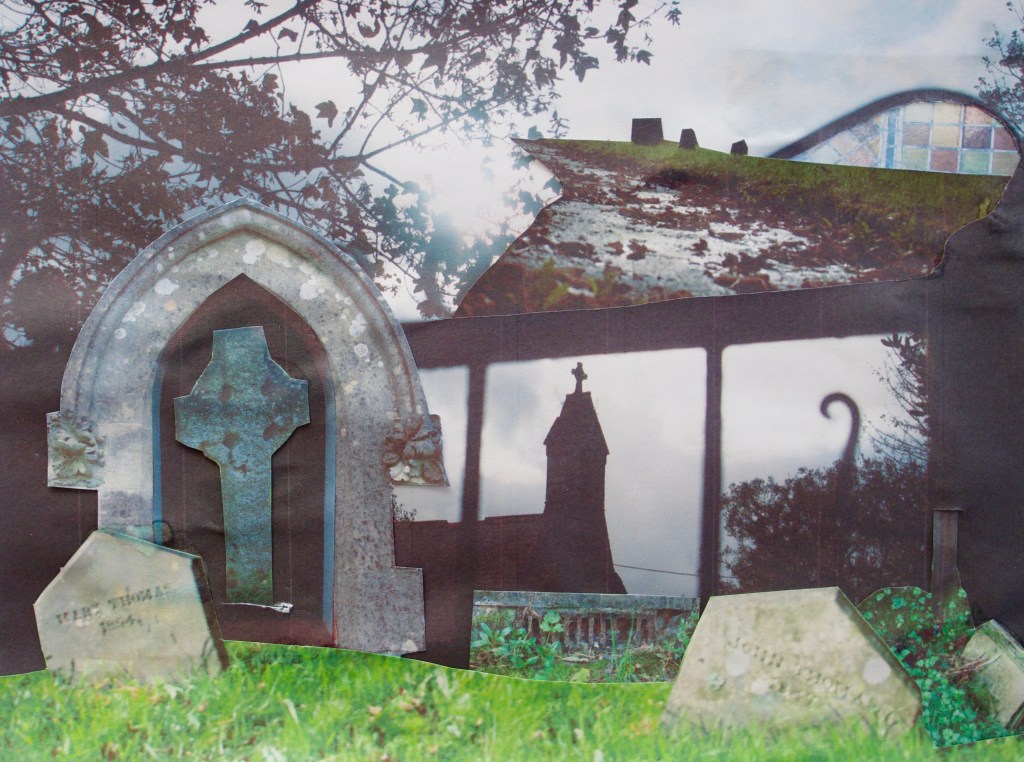
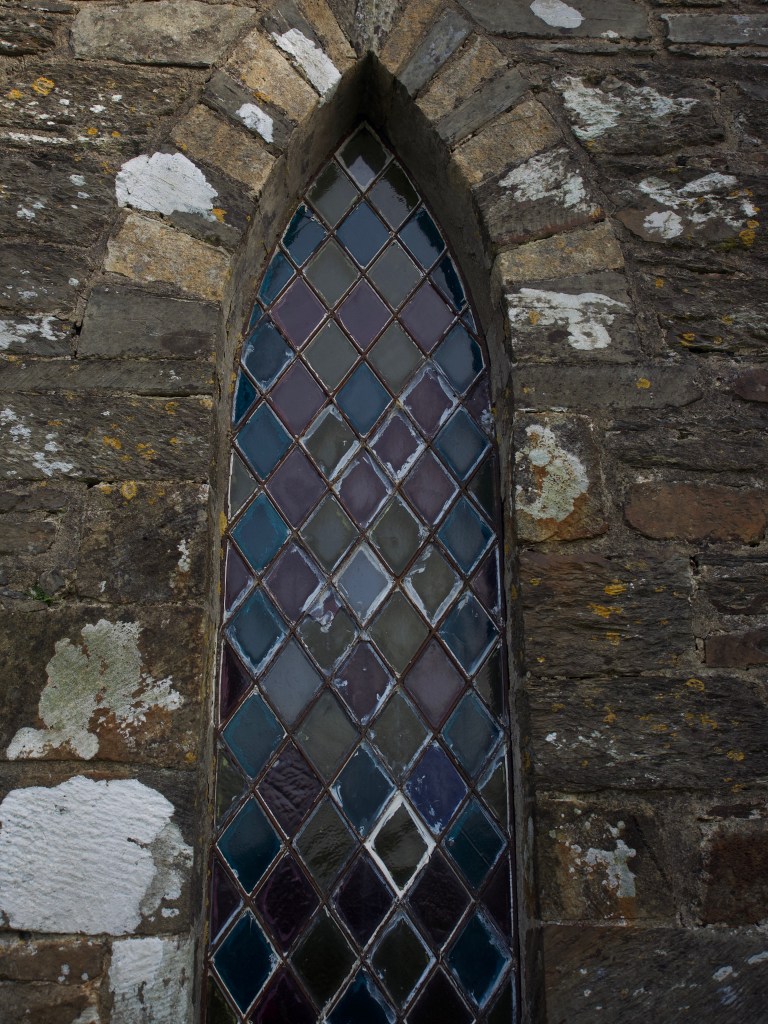
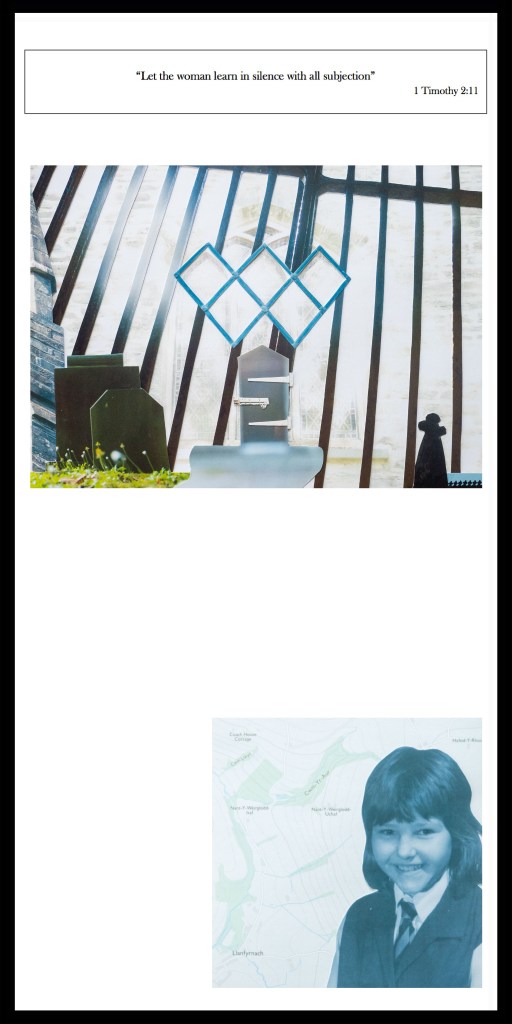
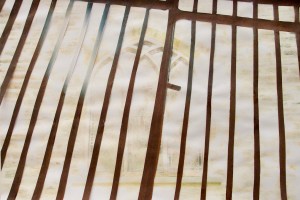
These were the first collages I made. I was happy with them and am unsure which to pick. I like this image a lot, even though it is quite simple. I feel the bars create the illusion of being excluded, symbolising that women can’t get in. 

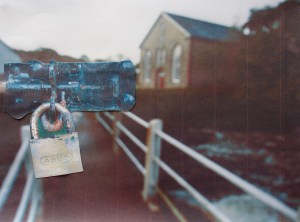
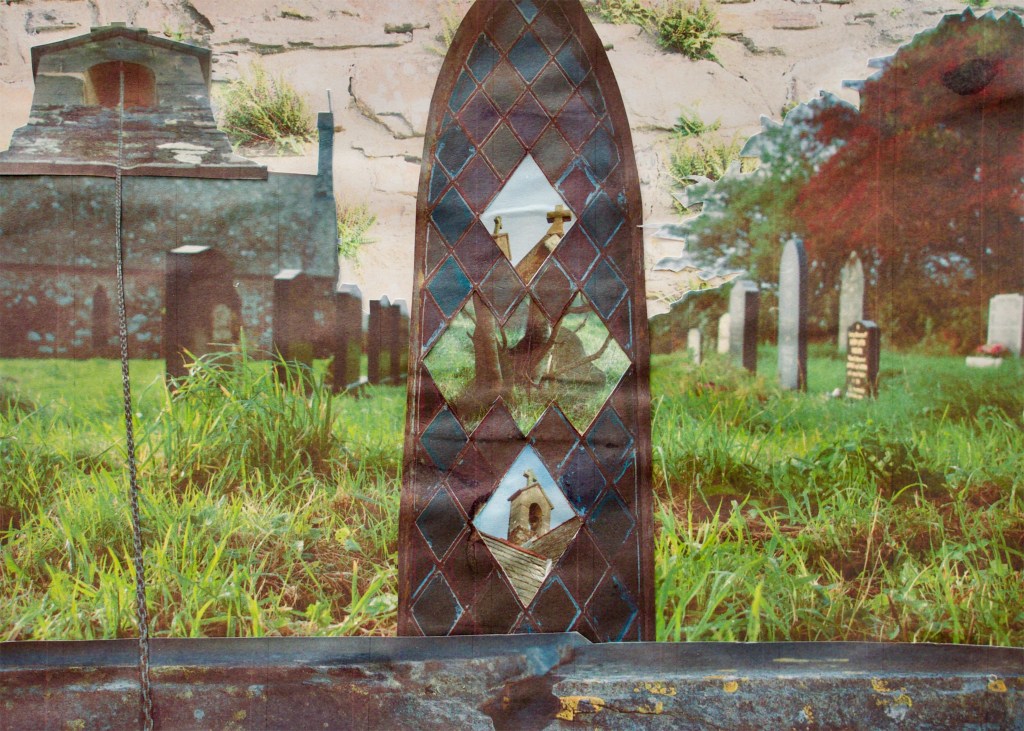
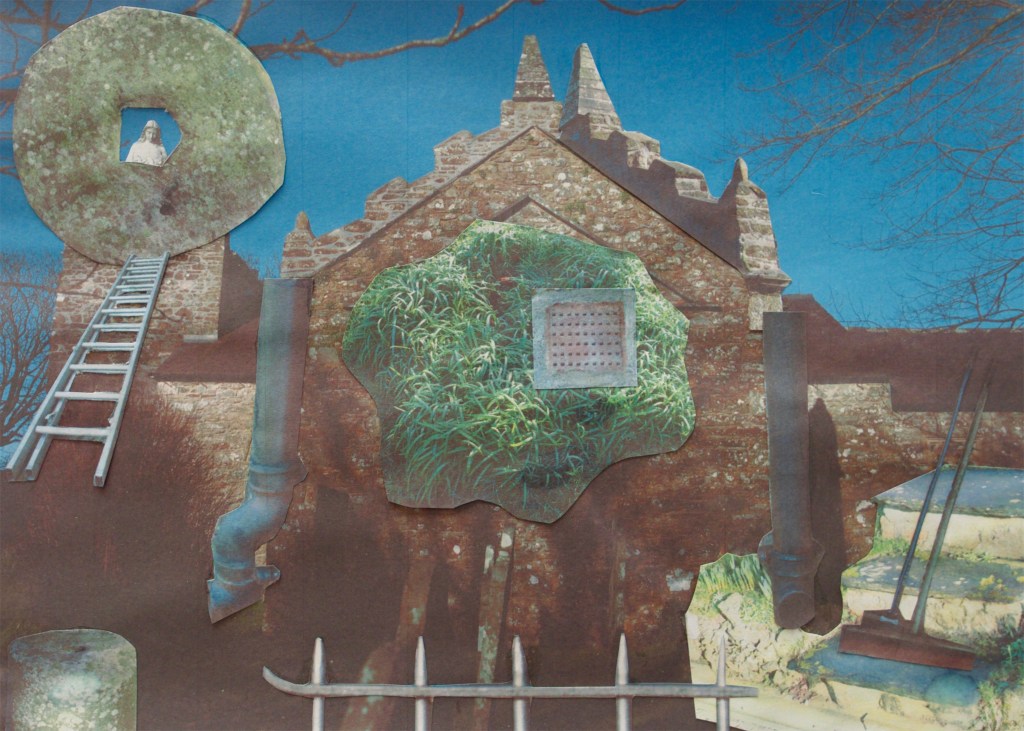
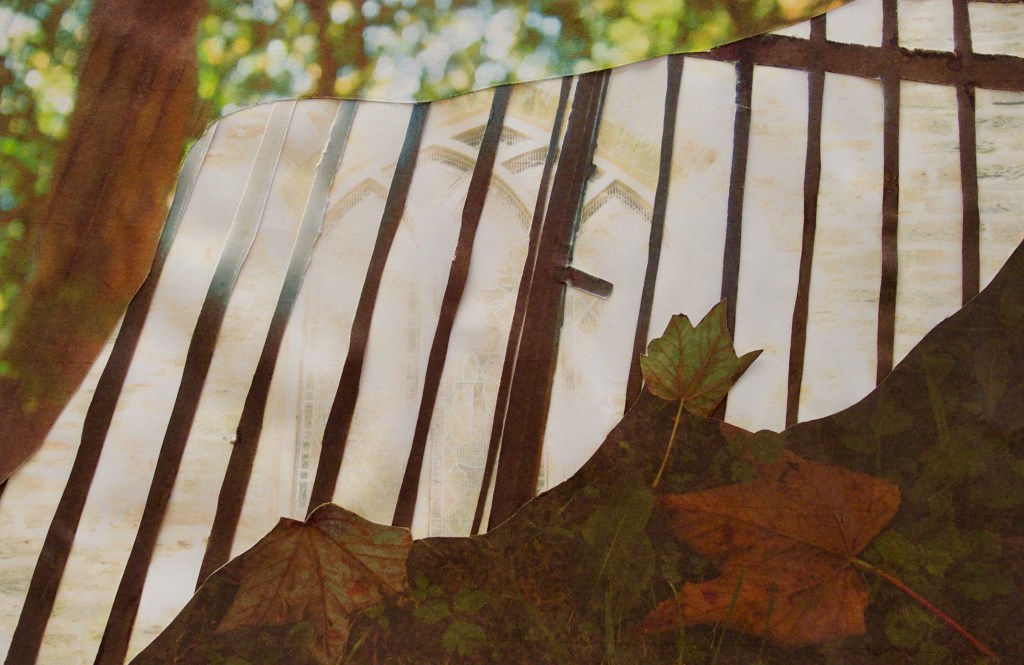
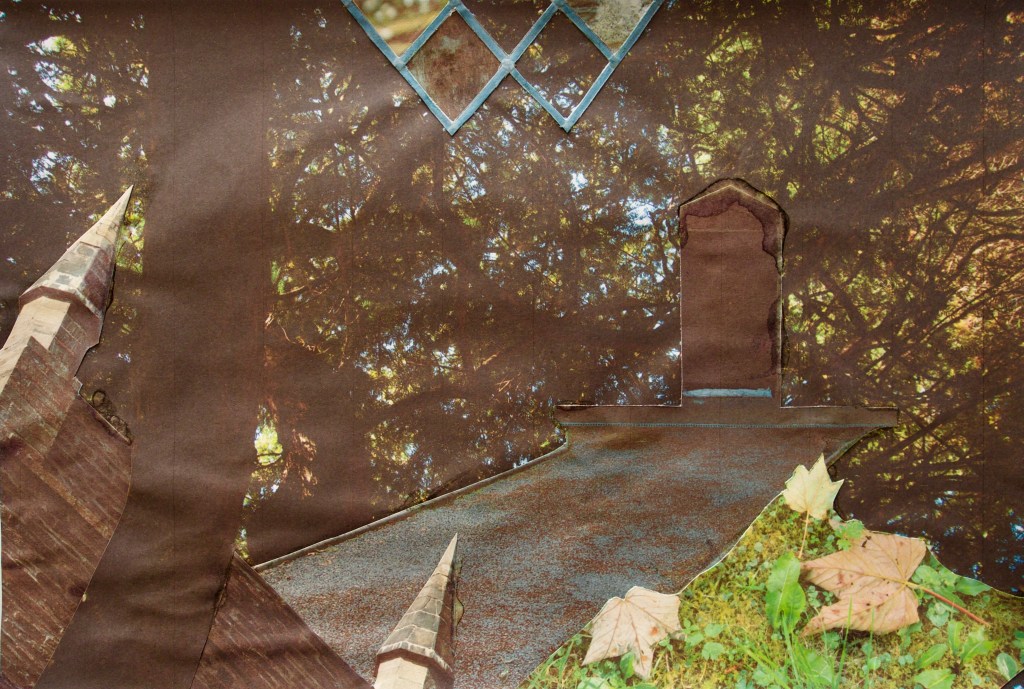
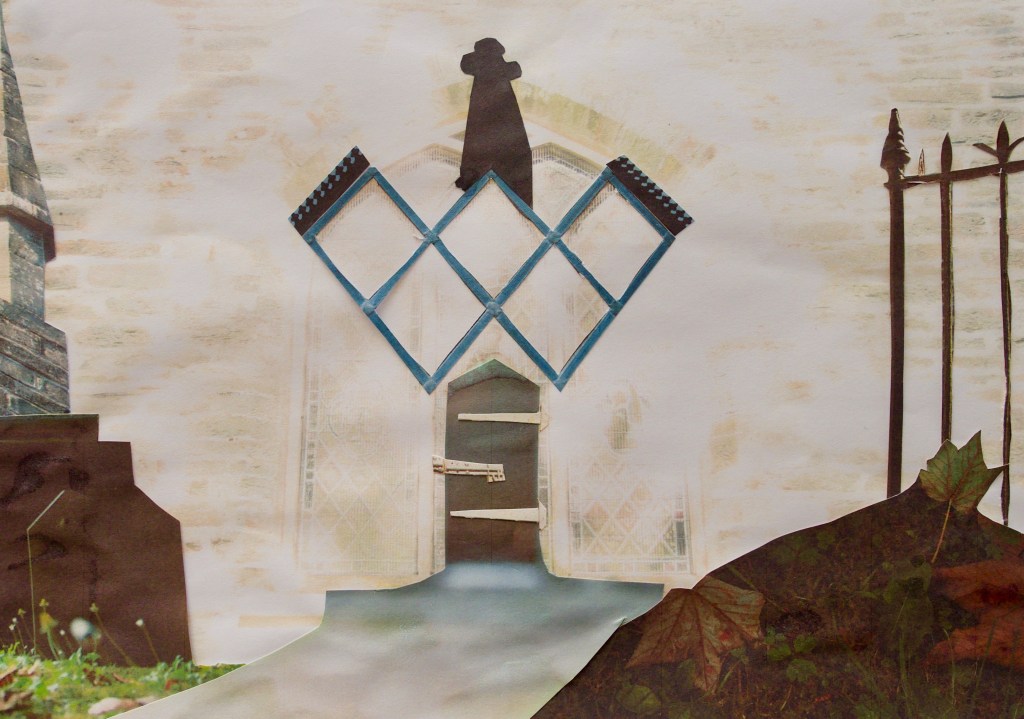
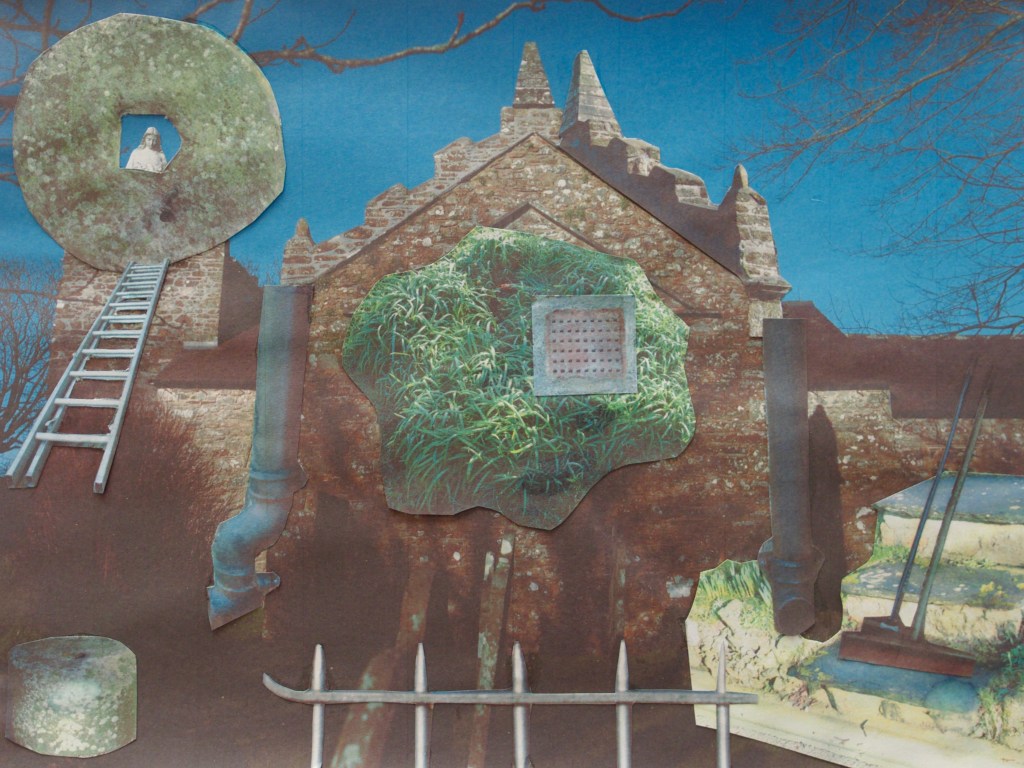
But I like this image too, it has the same basic image as the first but has other elements added in. The murky path, leading up to the door within the glass windows, featuring male figures. The door shut, not allowing entry. The metal fencing to the side, showing restriction. The immovable structures of the church, possibly symbolising the difficulty experienced in inequality. There are no names visible on the gravestones, showing parallels of being lost in history and time. 

I have choose the second image, but have made some changes. I have included the bars across the whole image as I did like the base image with the bars. I cut out the bars in-between the window bars, so they didn’t obscure the view of the male figures on the stained glass window. Here is my final image:

Location Two

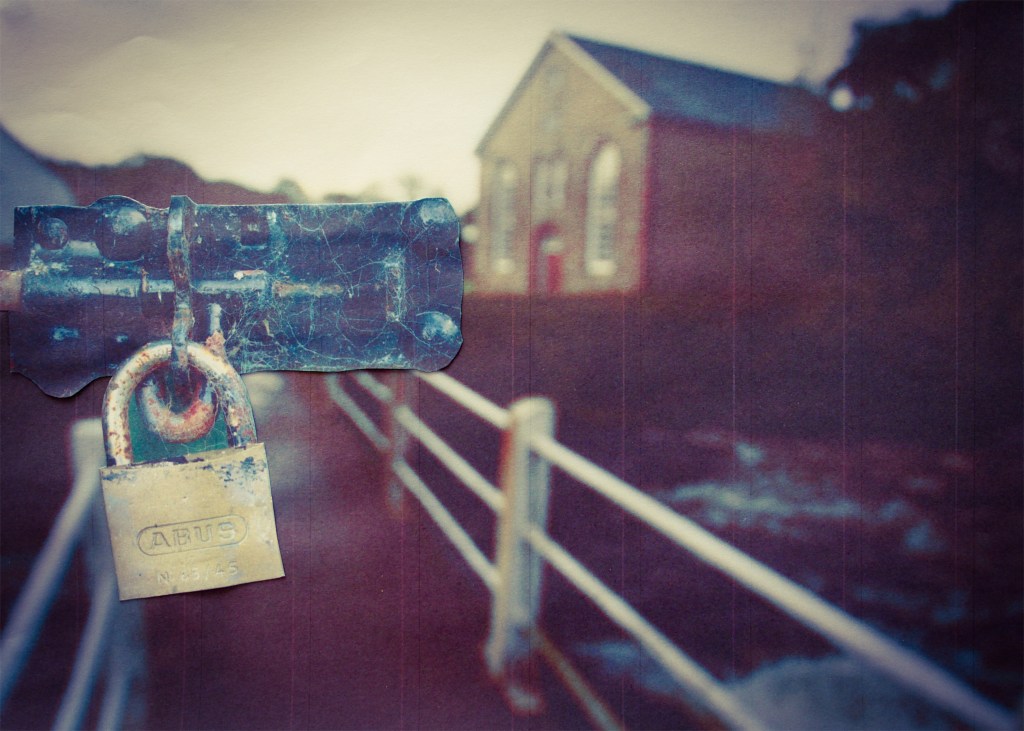
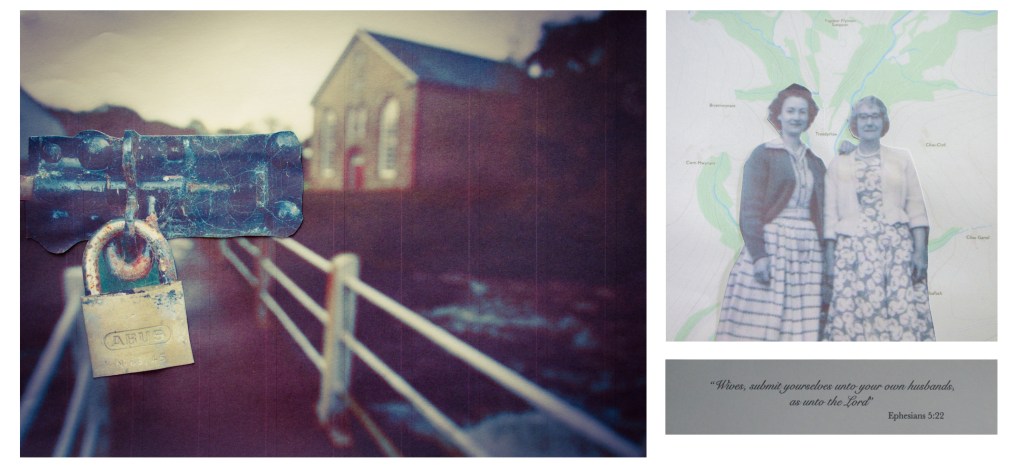
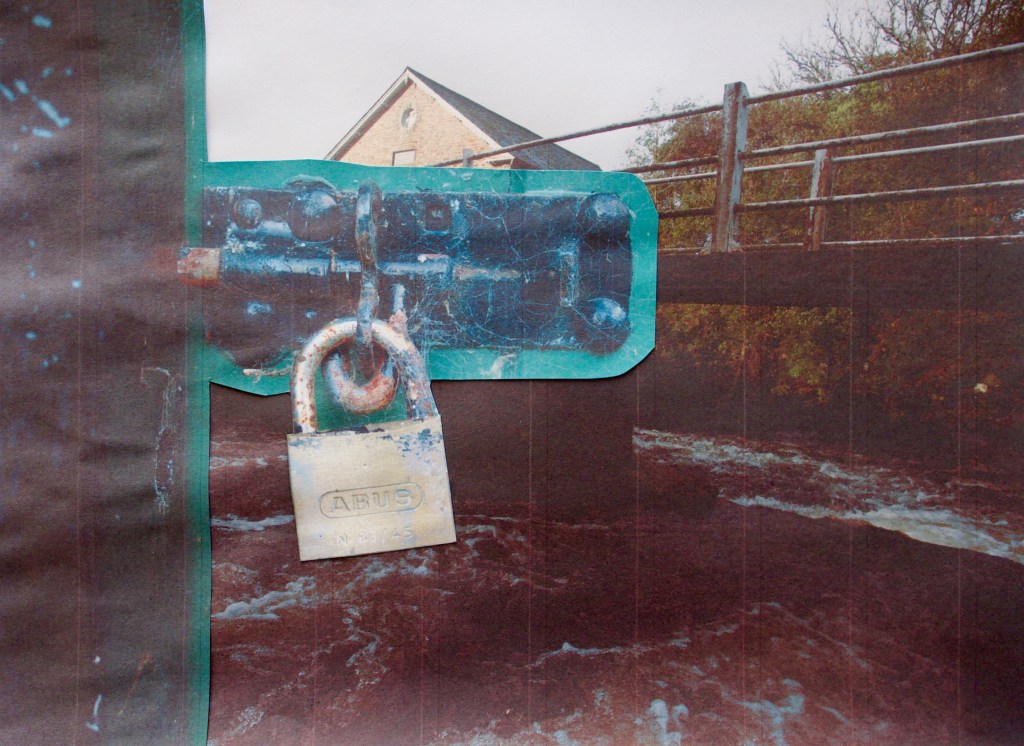
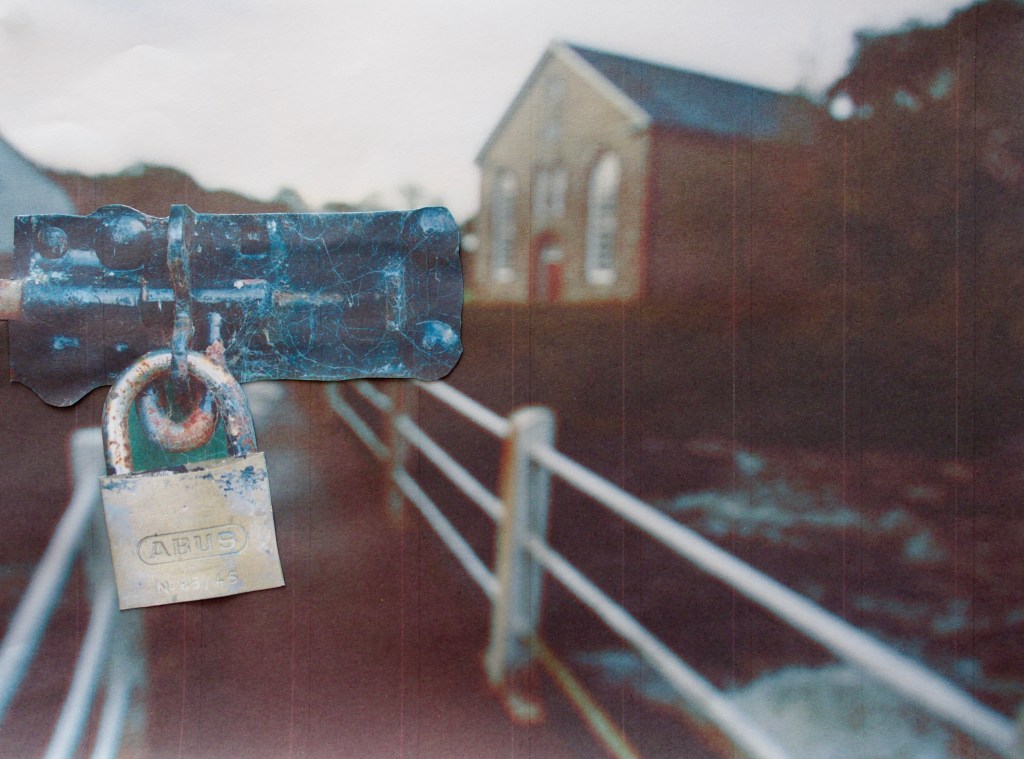
I really like this image as the way I have positioned the paddock appears to stop entry from the bridge to the church, it’s off-limits. It shows you cannot carry on your journey on the path. I like the effect of the main image being out-of-focus, you can still see what the objects are but it signifies the lack of clarity, the uneven visions, and possibly a murky area where some people believe gender inequality doesn’t exist and disputes it’s existence.  
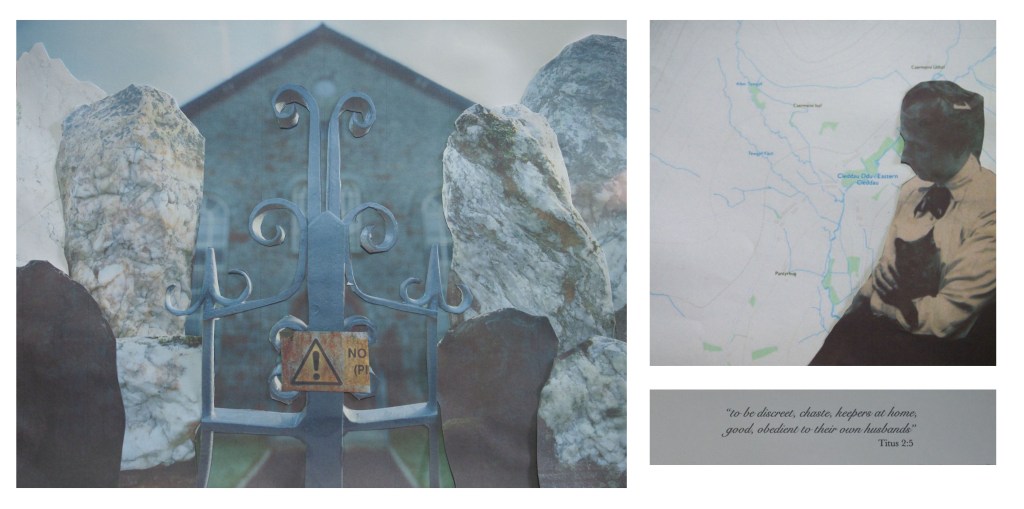
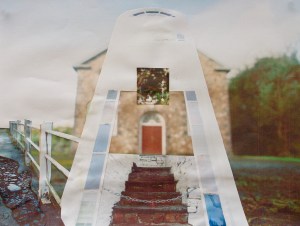
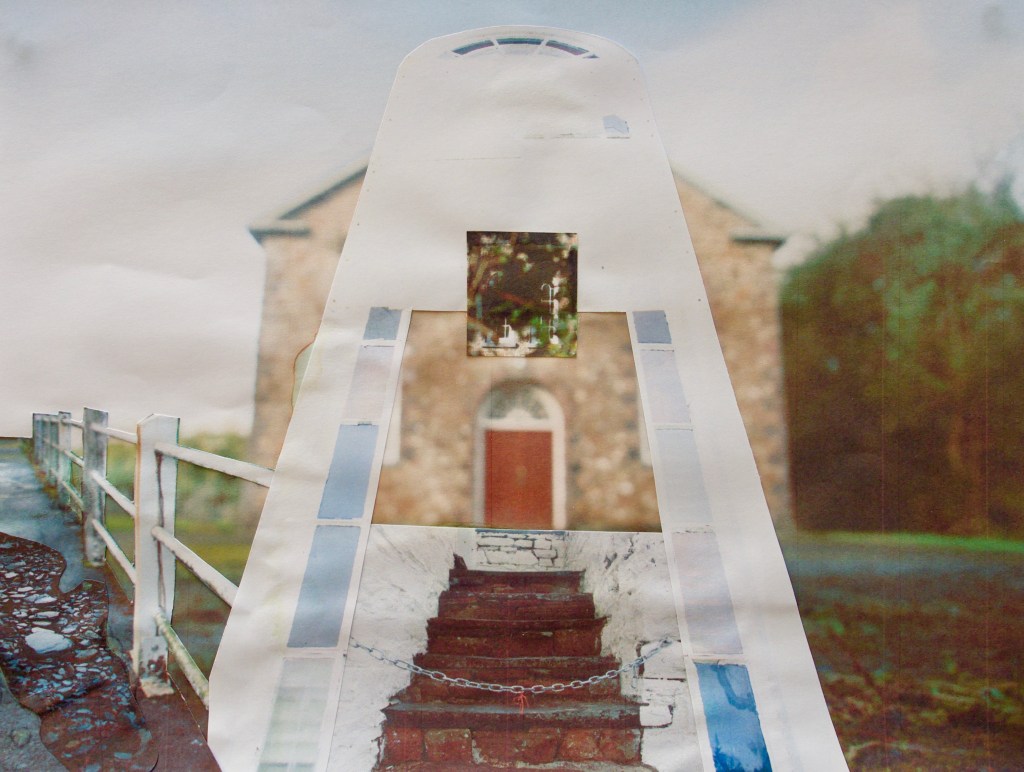
This next image is slightly different and looks at the site in a different way. We can see the path goes off to the side rather than to the destination, and along it is a pebbled rocky surface representing the rocky road of gender inequality. The steps are positioned amongst the stained glass window which opens to show the front door of the church, which is shut to us. The higher window is barely visible through the thick hedge row, showing that gender inequality can be overlooked by some as it isn’t always visible to everyone. 
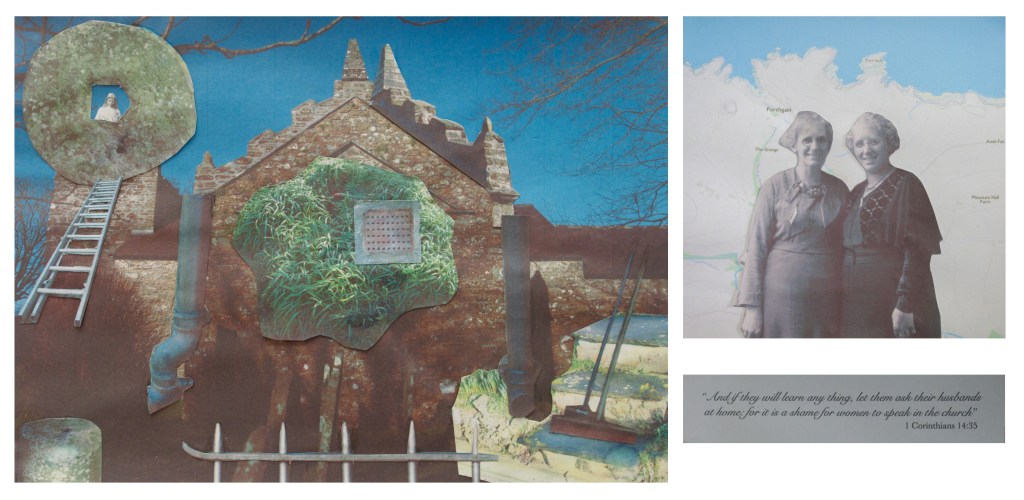
I have chosen the former image:

Location Three

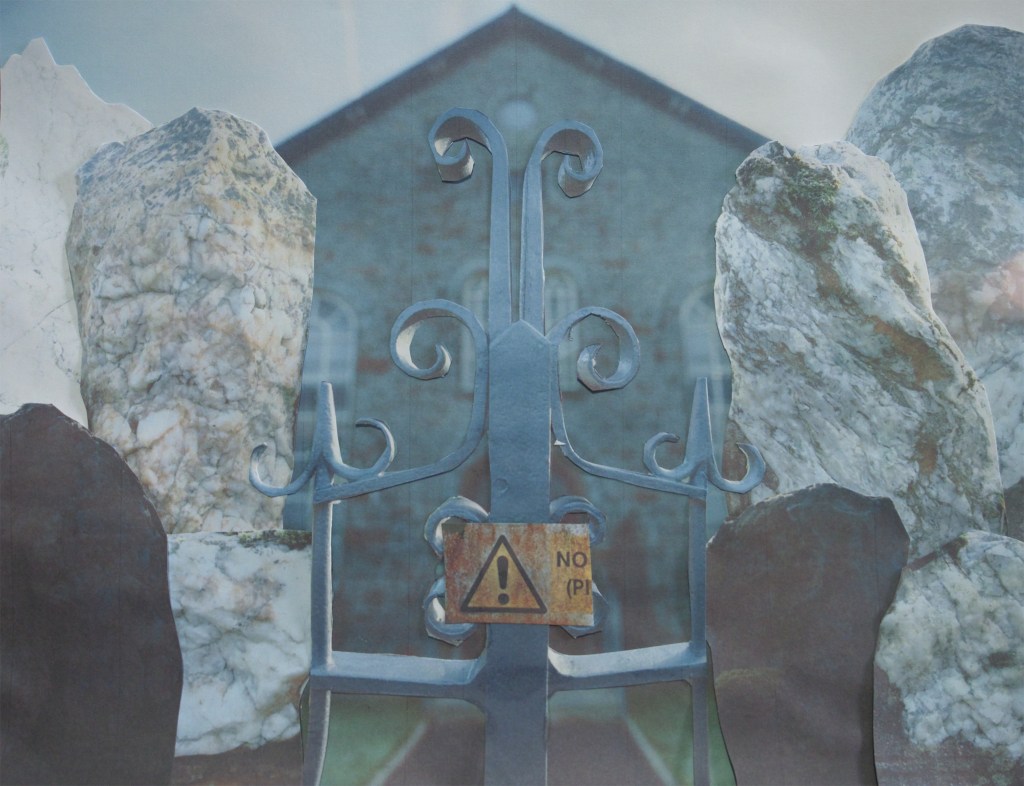
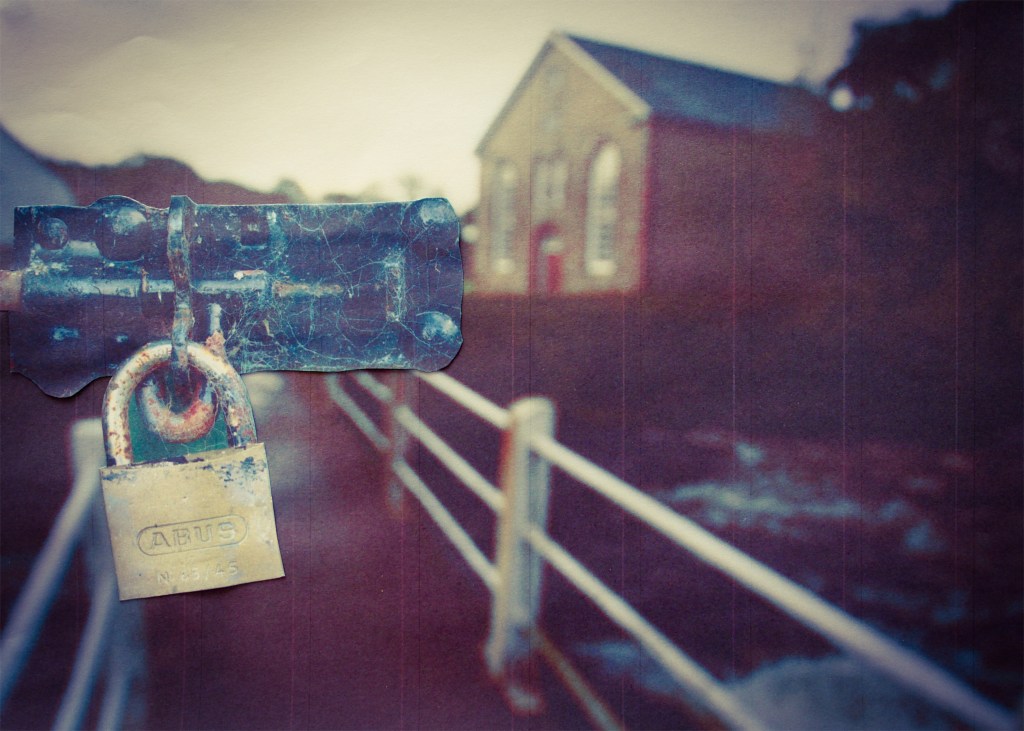
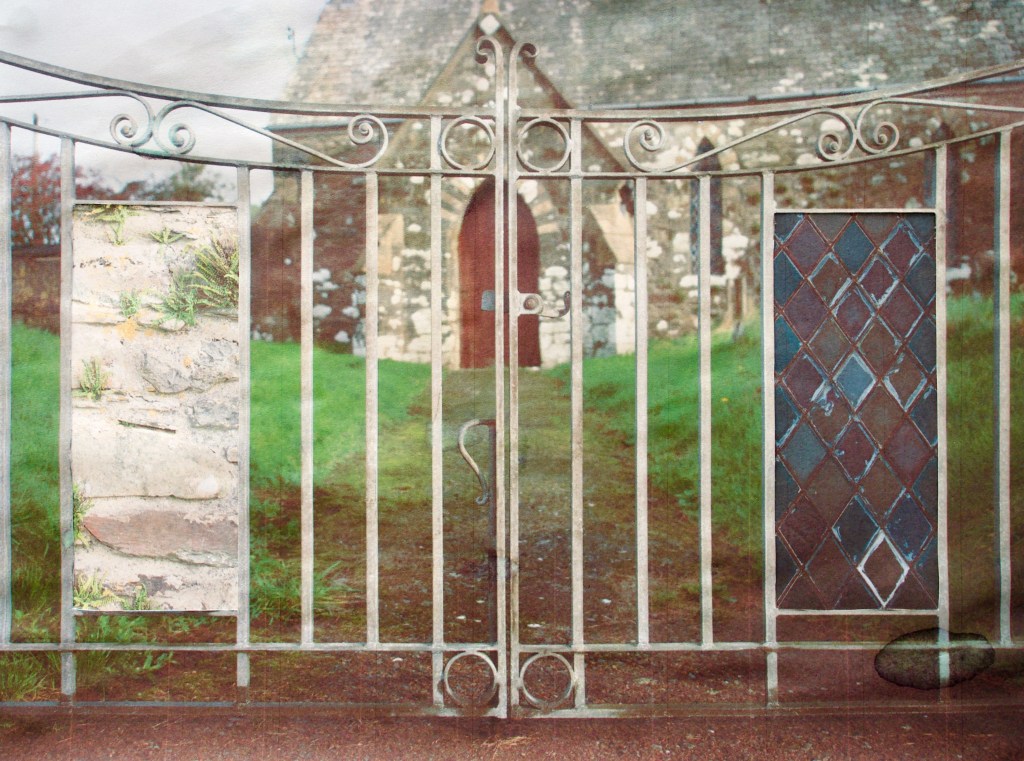
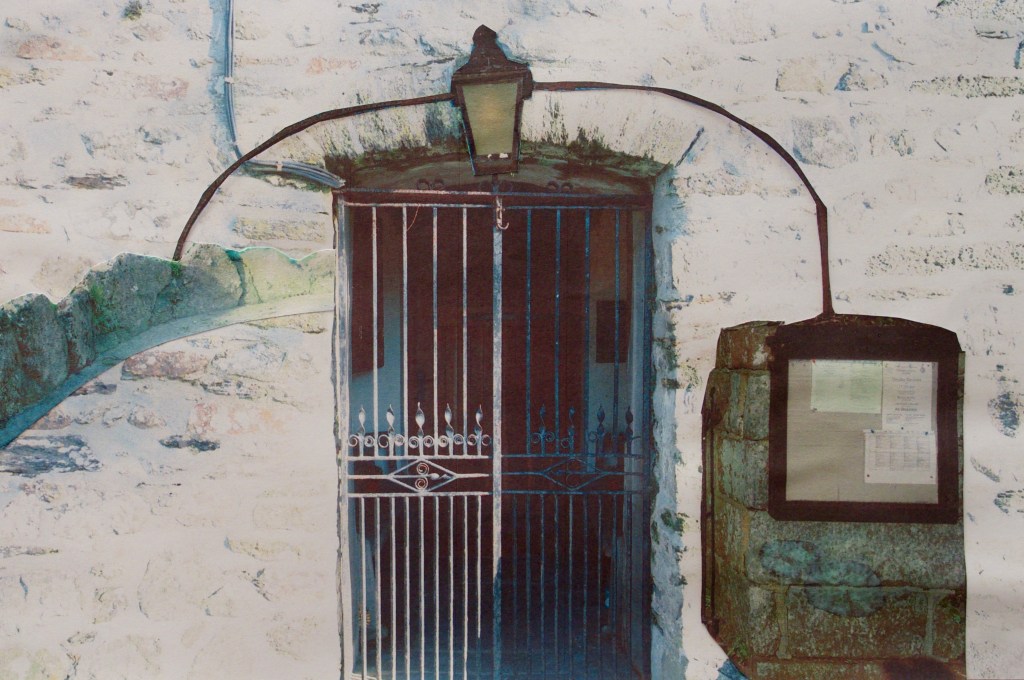
This first images shows a barrier between the viewer and the destination. But added to this is two sections of solid impenetrable objects, giving the illusion that you can’t see in. The gate won’t let you in and the sections symbolise that fact you can’t see in. It gives me the feeling of exclusion when looking at this image. 
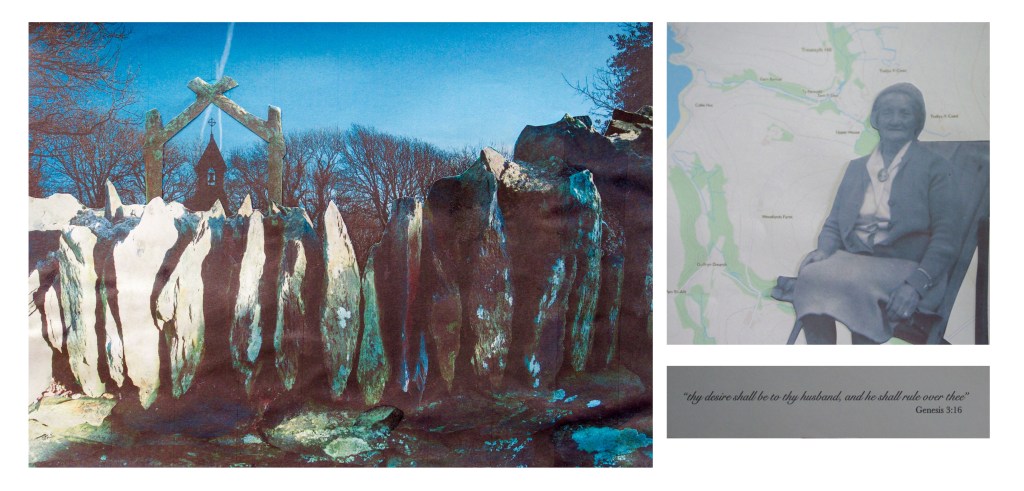
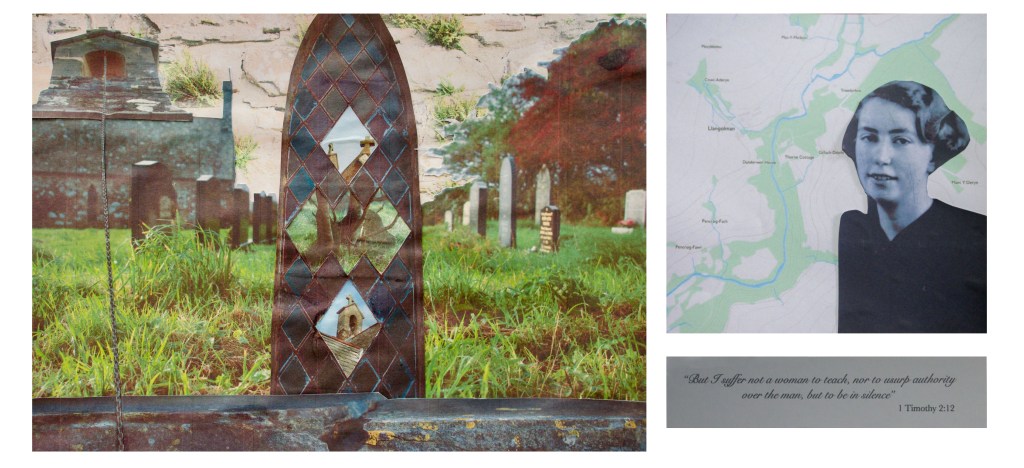
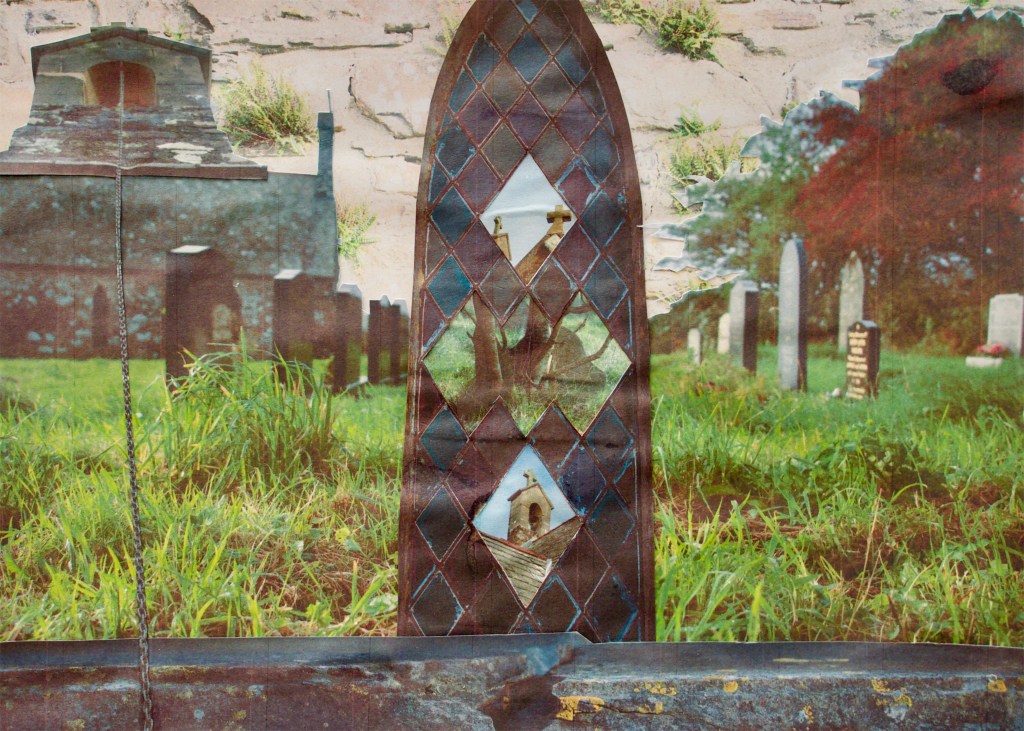
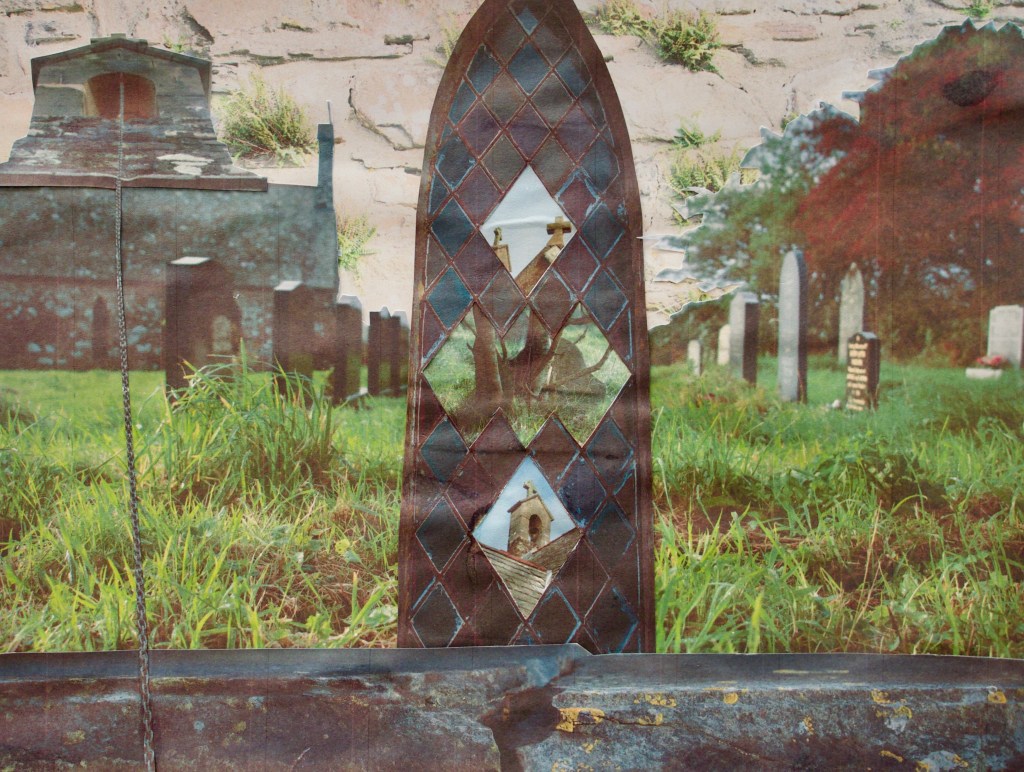
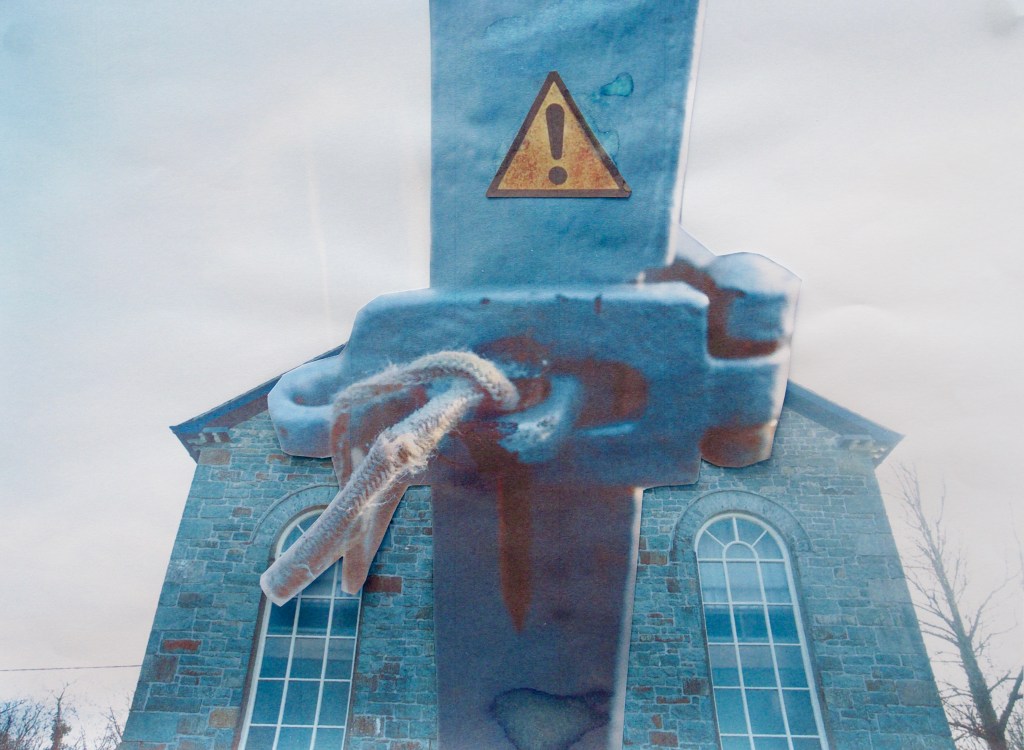
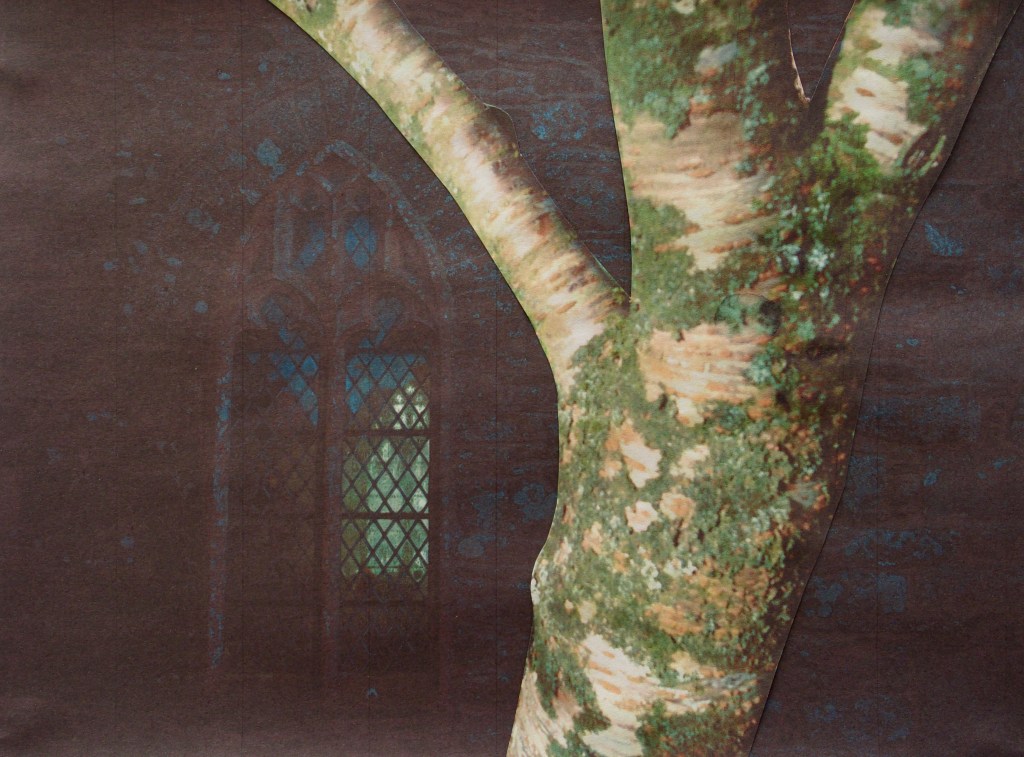
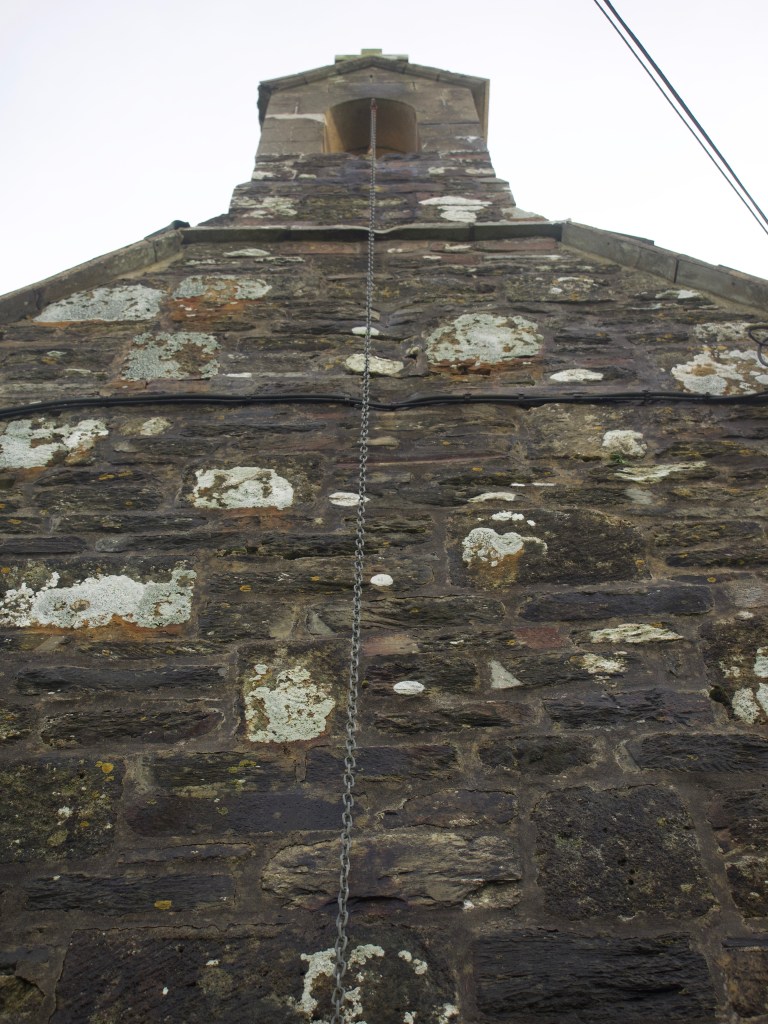
The next image also gives the impression of being denied access. The path of the images is blocked by a stained glass window, an immovable object, symbolising the difficulty of removing gender inequality. You cannot see through the stained glass window, but the bits you can, simply show objects outside. The images looking up give the impression of uneven footing, the gravestone behind the trees, makes me think of something forgotten, lost almost. The chain for the bell hangs down, but the church remains out of reach. At the bottom, lays a stone which is cracked, showing the uneven grounding woman are on, the crack highlight a problem in ours lives. This is the image I have chosen. 

Location Four

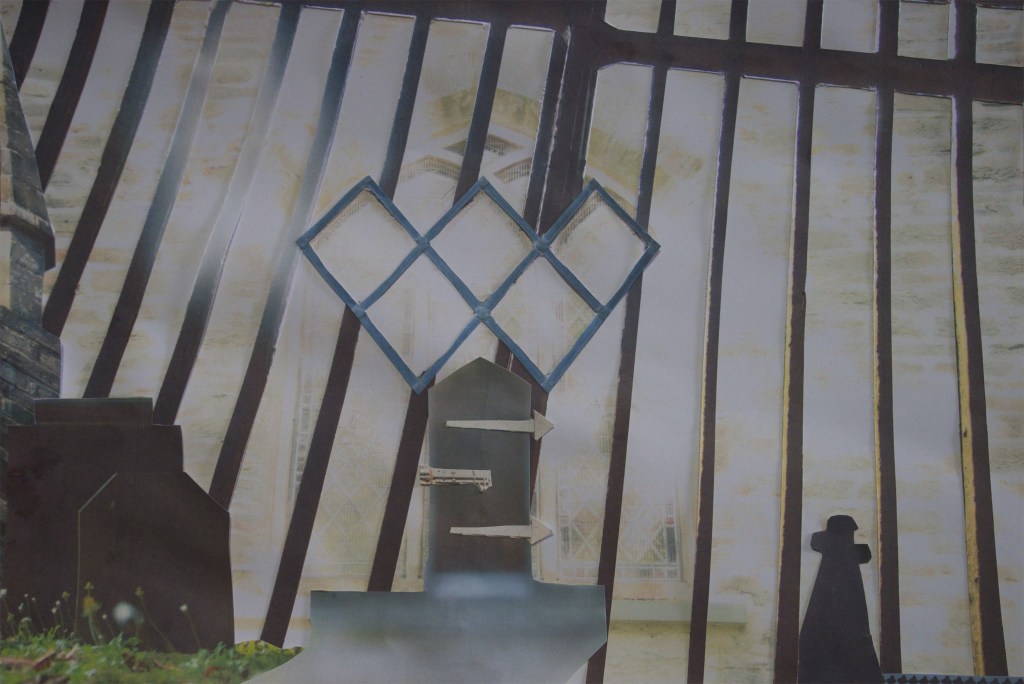
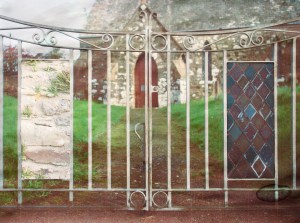
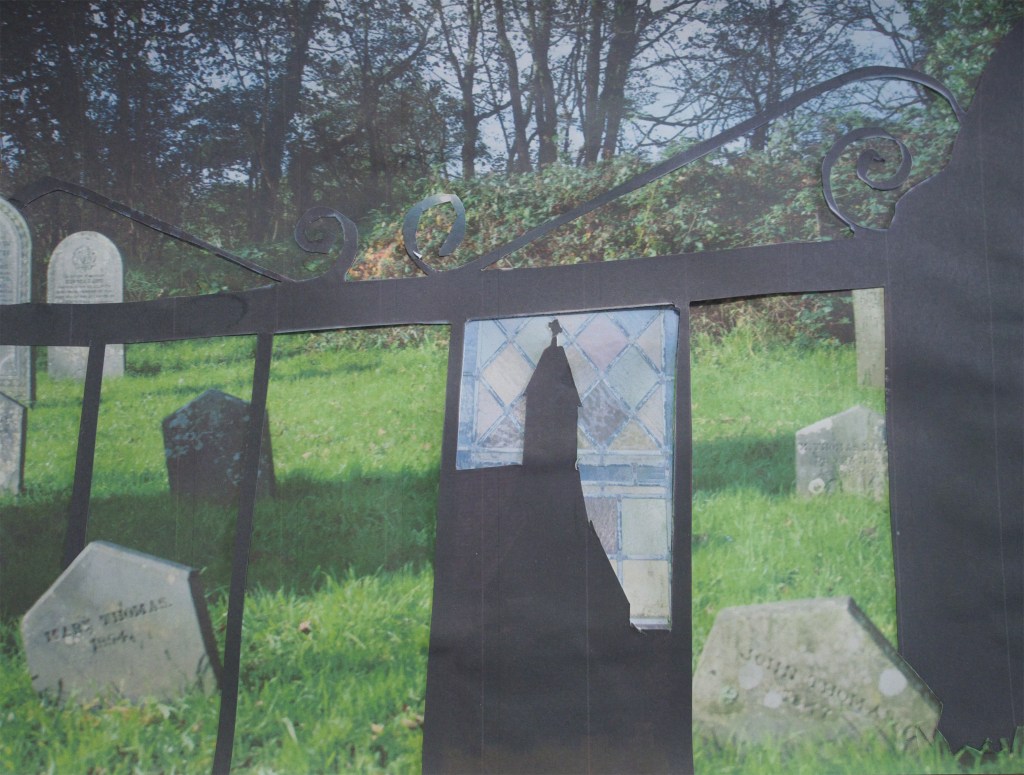
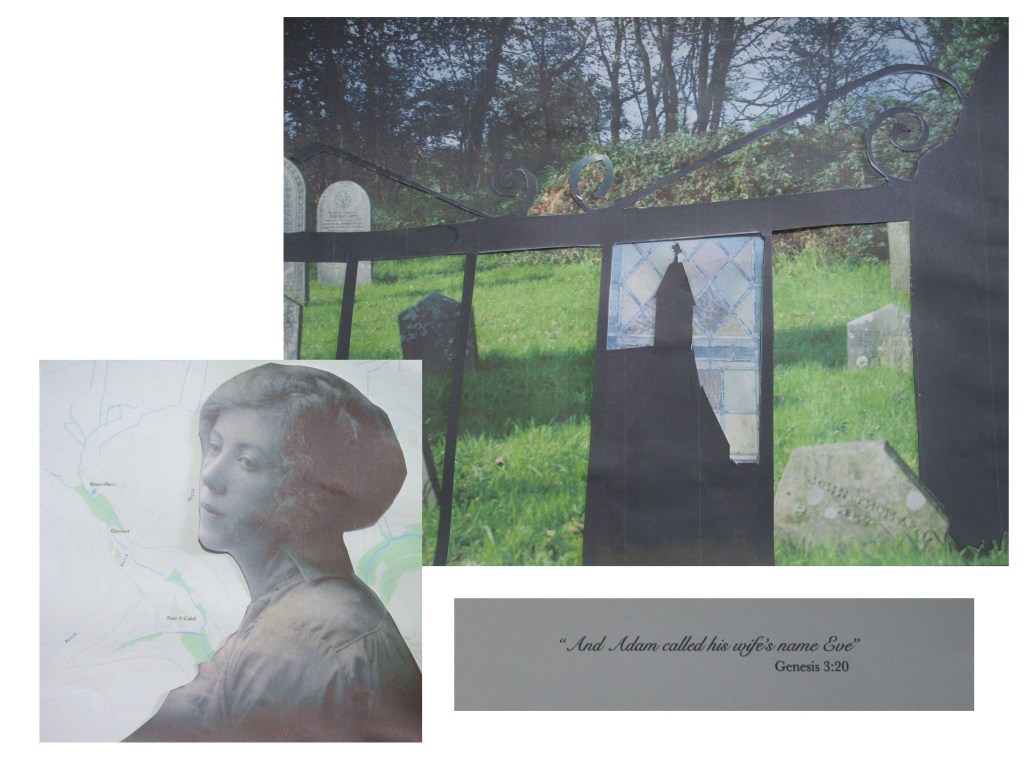
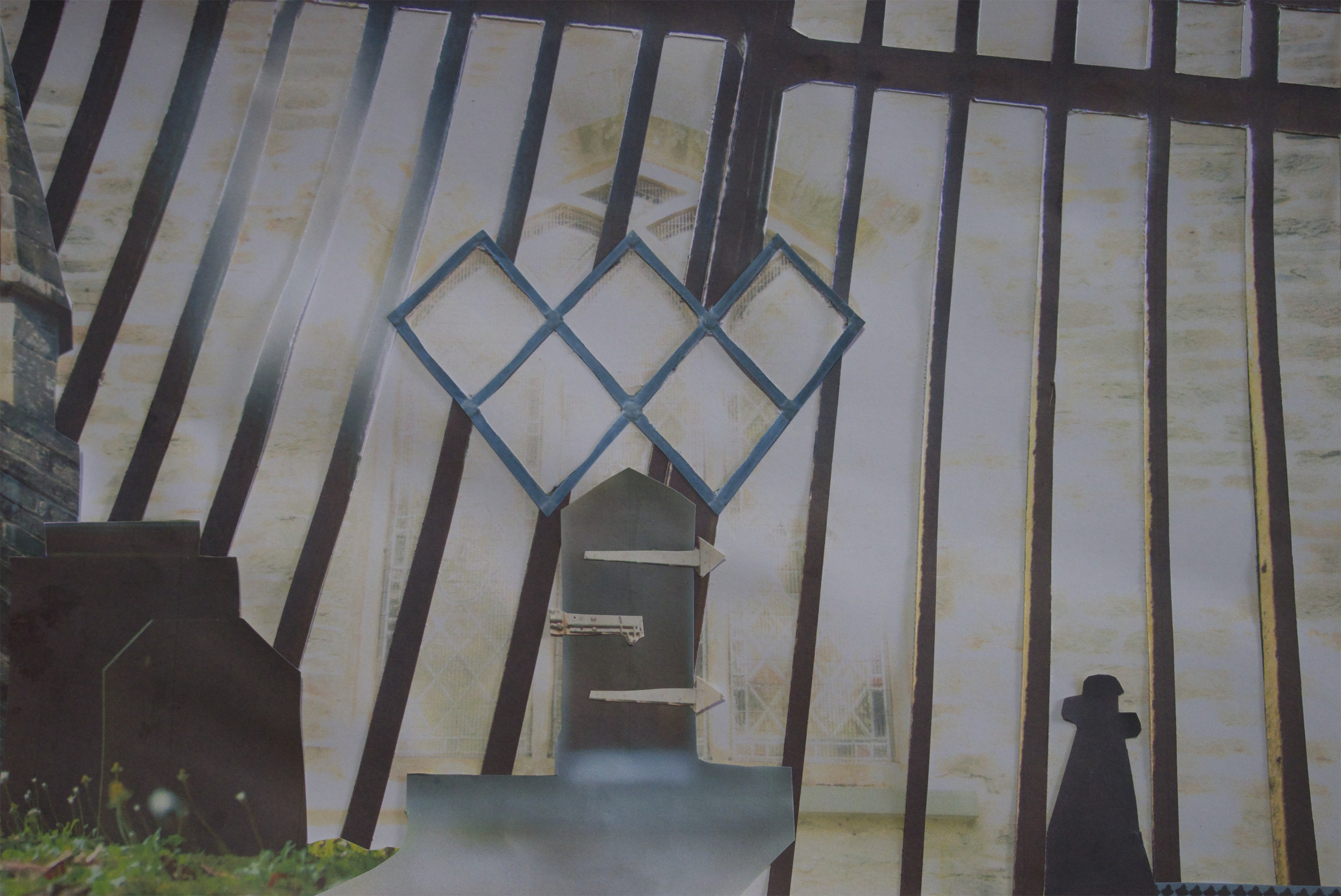
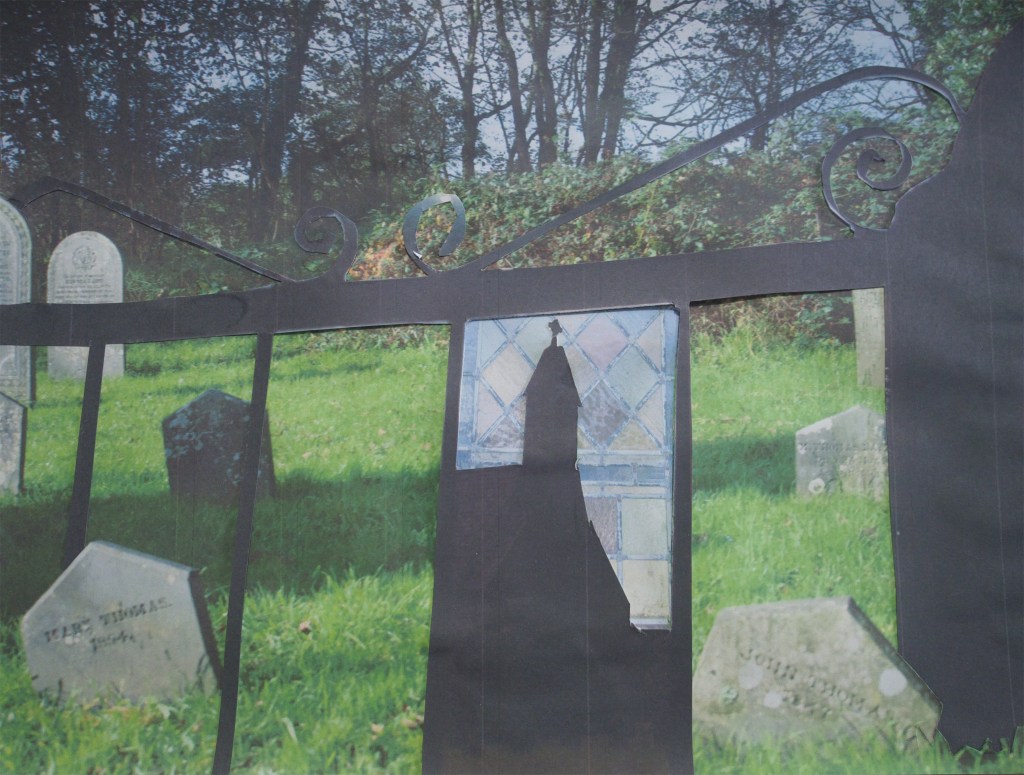
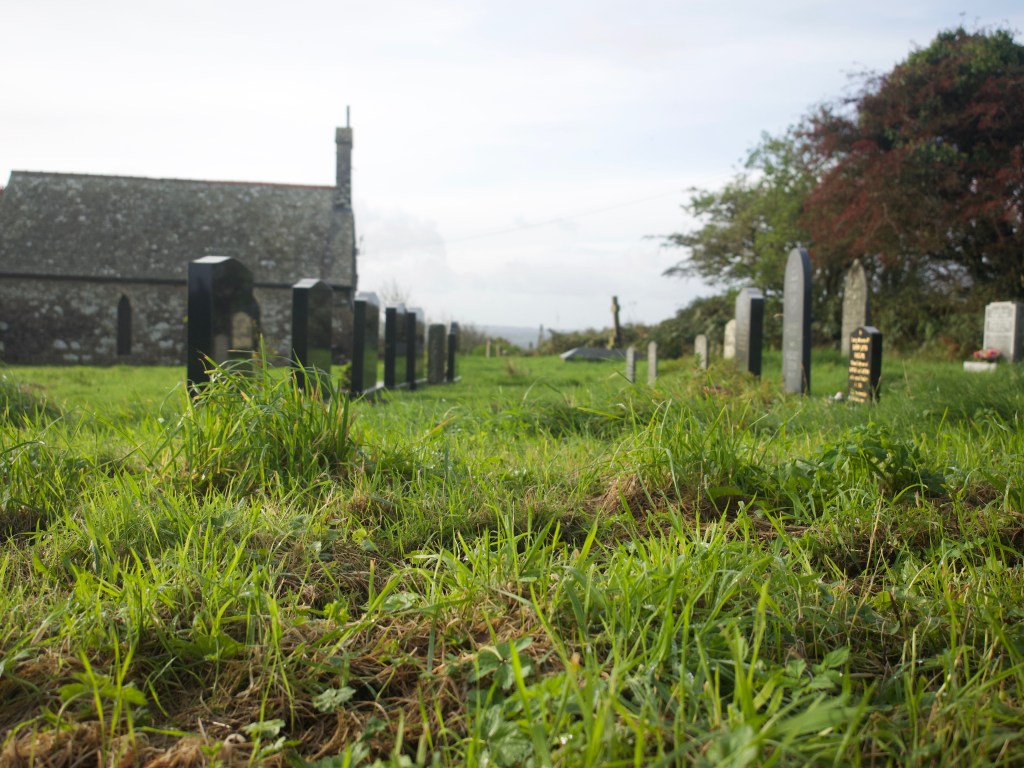
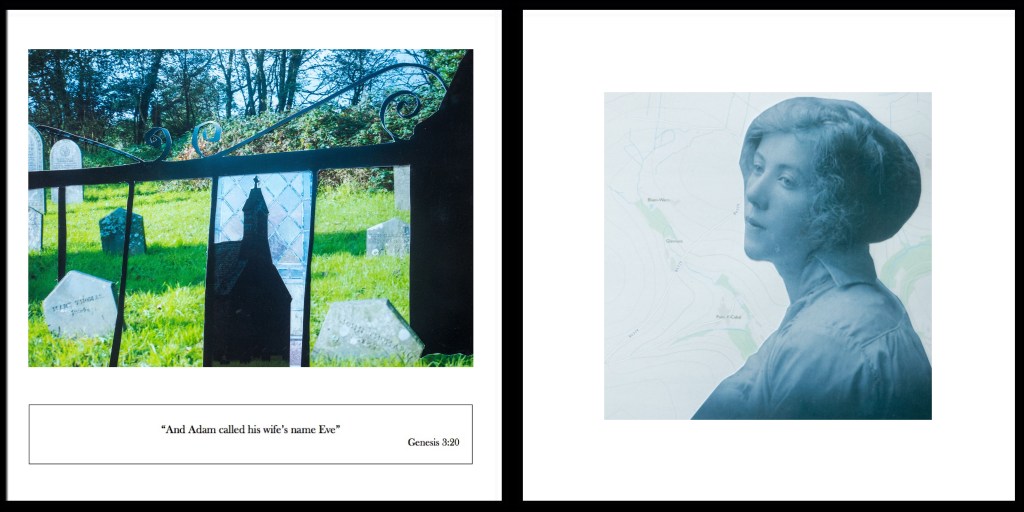
I was never completely sure about this location. I struggled to get a college I was completely happy with. I have had a look through my archive of images from this site and honestly I don’t think I could create another collage that would be better than the ones I have created. Having said that, I think this image does work. It doesn’t feature the actual church, but rather the graveyard with the restrictive feature of the gate. The graves could symbolise the lost souls in gender inequality, those who have been overlooked and forgotten about maybe. The untended graves, perhaps they have been forgotten. This example and feeling of loss and being forgotten could be a synonym for women affected by gender inequality. 

I have decided to use this image, but with a slight change. I have cut around the church and placed it on a background of a stained glass window. You cannot see through this window at all, so it heightens the barrier between those who are included and allowed in and those who are excluded and not allowed in. Here it is: 

Location Five

Simple 1 + Simple 2

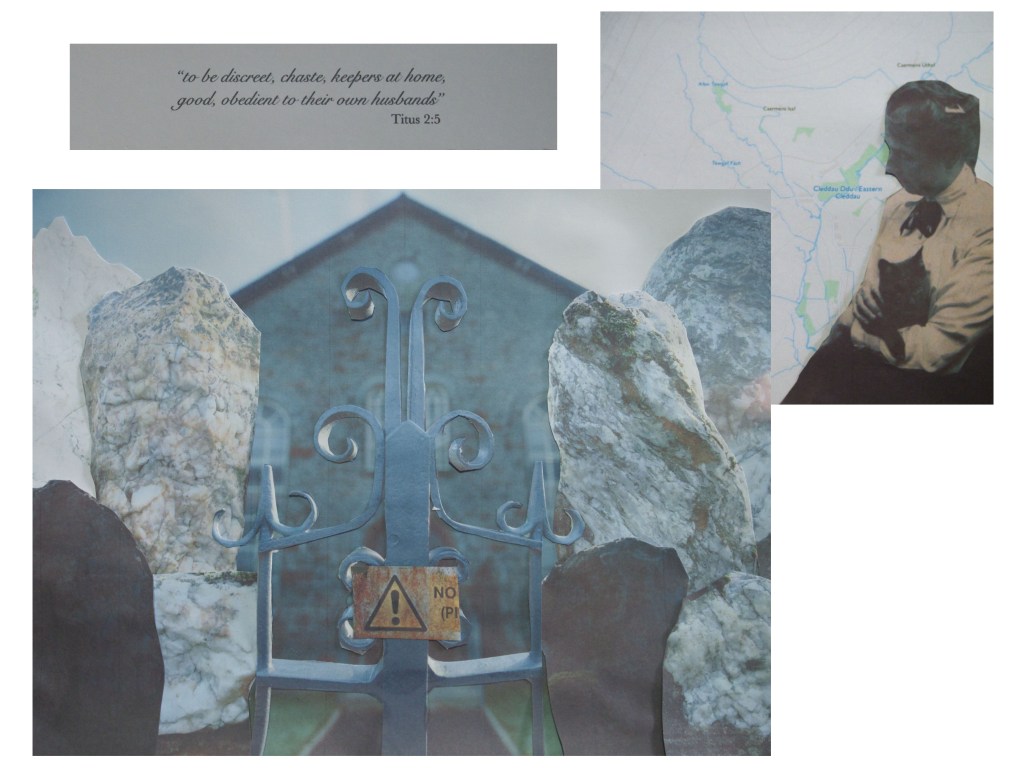
This images features the church in the background with a path blocked by a gate. This actually represents my actual time at this location, as it was extremely icy, I couldn’t actually reach the path, I kept sliding down it. This felt so relatable to what I am trying to show. I was so near yet couldn’t get there, I couldn’t physically complete this journey. Just like gender inequality, it is a struggle to reach equality, we just haven’t been able to make that journey yet. 

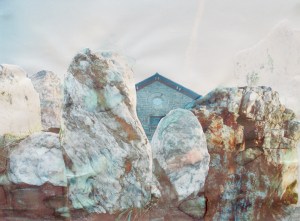
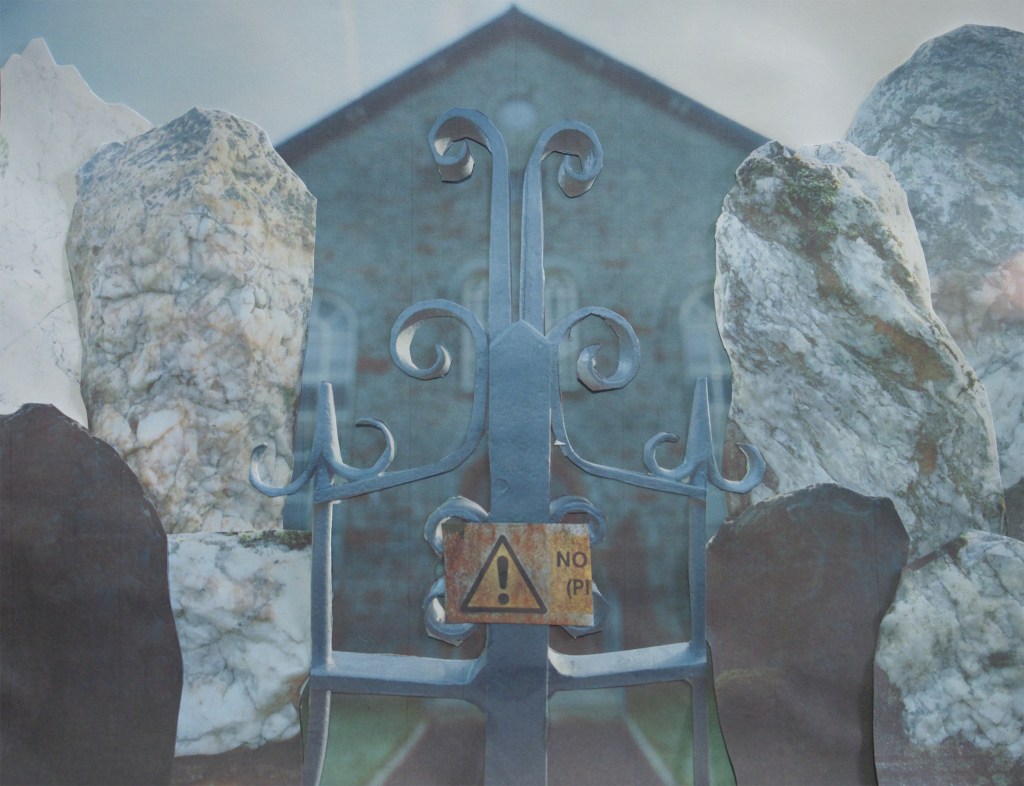
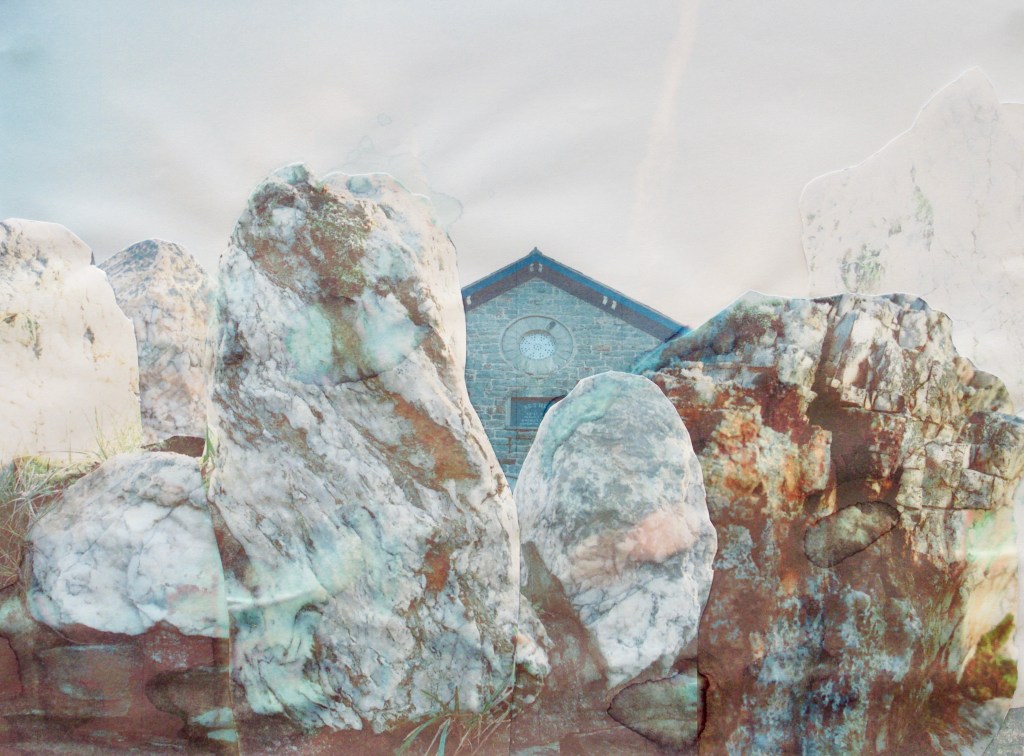
Similar with this next image, the church and destination is just visible yet we cannot get past this massive barrier, the rocks. This can symbolise the barriers women face in life. The are rough, immovable, and very difficult to overcome. 

I have chosen the former image, but I wanted to add something extra to my original image, so I added the rocks to each side, so you cannot physically get to the church, it has create a immovable barrier. Here is the amended image: 

Location Six

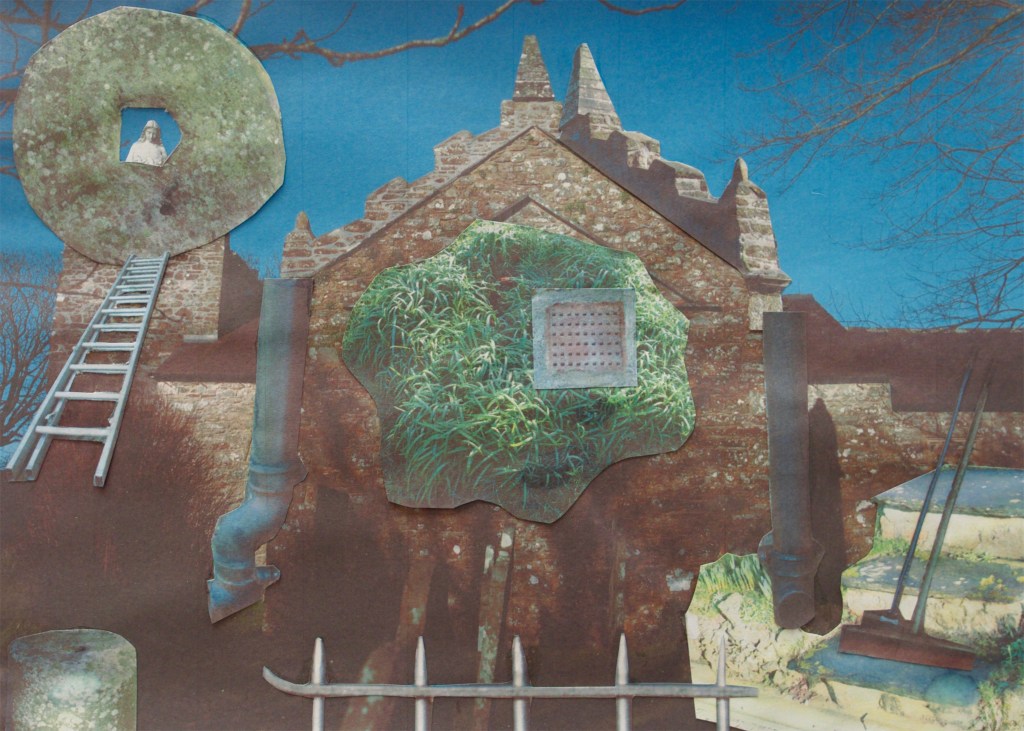
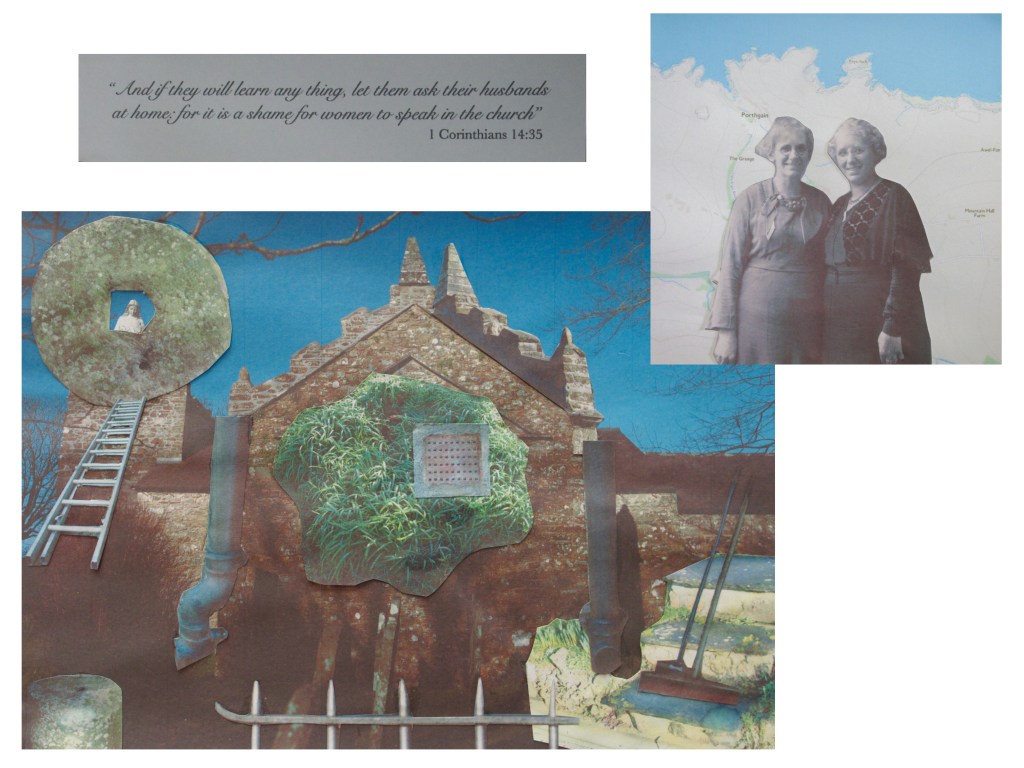
This image is very simple, with just two parts. It it quite dark but I feel it might have a place in the series. Looking at the dark time of inequality. Being unable to see into the church, gives the impression of exclusion. But comparing it with this other image at the same location, it is very different. 

This one is almost surreal, it stands out. The complex elements have a chaotic feel, which eludes to the complexity of the issue at hand, rather than its simplicity. It has multiple layers with multiple connotations. I really like this image, hence why I have chosen it for my final selection.  

Location Seven

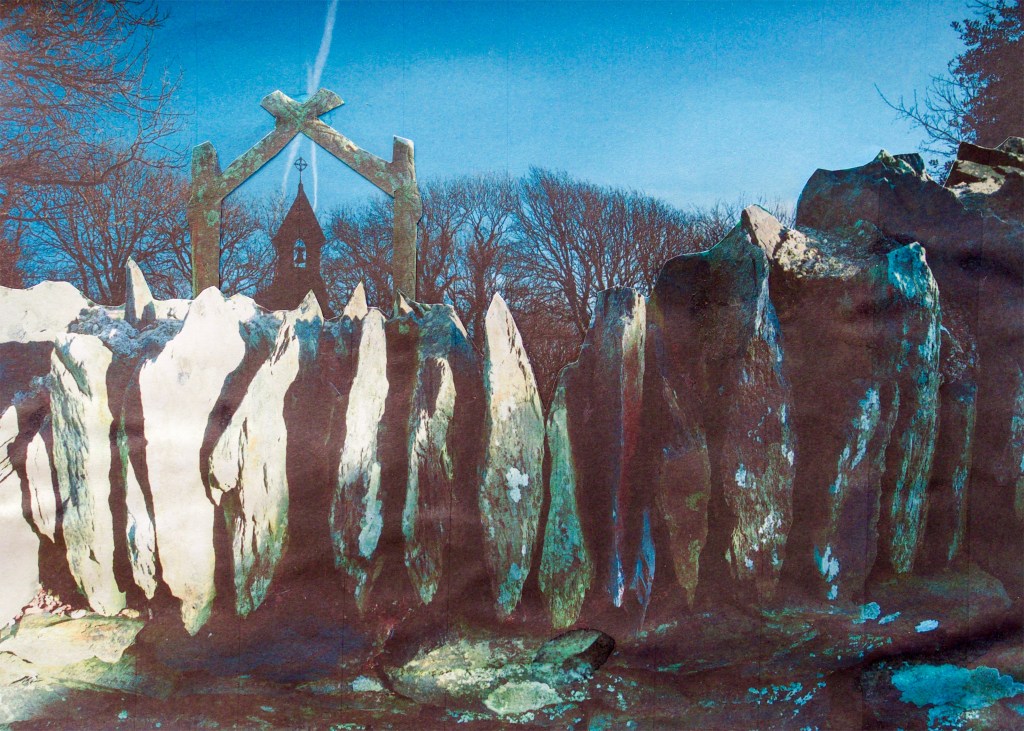
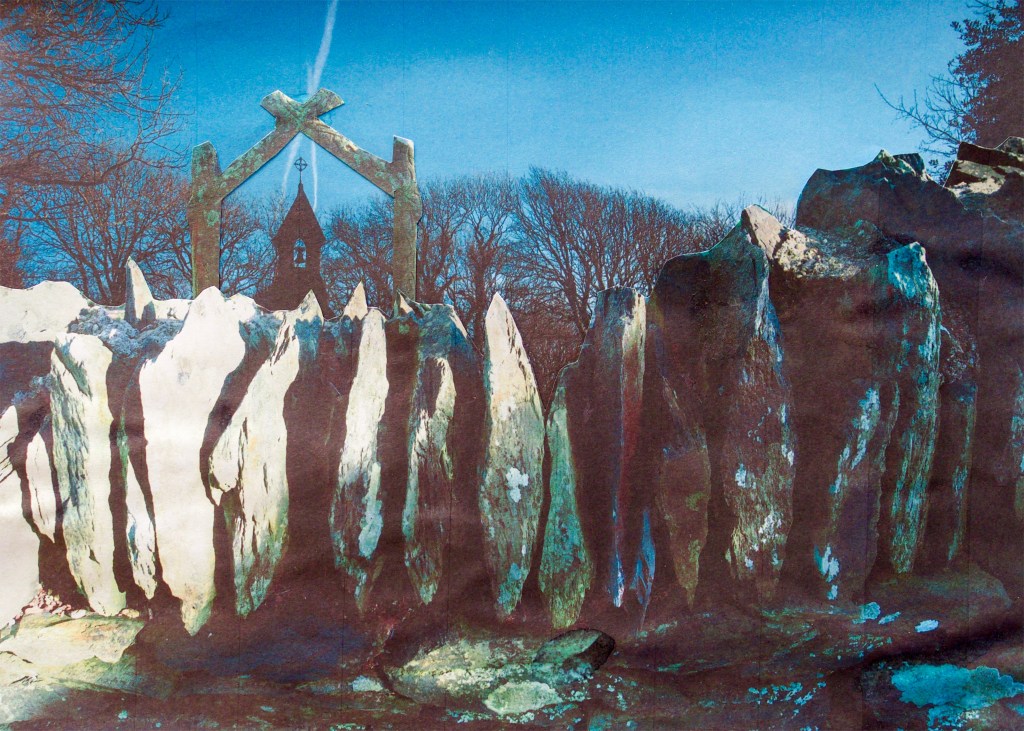
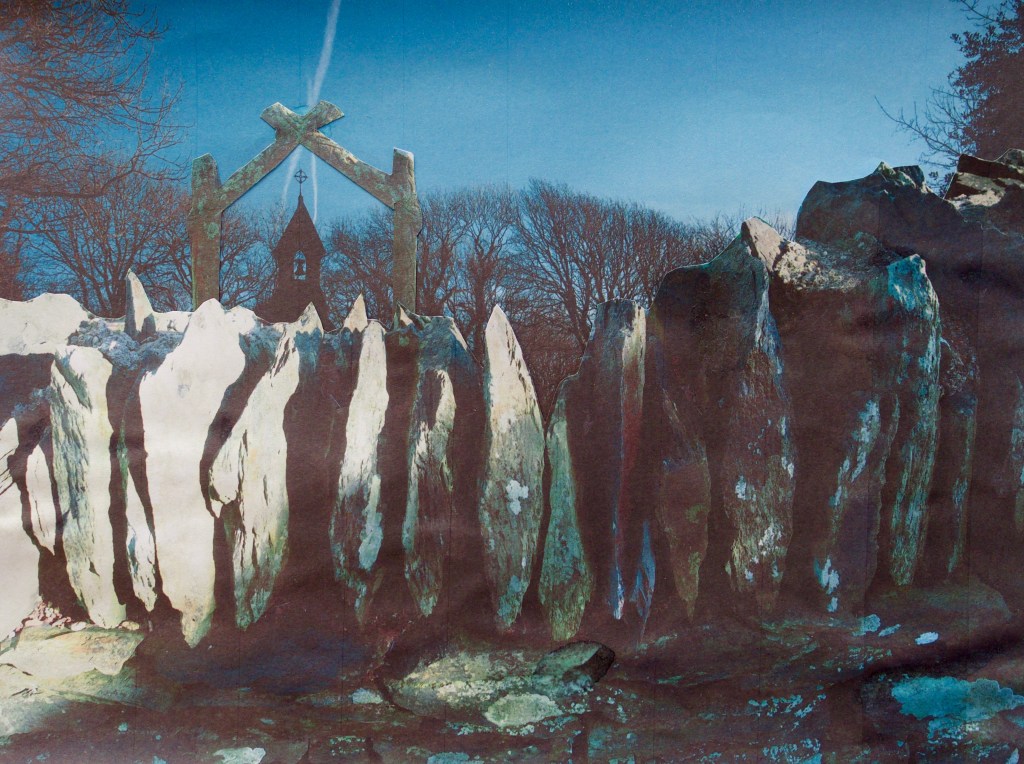
I like how the majority of this image is taken up by the ragged rocks, symbolising the uneven dangerous inequality. This image is also quite surreal with the colours. The church is surrounded by a wooden arch, almost protecting the building from access or creating a boundary surrounding it. 

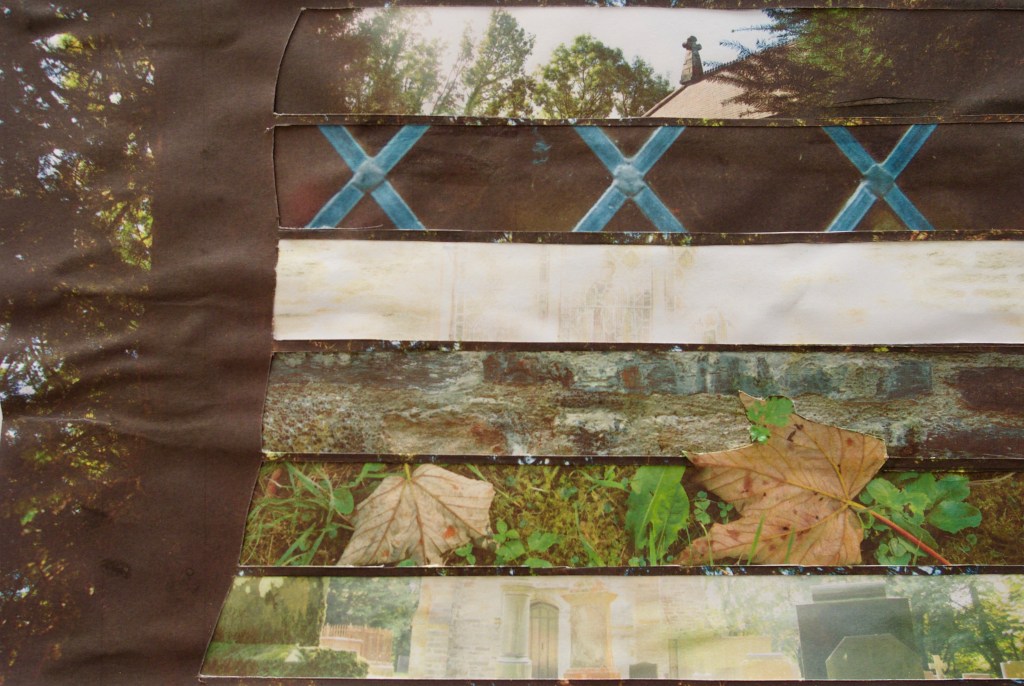
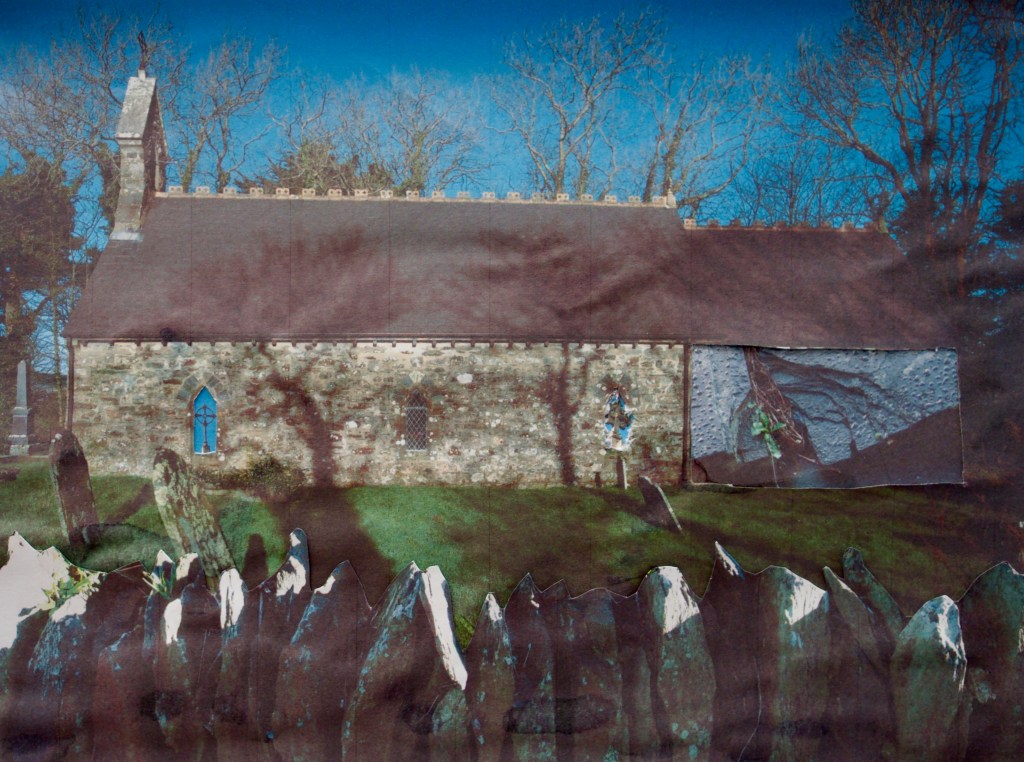
This next image is quite eye-catching. The shadows of the trees casting on the church is quite chaotic and adds another dimension. The windows have been replaced with alternative images of the church, symbolising that there is no way to get in, we are being prohibited from entry or even seeing in. Alluding to the ‘boy’s club’ of life, society and religion. 

I have chosen this image. 

Location Eight

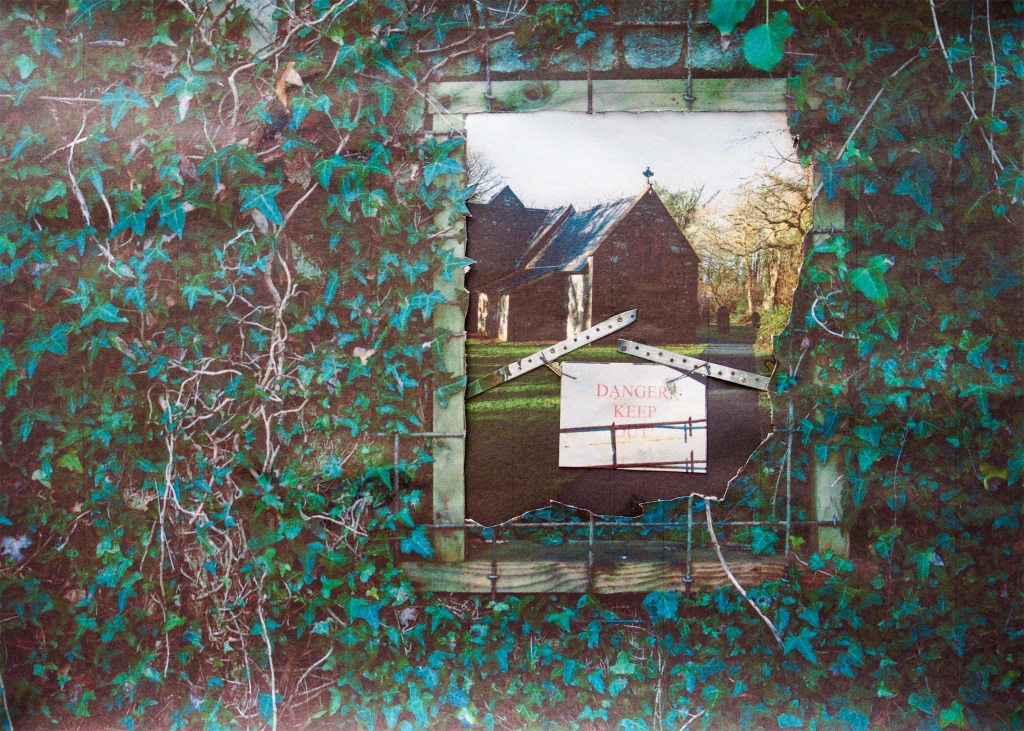
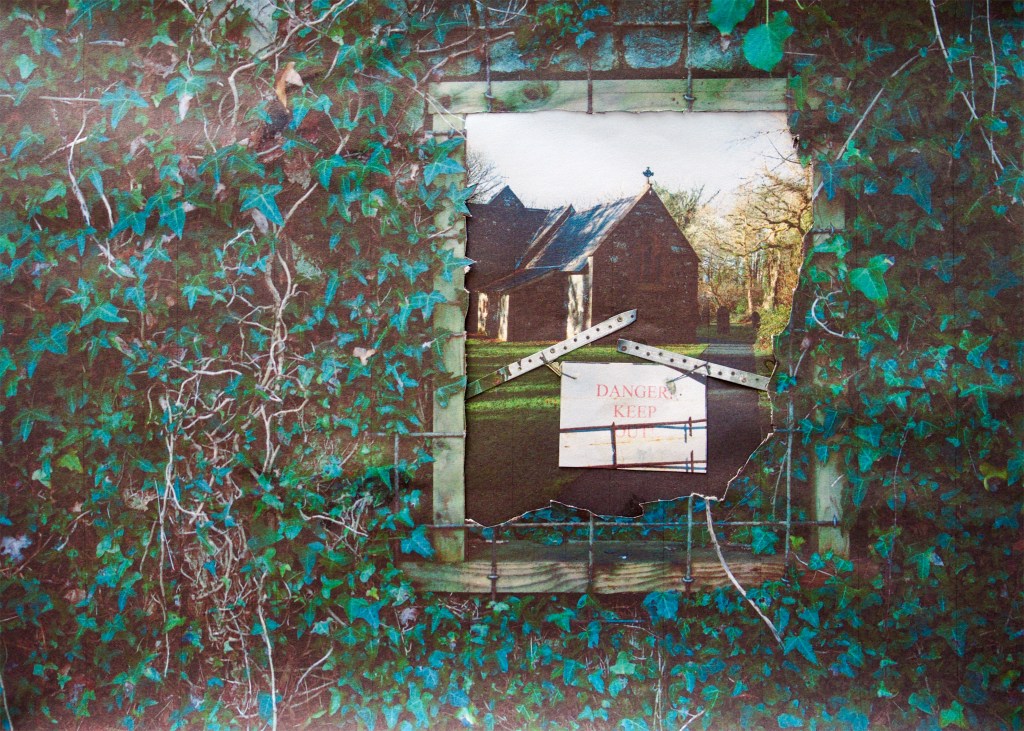
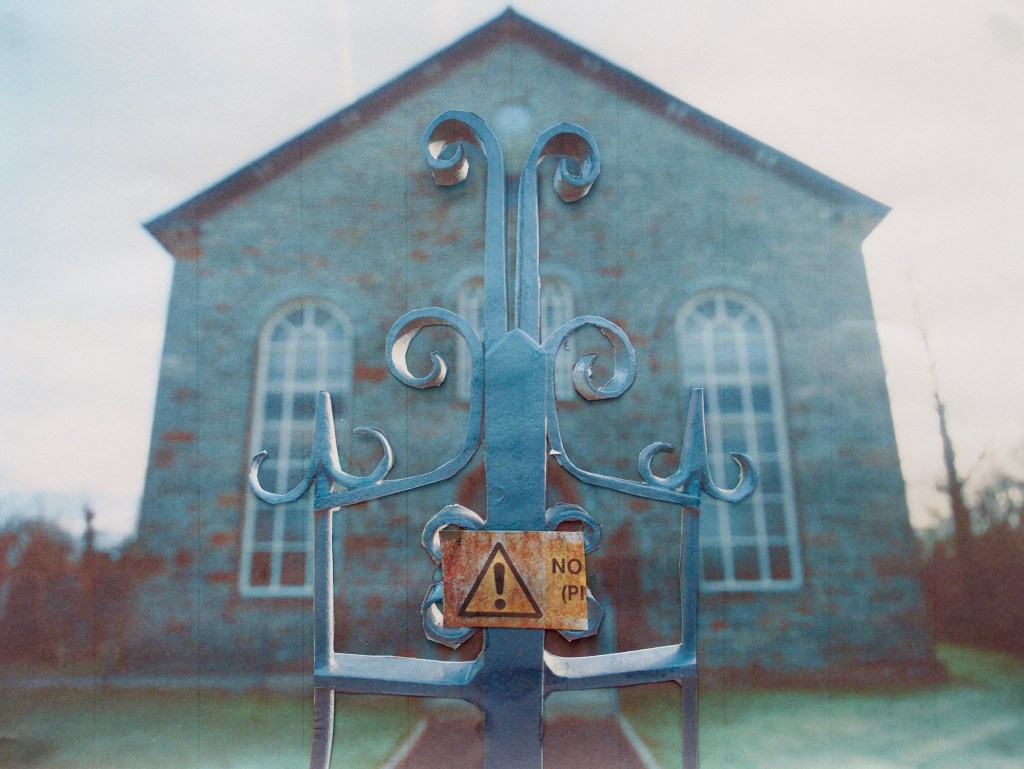
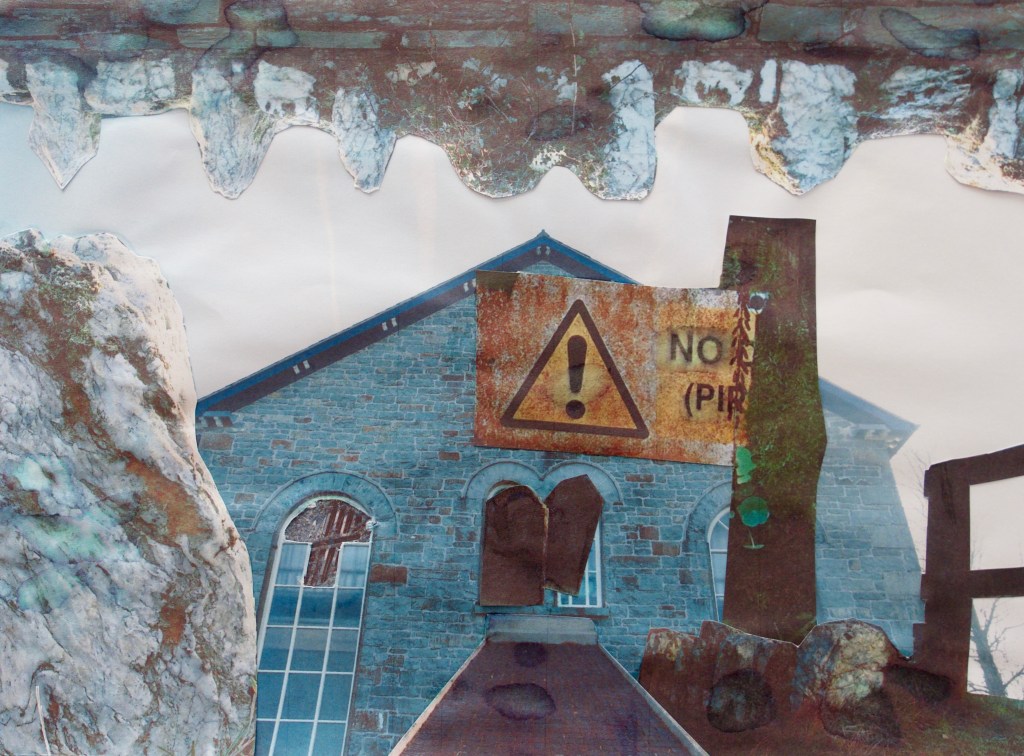
Location eight was an easy decision for me. I feel this image works, it is simple yet effective. You see this immovable wall with the church viewable through the window, yet this is covered with a keep out sign. Showing that you are prohibited from this place. It alludes to the restrictions women face in the world. The image of the church is also restricted by the wall, this has narrowed our perception of the location, simpler to peoples perceptions in life. 
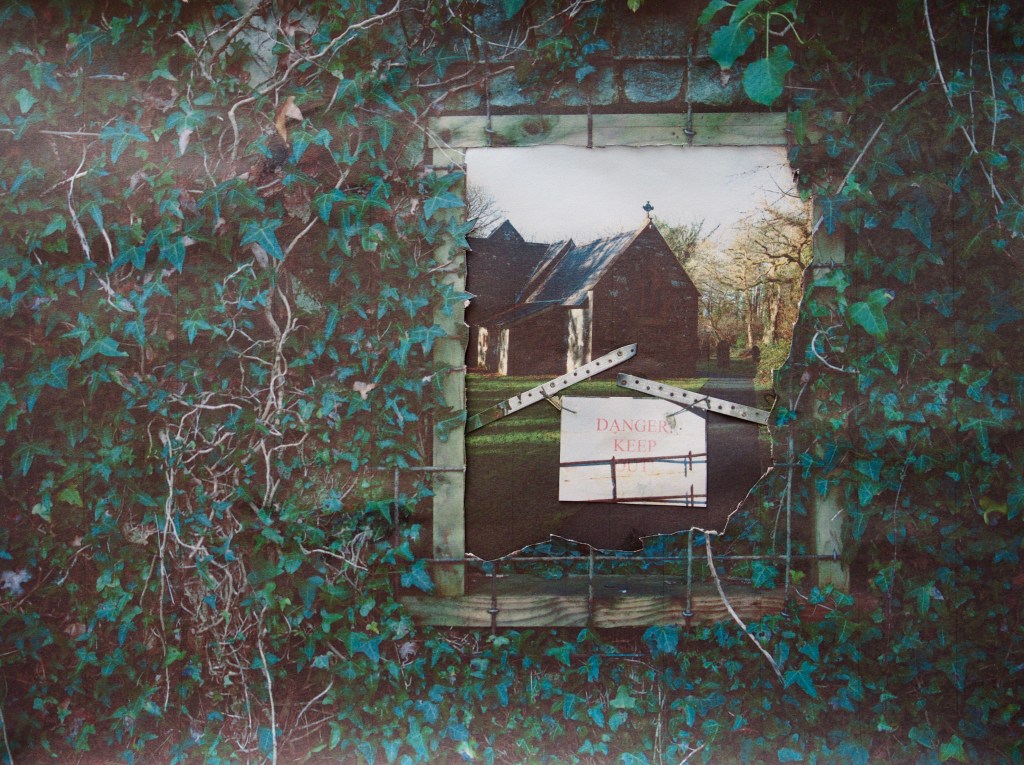
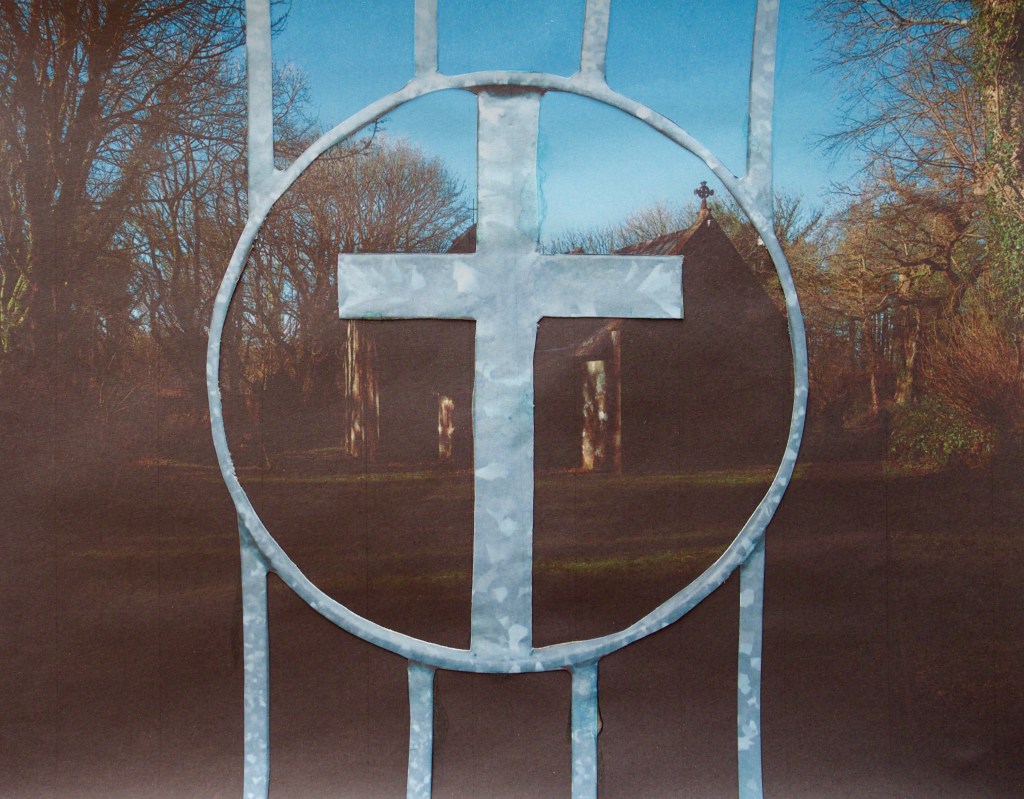

Feedback

I decided to get feedback from friends, family and fellow students through the email chat. I sent the images with the briefest information, as I wanted their first impressions. A few were kind enough to give their feedback. A couple asked for the context and reasoning behind the images in order to make their mind up, which is far enough as sometimes your do need the background information. One said that you could see the locations vary so would have guessed it wa following a particular denomination, which is not a million miles away but it is following a pilgrimage. With the background information, they could see what I was trying to show. They all got the religious theme and some even the gender inequality. A couple were not sure about using collage but they did say it was their own personal opinions on collages, but others said it looked great. One person advised that one image didn’t look completely right, so I did revisit this image to see and I tried something slightly different, which I found did improve it. Someone else liked the fact that the images of the women were not in the main image, rather on the map images. Which I believe also shows the inequality, the women are on the journey (feature on the maps) but are not in the main picture. They are sort of excluded from it. With the inclusion of the text, people believe this aides in seeing that my work is about gender inequality. The text supports the aim of my work. I do agree with people as I feel the text just adds that element of context to the images. The layout of the images has positive feedback, many liked the overlapping look, as it’s not all “neat” and “held-together”. With family, the feedback was similar, the only difference being that they have known my intention and the background since the start so the have been able to see my work evolve. They have helped along the way and can see my reasoning. 
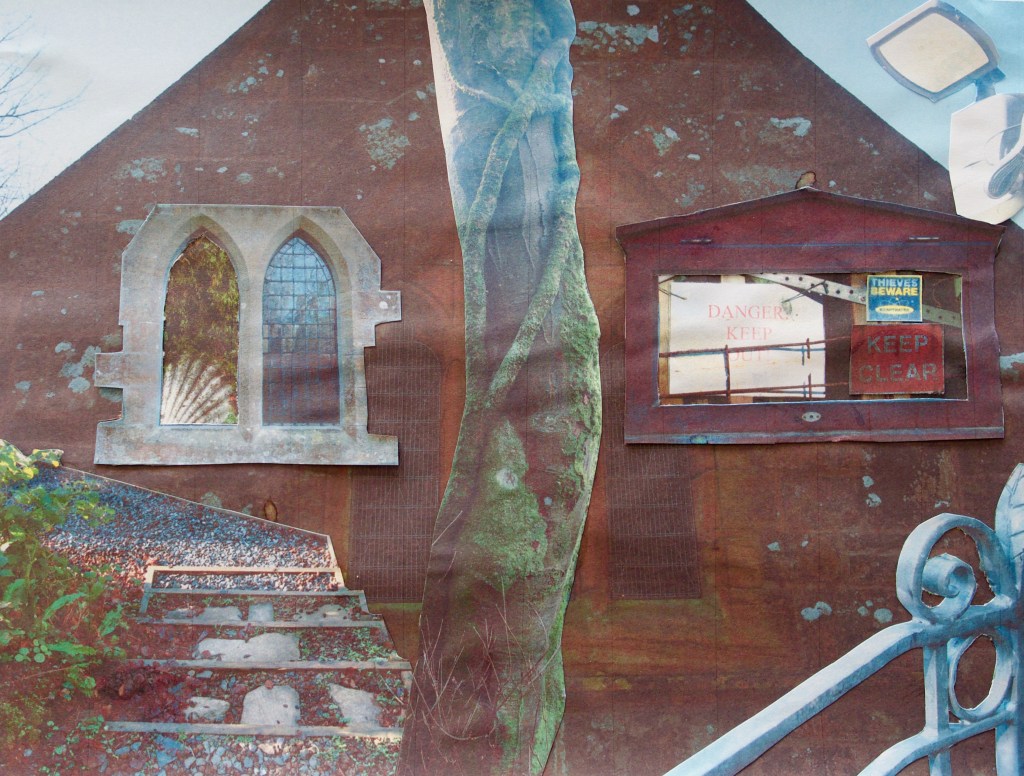

Assignment Images & Reflective Commentary

Here is a link to my images and how I have cut them down:

Images

I had multiple images from each location so this gave me choice. I have narrowed them down and have made slight changes on a few of the images of how I think they can be improved. I have eight final main images for my series. I would have probably had more, but unfortunately due to the Coronavirus outbreak I have not been able to go out and photograph. 


Here is a link to my sub-series map images: 

Maps

I decided I wanted to add another element to this assignment. I wanted to bring in the constant between the inequality and male dominance eluded to in my main images, and some how show my version of a strong women. I though about this for a long time and decided that I would use images of women from my family. These would come from my own family archive. This would allow the images to be more personal to me and keep to the fact that I am also on my own personal journey. They are my family, the women who have influenced me and made me me, they have ‘followed’ me on this journey, hence why I combined their images with the mapping images. Including the maps was always a part of my original plan, I feel this combination works well together. It shows the woman are following me on my journey as a woman through a male-dominated path. 


Here is a link to the accompanying text: 

Text 

Again text was part of my original plan. I just wasn’t sure what it would say. I thought about maybe a poem, or a speech, but then I decided to keep to the religious theme and use quotes from the bible highlighting the inequality. 


Now I have all of my images, I needed to think about how to set them out in a complete series. There are three parts to each image now, similar to a triptych format. Triptych usually has religious connotations, so is apt for my series. For this assignment, I have just set them out, but for my final submission I will sort-out a background for the images to settle on. 

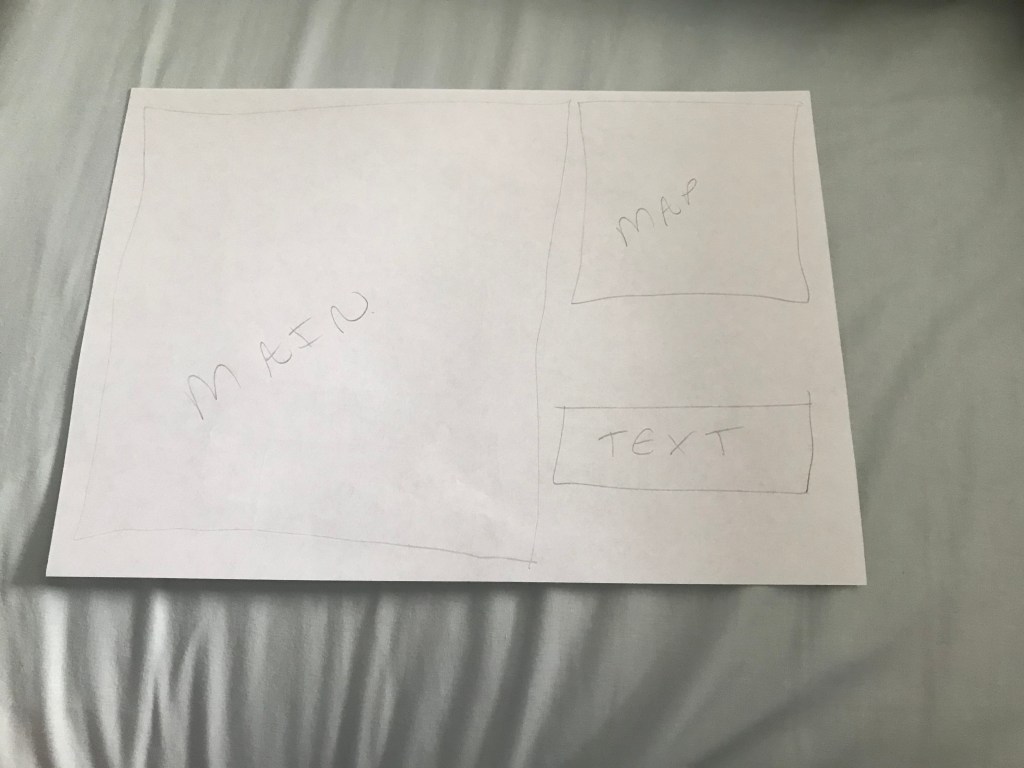
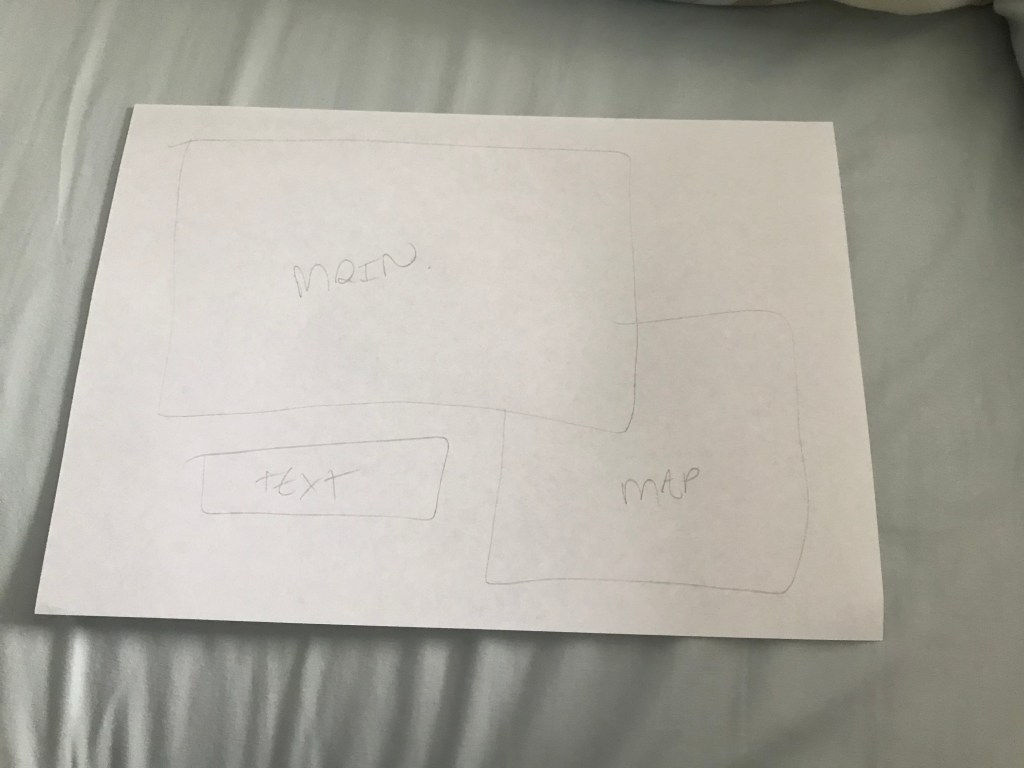
I have made some sketches and set the images to see how they look: 

I have narrowed it down to two set-ups which I think will look suitable. Here’s the first:

Here’s the second:


Assignment Images

Here are my images as a complete series following the first format: 

Location One

Location Two

Location Three

Location Four

Location Five

Location Six

Location Seven

Location Eight


Here are my images as a complete series following the second format: 

Location One

Location Two

Location Three

Location Four

Location Five

Location Six

Location Seven

Location Eight


Here are the images by location (not in any format):

Location One

Location Two

Location Three

Location Four

Location Five

Location Six

Location Seven

Location Eight


Tutor Feedback

Here is a link to my tutor’s feedback for this assignment and also my comments and how I am responding to the feedback:

Tutor Feedback

Assessment Criteria

Demonstration of technical and visual skills

I have created a set of eight images with additional side images and text. I am happy with how they have turned out. I believe they really do demonstrate my technical and visual skills. I have implemented various techniques over the course of my work and have developed from each assignment. Each location has three parts to it, the main images, the side mapping image and the text. I wanted them to work together as a set. I decided to print them out and move them around to get the right composition. Whilst I feel I have know found.  

Quality of outcome

This assignment gave me a chance to narrow down my images to create a cohesive set of images. I had multiple images of each location. I decided to lay them out and see which would work best together. This was a difficult decision to make, as it meant committing to a series of images to reflect my intent. I am happy with these eight images. I feel they work as individual images but also together. I did feel I need to add something. I always had an idea to include maps somehow, in order to contextualise the locations. I felt it may give structure to my work. I also had an idea to include my version of a strong women. I felt I needed to bring an aspect of women to contrast with the male dominance. I decided to combine these two things. I began experimenting. I ended up with the images of women from my family, who are my ancestors, who are apart of me, and who would follow me on this journey, with the actual journey. I am happy with the outcome of the images. I introduced text to the image. Keeping with the religious theme, I felt bible quotes would be best. I choose quotes which highlighted the inequality. Some of these quotes are powerful and have a real impact. I brought all three elements together, and I felt them worked well. 

The issue I have is with the print quality. The images are not as clear and concise as I would have liked. 

Demonstration of creativity

I have, in this assignment, brought another element in to represent a strong female connection. I decided to use my own archive of images and use picture of the women in my family. I also included maps of the locations. These take the form of a small collage which are to be looked at next to the main images.

Context

To contrast the strong male presence, I have introduced a feminine aspect. I wanted something personal to me, as I was making this journey, I felt images of women in my family would be appropriate. My feminine aspects contrast the male domination in these scenes and life in general. I have brought in my own family archive by doing this. I have used various techniques throughout my work. I have utilised a craft associated with women, I have included maps and I am highlighting the exclusion of inequality women face. My work fits in to feminist art, but has aspects of psychogeography, found images and postmodernism. 

Assignment Three

Brief

Continue to shoot and reflect on your work so far and build a set of images to submit to your tutor.

Submit your work in progress together with a reflective commentary.


Assignment Images & Reflective Commentary

For this assignment I have been progressing and developing my ideas. I am still following the pilgrimage as a method of looking into the gender inequality in landscape photography and comparing it with the greater scope of inequality in world religion. 

After experimenting collages for one location, I have decided to keep this aspect. I like the effect that collages produce, it adds another dimension to the image. By cutting up and combining the images, it allows a new image to form with a new meaning. This image will combine different aspects of the same location but in all will emphases the inequality using aspects of the location. By using small images at a time, it allows a bigger picture to be built, in contrast to seeing the bigger picture in our world regarding inequality. I like the use of collages as it is an art form that has been disregarded as art, probably due to it’s associations with being a art done by women. This brings another dimension to my work. I, as a woman, am following a pilgrimage designated for men, and presenting it a way which is associated with women, whilst drawing attention to gender inequality. 

I have created collages from the three sites that i have already visited. I have also visited a few more sites, and have also created collages out of them. 

Here is the link to the contact sheets for all the locations. 

Location One  Location Two  Location Three  Location Four

Location Five  Location Six  Location Seven  Location Eight

Here is a link to how I experimented with collages.  

I have created two sets of collages from each location. One simpler and one slightly more complicated. My reasoning being, is that I still have the option from here of how I develop my series. Depending on this, will depend on the direction and thus which image will be suited for that particular direction. I have thought how to develop this further. I have thought about including the sites locations somehow, maybe in map form, or the co-ordinates, and somehow incorporating this into the image. I have also thought about bringing another aspect of femininity into it. I got this idea from my tutor who recommend looking at anthotype. This process involves using emulsion made from plants, then the paper is soaks in it, then items or positives can be placed on it to ‘print’. This paper is then exposed in the sun, the result will vary depending on the sun, materials, and plant matter used (Fabbri). The results can be unpredictable and is heavily reliant in the sun exposure, in a very similar way as Chlorophyll printing is. Chlorophyll printing is where an image is ‘printed’ onto leaves. This may be good for my work as i could use leaves from the locations. But my main concern would be the exposing of the leaves. This process uses photosynthesis. You also need a positive print and a suitable leaf. You need to press the positive and the leaf tightly together in a frame made of glass. This frame should be placed in direct sunlight, the time for exposing will vary (Pereira). This is the part the does concern me and I am unsure if it will work. I live somewhere high, our weather is very unpredictable. It is either misty/fog, raining, overcast or cloudy, we simply do not get a lot of sun here, so I am doubtful where these methods would be of any use to me. I can try them when the days get longer, but an not holding out much hope. I wondered whether to take a similar approach to Stephen Gill, in his series Hackney Flowers. This could I evolve including flowers or foliage form the actual sites in the images, not as a distraction but to compliment and to strengthen the link to the sites location. I was thinking about using a technique such as pressing or even preserving the foliage. I believe this will add another element, and in general look better instead of including images of the foliage in the collage. Again this is another form of craft that is associated with women. I was also thinking of a way of including the locations, maybe incorporating a map or co-ordinate somehow.  

I have looked at several artists including those who use collages. 

Mary Beth Edelson

Her image stood out to me the most as it is very similar to my work and my methodology. Edelson is addressing global patriarchal religion and contrasting it to the inequality in the arts. She uses the image of the last supper and utilises collage techniques to complete her goal. Her work is very influential in mine as it holds practically the same methodology and meaning. 

Paula do Prado

Her images are often very colourful and visually interesting. I like the way she combines her history and culture in her work, this seems to be a recurring theme, so also uses text in her work, usually in Spanish, which gives another elements to her art. She looks at gender, which is helpful for me to see how various artists look at this topic. 

Martha Rosler  

Rosler’s images are quite striking. In certain series, she takes images of naked women and places them on kitchen appliances to look at the expectations and representation of women. She is using feminist art to address issues surround gender, commodity and representation. 

Kara Walker

Walker uses silhouette figures to make her art. Her images are interesting and use collage techniques whilst addressing issues surrounding race and gender. 

Barbara Kruger

Barbara Kruger is a well-known artist, who uses her art to address issues including gender, power and politics. Her images are very noticeable but simple. They are thought-provoking and do make the viewer think. Her use of text is interesting as it done in a bold way but the wording is strong and uncomplicated. But the wording doesn’t explain the image, it makes the viewer think. 

Hamish Fulton  

Fulton is a walking artist. His art is made from the journeys he undertakes. His work has been influential to me as I am also undertaking a journey, so it is useful for me to see other artists who do this. 

Margaret Harrison

Harrison is a radical artist, who tackles issues surrounding feminism. Her images usually contain a bit of humour. She looks at how women are represented and creates her art with a twist on this. 

Linder Sterling

Linder Sterling uses collage to look at feminist issues. She uses images from porn and lifestyle magazines to create a new image. It is interesting to see how artists are using collages to make statements surrounding gender. 

Peter Kennard  

His images are often political in nature. He disassemble and reassembles images to create a new image, which are quite thought-provoking. He has collaborated with Cat Phillipps on more than one occasion, together they has created some politically note worthy images; including one of Tony Blair taking a selfie in front of an explosion. 


Bibliography

Fabbri, M. Anthotypes – step by step instructions to making a print using plants. At: http://www.alternativephotography.com/anthotypes-making-print-using-plants/(Accessed on 6th of January 2020). 

Pereira, T. The Chlorophyll Process. At: http://www.alternativephotography.com/the-chlorophyll-process/ (Accessed on 6th of January 2020).


Assignment Images

The images will be in order of location and will be marked whether they are the simple version or more complex version.

Please Note: These are not the final images that will be submitted. They are a guide and an experiment which will allow me to print, cut, and glue the final images with more care. These are to get a rough idea of where the image is taking shape. I had some issues with my printer on some of the images, which I have now sorted. The glue has made a bit of a mess on some, which I will be a lot more careful with on the final images. I photographed the collages and then cropped to get the images in one frame. They are not perfect but I see them as a working drafts, which will help me when I make up the final images. 

Location One

Simple
Simple
Simple
Complex
Complex
Complex

Location Two

Simple
Simple
Complex

Location Three

Simple
Simple
Complex

Location Four

Simple
Simple
Complex

Location Five

Simple
Simple
Simple
Complex

Location Six

Simple
Simple
Complex

Location Seven

Simple
Complex

Location Eight

Simple
Simple
Complex

Coronavirus – Update – 1st of April 2020:

Coronavirus


Tutor Feedback

Here is a link to my tutor’s feedback for this assignment and also my comments and how I am responding to the feedback:

Tutor Feedback


Assessment Criteria

Demonstration of technical and visual skills

Whilst my technical skills have remained the same as I am keeping to the same theme, I feel my visual skills have improved. I have began bringing my images together as a collage. I started by narrowing the images down and then moving them around and finding the right combinations. I believe this demonstrates my design, observation and compositional skills. 

Quality of outcome

This assignment I felt had moved on dramatically from the last. I decided to try and bring the images together and create a collage. I decided to do one collage image per location. I am happy with what I have produced. I printed off all the images, set them out on a table and experimented. I moved them around to find the best combination. This really helped my images come together. I feel the collages work. I tried several for each location to experiment and try different variants. This would allow me to be creative in my experimenting and allow for choice. 

Demonstration of creativity

I believe this assignment has shown a lot of creativity. Whilst combing the various views in the actual images and making a collage. I have created a new image with new meaning. I believe these images reflect my creativeness. 

Context

I believe the use of collage is apt for my work. Collages are associated with being a craft that women do. So by using it in my work it contrasts with the male dominated world. By looking at a male dominated topic, and using crafts associated with women, it reclaims the space for women. 

Assignment Two

Brief

Spend some time reviewing your personal reflection and your tutor feedback. Develop a series of carefully considered images that moves your idea forward. Hand in this series to your tutor together with a new reflective commentary setting out where you plan to go from here.


Assignment Images 


Contact Sheets 

Here are the contact sheets for each location:

Location One

Location Two

Location Three

Location Four


Reflective Commentary 

Following on from my first assignment and my feedback from my tutor. I have compiled a highly edited series of images for this assignment. I have continued using the same principle I used for my first assignment, but this time I explored further a field and visit more sites. 

At each site, I explored and photographed anything that caught my attention. I wouldn’t say I had a specific agenda, I just took the pictures. I did keep to the method of taking images that were out of focus, overexposed, underexposed and from various angles. I believe this approach is working well, as I am able to show the inequality and imbalance through my images. 

I organised the images together into files, I then went through them and narrowed down to a final 30 at each site. This would help me choose my final images. I decided to print the images out on 6x4s, similar to what I did after my first assignment. This allowed me to move the images around and try new combinations. This also allowed my to view the images, and take out the ones that don’t fit. 

Here is a link to how I cut my images down: Cutting Down  

For this assignment, I still have quite a few images which I will cut down in the future. But I want to keep them as options, in case I do decided to do a collage. 

There a few artists who have influenced my choices and decisions so far. If you click on their names, it will take you to the in-depth post I have written about them and their work. I have explained briefly below how they have influenced me below. 

Catherine Opie

I like her series as they hold a deeper more complex meaning. Her images have influenced me as I like her approach and style. Whilst our objectives are different, our methodology is similar. She is taking her journey as a feminist, I am taking a journey that many men have taken, but I am undertaking it as a woman. It is a spiritual journey as well.

Marie Yates

Her image itself is quite banal, it is just a scene from a forest, it is not picturesque or what you would expect, but it works. I am incorporating banal scenes in my work and her image shows to me how a banal image can carry a deeper meaning. Especially since her work is dealing with feminism as well. 

Nina Berman

Berman has given me a chance to see how artists have tackled the challenge of photographing churches. It is a documentary style approach, a bit different form my approach but I feel her images have been of use to me. I like the positioning she has used, she has taken a low angle, which were I would like my images to go.

Kaupo Kikkas

I feel his images have influenced my direction, as this is a similar scene I am photographing. It has been helpful, to see how he has approached this subject and how he has maintained the respect. His images are interesting, I do like his low position for figure one, I believe this is quite effective, something I am using in my work. Kikkas’ series Ansel has also inspired me to look into monochrome for my work. His images have an impressive grey tonal range, they are striking. I may try my images in black and white, I think this might be a good move for my project. Monochrome gives the images a timeless feel, coupled with the church landscape I think my images will become quite haunting an mysterious.

Jess Kohl

Kohls work is valuable to me as I can see how she has taken her images in the cemetery. Her images are quite dark, they are also in monochrome. Which, similar to Kikkas, gives him images a peaceful yet haunting feel.


Tutor Feedback

Here is a link to my tutor’s feedback for this assignment and also my comments and how I am responding to the feedback:

Tutor Feedback


Assessment Criteria

Demonstration of technical and visual skills

I have carried on with the same theme in this assignment but have expanded the locations. I spent time at each trying various angles and views. I took a lot of images so I would have choice for my final series. My techniques are similar to assignment one, but I feel I have developed my methods slightly since then. I have carried on trying different compositions. My images are not perfect, but this is the effect I want. They are not ‘by the book’ images, as I hope to convey the uneven inequality between men and women. 

Quality of outcome

When I first submitted this assignment, I was happy with how it had progressed, however on reflection I didn’t develop my work enough. I decided to visit more pilgrimage sites and photograph them. I kept experimenting with different views and techniques as I did in the previous assignment, but I hadn’t really put them together for assignment 2. I narrowed the images down to 16 from four sites, but they didn’t really come together or work together as a cohesive series. I simply took the images and hadn’t experimented or developed the series. Part of the was I wasn’t sure completely what I wanted to do, so thought it may have been best to get some more images first. I did have ideas but failed to implement them here. 

Demonstration of creativity

I kept experimenting with different views and techniques which could represent the inequality and exclusion. Each site was different, so produced different views. I did research into various artists who used similar techniques.  

Context

This assignment brings together four locations of the pilgrimage journey. This brings context to the work as it shows the journey from one site to another. In later assignments I hope to be able to link these sites further to create a cohesive series. 

Assignment One

Brief

Part One: Begin your project by going out on a shoot. Submit it to your tutor with a few images selected as a potential starting point for how you can move the project forward.
Part Two: Accompany the images with a reflection on how or why the images you’ve selected may help you take the work forward. Detail how you plan to relate your practice to a particular photographic genre or which genre you took inspiration from.


Preparation

To prepare for this assignment, I made notes of what I wanted to do, what I want to represent and explore. I found this helpful as it gave perspective and direction for my work. I looked into various pilgrimages around where I live and firstly located them on Google Maps. I went to the first location and just explored and experimented with different angles and exposures. It was quite fun to take photographs without the thought of them being perfect. They are out of focus, they are overexposed and they are underexposed. But this is exactly what I wanted to explore. 


Research

I started off by researching pilgrimages. I have looked at how they have been represented over time, through various forms of art. I have also research the pilgrimage I am going to use as my base. I have organised this research under the ‘Research’ tab. Here is the link:

Pilgrimage

I have looked into several artists who have definitely influenced my decisions and direction for my body of work. The artists who have influenced me the most are Catherine Opie and Marie Yates. Here is the link to the artists I have looked into so far.

Artists


Assignment Images

For this assignment I aimed to take around 30 images, but I ended up taking a lot more. I went through them and chose 30 for the preliminary shots. Here they are:


Contact Sheets

Here are my contact sheets for assignment one.

Contact Sheets


Reflective Commentary

My first assignment involves making some preliminary shots for my body of work. This has been a good opportunity to try some ideas and get a feel for my initial direction. I am looking at gender inequality. I am using a backdrop of a pilgrimage journey. When this pilgrimage was undertook, it was done by men only, but I am undertaking it as a woman. I have done previous studies into religion and thought this would be a good opportunity to bring my own experience and knowledge into my work. So my aim is to explore the gender inequality not only in landscape photography, but in a global religious, cultural and social sense. 

For this initial assignment, I have solely concentrated on the base images of the pilgrimage. I thought this would be better, as if I can get the base images, I can then work on developing these into my final work along the way. I do not want my images to be ‘perfect’, I want my image to be completely different to the traditional picturesque landscapes we often see. I feel this is important as hopefully it will get the message that all is not right and will catch the viewers attention. When I was looking into landscape photographs, the majority were by men, and they were detail, perfectly composed, very picturesque, I think that is what people usually except when looking at landscape pictures. I want to portray the inequality through my images. I have thought of ways to do this. For example, I have taken blurry, overexposed, underexposed and banal images. I have also tried to taken the images looking up, from a low positions, this is to try and symbolise the unequal footing women are on. 

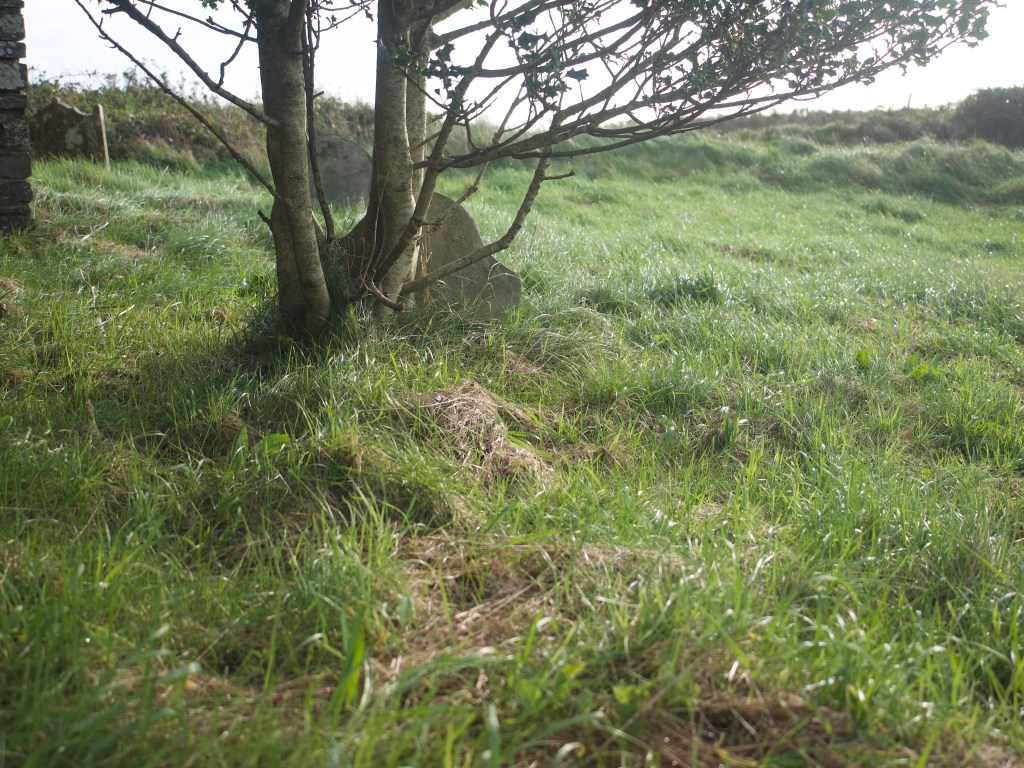
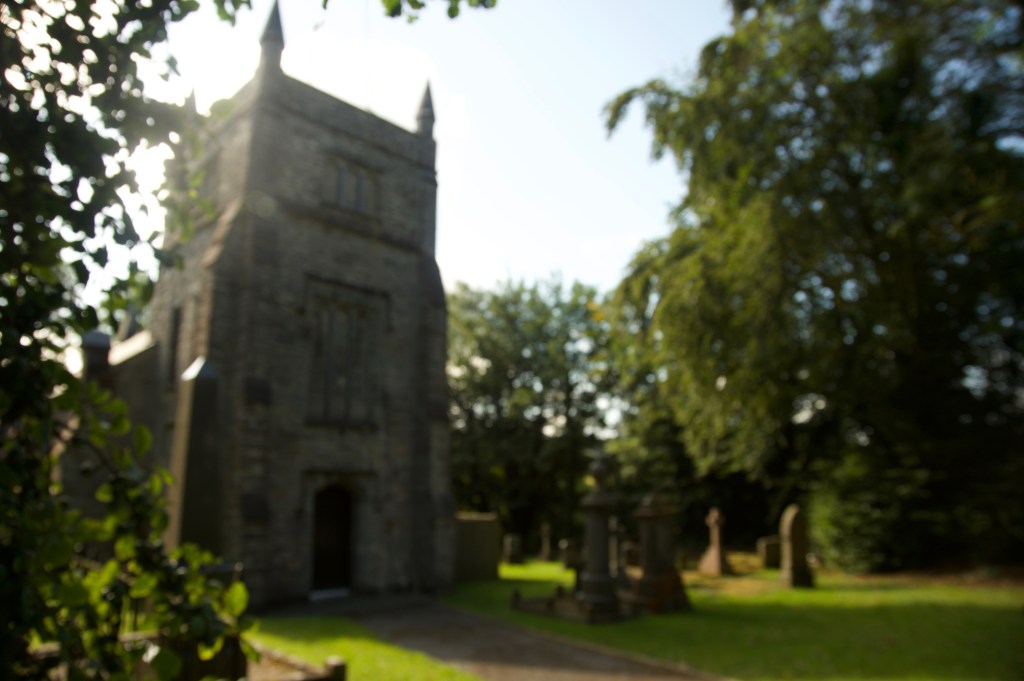
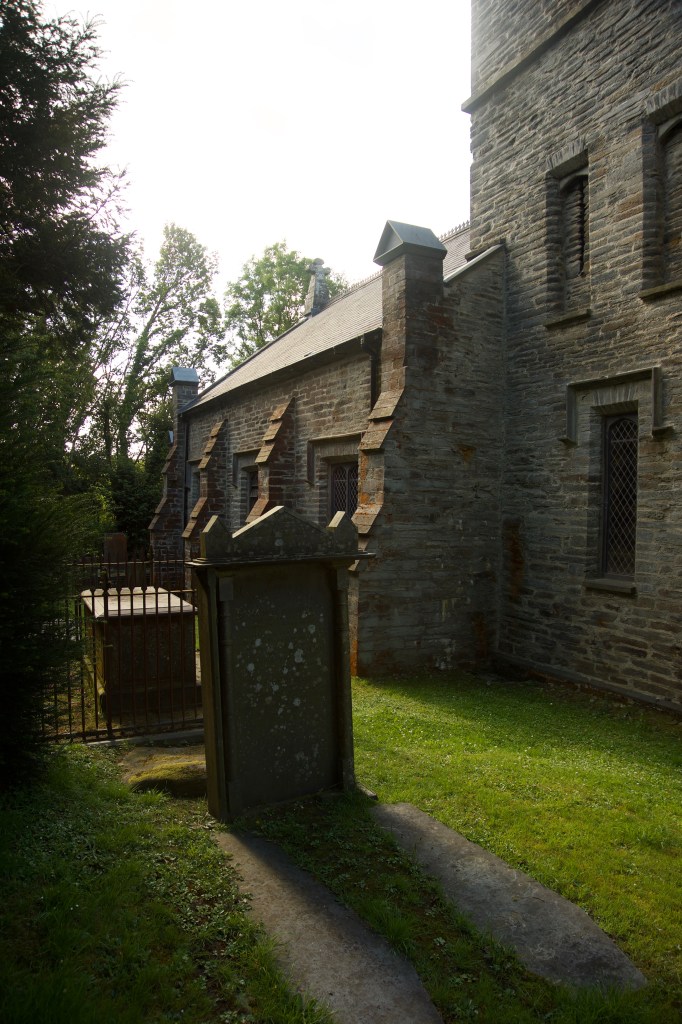
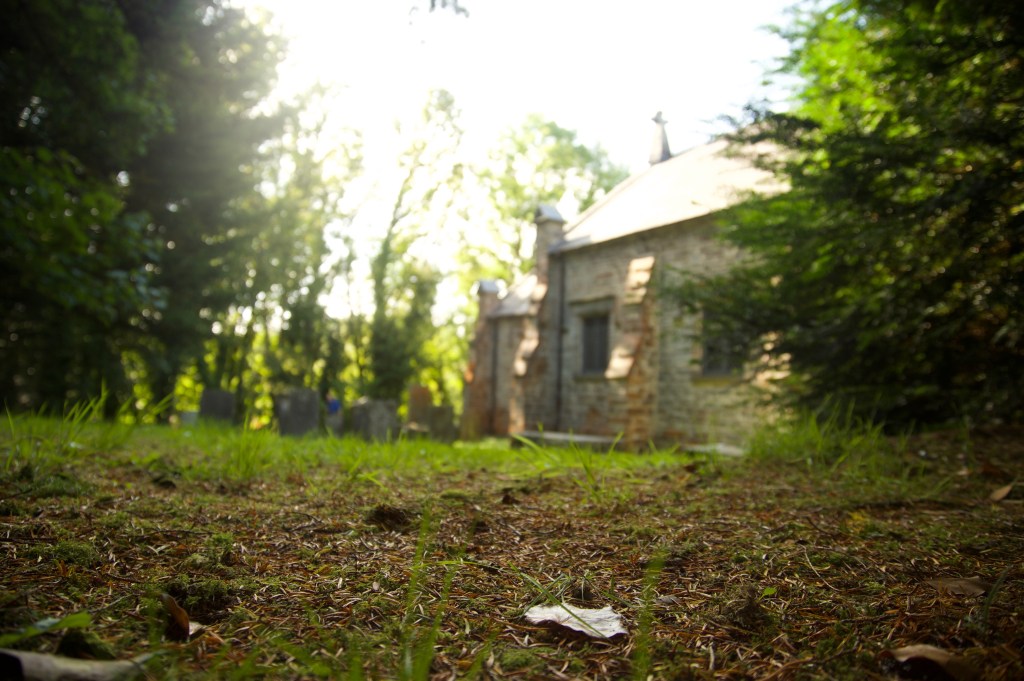
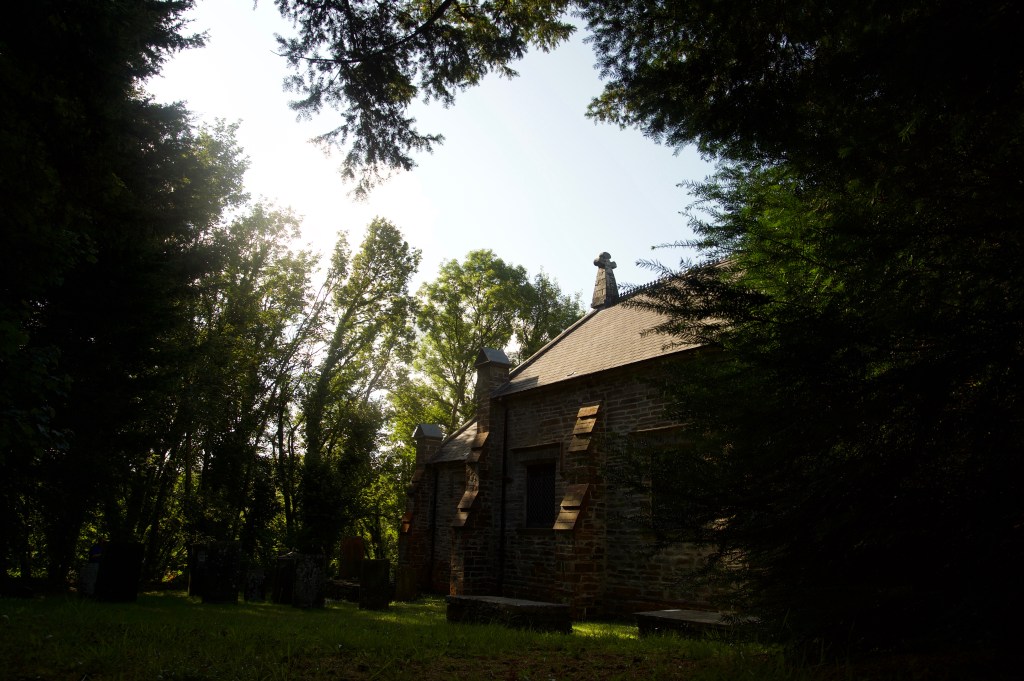
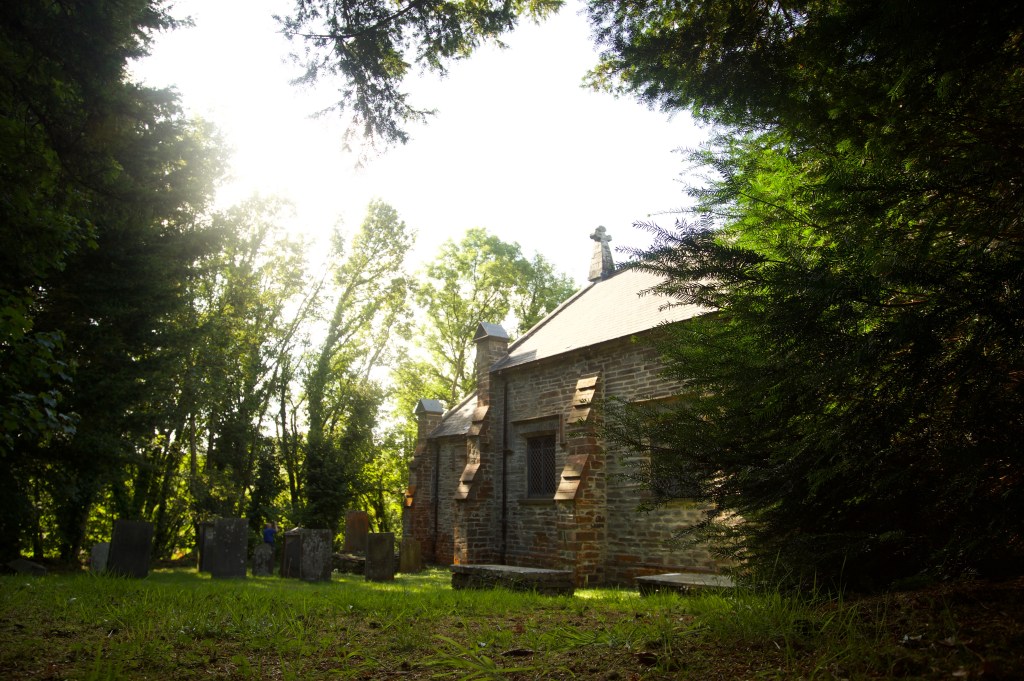
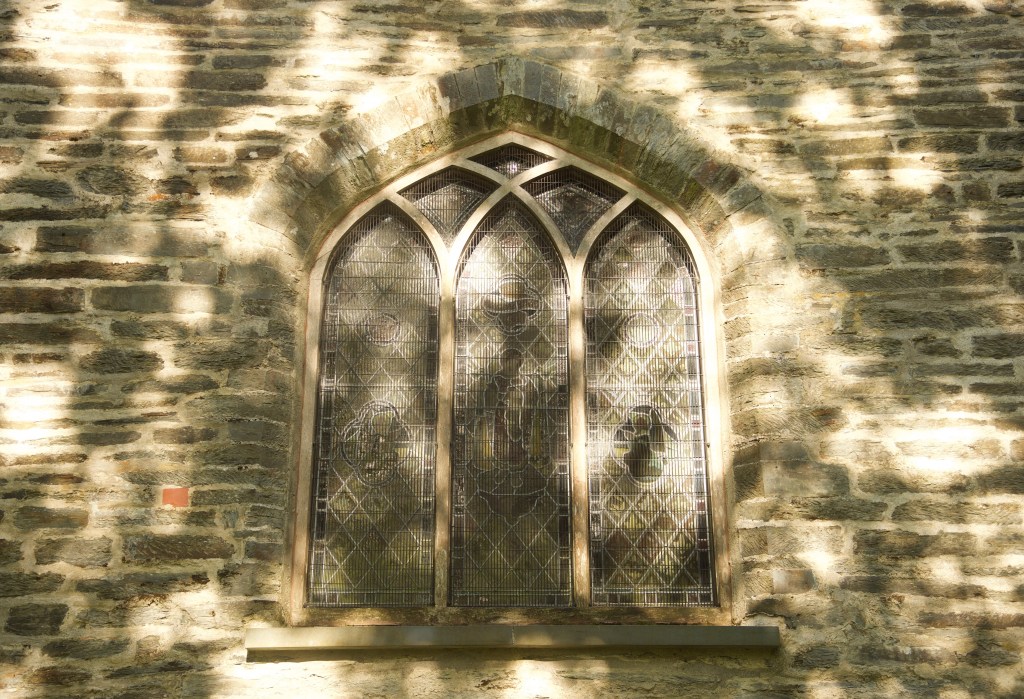
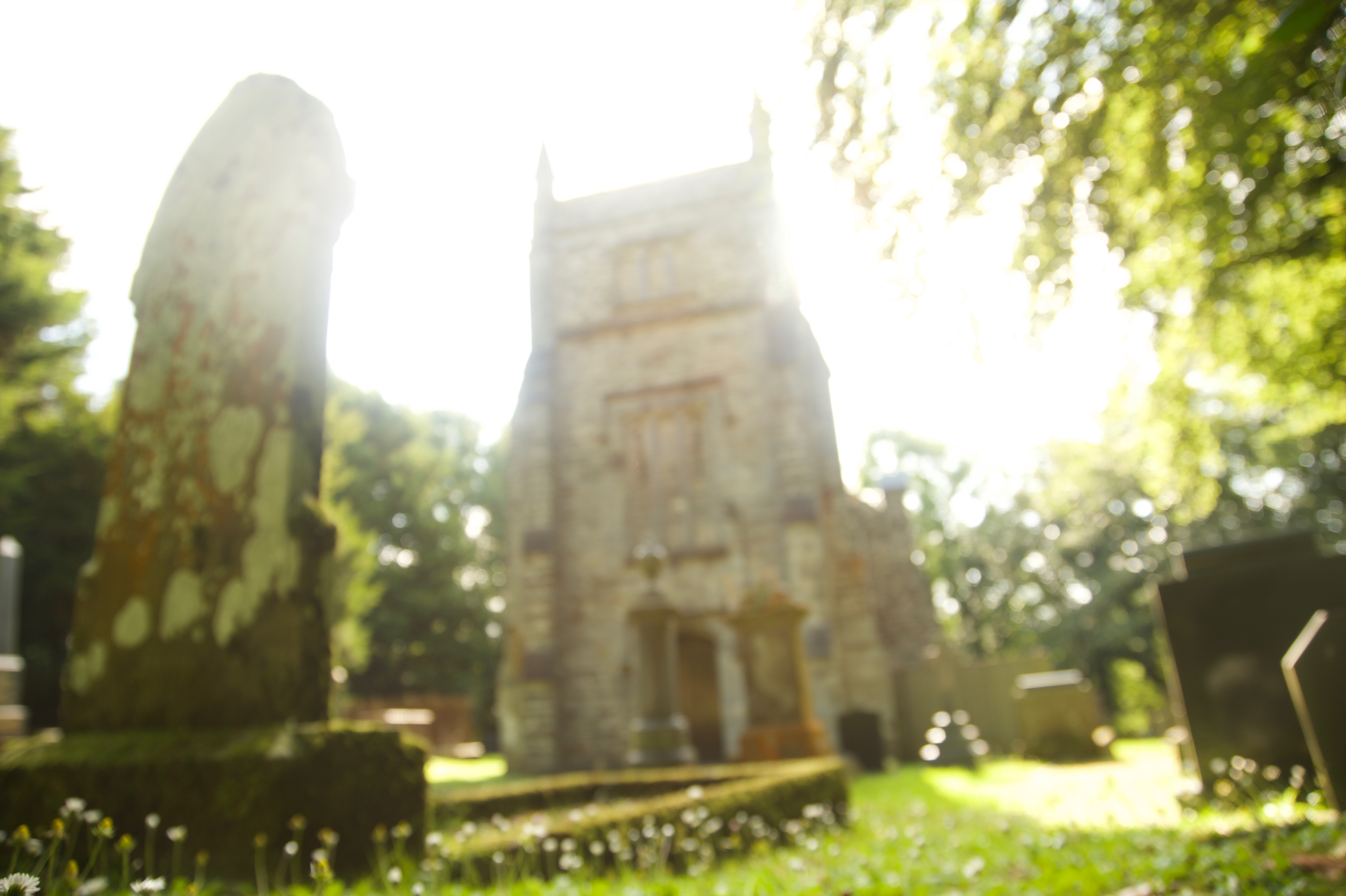
I choose one location to do this assignment and have experimented with different exposures, compositions and positions. I feel the images have given me a chance to see where I stand. I have choice and can now see what will work for my work. I have chosen one image from each position, these are probably what I will work with. I think this image works well:

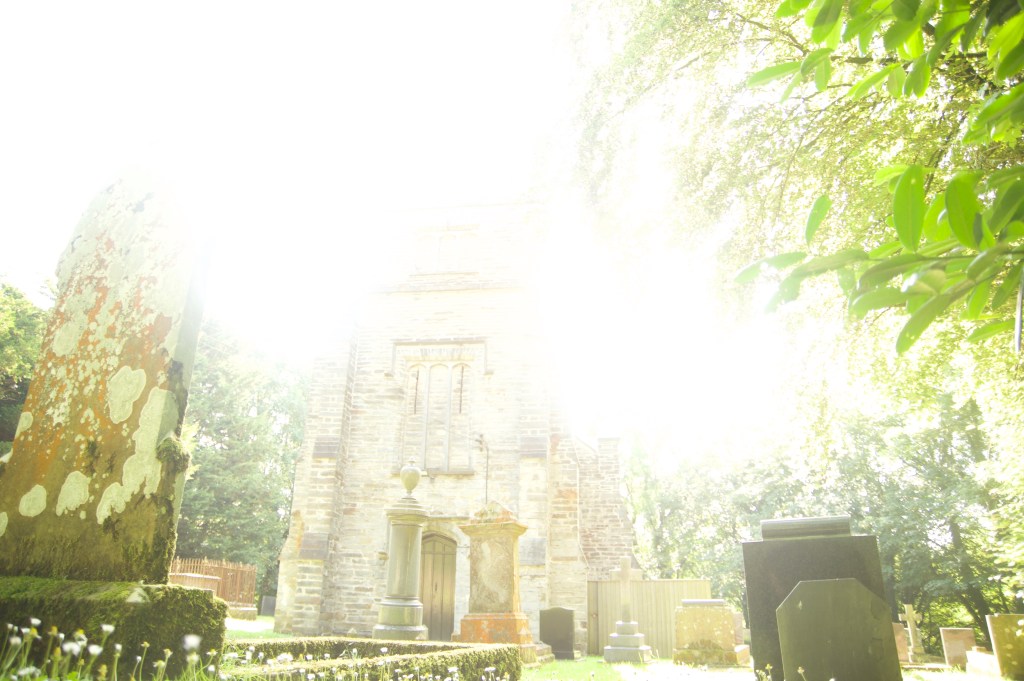
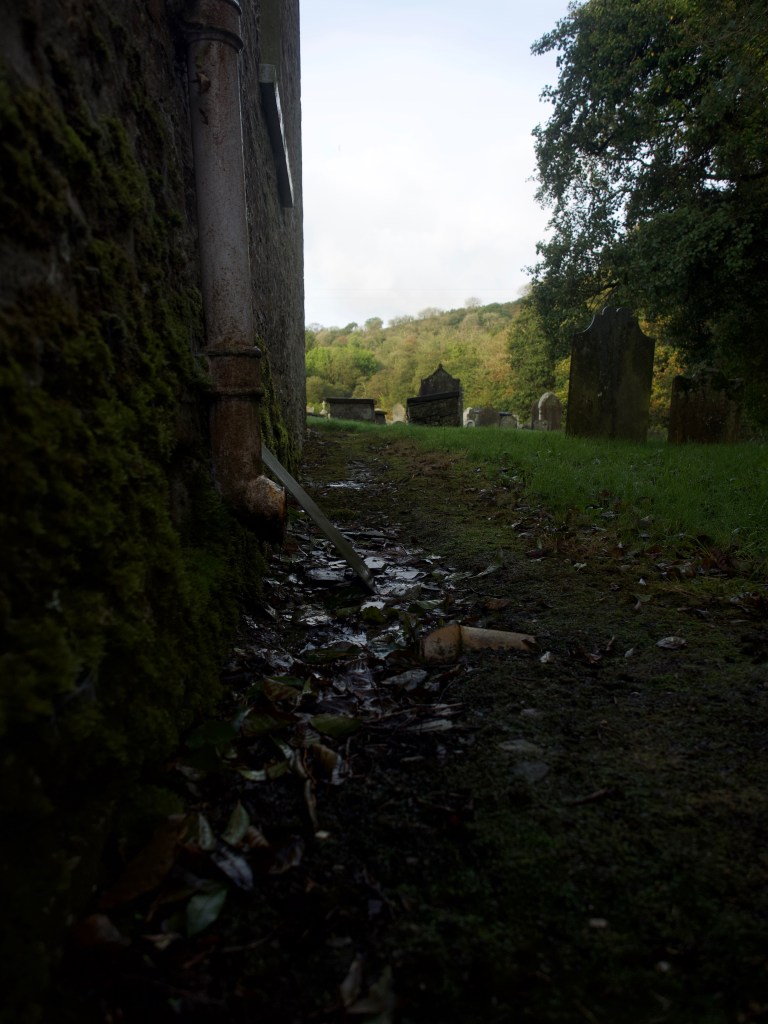
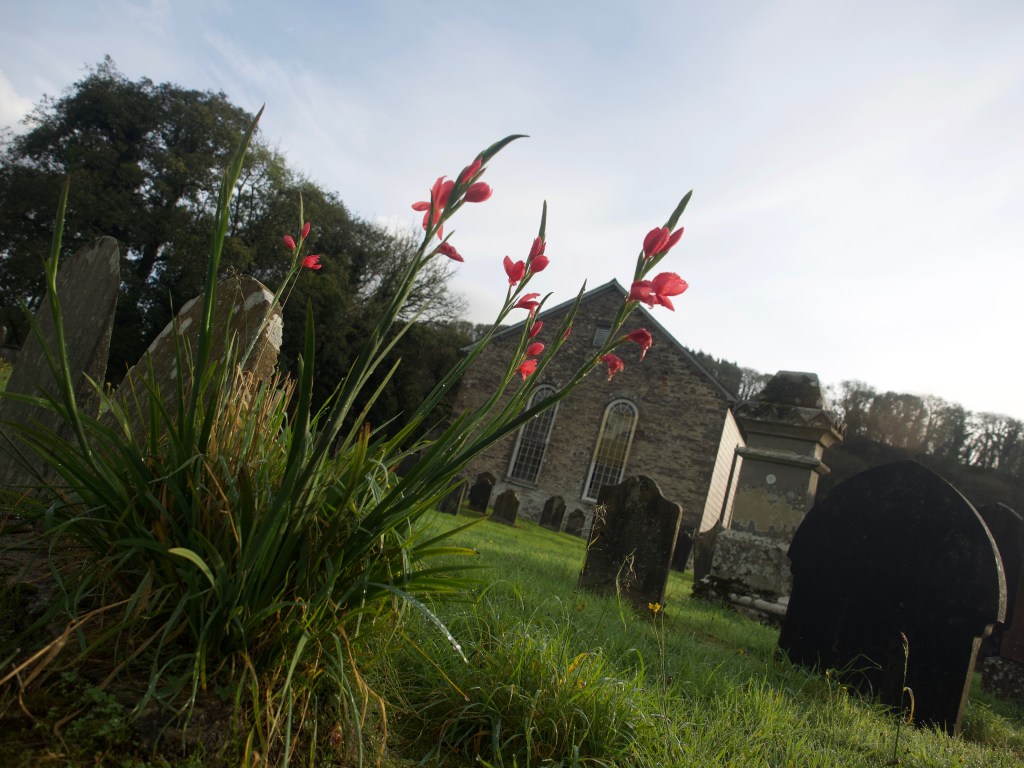
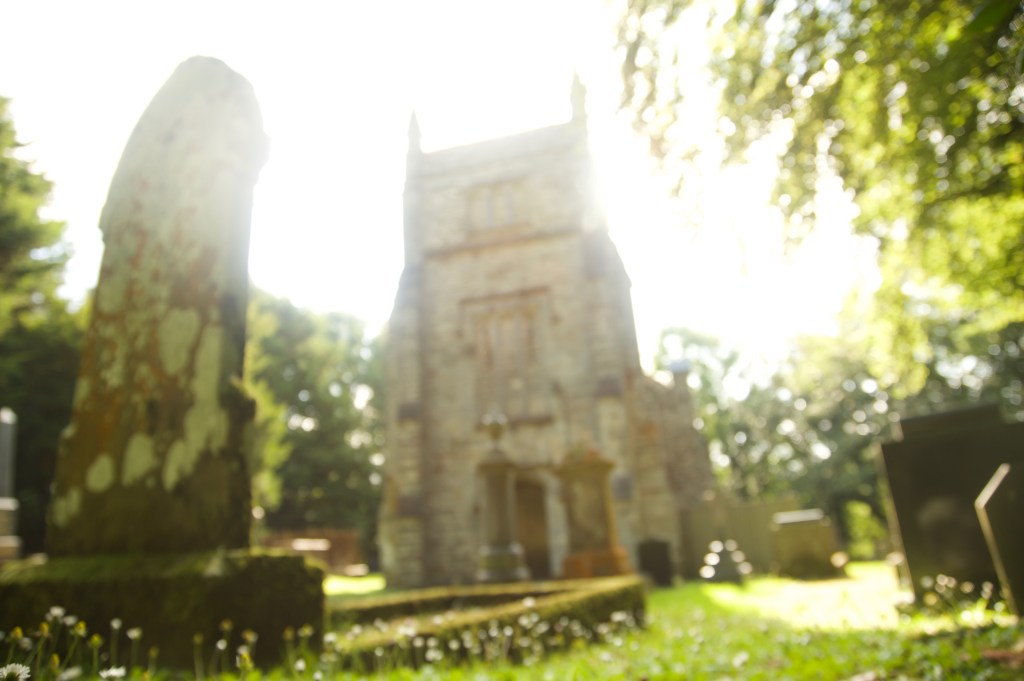
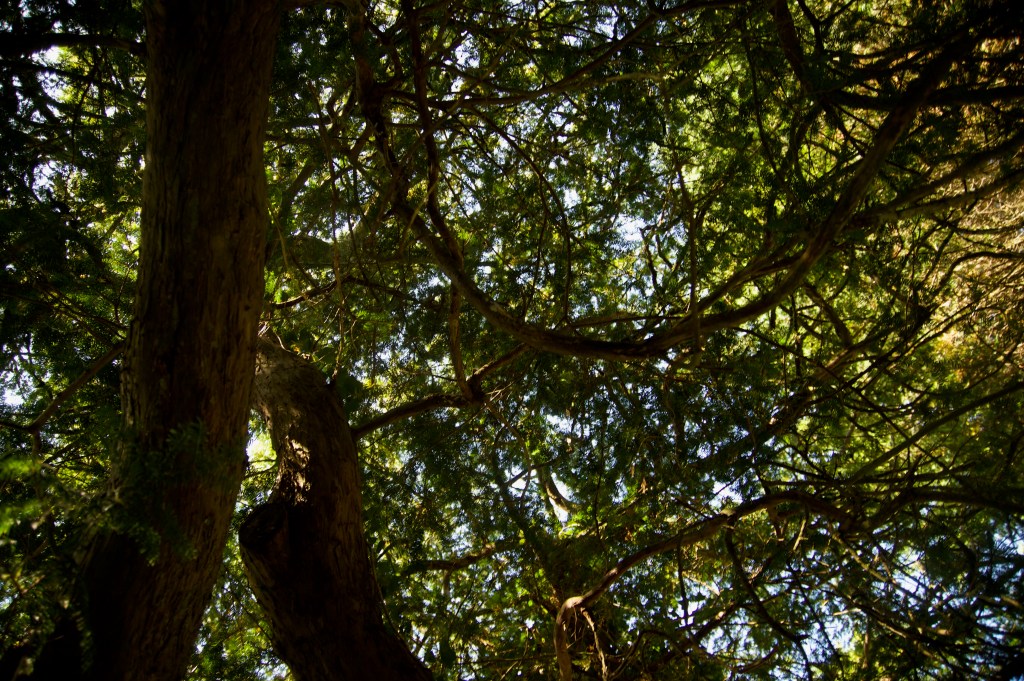
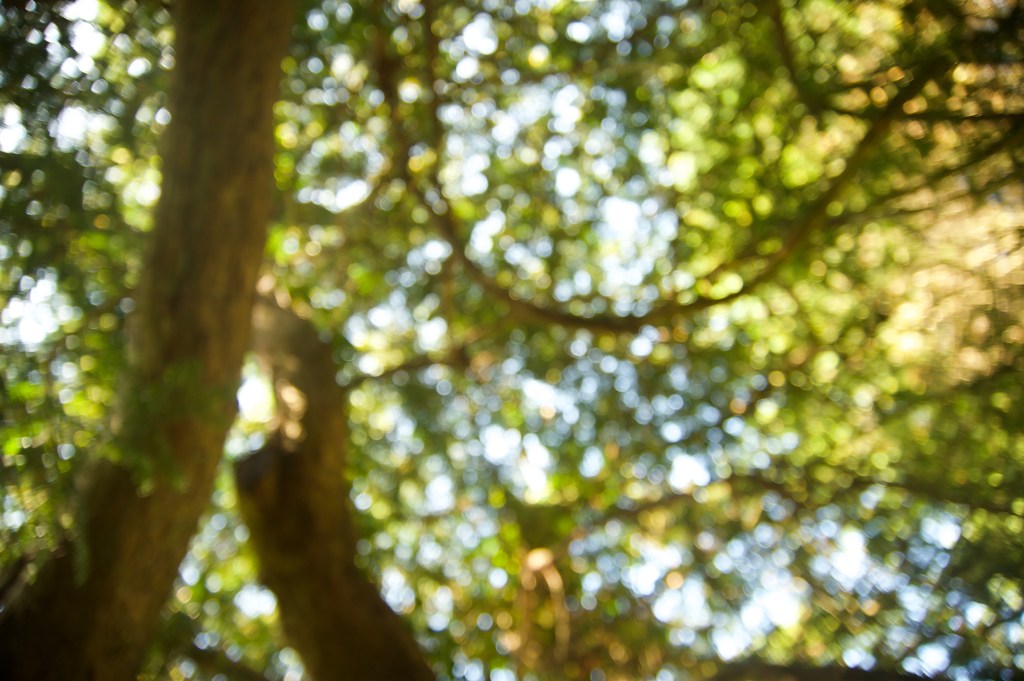
It is taken from a low position, is blurry and slightly overexposed. You wouldn’t see this type of image normally. I like the composition, with the gravestone raising up. The church stands proud, and whilst it is out of focus, it is still recognisable. 

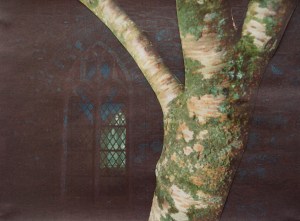
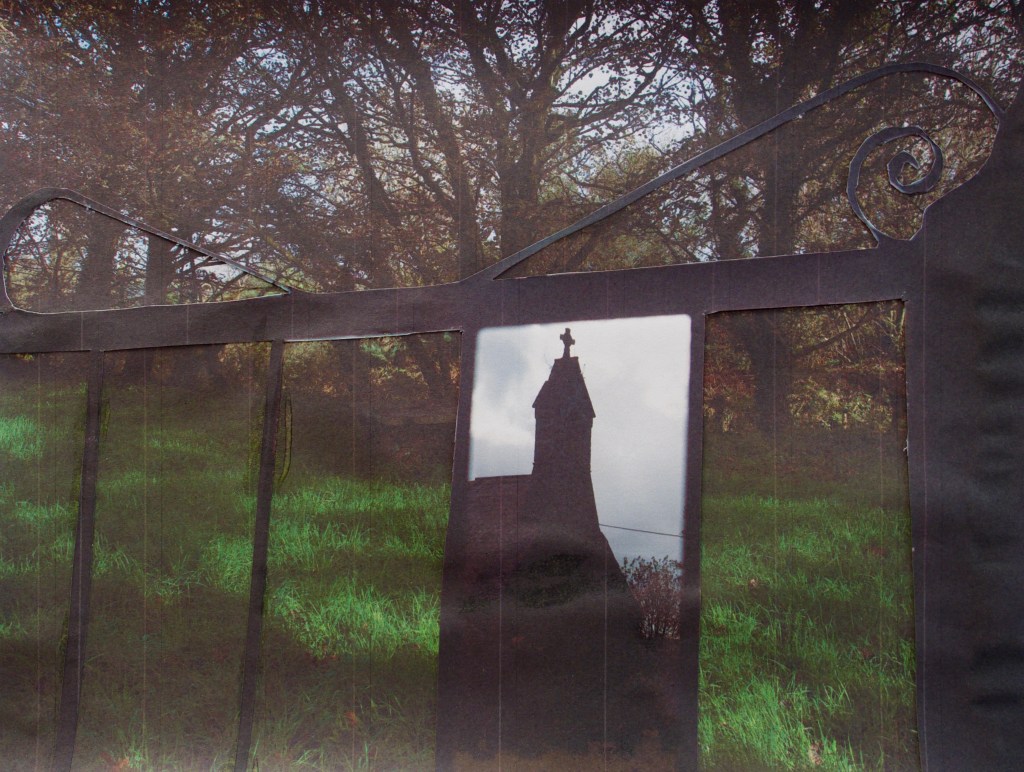
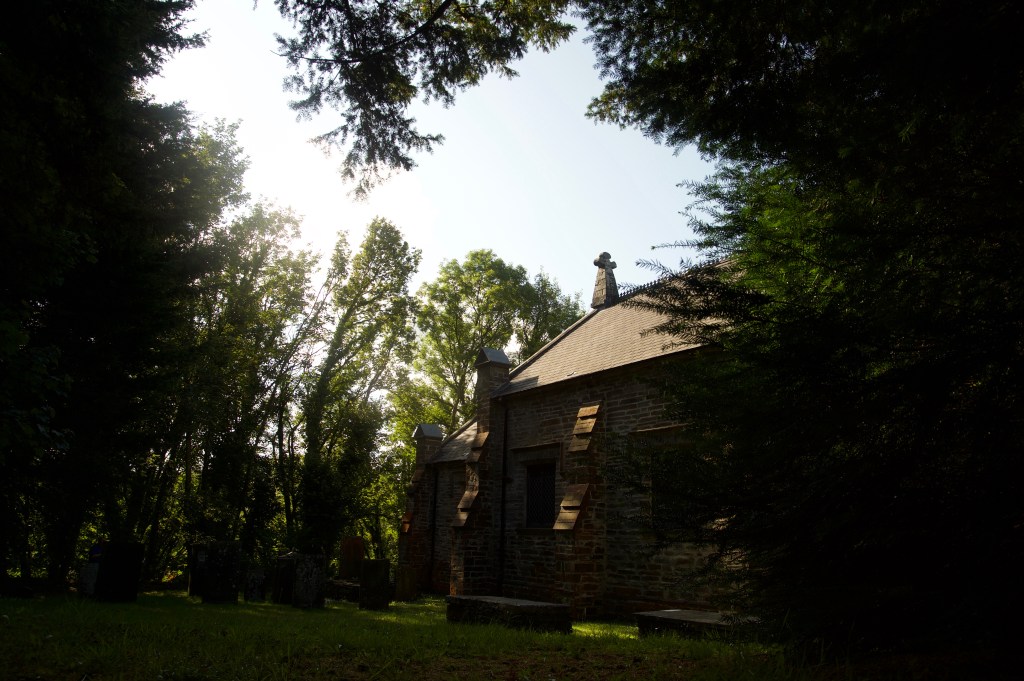
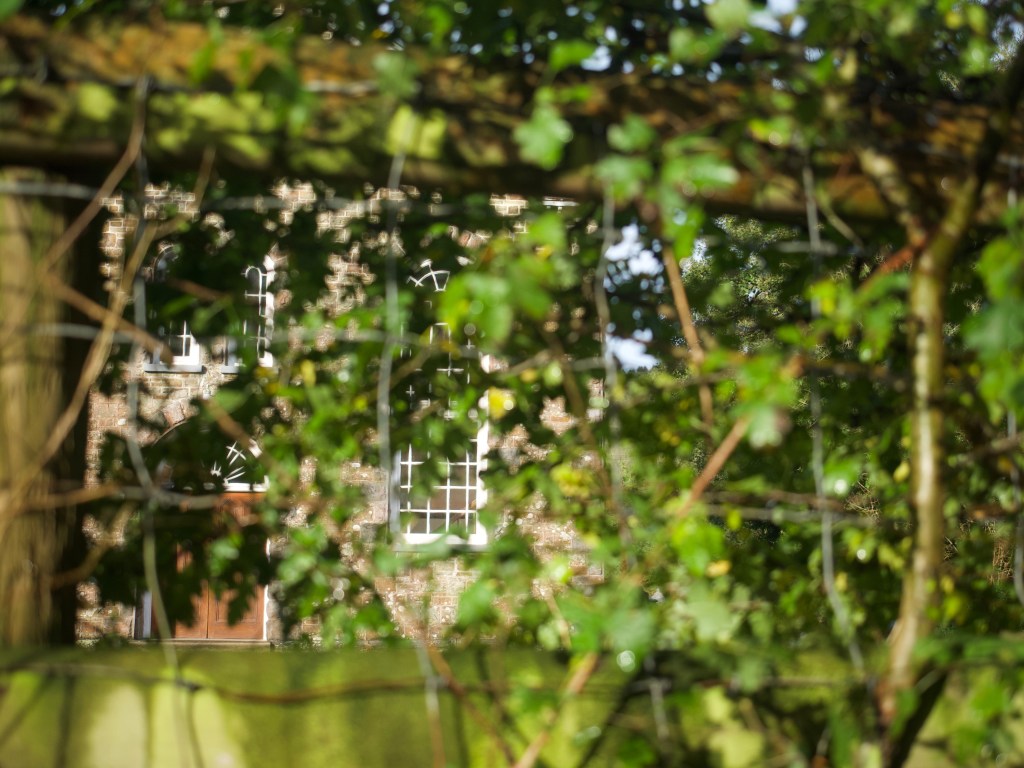
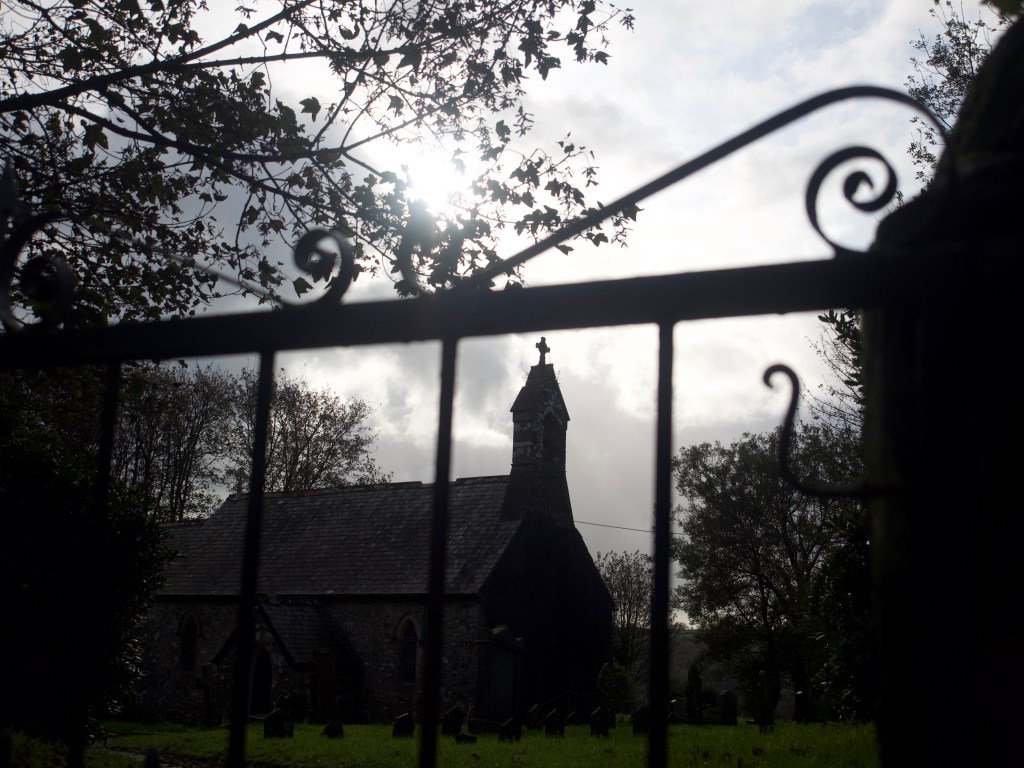
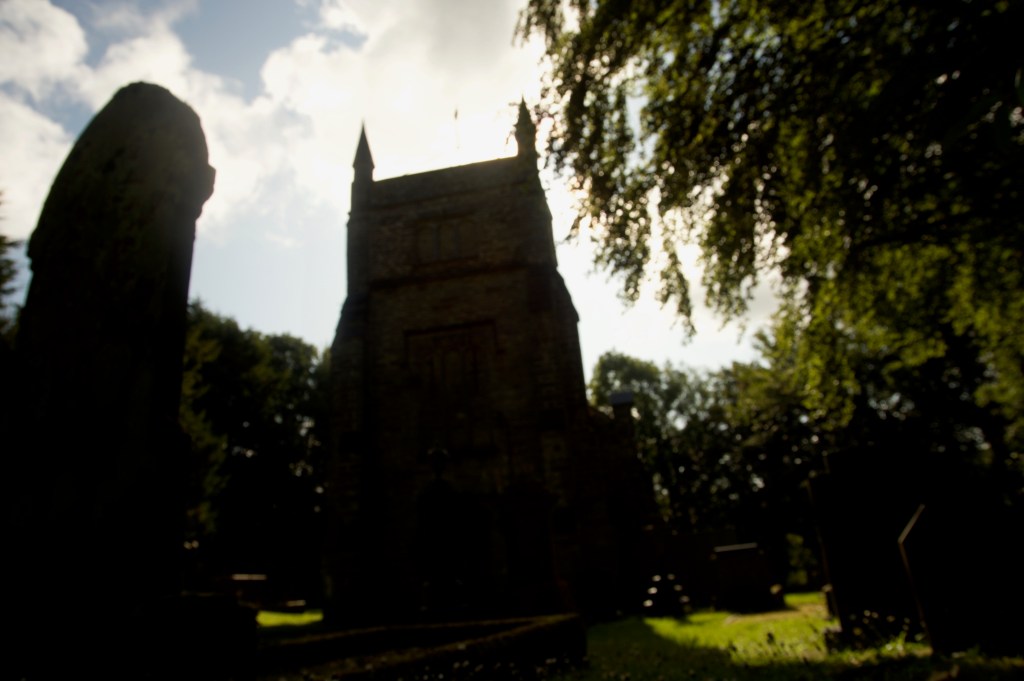
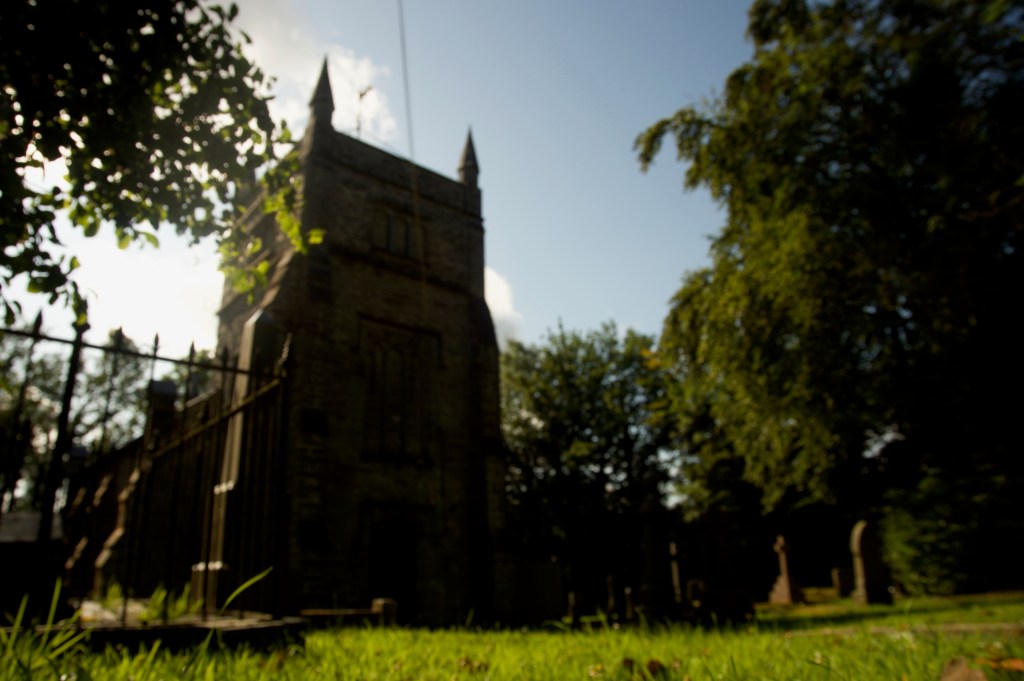
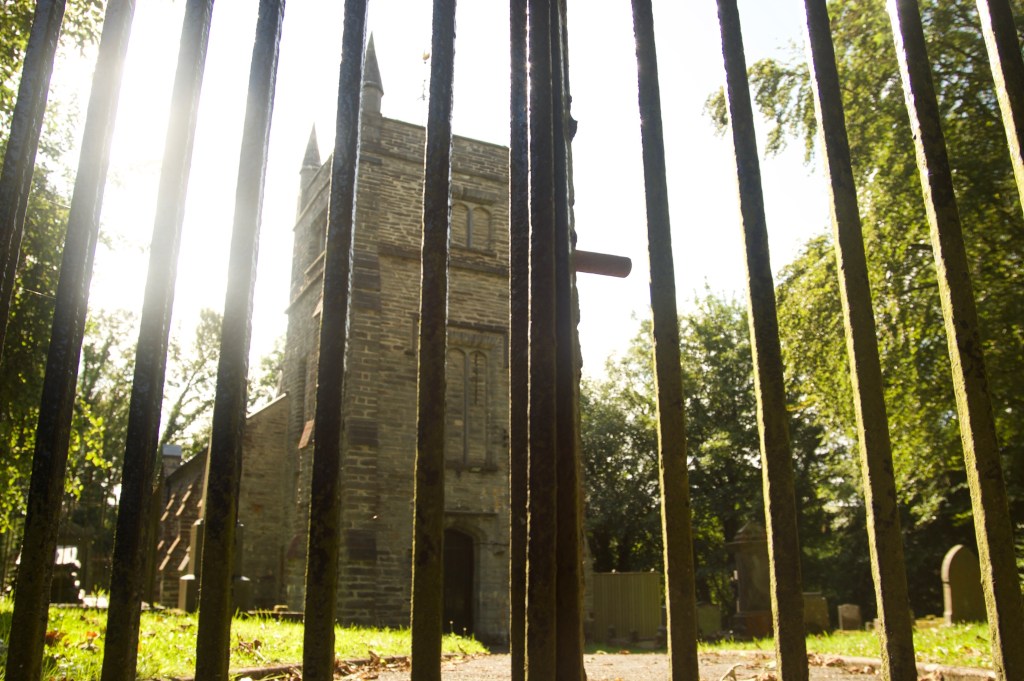
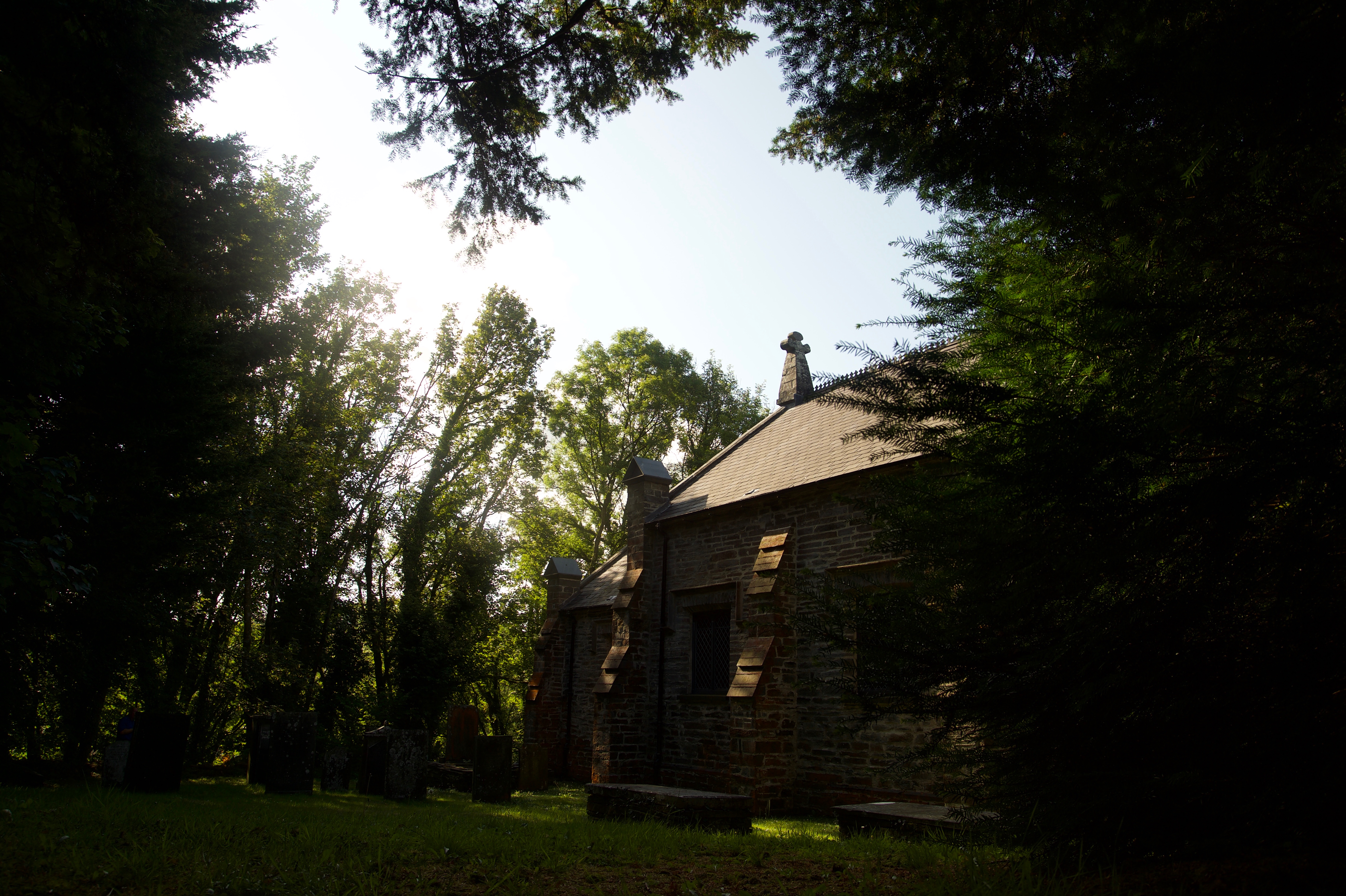
I like this image, it is underexposed but I like the framing of the surrounding trees. The sky provides the necessary light to just highlight the church. I think it is effective that way. 

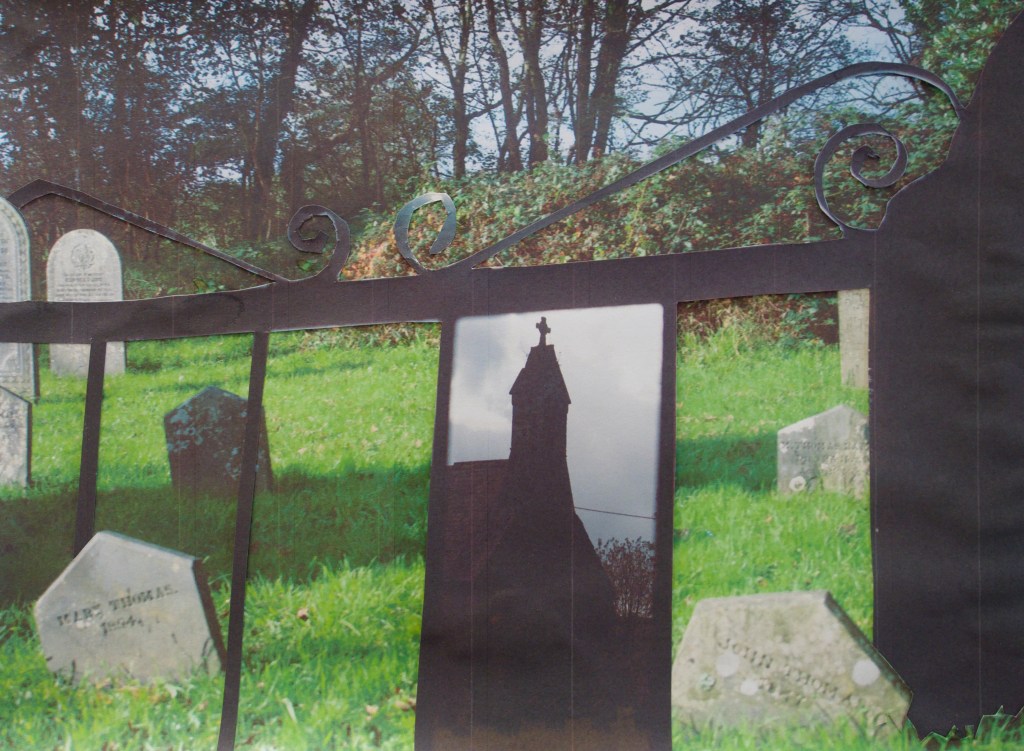
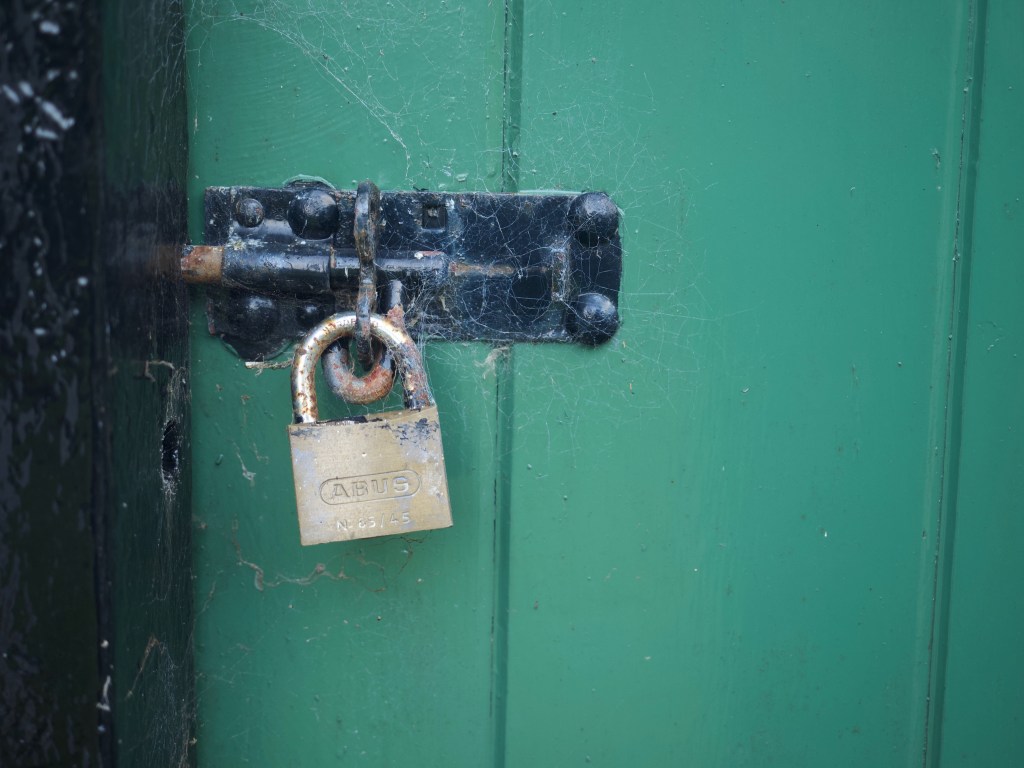
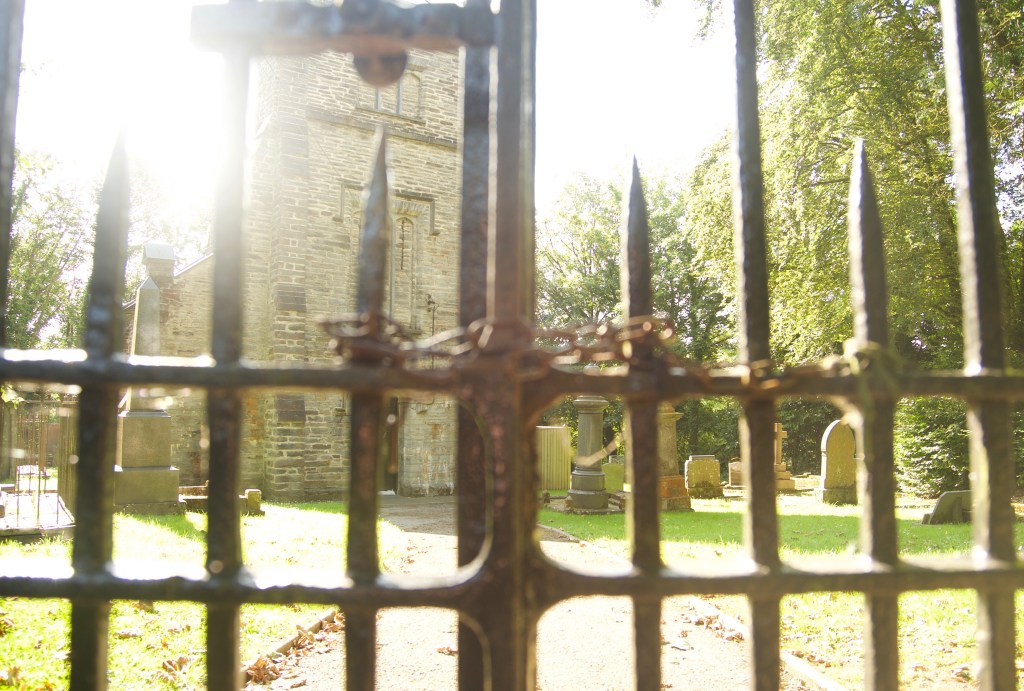
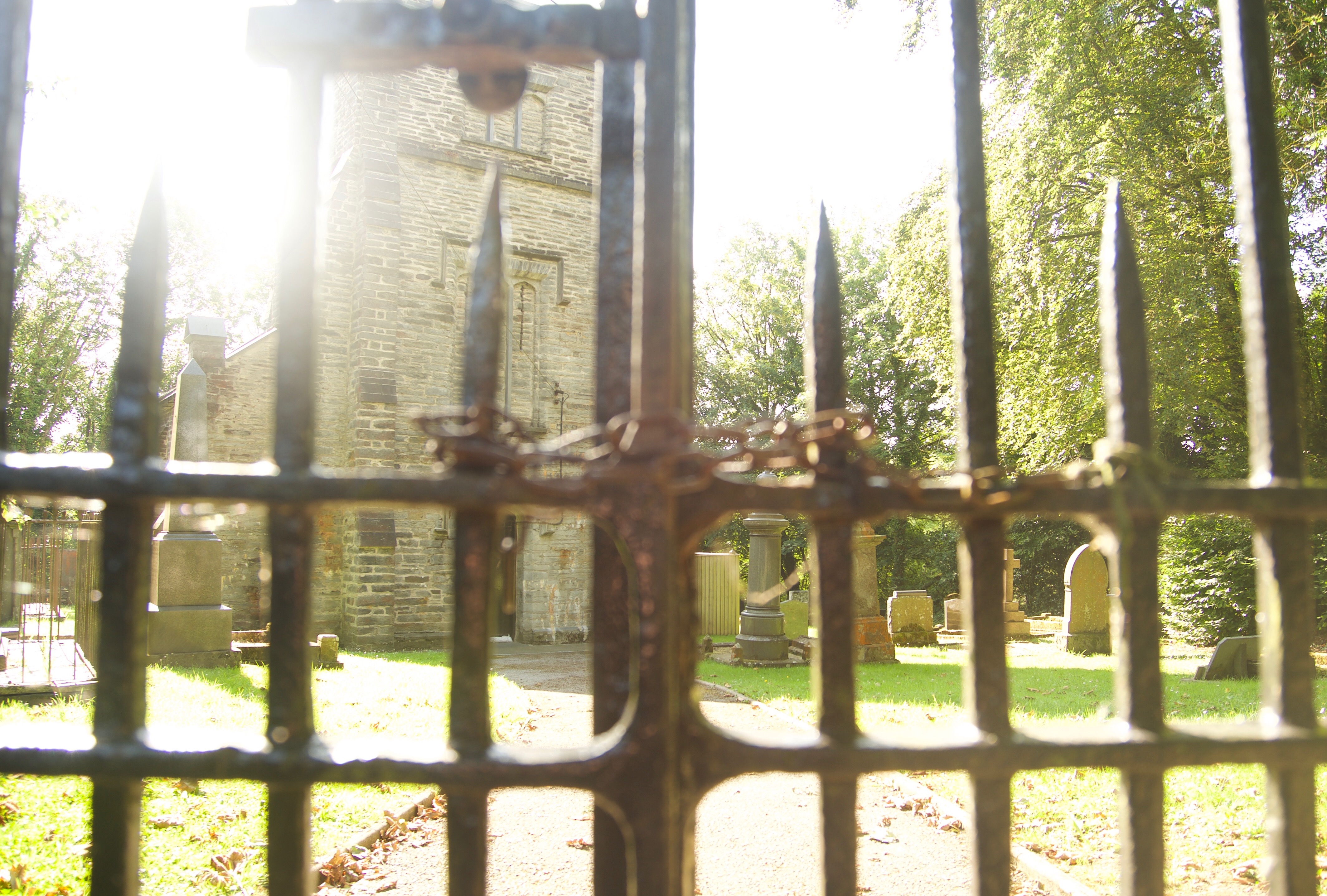
I like this image I took through the gate, as it gives the impression of being locked out and restricted. This is something I could work on to do with gender equality. 

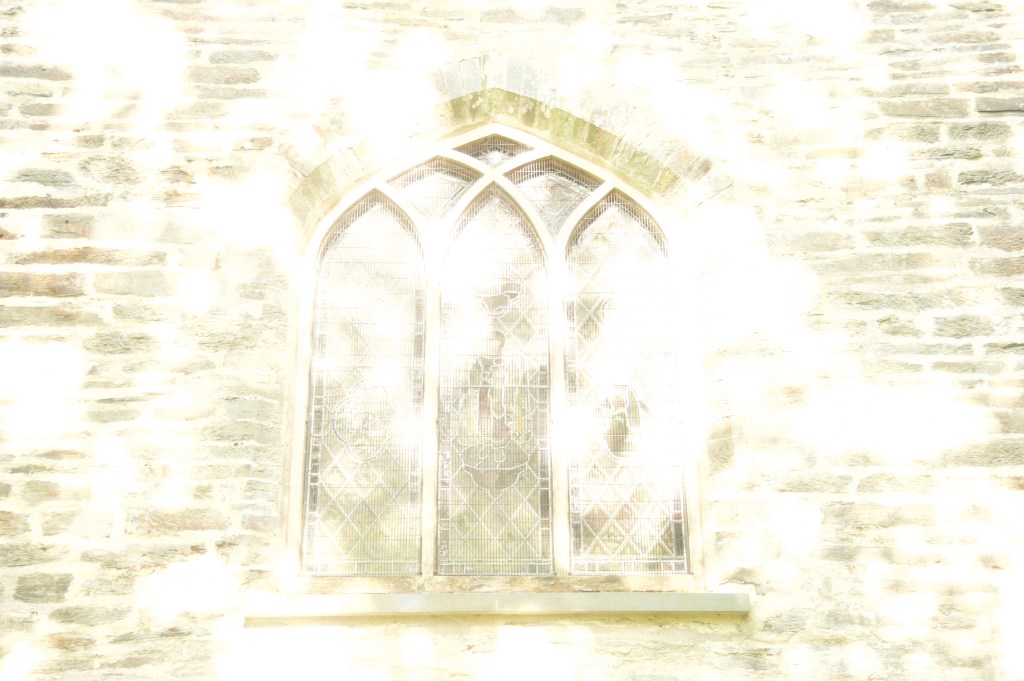
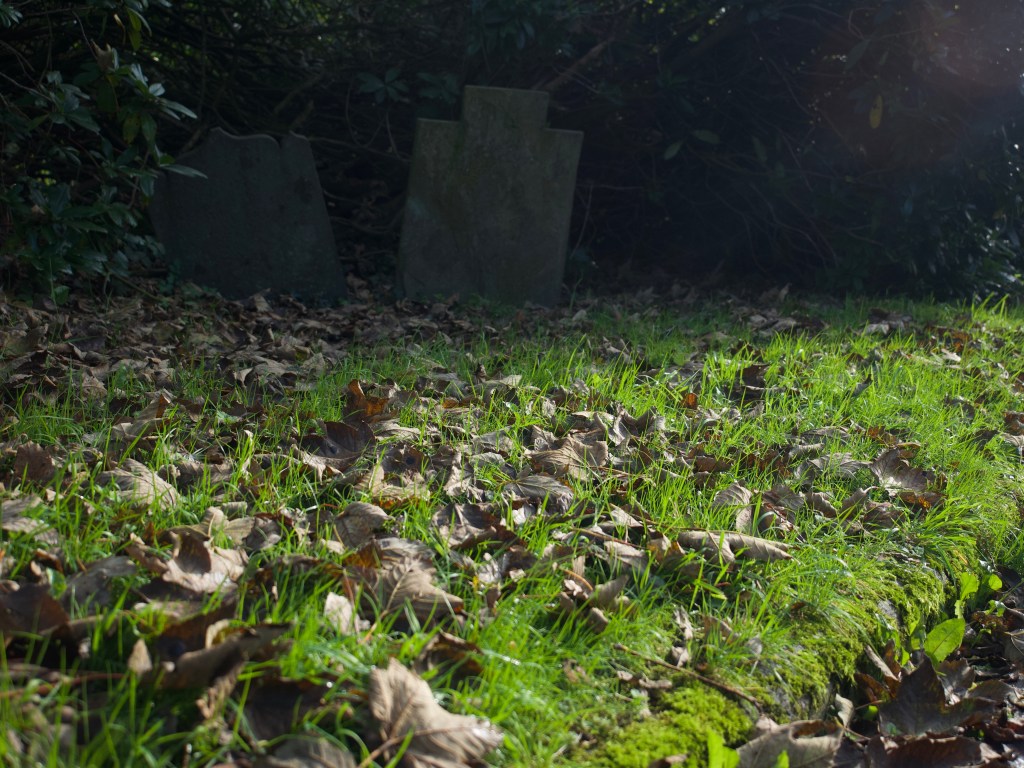
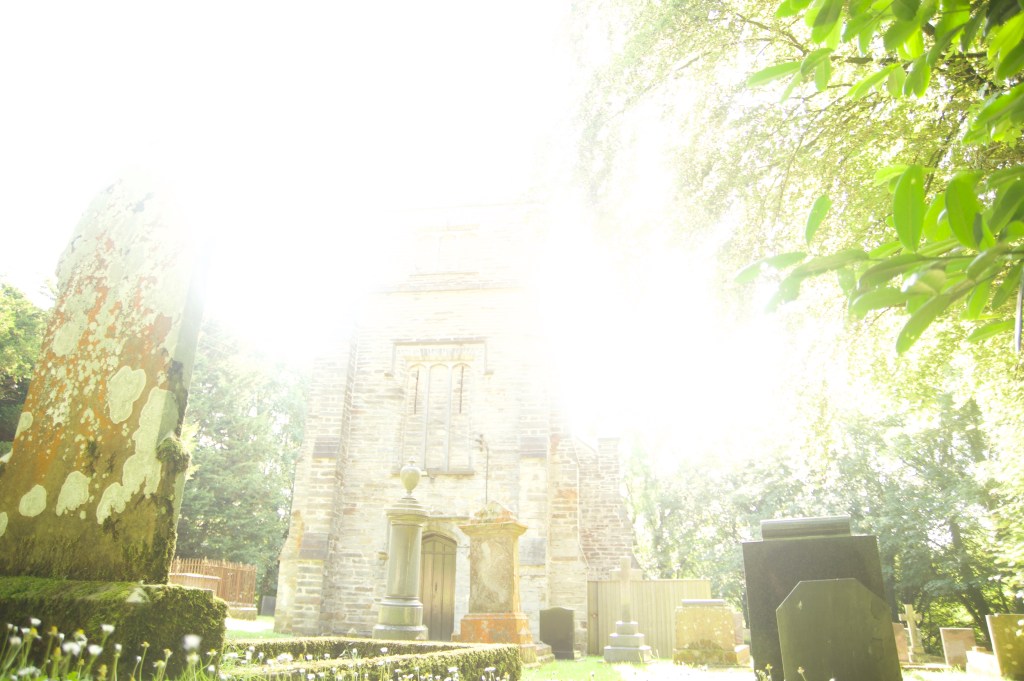
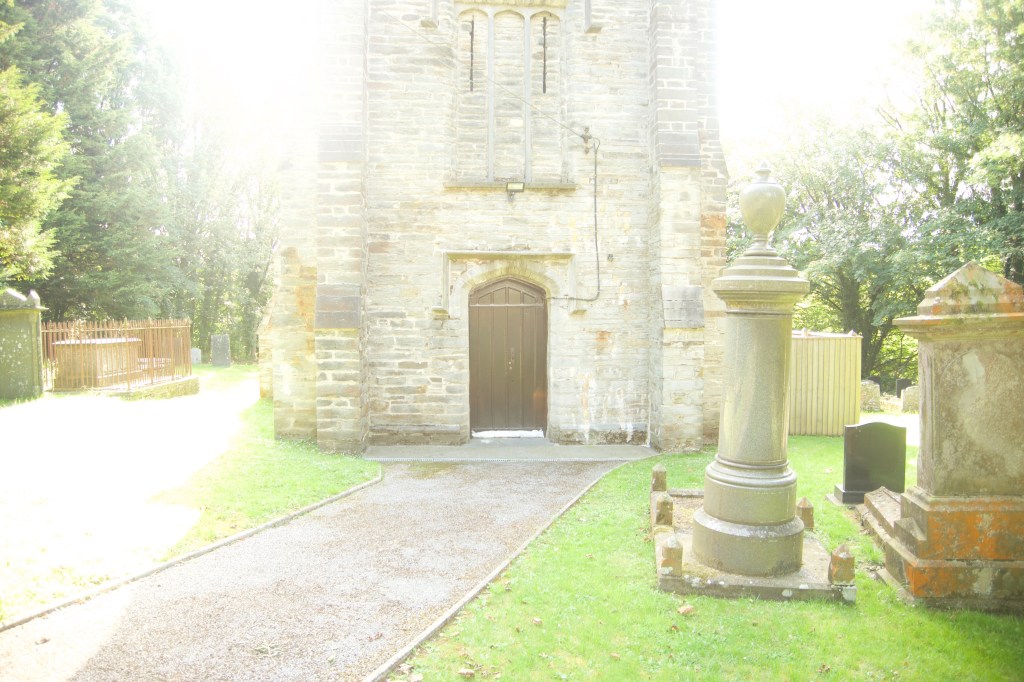
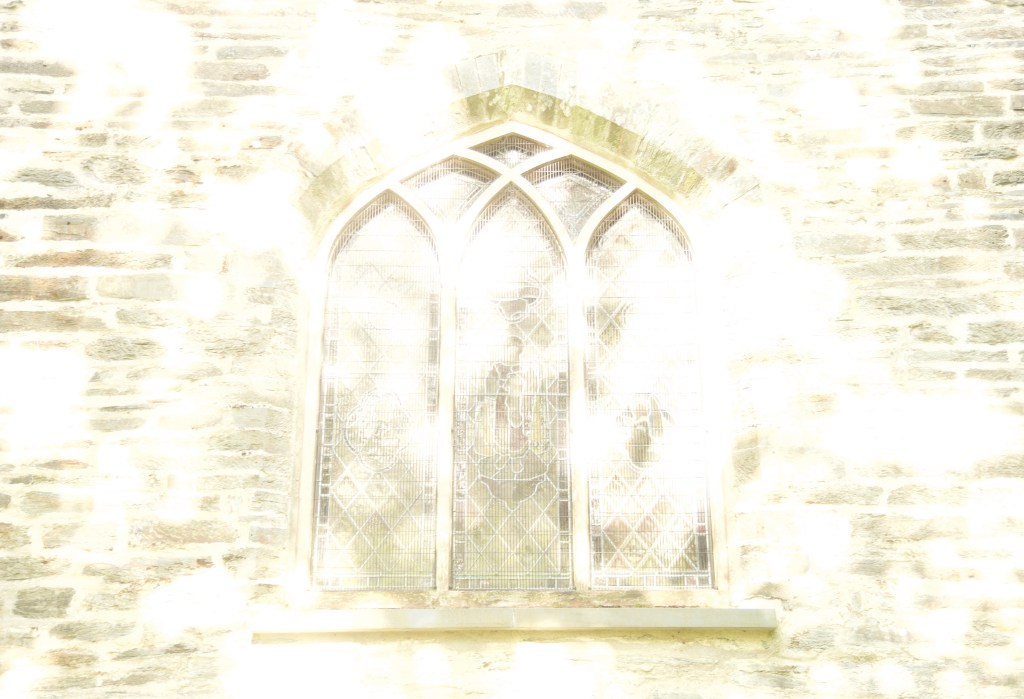
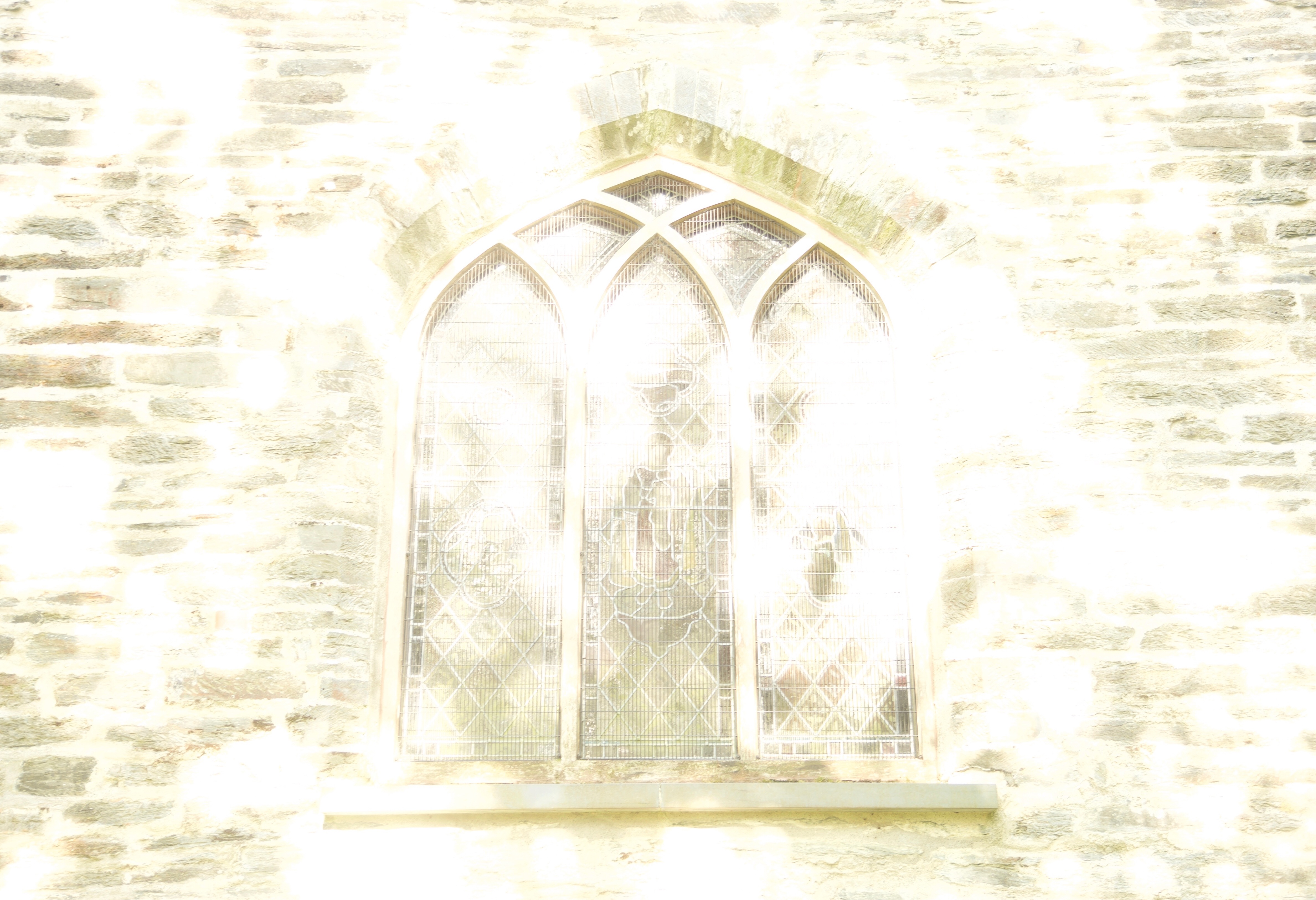
When I first looked at this image, I thought I would delete it but I decided not too. I looked back at it, and yes it is vastly overexposed, and the lighting is casting a motley look onto the building but the more I look at it, the more I like it. The light obscures a lot fo the scene but parts are still visible. You could say it is a banal image, but I like it, and I think this might be one of the images I use later on. 

The problems I had was getting the camera level for the low shots. This was done to my methods, which I can now improve on. 

I do intent to build on this. I want to use text but am unsure at the moment on what. I will experiment with various ones in a later assignment. I might make this into a collage, I think this will be an interesting approach as it could show a variety of viewpoints. I also want to bring an aspect of femininity into my images, this could be in the form of images of women in the collage. These images will be very different from the usual images we see of women in art and in the media. I am thinking at the moment I want them to be presentative of strong women. But I will continue to experiment over time. 

I feel my assignment at the moment covers several genres. It is definitely covers psychogeography, as the pilgrimage is a journey which I am documenting. I also feel it would come under personal Journeys, as this is my personal journey, exploring my own spiritual journey and a journey of landscape photography as a woman. 

In contextual studies I have looked at several visual cultures. I believe mine relates to postmodernism, but going further I believe it fits into the postmodern feminist category. It does have ties to poststructuralism, as I aim to have hidden message and text. It also is relevant to photography in the global age as not only is it covering a global issue, it is also published online and aimed at a global audience. 


Tutor Feedback

Here is a link to my tutor’s feedback for this assignment and also my comments and how I am responding to the feedback:

Tutor Feedback


Assessment Criteria

Demonstration of technical and visual skills

I decided I wanted anything but perfect images for my work as I wanted this to convey a deeper meaning about my chosen topic. I want the images to show uncertainty, unevenness and oppressiveness. I wanted to accomplish this through the look at the images. I took images that were over-exposed, under-exposed, out-of-focus, from various levels. I hope to bring these together to convey a message. I believe I have demonstrated various technical and visual skills. I have experimented with the technical aspects. I believe you can see my observational skills, compositional skills and visual awareness in my images, especially when you look at all the images I took from the site and not just the cut-down version. 

Quality of outcome

For this first assignment I was required to explore a potential starting point for my work. I had already decided I wanted to follow a pilgrimage, so I decided to photograph the first location as this gave me a chance to explore and get a feel for the topic. As a result, I produced 30 images which I felt fit the brief. It allowed me to explore the site and try different techniques and methods for my images. 

Demonstration of creativity

I experimented with over-exposed and under-exposed images. I also tried to capture out-of-focus images. I experimented with the perspective as well. I positioned the camera in various ways to give different perspectives for example from the floor looking up, and looking down on objects. I wanted to use different techniques and methods to bring meaning to my images. These meaning range from exclusion, uncertainty and being uneven. I believe I have been creative with my images. These are just the start, so I can build from here. 

Context

I have decided to follow a pilgrimage route for me body of work. I want to highlight the inequality women face in the world, in religion and in photography specifically in the landscape genre. I have chosen this journey as this specific pilgrimage was designed for men only. So I am following the journey as a women, I am able to get a different perspective this way. I want to highlight and challenge the gender inequality.