Tutor Feedback
Here is a link to my tutor’s feedback for this assignment and also my comments and how I am responding to the feedback:
OCA – Photography 3 – Learning Log
Tutor Feedback
Here is a link to my tutor’s feedback for this assignment and also my comments and how I am responding to the feedback:
Assessment Criteria
Assignment Three
Demonstration of technical and visual skills
Whilst my technical skills have remained the same as I am keeping to the same theme, I feel my visual skills have improved. I have began bringing my images together as a collage. I started by narrowing the images down and then moving them around and finding the right combinations. I believe this demonstrates my design, observation and compositional skills.
Quality of outcome
This assignment I felt had moved on dramatically from the last. I decided to try and bring the images together and create a collage. I decided to do one collage image per location. I am happy with what I have produced. I printed off all the images, set them out on a table and experimented. I moved them around to find the best combination. This really helped my images come together. I feel the collages work. I tried several for each location to experiment and try different variants. This would allow me to be creative in my experimenting and allow for choice.
Demonstration of creativity
I believe this assignment has shown a lot of creativity. Whilst combing the various views in the actual images and making a collage. I have created a new image with new meaning. I believe these images reflect my creativeness.
Context
I believe the use of collage is apt for my work. Collages are associated with being a craft that women do. So by using it in my work it contrasts with the male dominated world. By looking at a male dominated topic, and using crafts associated with women, it reclaims the space for women.
Assignment Images & Reflective Commentary
For this assignment I have been progressing and developing my ideas. I am still following the pilgrimage as a method of looking into the gender inequality in landscape photography and comparing it with the greater scope of inequality in world religion.
After experimenting collages for one location, I have decided to keep this aspect. I like the effect that collages produce, it adds another dimension to the image. By cutting up and combining the images, it allows a new image to form with a new meaning. This image will combine different aspects of the same location but in all will emphases the inequality using aspects of the location. By using small images at a time, it allows a bigger picture to be built, in contrast to seeing the bigger picture in our world regarding inequality. I like the use of collages as it is an art form that has been disregarded as art, probably due to it’s associations with being a art done by women. This brings another dimension to my work. I, as a woman, am following a pilgrimage designated for men, and presenting it a way which is associated with women, whilst drawing attention to gender inequality.
I have created collages from the three sites that i have already visited. I have also visited a few more sites, and have also created collages out of them.
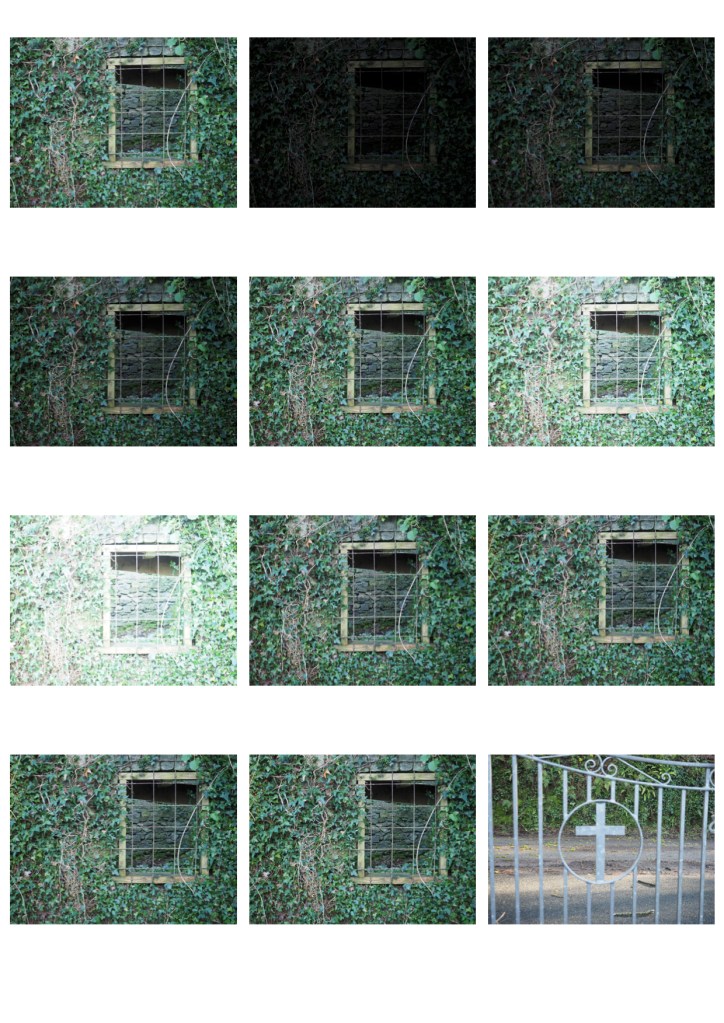
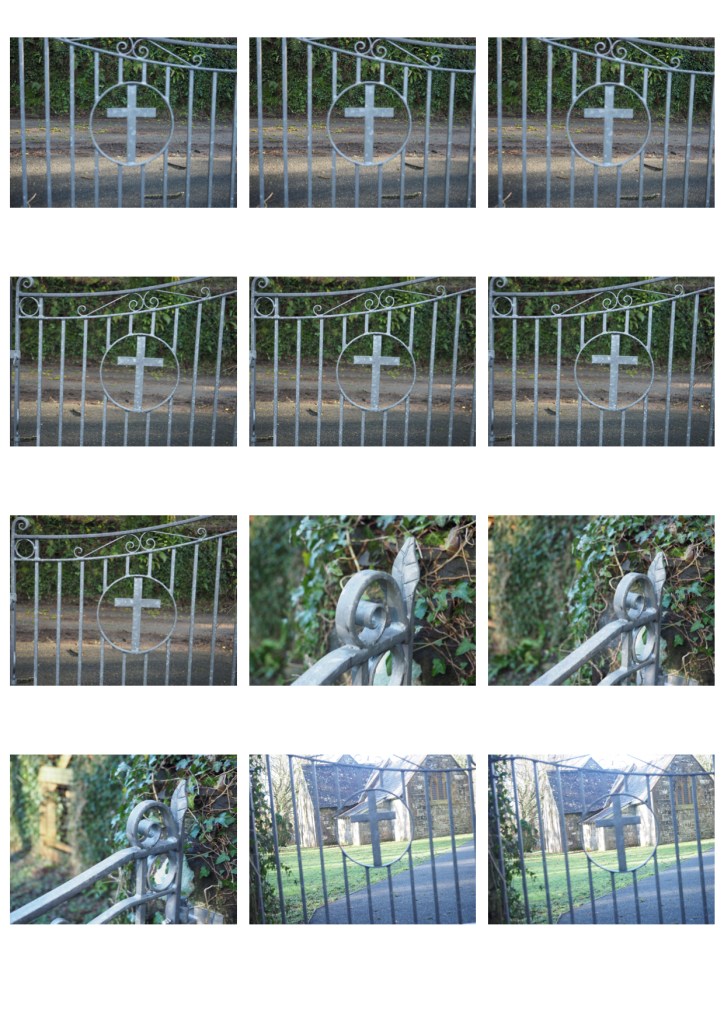
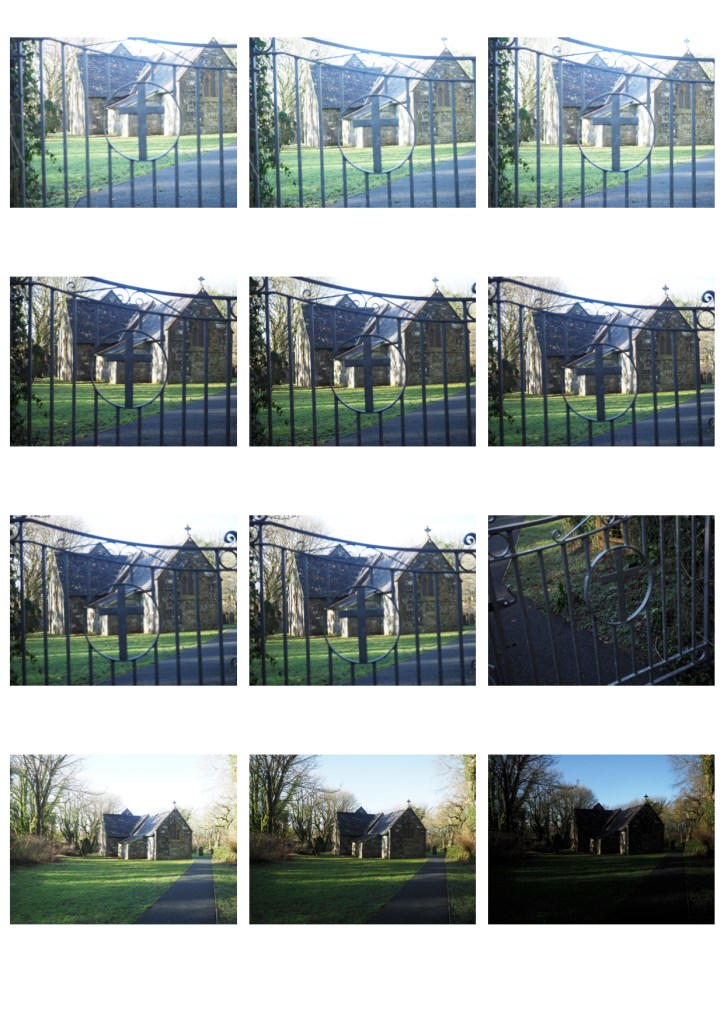
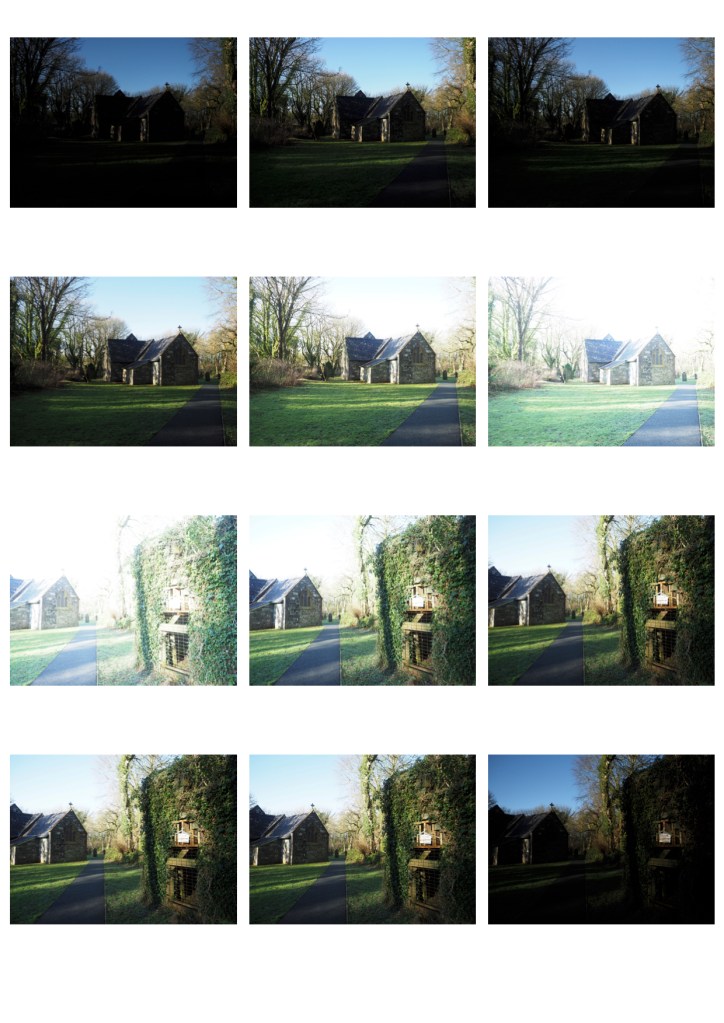
Here is the link to the contact sheets for all the locations.
Location One Location Two Location Three Location Four
Location Five Location Six Location Seven Location Eight
Here is a link to how I experimented with collages.
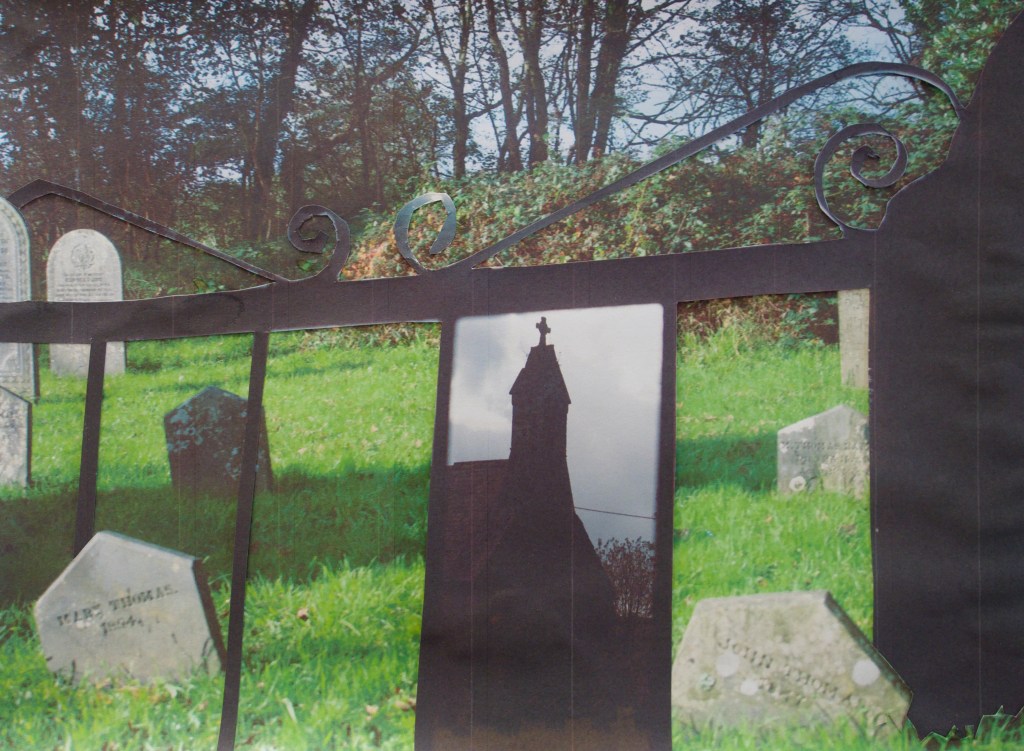
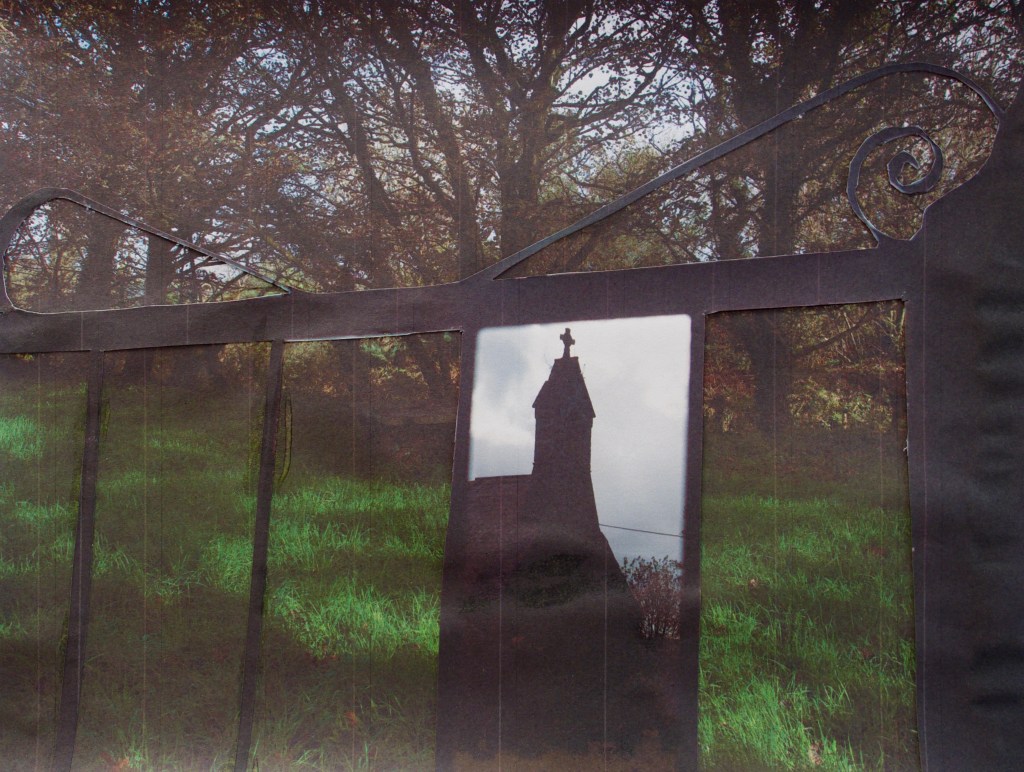
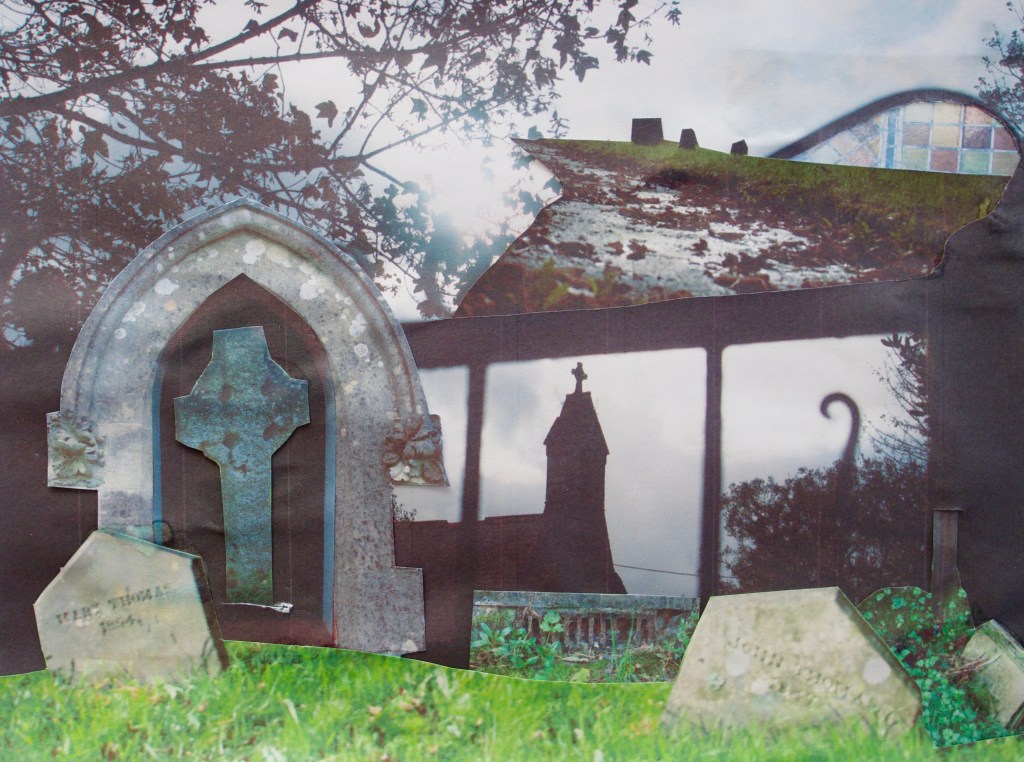
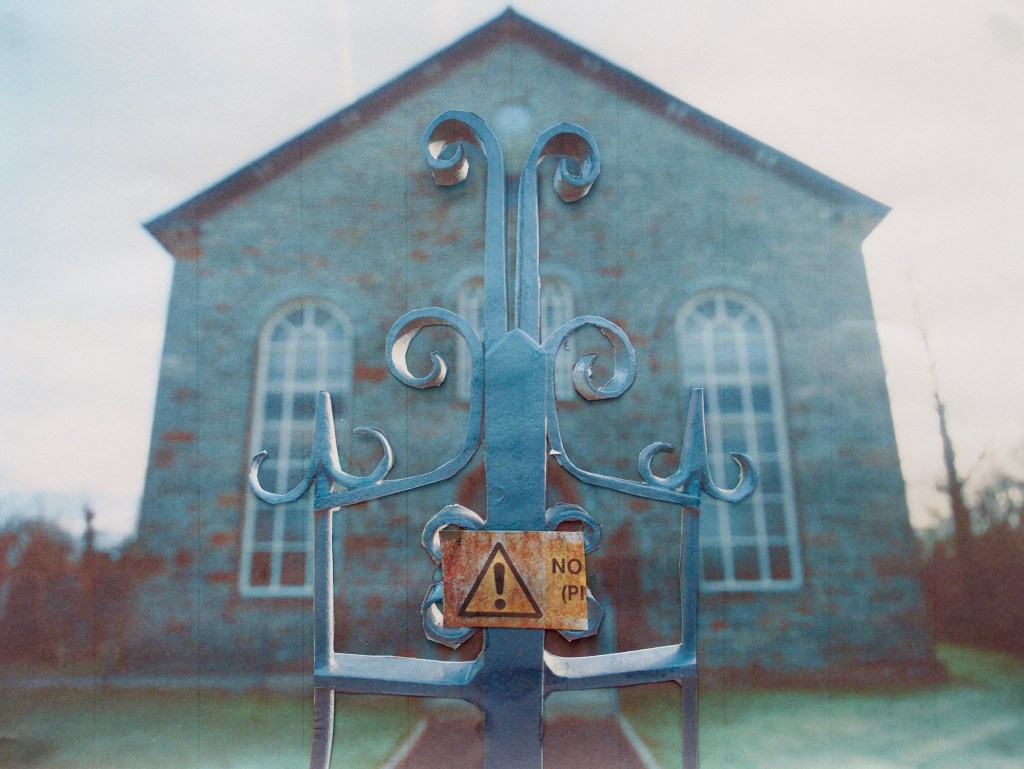
I have created two sets of collages from each location. One simpler and one slightly more complicated. My reasoning being, is that I still have the option from here of how I develop my series. Depending on this, will depend on the direction and thus which image will be suited for that particular direction. I have thought how to develop this further. I have thought about including the sites locations somehow, maybe in map form, or the co-ordinates, and somehow incorporating this into the image. I have also thought about bringing another aspect of femininity into it. I got this idea from my tutor who recommend looking at anthotype. This process involves using emulsion made from plants, then the paper is soaks in it, then items or positives can be placed on it to ‘print’. This paper is then exposed in the sun, the result will vary depending on the sun, materials, and plant matter used (Fabbri). The results can be unpredictable and is heavily reliant in the sun exposure, in a very similar way as Chlorophyll printing is. Chlorophyll printing is where an image is ‘printed’ onto leaves. This may be good for my work as i could use leaves from the locations. But my main concern would be the exposing of the leaves. This process uses photosynthesis. You also need a positive print and a suitable leaf. You need to press the positive and the leaf tightly together in a frame made of glass. This frame should be placed in direct sunlight, the time for exposing will vary (Pereira). This is the part the does concern me and I am unsure if it will work. I live somewhere high, our weather is very unpredictable. It is either misty/fog, raining, overcast or cloudy, we simply do not get a lot of sun here, so I am doubtful where these methods would be of any use to me. I can try them when the days get longer, but an not holding out much hope. I wondered whether to take a similar approach to Stephen Gill, in his series Hackney Flowers. This could I evolve including flowers or foliage form the actual sites in the images, not as a distraction but to compliment and to strengthen the link to the sites location. I was thinking about using a technique such as pressing or even preserving the foliage. I believe this will add another element, and in general look better instead of including images of the foliage in the collage. Again this is another form of craft that is associated with women. I was also thinking of a way of including the locations, maybe incorporating a map or co-ordinate somehow.
I have looked at several artists including those who use collages.
Her image stood out to me the most as it is very similar to my work and my methodology. Edelson is addressing global patriarchal religion and contrasting it to the inequality in the arts. She uses the image of the last supper and utilises collage techniques to complete her goal. Her work is very influential in mine as it holds practically the same methodology and meaning.
Her images are often very colourful and visually interesting. I like the way she combines her history and culture in her work, this seems to be a recurring theme, so also uses text in her work, usually in Spanish, which gives another elements to her art. She looks at gender, which is helpful for me to see how various artists look at this topic.
Rosler’s images are quite striking. In certain series, she takes images of naked women and places them on kitchen appliances to look at the expectations and representation of women. She is using feminist art to address issues surround gender, commodity and representation.
Walker uses silhouette figures to make her art. Her images are interesting and use collage techniques whilst addressing issues surrounding race and gender.
Barbara Kruger is a well-known artist, who uses her art to address issues including gender, power and politics. Her images are very noticeable but simple. They are thought-provoking and do make the viewer think. Her use of text is interesting as it done in a bold way but the wording is strong and uncomplicated. But the wording doesn’t explain the image, it makes the viewer think.
Fulton is a walking artist. His art is made from the journeys he undertakes. His work has been influential to me as I am also undertaking a journey, so it is useful for me to see other artists who do this.
Harrison is a radical artist, who tackles issues surrounding feminism. Her images usually contain a bit of humour. She looks at how women are represented and creates her art with a twist on this.
Linder Sterling uses collage to look at feminist issues. She uses images from porn and lifestyle magazines to create a new image. It is interesting to see how artists are using collages to make statements surrounding gender.
His images are often political in nature. He disassemble and reassembles images to create a new image, which are quite thought-provoking. He has collaborated with Cat Phillipps on more than one occasion, together they has created some politically note worthy images; including one of Tony Blair taking a selfie in front of an explosion.
Bibliography
Fabbri, M. Anthotypes – step by step instructions to making a print using plants. At: http://www.alternativephotography.com/anthotypes-making-print-using-plants/ (Accessed on 6th of January 2020).
Pereira, T. The Chlorophyll Process. At: http://www.alternativephotography.com/the-chlorophyll-process/ (Accessed on 6th of January 2020).
Assignment Images
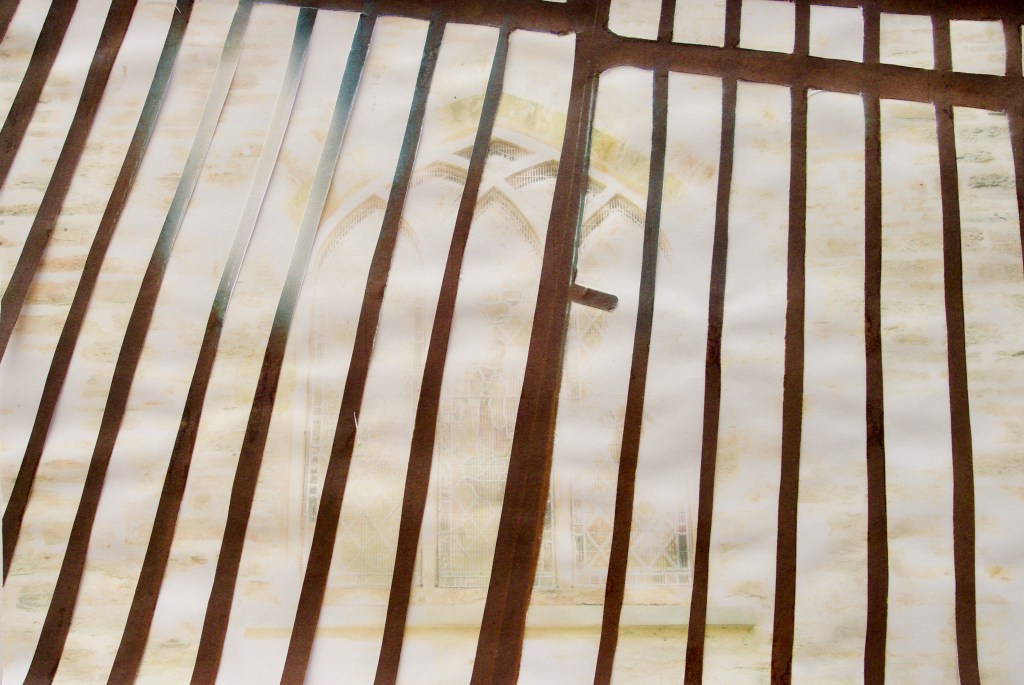
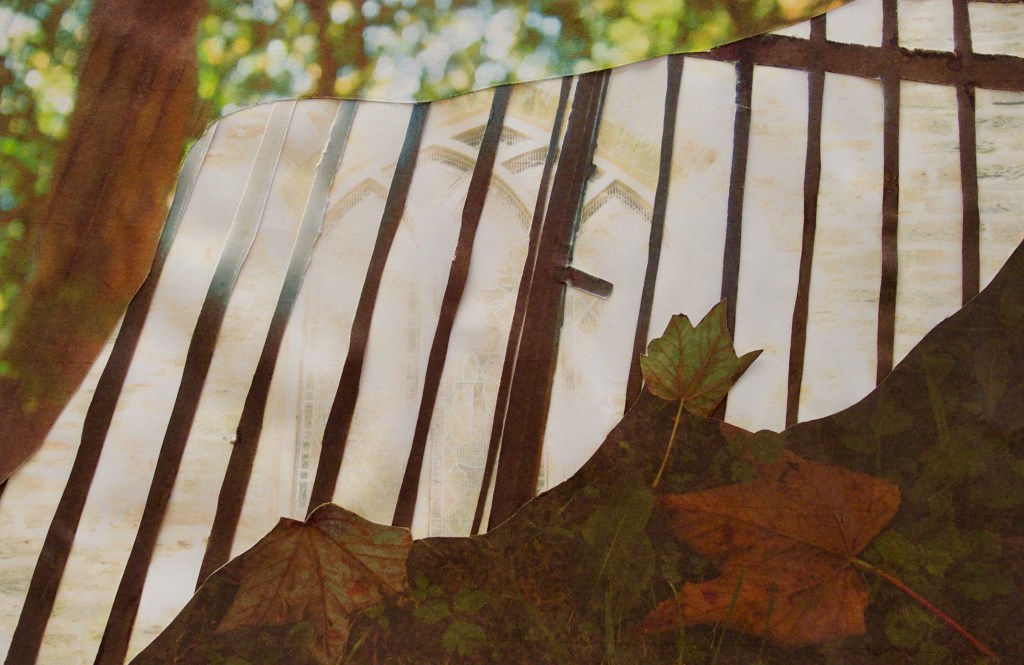
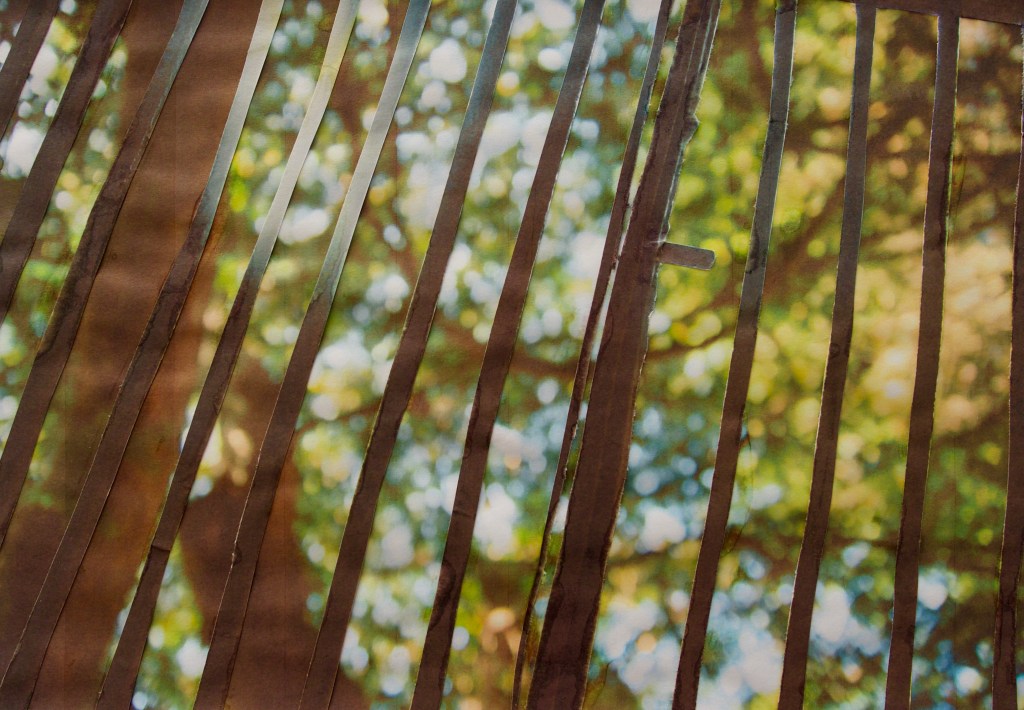
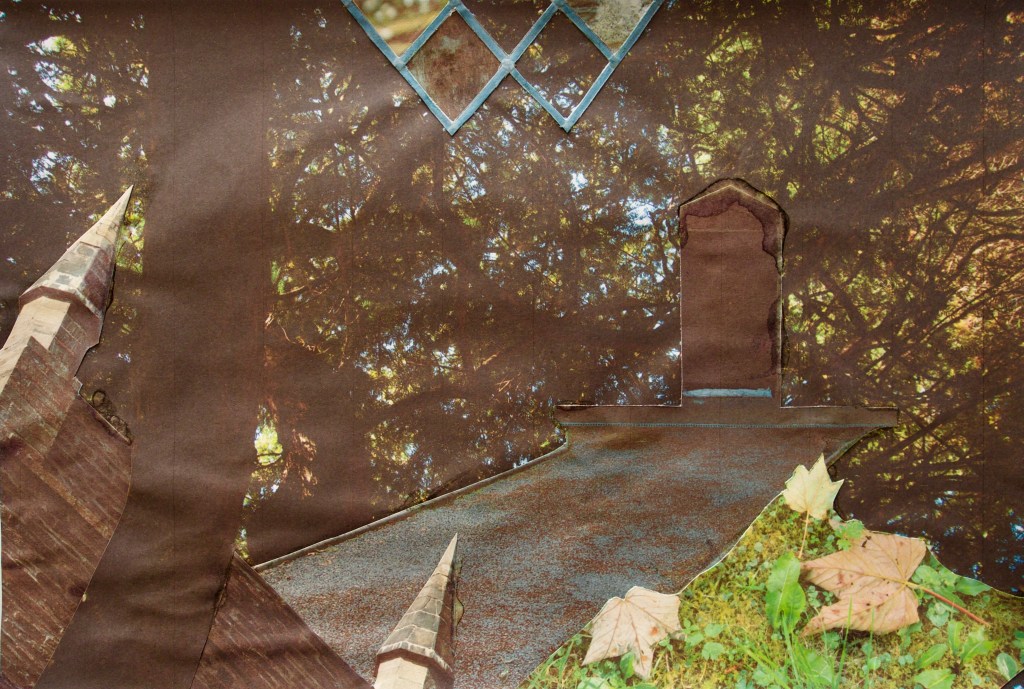
The images will be in order of location and will be marked whether they are the simple version or more complex version.
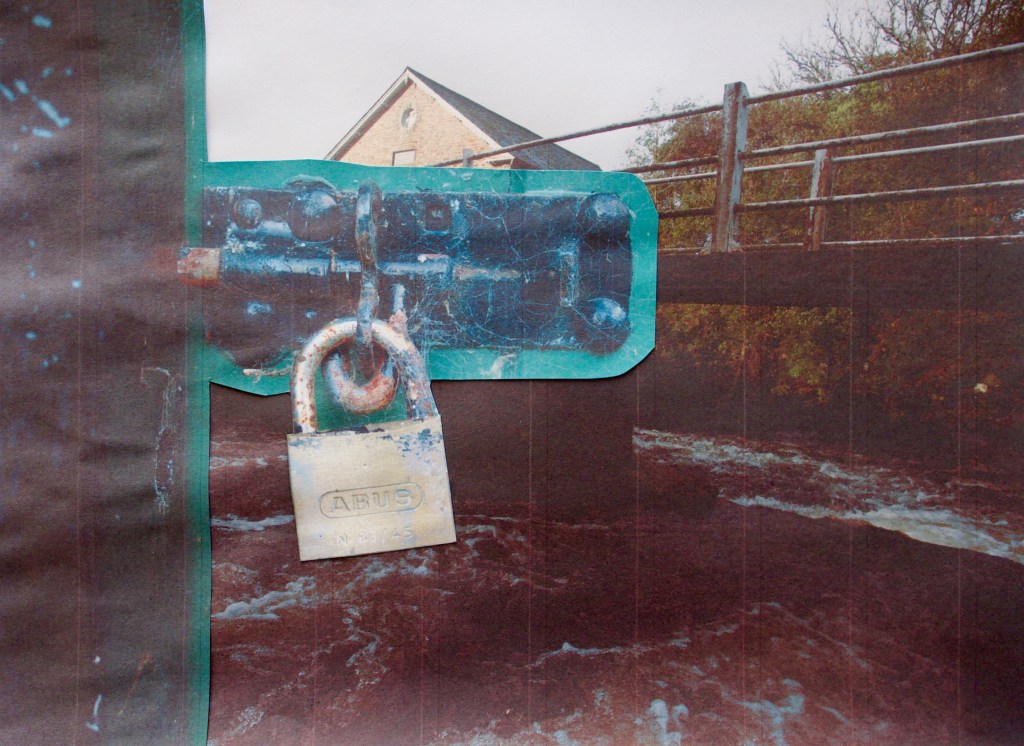
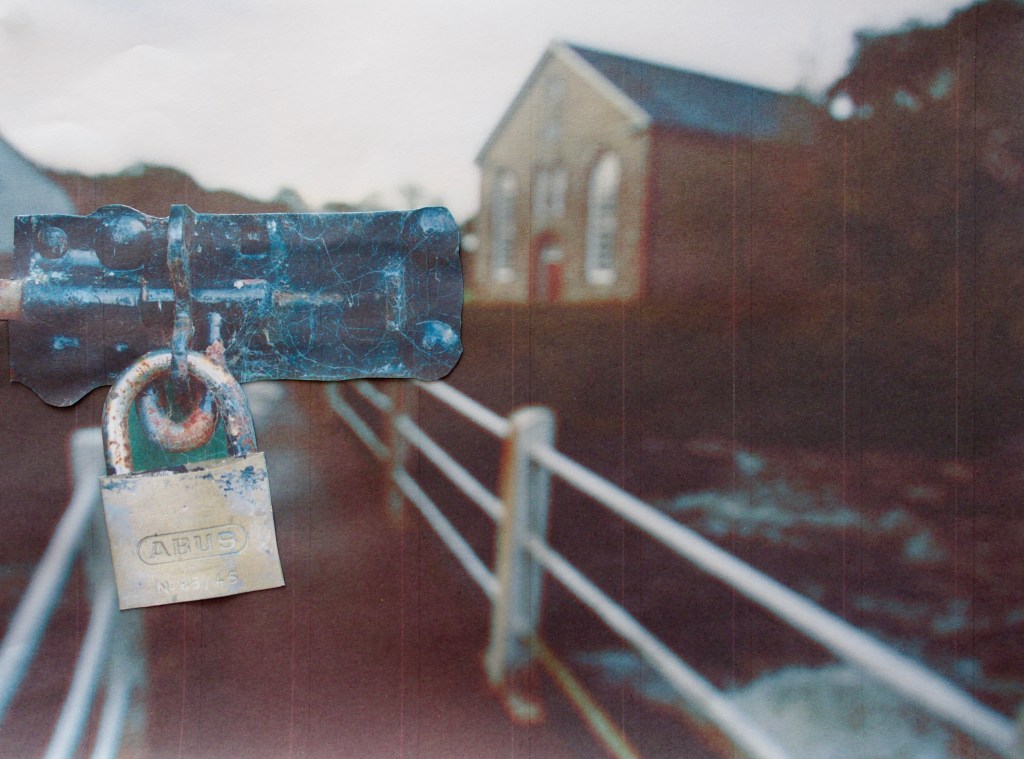
Please Note: These are not the final images that will be submitted. They are a guide and an experiment which will allow me to print, cut, and glue the final images with more care. These are to get a rough idea of where the image is taking shape. I had some issues with my printer on some of the images, which I have now sorted. The glue has made a bit of a mess on some, which I will be a lot more careful with on the final images. I photographed the collages and then cropped to get the images in one frame. They are not perfect but I see them as a working drafts, which will help me when I make up the final images.
Location One
Location Two
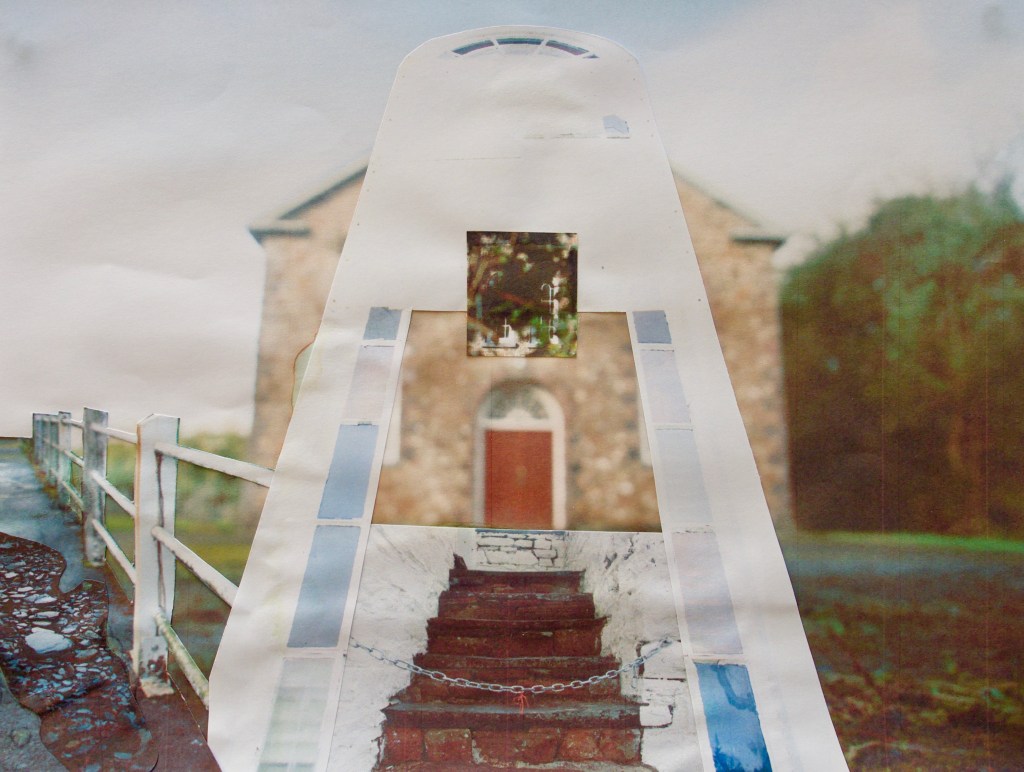
Location Three
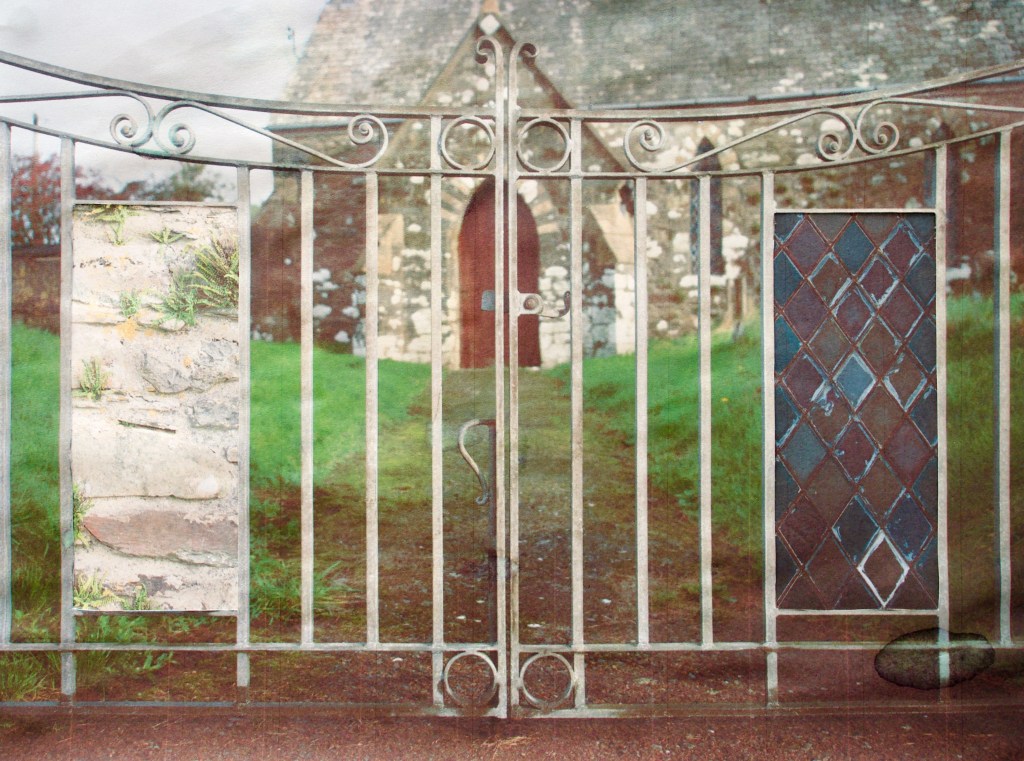
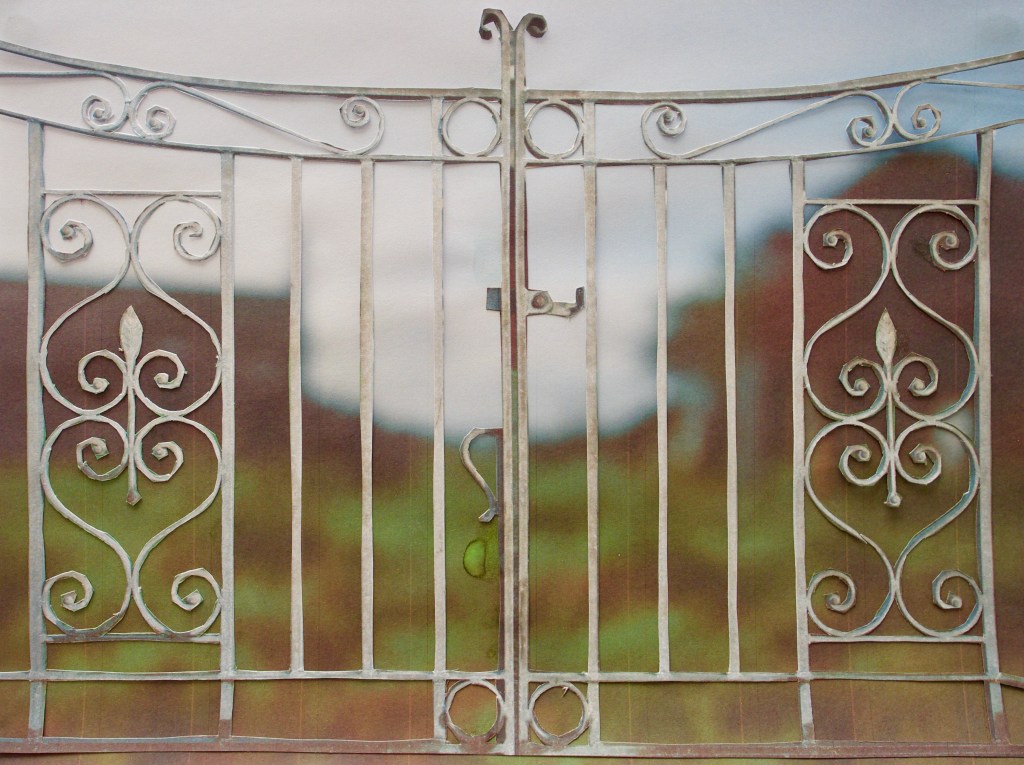
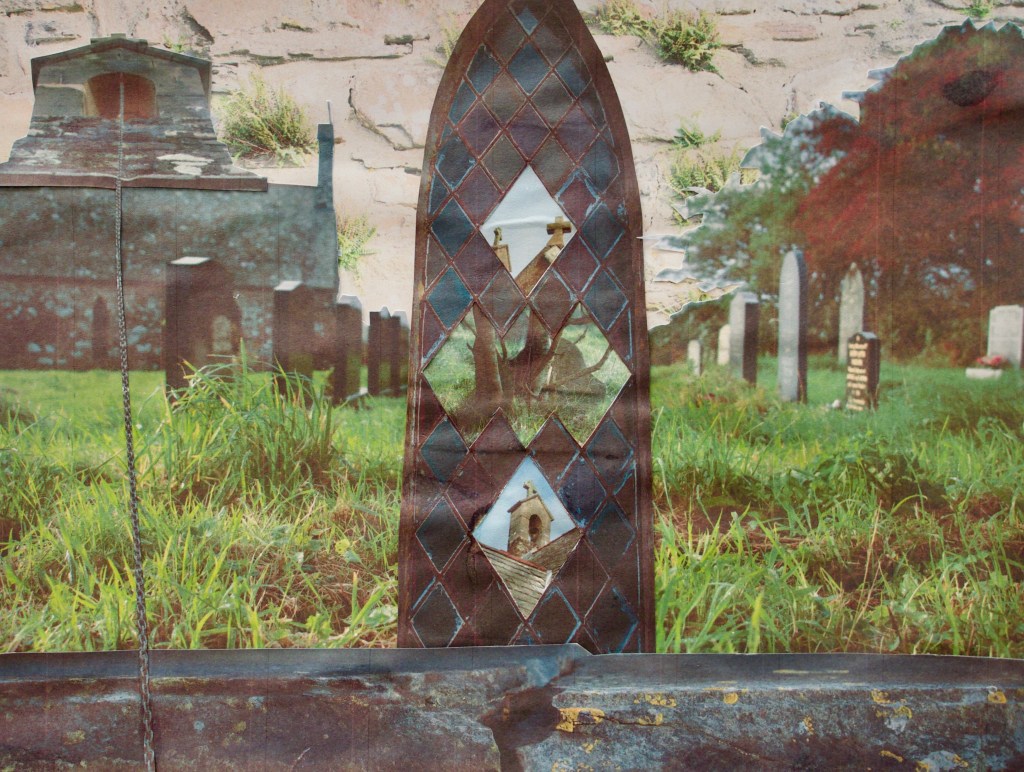
Location Four
Location Five
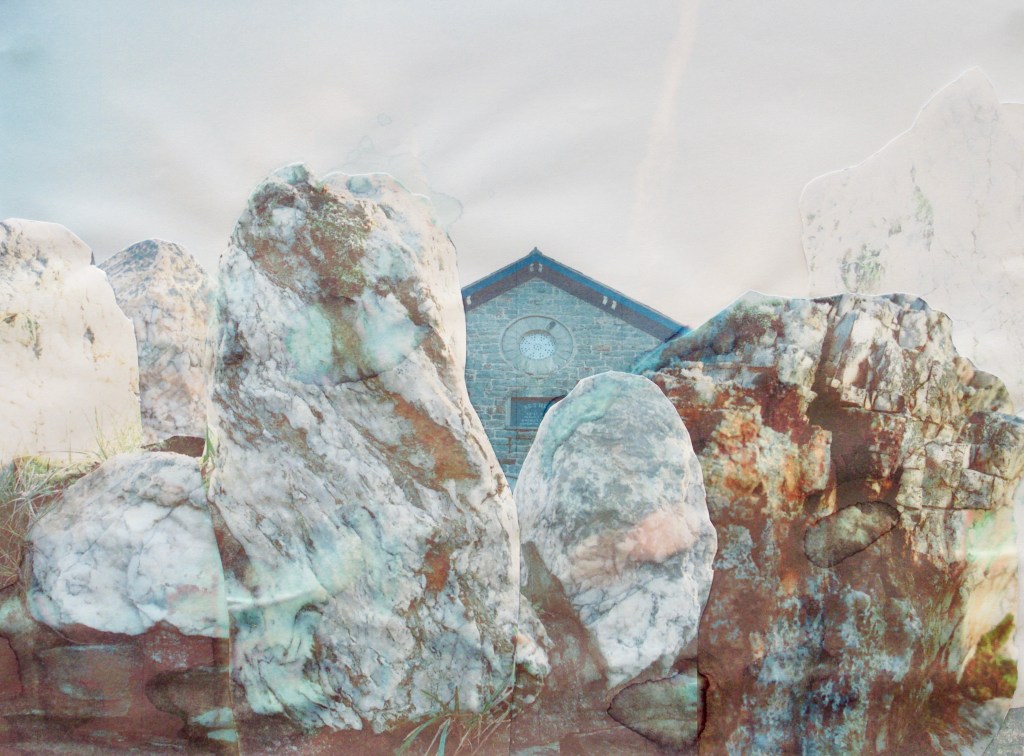
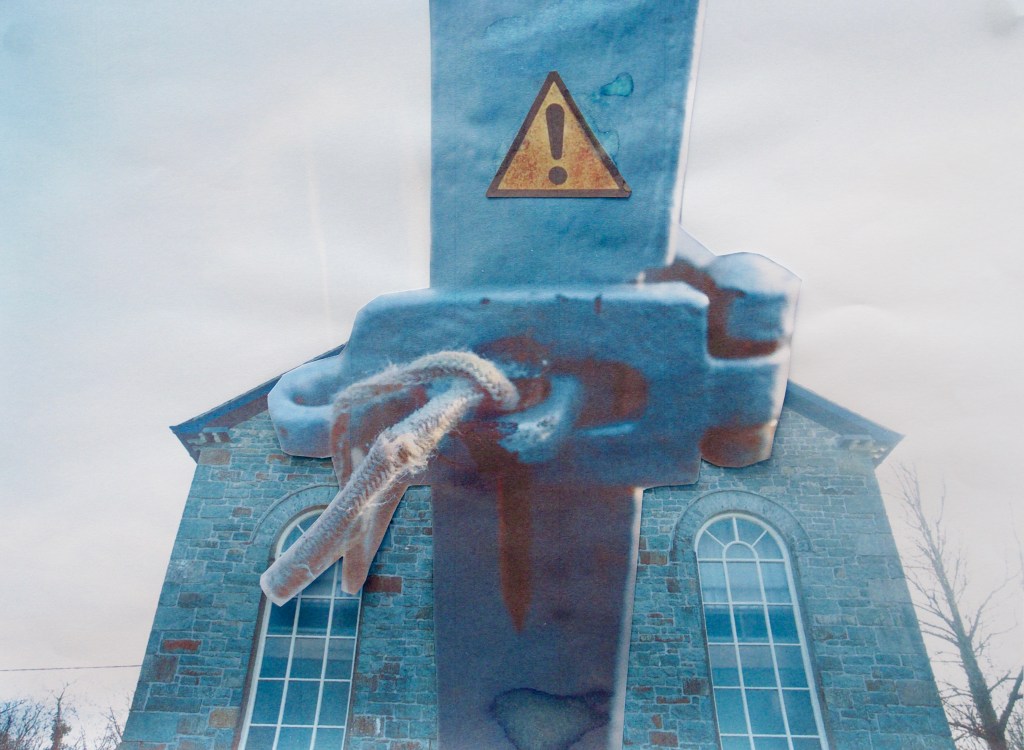
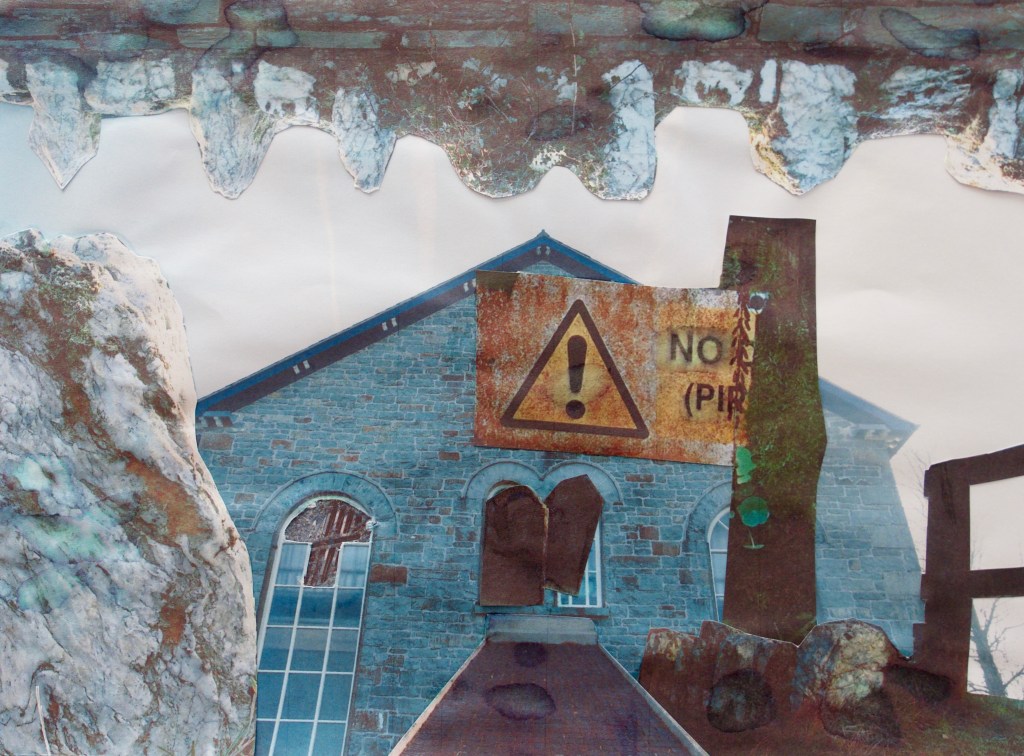
Location Six
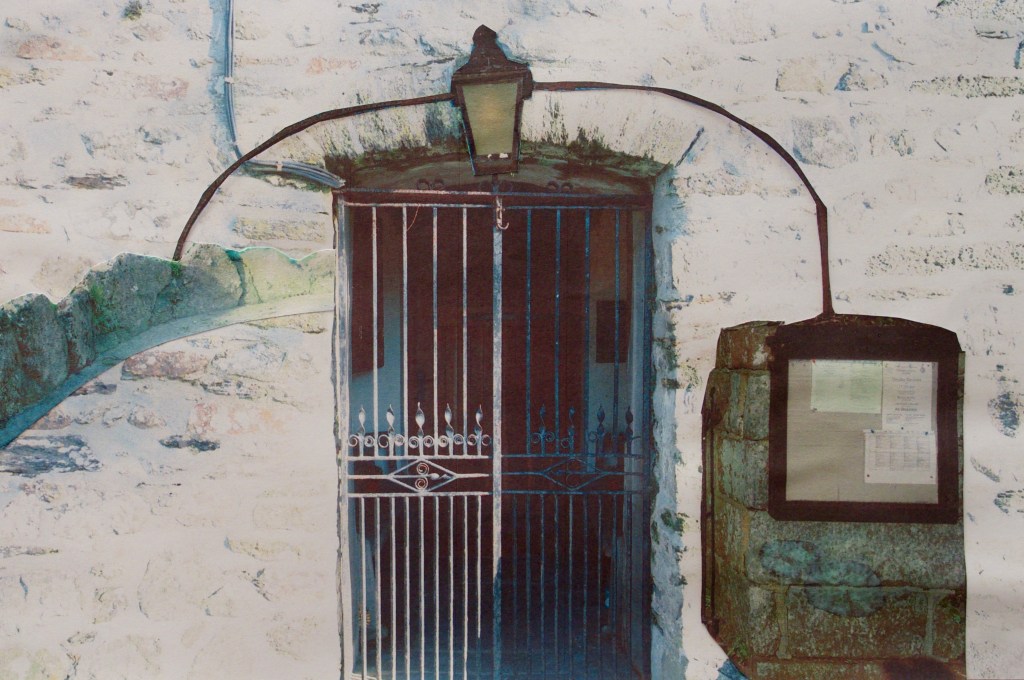
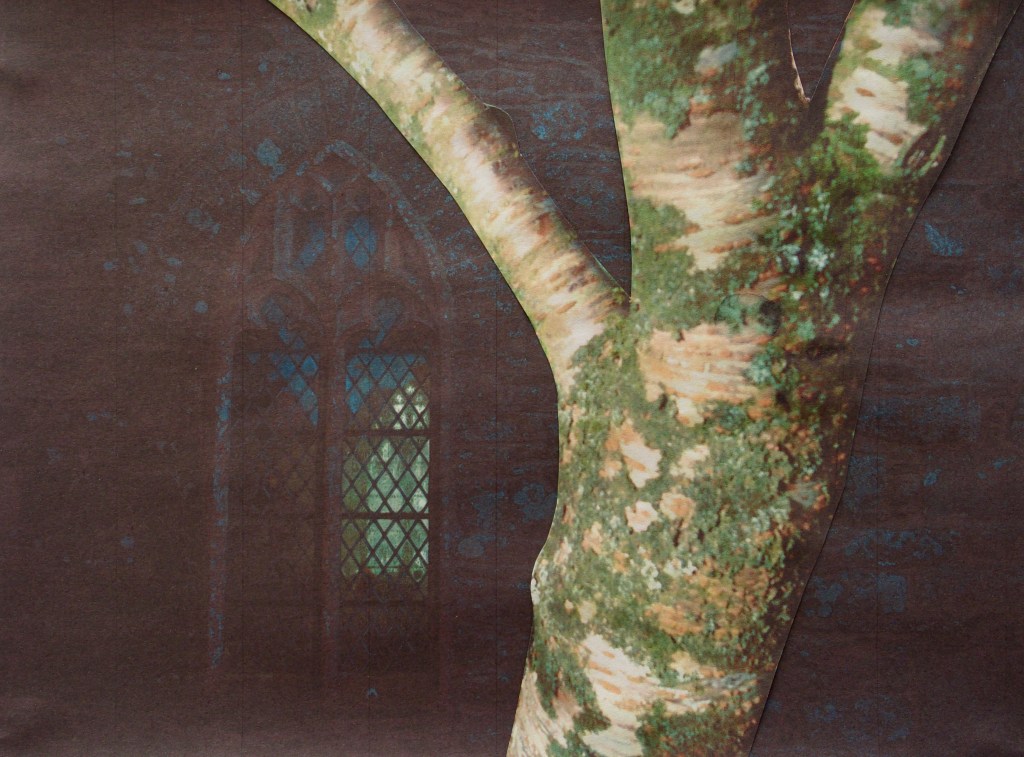
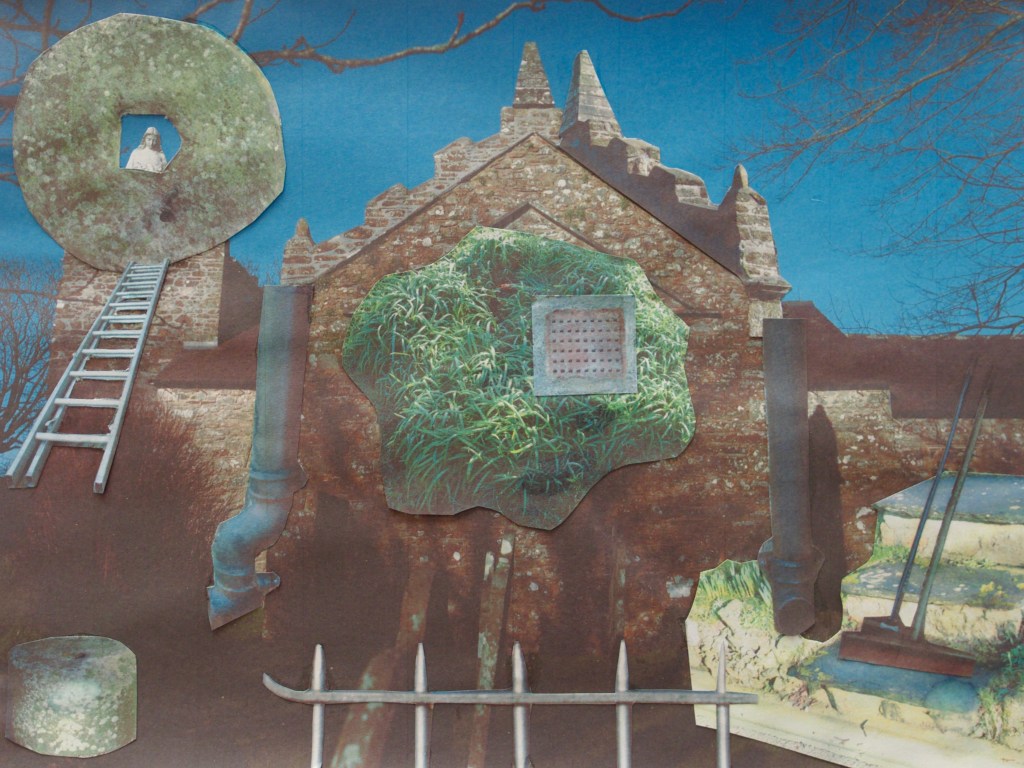
Location Seven
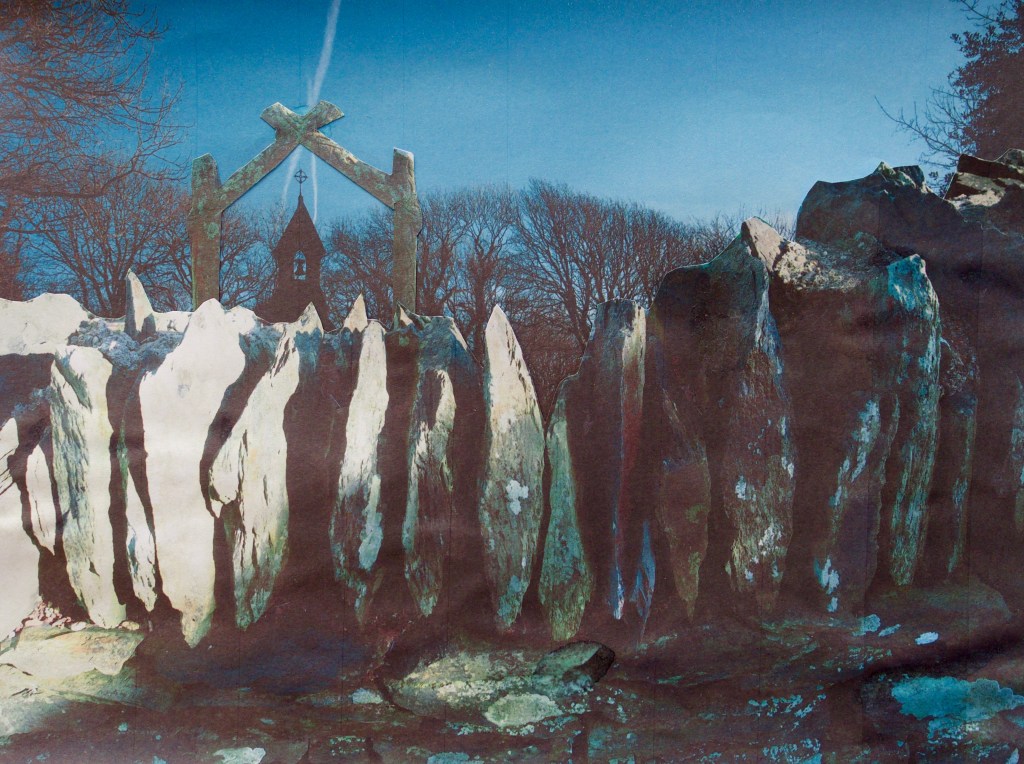
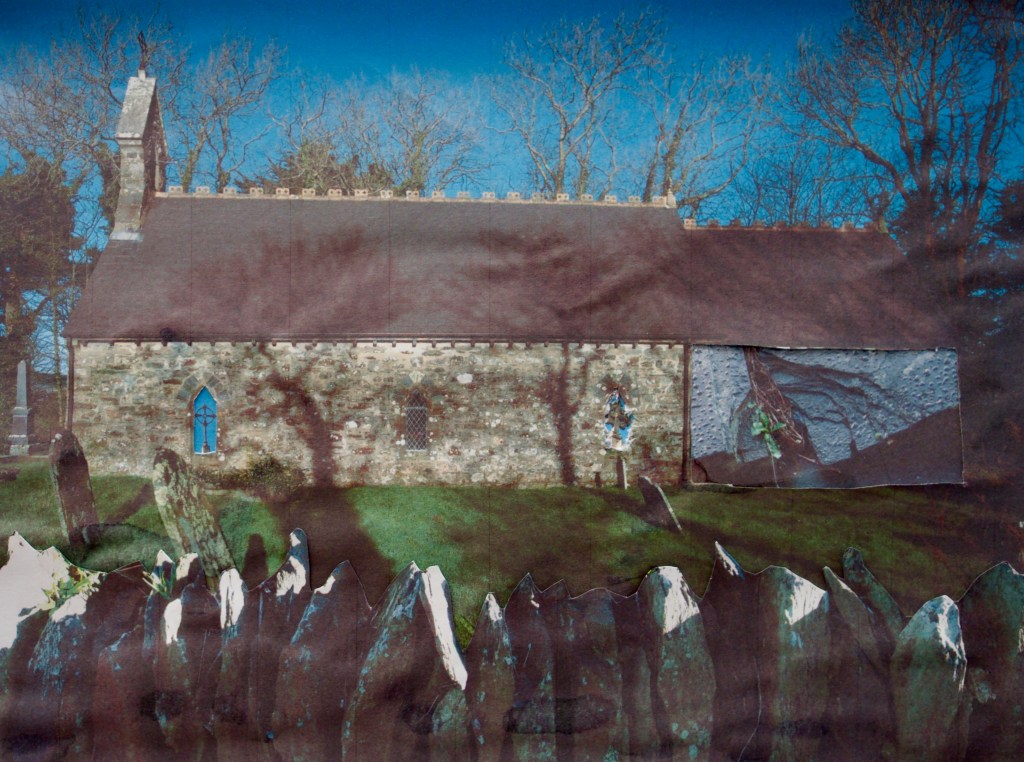
Location Eight
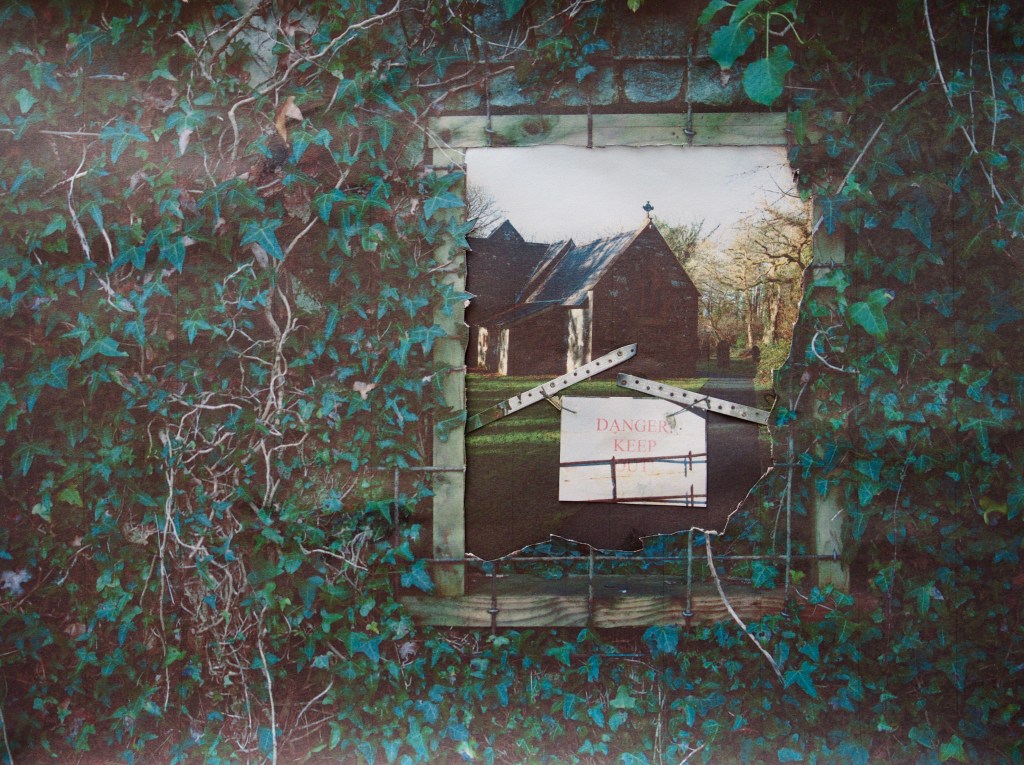
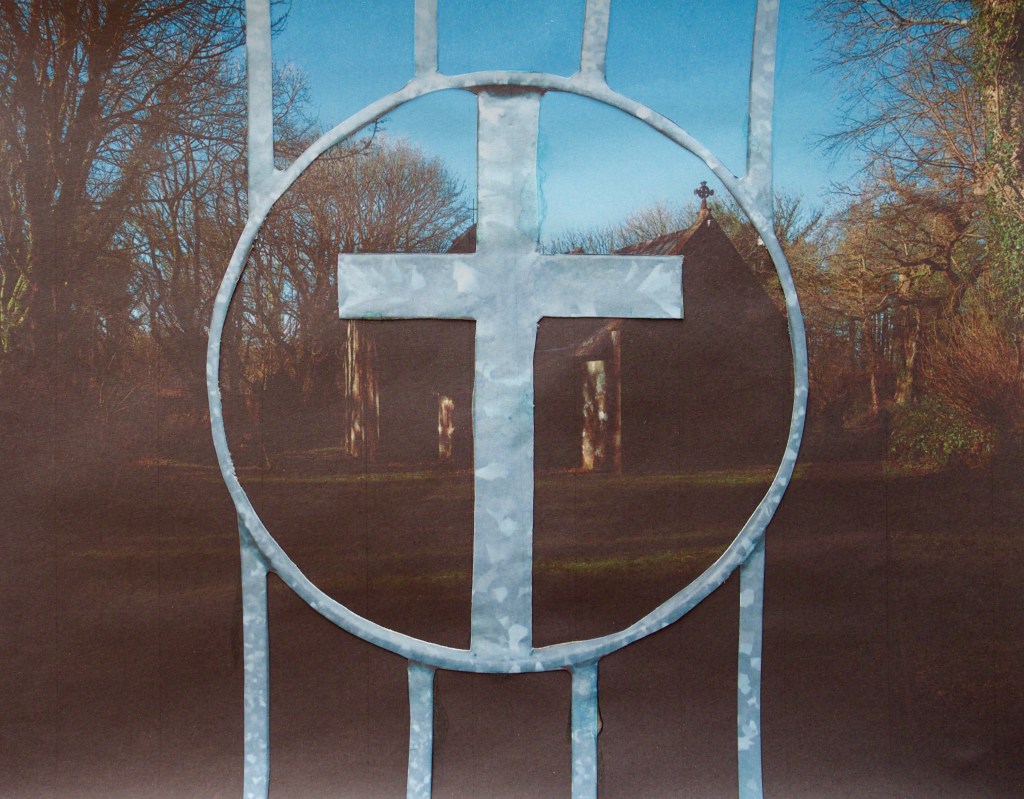
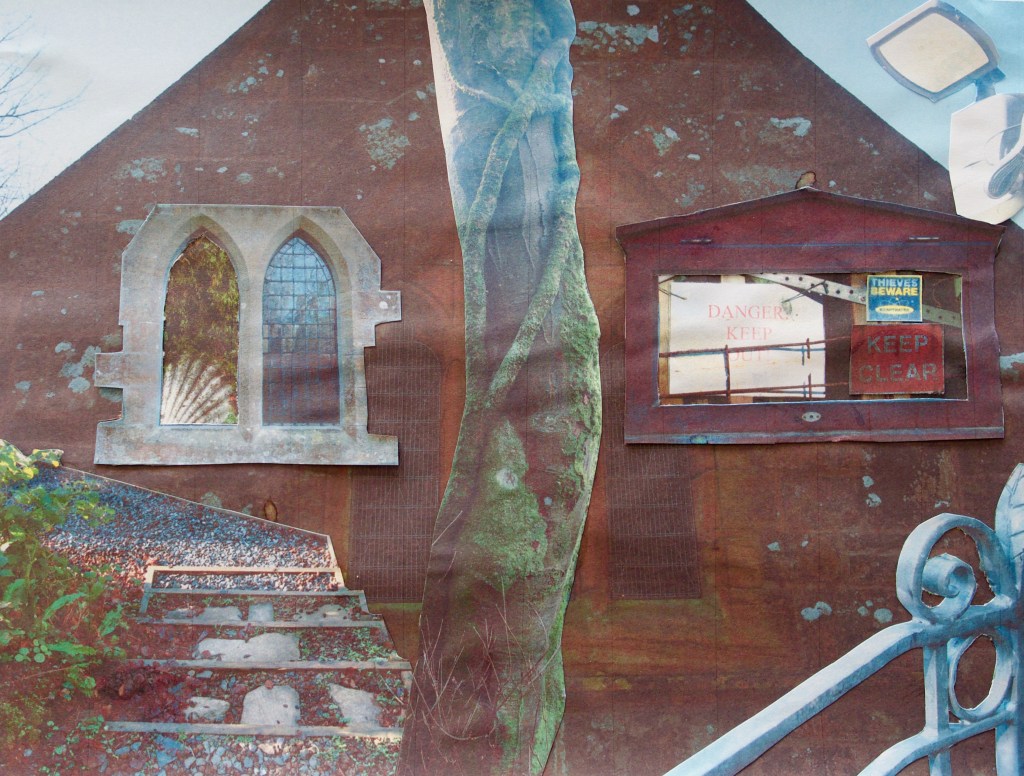
Coronavirus – Update – 1st of April 2020:
Collage Research
I decided to do some research into collages and how it can fit with my body of work. The first thing I found was historically, collage was seen as a pursuit for women. The was because it was a craft often done at home, it was seen in the same league as mosaic, quilting and needlepoint. This could be a good fit with my body of work as I am looking at highlighting the inequality in the art so by using a method associated with women would contrast the inequality. Collage became popular in surrealist art, as it was “a form of inspired correction, a displacement of the banal by the fertile intervention of chance or coincidence” (Agari quoted in Thorpe). It was during the 1970s when artists were addressing issues surrounding race, gay rights and feminism, that collage began to take a central role in art. Many feminist artists used this due to its roots as a female pursuit. The bringing to light of these issues needed a new method of portrayal in order to highlight and fight them, many artists turned to collages, as by cutting and rearranging the images it creates new images, new perception, and new identities. Collages have the ability to pull apart and restructure an image, it offers a new view on a subject. They are used to challenged the order and expectations that have become ingrained in our societies. To Penny Slinger, “collage is not just a technique, it represents an approach to reality” (Slinger quoted in Thorpe). Many feminist artists using this technique look at the female body and how they are seen or perceived. They also contrast the view of women against men, women are often forgotten whereas men are ‘heroes’. In an interview, Zhanna Kadyrova stated that “the discrepancies between images of men and women struck me for every three images of women, there were a hundred images of men. I then noticed how their roles are depicted. Men are shown shaking hands, women are shown in adverts, in the cultural sphere, or with a baby and that’s all’ (Kadyrova quoted in Svitlytska). Collages has the ability to re-shape an image and form a new narrative. It’s historically perception as a female pursuit makes it a perfect platform for my work. It has been interesting looking into the history and how other artists have approached this method, it has been inspirational and has helped me form a few ideas.
Bibliography
Cross Art. Feminage: The Logic of Feminist Collage. At: croissant.com.au/99-2012-exhibitions-projects/169-feminage-the-logic-of-feminist-collage (Accessed on 20th of November 2019).
Svitlytska, O (2015) Can Feminist art free women from patriarchy in Eastern Europe? At: https://www.opendemocracy.net/en/odr/can-feminist-art-free-women-from-patriarchy-in-eastern-europe/ (Accessed on 20th of November 2019).
Thorpe, G. Cut and Paste: 400 Years of Collage at Scottish National Gallery of Modern Art, Edinburgh. At: https://www.thefourdrinier.com/cut-and-paste-400-years-of-collage (Accessed 20th of November 2019).
Collage Artists
I have also looked into artists who have used collages in their artworks. Here are the links to their dedicated pages:
My Collage Experiments
Following my recent conversation with my tutor, it was suggested that I spend some time trying some collage work. I decided to keep it simple initially to try it out. I choose one location to concentrate on and spent time looking at the images. I did some research into collage work and then narrowed down my images. I tried several approaches, the first being quite simple. I have had to take a photograph to show my experiments, as they won’t fir in the scanner very well. If I do use collage for my body of work. I will either send the actual collage in or re-photograph it.
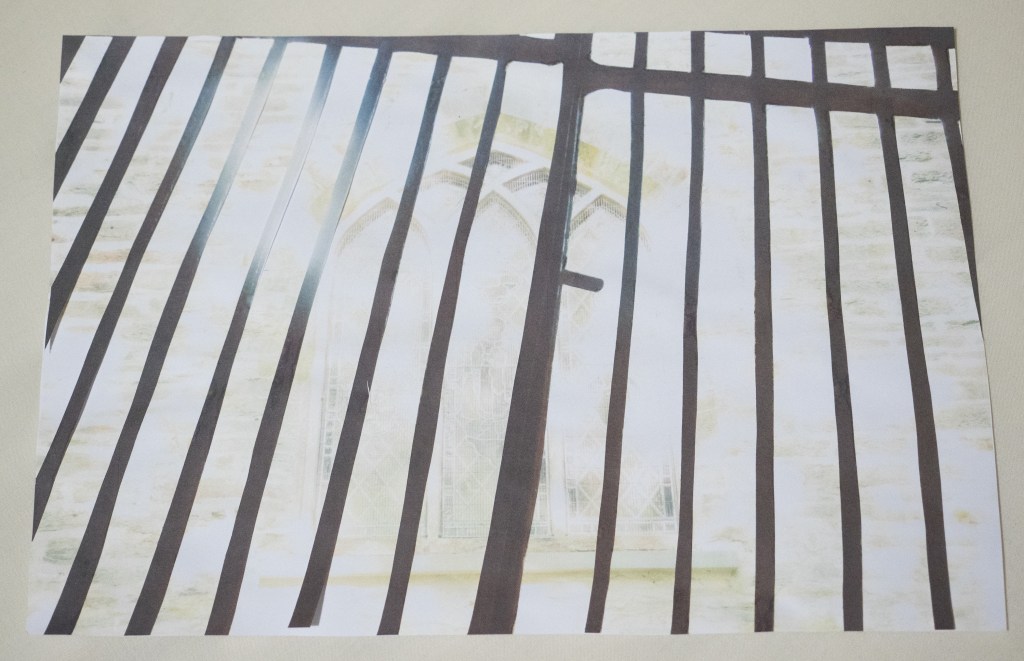
I started by cutting the bars out here and then glued the bars on top of the main image.
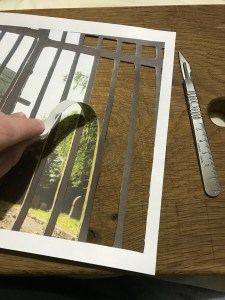
I tried two different background images. It is simple yet represents how women are excluded and not allowed behind these ‘bars’.
Here is the first:
Here is the second:
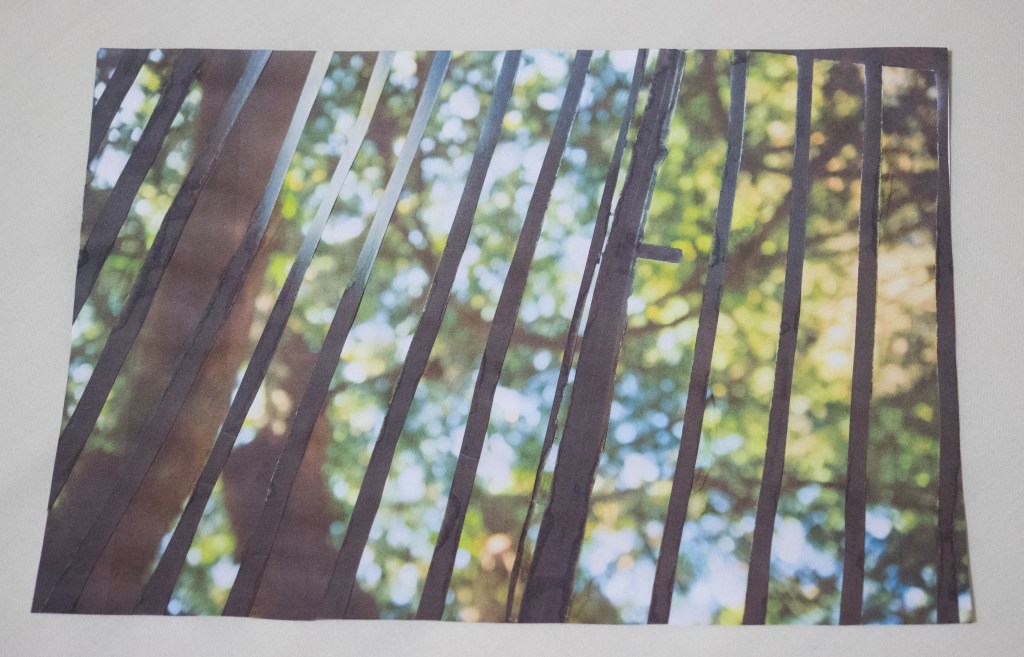
I like the first image as it is quite simple but I believe the bars portray how women are barred or excluded. But also the wall shows how solid and impenetrable this is, there is also no doors in the image, hinting how women are seeing things from the outside and not allowed in.
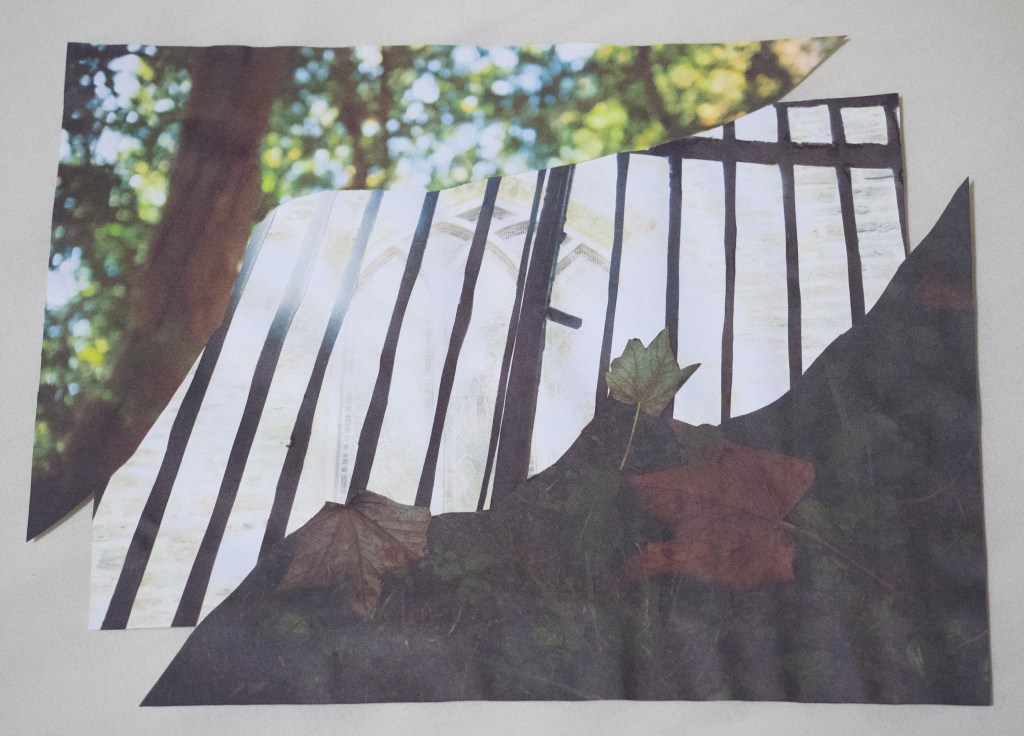
I decided to add images of the leaves and trees for extra dimension, to me they also add another element of showing the inequality and oppression but also bring a feminine aspect to it. I could probably reduce the size of these, so they fit better:
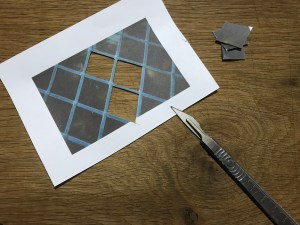
I took another approach which involved cutting out specific parts of the images to make a completely new image. I used a similar approach to Hannah Hoch. I choose my main image as the background and then printed out others in various sizes to work with.
I started by cutting the images out:
I arranged them and kept moving them around until I was happy, I then glued them down:
Here is the finished image:
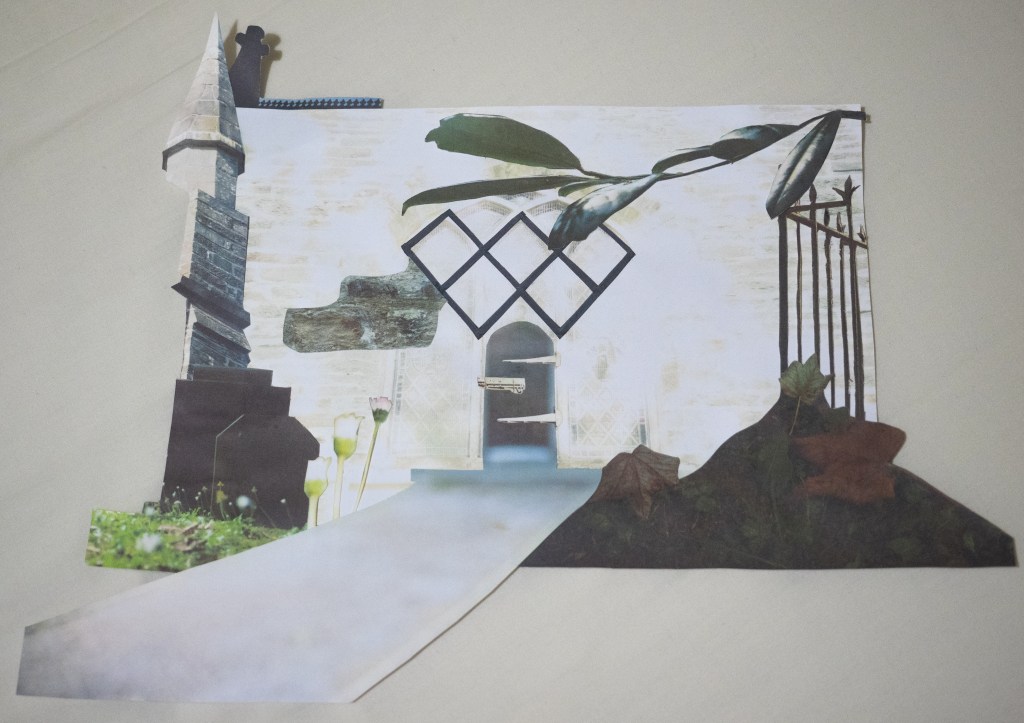
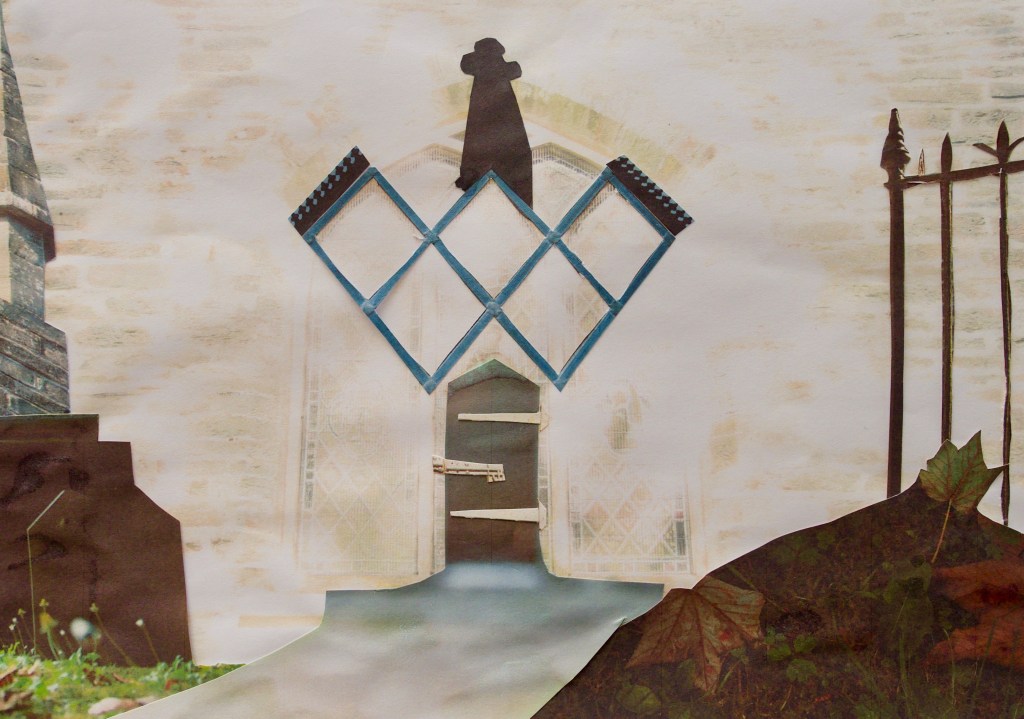
I like the path leading up to the door which is ‘locked’. The base image of the wall, shows also how impenetrable it is. I tried to keep the leaves and trees are outside the bars; as to me the foliage and flowers are a feminine aspect and as such aren’t ‘allowed’ behind the bars or behind the walls, to represent their exclusion. The images of the leaves and the branches to me feel almost dark and oppressive.
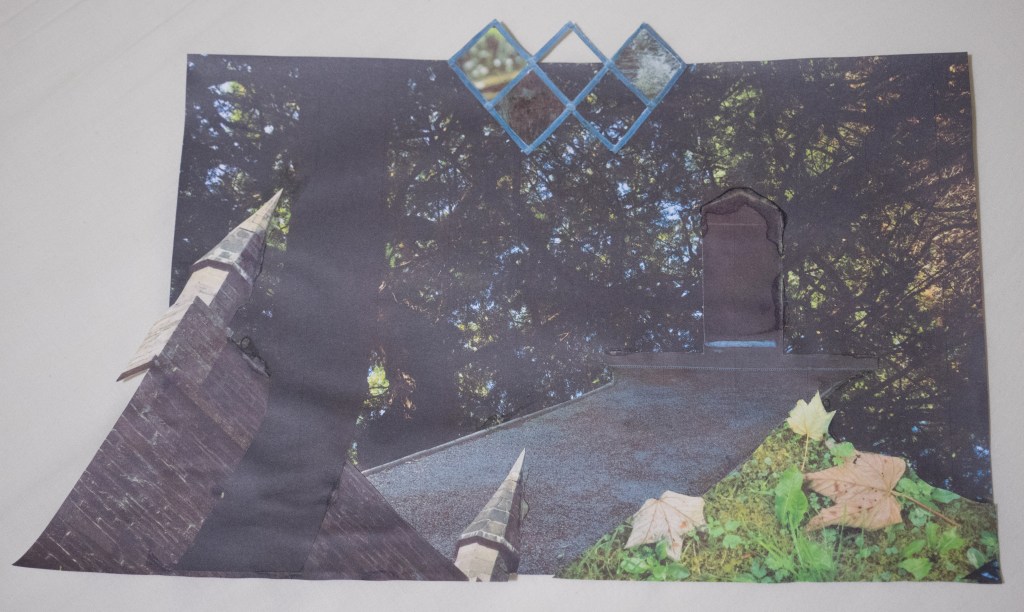
I created the next image using the leftover cutouts, but I feel it can hold its own. It features a path with a door that you can’t get through, symbolising the exclusion. But it could also represent the journey or pilgrimage that this is. This image also reminds me to be more careful with the glue, as you can see on the door how I got it on the picture side. Here is it:
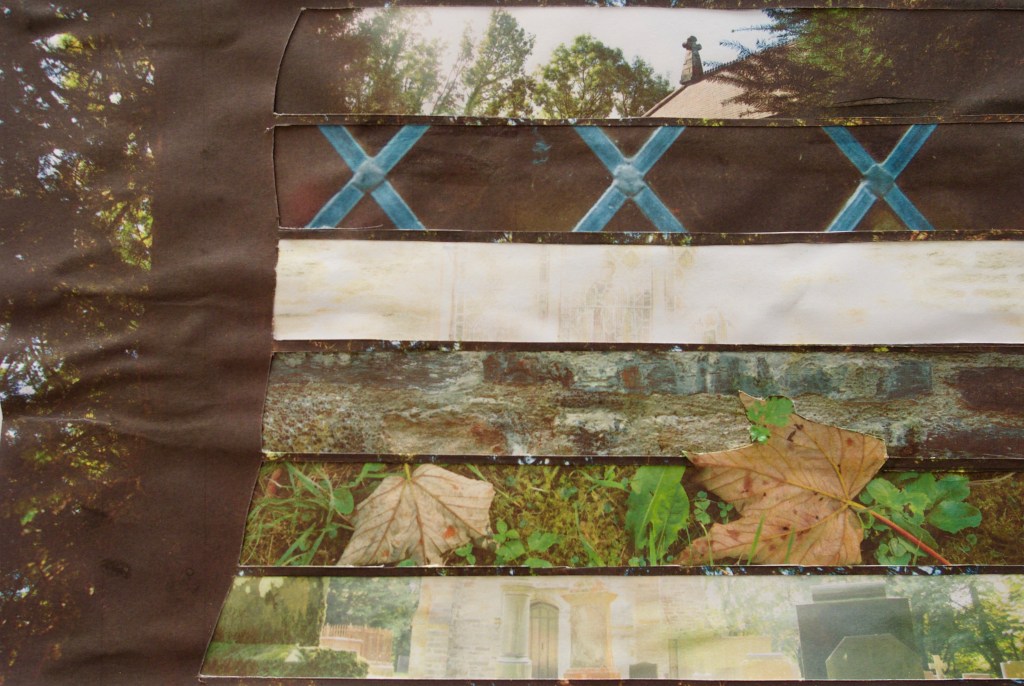
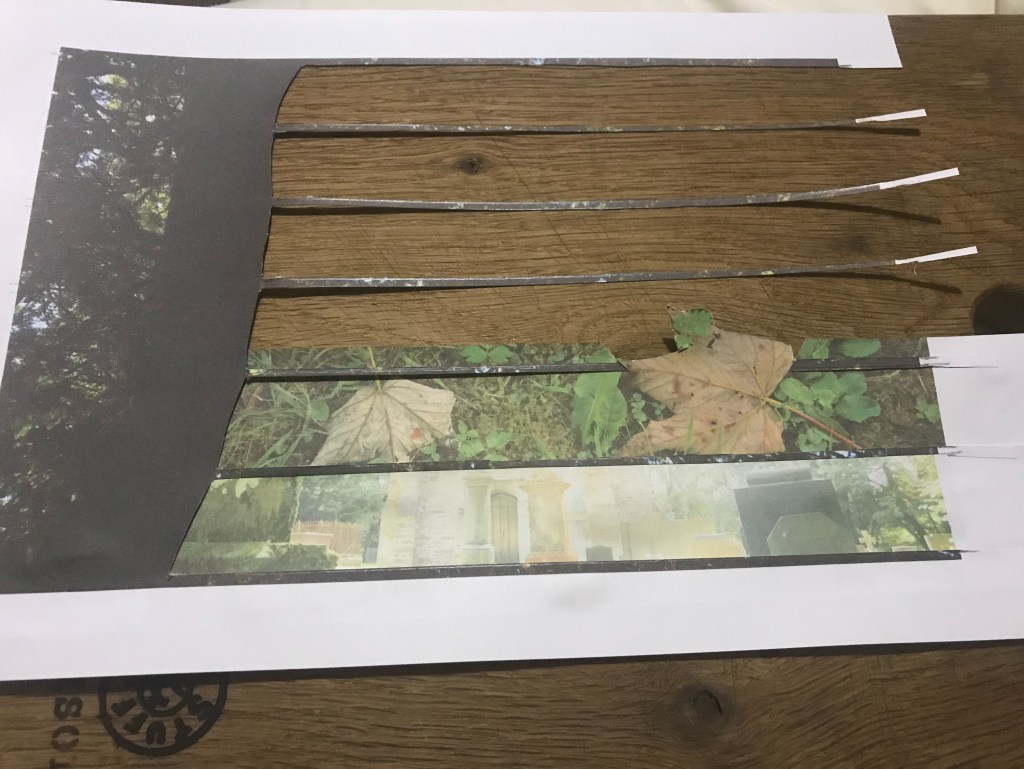
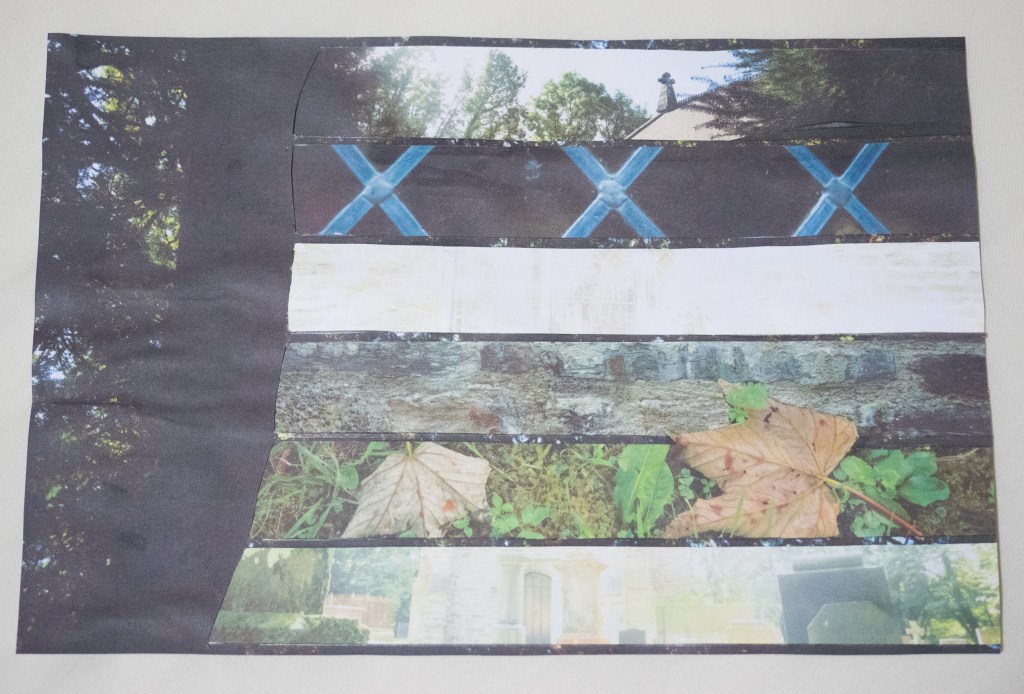
The next image was the last one I made. The idea for It came suddenly and i just went with it. I actually really like the result. The had the main image of the trees, which I then cut horizontal segments and choose images to show through. I like how you get snippets through the lines; this way it still contains important aspects. Aesthetically I like the design. I did think how I could incorporate somehow showing the locations through maps maybe. With this image one of the segments could be a snippet of a map. Here is the image:
I also tried a digital montage, I drew inspiration from David Hockney. I tried arranging the images so they were wonky and overlapping and also with them straight and in line with each other. I decided to replace a few images to bring in various images. Here are what I came up with.
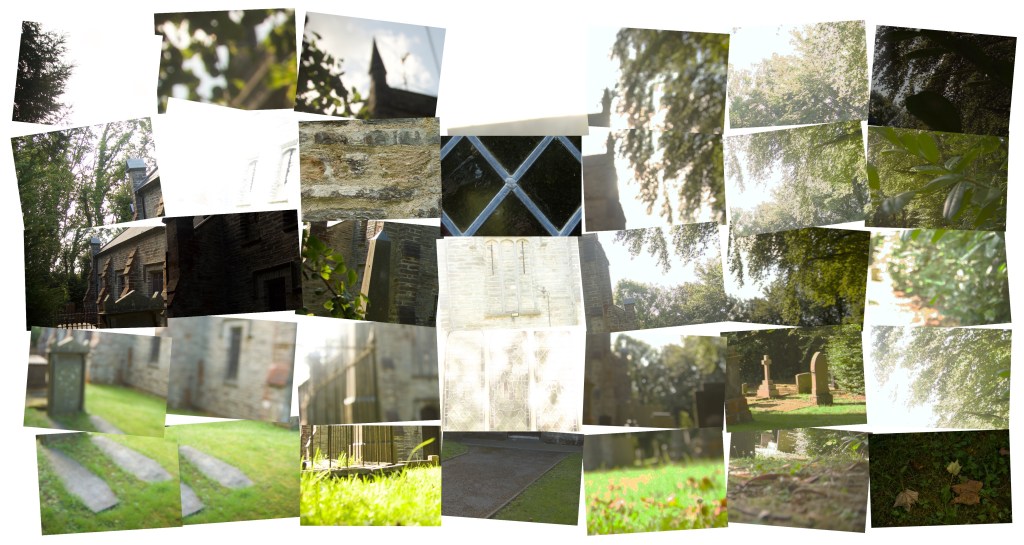
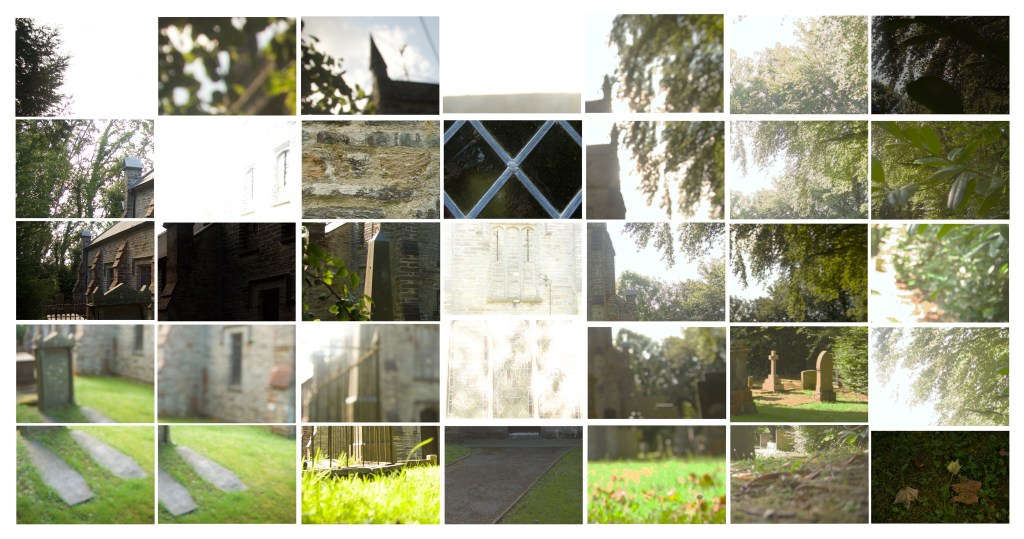
I like the result of the digital montage. Personally I prefer the one with the images arrange straight and in-line. I just feel it is easier to look at and make out. I am not 100% sure on replacing a few images, I am not sure if it looks right, perhaps keeping it with the correct images would be better. This image I choose was quite complex, a simpler one would probably have been more effective.
Here is a simpler image, with it arranged wonky and straight:
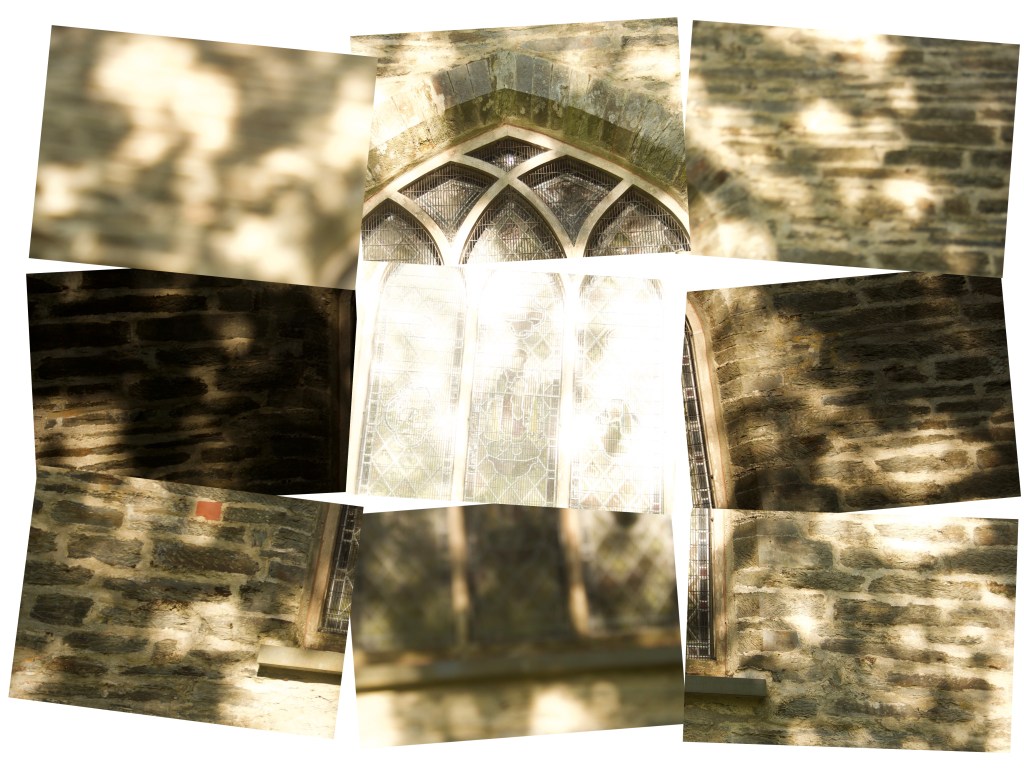
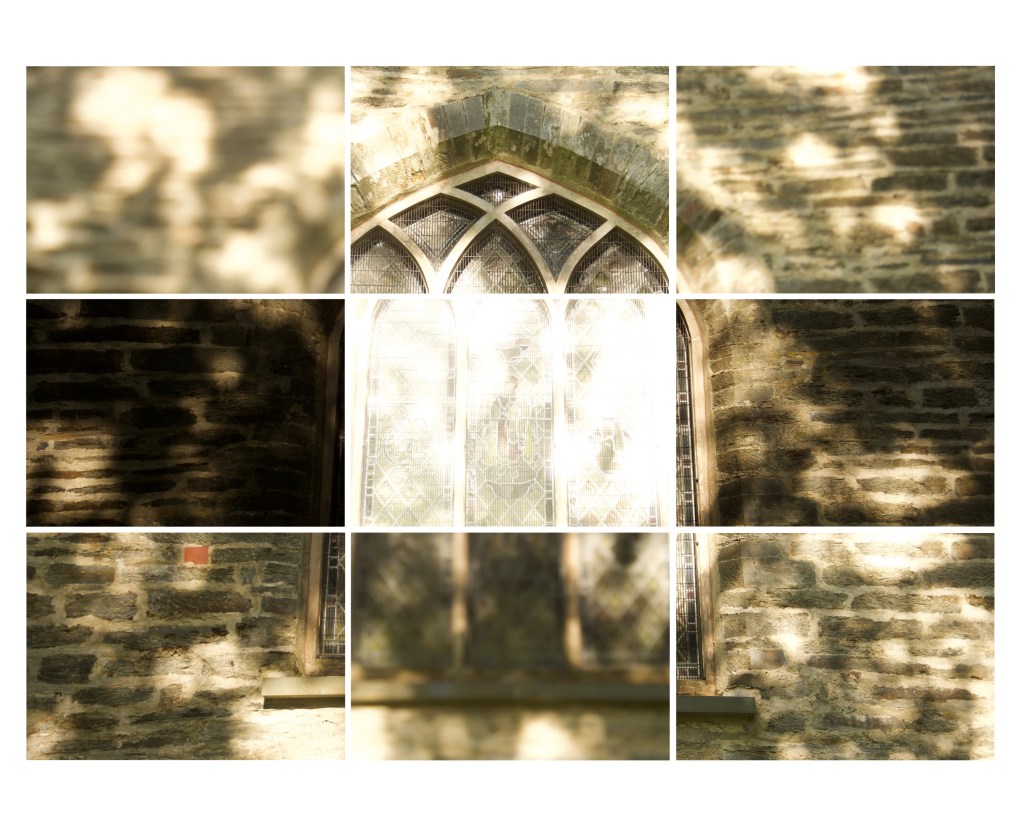
I like the simplicity of the image with just the bars, as it does show a deeper meaning but so does the detailed collage image. I liked making this image, it was quite fun moving things around and I found it quite therapeutic. I really did enjoy this process and think it would be appropriate for my work. But I also found the digital collage fun and interesting to view. I do think a simpler image is better. I can visit my locations and do re-shoots if necessary. I also need to be careful assembling the image as the glue can get on the actual picture and ruin it. Another thing which I hope will improve with practise is the actual cutting the images out. The images aren’t the problem, the knife is. They are very sharp, which I found out the hard way!
I have been thinking also how to move forward. Once I decided on a collage format, I will try and keep this consistency throughout my series. As my work is in the psychogeography genre, I was thinking of incorporating the places locations in somehow. This could be in the form of text, for example the handwritten coordinates. Another idea would be to use maps, this could form the background base image on which the final collages sit. It could also provided a link between the images as you can follow and see the journey unfold. I was also thinking about the foliage and flowers representing a female aspect. Instead of cutting out the images and putting the in the collage, I could include the actual leaves and flowers from the actual sites. This would bring the female aspect but also creates a strong link to the sites, the images would be quite unique, as the flora and fauna would vary. I could position them on top of the collage and then re-photograph or scan it. These are just a few ideas about moving forward, somethings to explore.
I firstly narrowed down my images to 30 for assignment one. I then decided to narrow them down further. I printed my images to 6×4, and laid them out.
This was probably one of the hardest things to do for these images. The process of cutting down needs thought. I laid them out and used my instincts but also I was trying to think ahead in my mind. I was trying to imagine how the images would work together and which wouldn’t. It did take me time, as I would go over and over trying different combinations until I reached a point where the images worked to me. The images were saying something to me and I felt the combinations worked.
This is location one:
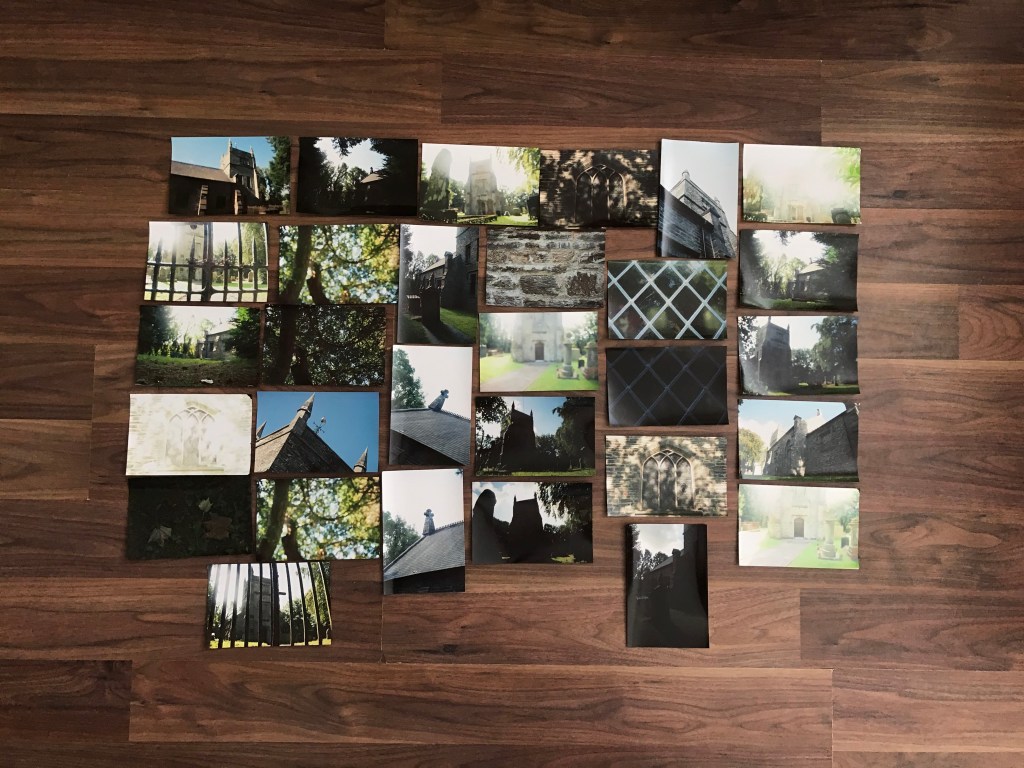
I took away the ones that I didn’t feel anything from, and was left with these.
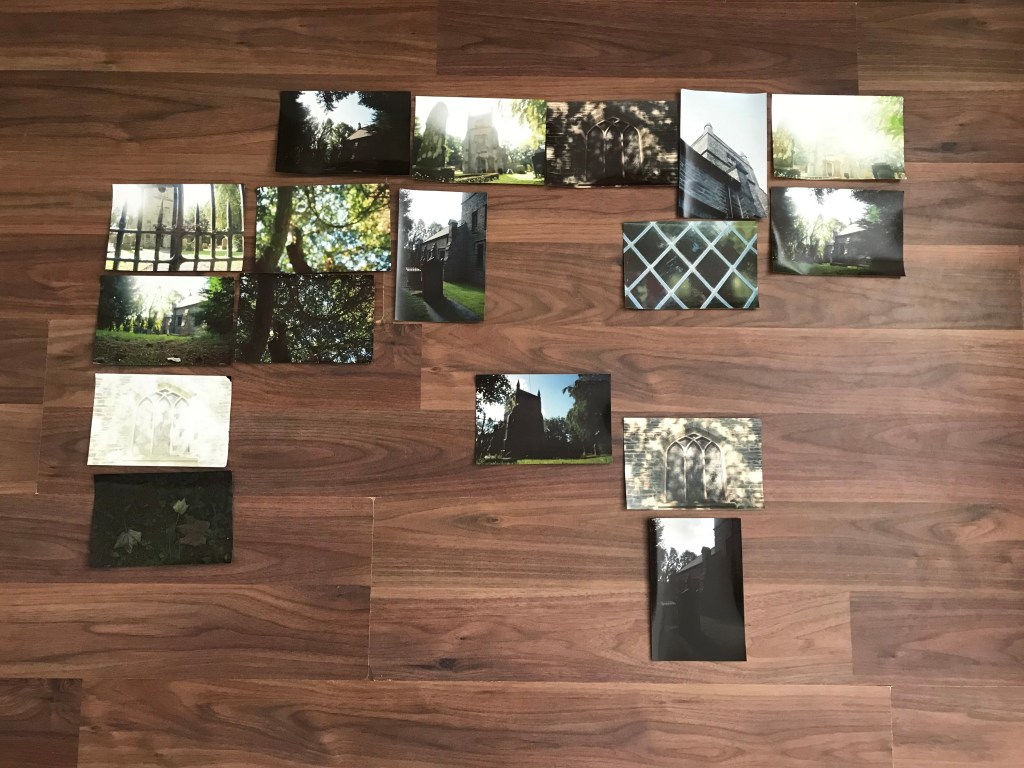
I moved them about and rearranged them to see different combinations.
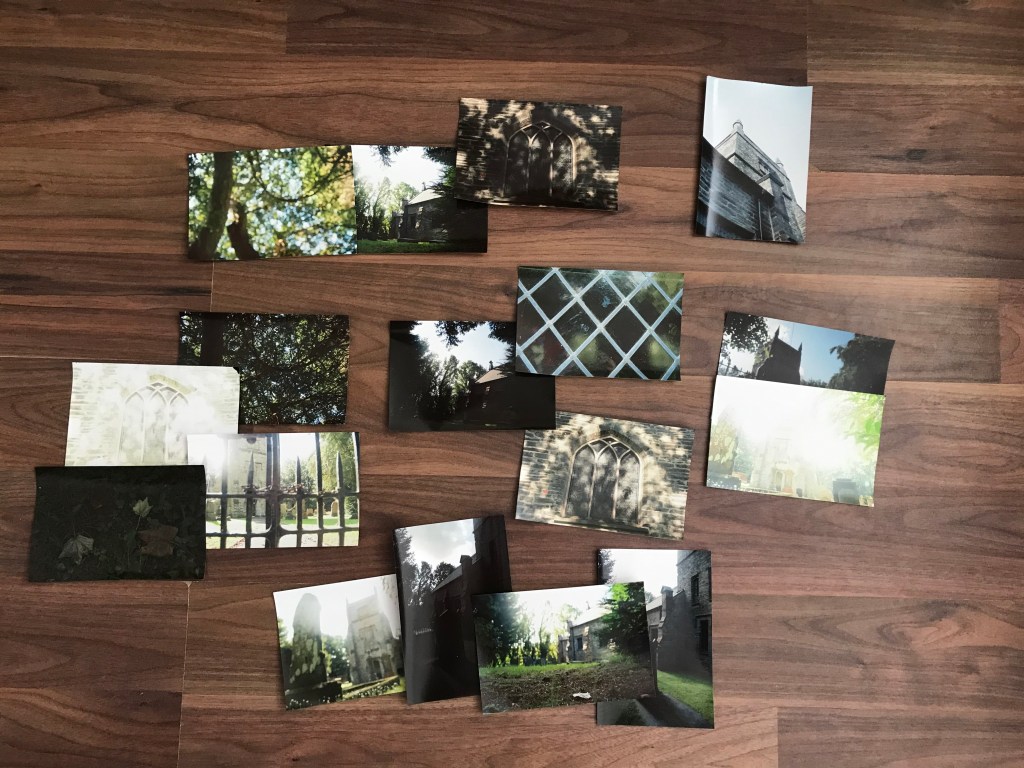
Then narrowed them down further.
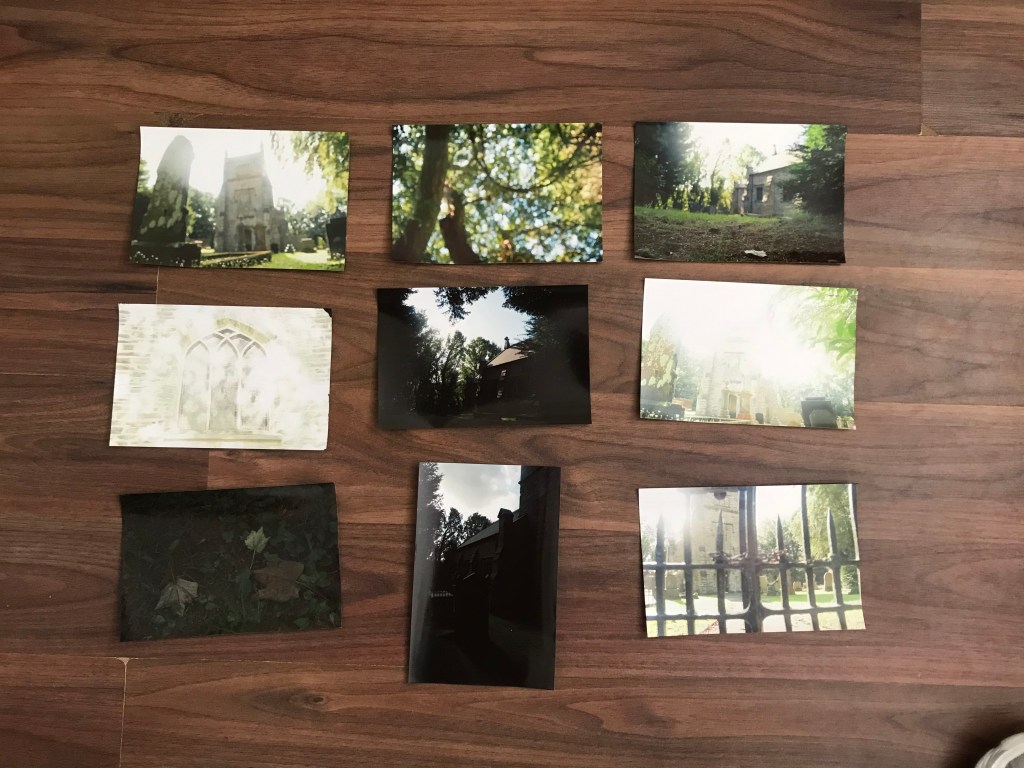
Here are my final images I have chosen for the first assignment.
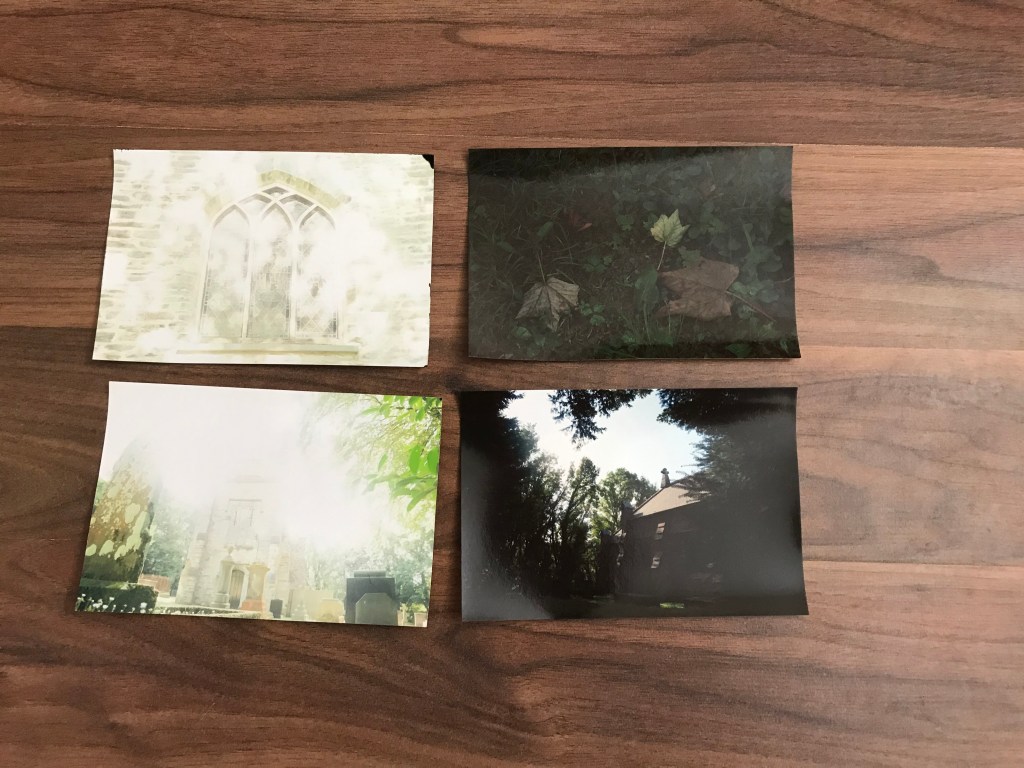
For the next location I did similar to what for the above. Here is my process
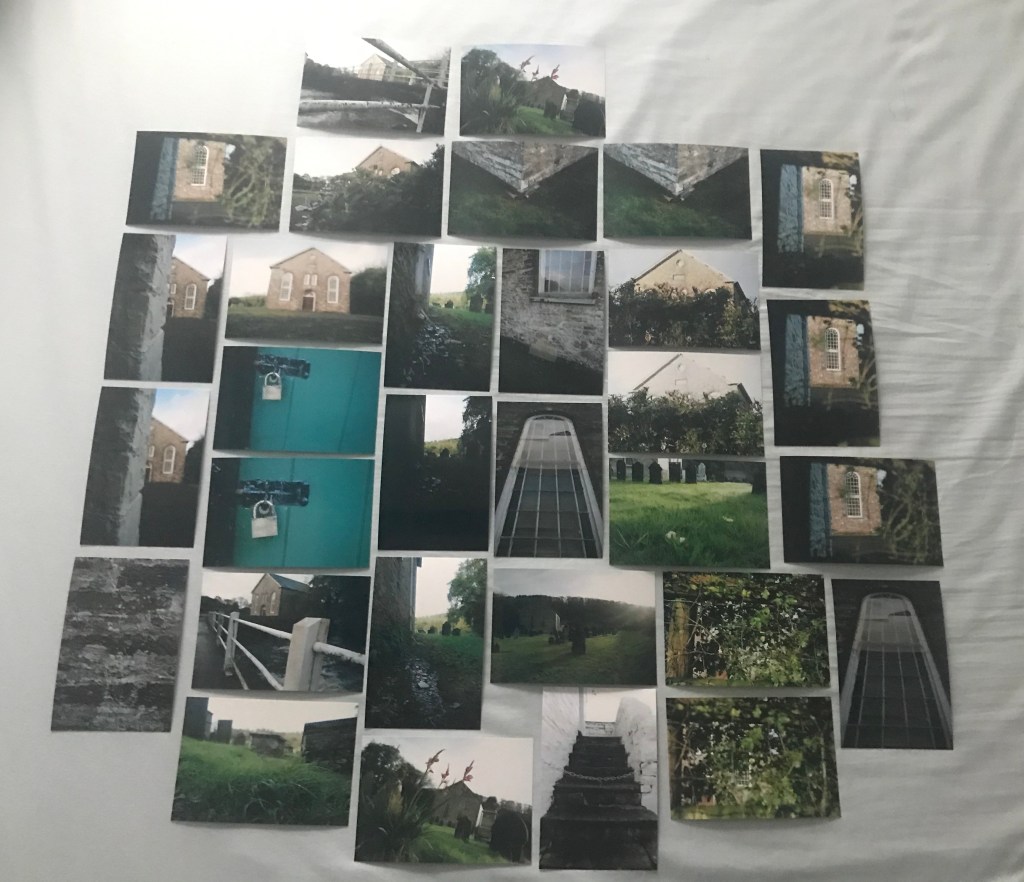
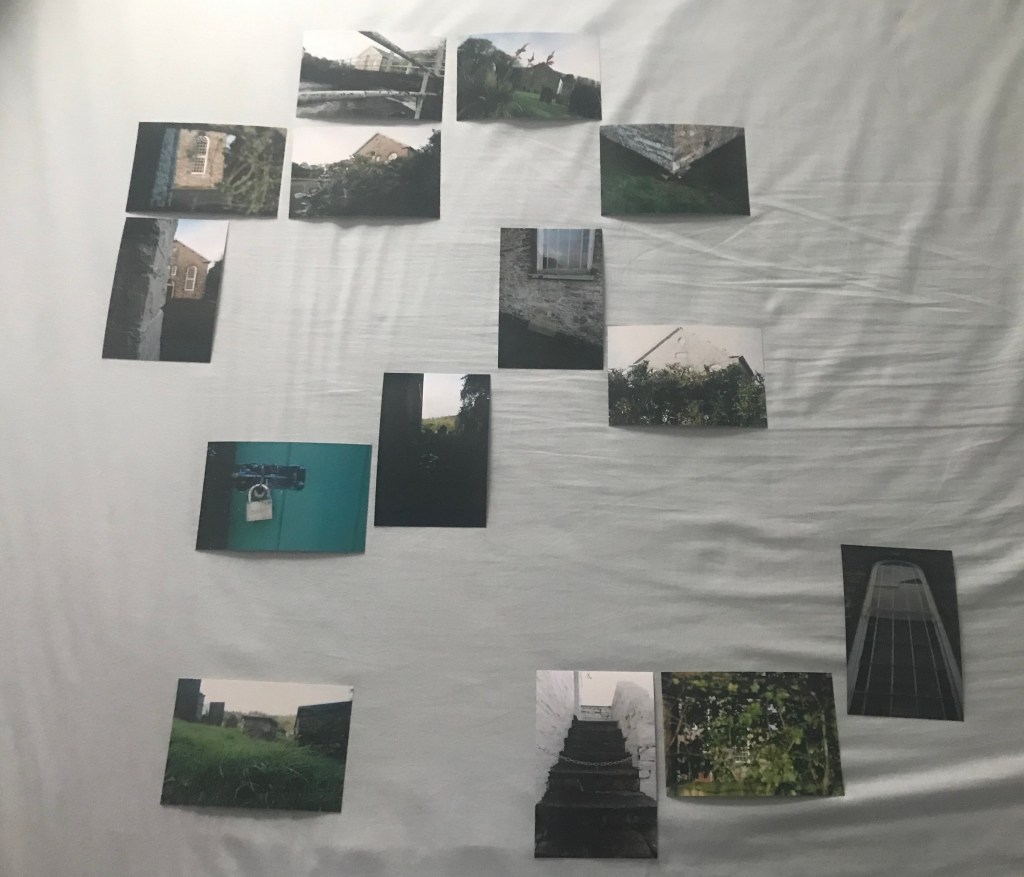
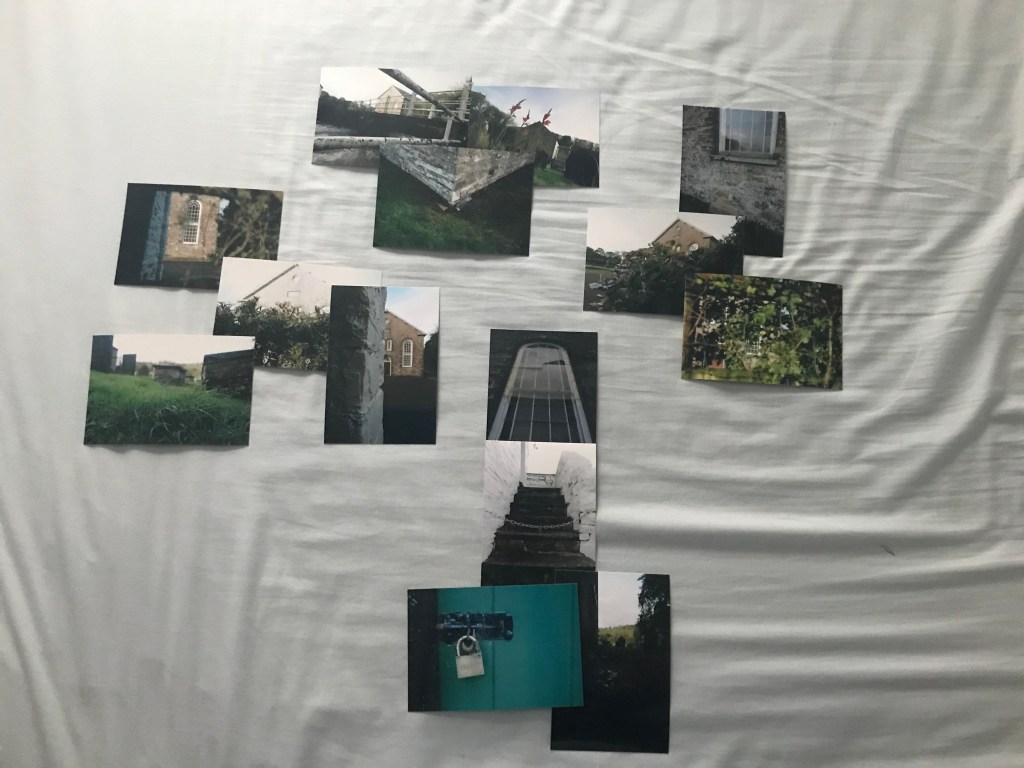
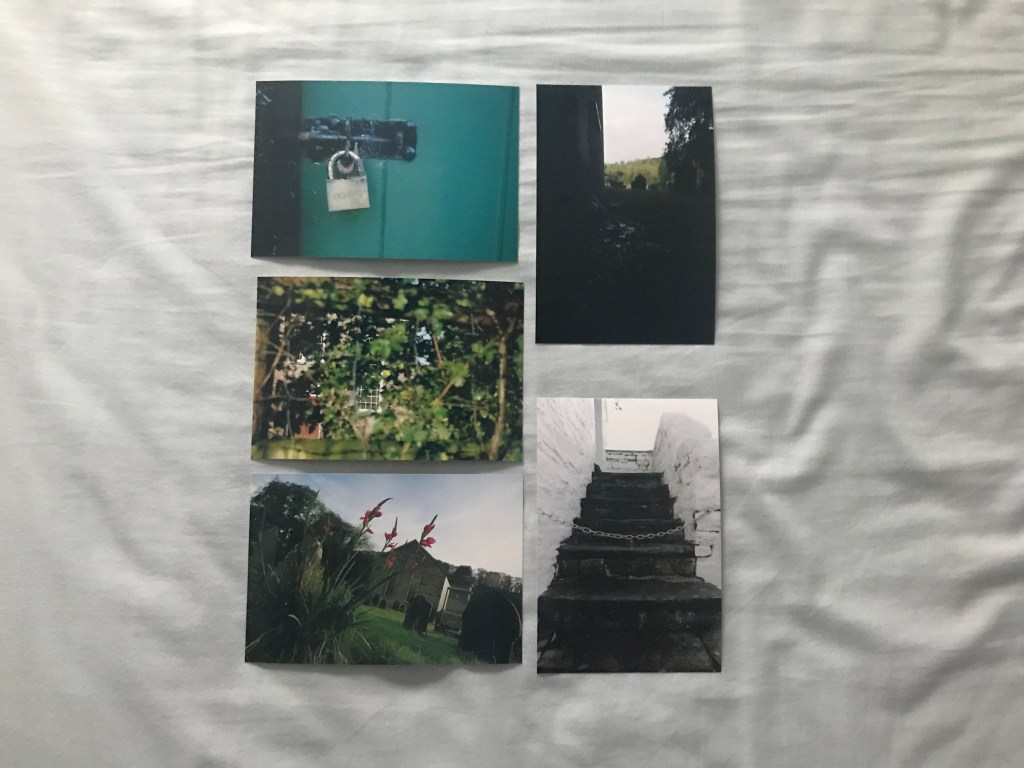
Here is location three:
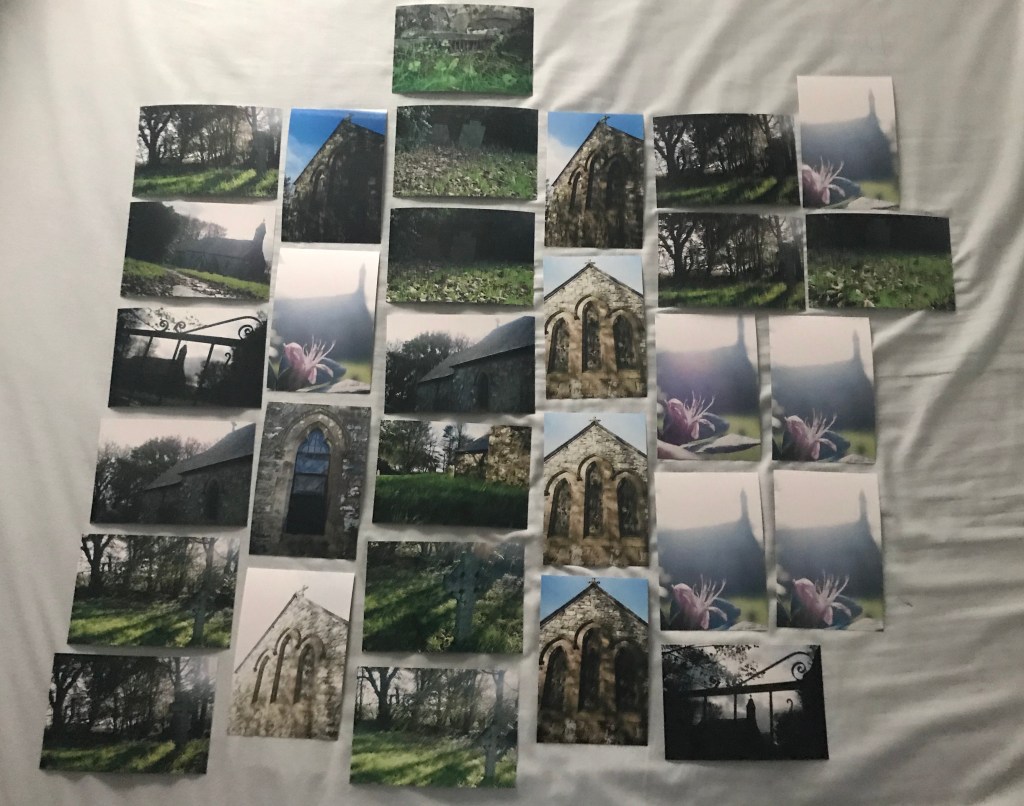
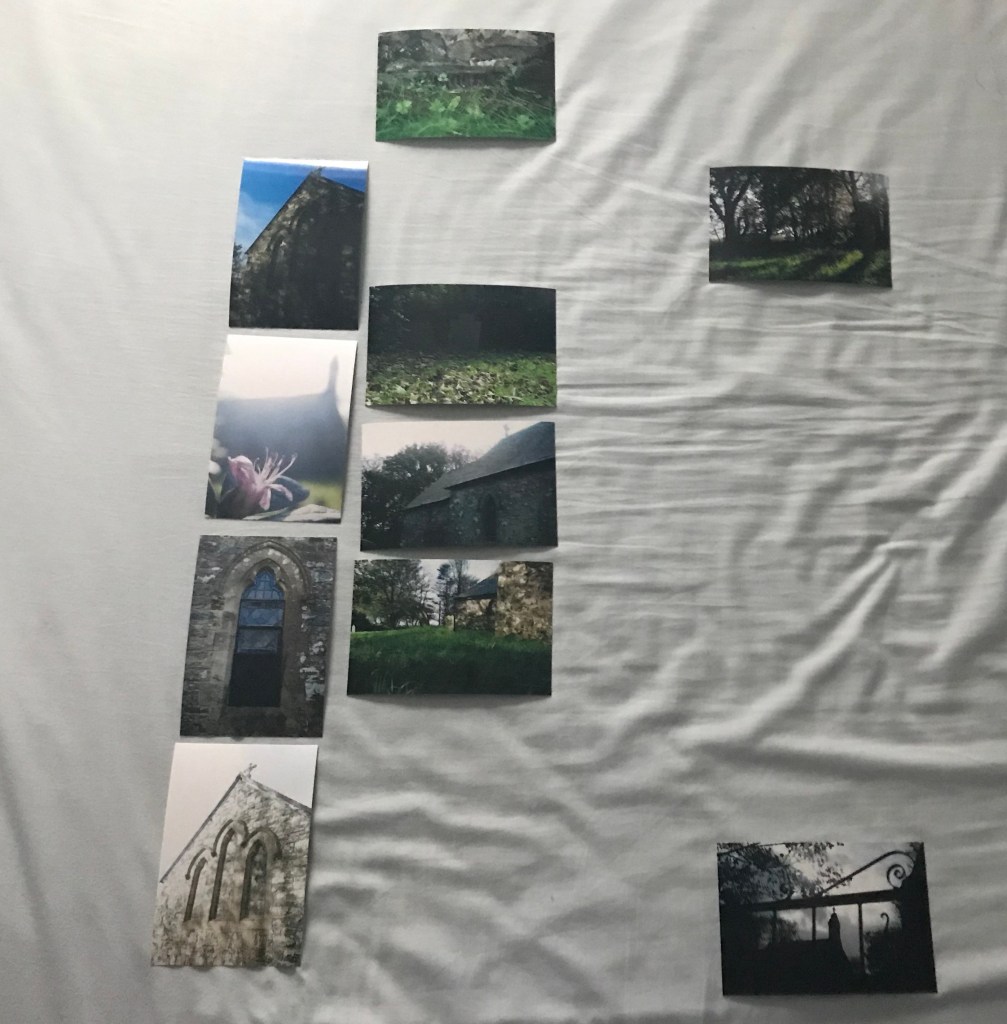
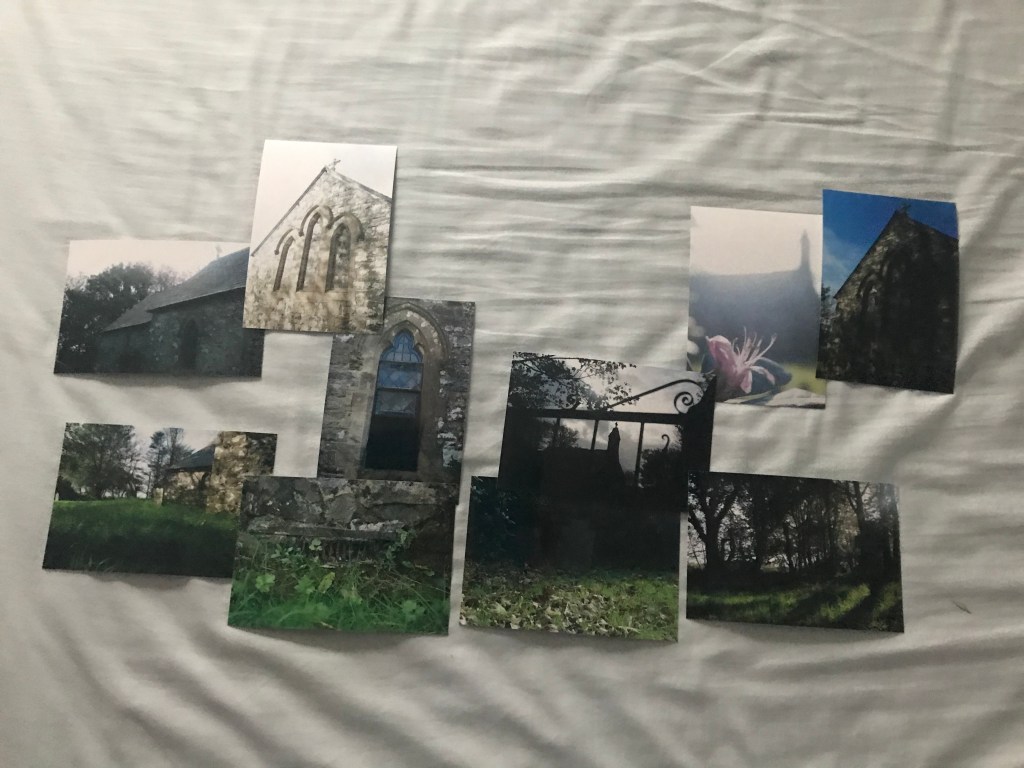
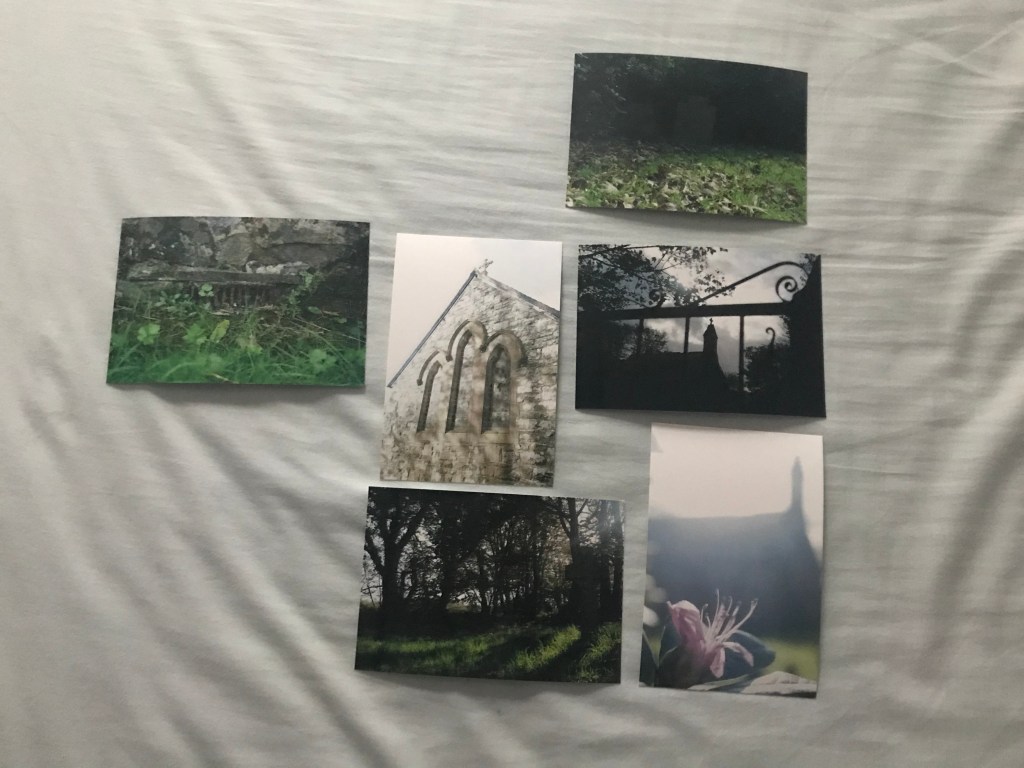
Here is location four:
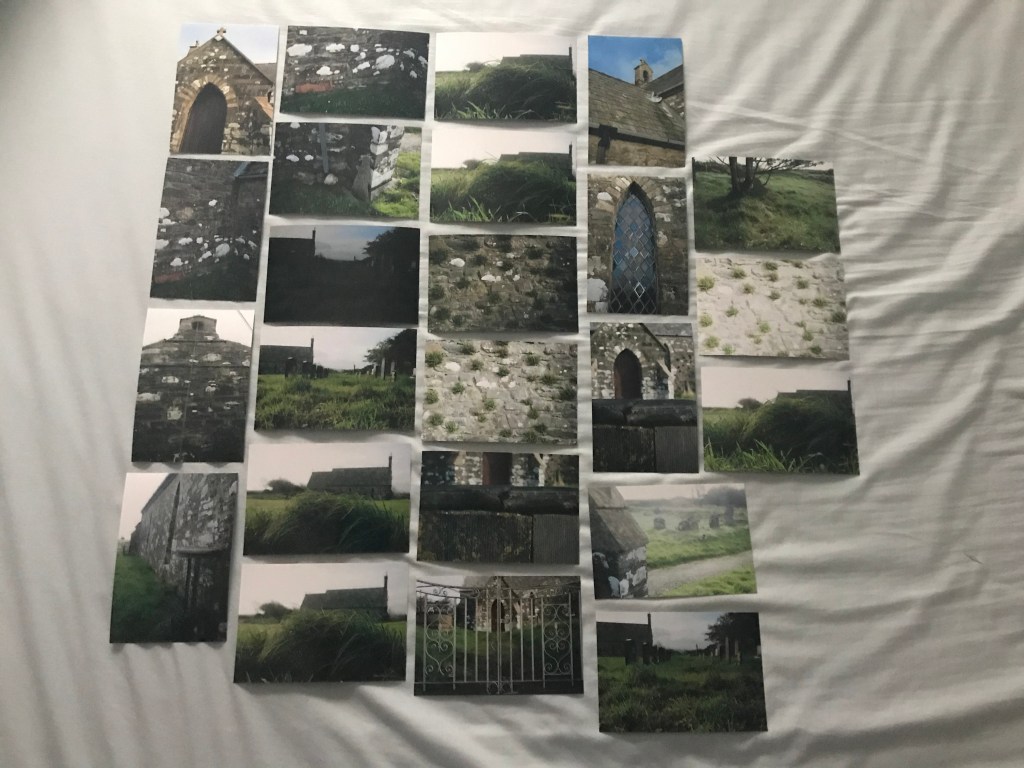
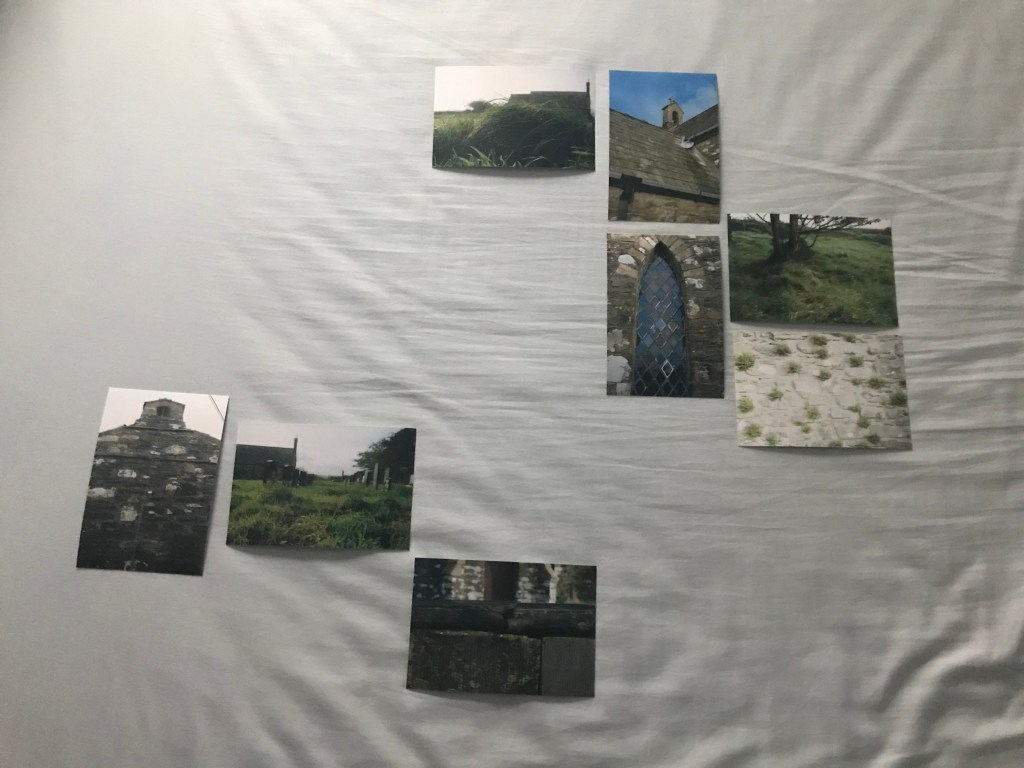
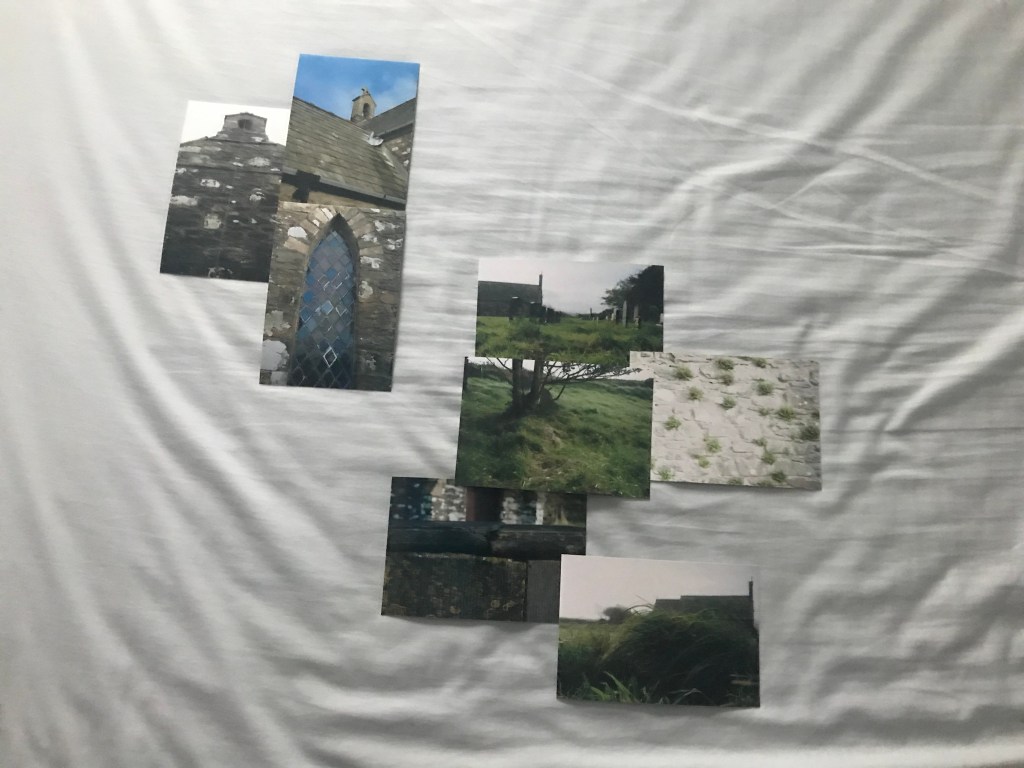
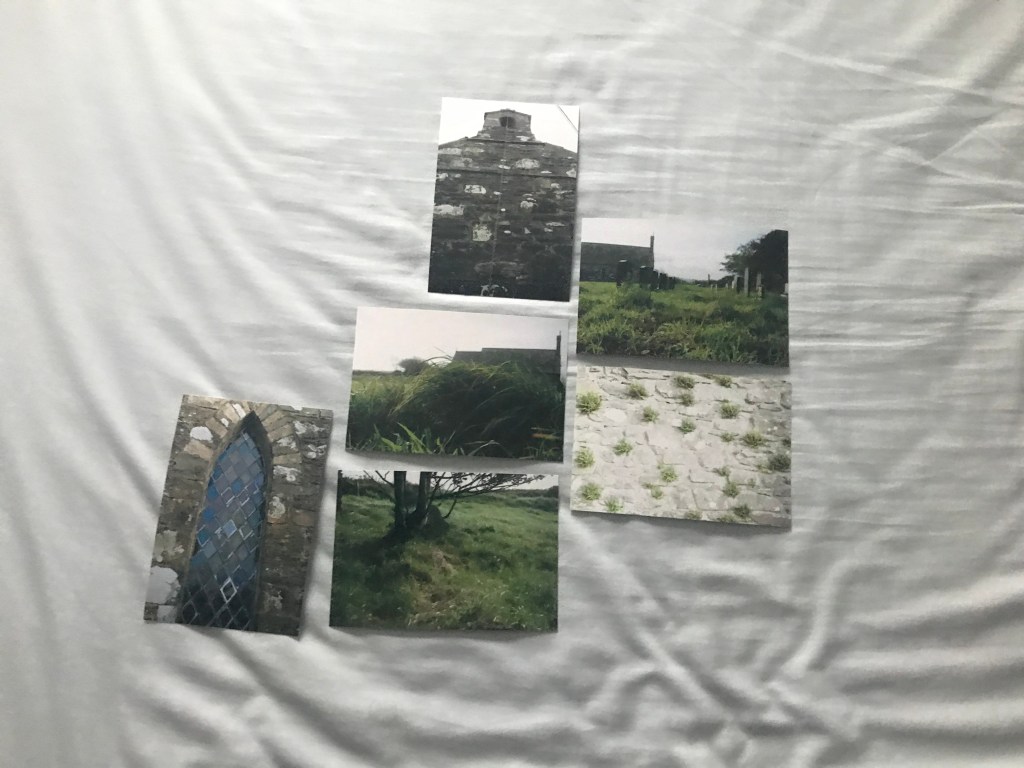
Here are the final images so far:
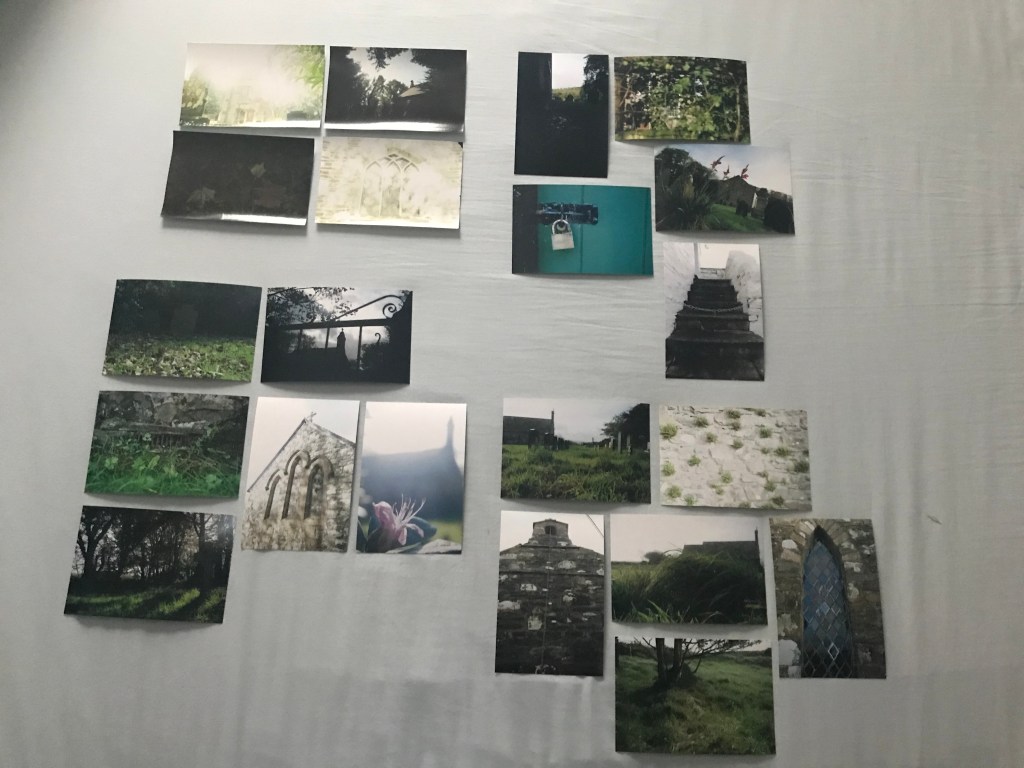
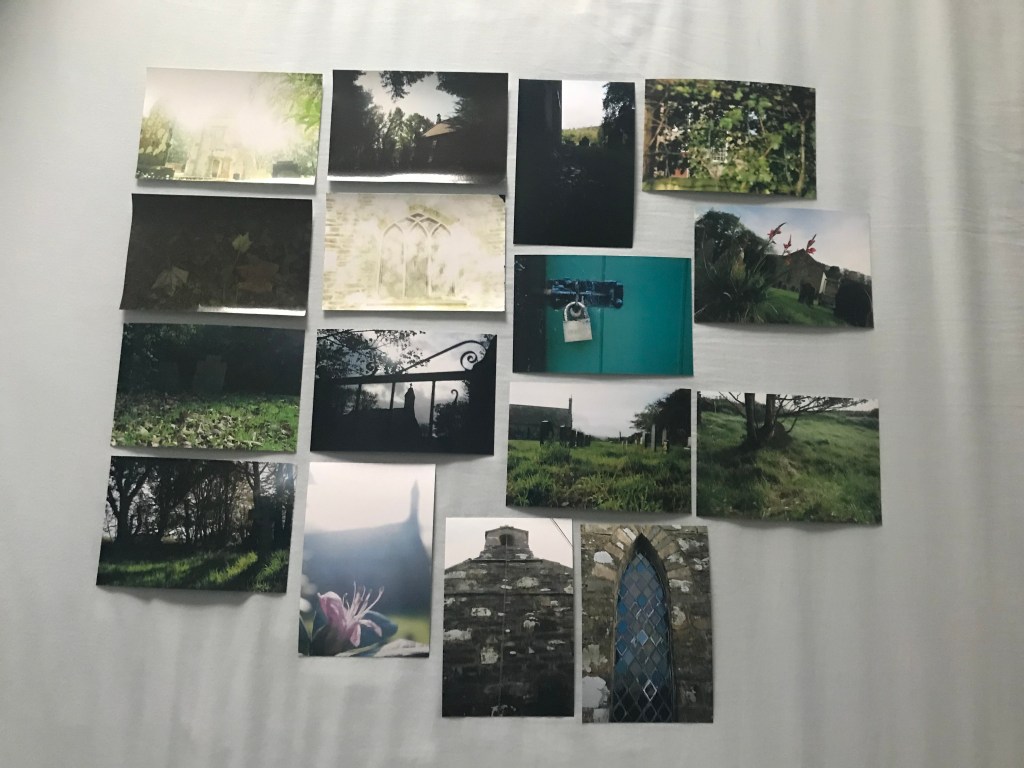
Cutting Down
I firstly narrowed down my images to 30 for assignment one. I then decided to narrow them down further. I printed my images to 6×4, and laid them out.
This was probably one of the hardest things to do for these images. The process of cutting down needs thought. I laid them out and used my instincts but also I was trying to think ahead in my mind. I was trying to imagine how the images would work together and which wouldn’t. It did take me time, as I would go over and over trying different combinations until I reached a point where the images worked to me. The images were saying something to me and I felt the combinations worked.
This is location one:
I took away the ones that I didn’t feel anything from, and was left with these.
I moved them about and rearranged them to see different combinations.
Then narrowed them down further.
Here are my final images I have chosen for the first assignment.
For the next location I did similar to what for the above. Here is my process
Here is location three:
Here is location four:
Here are the final images so far:
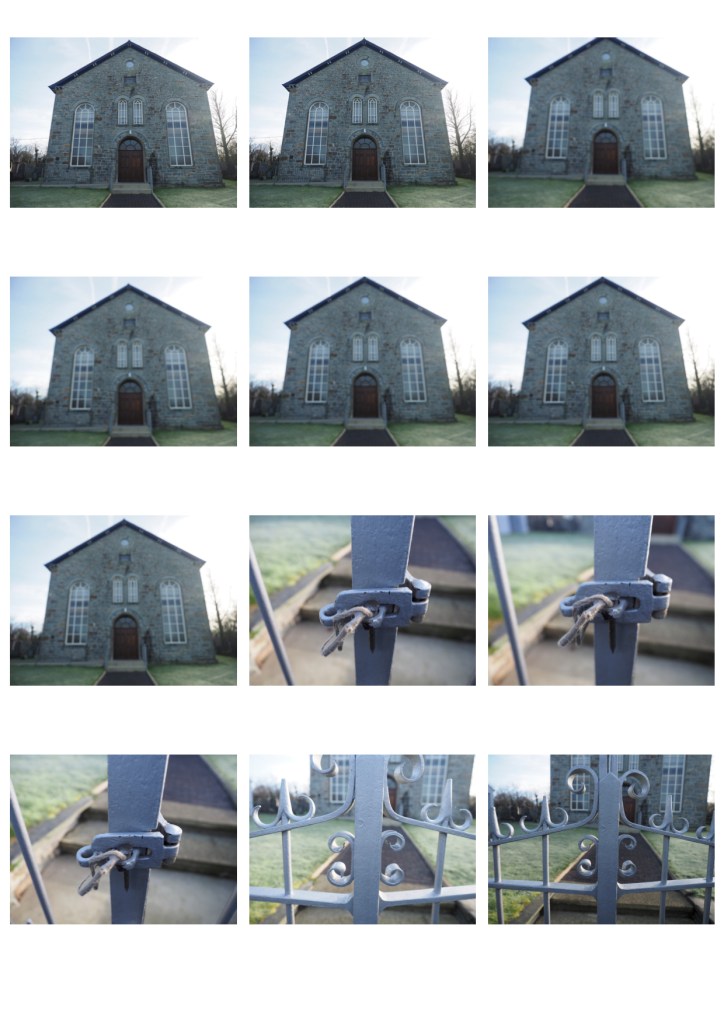
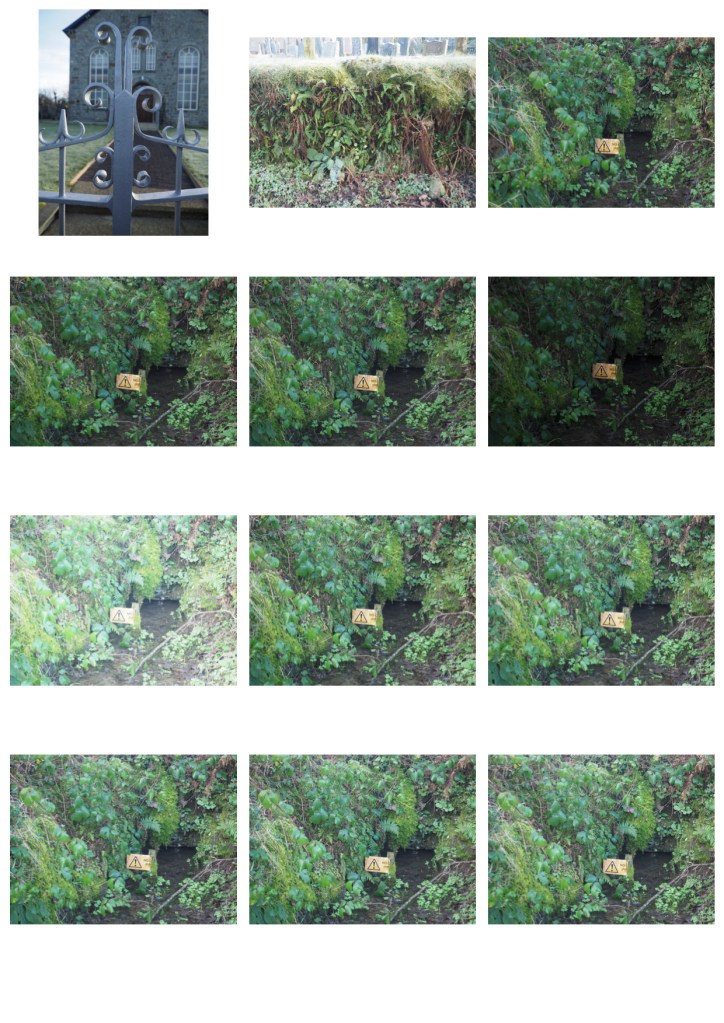
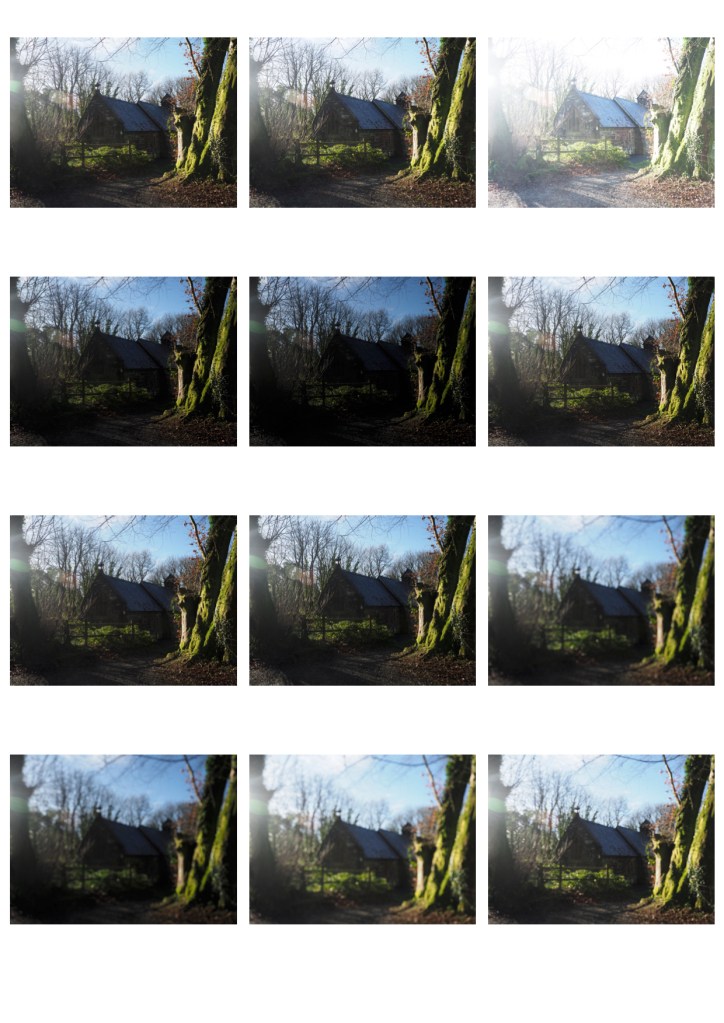
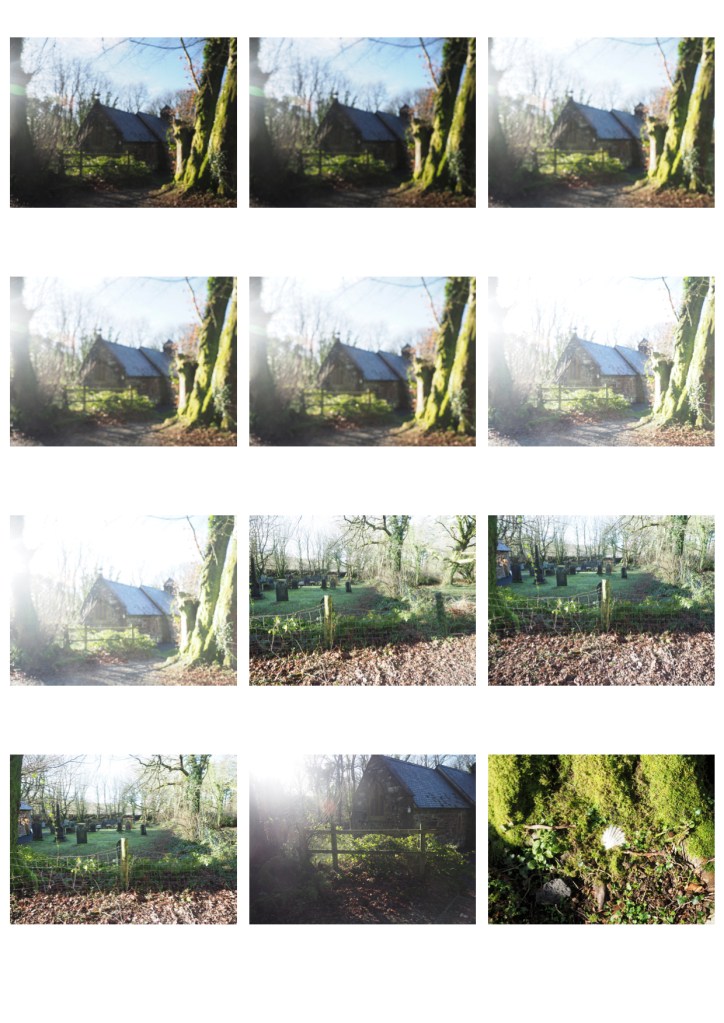
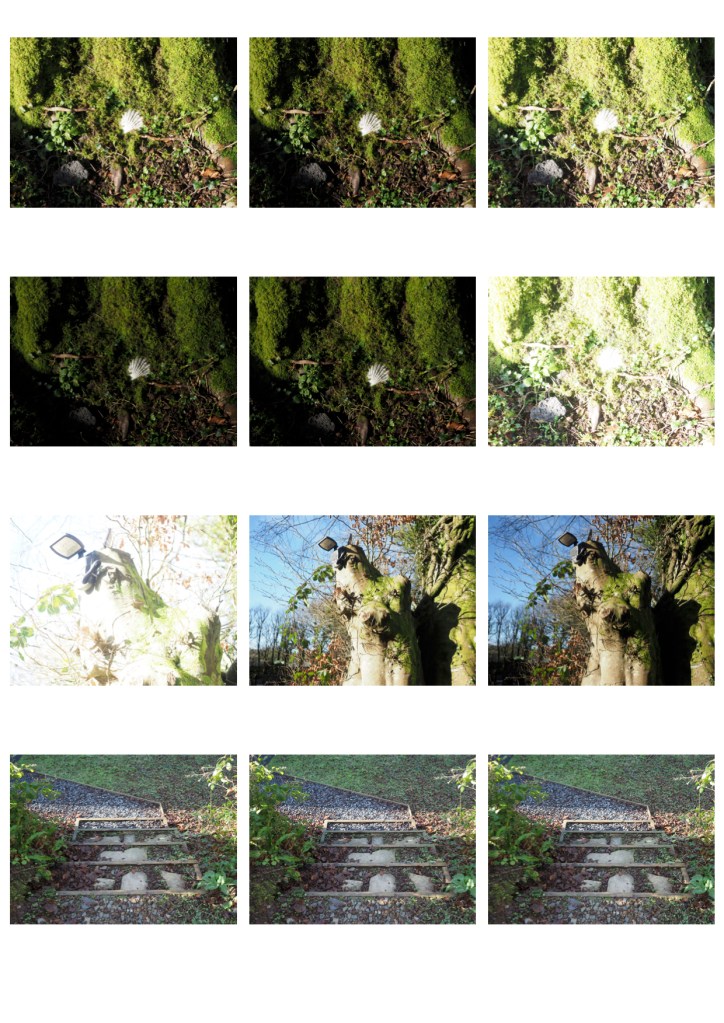
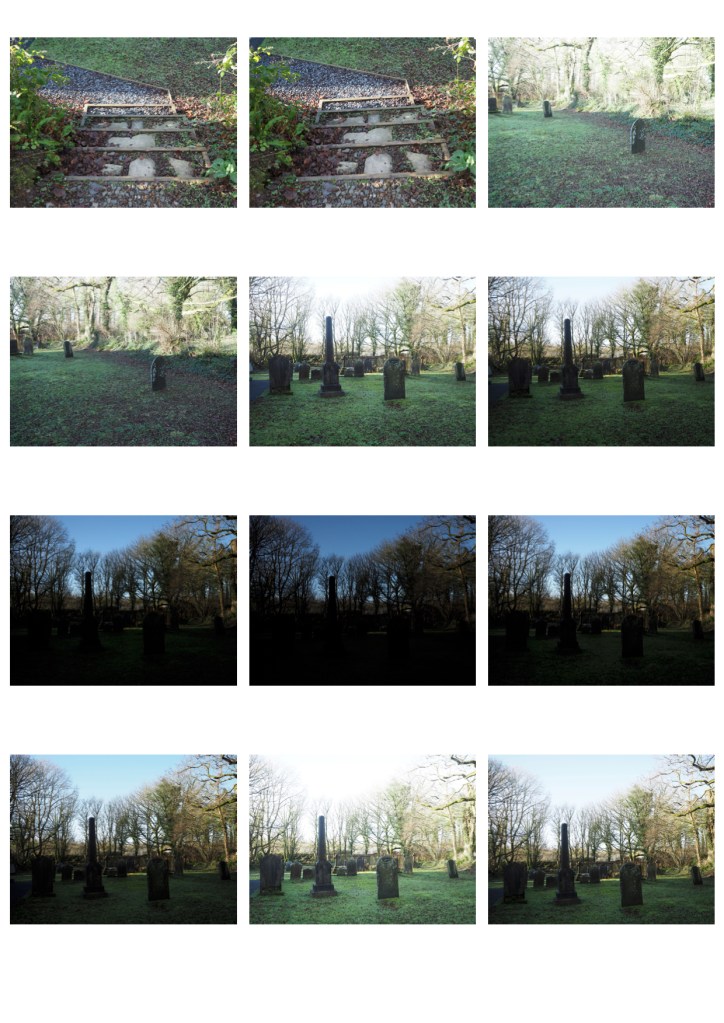
Location One – Contact Sheets
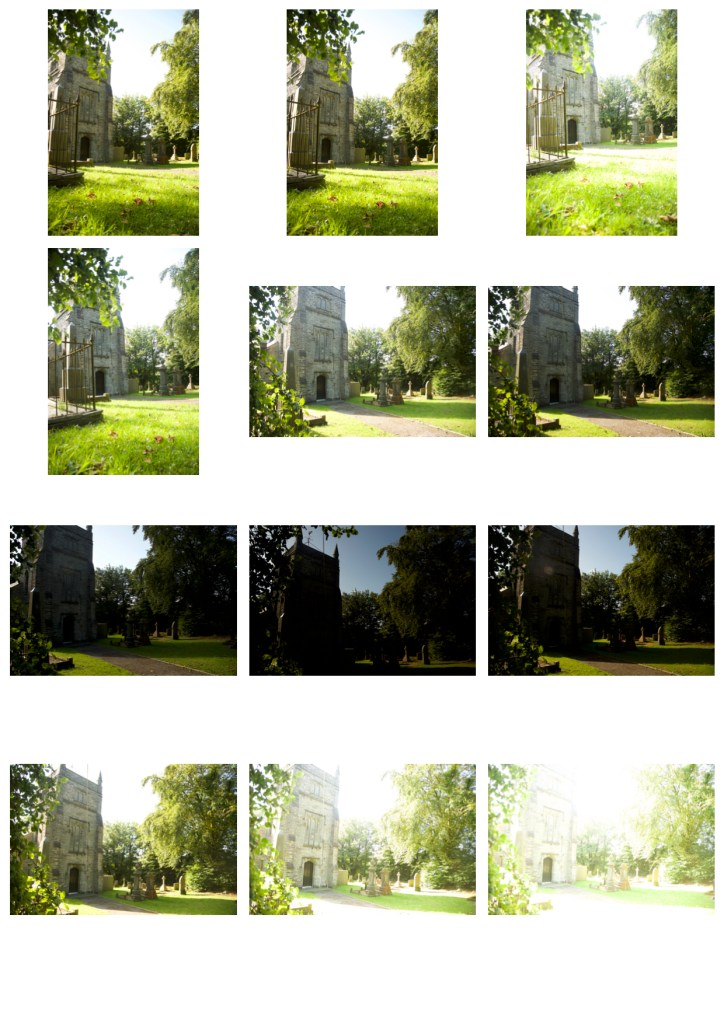
Location Two – Contact Sheets
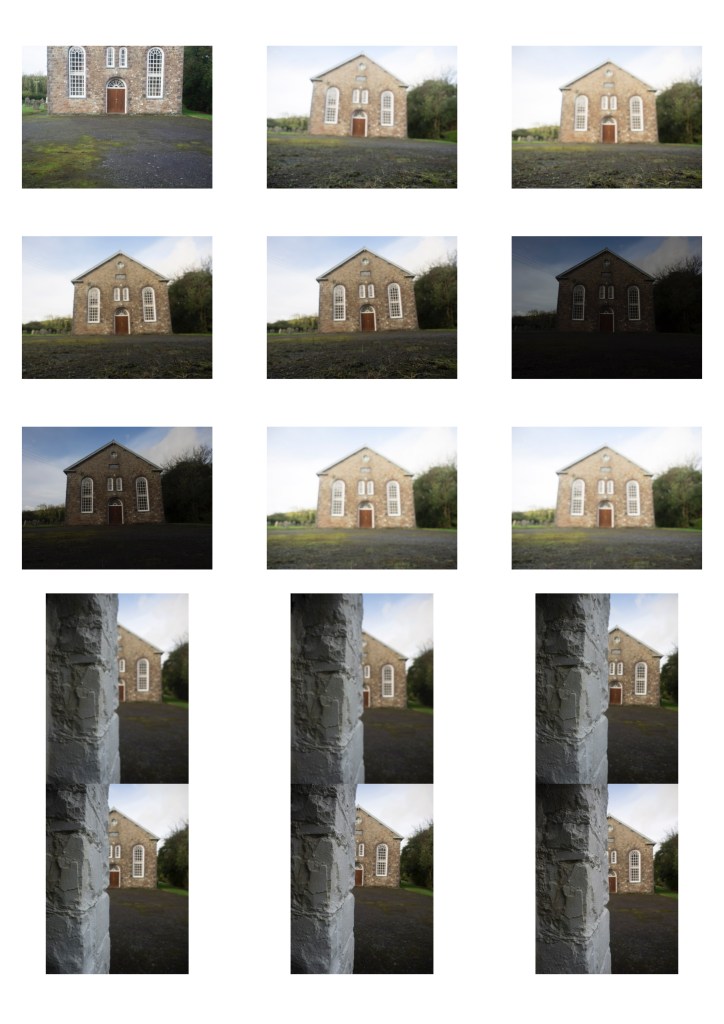
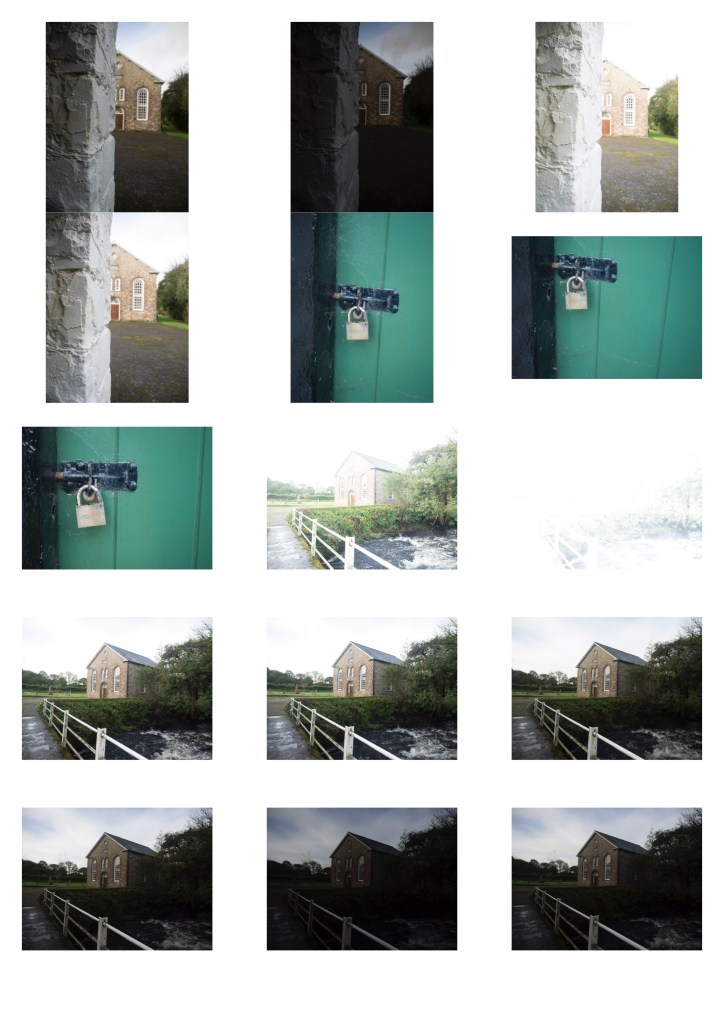
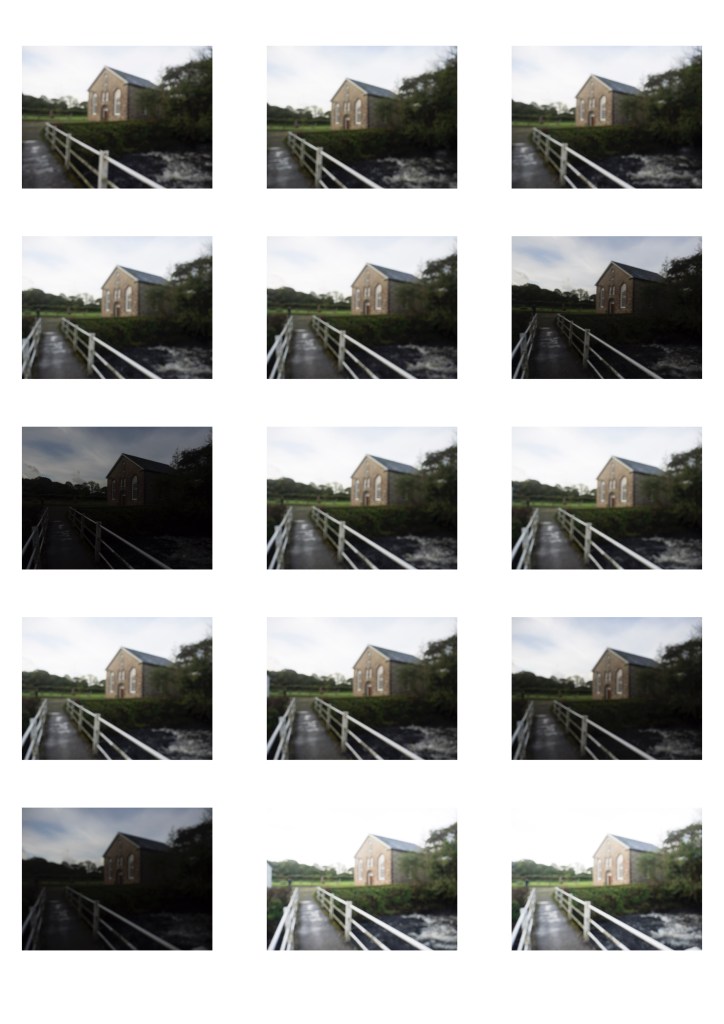
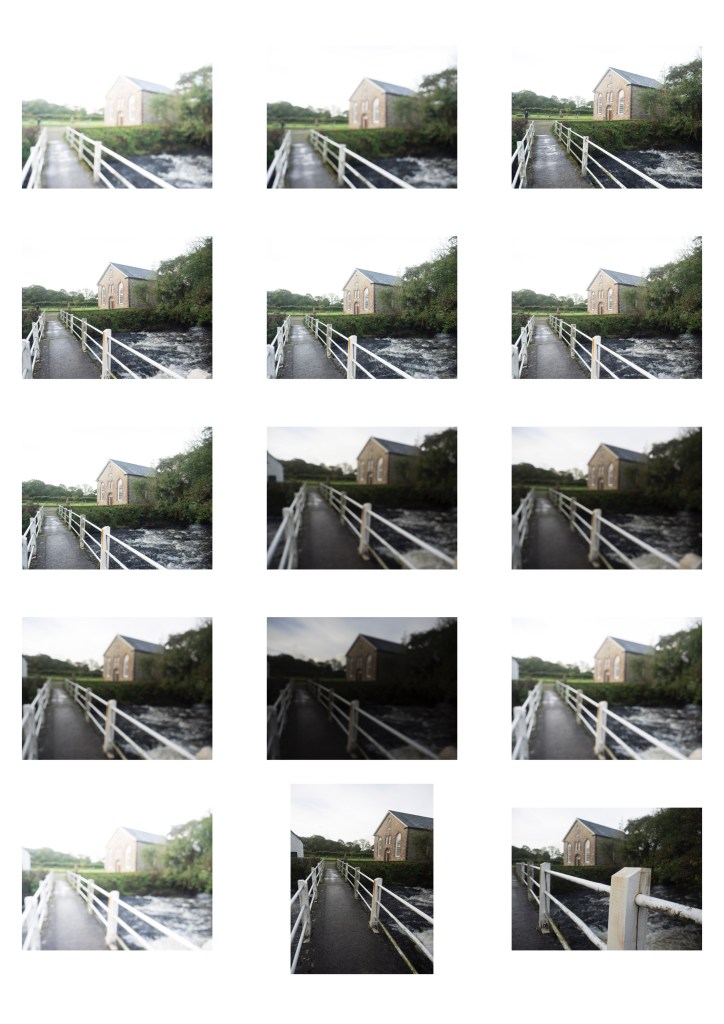
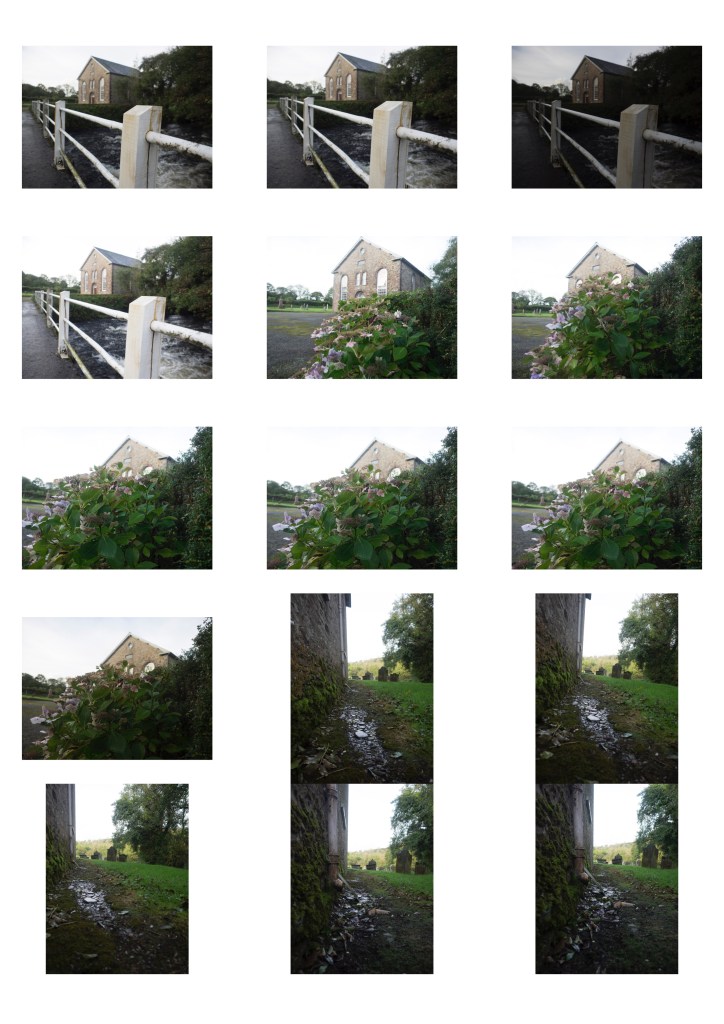
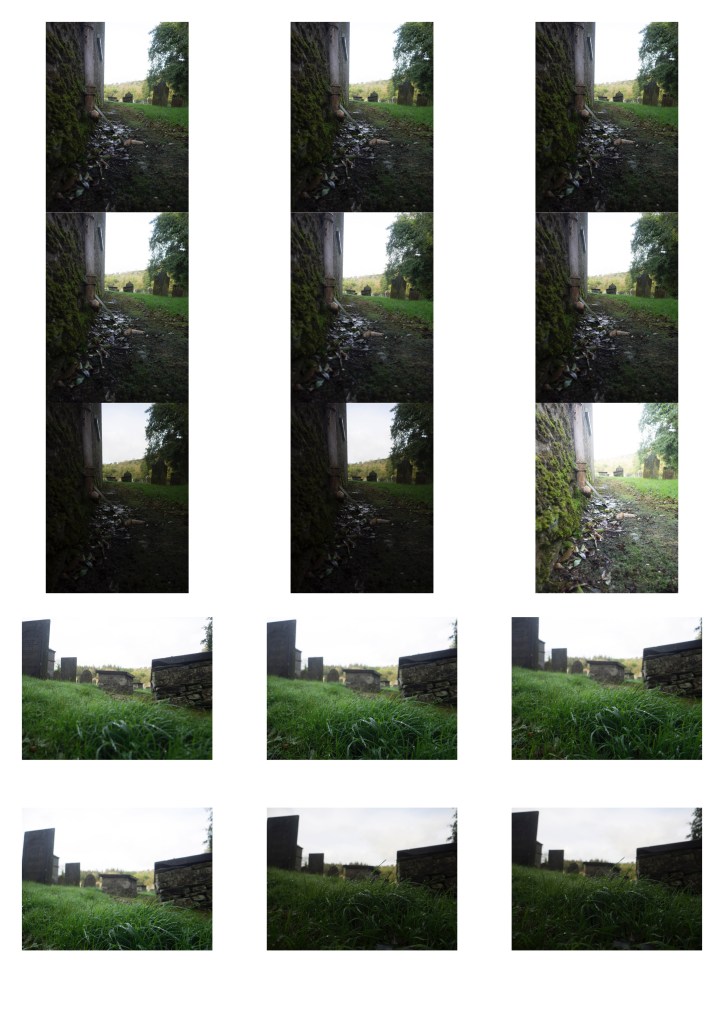
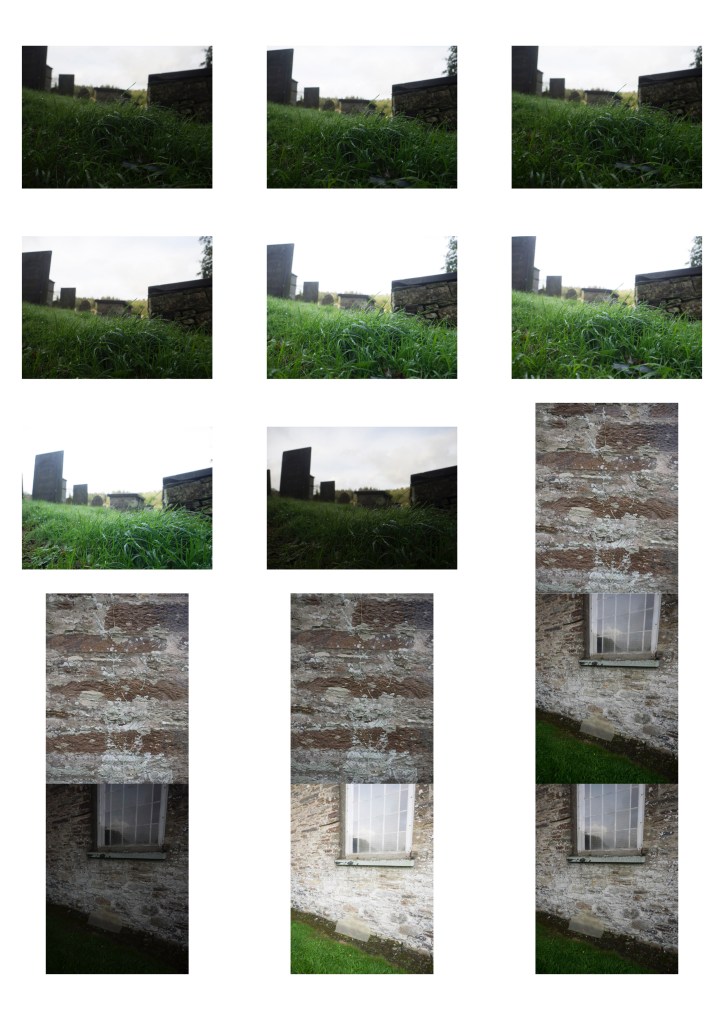
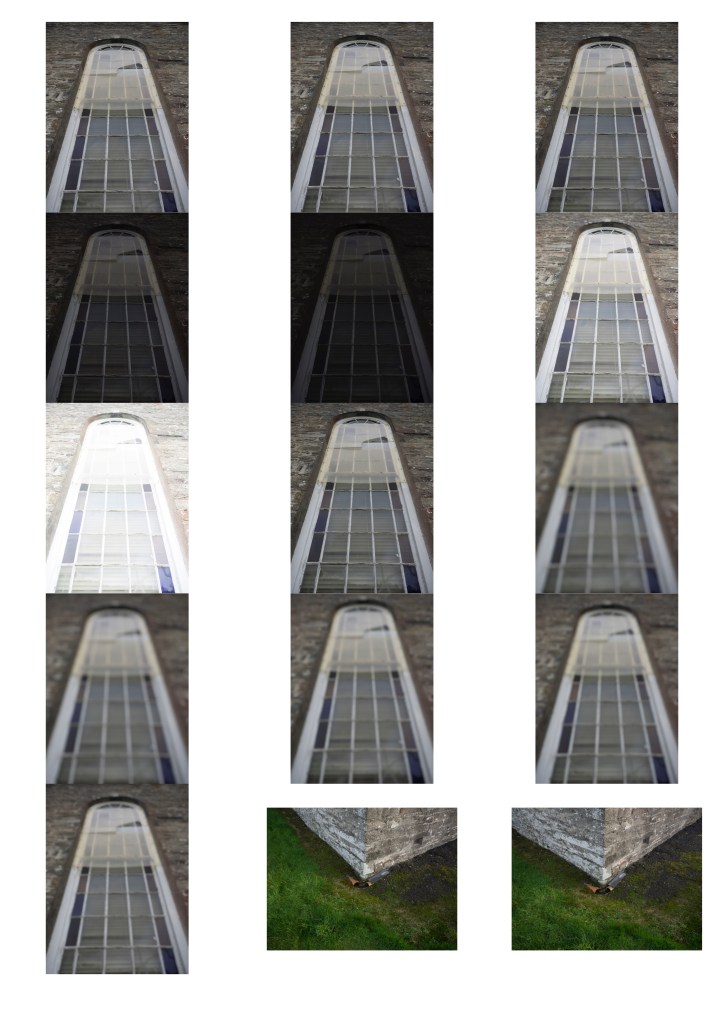
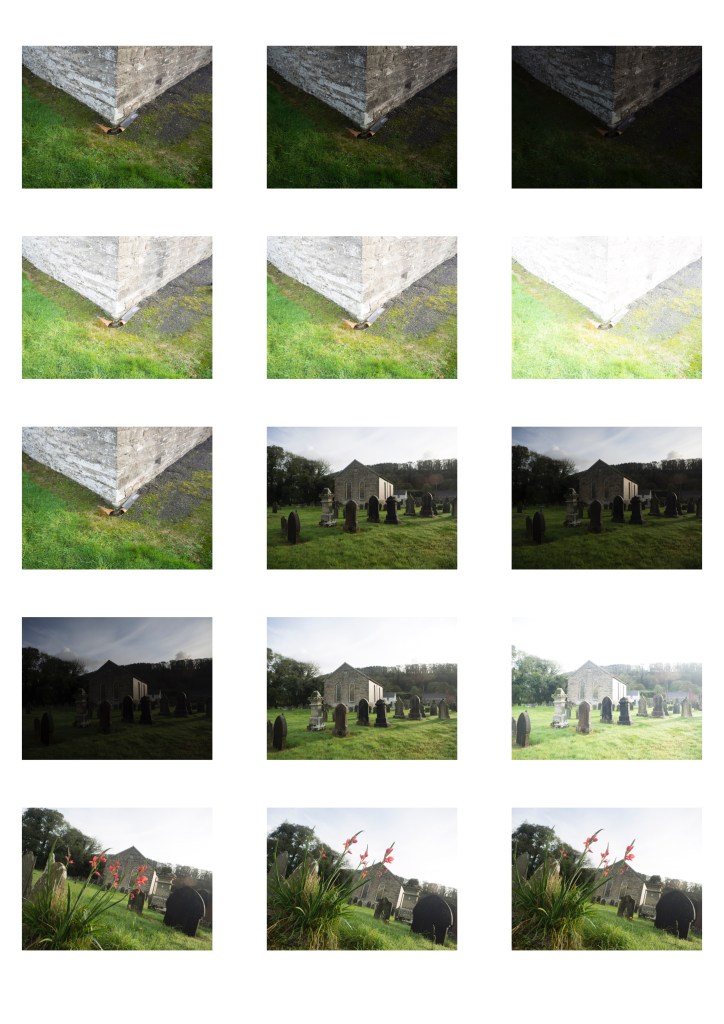
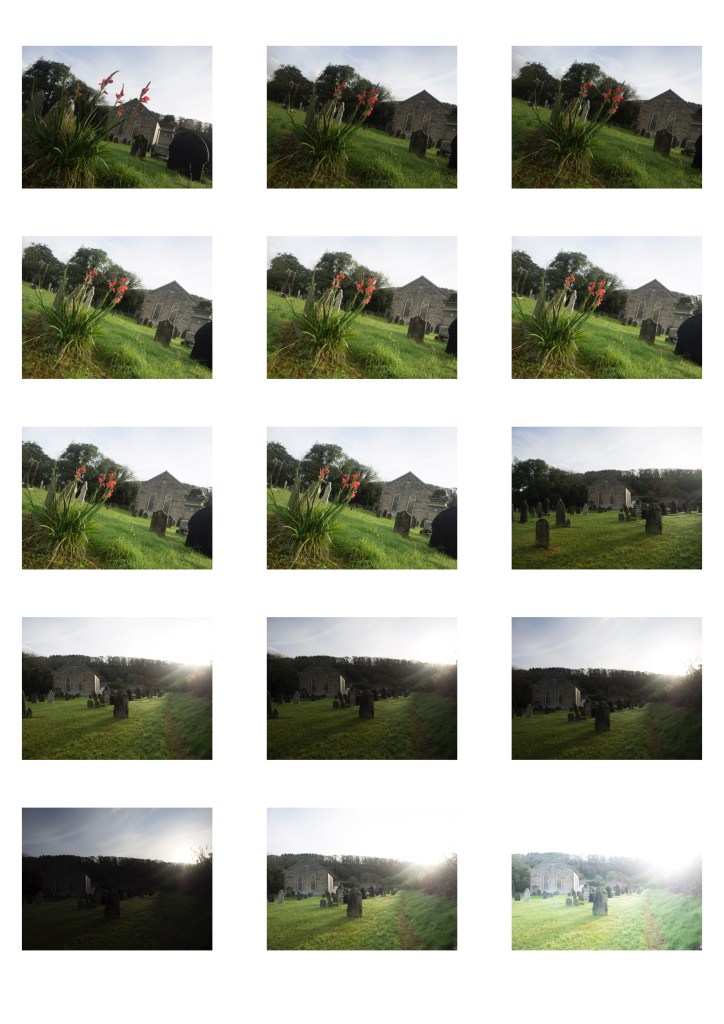
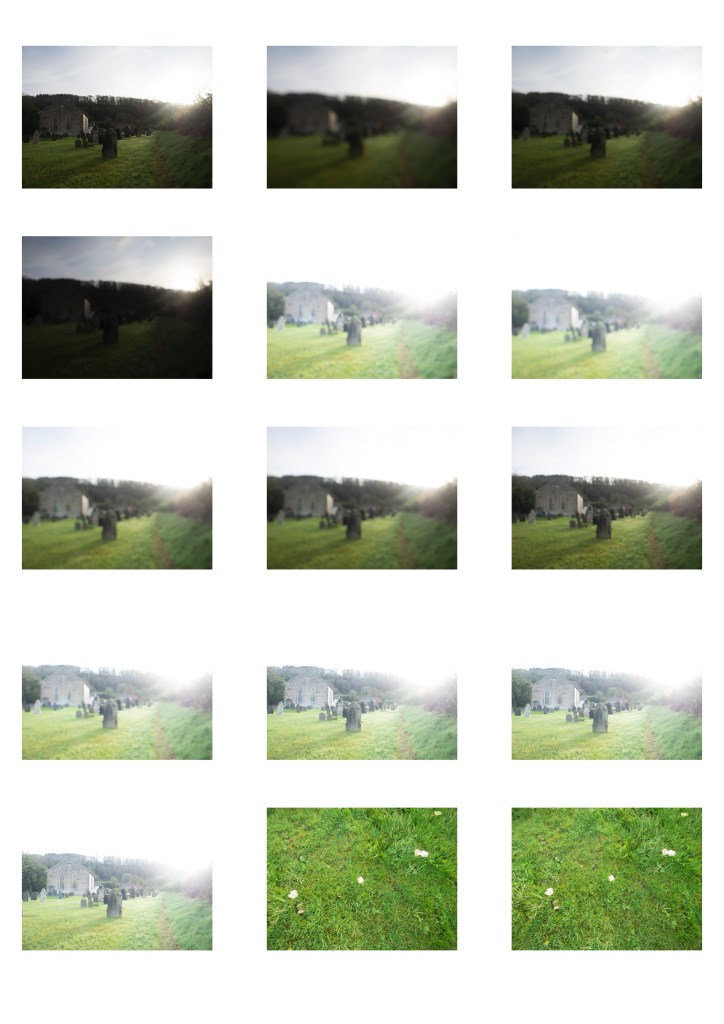
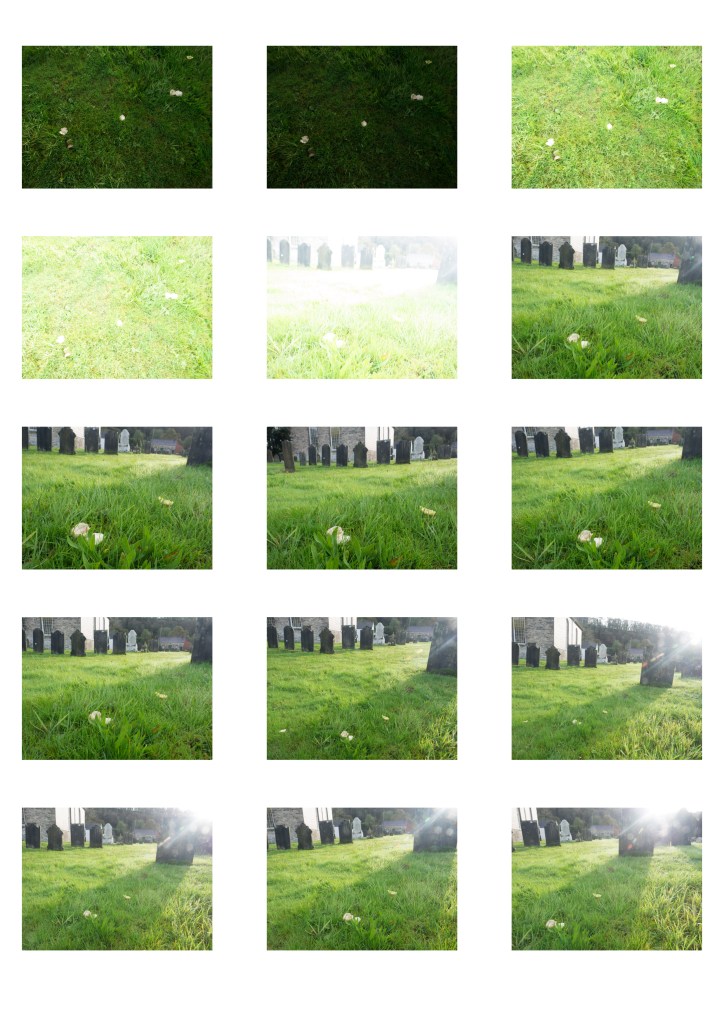
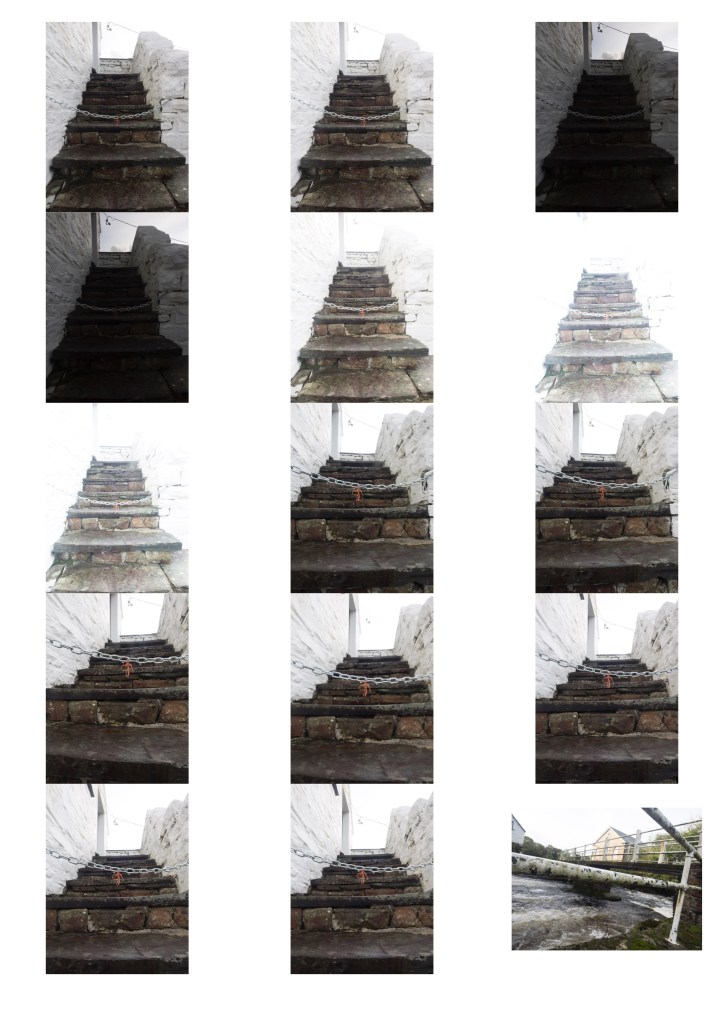
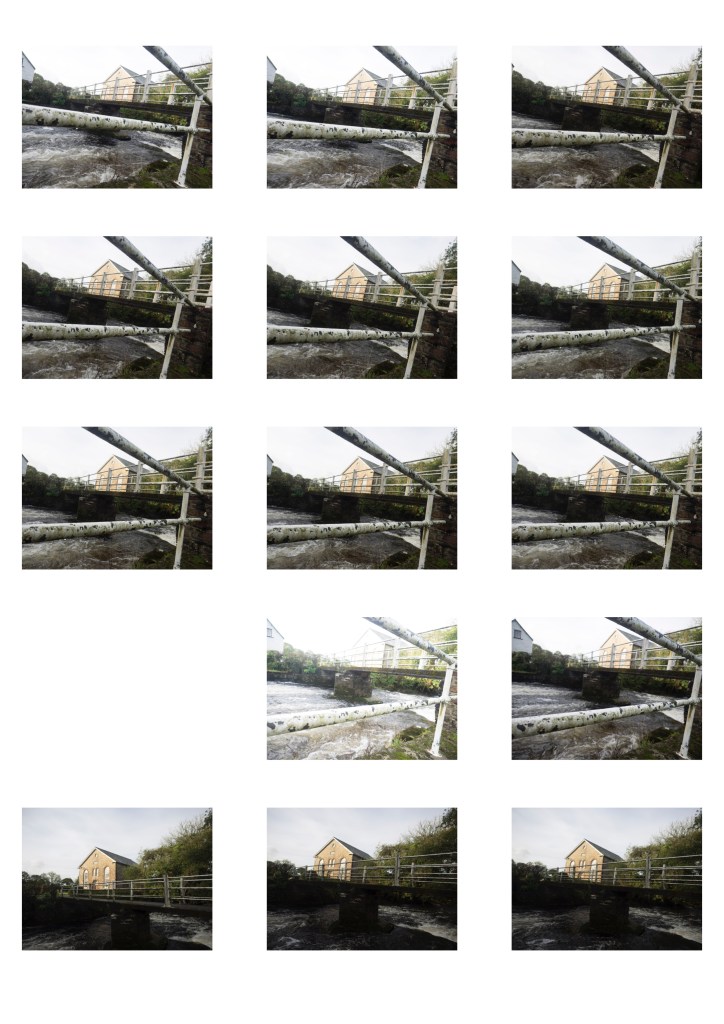
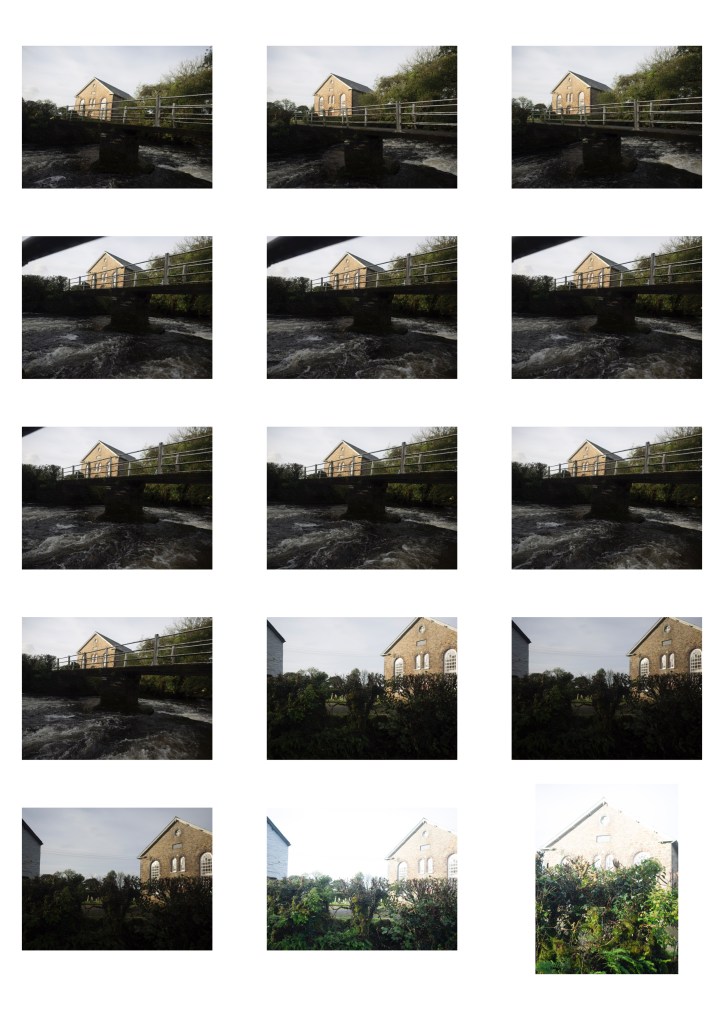
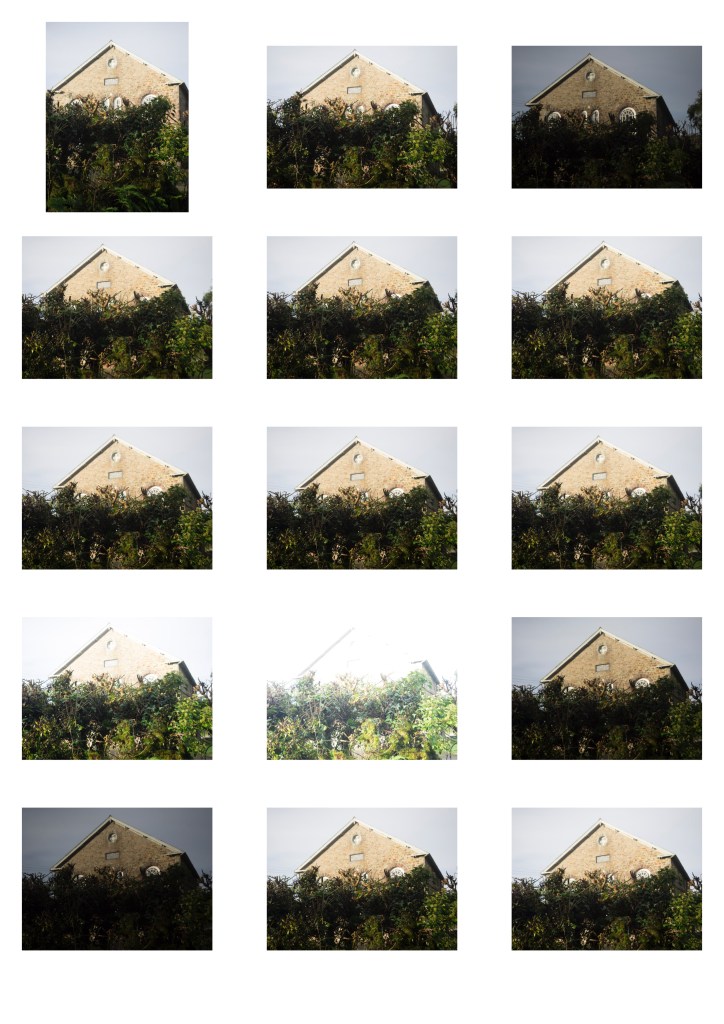
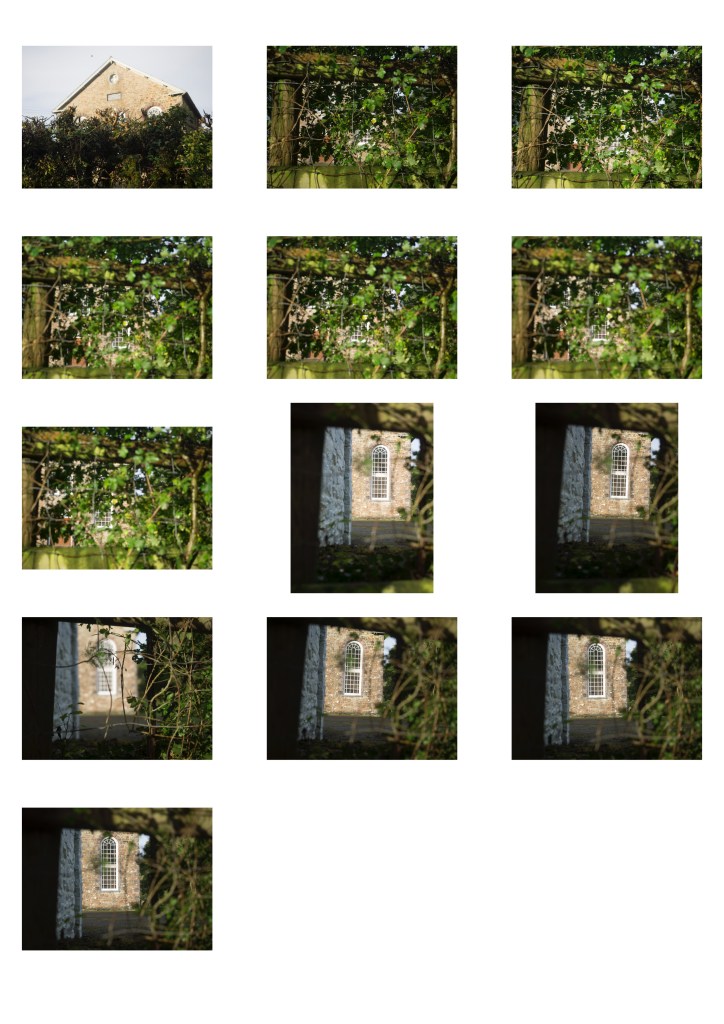
Location Three – Contact Sheets
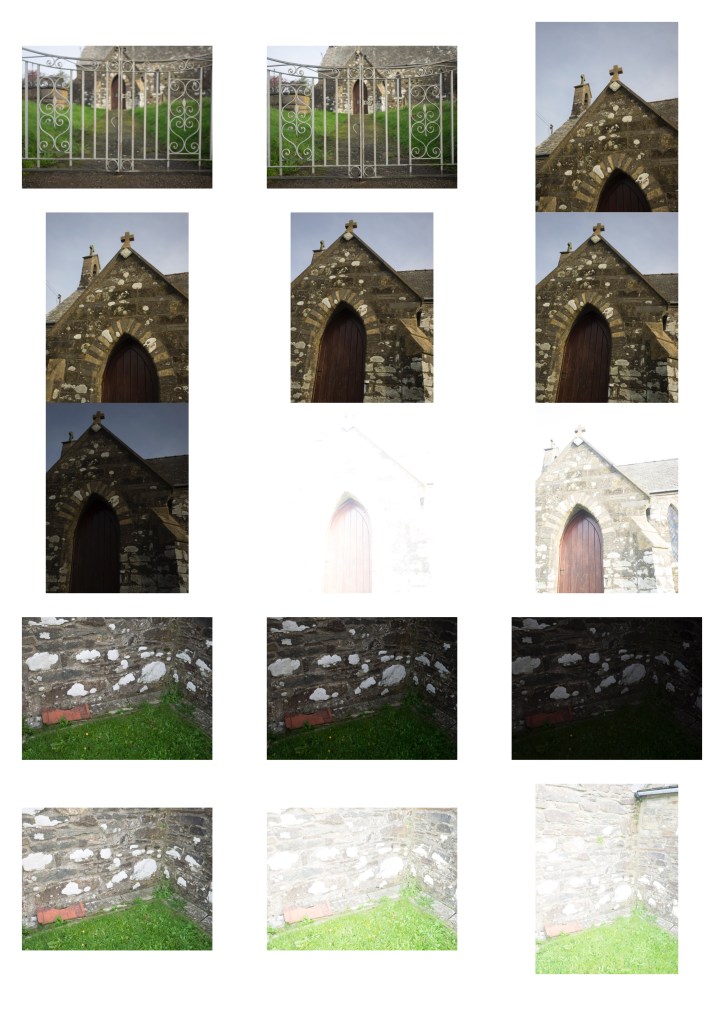
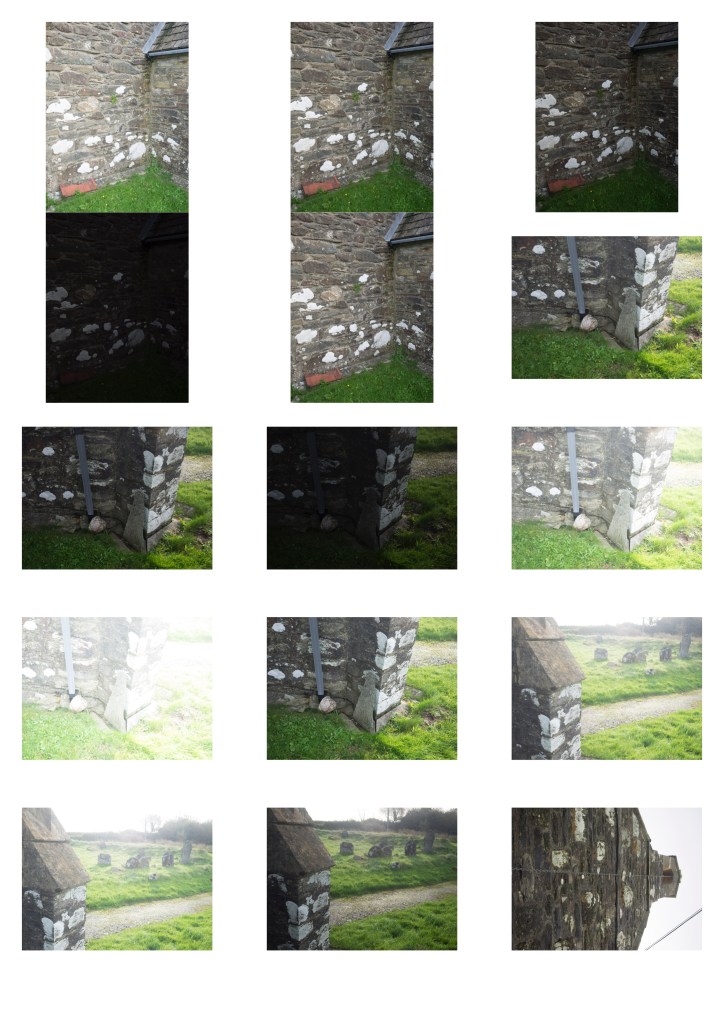
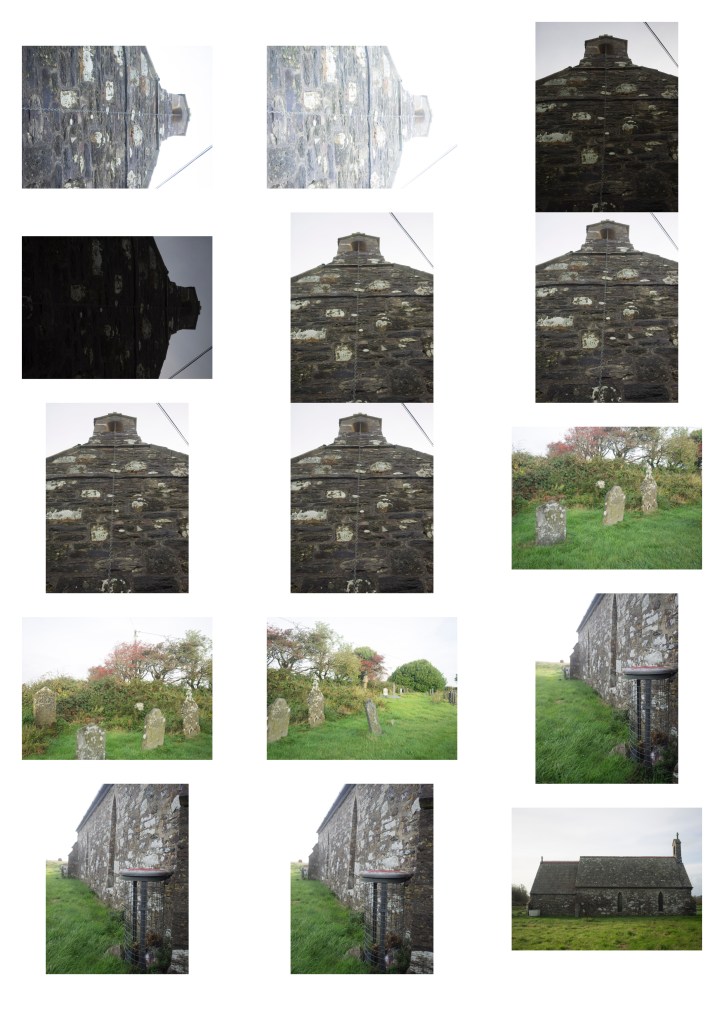
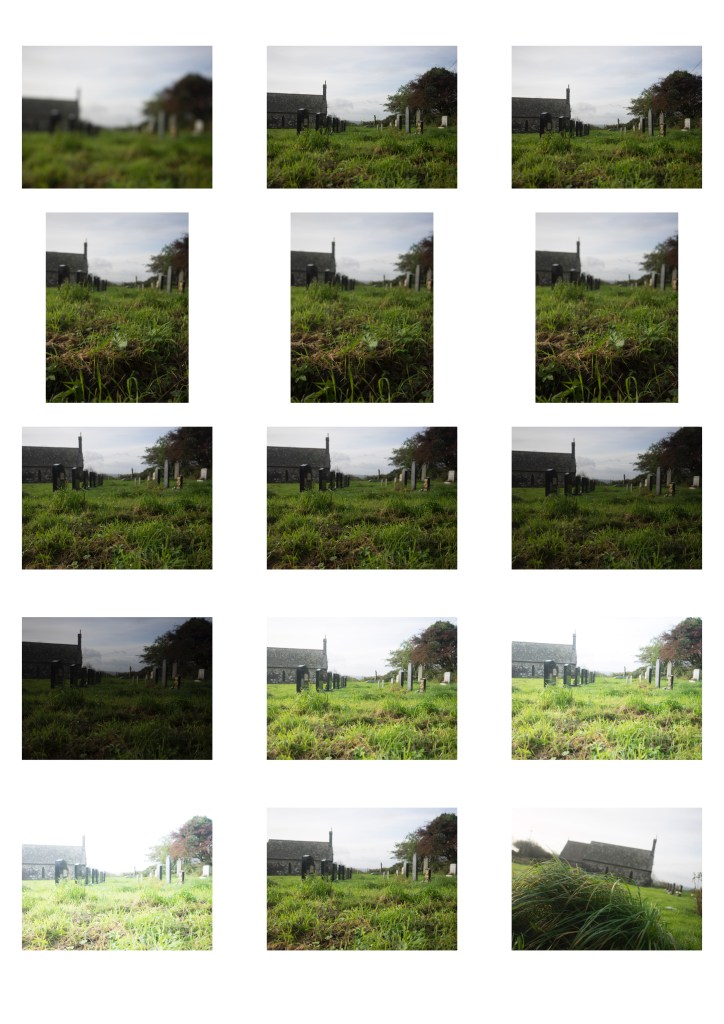
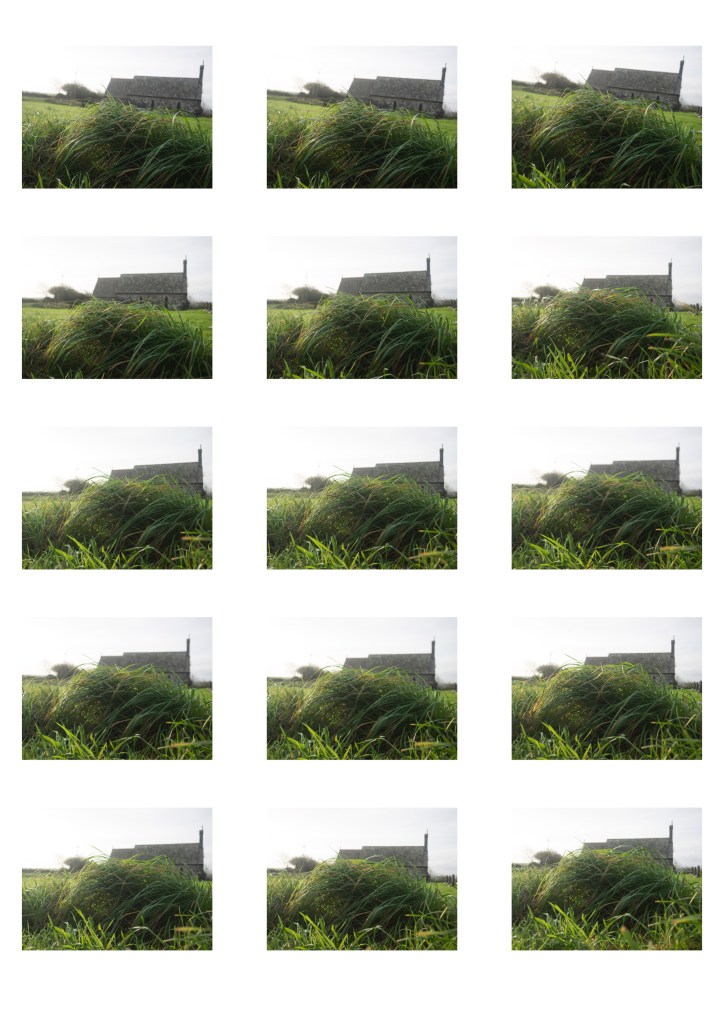
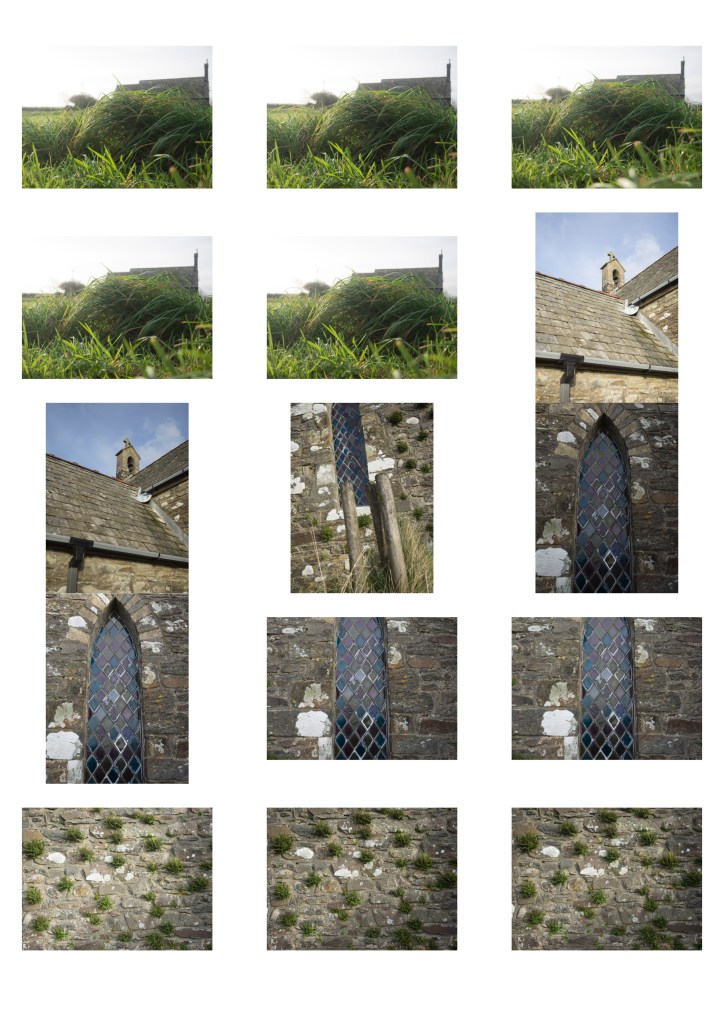
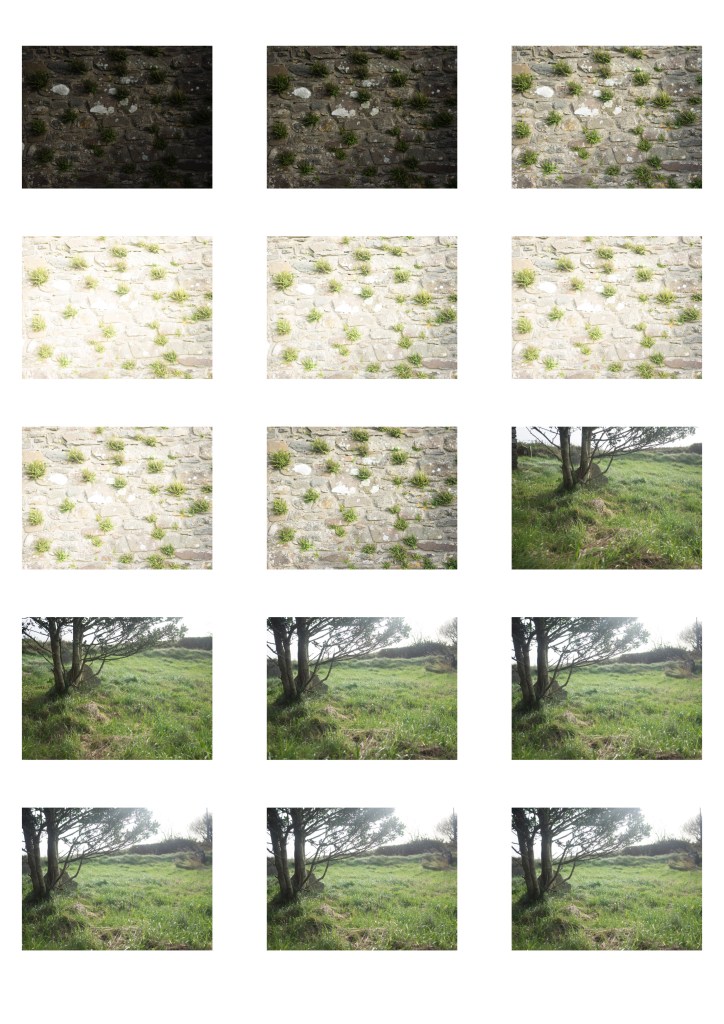
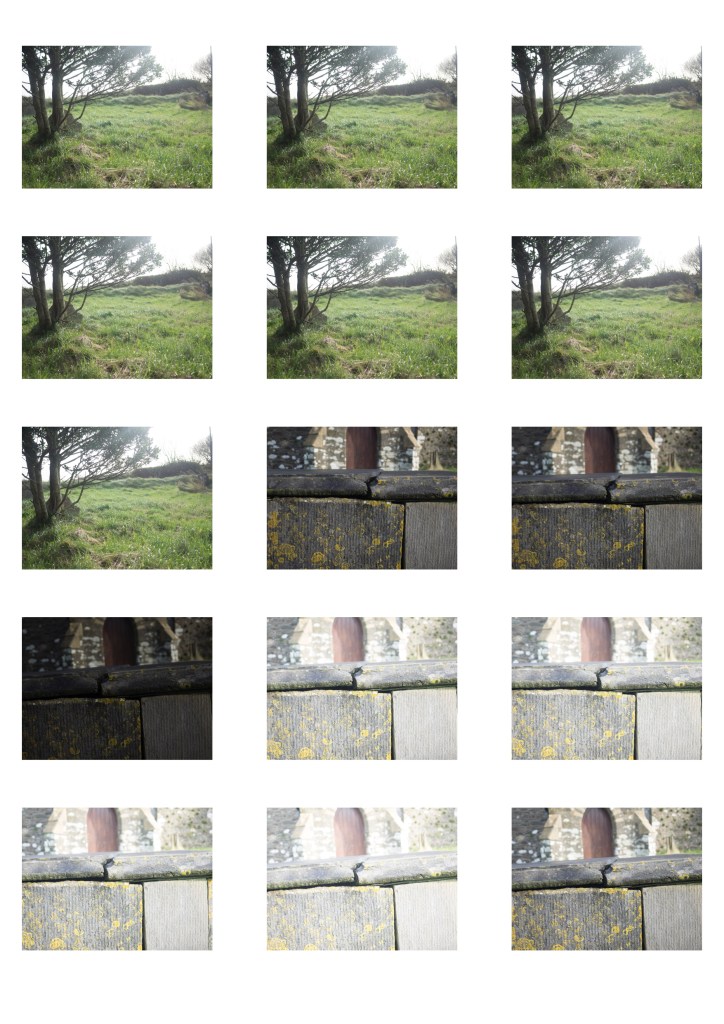
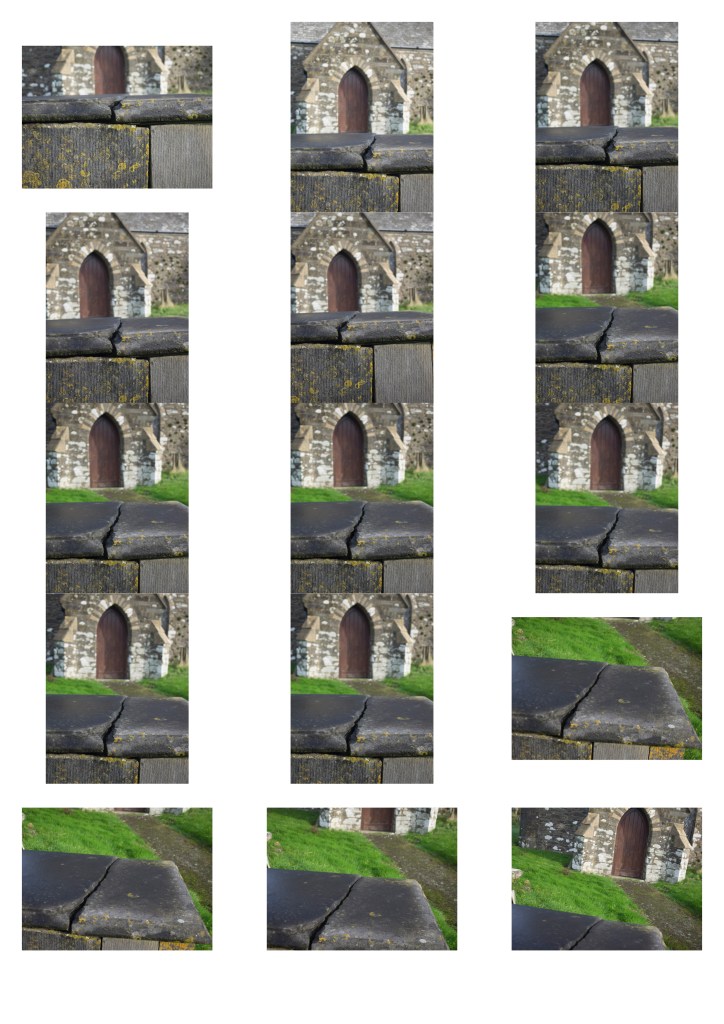
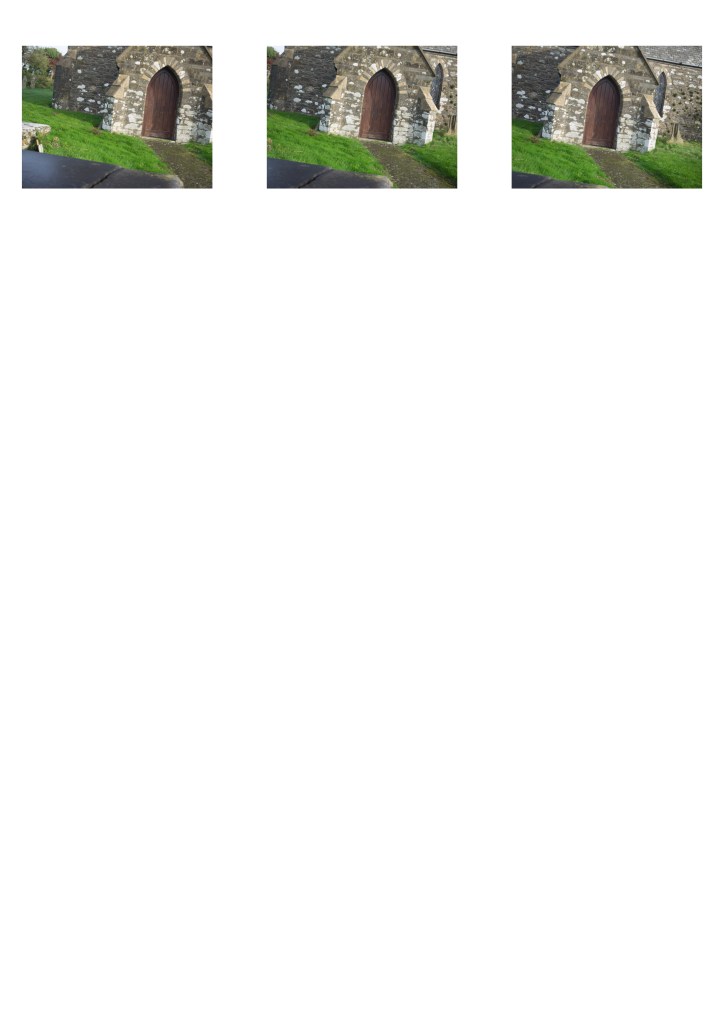
Location Four – Contact Sheets
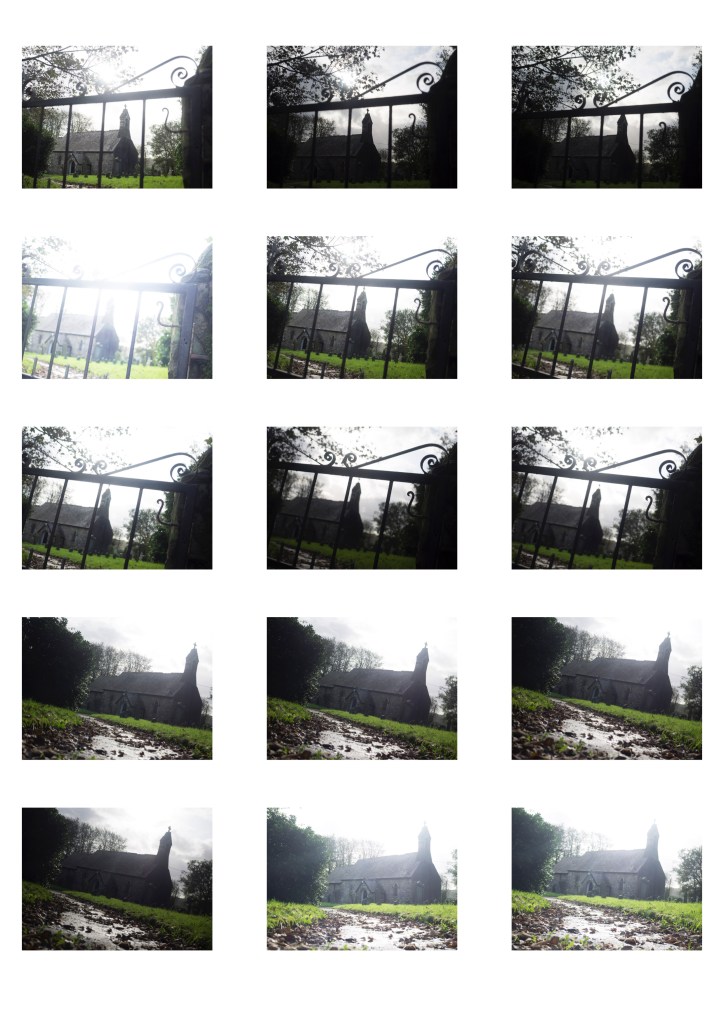
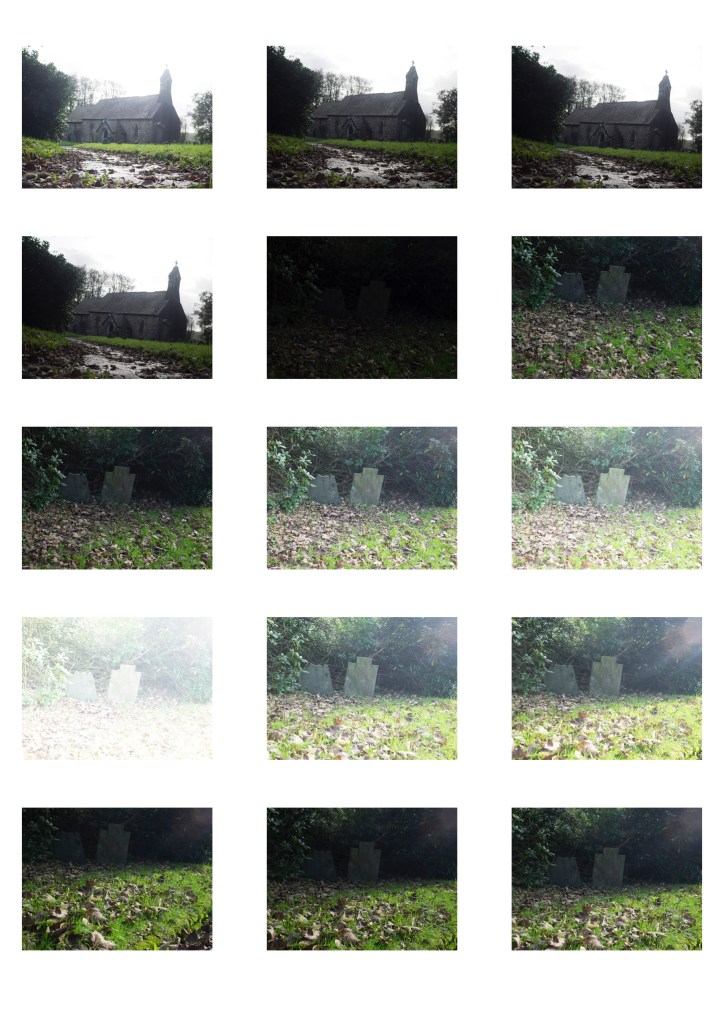
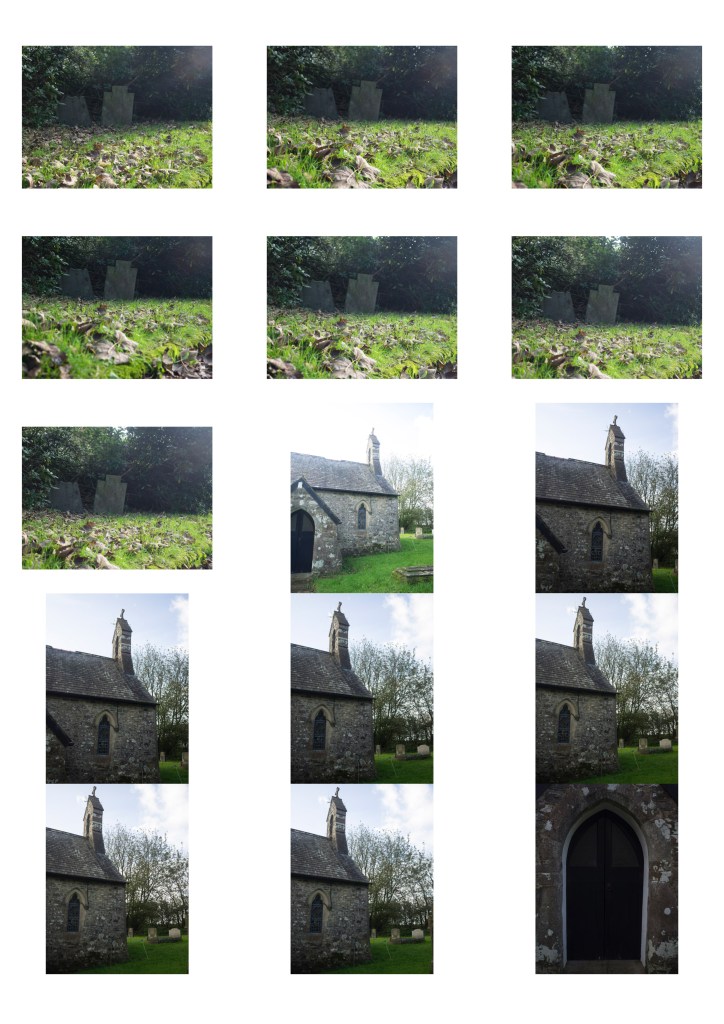
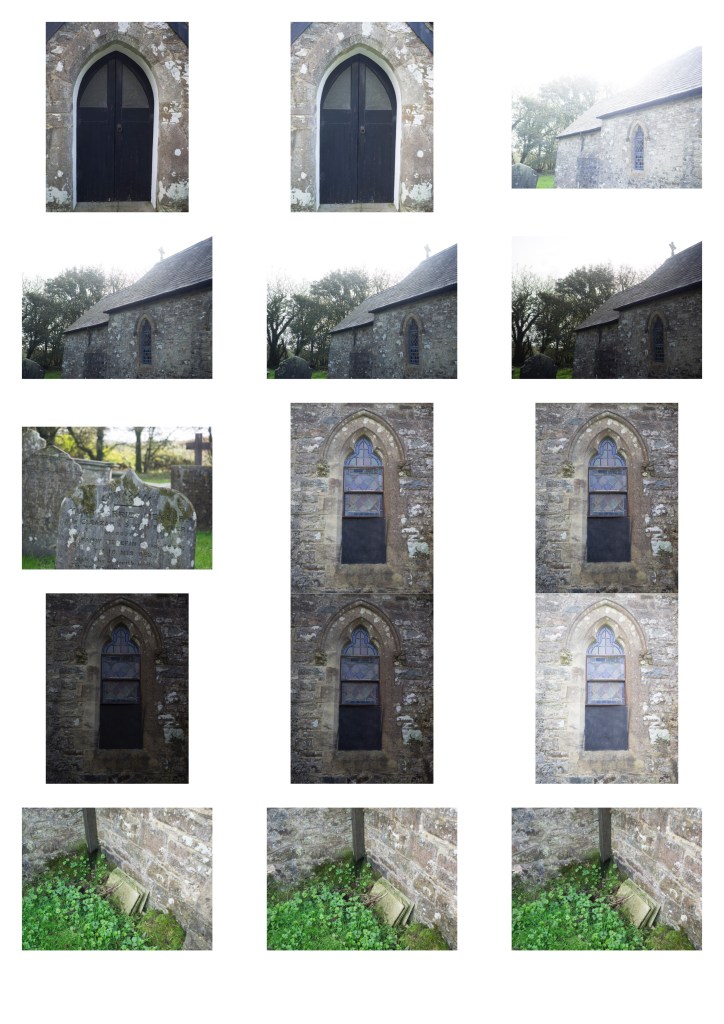
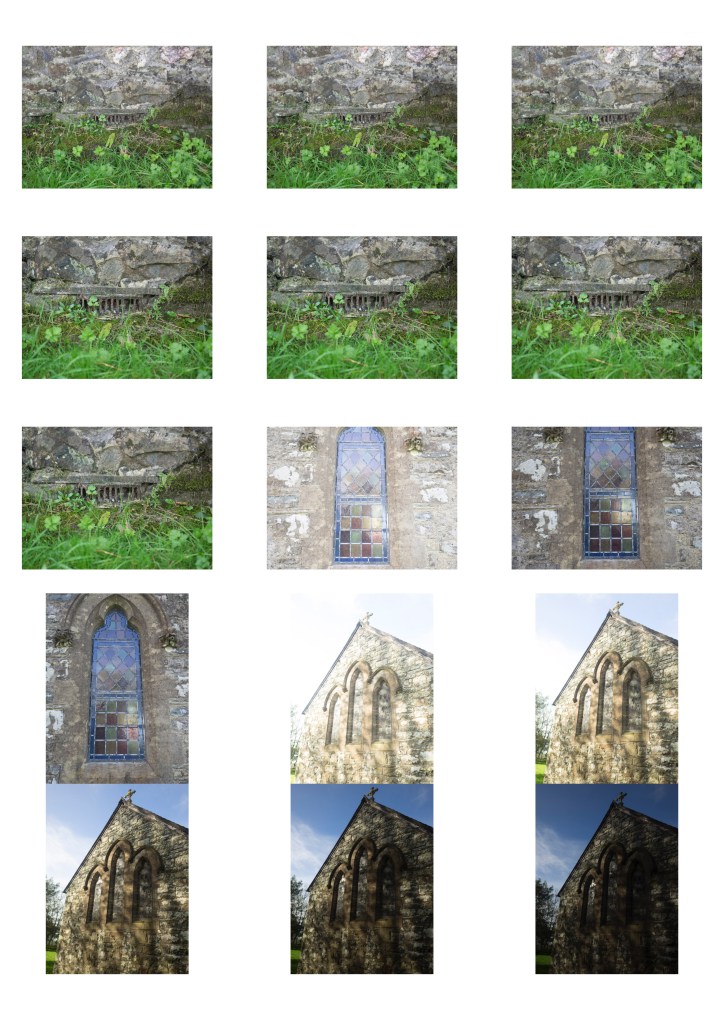
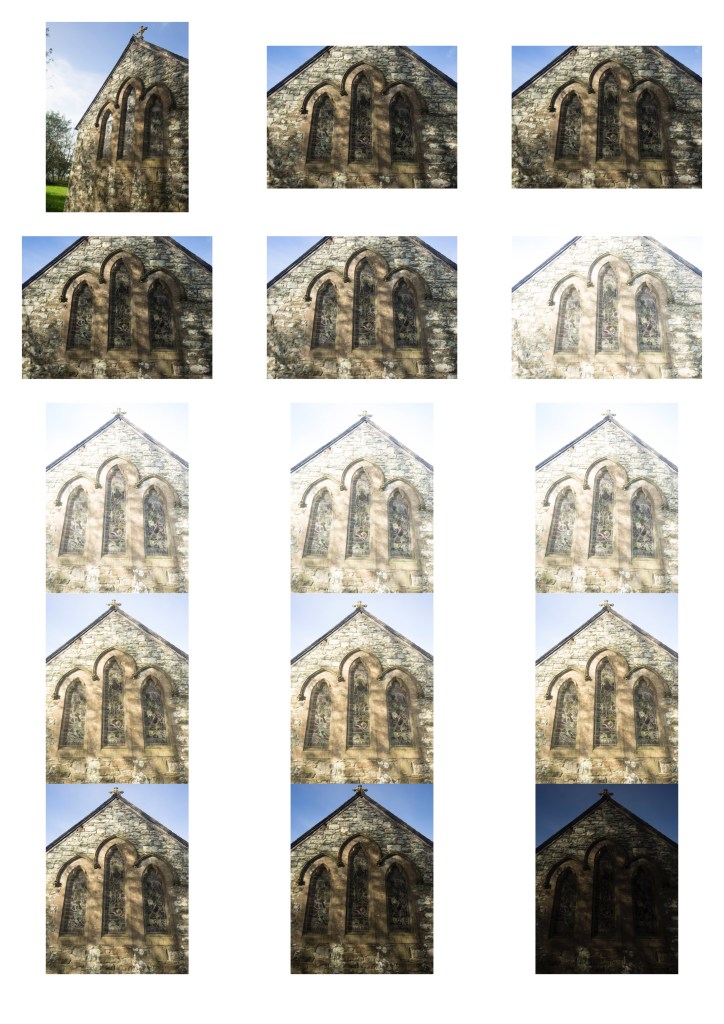
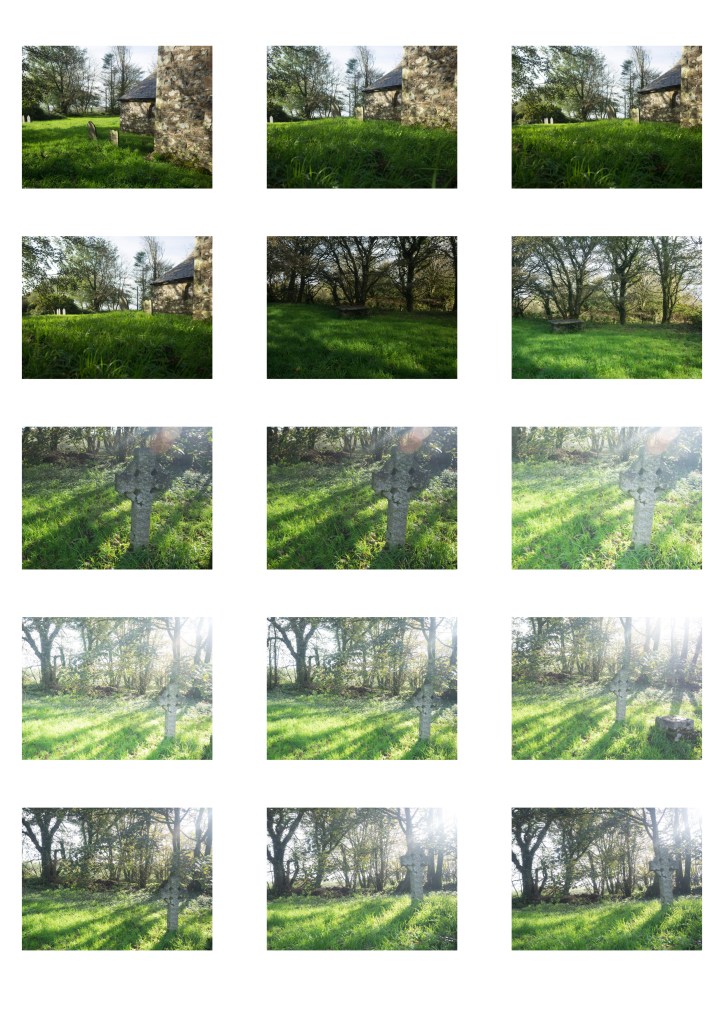
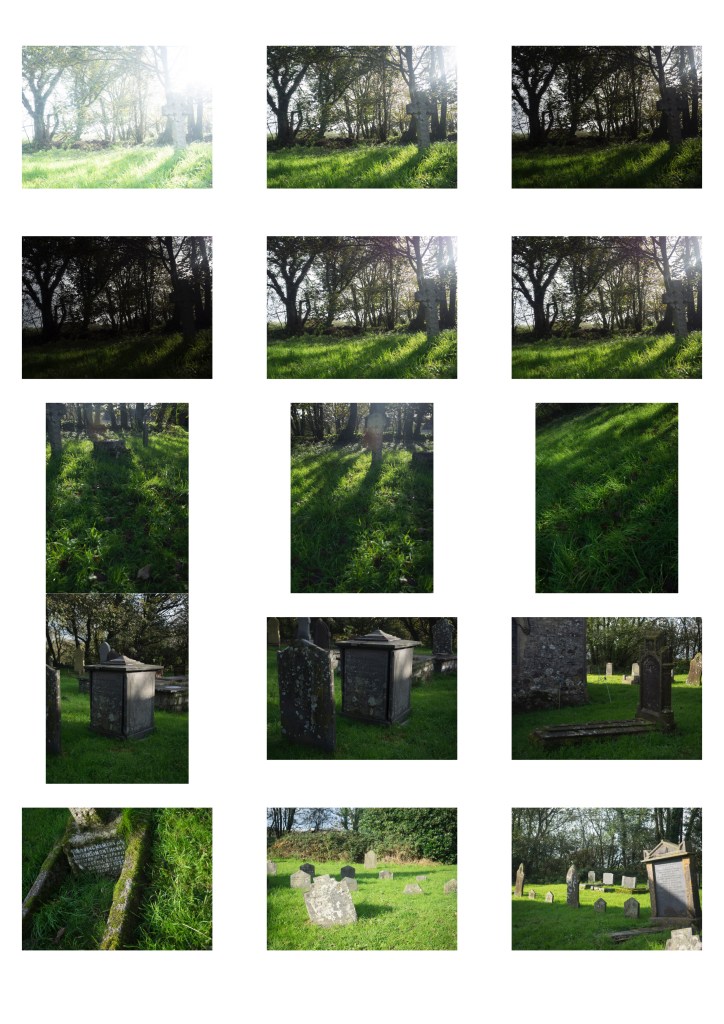
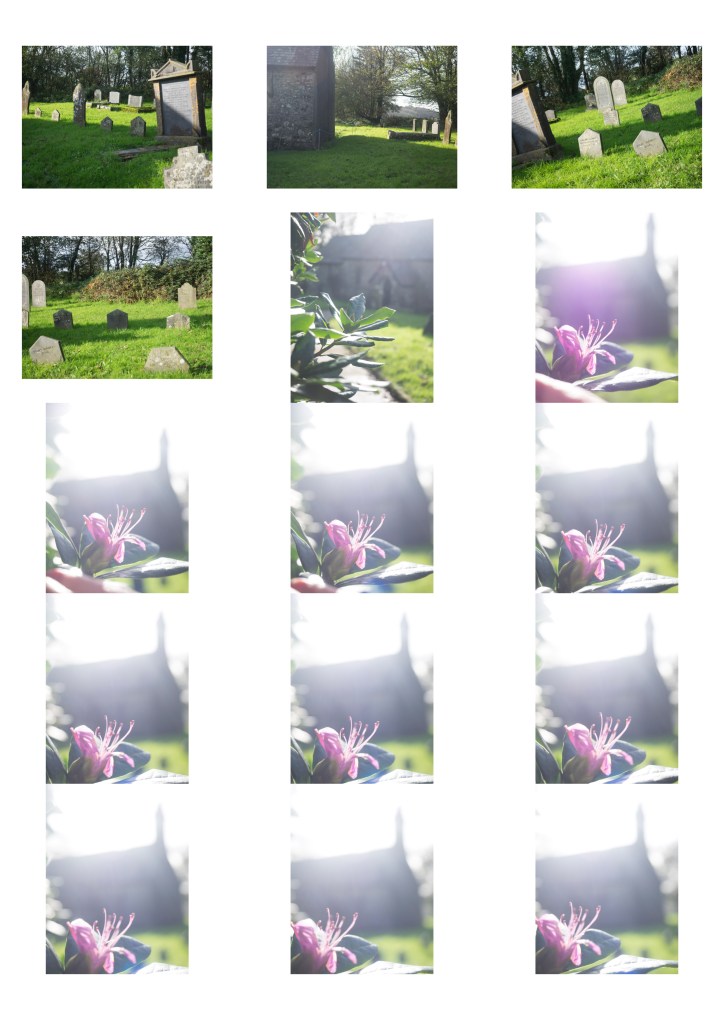
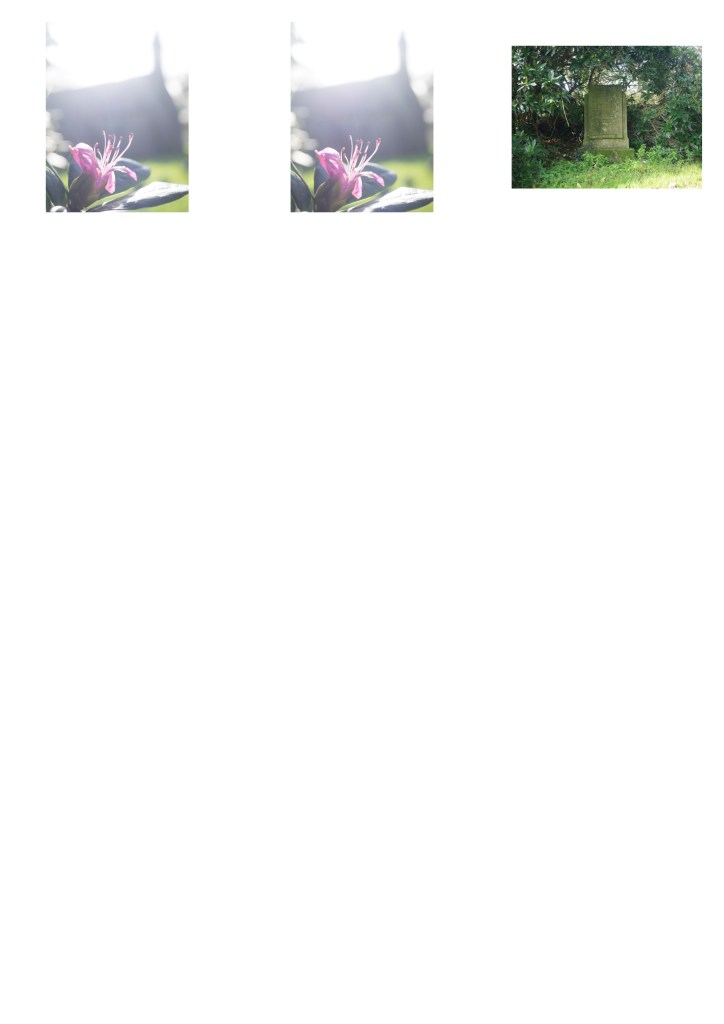
Location Two – Contact Sheets
Location Three – Contact Sheets
Location Four – Contact Sheets
Location Five – Contact Sheets
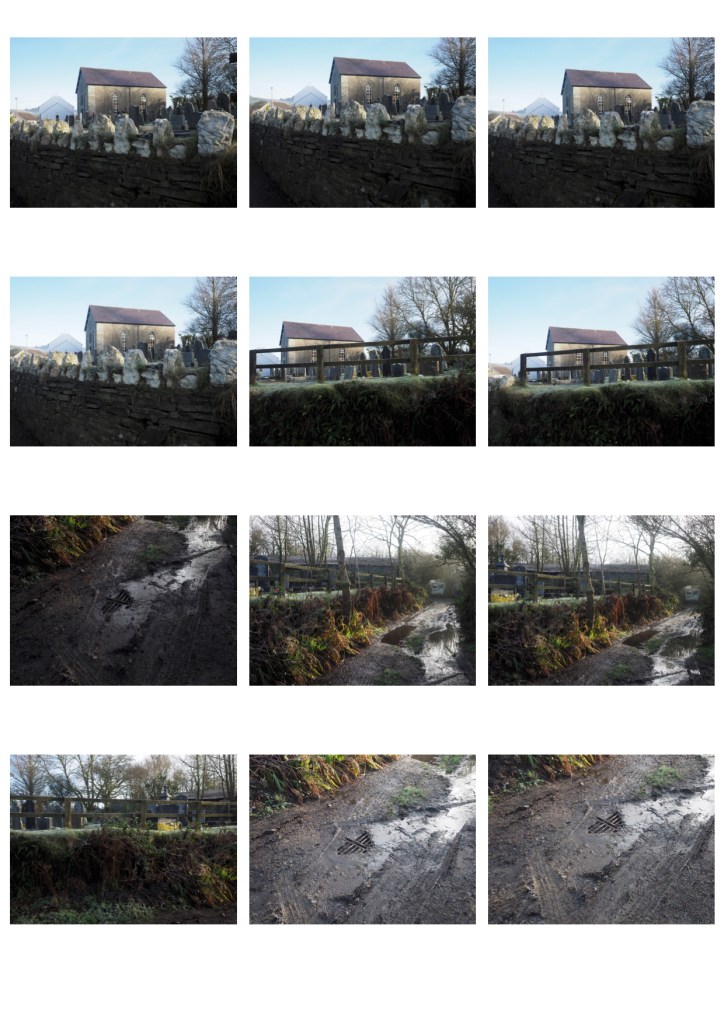
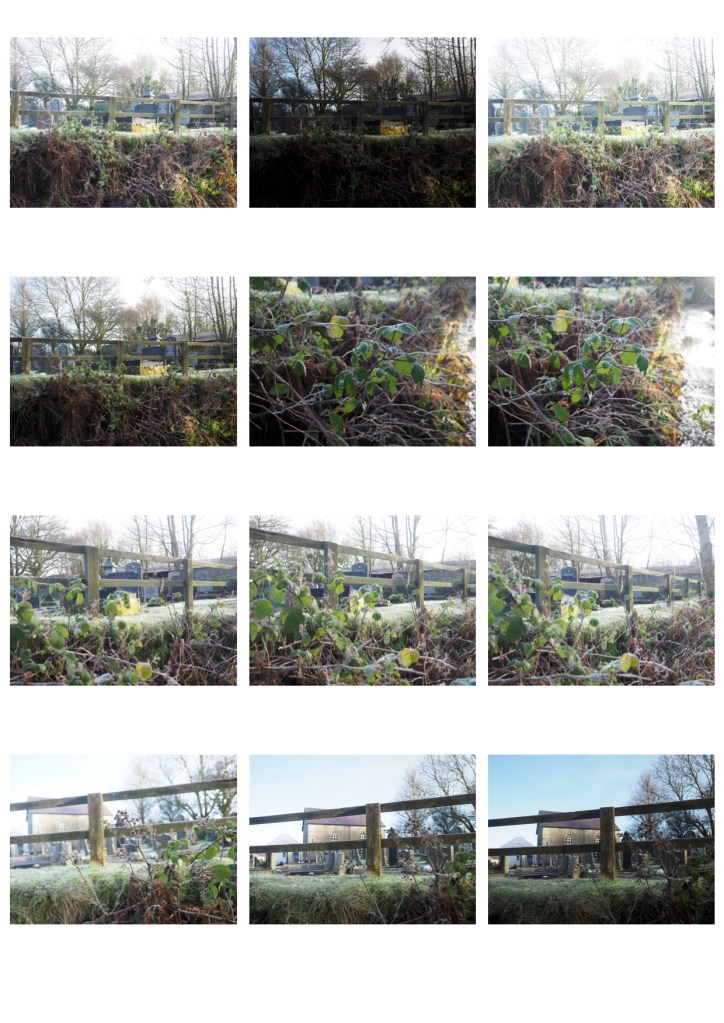
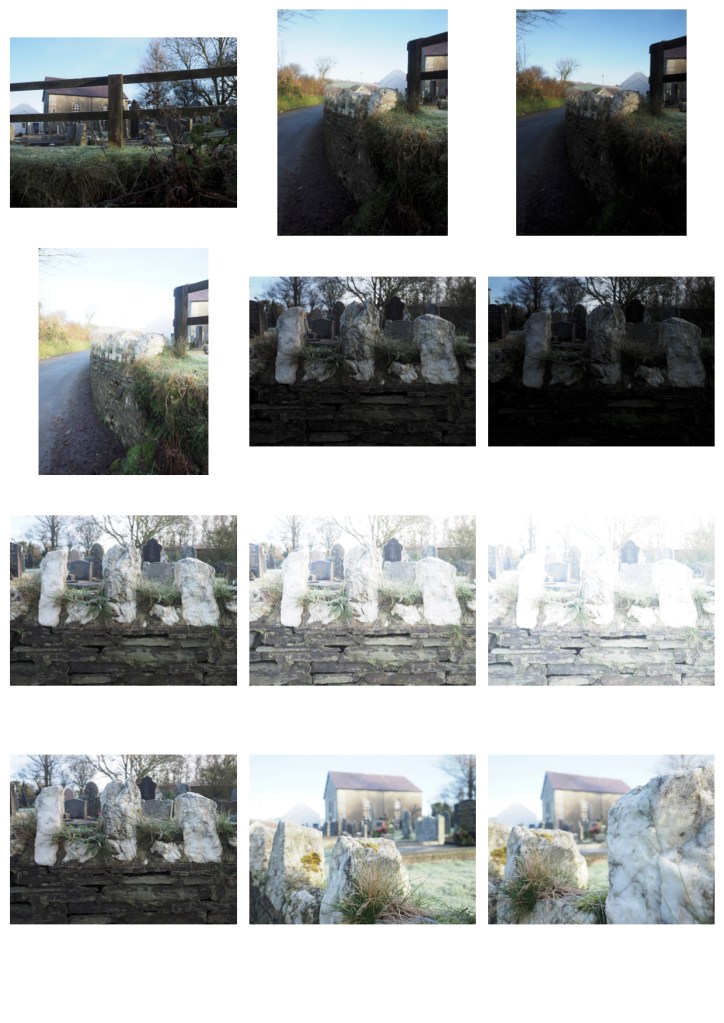
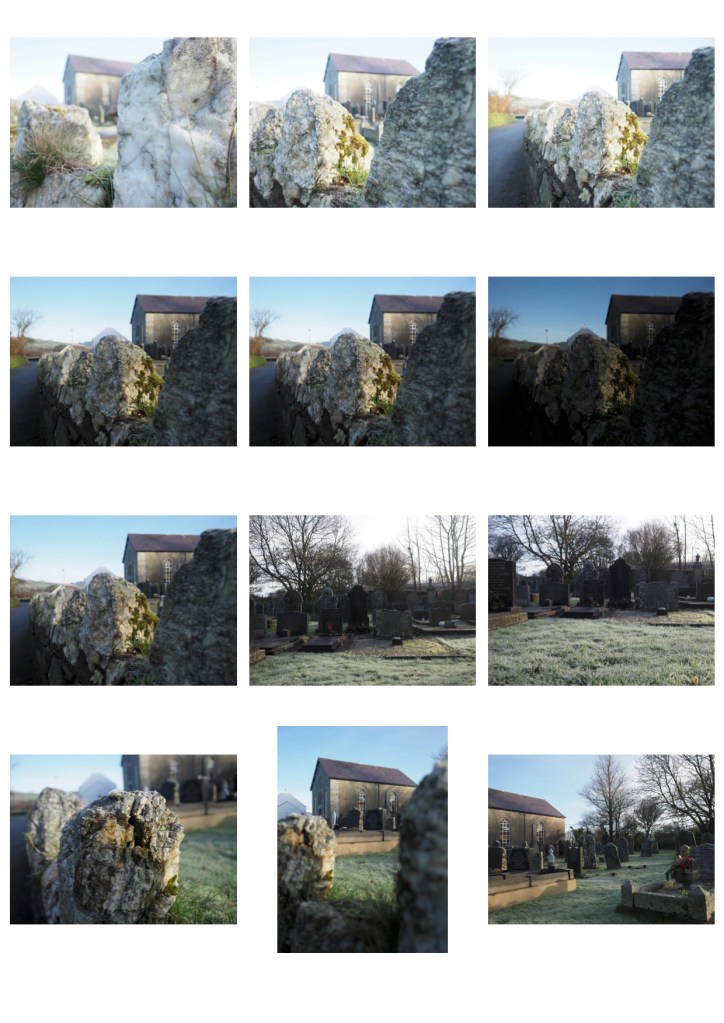
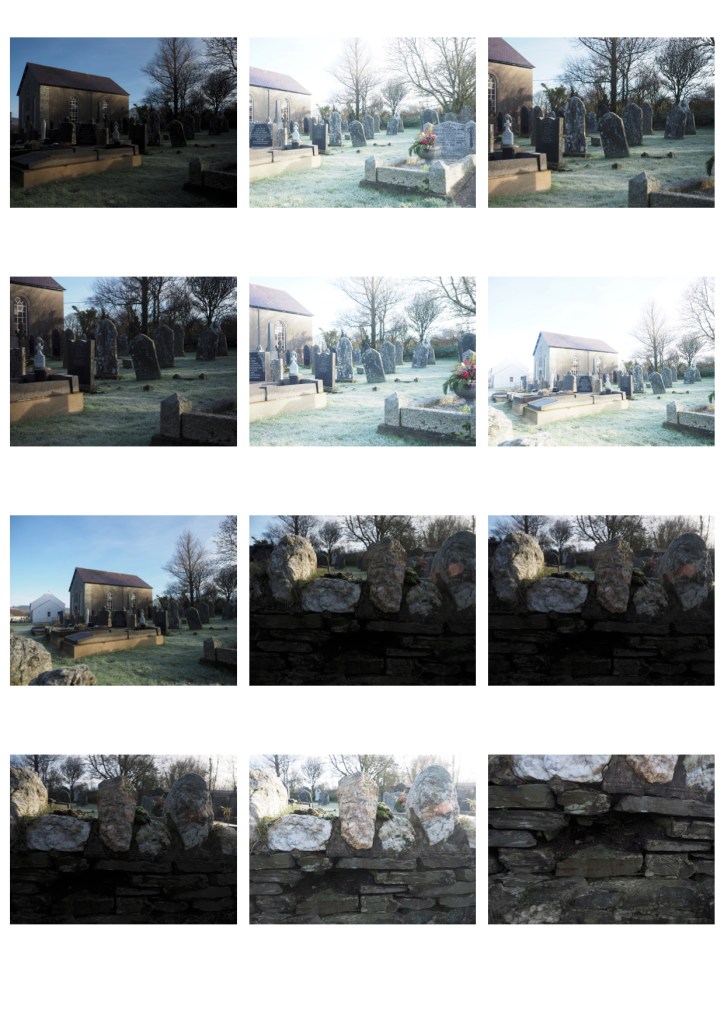
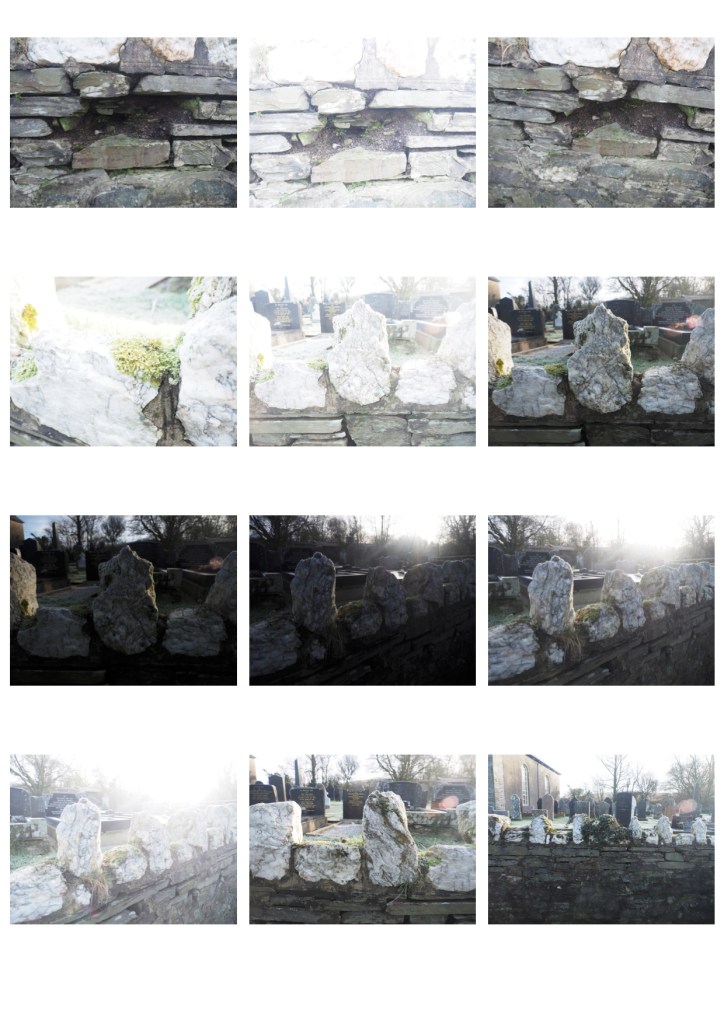
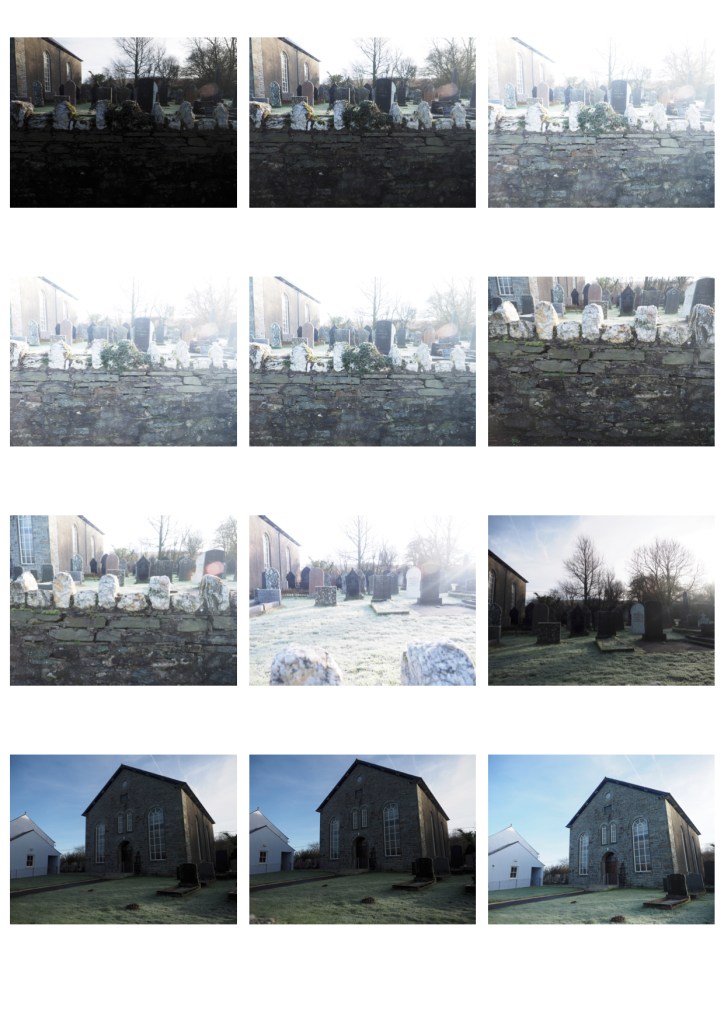
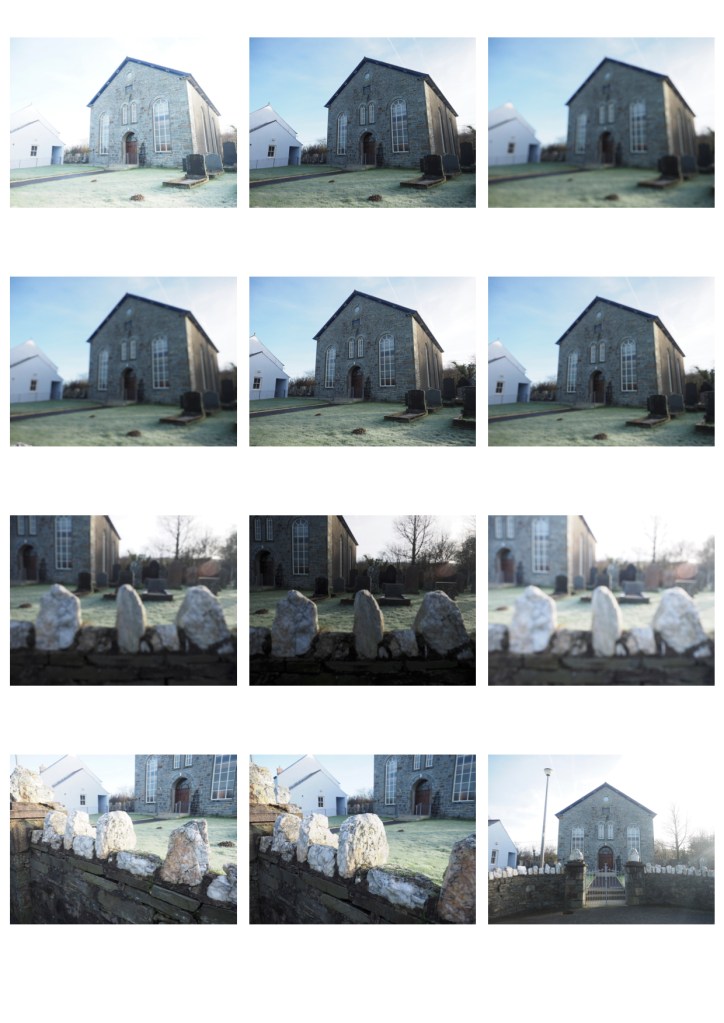
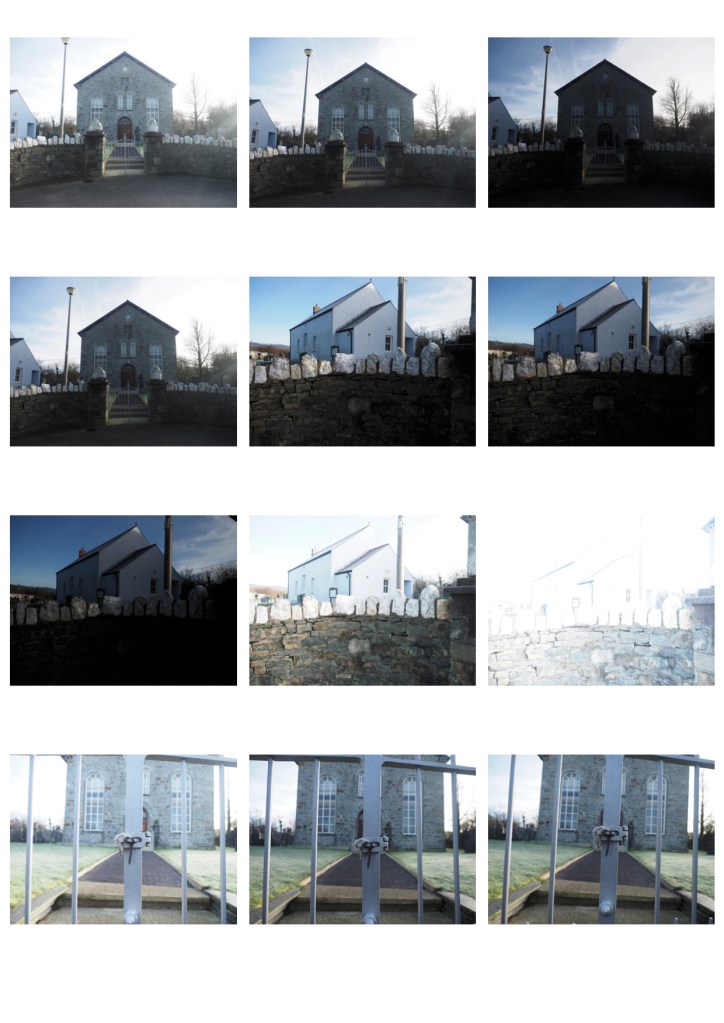
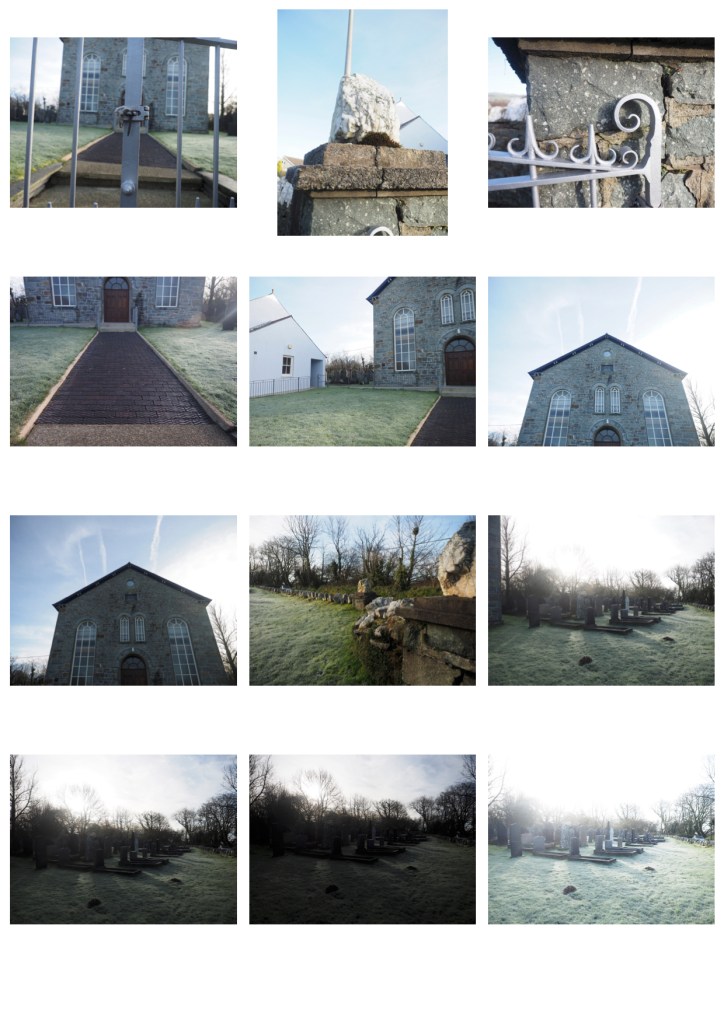
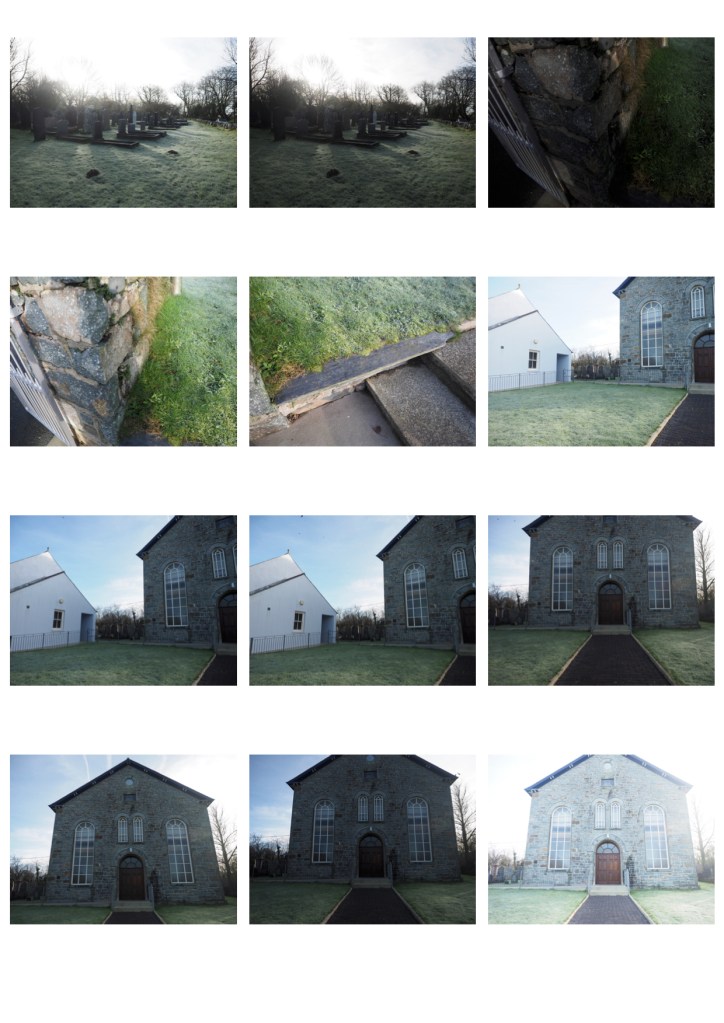
Location Six – Contact Sheets
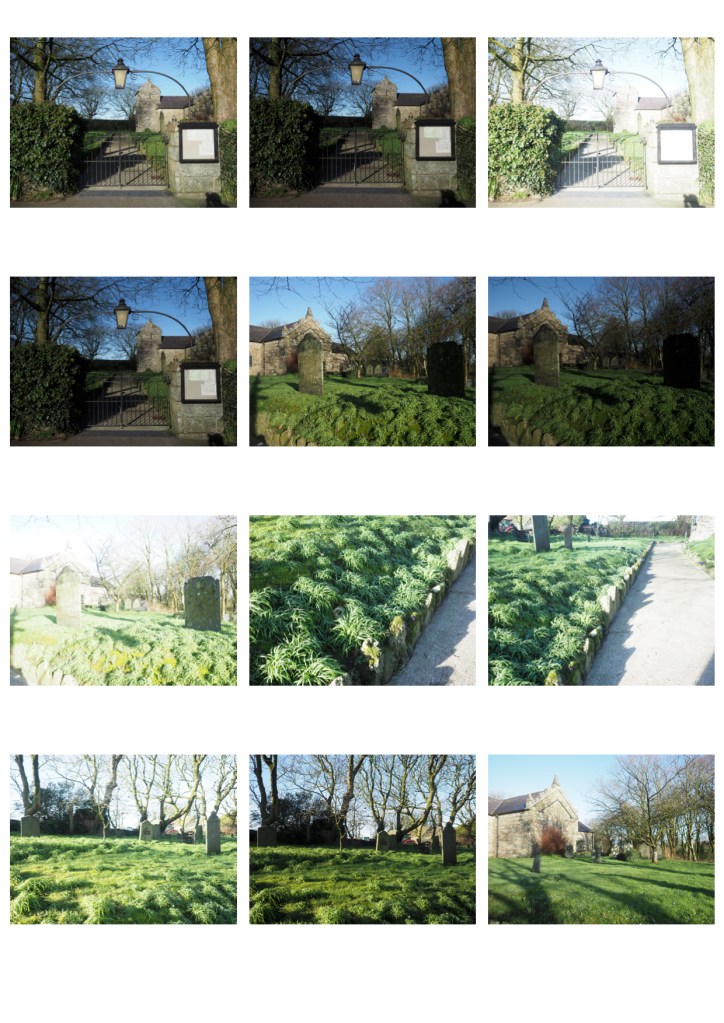
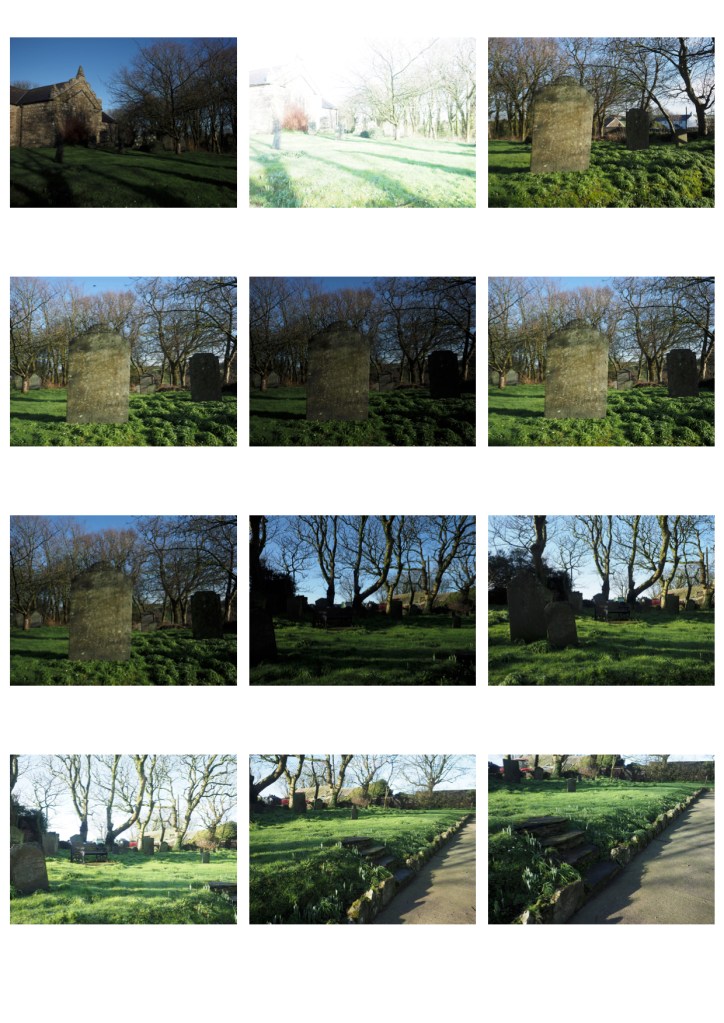
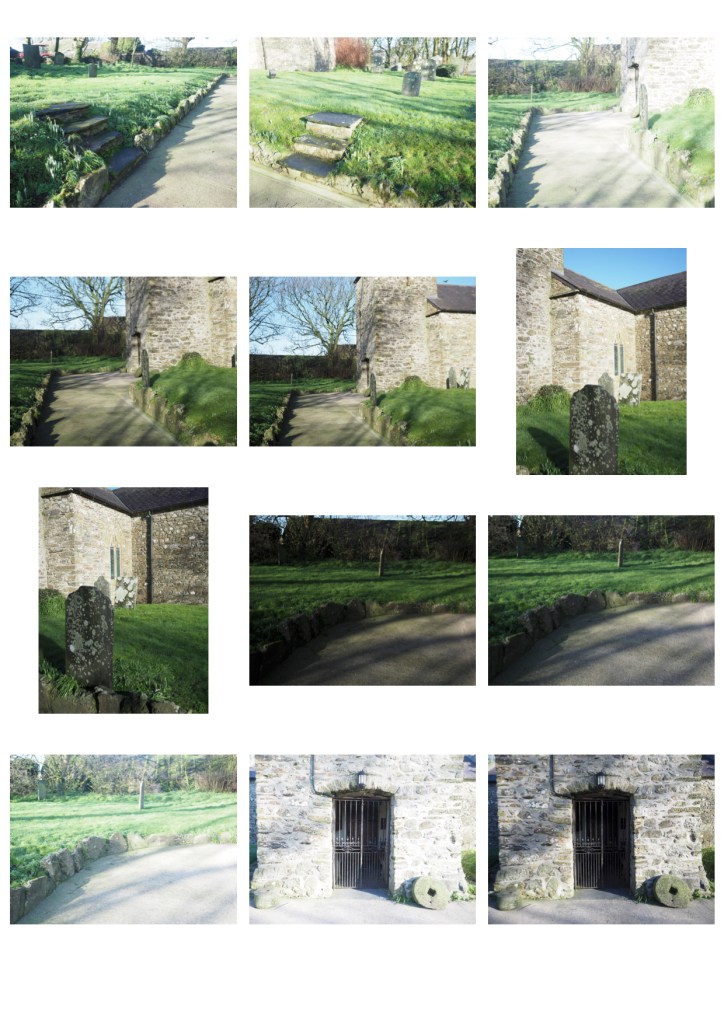
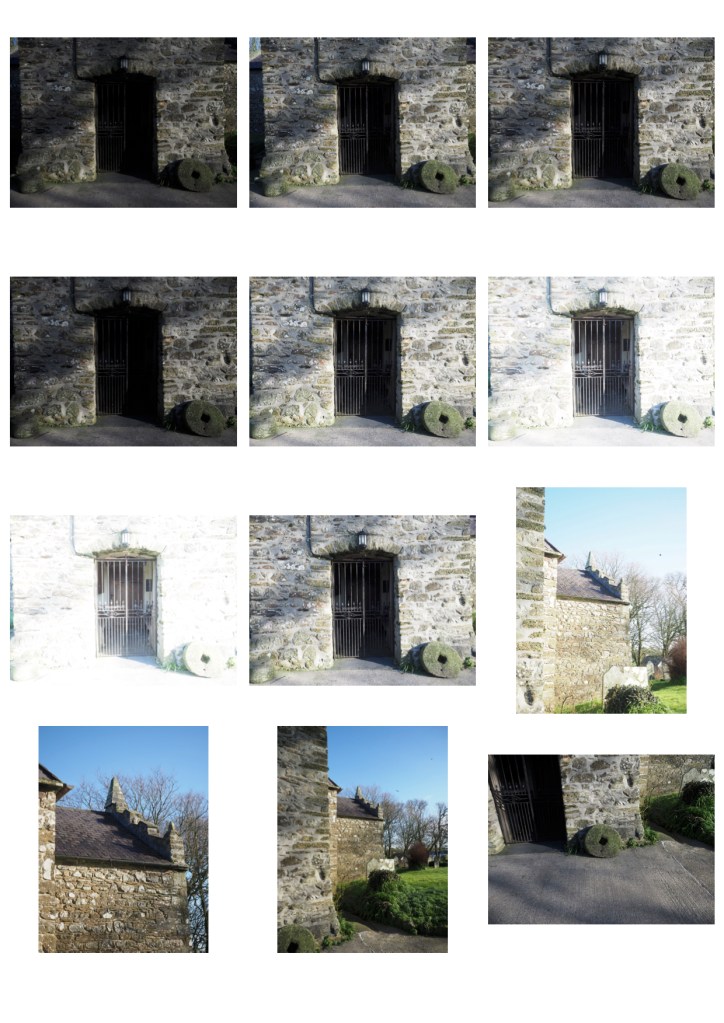
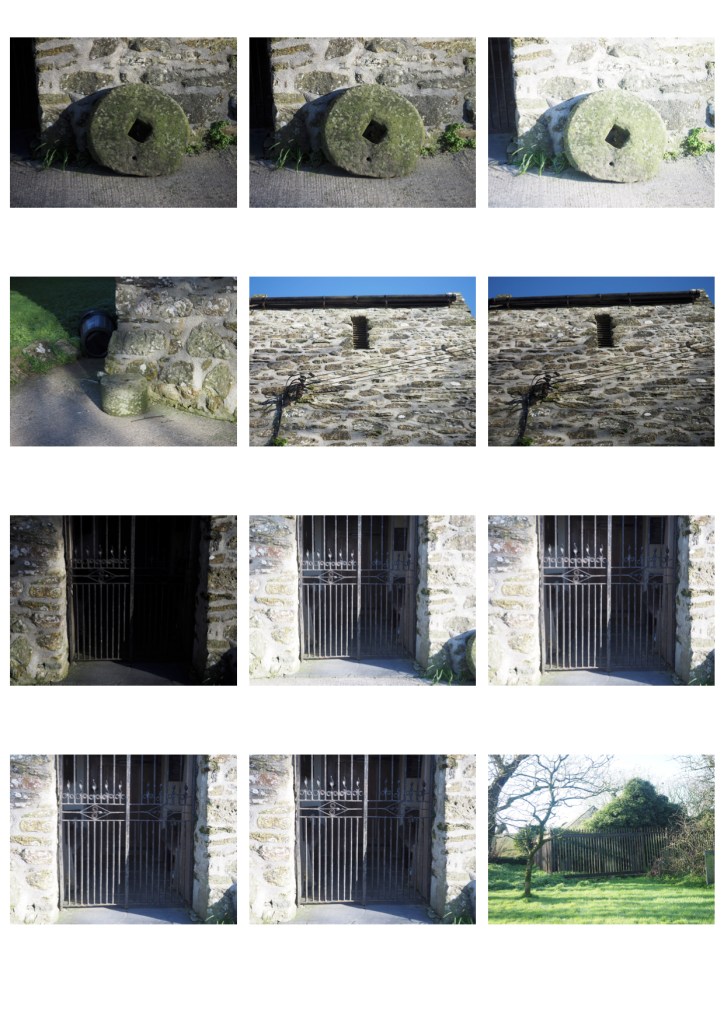
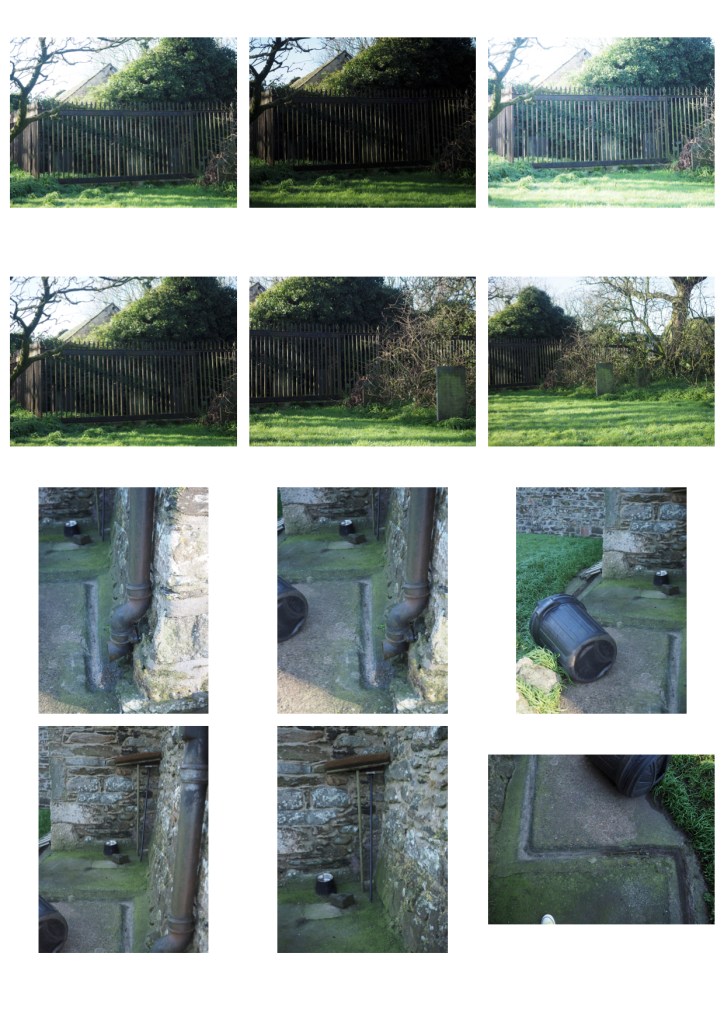
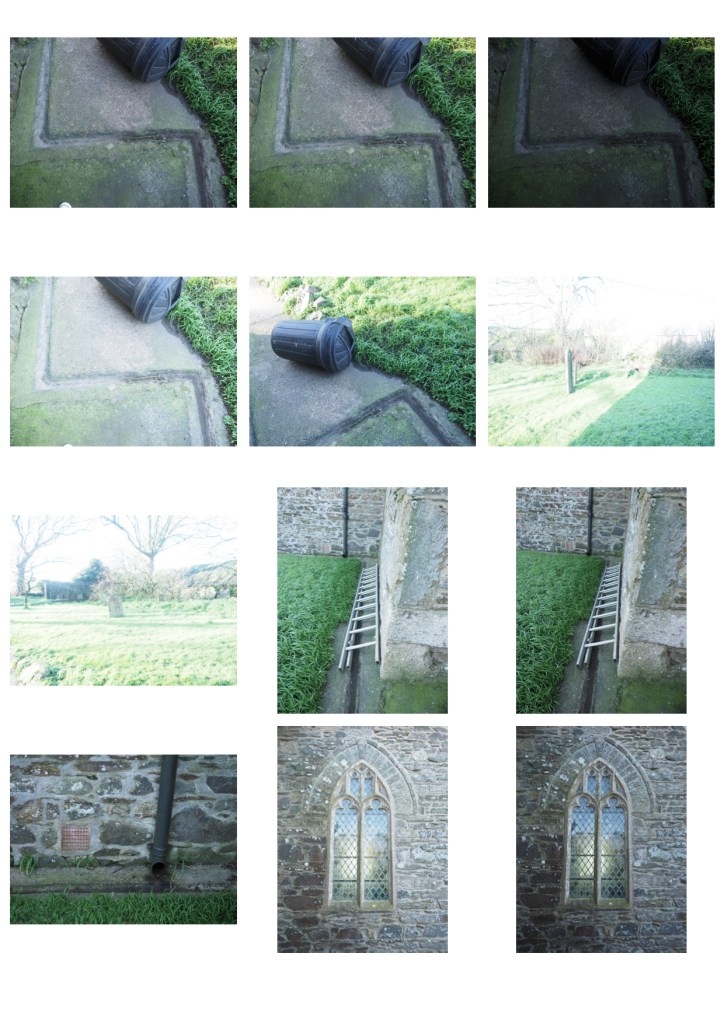
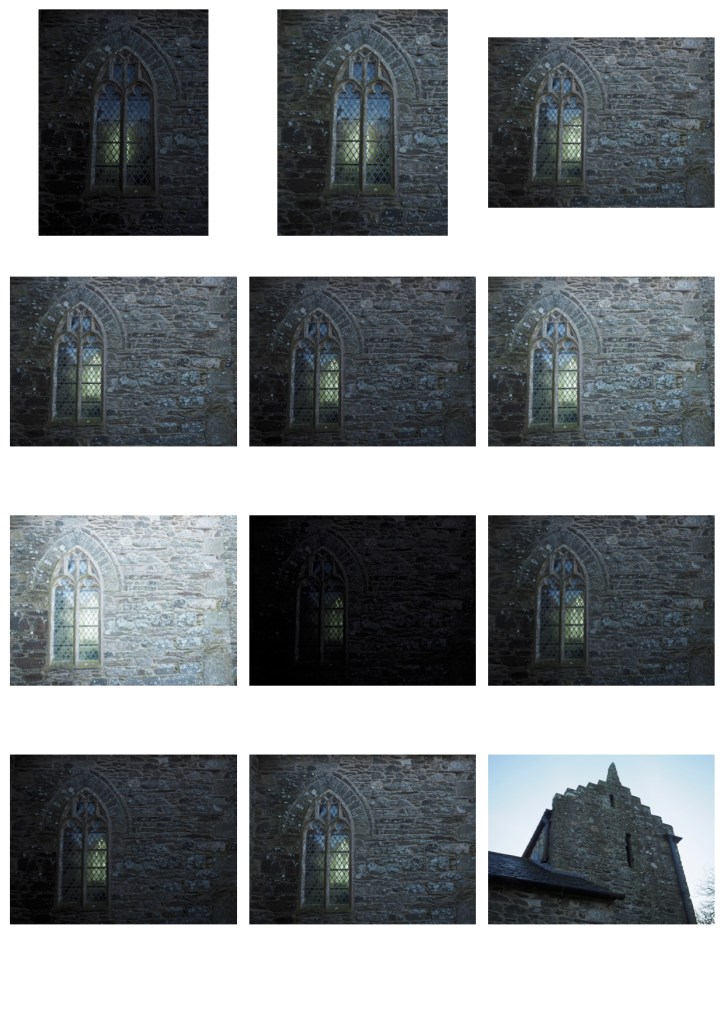
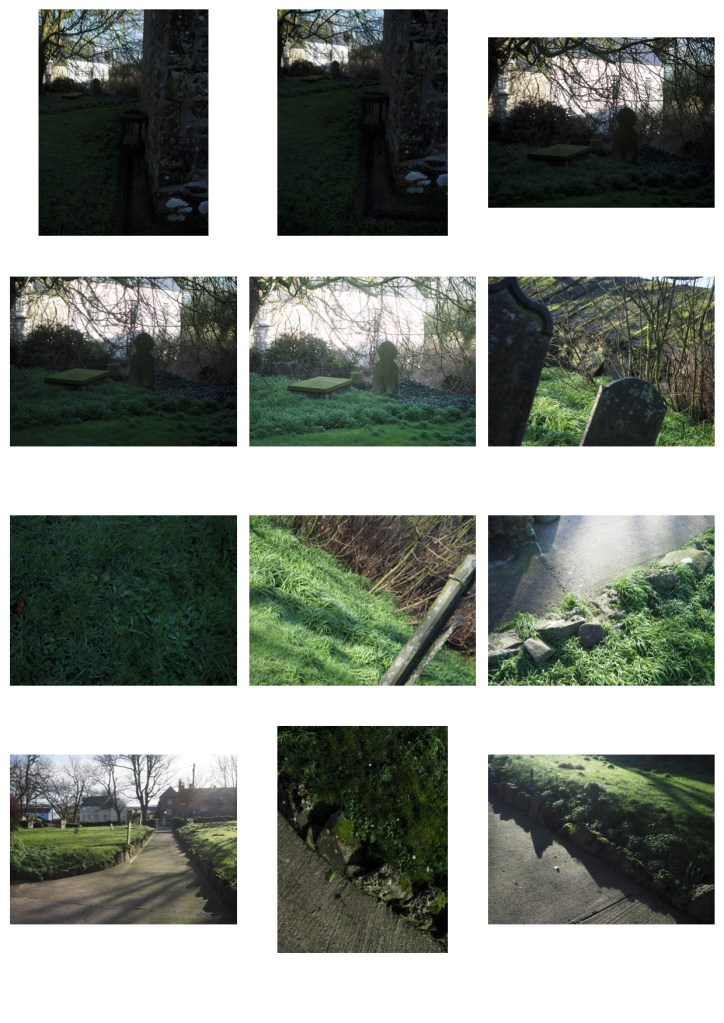
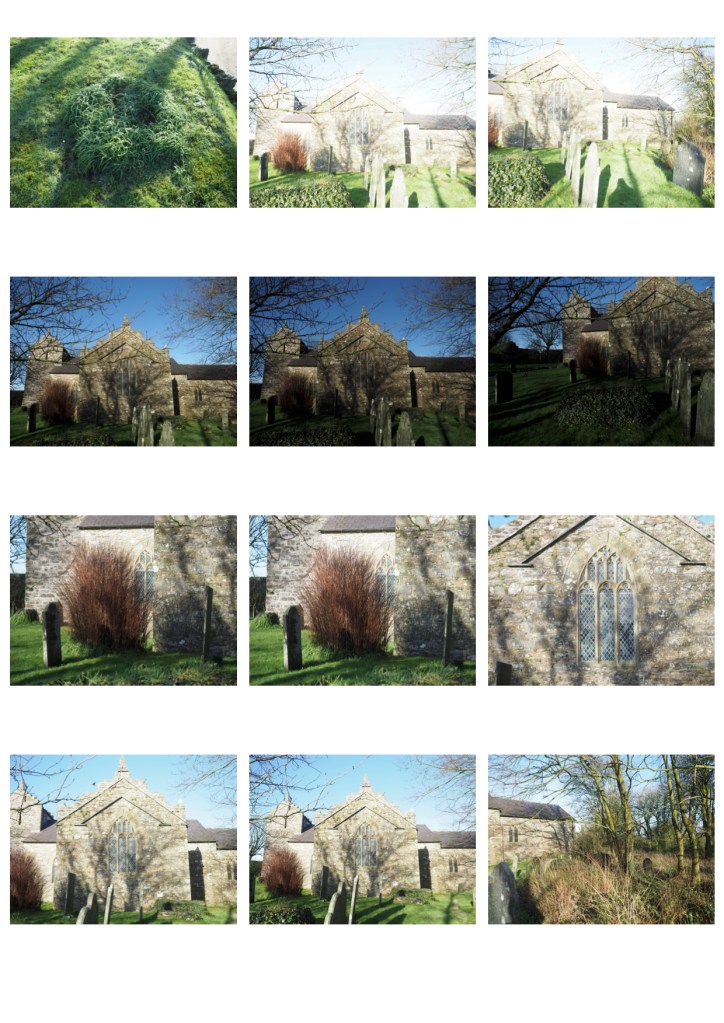
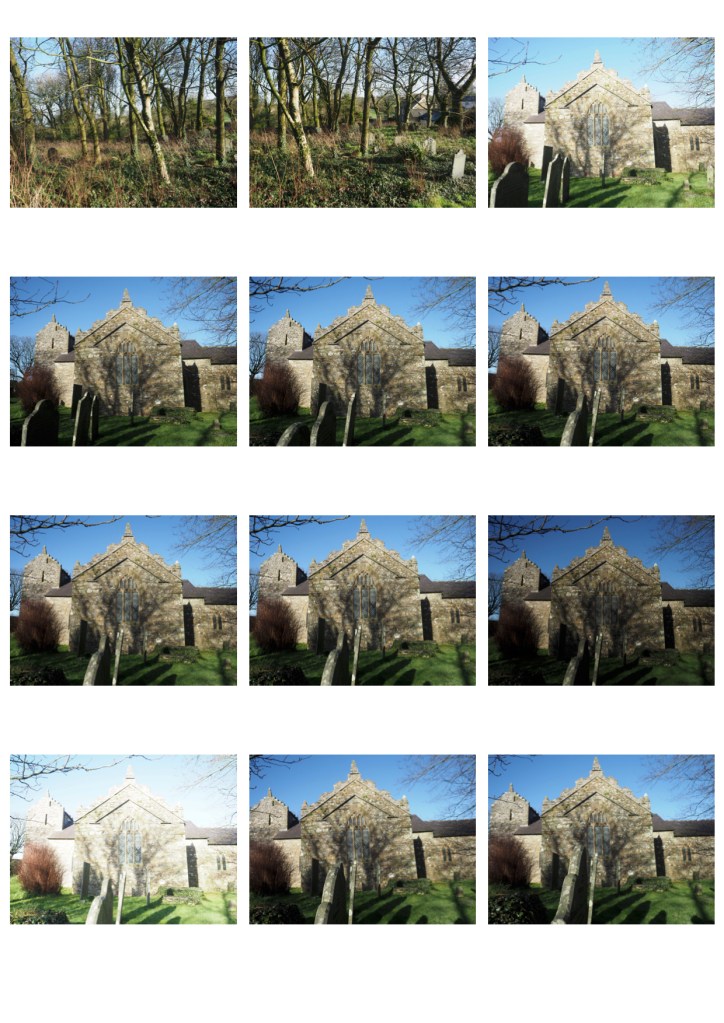
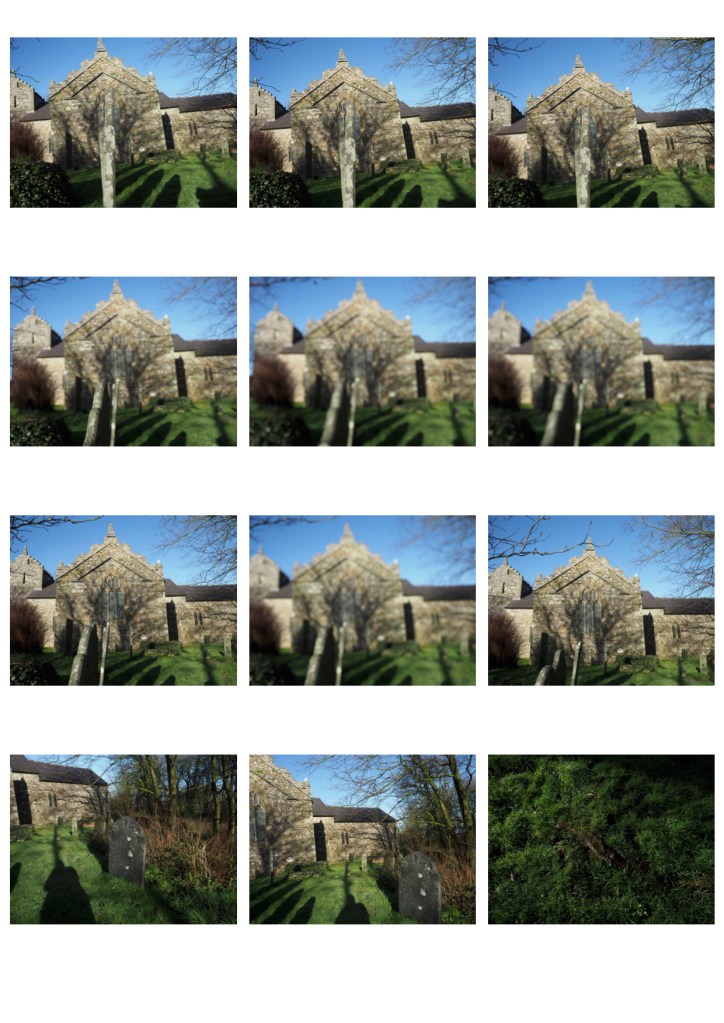
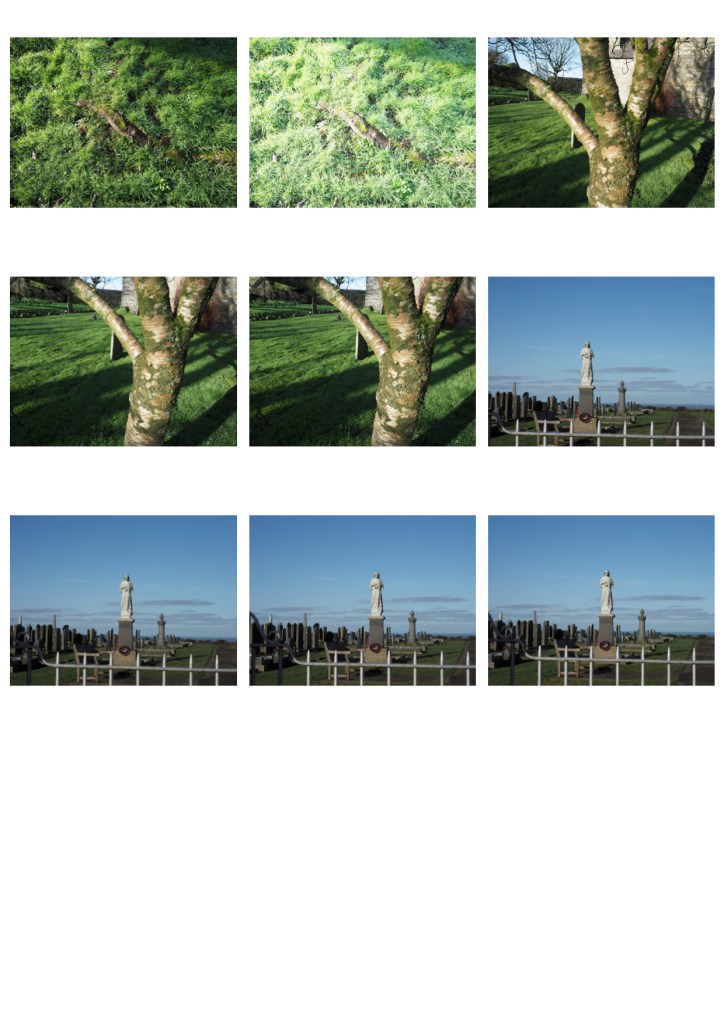
Location Seven – Contact Sheets
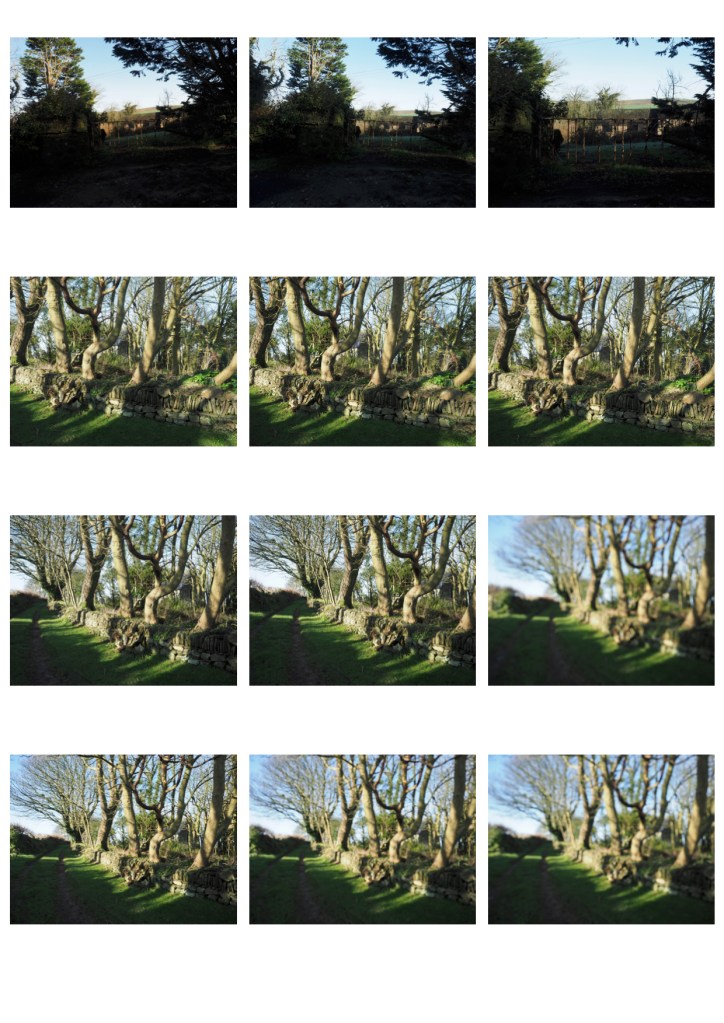
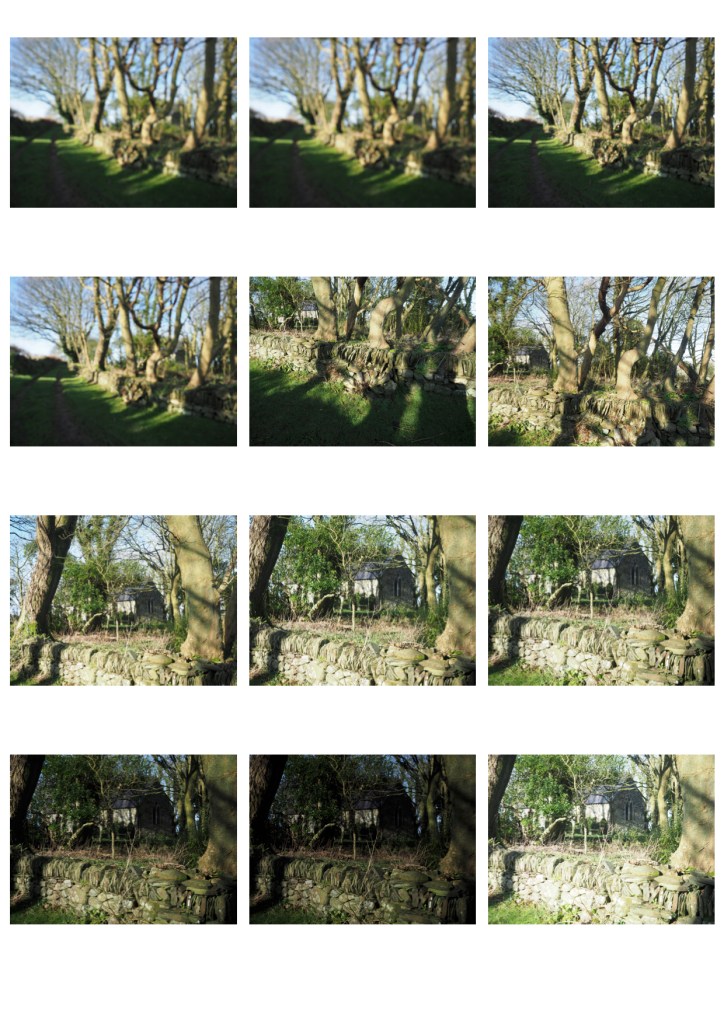
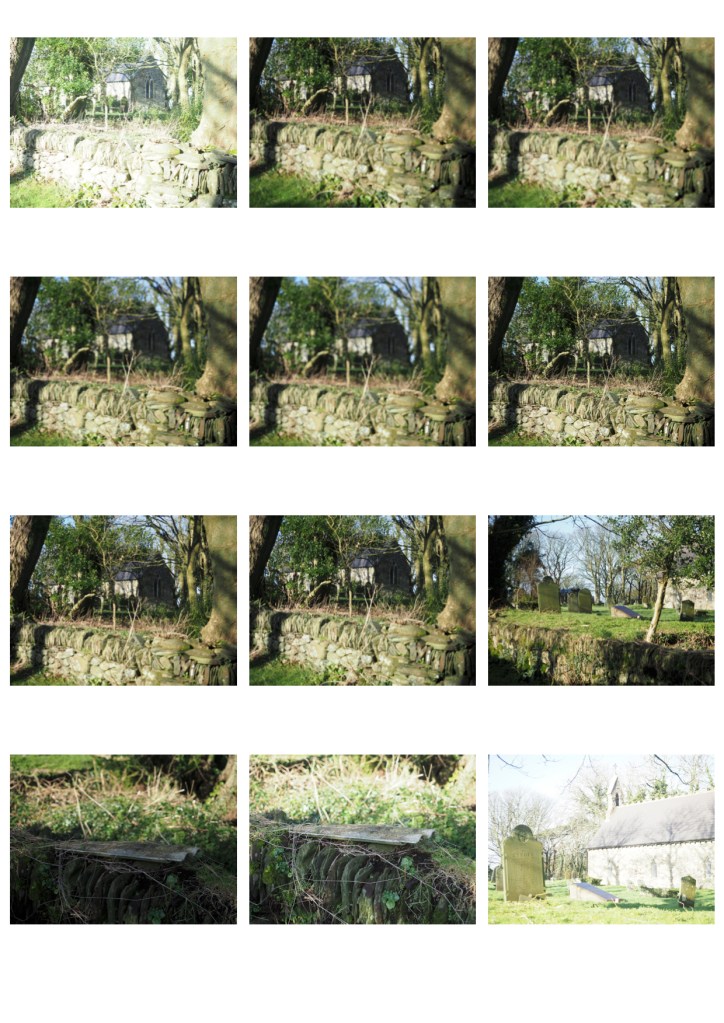
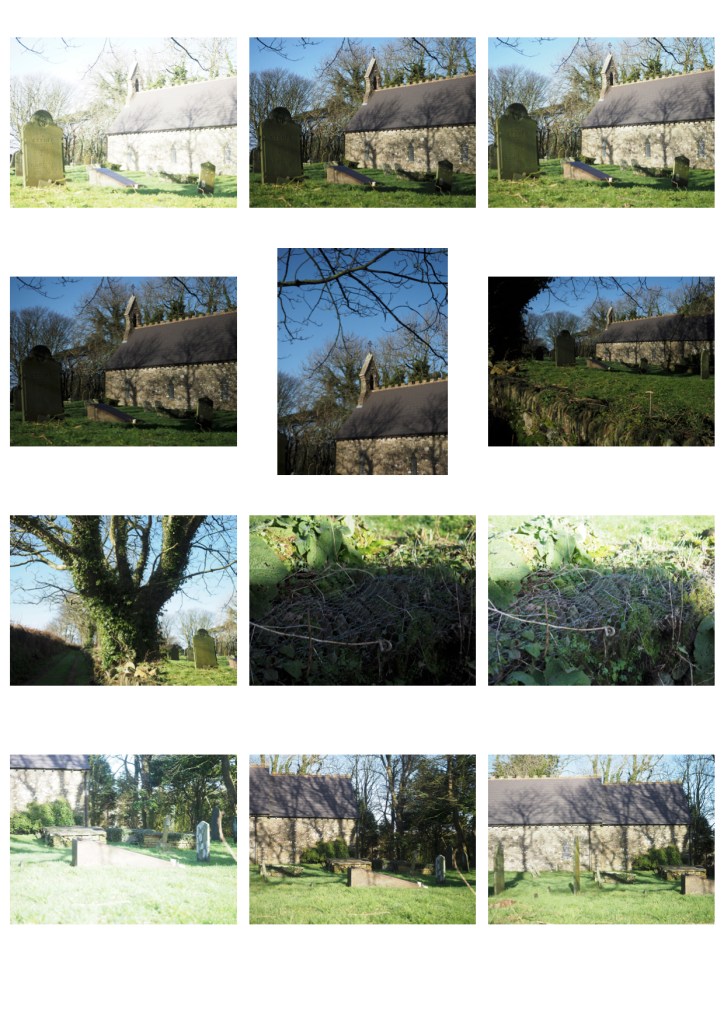
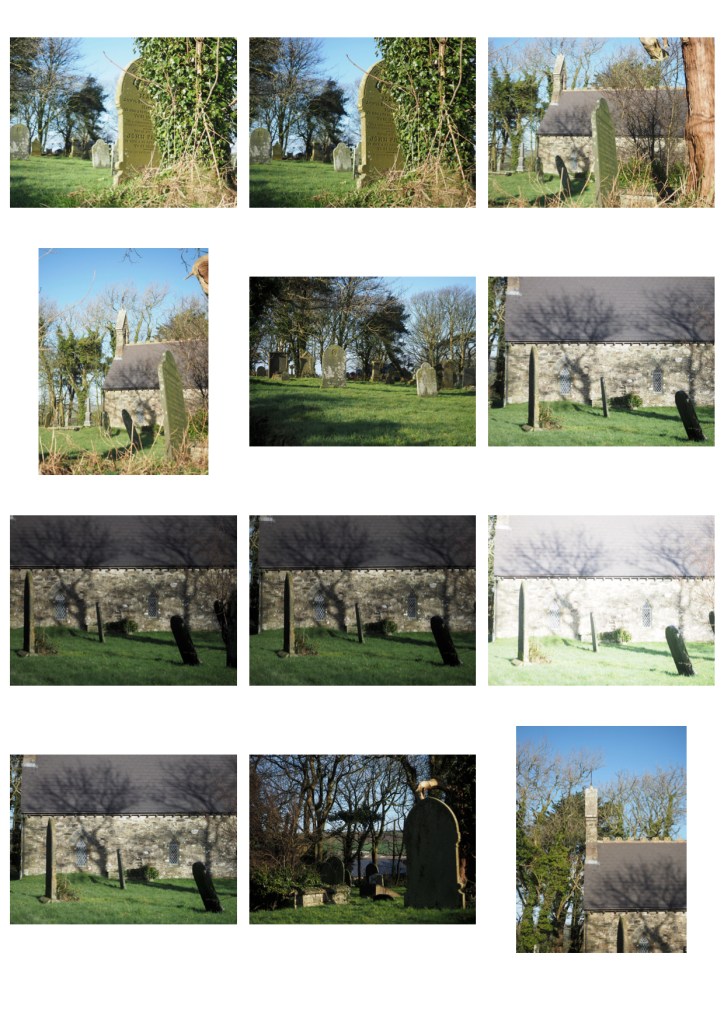
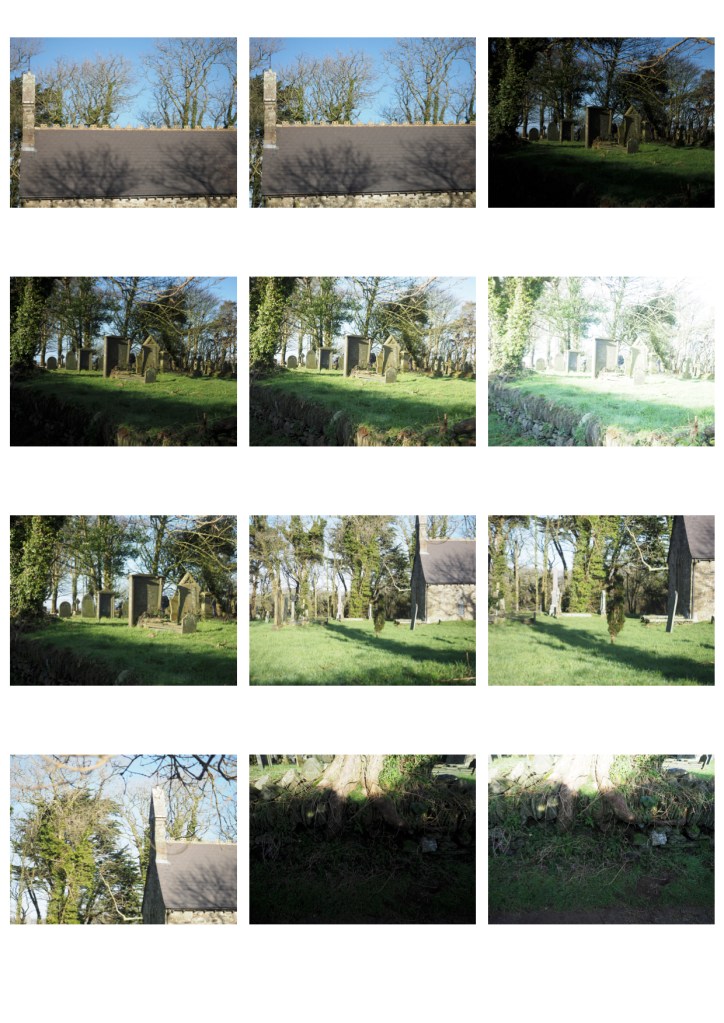
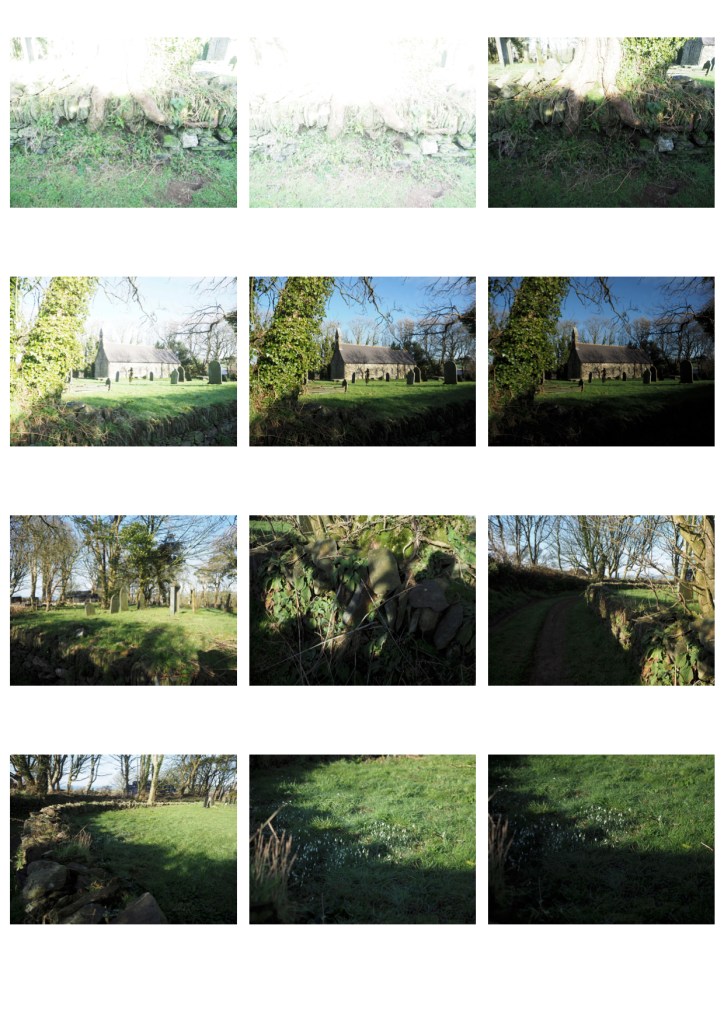
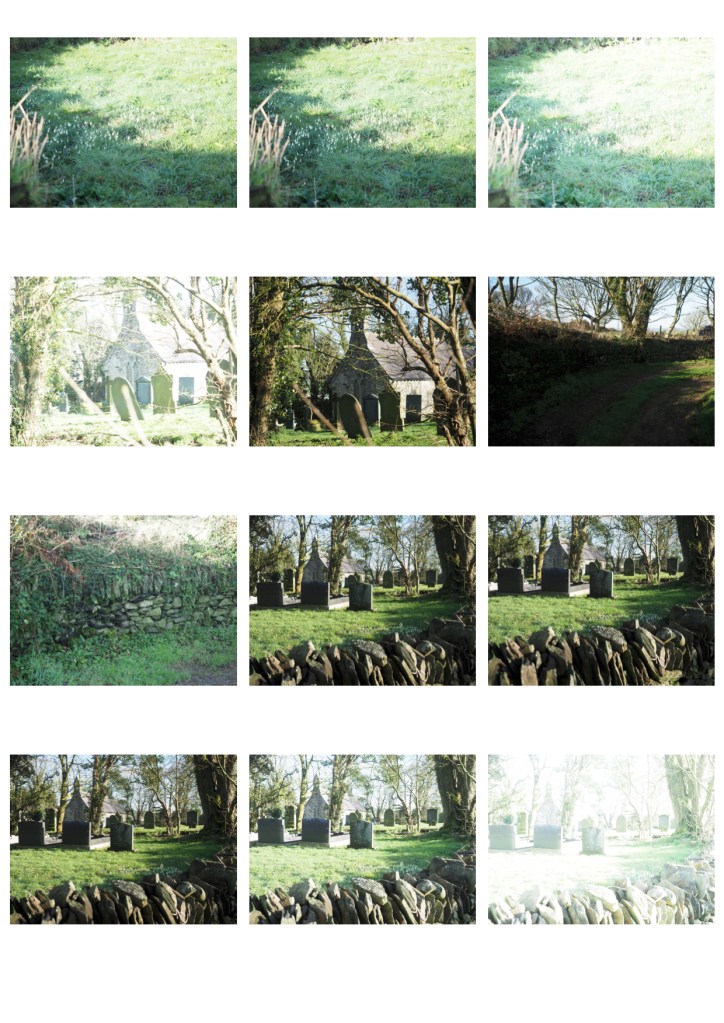
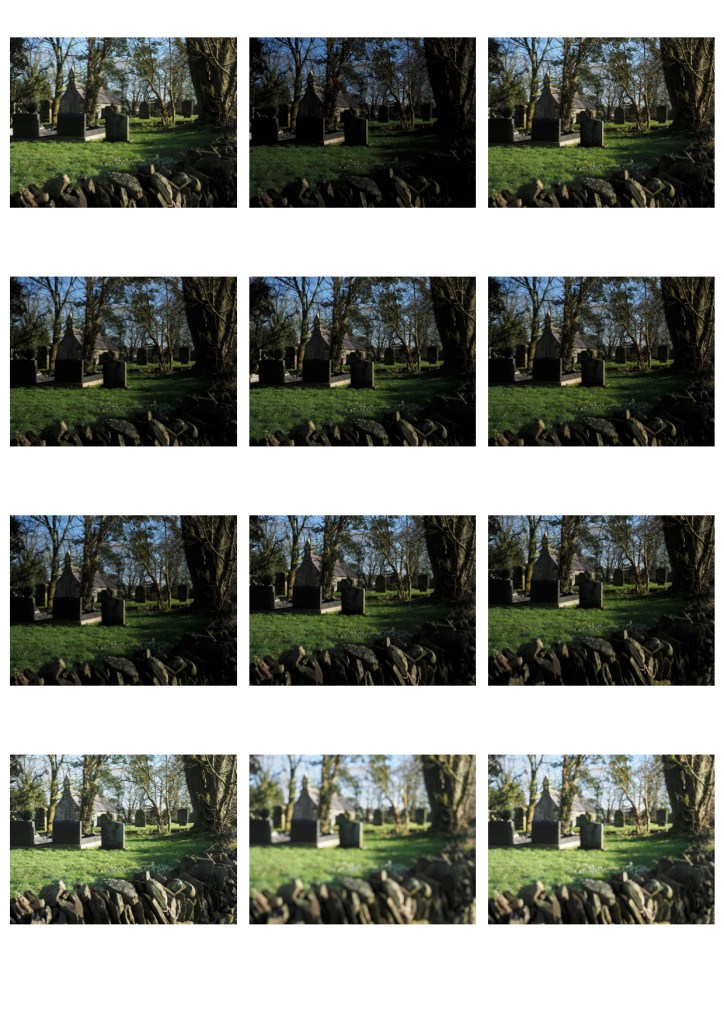
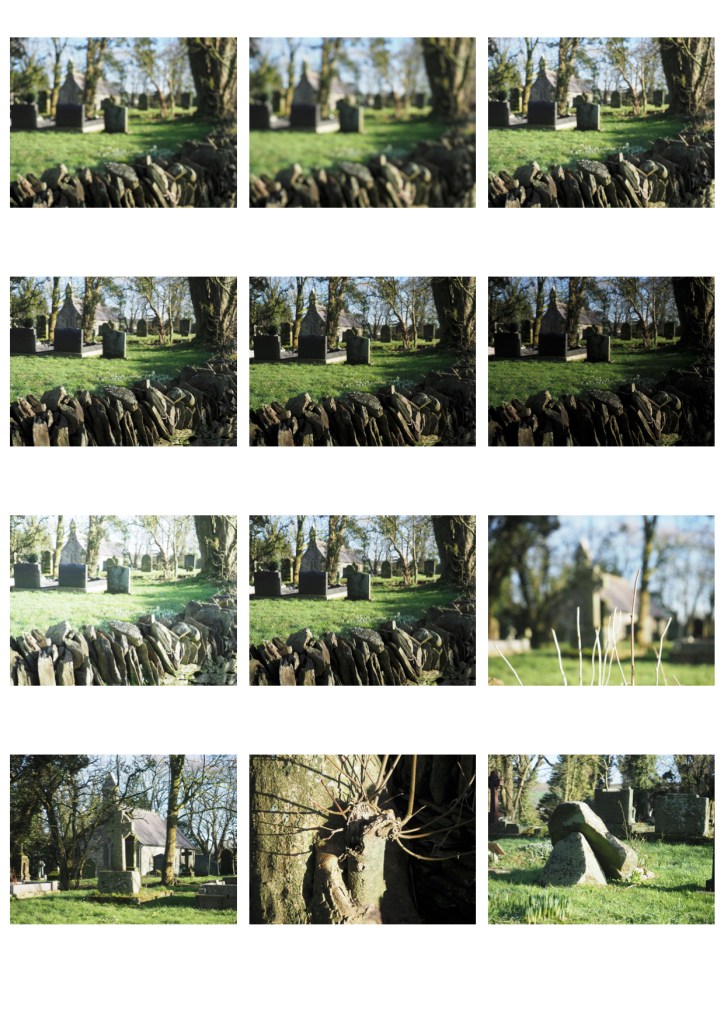
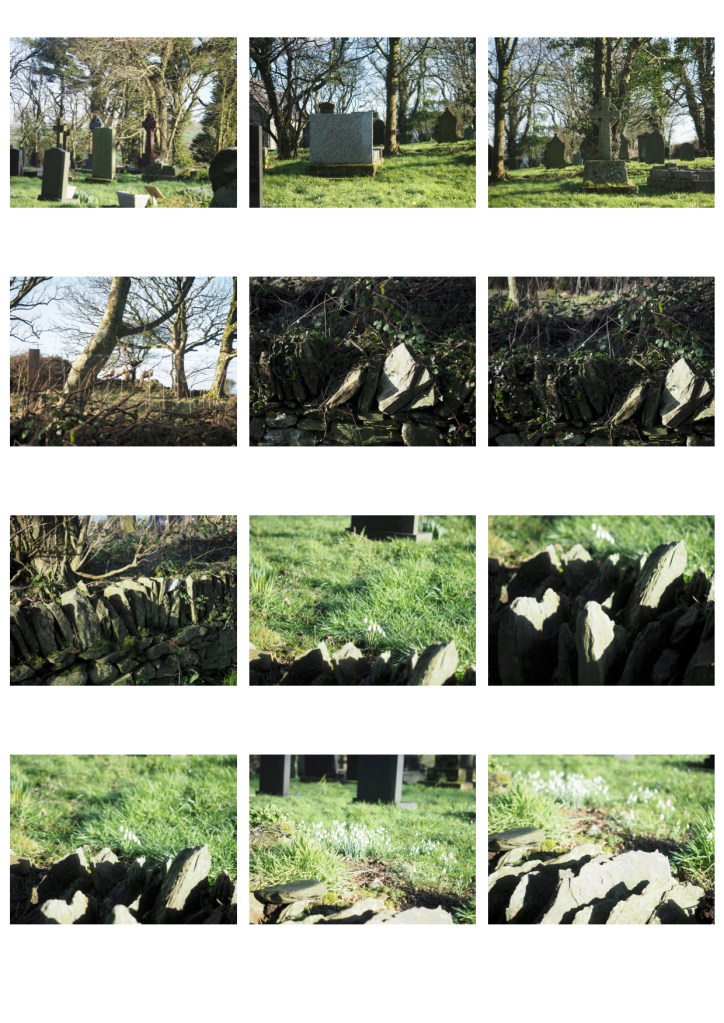
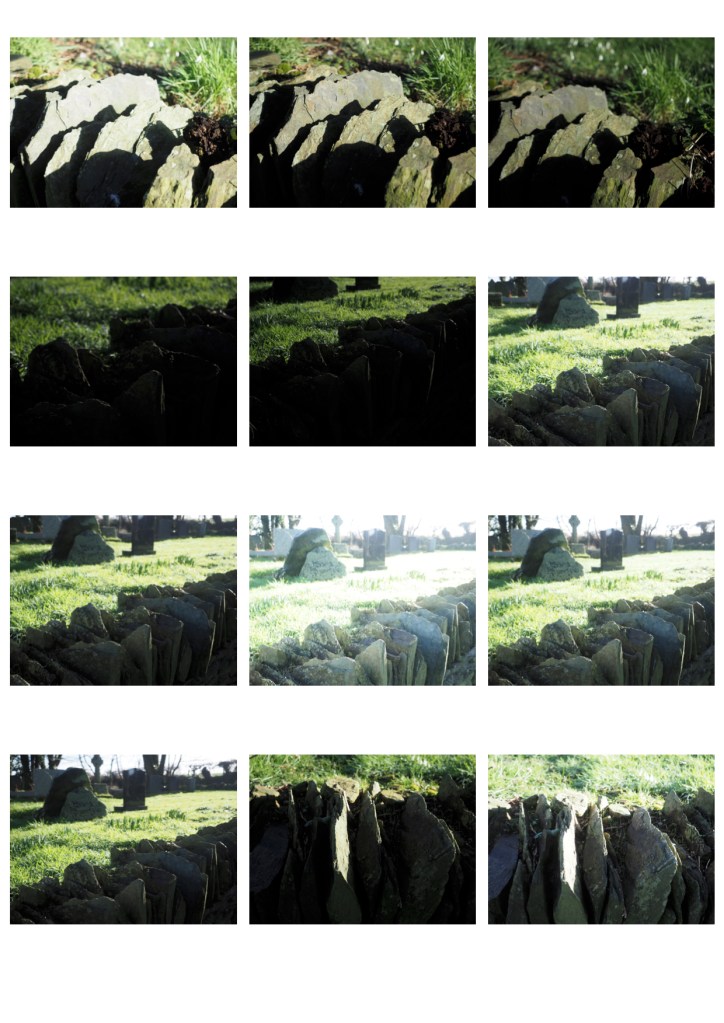
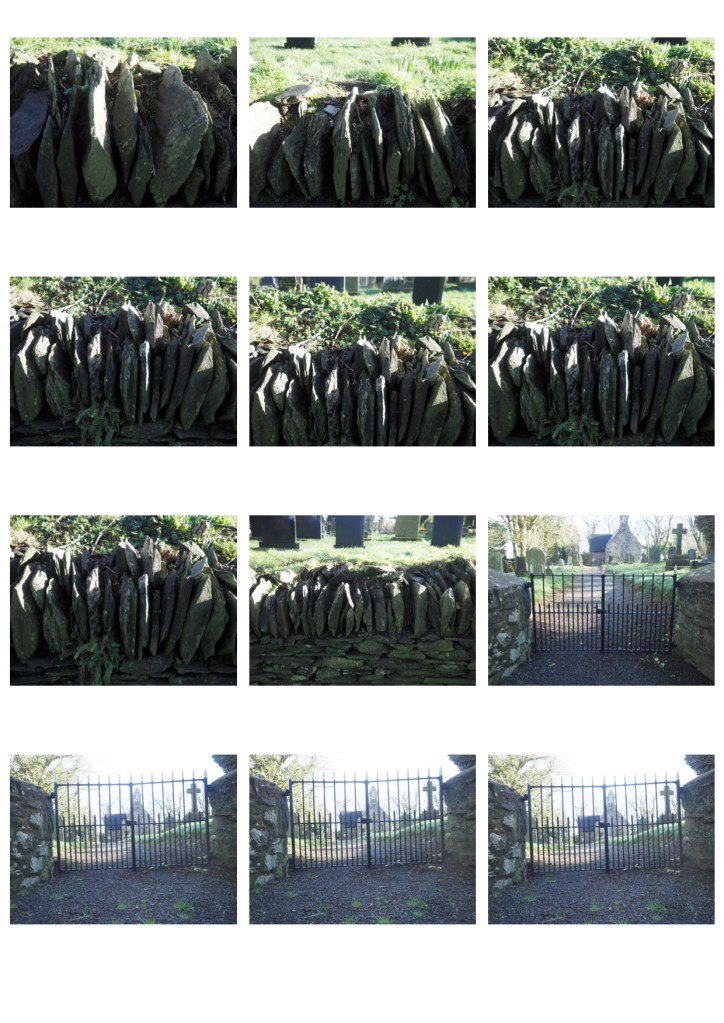
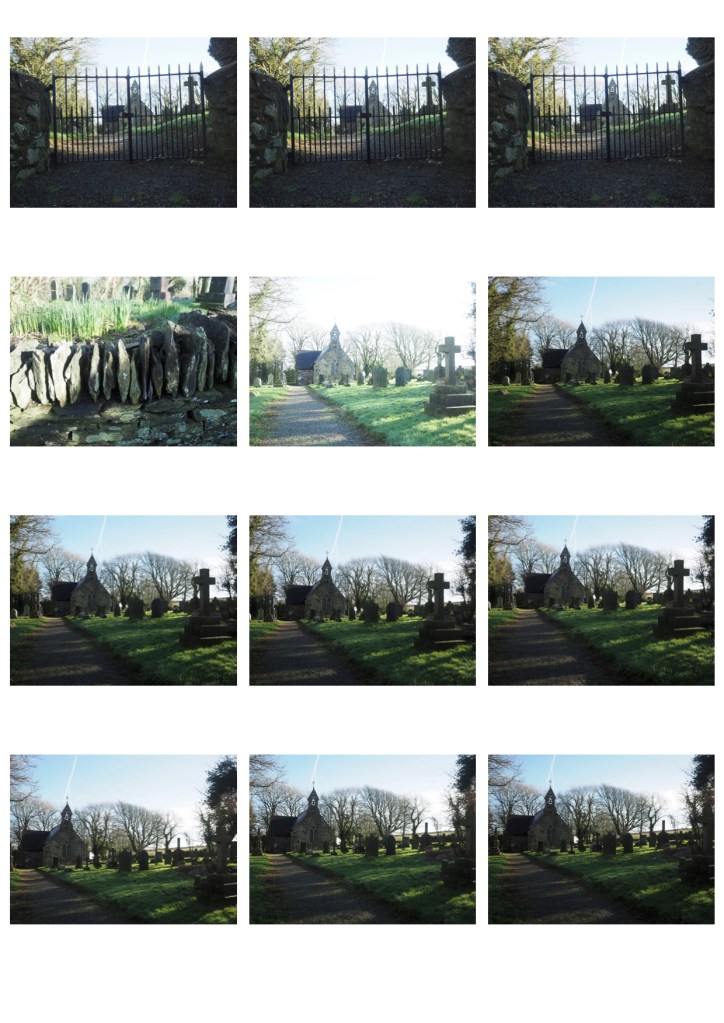
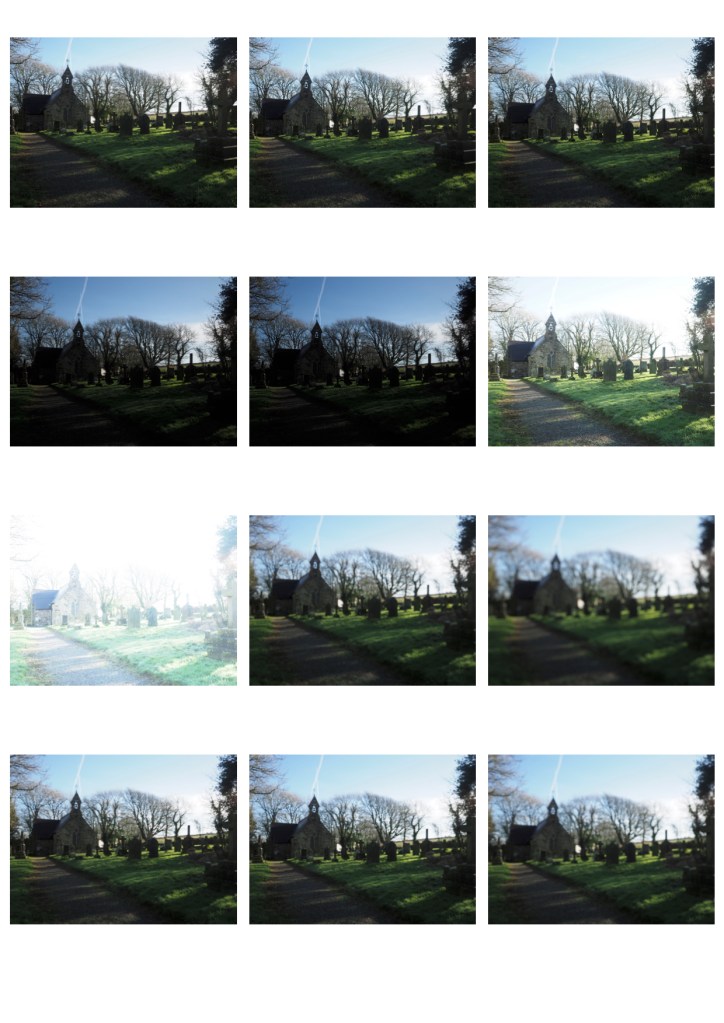
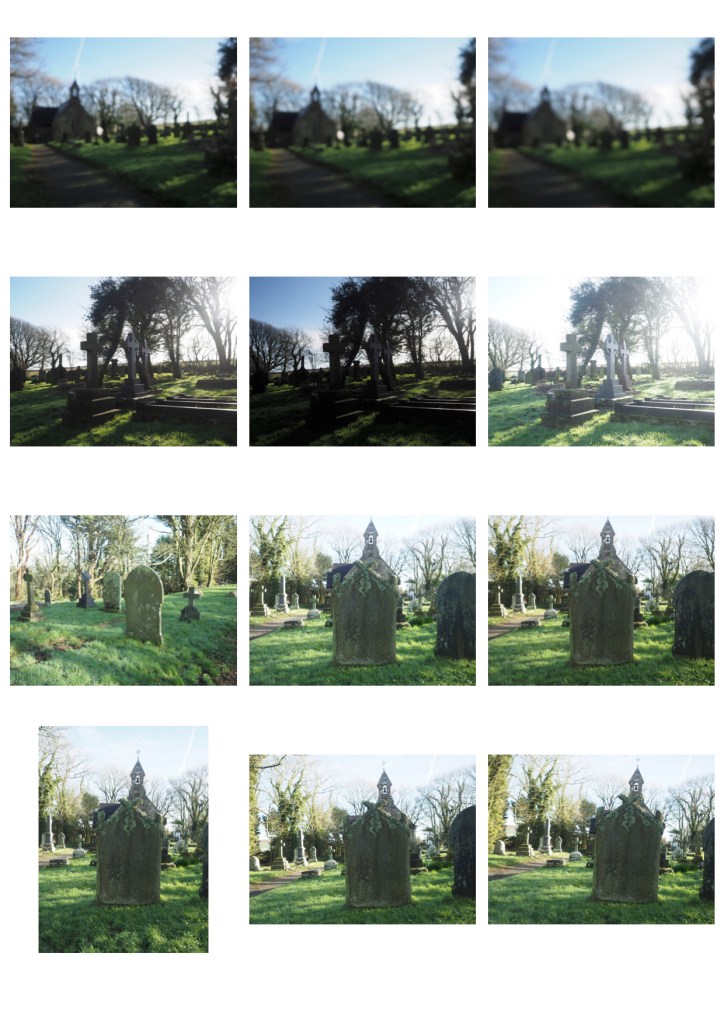
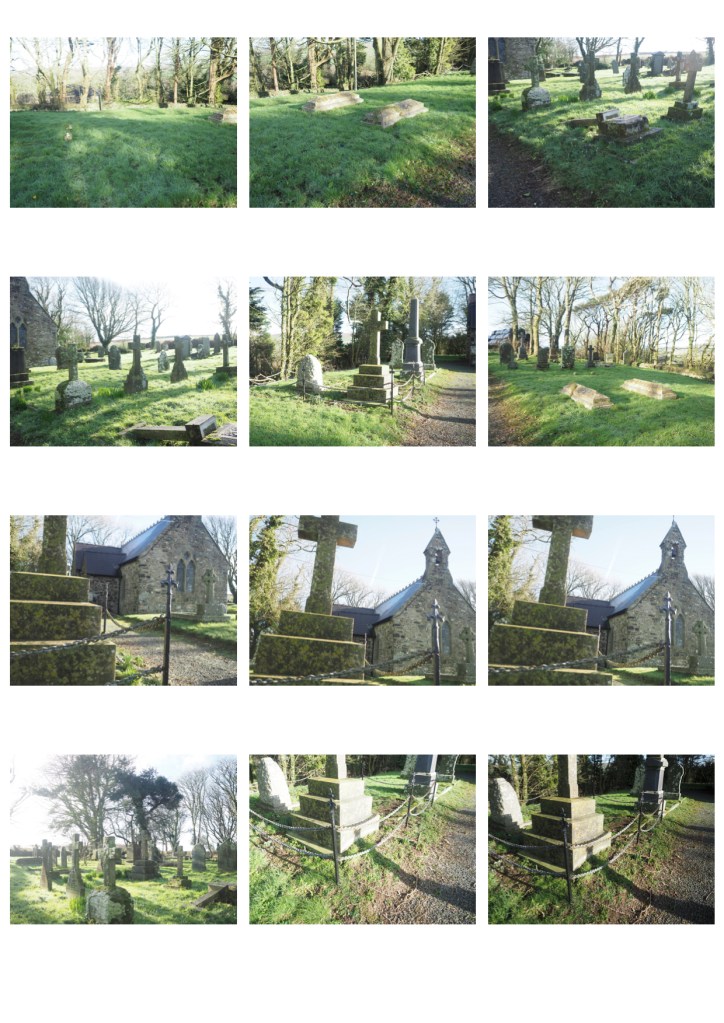
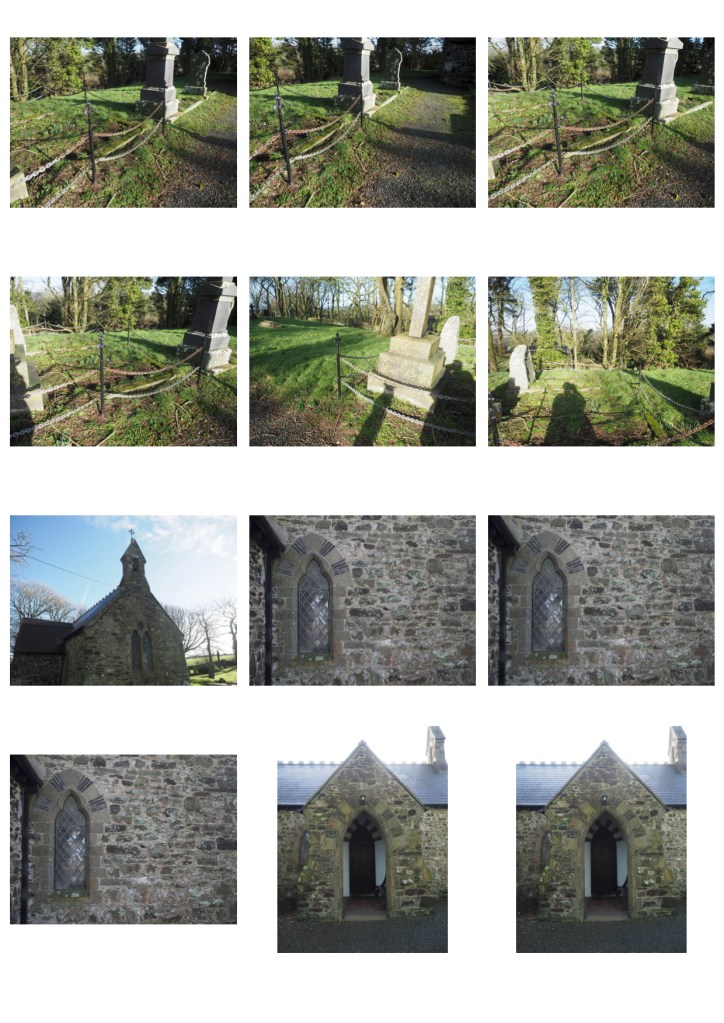
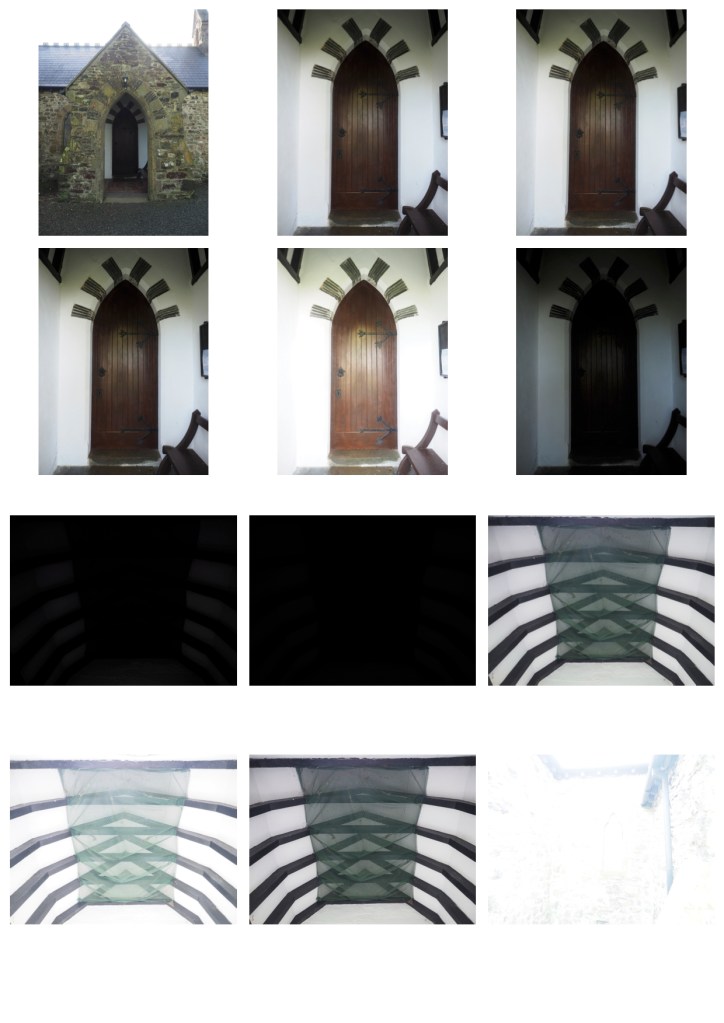
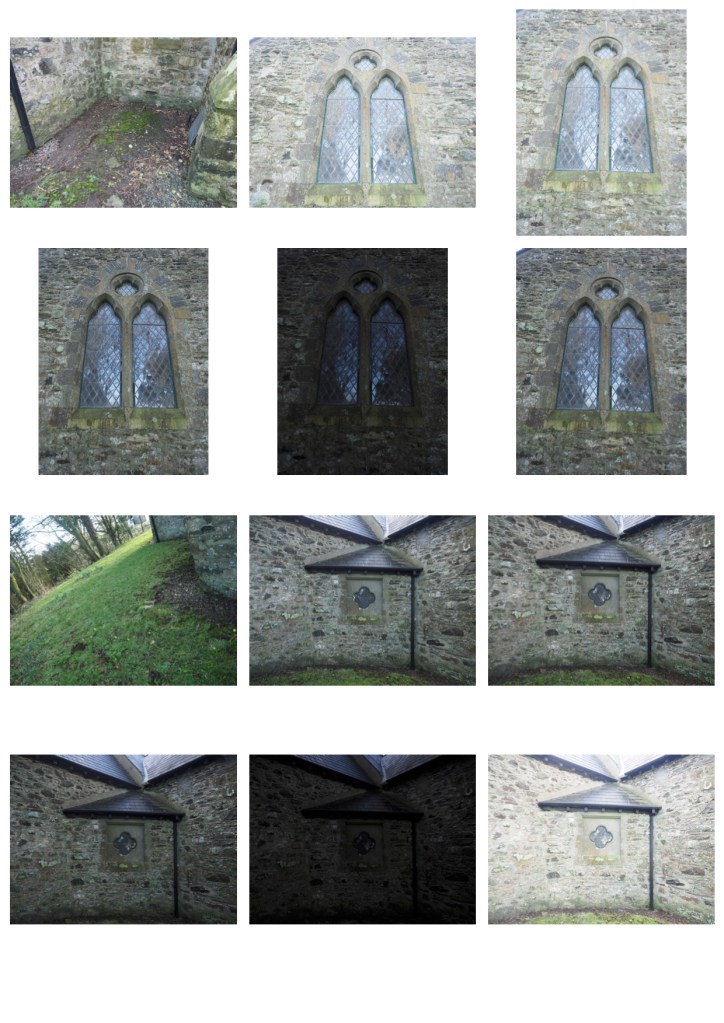
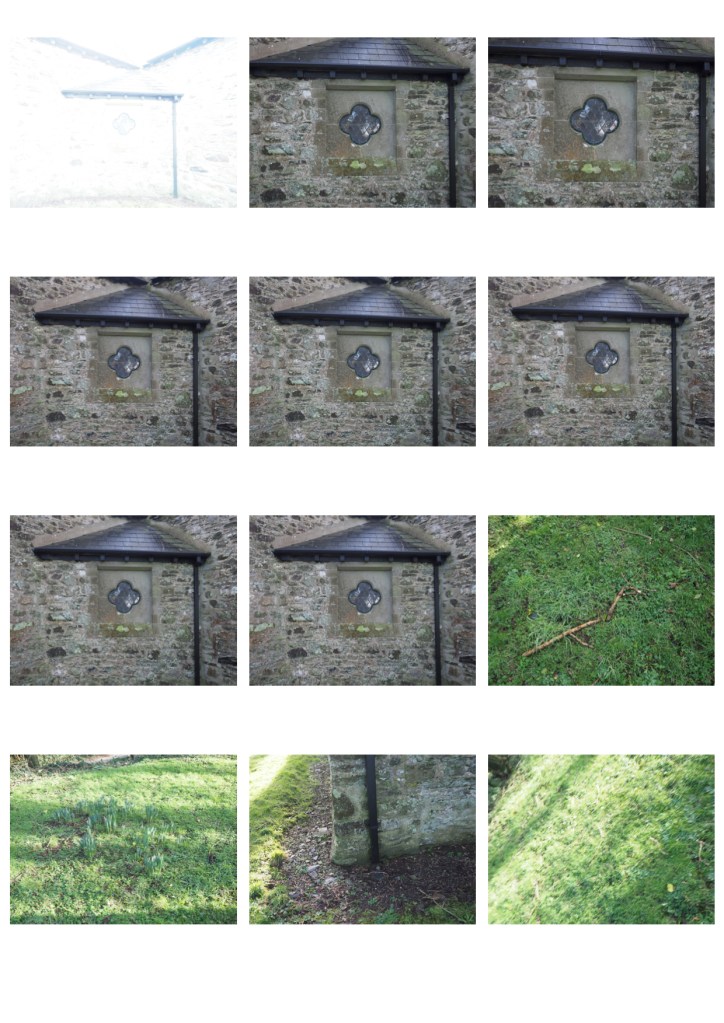
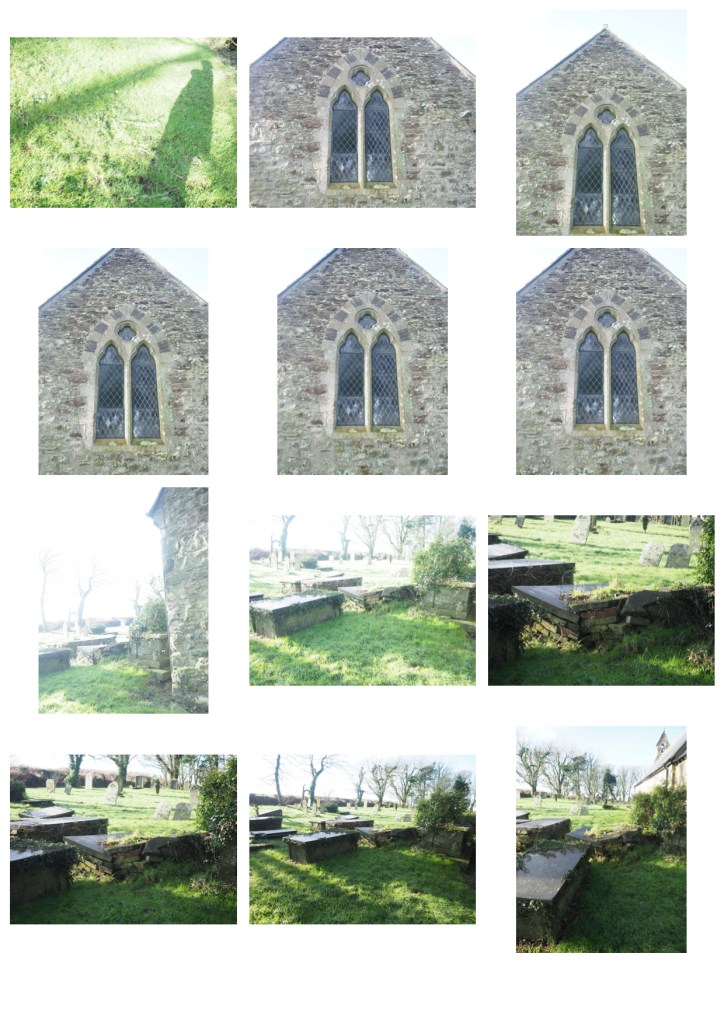
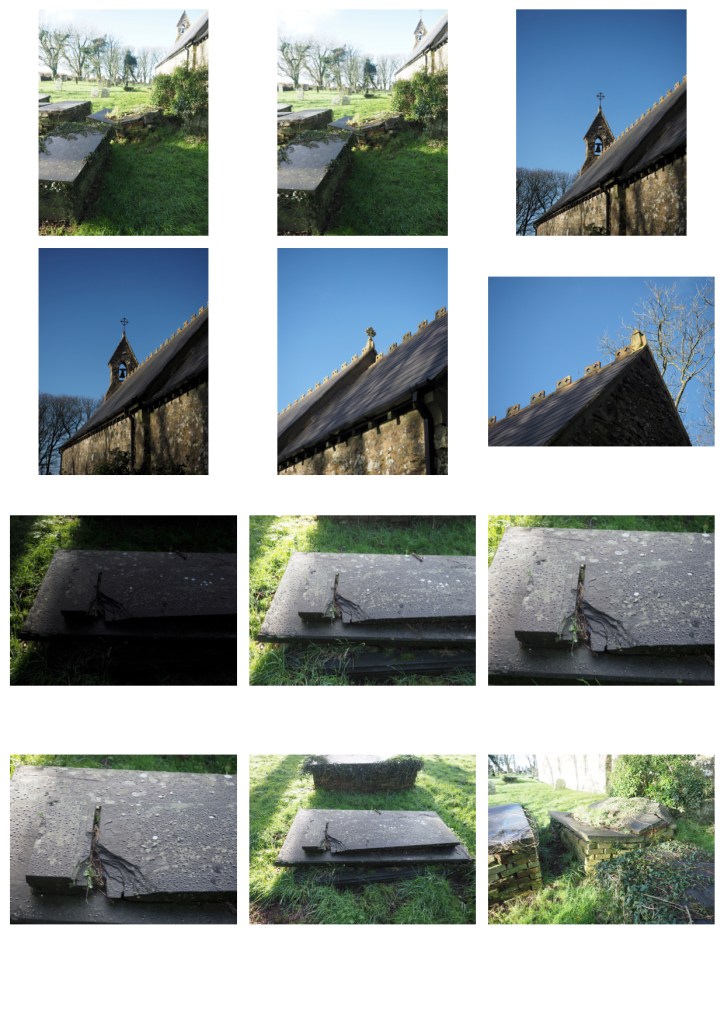
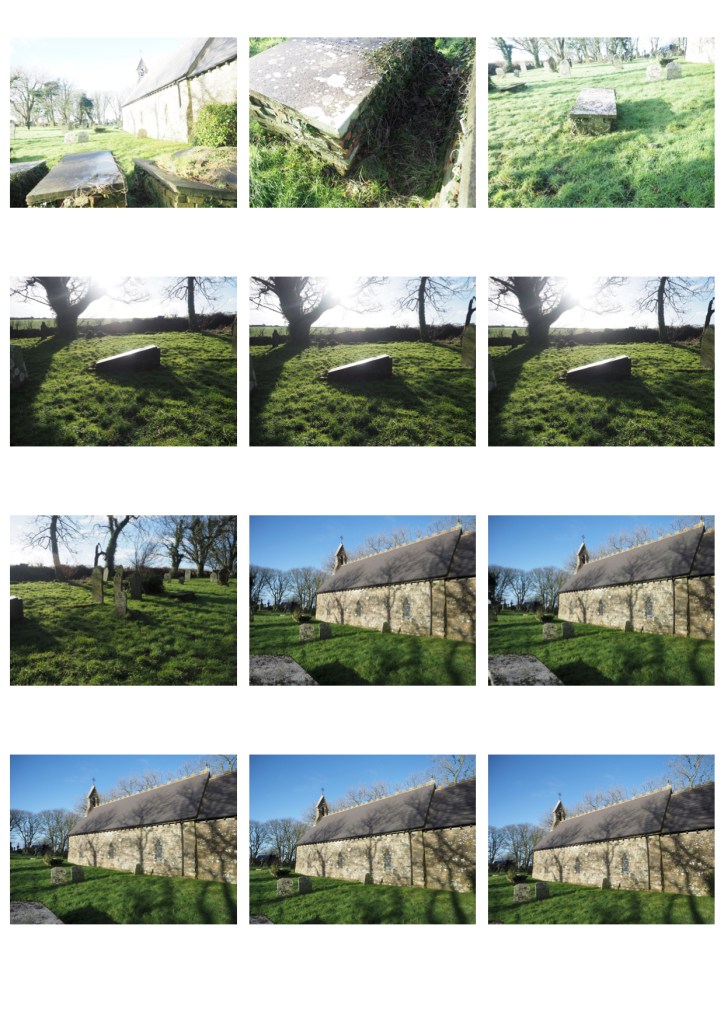
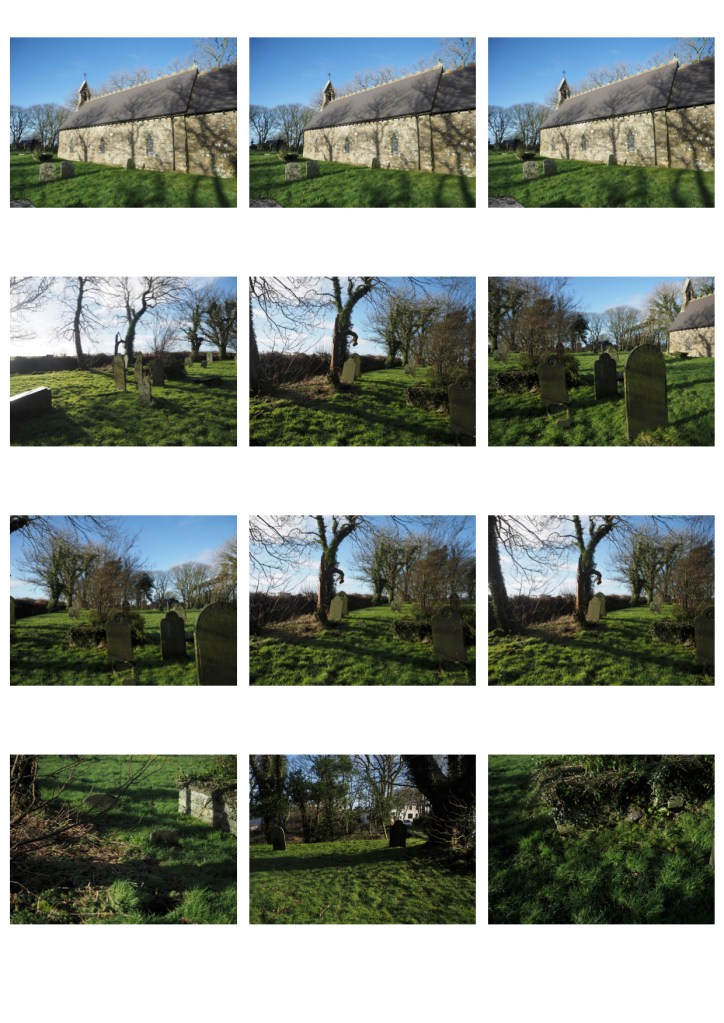
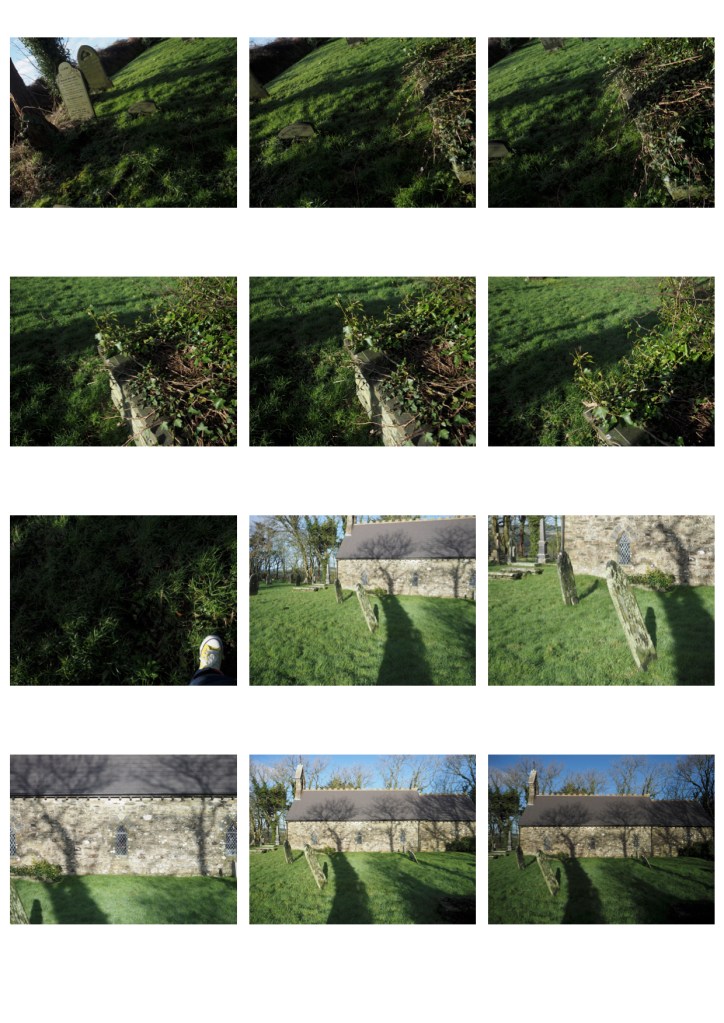
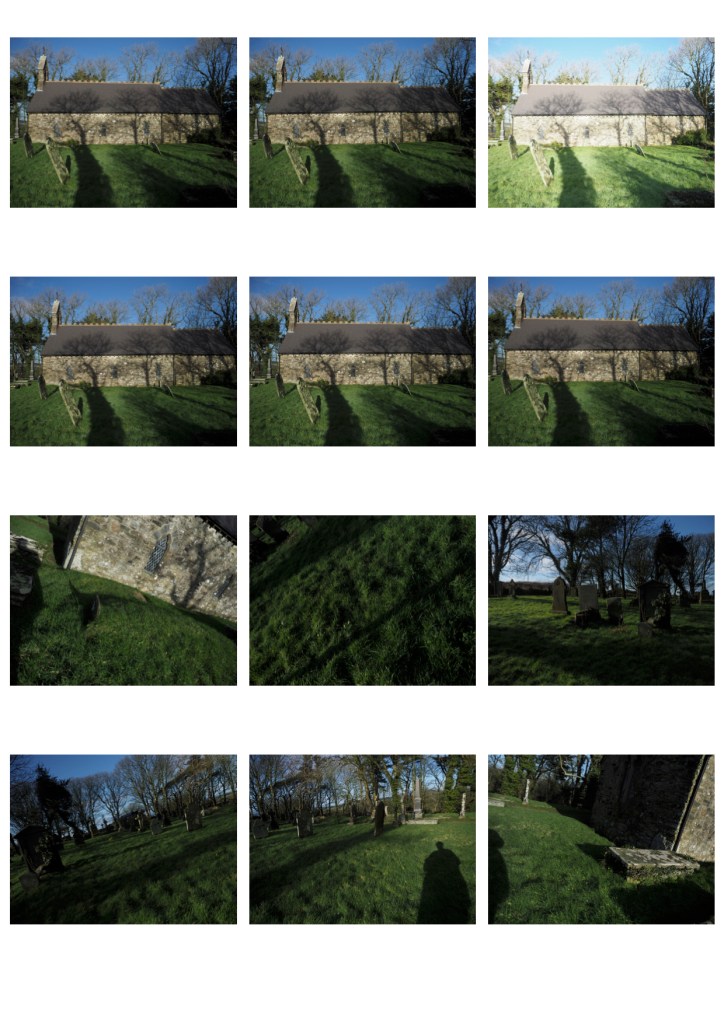
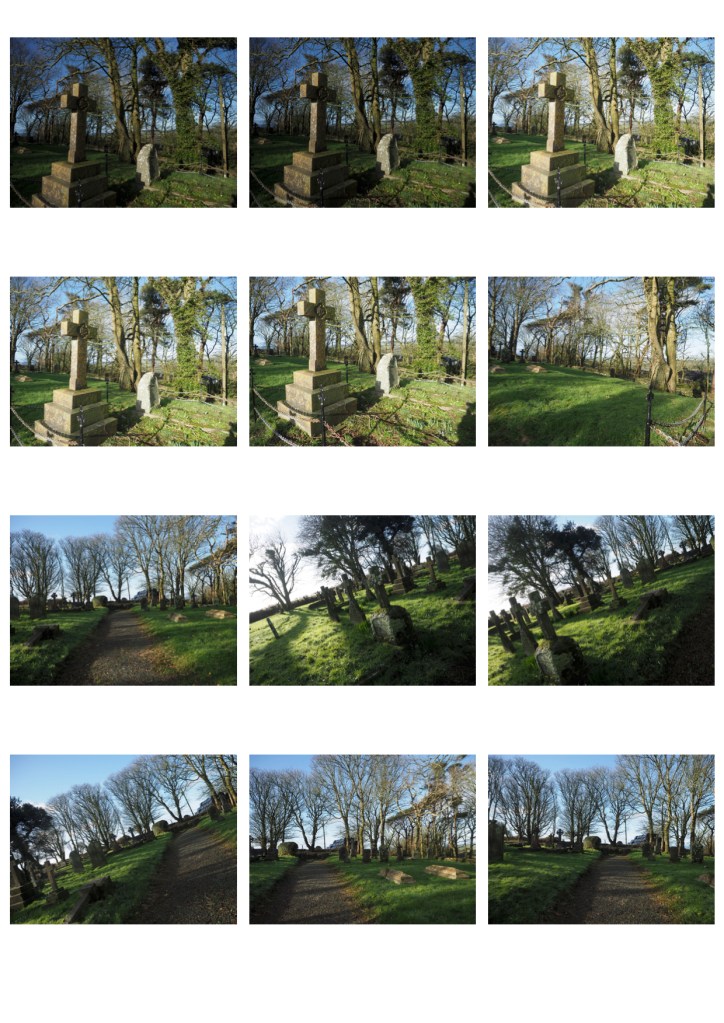
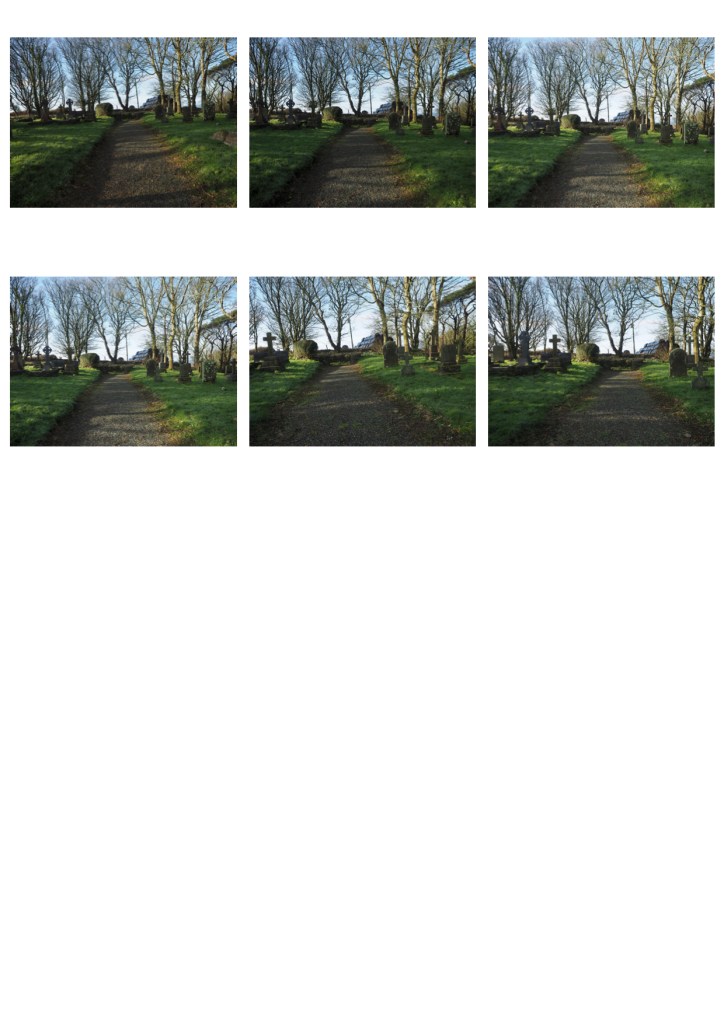
Location Eight – Contact Sheets
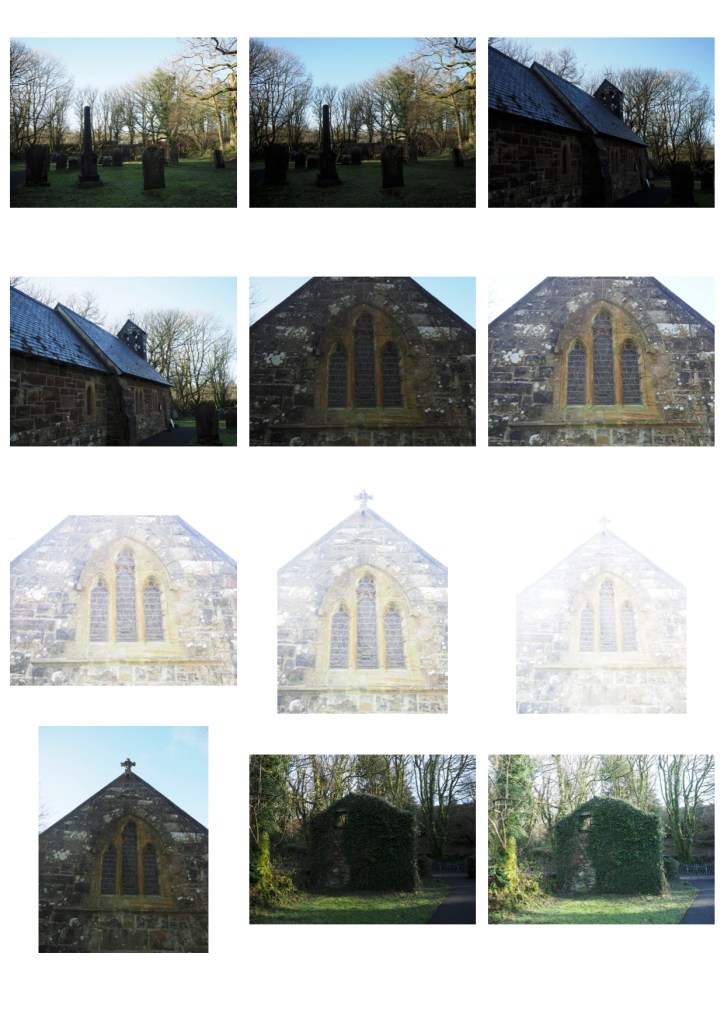
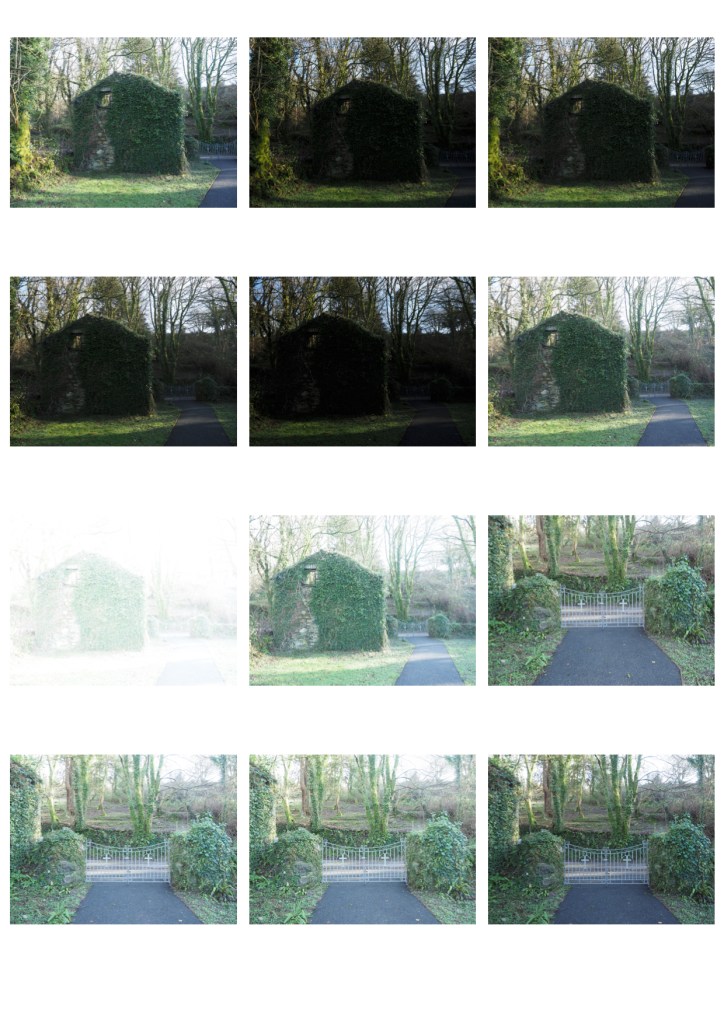
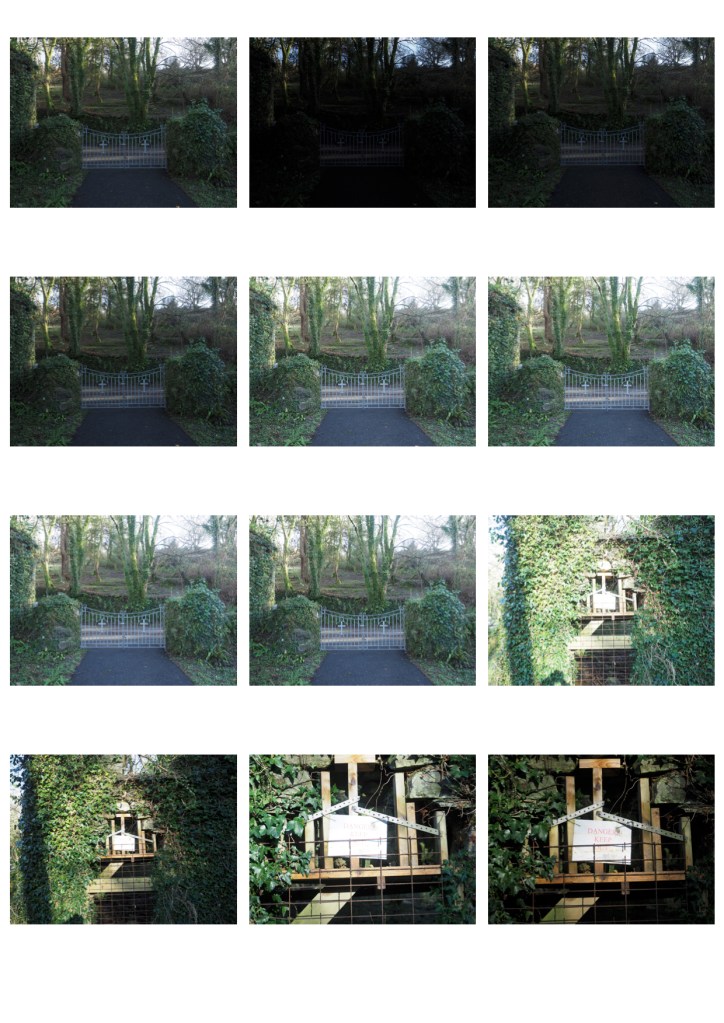
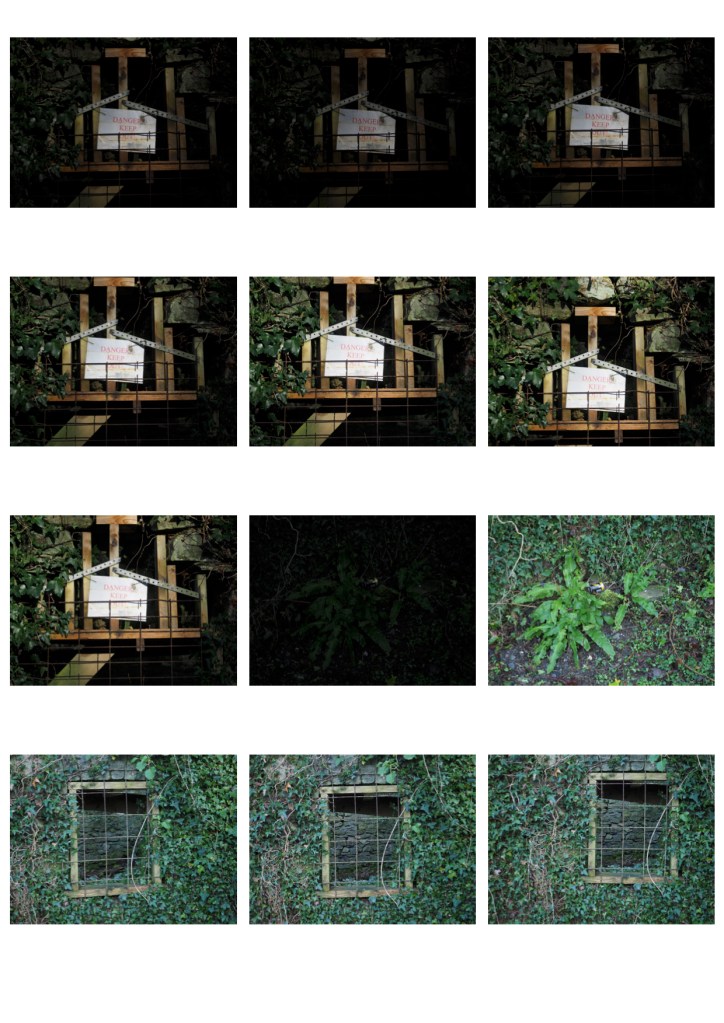
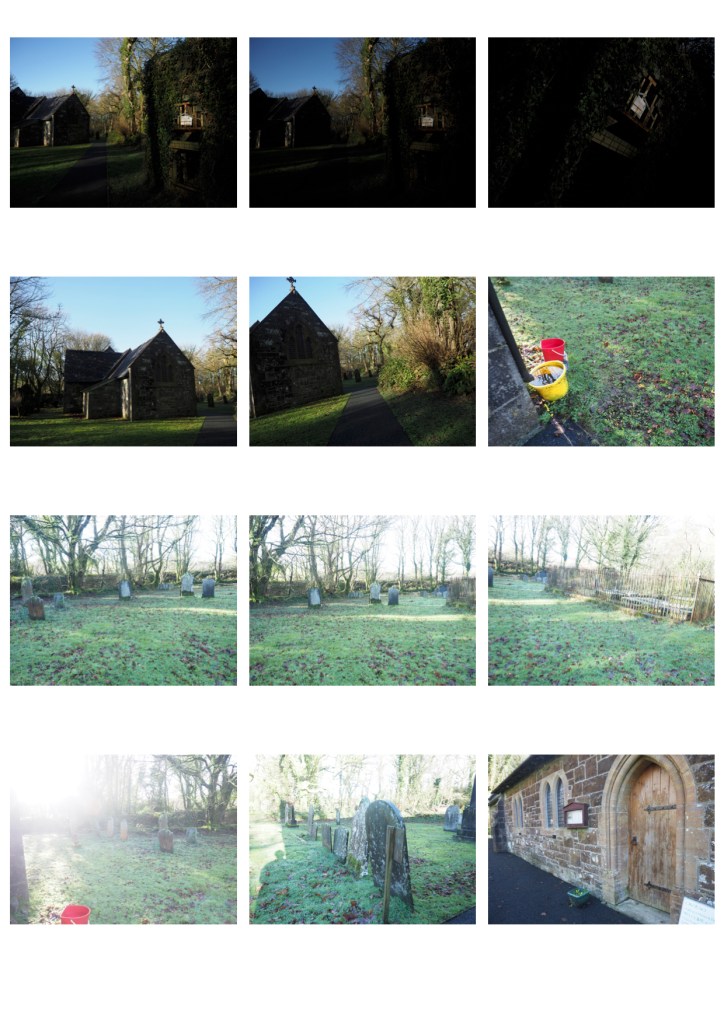
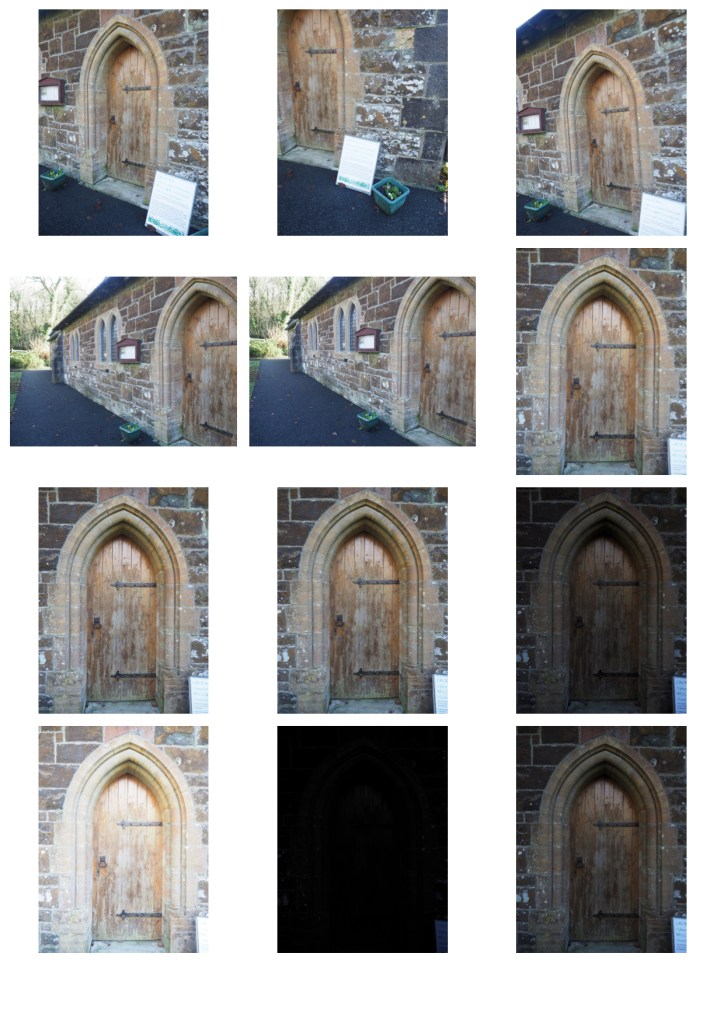
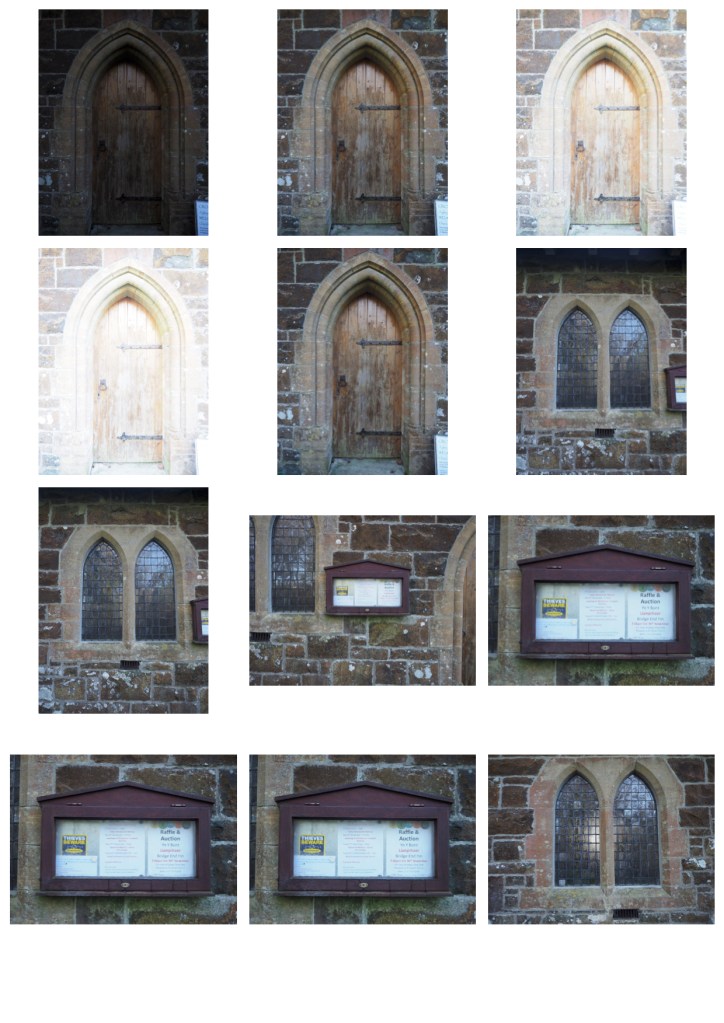
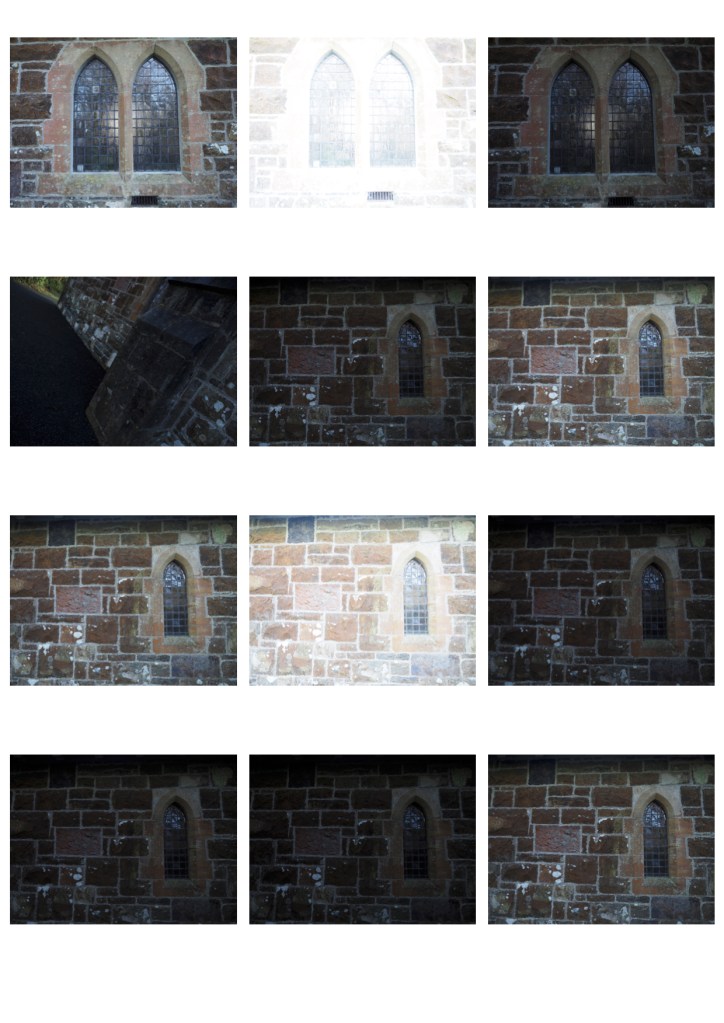
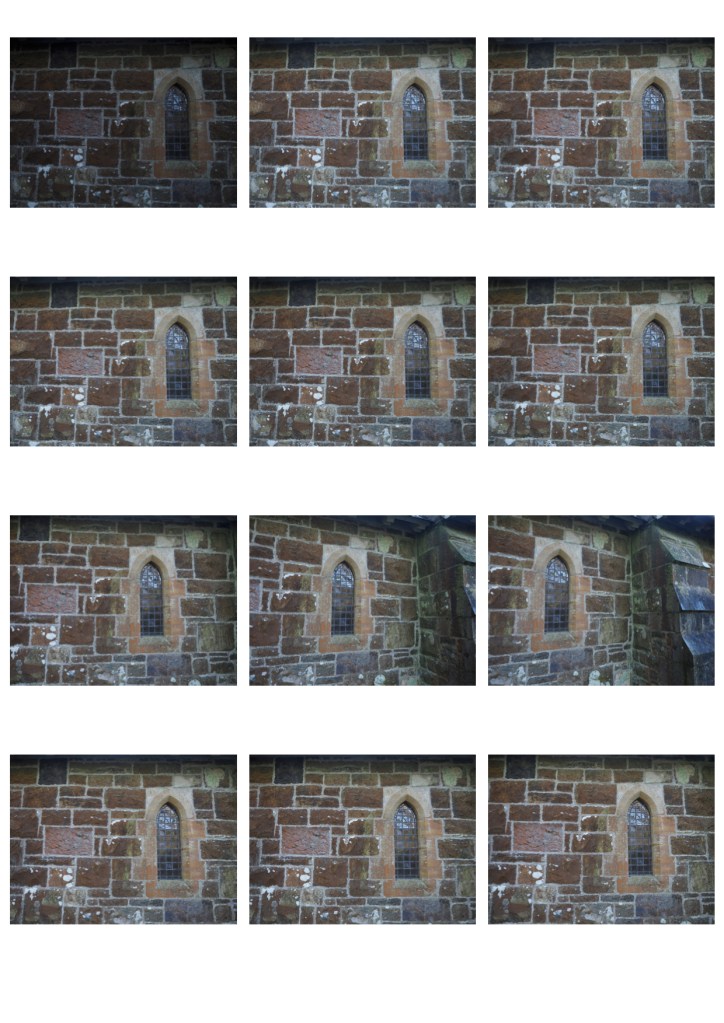
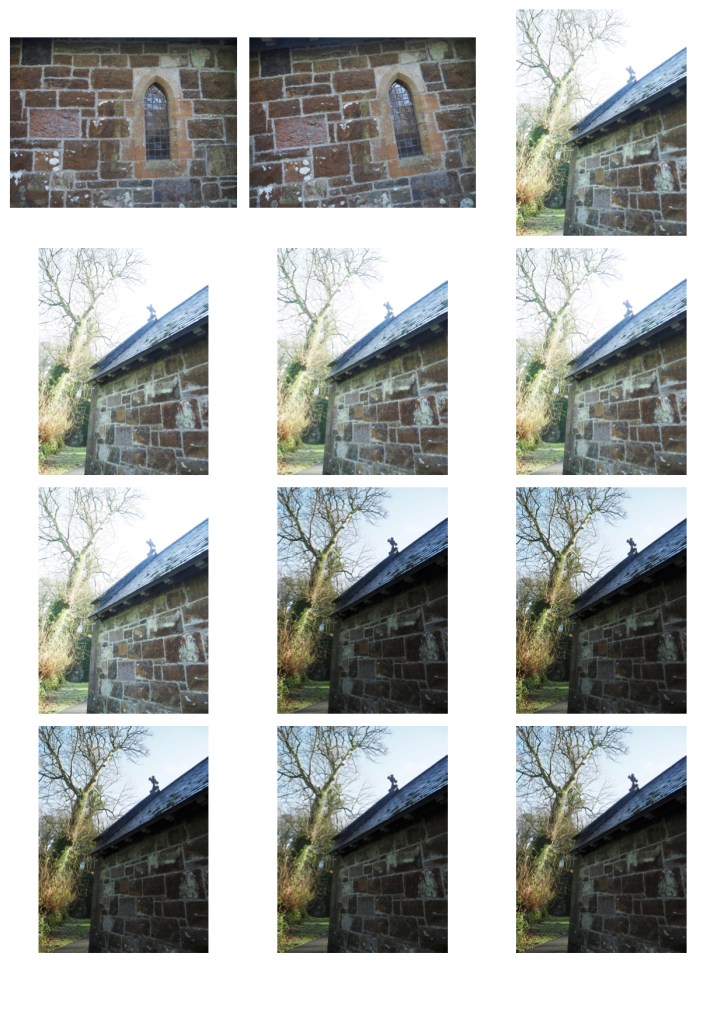
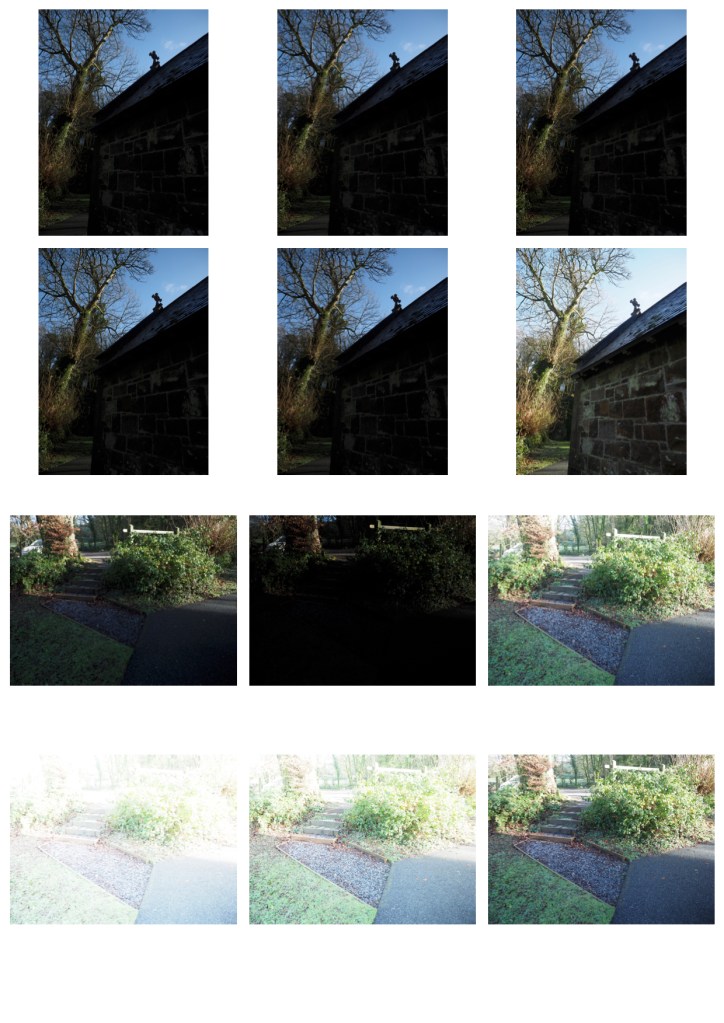
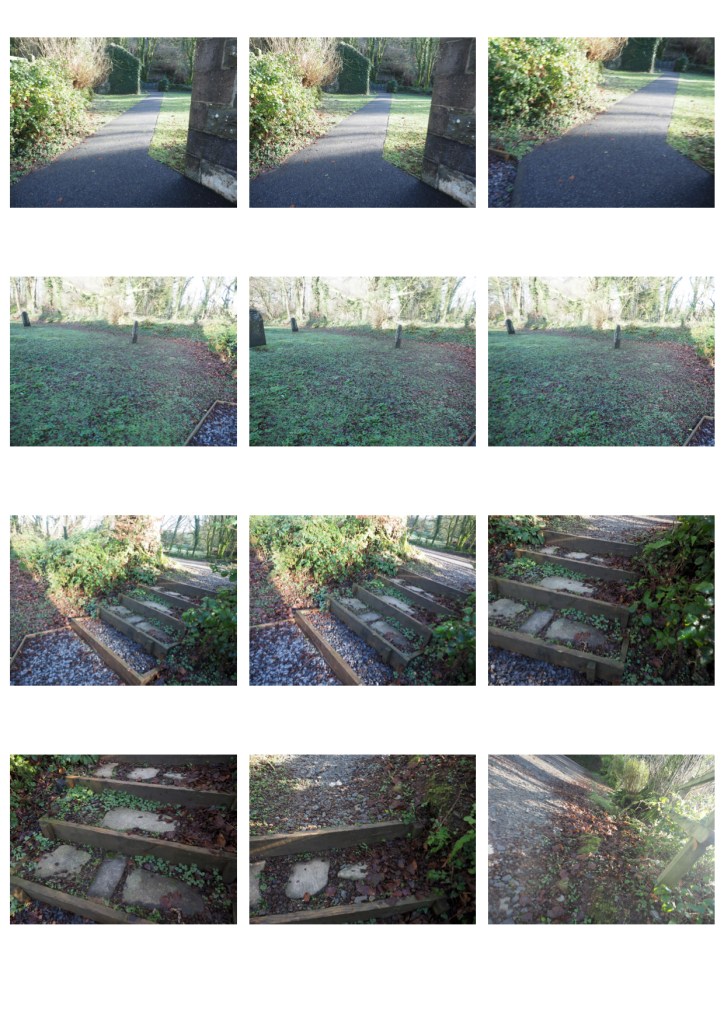
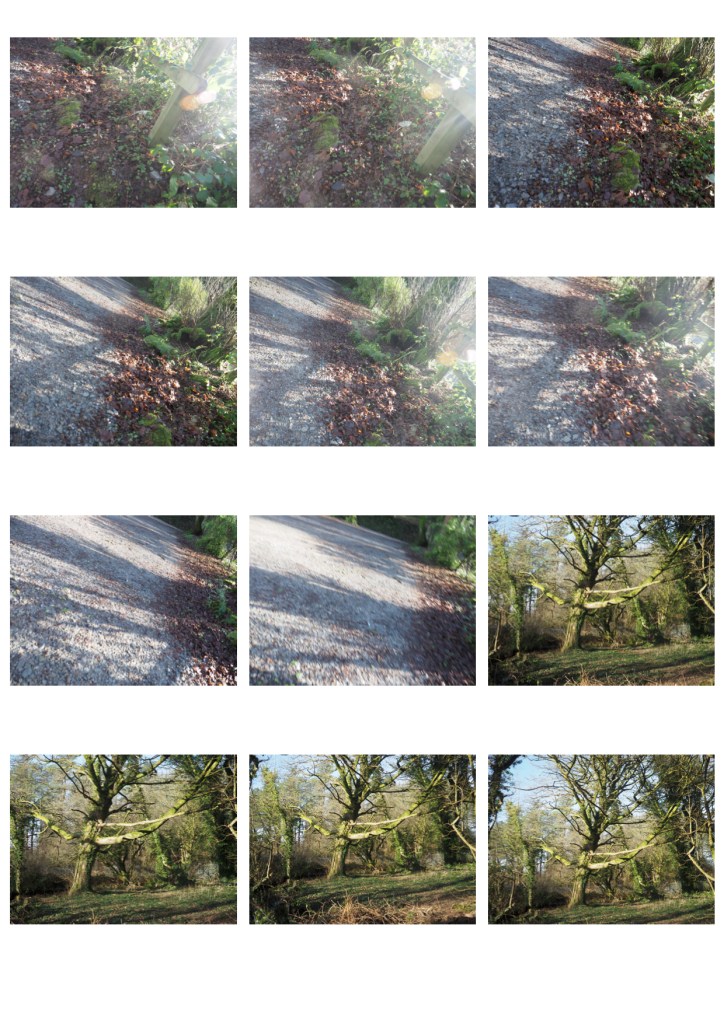
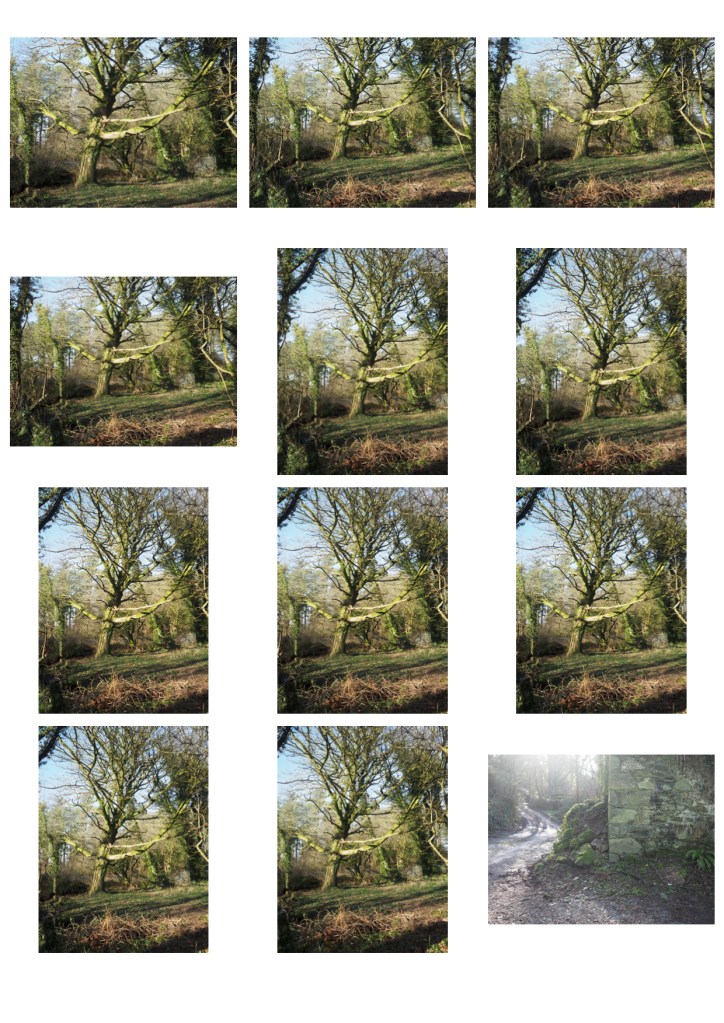
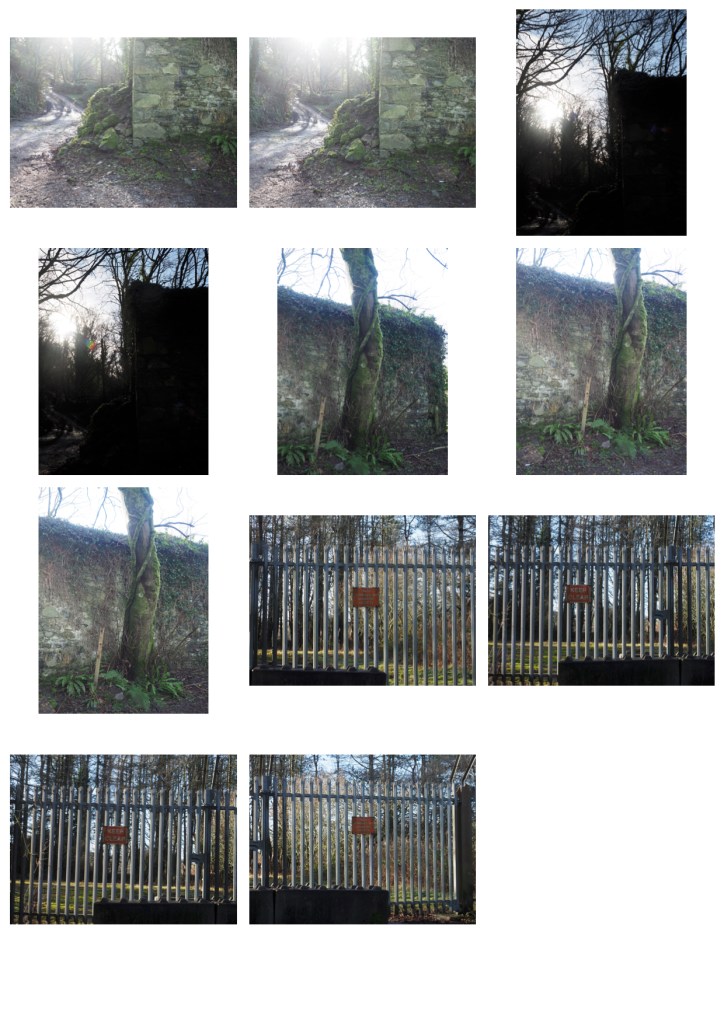
Here is a link to my third assignment:
I had a phone tutorial with my tutor on the 3rd of April and have made some notes following our conversation.
We started by discussing the changes at the moment due to the Coronavirus. At the moment, it is impossible for me to do re-shoots and I have had to completely rethink what I was going to do. We briefly discussed my new ideas, which I will come back to later.
My tutor said my work had taken a leap forward and was very pleased with it. The use of the motifs as ‘hard barriers’ are very effective. Anything I need to change now, instead of re-shooting, I will have to use my archive of images I have taken. But this will give a chance to try new angles and images as I have hundreds of each location, so have plenty of images to work with.
The challenge now lies in the editing decisions which are key. Whilst I have a lot of choice, this is a challenge as I will have to be ruthless in cutting down images. This may take some time and experimenting with. My tutor recommended printing the images out and seeing them physically side by side and then make the decision. I think this will be very beneficial in the long run.
My tutor asked whether it was intentional that you could see the ‘rough’ work. That you could see the images have been put together and do not look digitalised. This actually wasn’t my intention but I do like the effect. It looks more authentic, like someone has actually taken time to cut out these images precisely and piece them together. My tutor also liked that the images are within one frame as it brings order. The one problem I found was with the glue, it just went everywhere. My tutor recommended experimenting with different papers and glues. She recommended trimming the brush I was using for the glue so it is more precise and try and use PVA, water it down if necessary. The key is finding the right consistency.
Looking at the images all together, they are roughly in chronological order, my tutor could see development over time. The later images are really effective but there is a noticeable stylistic difference from the earlier ones. I think this is because once I got into the swing of things, I knew what I wanted. When I was on location photographing, in my head, I was thinking of the possibilities and probably was shooting with that in mind. I think I may look back over the earlier ones again and see what I can come up with now.
My tutor advised to look about refining at the moment. Refine the craft but also think about editing. By editing, it will lift my work to another level. I need to take out the less impactful images, but look at the colour palette fo the images as well. The images should be surreal and chaotic but contain the common elements too. For the end result, possibly re-photographing the images to give a nice finish.
Other ideas I have to experiment with is to look into incorporating text somehow and even incorporating a contrast from the male domination in my main image with images of ‘strong women’. I think I will use images of women from my own family form my own archive as this is more personal and more meaningful to me. My tutor believes this is a good idea to experiment with. She also recommended I look to Hannah Hoch’s work, which I will do.
For the next tutorial, we are aiming for a video chat, where we can have printed copies of the images to look at together. My tutor also recommended seeking some form of feedback possibly from the level 3 forum or someone else. It might help get perspective from a distance.
Here is my tutor report with comments from my tutor.
Responding to the Feedback
I have definitely pushed myself since the last assignment. I took on board my tutor’s feedback and produced some collages. I really enjoyed them. Due to the Coronavirus Pandemic I may not be able to re-shoot, so I am thinking of how to go forward with this. I produced several collages for each location, to give alternative views, but now I need to edit them. My collage technique is admittedly a bit rough. I did have a bit of trouble cutting the images out precisely and gluing them without getting glue everywhere. My tutor recommend different ways of doing this. So for my next assignment I will take this on board when re-doing my collages. My tutor recommended trying to find consistency. I will try and do this, hopefully by editing the images. I have them printed out, so I will try the side by side and see how I go from there.
I rose the idea of text again, and we agreed that now may be a good time to start introducing it. I discussed how I wanted to show a contrast of strong women, in my images which portray male dominance. My tutor thought this would be a good idea, so I will be thinking and experimenting with this.
Here are the links to the feedback pages, they are also available from the drop-down menus:
Assignment Three Tutor Feedback
Assignment Four Tutor Feedback
Brief
Continue to shoot and reflect on your work so far and build a set of images to submit to your tutor.
Submit your work in progress together with a reflective commentary.
Assignment Images & Reflective Commentary
For this assignment I have been progressing and developing my ideas. I am still following the pilgrimage as a method of looking into the gender inequality in landscape photography and comparing it with the greater scope of inequality in world religion.
After experimenting collages for one location, I have decided to keep this aspect. I like the effect that collages produce, it adds another dimension to the image. By cutting up and combining the images, it allows a new image to form with a new meaning. This image will combine different aspects of the same location but in all will emphases the inequality using aspects of the location. By using small images at a time, it allows a bigger picture to be built, in contrast to seeing the bigger picture in our world regarding inequality. I like the use of collages as it is an art form that has been disregarded as art, probably due to it’s associations with being a art done by women. This brings another dimension to my work. I, as a woman, am following a pilgrimage designated for men, and presenting it a way which is associated with women, whilst drawing attention to gender inequality.
I have created collages from the three sites that i have already visited. I have also visited a few more sites, and have also created collages out of them.
Here is the link to the contact sheets for all the locations.
Location One Location Two Location Three Location Four
Location Five Location Six Location Seven Location Eight
Here is a link to how I experimented with collages.
I have created two sets of collages from each location. One simpler and one slightly more complicated. My reasoning being, is that I still have the option from here of how I develop my series. Depending on this, will depend on the direction and thus which image will be suited for that particular direction. I have thought how to develop this further. I have thought about including the sites locations somehow, maybe in map form, or the co-ordinates, and somehow incorporating this into the image. I have also thought about bringing another aspect of femininity into it. I got this idea from my tutor who recommend looking at anthotype. This process involves using emulsion made from plants, then the paper is soaks in it, then items or positives can be placed on it to ‘print’. This paper is then exposed in the sun, the result will vary depending on the sun, materials, and plant matter used (Fabbri). The results can be unpredictable and is heavily reliant in the sun exposure, in a very similar way as Chlorophyll printing is. Chlorophyll printing is where an image is ‘printed’ onto leaves. This may be good for my work as i could use leaves from the locations. But my main concern would be the exposing of the leaves. This process uses photosynthesis. You also need a positive print and a suitable leaf. You need to press the positive and the leaf tightly together in a frame made of glass. This frame should be placed in direct sunlight, the time for exposing will vary (Pereira). This is the part the does concern me and I am unsure if it will work. I live somewhere high, our weather is very unpredictable. It is either misty/fog, raining, overcast or cloudy, we simply do not get a lot of sun here, so I am doubtful where these methods would be of any use to me. I can try them when the days get longer, but an not holding out much hope. I wondered whether to take a similar approach to Stephen Gill, in his series Hackney Flowers. This could I evolve including flowers or foliage form the actual sites in the images, not as a distraction but to compliment and to strengthen the link to the sites location. I was thinking about using a technique such as pressing or even preserving the foliage. I believe this will add another element, and in general look better instead of including images of the foliage in the collage. Again this is another form of craft that is associated with women. I was also thinking of a way of including the locations, maybe incorporating a map or co-ordinate somehow.
I have looked at several artists including those who use collages.
Her image stood out to me the most as it is very similar to my work and my methodology. Edelson is addressing global patriarchal religion and contrasting it to the inequality in the arts. She uses the image of the last supper and utilises collage techniques to complete her goal. Her work is very influential in mine as it holds practically the same methodology and meaning.
Her images are often very colourful and visually interesting. I like the way she combines her history and culture in her work, this seems to be a recurring theme, so also uses text in her work, usually in Spanish, which gives another elements to her art. She looks at gender, which is helpful for me to see how various artists look at this topic.
Rosler’s images are quite striking. In certain series, she takes images of naked women and places them on kitchen appliances to look at the expectations and representation of women. She is using feminist art to address issues surround gender, commodity and representation.
Walker uses silhouette figures to make her art. Her images are interesting and use collage techniques whilst addressing issues surrounding race and gender.
Barbara Kruger is a well-known artist, who uses her art to address issues including gender, power and politics. Her images are very noticeable but simple. They are thought-provoking and do make the viewer think. Her use of text is interesting as it done in a bold way but the wording is strong and uncomplicated. But the wording doesn’t explain the image, it makes the viewer think.
Fulton is a walking artist. His art is made from the journeys he undertakes. His work has been influential to me as I am also undertaking a journey, so it is useful for me to see other artists who do this.
Harrison is a radical artist, who tackles issues surrounding feminism. Her images usually contain a bit of humour. She looks at how women are represented and creates her art with a twist on this.
Linder Sterling uses collage to look at feminist issues. She uses images from porn and lifestyle magazines to create a new image. It is interesting to see how artists are using collages to make statements surrounding gender.
His images are often political in nature. He disassemble and reassembles images to create a new image, which are quite thought-provoking. He has collaborated with Cat Phillipps on more than one occasion, together they has created some politically note worthy images; including one of Tony Blair taking a selfie in front of an explosion.
Bibliography
Fabbri, M. Anthotypes – step by step instructions to making a print using plants. At: http://www.alternativephotography.com/anthotypes-making-print-using-plants/(Accessed on 6th of January 2020).
Pereira, T. The Chlorophyll Process. At: http://www.alternativephotography.com/the-chlorophyll-process/ (Accessed on 6th of January 2020).
Assignment Images
The images will be in order of location and will be marked whether they are the simple version or more complex version.
Please Note: These are not the final images that will be submitted. They are a guide and an experiment which will allow me to print, cut, and glue the final images with more care. These are to get a rough idea of where the image is taking shape. I had some issues with my printer on some of the images, which I have now sorted. The glue has made a bit of a mess on some, which I will be a lot more careful with on the final images. I photographed the collages and then cropped to get the images in one frame. They are not perfect but I see them as a working drafts, which will help me when I make up the final images.
Location One
Location Two
Location Three
Location Four
Location Five
Location Six
Location Seven
Location Eight
Coronavirus – Update – 1st of April 2020:
Tutor Feedback
Here is a link to my tutor’s feedback for this assignment and also my comments and how I am responding to the feedback:
Assessment Criteria
Demonstration of technical and visual skills
Whilst my technical skills have remained the same as I am keeping to the same theme, I feel my visual skills have improved. I have began bringing my images together as a collage. I started by narrowing the images down and then moving them around and finding the right combinations. I believe this demonstrates my design, observation and compositional skills.
Quality of outcome
This assignment I felt had moved on dramatically from the last. I decided to try and bring the images together and create a collage. I decided to do one collage image per location. I am happy with what I have produced. I printed off all the images, set them out on a table and experimented. I moved them around to find the best combination. This really helped my images come together. I feel the collages work. I tried several for each location to experiment and try different variants. This would allow me to be creative in my experimenting and allow for choice.
Demonstration of creativity
I believe this assignment has shown a lot of creativity. Whilst combing the various views in the actual images and making a collage. I have created a new image with new meaning. I believe these images reflect my creativeness.
Context
I believe the use of collage is apt for my work. Collages are associated with being a craft that women do. So by using it in my work it contrasts with the male dominated world. By looking at a male dominated topic, and using crafts associated with women, it reclaims the space for women.
 Georgina's Body of Work