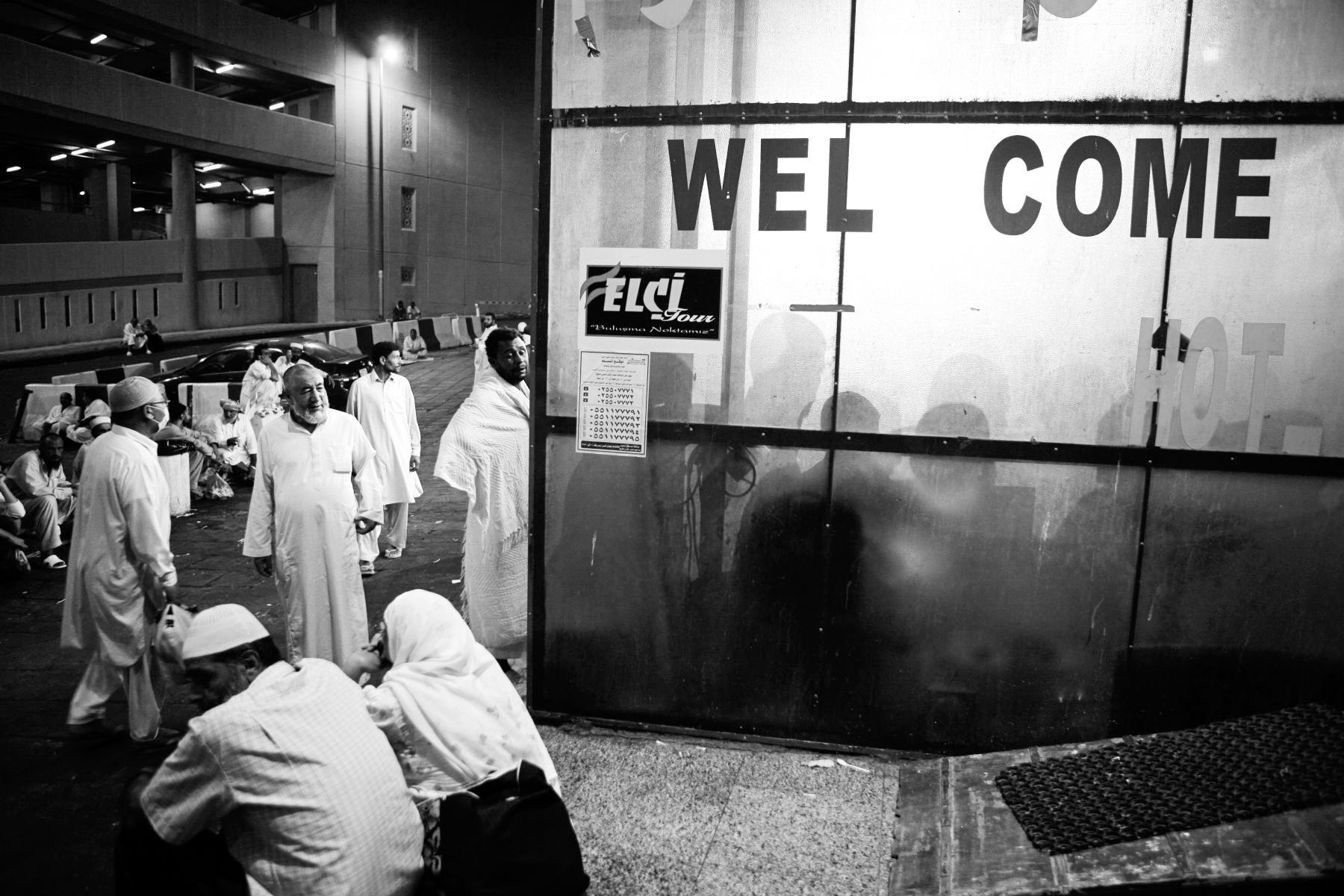
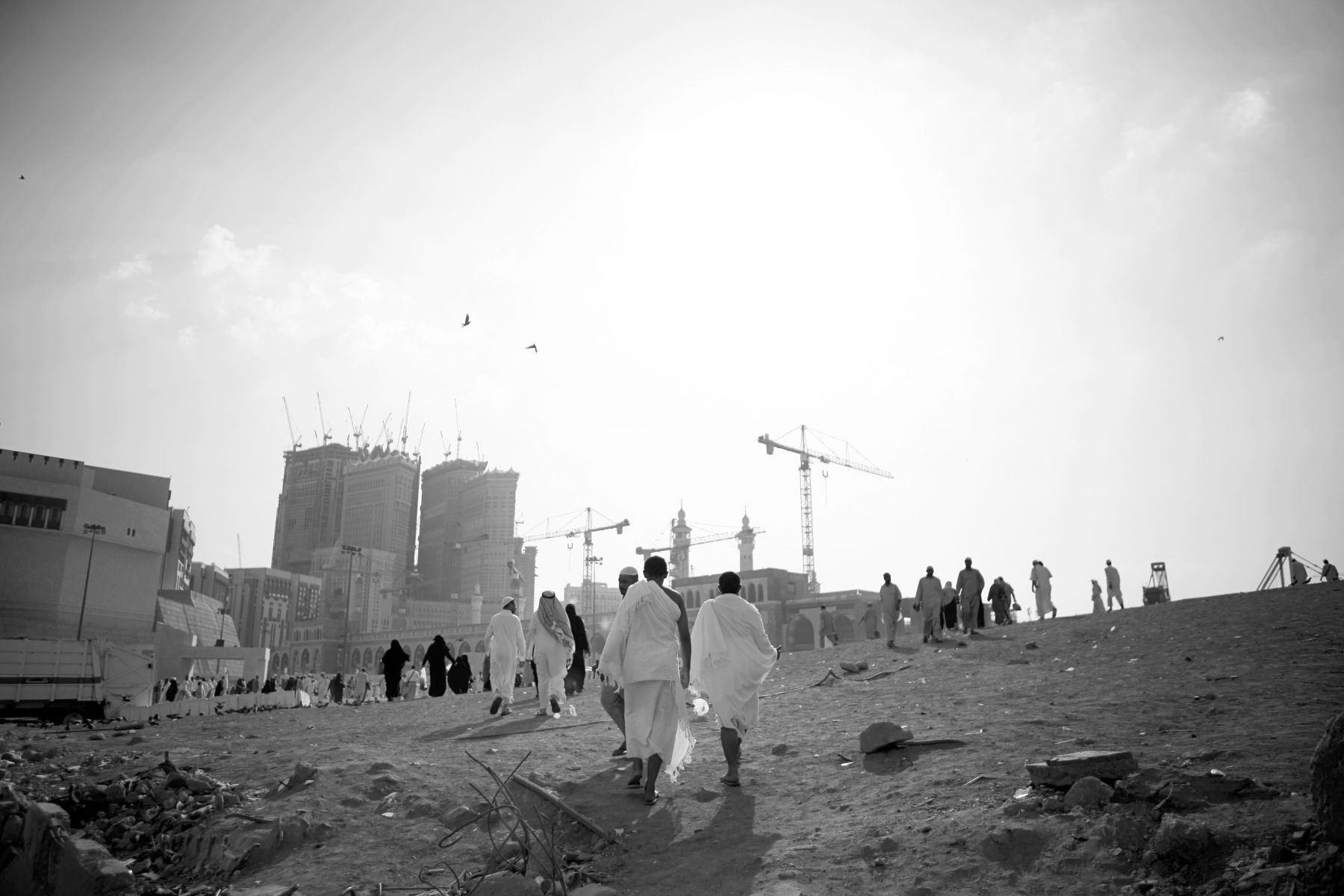
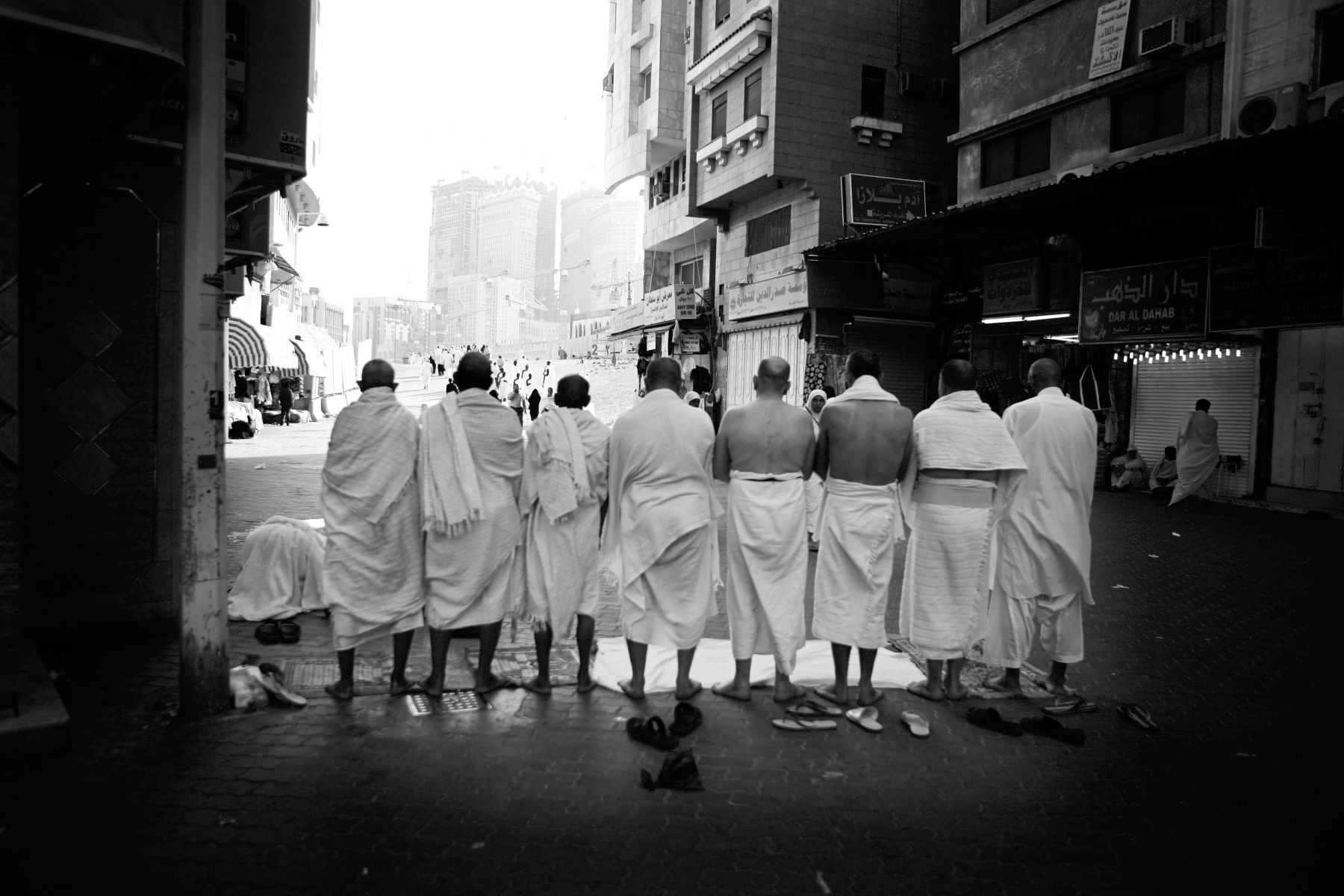
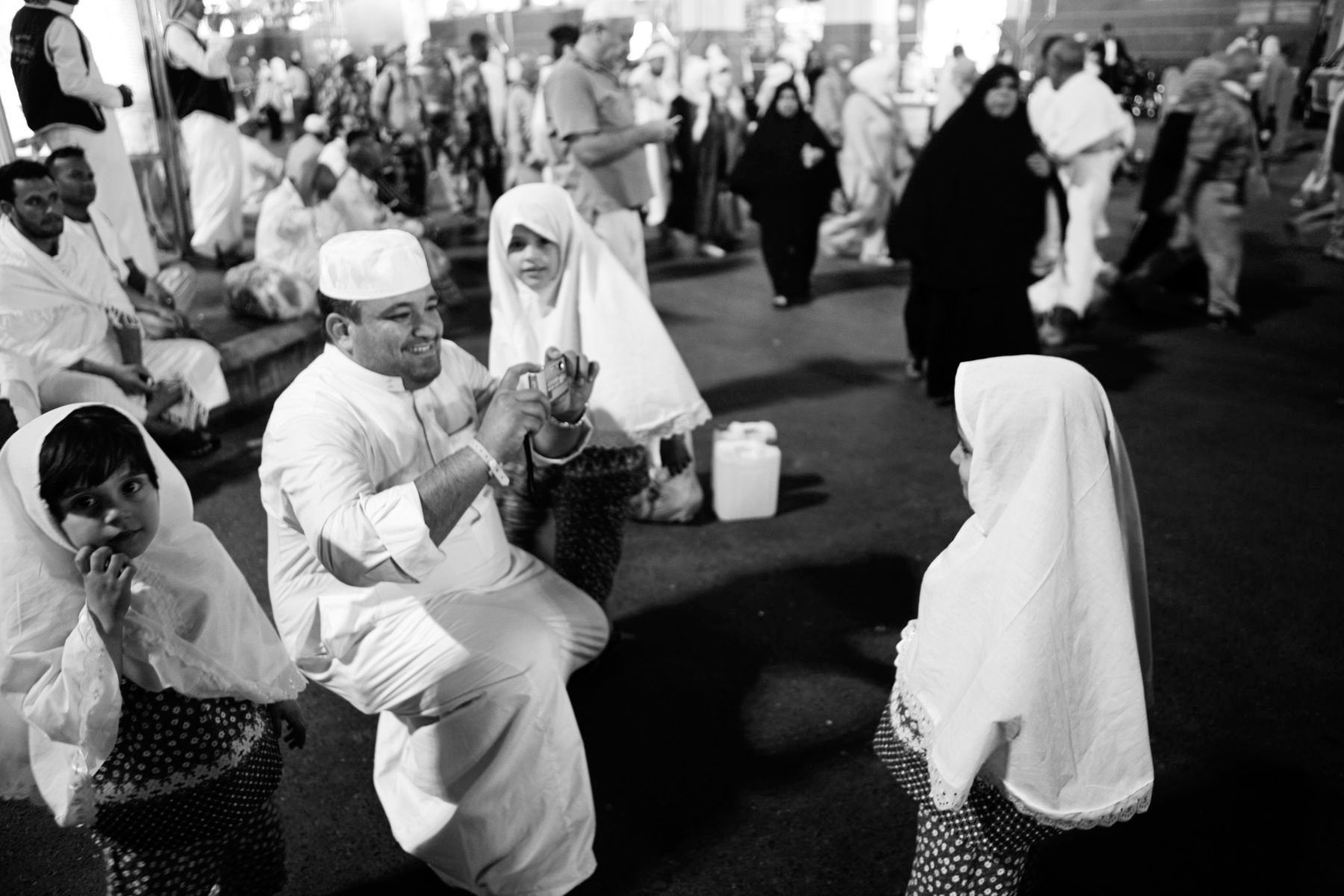
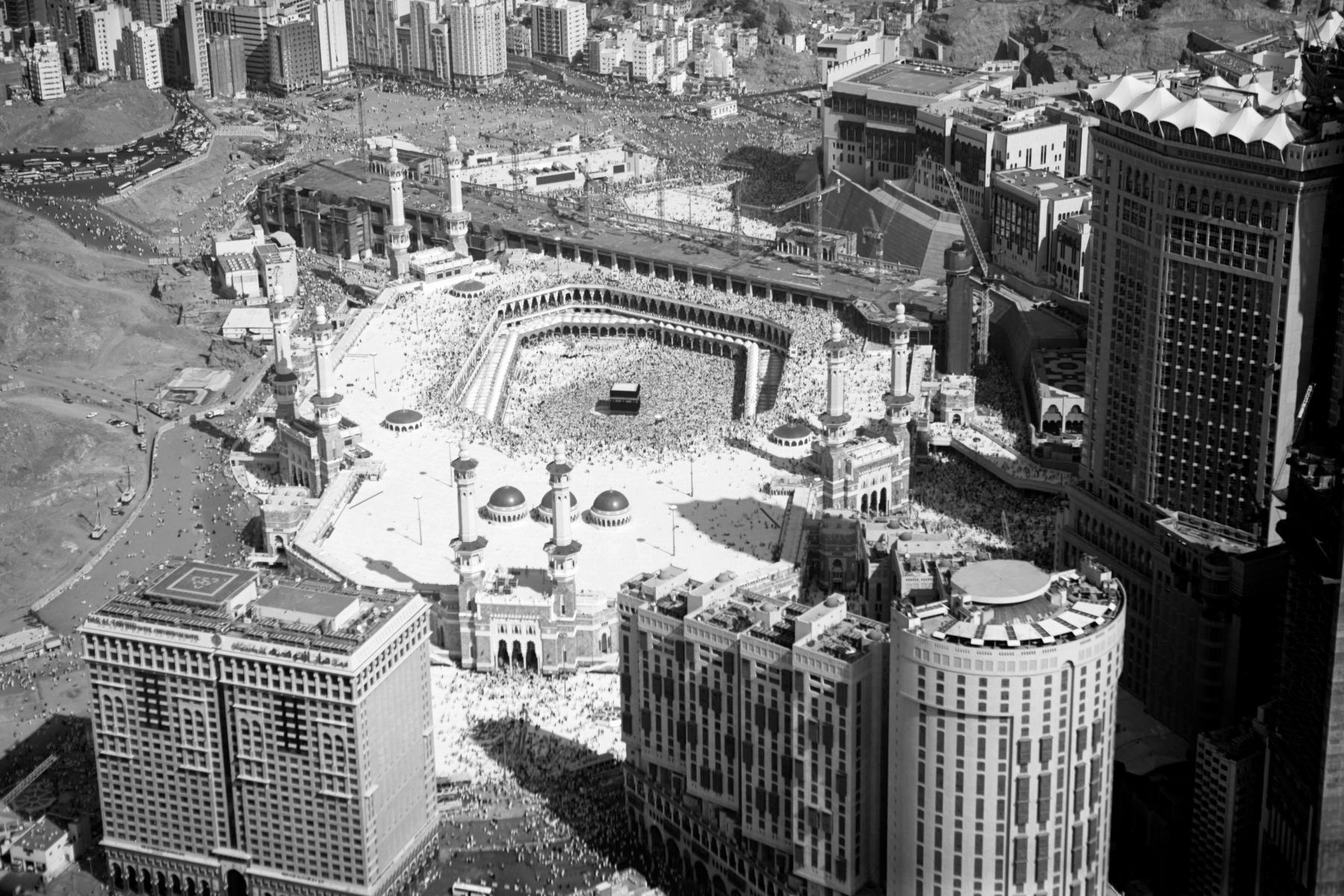
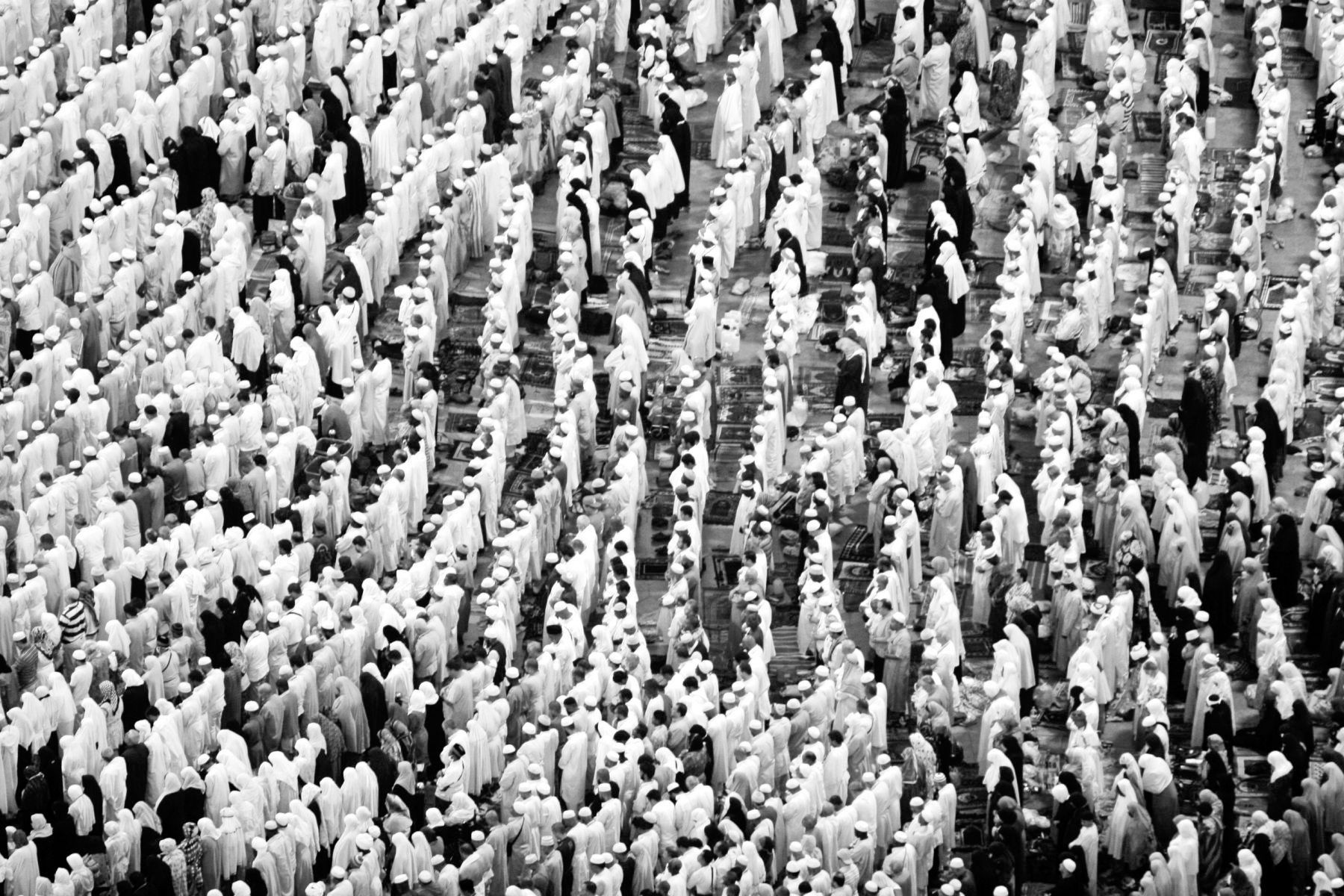
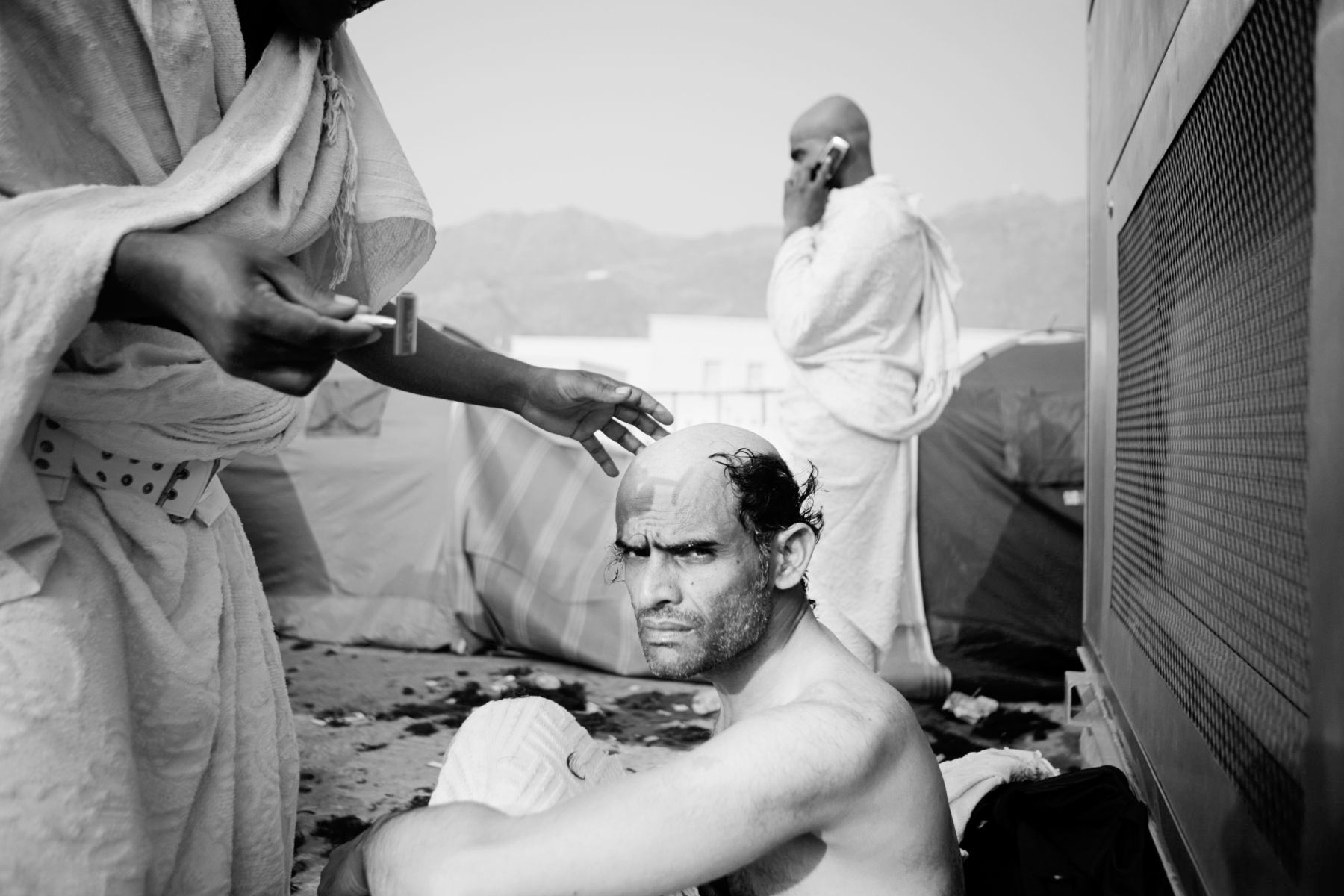
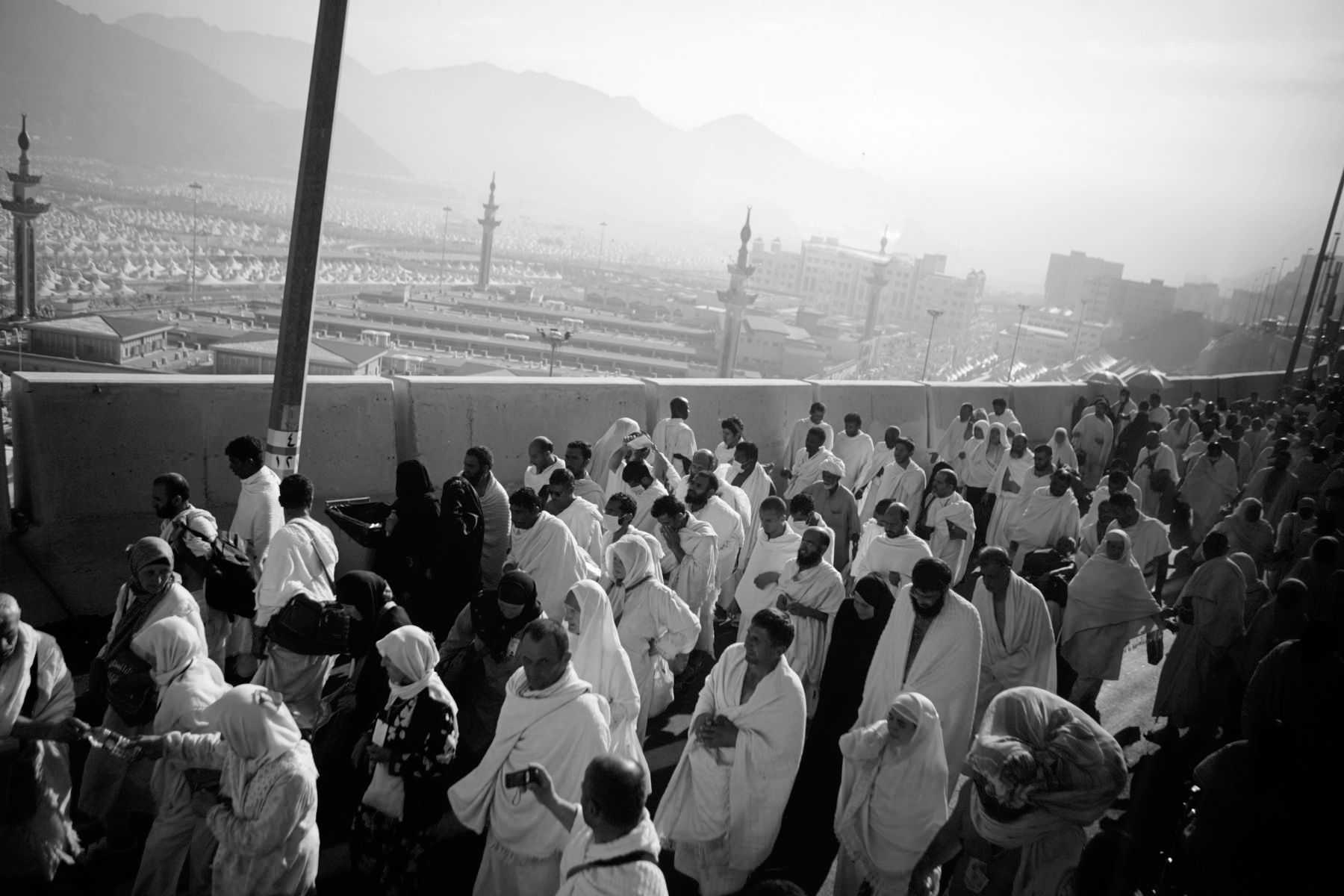
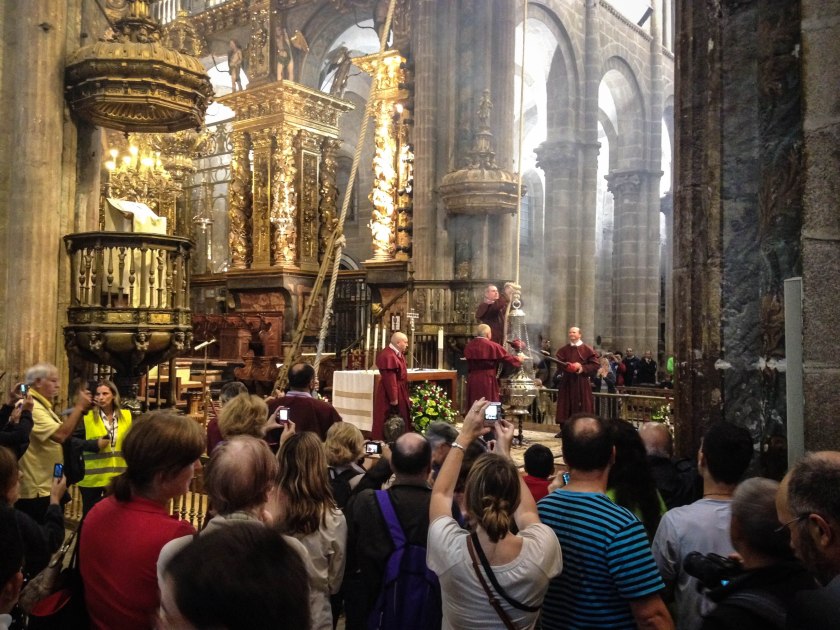
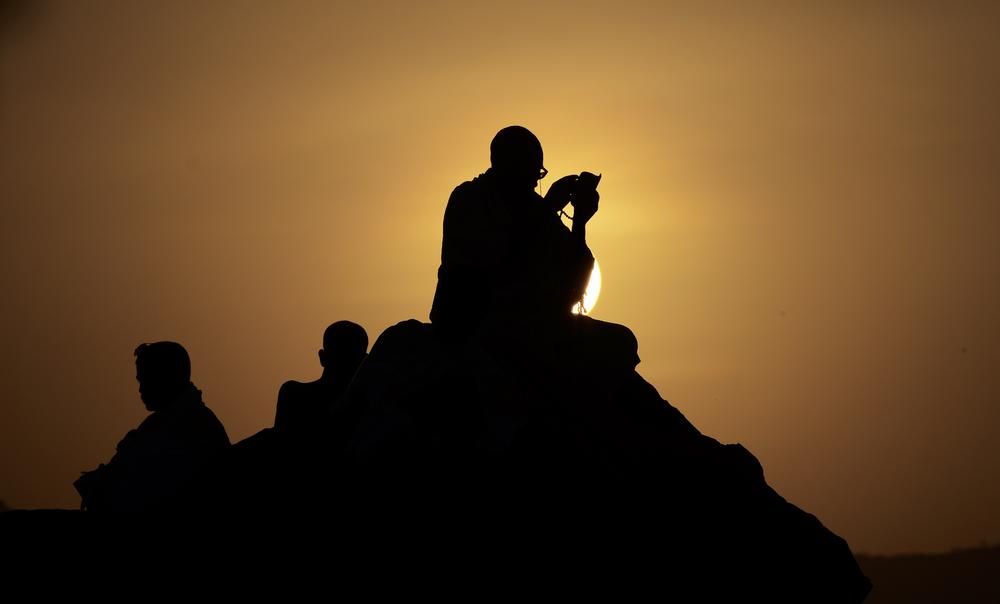
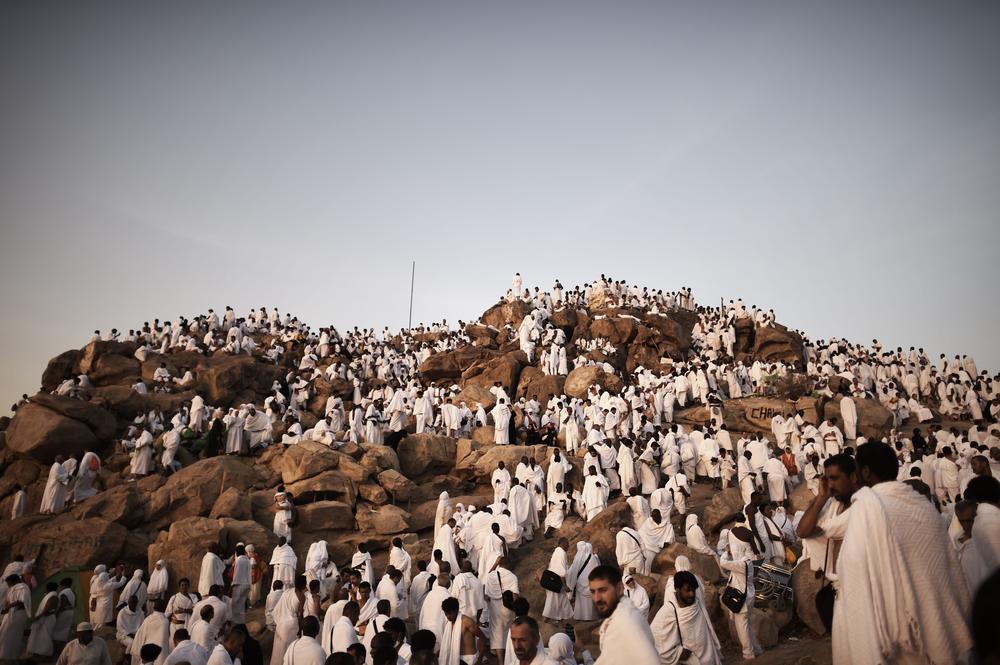
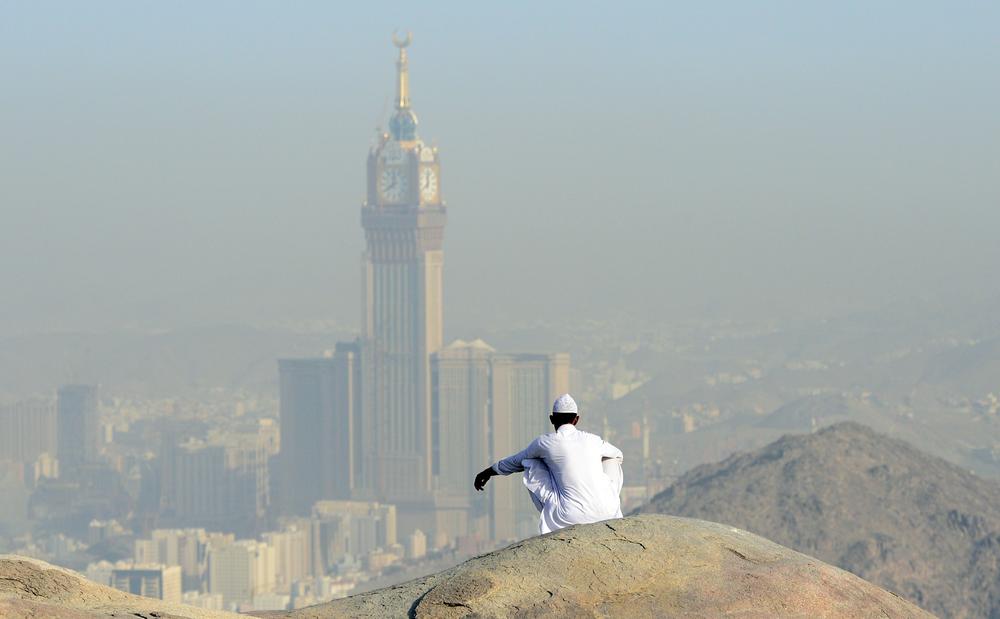
Assignment One

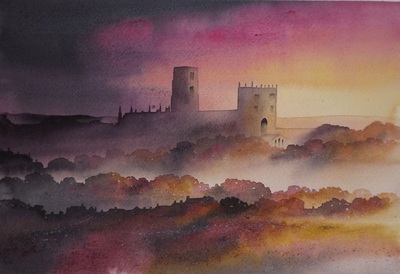
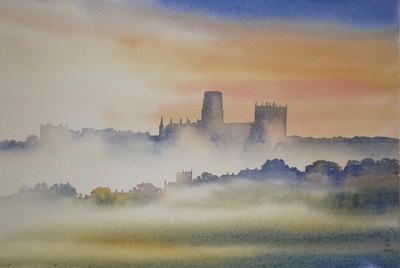
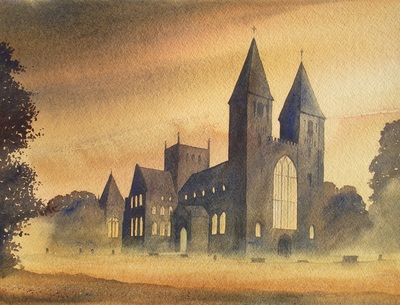
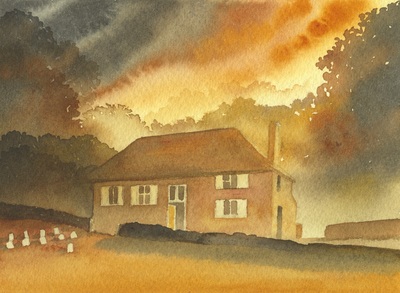
Here is a link to my first assignment:

Assignment One


I had my feedback tutorial today with my tutor by phone following my submission of assignment one. We talked about my ideas and background for my project and how I am thinking to develop it at the moment. I have thought of making a collage somehow, I have also thought about including text. My tutor believes it is a good direction but maybe a bit too early to think about text. She advised that ideas might come when least expected, and actually thinking about it a lot of my idea have come like that, I usually end up scrambling around for a scrap of paper to write them down before I forget. 

We talked about mapping the route and bring this into my work in someway. I have the route written out, but haven’t mapped it per se. This is something I will do, and I will also look at artists who have use a psychogeorgraphic approach and see how they have incorporate mapping into their work. I am going to research some land artists, so I can see how they have shown their work. 

My tutor suggested creating a mind map or flow chart to document my ideas, this way I can go back to it and develop it and write down more ideas as they come to me. This is something I will do, as I think it will help me to get everything down in one place and work from there. Using it like a date dump. 

We discussed several images that we both feel worked and could be used to develop further. 

For my learning log, my tutor thinks the layout is good. She liked the slideshows I have used for my research on pilgrimages. I need to add a section with my journal on. I also need to add how much research has influenced my decisions. I will do this in future. 

My tutor said my approach was good and should provide a strong foundation to move forward on. We discussed whether the pilgrimage was landscape photography. I would at the moment, yes I would like to think of my images as landscapes. This may change as I develop my project. But this is how I see it at the moment. 

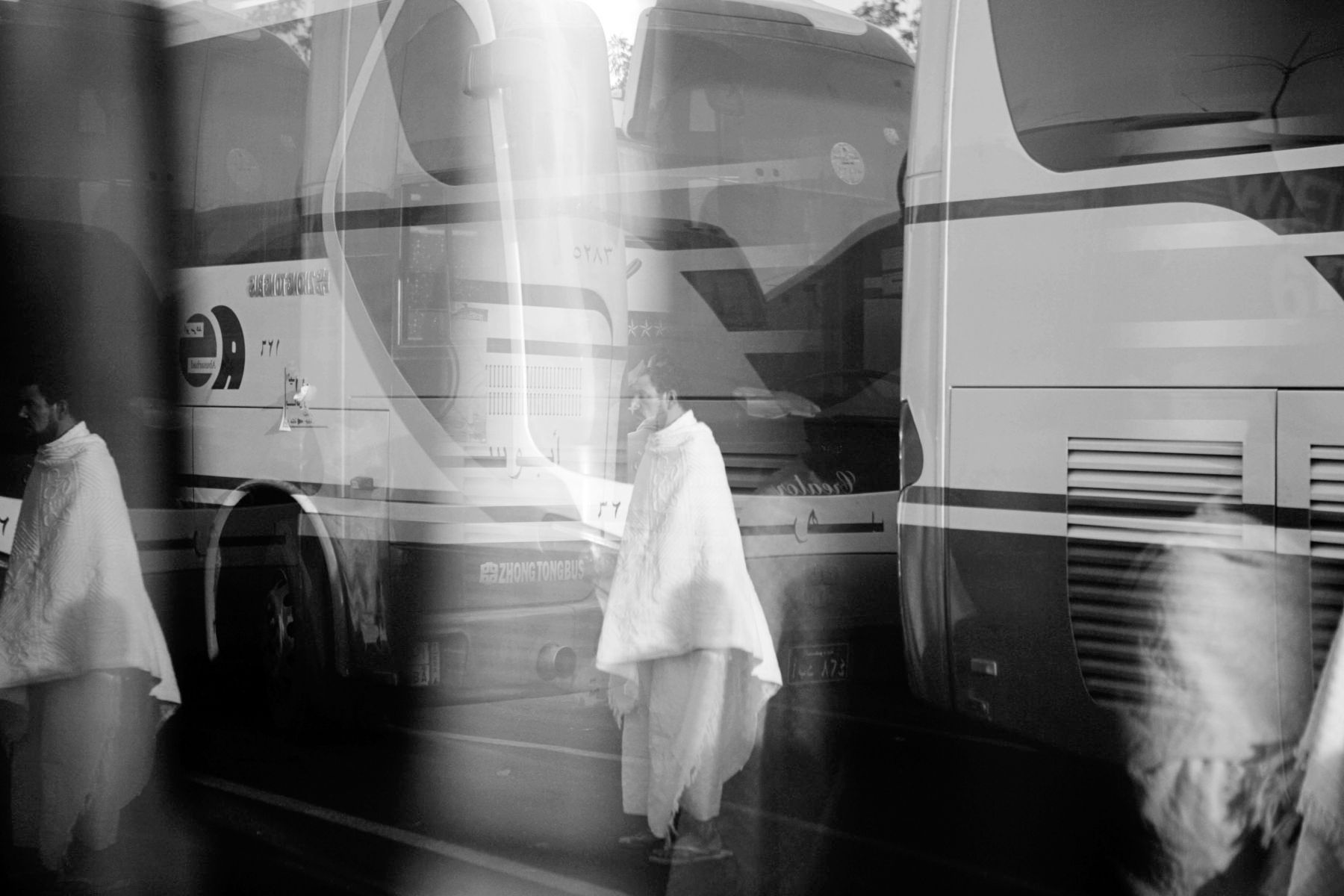
My tutor asked, ‘How do I want to express this journey in contemporary terms’. I think by looking at this historic pilgrimage which was for men, shows that the issue of inequality isn’t a new thing, it brings a historic issue together with how it still exists today. It also shows a global issue of a patriarchal society. Religion itself has influenced cultures and society worldwide, even if we aren’t religious a lot of things in our lives stem from religion. I believe that religion has actually contributed to the issue of inequality, as in many religions there is a definite distinction between men and women, and what is expected of them and how they are treated. I believe the journey is important as, men would travel this pilgrimage to strength their faith, to get closer to their God. I am travelling it as a woman, I think it is more of a spiritual journey for me, I am completing it as a woman, through my own gaze. I hope eventually it will all come together. I will probably refer back to this question as I progress because my answer may change as I develop my work. 

She advised printing the images out at size 6×4”, just to play around with them and see what comes of it. I will definitely try this as it might bring other ideas forward and provoke another idea. 

My tutor told me that I write the feedback and then sent it to her, so she can add her own comments. I have never had to write my own feedback before, only a reflection on it. So I have treated it as a reflection of our conversation. I will upload the feedback when I receive it back from my tutor. 

I am aiming for my next assignment to be in around the start of November. This gives me time to visit some sites and do some research. 


Here is my feedback report that I and my tutor filled in:


Responding to the Feedback

Following my feedback for assignment one, I am going to put the text aspect on hold for now and concentrate on my images. I will revisit it but I agree with my tutor it is too early to be thinking in-depth about it. We discussed mapping my work, this is something I am thinking about, but I believe it is a bit too early to be thinking about it in depth as I believe I need to get my core images first. I spoke with my tutor about this and put forward my reasoning behind this. Similar to the text aspect I have put mapping on hold but as a compromise I am starting to research it and take notes, this means I will have a solid foundation for when I introduce it to my work. 

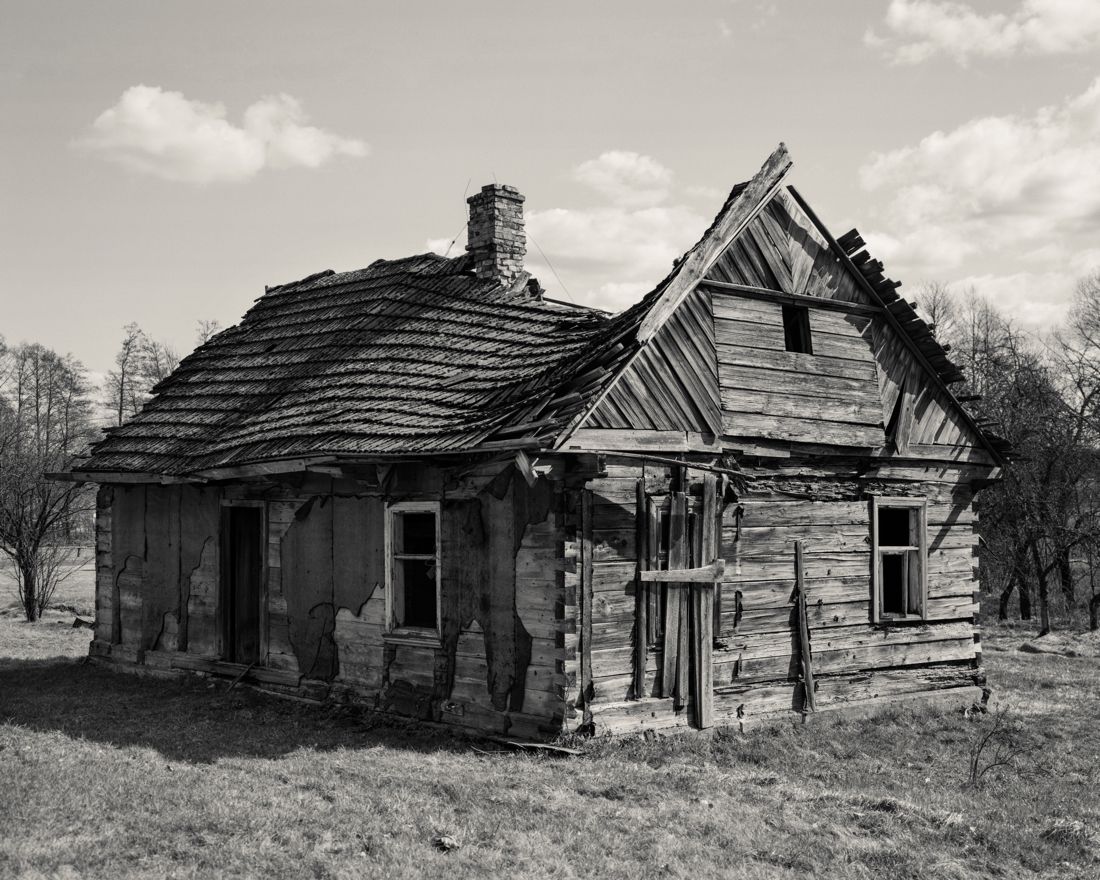
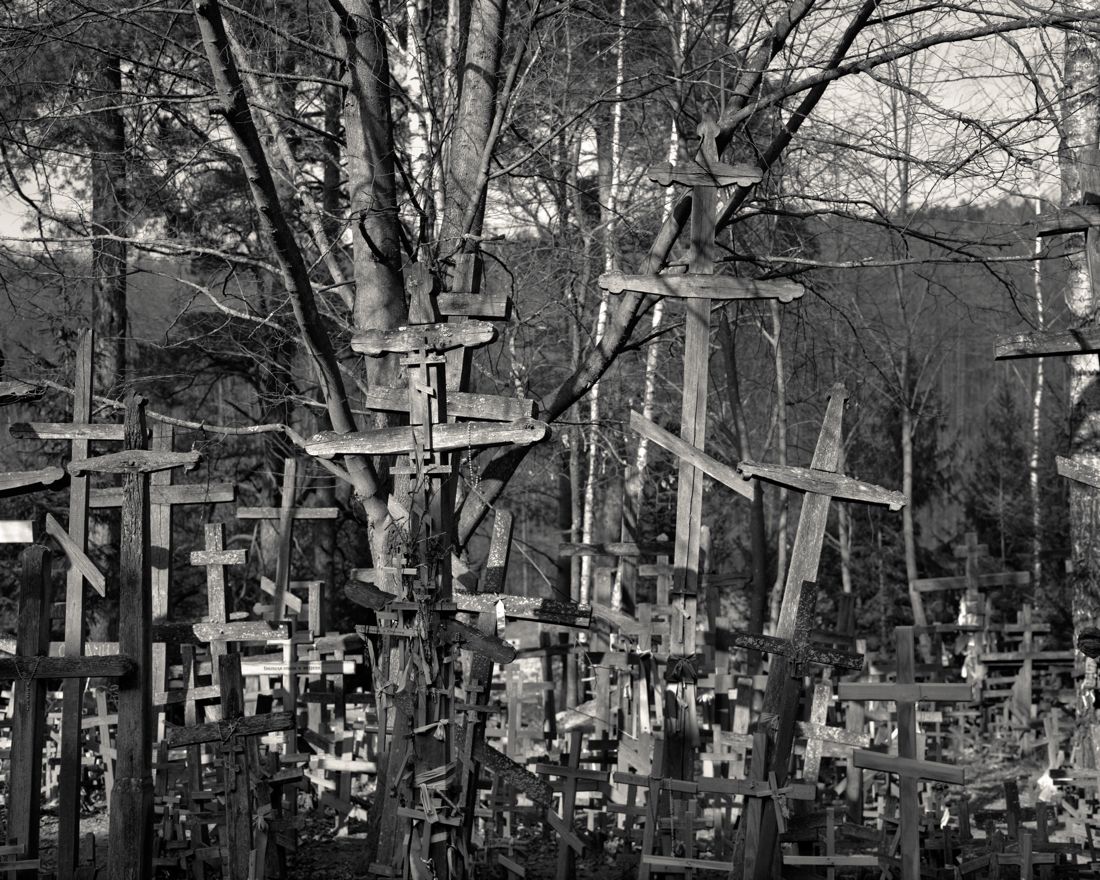
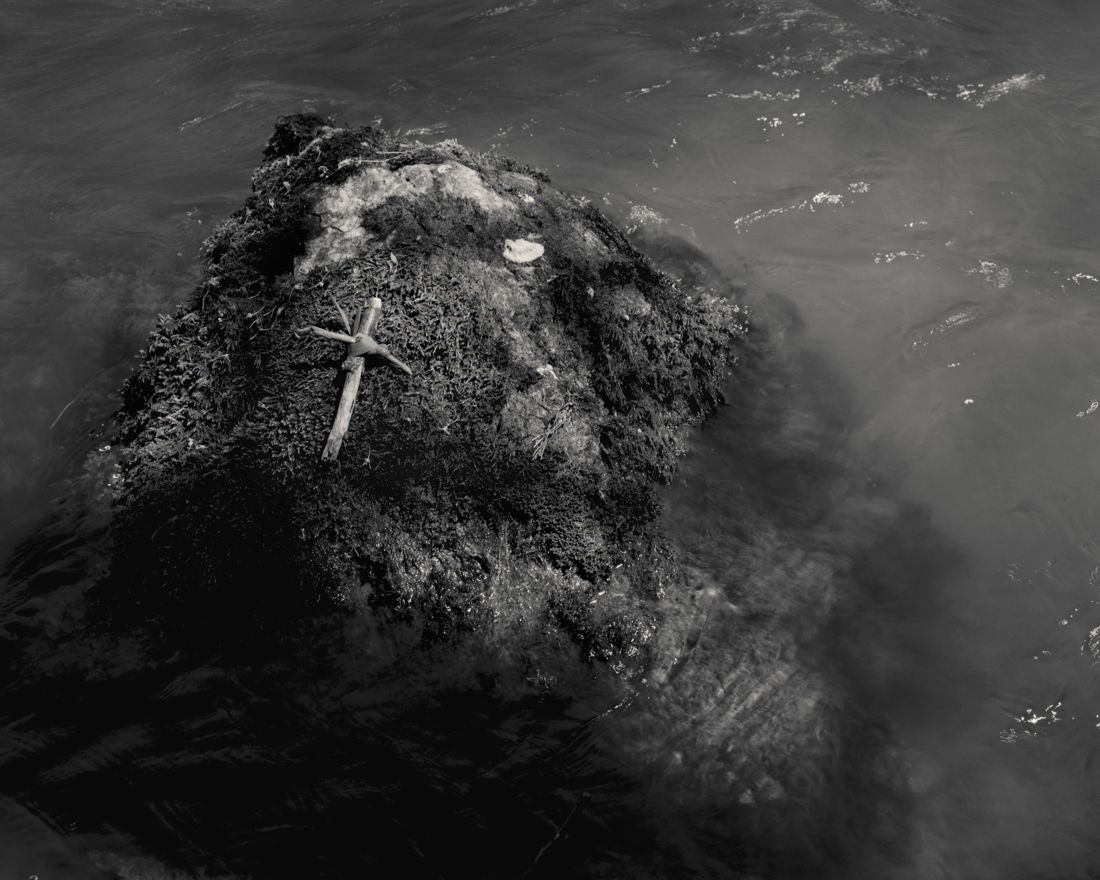
My tutor and I had a debate as to whether the pilgrimage counts as landscape photography. I believe it does. Landscape photography can cover a wide range of topic, other than the most obvious of landscapes. I believe my images are showing the landscape, because each image varies. They feature different terrains, from buildings, to graveyards, to the more traditional landscape views. Even with buildings, it still becomes a sub section in landscape photography, such as urban landscapes. Even Ansel Adams photographed some buildings in his landscapes (Naylor). I have looked at other artists like Kaupo Kikkas and Jess Kohl, who use similar terrain to my images, and I would argue their images are landscapes too. I do believe my images would count as landscapes, maybe not in the traditional sense but definitely in a sub-section of the landscape genre.  

Going forward I will print out some images and play around with them. I will also visit more sites and photograph them.  


Naylor, B (2010) Forgotten Ansel Adams Murals Brought Back to Light. At: https://www.npr.org/templates/story/story.php?storyId=125228486&t=1611145986628 (Accessed 30th of August 2019).
Tutor Feedback

Here are the links to the feedback pages, they are also available from the drop-down menus:

Assignment One Tutor Feedback


Assignment Two Tutor Feedback


Assignment Three Tutor Feedback


Assignment Four Tutor Feedback


Assignment Five Tutor Feedback

Assignment Images & Reflective Commentary

Assignment One

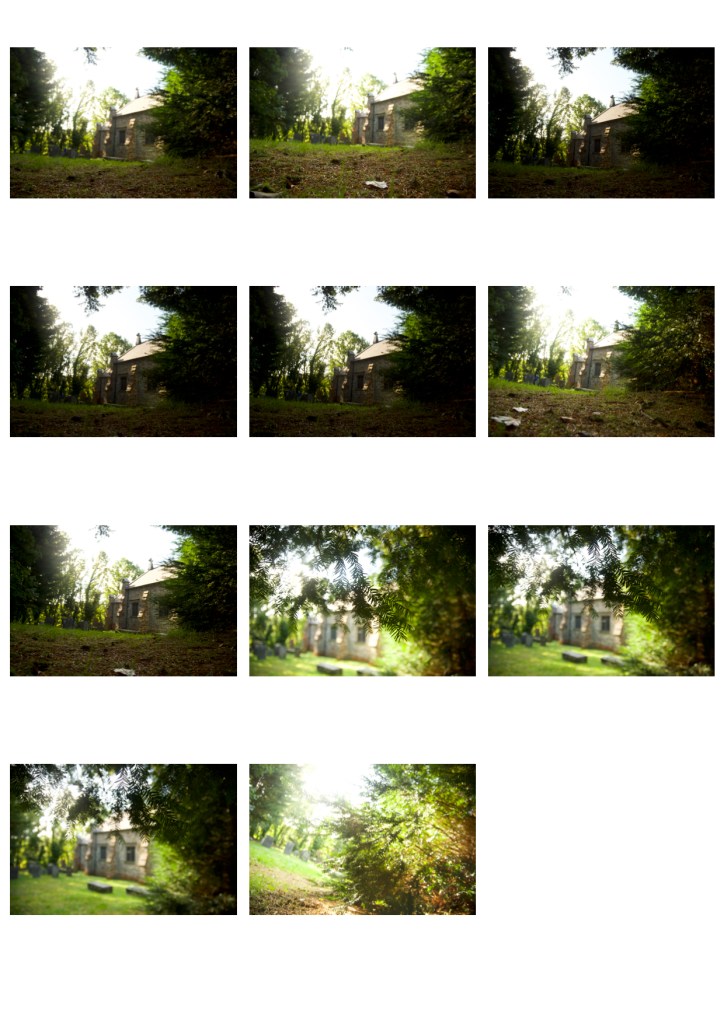
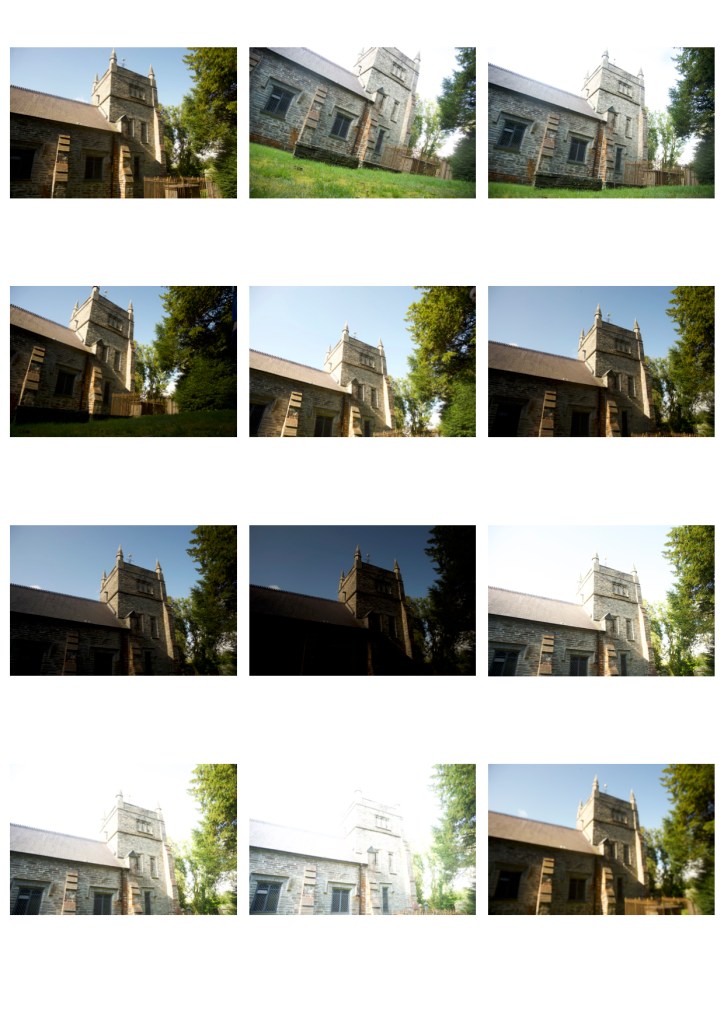
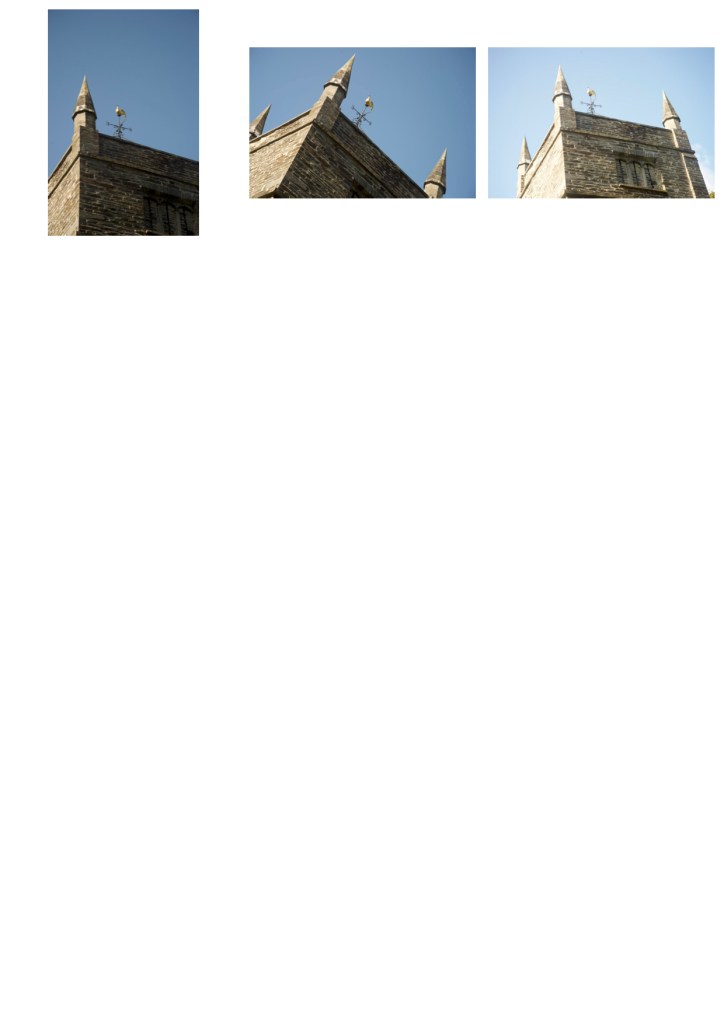
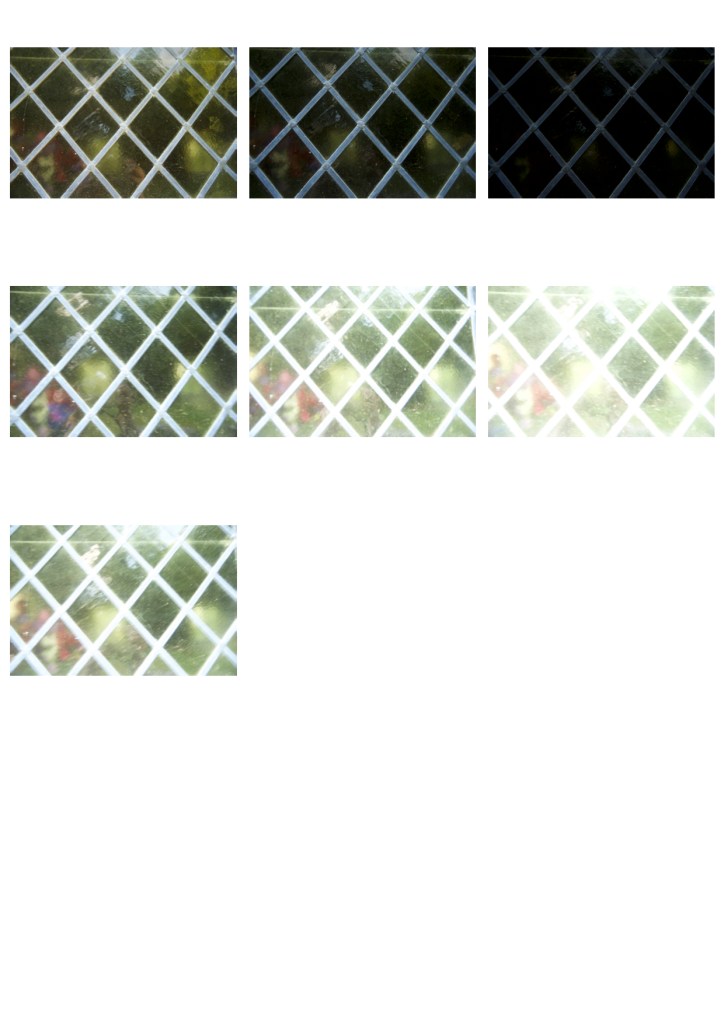
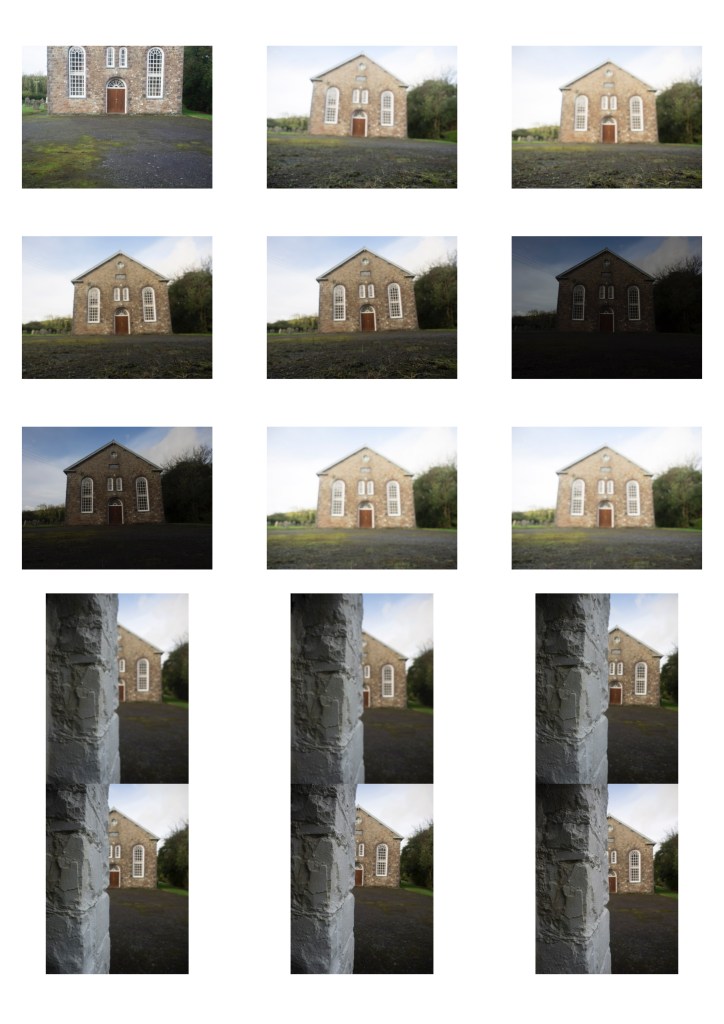
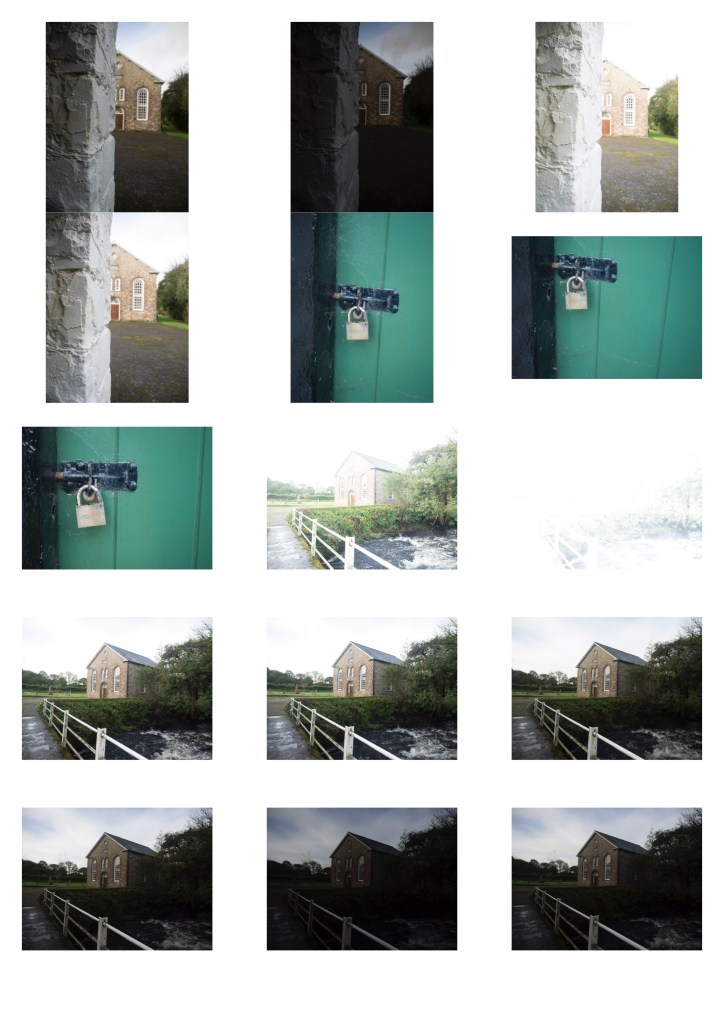
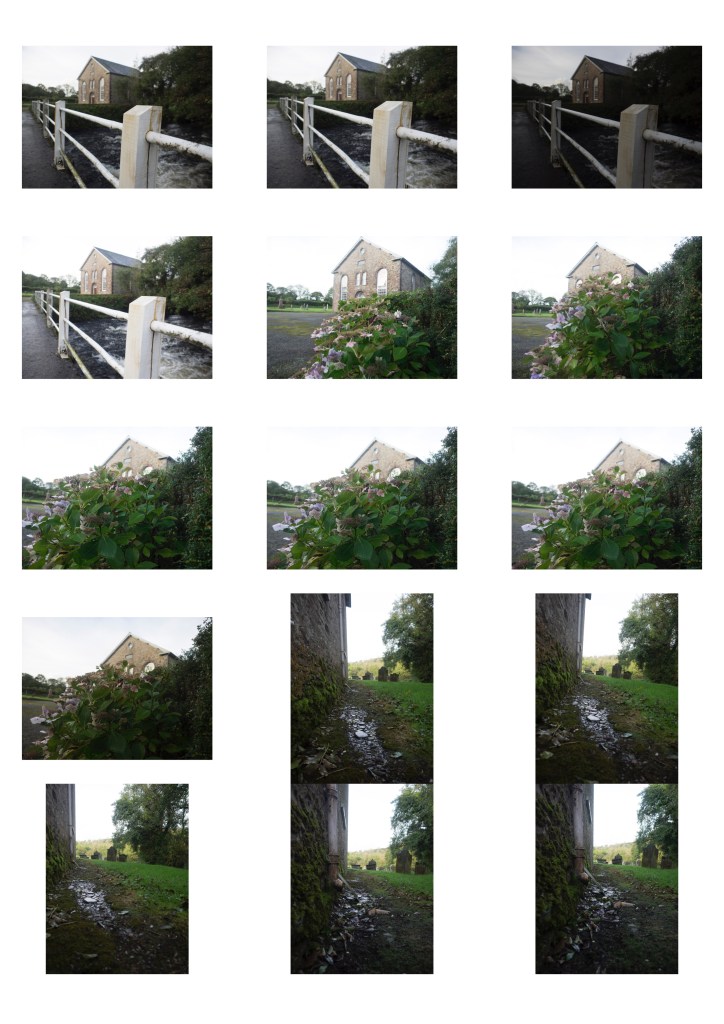
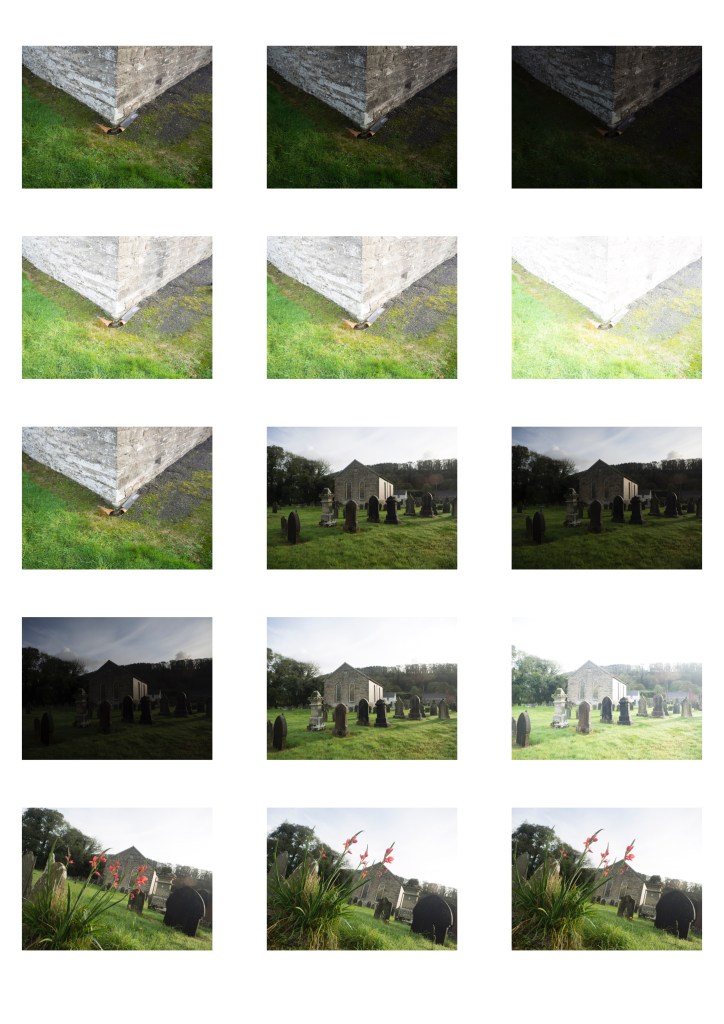
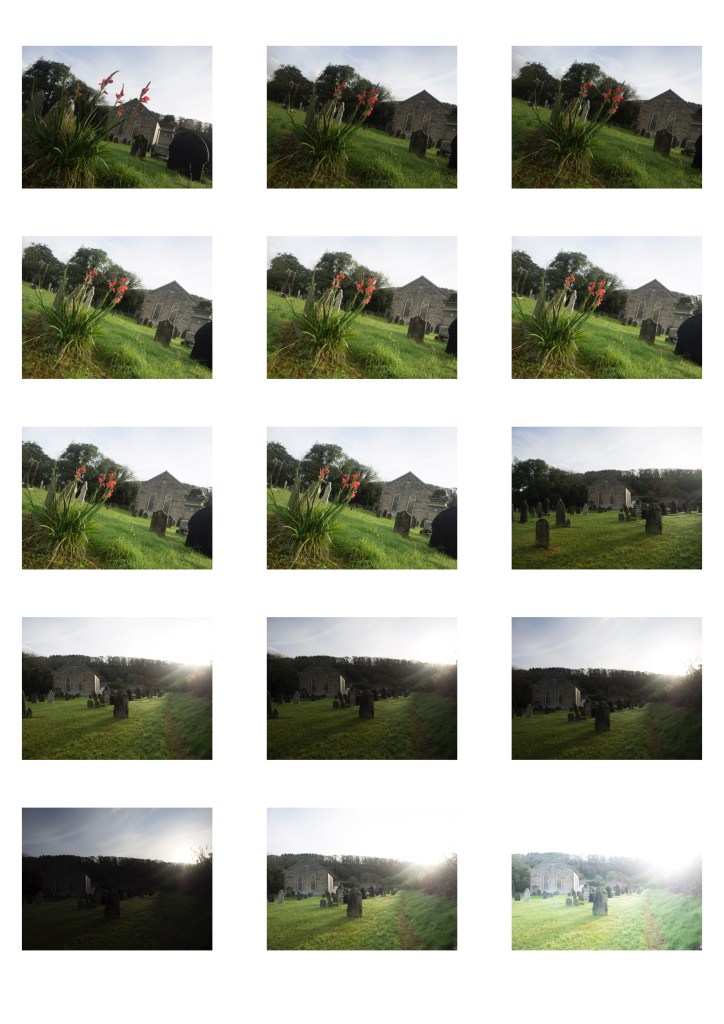
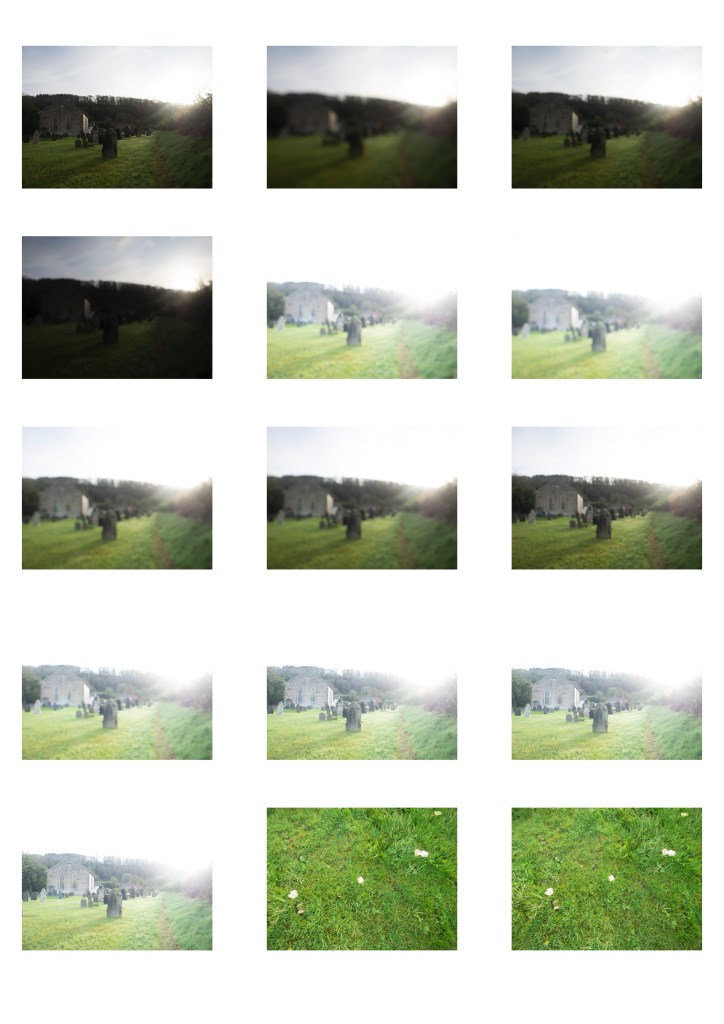
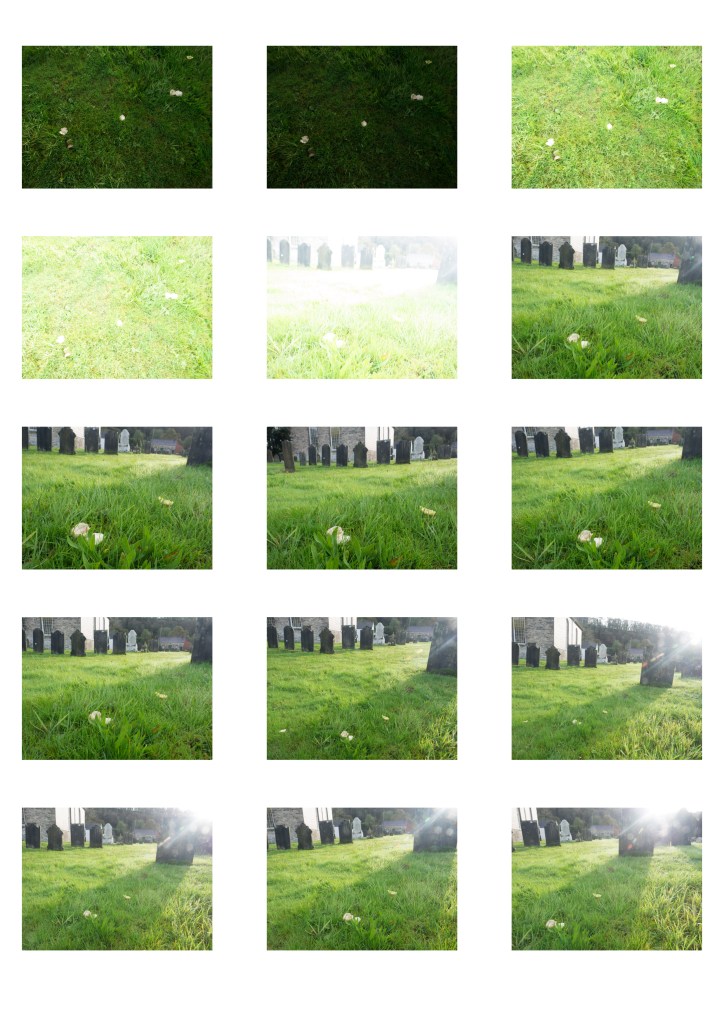
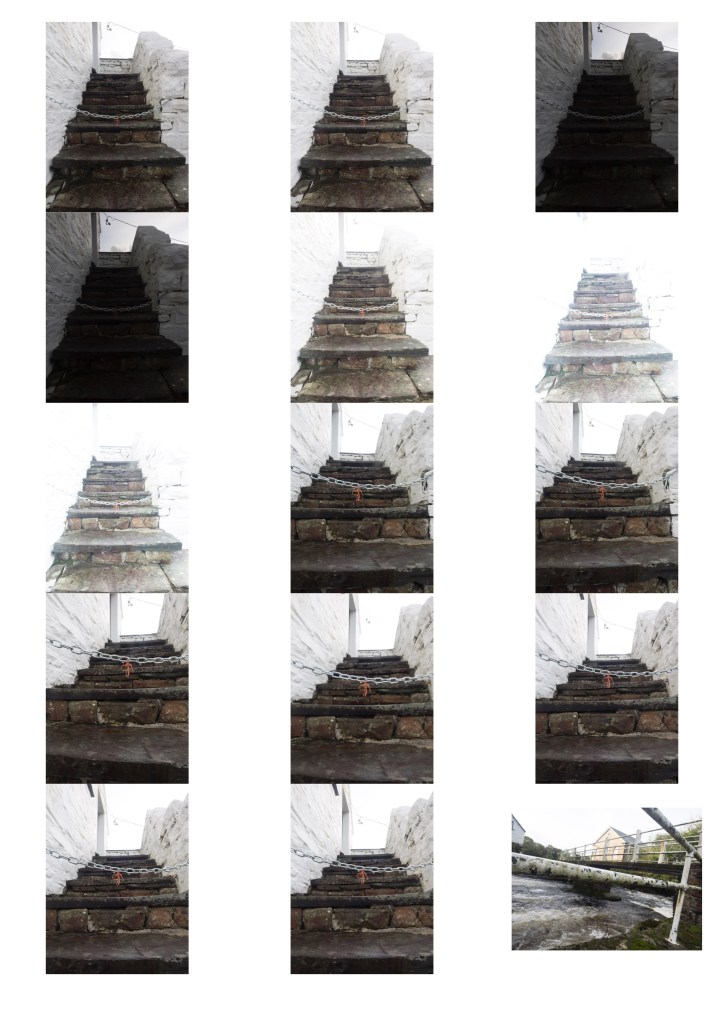
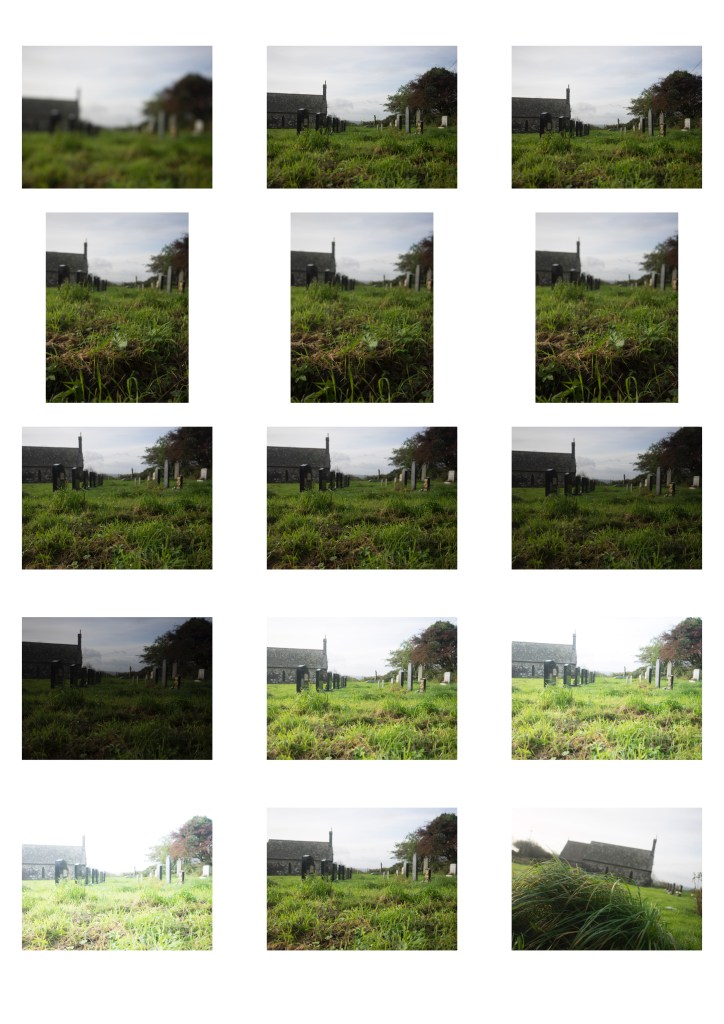
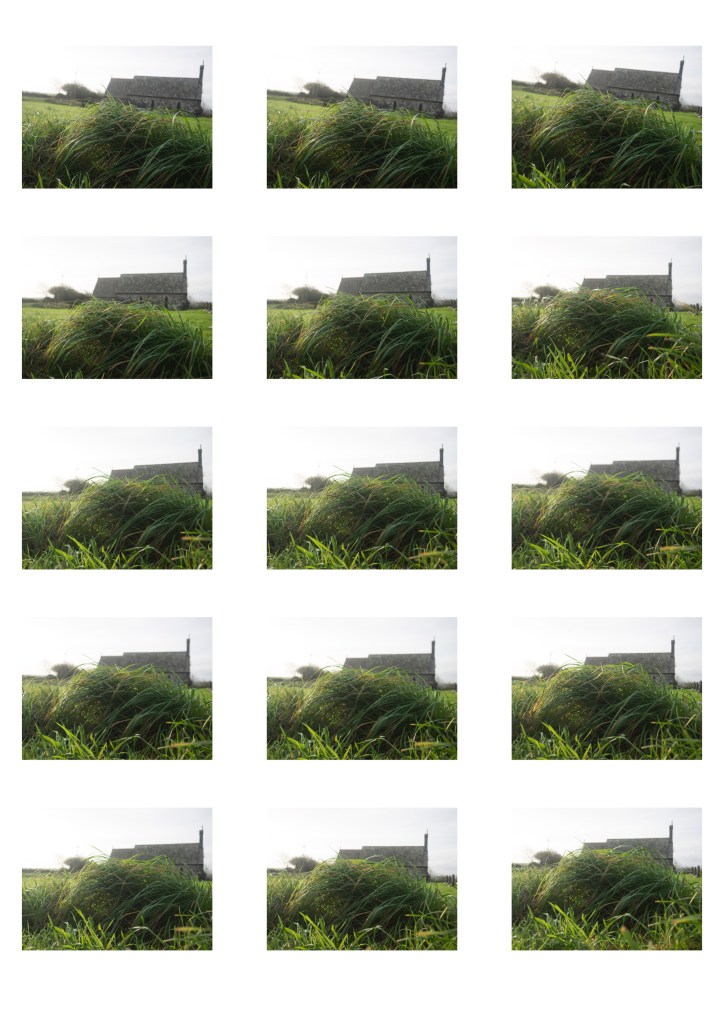
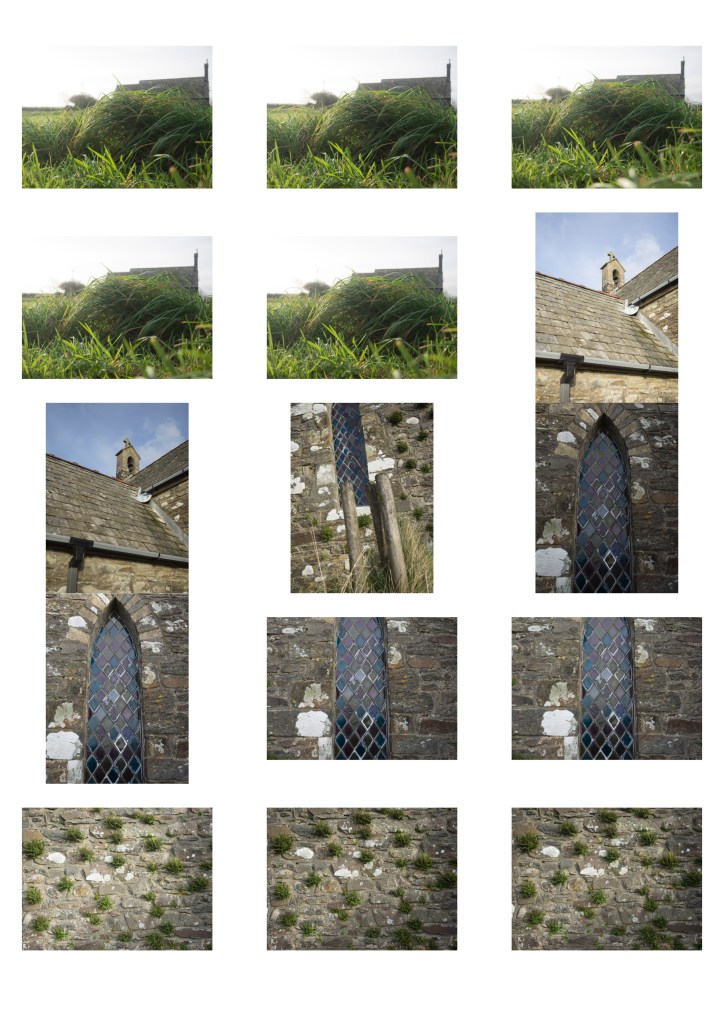
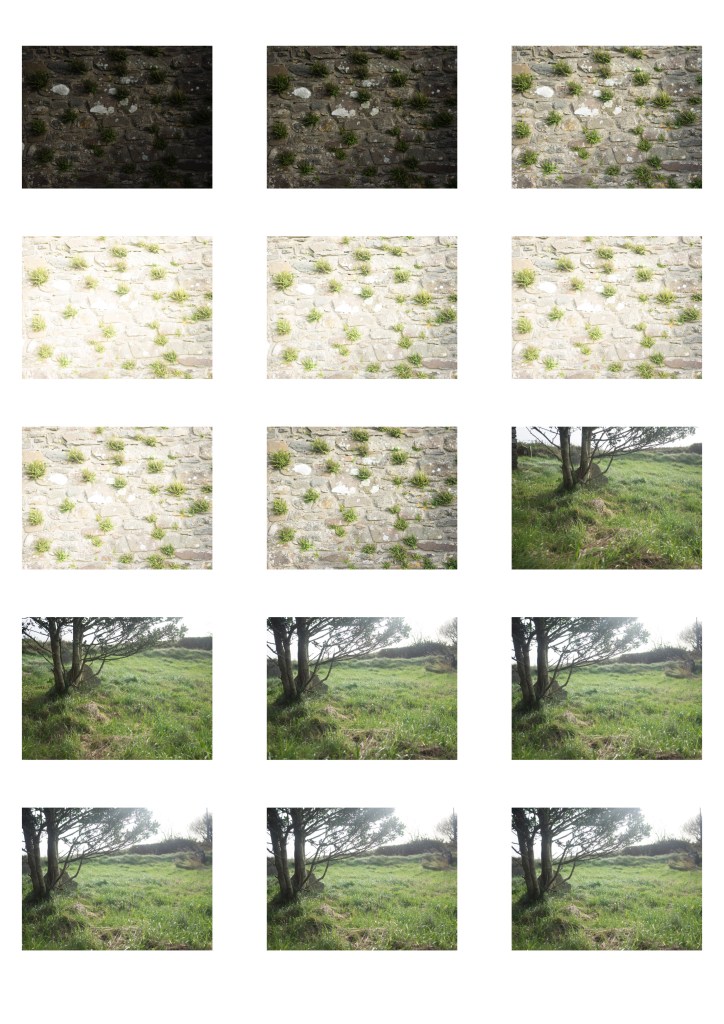
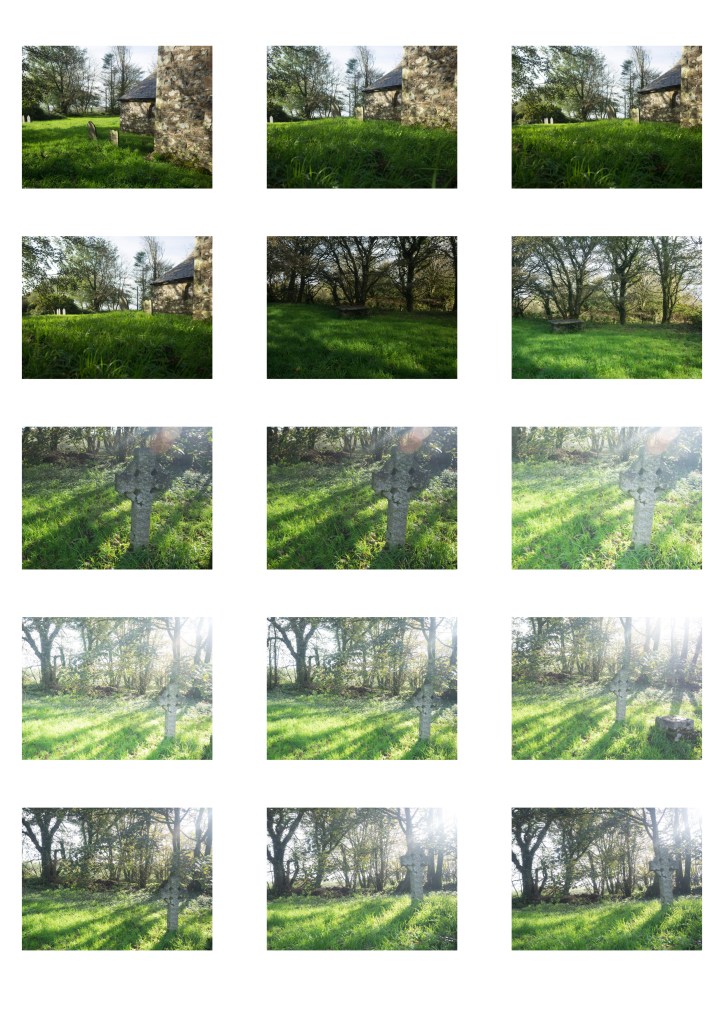
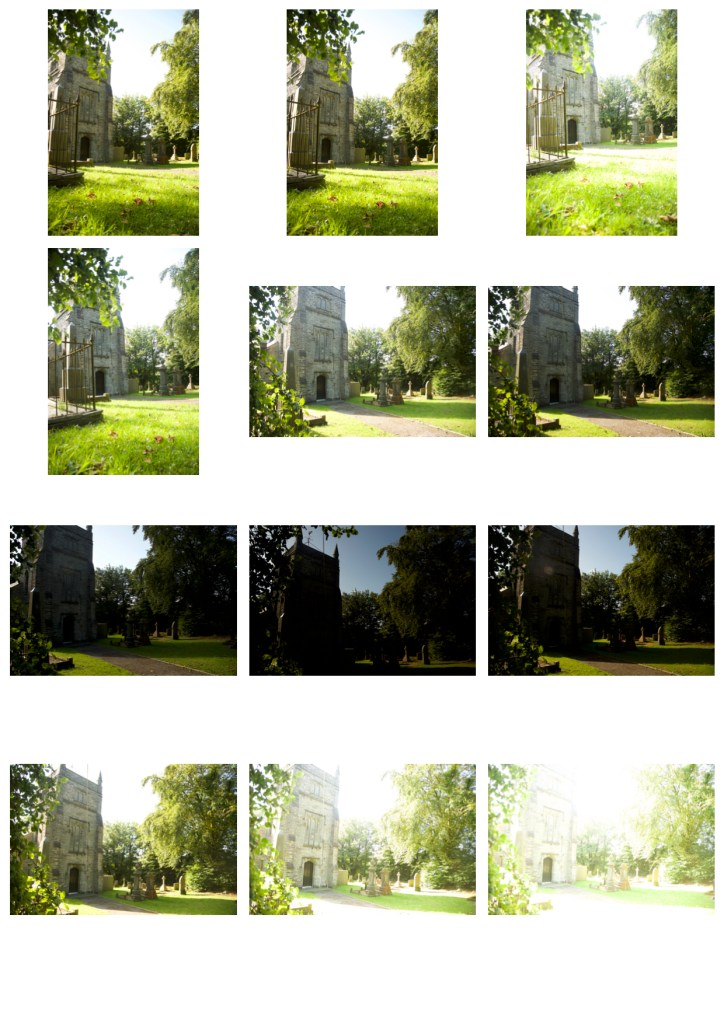
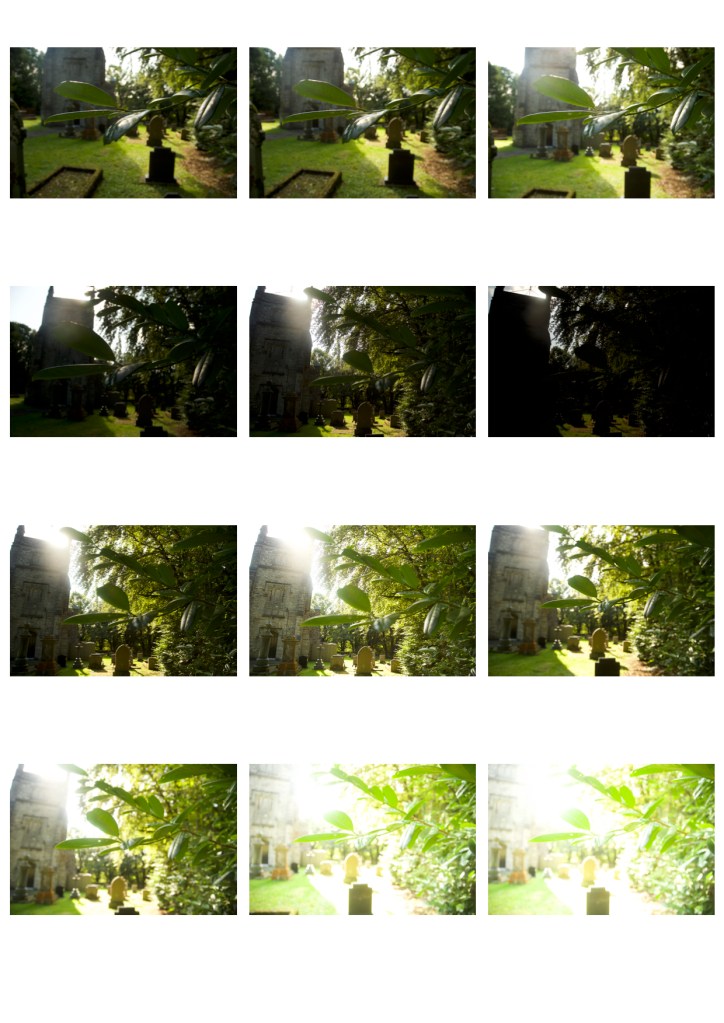
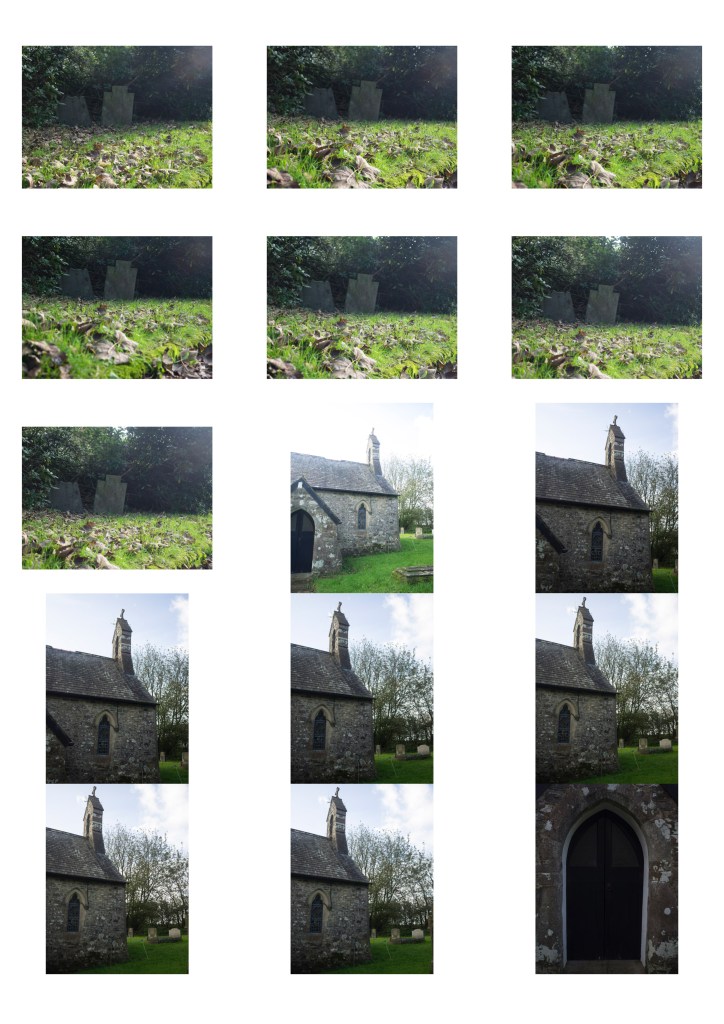
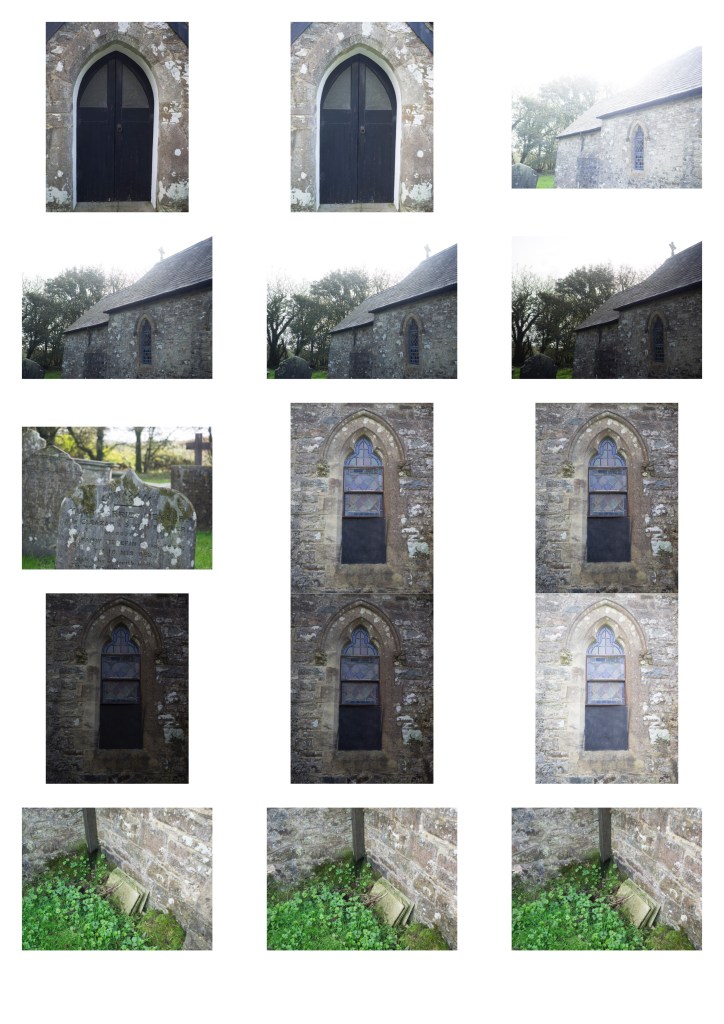
For this assignment I aimed to take around 30 images, but I ended up taking a lot more. I went through them and chose 30 for the preliminary shots. Here they are:


Contact Sheets

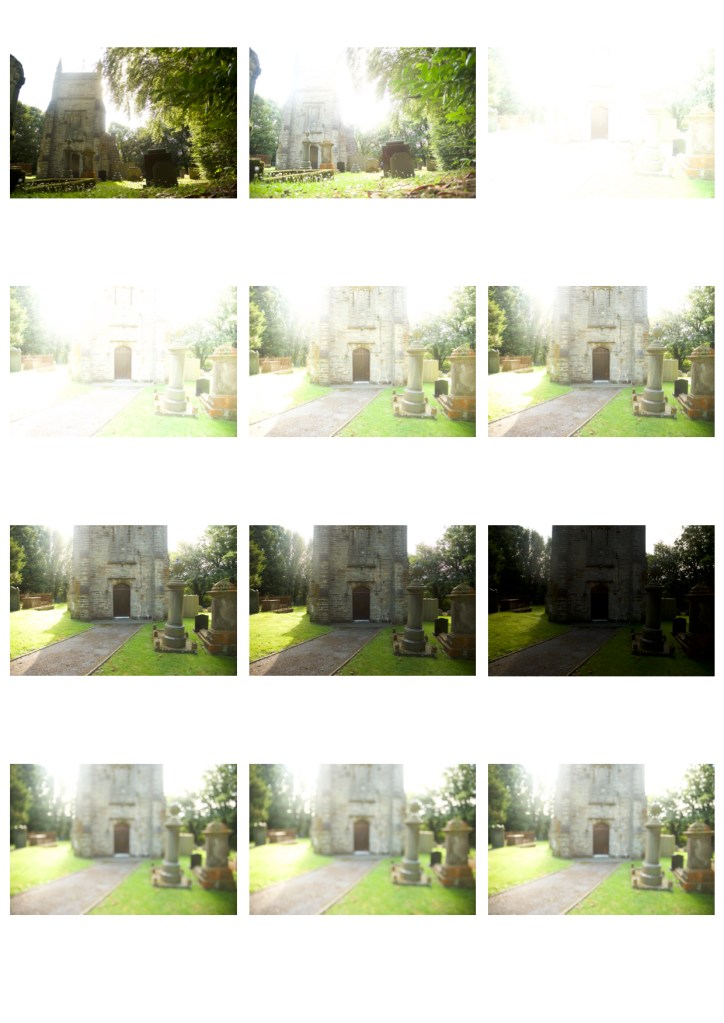
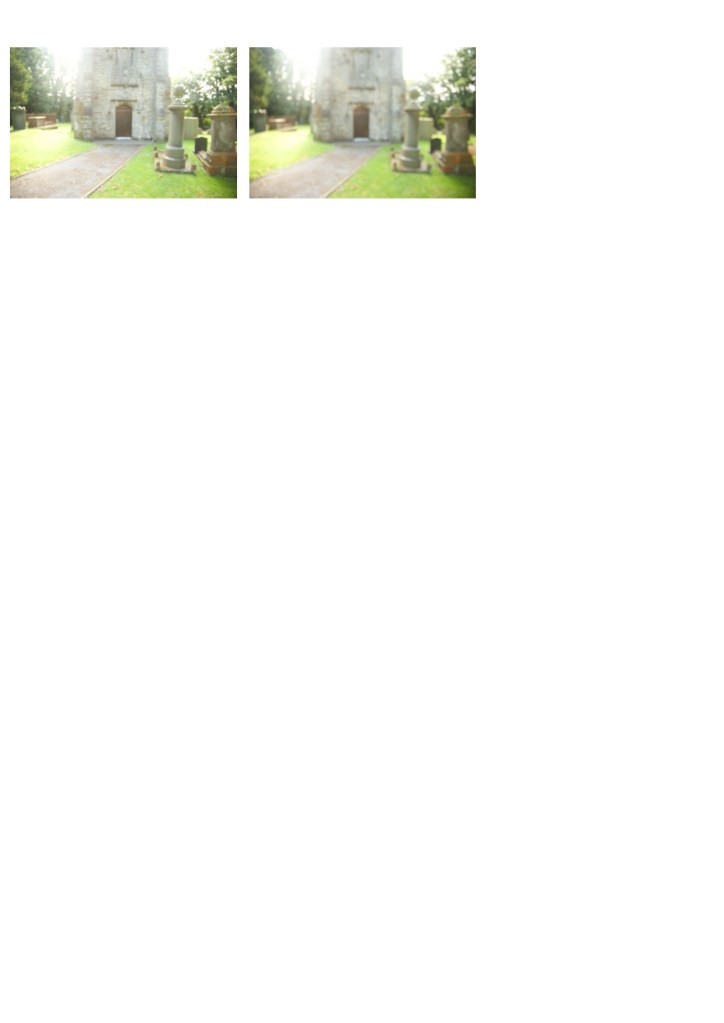
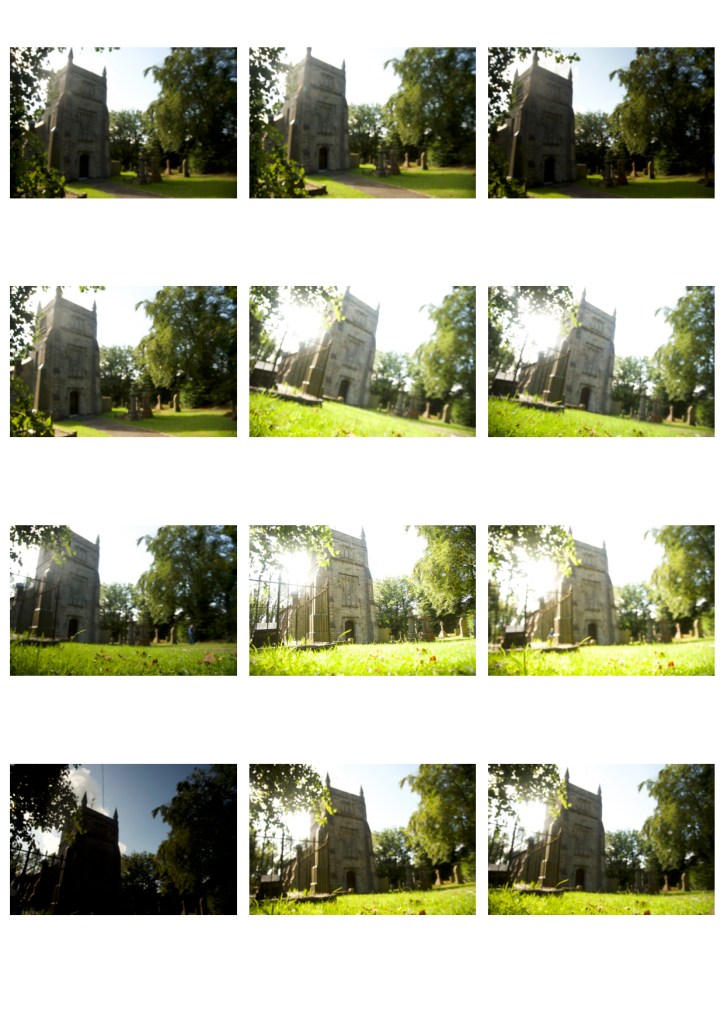
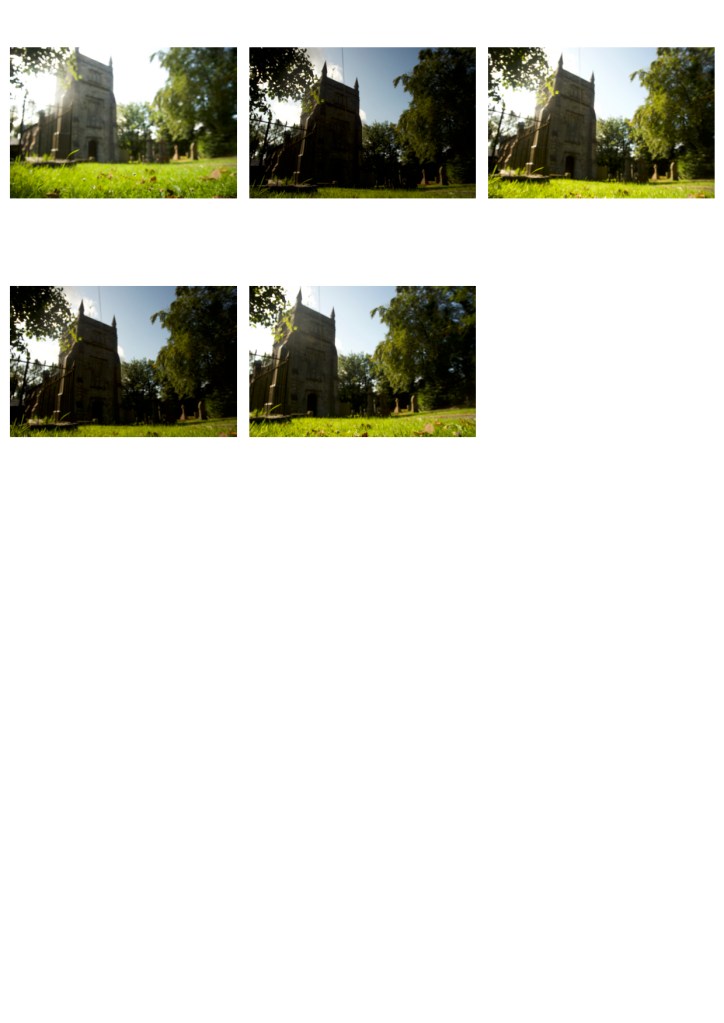
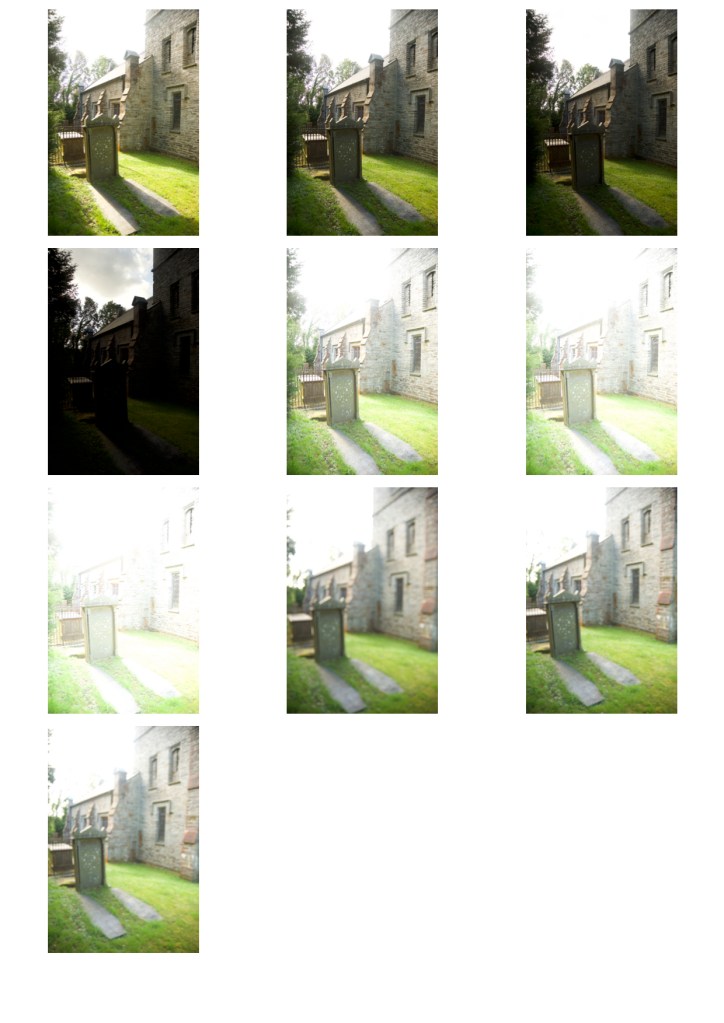
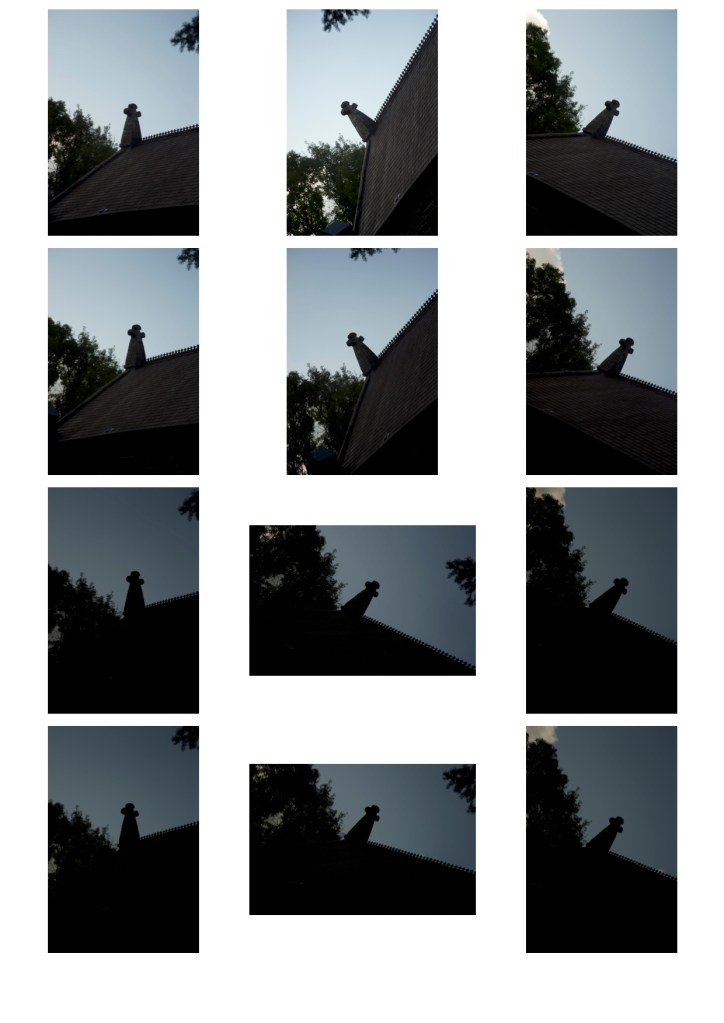
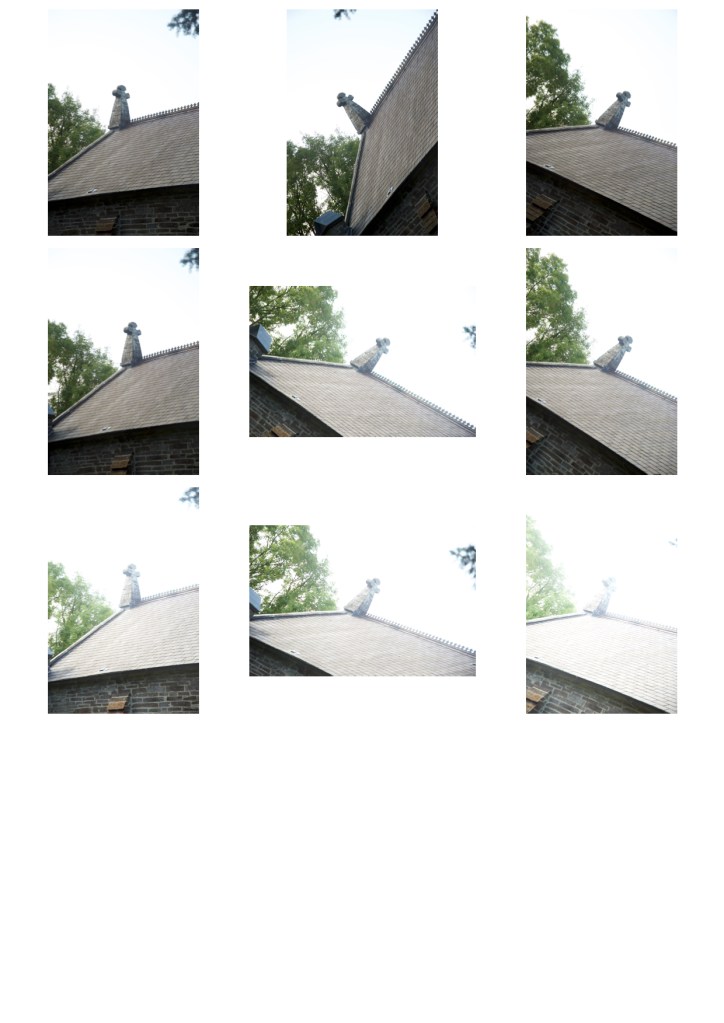
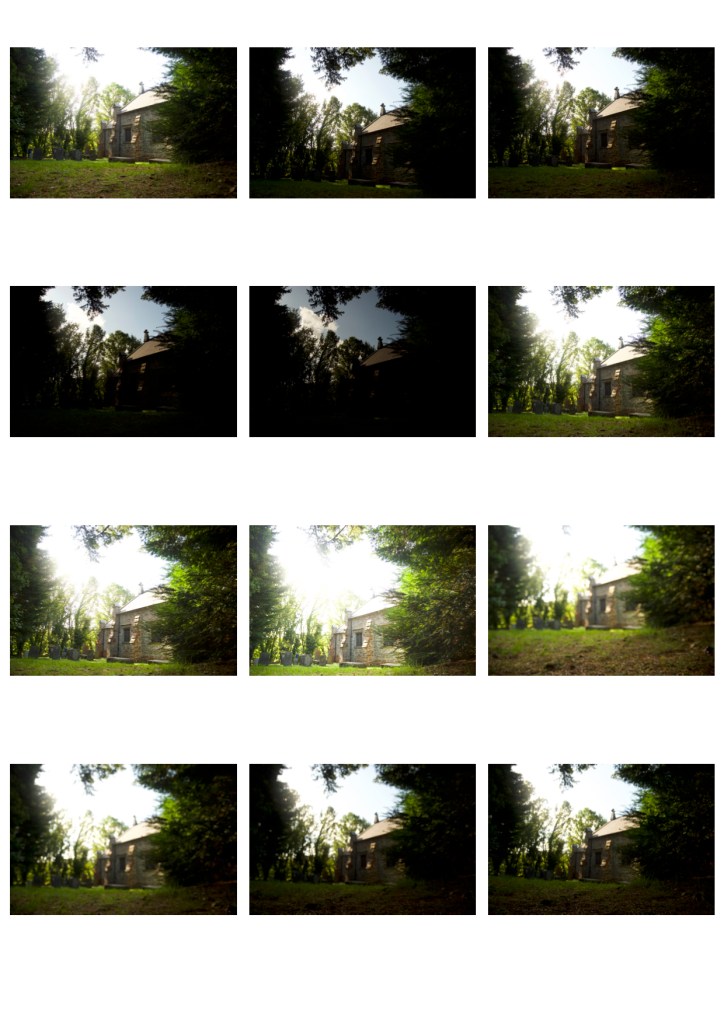
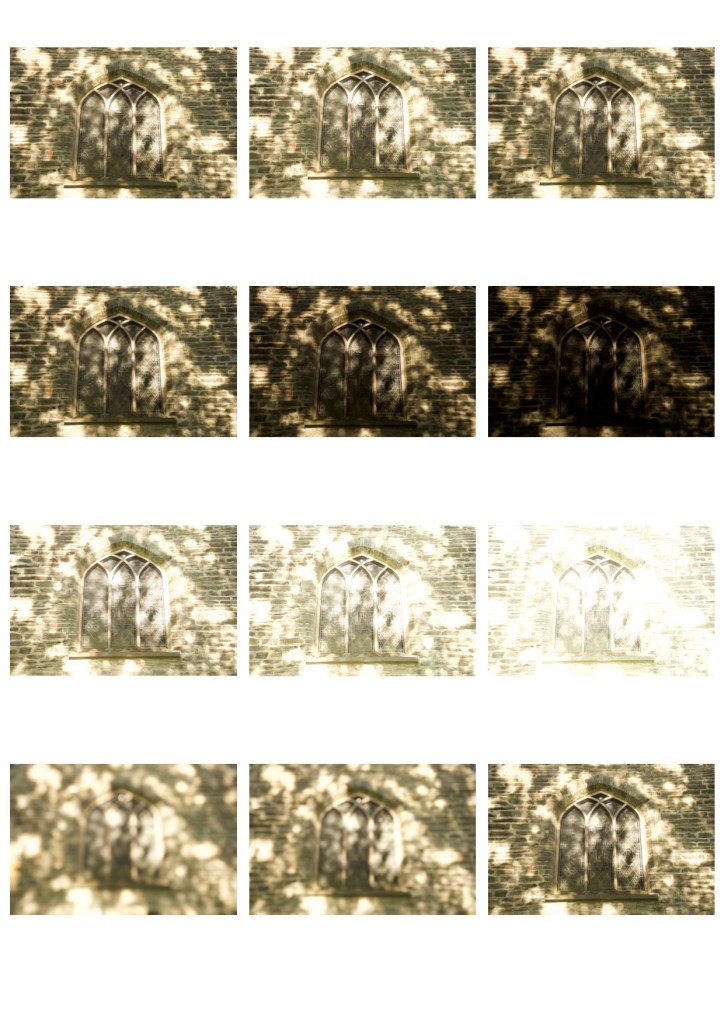
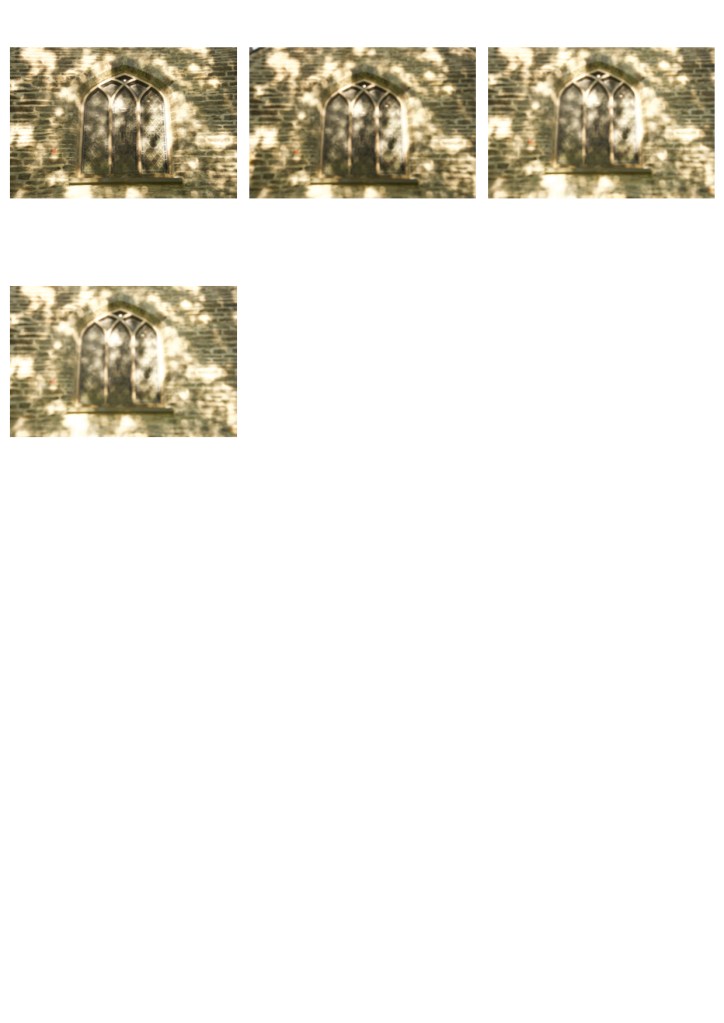
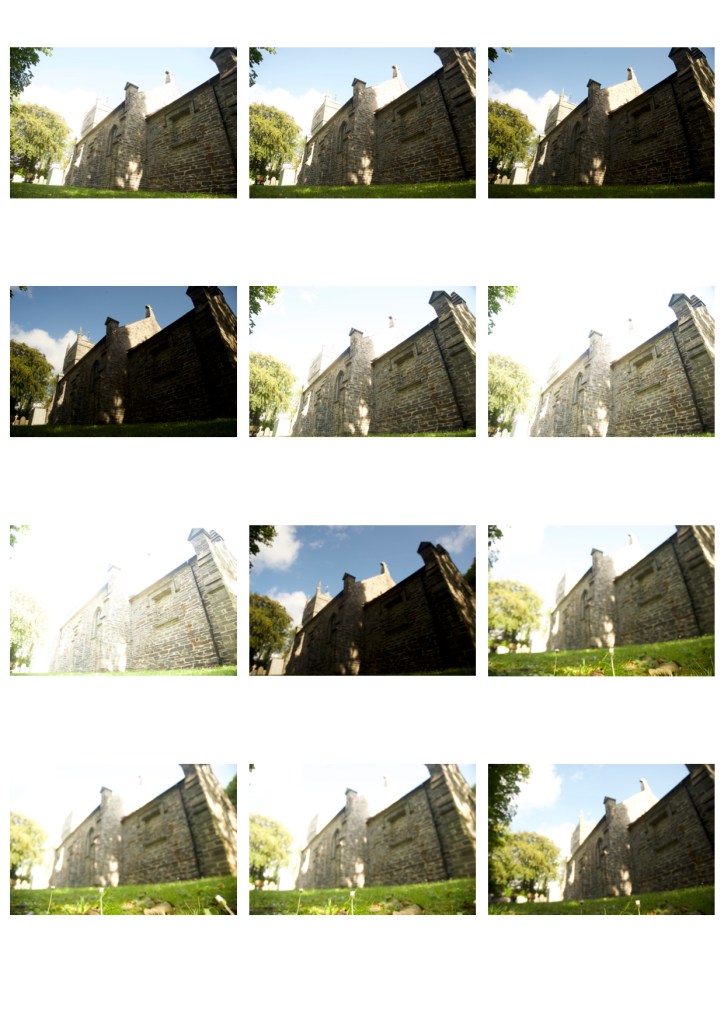
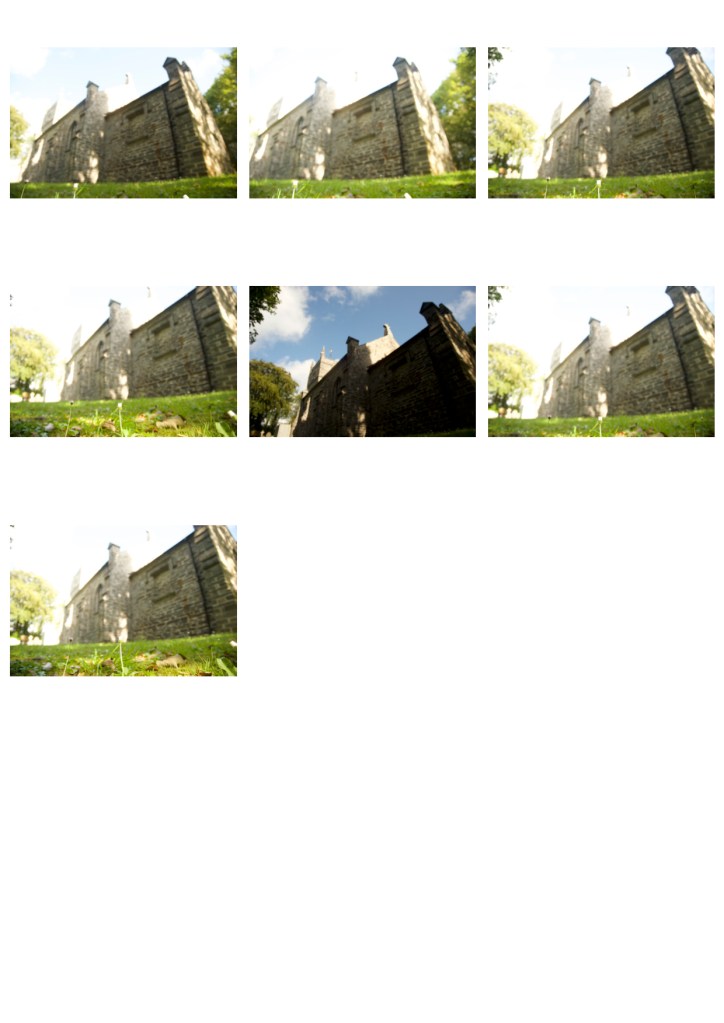
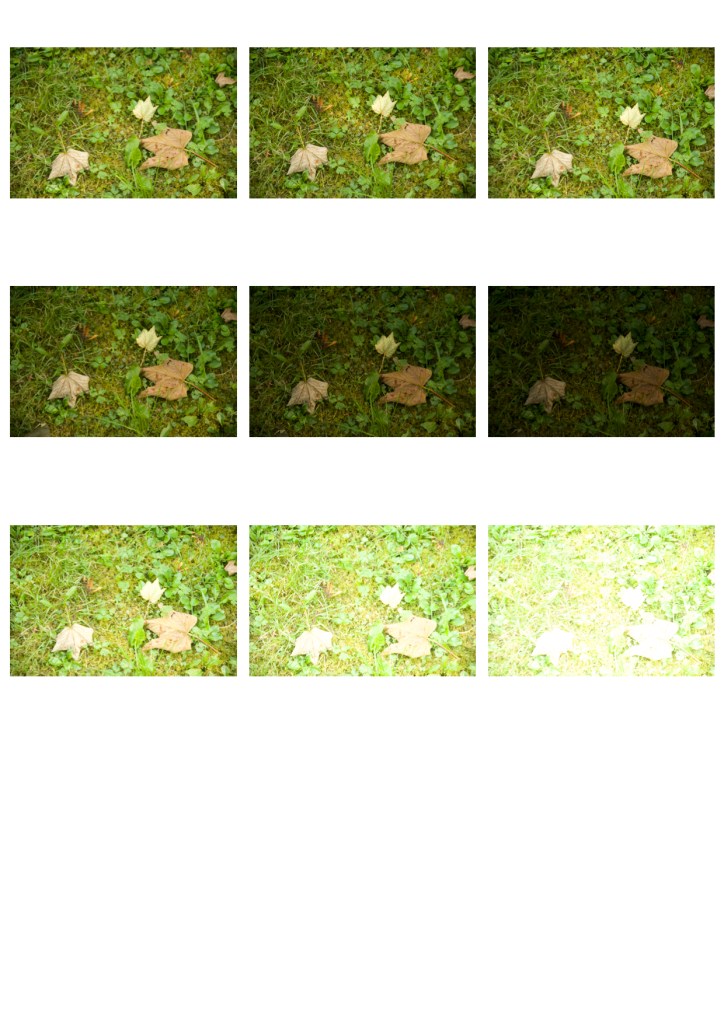
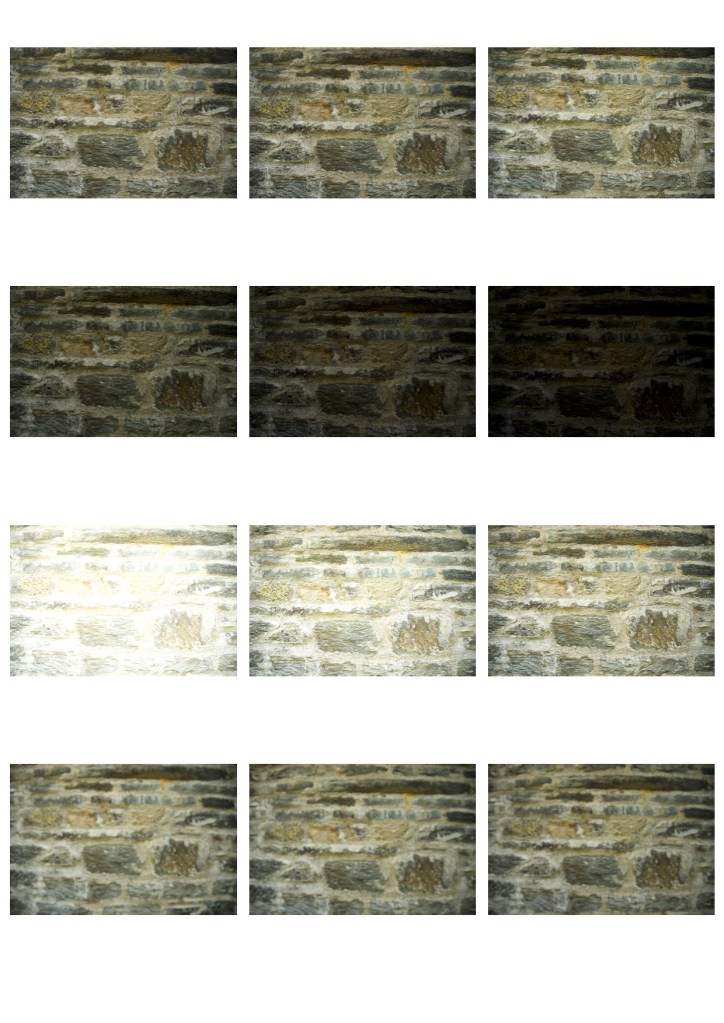
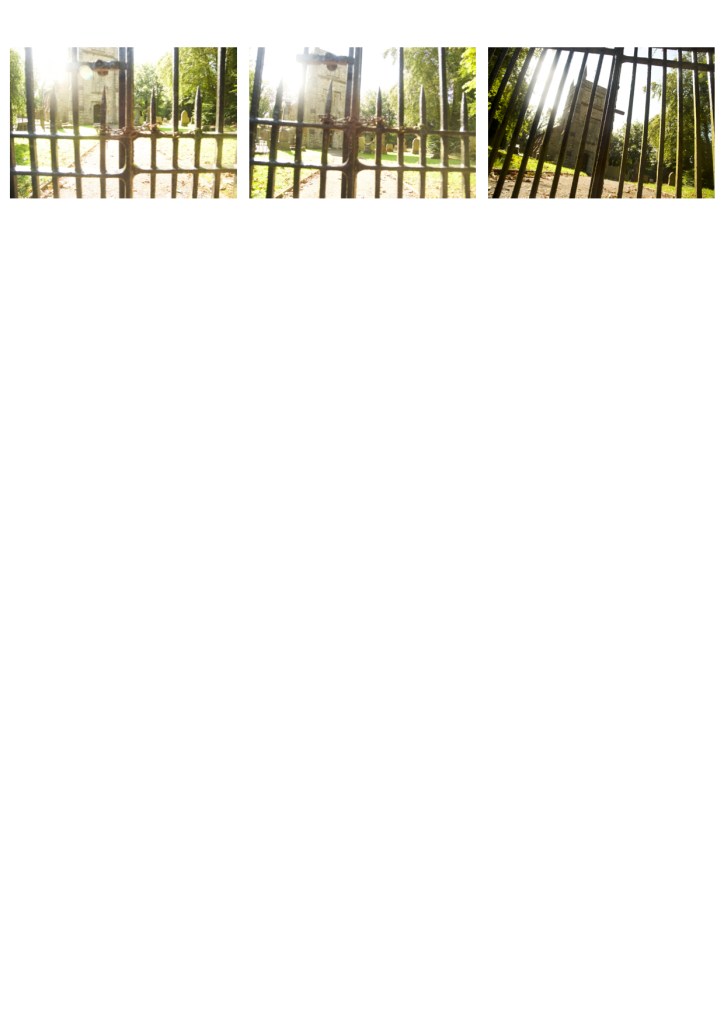
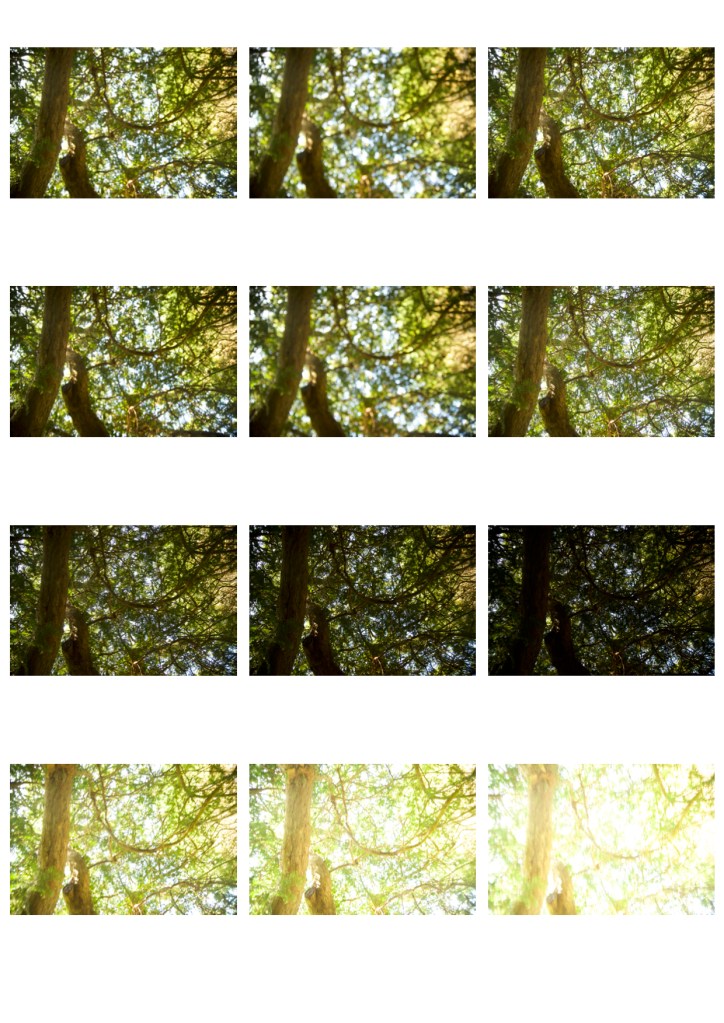
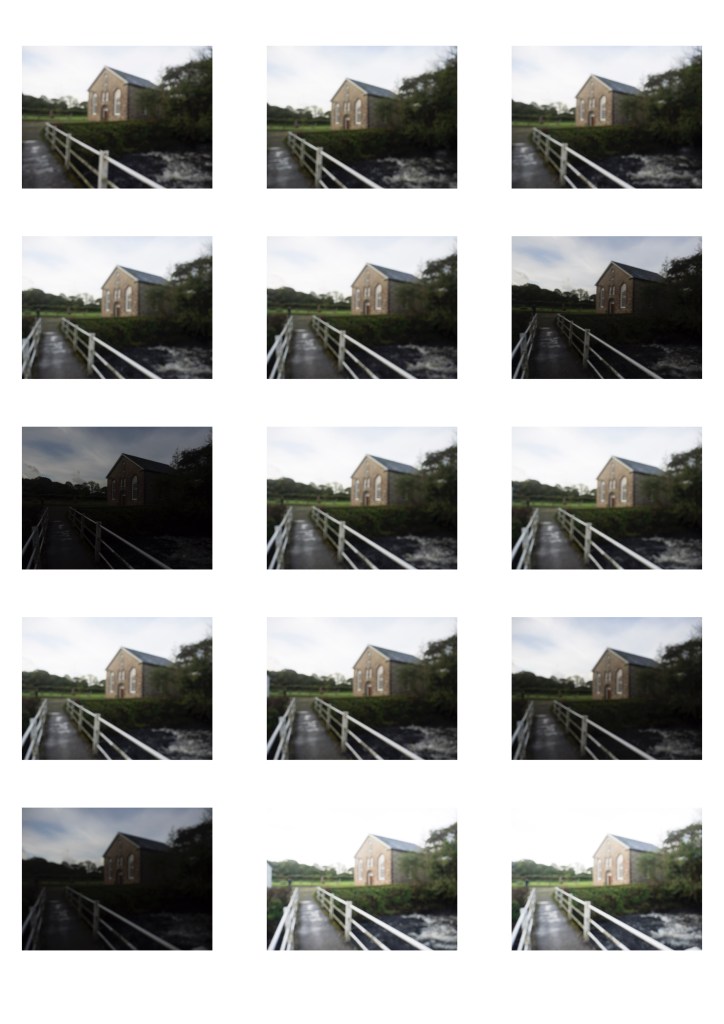
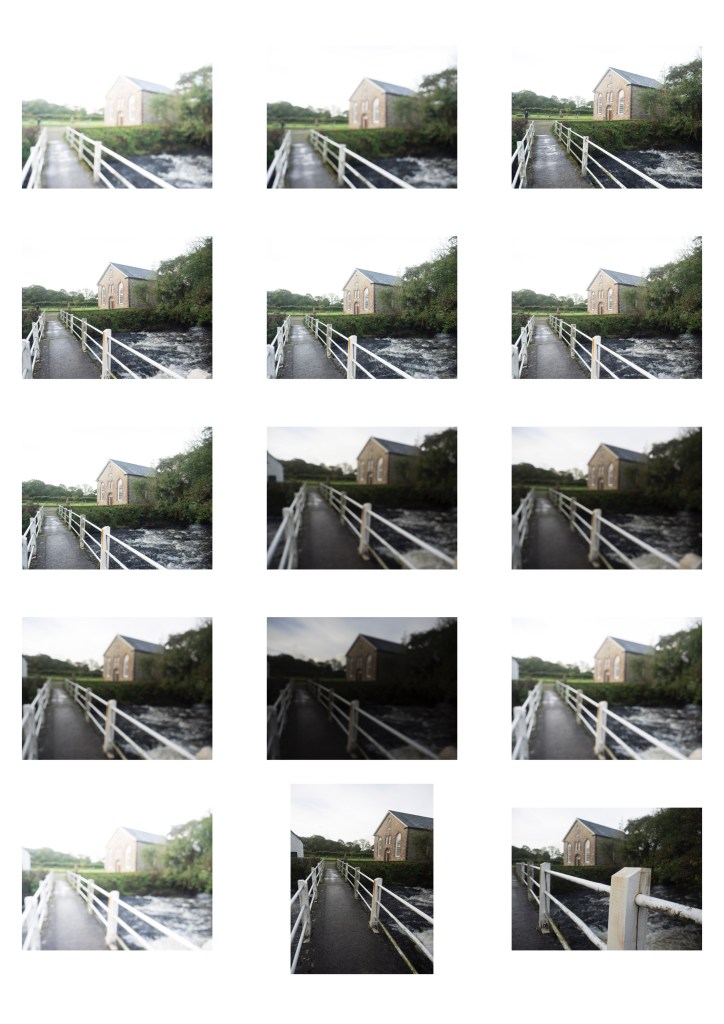
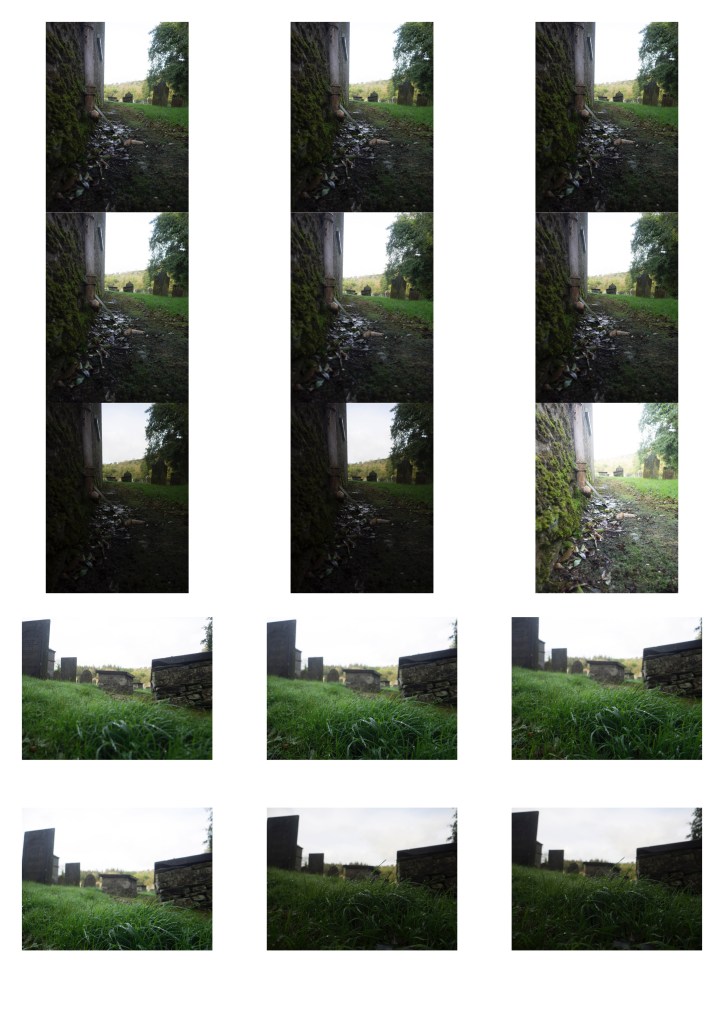
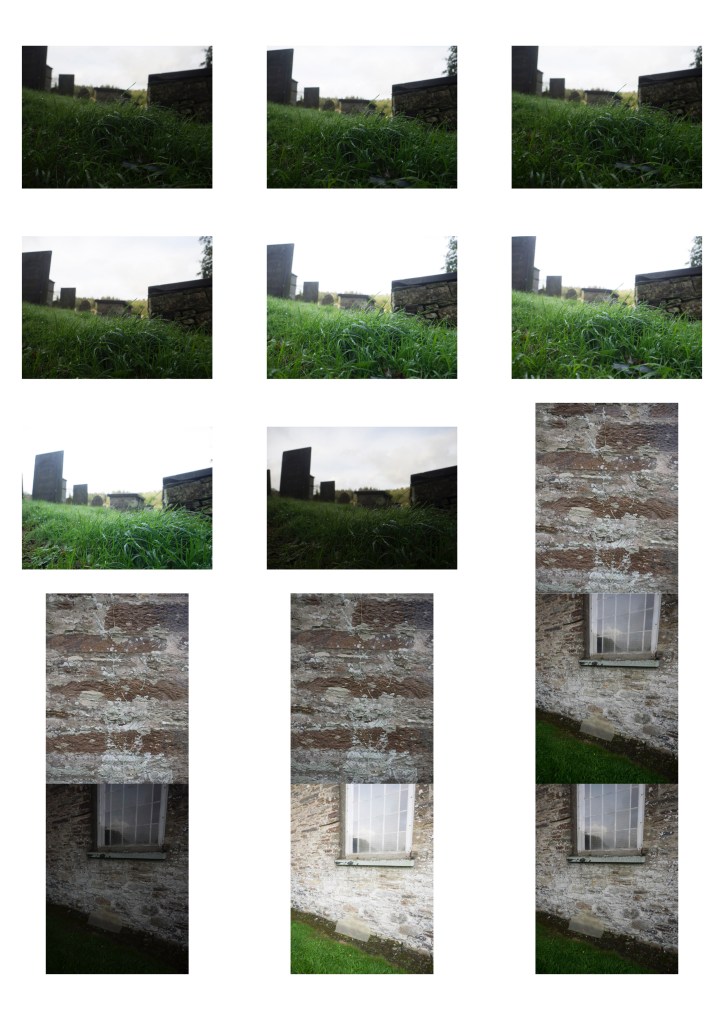
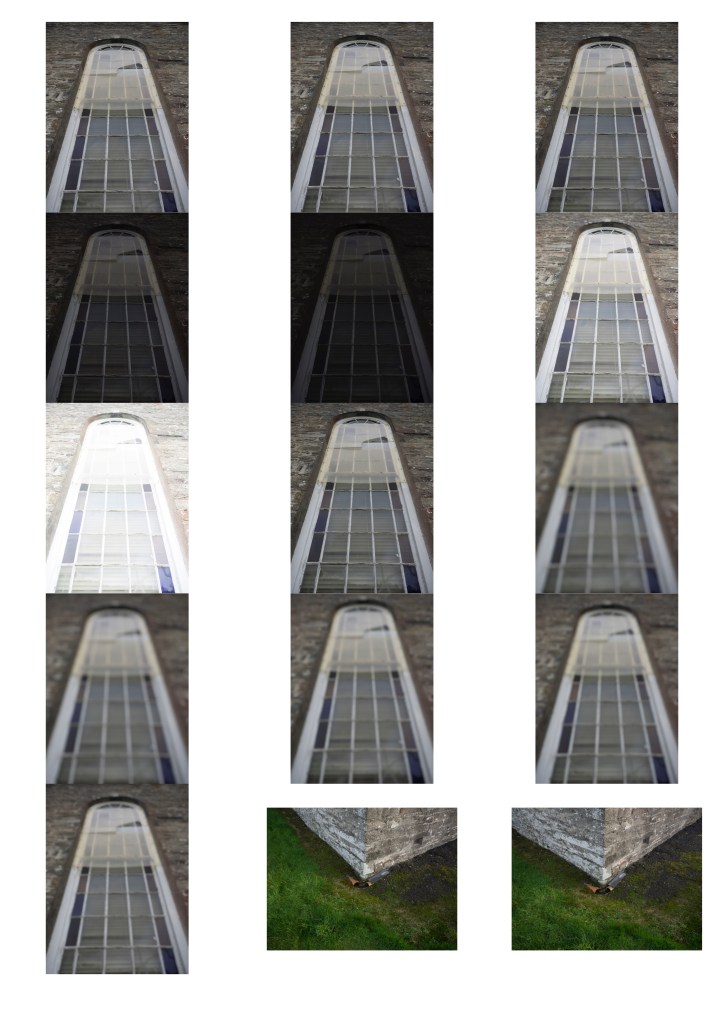
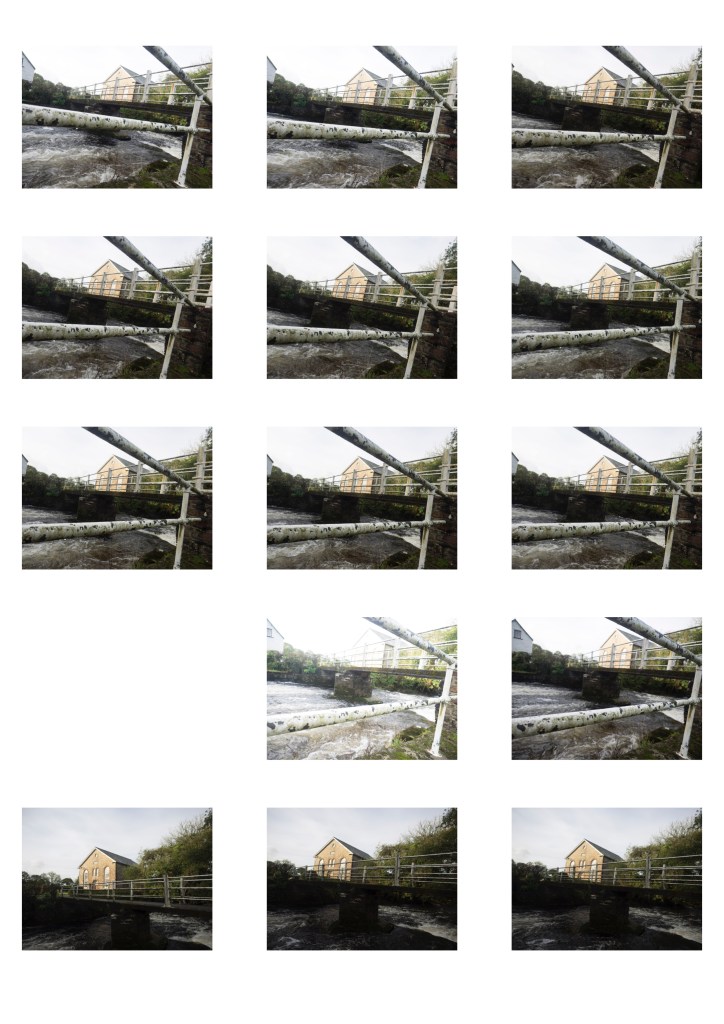
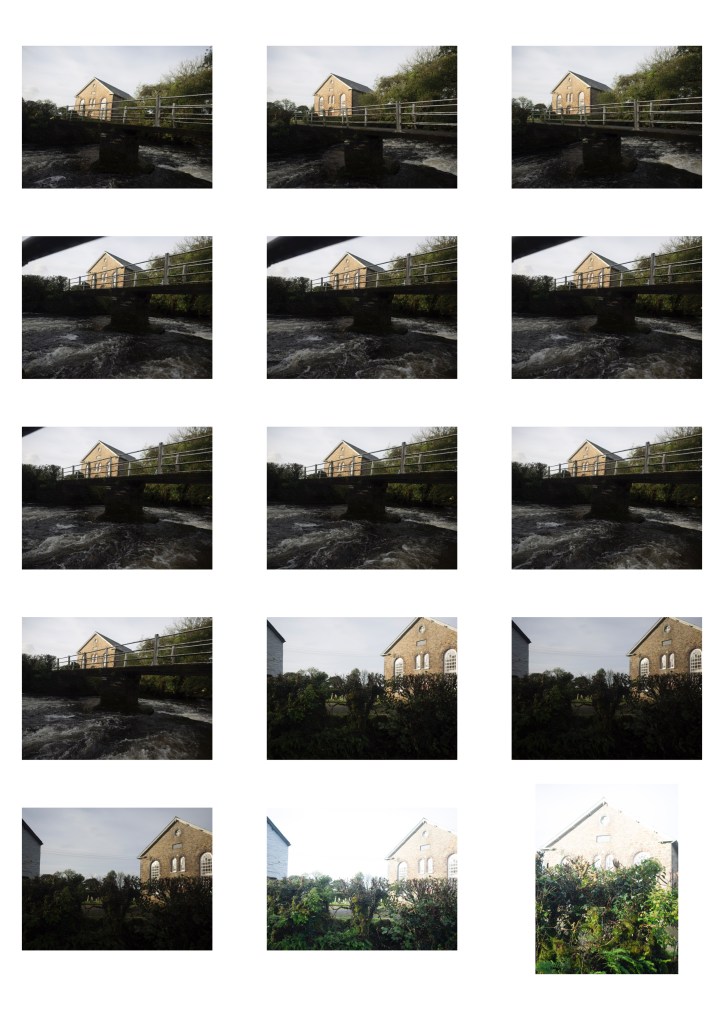
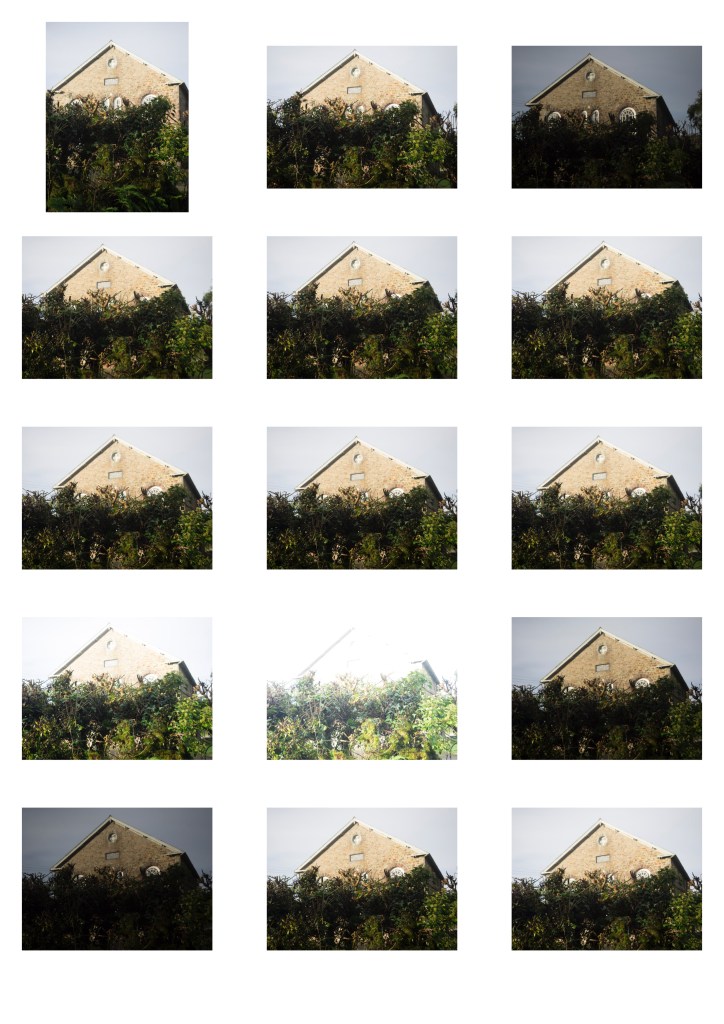
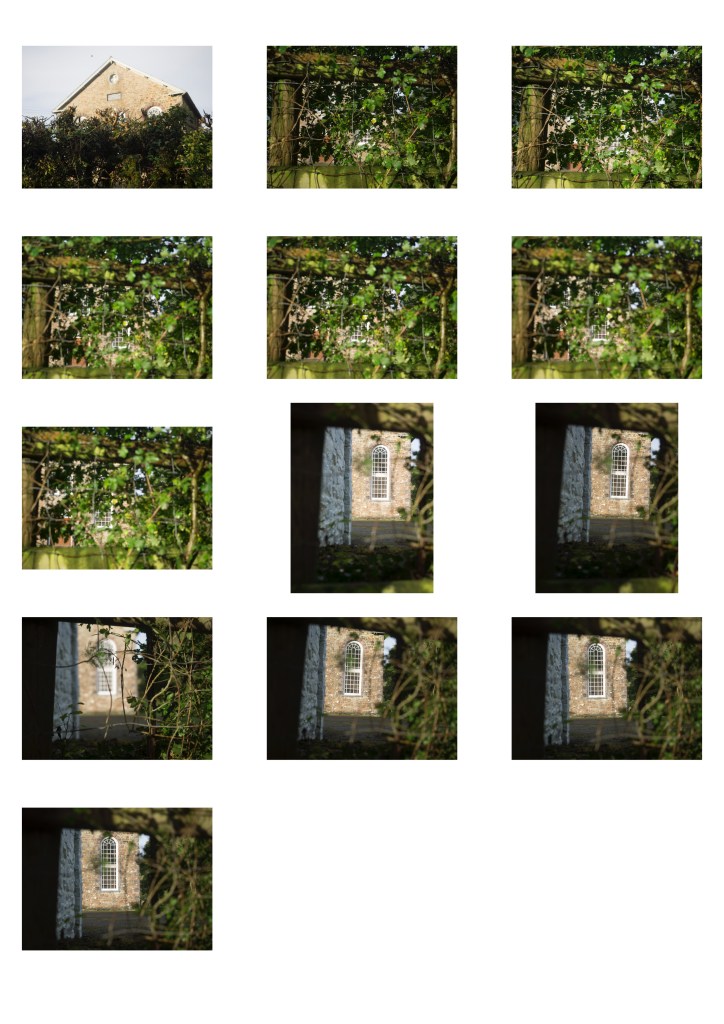
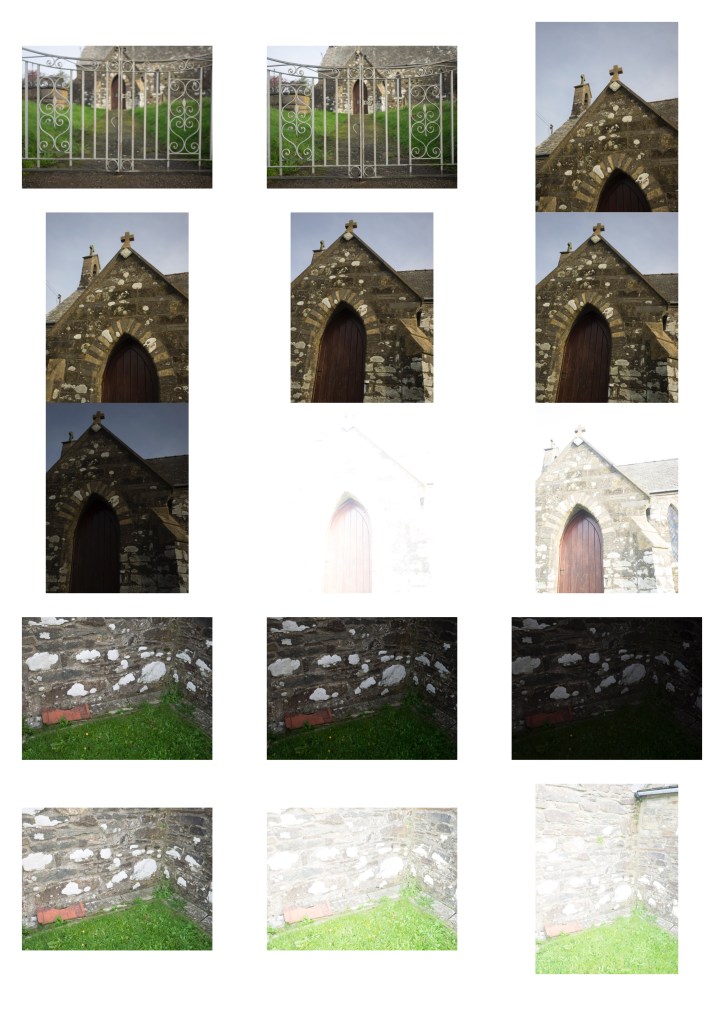
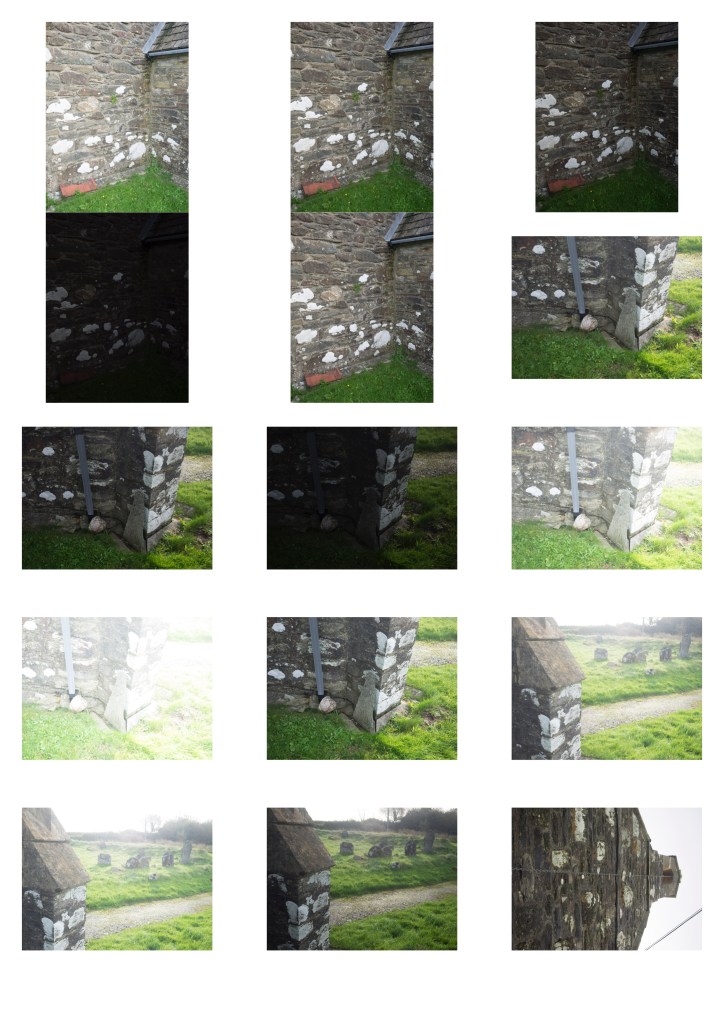
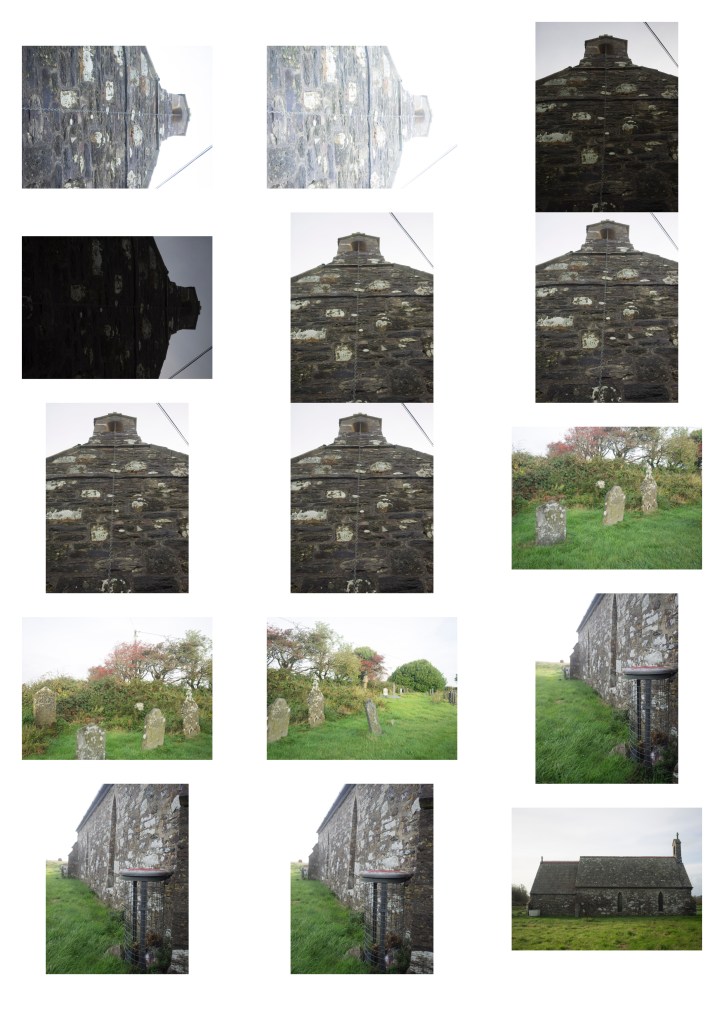
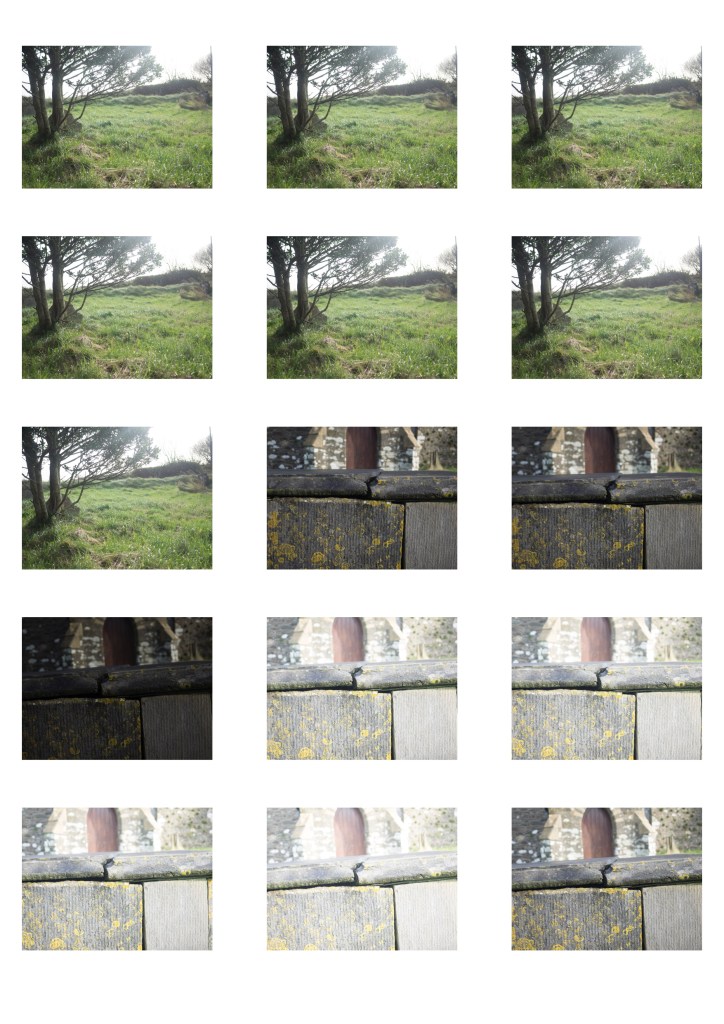
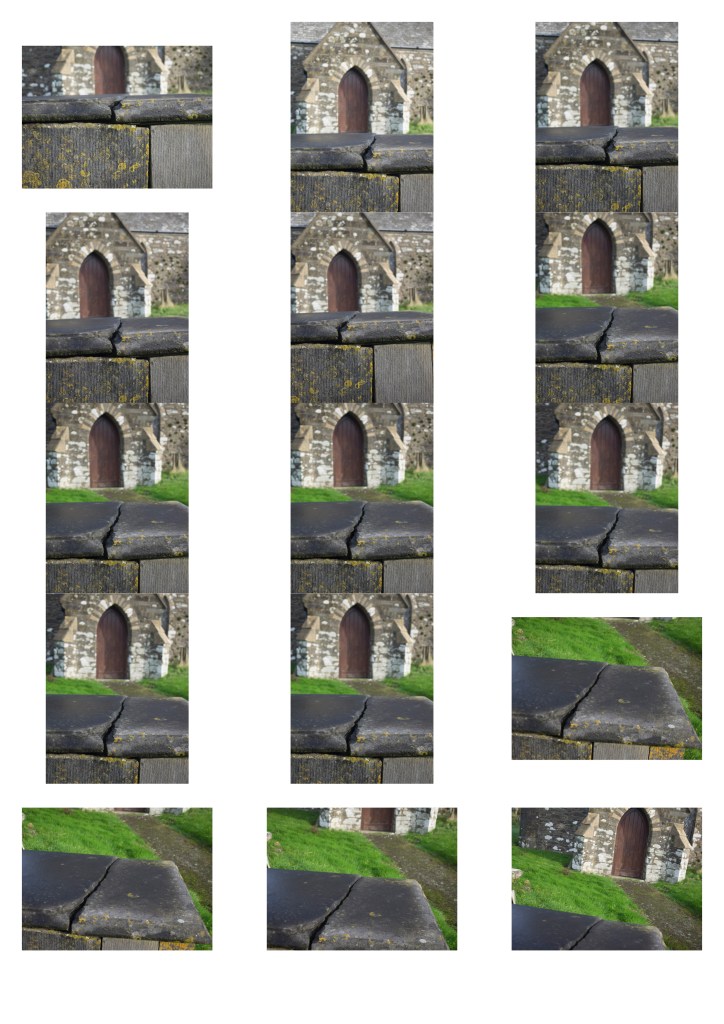
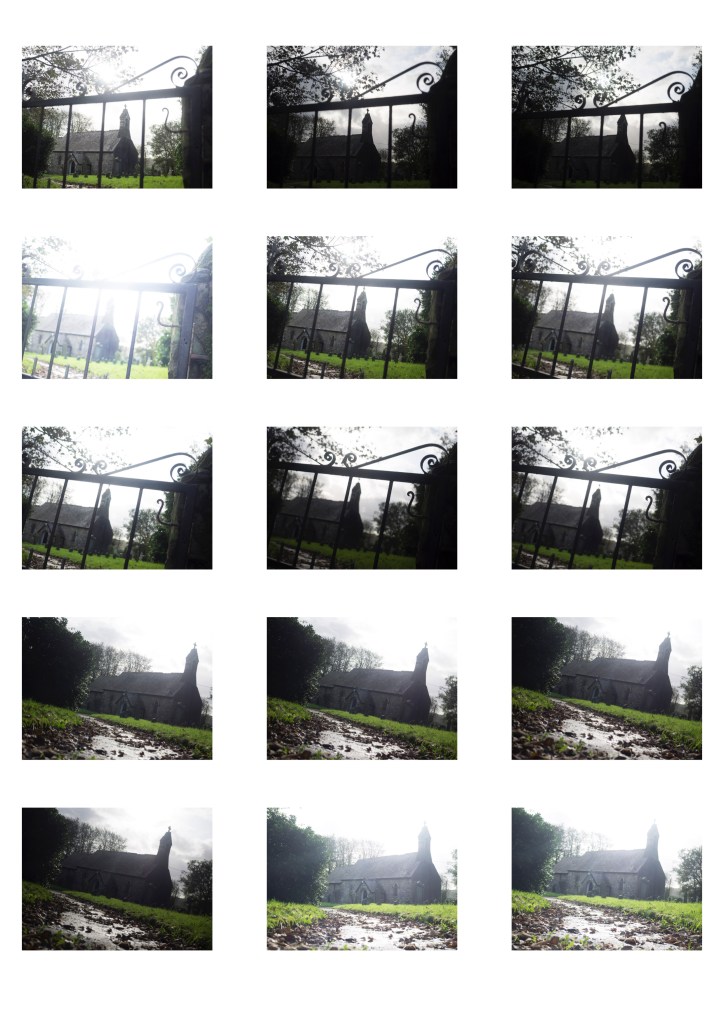
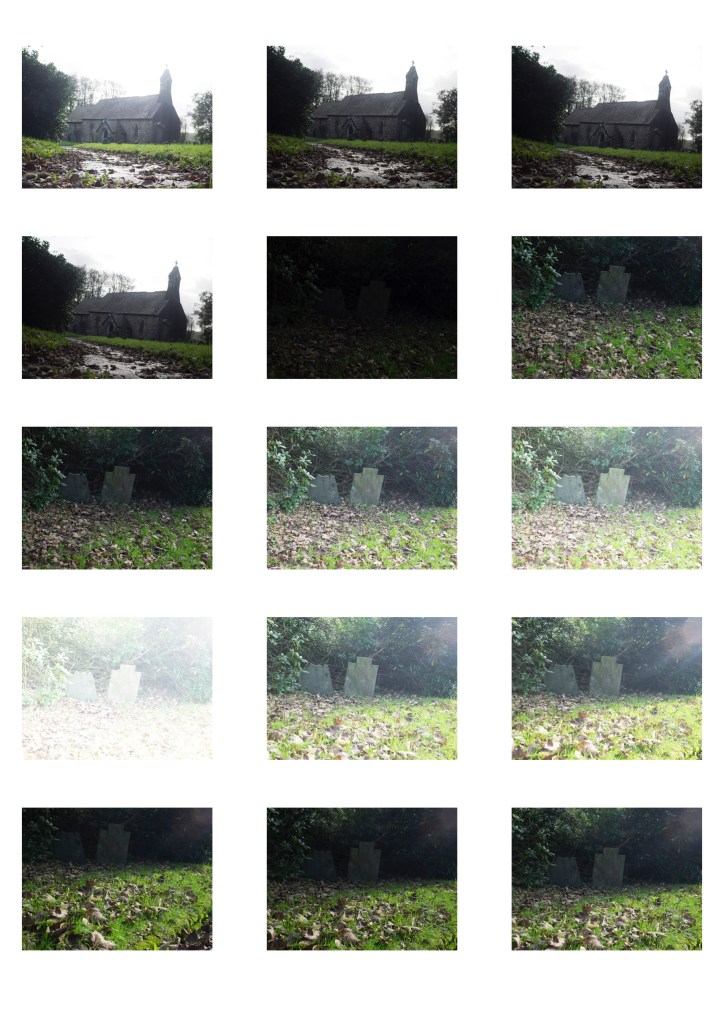
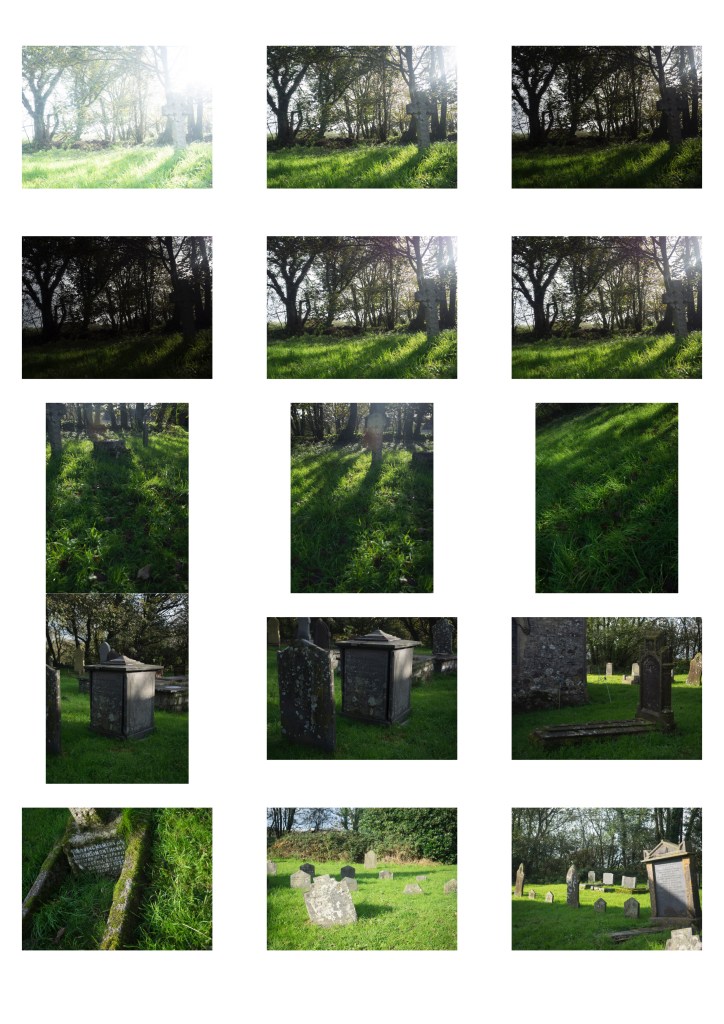
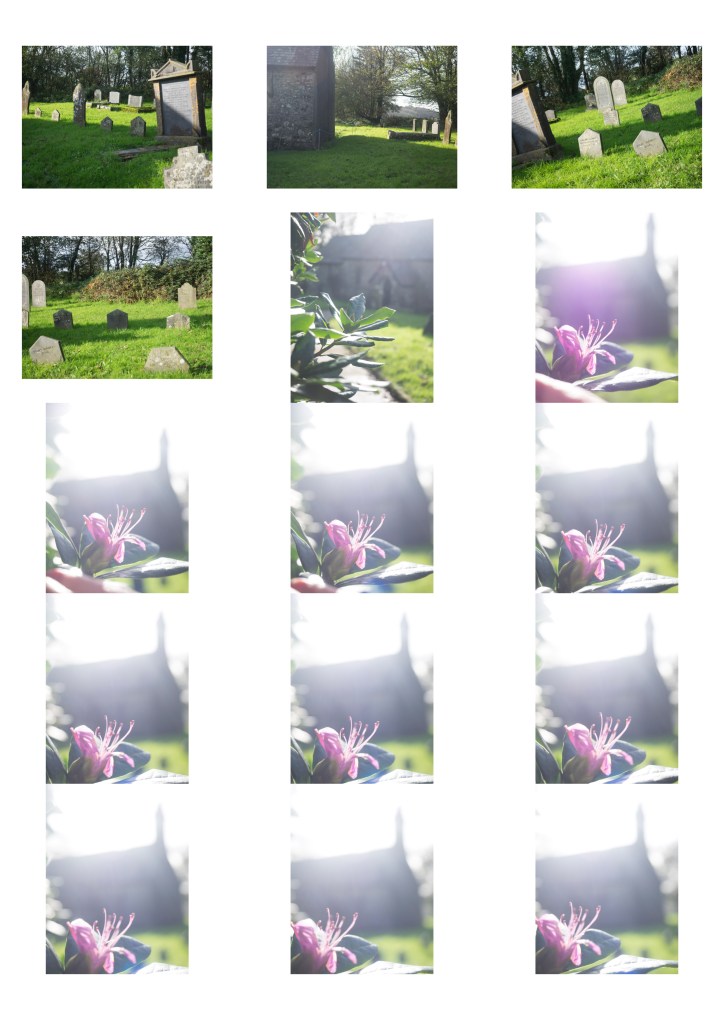
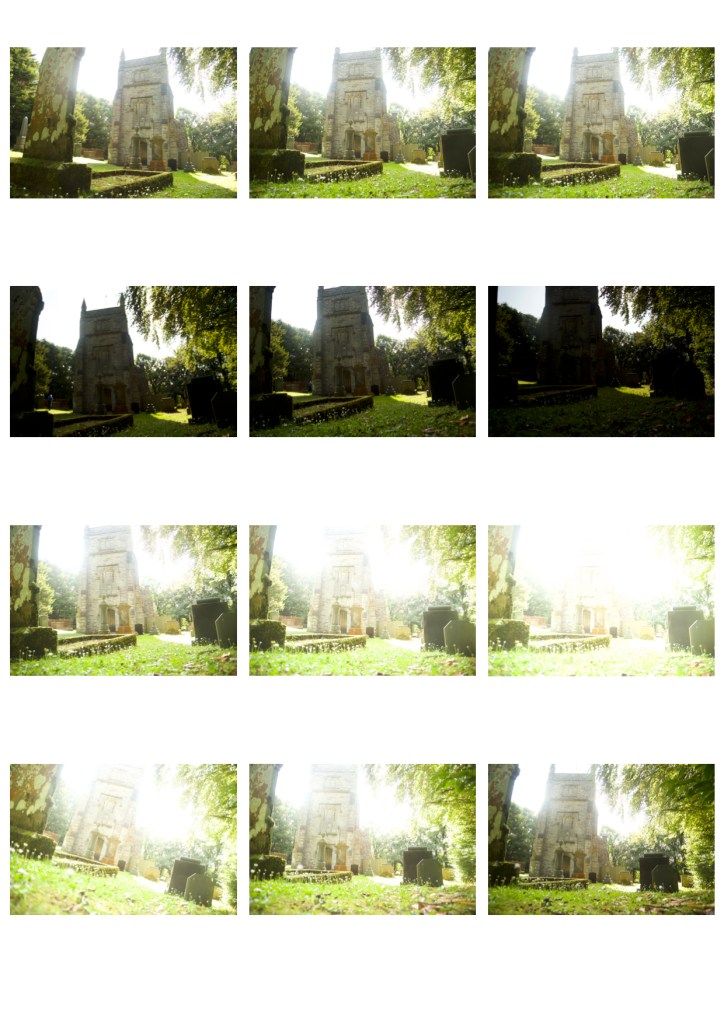
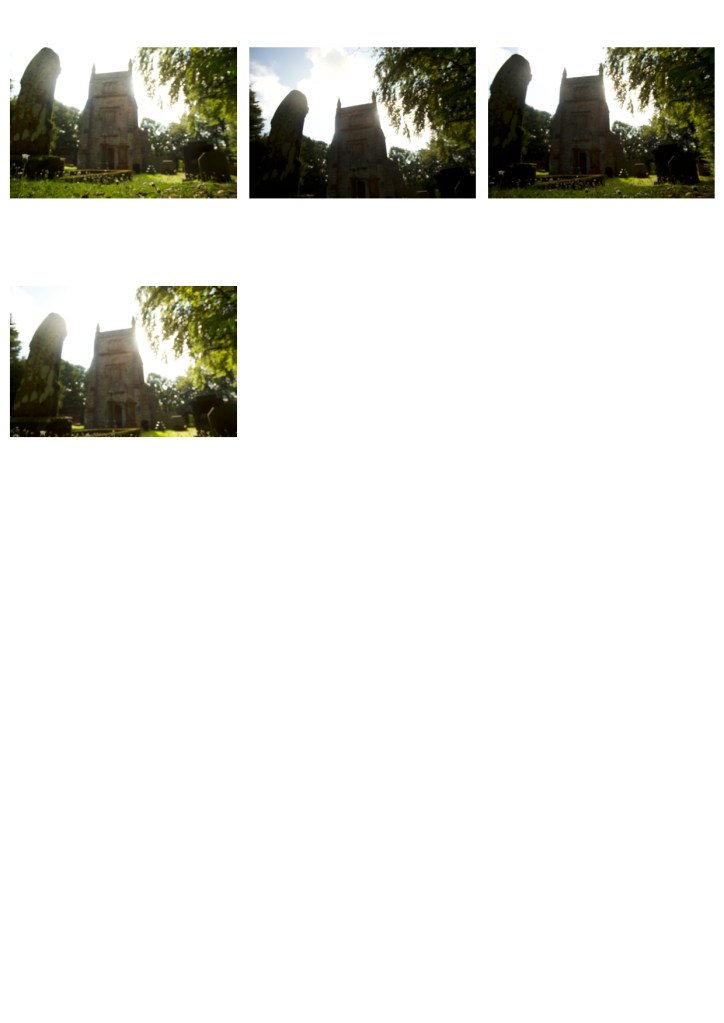
Here are my contact sheets for assignment one.

Contact Sheets


Reflective Commentary

My first assignment involves making some preliminary shots for my body of work. This has been a good opportunity to try some ideas and get a feel for my initial direction. I am looking at gender inequality. I am using a backdrop of a pilgrimage journey. When this pilgrimage was undertook, it was done by men only, but I am undertaking it as a woman. I have done previous studies into religion and thought this would be a good opportunity to bring my own experience and knowledge into my work. So my aim is to explore the gender inequality not only in landscape photography, but in a global religious, cultural and social sense. 

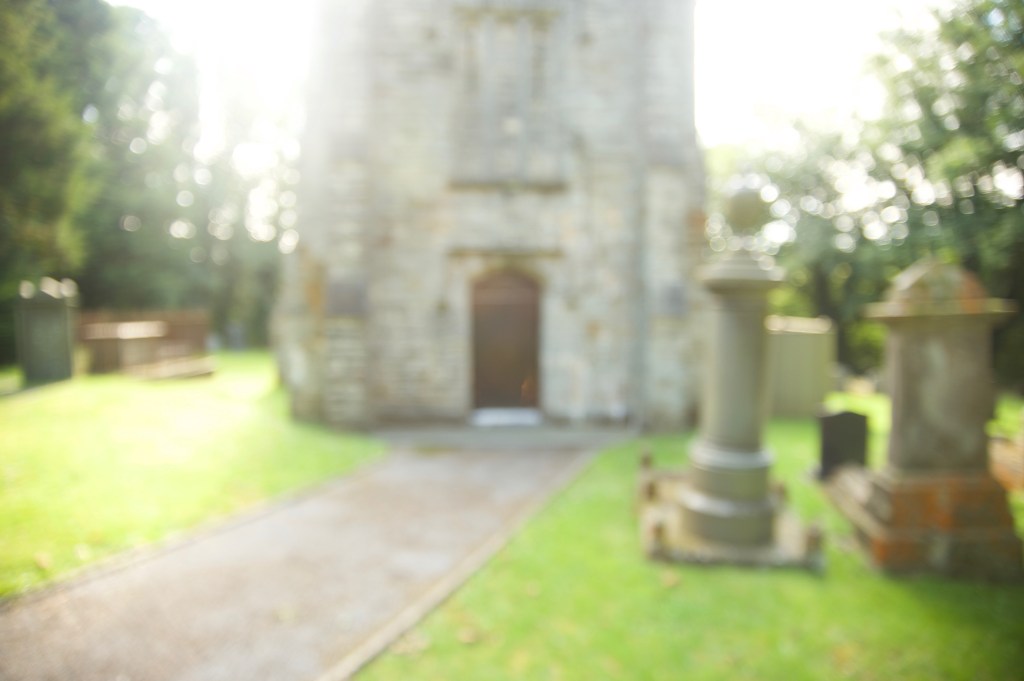
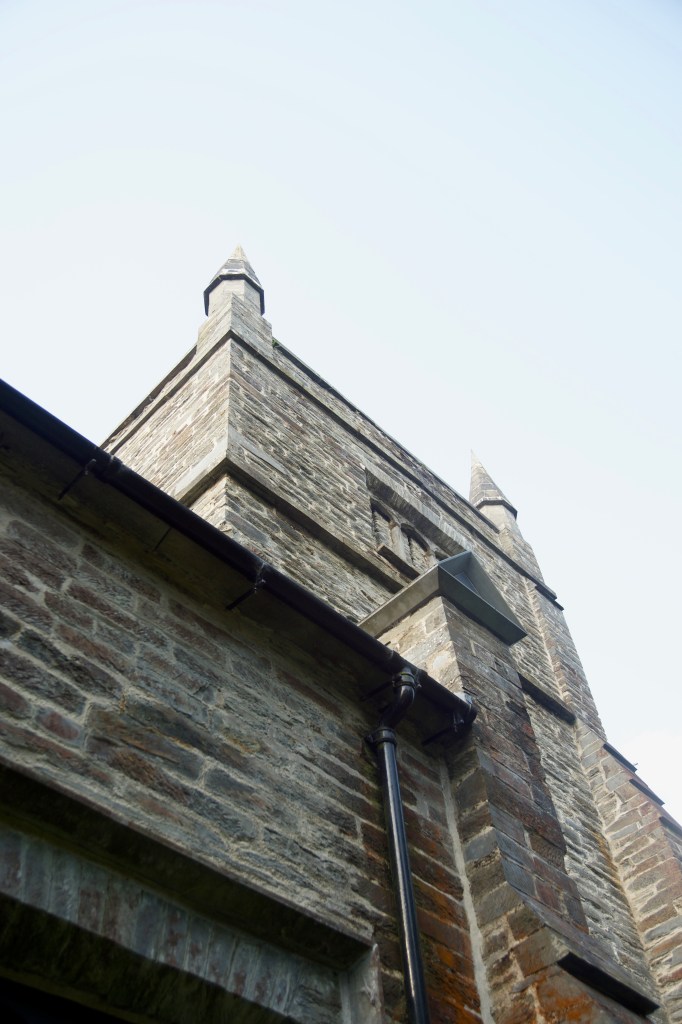
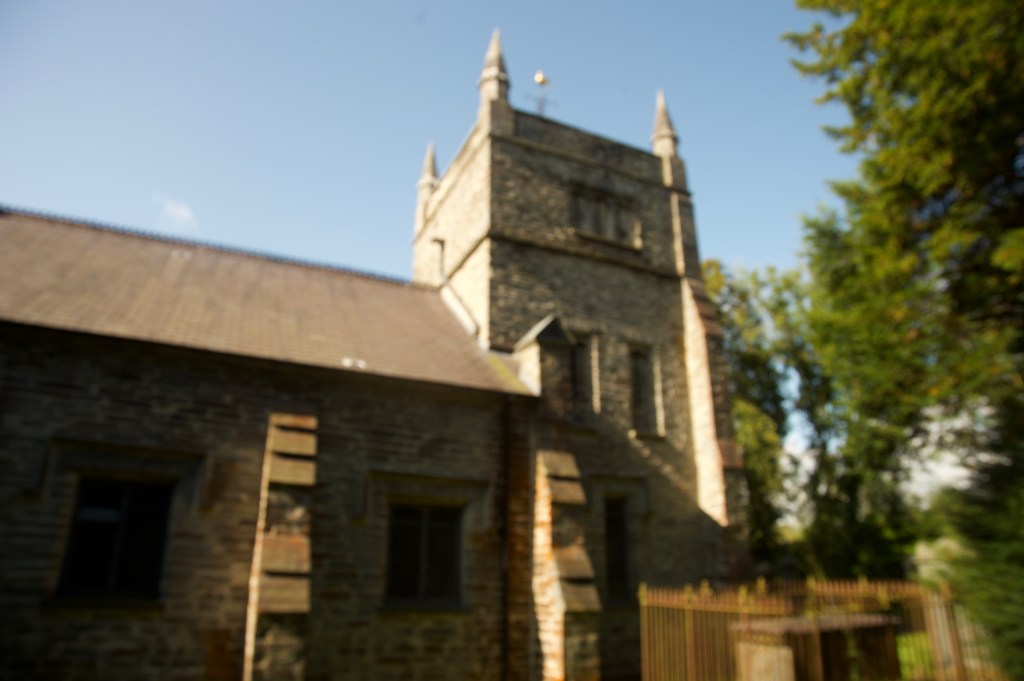
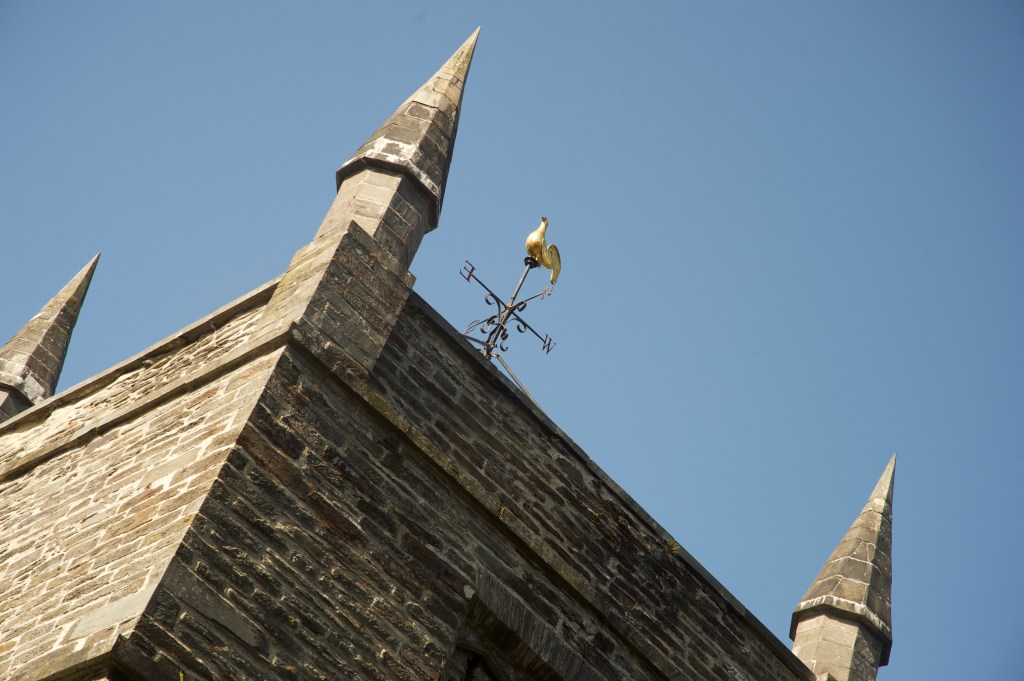
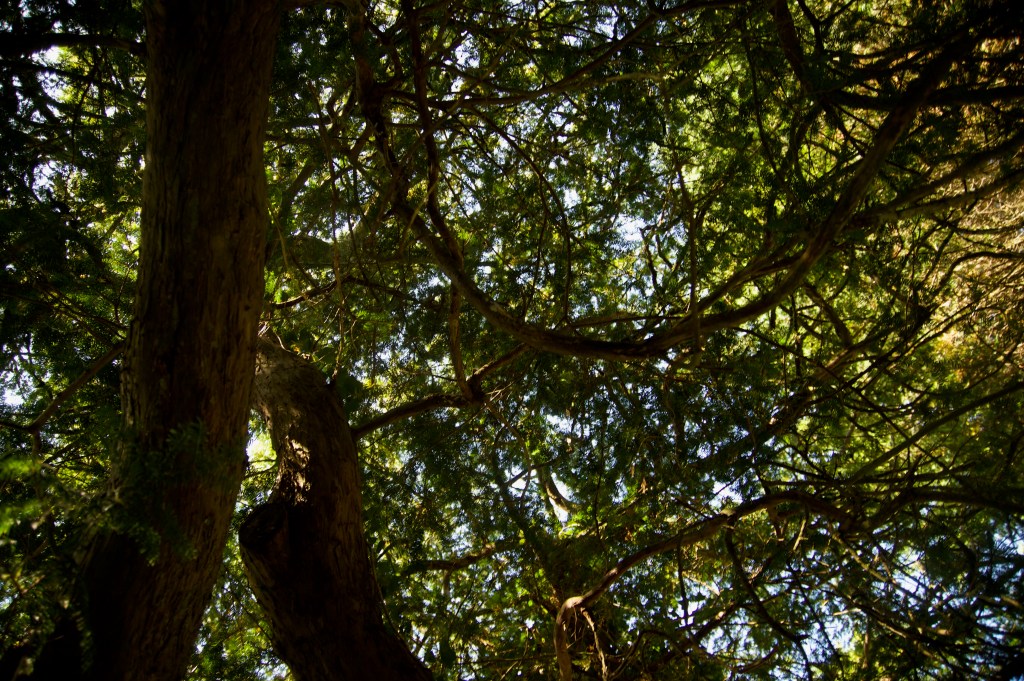
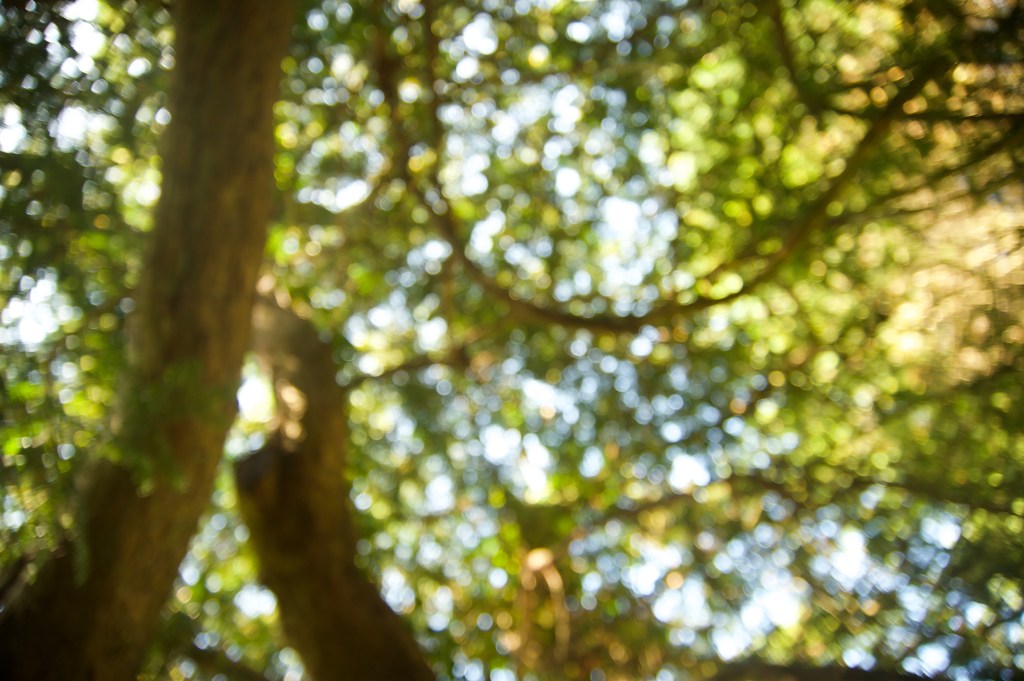
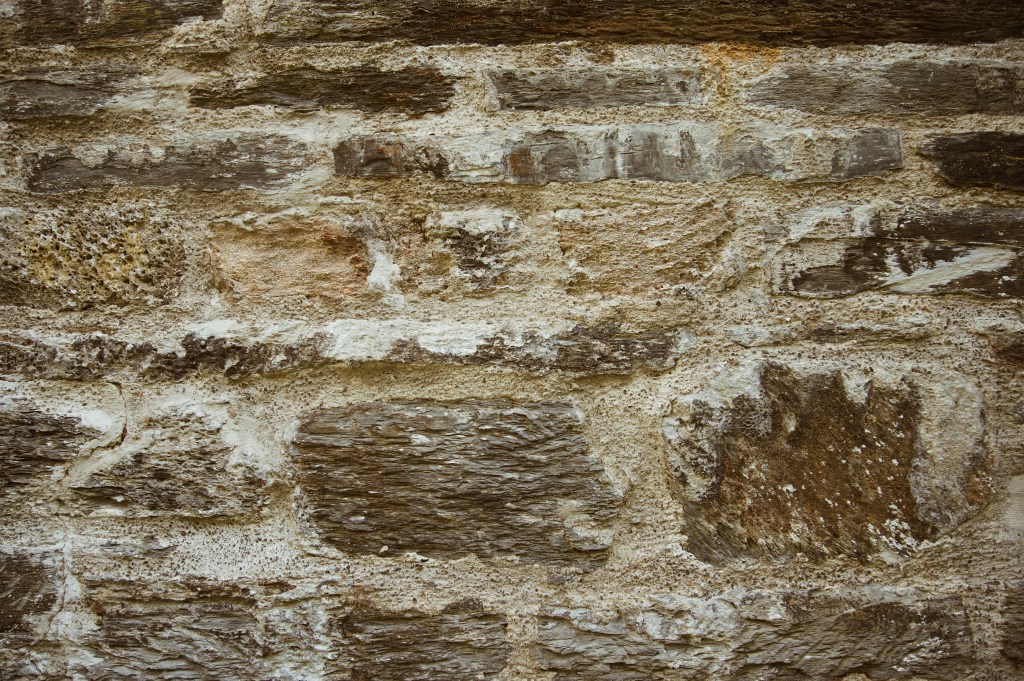
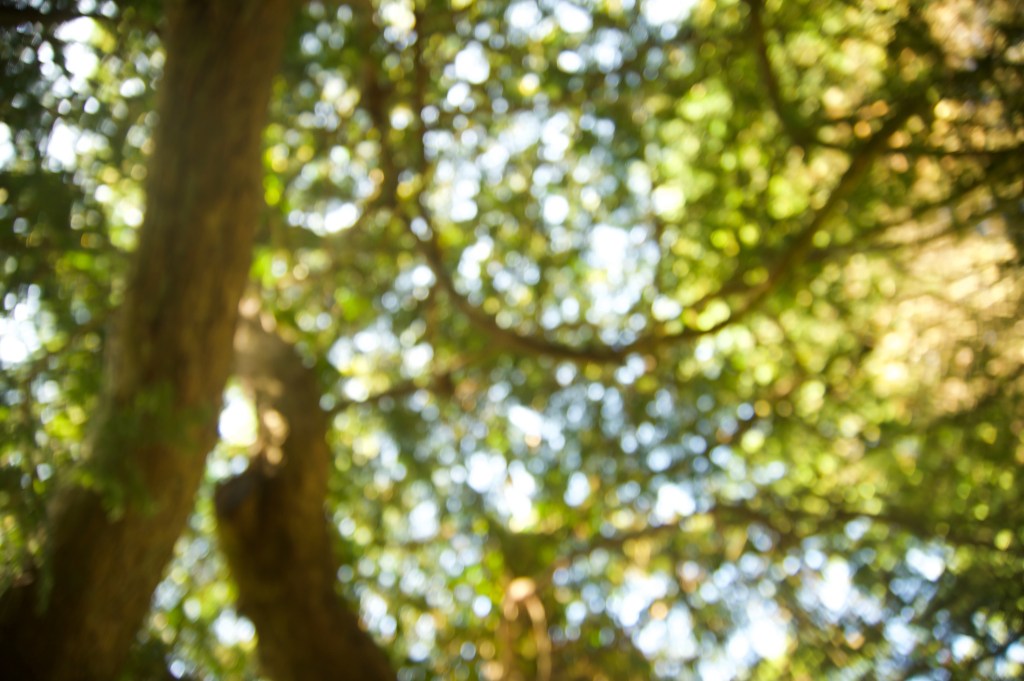
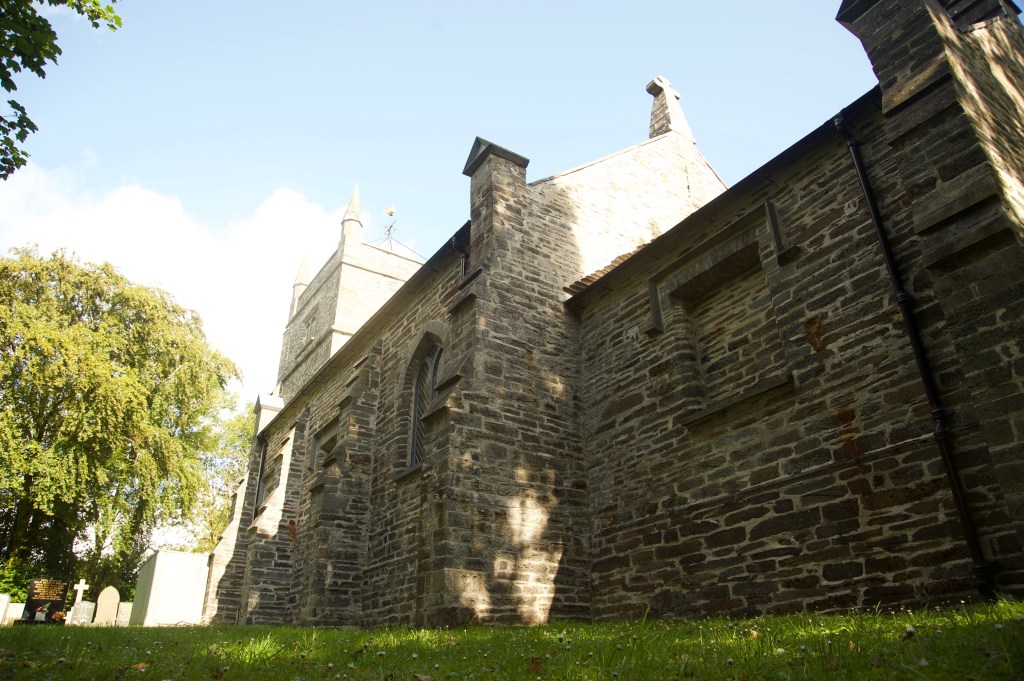
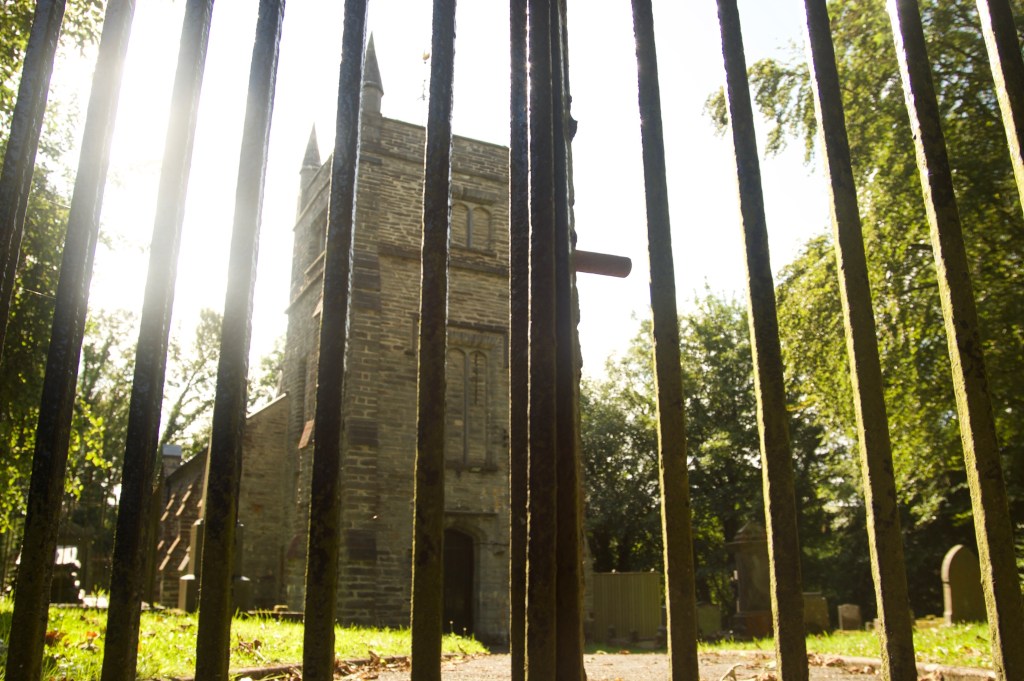
For this initial assignment, I have solely concentrated on the base images of the pilgrimage. I thought this would be better, as if I can get the base images, I can then work on developing these into my final work along the way. I do not want my images to be ‘perfect’, I want my image to be completely different to the traditional picturesque landscapes we often see. I feel this is important as hopefully it will get the message that all is not right and will catch the viewers attention. When I was looking into landscape photographs, the majority were by men, and they were detail, perfectly composed, very picturesque, I think that is what people usually except when looking at landscape pictures. I want to portray the inequality through my images. I have thought of ways to do this. For example, I have taken blurry, overexposed, underexposed and banal images. I have also tried to taken the images looking up, from a low positions, this is to try and symbolise the unequal footing women are on. 

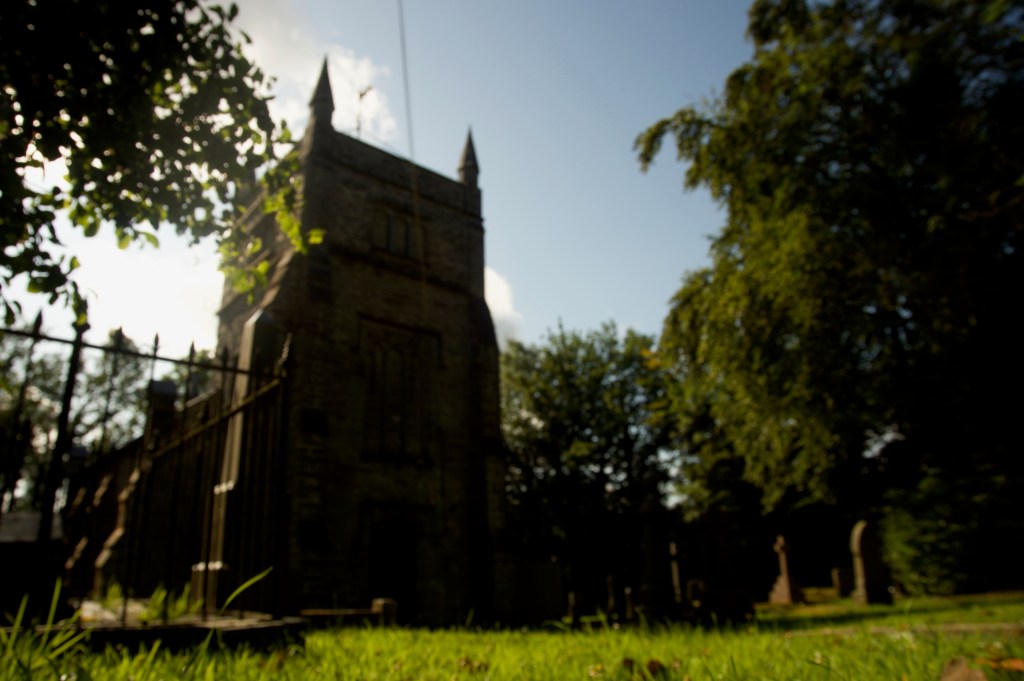
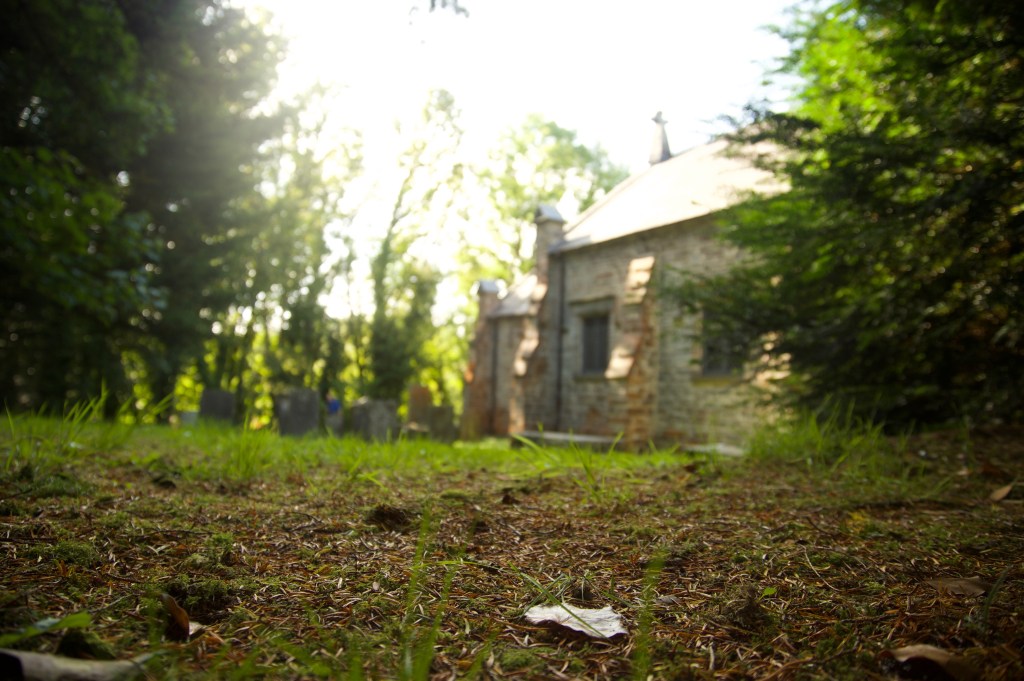
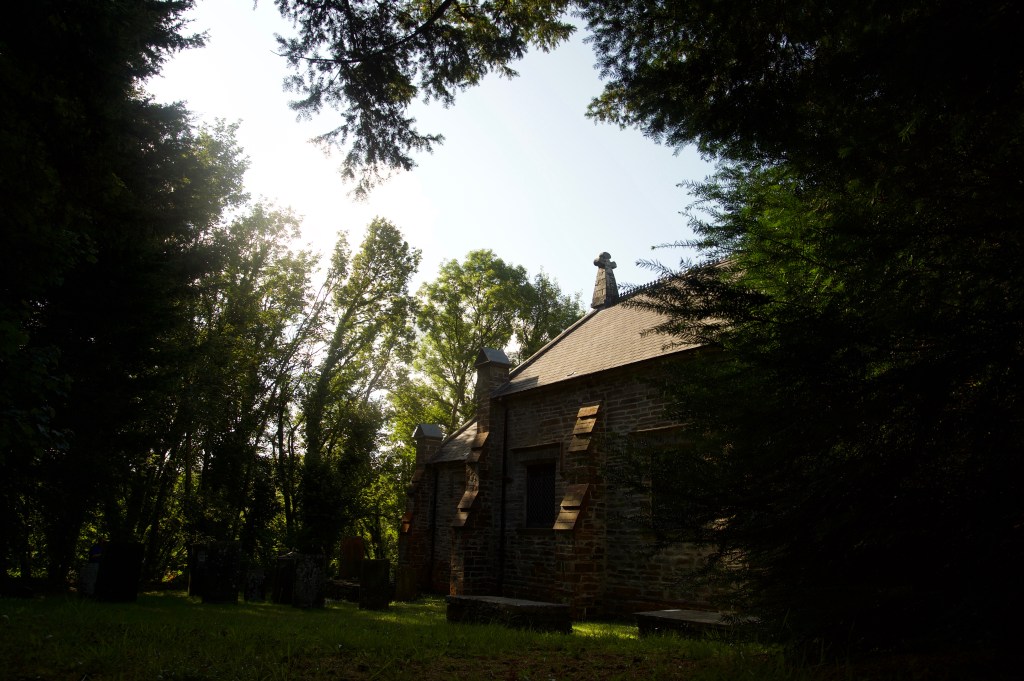
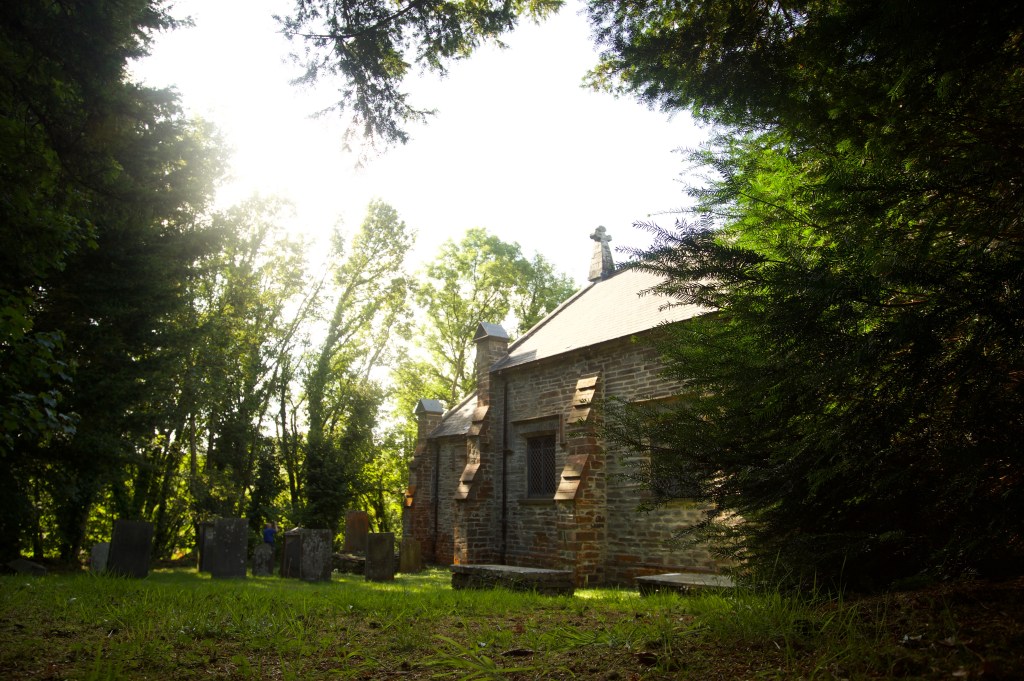
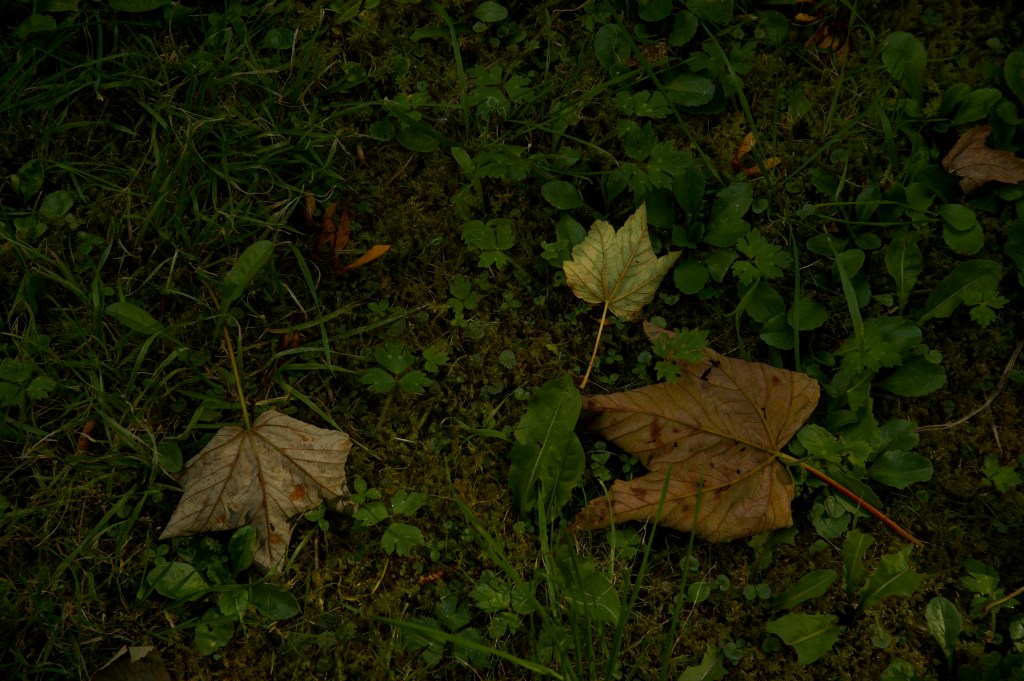
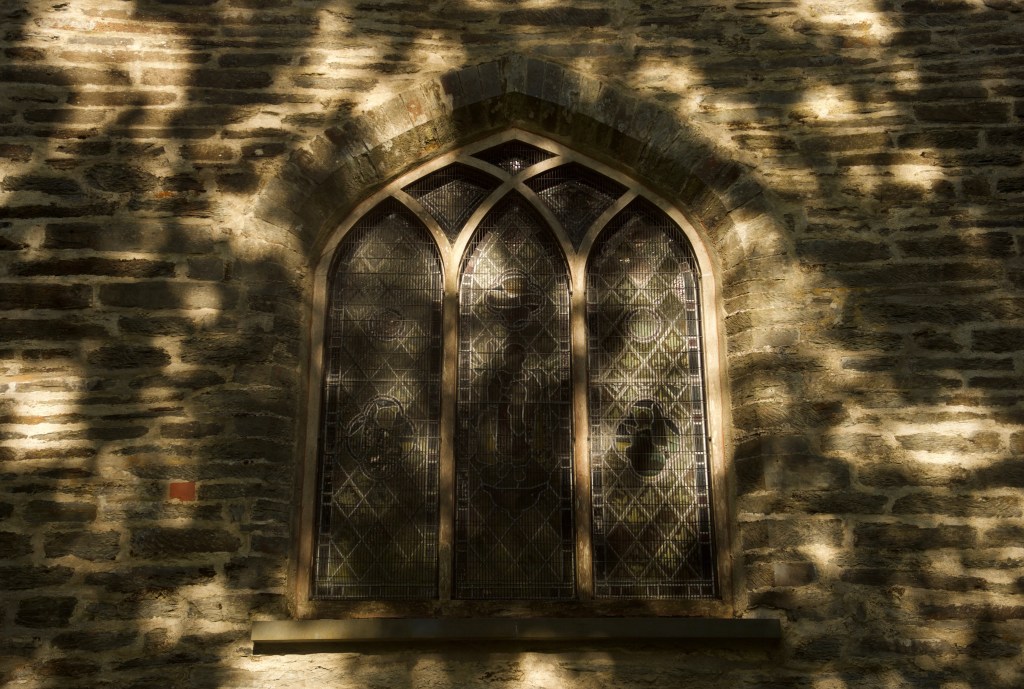
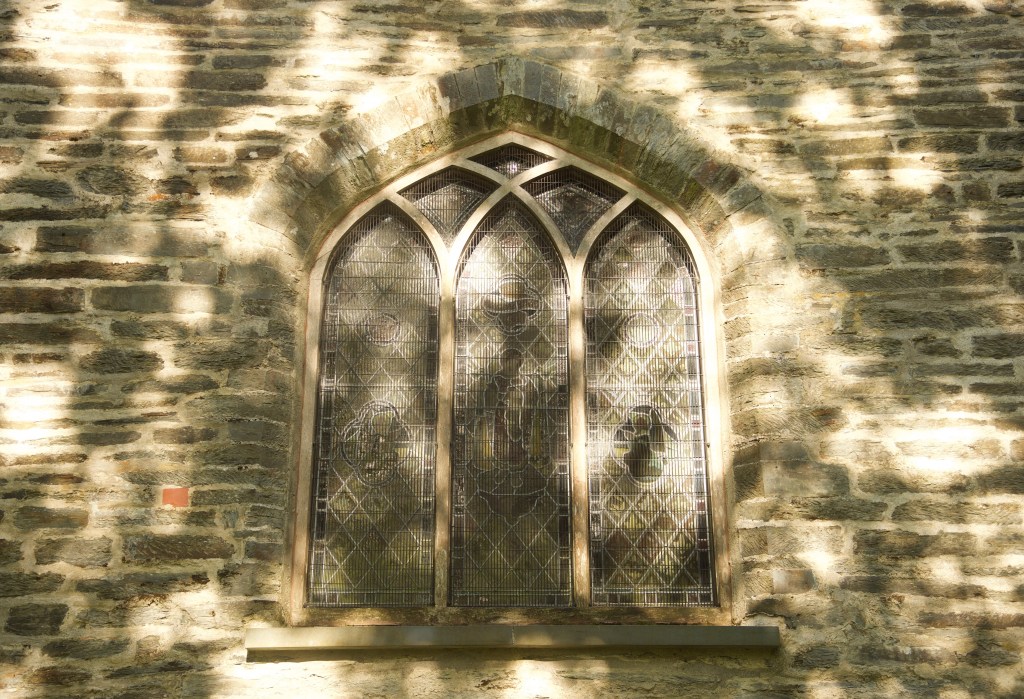
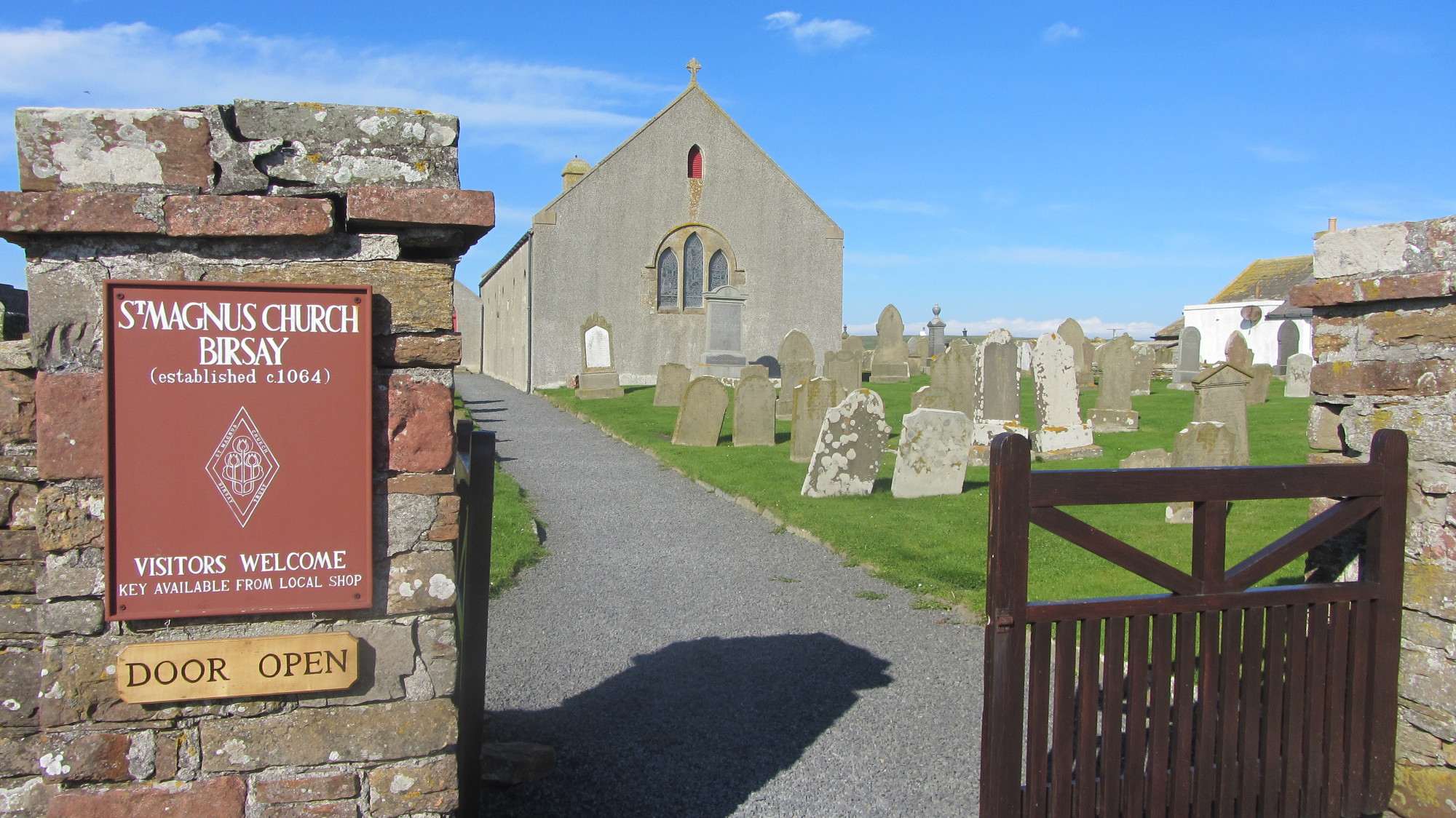
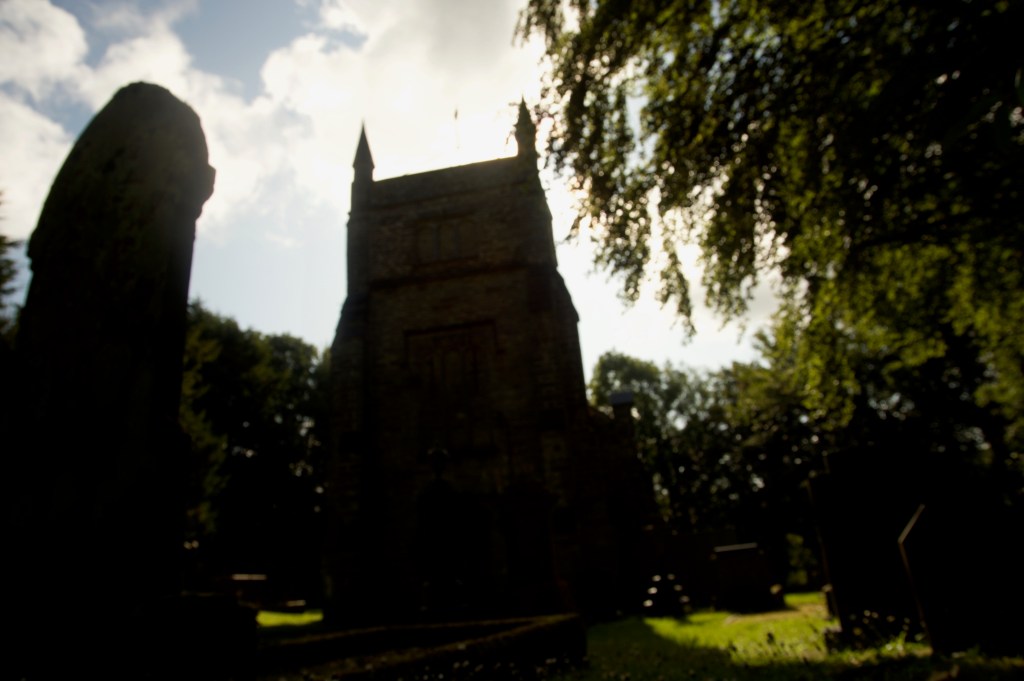
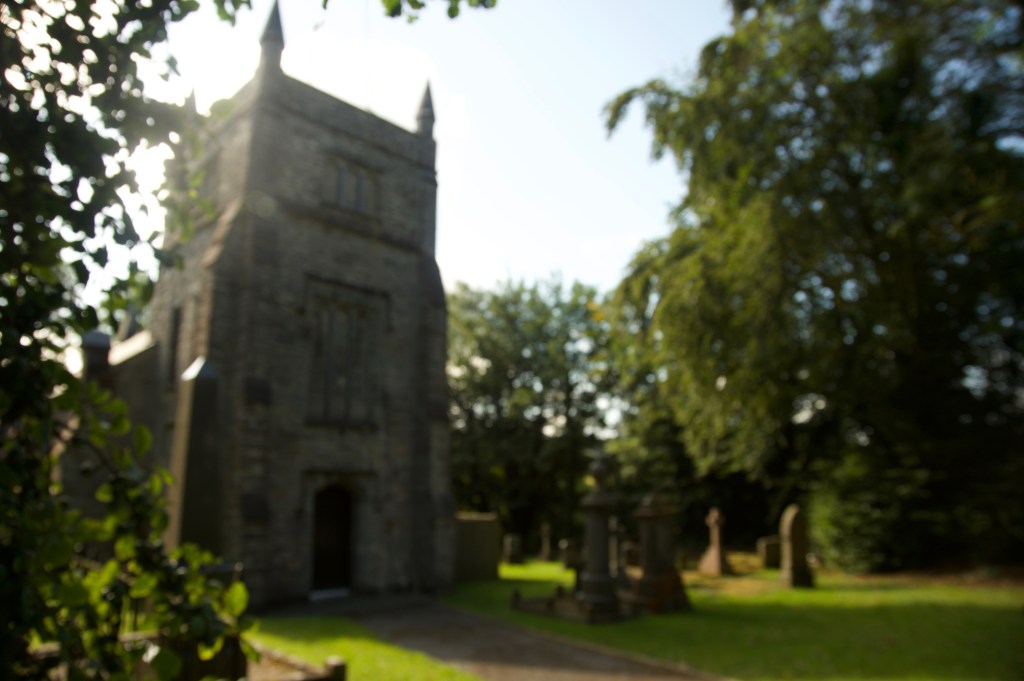
I choose one location to do this assignment and have experimented with different exposures, compositions and positions. I feel the images have given me a chance to see where I stand. I have choice and can now see what will work for my work. I have chosen one image from each position, these are probably what I will work with. I think this image works well:

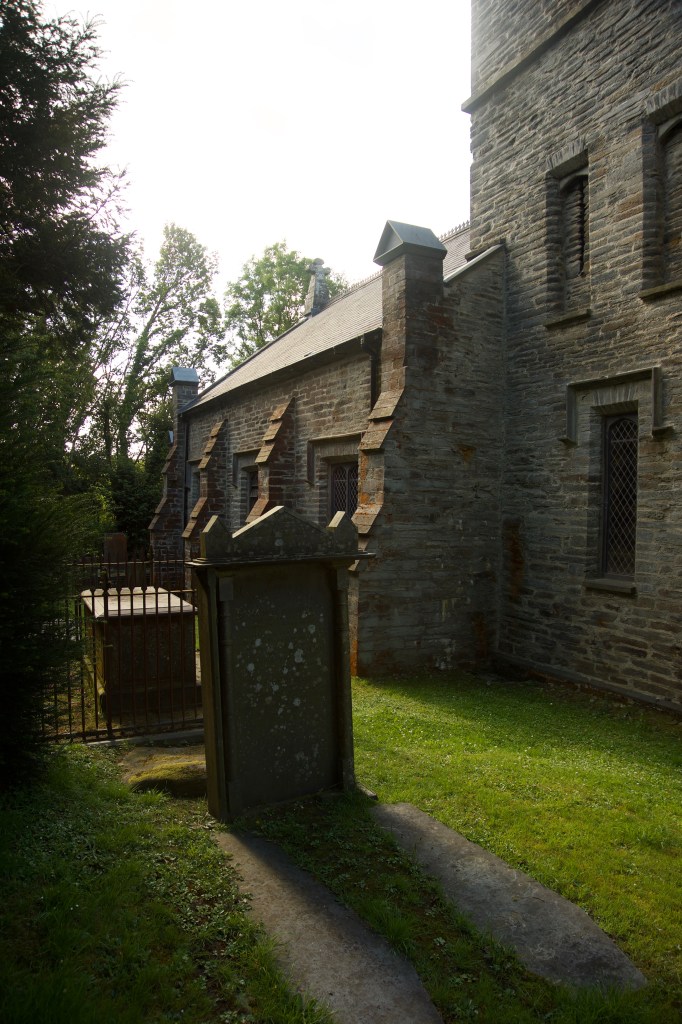
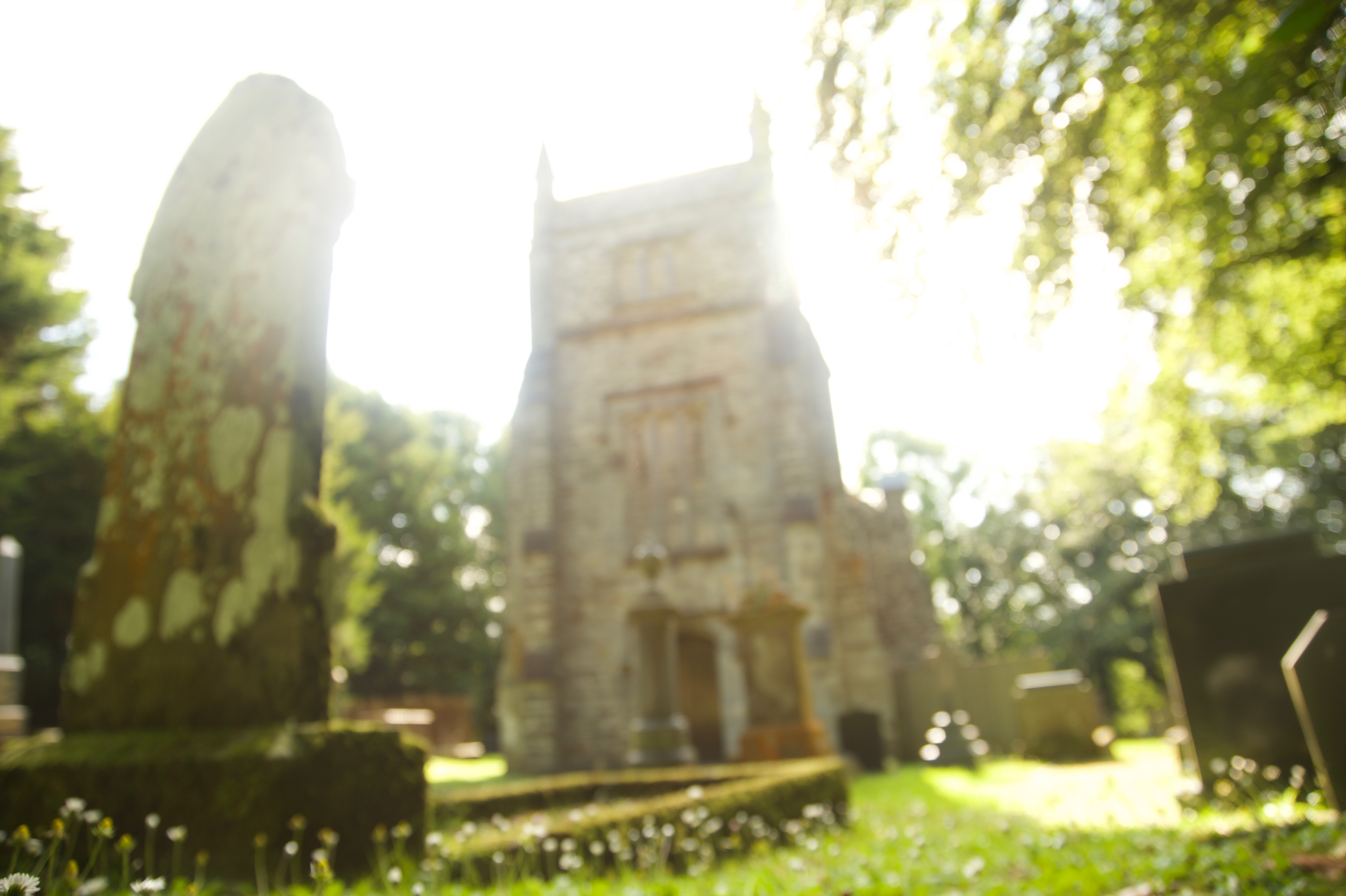
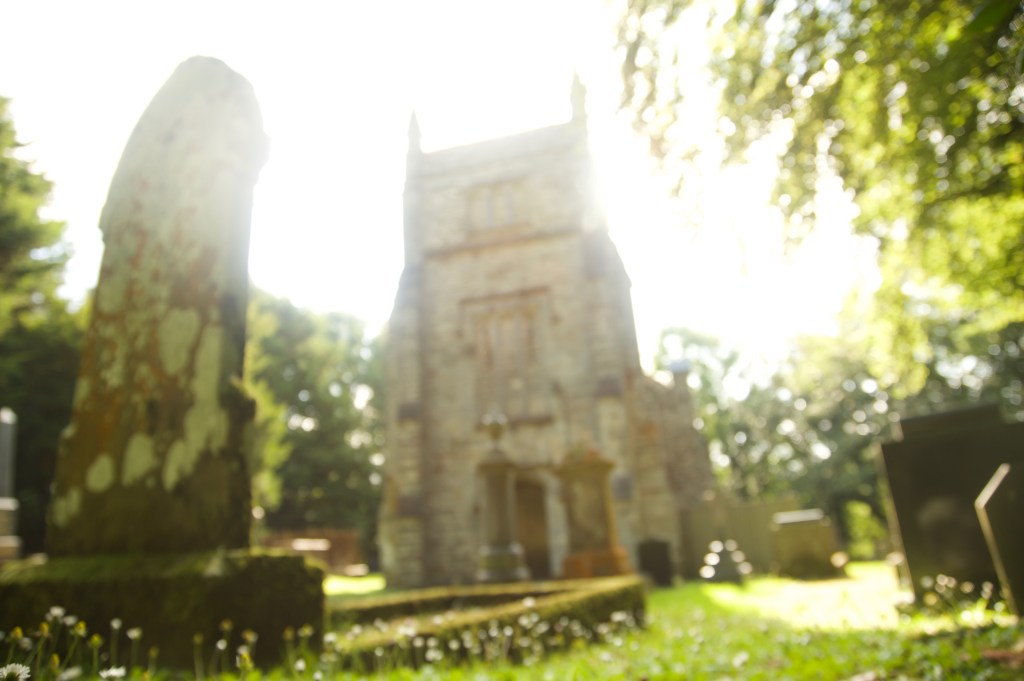
It is taken from a low position, is blurry and slightly overexposed. You wouldn’t see this type of image normally. I like the composition, with the gravestone raising up. The church stands proud, and whilst it is out of focus, it is still recognisable. 

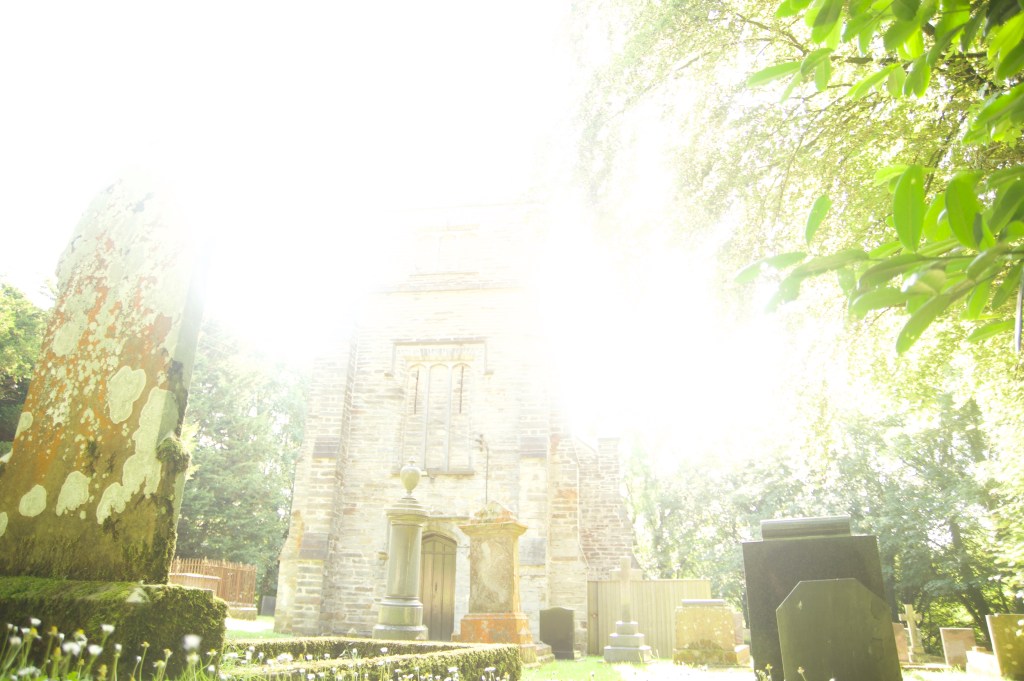
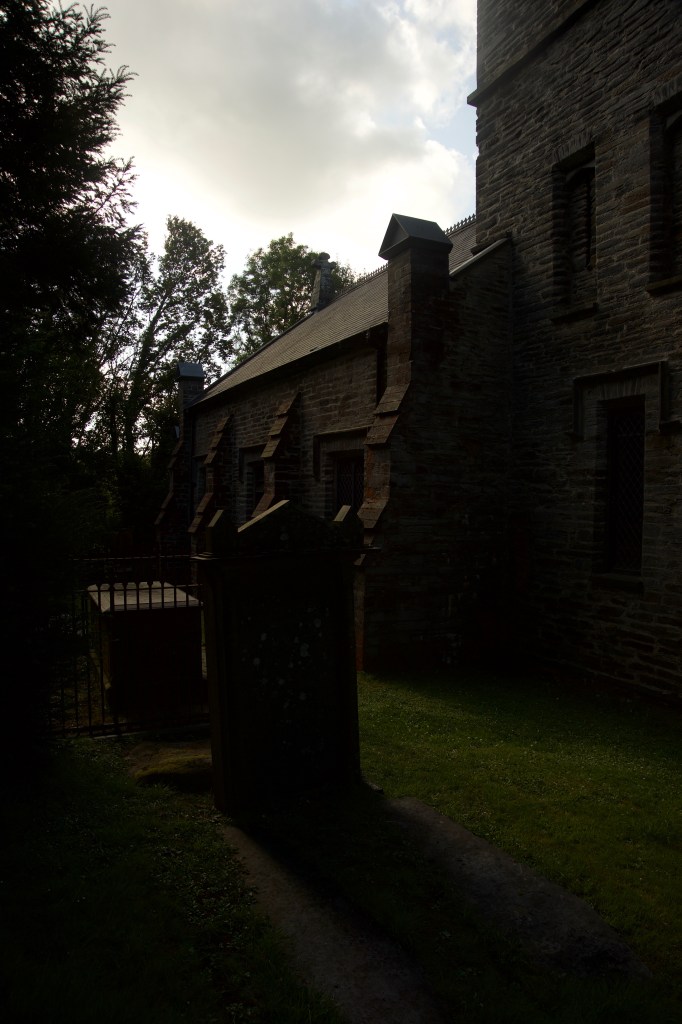
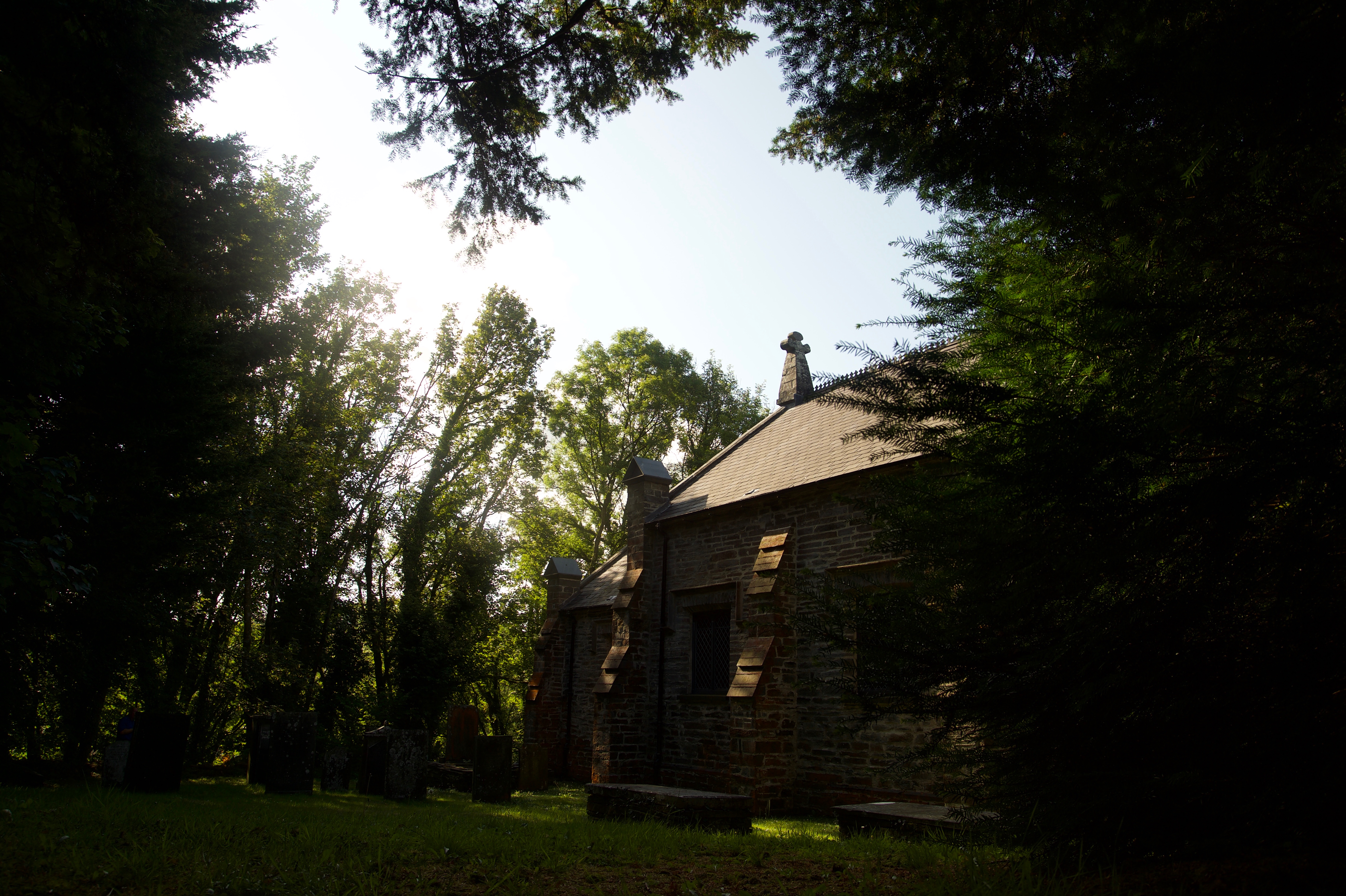
I like this image, it is underexposed but I like the framing of the surrounding trees. The sky provides the necessary light to just highlight the church. I think it is effective that way. 

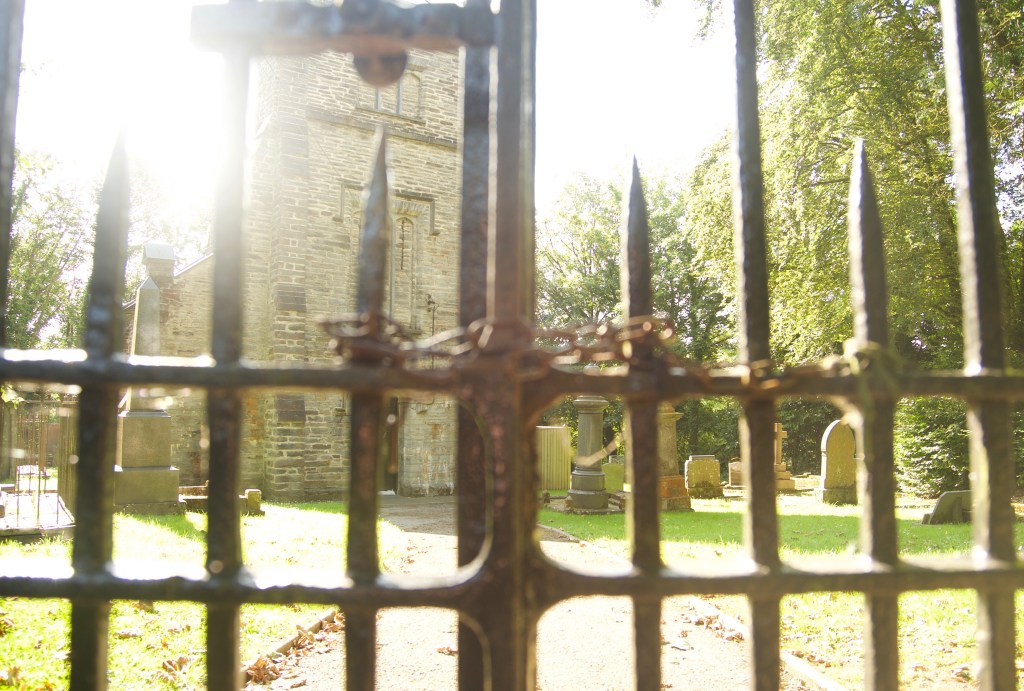
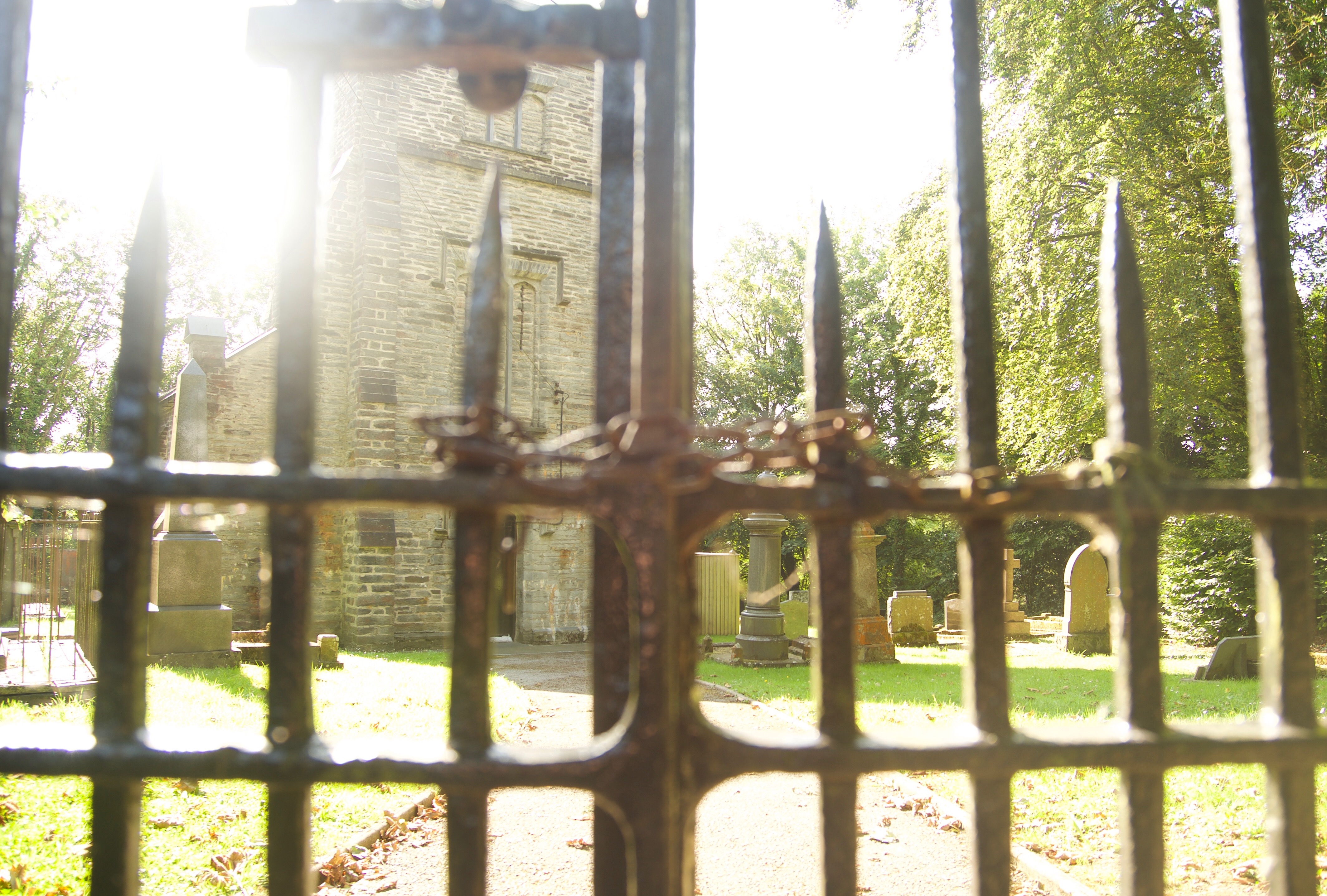
I like this image I took through the gate, as it gives the impression of being locked out and restricted. This is something I could work on to do with gender equality. 

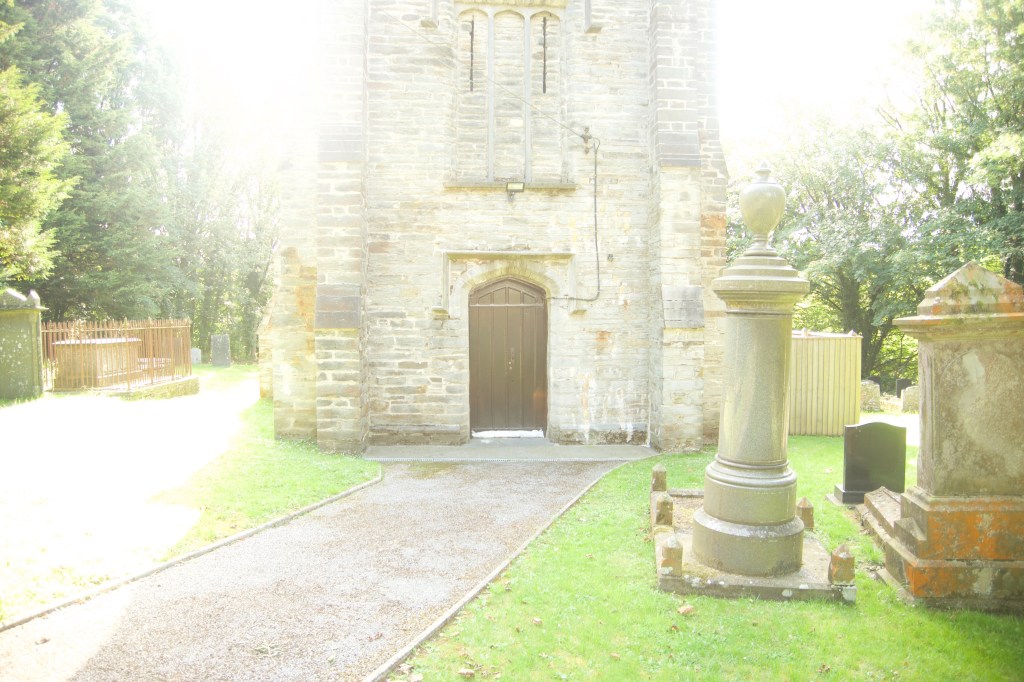
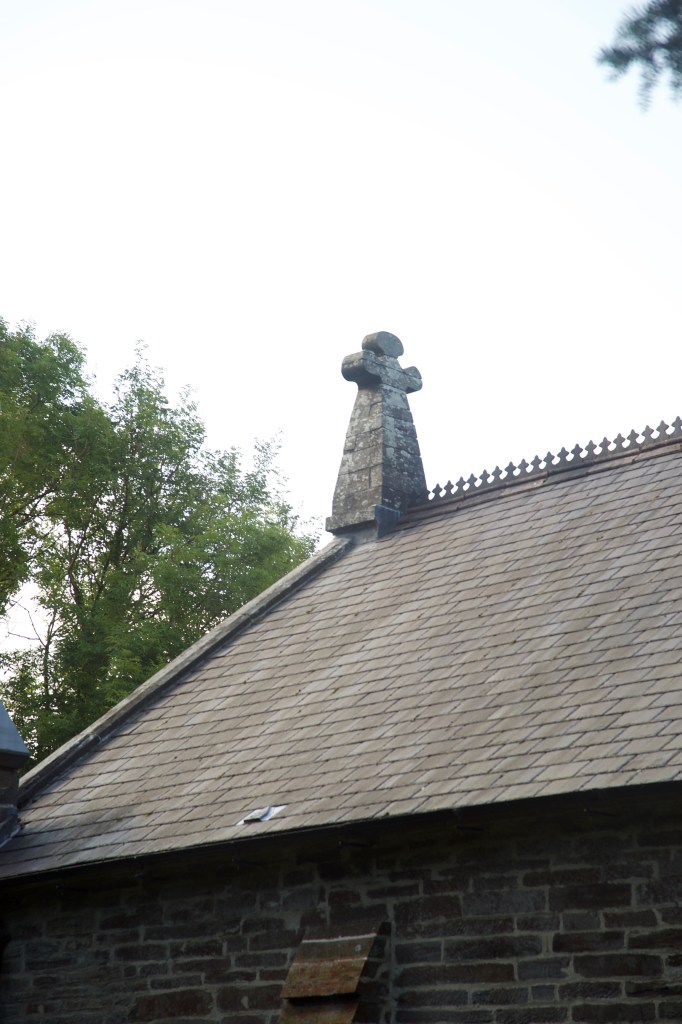
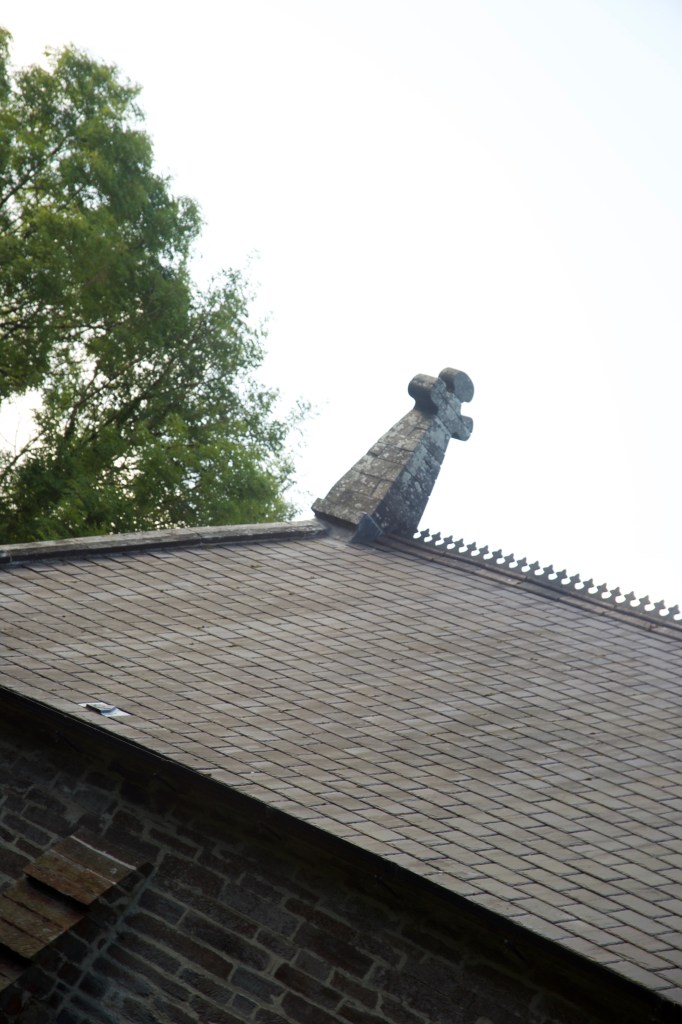
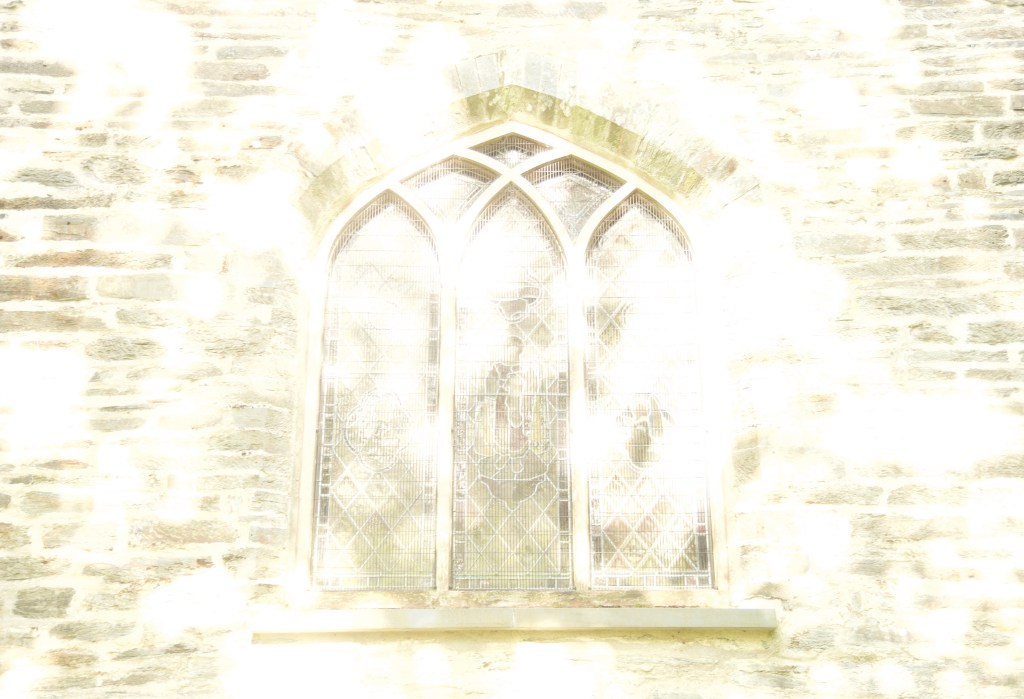
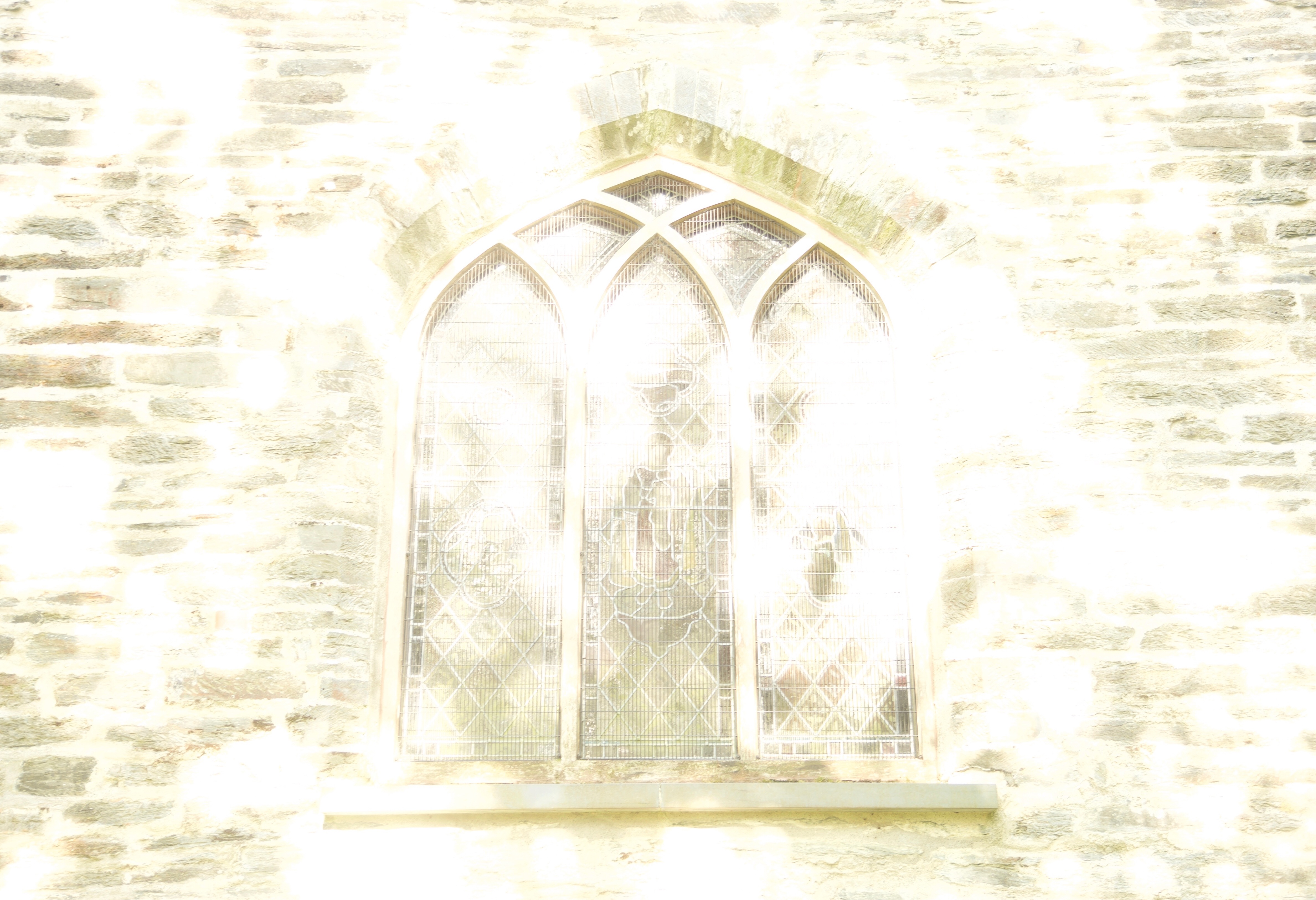
When I first looked at this image, I thought I would delete it but I decided not too. I looked back at it, and yes it is vastly overexposed, and the lighting is casting a motley look onto the building but the more I look at it, the more I like it. The light obscures a lot fo the scene but parts are still visible. You could say it is a banal image, but I like it, and I think this might be one of the images I use later on. 

The problems I had was getting the camera level for the low shots. This was done to my methods, which I can now improve on. 

I do intent to build on this. I want to use text but am unsure at the moment on what. I will experiment with various ones in a later assignment. I might make this into a collage, I think this will be an interesting approach as it could show a variety of viewpoints. I also want to bring an aspect of femininity into my images, this could be in the form of images of women in the collage. These images will be very different from the usual images we see of women in art and in the media. I am thinking at the moment I want them to be presentative of strong women. But I will continue to experiment over time. 

I feel my assignment at the moment covers several genres. It is definitely covers psychogeography, as the pilgrimage is a journey which I am documenting. I also feel it would come under personal Journeys, as this is my personal journey, exploring my own spiritual journey and a journey of landscape photography as a woman. 

In contextual studies I have looked at several visual cultures. I believe mine relates to postmodernism, but going further I believe it fits into the postmodern feminist category. It does have ties to poststructuralism, as I aim to have hidden message and text. It also is relevant to photography in the global age as not only is it covering a global issue, it is also published online and aimed at a global audience. 


Research

Research

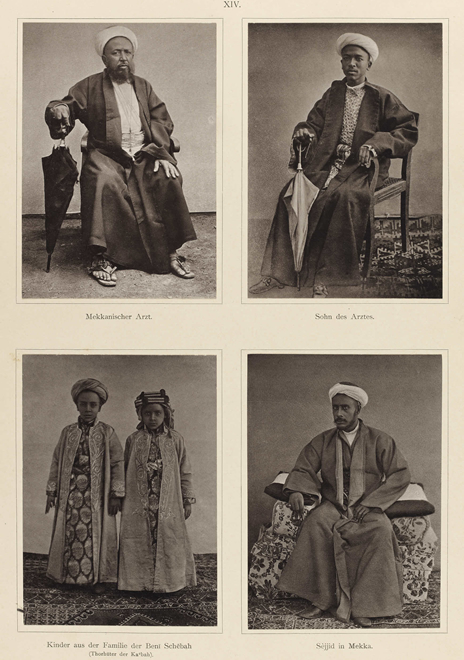
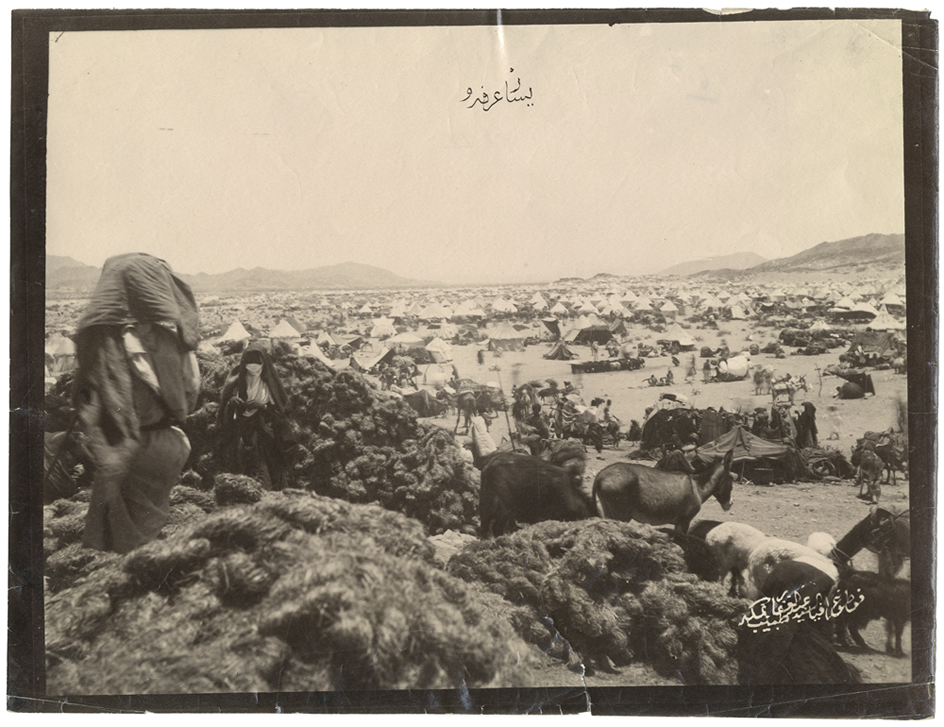
I started off by researching pilgrimages. I have looked at how they have been represented over time, through various forms of art. I have also research the pilgrimage I am going to use as my base. I have organised this research under the ‘Research’ tab. Here is the link:

Pilgrimage

I have looked into several artists who have definitely influenced my decisions and direction for my body of work. The artists who have influenced me the most are Catherine Opie and Marie Yates. Here is the link to the artists I have looked into so far.

Artists


Preparation

Preparation

To prepare for this assignment, I made notes of what I wanted to do, what I want to represent and explore. I found this helpful as it gave perspective and direction for my work. I looked into various pilgrimages around where I live and firstly located them on Google Maps. I went to the first location and just explored and experimented with different angles and exposures. It was quite fun to take photographs without the thought of them being perfect. They are out of focus, they are overexposed and they are underexposed. But this is exactly what I wanted to explore.


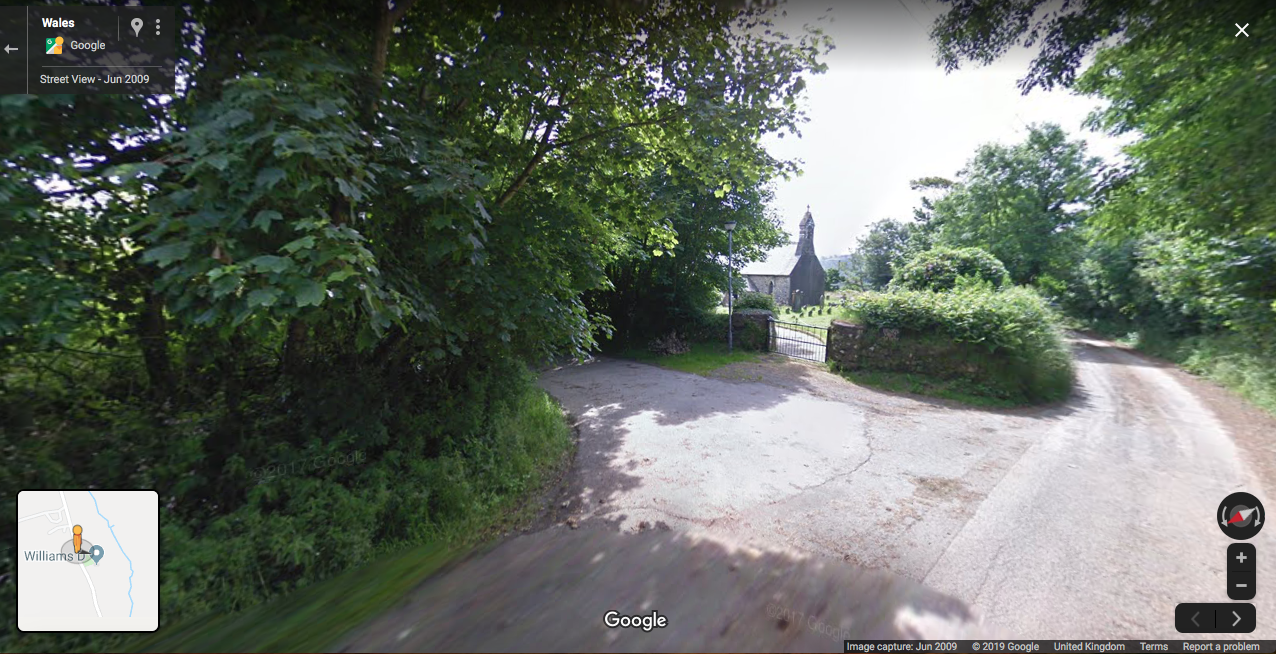
Pembrokeshire Pilgrimages

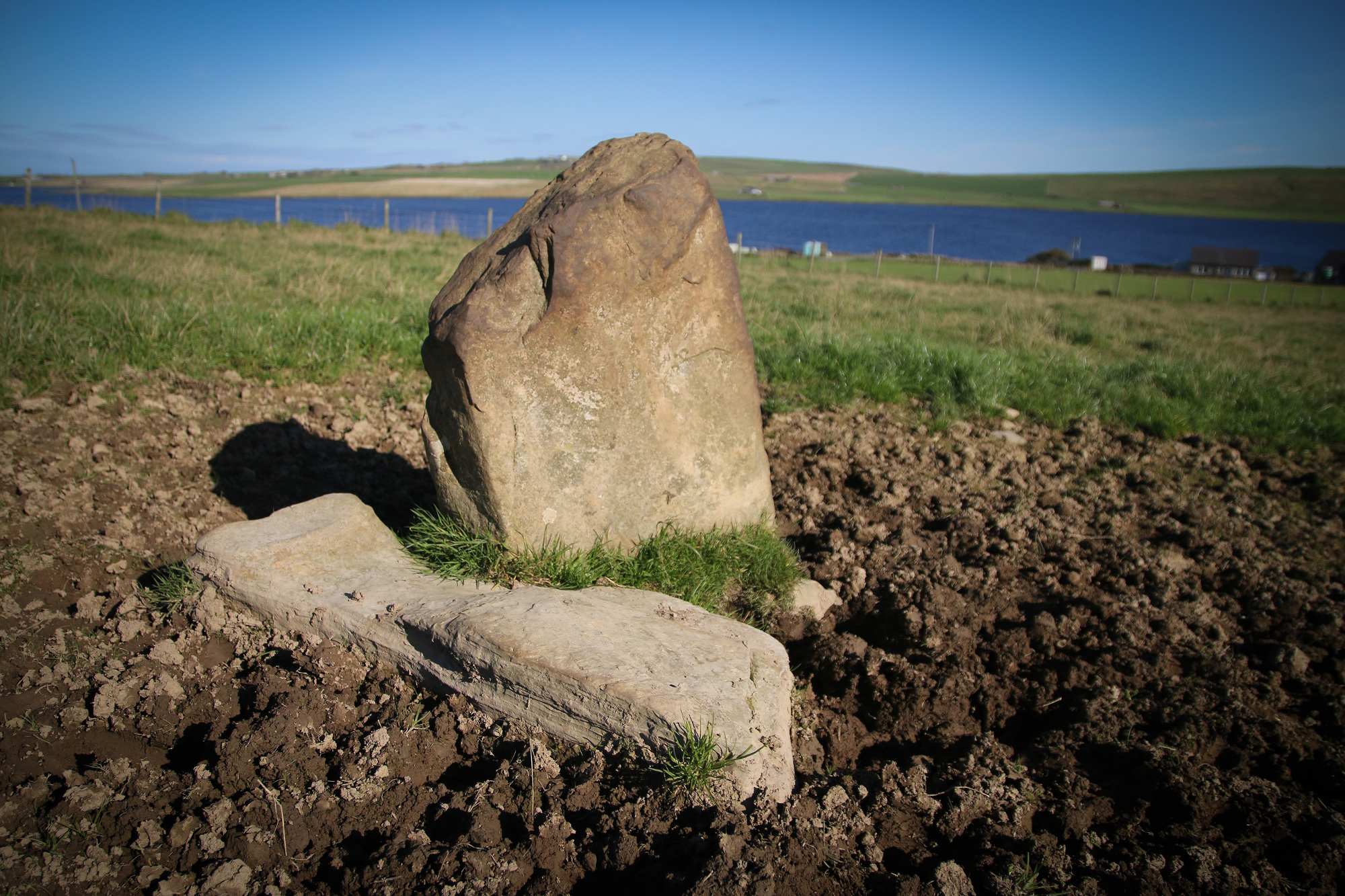
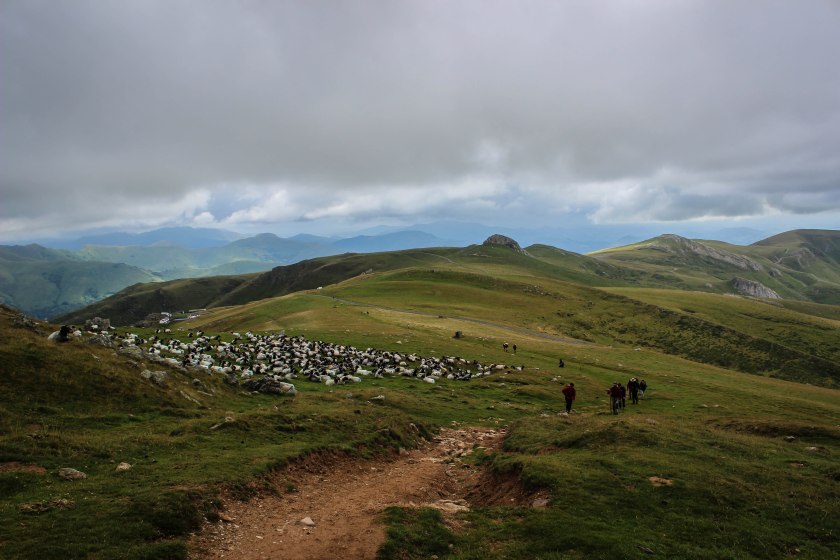
The landscape of Pembrokeshire is littered with churches, chapels, stones, crosses, and ancient pilgrimage routes. The region holds several religiously significant sites, one of which, where the majority of the pilgrimage routes end up, is St. David’s Cathedral. Pilgrims would travel huge distances to reach this area; they would come by land or by sea. This area was popular with holy men, who travel here to live and worship. These sites mark the beginning of the prevalence of Christianity in west Wales. Caldey Island, off of the south coast is still home to a community of Cistercian monks. 

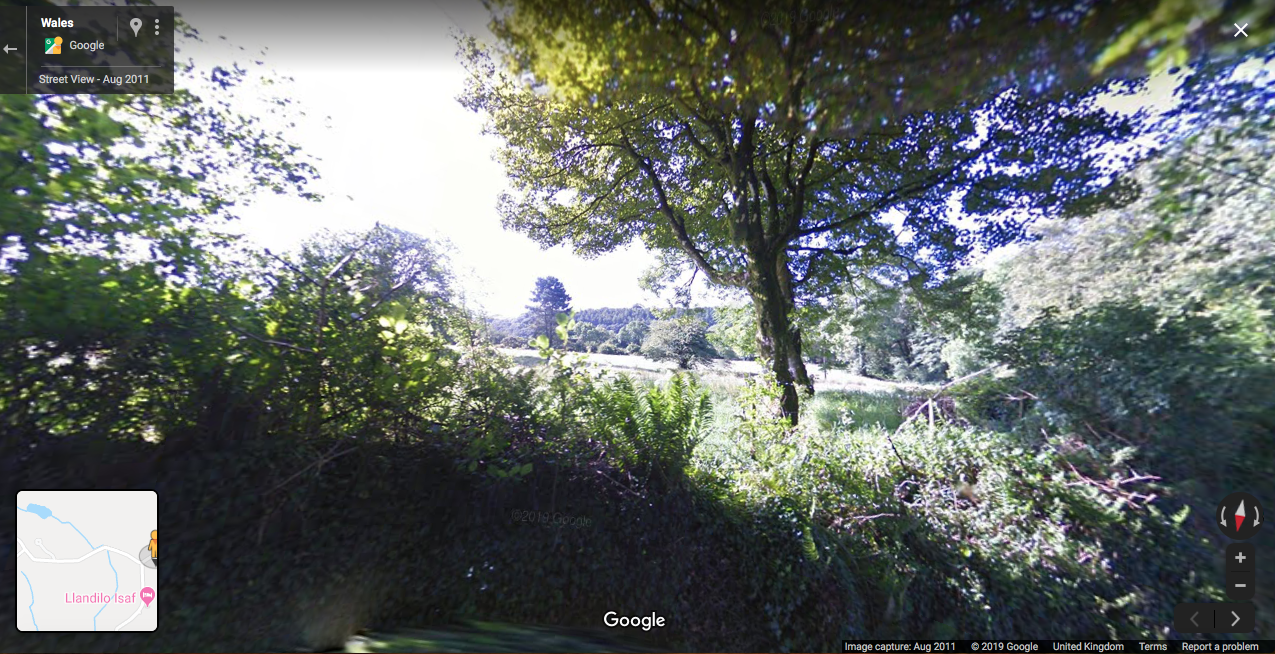
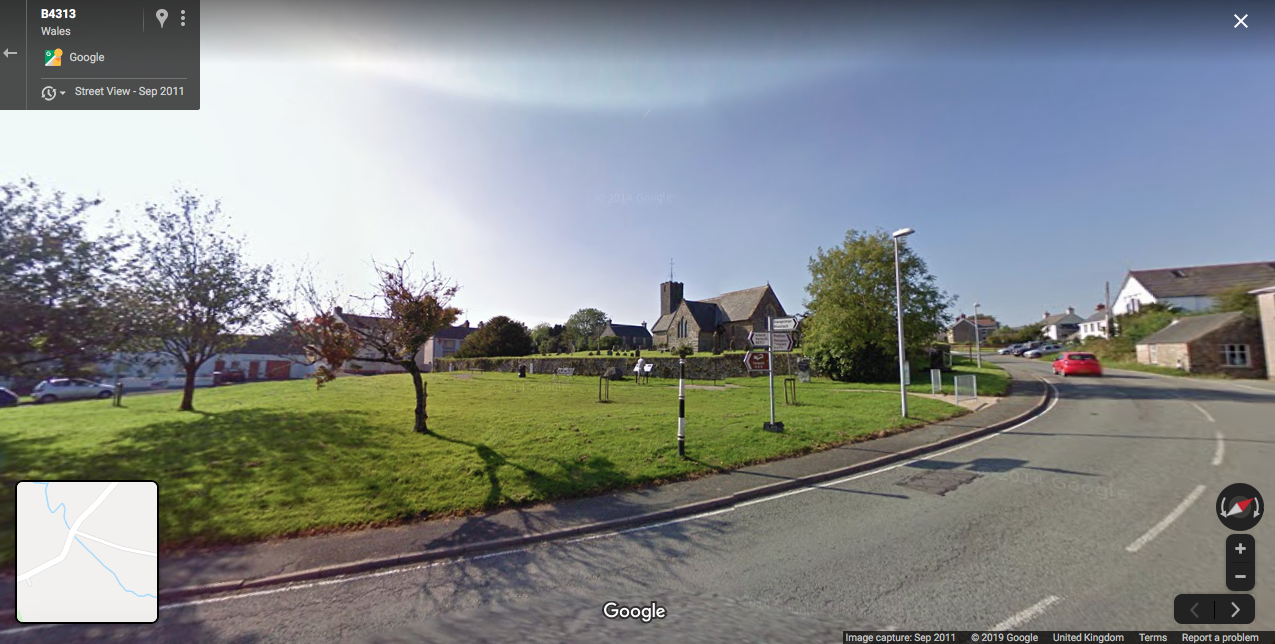
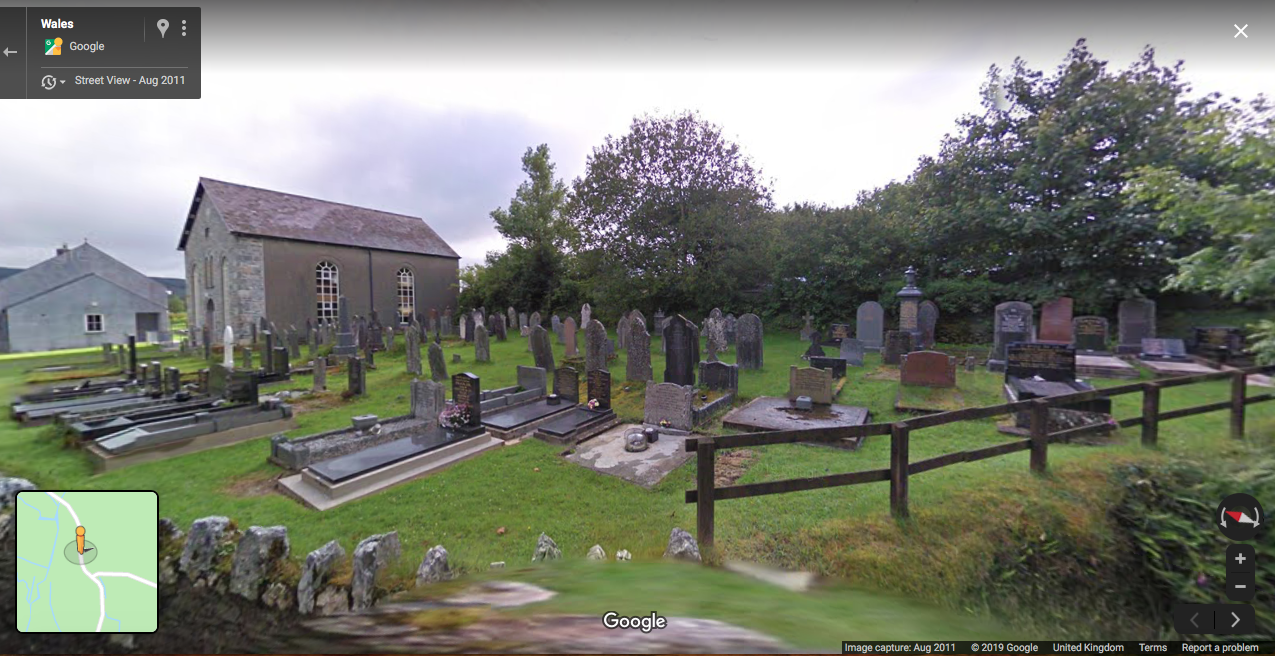
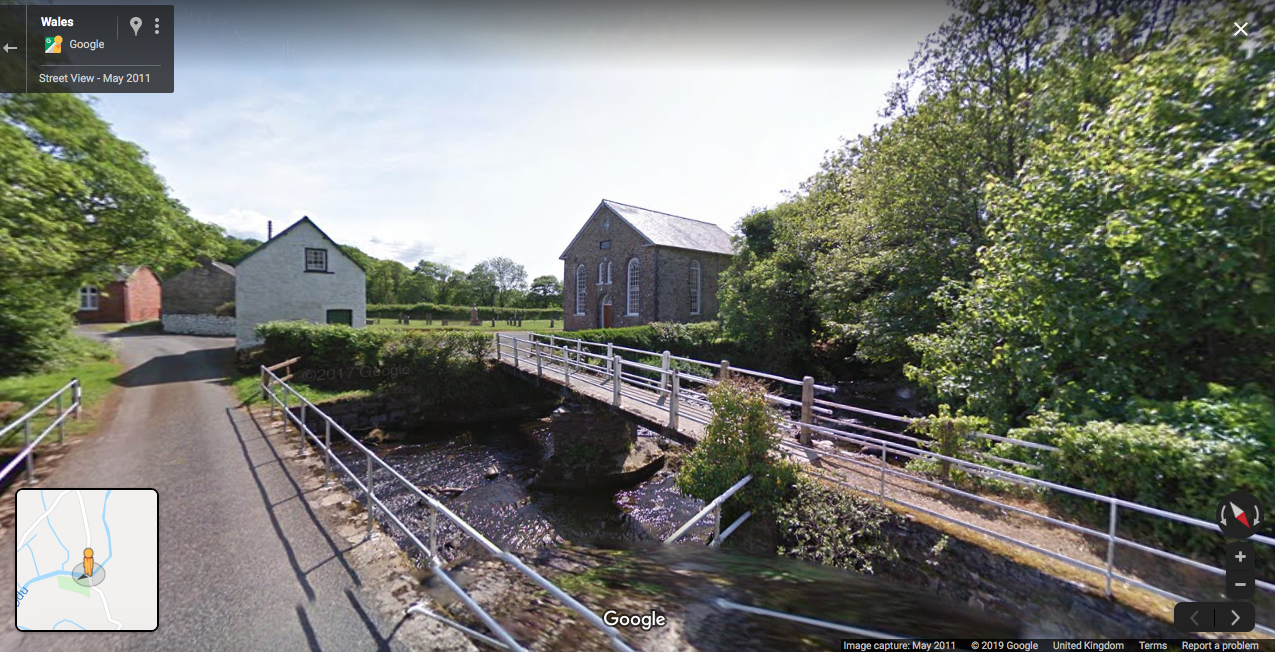
There are several pilgrimage routes that I will look at. These pilgrimages provide a religious and a spiritual journey. I want to follow the pilgrimage as my own journey, possibly my own spiritual journey. It will form the backdrop to my body of work. I have used Google Map to lay the foundations for the journey, this way I can see and explore the route. Google Maps is a handy tool, one which several artists have utilized. 

There are three main pilgrimage routes, but they all ultimately join up. Pilgrims from the sea, In the Shadow of the Preselis, and the Bishop’s Road. The Bishop’s Road is the pilgrimage route I used for my second assignment in my Landscape course, so I will not be using this pilgrimage route for my body of work, incase of repetition. 

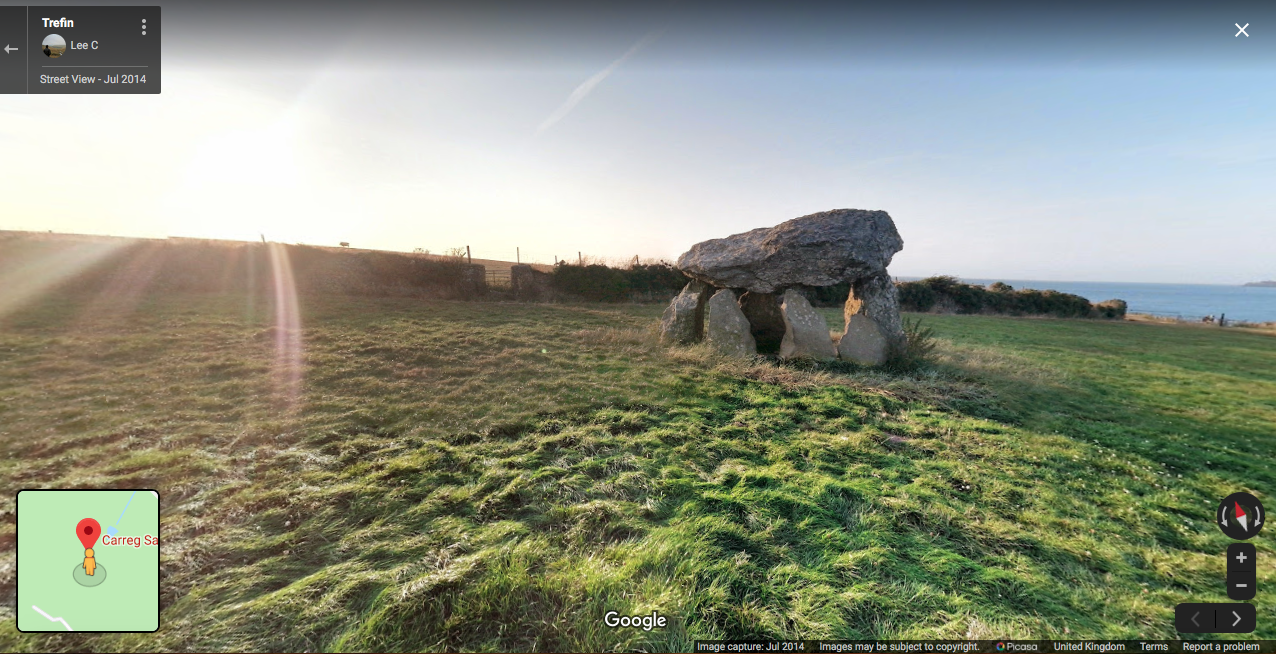
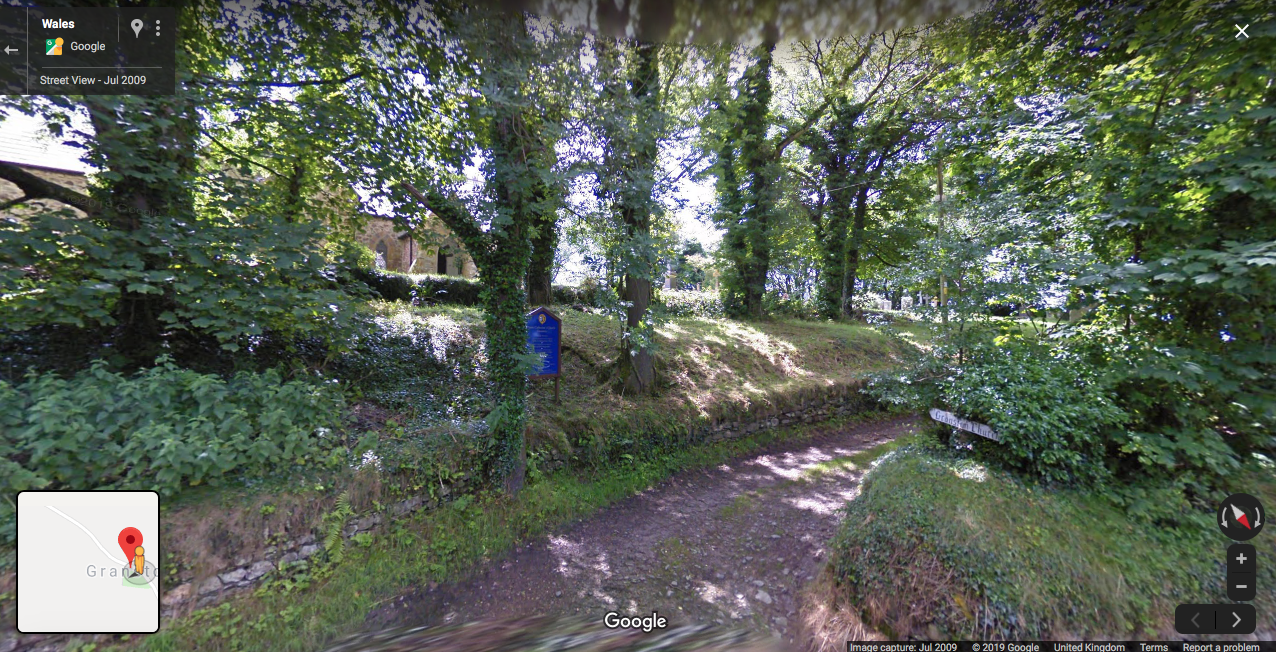
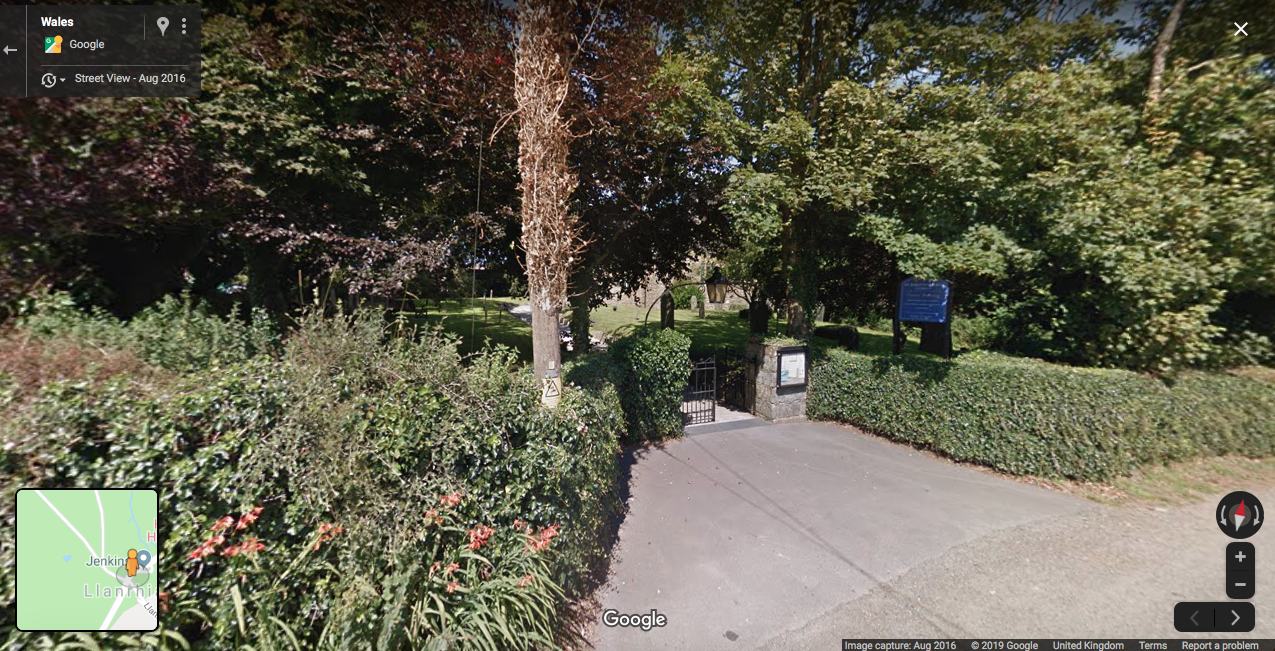
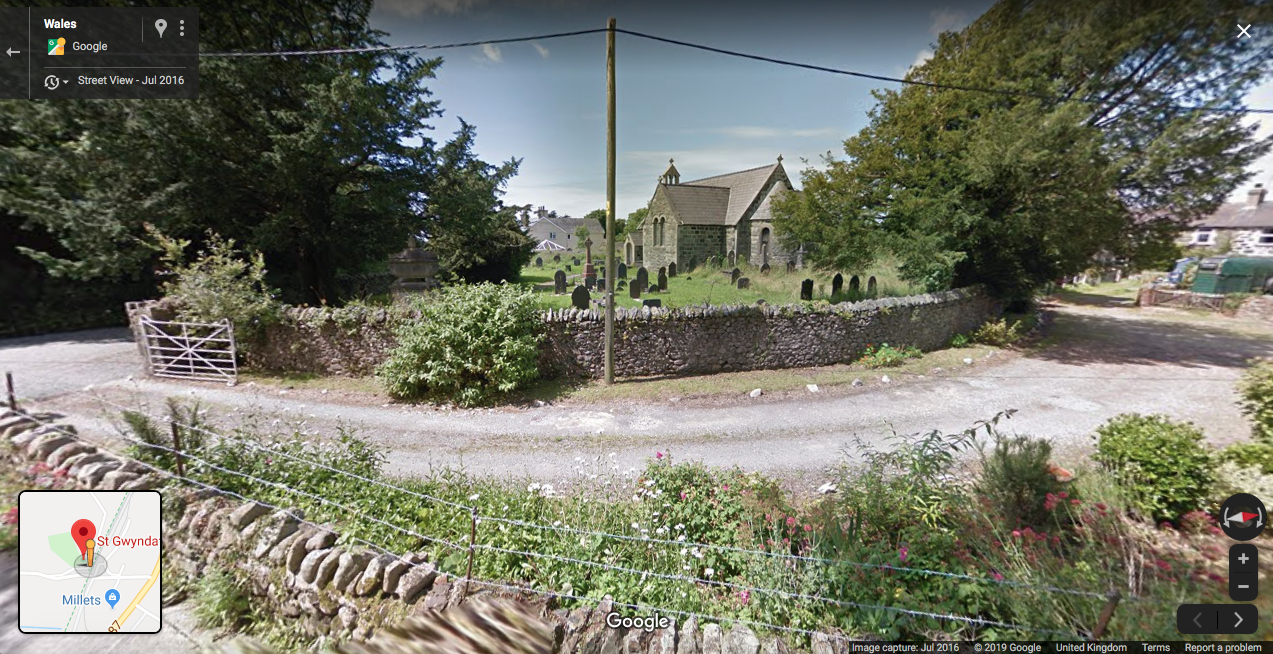
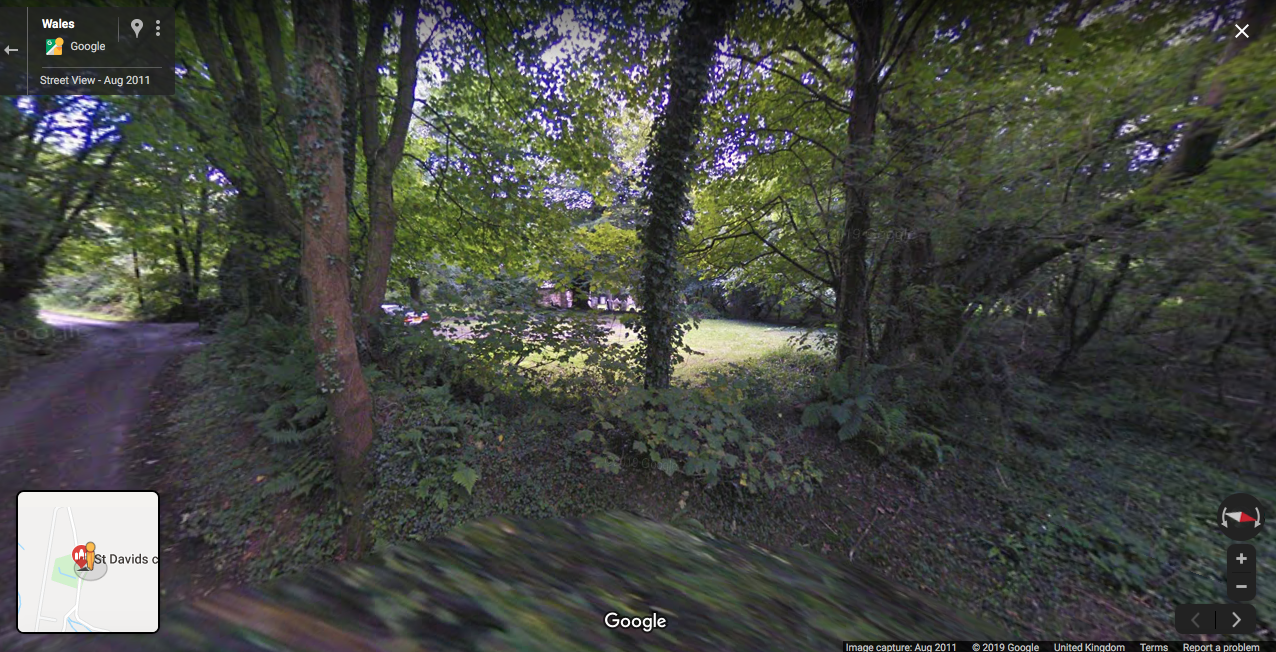
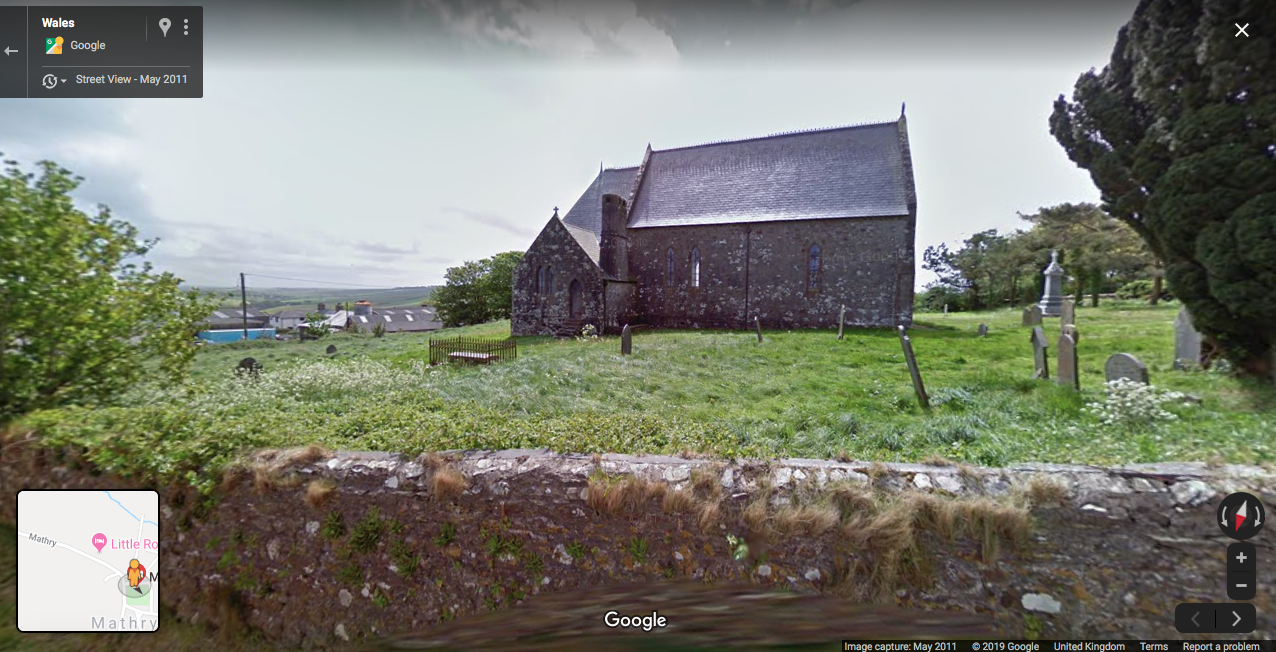
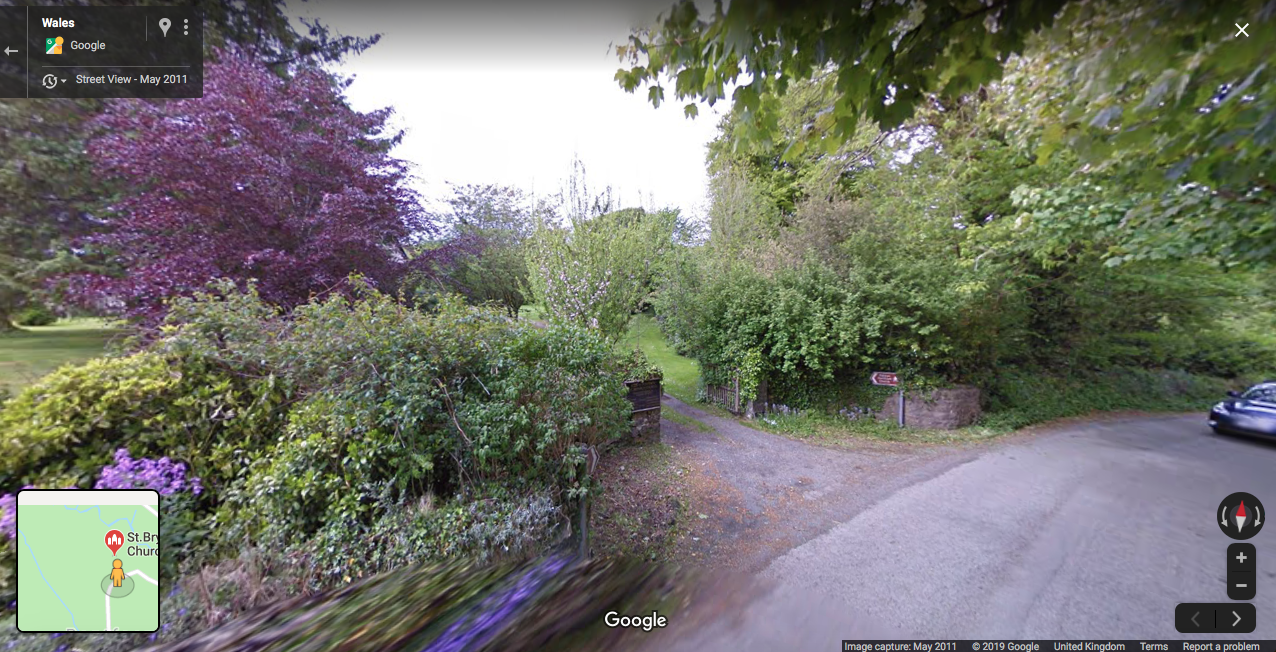
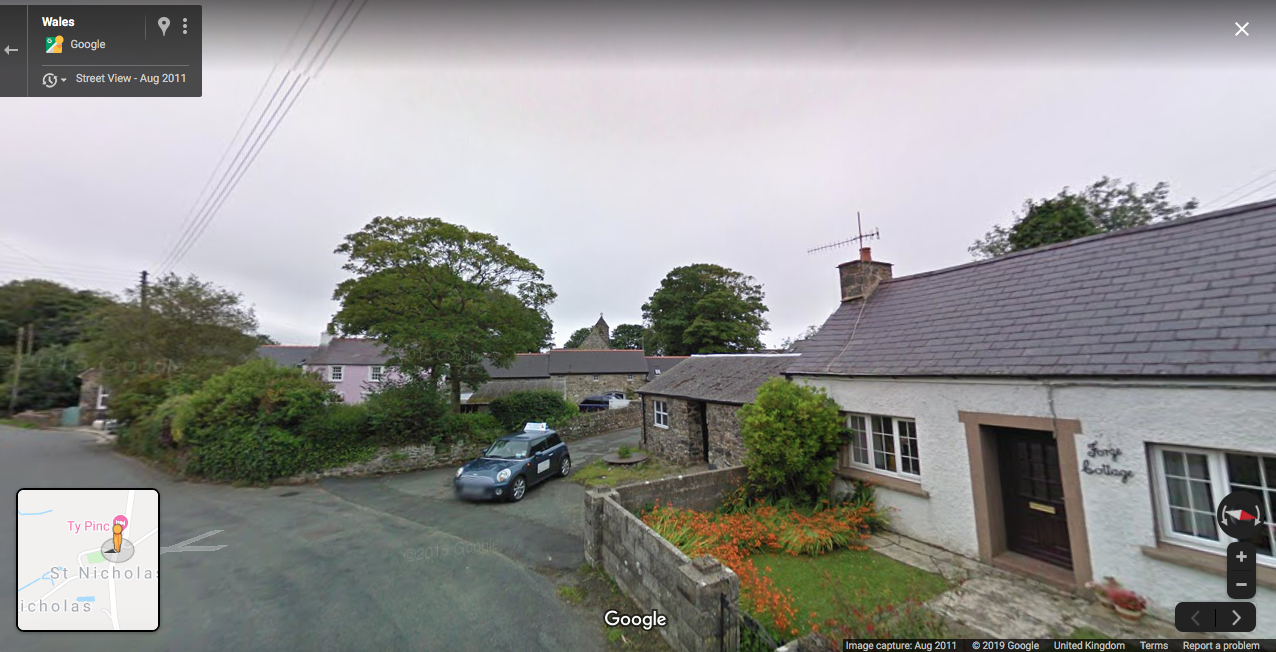
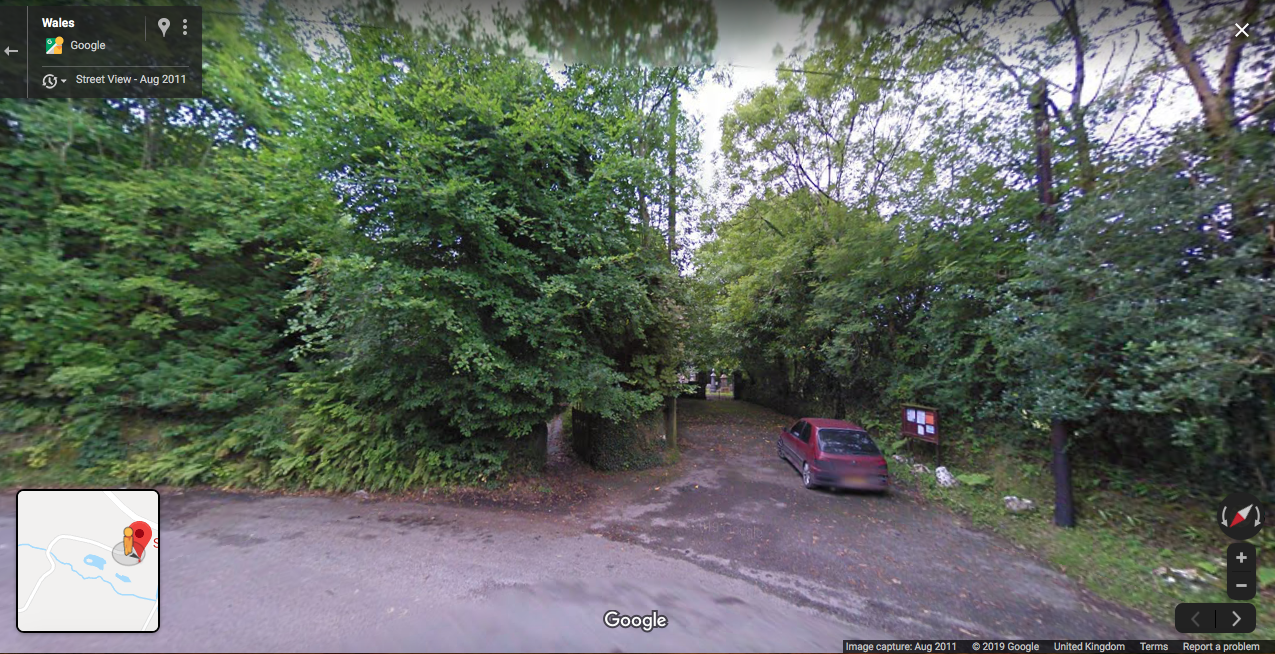
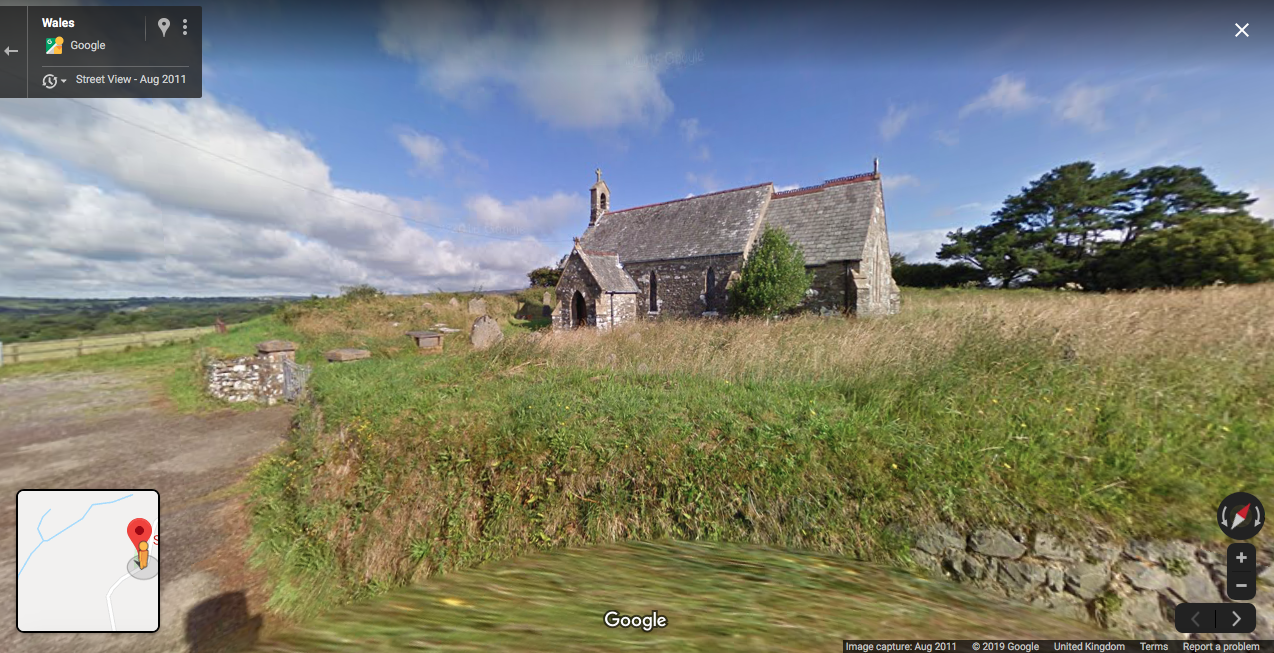
Here are the images from google, showing the Pilgrims from the sea sites. 

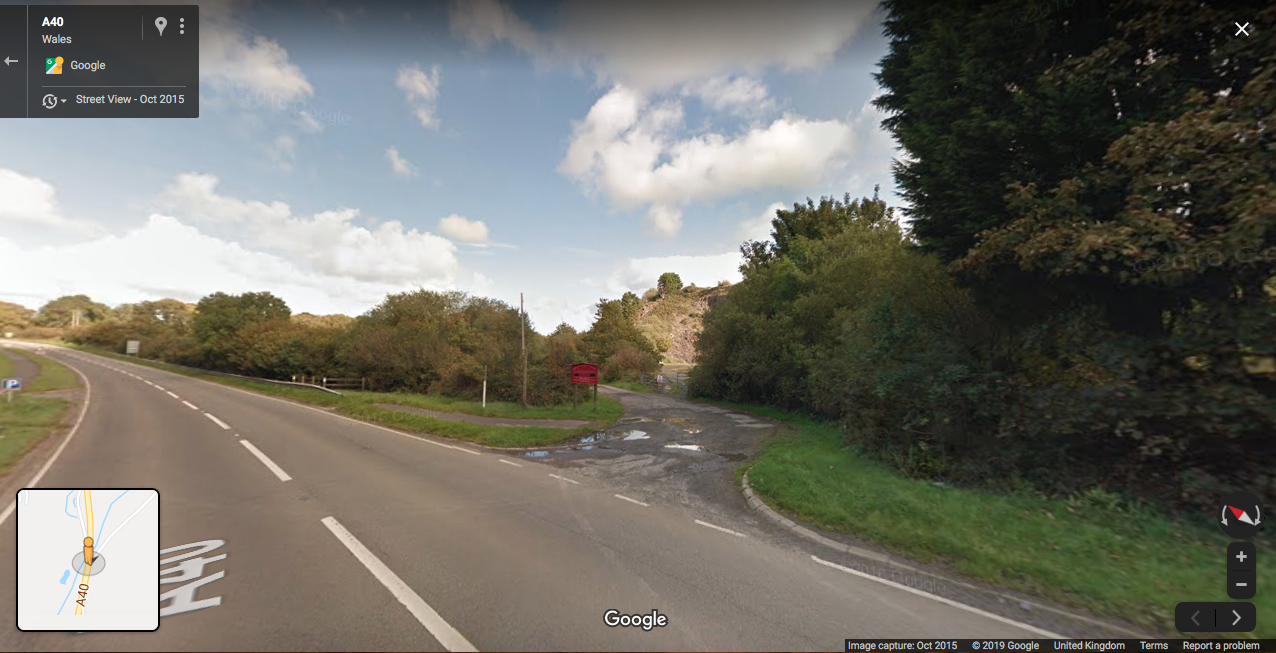
Here are the images showing the In the Shadow of the Preselis sites. 

Prehistoric people arrived in Pembrokeshire by sea. The sea routes become important for trade and comerse. The Pilgrims from the sea route can be dated back to the 6th century. Along the Atlantic coasts of Europe, pilgrims sailed up to Cornwall and then onto Pembrokeshire. This was the perfect base for establishing religious settlements. These settlements were a major contribution towards the social and cultural structure we see now. The pilgrims were holy men. 

The Preseli mountains dominate the Pembrokeshire landscape. They provide a route by which traders, travellers and pilgrims could navigate. These route have been traced back in use to the Neolithic period, During the Middle Ages, they became a battleground in a fight between the Normas and the Welsh. Today the Preseli Mountains still provide archaeologist with hundreds of finds. It is also where I call home. 

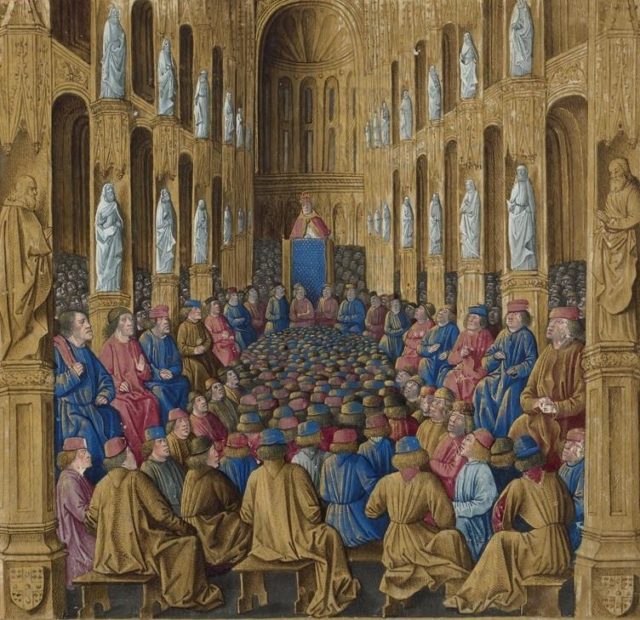
The sites on this pilgrimage hold a deep significance. Pilgrims undertake this to feel closer to their faith, to feel closer to where their faith was established, and to follow the path where saints once walked. This in turn gives the pilgrims spiritual guidance and a chance to enhance their faith. Pope Callixtus legitimised the pilgrimage to St. David’s Cathedral in the 12th century.

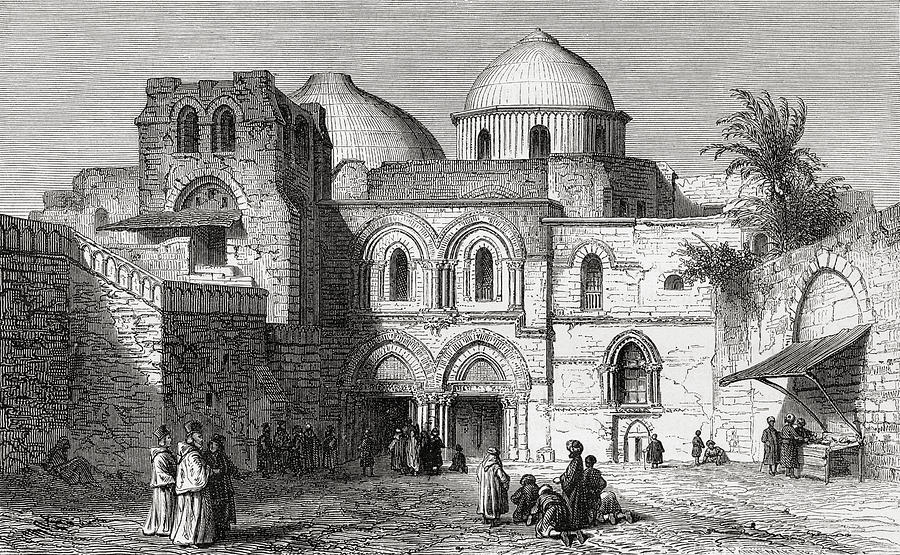
The pilgrimage follows ancient routes that links the churches that were the bases for the establishment of Christianity in Wales. The arrival of the first Christian pilgrims can be dated back around 1,500 years ago. These pilgrims arrived by sea from Jerusalem and Rome. They made this journey to achieve spiritual accomplishment. They reached Pembrokeshire, which was a land of Pagans, and they stayed to bring Christianity to this land. We know them as saints today, but men like David, Justinian, Colman, Brynach, Gwyndaf, Telio and Patrick, were all responsible for establishing communities and churches with the goal of establishing and converting the area. These saints are known for their devotion to the dissemination of Christianity. This period of time was known as the age of the saints. These initial journeys marked a route that attracted other holy men and missionaries as pilgrims. They could either arrive by sea or by land and trace the path that established their faith. One of the most recognisable and most influential of the establishers in Wales was Saint David. St. David holds a special place in the history of but also in modern day Wales. He is a symbol of the nation, and holds an identity the people of Wales can relate to. This is important to the history of Wales and to its people. 

This pilgrimage was established by the actions of men. They become saints, and places in Pembrokeshire are still dedicated to them. Their actions still resound across the landscape. The early pilgrims were missionaries and holy men. They follow their forbearers to feel closer to their faith and in turn to be closer to their God. Generations of holy men continued to come on this pilgrimage. This pilgrimage was created by men and become one for men, because it became born of an established tradition. This is similar to how gender inequality has been disseminated from an established thought and traditions. 


Davies, D. W & A. Eastman (2002) Saints and Stones. Wales. Gomer.


Research

Research

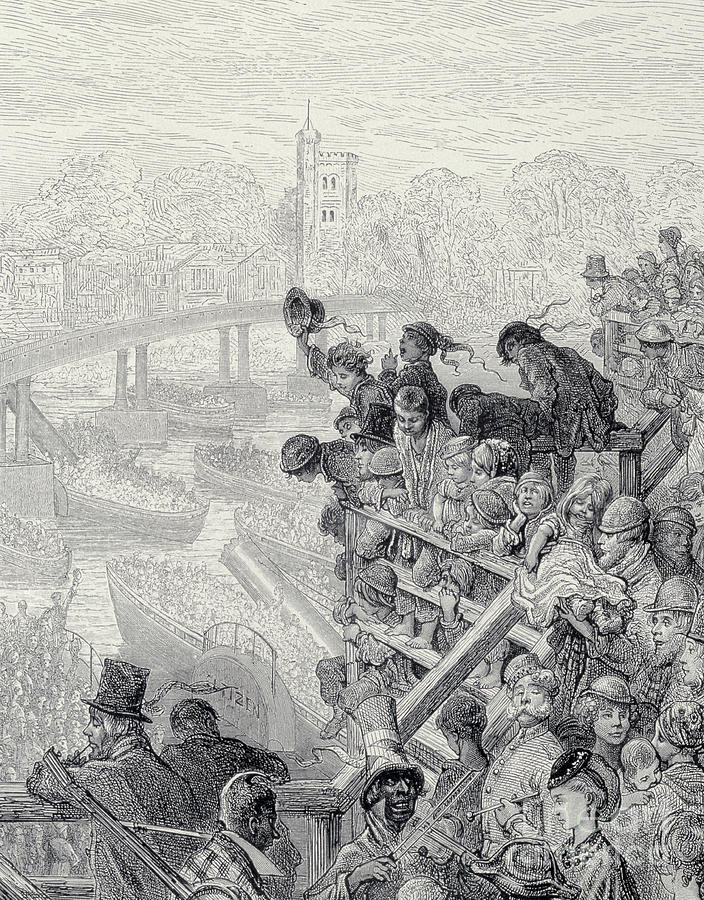
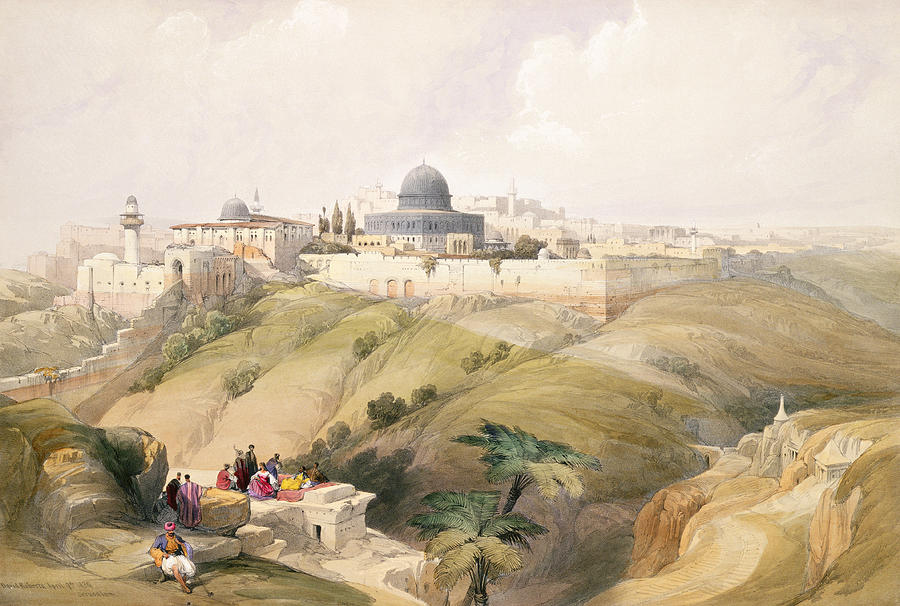
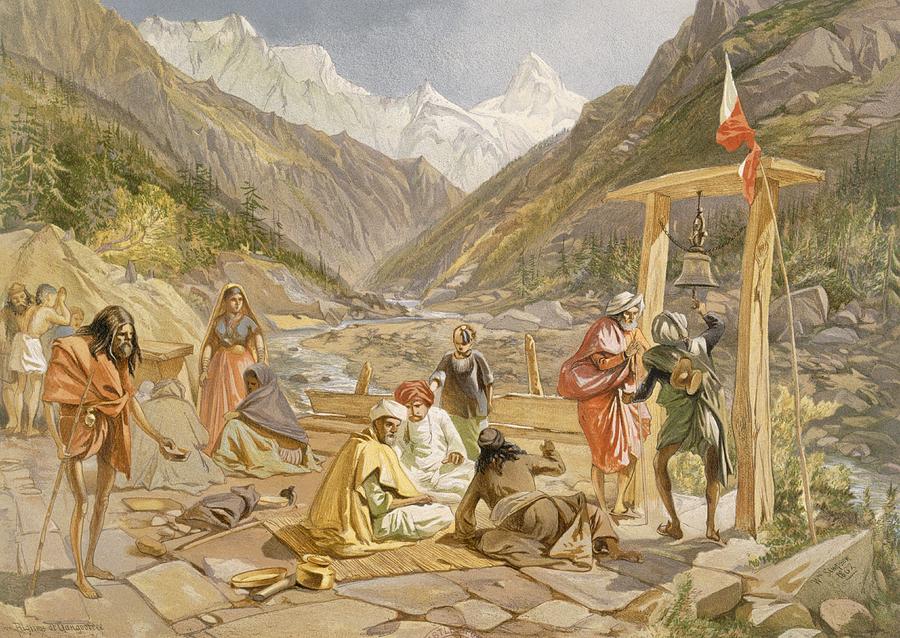
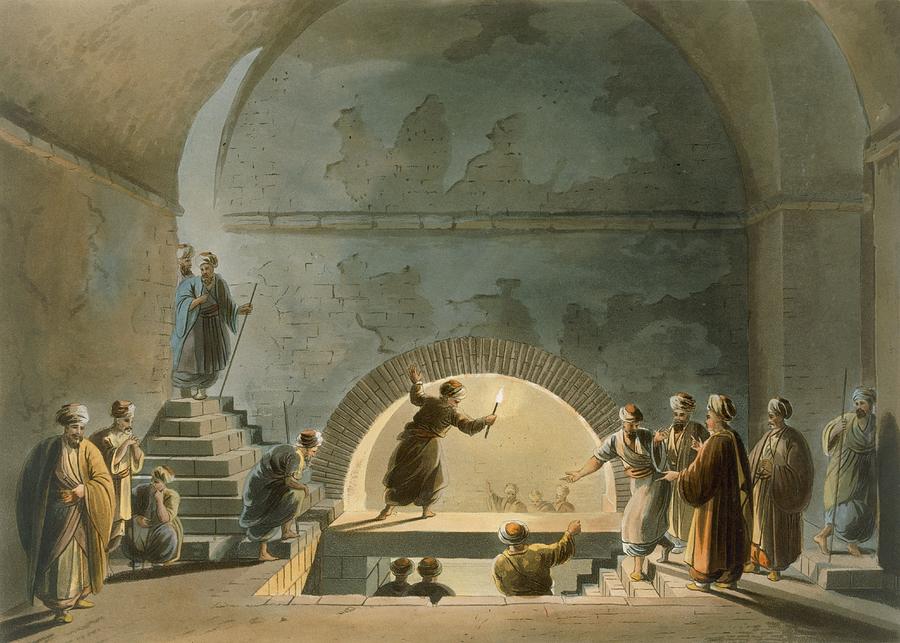
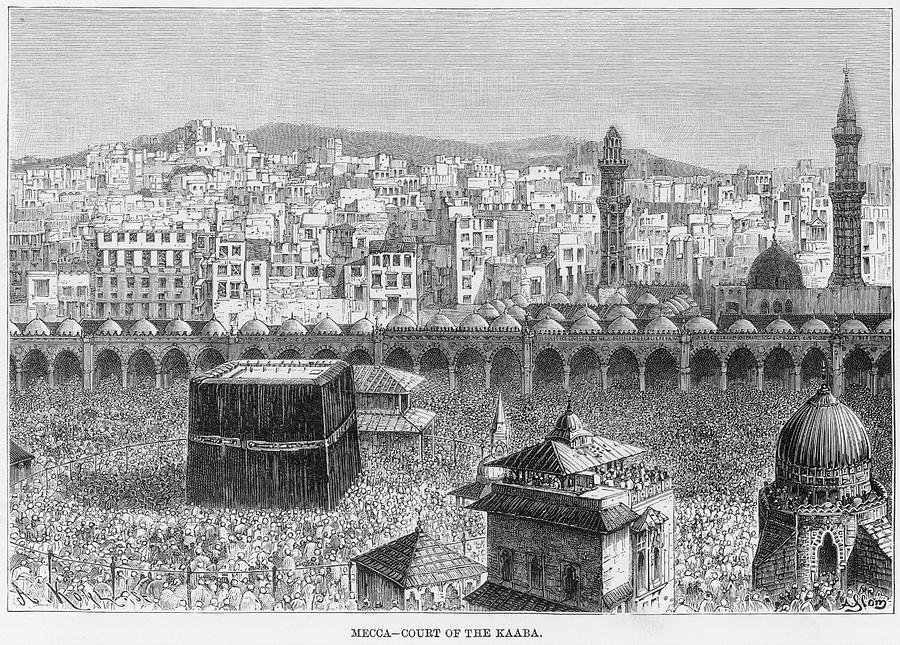
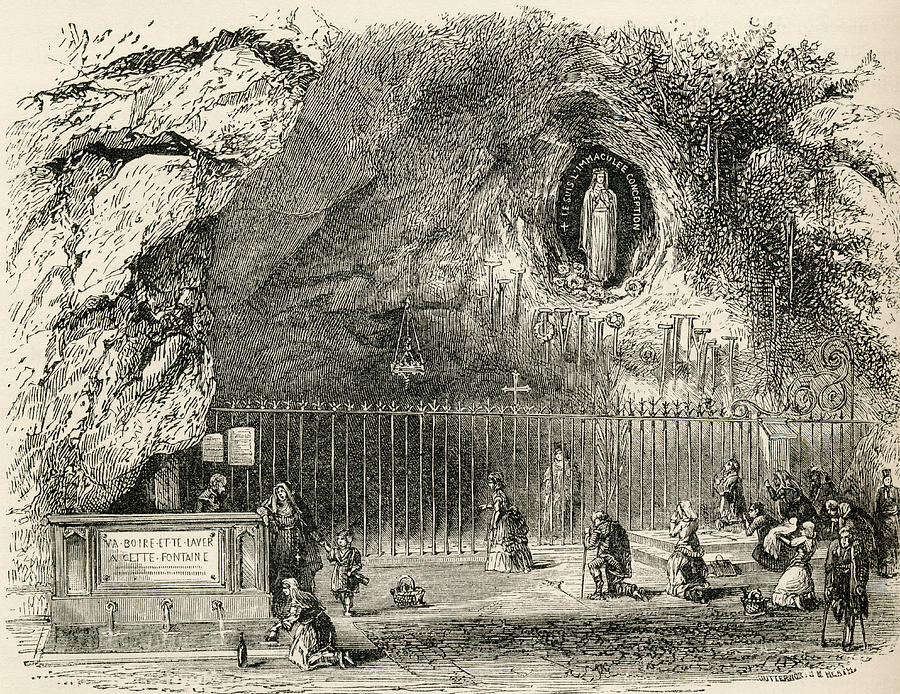
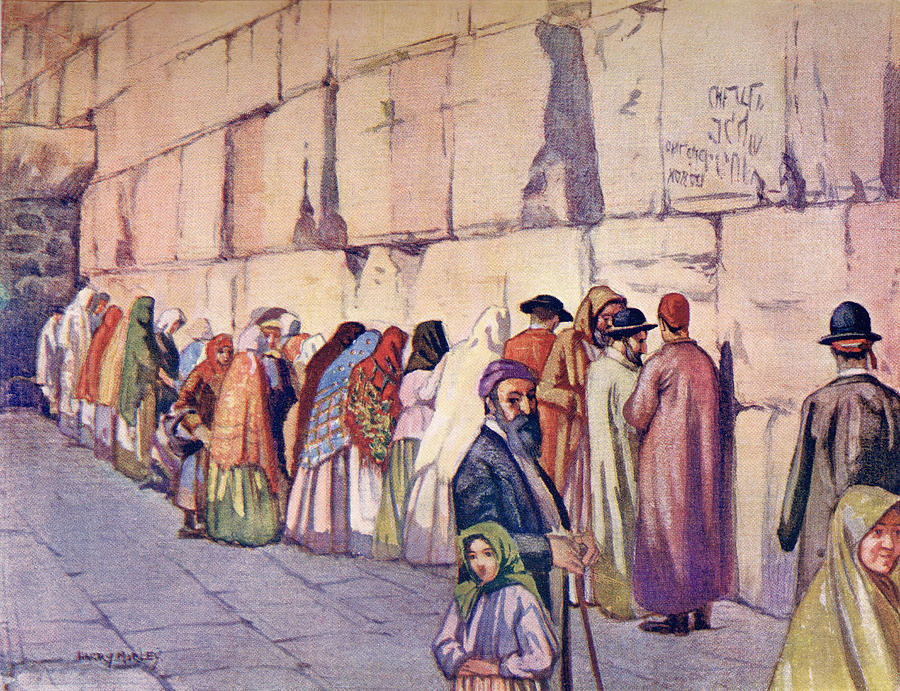
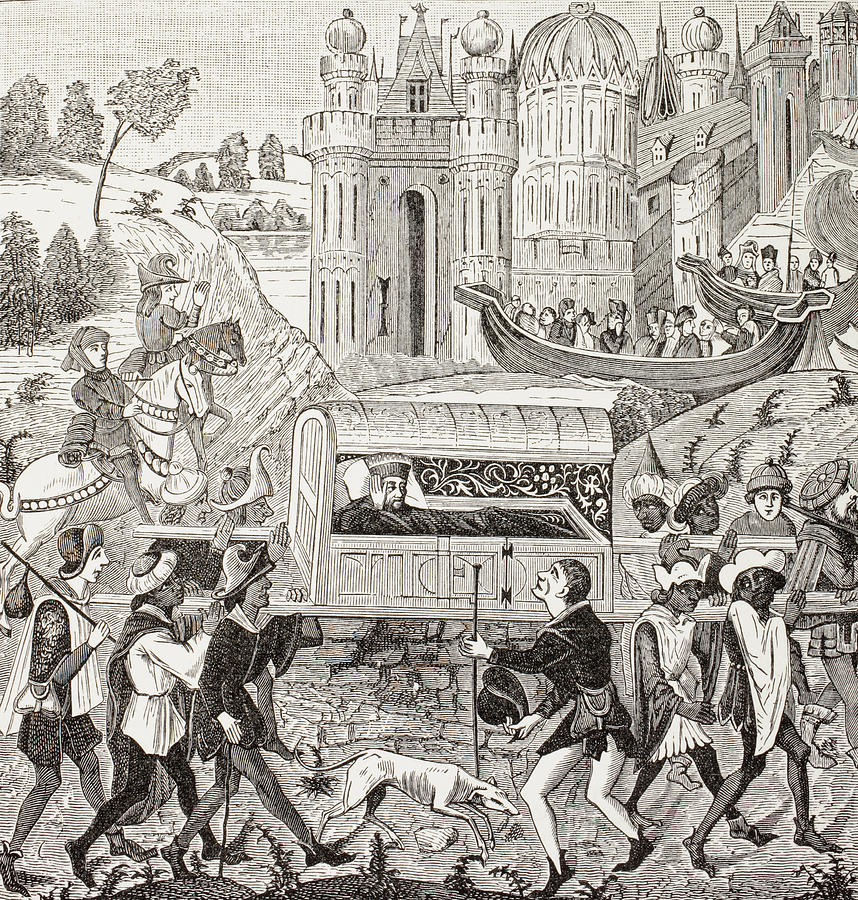
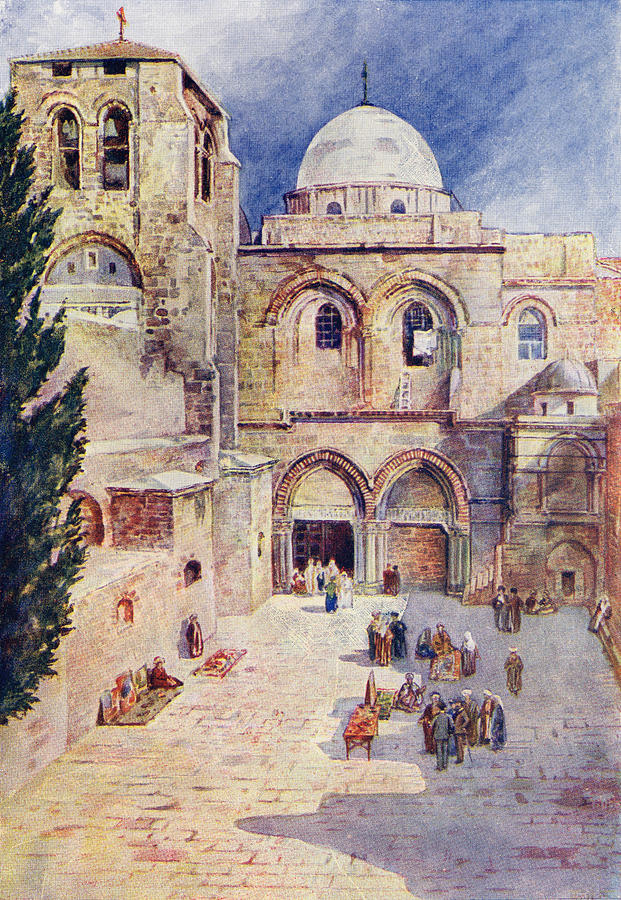
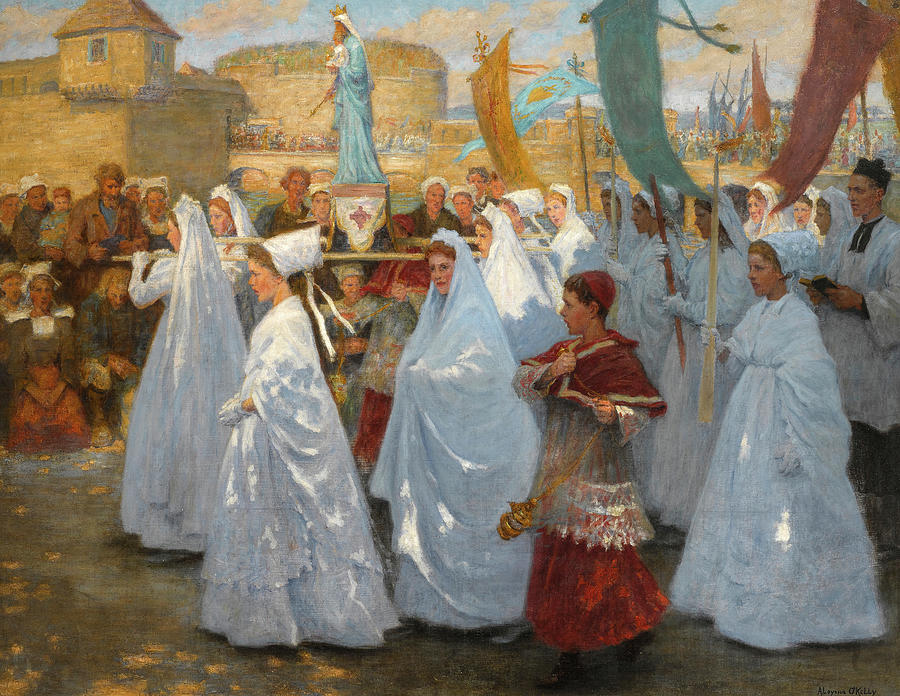
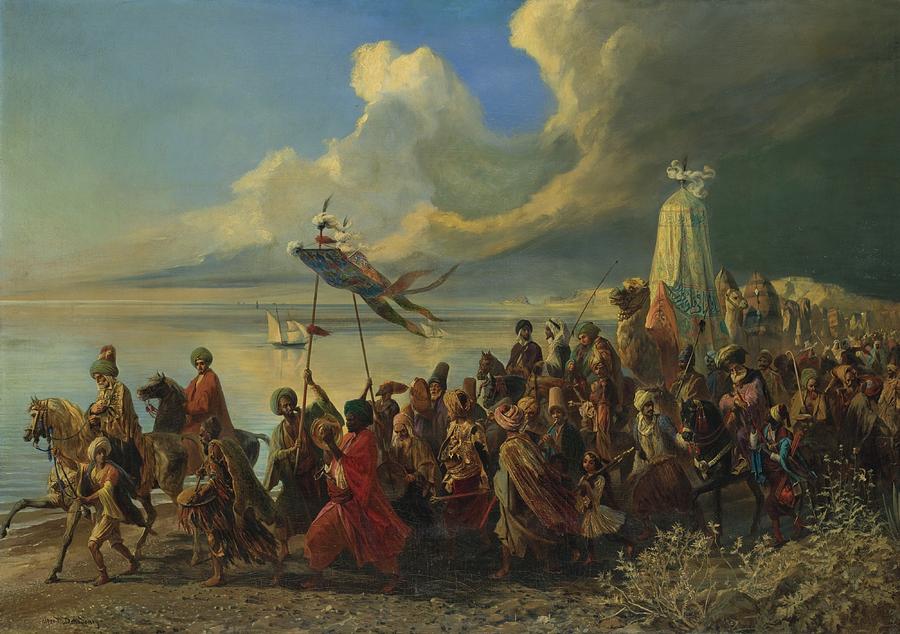
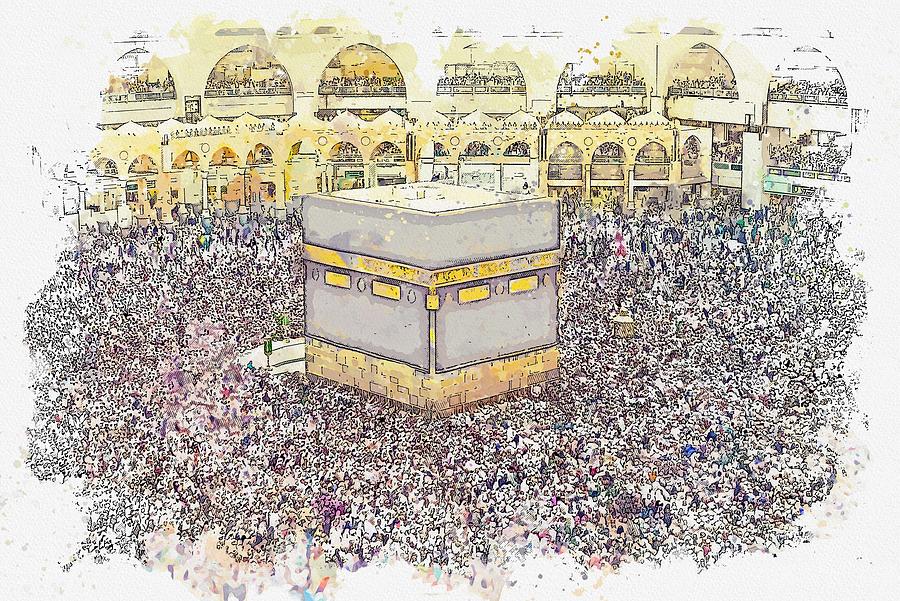
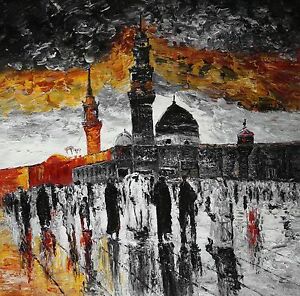
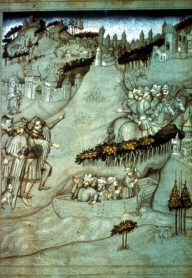
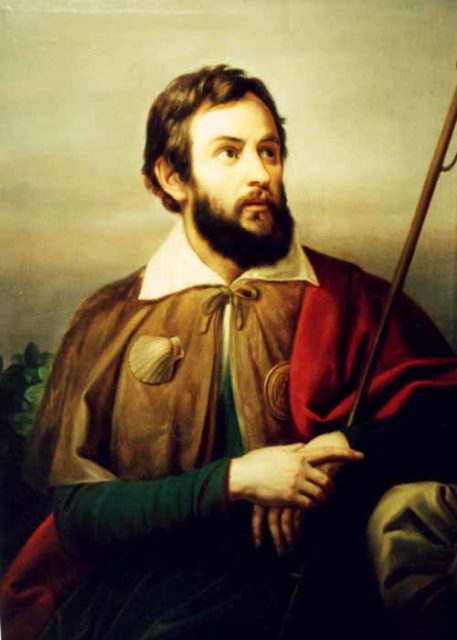
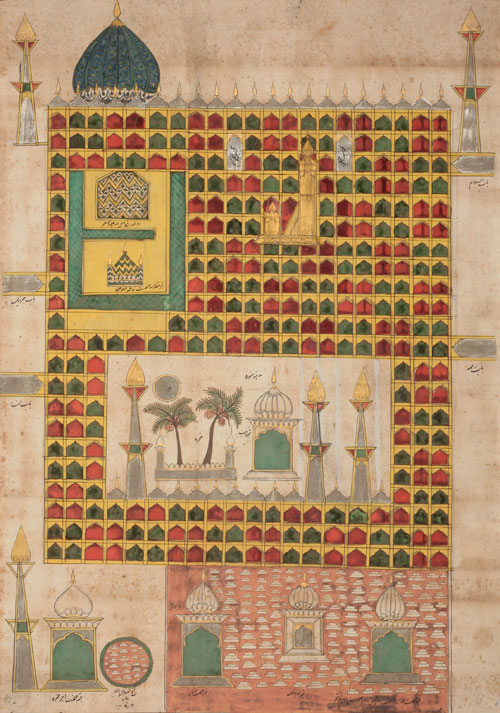
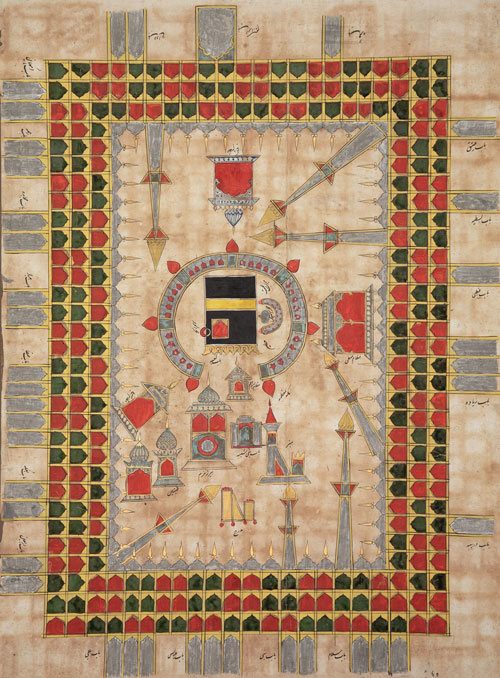
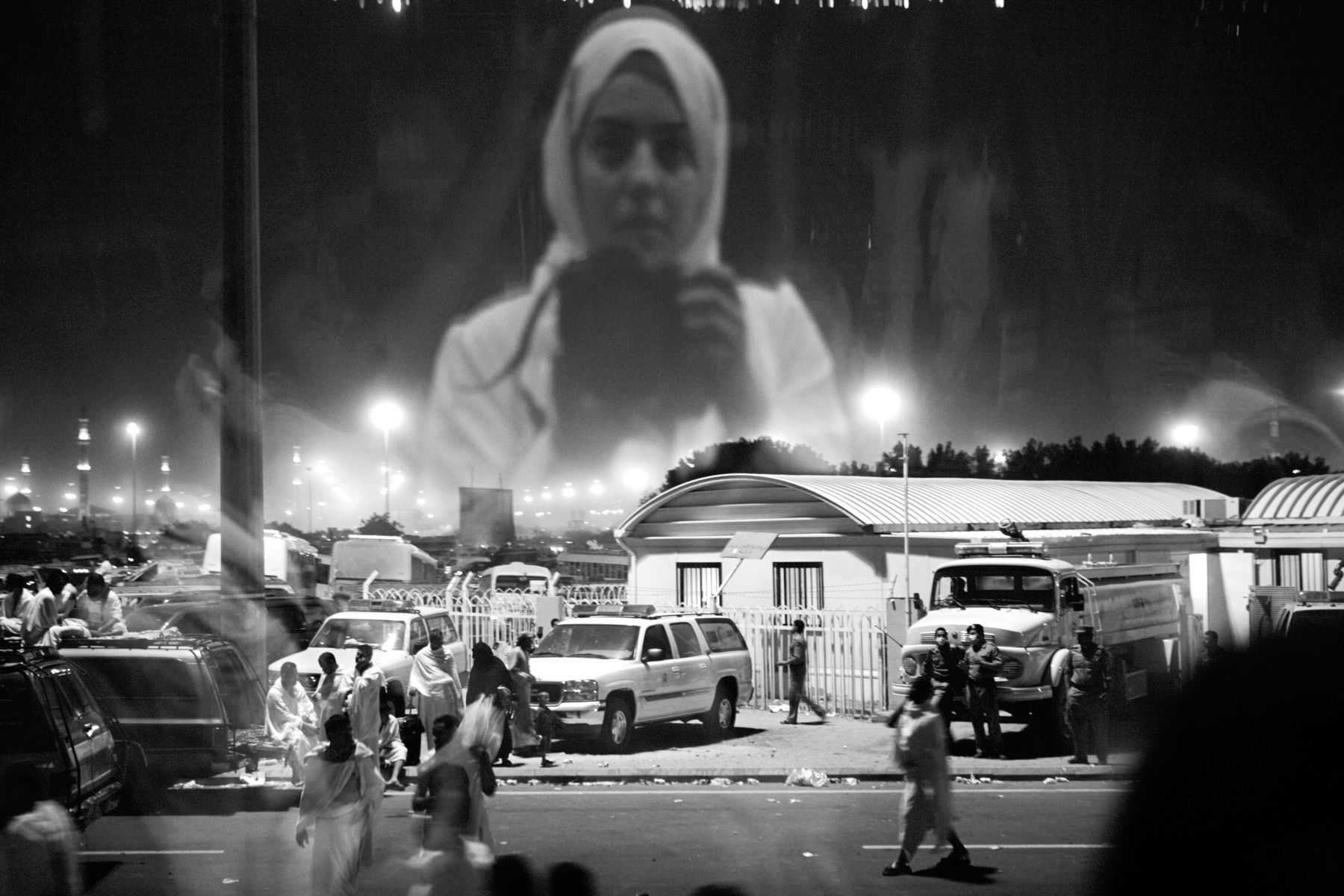
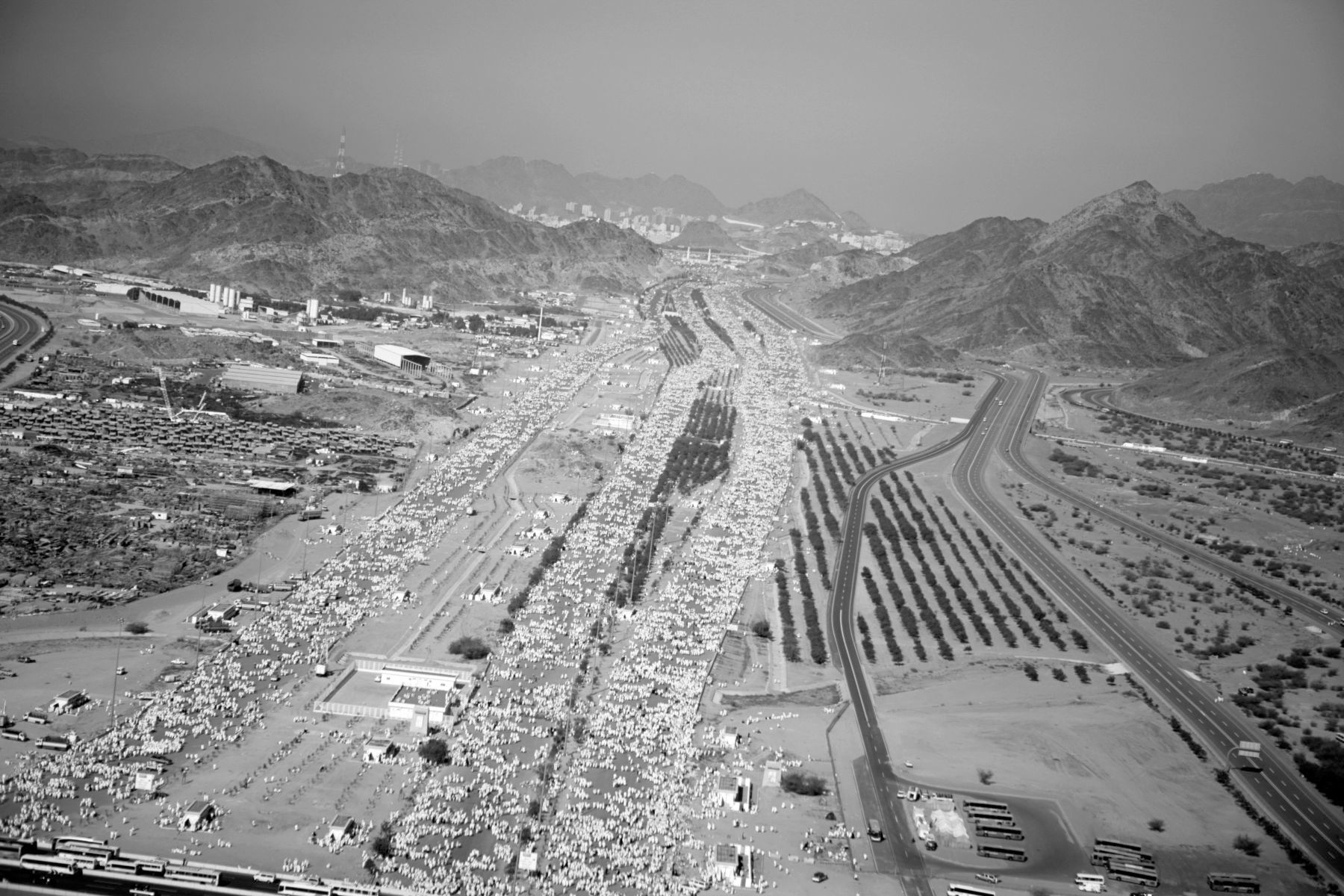
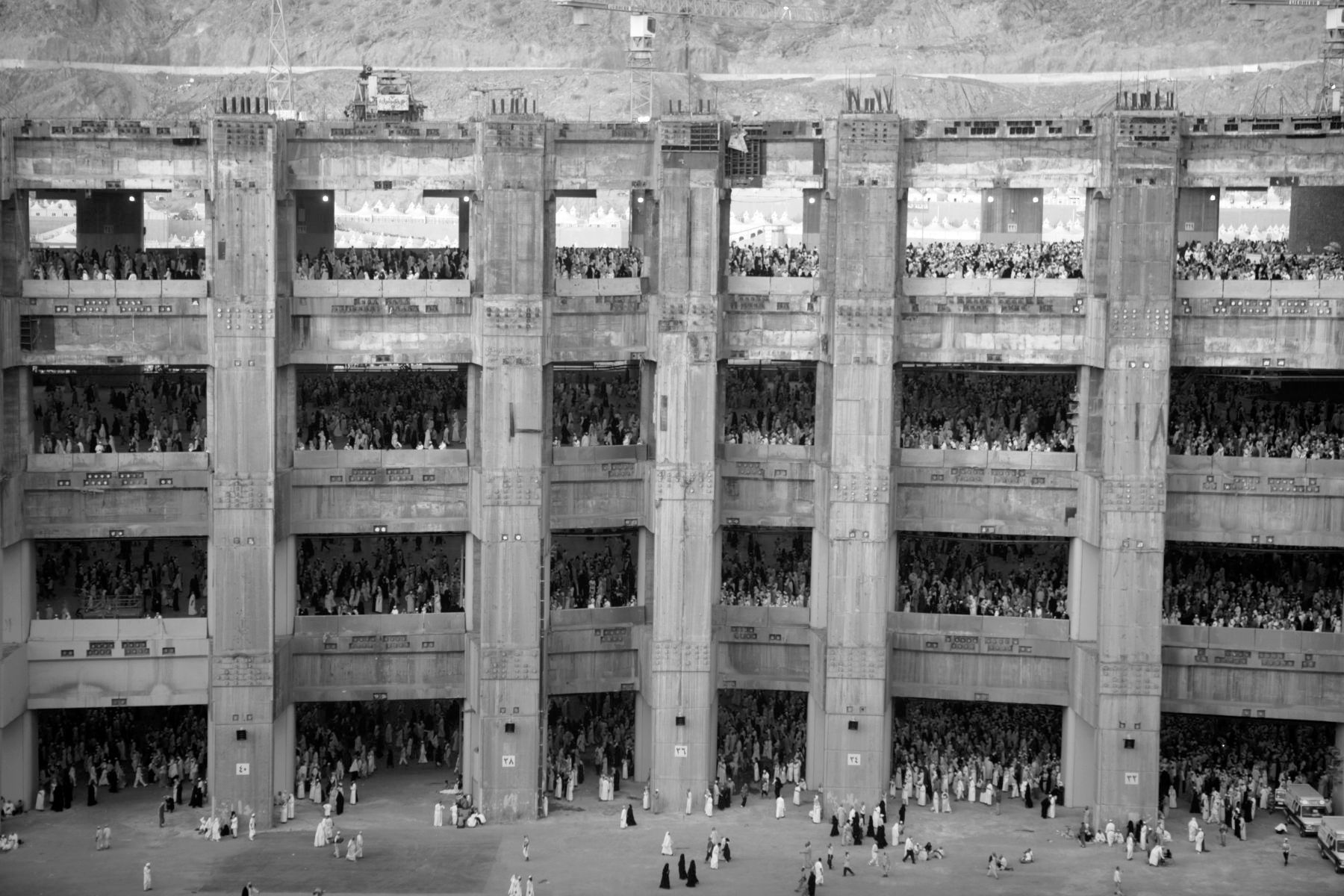
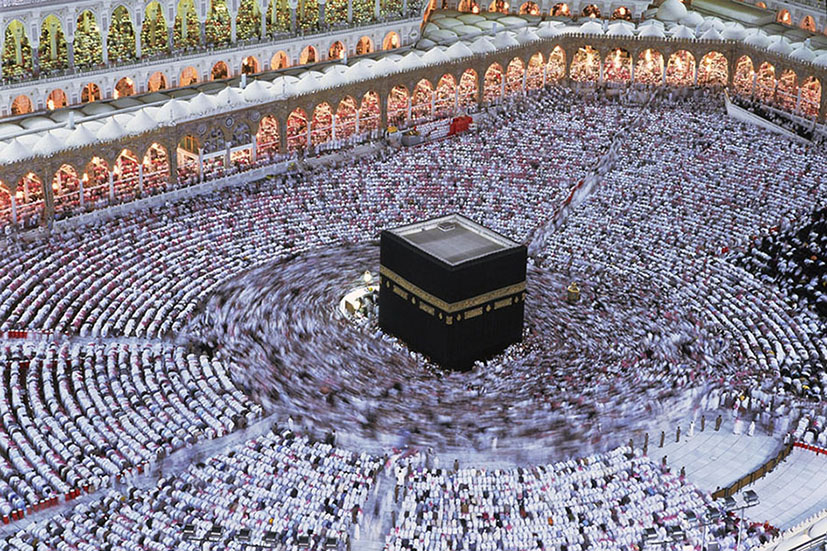
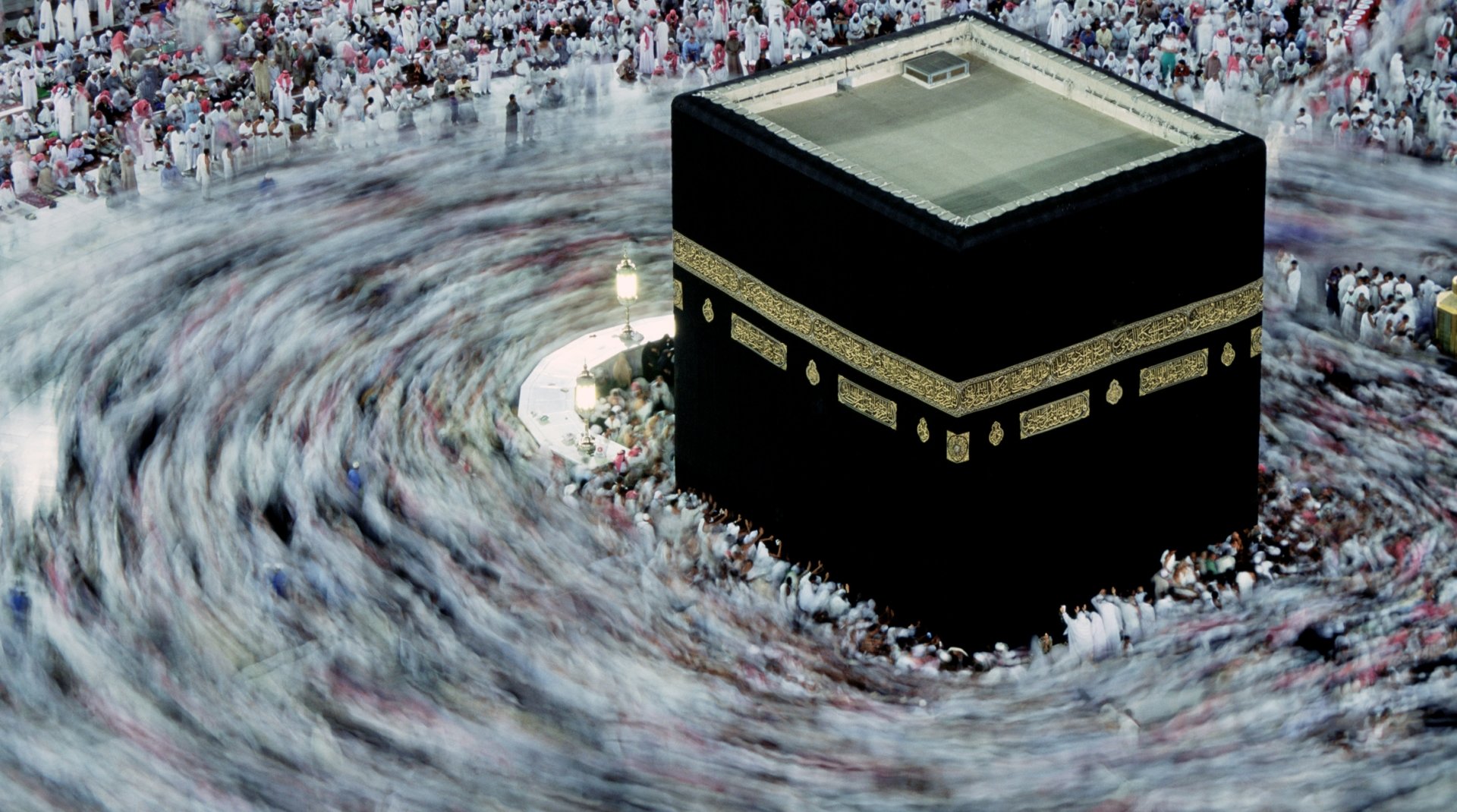
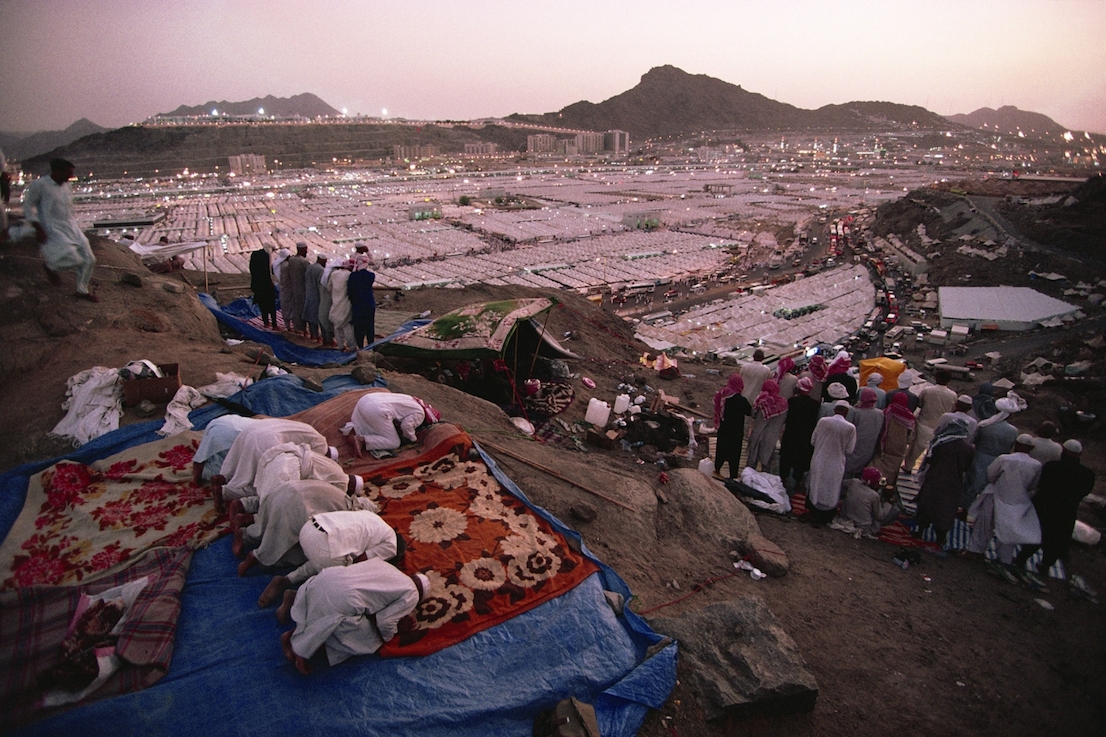
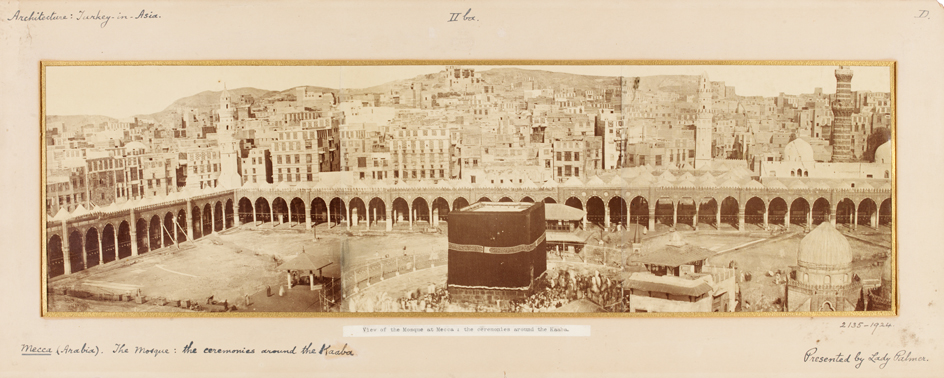
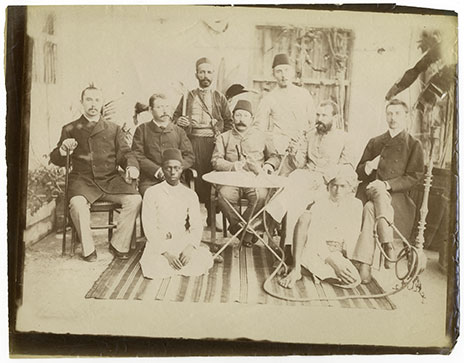
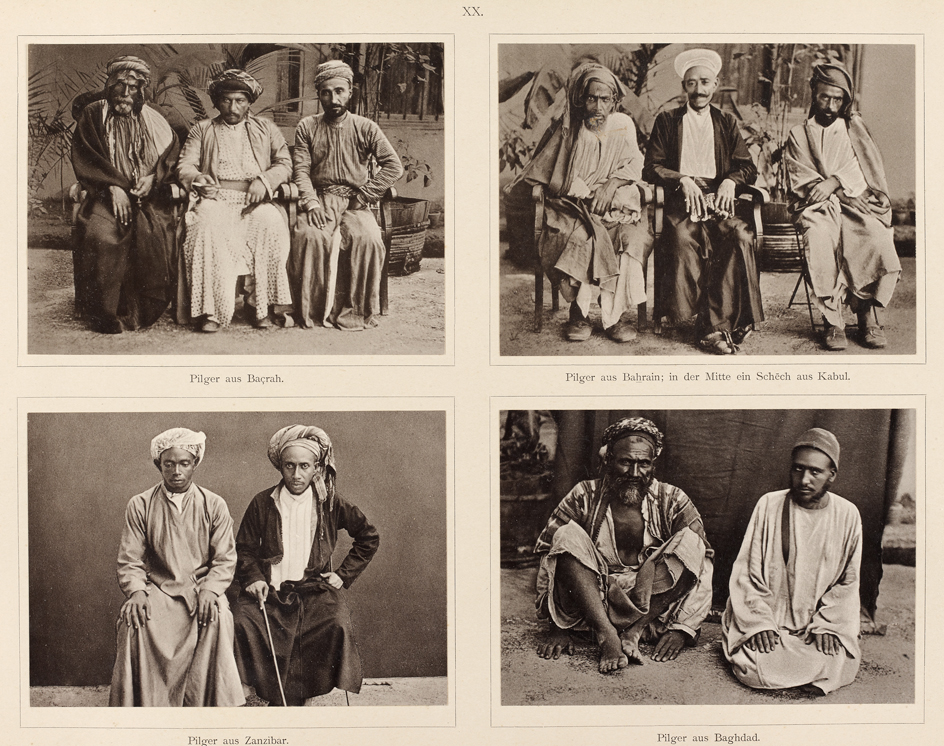
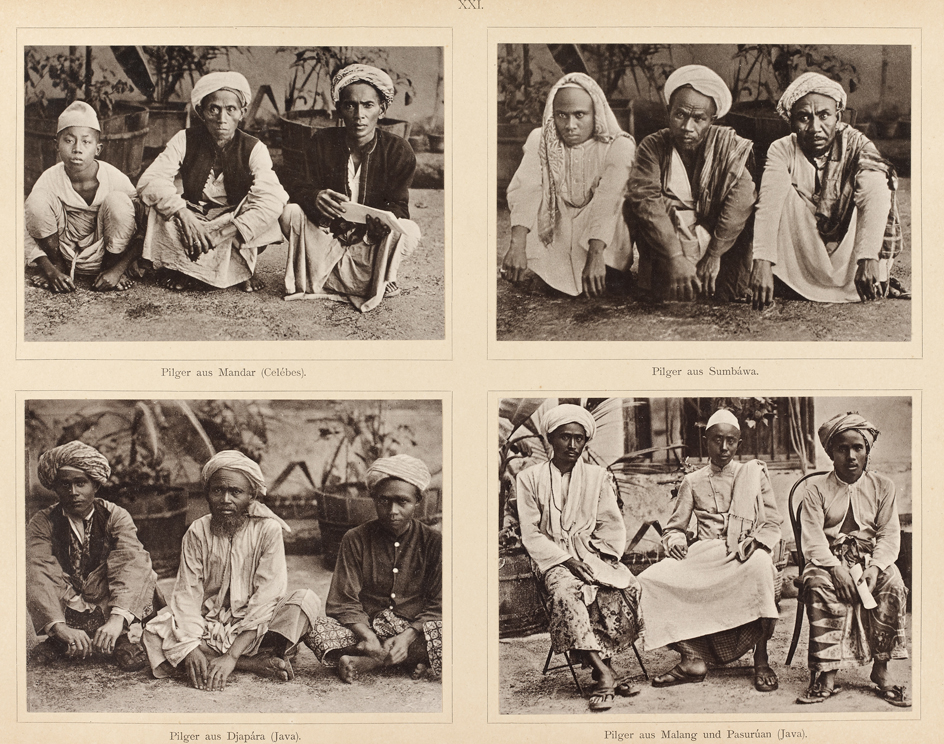
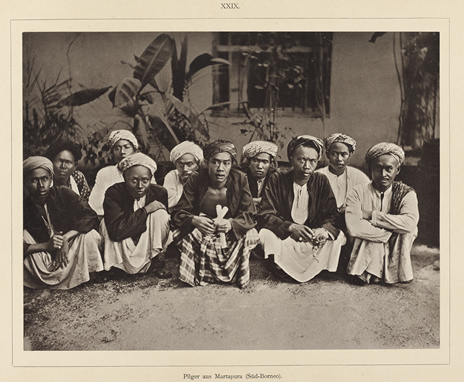
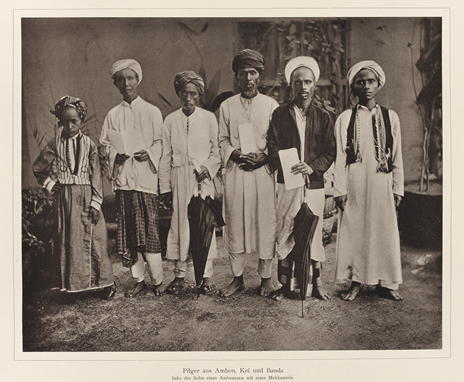
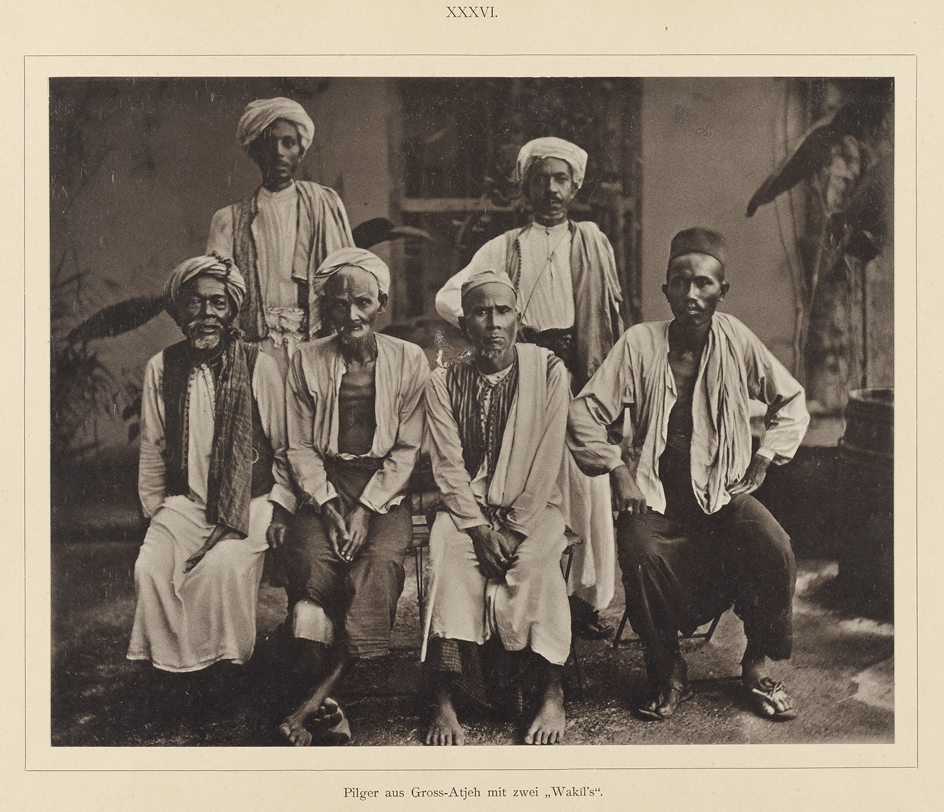
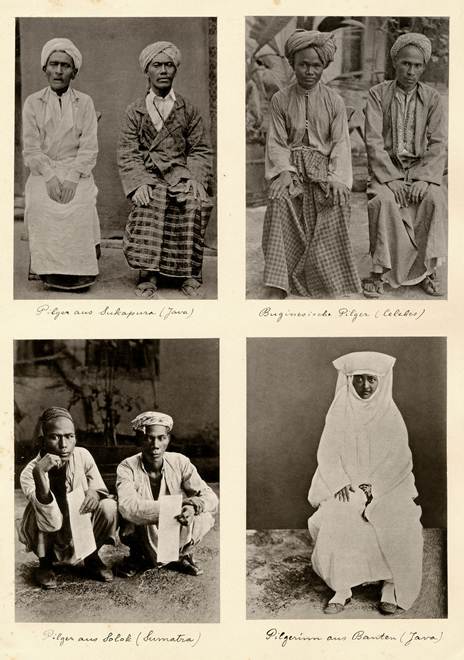
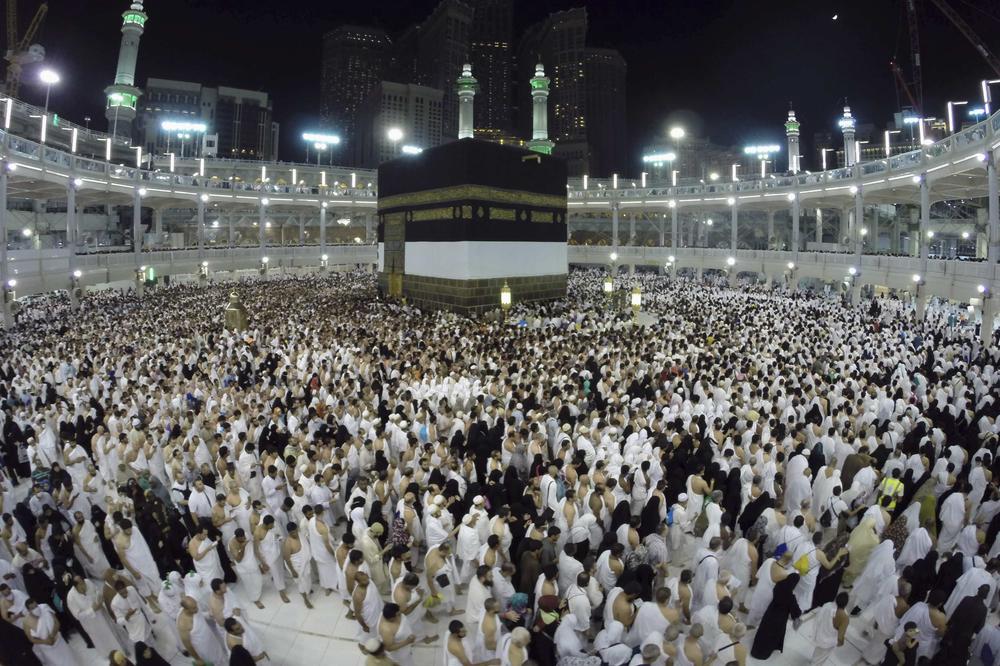
I started off my research into pilgrimages and how they have been represented in art. The concept of pilgrimages has been around for millenniums. Pilgrimages are a journey, typically associated with religion. But people do not just complete pilgrimages for religious reasons, they also complete them for a spiritual reason. By journeying to significant sites, it provides a connection, and a form of power for the pilgrim. They feel closer to their faith and can achieve a spiritual awakening. 

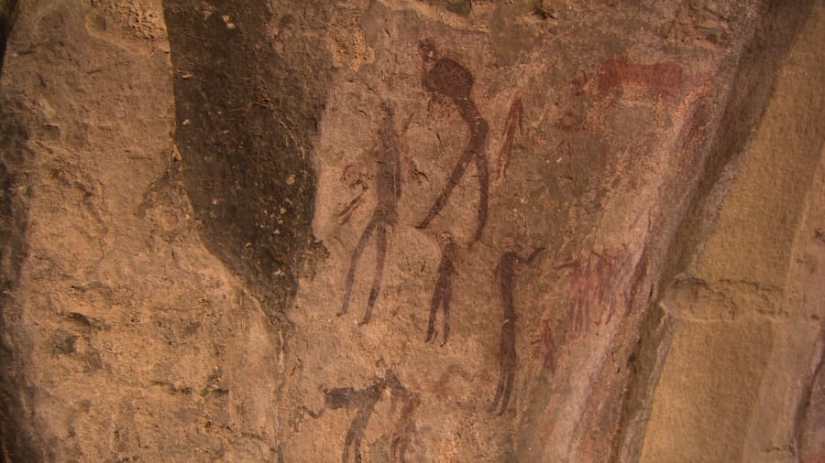
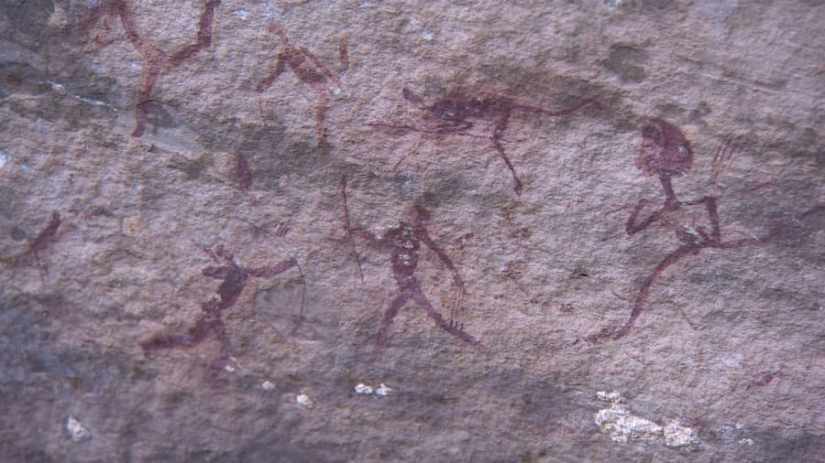
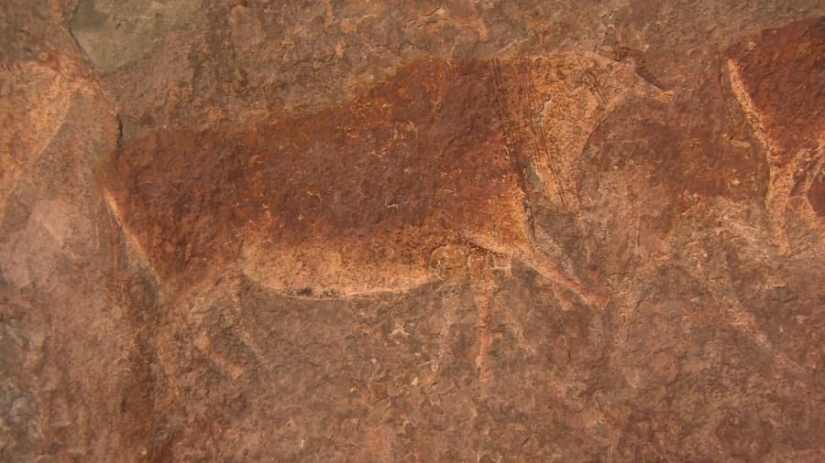
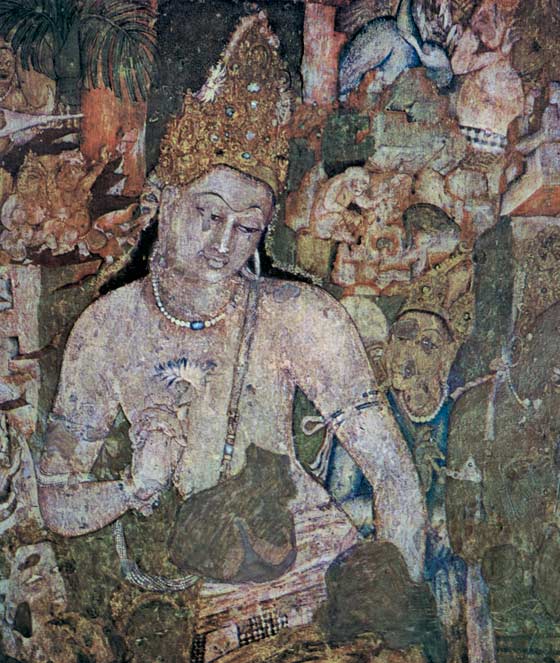
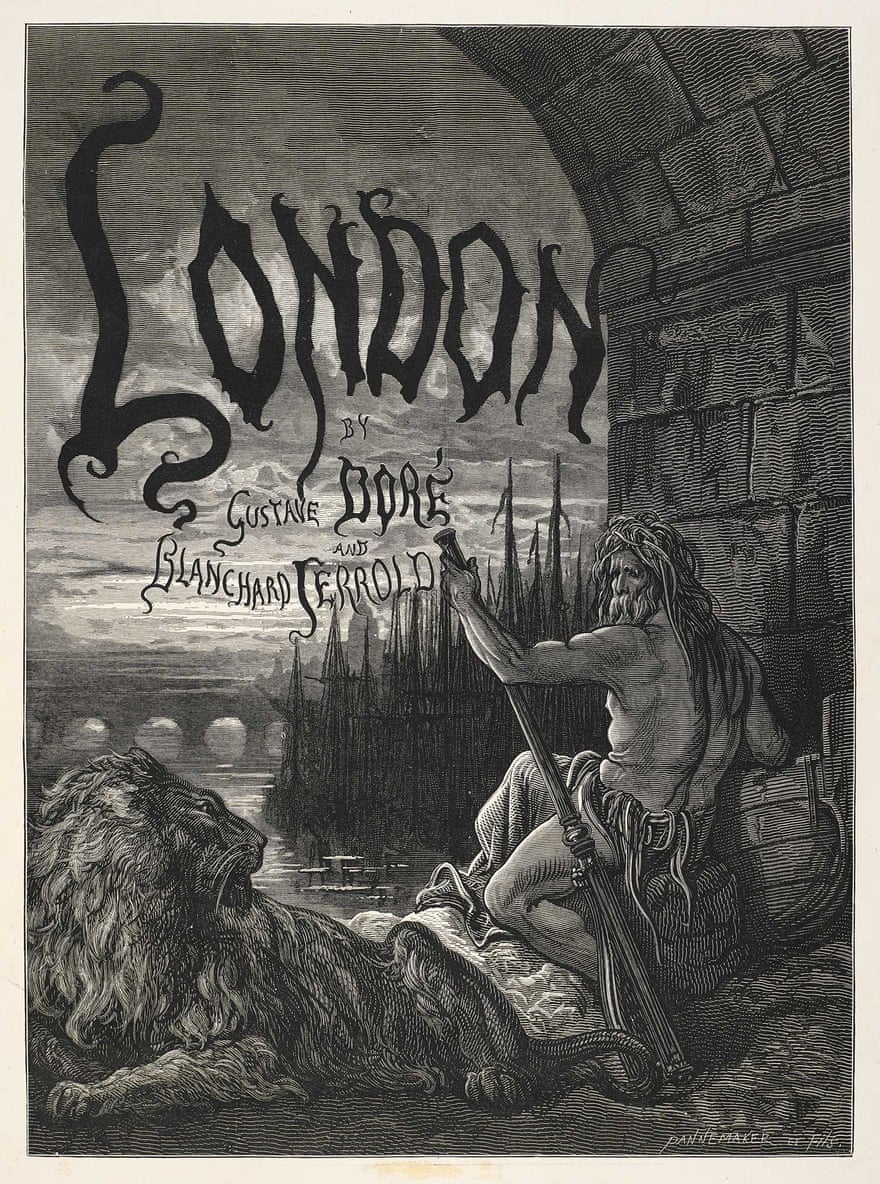
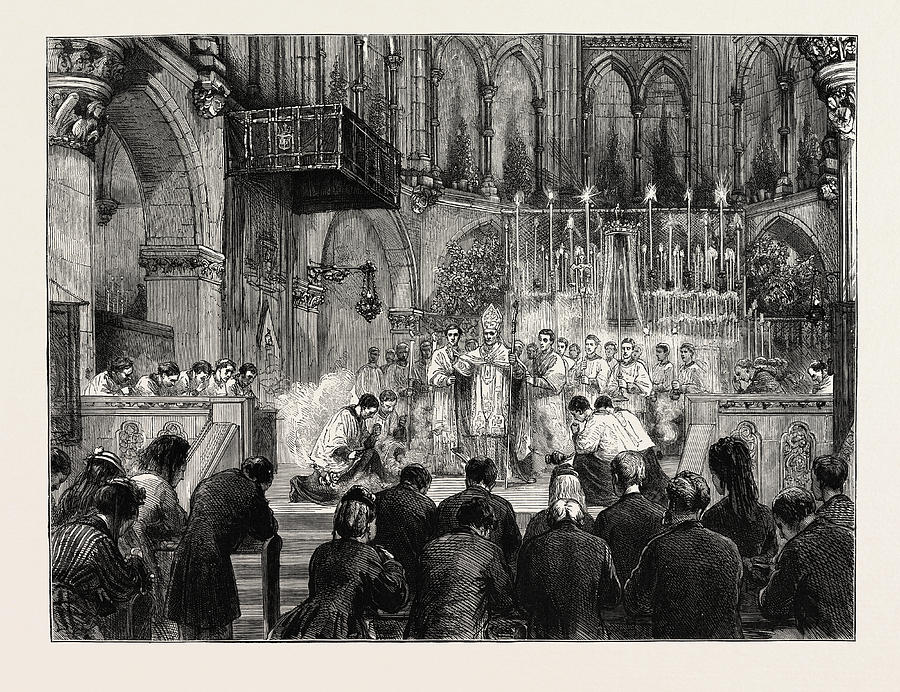
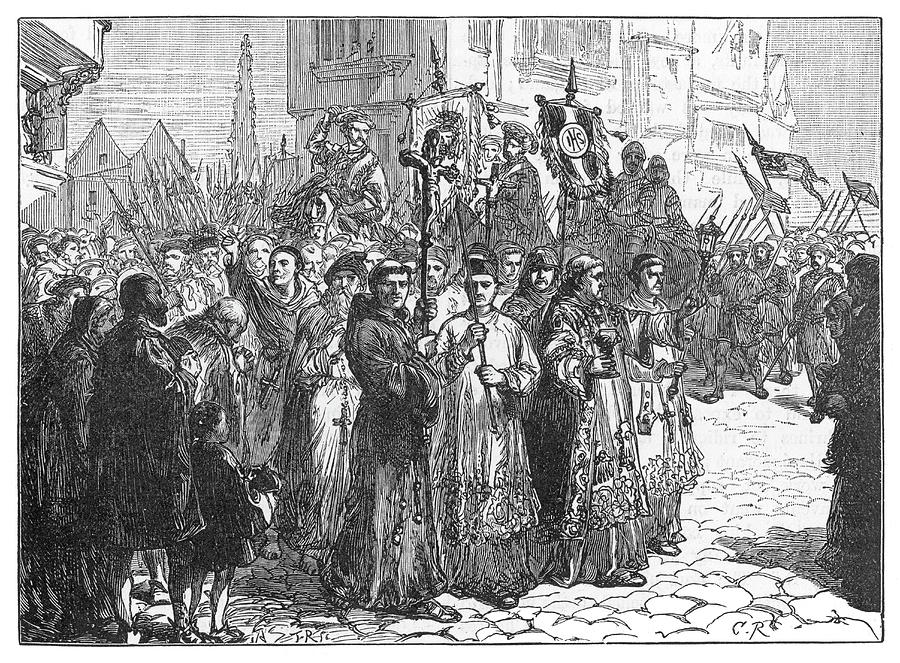
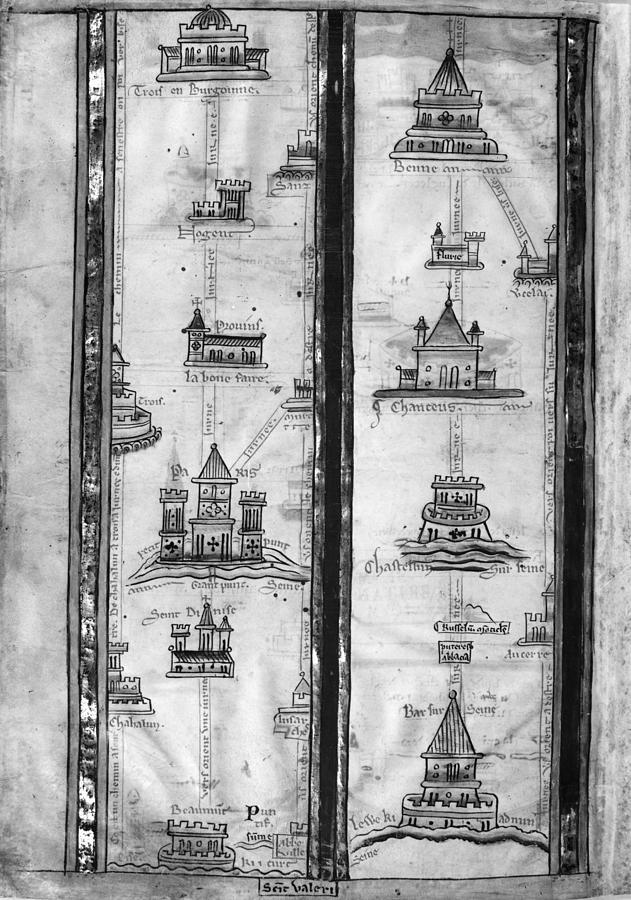
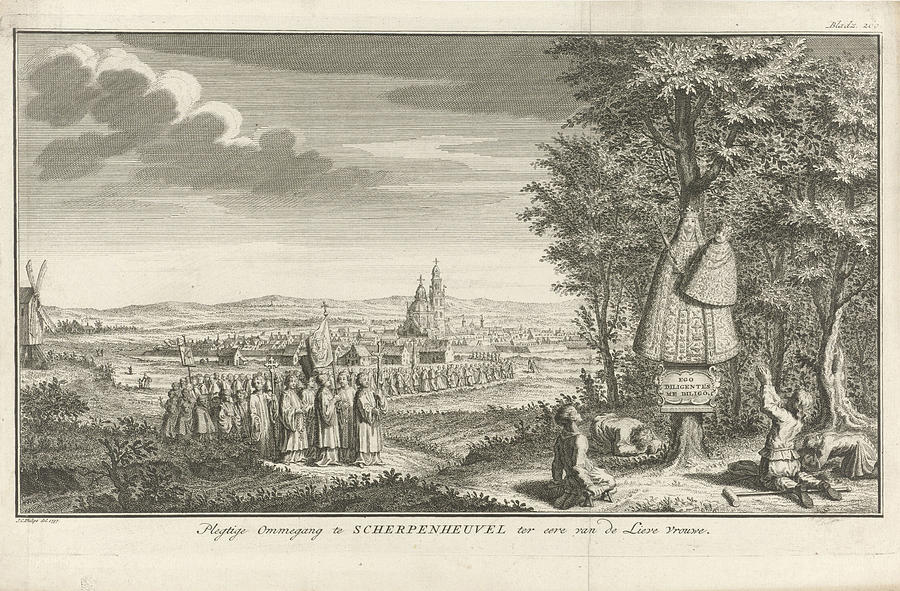
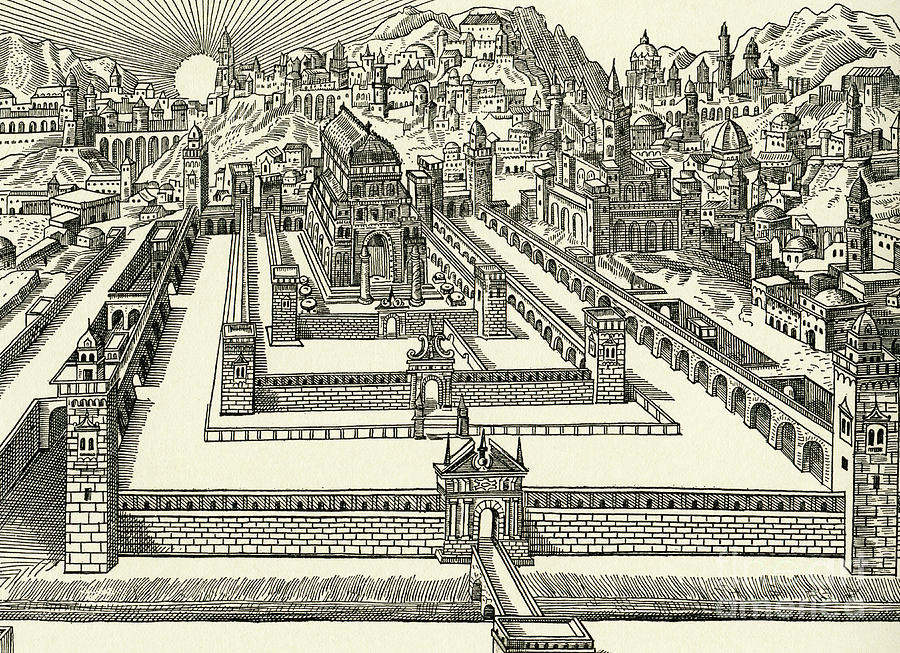
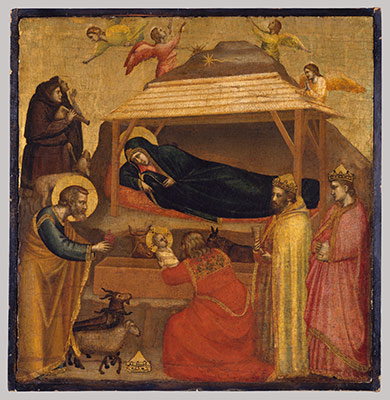
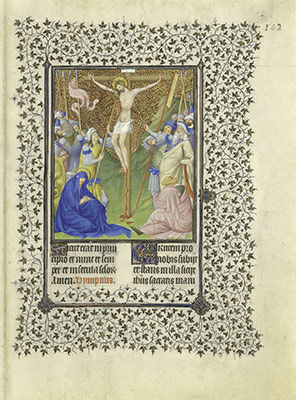
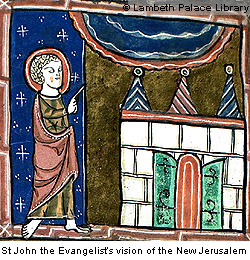
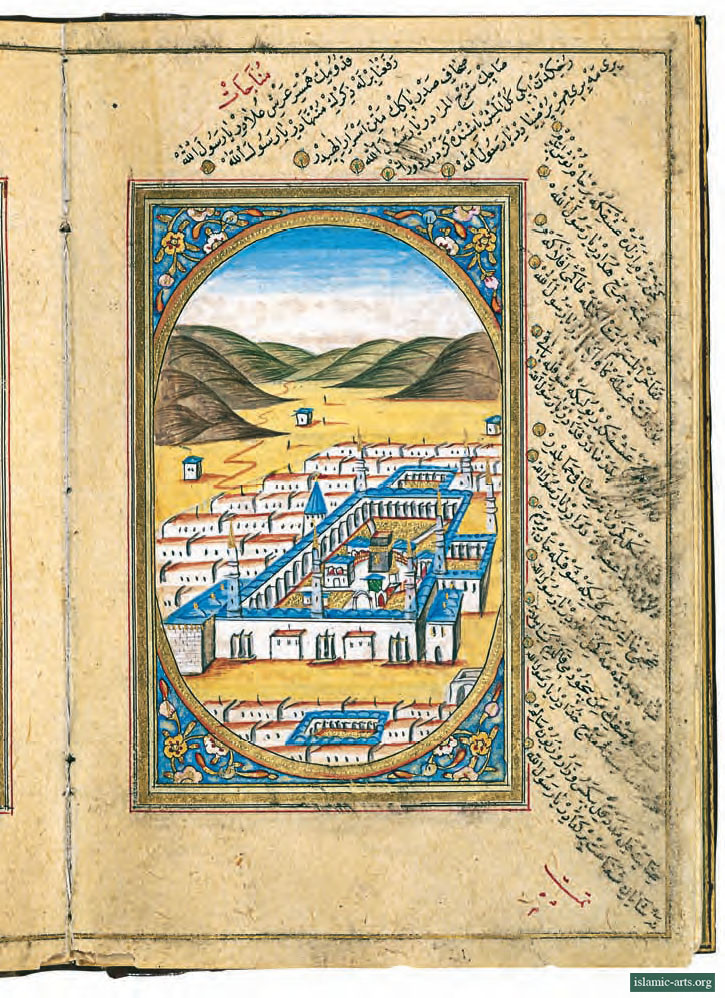
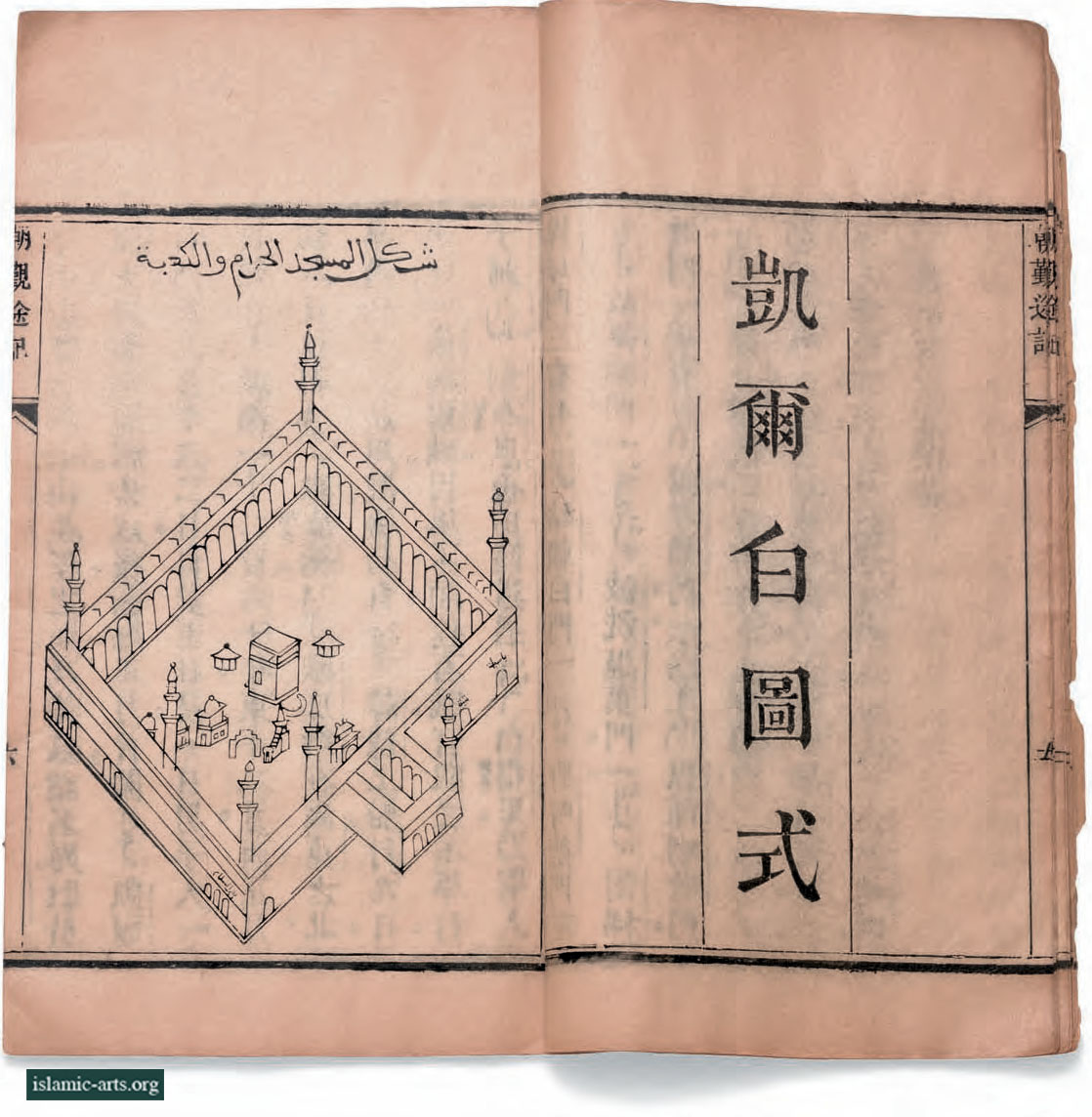
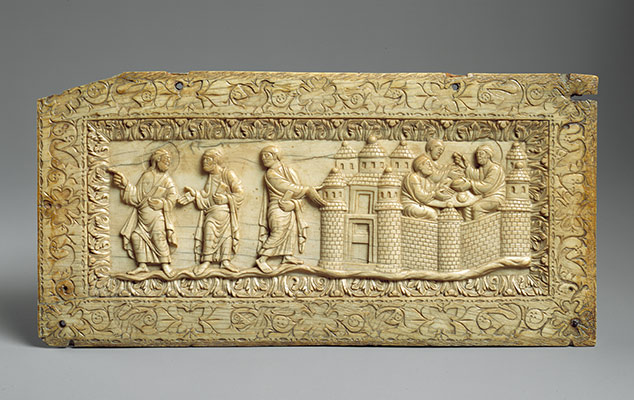
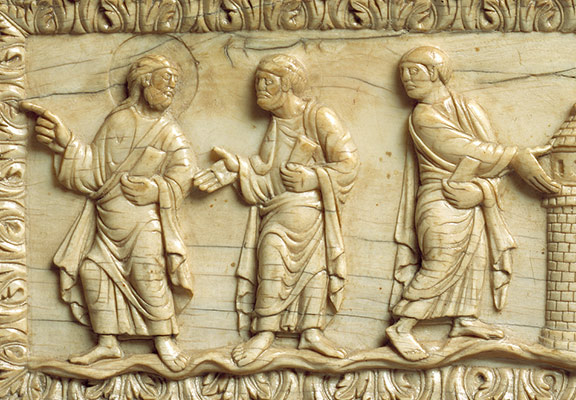
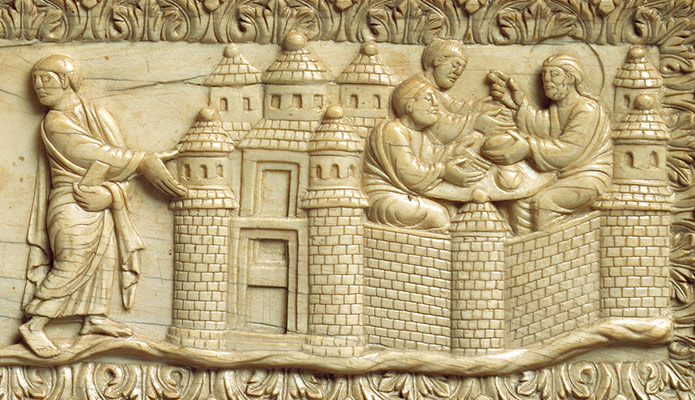
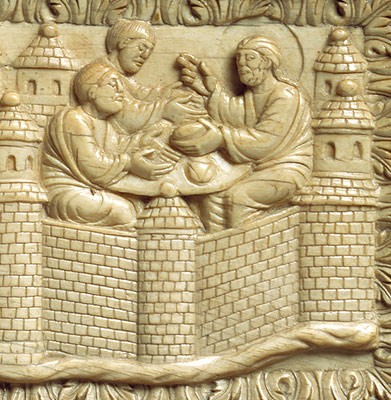
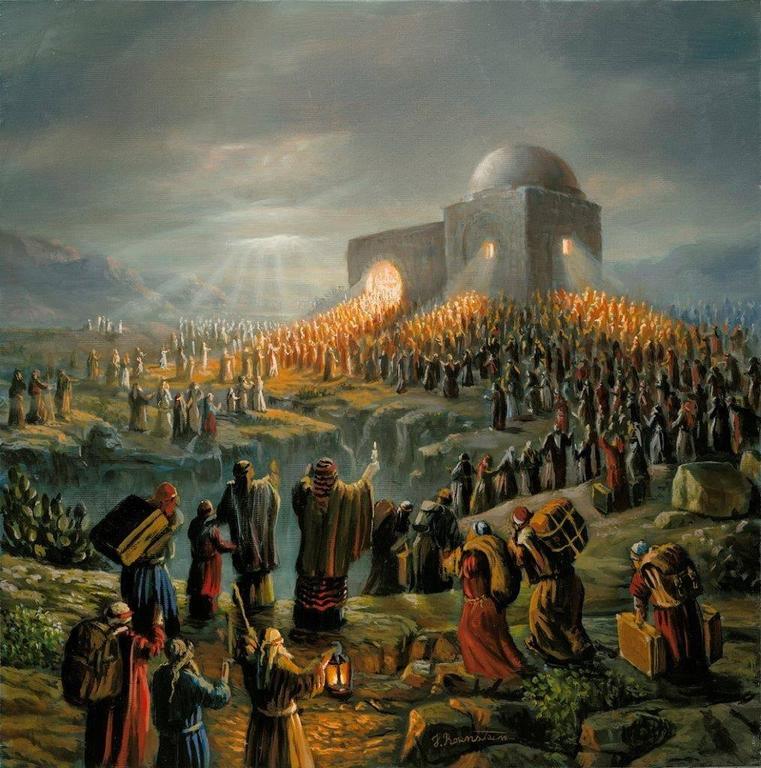
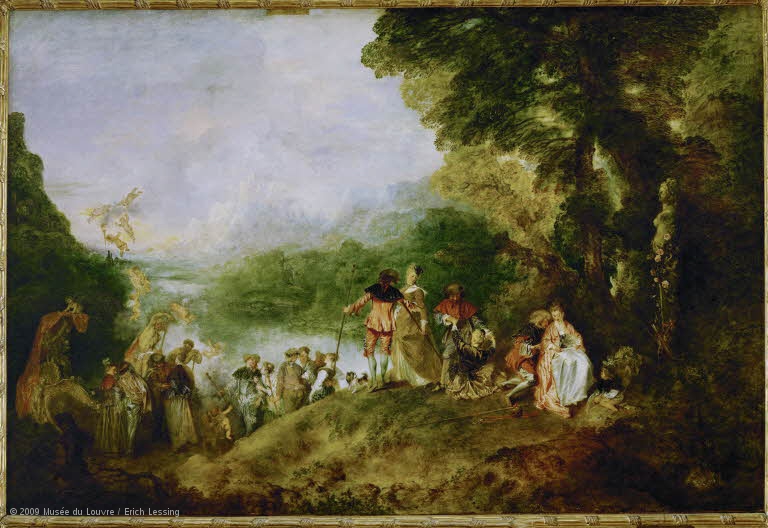
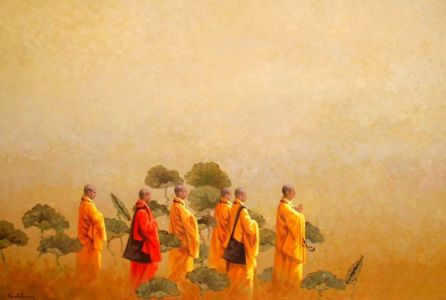
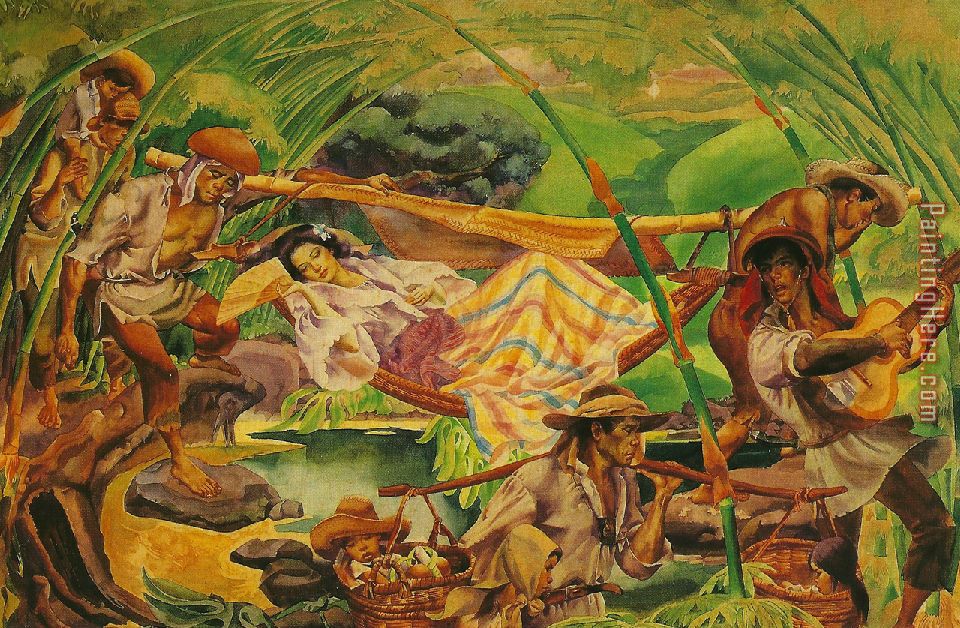
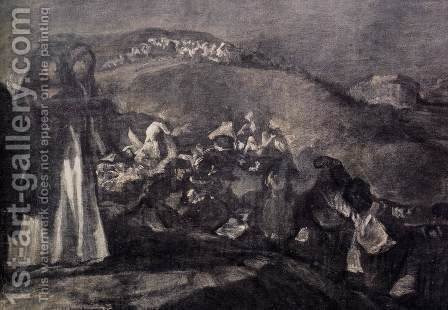
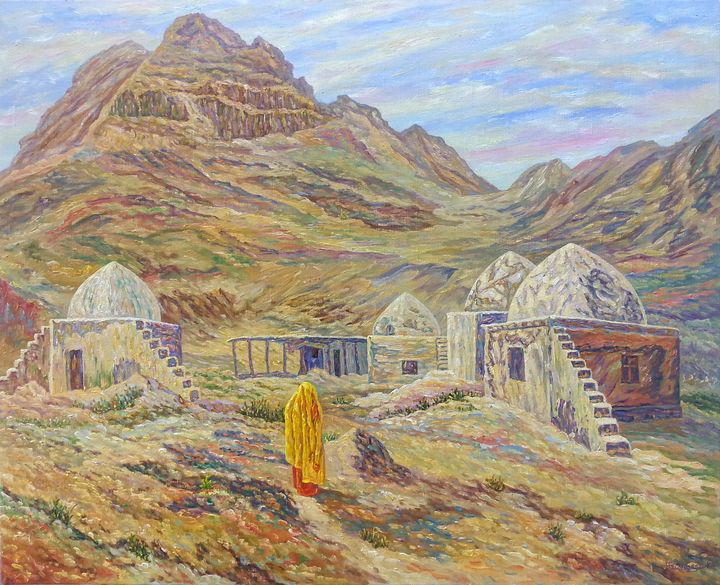
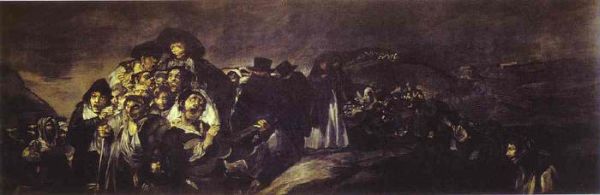
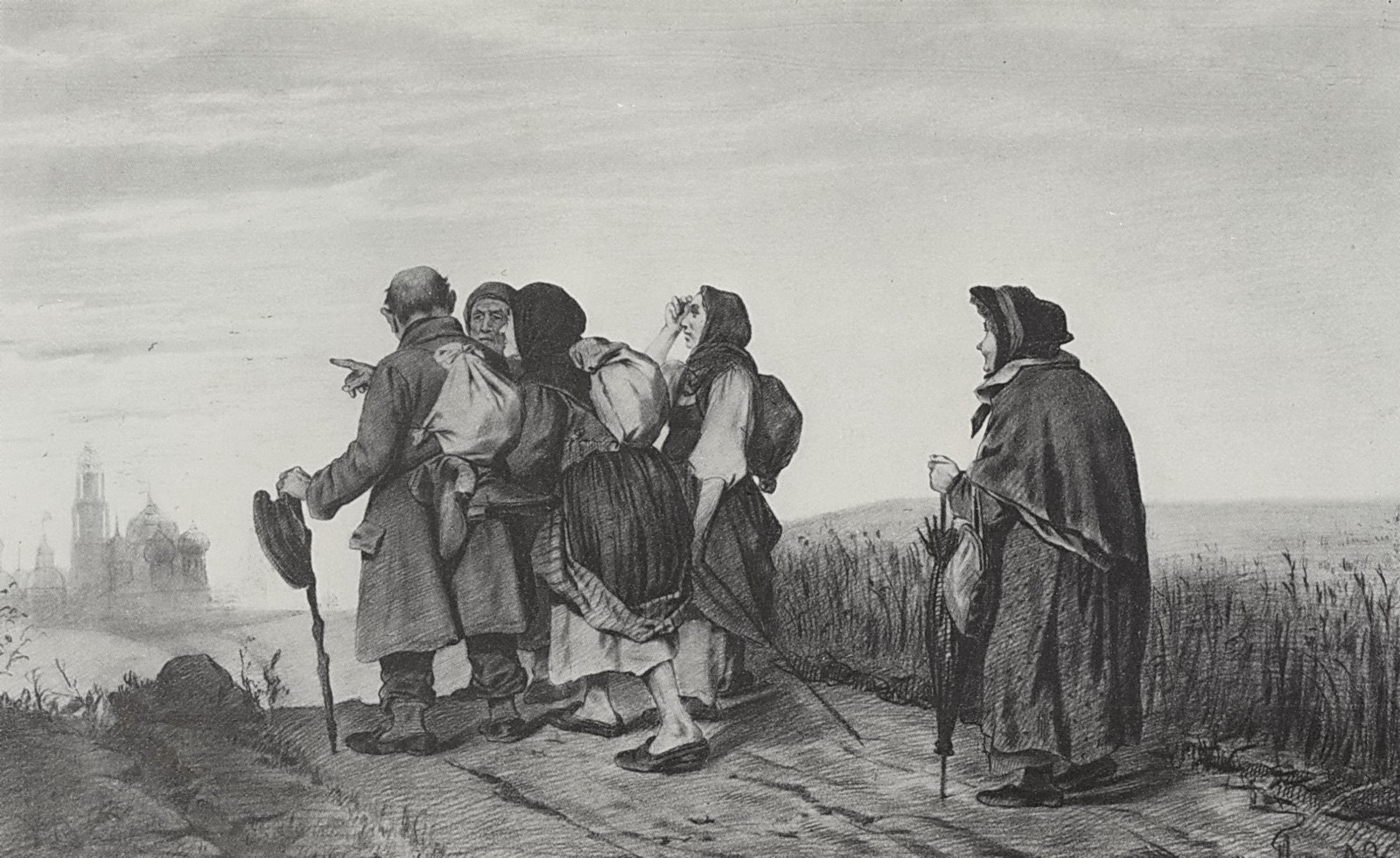
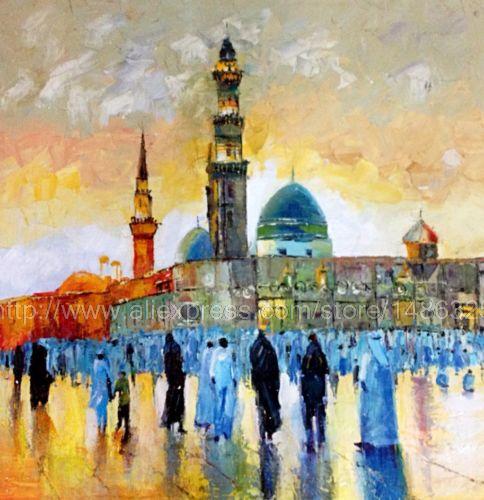
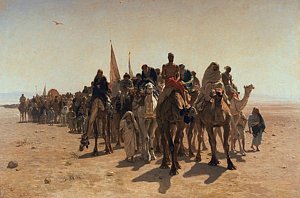
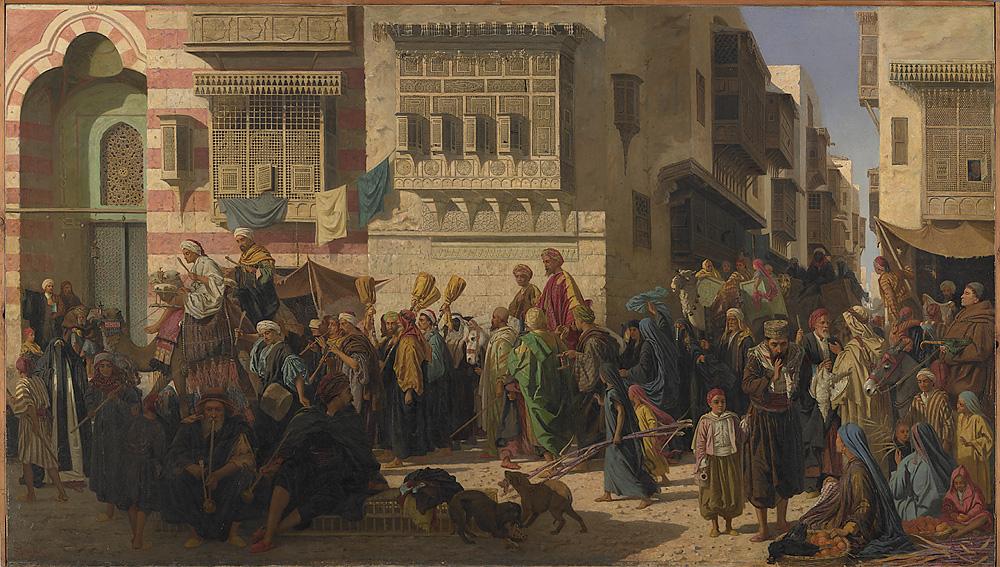
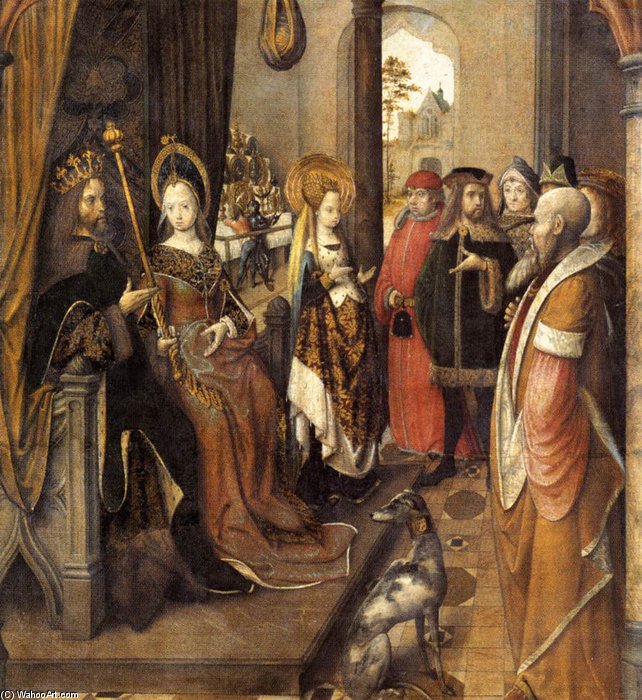
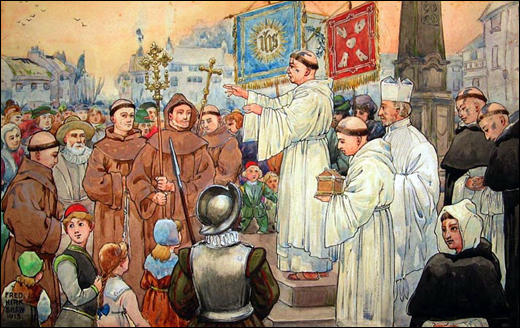
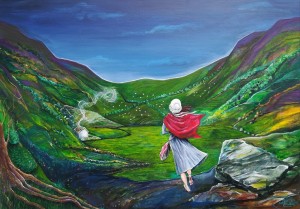
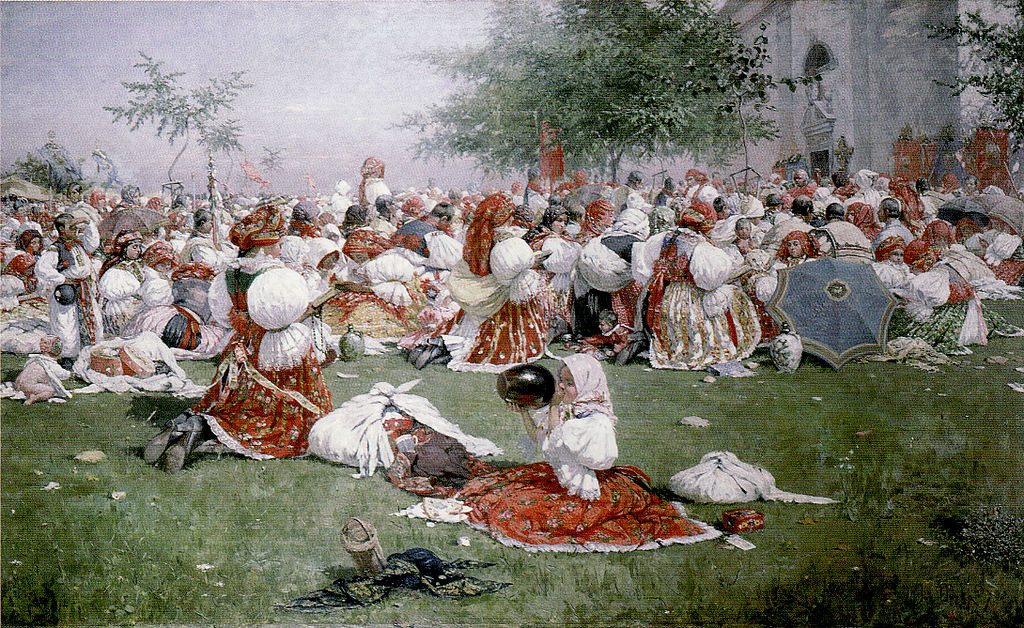
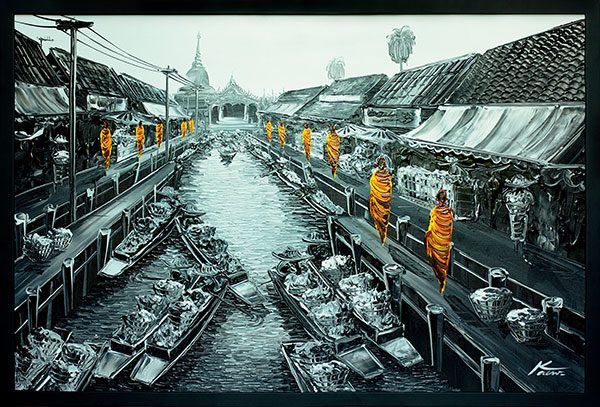
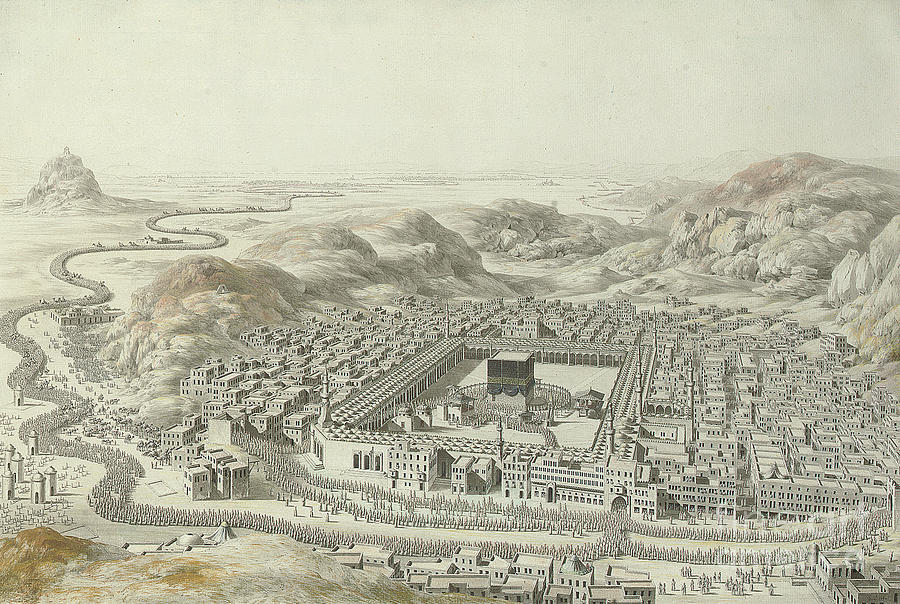
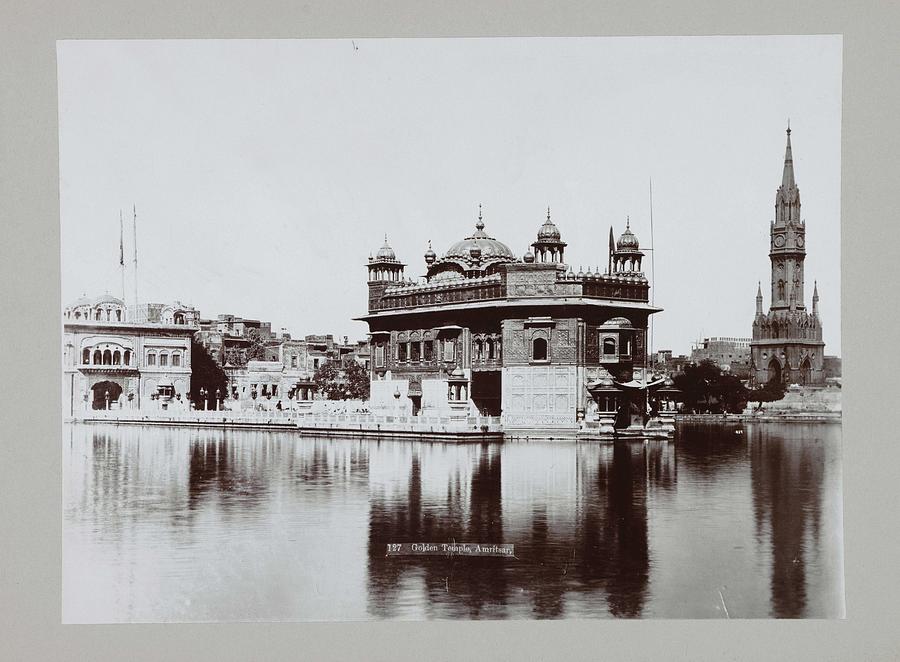
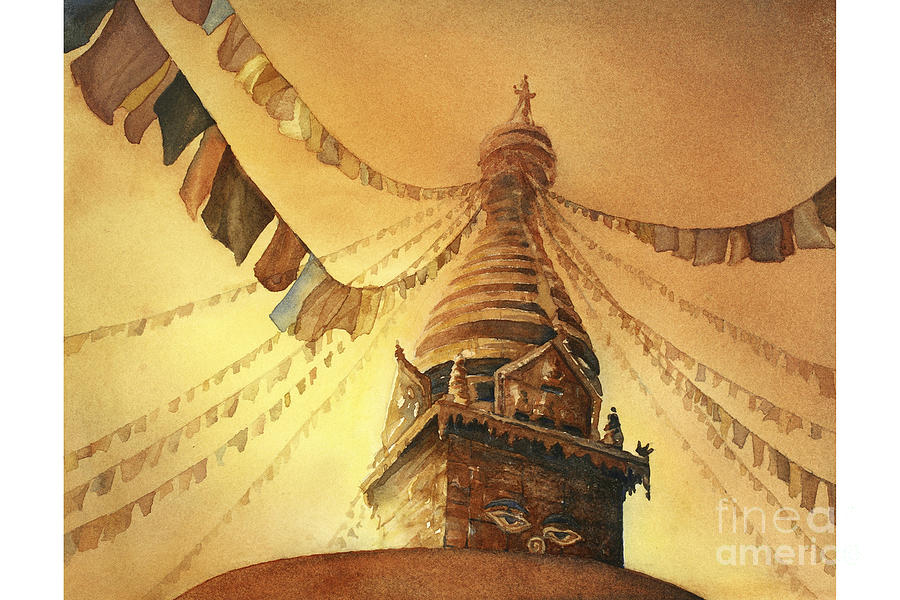
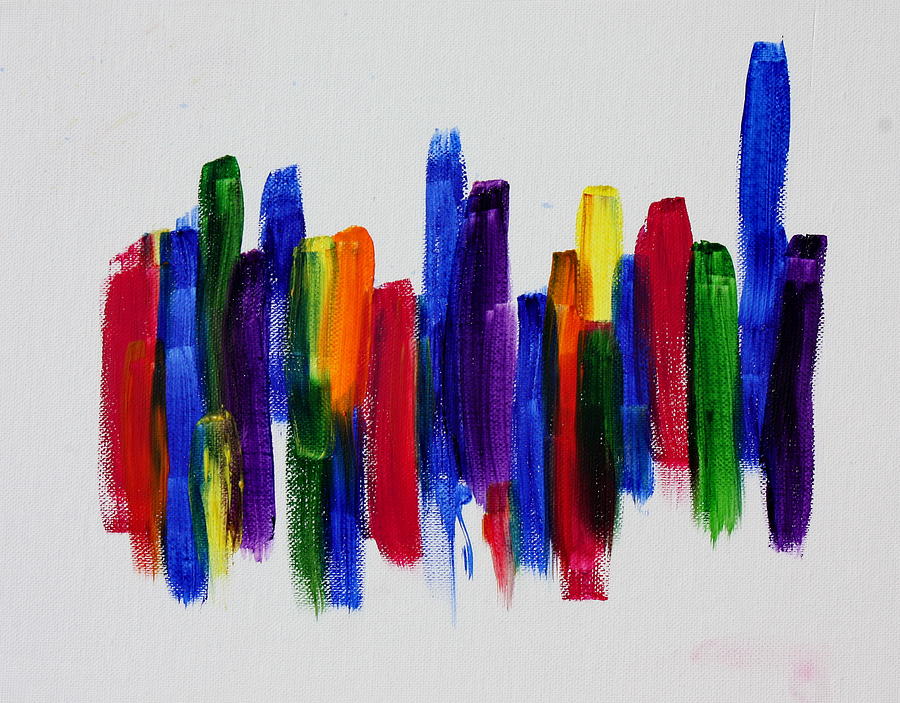
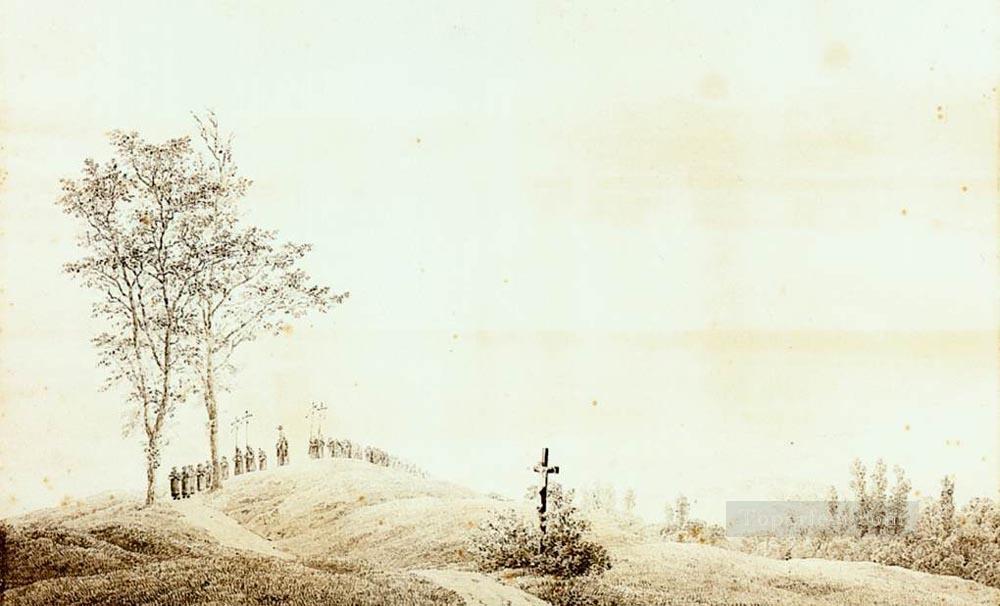
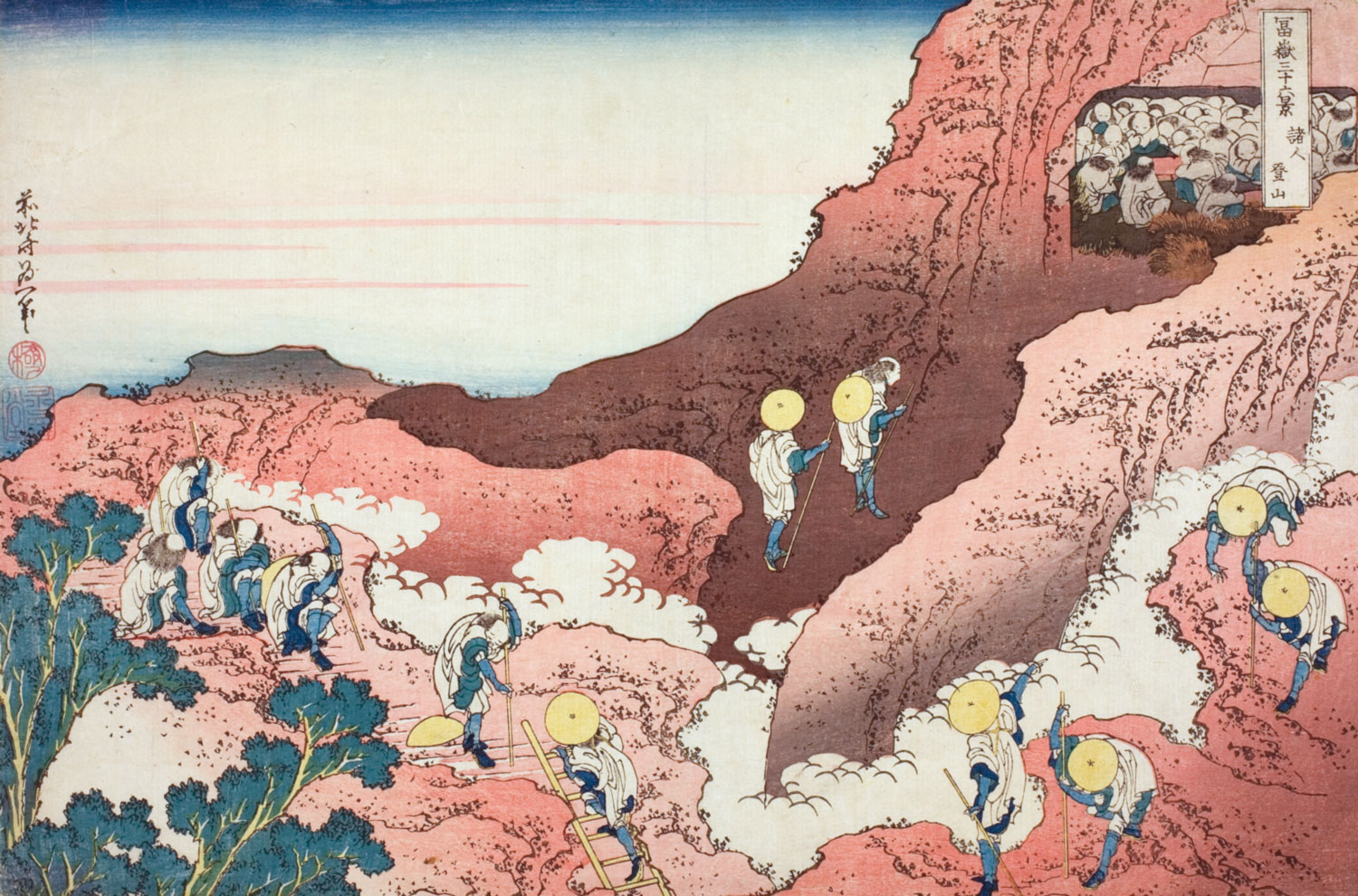
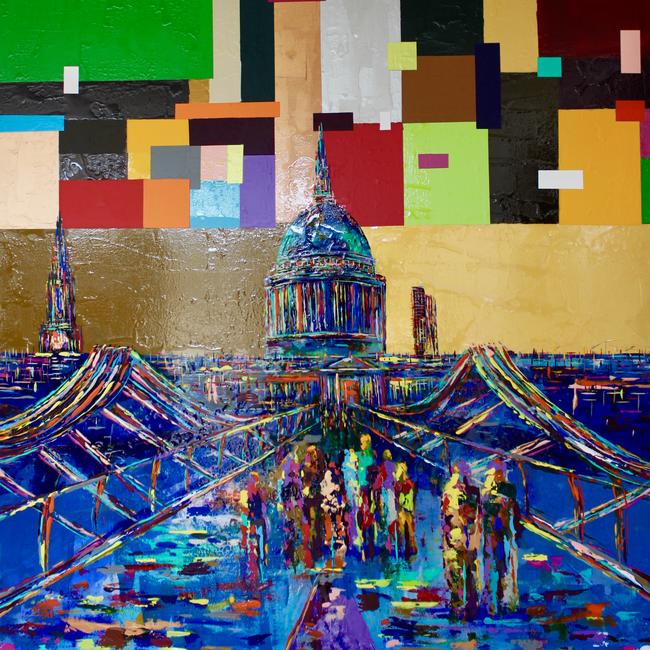
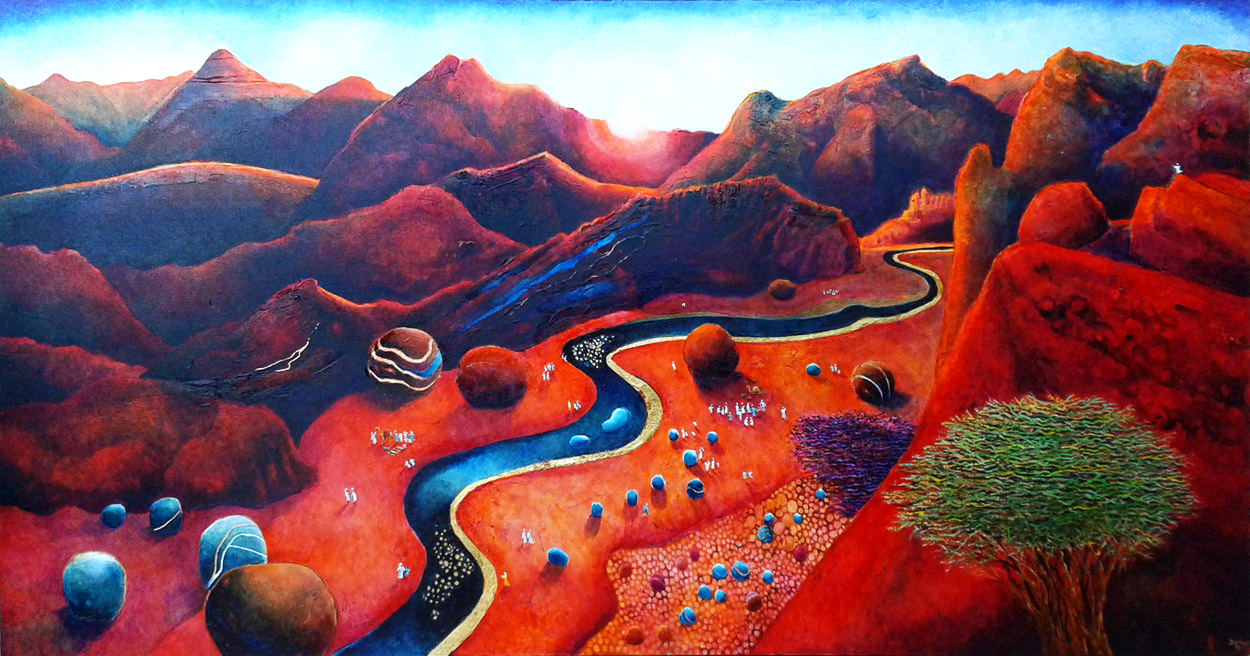
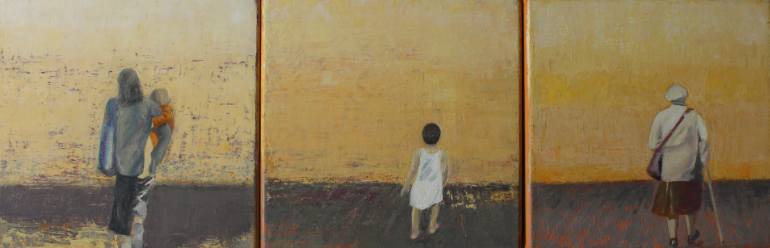
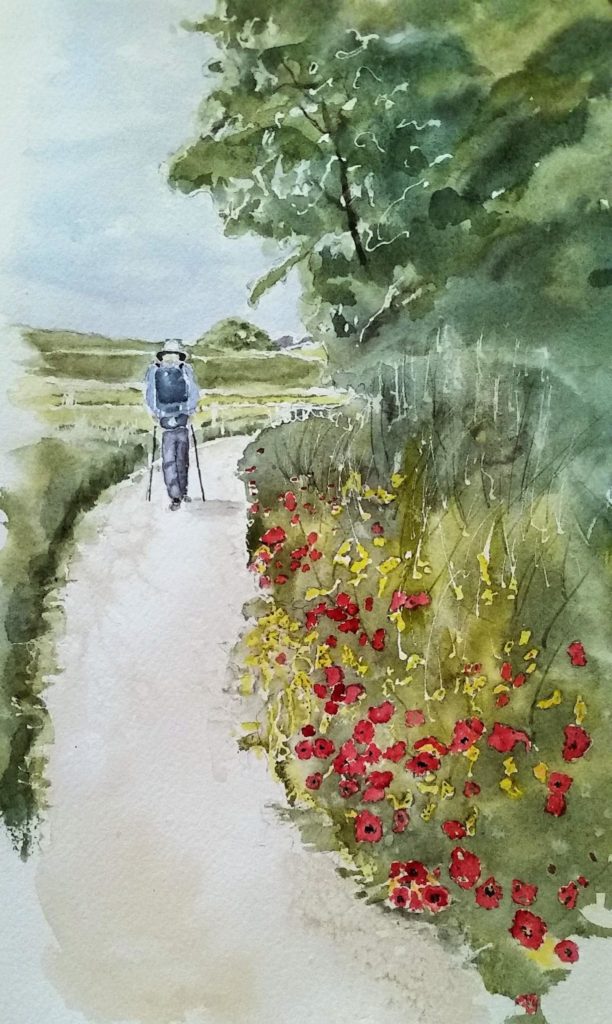
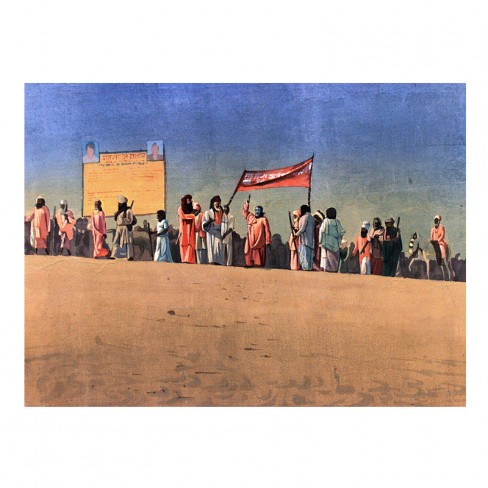
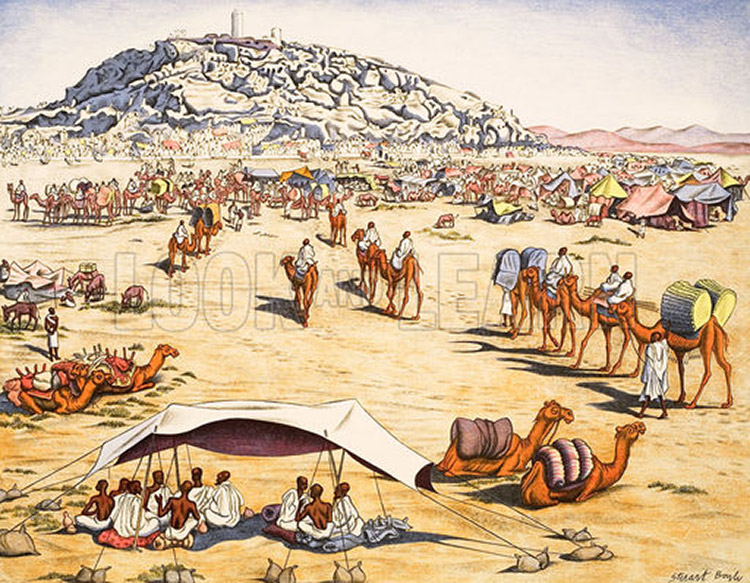
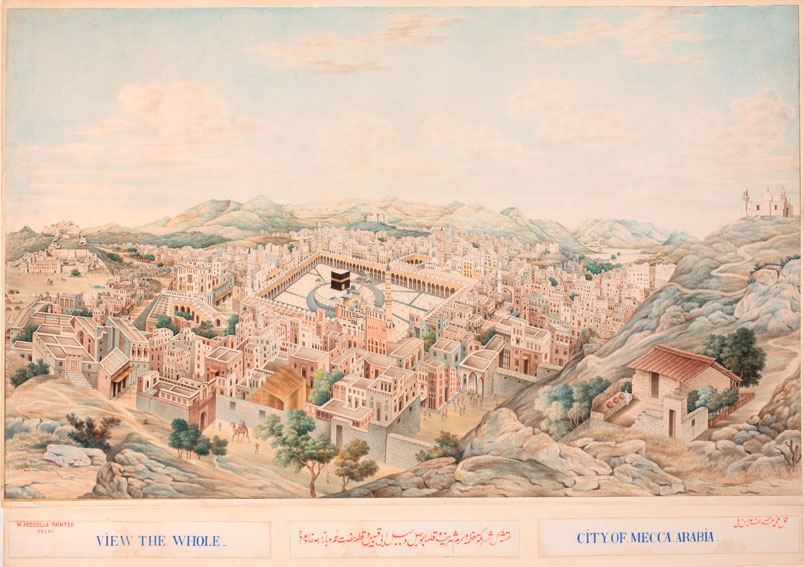
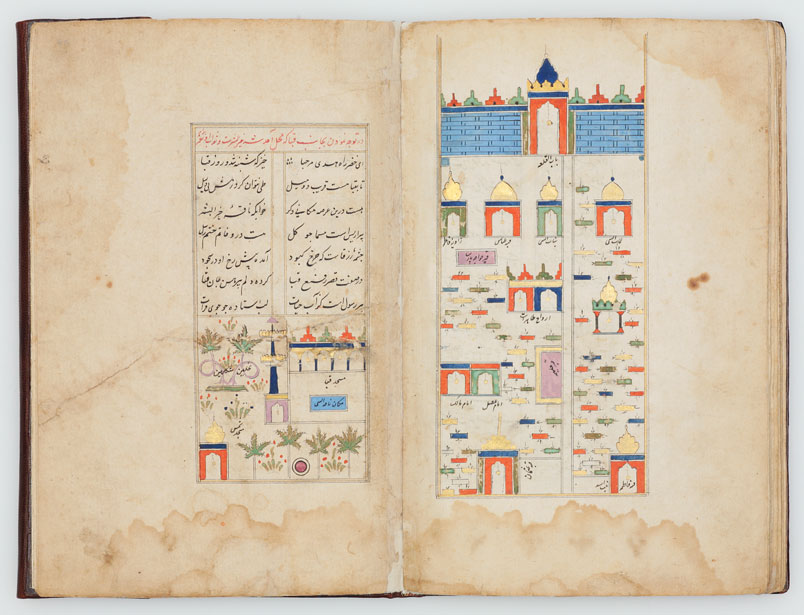
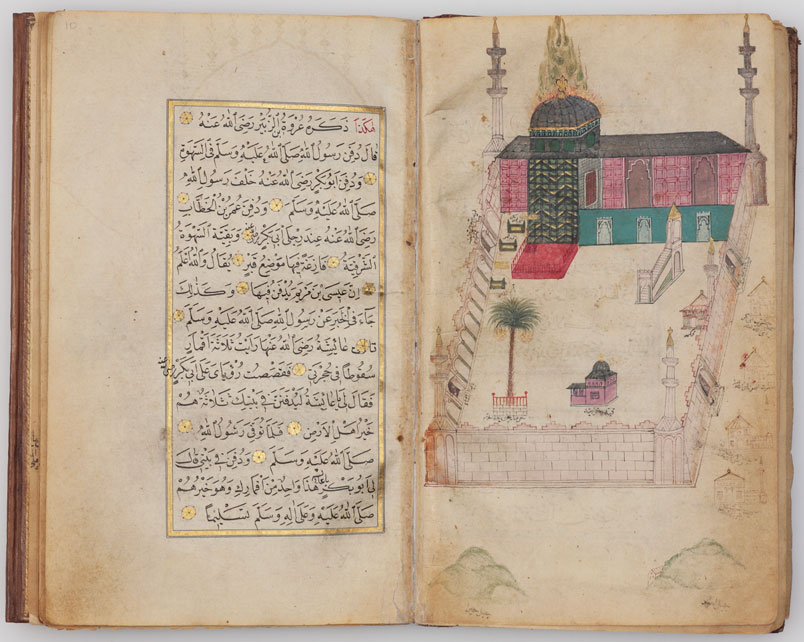
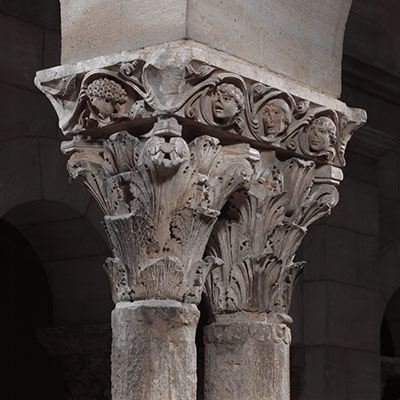
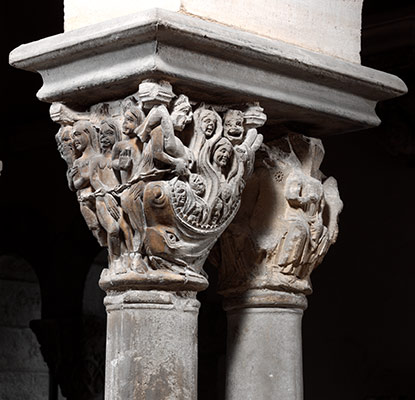
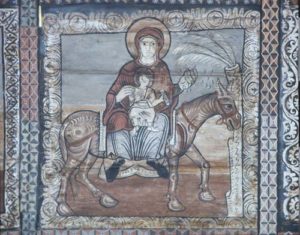
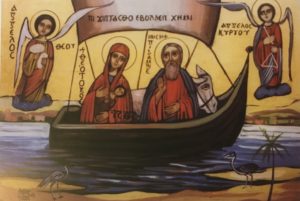
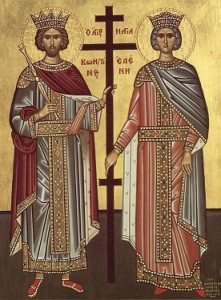
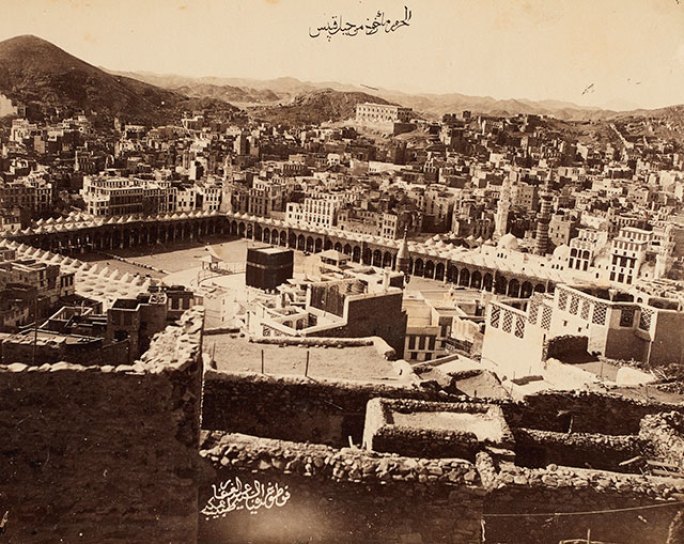
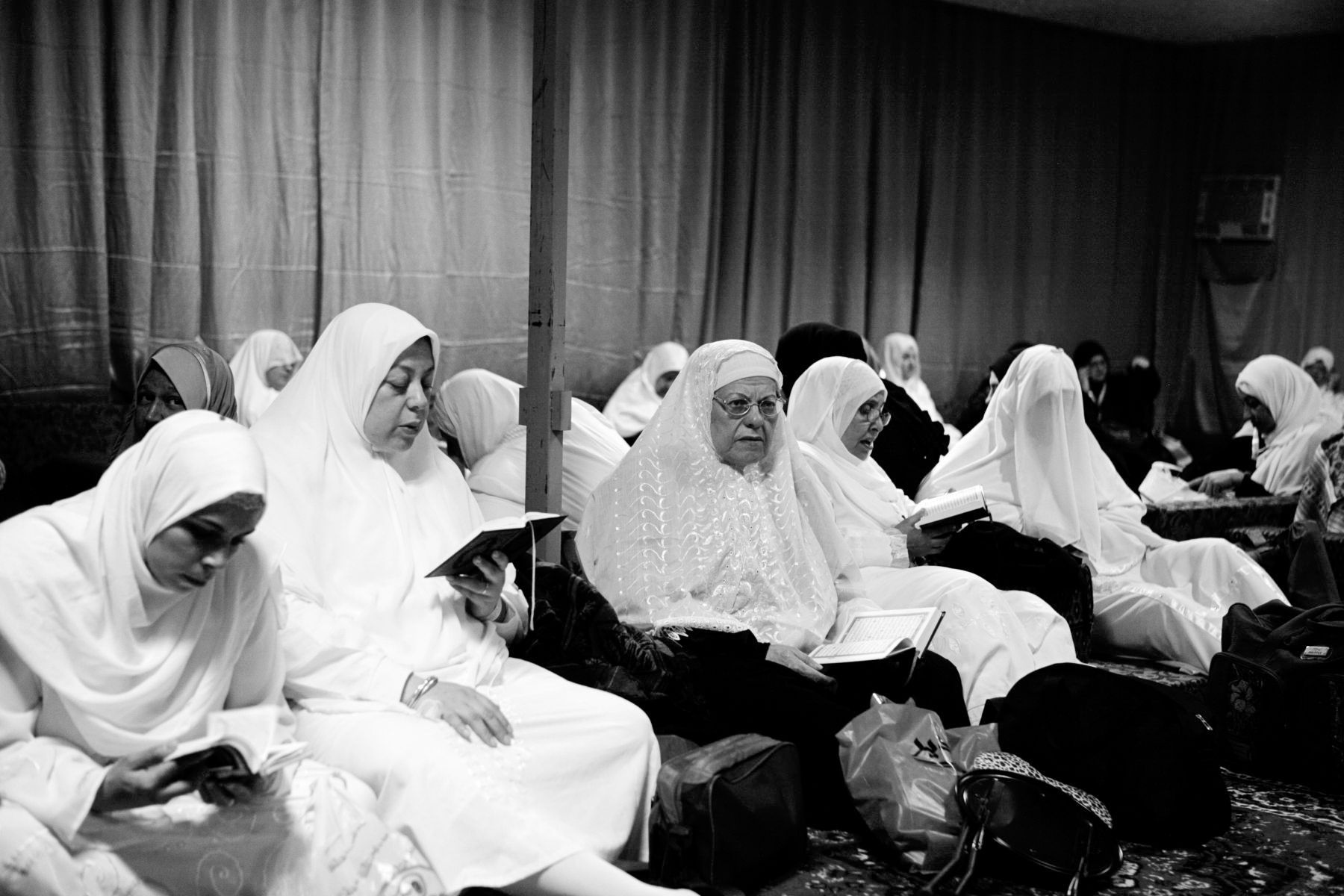
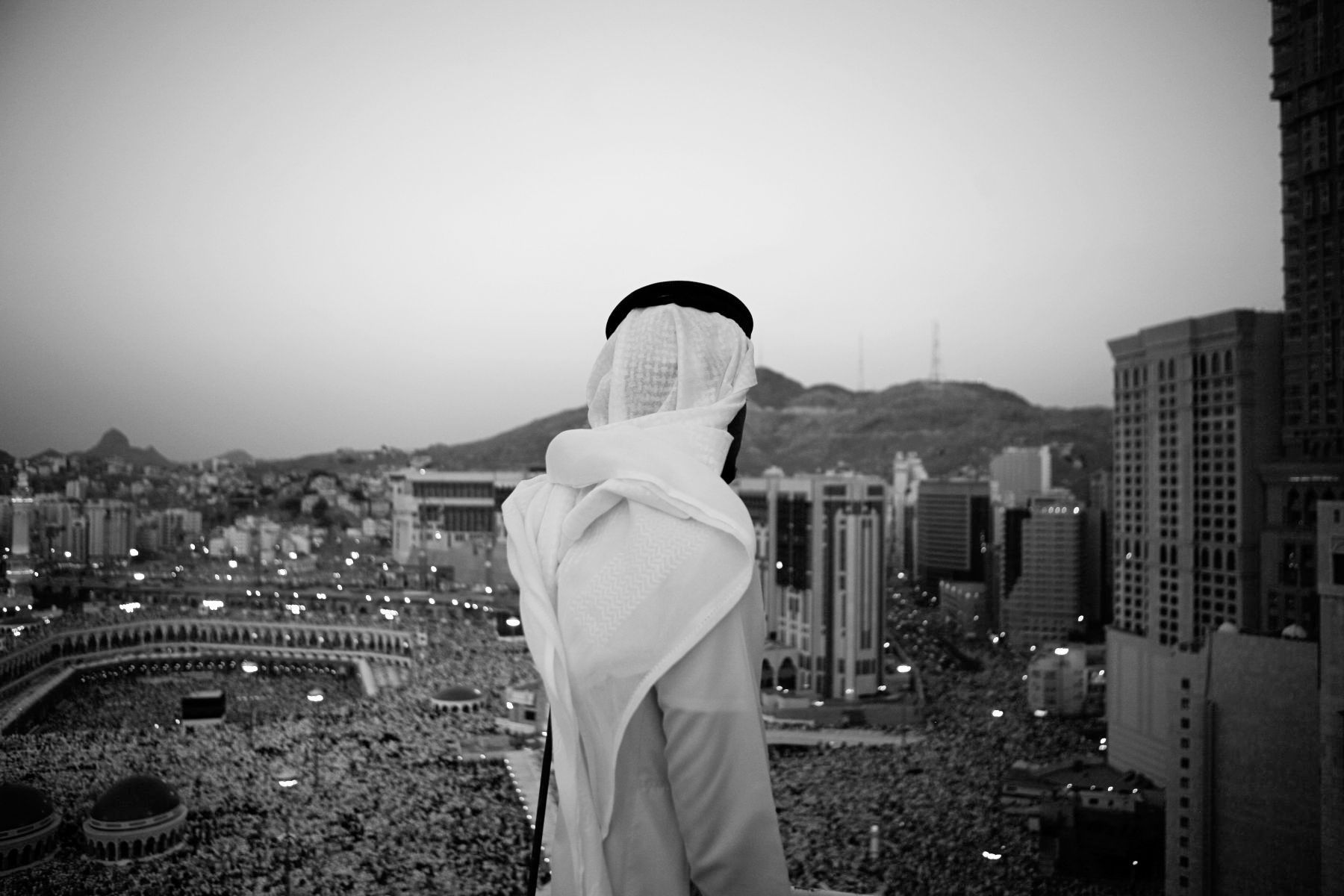
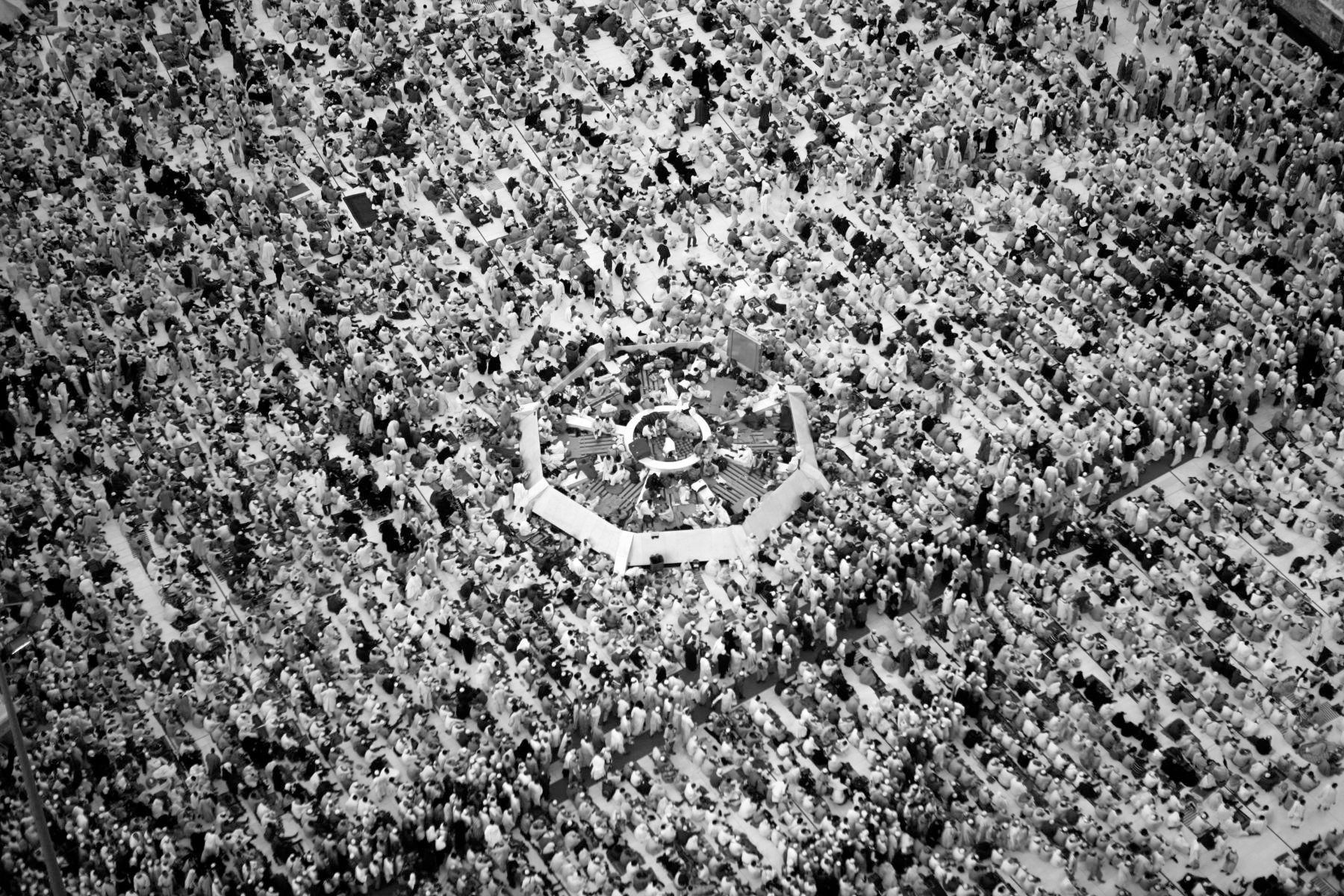
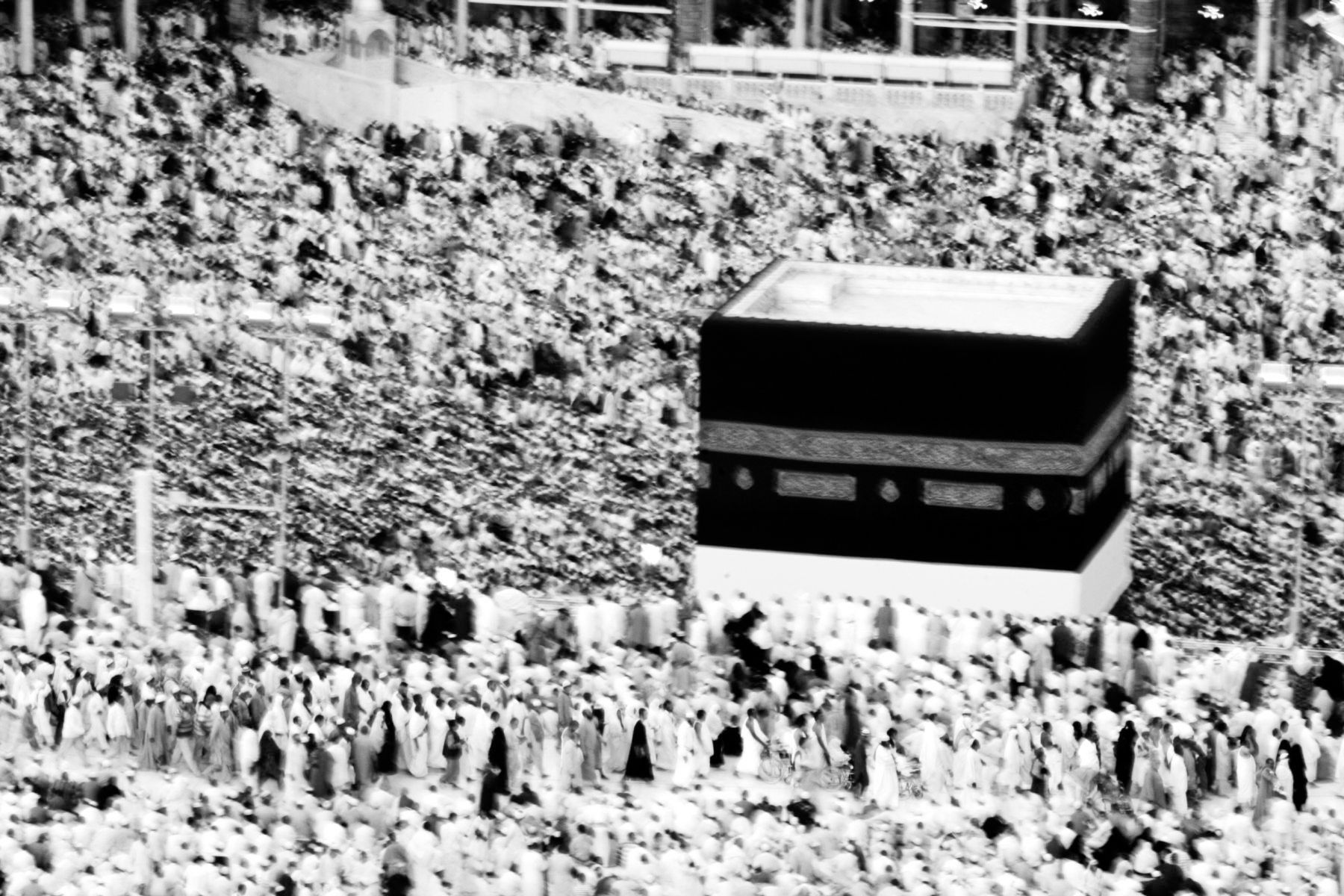
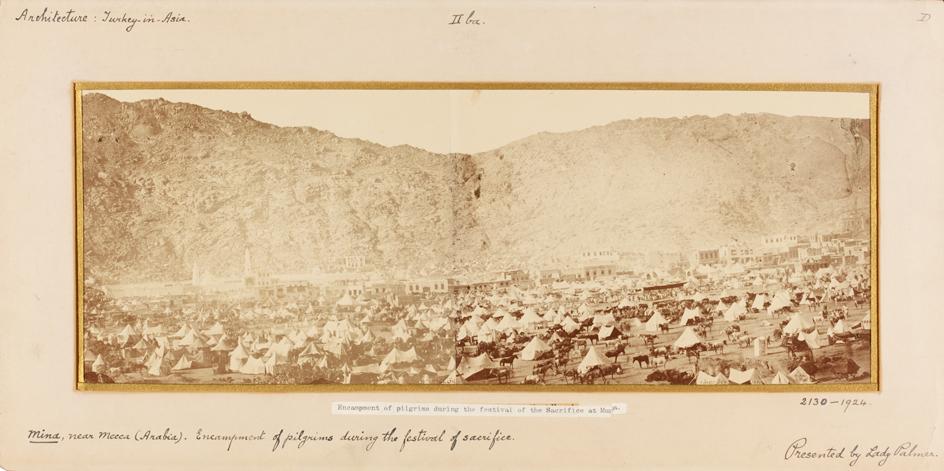
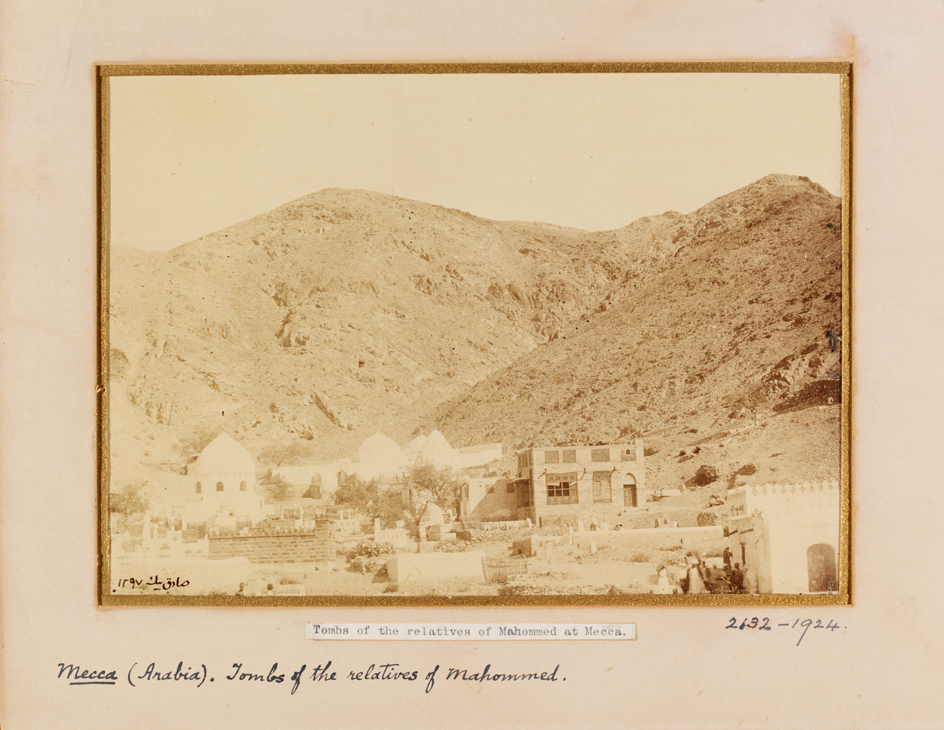
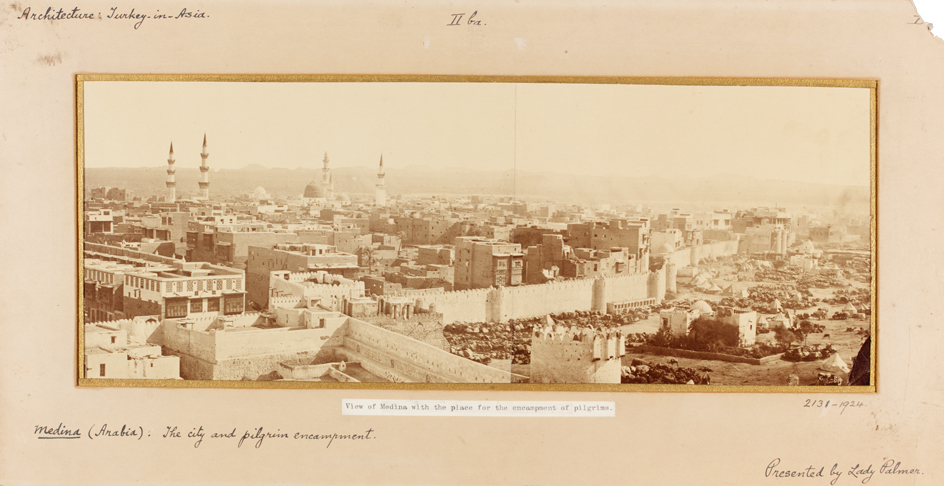
Pilgrimage in art has been found almost as long as pilgrimages have been undertaken. The art has taken many forms over the years. From cave paintings, to etchings to paintings, and more recently through photography. 

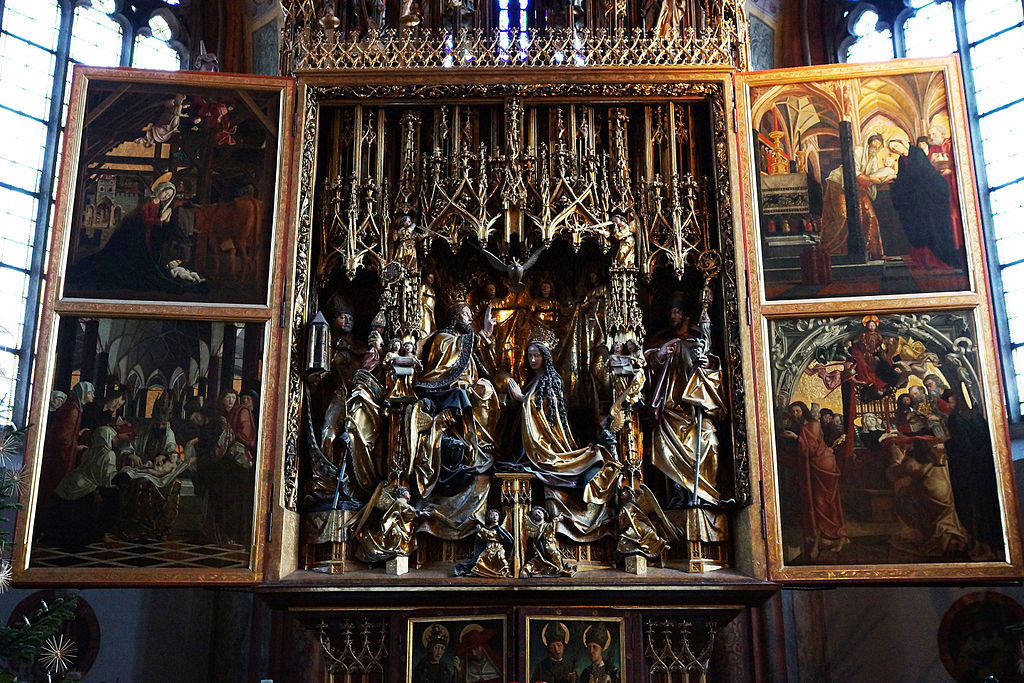
These cave paintings and early murals are one of the earliest documented forms of pilgrimages. 

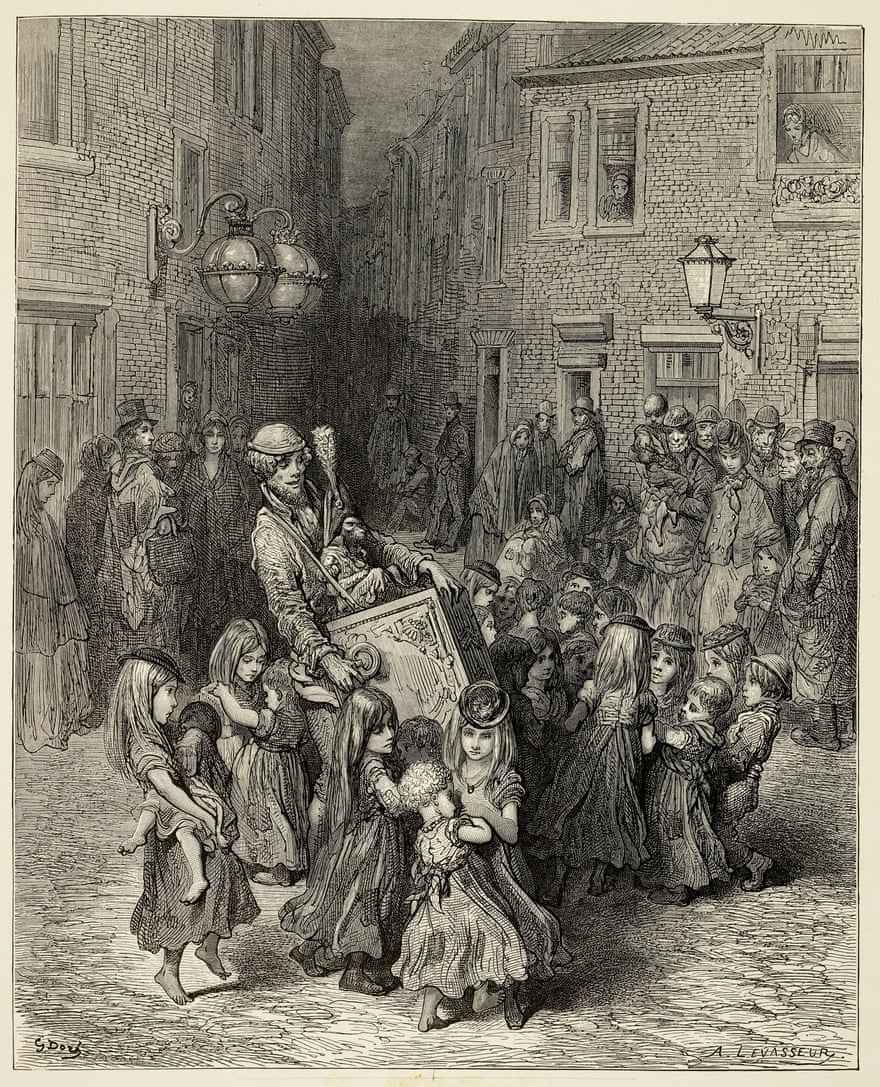
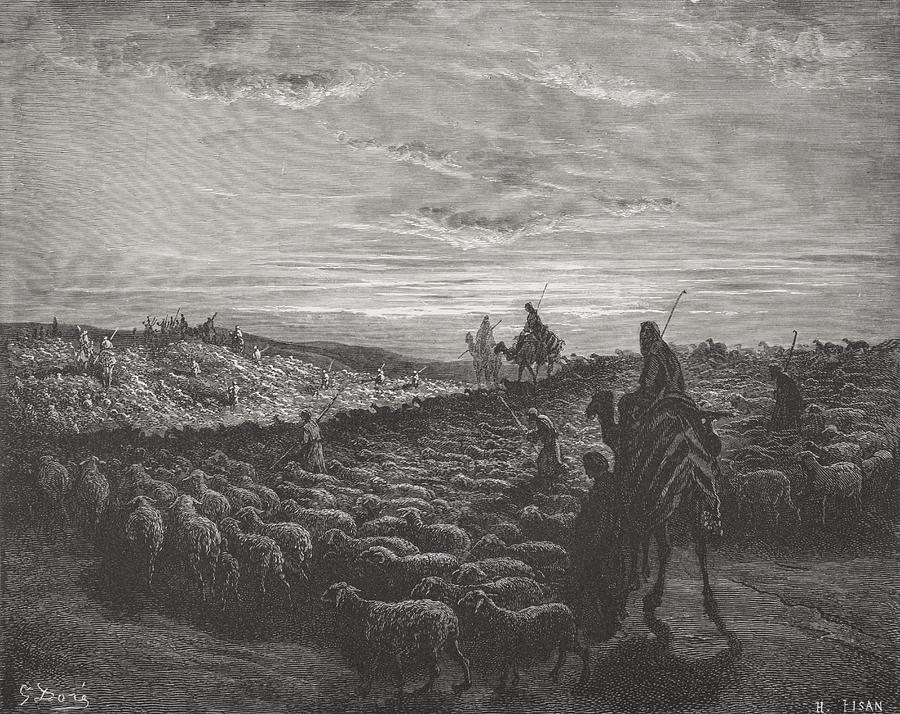
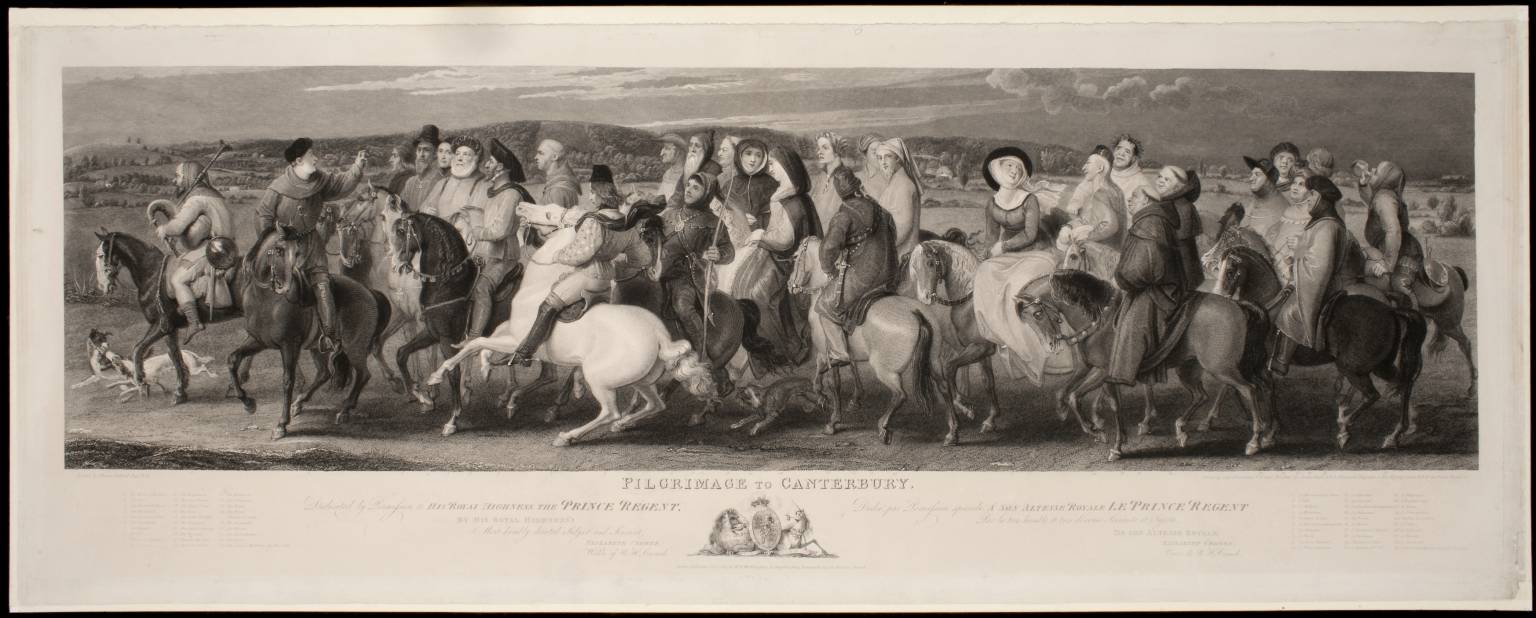
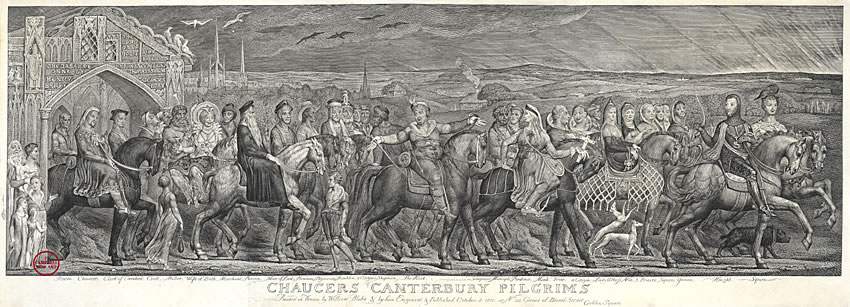
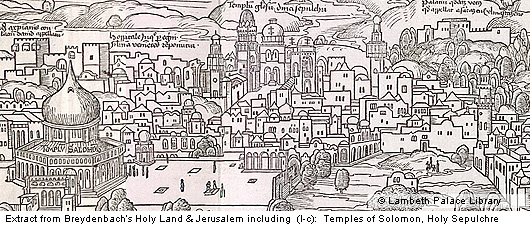
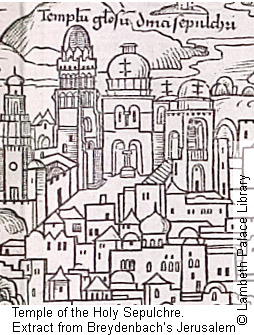
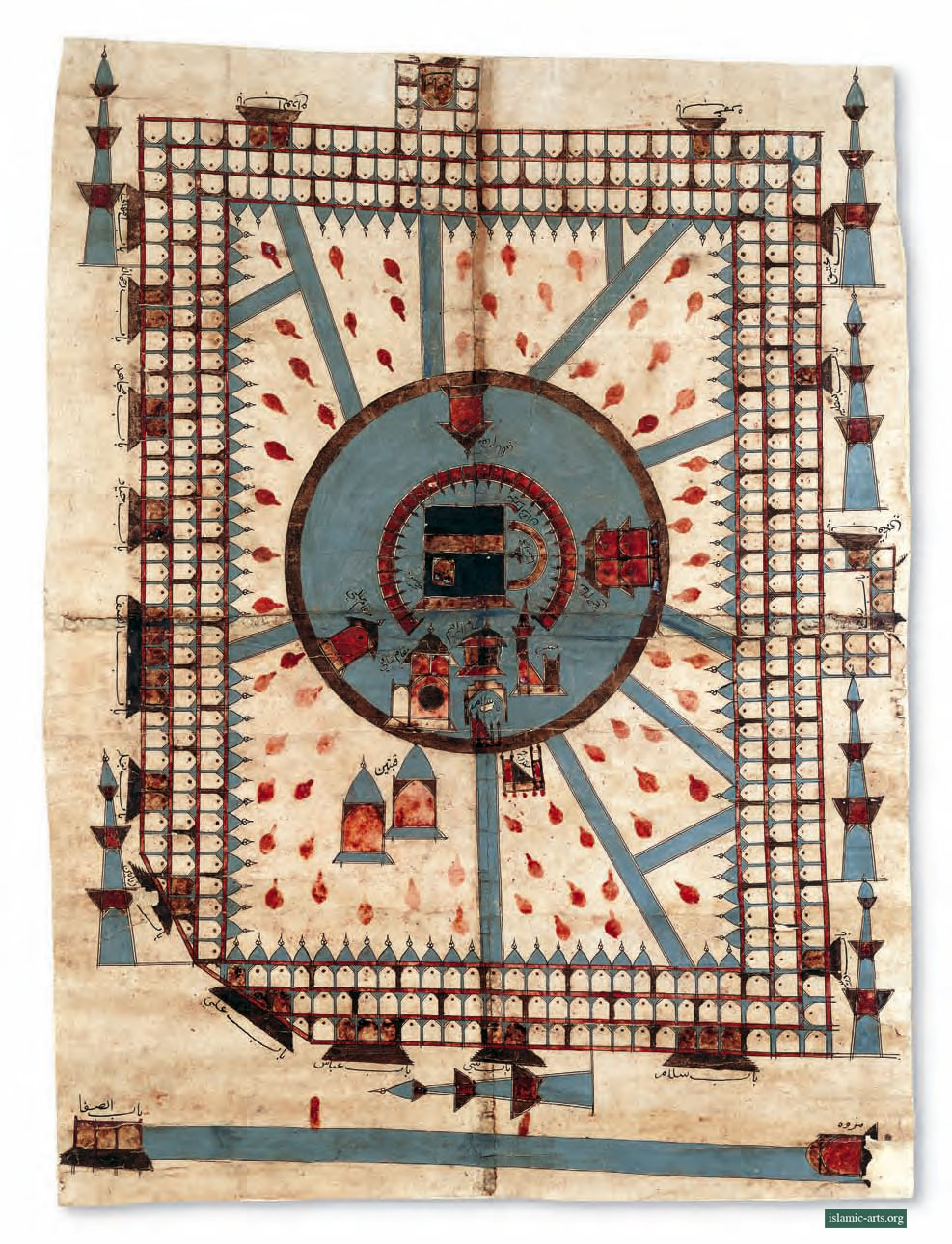
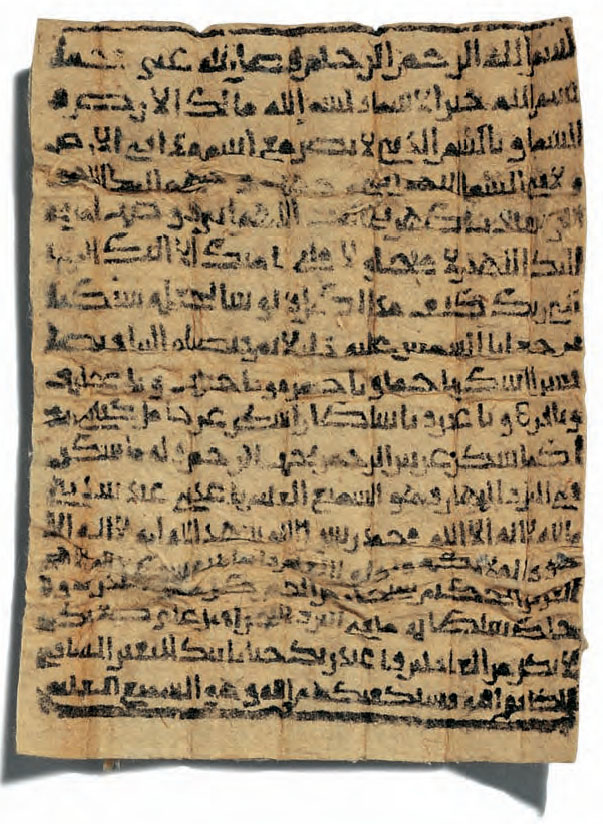
Etchings are drawing were popular not only for artistic values but also to aid travellers. Maps, and prayers would be drawn. So these religious symbols not only held aesthetic value but a functional one too. 

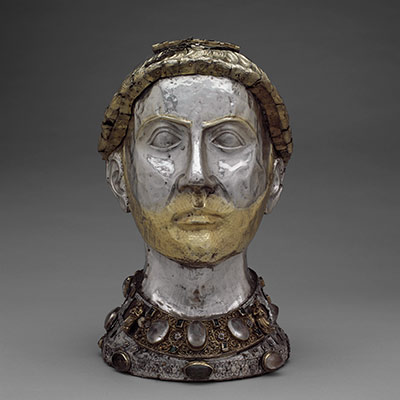
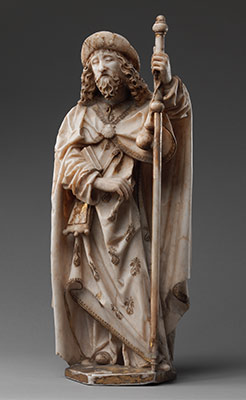
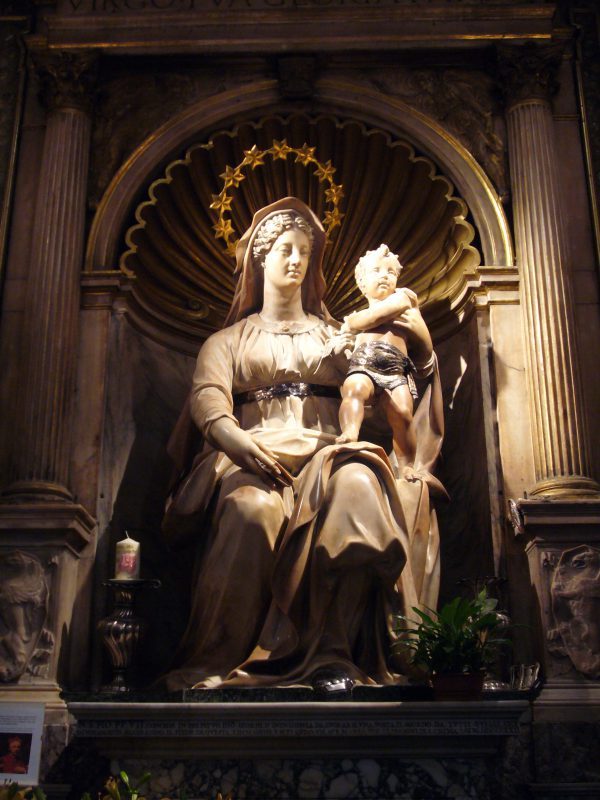
Artists even started creating pilgrimage art in the form of scupltures.

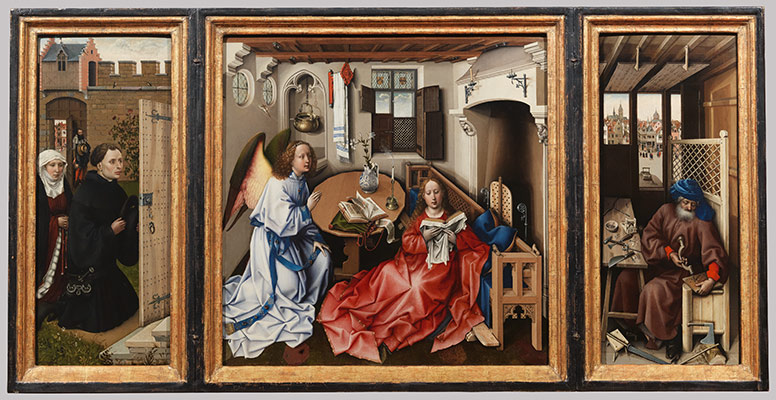
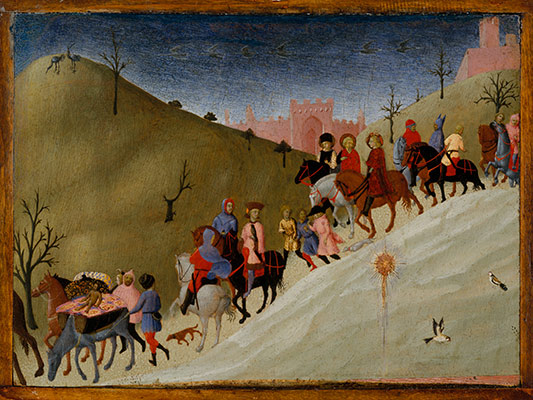
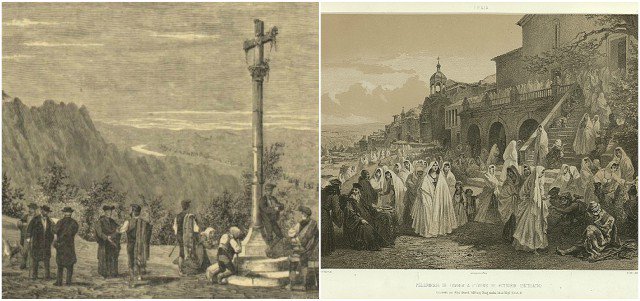
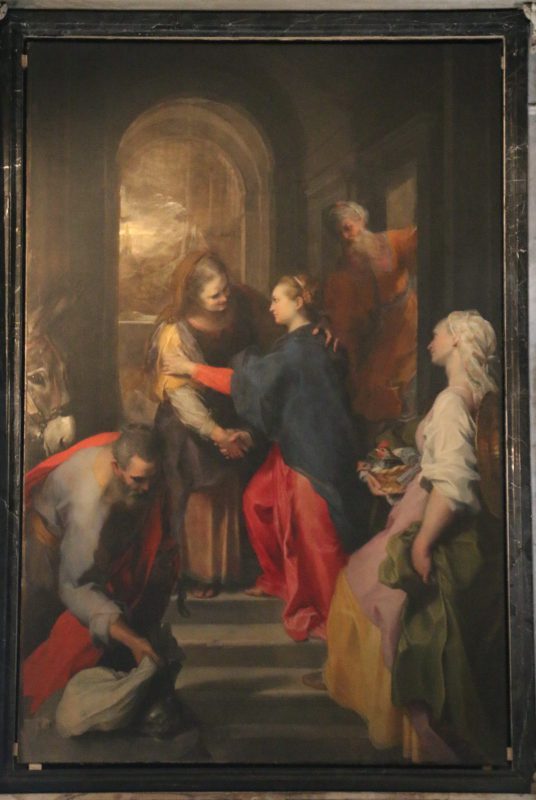
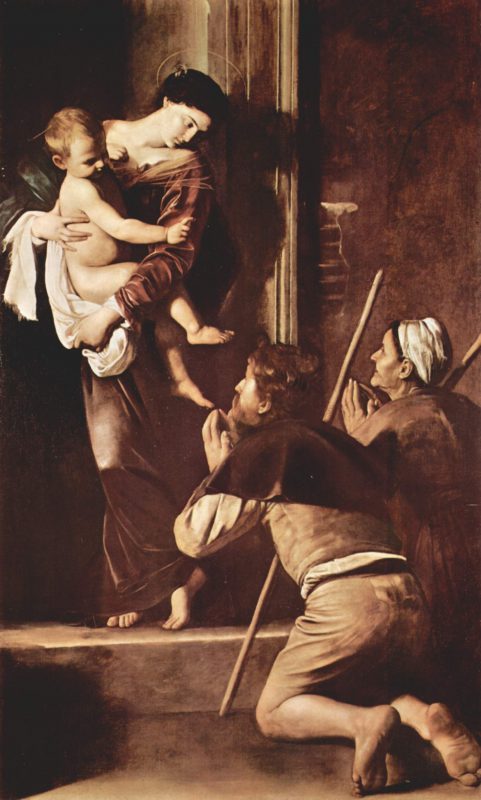
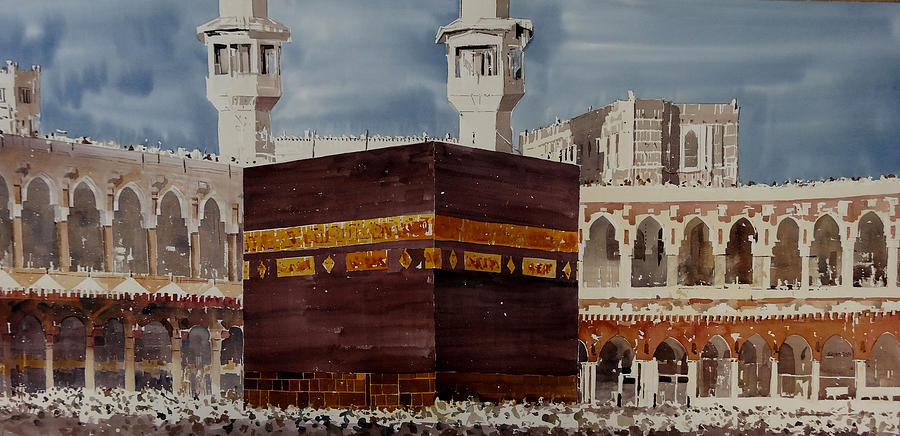
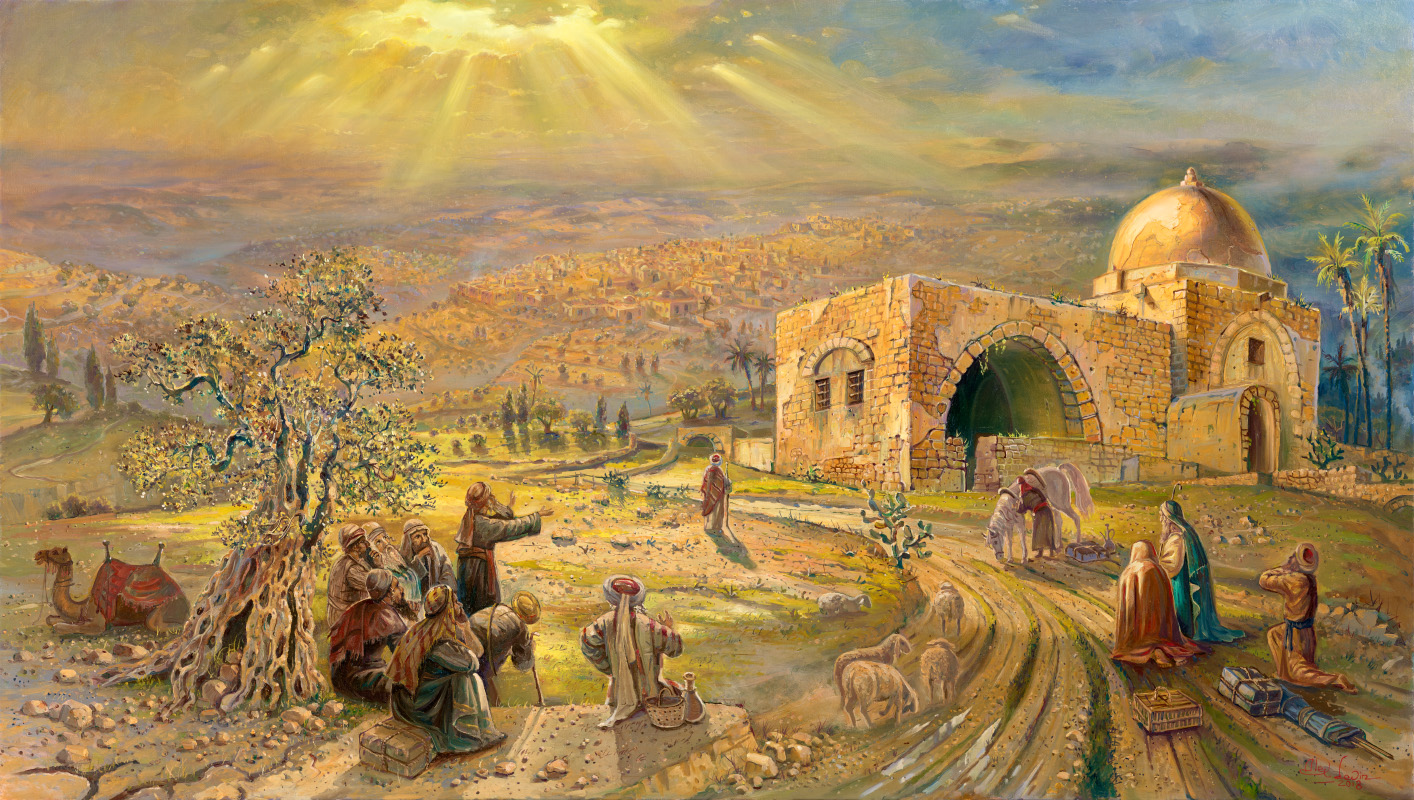
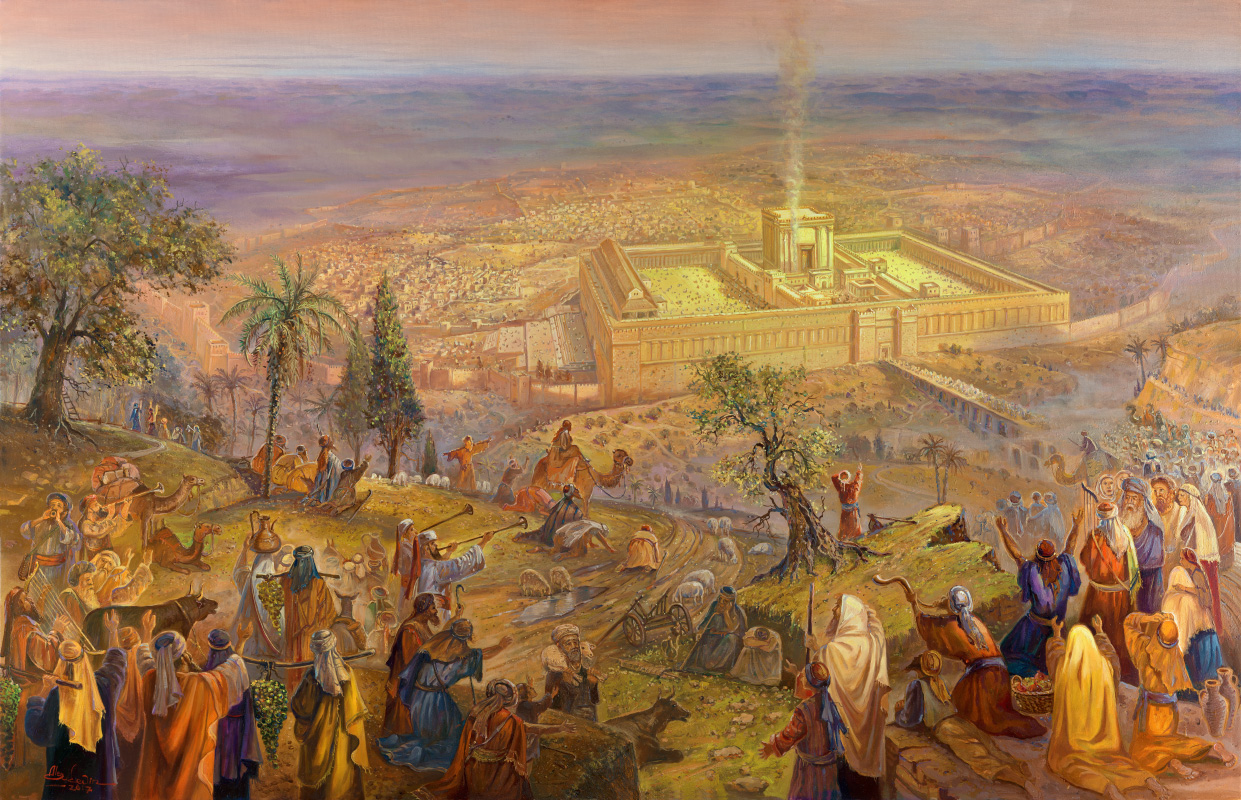
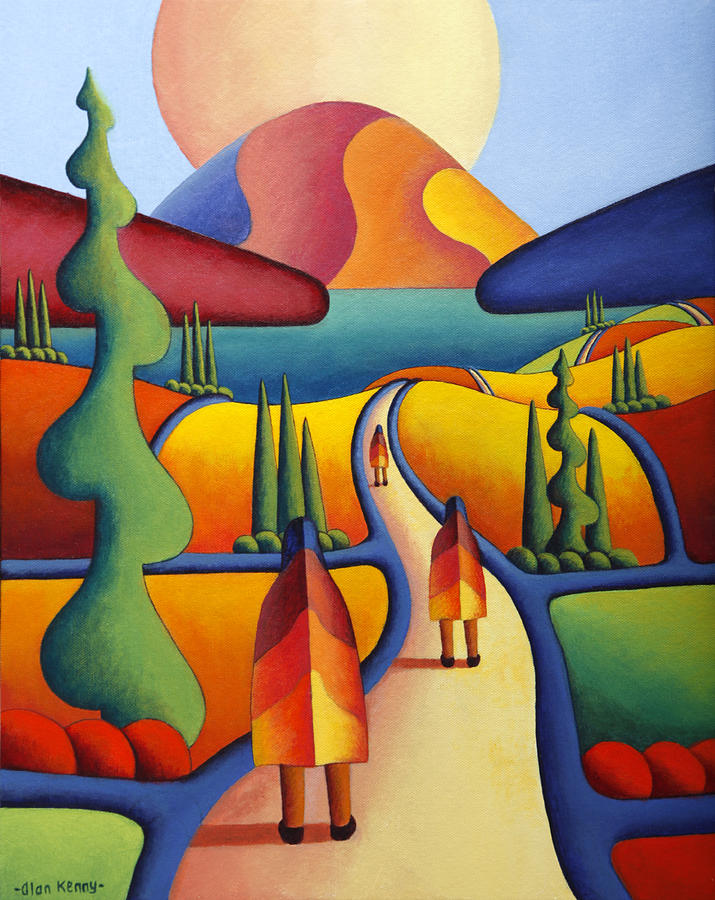
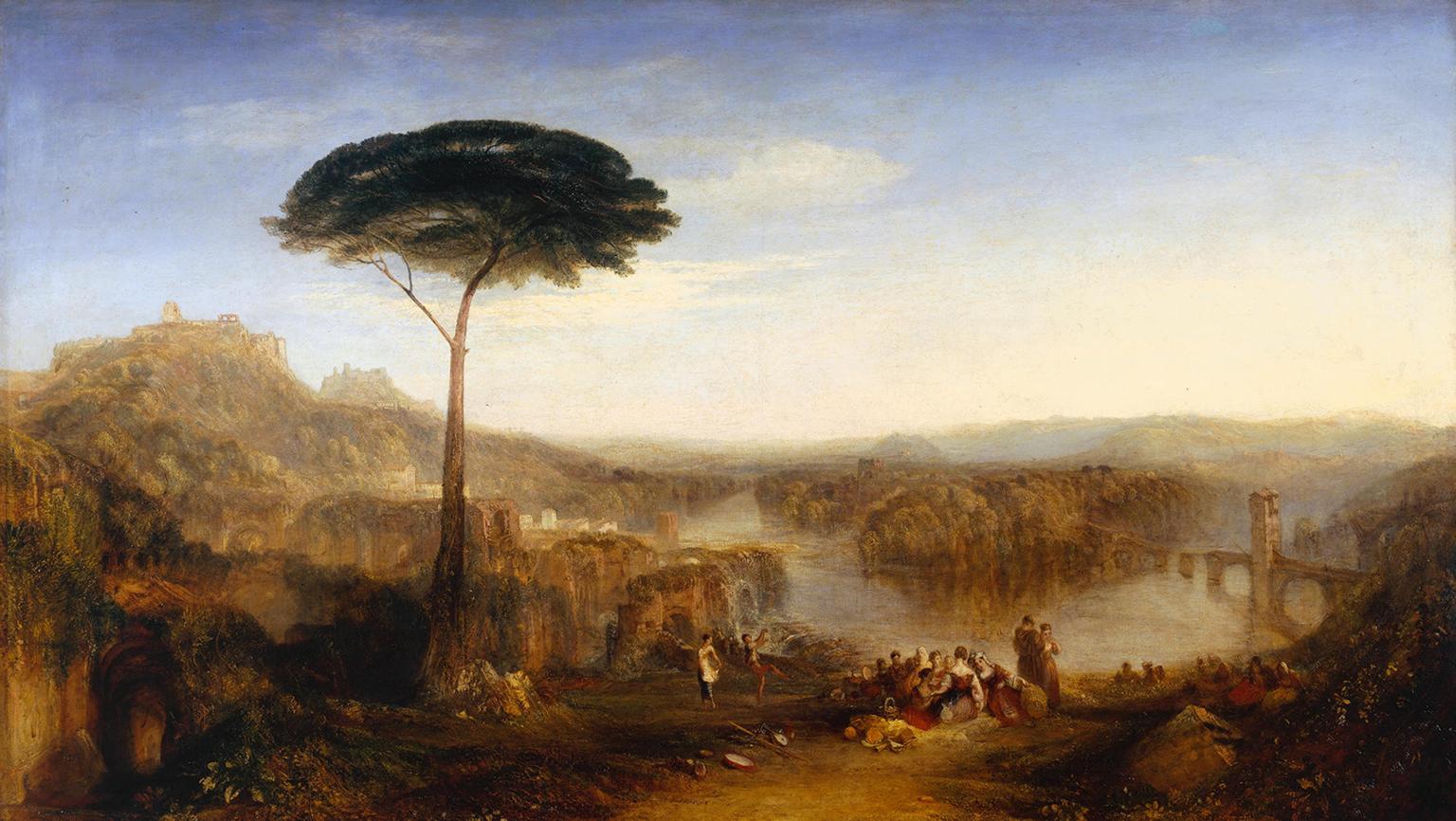
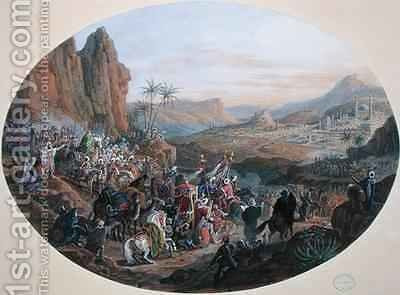
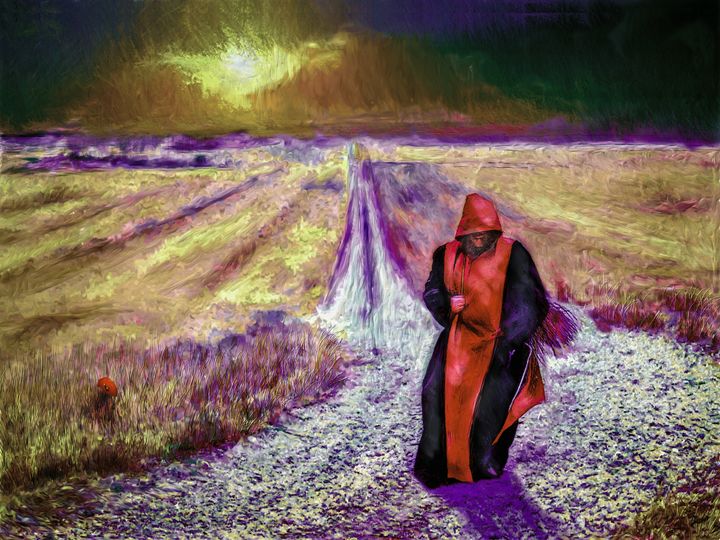
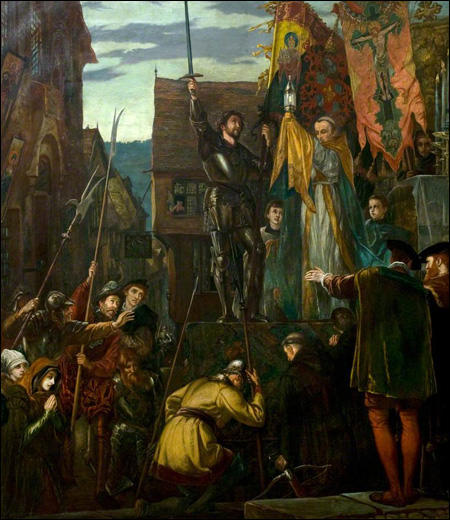
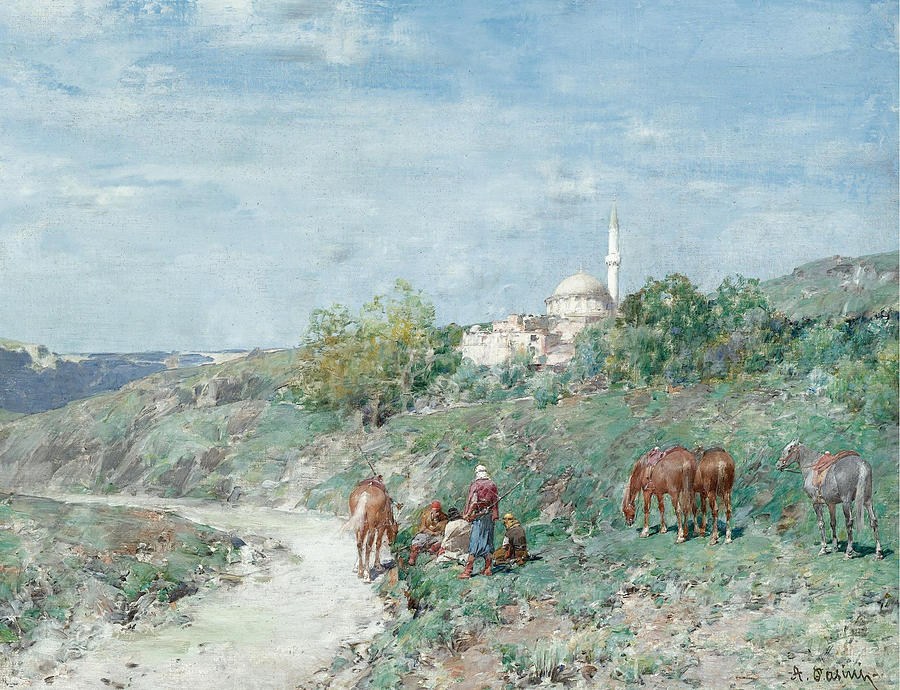
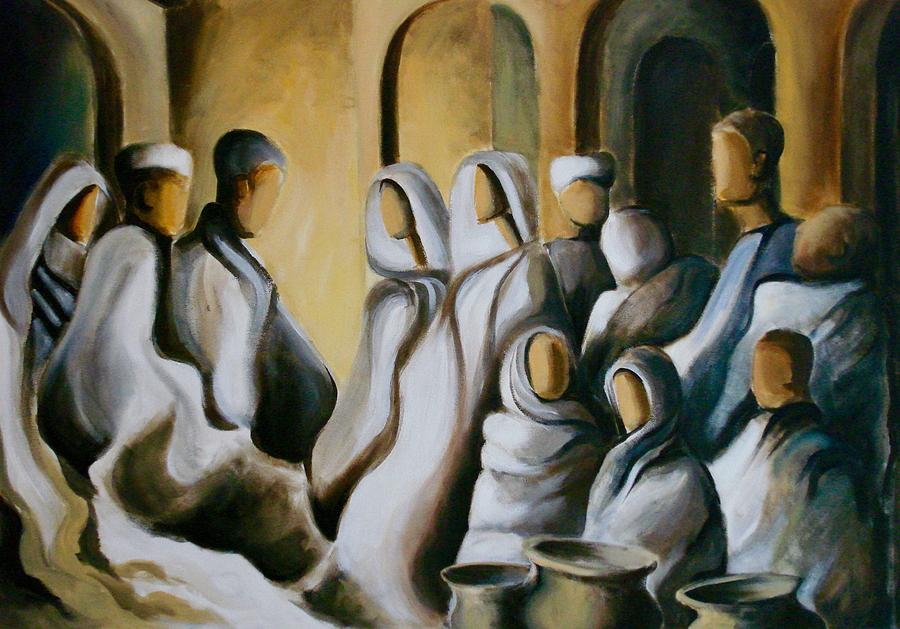
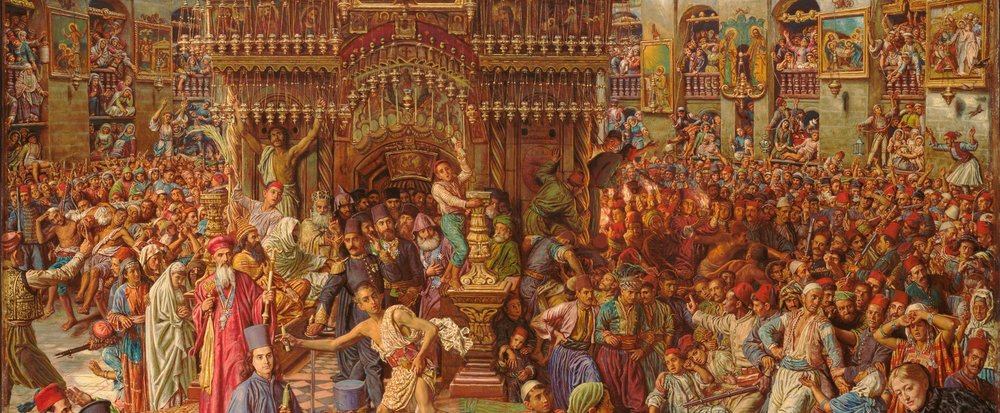
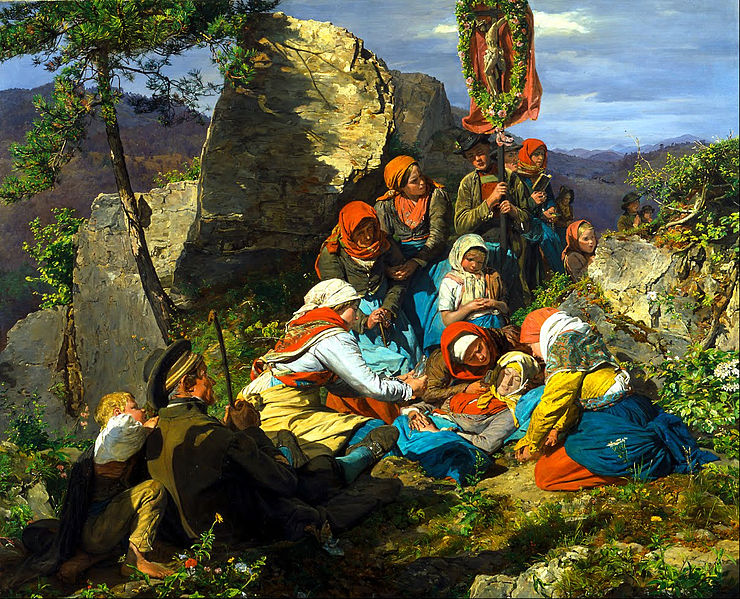
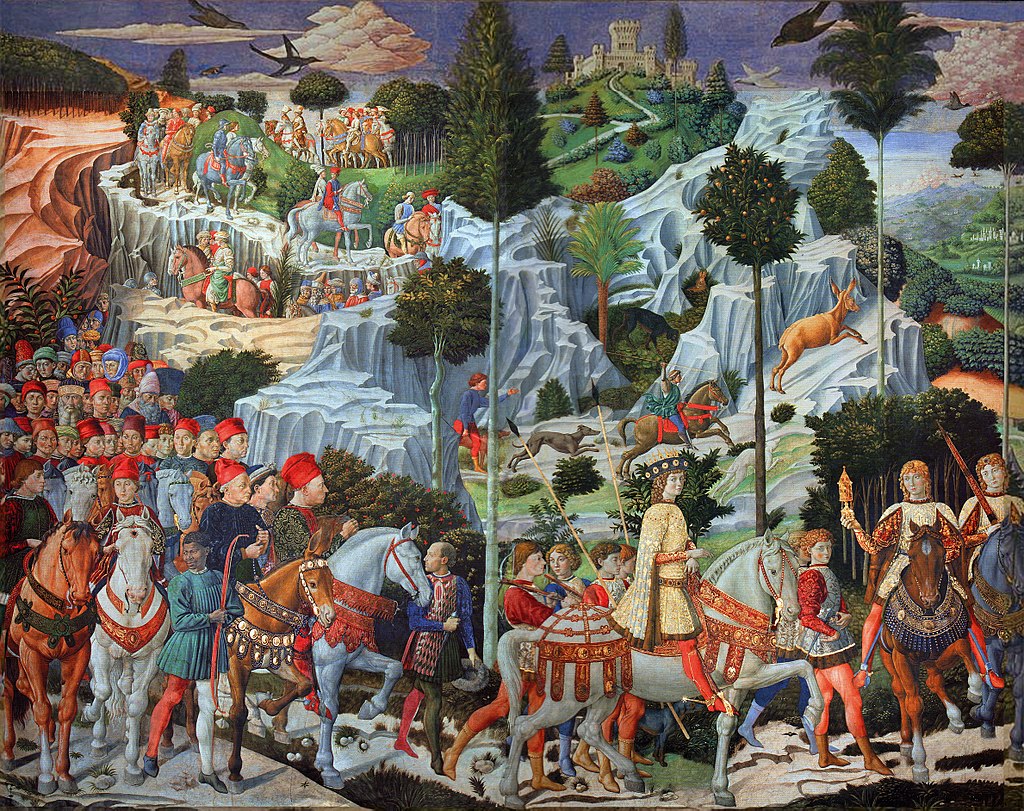
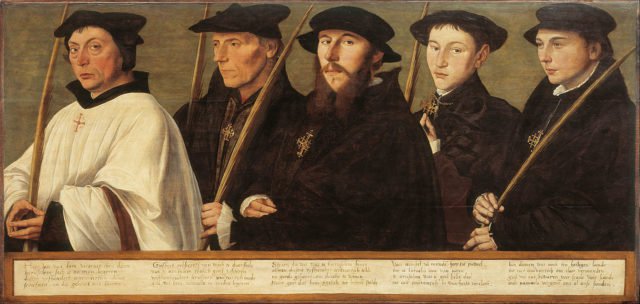
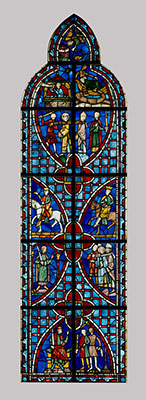
As the art world developed paintings became very popular. There are many artists who have depicted pilgrimage locations and also pilgrims. 

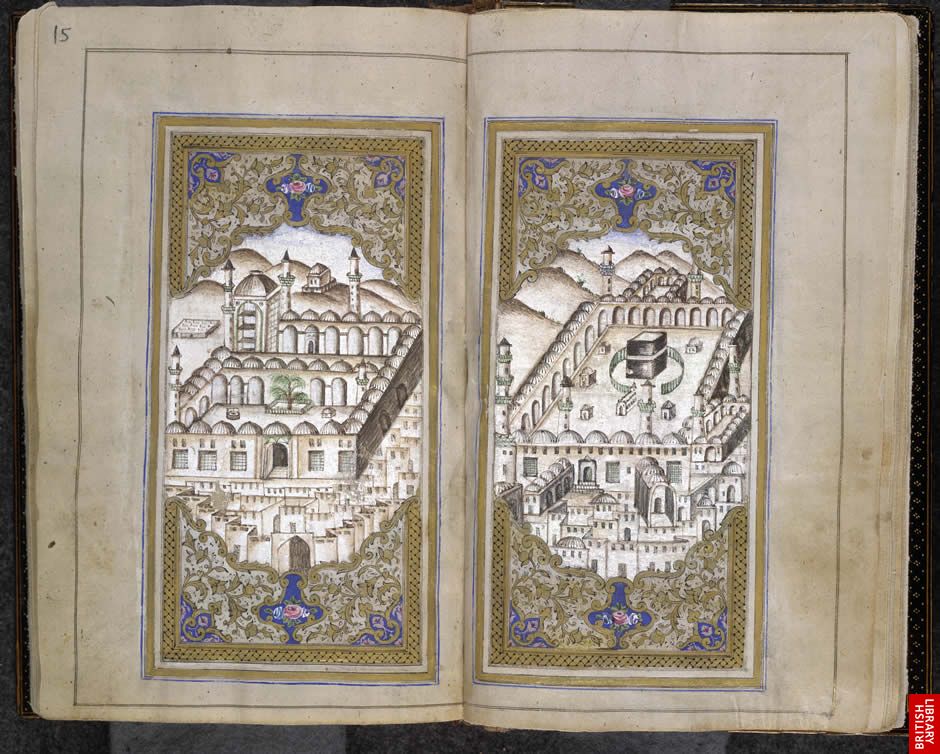
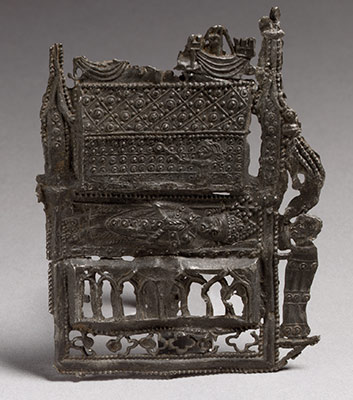
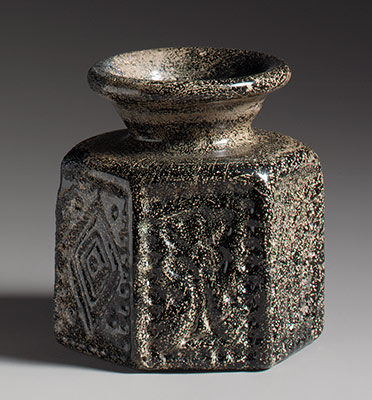
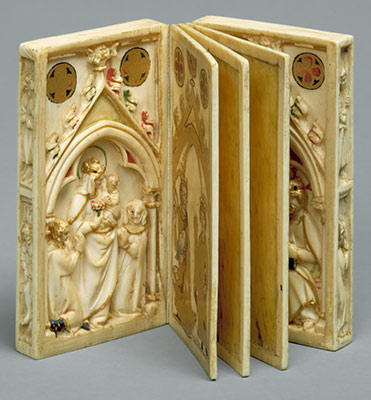
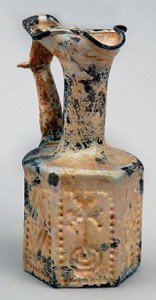
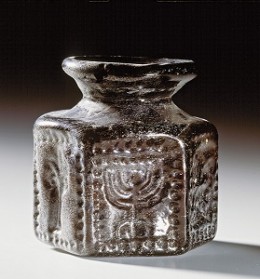
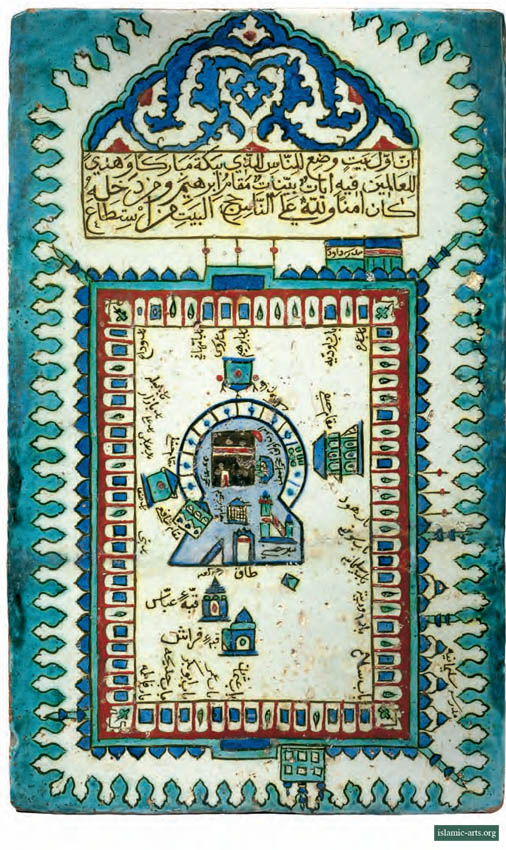
Items were created with symbolism of pilgrimages such as jars and tiles.

Photography has become an easily accessible medium for artists. Many of the pilgrimage images are documenting the pilgrimage, which is different from what I intent to do. 

It has been interesting to see how artists over the centuries have depicted pilgrimages. They take a varied form. The majority either document a significant sites or show the pilgrims actively involved in their pilgrimage. I have noticed how similar a lot of the images are. Some modern artists are using the concept of pilgrimage for more than a religious journey, but again they seem to be documenting a journey rather than showing a spiritual development or addressing other issues. Pilgrimages hold different meanings to different people. This research has been valuable as I have been able to see what people have done, this has also allowed me a chance to see how I can develop my own work into something more, whilst still keeping the pilgrimage base.  


Bibliography

Here is a link to the Bibliography for all the images I have featured on this page.

Marie Yates

Marie Yates  

Marie Yates is a British photographer who investigates representation of certain groups of people, in particular women. She was a founding artist of the conceptual feminist art. She uses several techniques and combines text and her images. She started out as a painter but went onto study fine art. She found is difficult to be an artist in a male dominated world, these feelings remained even as she became a photographer. Her 1976 work Oppositional Frameworks 1(see fig. 1)shows a forest with four words around the image; external, female, underdeveloped, body. 

(Fig. 1 Oppositional Frameworks 1 (1976))

She is using the trees as a metaphor for the female figure. It is interesting as she is using landscapes combined with text to make her point, there is no people shown. The image itself is quite banal, it is just a scene from a forest, it is not picturesque or what you would expect, but it works. Another series that she address feminism in is Image/Woman/Text (see fig. 2)which shows images of women which have been covered with text. 

(Fig. 2. Image/Woman/Text (1979))

Her aim was to look at the preconceptions people have about women. This is quite a task as in society it seems to be ingrained in us to question everything a woman does, as if she has to justify just living. Women are often held to extreme expectations, which makes it hard to be yourself, it becomes a difficult world for young girls to grow up in. It is something that needs addressing, and Yates does this in a creative way, which draws your attention away from the women to the text. The actual images of the women are cropped, blurry or obscured, the women have lost their identity by doing this. Preconceptions are usually completely off, and they put a woman in a difficult state of mind, this hasn’t changed over time, this problem still remains. But Yates managed to note it in 1979. Even though it was a completely different time to it is now, the problem still remains. 


Bibliography

Woodward, D. (2016). The Artist using Landscape to make a Bold Feminist Statement. At: https://www.anothermag.com/art-photography/8790/the-Artist-using-landscape-to-make-a-bold-feminist-statement(Accessed on 25th of July 2019).  
Yates, M. (1984-1985). The Only Woman. [Photograph – Online]. At: www.users.otenet.gr/~mates/theonlywomanproject.html(Accessed on 25th of July 2019). 
Yates, M. (1989). Both Sides Now. At: www.users.otenet.gr/~mystery/bothsidesnowproject.html(Accessed on 25th of July 2019).  
Yates, M. (1982). The Missing Woman. [Photograph – Online]. At: www.users.otenet.gr/~myates/themissingwomanproject.html(Accessed on 25th on July 2019).

Figures  

Fig. 1. Yates, M. (1976). Oppositional Frameworks 1. [Photograph – Online]. At: www.otenet.gr/~mystery/signalsproject1975.html(Accessed on 25th of July 2019). 
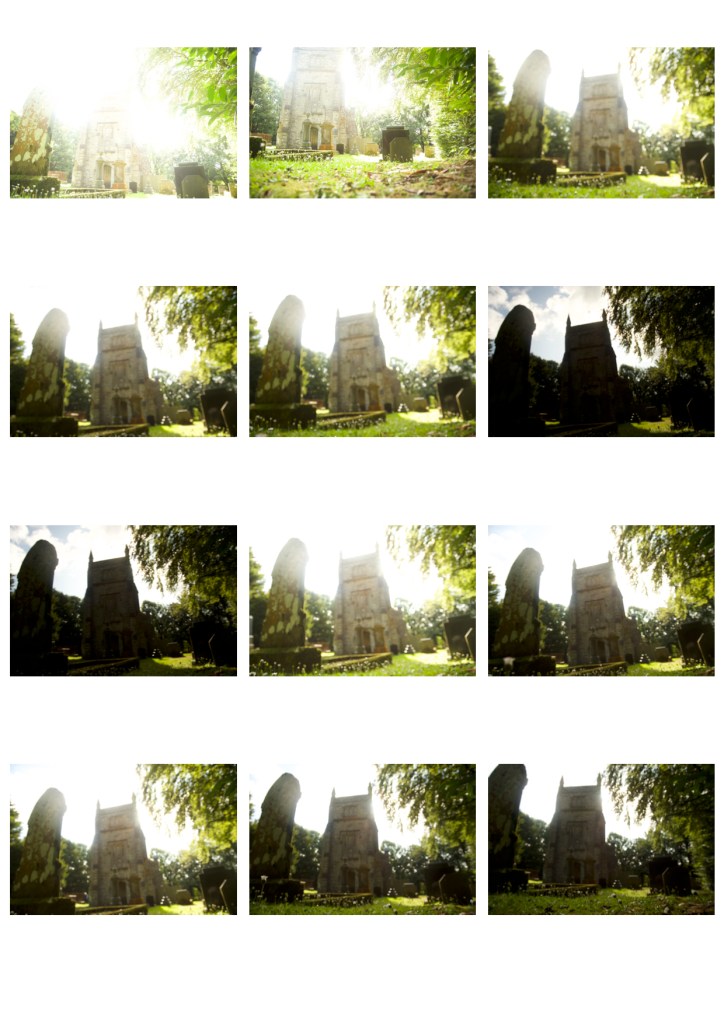
Fig. 2. Yates, M. (1979). Image/Woman/Text. [Photograph – Online]. At: www.users.otenet.gr/~myates/imagewomantextproject.html(Accessed on 25th of July 2019). 
Tim Hall

Tim Hall  

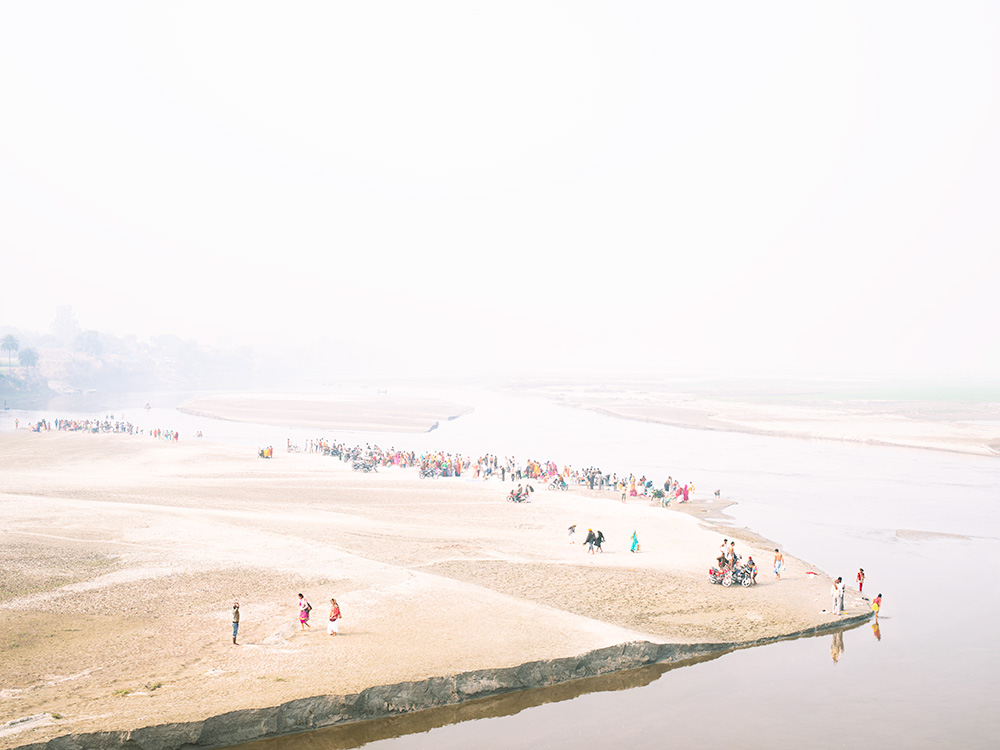
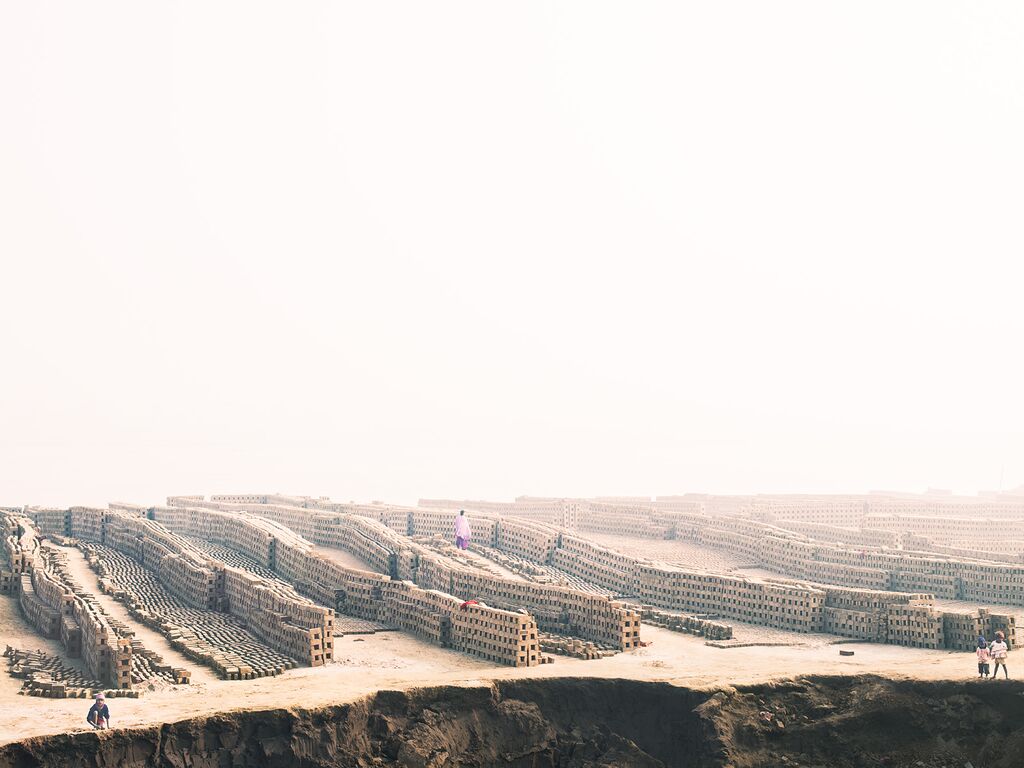
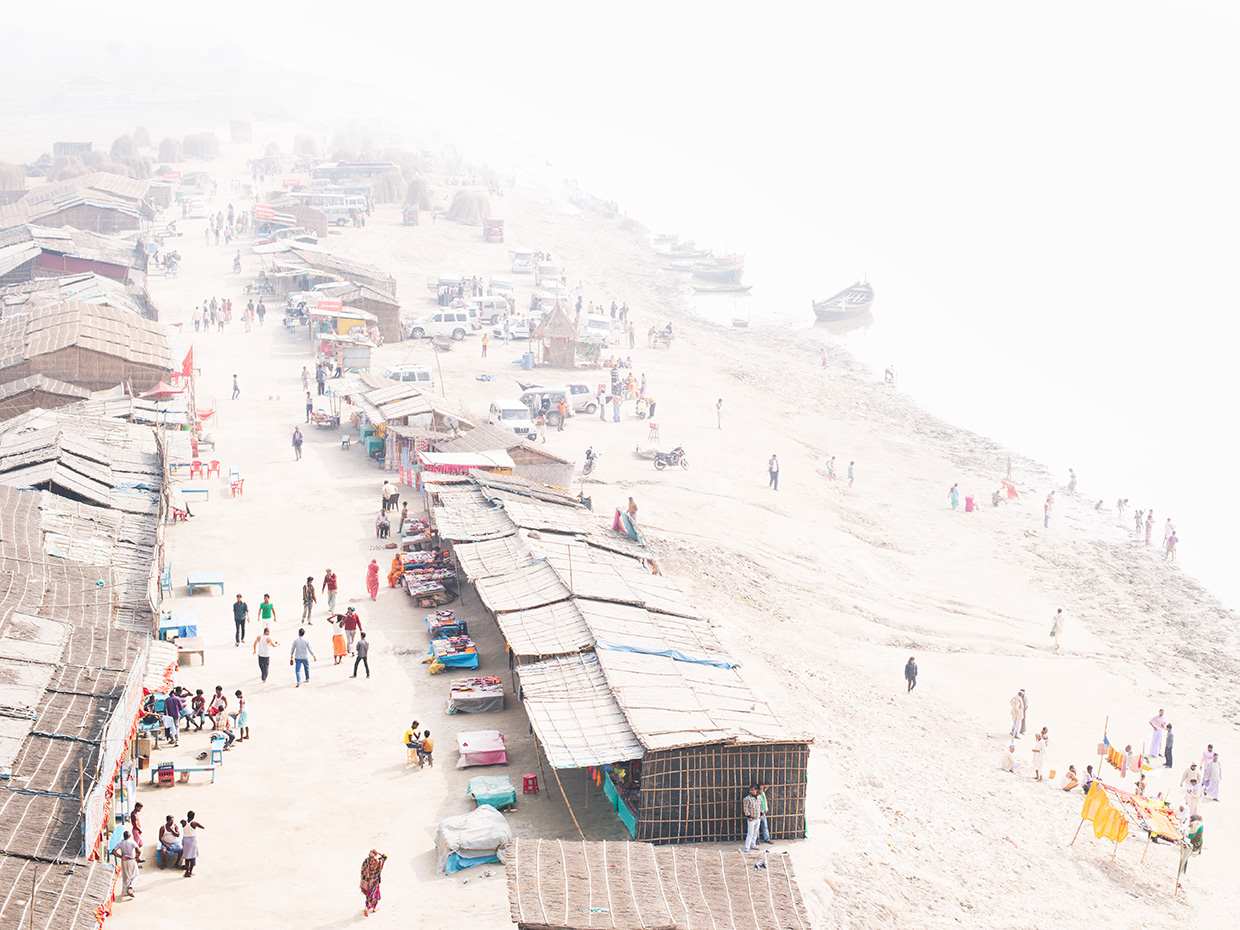
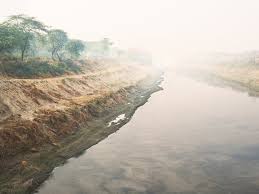
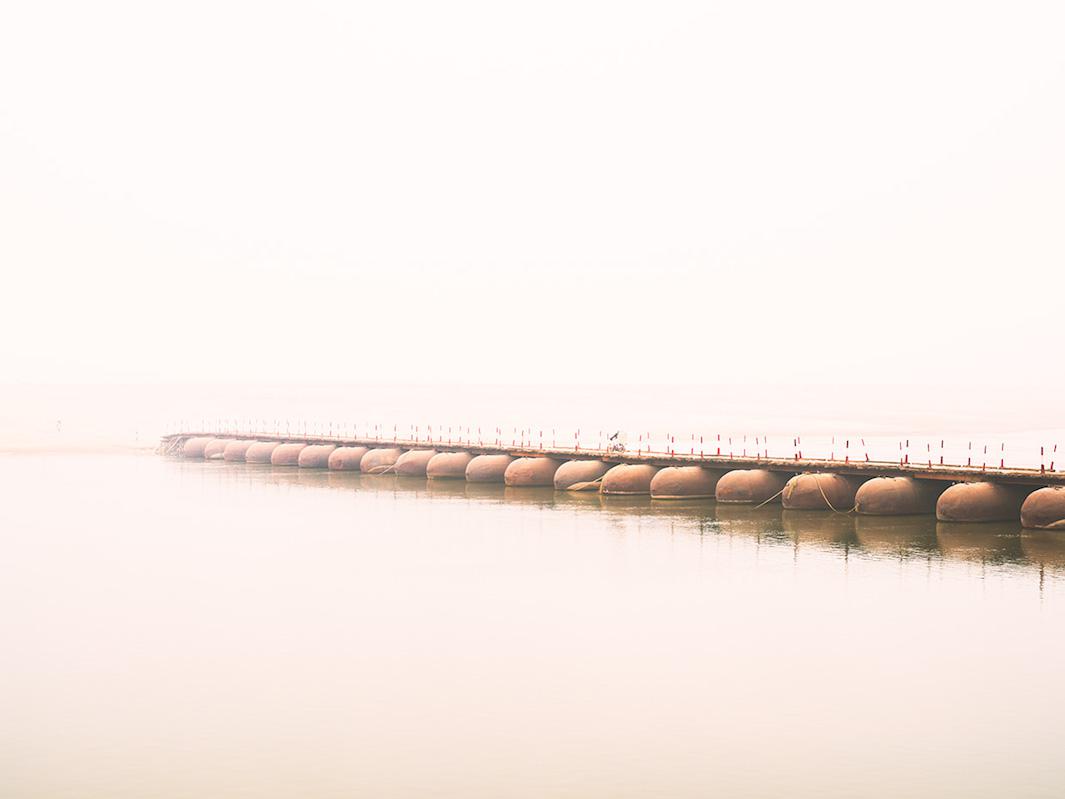
Tim Hall photographed a ‘pilgrimage’ on the banks of the River Ganges, in India. Hall stated that he became fascinated by the mass of humanity there, he believes that religion provides the answer. I like his images as they are candid images, as they show people carrying on with their lives. But some of his images are very misty for example Ganges (see fig. 1) and Turban (see fig. 2), it gives the image a unique and mysterious look, it is very effective. 

(Fig. 1. Ganges)
(Fig. 2. Turban)

The series contains a mixture of colour and black and white images, personally I prefer the colour images are they really stand out against the misty background. The majority of his images contain people, there is the odd one which shows the landscape, I do not feel they are consistent with there rest of the series. The images that make the series flow are the colour one depicting people in the Ganges. They are clear but hold a mysterious quality. I found one image, Water Carrier(see fig. 3), that doesn’t really make the rest, it looks as if it was taken in a studio, it just gives the series a slight inconsistent feel to it.

(Fig, 3. Water Carrier)

Bibliography

Hall, T. Pilgrimage. At: www.timhallphotography.com/-/galleries/Varanasi/(Accessed on 6th of July 2019).

Figures

Fig. 1. Hall, T. Ganges. [Photograph – Online]. At: http://www.timhallphotography.com/-/galleries/varanasi(Accessed on 6th of July 2019). 
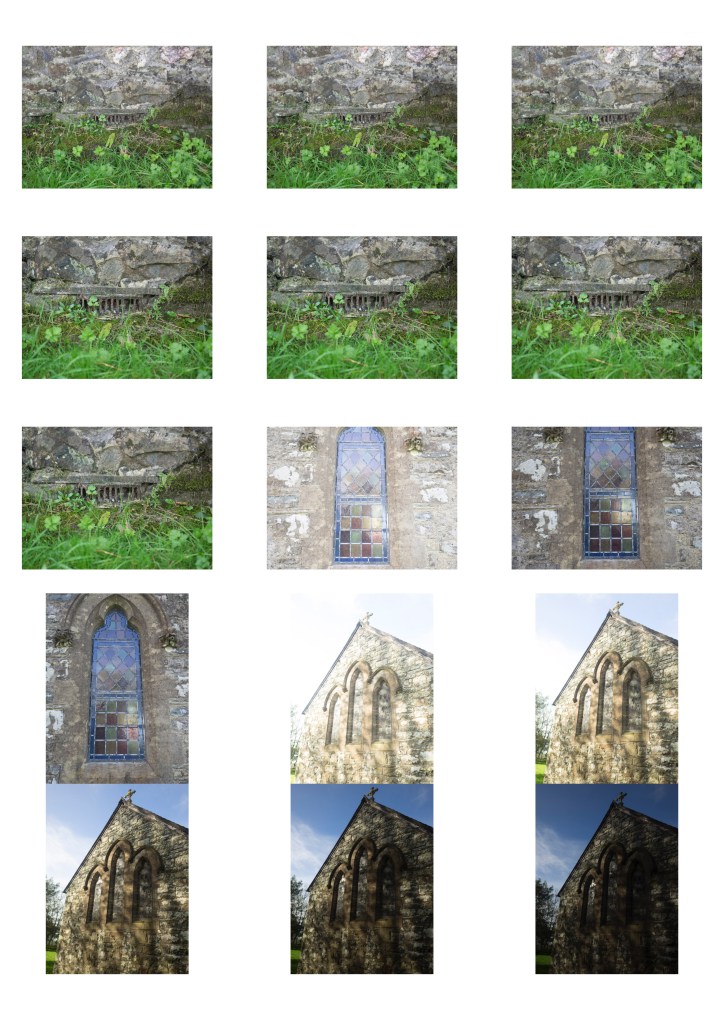
Fig. 2. Hall, T. Turban. [Photograph – Online]. At: http://www.timhallphotography.com/-/galleries/varanasi(Accessed on 6th of July 2019). 
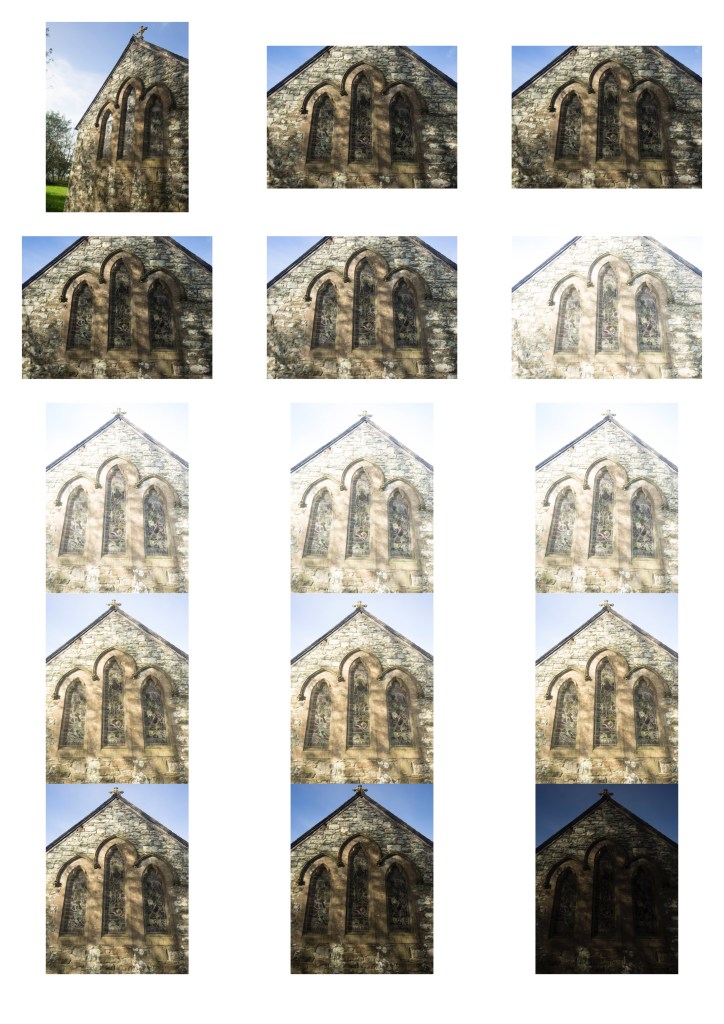
Fig. 3. Hall, T. Water Carrier. [Photograph – Online]. At: http://www.timhallphotography.com/-/galleries/fine-art-limited-edition-prints-by-tim-hall/fine-art-photographs-of-india-and-ganges(Accessed on 6th of July 2019).